CCP Wld Civ. - Egypt & Iron Age Quiz
 Call Kai
 Learn
Learn Practice Test
 Spaced Repetition
 Match
Match Flashcards
 Knowt Play
1/59

There's no tags or description
Looks like no tags are added yet.
Name | Mastery | Learn | Test | Matching | Spaced | Call with Kai | Chat |
|---|
No analytics yet
Send a link to your students to track their progress
60 Terms
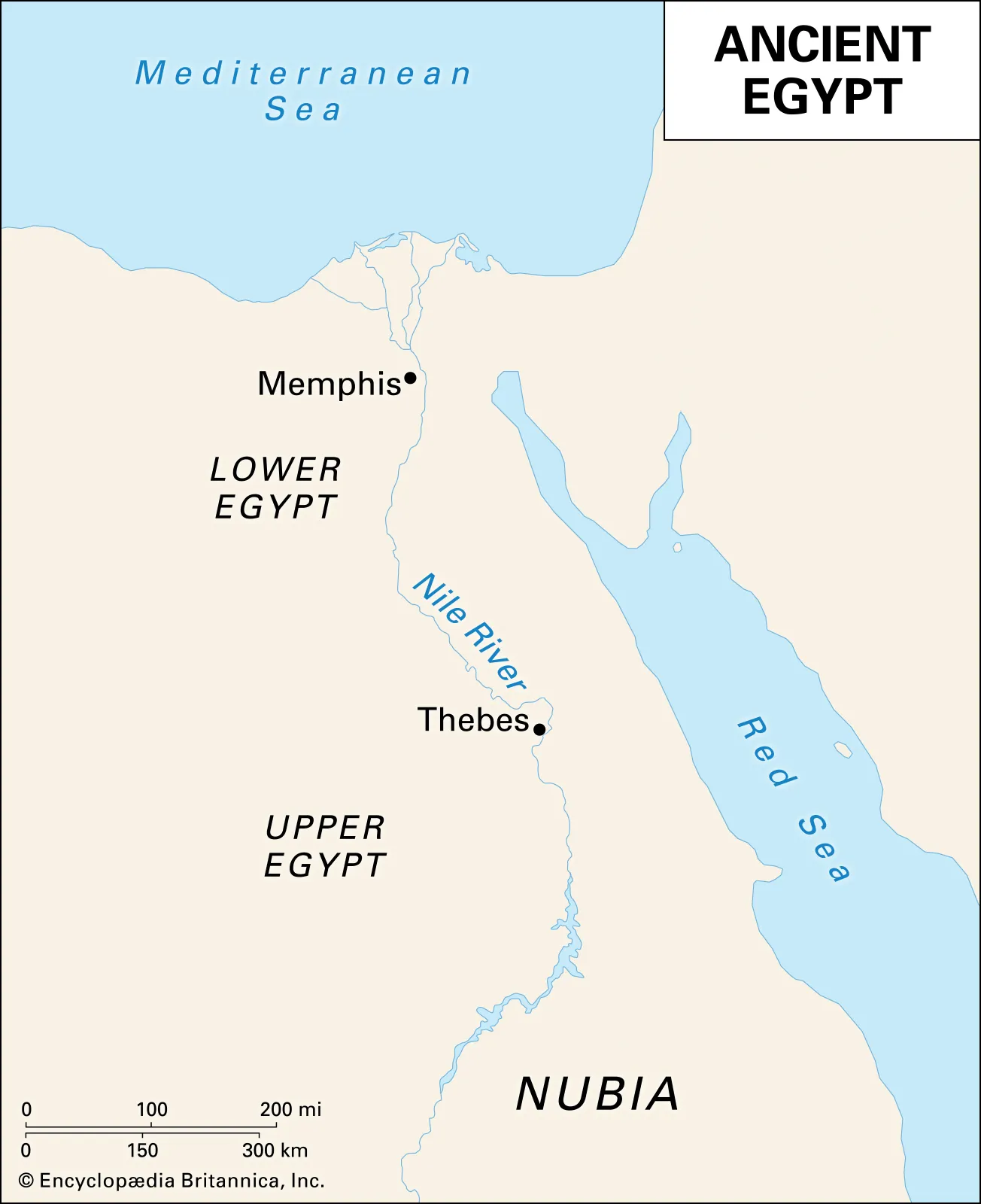
Where is 'Upper' Egypt located?
Lower on the map geographically
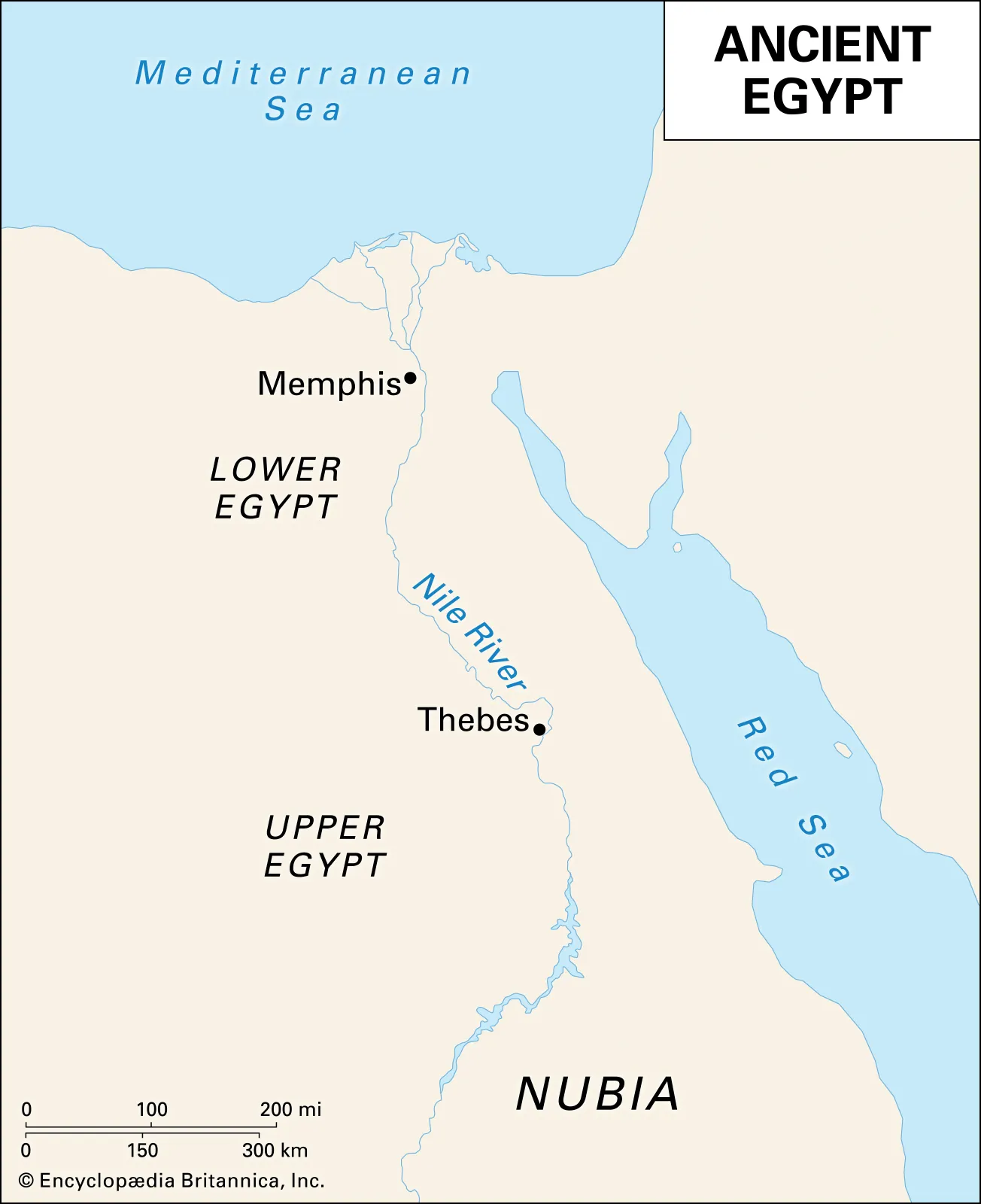
Where is 'Lower' Egypt located?
Higher on the map geographically
What are Hieroglyphics?
Ancient Egyptian writing, used for formal and important writing, was commonly carved on stone
What is Hieratic?
Short, informal handwritten form of Egyptian writing, commonly on paper, not stone
Who is Isis?
Chief goddess in Egyptian religion
Who is Osiris?
God of the underworld and vegetation; portrayed as green
Who is Horus?
God of kingship and Earth. King of the living
Who is Hathor?
The goddess of love
Who is Ra (Re)?
God of the sun, often depicted with a falcon head.
Who is Seth?
God of chaos and disorder, often depicted with jackal head
In ancient Egypt, what is a soul called?
Ka
What is Maat?
Justice, order, truth. What the ka was measured against to determine if you went on to the afterlife or not
Bee/Cobra symbolise what?
Lower Egypt (think cobra on ground —> lower)
Reed/Vulture symbolize what?
Upper Egypt (think vulture in sky —> upper)
What does the flail symbolize?
The pharaoh as a punisher and master, i.e., there will be consequences for misbehavior
What does the crook symbolize?
The pharaoh as a shepherd, protector of the people, and ruler who guides them
What was the pharaoh’s role in the Old Kingdom?
Pharaohs are considered gods and pyramid builders
What characterizes the Old Kingdom?
The era of pyramid building
Who was Menes/Narmar?
The unifier of upper and lower Egypt, using the Nile as a linking highway, established Memphis as the capital
Who was Djoser?
An Egyptian pharaoh known for commissioning the Step Pyramid at Saqqara
Who was Sneferu?
The pharaoh who commissioned the building of the Red Pyramid, which was smooth, not stepped
Who was Khufu?
The pharaoh known for building the Great Pyramid of Giza
Who was Khafre?
Constructed the Sphinx
What characterizes the First Intermediate Period?
The Nile floods ceased, famine caused by droughts, civil wars against a weakened throne, and outside invaders caused a period of chaos. Outside invasions follow instability
Lack of money →All spent on building pyramids
What is the pharaoh’s role in the Middle Kingdom?
The pharaoh is considered a benevolent shepherd of the people. The people rely on the pharaoh to provide FOOD
What characterizes the Middle Kingdom?
Period of large-scale drainage and irrigation projects used to create new farmland i.e., more FOOD
Who was Pepi II?
Longest ruling monarch in world history
What characterizes the Second Intermediate Period?
Marked by the invasion of the Semitic-speaking Hyksos; long haired people from the east, through chariot warfare. Hyksos worship Seth instead of Osiris.
What is the role of the Pharaoh during the New Kingdom?
The Pharaoh is still a god, but is now the provider, protector, and commander-in-chief
What characterizes the New Kingdom?
Characterized by vast expansion, conquest, and imperialism,
Who was Ahmose?
The pharaoh who drives the Hyksos out of Egypt
Who was Hatshepsut?
longest reigning female in Egyptian history. Portrayed herself as a man, wearing a beard and men's clothes. Got away with being pharaoh because everything was peaceful, no wars, droughts, famine, plague
What did Hatshepsut accomplish?
A. Successful trading expeditions
B. Constructed valley of/ the kings
C. Built mortuary temples; monumental construction
Who was Thutmose III?
"Napoleon of Egypt” had 19 military campaigns in 17 years
Who was Akhenaten?
A pharaoh known for being the first ruler to introduce monotheistic worship; of the sun god Aten. Moved the capital from Thebes to Amarna
Who was Tutankhamun?
Tut is famous for his untouched tomb
Who was Seti I?
Considered to have the best-preserved mummy ever found
Who was Ramses II?
Responsible for the world's first peace treaty with the Hittites, referred to in history as Ramses the Great! He is the most prolific builder of Ancient Egypt
Who was Merneptah?
Known for the first historical mention of "Israel" in his inscriptions. Considered the first pharaoh of the decline of the strong Egyptian monarchy
Who was Ramses III?
The last great pharaoh of the New Kingdom, known for defending Egypt against the Sea Peoples
What characterizes the Third Intermediate Period?
Time of political chaos. Egypt splits into Upper and Lower Egypt. The power of the great pharaoh has declined. The capital was moved to Tanis. Long-distance trade has died. The sea-people.
Who was Nebuchadnezzar II?
A Chaldaean ruler of Babylon who wins battle of Carchemish: The Battle of Carchemish was the last stand of the Assyrians , Rebuilt city of Babylon, Built new ziggurat (tower of babel), Built gate of Ishtar, ends “Babylonian captivity” of Israelites
What is significant about the ending of the Babylonian captivity of the Israelites?
Because the Hebrews had worshiped more gods than just Yahweh, they broke the Ten Commandments, subsequently breaking the Mosaic covenant, which meant God no longer protected them.
Who was Cyrus II (“Cyrus the Great”)?
He was the founder of the Persian Empire, known for his policies of tolerance and innovation. Known for defeating the Lydians and capturing Babylon, as well as beginning the Jewish diaspora.
What is diaspora?
Movement of people of similar ethnic/national heritage away from their homeland
Who was Cambyses II?
Known for conquering Egypt under the Persian Empire
Who was Darius I?
Overcame 9 other kings, known for:
Establishing Satrapies (Provinces)
Eyes and ears of the king
Created the early postal system
Established the “Royal Road”
Built the Royal audience hall
Who was Nabonidus?
The last king of the Babylonian Empire, who worshipped the moon god Sin instead of Marduk
What is significant about the Battle of Carchemish?
Marked the last stand of the Assyrian Empire and the rise of Nebuchadnezzar II’s control
Why are the Lydians significant?
Considered the inventors of coinage
What was the Egyptian social hierarchy?
1. Pharaoh: ruler
2. Priests, Nobles: oversee the peasants. Chosen for their administrative ability.
3. Soldiers
4. Scribes
5. Merchants
6. craftsmen: make things to use.
7. agricultural workers/peasants: Most were farmers. Worked on farms including repair of water systems such as dikes. In the off season they worked for the pharaoh = pyramids.
8. Slaves
What is proskynesis?
The act of kneeling or bowing with the forehead touching the floor out of respect towards a king
Who was Zoroaster?
Founder / Prophet of Zoroastrianism
Who is Ahuramazda?
Chief god of Zoroastrianism: represents the good and order
What is Arta?
Persian belief that represents truth, justice, and order: similar to Maat in ancient Egyptian belief systems.
Who is Ahriman?
Persian god who is the opposite of Ahuramazda: represents chaos and darkness
What is Zoroastrianism?
The religion of the Persian Empire, properly called dualism, the religion centers on concepts of maintaining a balance of good and evil.
Why build roads?
Trade
Direct communication
Military movement
What was the Egyptian “Book of the Dead”
Egyptian guide to the afterlife, placed in tombs of deceased Egyptians to assist them in navigating the afterlife.
Who was Croesus?
Last king of the Lydians popular phrase “as rich as Croesus”