fashion
 Call Kai
 Learn
Learn Practice Test
 Spaced Repetition
 Match
Match Flashcards
 Knowt Play
1/40

There's no tags or description
Looks like no tags are added yet.
Name | Mastery | Learn | Test | Matching | Spaced | Call with Kai |
|---|
No analytics yet
Send a link to your students to track their progress
41 Terms
Running Stitch
stitching, space, stitch permanent with knots @ both ends
Equally visible on both sides of fabric
Strength depends on size of stitching
Can be used for construction or hemming
Fastest hand sewing, easy, weaker than machine, but can be done anywhere
Catch stitch
used to stitch a flat edge in order to prevent raveling
Slipstitch
Permanent, invisible hand stitch, used to attatch a folded edge to a flat surface.
Whipping Stitch
a series of visible diagonal stitches wrapping around a fabric’s edge with a lot of thread showing, offering moderate durability, and is best used for finishing edges, sewing thicker materials like felt, quick repairs, or decorative seams.
Plain seam
2 pieces of fabric
2 pieces of fabric right sides together
Sew a straight line @ certain distance from cut edge of fabric.
Backstitch both ends of stitching
Press open seam allowance so its flat against fabric
Dart
1 piece of fabric
Fits the garment to account for a change of circumference
Looks like a triangle on a pattern piece
To Pin: Fold on center line, pin lines together
Backstitch at base, sew on lines, knot at point.
top stitching
Finish edge/reinforce/strengthen
Stitching visible on outside of garment
Used to finish
an edge as a hem
reinforce a seam
or be decorative
French Seam
Small plain seam, flip, trim, sew 2nd seam
Looks like plain seam on outside
Seam allowance encased so edges don’t show
Use on Sheer fabrics or when you see the inside
Flat Felled Seam
Plain seam, seam allowance graded, folded and top stitched.
Seam allowance encased so edges don’t show
Adds strength, hides raw edges, more casual because top stitch shows on outside
Standard seam allowance
5/8 inch
Standard machine stitch width
width (0) & length (3)
Hand finishing options
Whip, slip, catch
Machine finishing options
Top stitch, double fold hem
Another piece finishing options
bias tape, band, sleeve, collar
Bias Tape
fabric cut on a diagonal grain sewn to finish curves
Serger
machine that wraps the edges so it doesn’t fray.
Trimming
cutting both seam allowances
Grading
cutting 1 seam allowance
Notching
removing pie slices of bulk on outer curves
Clipping
cutting straight lines of fringe on inner curves
How to sew and cut corners
Restitch to reinforce
Inner - straight cut like a hinge
Outer - clip 45* diagonal
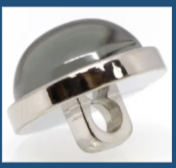
Shank
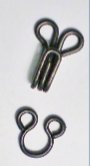
Hook/eye
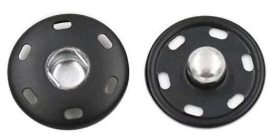
Snaps
2 sides
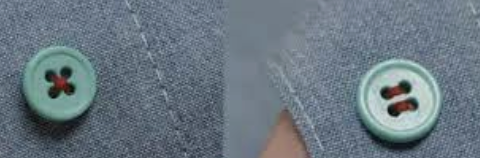
4- hole button
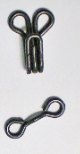
Hook/bar
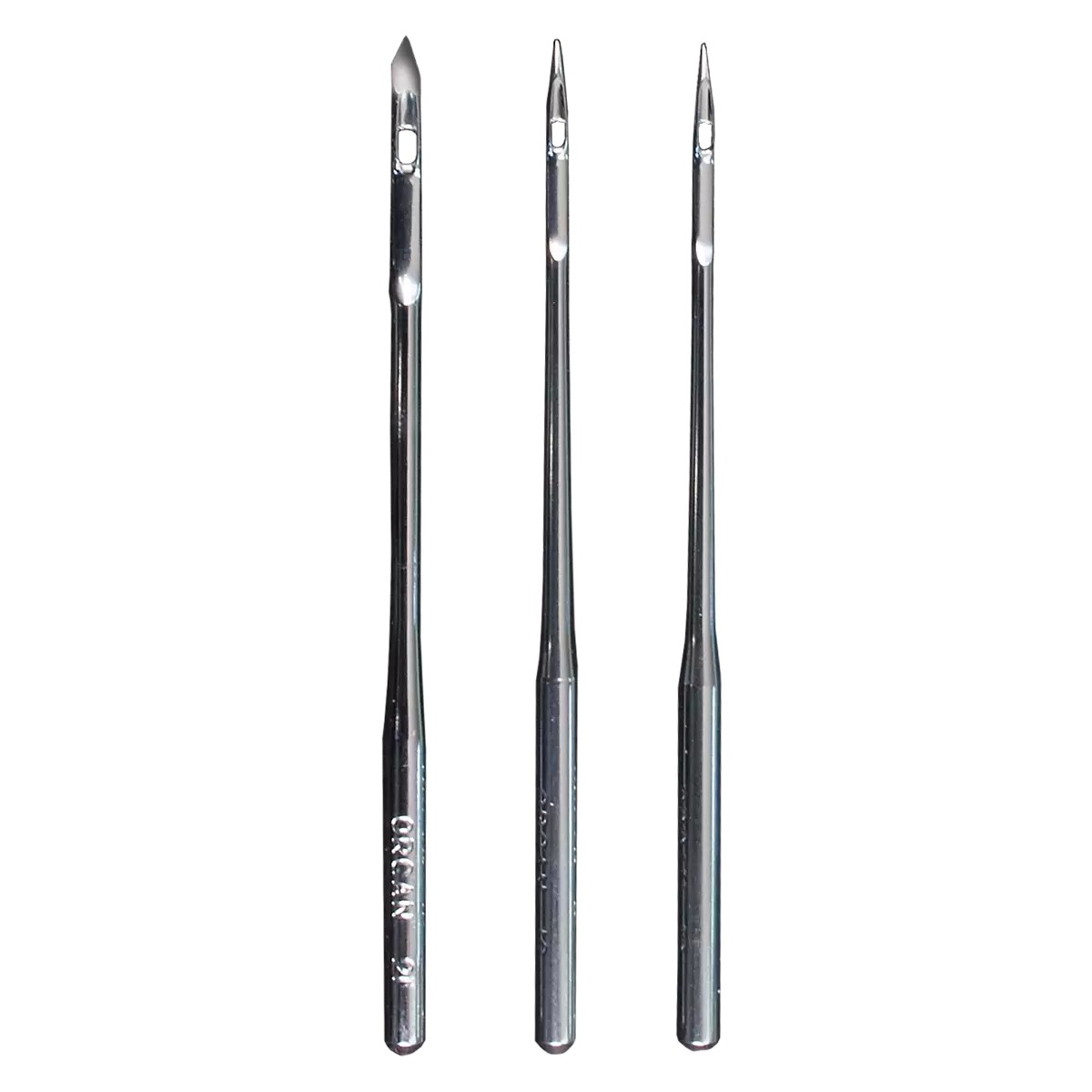
Machine Needle
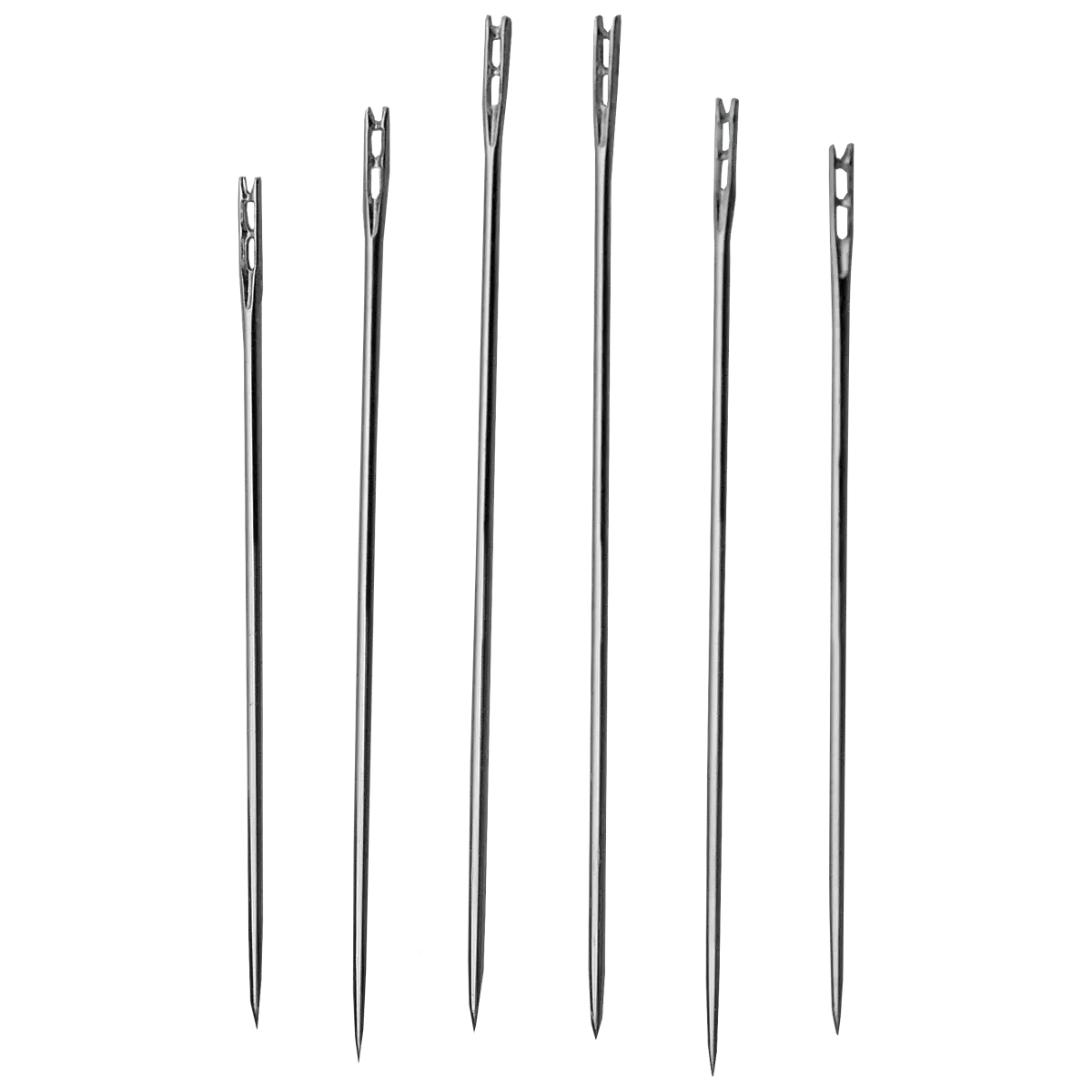
Hand sewing needle
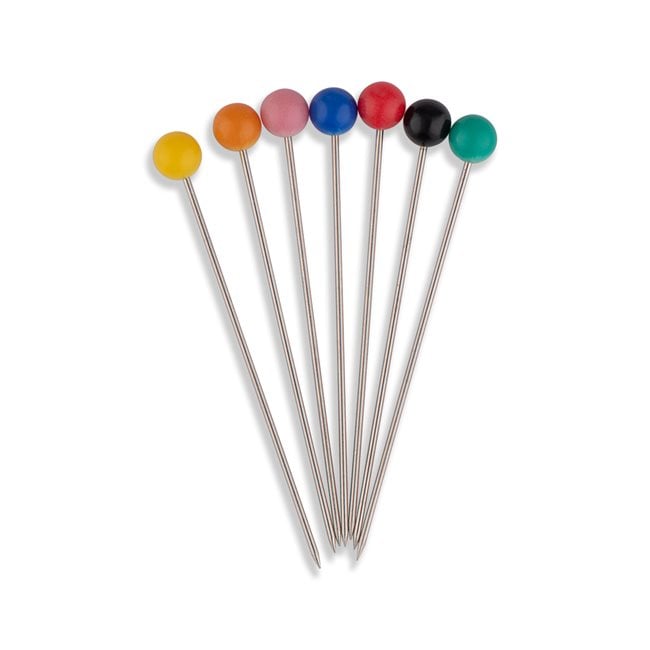
Push Pin
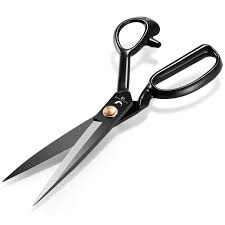
Fabric Shears
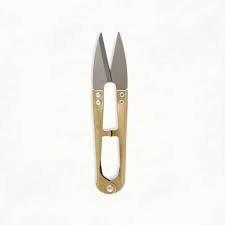
Snips
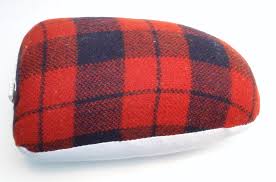
ham
Natural Fibers
Derived from animal and plant sources
Cotton, linen, bamboo, wool, and silk.
Absorbent, Durable, More Eco-friendly
Synthetic Fibers
human-made, artificial fibers made from chemical compound
Polyester, Rayon, Spandex, Acrylic
Cheaper, Stain resistant, Waterproof/water resistant.
lengthwise grain
the direction of fabric that runs parallel to the selvage, is the strongest and least stretchy, and helps garments keep their shape.
bias
The bias is the diagonal direction of fabric (at a 45° angle to the grain) that has the most stretch and flexibility, making it useful for curved or draped designs.
selvage edge
the tightly woven, finished edge of fabric that runs along its length and prevents fraying.
crosswise grain
runs perpendicular to the selvage, has a bit more stretch than the lengthwise grain, and is commonly used for comfort and flexibility in garments.
cut line
is the marked line on fabric or a pattern that shows exactly where the material should be cut.
seam line
is the line where two pieces of fabric are stitched together, usually inside the cut edge at the seam allowance.
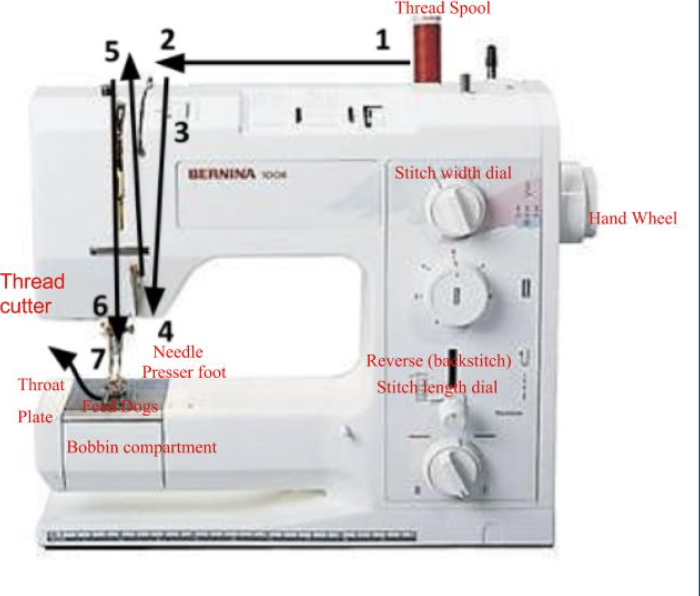
sewing machine