ART488 Exam 1 Slide IDs
 Call Kai
 Learn
Learn Practice Test
 Spaced Repetition
 Match
Match Flashcards
 Knowt Play
1/18

There's no tags or description
Looks like no tags are added yet.
Name | Mastery | Learn | Test | Matching | Spaced | Call with Kai |
|---|
No analytics yet
Send a link to your students to track their progress
19 Terms
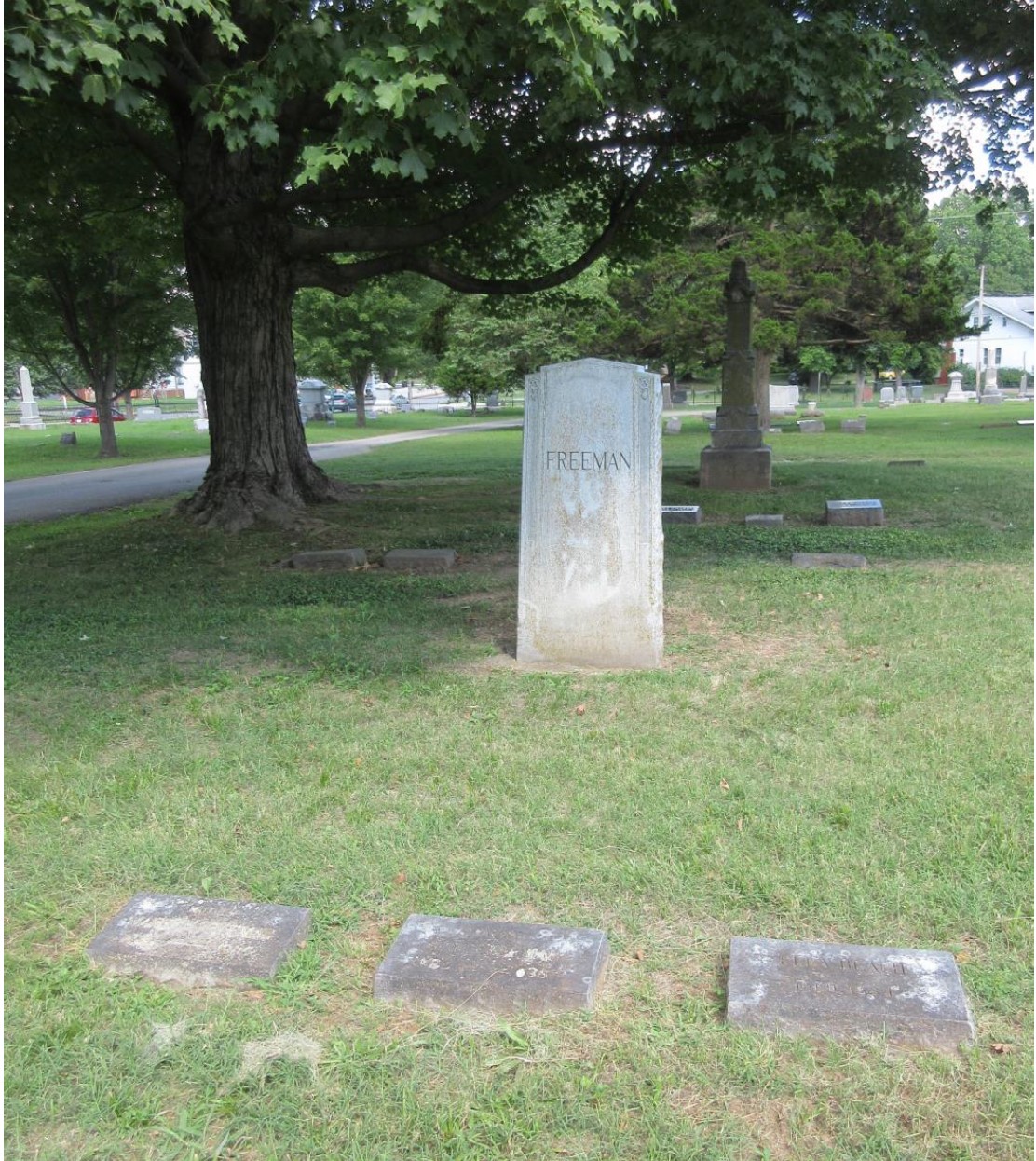
Family Monument & Individual Gravestones
Midwest American Culture
20th Century
North America
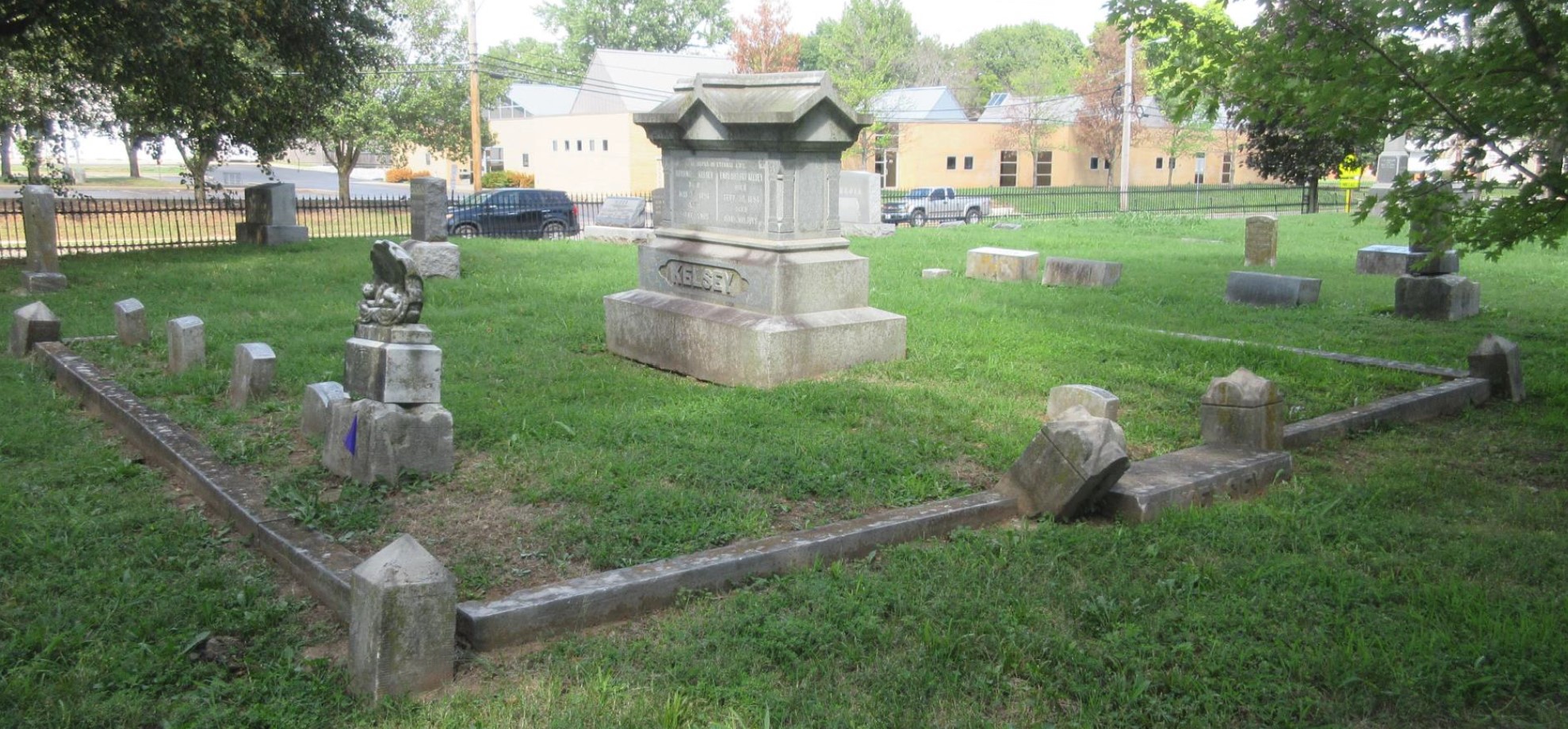
Maple Park cemetery established in 1876 and has many different types of monuments with different types of stones
graves are often grouped into family lots and enclosed with stone borders
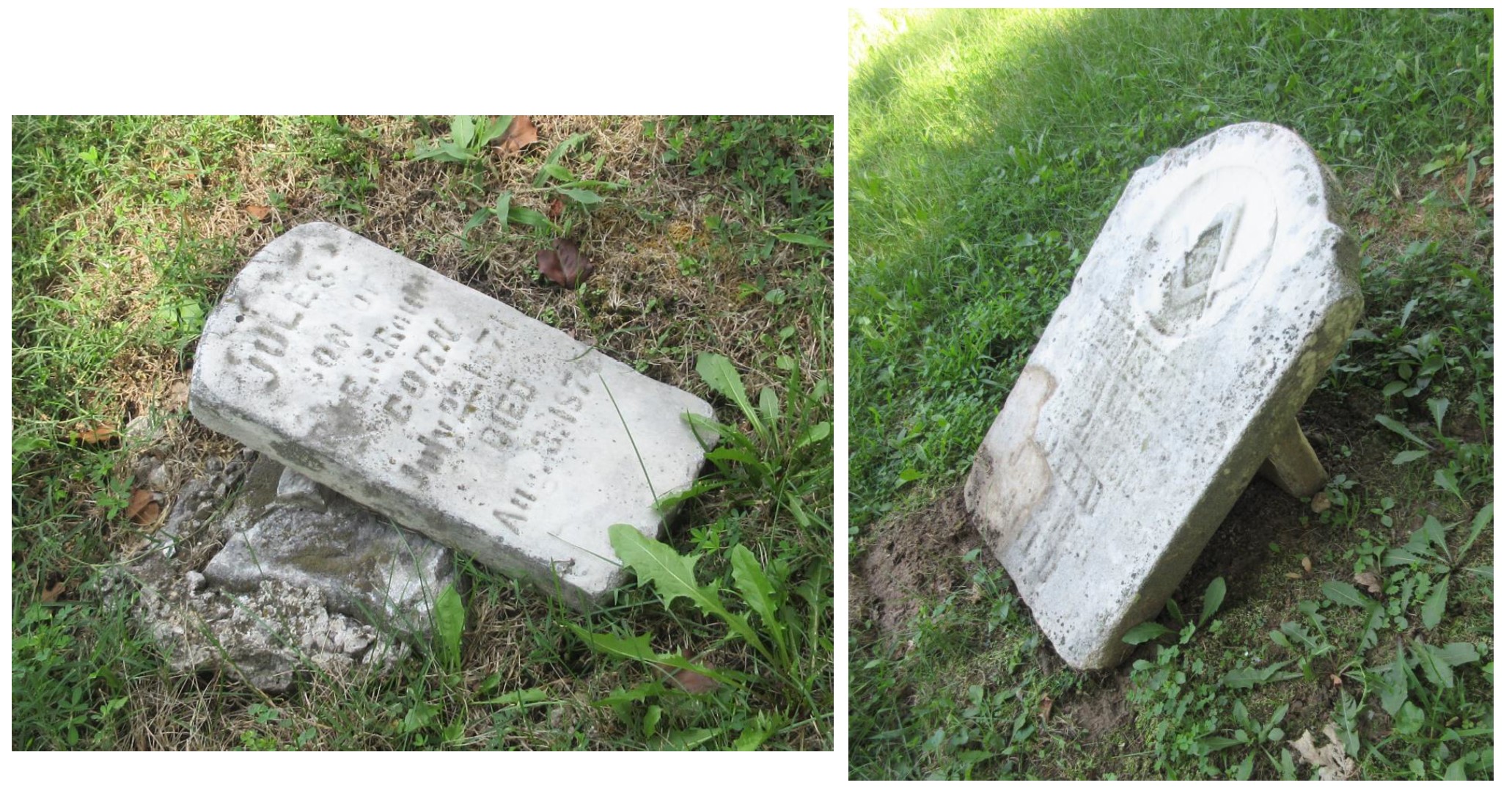
Broken Headstones with Motifs & Epitaphs
Midwest American culture
19th Century
North America
Maple Park cemetery has black and white dead people sharing same lots (integrated)
Emma and Lewis Tutt were a prominent black couple; Lewis was a merchant and police force worker, his half brother Davis was killed by Willd Bill Hickok, buried without ceremony, then reburied in the Tutt family plot
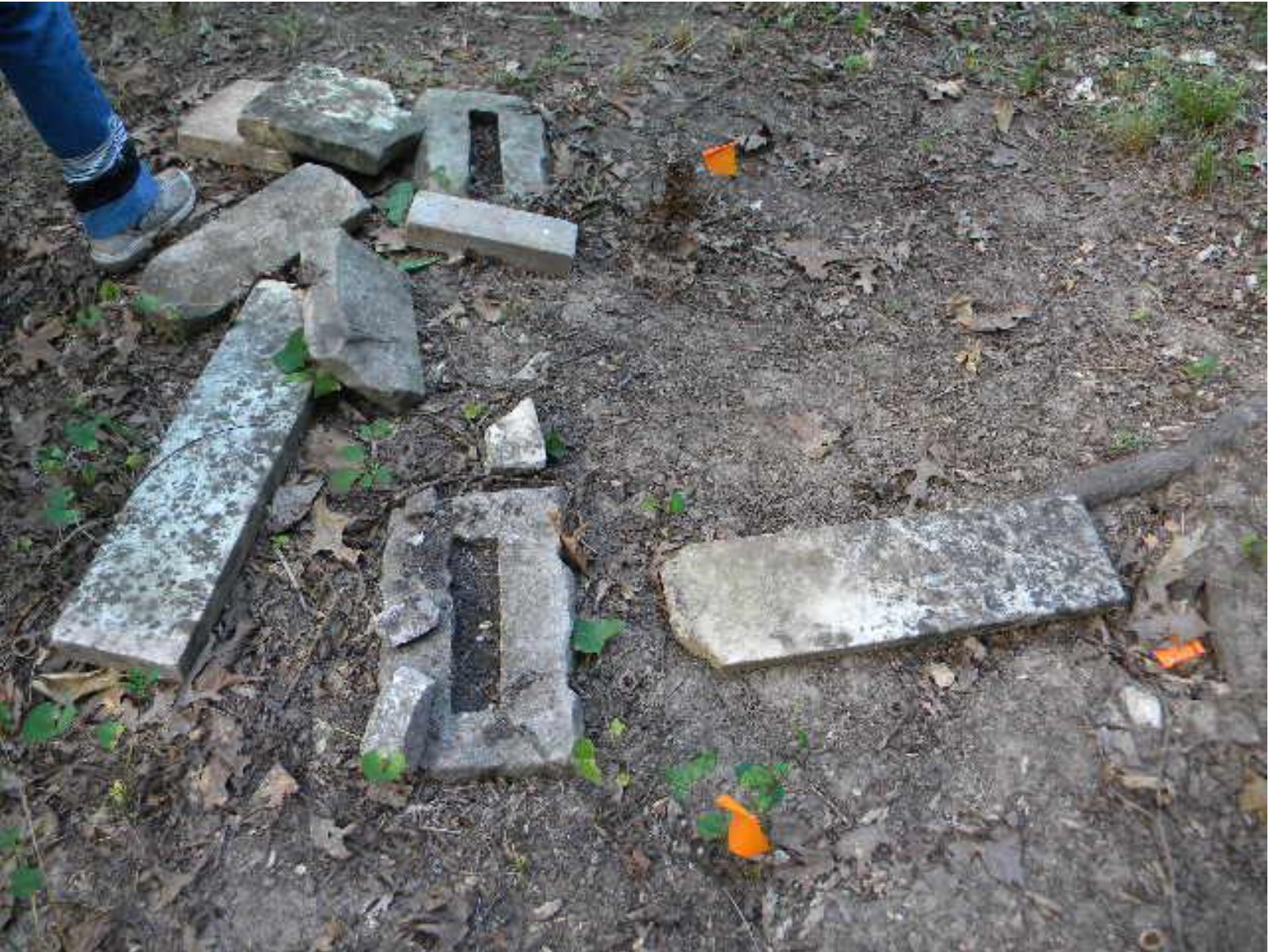
Broken Gravestones, Fallen out of Slot Bases
Midwest American Culture
19th Century
North America
Park like setting of the cemetery is a 19th century idea of the rural cemetery movement to encourage visiting
planting of maple trees was early priority to provide shade and beautiful fall colors
Lichens Eating a Gravestone
Midwest American culture
20th Century
North America
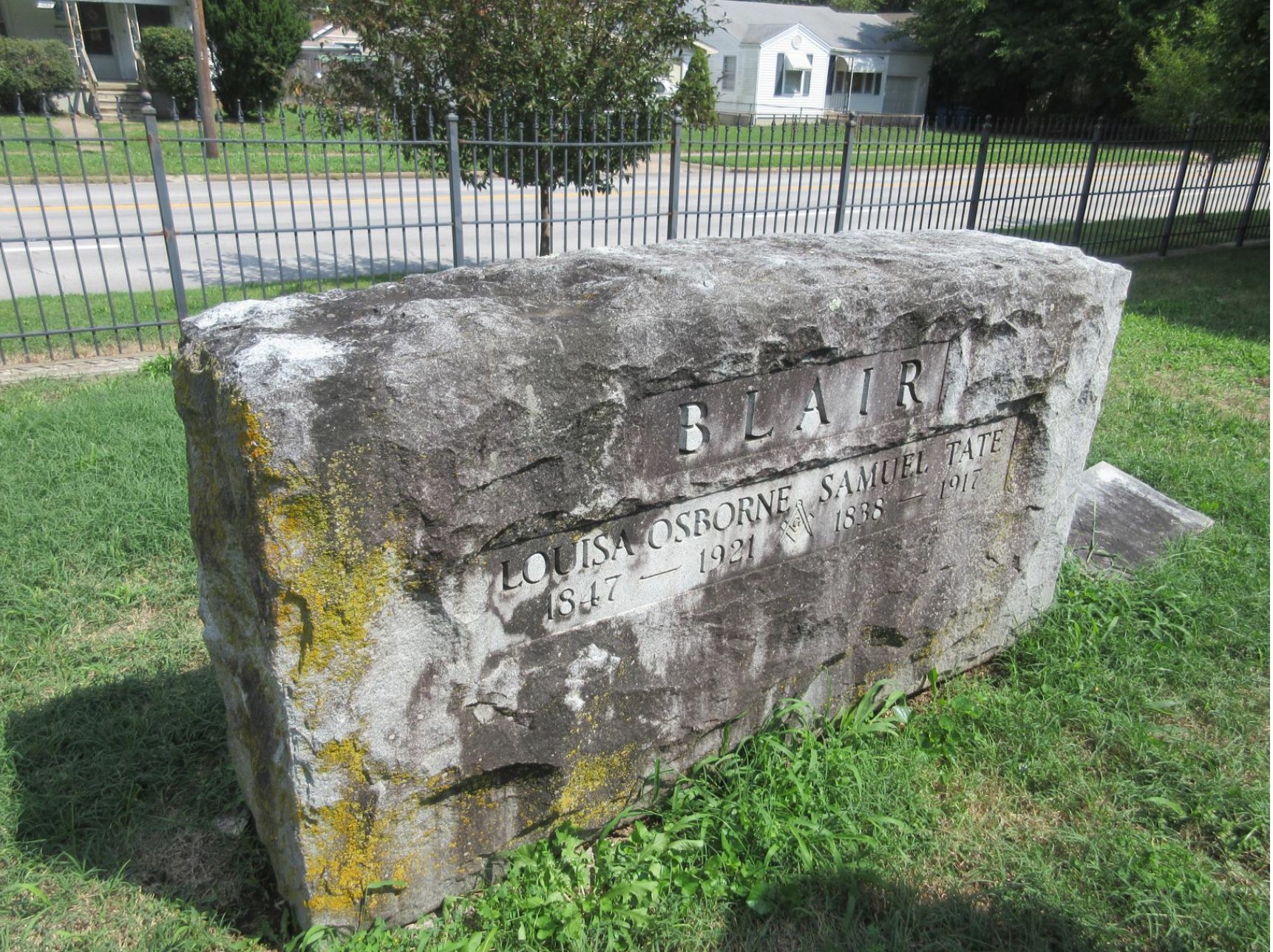
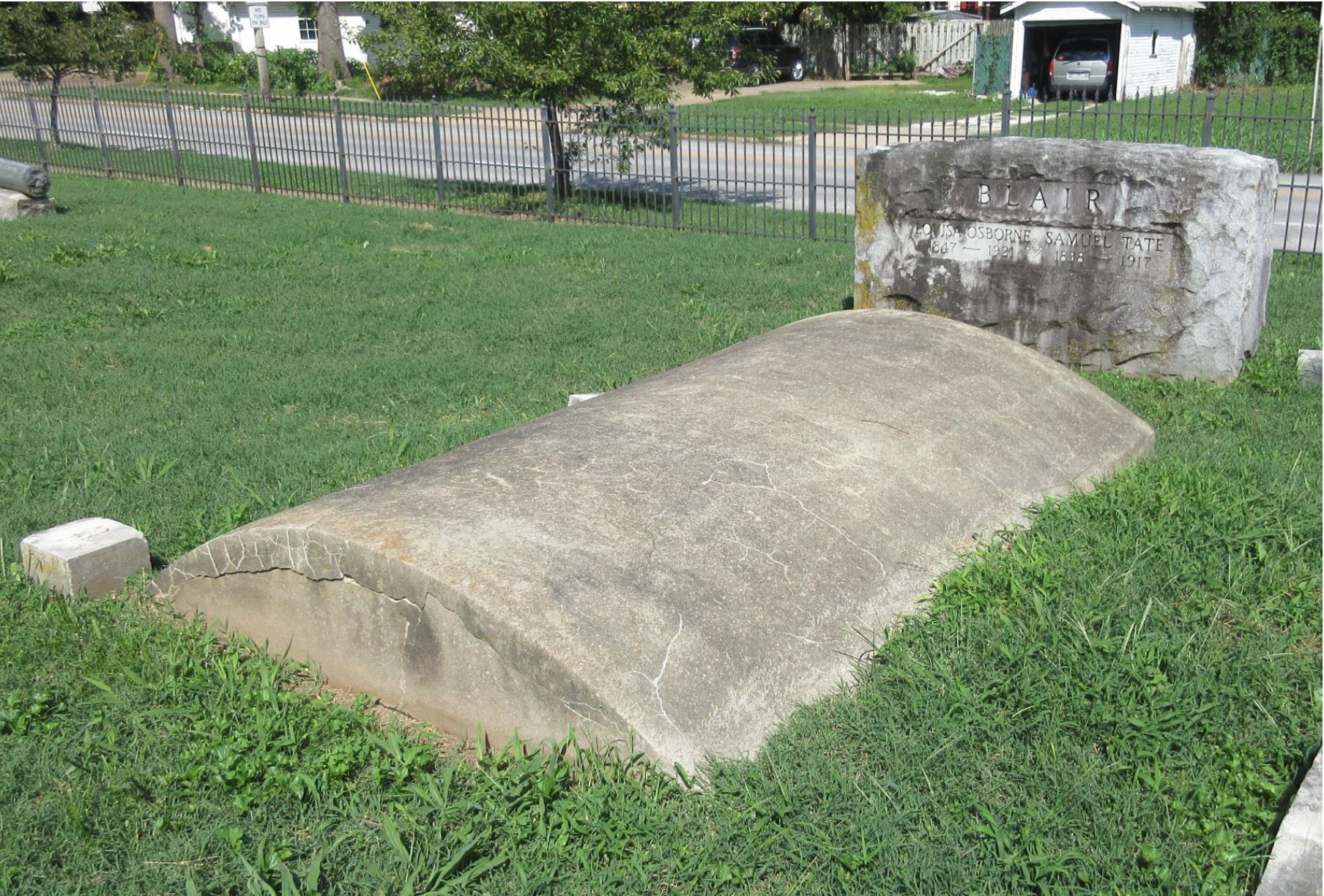
Concrete Ledger Monument
Midwest American culture
20th Century
North America
Family Lot Enclosure
Midwest American Culture
19th Century
North America
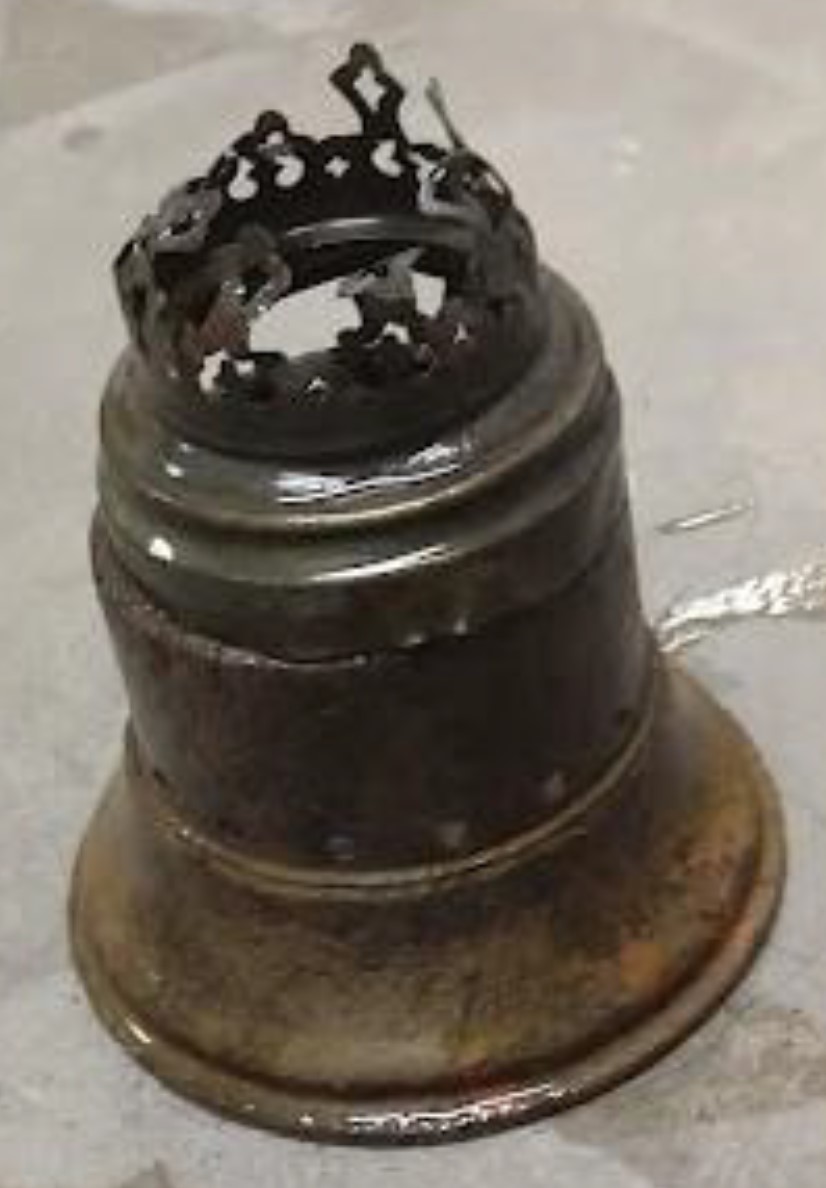
Part of an Oil Lamp
Ozarks, American Midwest culture
Early 20th century
North America
Rose O’Neil was an illustrator and suffragette, inventor of the kewpie doll
Lived on Bonniebrook estate, which burned down then was rebuilt as duplicate of the original
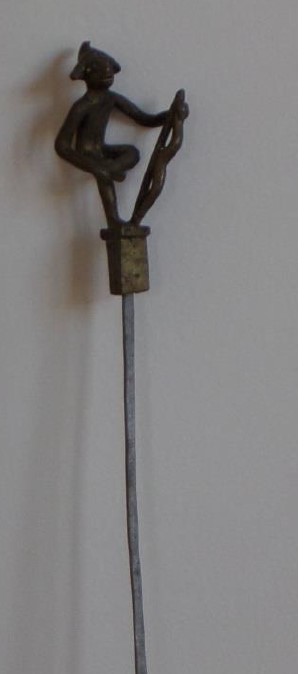
Brass Skewer with Human Figure
Dogon culture
Late 20th century
Africa
Dogon culture is in Mali (western Africa), developed metallurgy long time ago
Last wax cast bronze figures for tourist trade
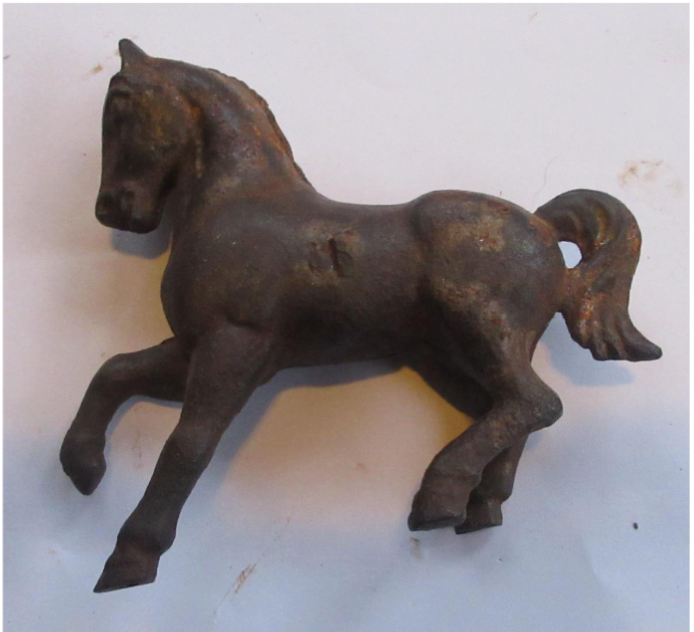
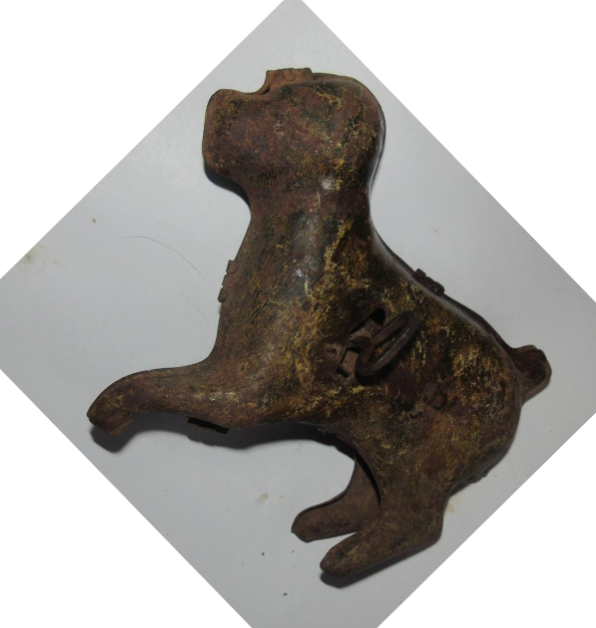
Prancing Horse Bank
United States culture
Late 19th century
North America
Toy banks manufactured in 19th century along with molded cast iron toys
Toy banks encouraged children to save money; screw could be taken out of this to get the money out
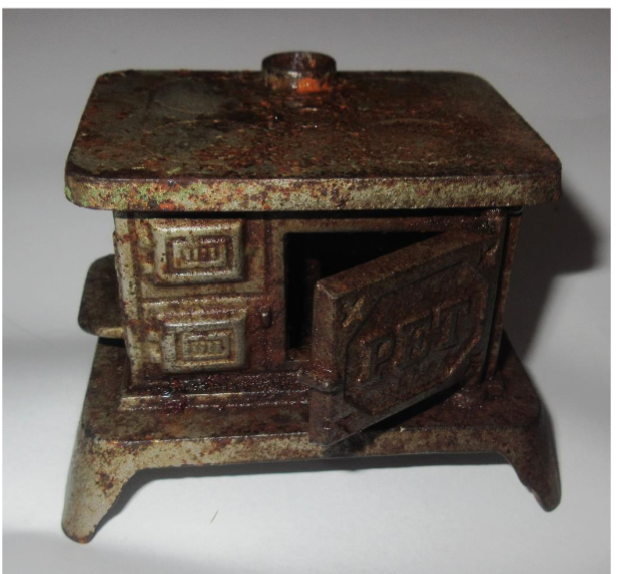
Miniature Cast Iron Stove
United States culture
Early 20th century
North America
Popular toy between 1870 and WWII until plastic toys became accessible
Very well made faithful reproductions of large scale items
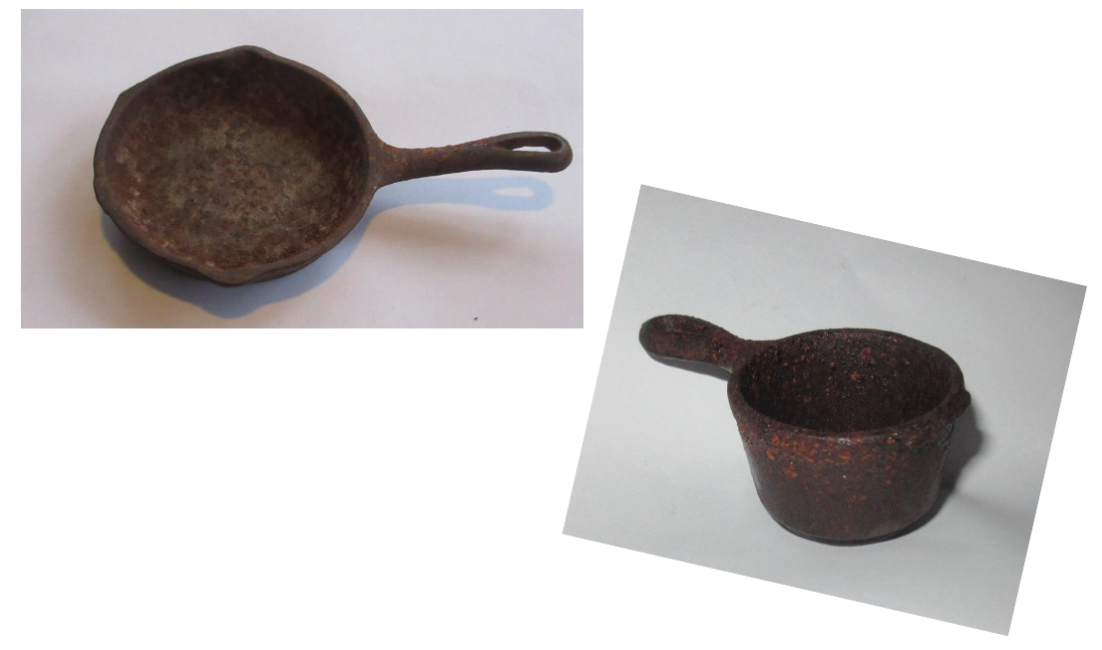
Cast Iron Toy Saucepan and Skillet
United States culture
Early 20th century
North America
Popular toy between 1870 and WWII until plastic toys became accessible
Very well made faithful reproductions of large scale items
“Dancing Dog” Wind-Up Toy
United States culture
Early 20th century
North America
Lindstrom Tool & Toy company of Bridgeport, CT produced this toy in the 1920s
Advertised as tin, but really an alloy
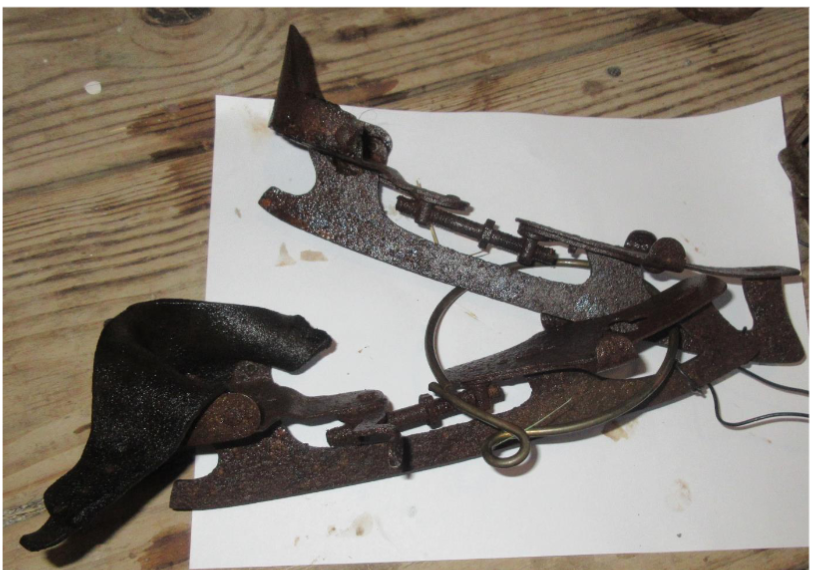
Ice Skates with Leather Straps
United States culture
Early 20th century
North America
Ice skates first developed in Scandinavia with bones, then wood, then iron in the 18th century
Mass production of skates popularized the activity in the US in the 19th century
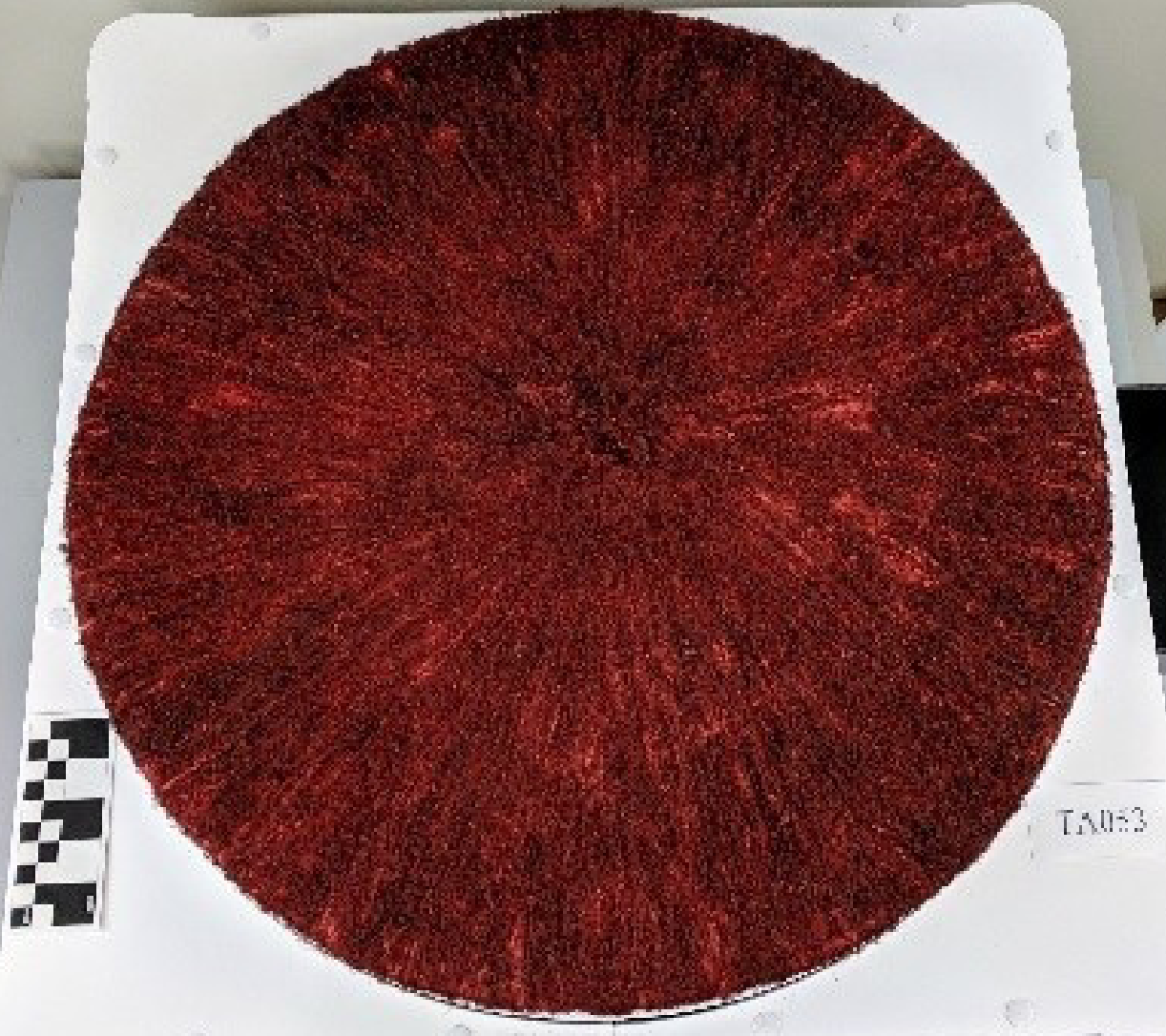
Isocholo Hat
Zulu culture
20th century
Africa
Traditionally worn by brides/married women, but today worn by women for ceremonial events
Made of human hair and cotton over a grass-fiber basketry frame, red ochre pigment
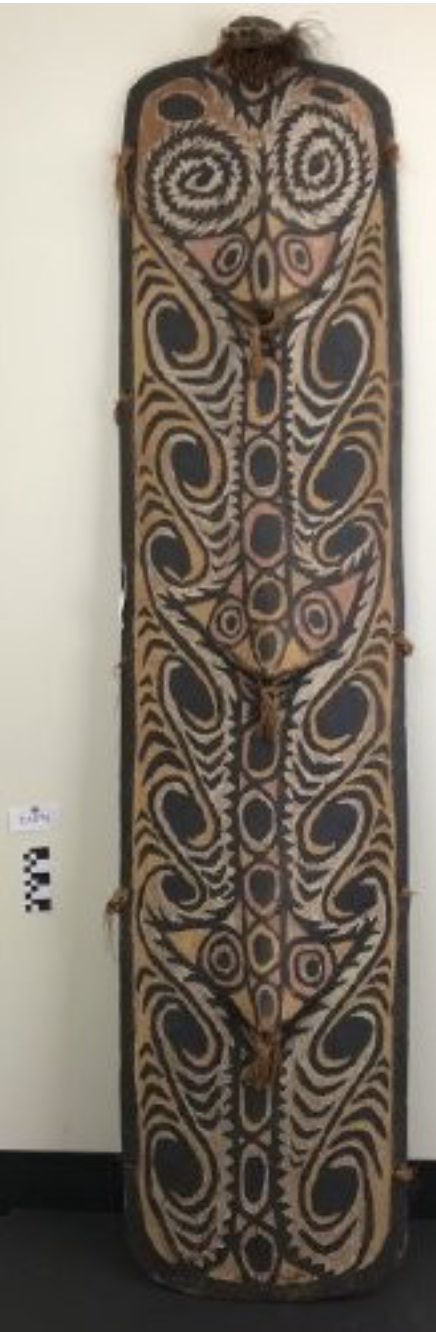
Pakei War Shield
Mundugumor culture
20th century
Papua New Guinea, Oceania
Projecting faces through relief carving, represent spirits and spears
Both men and women in this culture engage in combat
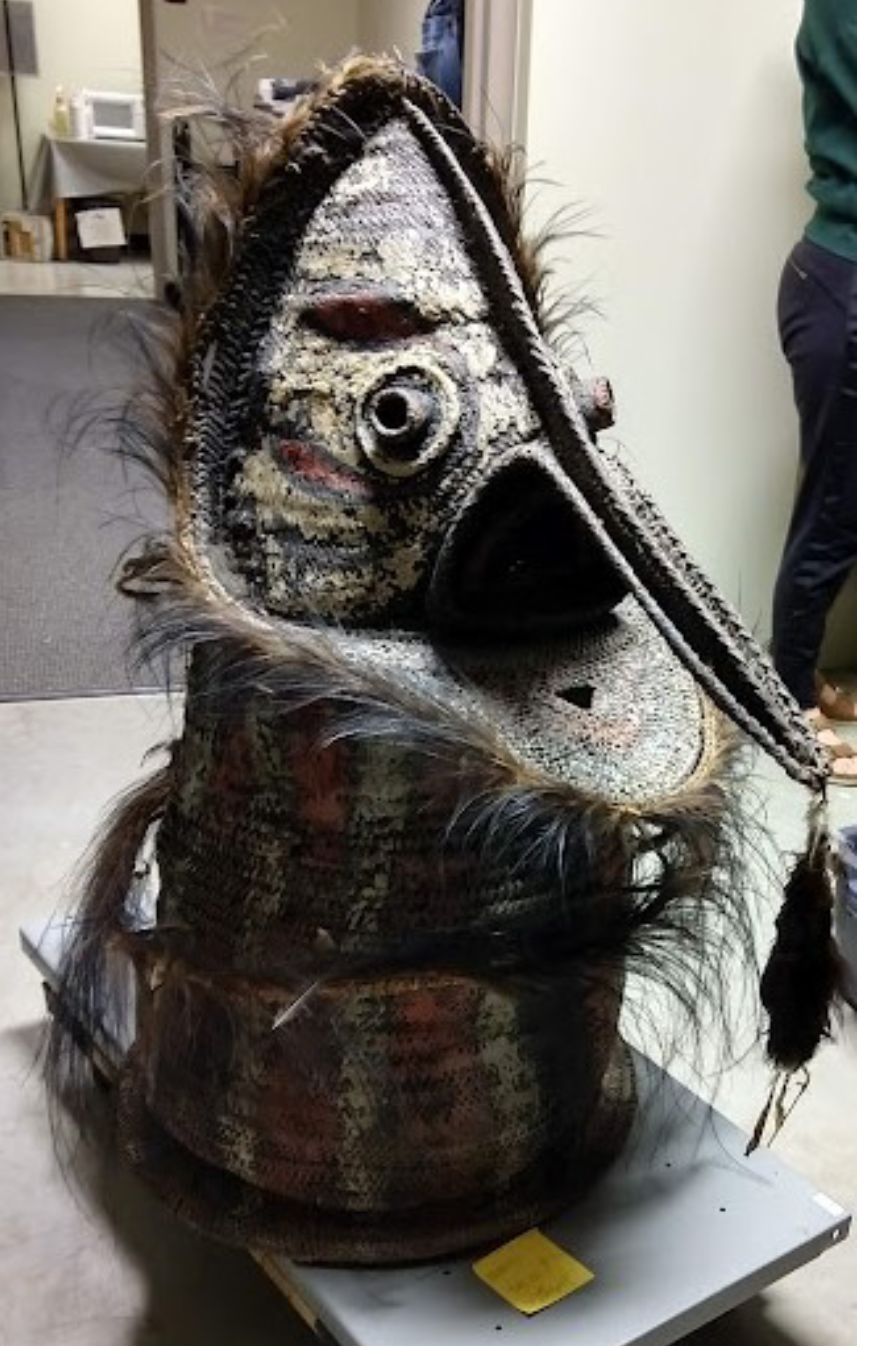
Water Spirit Basketry Mask
Blackwater Basin cultures
20th century
Papua New Guinea, Oceania
Long nose indicates male spirit (phallus) an “ario”'; mask represents a water or wilderness spirit that lived in a hollow tree
Used during initiation masquerades
Basketry wickerwork over wooden frame, cassowary feathers, pigmented clay
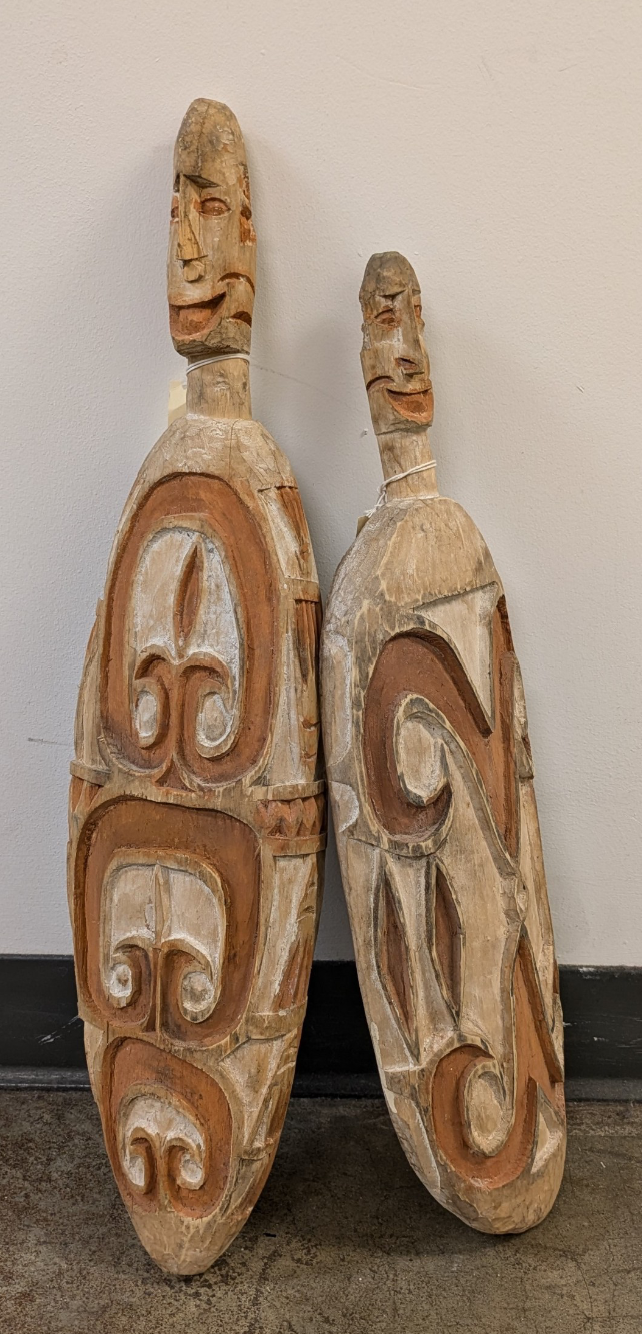
Pair of Miniature War Shields
Sepik River Region culture
20th century
Papua New Guinea, Oceania
Mini versions of traditional war shields made by different cultures as tourist trade items
Relief carving and paint decorations offer spiritual protection
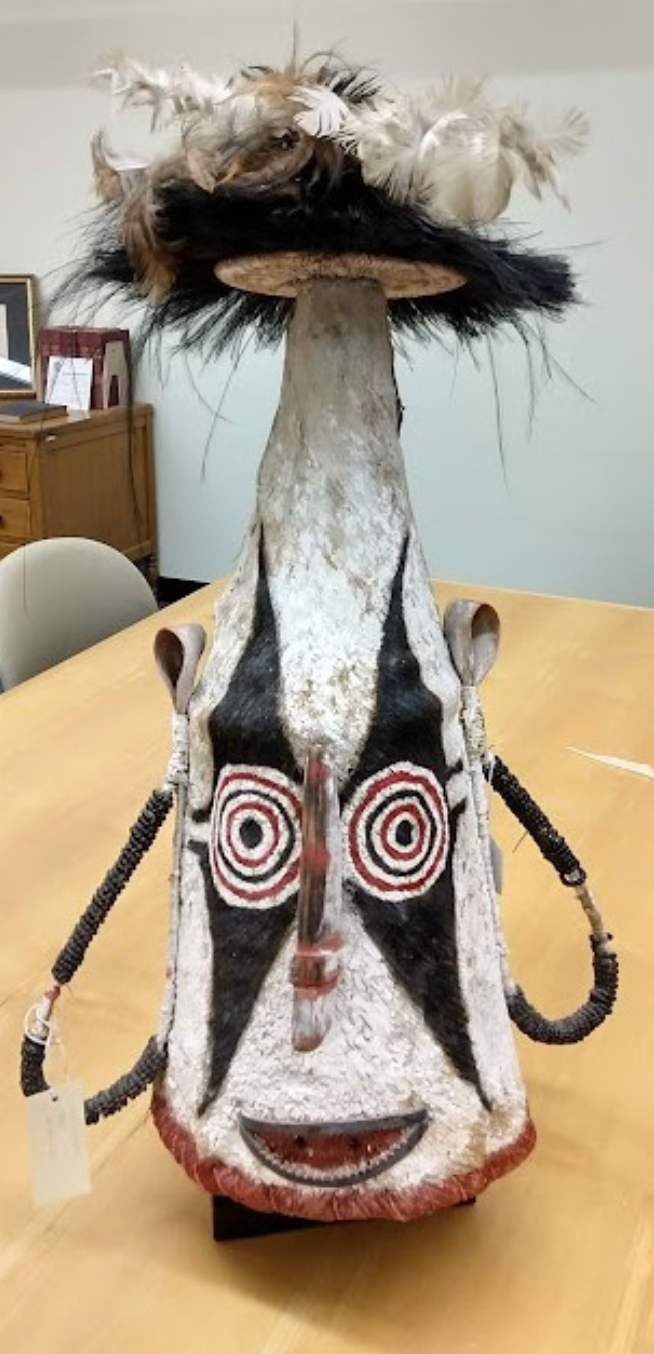
Ceremonial Cone-Shaped Mask
Kilenge culture
20th century
New Britain Island, Oceania
Conical basketry masks adopted from other cultures
Masks like this used for dances as performers celebrate initiation of a male into a higher level of social prestige
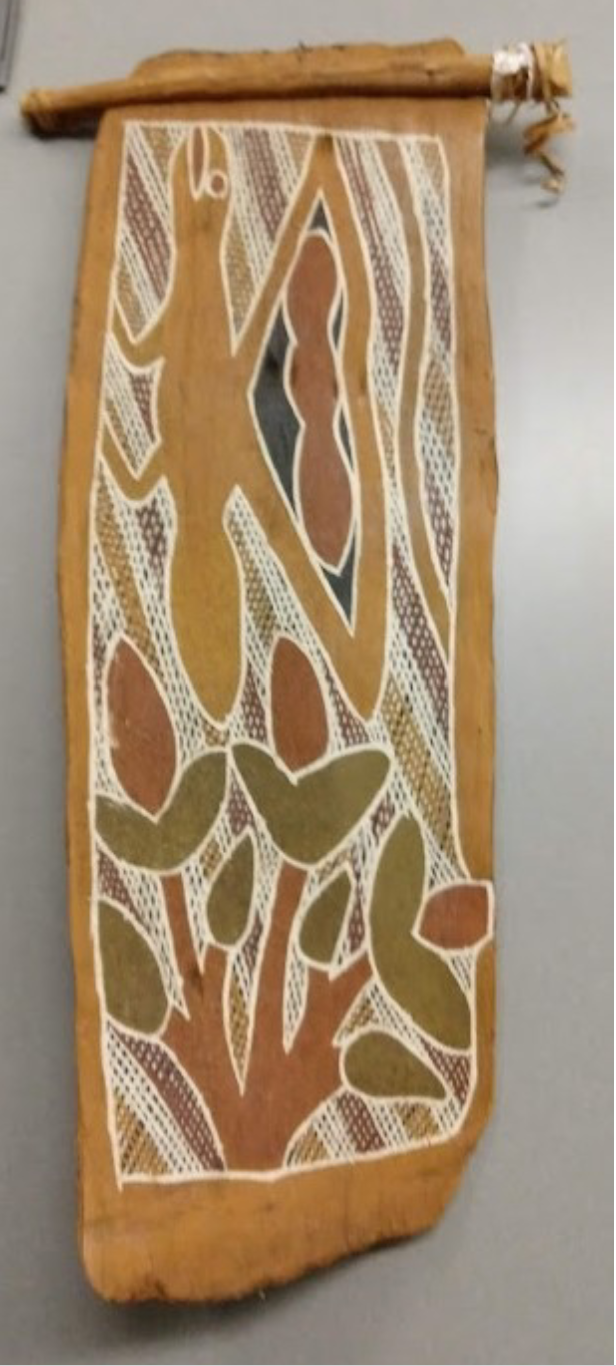
Plant and Animal Bark Painting
Aboriginal culture
20th century
Australia
Illustrate episode from the Dreaming, typically show supernatural and ancient beings/spirits from that time
Painting is powdery matte pigment on eucalyptus bark
Made to not last