ADMET: Distribution
 Call Kai
 Learn
Learn Practice Test
 Spaced Repetition
 Match
Match Flashcards
 Knowt Play
1/41

There's no tags or description
Looks like no tags are added yet.
Name | Mastery | Learn | Test | Matching | Spaced | Call with Kai | Chat |
|---|
No analytics yet
Send a link to your students to track their progress
42 Terms
Why do we care about drug distribution?
- if the drug doesn't get to the site of action, it can't have its desired therapeutic effect
(e.g. oral drugs not well absorbed, CNS drugs that can't cross BBB)
Objective
Sequestration
having higher concentration of a drug (a drug reservoir) in certain organs or tissues
Objective
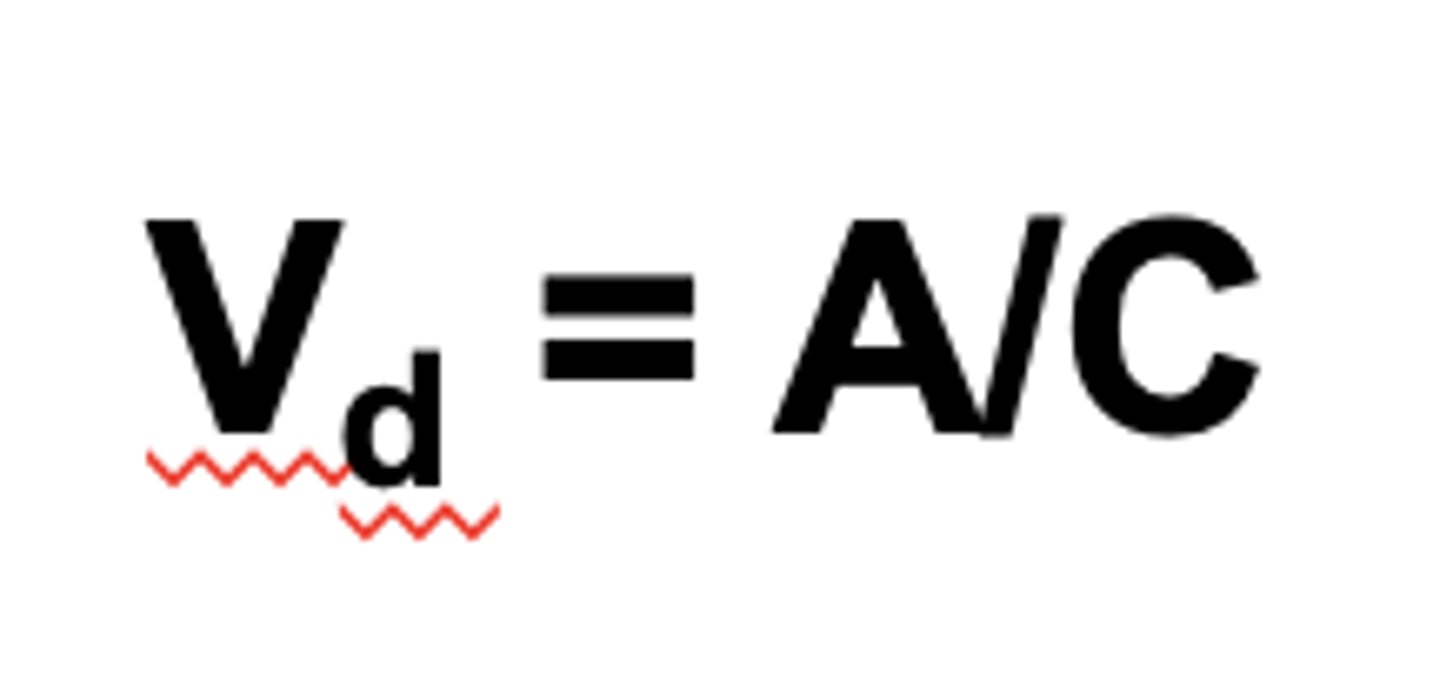
Volume of distribution (Vd)
relates the amount of drug (A) in the body to the concentration of drug (C) in the blood/plasma
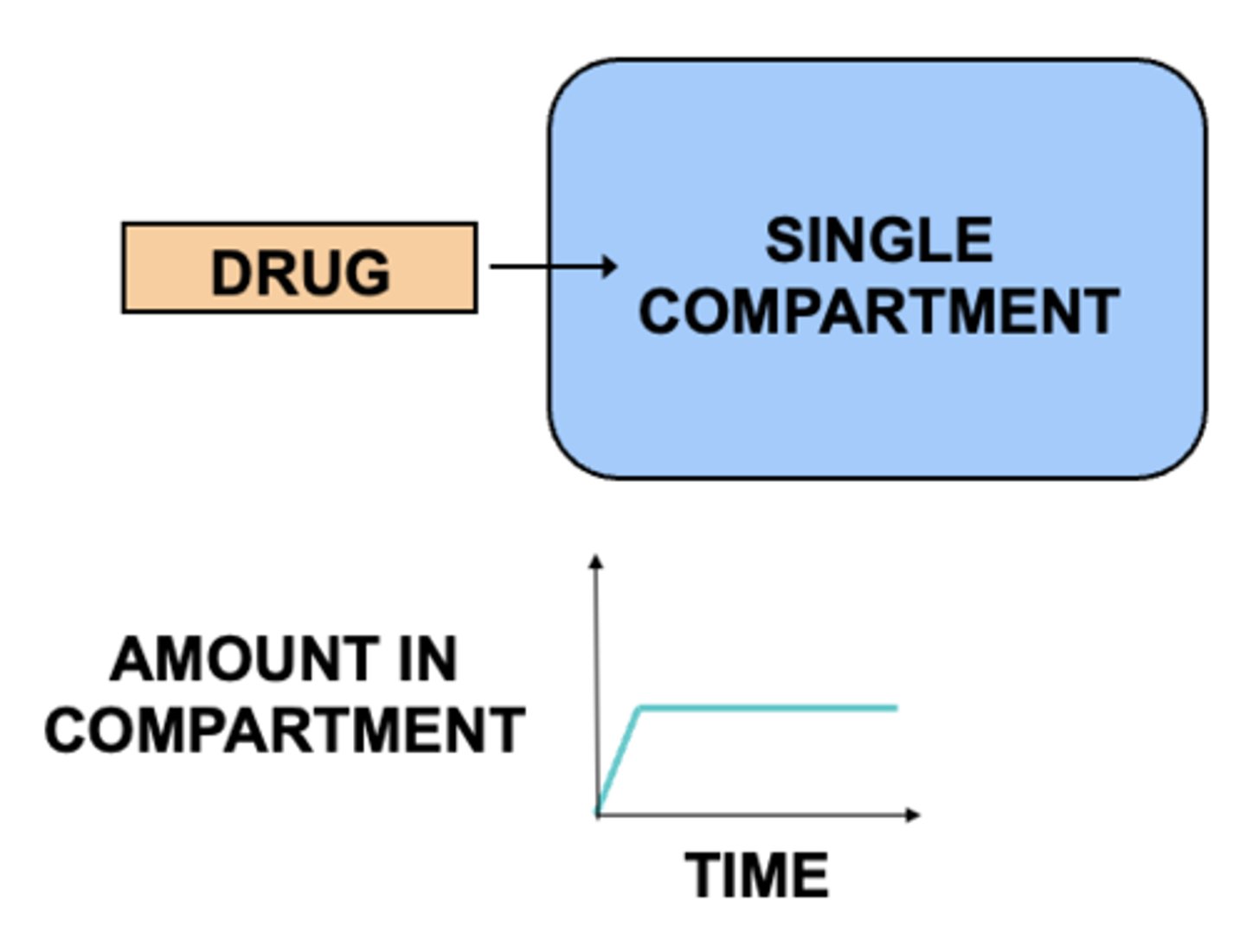
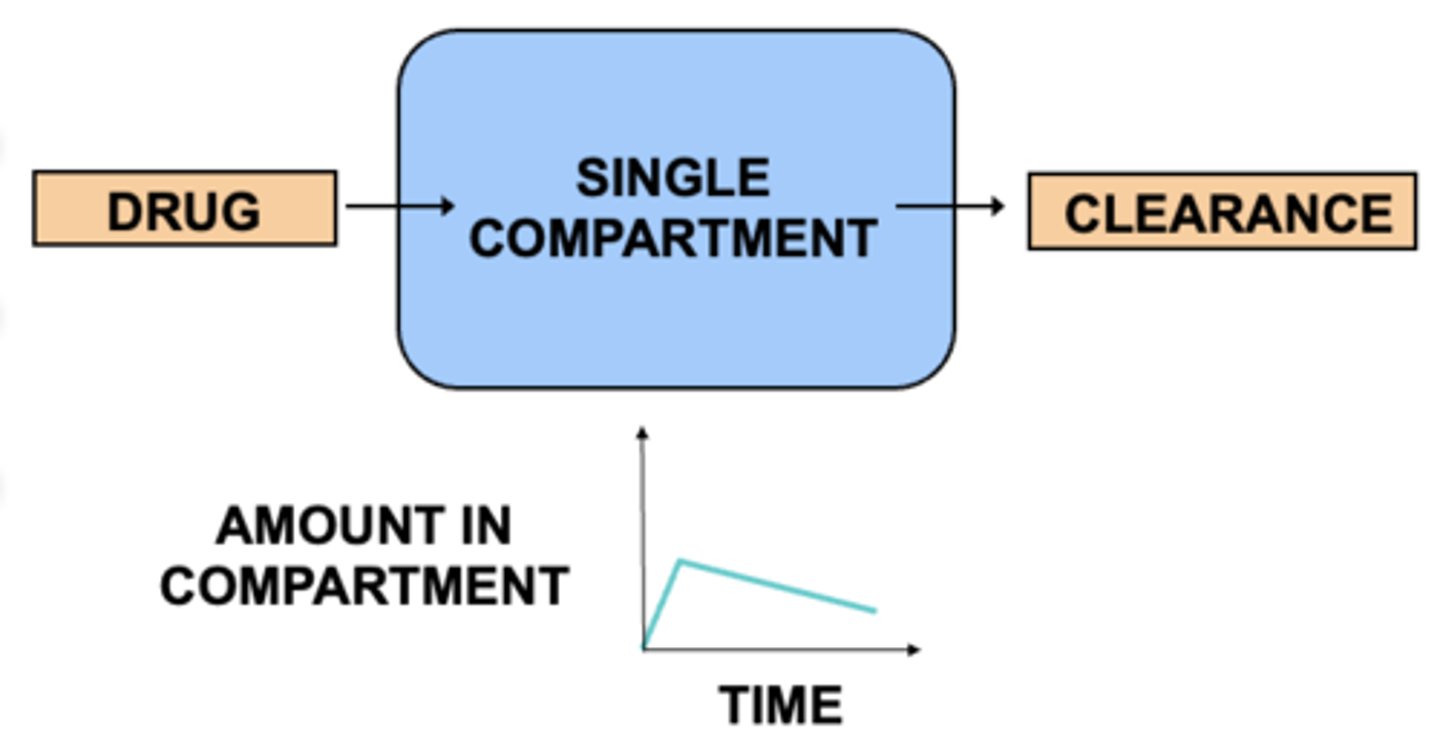
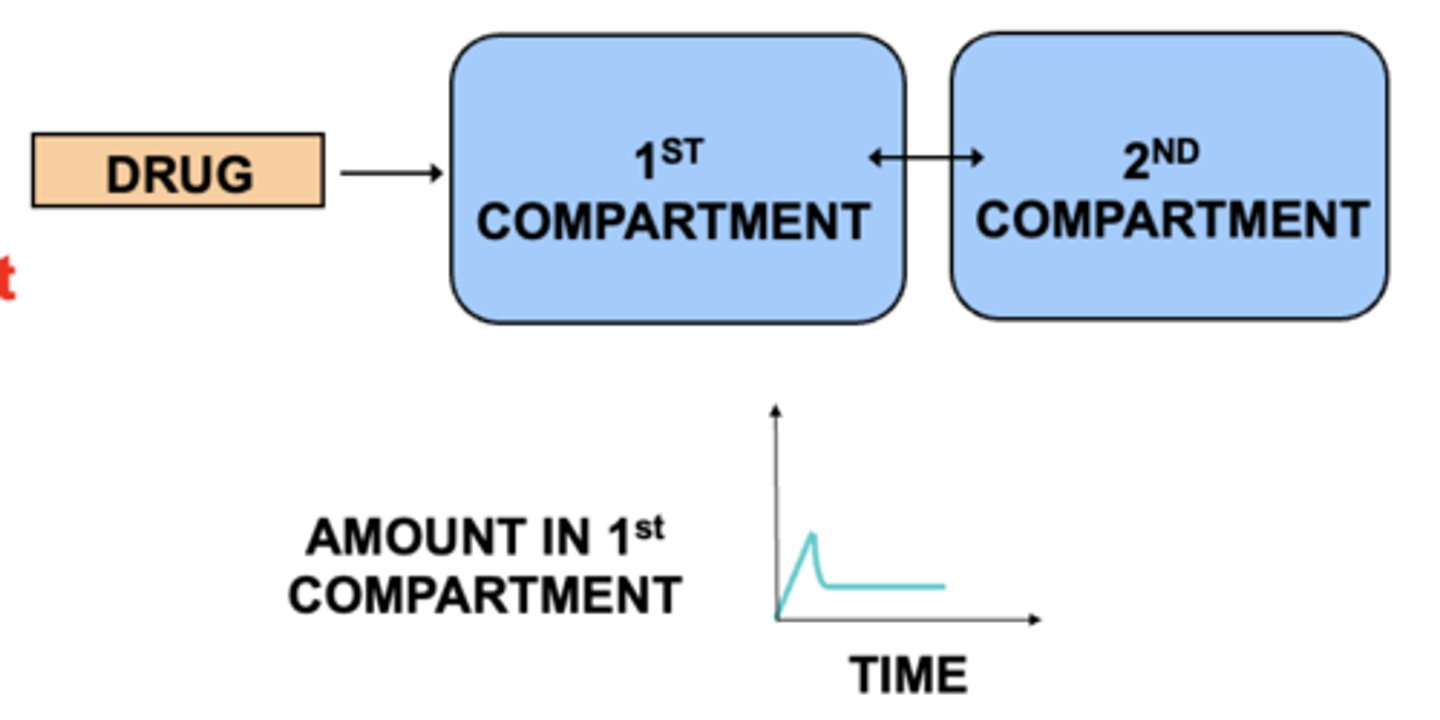
Typically simplified models are used to describe drug distribution in the body: (4)
- One compartment model w/ no clearance
- One compartment model w/ clearance
- Two compartment model w/ no clearance
- Two compartment model w/ clearance
One compartment model w/ no clearance
One compartment model w/ clearance
Two compartment model w/ no clearance
Two compartment model w/ clearance
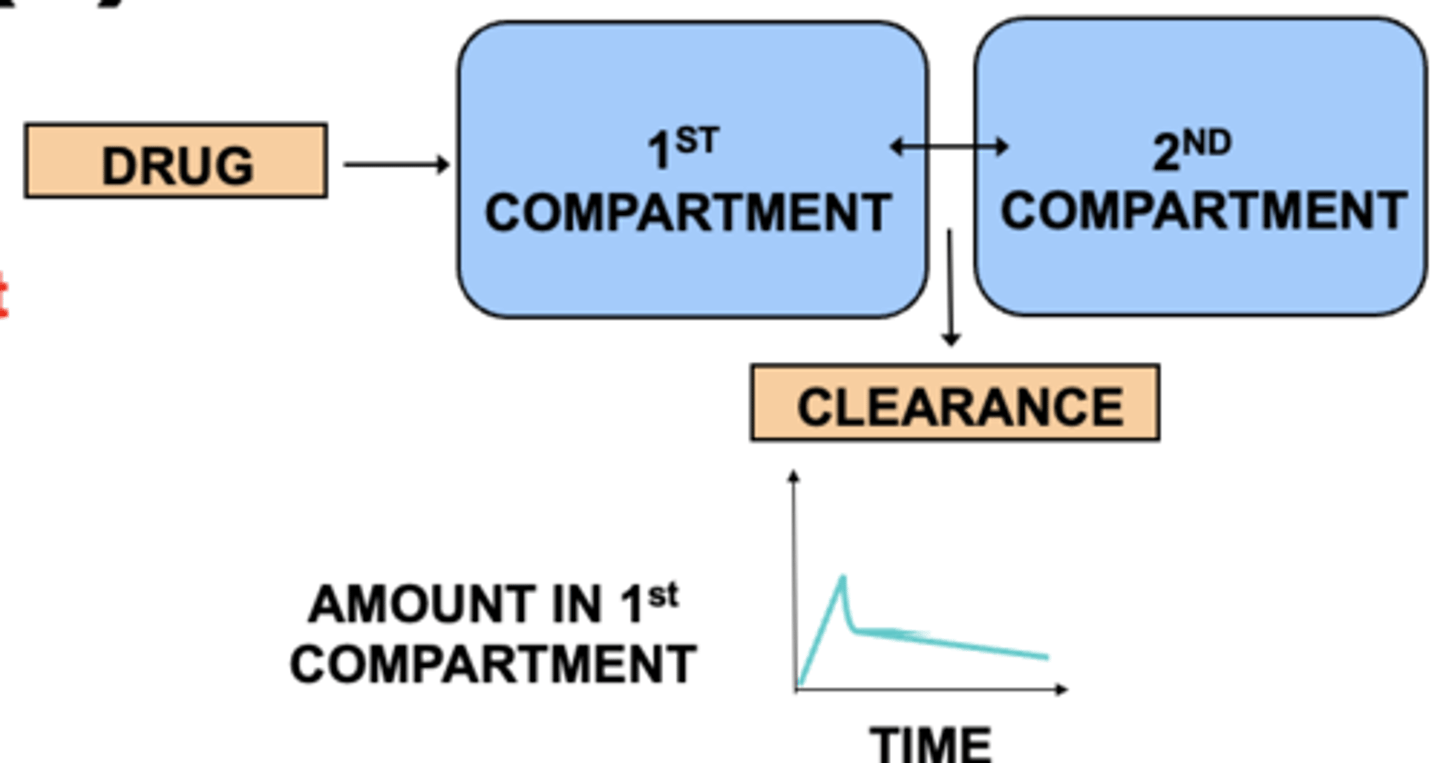
Examples of drugs that typically fit with a 2-compartment distribution model w/ clearance (3)
- Benzodiazepines
- Aminoglycosides
- Vancomycin
T/F: Multi-compartment (>2) models are also possible
TRUE
Objective
The volume of distribution (Vd) relates the _________________ in the body to the ________________ in the blood/plasma
- amount of drug
- concentration of drug (C)
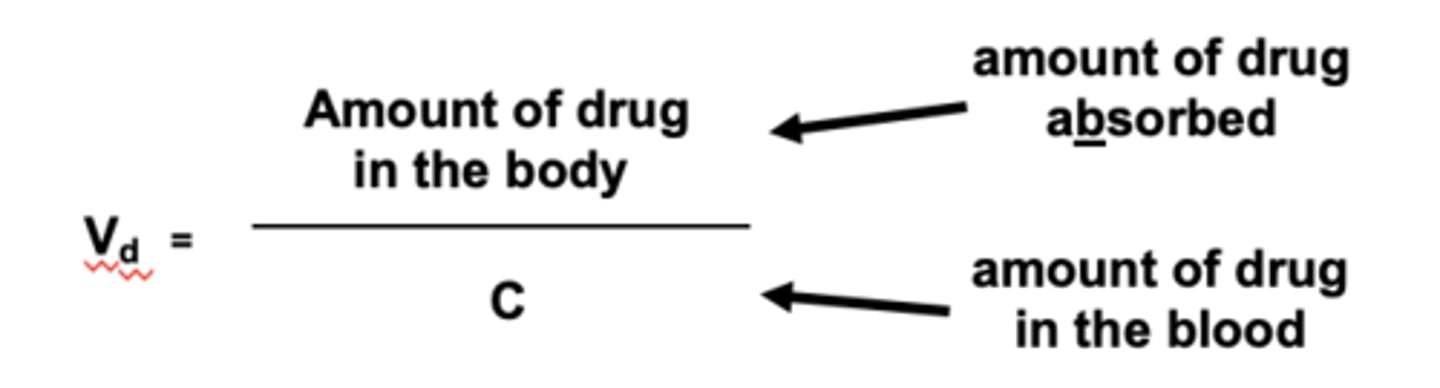
Objective
the Vd represents the fluid volume that would be required to contain the total amount of ____________ in the body at a uniform concentration equivalent to that in the _________ at a steady state
- absorbed drug
- plasma
Compartment and physical volume for patient chart
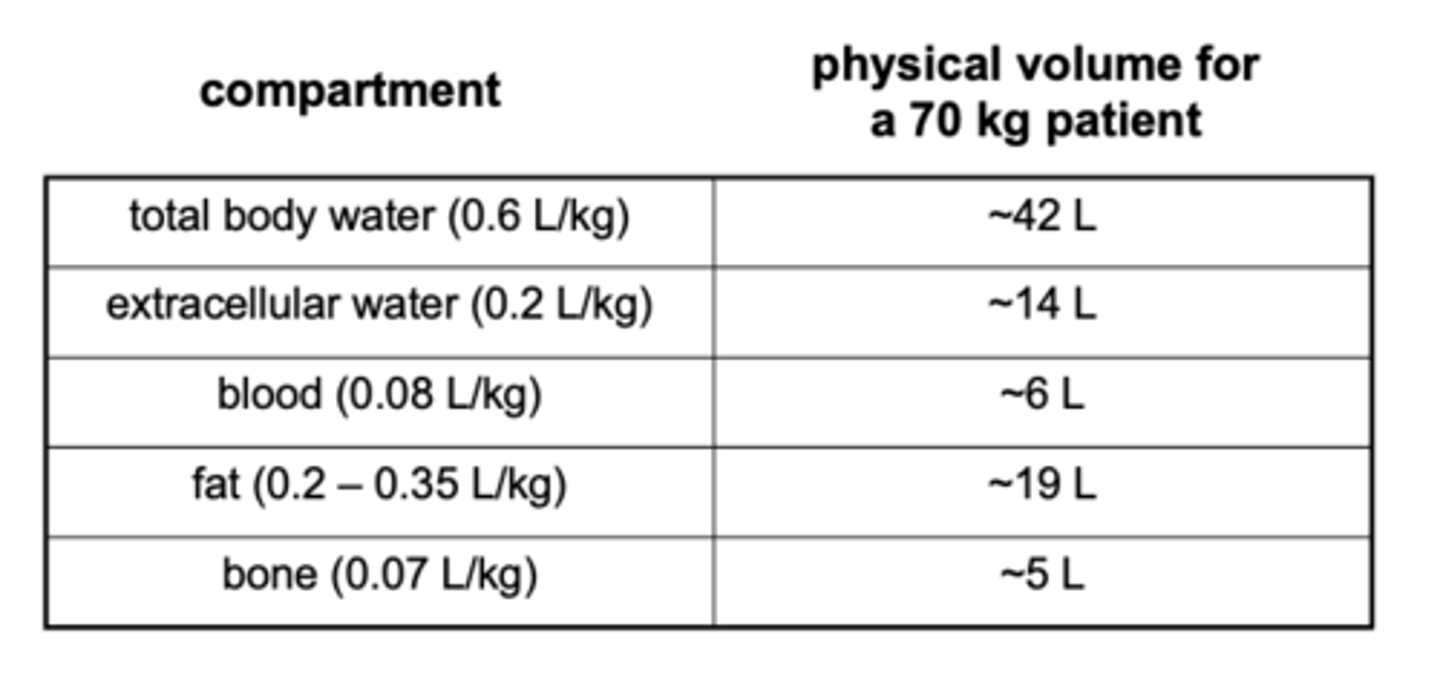
Compartment and drugs distributed into compartment chart
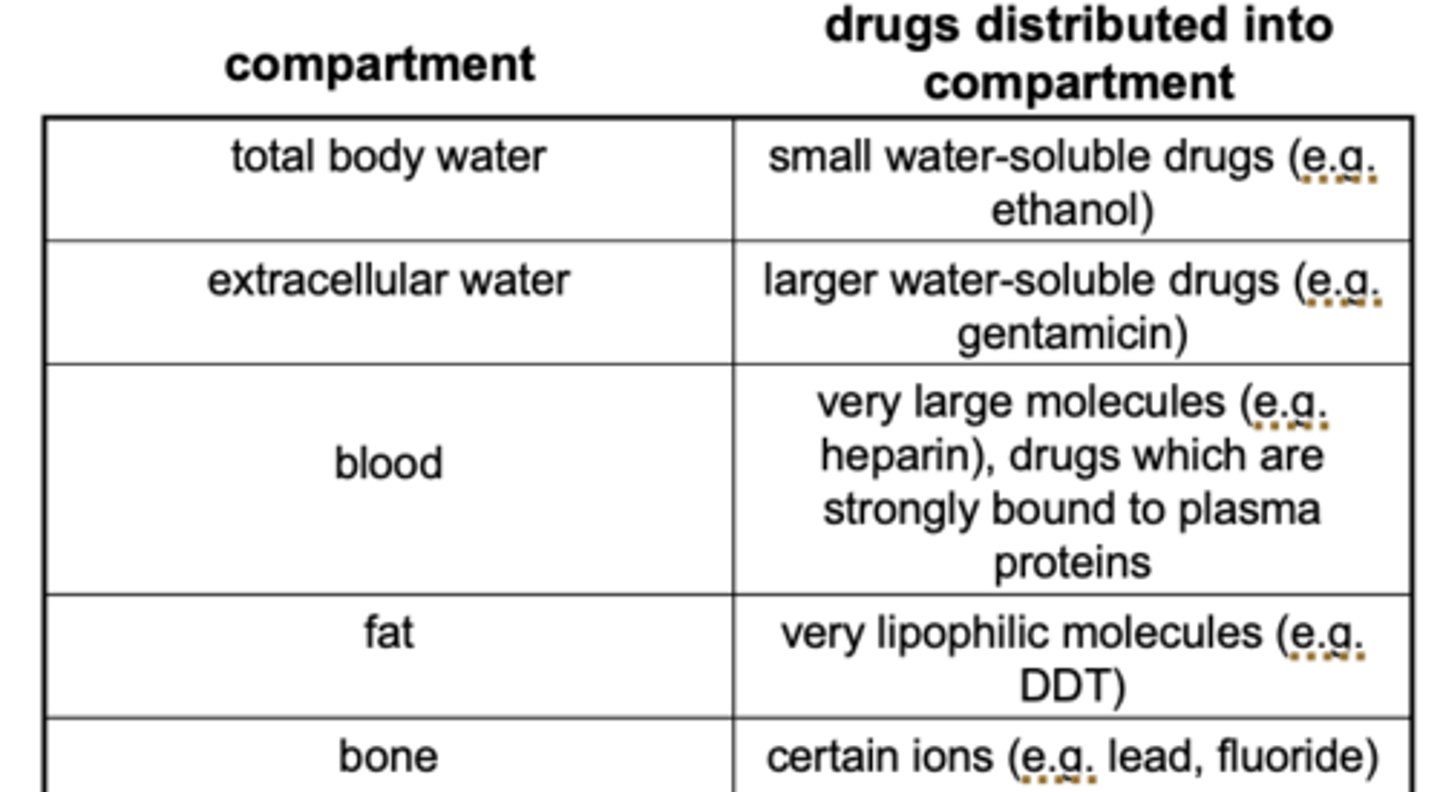
Objective
Is the volume of distribution a real, physical quantity?**
NO!
Volume of distribution is NOT a real, physical quantity
Objective
T/F: the volume of distribution provides a way for us to describe the distribution of a drug within the body **
TRUE*
Objective
Drugs with a low volume of distribution are those that stay......
stay within the vascular compartment
(usually due to strong plasma protein binding or an inability to diffuse out of circulation)
Objective
Drugs with a high volume of distribution are those that are either _____________________________ throughout the body or those that are ________________ in tissue reservoirs
- well-distributed throughout the body
- sequestered in tissue reservoirs
Examples of the volume distribution for different drugs
- Chlorpropamide: 6.8 L
- Ciprofloxacin: 130 L
- Chloroquine: 13000 L
Drugs that are sequestered at sites other than plasma proteins typically have....
higher volumes of distribution
Objective
Common sequestration (drug reservoir) sites: (3)
- Plasma proteins (for acidic & basic compounds)
- Adipose tissue (lipophilic compounds)
- Bone (chelating agents & heavy metals)
Acidic drugs will typically bind to....
serum albumin
(ibuprofen)
Basic drugs will typically bind to.....
a1-glycoprotein
(fluoxetine)
Drug binding to plasma proteins is....(3)
- usually reversible
- non-selective
- can be affected by disease states
Drug binding to plasma proteins limits...(2)
- the ability of the drug to distribute beyond the blood/plasma compartment
- the metabolism of the drug
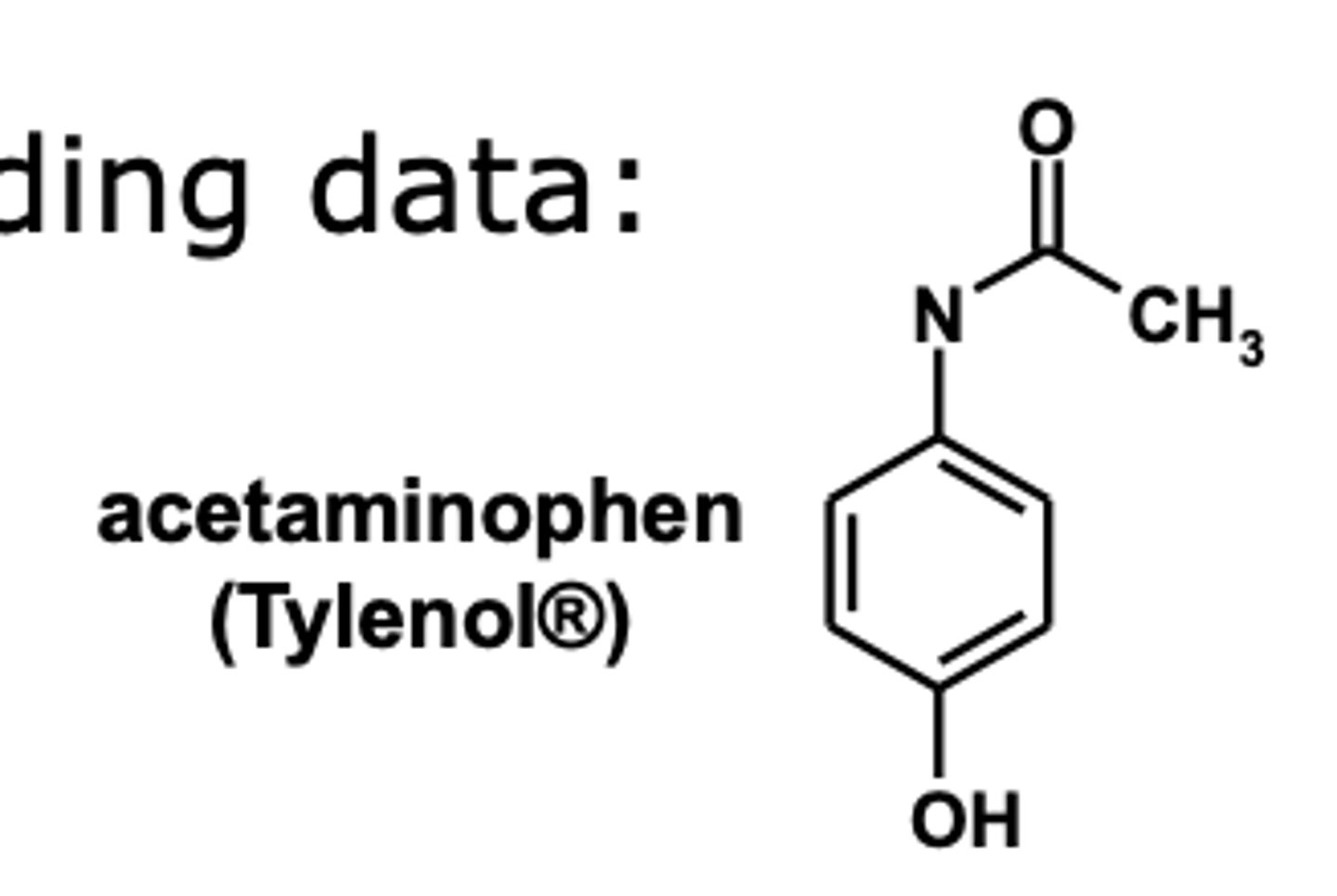
Examples of drug-plasma proteins that are not bound or weakly bound (2)
- acetaminophen
- atenolol
Examples of drug-plasma proteins that are moderately bound (2)
- terbutaline
- zidovudine
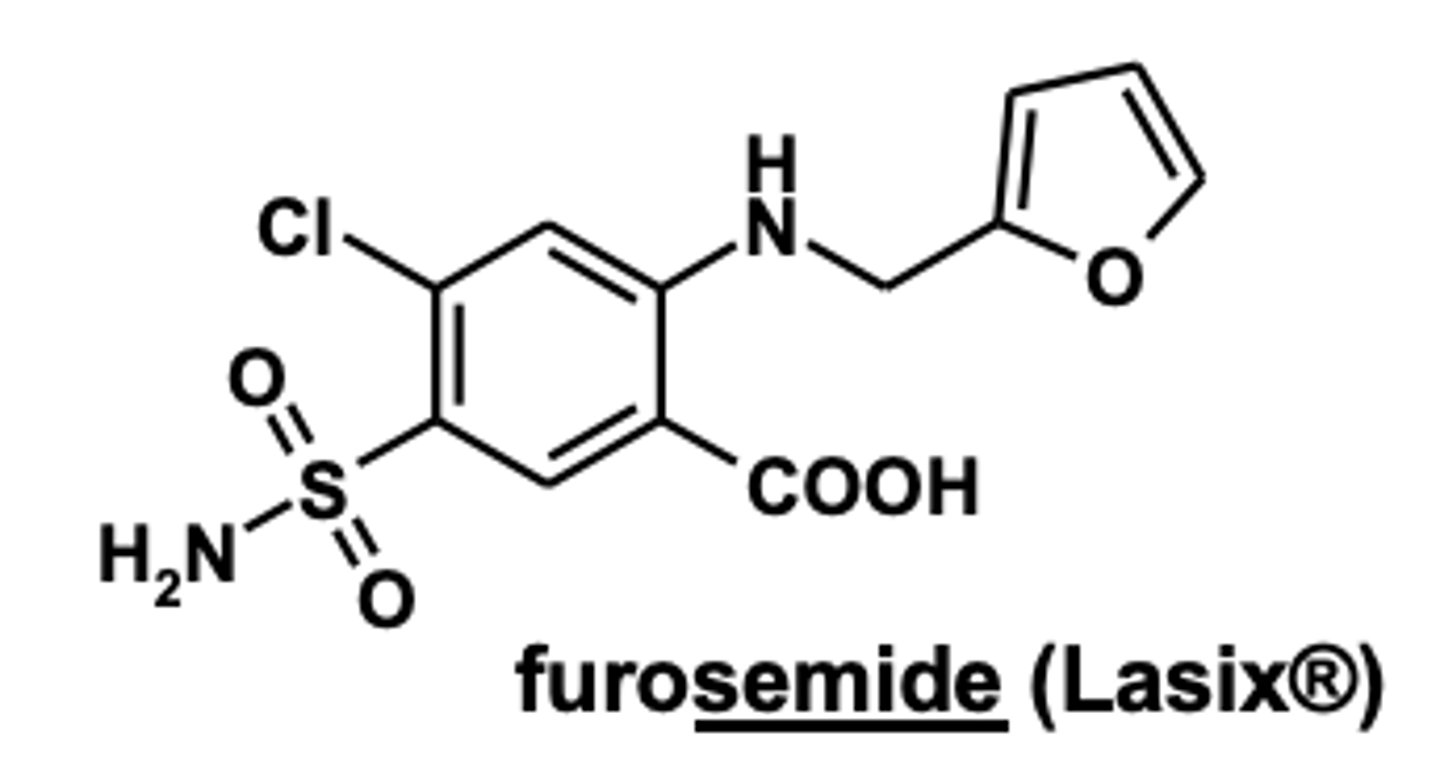
Examples of drug-plasma proteins that are strongly bound (2)
- furosemide
- warfarin
Lipophilic drugs may be sequestered in __________________ due to the physicochemical properties and the relatively low blood flow
adipose tissue
- DDT & similar environmental contaminants
- pts on lipophilic drugs that are nursing/breastfeeding
- obese patients on low-dose oral contraceptives
Potential options for patients on lipophilic drugs who are nursing/breastfeeding: (3)
- take the drug just after nursing
- store breast milk before starting medication
- switch to formuala
Objective
Bone sequestration
- may see divalent-cation chelating agents (tetracyclines)
- contraindicated for use in children due to teeth accumulation/staining
- Doxycyline
Bone sequestration: Heavy metals cause _____________ onto bone surface and eventual _______________ into crystal lattice
- adsorption
- incorporation
T/F: Small, lipophilic drugs typically have good CNS penetration
TRUE
- opioids, benzodiazepines, barbiturates
Even drugs which initially distribute into the CNS may be removed by....
efflux pumps/transporters (such as the PGPs)
The BBB can be a positive factor in avoiding...
unwanted CNS side-effects
(loperamide but does not normally cause CNS-related side-effects, due both to a lack of penetration of the CNS and its removal by PGP export pumps)
The BBB can be a negative factor when it blocks....
a drug from getting to site of action
(ex: treatment of severe fungal, viral, or bacterial infections of the brain)
Examples of drugs that are displaced from plasma proteins (3)
phenytoin, valporic acid, tricyclic antidepressants
Phenytoin displacement: which agents displace phenytoin? what may this cause?
- 90% plasma protein-bound
- "NTI" agent
- salicylates, valproic acid, and tricyclic agents may displace phenytoin from its plasma proteins and increase the free blood levels of this agent, causing potential phenytoin toxicity
Bilirubin w/ sulfonamides:
- Sulfonamide antibiotics are known to displace....
- Use of these agents should be avoided in _________________, _____________, and _______________ in order to avoid the possibility of _____________________
- plasma protein-bound bilirubin
- near-term pregnant women, nursing mothers, and newborns in order to avoid the possibility of neonatal jaundice
Objective
give an example of a drug that is commonly sequestered in plasma proteins for an acidic and basic drug
acidic (ibuprofen) and basic (fluoxetine) drugs
Objective
give an example of a drug that is commonly sequestered in adipose tissue
lipophilic drugs
(DDT and similar environmental contaminants)
(hormones)
Objective
give an example of a drug that is commonly sequestered in bone
tetracyclines (doxycycline)