Adrenal Gland Disorders: Hormones, Diagnosis, and Treatment
 Call Kai
 Learn
Learn Practice Test
 Spaced Repetition
 Match
Match Flashcards
 Knowt Play
1/109

There's no tags or description
Looks like no tags are added yet.
Name | Mastery | Learn | Test | Matching | Spaced | Call with Kai |
|---|
No analytics yet
Send a link to your students to track their progress
110 Terms
List the adrenal hormones
The main adrenal hormones include cortisol, aldosterone, androgens (such as dehydroepiandrosterone and androstenedione), epinephrine, and norepinephrine.
Explain the pathogenesis of Cushing's syndrome
Cushing's syndrome is caused by prolonged exposure to high levels of cortisol, which can result from adrenal tumors, pituitary adenomas producing excess ACTH, or ectopic ACTH production.
Identify signs and symptoms of Cushing's syndrome
Signs and symptoms include weight gain, particularly in the trunk and face, purple striae on the skin, hypertension, diabetes, muscle weakness, and mood changes.
Explain laboratory tests and expected results used to diagnose Cushing's syndrome
Diagnosis may involve 24-hour urinary free cortisol test, late-night salivary cortisol test, and low-dose dexamethasone suppression test, with elevated cortisol levels indicating Cushing's syndrome.
Describe etiologies of Cushing's syndrome
Etiologies include pituitary adenomas (Cushing's disease), adrenal tumors, and ectopic ACTH secretion from tumors in other parts of the body.
State treatment for Cushing's syndrome
Treatment options include surgical removal of tumors, radiation therapy, and medications to control cortisol production.
Identify signs and symptoms of primary adrenal insufficiency
Signs and symptoms include fatigue, weight loss, hyperpigmentation, low blood pressure, salt craving, and gastrointestinal disturbances.
Explain the pathogenesis and etiologies for primary adrenal insufficiency
Primary adrenal insufficiency, or Addison's disease, is caused by damage to the adrenal cortex, often due to autoimmune destruction, infections, or adrenal hemorrhage.
Define Addison's disease
Addison's disease is a disorder characterized by insufficient production of adrenal hormones, particularly cortisol and aldosterone.
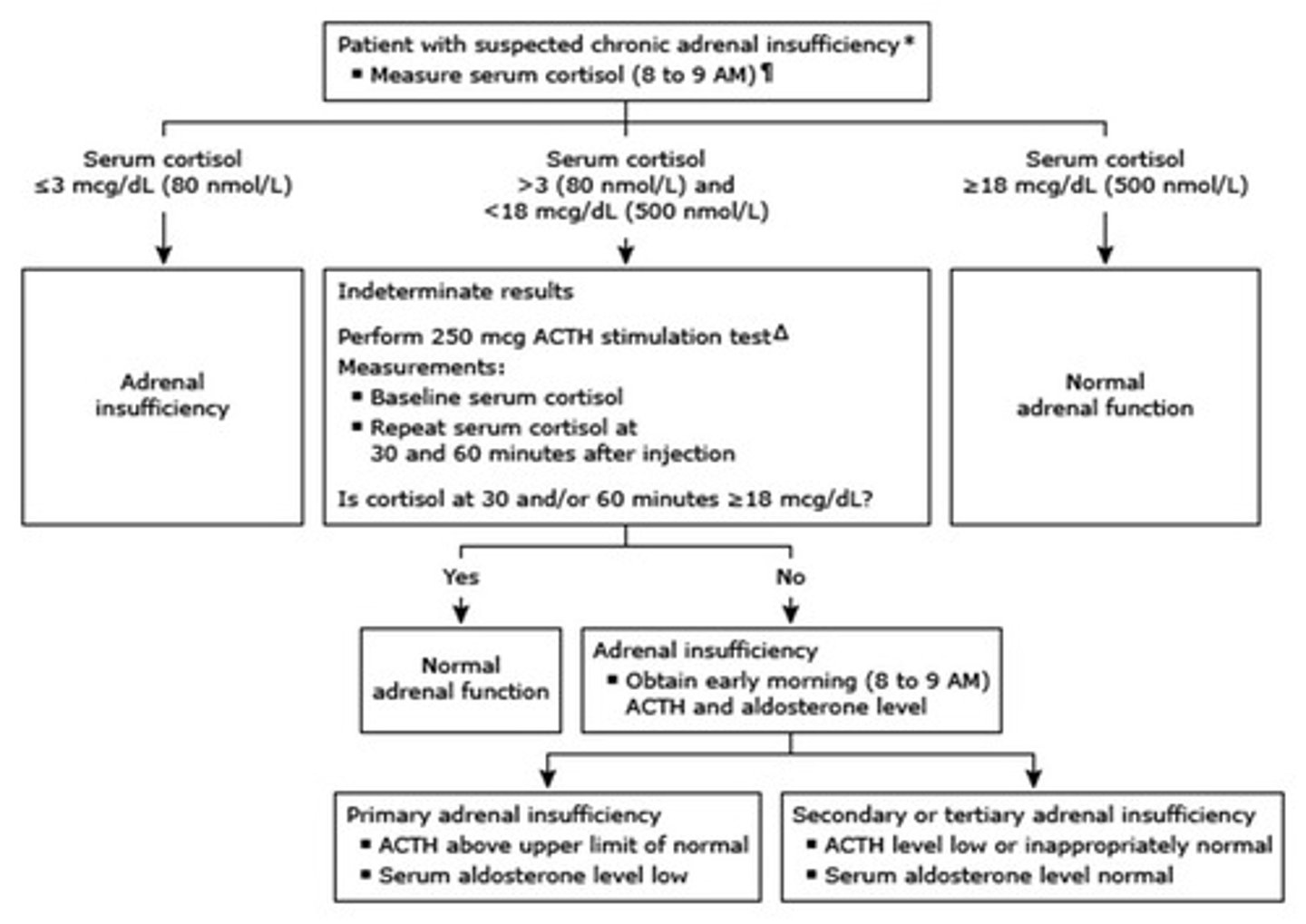
Explain laboratory tests and results used to diagnose adrenal insufficiency
Diagnosis involves measuring serum cortisol levels, ACTH levels, and conducting an ACTH stimulation test, with low cortisol and high ACTH indicating primary adrenal insufficiency.
State treatment for Addison's disease
Treatment typically involves lifelong hormone replacement therapy with glucocorticoids (e.g., hydrocortisone) and mineralocorticoids (e.g., fludrocortisone).
Identify signs and symptoms of primary and secondary hyperaldosteronism
Signs and symptoms include hypertension, hypokalemia, muscle weakness, and metabolic alkalosis.
Explain pathophysiology involved in Congenital Adrenal Hyperplasia
Congenital Adrenal Hyperplasia is caused by enzyme deficiencies in steroidogenesis, leading to excess androgen production and adrenal insufficiency.
State laboratory findings seen with Congenital Adrenal Hyperplasia
Laboratory findings may include elevated 17-hydroxyprogesterone levels and low cortisol levels.
State appropriate treatment for Congenital Adrenal Hyperplasia
Treatment typically involves glucocorticoid replacement therapy to suppress excess androgen production and manage adrenal insufficiency.
Explain appropriate diagnostic tests used in primary and secondary hyperaldosteronism and resultant laboratory results
Diagnostic tests include plasma aldosterone concentration and plasma renin activity, with an elevated aldosterone-to-renin ratio indicating primary hyperaldosteronism.
Describe treatment for primary and secondary hyperaldosteronism
Treatment for primary hyperaldosteronism may involve surgical removal of adrenal adenomas or mineralocorticoid receptor antagonists, while secondary hyperaldosteronism treatment focuses on the underlying cause.
Identify signs and symptoms of hypoaldosteronism
Signs and symptoms include hyperkalemia, hyponatremia, hypotension, and dehydration.
Describe diagnostic tests used in diagnosis of hypoaldosteronism
Diagnosis may involve measuring serum electrolytes, plasma aldosterone levels, and assessing the response to ACTH stimulation.
Explain management of hypoaldosteronism
Management typically includes mineralocorticoid replacement therapy and monitoring of electrolyte levels.
Identify signs and symptoms indicative of pheochromocytoma
Signs and symptoms include episodic headaches, sweating, palpitations, and hypertension.
State laboratory tests used to diagnose pheochromocytoma
Diagnosis is often confirmed by measuring plasma free metanephrines or 24-hour urinary catecholamines.
State treatment of pheochromocytoma
Treatment typically involves surgical removal of the tumor and may include preoperative management with alpha-blockers.
Explain clinical presentation consistent with adrenal carcinoma
Clinical presentation may include abdominal pain, weight loss, hormonal imbalances, and signs of Cushing's syndrome or virilization.
Describe diagnostic work up for diagnosis of adrenal carcinoma
Diagnosis may involve imaging studies (CT or MRI), hormone level assessments, and biopsy if indicated.
State treatment of adrenal carcinoma
Treatment typically involves surgical resection, and may include chemotherapy or radiation therapy for advanced cases.
List the side effects and adverse reactions associated with corticosteroid use
Side effects can include weight gain, hypertension, diabetes, osteoporosis, increased infection risk, and mood changes.
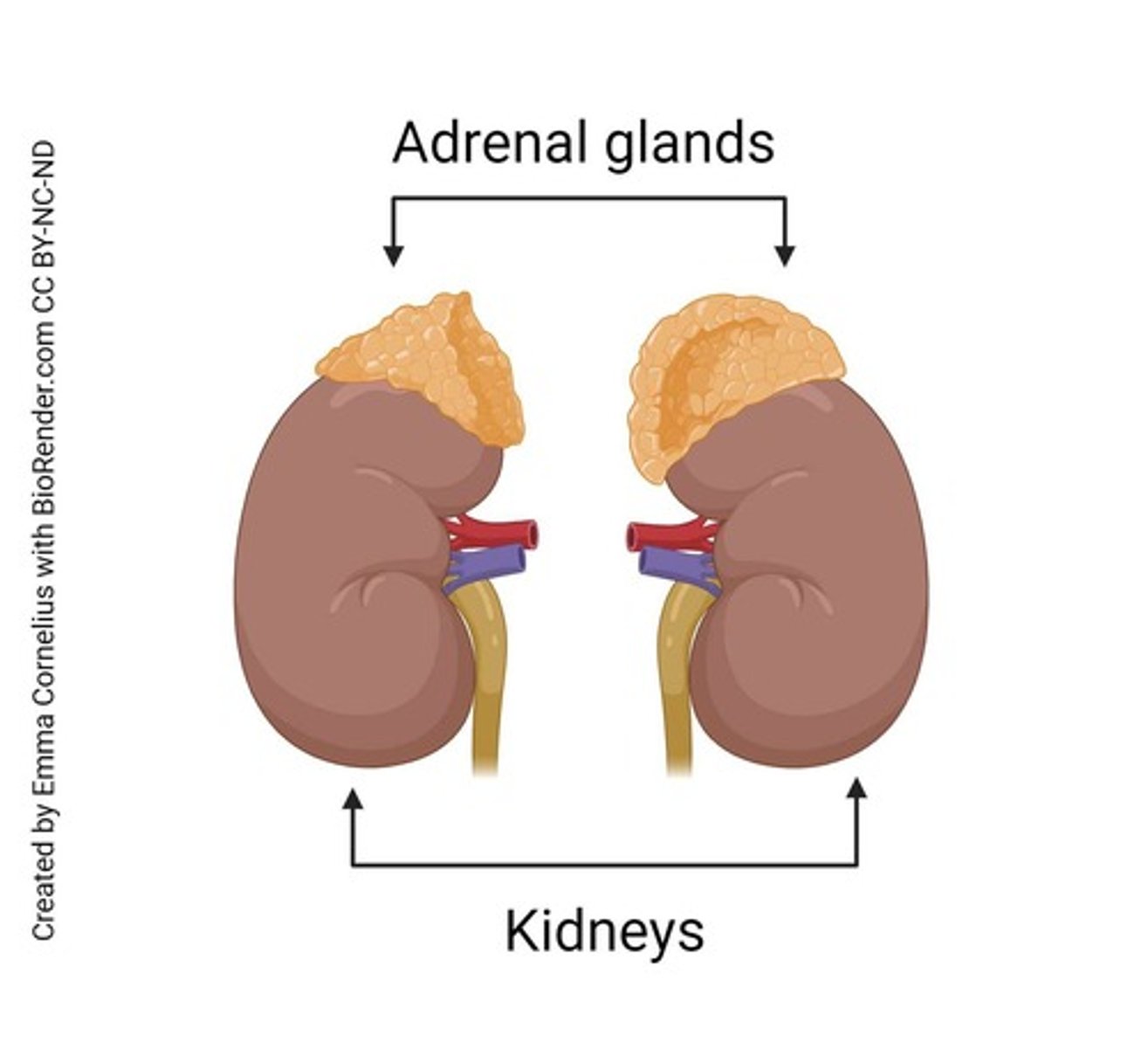
What is the adrenal gland's location?
The adrenal glands sit atop each kidney.
What are the zones of the adrenal cortex?
The adrenal cortex is histologically divided into three zones: Zona glomerulosa (aldosterone synthesis), Zona fasciculata (corticosteroid synthesis), and Zona reticularis (androgen synthesis).
What is the role of Corticotropin Releasing Hormone (CRH)?
CRH, produced in the hypothalamus, controls the synthesis and release of ACTH from the pituitary gland.
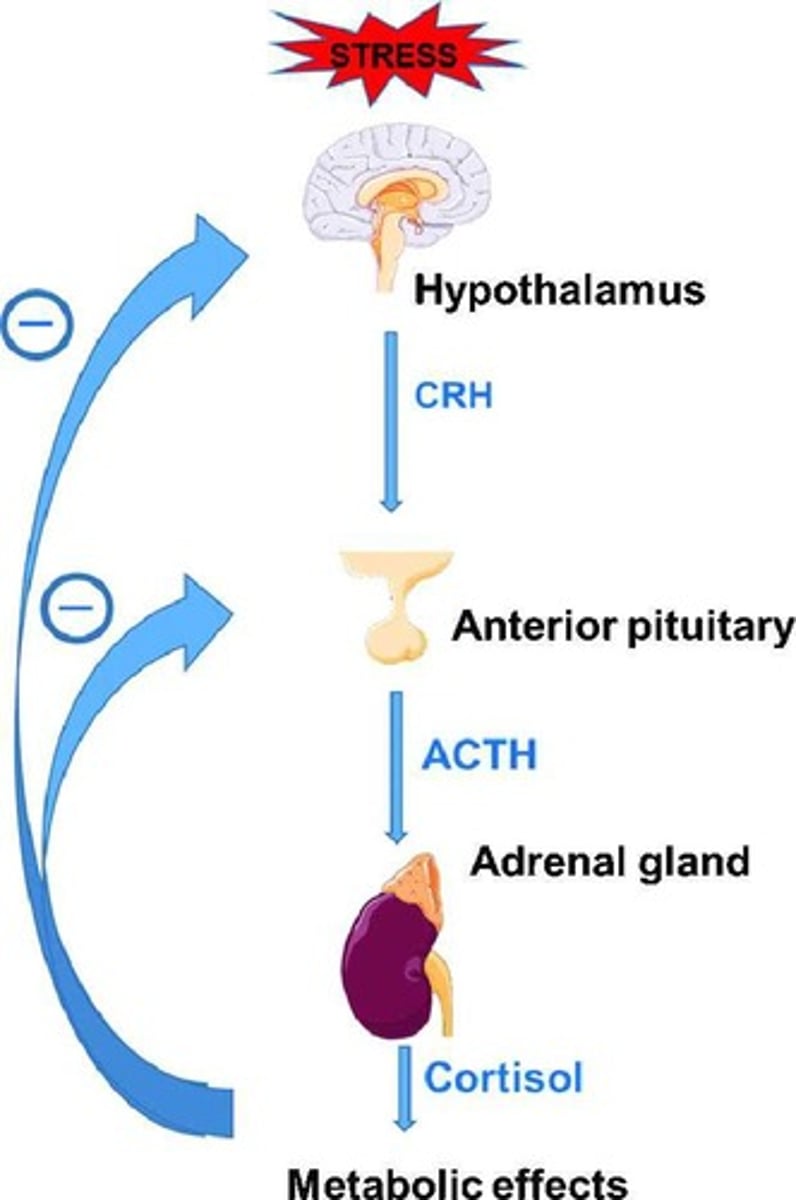
What is the function of cortisol?
Cortisol maintains blood pressure, regulates metabolism, and suppresses the immune response during stress.
What is the renin-angiotensin pathway?
The renin-angiotensin pathway is activated by low intravascular volume or low serum sodium, leading to the production of angiotensin II, which stimulates aldosterone secretion.
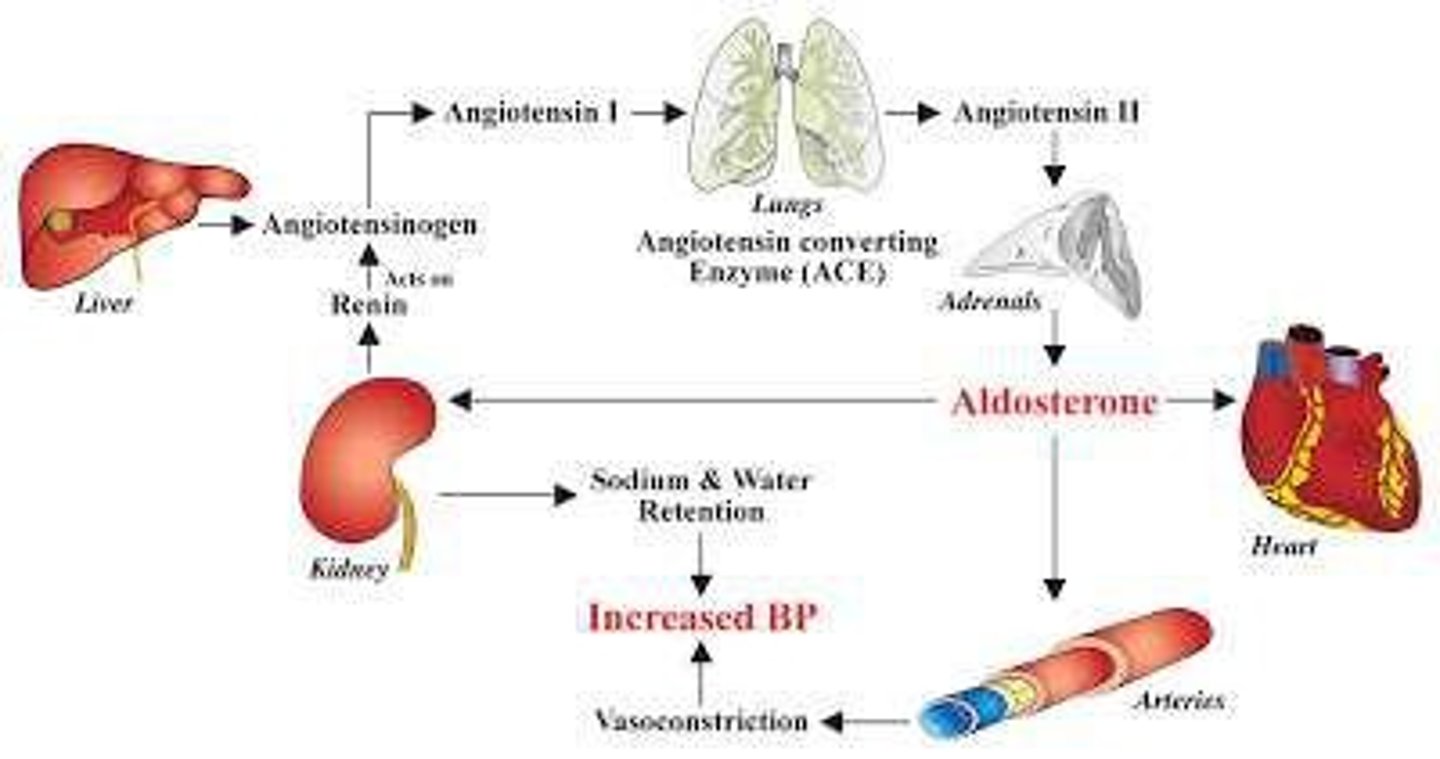
What is the main mineralocorticoid?
The main mineralocorticoid is aldosterone, which regulates sodium and potassium balance in the body.
What are catecholamines?
Catecholamines, including epinephrine and norepinephrine, are hormones produced by the adrenal medulla in response to stress, affecting cardiovascular and metabolic functions.
What is the 'fight or flight' response?
The 'fight or flight' response is a physiological reaction to perceived threats, characterized by increased heart rate, blood pressure, and energy availability.
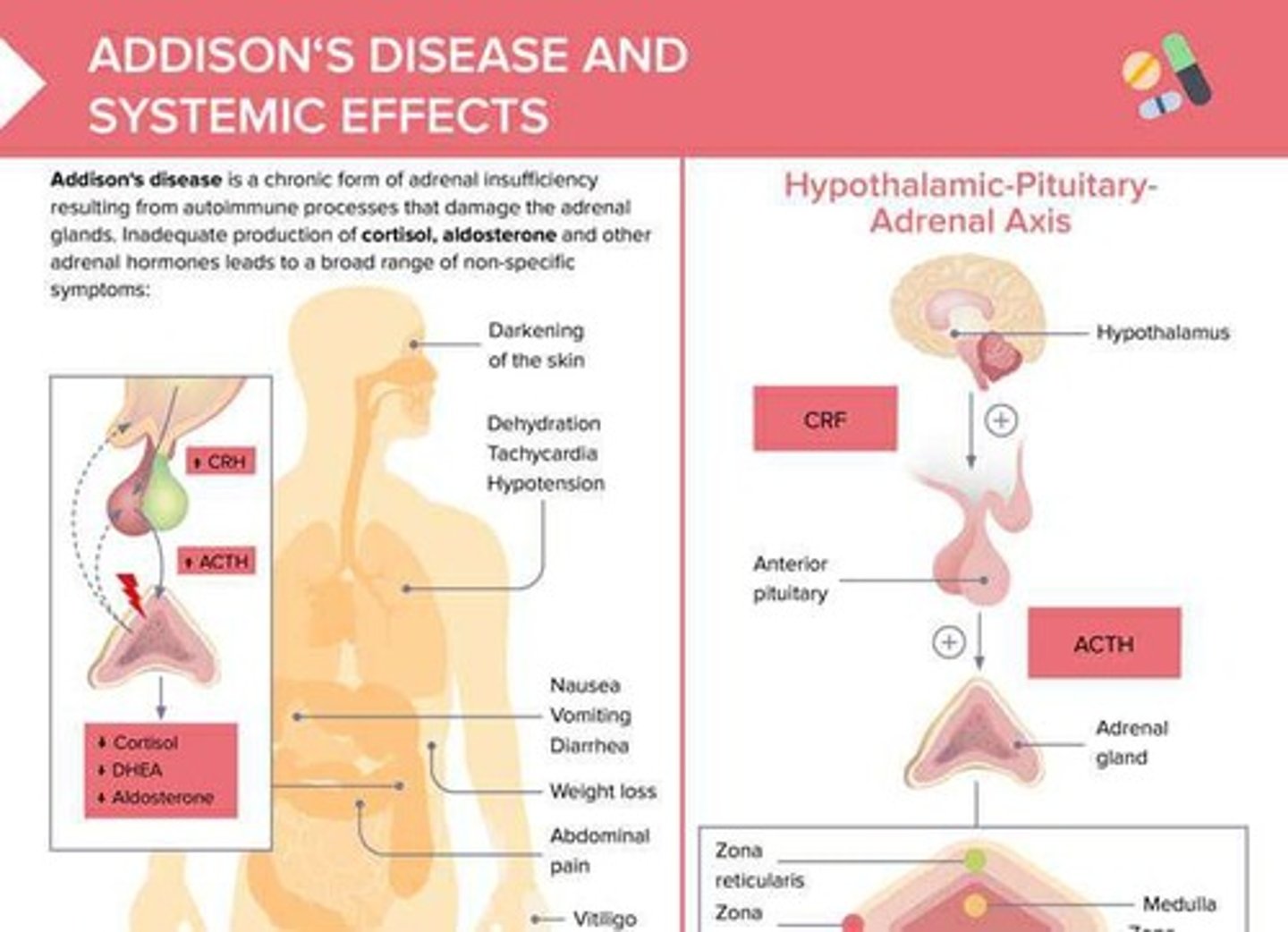
What is adrenal insufficiency?
Adrenal insufficiency, or hypoadrenalism, is a condition characterized by low levels of cortisol and aldosterone, leading to impaired stress response.
What may fatigue indicate?
Fatigue may be an indication of under-treatment in adrenal insufficiency.
What do neutrophilia and lymphocytopenia indicate?
Neutrophilia and lymphocytopenia may indicate over-replacement in adrenal insufficiency.
What is acute adrenal insufficiency?
Acute adrenal insufficiency is a medical emergency caused by insufficient cortisol, often triggered by stress such as severe illness, trauma, or surgery.
What are the symptoms of acute adrenal insufficiency?
Symptoms include fever, nausea/vomiting, hypoglycemia, orthostatic hypotension, heart failure, shock, and coma.
What tests should be performed if Addisonian crisis is suspected?
Tests include plasma ACTH, serum cortisol, serum glucose, BUN/Cr and electrolytes, and blood cultures.
What is the initial treatment for suspected acute adrenal insufficiency?
Initial treatment includes IV hydrocortisone and IV fluids, with normal saline and dextrose if hypoglycemia is present.
What is the most common cause of adrenal insufficiency in children?
The most common cause is enzymatic deficiencies in the pathway of cortisol production, particularly 21-hydroxylase deficiency.
What are the effects of decreased 21-hydroxylase?
Decreased 21-hydroxylase leads to decreased cortisol, increased adrenal androgens, and can result in ambiguous genitalia in females and precocious puberty in males.
What is the salt-wasting form of adrenal insufficiency?
The salt-wasting form is the most severe type, causing excessive salt loss and can appear within days of birth due to 21-hydroxylase deficiency.
What laboratory findings are associated with the salt-wasting form?
Findings include hyponatremia, hyperkalemia, hypoglycemia, acidosis, low serum cortisol and aldosterone levels, and elevated renin levels.
What is Cushing's Disease?
Cushing's Disease is a disorder of the pituitary gland characterized by excess ACTH production leading to excess cortisol and hyperplastic adrenal glands.
What are the common symptoms of Cushing's Syndrome?
Symptoms include central obesity, muscle wasting, hirsutism, acne, purple striae, hyperpigmentation, thin extremities, moon facies, and buffalo hump.
What are some complications associated with Cushing's Syndrome?
Complications include osteoporosis, metabolic syndrome, and hypertension.
What laboratory findings indicate Cushing's Syndrome?
Findings may include elevated Hgb A1C, leukocytosis, lymphocytopenia, hypokalemia, and hyperlipidemia.
What tests are needed to confirm hypercortisolism?
Two out of three tests are needed: lack of cortisol diurnal variation, reduced cortisol suppression with dexamethasone, and increased 24-hour urine free cortisol.
What is the significance of a late-night salivary cortisol level above 250 ng/dL?
A late-night salivary cortisol level above 250 ng/dL is considered abnormal and may indicate Cushing's Syndrome.
What is the overnight dexamethasone suppression test?
In this test, 1 mg of dexamethasone is given at 11 PM, and serum cortisol is measured the next morning; normal levels are < 1.8 mcg/dL.
What imaging studies are used in ACTH-independent Cushing's Syndrome?
CT of the adrenals is used to detect masses, adenomas, or carcinomas.
What is the treatment for Cushing's disease caused by a pituitary lesion?
Treatment typically involves transsphenoidal surgical resection of the pituitary tumor.
What is Osilodrostat?
Osilodrostat is a medication that reduces cortisol synthesis by blocking the adrenal enzyme 11b-hydroxylase.
What is the role of ketoconazole in Cushing's treatment?
Ketoconazole inhibits adrenal steroid production and is used in the medical management of Cushing's Syndrome.
What is Mitotane?
A medication that kills off adrenal tissue and is approved for the treatment of adrenocortical carcinoma.
What are the symptoms of Cushing's syndrome?
Symptoms include progressive weight gain, proximal muscle weakness, easy bruising, fatigue, purple stretch marks, and increased facial hair growth.
What is the significance of a CMP in evaluating adrenal disorders?
A CMP can reveal electrolyte imbalances such as hyperkalemia and hyponatremia, which are important in diagnosing conditions like adrenal insufficiency.
What tests should be ordered for suspected adrenal insufficiency?
Tests include serum renin, aldosterone, and cortisol levels, as well as urine sodium levels.
What confirms a diagnosis of primary adrenal insufficiency?
Low levels of both aldosterone and cortisol with high renin levels confirm primary adrenal insufficiency.
What is the most likely cause of hyperkalemia and metabolic acidosis?
Deficient production or response to aldosterone, leading to conditions like primary adrenal insufficiency or congenital adrenal hyperplasia.
What imaging is appropriate for adrenal disorders?
Imaging such as CT or MRI of the adrenal glands can help identify tumors or structural abnormalities.
What are treatment options for primary adrenal insufficiency?
Treatment includes mineralocorticoid and glucocorticoid replacement therapy.
What is hyporeninemic hypoaldosteronism?
A condition characterized by low renin and low aldosterone levels, often associated with renal disease.
What is the classic presentation of primary hyperaldosteronism?
Hypertension with hypokalemia and alkalosis, often refractory to treatment.
What is Conn's Syndrome?
A condition caused by a unilateral aldosterone-producing adrenal adenoma, leading to excessive aldosterone secretion.
What is the Aldosterone:Renin Ratio?
A diagnostic test used to evaluate for primary hyperaldosteronism; a high ratio indicates the condition.
What is the significance of elevated serum bicarbonate (HCO3)?
It indicates metabolic alkalosis, which can be associated with primary hyperaldosteronism.
What medications can cause hyperkalemia?
Potassium-sparing diuretics, ACE inhibitors, ARBs, and certain antibiotics can lead to hyperkalemia.
What is the role of 24-hour urine aldosterone level in diagnosis?
It helps assess aldosterone secretion over a full day, aiding in the diagnosis of hyperaldosteronism.
What are the symptoms of aldosterone deficiency?
Symptoms can include fatigue, muscle weakness, hypotension, and salt cravings.
What is the treatment for hyporeninemic hypoaldosteronism?
Treatment may include mineralocorticoids and dietary adjustments, such as a low potassium diet.
What is primary aldosteronism?
A condition characterized by excessive secretion of aldosterone independent of renin, leading to hypertension and hypokalemia.
What is the typical age range for primary aldosteronism presentation?
It commonly presents in youths and middle-aged adults.
What is the relationship between aldosterone and potassium levels?
Aldosterone promotes renal potassium excretion; excessive aldosterone can lead to hypokalemia.
What is the effect of heparin on adrenal function?
Heparin can have a direct toxic effect on zona glomerulosa cells, impairing aldosterone production.
What is the inheritance pattern of congenital adrenal hyperplasia (CAH)?
CAH is typically inherited in an autosomal-recessive pattern.
What are the laboratory evaluations for primary hyperaldosteronism?
Evaluations include plasma potassium, plasma aldosterone, plasma renin activity, and 24-hour urine aldosterone levels.
What is the significance of correcting hypokalemia before testing for hyperaldosteronism?
Correcting hypokalemia is important to ensure accurate test results for aldosterone levels.
What is the impact of medications like NSAIDs on renal function?
NSAIDs can impair renal function and potentially lead to conditions like hyperkalemia.
What are the common causes of secondary hyperaldosteronism?
Causes include renal artery stenosis, heart failure, and cirrhosis.
What is the clinical significance of Trousseau or Chvostek's sign?
These signs indicate hypocalcemia, which can be associated with metabolic alkalosis.
What is the Aldosterone to Renin ratio?
A screening test used to evaluate the renin-aldosterone system's role in blood pressure regulation, particularly with postural changes.
What happens to aldosterone levels in B/L Adrenal Hyperplasia after 4 hours of upright posture?
The baseline aldosterone level rises after 4 hours in an upright posture.
What happens to aldosterone levels in Unilateral Adrenal Adenoma after 4 hours of upright posture?
The baseline aldosterone level does NOT rise after 4 hours.
What is the significance of plasma 18-hydroxycorticocosterone levels?
High levels indicate adrenal aldosteronomas.
What imaging techniques are helpful in identifying adrenal adenoma or hyperplasia?
CT (Computed Tomography) and MRI (Magnetic Resonance Imaging) are useful for this purpose.
What is a differential diagnosis for adrenal disorders?
Adrenal carcinoma, black licorice intake, oral contraceptives, renal vascular disease, congenital adrenal disorders, and Liddle's Syndrome.
Who should be tested for primary hyperaldosteronism?
Individuals with sustained hypertension > 150/100 mmHg, resistant hypertension, hypokalemia, family history of early-onset hypertension or stroke, and those with adrenal masses.
What is Conn's syndrome?
A condition that may be underrecognized as a cause of refractory hypertension, often related to hyperaldosteronism.
What is the management for adrenal adenoma?
Surgical removal is the recommended treatment.
What is the management for bilateral adrenal hyperplasia?
Medical management involving aldosterone and potassium supplementation.
What is an incidental adrenal mass?
An adrenal nodule found incidentally during imaging for another issue, with a low incidence of malignancy.
What percentage of incidental adrenal masses are nonfunctioning?
Approximately 85% of incidental adrenal masses are nonfunctioning.
What are the common symptoms of pheochromocytoma?
Symptoms include labile hypertension, tachycardia, sweating, palpitations, headache, anxiety, abdominal pain, and weight loss.
What tests are used to work-up pheochromocytoma?
Plasma fractionated free metanephrines, 24-hour urine for free metanephrines, and VMA (vanillylmandelic acid).
What is the role of alpha-blockade in pheochromocytoma treatment?
Alpha-blockade is critical prior to any other treatment, such as surgery.
What can happen if a beta-blocker is started before an alpha-blocker?
It can cause paradoxical worsening of hypertension due to unopposed alpha activity.