Republican Period & Art Under Mao
 Call Kai
 Learn
Learn Practice Test
 Spaced Repetition
 Match
Match Flashcards
 Knowt Play
1/9

There's no tags or description
Looks like no tags are added yet.
Name | Mastery | Learn | Test | Matching | Spaced | Call with Kai |
|---|
No analytics yet
Send a link to your students to track their progress
10 Terms
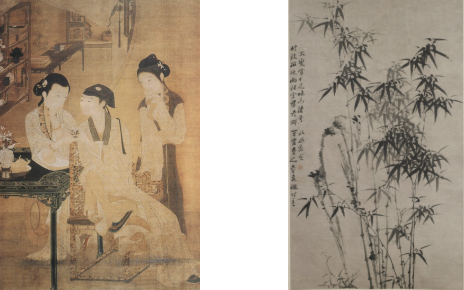
Which of the following paintings would have been purchased by someone of merchant class to appear higher-class in the Qing dynasty? Why? Explain the style and theme of the other work. Where would it have been displayed?
Work B would have been purchased as it is considered a less professional piece to be sold for money over status
Work A depicts a story that would have been hung in a brothel for viewing pleasure
How did European techniques of shading and perspective become integrated into Chinese art practice in the 18th and 19th c.? (Name two out of the three places mentioned in class where Chinese might have been exposed to European painting.)
Imported goods such as punch bowls. paintings were sent to China to be recreated onto such objects
Jesuit missionaries who came to court
Catholic missionaries who would have carried iconography of the saints
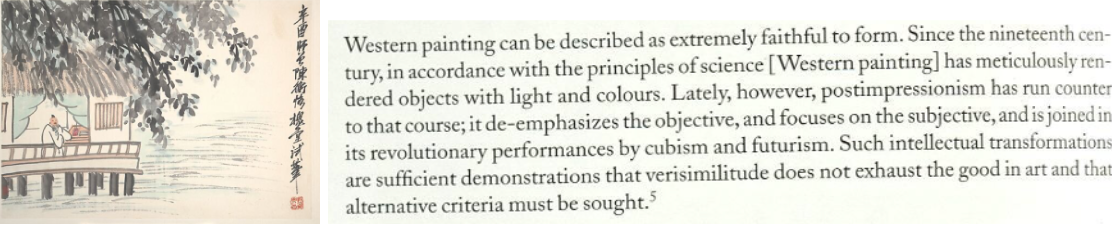
During the Republican period, the defining question of 'what constitutes modern Chinese art' elicited a wide range of responses. One solution was offered by the artist below, Chen Hengke. Drawing on the provided excerpt from The Value of Literati Painting, explain Chen’s proposed solution to this dilemma. Finally, analyze the formal qualities of the accompanying artwork to determine the extent to which his creative practice aligned with his theoretical stance.
Chen proposed that because Chinese painting never focused on western styles like figural drawing, or realism, that Chinese painting was already modern.
this work does follow western values with the use of more color
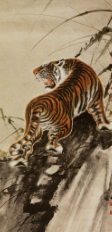
During the Republican period, the defining question of 'what constitutes modern Chinese art' elicited a wide range of responses. One solution was offered by the artist below. Describe the subject and style of this painting (and the precedent that it builds upon.) Why did this artist believe that this was the way forward for modern Chinese art?
Gao Brothers
Qifeng studied abroad in Japan and believed that nihonya was the way forward
taking animals and depicting them in realistic ways
situating the animal against a chinese background
creating art they thought would motivate chinese citizens to resist colonial powers
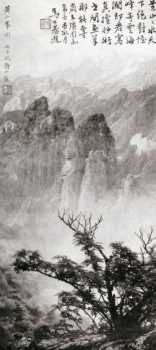
What technique was used to create the work below? How does this work try to achieve earlier ideals of landscape painting through new media?
layered photographic negatives
composite photography
enabled to create/use mist to suggest large amounts of space
breaking it up to show larger amounts of space
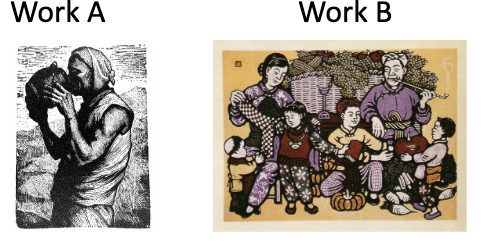
Identify the medium of work A and explain why this medium was considered new in modern China. After the 1942 Yan’an talks, what caused left-wing printmakers to switch to creating works in style B?
Work A was a woodblock print, but was seen as a different medium due to the ink used and the way the woodblock was carved out. Printmakers then switched to creating works in style B to create a sense of hope for the lower class, as they would be displeased seeing works like Work A. Work B was better for conveying messages that inspired hope for this class, especially with the colors and iconography used.
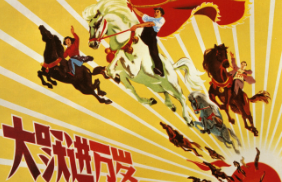
Explain the stylistic influences that you can observe in the following work. What economic and social campaign did this work celebrate? (Was it a successful campaign?) How does this print convey its message?
There are evident Soviet influences in this work, which depicts The Great Leap Forward in a positive light. The campaign failed, but the print, through the usage of the red sun and the horses portrays is in a positive light.
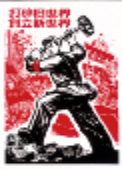
Who were the Red Guards? What is the Red Guard doing in the print below? Why? Explain the style of this print.
The Red Guards were students who were Mao’s self appointed followers. They controlled media via newspapers. This Red Guard is destroying old ideas, including old religious ideas and western music. The style of the print is a callback to woodblock print styles that were utilized at the very beginning of the communist takeover
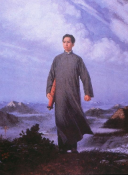
Identify the painting below and explain the messages that it conveys. How is Mao presented?
Chairman Mao goes to Anyuan. Shows Mao as a great and youthful leader, implying that Mao will lead China to greatness. This piece has been likened to iconographical images of Christ.
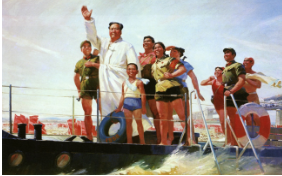
Jiang Qing demanded that art produced during the Cultural Revolution be what three things? Explain why the work pictured below met her criteria.
That all works should be red, bright and shining. Mao is the central figure in this work, appearing taller than all other figures around him. He is shining and bright, while the people around him contain red skin tones.