The Industrial Revolution
 Call Kai
 Learn
Learn Practice Test
 Spaced Repetition
 Match
Match Flashcards
1/62

There's no tags or description
Looks like no tags are added yet.
Name | Mastery | Learn | Test | Matching | Spaced | Call with Kai |
|---|
No analytics yet
Send a link to your students to track their progress
63 Terms
anesthetic
drug that prevents pain during surgery

enclosure
the process of taking over and consolidating land formerly shared by peasant farmers with the goal of creating larger fields that could be cultivated more efficiently
James Watt
A Scottish engineer who created a steam engine that worked faster and more efficiently than earlier engines.
smelt
melt in order to get the pure metal away from its waste matter

capital
money or wealth used to invest in business in or enterprise
enterprise
a business or organization in such areas as shipping, mining, railroads, or factories
entrepreneur
person who assumes financial risk in the hope of making a profit
putting-out system
also known as cottage industry, raw cotton was distributed to peasant families who spun it into thread and then wove the thread into cloth in their own homes; skilled artisans then finished and dyed the cloth.

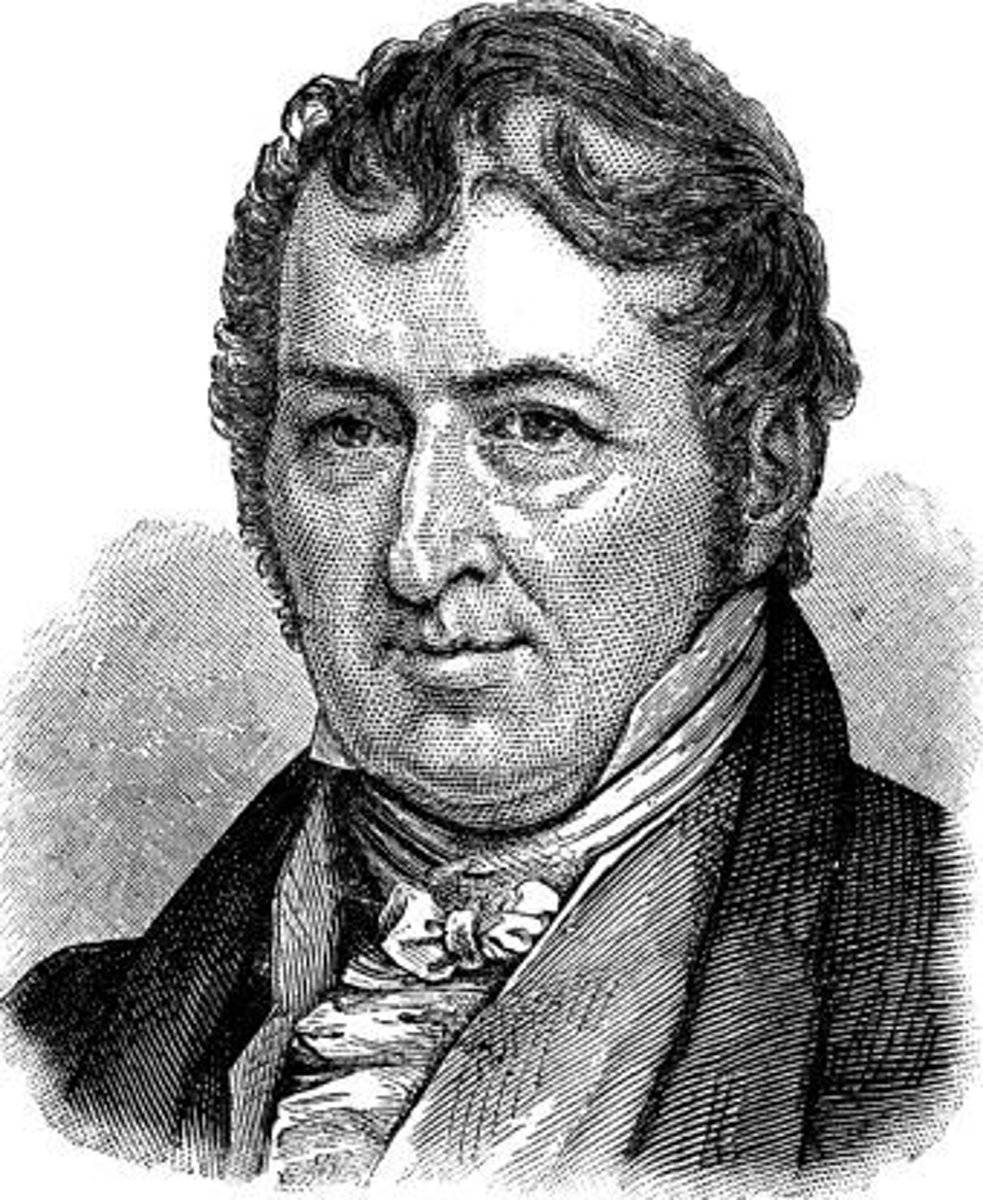
Eli Whitney
American inventor who developed the cotton gin. Also contributed to the concept of interchangeable parts that were exactly alike and easily assembled or exchanged.
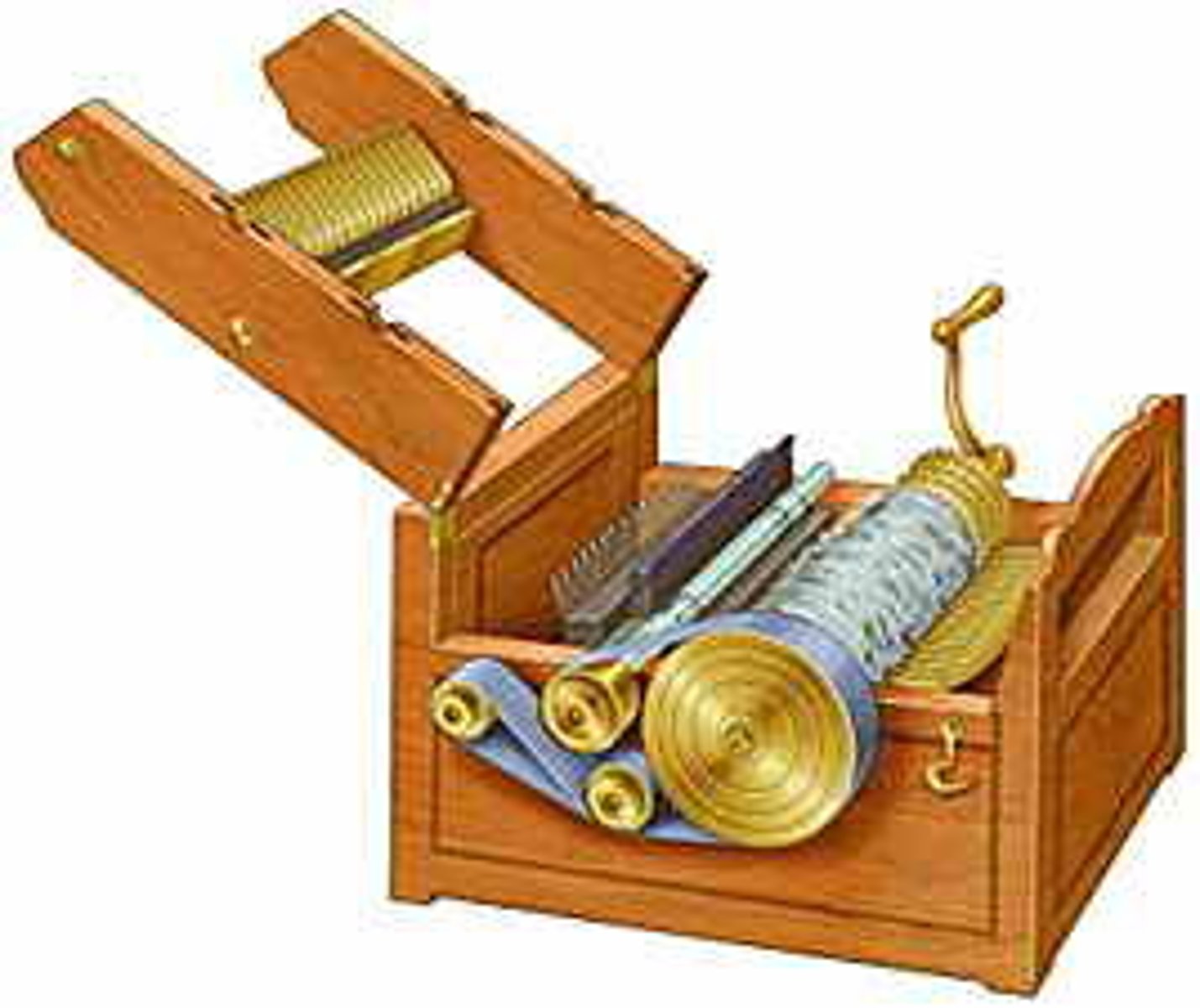
cotton gin
a machine used for separating the seeds from cotton fibers that was invented in 1793.
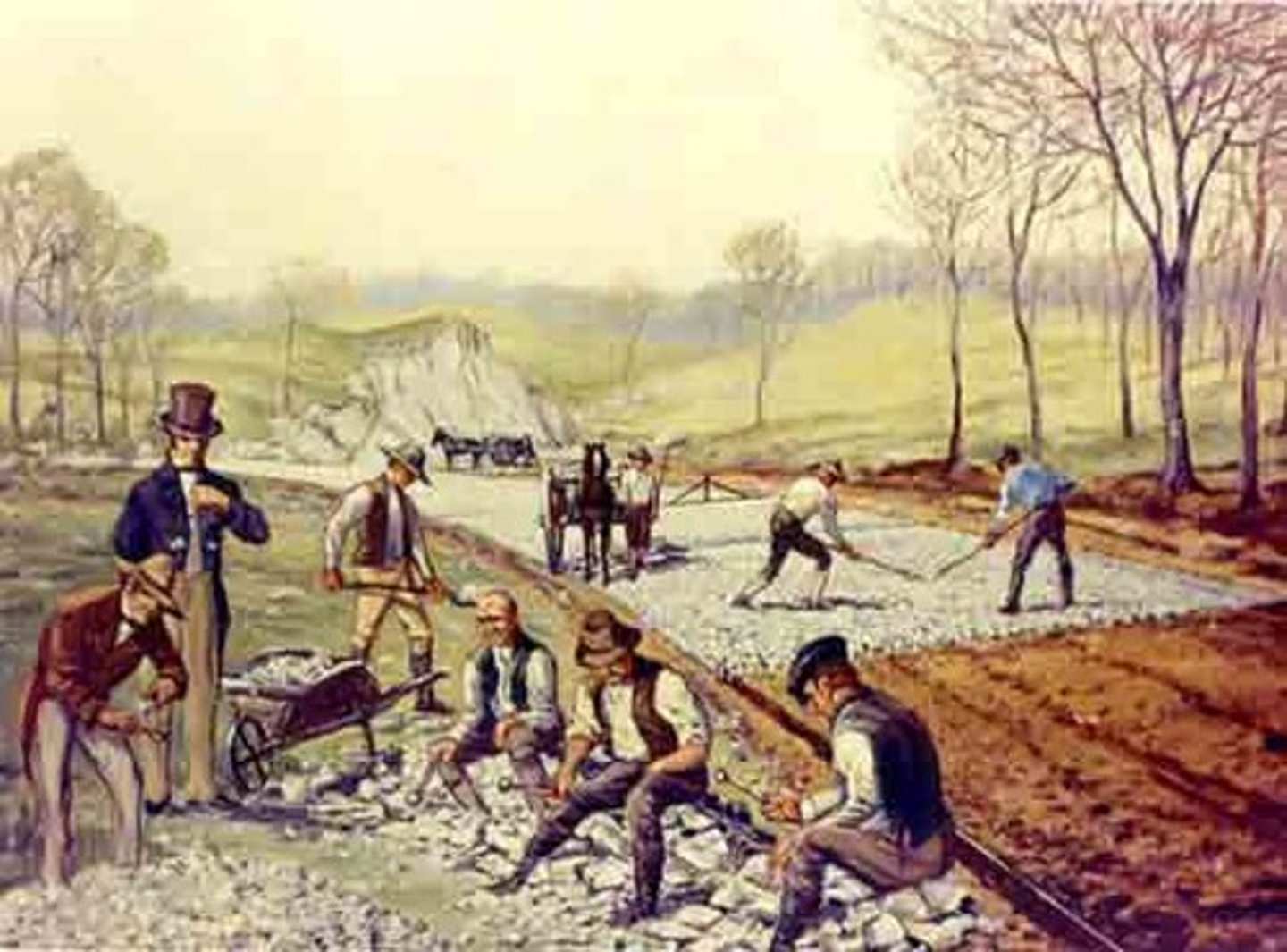
turnpike
private roads built by entrepreneurs who charged travelers a toll; goods traveled faster on these roads.
Manchester
city in England; one of the leading industrial areas; example of an Industrial Revolution city

urbanization
movement of people from rural areas to cities
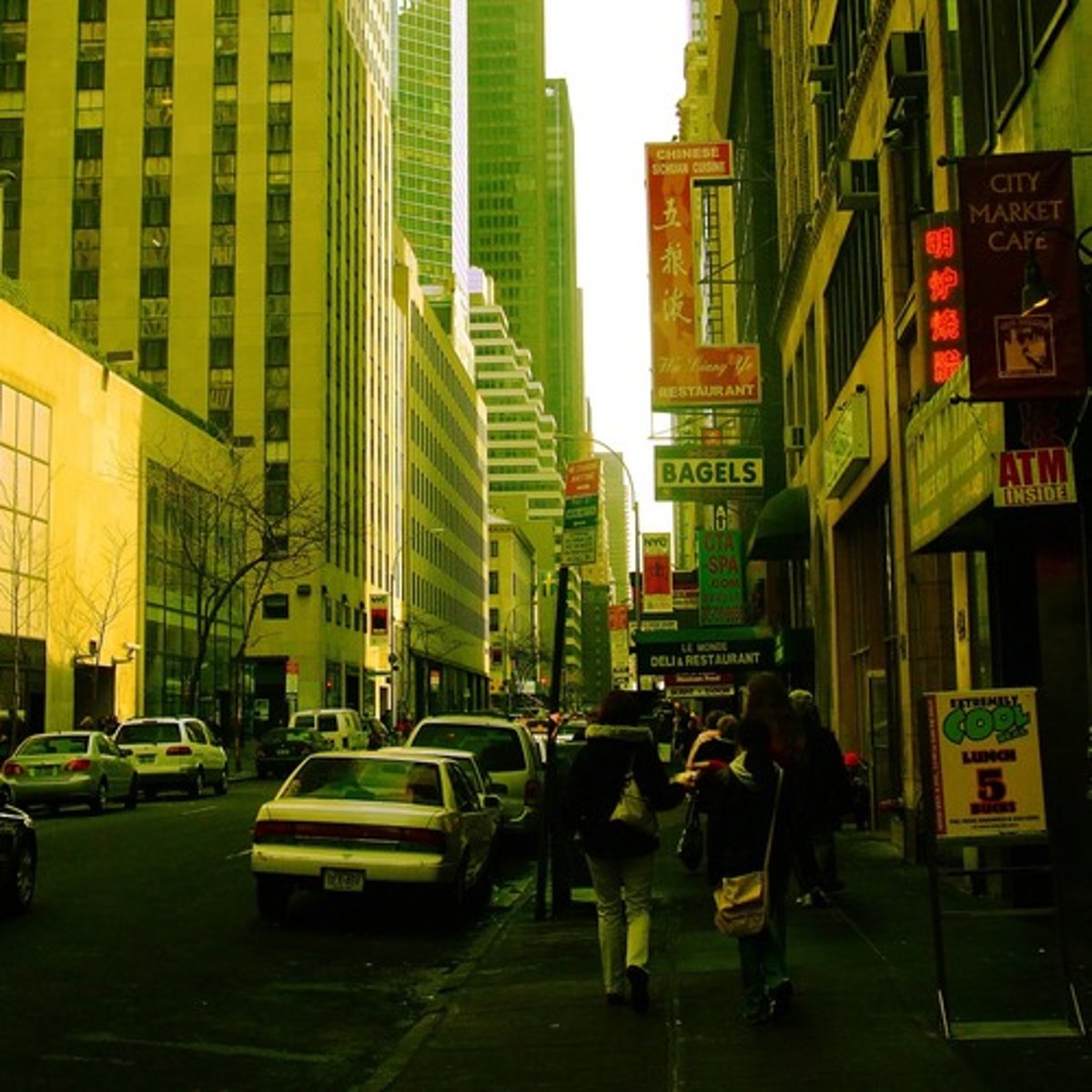
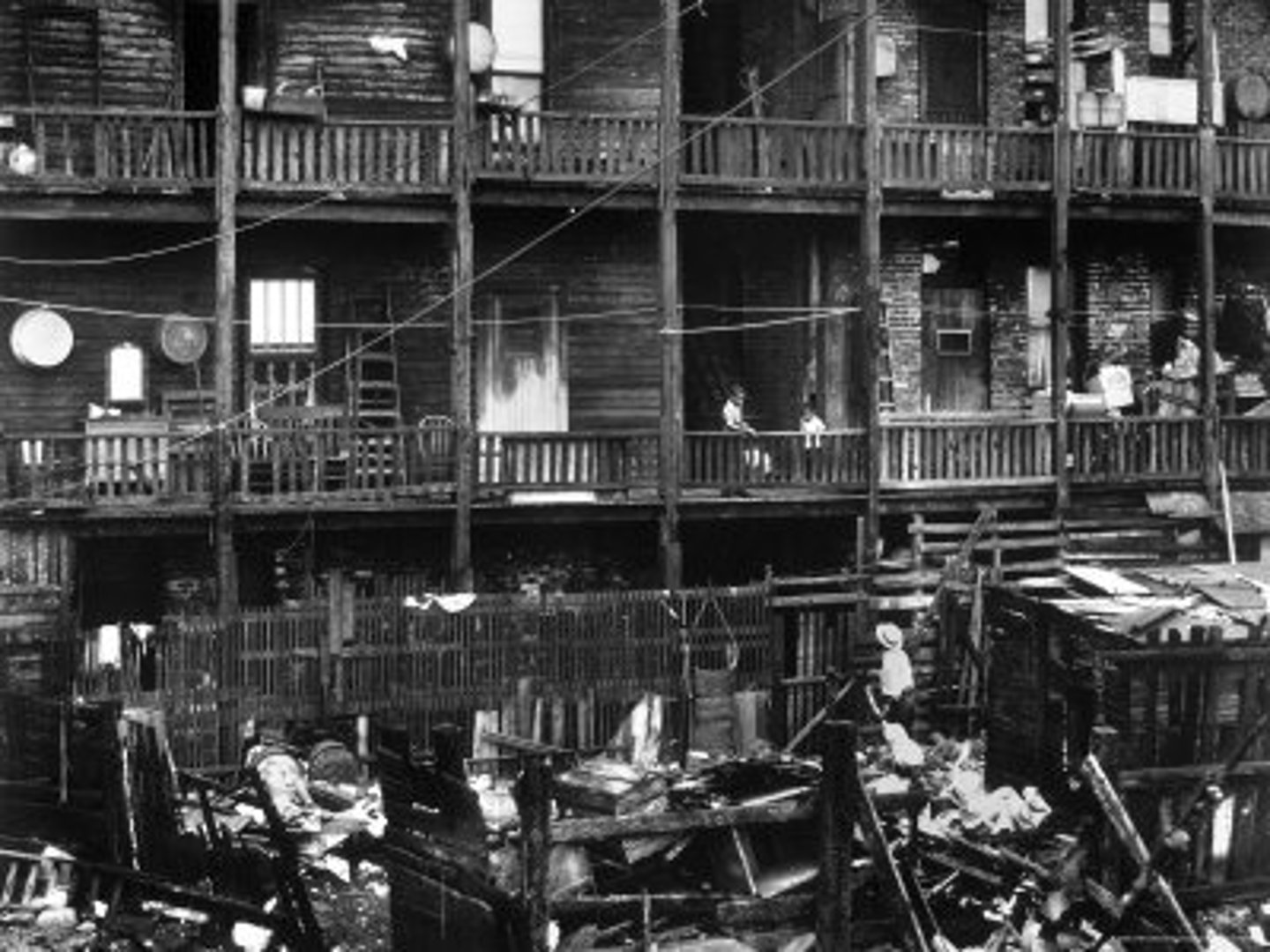
tenement
multistory building divided into crowded apartments
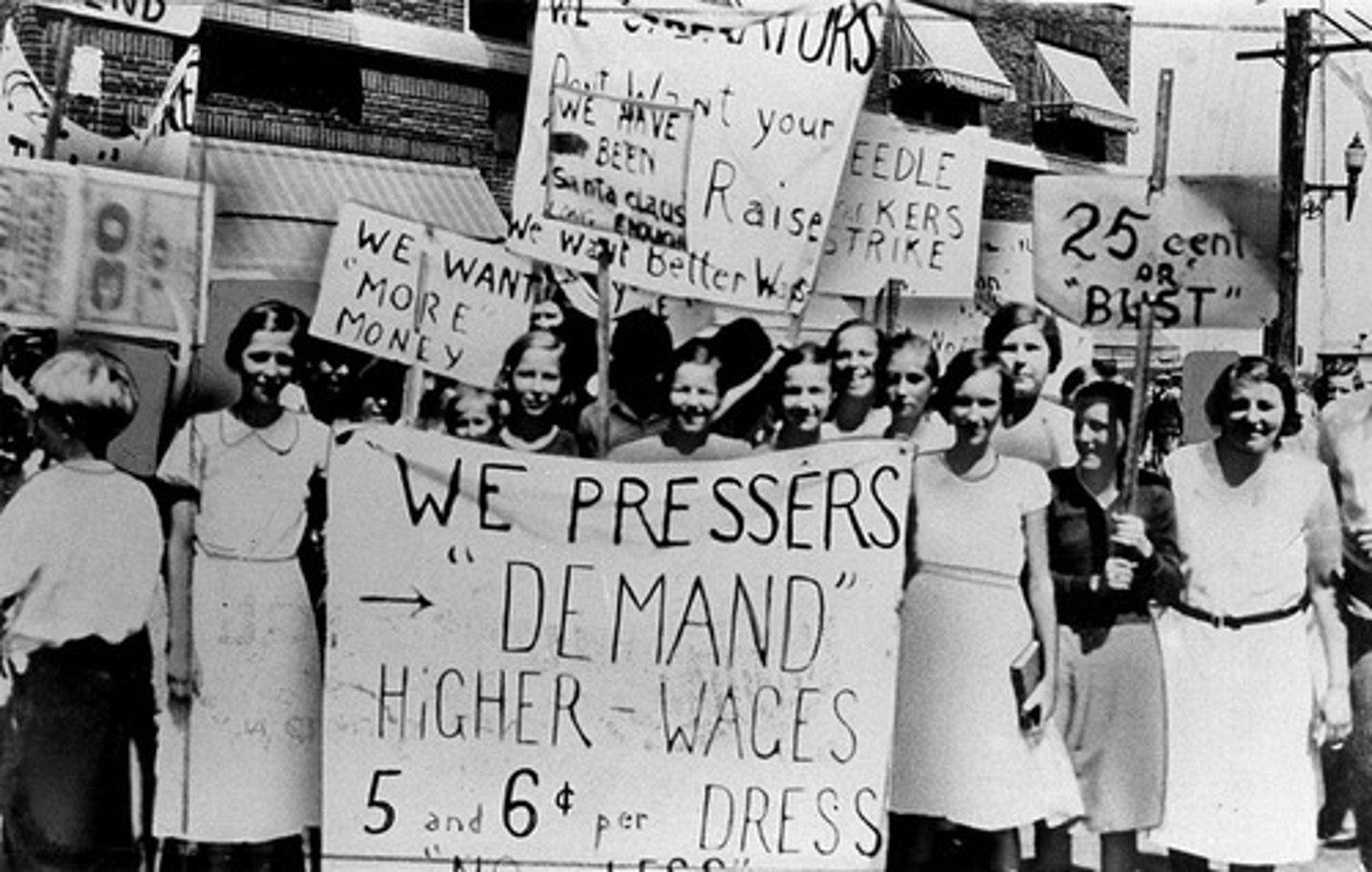
labor union
workers' organziation
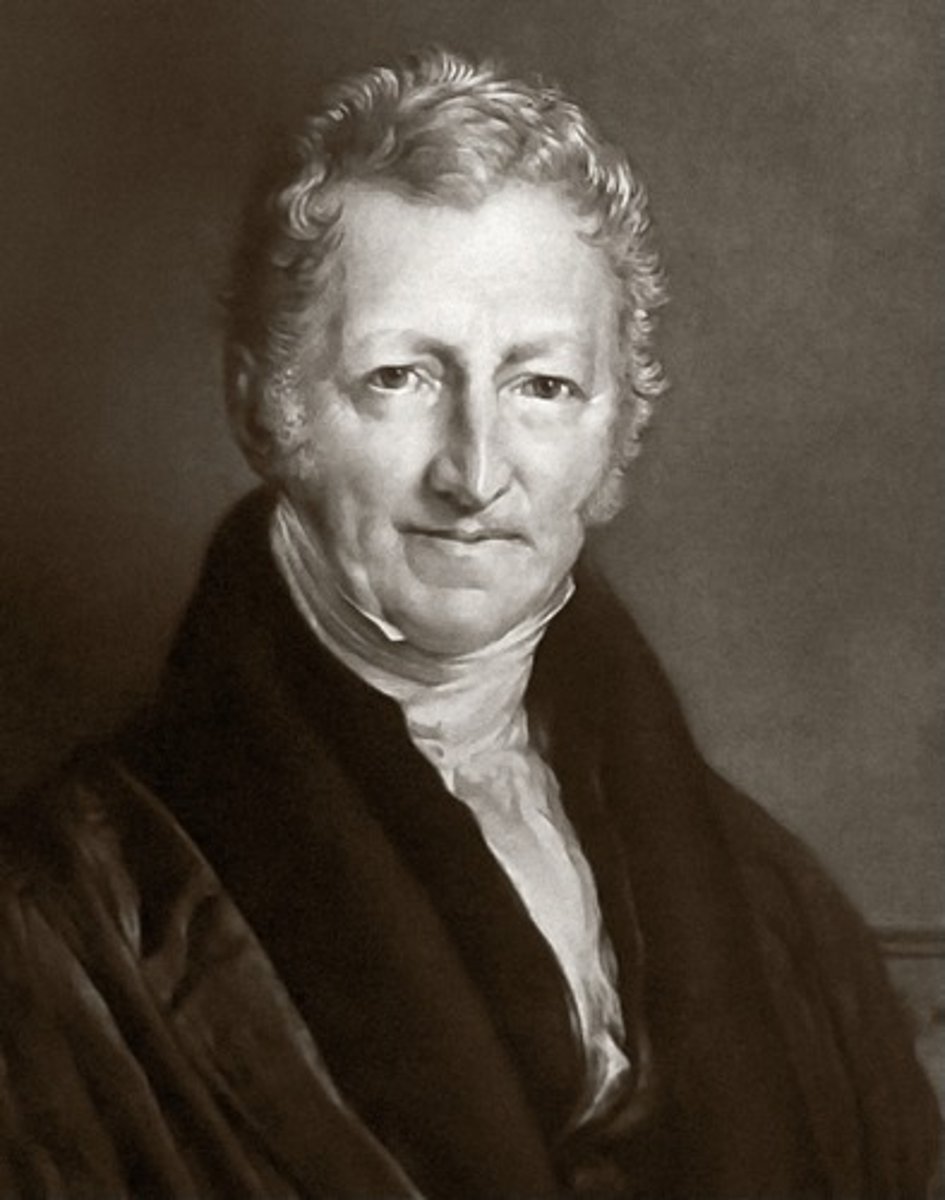
Thomas Malthus
British laissez-faire economist who warned that population growth threatened future generations because population growth would outpace the food supply. Believed nature's check on population growth was war, disease and famine. Discouraged vaccination.
David Ricardo
(1772-1823)-English economist who formulated the "iron law of wages," according to which wages would always remain at the subsistence level for the workers because of population growth.
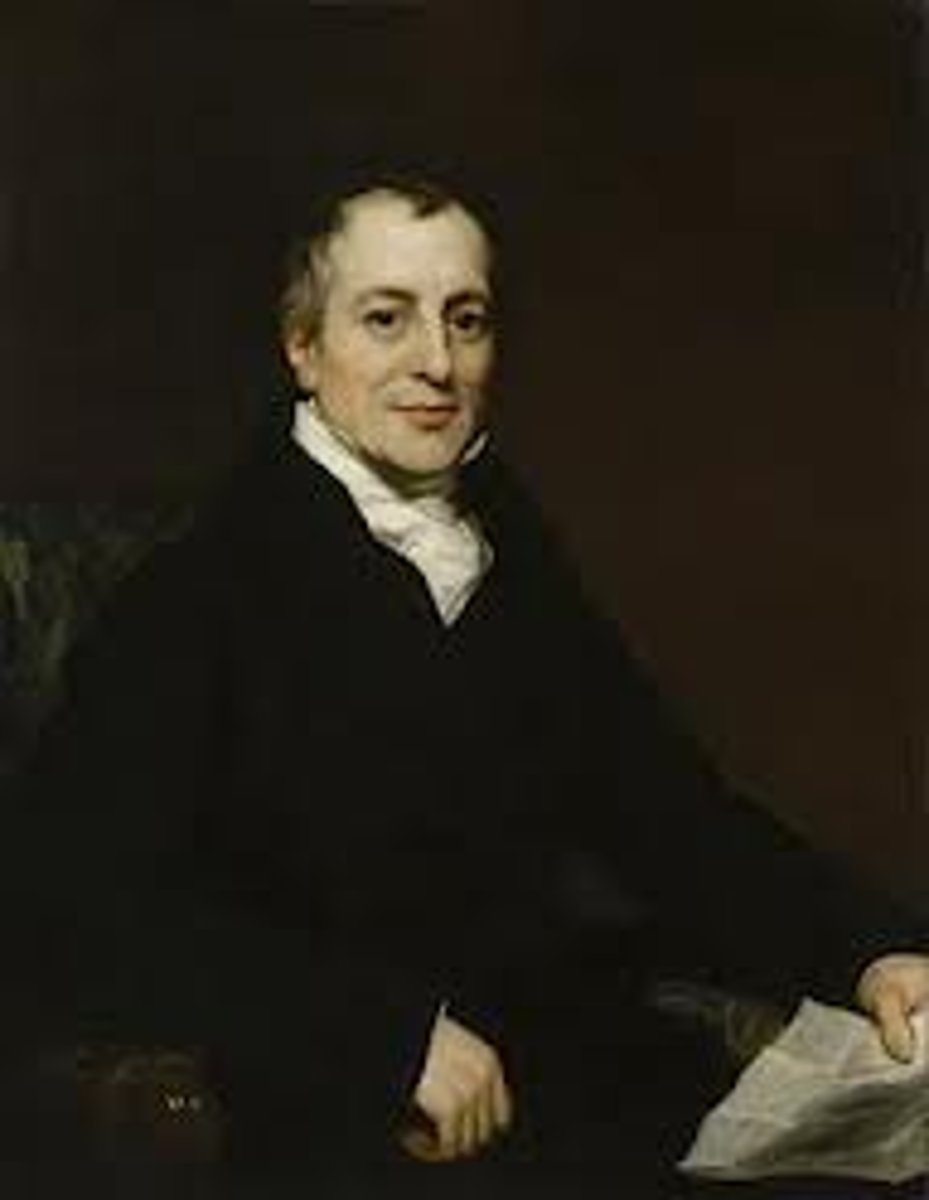
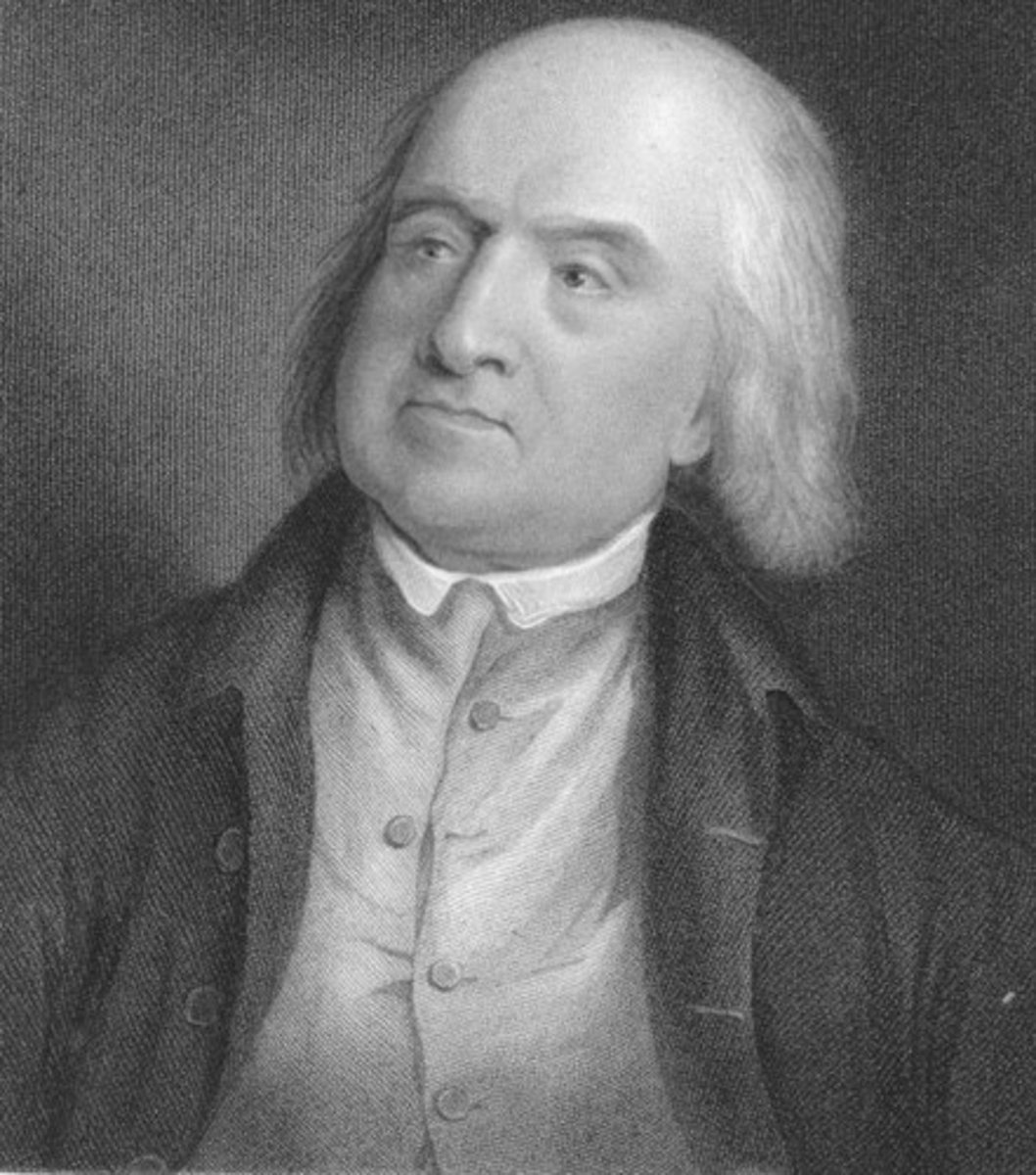
Jeremy Bentham
British economist who proposed utilitarianism as a more perfect approach to governing society.
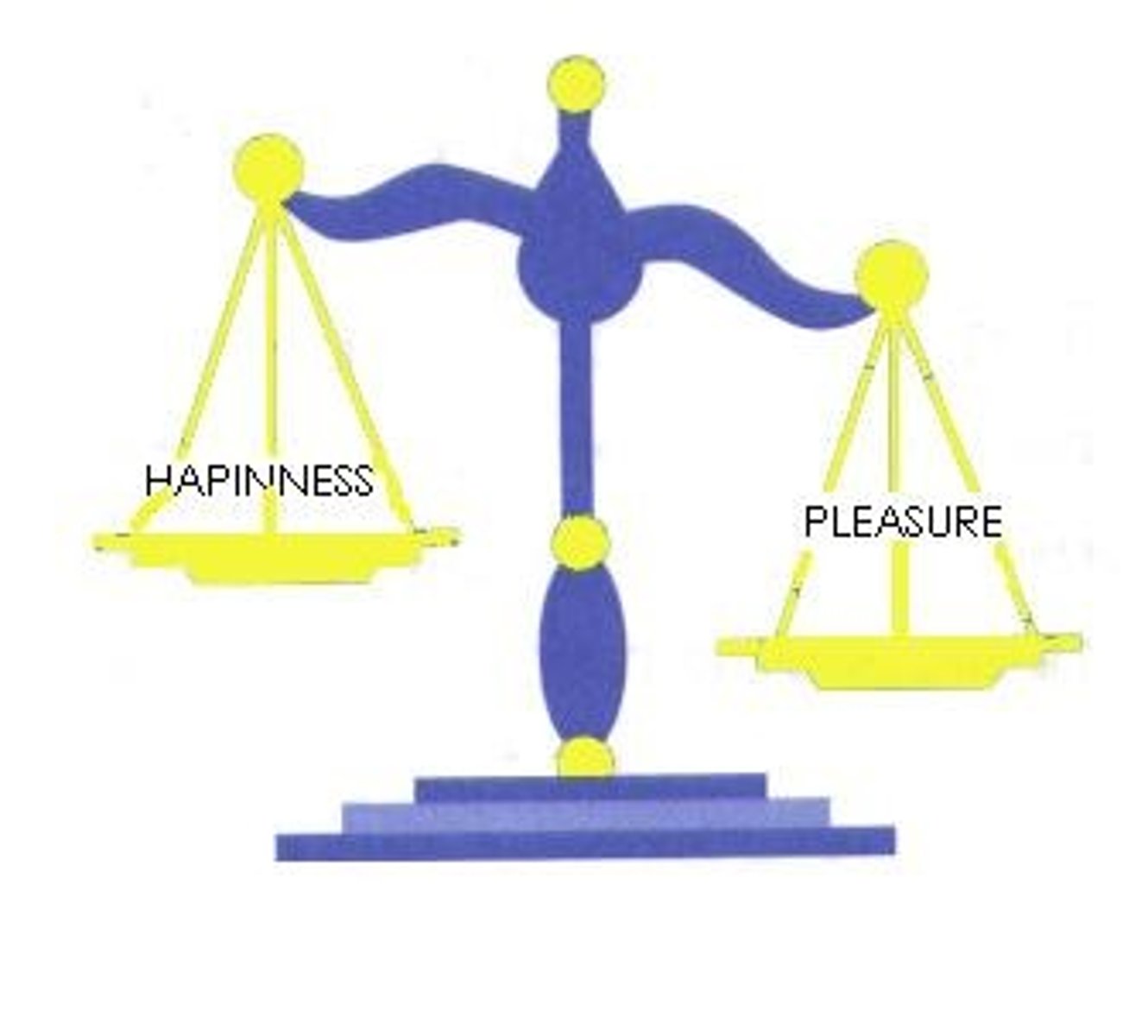
utilitarianism
a theory associated based upon the principle of "the greatest happiness for the greatest number." Followers of this principle believed that laws and actions should be judged based on whether or not they provided more happiness than pain.
socialism
an anti-capitalist political ideology under which the people as a whole rather than individual entrepreneurs owned and operated the "means of production" - farms, factories, railways, and other large businesses that produced and distributed goods to society.

means of production
farms, factories, railways, and other large businesses that produce and distribute goods
Robert Owen
British cotton manufacturer believed that humans would reveal their true natural goodness if they lived in a cooperative environment
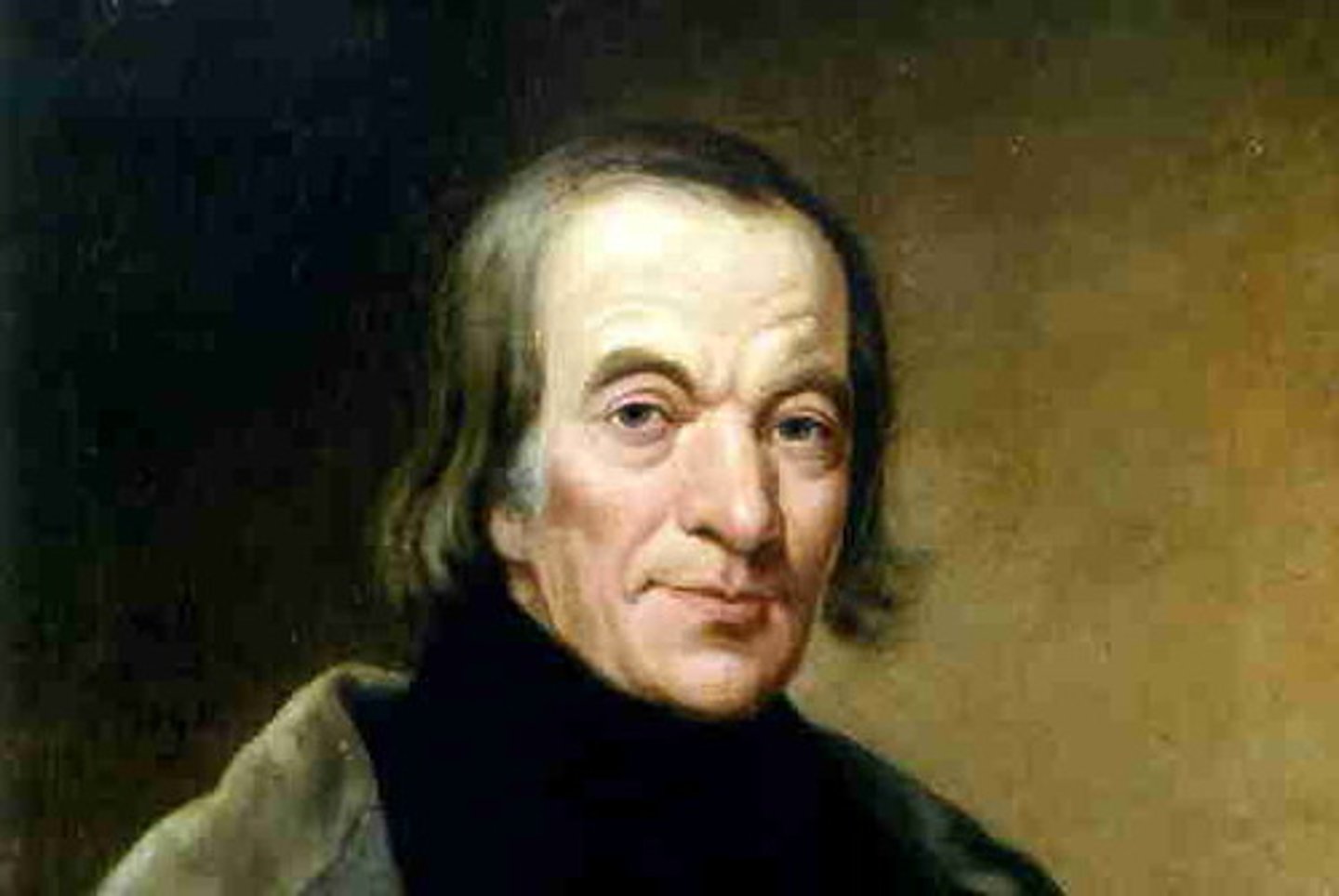
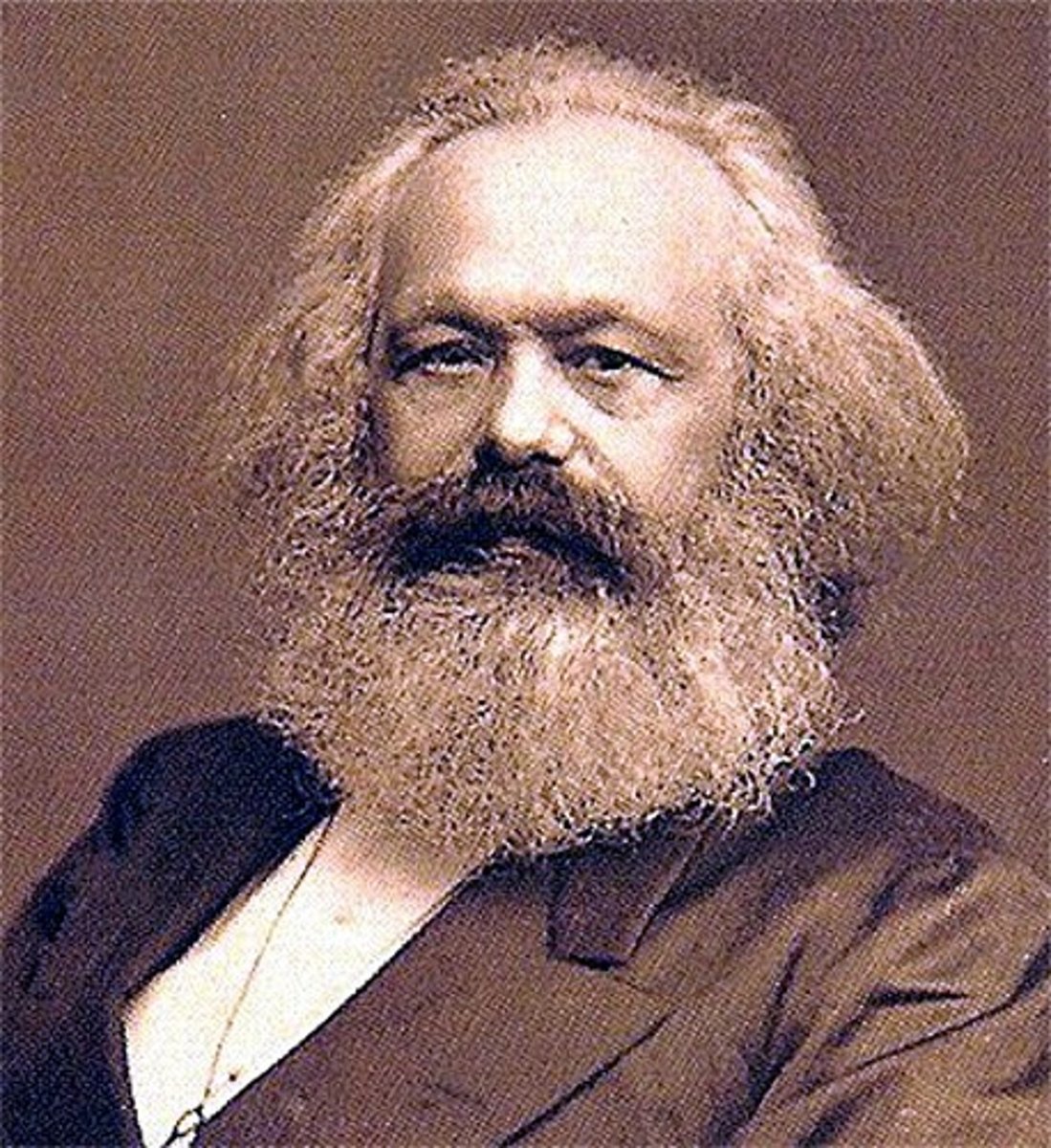
Karl Marx
German philosopher who coauthored "The Communist Manifesto".
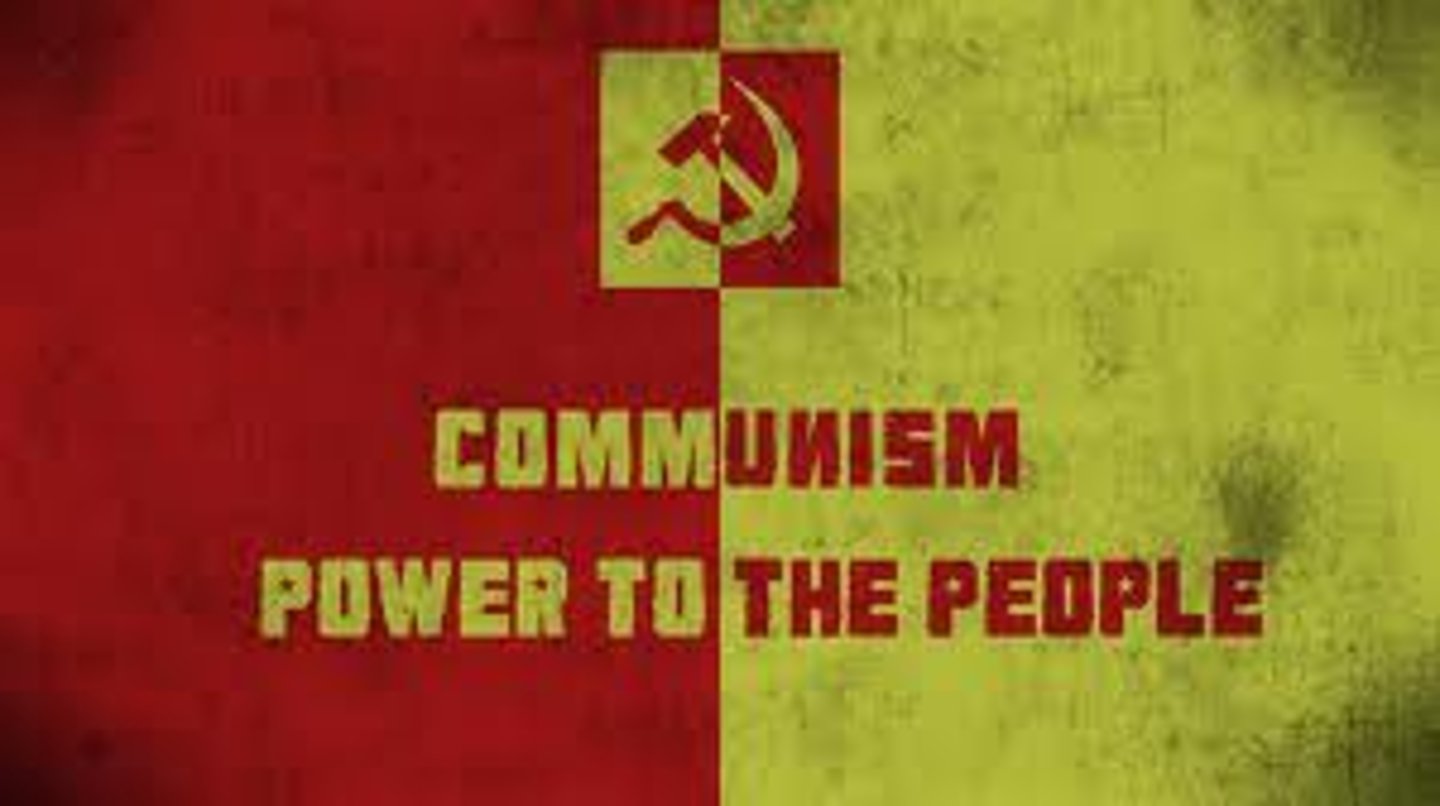
communism
an anti-capitalist political ideology in which the government owns all property and a small group of political elite control all economic and political activities.
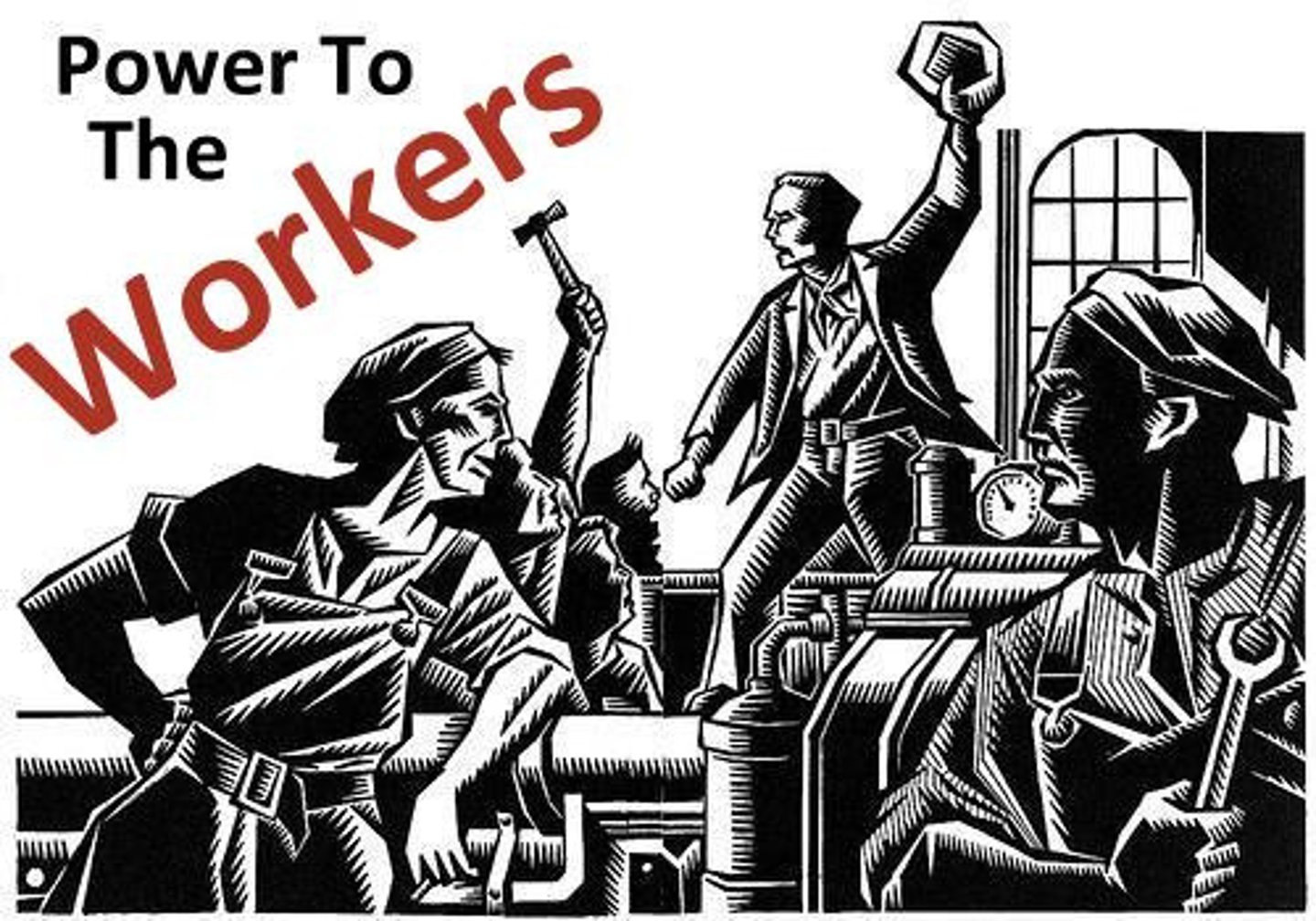
proletariat
working class
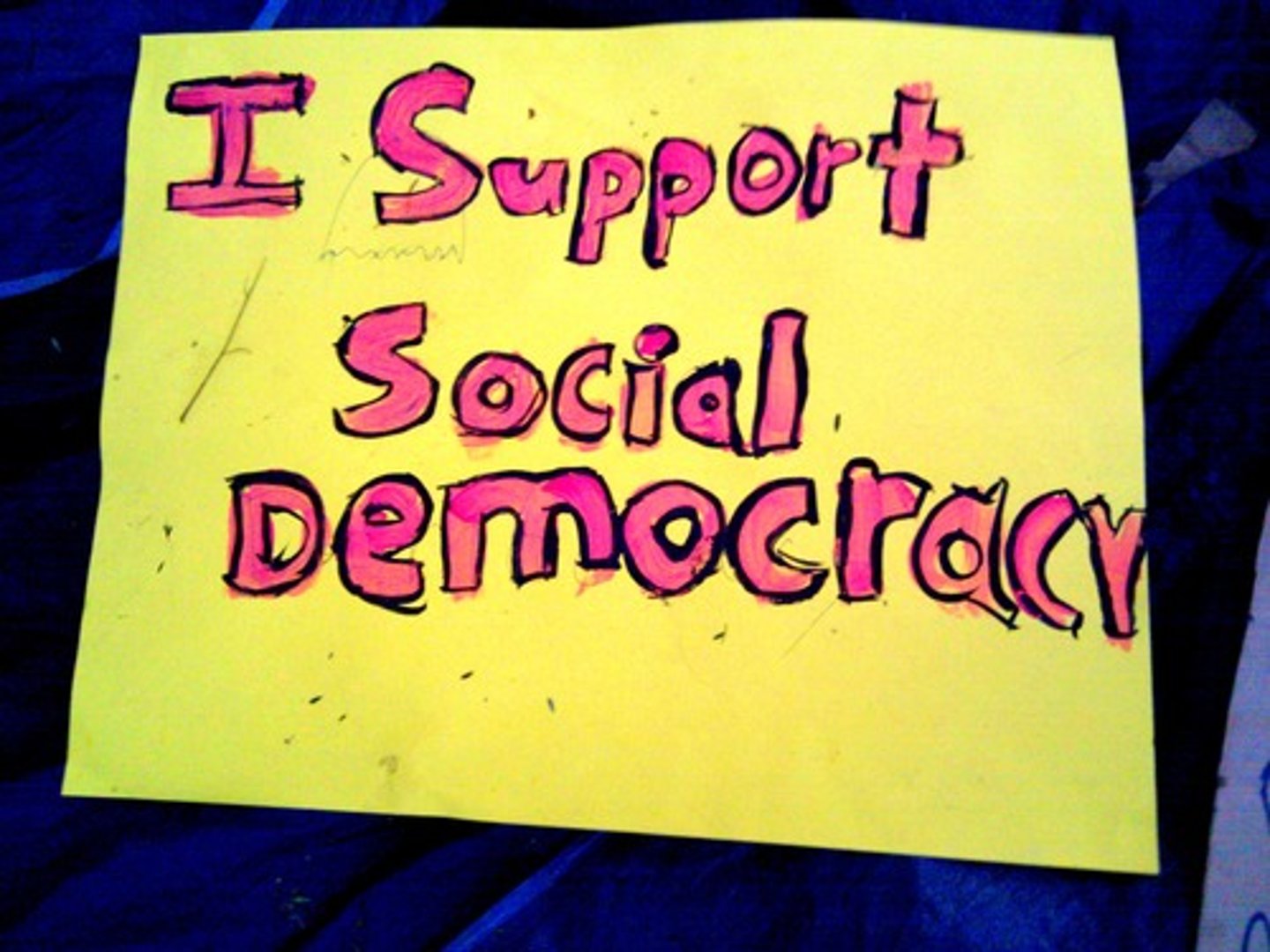
social democracy
political belief that in which their is a gradual transition from capitalism from socialism
Romanticism
19th century artistic movement that appealed to emotion rather than reason
mutual aid societies
self-help groups to aid sick or injured workers
Florence Nightingale
Established sanitary nursing care units. Founder of modern nursing. began professional education of nursing.
Germ Theory
the theory that infectious diseases are caused by certain microbes
Louis Pasteur
A French chemist, this man discovered that heat could kill bacteria that otherwise spoiled liquids including milk, wine, and beer.
Robert Koch
German doctor who identified the bacterium that caused tuberculosis
Joseph Lister
discovered how antiseptics prevented infection
Wright Brothers
First to achieve a sustained, controlled flight in a powered airplane
Alfred Nobel
Invented dynamite
Thomas Edison
American inventor best known for inventing the electric light bulb, acoustic recording on wax cylinders, and motion pictures.
Henry Bessemer
Englishman who developed the first efficient method for the mass production of steel
interchangeable parts
Identical pieces that could be assembled quickly by unskilled workers
Michael Faraday
English chemist who created the first simple electric motor and the first dynamo
Guglielmo Marconi
invented the radio
stock
A share of ownership in a corporation.
Corporation
A business owned by stockholders who share in its profits but are not personally responsible for its debts
assembly line
Production method that breaks down a complex job into a series of smaller tasks
Cartel
a formal organization of producers that agree to coordinate prices and production
Temperance Movement
An organized campaign to eliminate alcohol consumption
Cult of Domesticity
idealized view of women & home; women, self-less caregiver for children, refuge for husbands
Elizabeth Cady Stanton
A member of the women's right's movement in 1840. She was a mother of seven, and she shocked other feminists by advocating suffrage for women at the first Women's Right's Convention in Seneca, New York 1848. Stanton read a "Declaration of Sentiments" which declared "all men and women are created equal."
Soujourner Truth
former slave who became women's rights activist
Mount Holyoke College
first all female university in the US, founded by MAry Lyon
John Dalton
English chemist and physicist who formulated atomic theory and the law of partial pressures
Charles Darwin
English natural scientist who formulated a theory of evolution by natural selection (1809-1882)
Social Darwinism
The belief that only the fittest survive in human political and economic struggle.
Social Gospel Movement
A social reform movement that developed within religious institutions and sought to apply the teachings of Jesus directly to society
Salvation Army
This welfare organization came to the US from England in 1880 and sought to provide food, shelter, and employment to the urban poor while preaching temperance and morality.
William Wordsworth
Leader of English Romanticism who published works in the countryside
Lord Byron
Was an important British Romantic poet. His works include "She walks in Beauty" and the unfinished "Don Juan." Many consider him to embody the spirit of Romanticism. He died from an illness contracted while in Greece, where he was supporting their independence movement.
Victor Hugo
French poet and novelist and dramatist
Ludwig van Beethoven
This pianist was considered the master of Romanticism music
Charles Dickens
English writer whose novels depicted and criticized social injustice (1812-1870)
Gustav Courbet
coined term, "realism;" painted The Stone Breakers
Claude Monet
a French painter who used a impressionism called "super-realism," capture overall impression of the thing they were painting
Impressionism
An artistic movement that sought to capture a momentary feel, or impression, of the piece they were drawing
Vincent Van Gogh
A Dutch expressionist who painted a "moving visions in his mind's eye"