help.
 Call Kai
 Learn
Learn Practice Test
 Spaced Repetition
 Match
Match Flashcards
 Knowt Play
1/121

There's no tags or description
Looks like no tags are added yet.
Name | Mastery | Learn | Test | Matching | Spaced | Call with Kai |
|---|
No analytics yet
Send a link to your students to track their progress
122 Terms
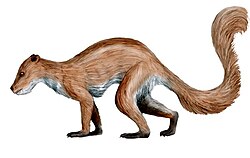
Originate in Paleocene in 66-56 mya w/ grasping hands, petrosal bulla (bone in ear), and rounded molar cusps
Plesiadapids
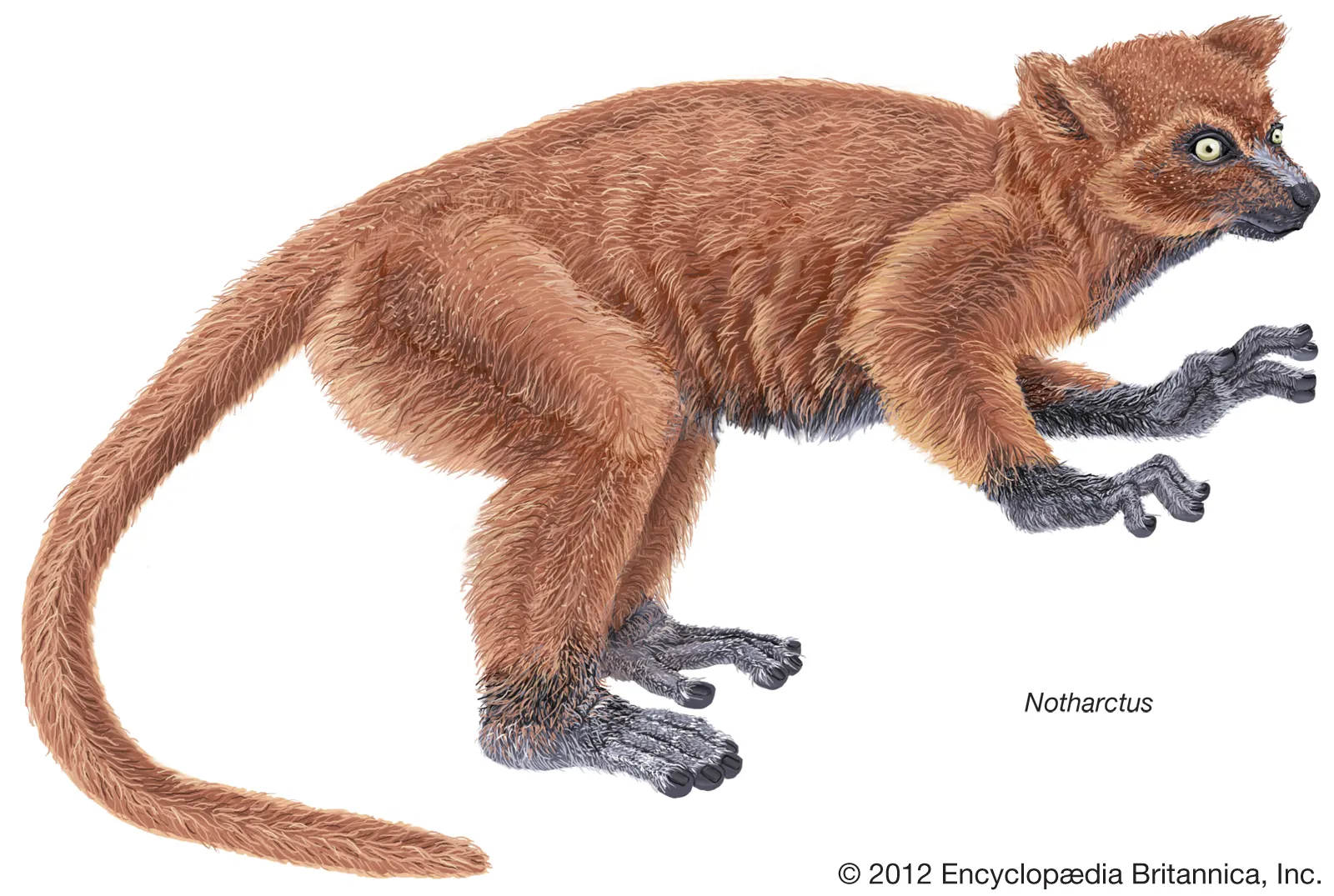
Originate in Eocene (56-34 mya) w/ bony eye protection, nails on most digits, and larger brains.
Euprimates aka “True Primates”
Connected to Euprimates and originate in Eocene w/ postorbital bar, nails, and grasping extremities
Adapoids aka Strepsirrhines
Connected to Euprimates and originate in Eocene w/ postorbital bar, grasping extremities, long legs, huge eyes, and short snouts
Omomyoids aka Tarsiers
Originate in Oligocene (34-23 mya) w/ full postorbital closure and fused mandibular symphyses
Fossil Anthropoids
Connected to Anthropids From Late Eocene w/ 2.1.2.3 teeth, honing complex, and bilophodont molars
Oligopithecids
Connected to Anthropids from Late Eocene to Early Oligocene w/ 2.1.2.3 teeth, larger bodied, and reduced incisors
Propliopithecids
Connected to Anthropids from Late Eocene to Late Oligocene and is primitive w/ 2.1.3.3 teeth
Parapithecids
Originate in Miocene (23-5.3 mya) and are Frugivorous arboreal quadrupeds
Fossil Hominoids (apes)
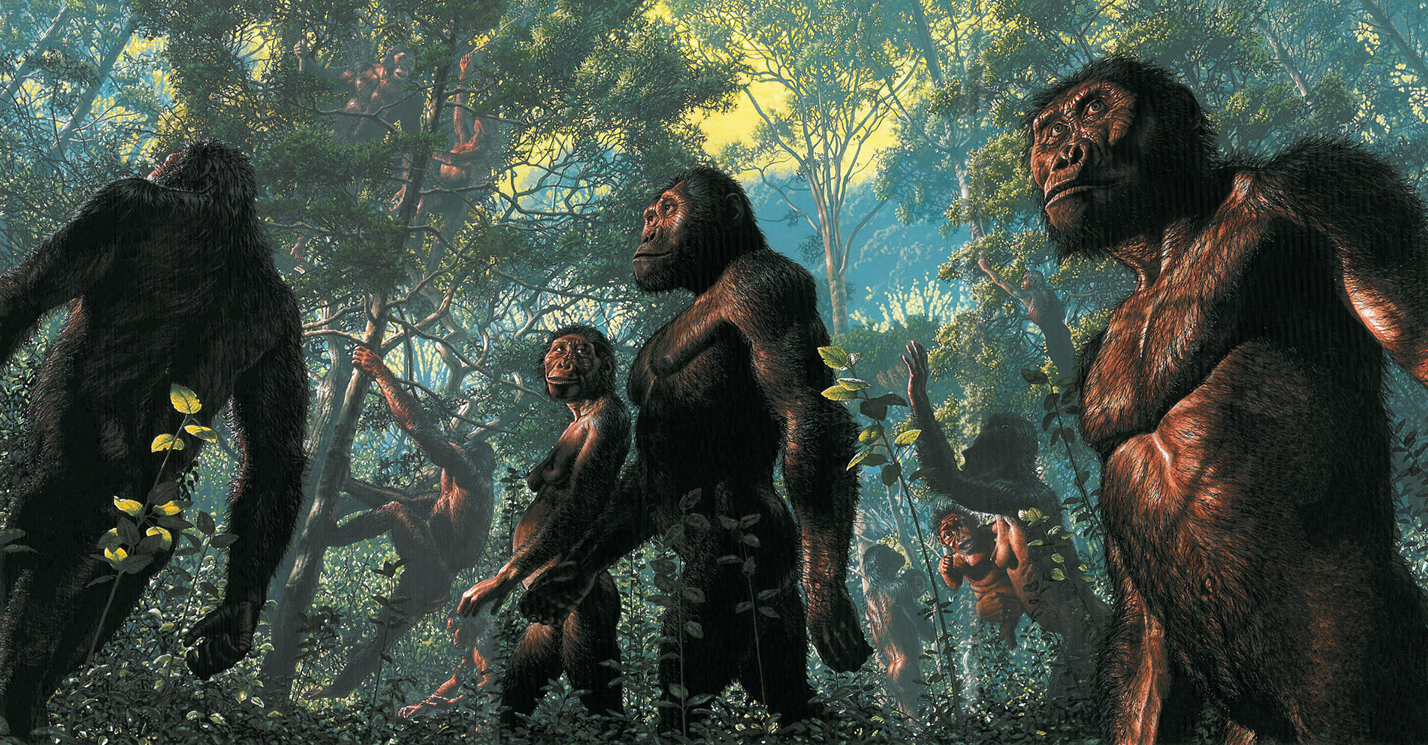
Connected to from Early to middle Miocene and are “stem” apes, short faced, w/ generalized dentition, have no tail, have y5 mars, w/ absent diastema, and are large
Proconsul
Connected to Hominoids from late miocene and known as terrestrial apes and are less arboreal/more larger
Sivapithecus
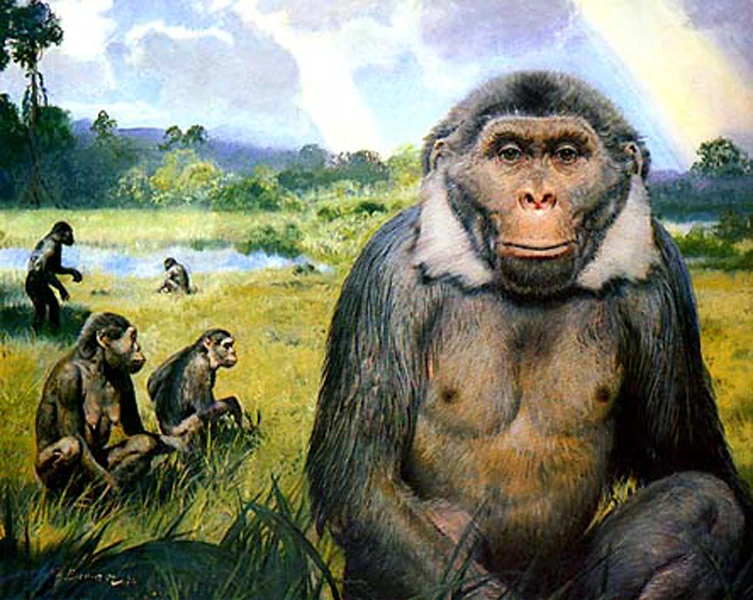
Connected to Hominoids from Late Miocene to middle Pleistocene w/ rounded molars, and huge (600 lbs), and are bamboo specialists
Gigantopithecus
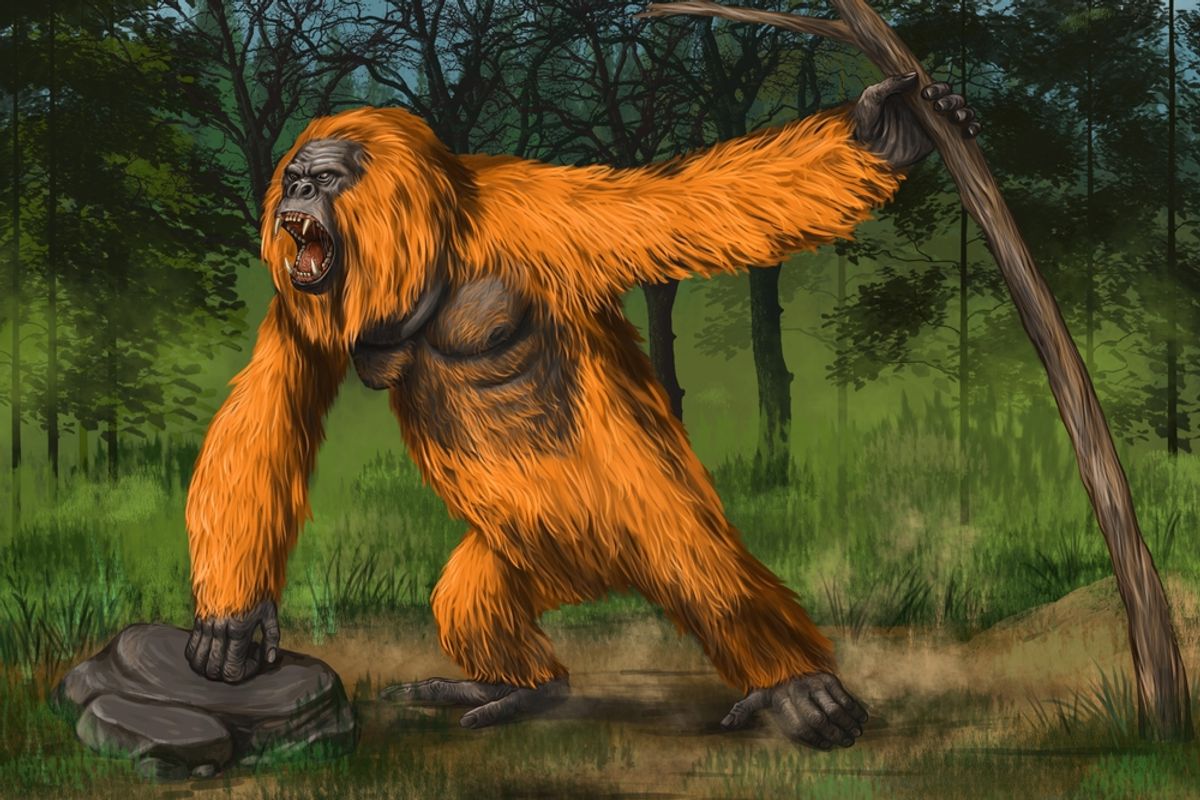
Which primates emerged in the Paleocene epoch?
Plesiadapids
Which primates emerged in the Eocene Epoch?
Euprimates
Which primates emerged in the Oligocene Epoch?
Anthropids
Which primates emerged in the miocene epoch?
Lesser and greater apes (hominoids)
Significantly hotter climate, warming trend, more water/less land, and tropical jungles
Paleocene climate
Less seasonal, little ice, more wetlands, and more methane
Eocene climate
Region of emergence of Plesiadapids
North America and Europe
Region of emergence of Euprimates
West North America and Europe
Region of emergence of Anthropoids
Africa and Asia
Region of emergence of Hominoids
Africa, Europe, and Asia
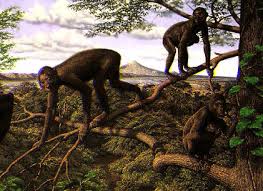
Primates evolved traits like grasping hands, forward-facing eyes, and flexible limbs because they adapted to living in trees. These features helped them climb and move along branches.
Arboreal Hypothesis
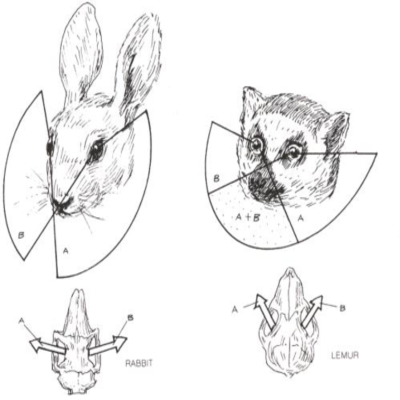
Primates developed stereoscopic vision and grasping hands to hunt insects and grab prey on small branches. This idea focuses on better depth perception and coordination.
Visual Predation Hypothesis
Primates evolved alongside flowering plants (angiosperms). Traits like grasping hands and good vision helped them gather fruits, flowers, nectar, and insects found on thin branches.
Angiosperm Radiation Hypothesis
Tribe Hominini
Evolutionary split in 7 mya
All ancestors of Tribe Hominini are extinct except for humans
true
Earliest known hominins that lived before the australopithecines and show some early human-like traits, such as beginning adaptations for walking upright.
Pre-Australopiths
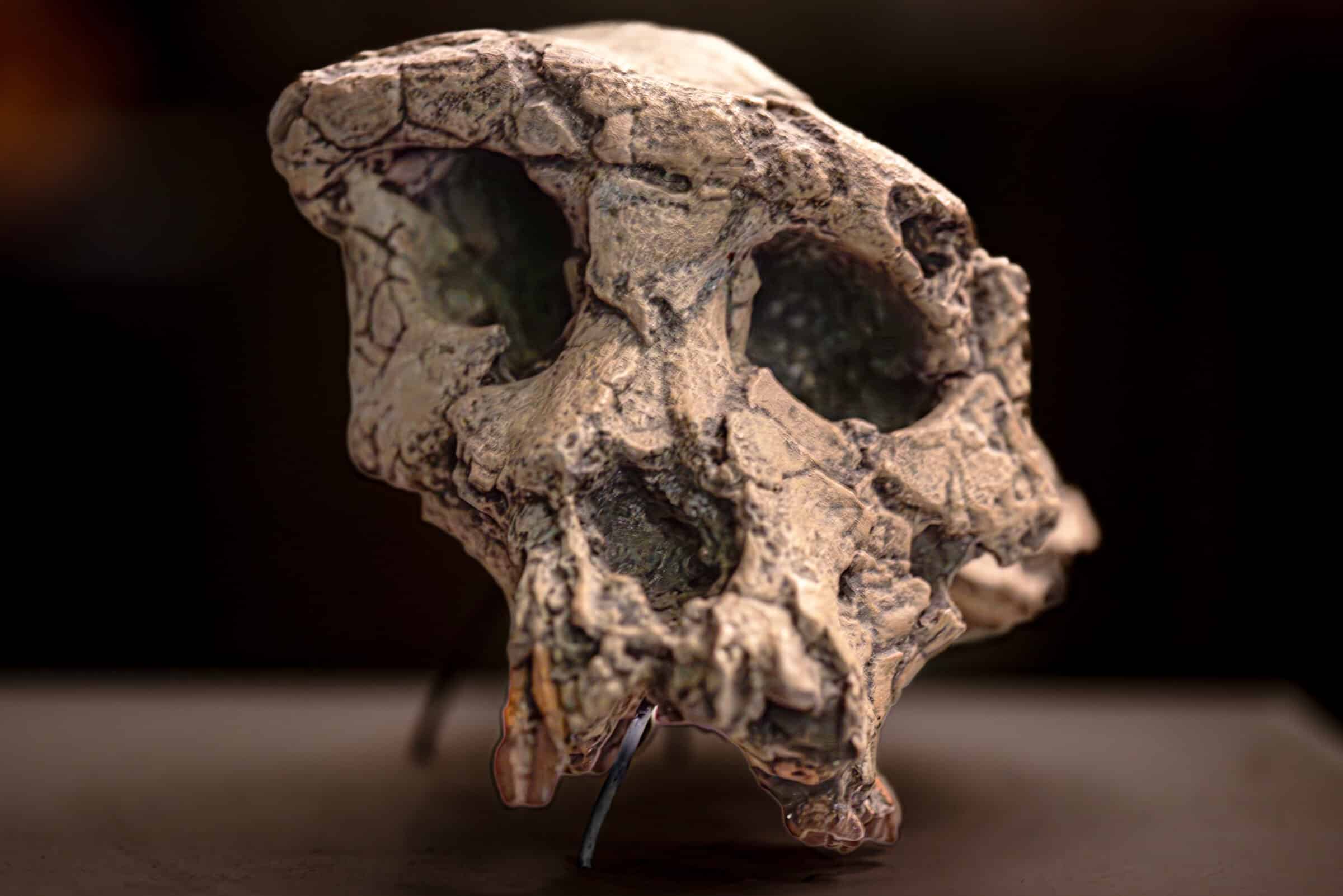
Connected to Pre-Australopiths from 350 cc w/ a pronounced brow ridge and is has an anteriorly placed foramen magnum
S. tchadensis
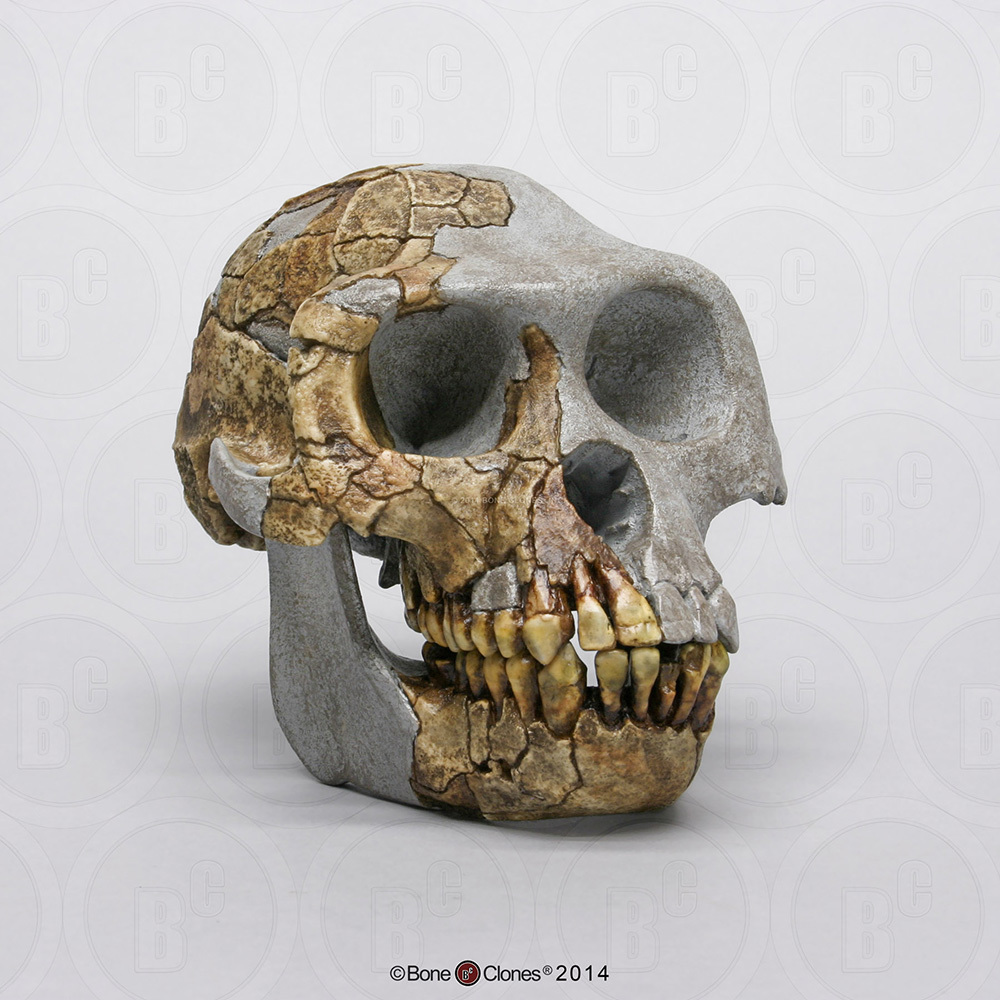
Connected to Pre-Australopiths from 350 cc w/ a sagital crest, u-shaped dental arcade, large incisors, and has no honing complex
Ar. ramidus
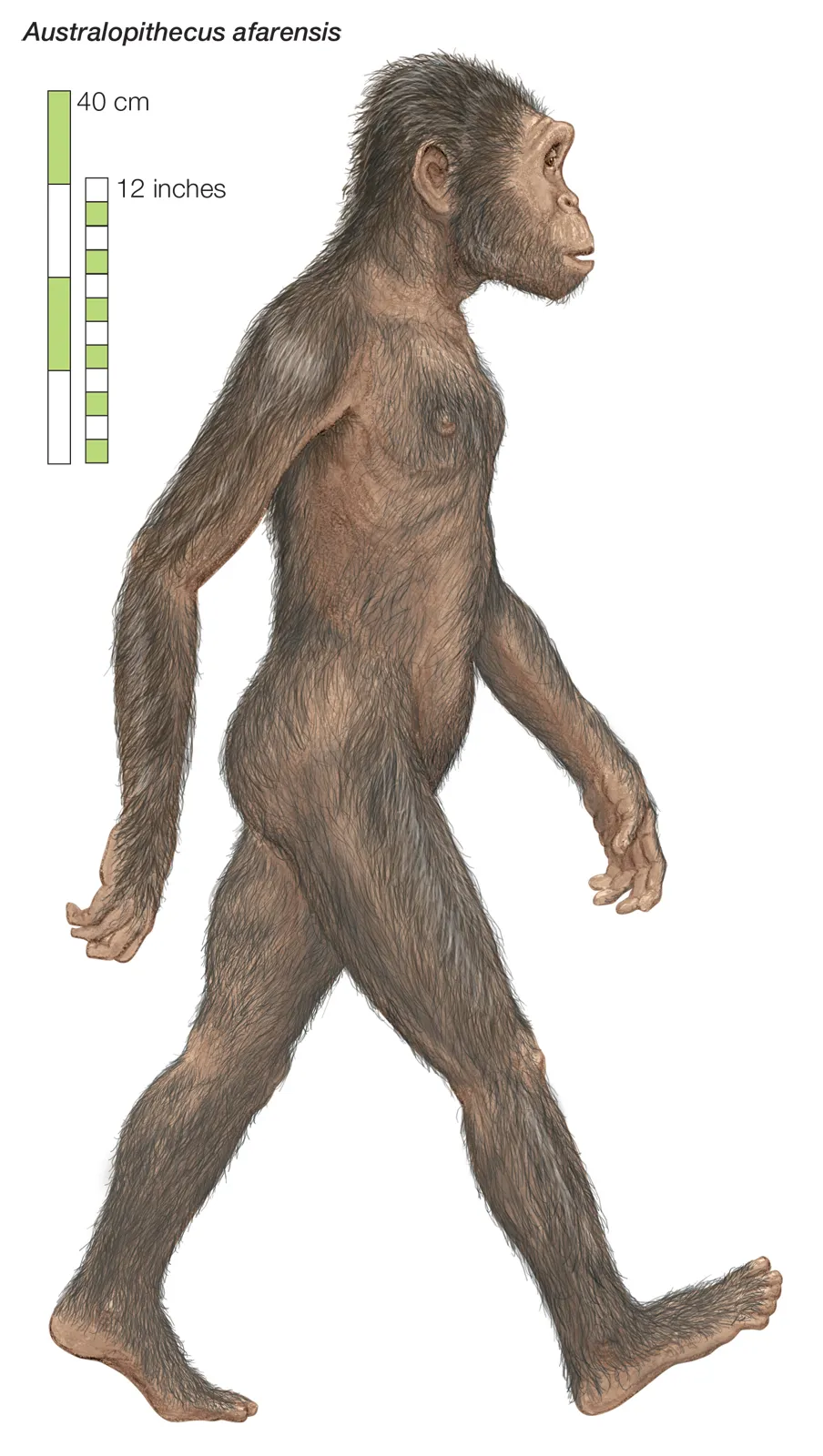
Early hominins that walked upright but still had small brains and some ape-like features
Australopithecus
Gracile Australopiths
Slender and light (Habitual Bipeds)
Robust Australopiths
Robust, thick, and heavy w/ larger/denser facial and cranial features, larger back teeth/mandibles/zygomatics, and has a sagittal crest (Habitual Bipeds)
Bipedal Hypothesis
Hypothesis as to why early hominins evolved bipedalism
Hypothesis that states that the expansion of savannah led away from arboreal life and led to bipedalism
Savannah Hypothesis
Hypothesis that climate change caused rapid animal extinctions and new species to appear, possibly influencing hominin evolution
Turnover pulse hypothesis
Hypothesis that states bipedalism was caused by evolution favoring hominins that could adapt to changing environments and conditions
Variability Selection Hypothesis
Hypothesis that says repeated climate shifts (wet and dry phases) in East Africa created changing lakes and barriers, causing species to adapt to bipedalism
Pulsed Variability Selection (EARS)
Types of bipedalism
Habitual, Facultative, and Obligate
Habitual Biped
Walking on two legs most of the time (humans)
Facultative Biped
Able to walk on two legs but usually uses other forms of movement (chimpanzees)
Obligate Biped
Permanently adapted to walking on two legs (fully committed form, like modern humans within habitual bipedal species)
Inferior (vs. posterior) foramen magnum, Short upper limbs, S-curved spine, Robust lumbar vertebrae, flexible lower back, Short/broad/robust pelvis and sacrum, Long/robust/stable lower limbs, Rigid/robust foot, non-opposable big toe
Obligate Biped morphology
Earlier Stone Age technology (ESA)
3 mya - 300,000
Lomekwian complex
From 3.3 mya used by Au garhi
Oldowon Complex
From 2.6 mya and used by Au garhi
Defining characteristics of Genus Homo
obligate bipeds, grasping hands, complex social behaviors, complex toolmaking
H Habilis regional variety
EARS and S. Africa
Erectus Grade regional variety
Africa, Asia, and Europe
Erectus Grade Hominins
H. Erectus, Homo ergaster, and H. Antecessor
Smaller molars, receding foreheads, sagittal keel, brow ridges, long craniums, occipital torus, and less prognathism
H. erectus
Occipital torus, sagittal keel, short arms w/ long legs, tall
Homo ergaster
Worked with oldowon tools, was a transitional species, and were early obligate bipeds
Homo Habilis aka Homo rudolphensis (“Handy man”)
Species that has characteristics of both an ancestral group and a later descendant group, showing an intermediate stage in evolution
Transitional species
Being able to recognize that something has a mind of it’s own and is capable of learning
Theory of mind
Climate from 7.3 mya to 10 kya with rapid cooling/warming, expansion/contraction of polar caps, and water bodies would shrink/return
Pleistocene Epoch “The ice Age”
2.8 mya to 1.4 mya species
H. Habilis
2 mya to 1.4 mya species
H. ergaster
1.8 mya to 50 kya species
Homo erectus
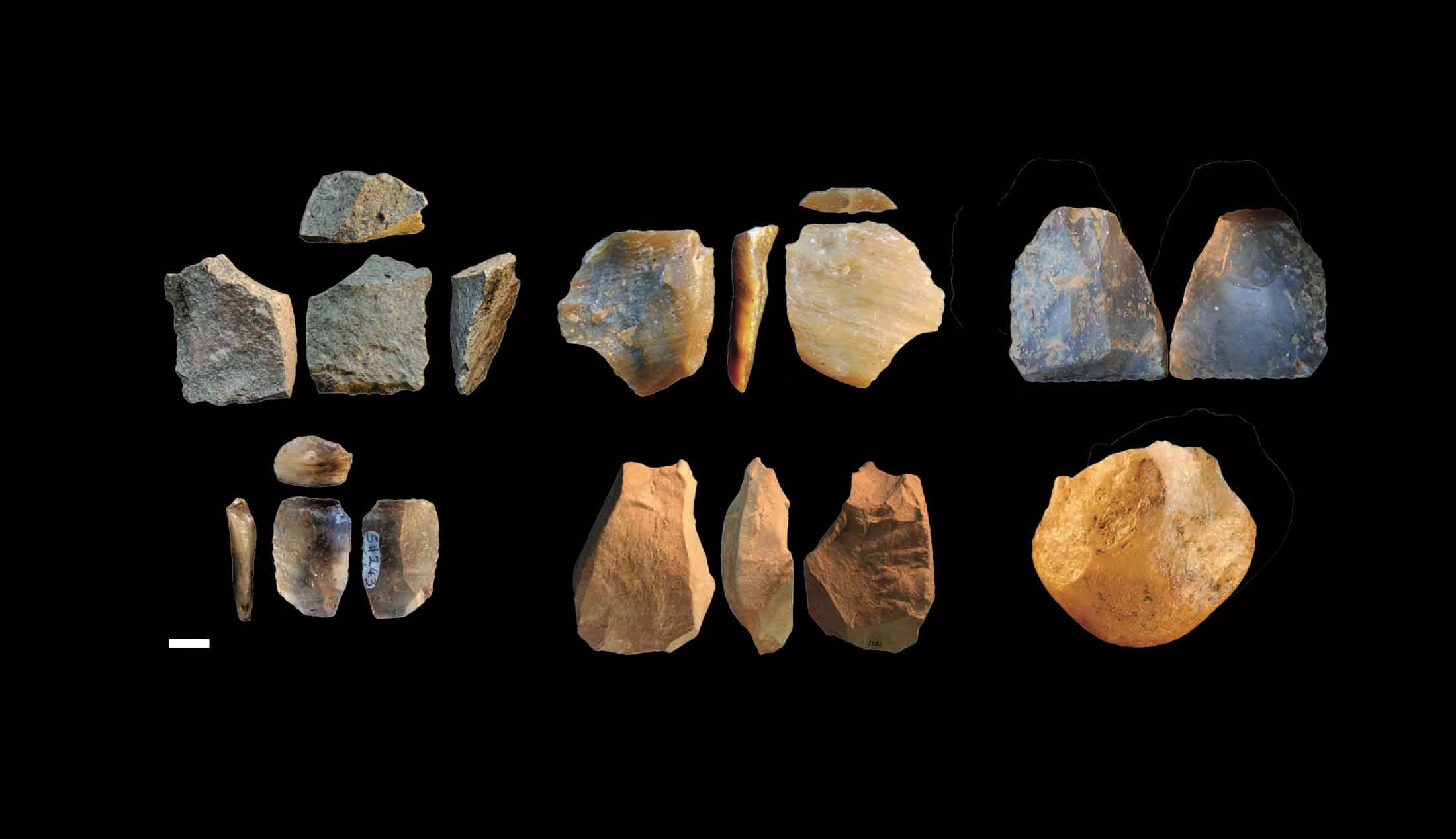
Earliest known tool industry from 2.5 mya to 1.7 mya
Oldowan Industry
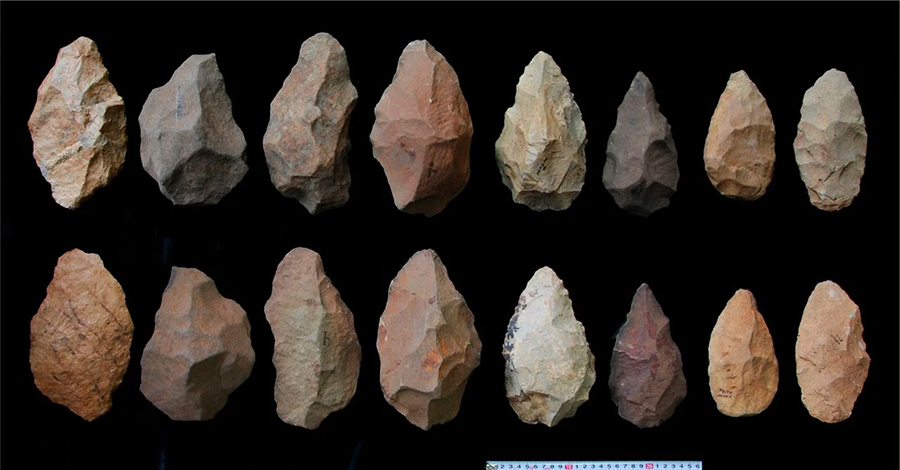
More advanced and symmetrical tools from 1.6 mya to 200 kya
Acheulean Tool Industry
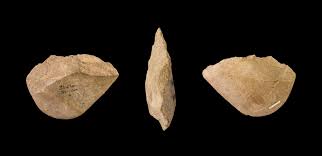
Simple stone tools with one sharp edge made by knocking flakes off a rock; used for chopping meat, plants, or bone from Oldowan Industry
Choppers
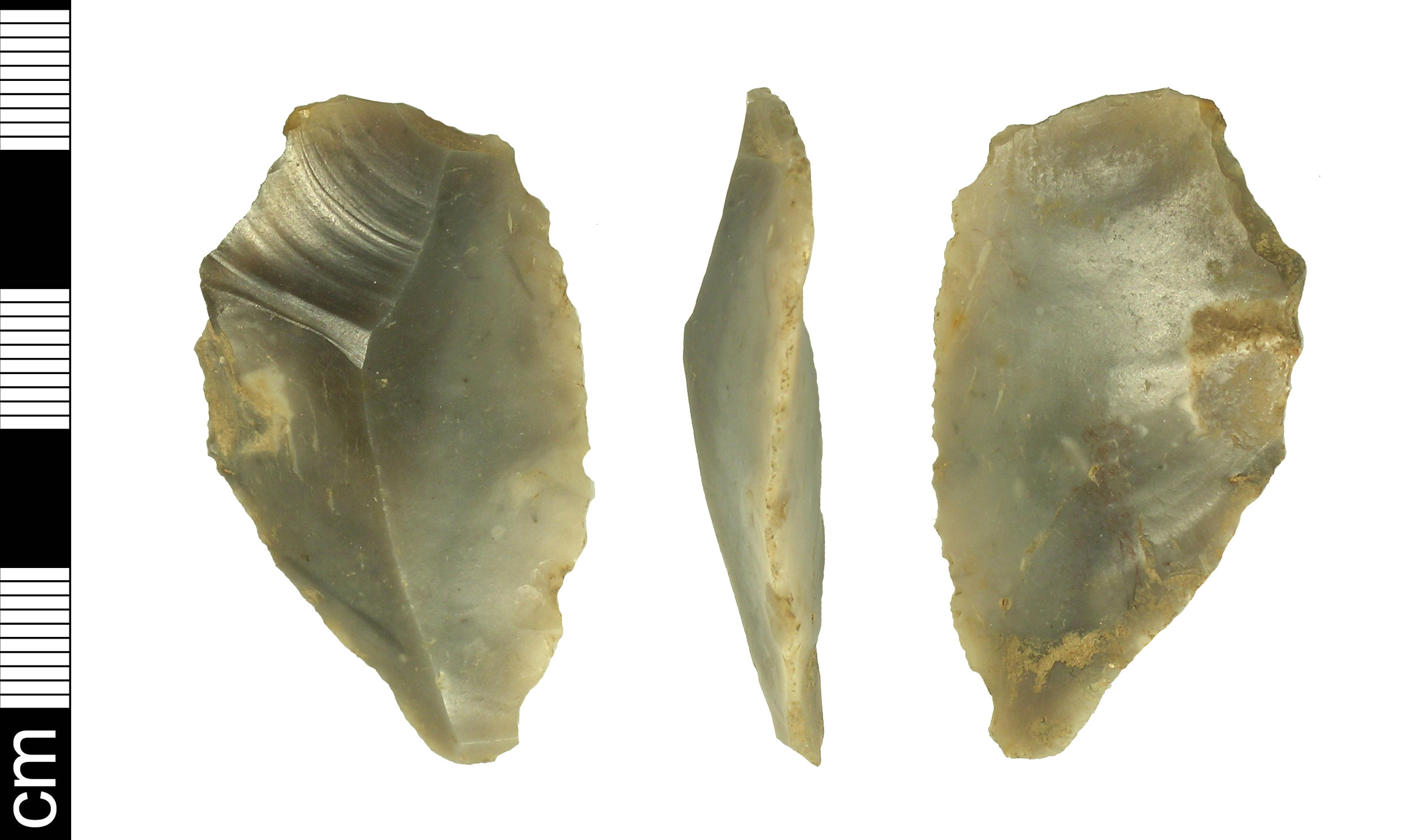
Thin sharp pieces broken off a stone core; used like knives for cutting and slicing from Oldowan Industry
Flakes
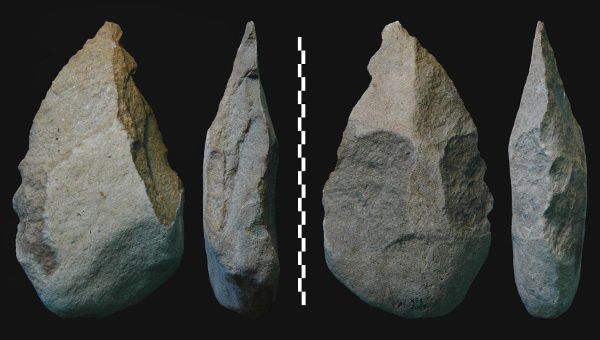
Large teardrop-shaped bifacial tools sharpened on both sides; used for cutting, butchering, digging, and chopping from Acheulean industry
Hand axes
The defining features of these are larger brain size, modern skull shape (still robust though), Reduced face/teeth, bipedal, advanced tools, and more social behaviors
Defining Features of Archaic Homo
Who are Archaic Homo?
Middle-stage members of the Genus Homo that come after erectus-grade hominins and before fully anatomically modern humans
Key species of archaic homo
Homo heidlbergensis, Homo neanderthalensis, H. Humans and Denisovans
Regions of Archaic homos
Africa, Europe, and Asia
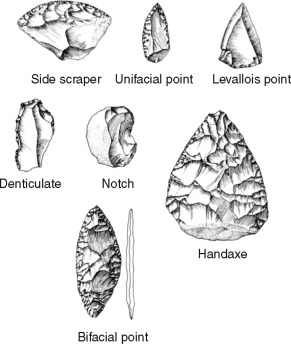
Middle Paleolithic tool system focused on carefully made flake tools like scrapers and spear points
Mousterian Tool Industry
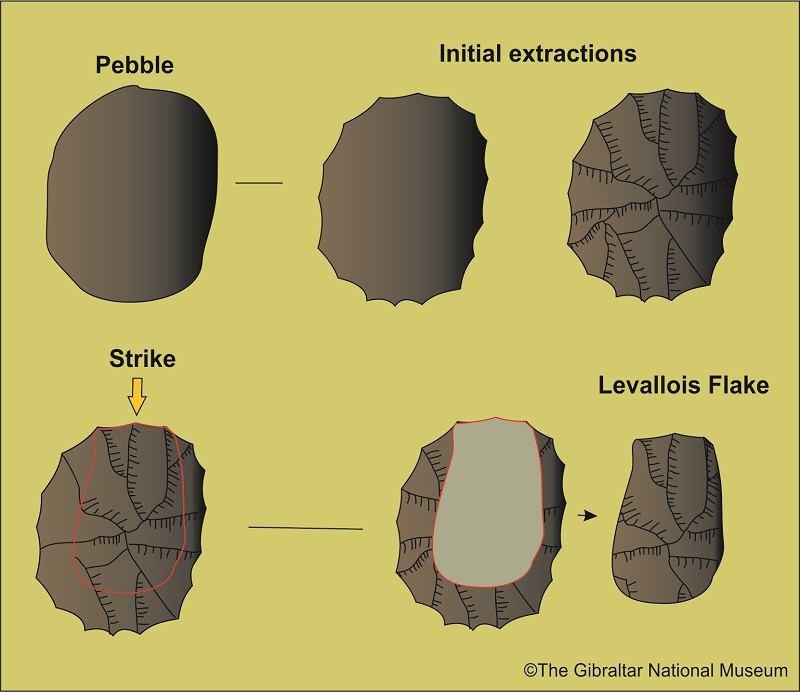
Mousterian stone tool-making method where a stone core is carefully prepared so that a single controlled strike produces a sharp, pre-shaped flake ready for use
Levallois technique
Sharp stone flakes intentionally shaped and retouched along one edge to remove fat, flesh, and hair from animal hides or to work wood
Scrappers
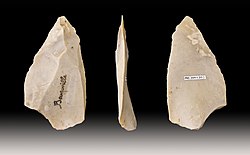
Sharp stone tools made from flakes, used mainly as spear tips for hunting
Bifacial points
Long, thin, sharp stone flakes used for cutting, slicing, and butchering tasks
Blades
Neanderthal adaptations
Species that was adapted to cold environments with strong, stocky bodies, large brains, and advanced hunting and tool-use abilitiespS
Neanderthal date range
Species that ranged from 430 to 30 kya
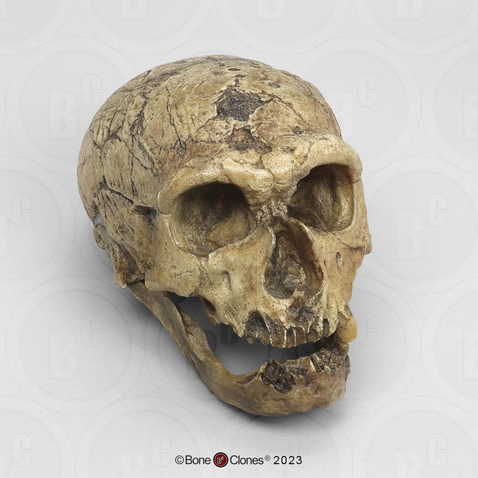
“Cave of Saints”
H. Neanderthalensis
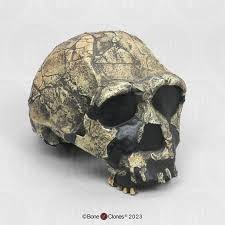
H. ergaster
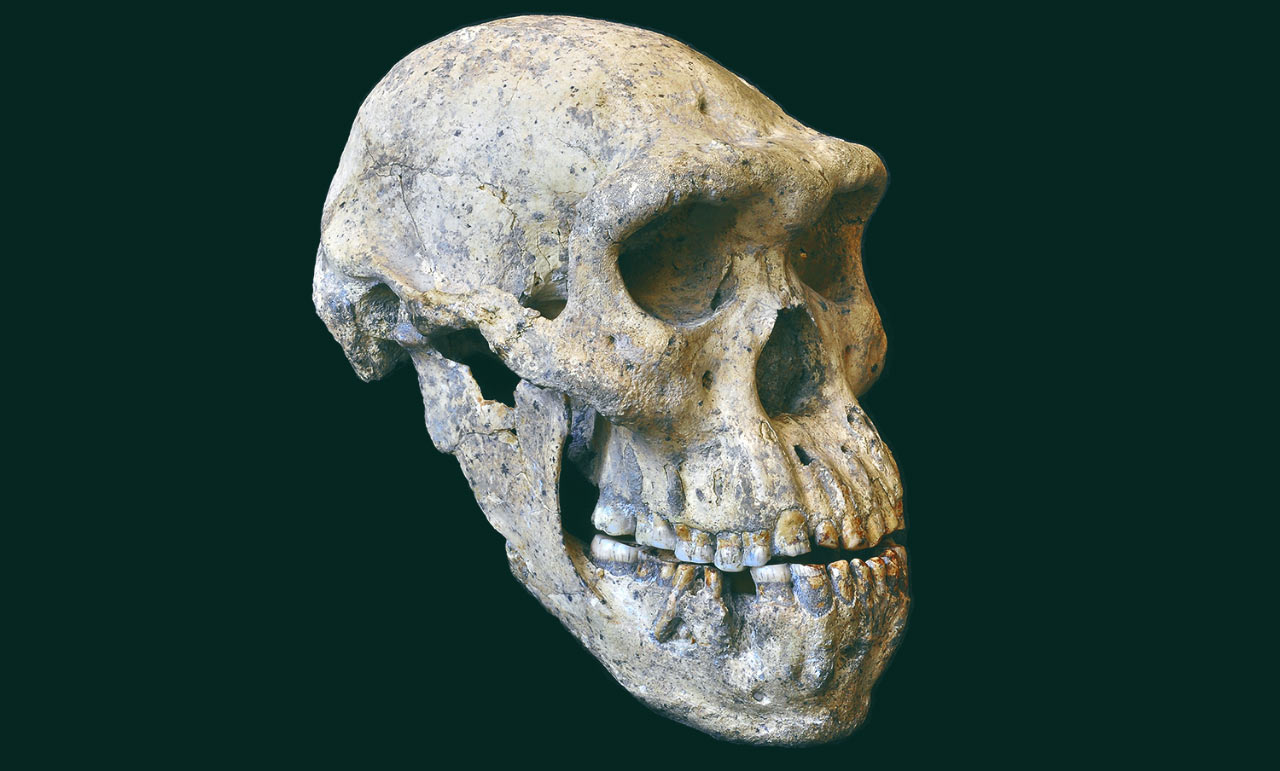
“Dmanisi”
H. erectus georgicus
Extinct Asian branch of archaic humans (300 to 50 kya) known mainly from DNA, closely related to Neanderthals, and likely adapted to diverse environments in Asia
Denisovans
Out of Africa Hypothesis
Modern humans, Homo sapiens, evolved in Africa and then migrated outward, replacing other archaic humans worldwide
Multiregional Continuity
Modern humans evolved simultaneously in different regions from populations of Homo erectus with ongoing gene flow between regions
Assimilation Hypothesis
Modern humans evolved in Africa, spread globally, and partially interbred with local archaic humans like Neanderthals and Denisovans instead of fully replacing them
rounder/globular skull, vertical forehead, expanded frontal/parietal lobe, tall/smooth occipital, gracile face/mandible, and chin
Cranial Traits
Thinner bones, smoother features, narrow pelvis, longer limb proportions, and adapted to longer distance running
Postcranial traits/Gracility
The set of advanced cognitive and cultural traits associated with fully modern humans and Homo sapiens including symbolic thinking, complex language, art, and sophisticated tool use
Behavioral Modernity
What are the traits of the cognitive abilities in the frontal lobe?
Cognition and emotion, personality, judgment and self control, muscle control, and ST memory
What are the traits of the cognitive abilities in the Parietal lobe?
Sensory processing and language processing
What are the traits of the cognitive abilities in the Temporal lobe?
Auditory processing, LT memory formation, and speech processing
Hypothesis that anatomically modern humans entered the Americas about 13 kya by traveling inland through a gap between the Laurentide and Cordilleran ice sheets.
Ice-Free Corridor Hypothesis
Hypothesis that anatomically modern humans entered the Americas around 16 kya by moving along the Pacific coastline using coastal resources and waterways
Coastal route hypothesis
Upper Paleolithic tool industries
Chatelperronian, Aurignacian, Solutrean, and Magdalenian
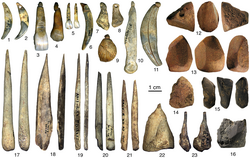
Long thin blades made of bone/ivory that could be used as needles from 45kya
Chatelperronian
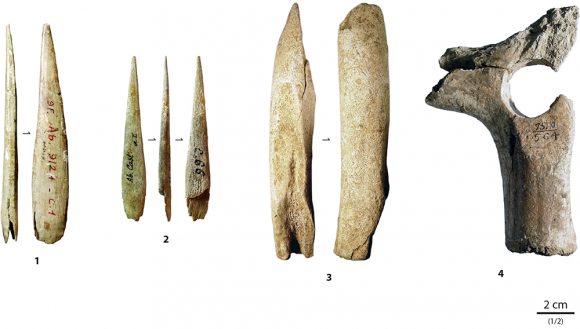
Long thin blades made of bone/ivory for fishing weights from 43 kya
Aurignacian
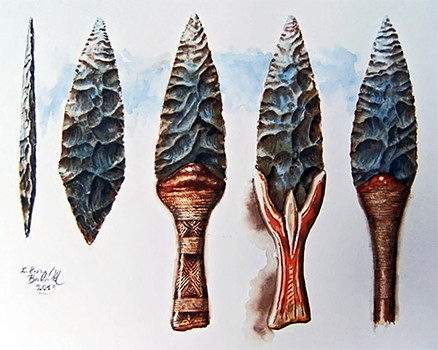
Highly refined, symmetrical stone tools (especially leaf-shaped points made by pressure flaking) for advanced hunting weapons from 23 kya
Solutrean
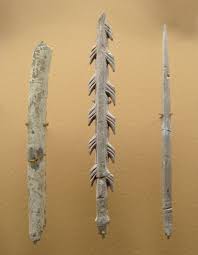
Highly refined bone, antler, and stone tools, as well as extensive cave art and specialized hunting technology from 17 kya
Magdalenian
The shift when humans transitioned from hunting and gathering to farming and domesticating plans and animals around 10 kya
Neolithic Revolution
Stressors
Environmental pressures that force organisms to develop traits that improve survival and reproduction
Homeostasis
How the body keeps its internal conditions stable, like temperature and water levels, even when the outside environment changes
Levels of Adaptation
Genetic, Developmental, Acclimatization, and Cultural
Genetic Adaptation
Happens over generations in populations via natural selection and many years of evolution