animals with simple stomachs
 Call Kai
 Learn
Learn Practice Test
 Spaced Repetition
 Match
Match Flashcards
 Knowt Play
1/35

There's no tags or description
Looks like no tags are added yet.
Name | Mastery | Learn | Test | Matching | Spaced | Call with Kai |
|---|
No analytics yet
Send a link to your students to track their progress
36 Terms
coeliac artery
what does it supply
what are te branches
what does it branch off of
stomach, liver , spleen
gastric, hepatic, splenic
first branch of aorta abdominal
cranial mesenteirc artery
where does it branch
what does it supply
branches into a network of arteries to reach diff parts of the small intestine and pancreas and ascending colon
caudal mesenteric artery
what does it supply
supplies blood to hindgut mostly descending colon and rectum
abdominal cavity- boundaries
upper
lower
vertical
upper boundary is diaphragm
lower boundary is the upper plane of the pelvic cavity
vertical boundary is vertebral column and abdominal muscles
peritoneal cavity
what is it
what does it cover
what is it made up of
function
serous membrane forming the lining of the abdominal cavity
covers most of intra abdominal organs
layer of mesothelium supported by a thin layer of connective tissue
support many of the abdominal organs and srves as a conduiot for their blood vessels, lymphatic vessles and nerves
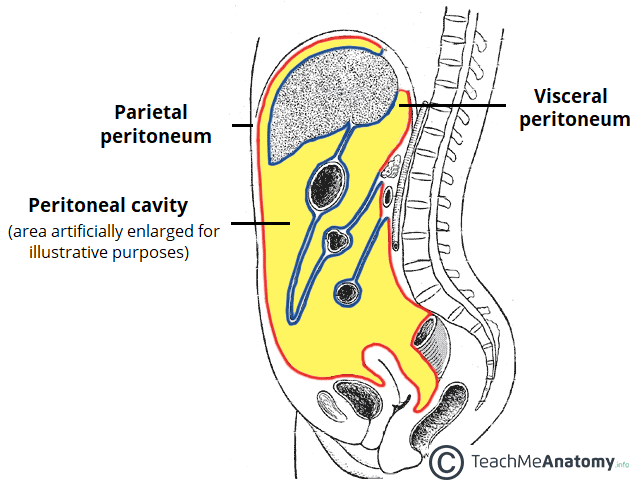
boundaries of the peritoneal cavity
blood supply to the foregut-coeliac artery
where does it drain
liver, stomach, pancreas, spleen
anastomosis- branches connect to each other- so if one gets cut off blood supply is still functional
drainage is through the hepatic portal vein- liver gets all nutrients to process before heart and rest of body
liver anatomy
where is it
where relative to the diaphragm
how many lobes
how many processes
most cranial part of abdomen
located immediately behind the diaphragm
six lobes
two processes
intestine anatomy
small intestine
duodenum : lining secretes mucous and fluids, bile duct, pancreatic duct
jejunum and ileum: secretes fluids, digestive, absorption
caecum
large intestine
ascending colon
transverse colon
descending colon
ileocaecocolic junction
formed by the junction of the ileum into the ascending colon at the caecocolic orifice
canine: cecocolic orifice and ielocolic orifice
feline: ileocecocolic junction
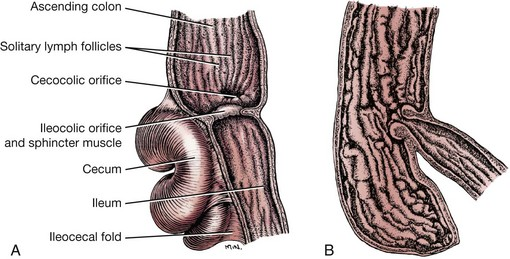
peritoneum
serous membrane forming the lining of the abdominal cavity
covers most of the intra abdominal organs
mesentery
double layer of peritoneum caused by invagination of an organ into the peritoneum, that connects the organ to the body wall and gives pathway to blood vessels, nerves and lymphatic ducts between the organ and the body wall
omenta
what is it made of
from which organs
2 types
a double or multiple layer of peritoneum from the stomach or the proximal part of the duodenum to adjacent abdominal organs
lesser omentum - from stomach and proximal duodenum to the liver
greater omentum- from stomach and proximal duodenum to the transverse colon and transerse mesocolon, and hangs down freely from the transverse mesocolon anterior of the intestines
why is there different folds in the abdomnen
the gut develops from one simple tube into several expanded cavities that have to coil themselves to fit into the abdomen
whar is anastomosis
blood does not reach the gut from one single vessel/area
why are blood vessels running throught the mesentery
keep it safe and easy to reach all areas of git
venous drainage
all veins from git and spleen combine into portal vein→liver
portal vein is the main point of entry of nutrients into the liver→ filter. ditribution into the body circulatory system
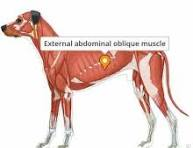
functions of the external abdominal oblique
compress abdominal cavity
rotation of trunk
most superficial muscle. wide aperneurosis forms inguinal ligament
functions of internal abdominal oblique
opposes external ab oblique in rotation
compresses abdomen- opposite of diaphragm
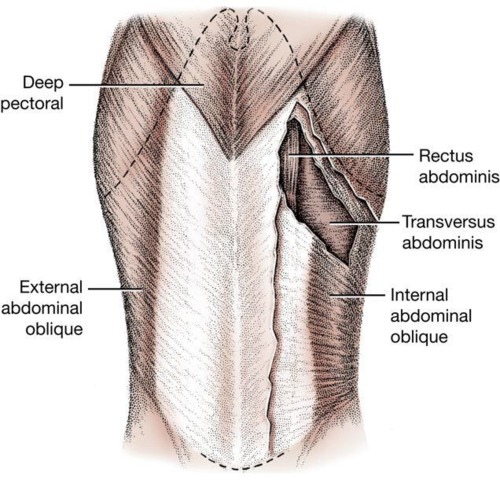
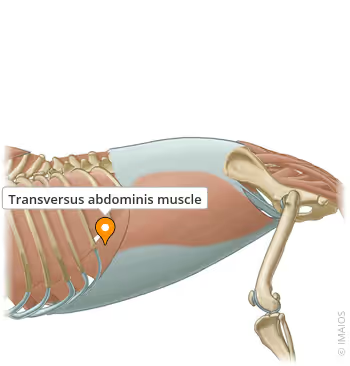
function of transversus abdominis
helps compress ribs and provides stability
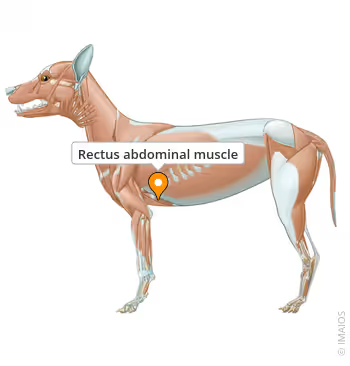
function of rectus abdominis
assists in breathing and abdominal stability
inguinal ring
connective tissue opening between abdominal muscles and their aponeurosis that forms the passage for vaginal process and for descent of testis.
spermatic cord in males or the round ligament in females
inguinal canal is the space between 2 rings
gastric artery
left and right
supply blood to the stomach
gasroepiploic arteries
right and left origin
where does it run from
right gea from gastroduodenal artery
left gea from the splenic artery
run along the stomachs greater curvature within the greater omentum
celiac artery
what is it a branch of
what does it supply
first major branch of the abdominal aorta
stomach, liver, spleen, pancreas, duodenum
ileocecal orifice and what is it guarded by?
opening where the small intestine (ileum) meets the large intestine (cecum)
guarded by the ileocecal valve
blood supply of ascending and descending colon
ascending colon- cranial mesenteric
descending colon- caudal mesenteric
pylorus
connects to the duodenum
stomach cardia
food pass from the oesophagus into the stomach guarded by the cardiac sphincter
duodenal papilla- where is it and what joins here
in duodenum where the common bile duct and main pancreatic duct join
ileocecal fold
connect end of ileum to small intestine
is a peritoneal fold
what carnivore liver lobe contains 2 processes
caudate lobe
what is the linea alba
the bilateral longitudinal fibers of the rectus abdomius muscle and layers of the rectus sheath