Gas Law Terms - Unit 9 and Pressure Units
 Call Kai
 Learn
Learn Practice Test
 Spaced Repetition
 Match
Match Flashcards
1/13

There's no tags or description
Looks like no tags are added yet.
Name | Mastery | Learn | Test | Matching | Spaced | Call with Kai |
|---|
No analytics yet
Send a link to your students to track their progress
14 Terms
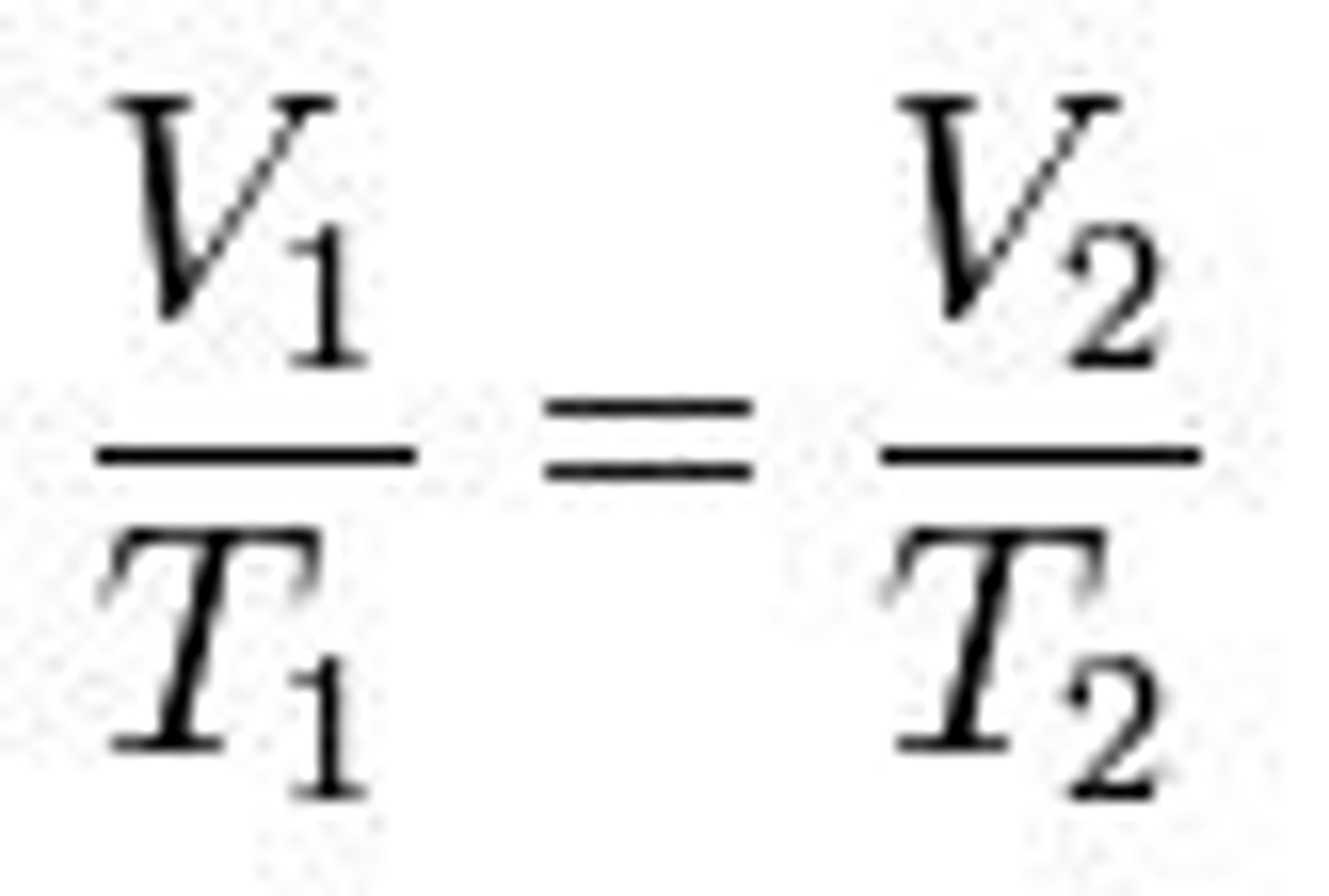
Charles' Law
Which law is this?
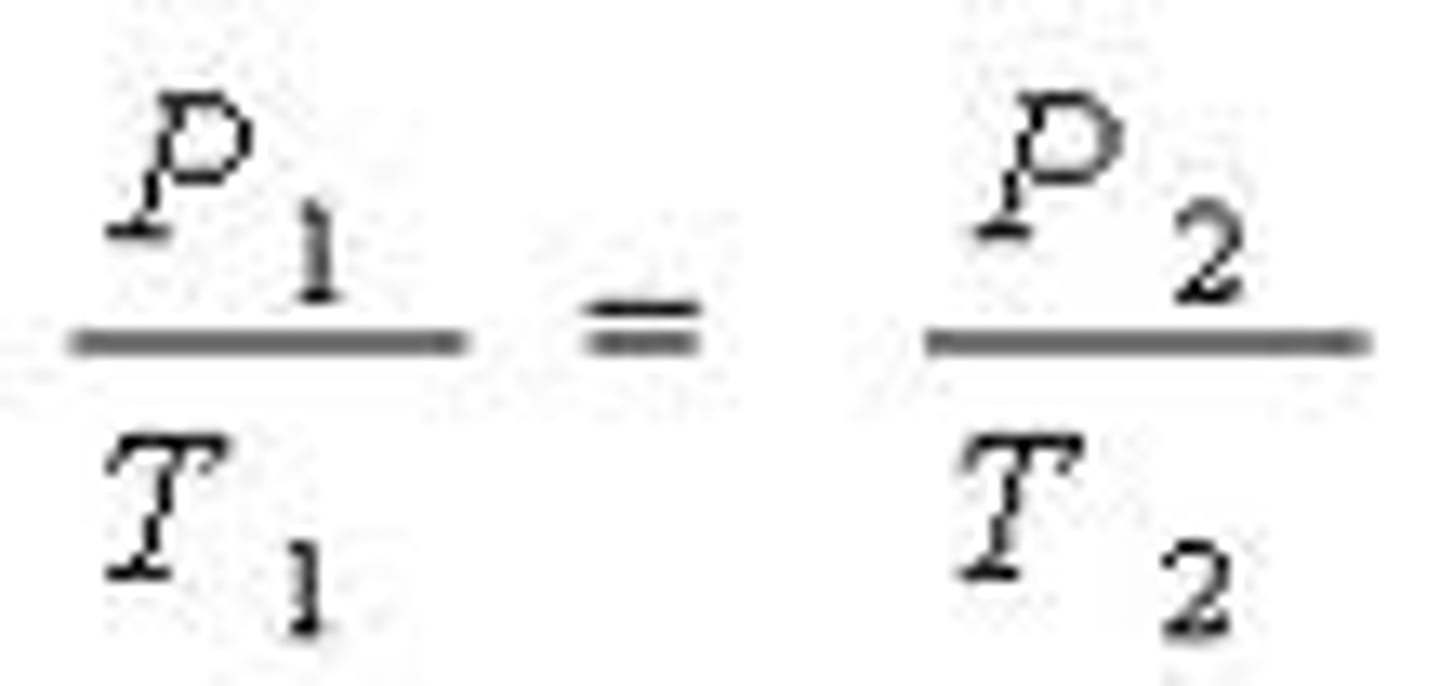
Gay-Lussac's Law
Which law is this?
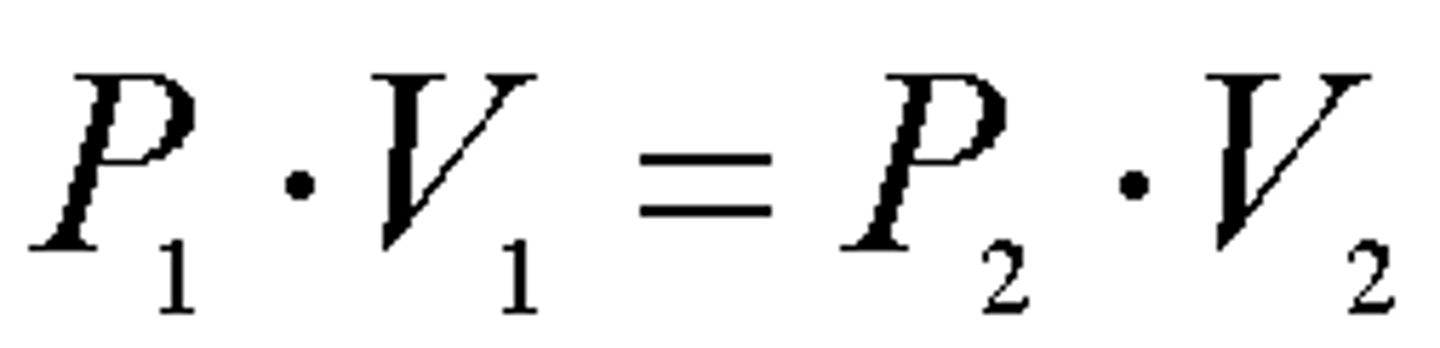
Boyle's Law
Which law is this?
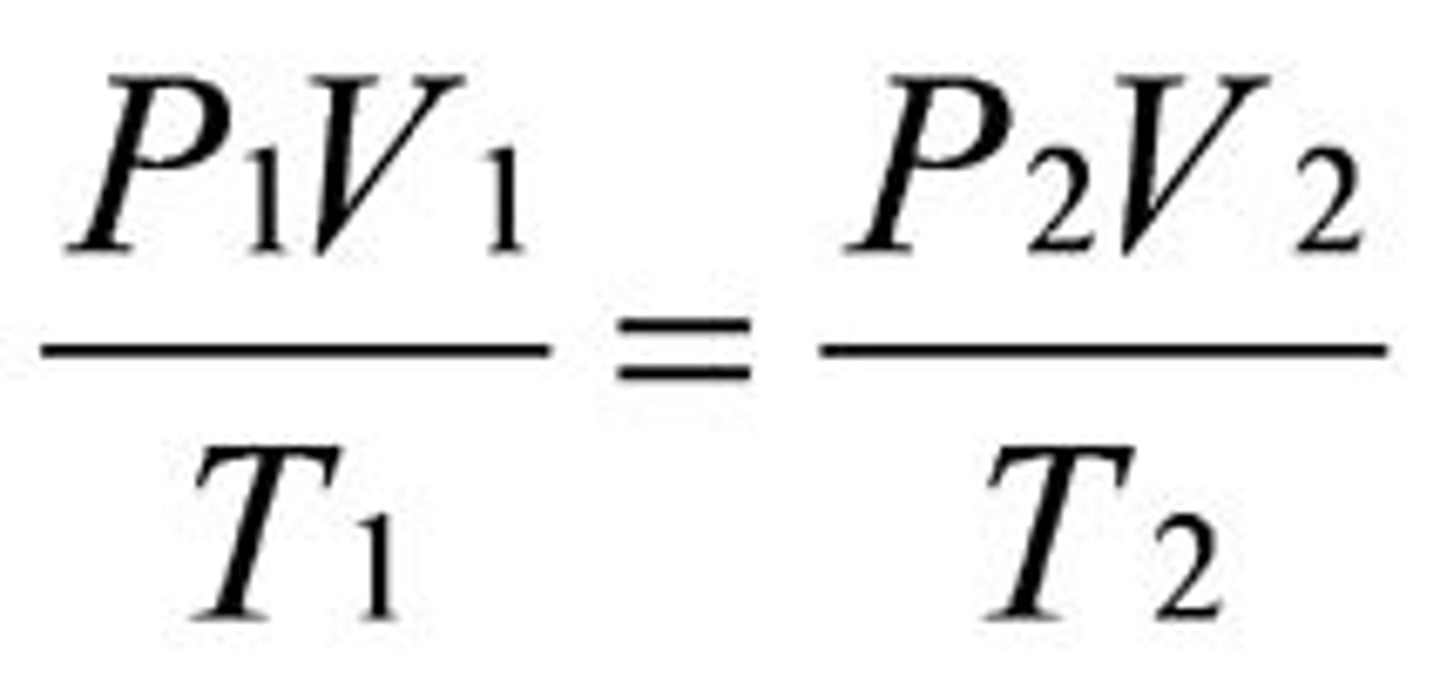
Combined Gas Law
What law is this?
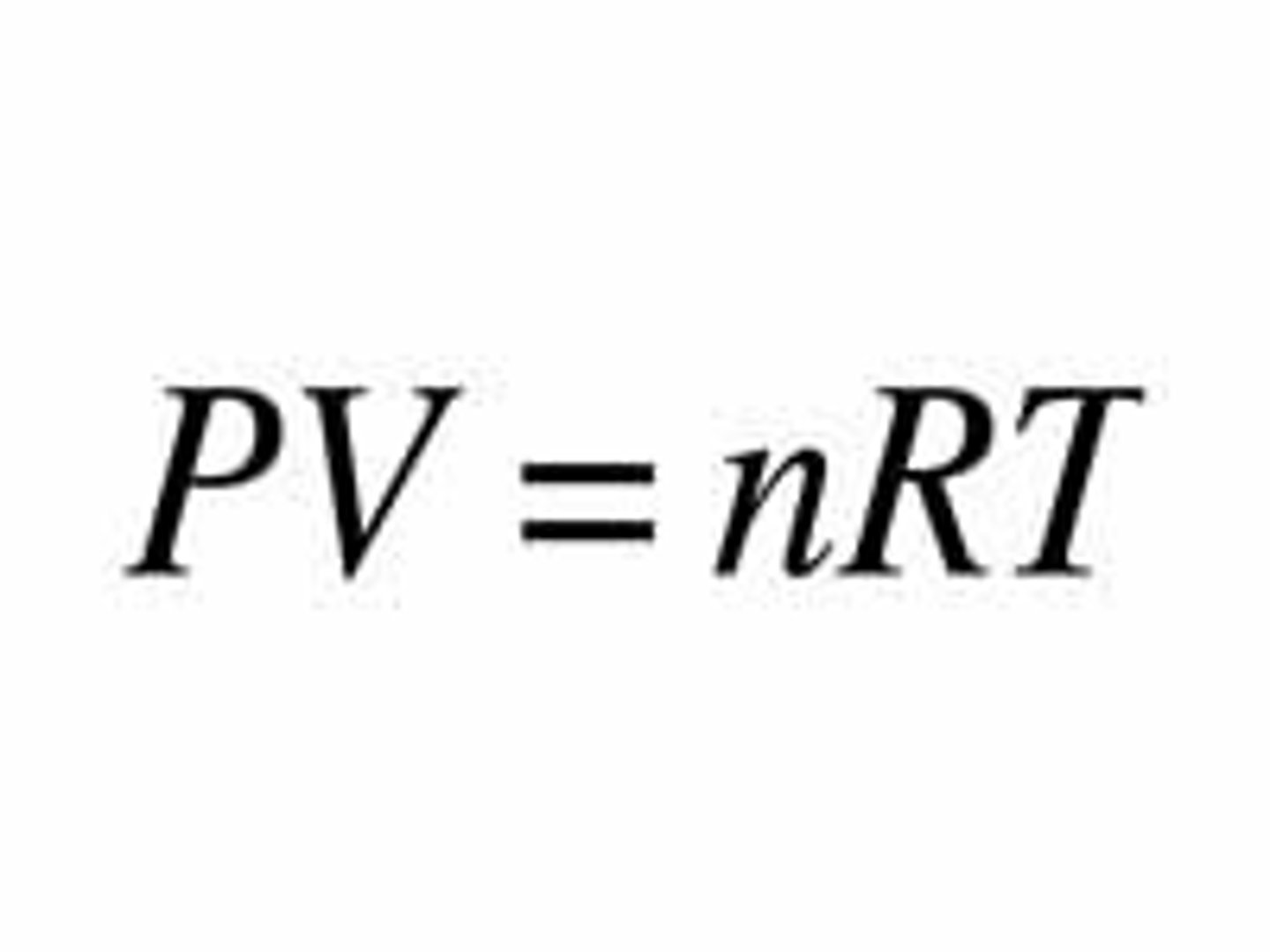
Ideal Gas Law
What law is this?
Formula to convert temperature
degree Celsius + 273= Kelvin
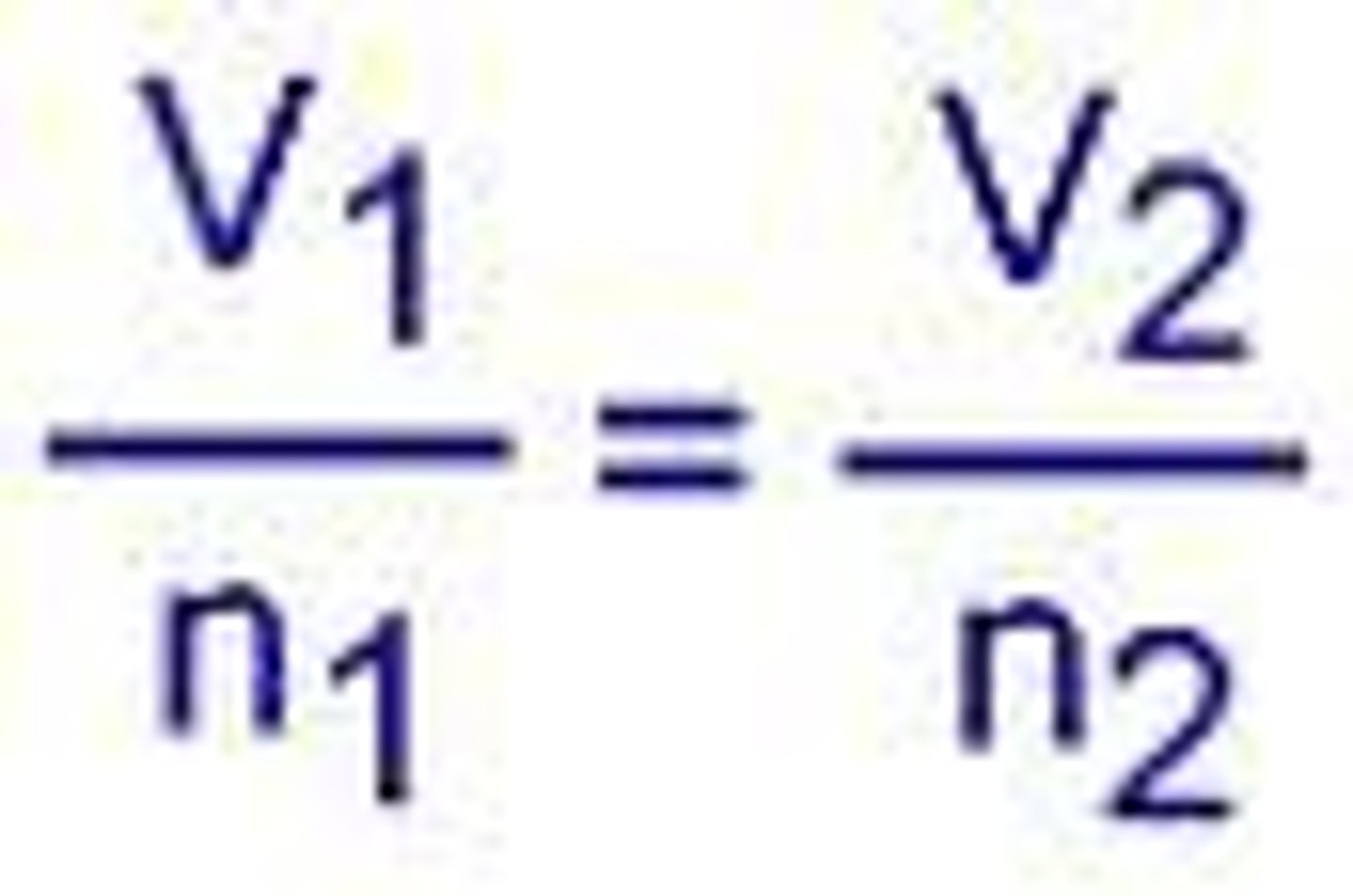
Avogadro's Law
Who's law is this?
Atm (atmospheres)
101.3 kPa = 1 __?__
Torr and mm Hg
1 atm = 760 __?__
kPa (kilopascal)
1 atm = 101.3 __?__
Pa (pascals)
1 atm = 101325 __?__
P.S.I. (pounds square inch)
1 atm = 14.69 __?__
Dalton's Law of Partial Pressure
What law is this?

Kinetic Molecular Theory
Gas particles are in constant, random motion.
The volume of gas particles is negligible in comparison to the volume of the container.
There are no attractive forces between gas particles.
Collisions of gas particles are elastic, so no energy is lost.
The speed of a gas particle is directly proportional to the temperature of the system.