PATH101B - Exercise 2 Histology and Cytology
 Call Kai
 Learn
Learn Practice Test
 Spaced Repetition
 Match
Match Flashcards
 Knowt Play
1/68

There's no tags or description
Looks like no tags are added yet.
Name | Mastery | Learn | Test | Matching | Spaced | Call with Kai |
|---|
No analytics yet
Send a link to your students to track their progress
69 Terms
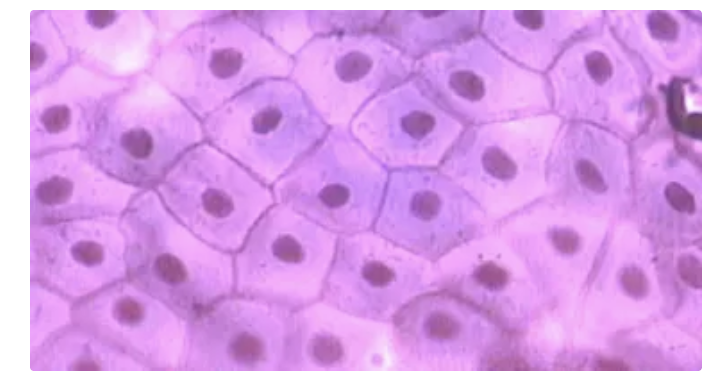
Simple Squamous Epithelium
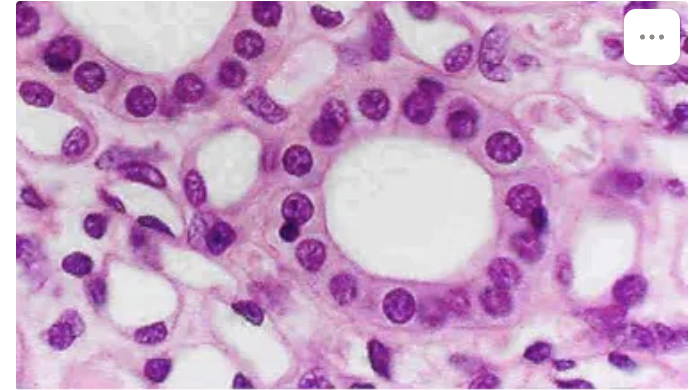
Simple Cuboidal Epithelium
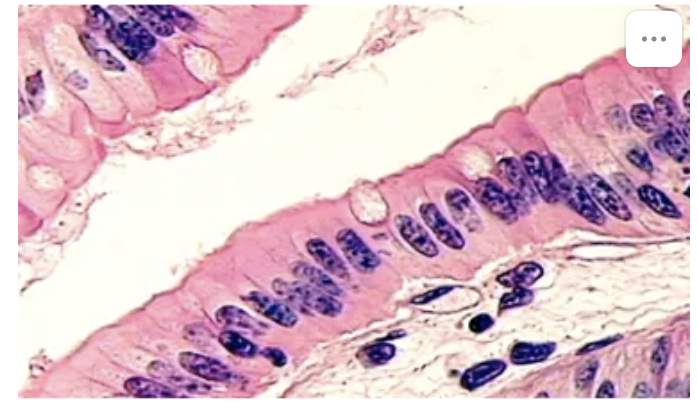
Simple Columnar Epithelium
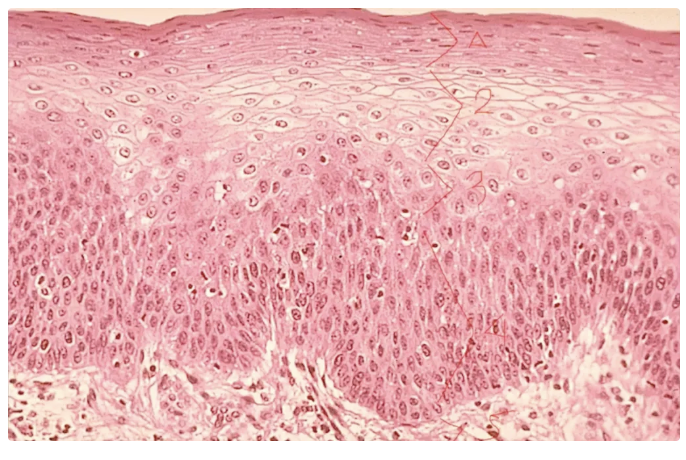
Stratified Squamous Epithelium
Pseudostratified Squamous Epithelium
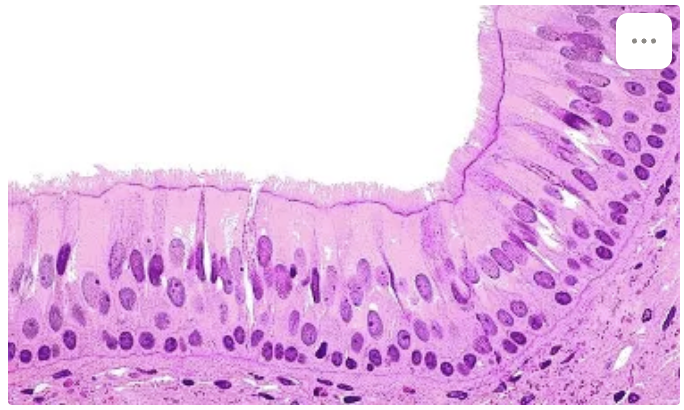
Transitional Epithelium
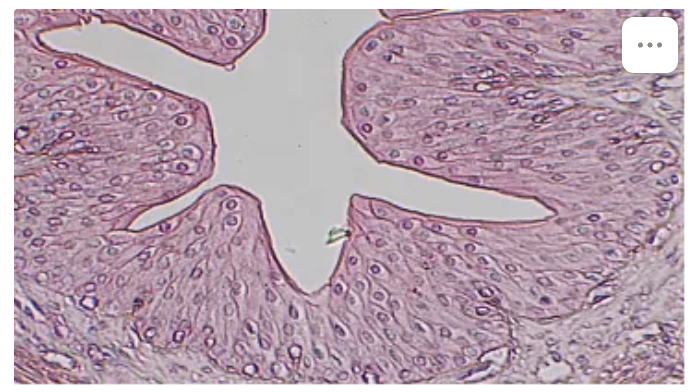
Elastic Connective Tissue
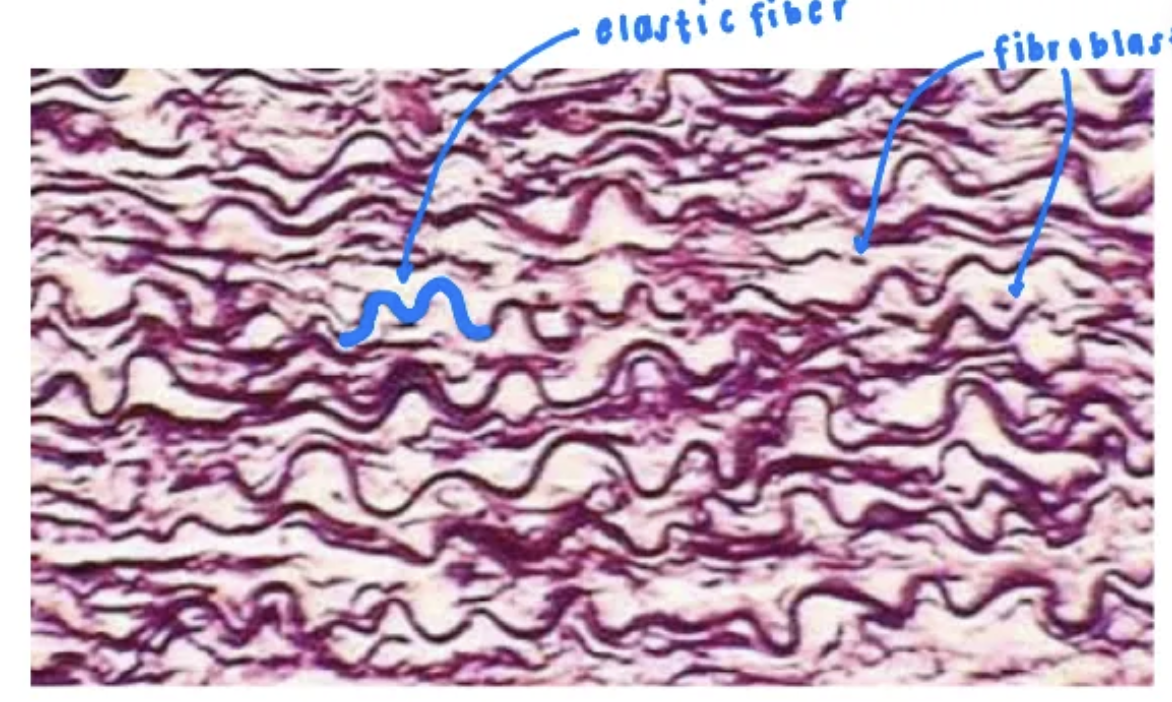
Collagenous Connective Tissue
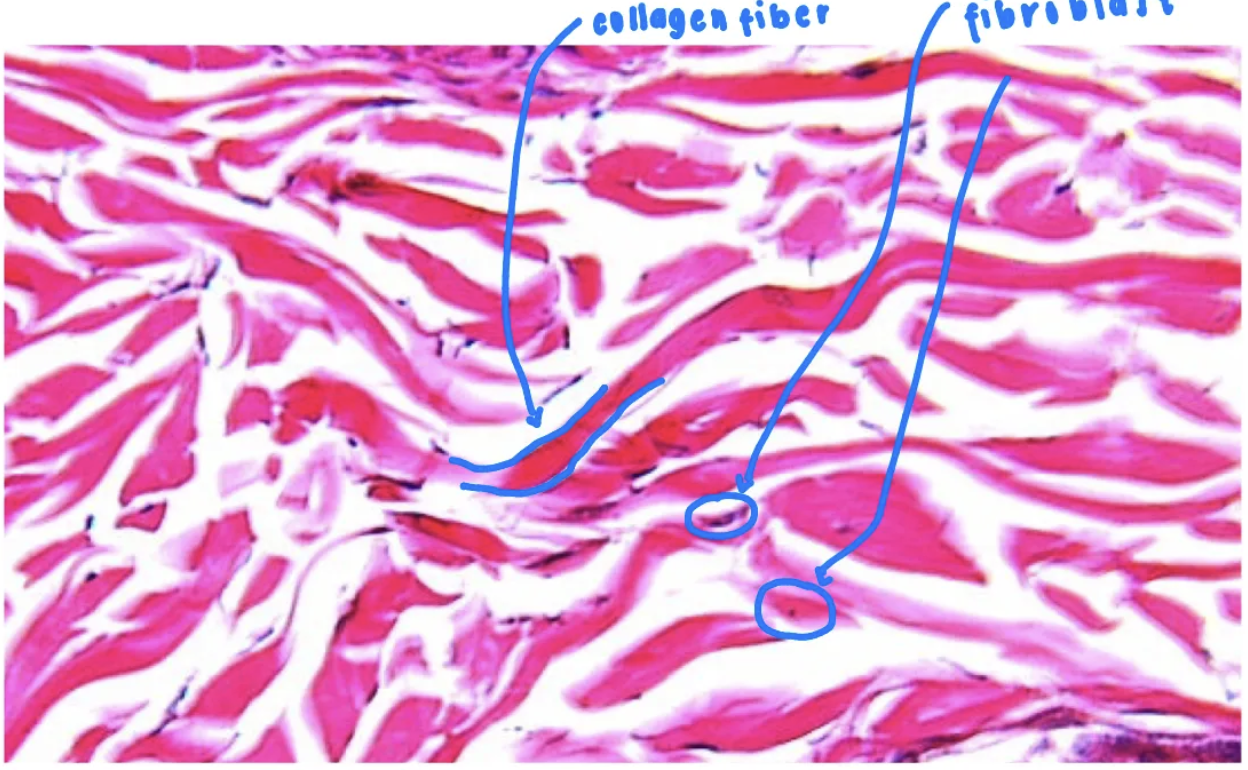
Areolar/Loose Connective Tissue
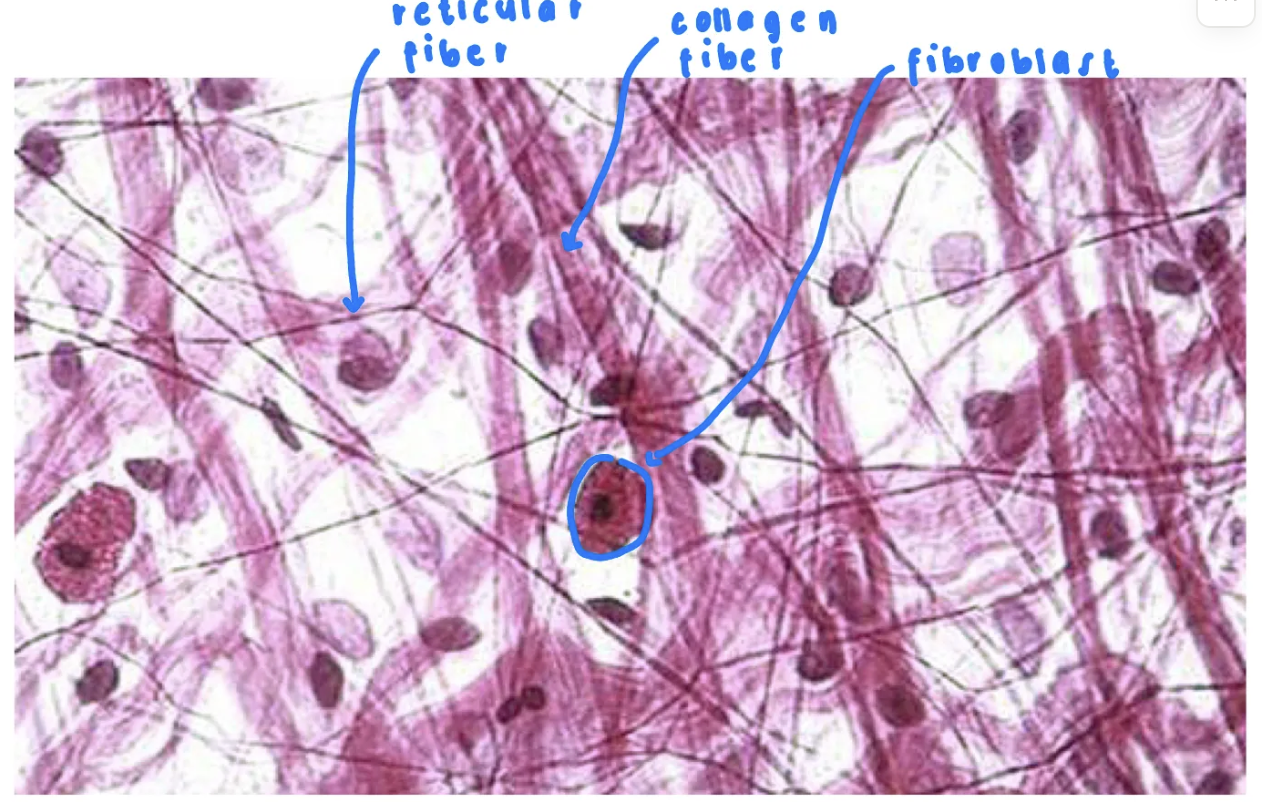
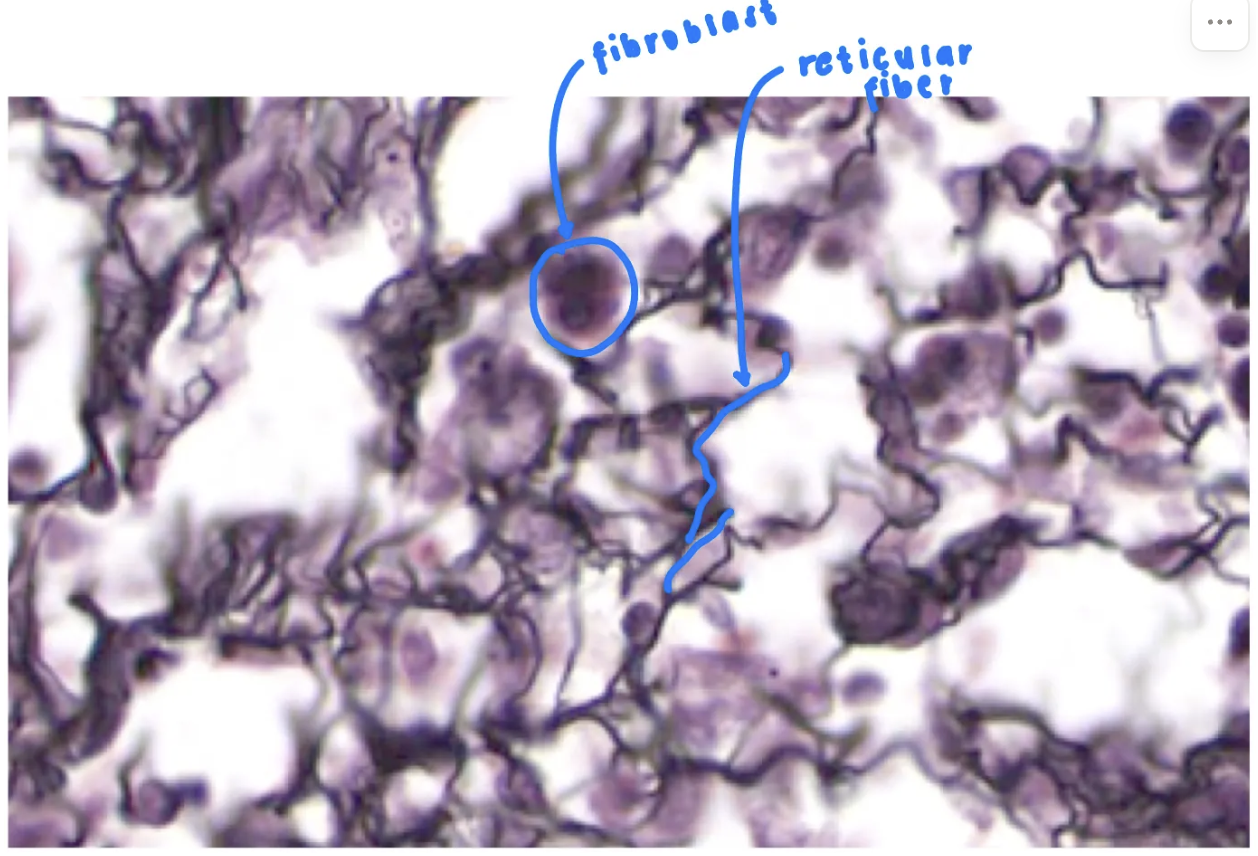
Reticular Connective Tissue
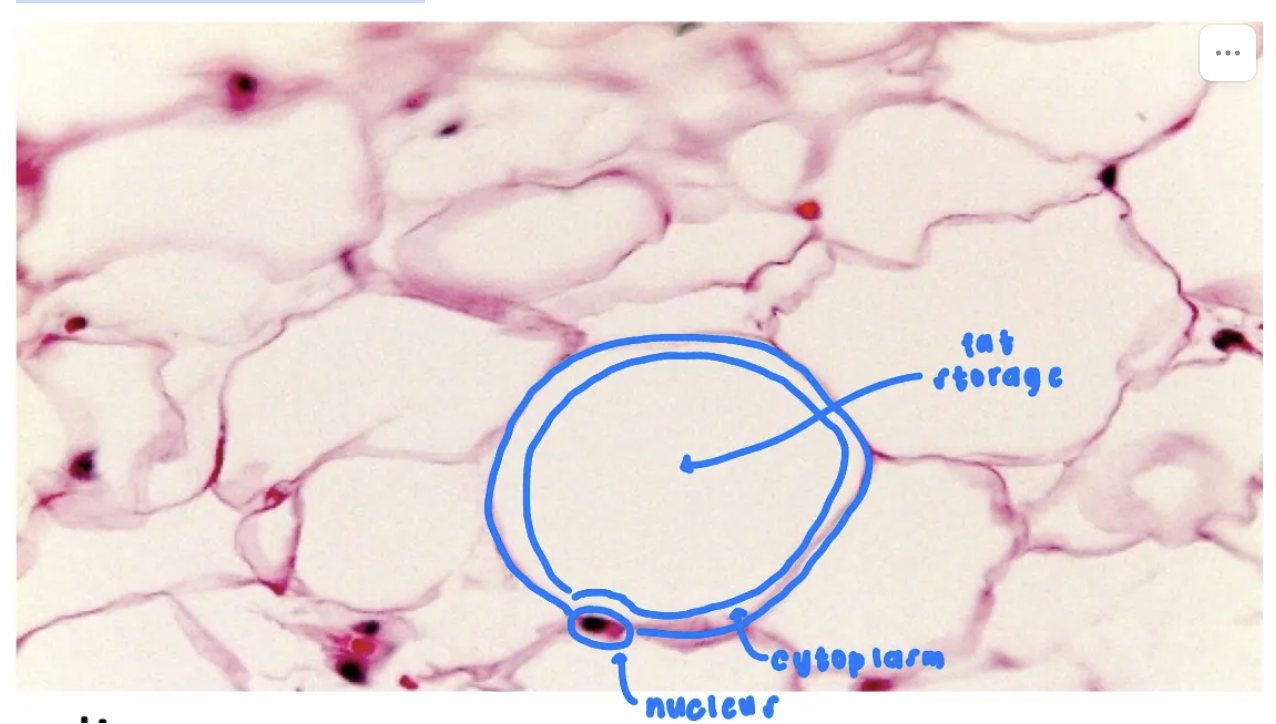
Adipose Connective Tissue
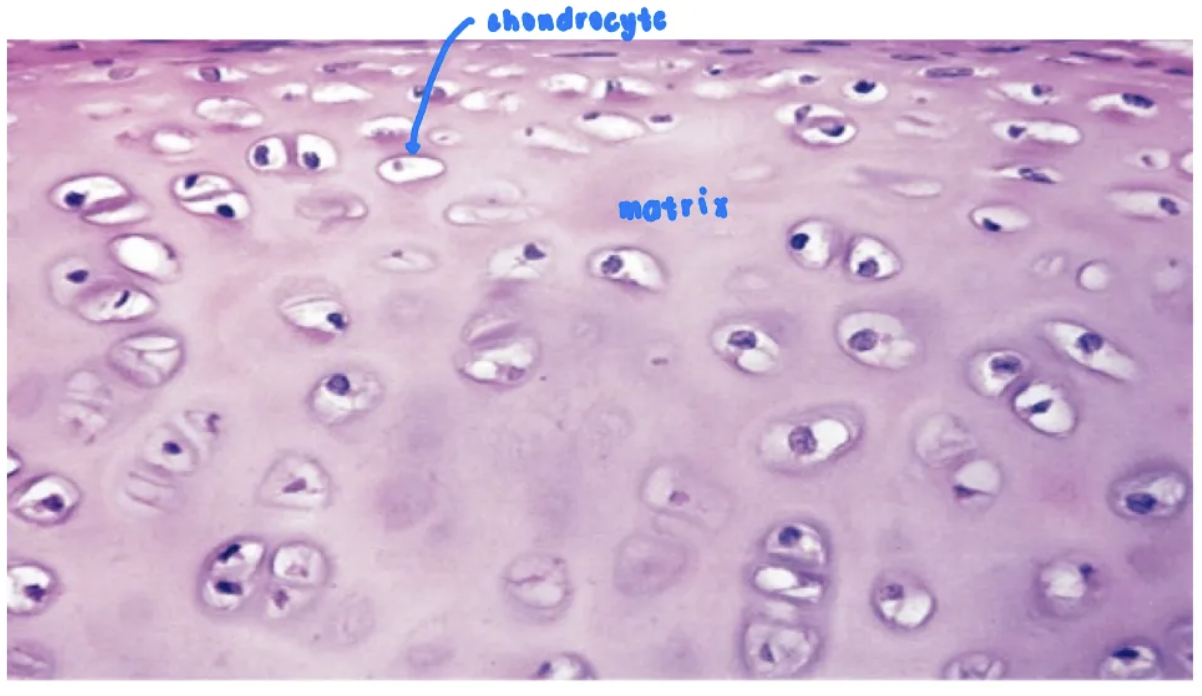
Hyaline Cartilage
Elastic Cartilage
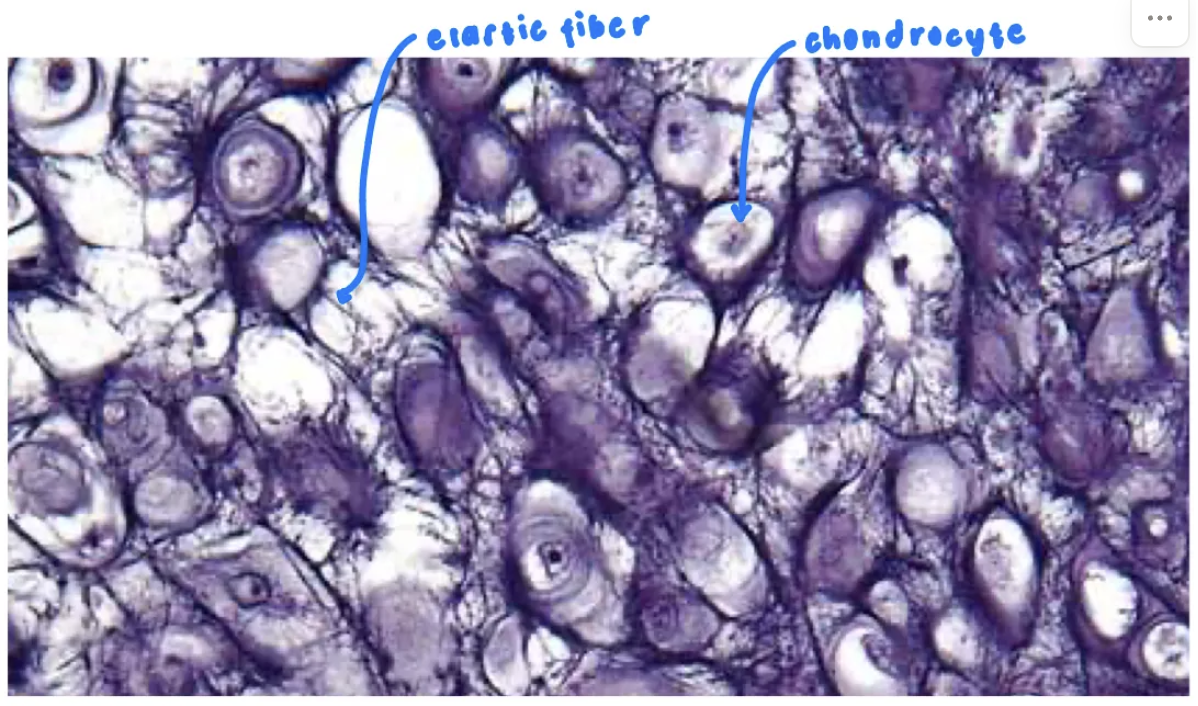
Fibrocartilage
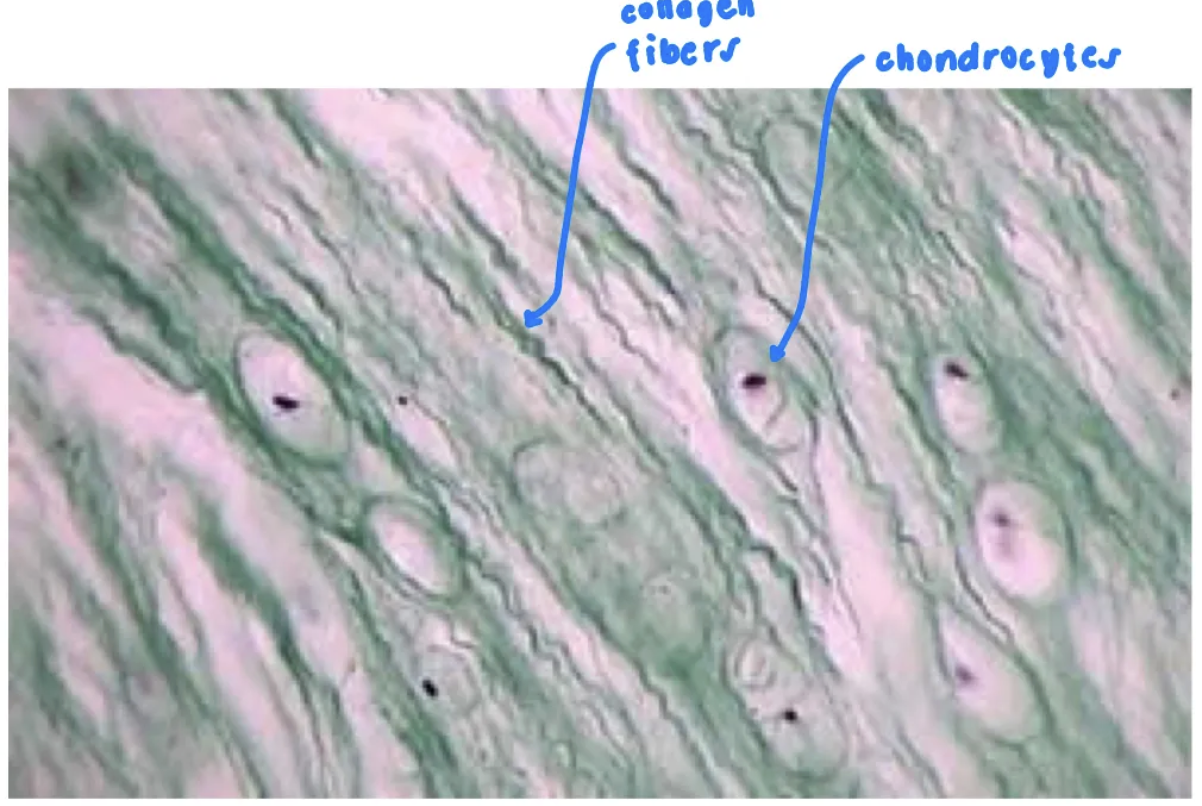
Bone
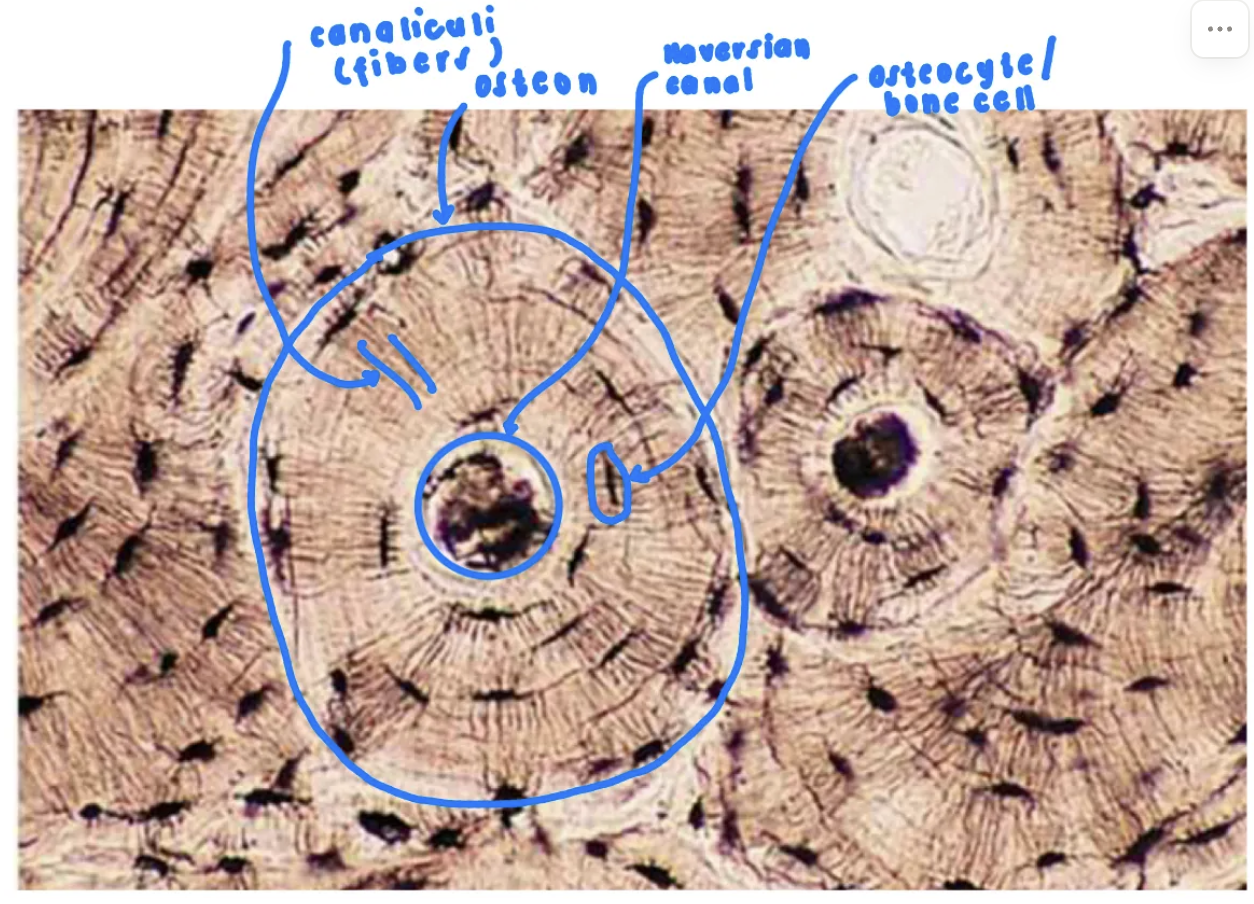
Blood
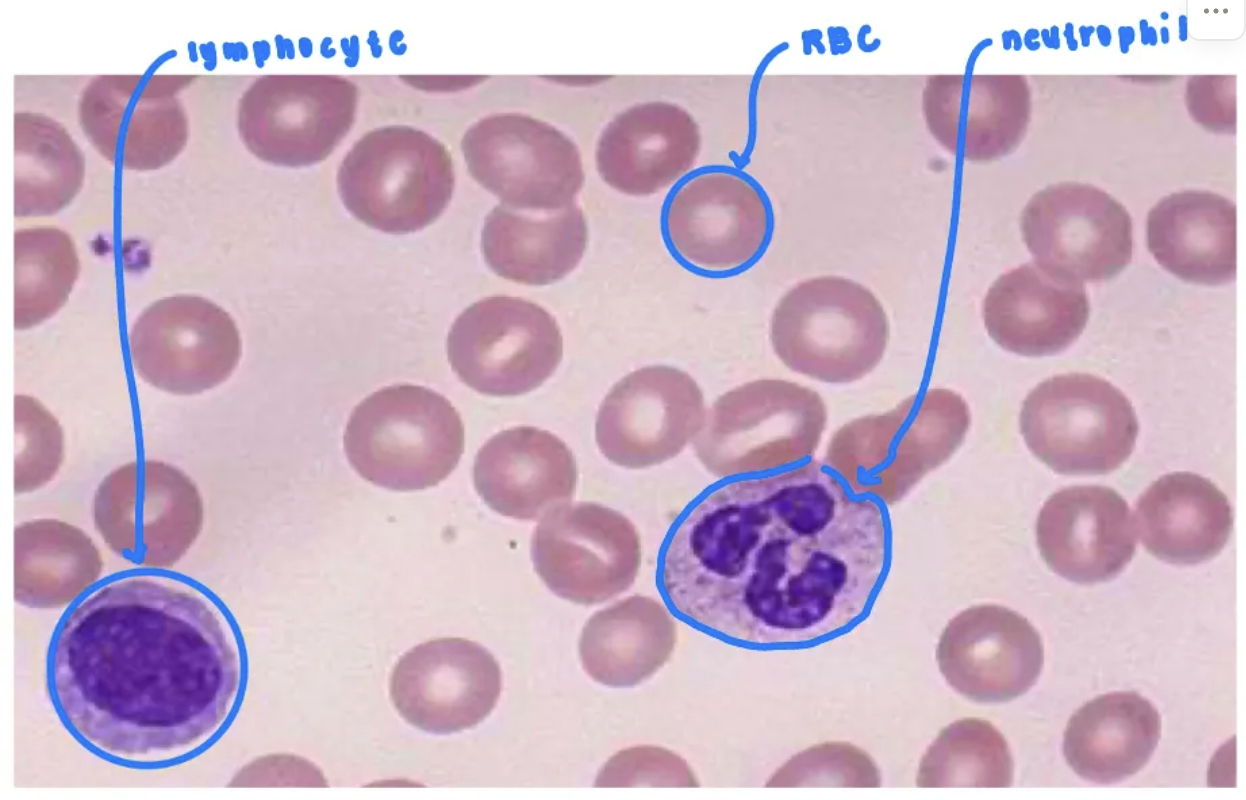
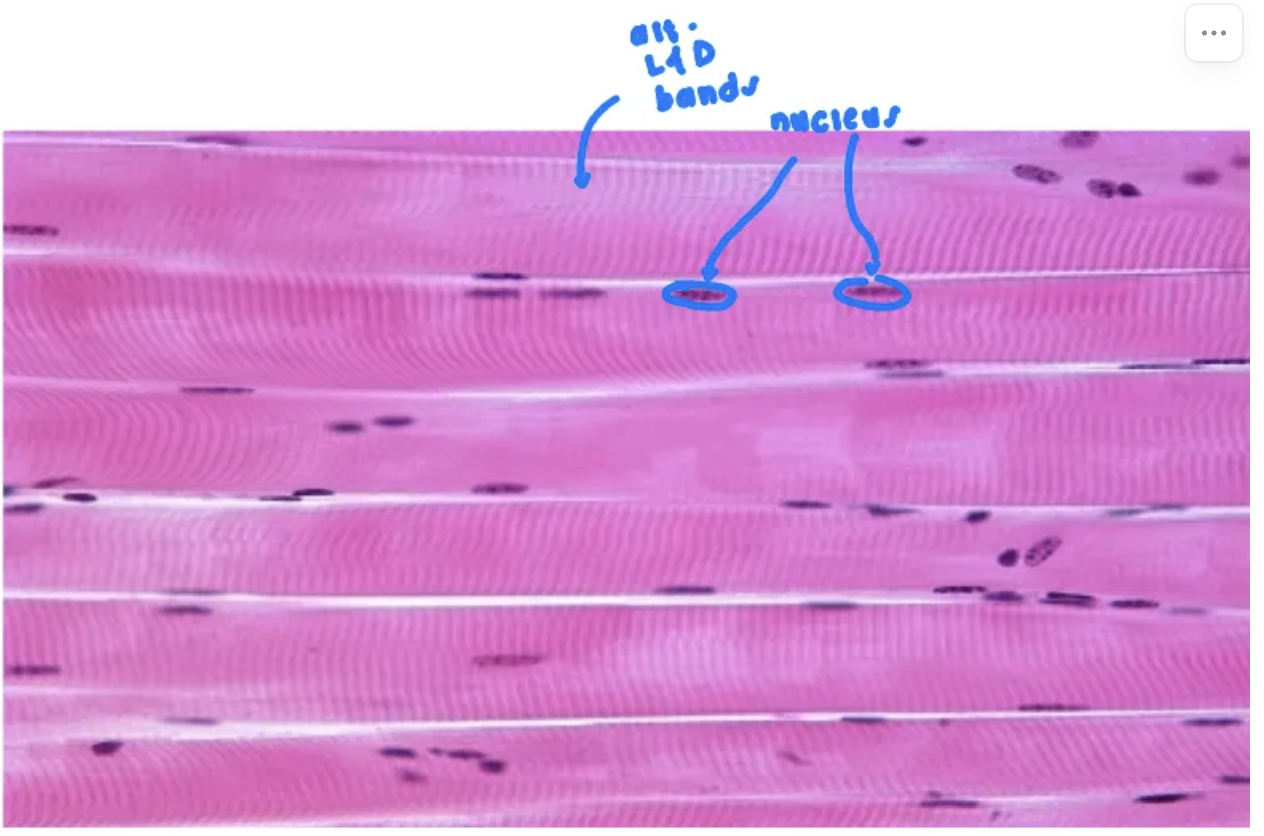
Skeletal
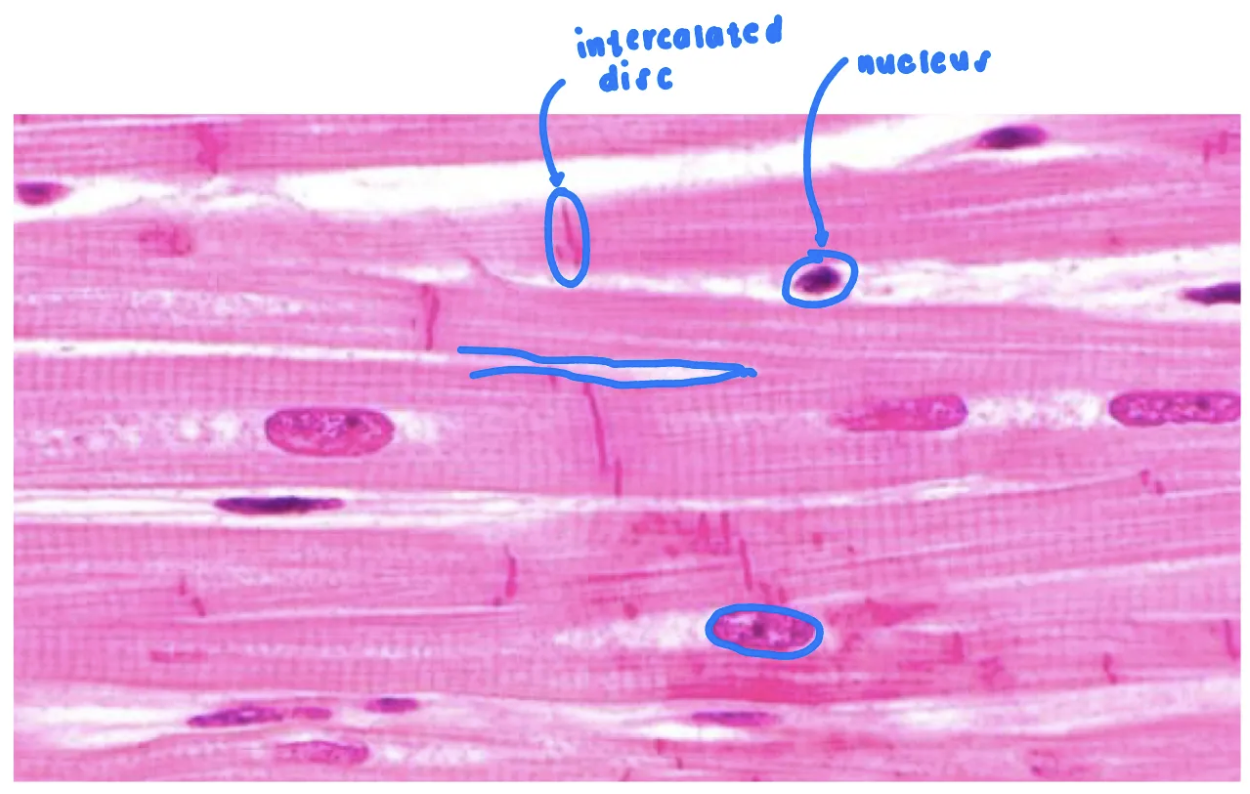
Cardiac
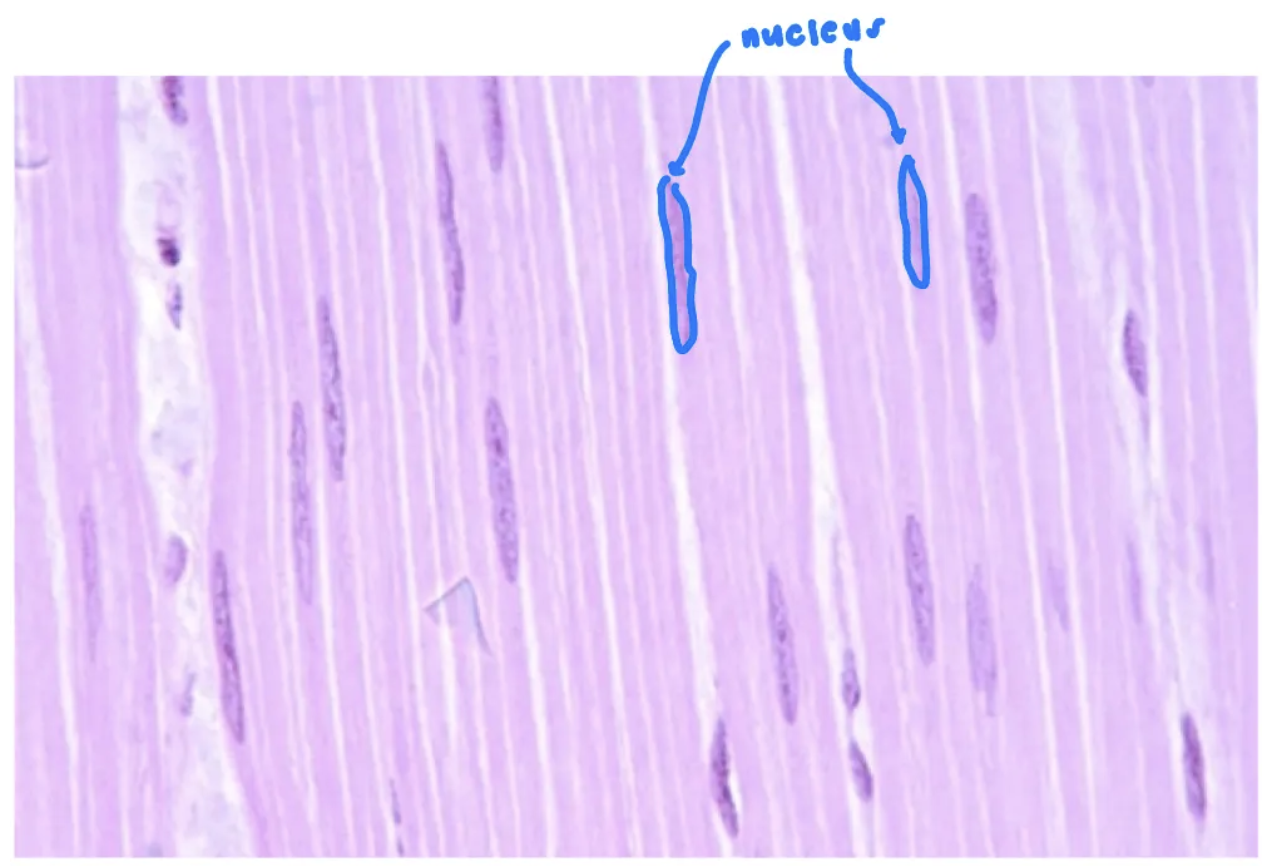
Smooth
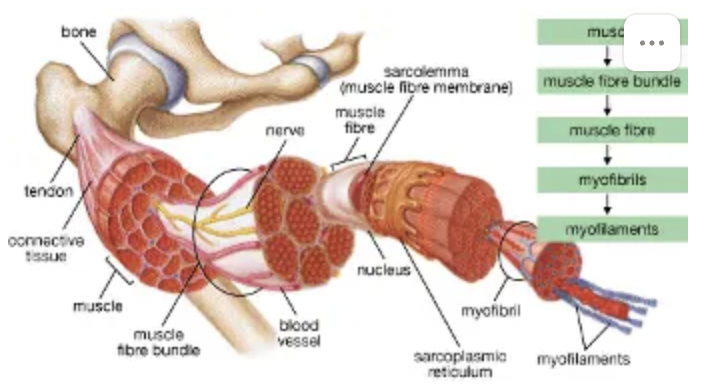
Myofilaments
Neuron
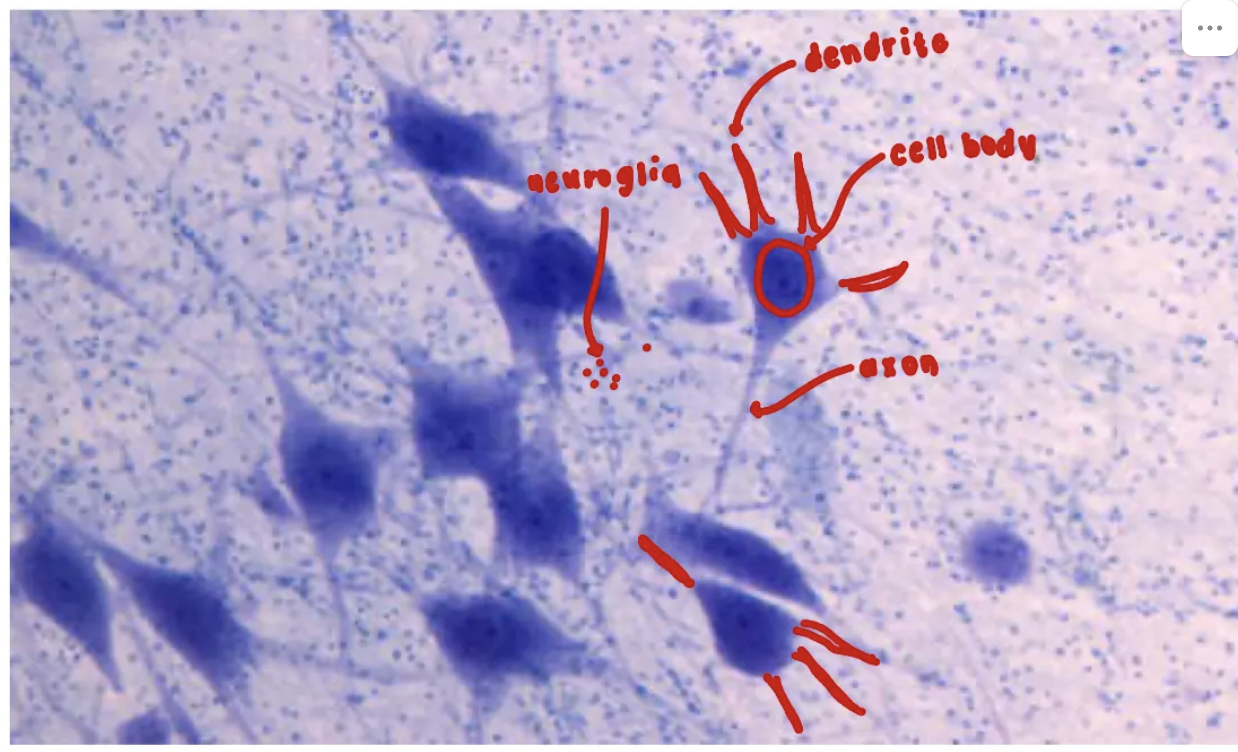
Neuroglia
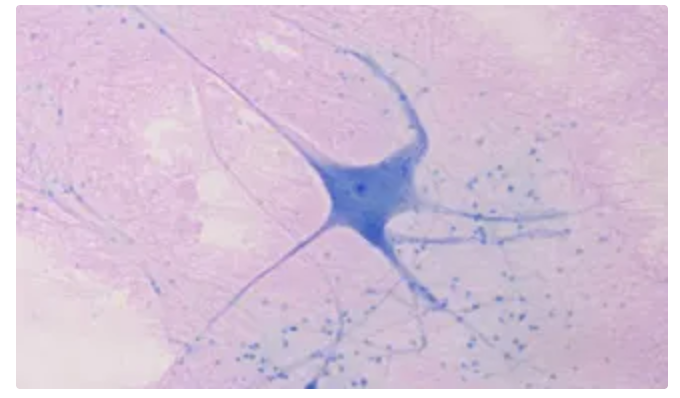
Astrocyte
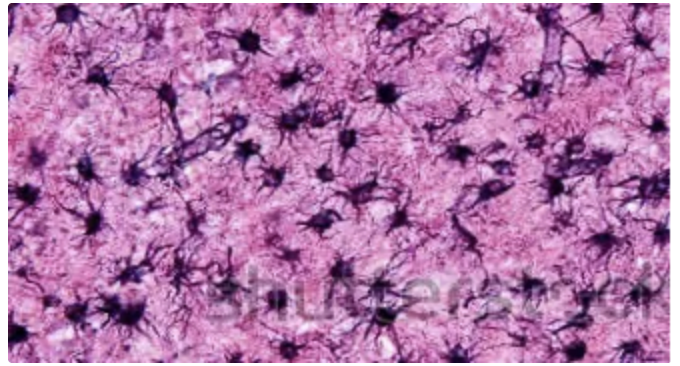
Oligodendroglia/Oligodendrocyte
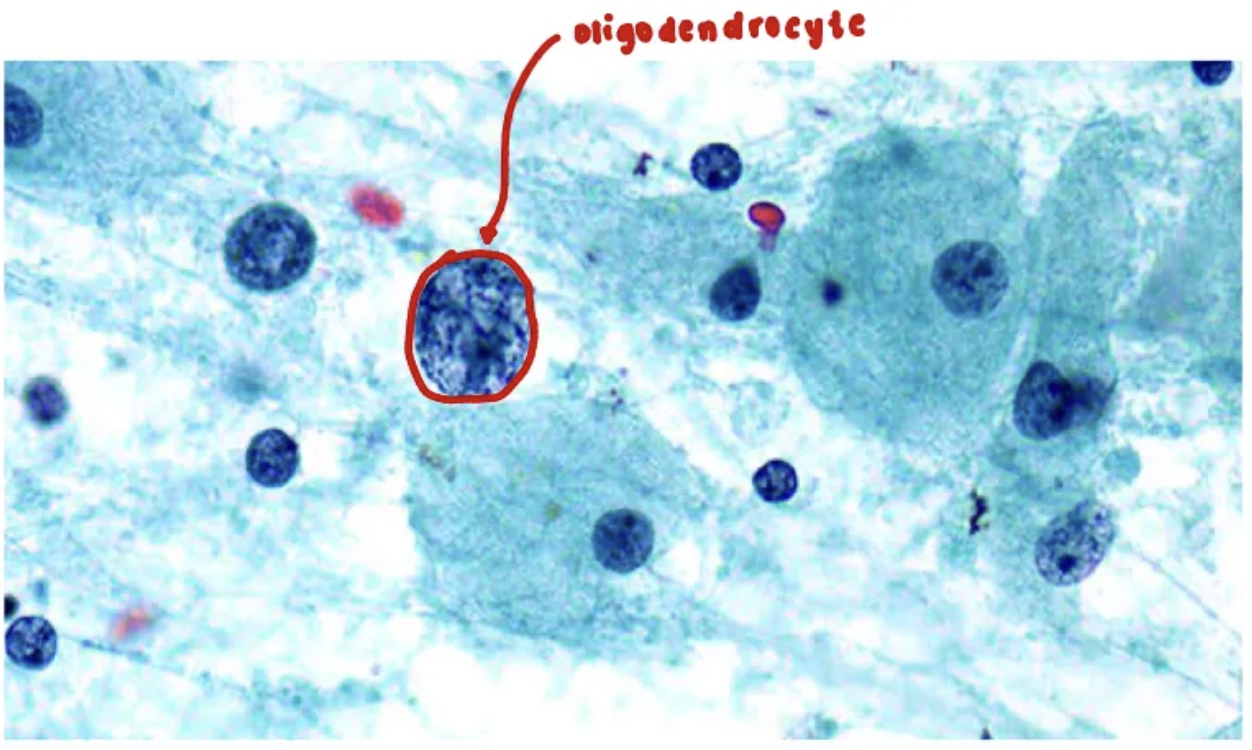
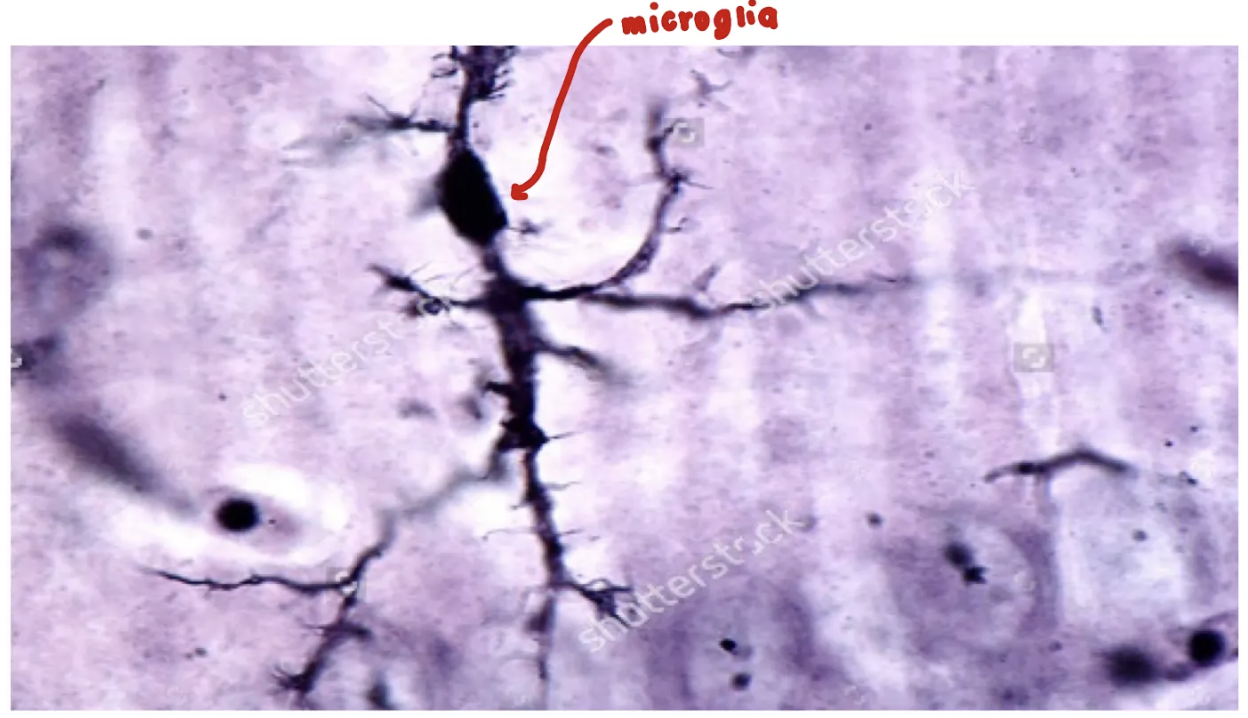
Microglia (aka Glia or Glial Cells of the Brain)
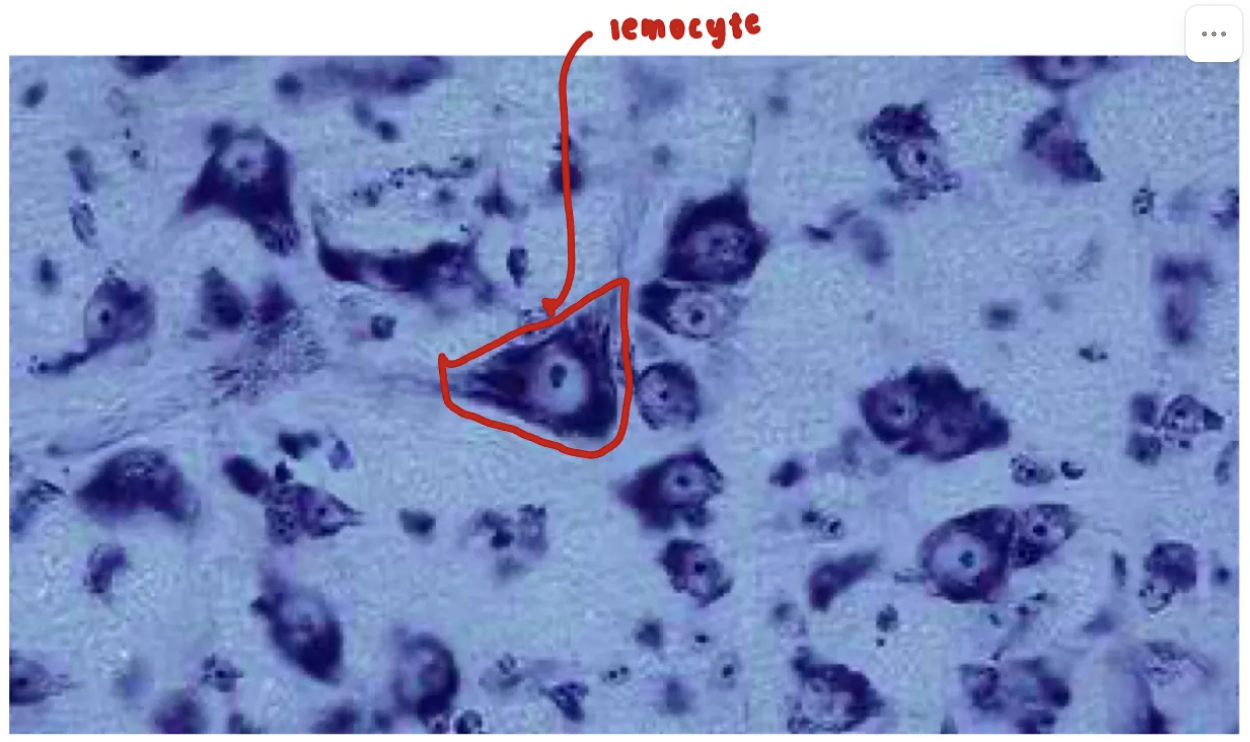
Schwann cell (aka Lemocyte)
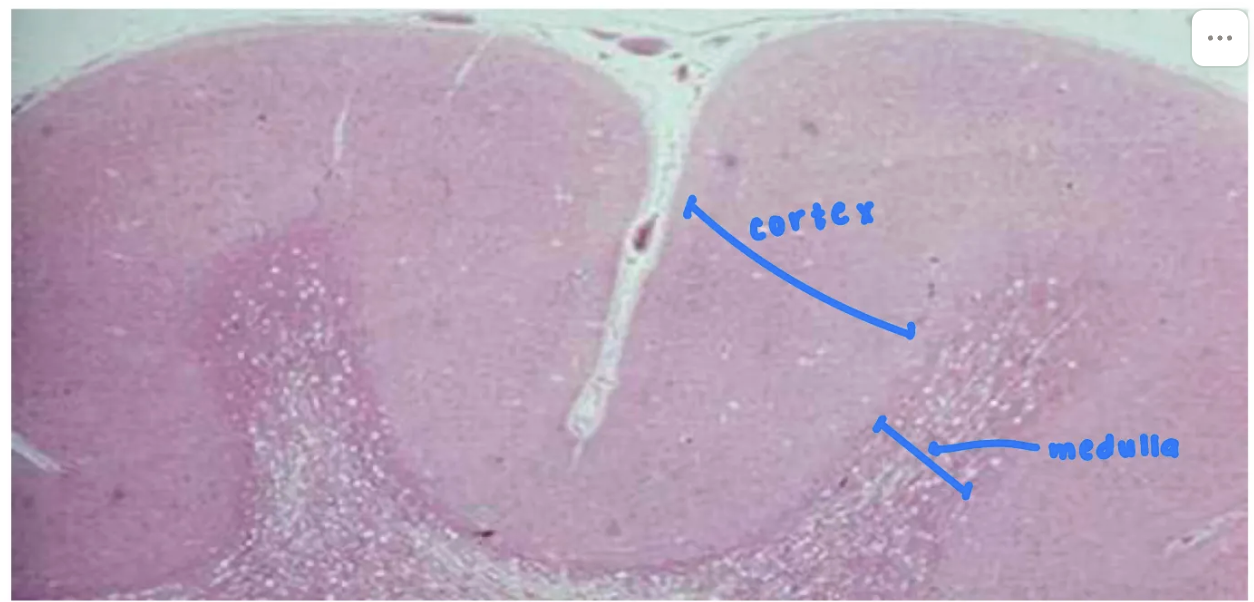
Brain
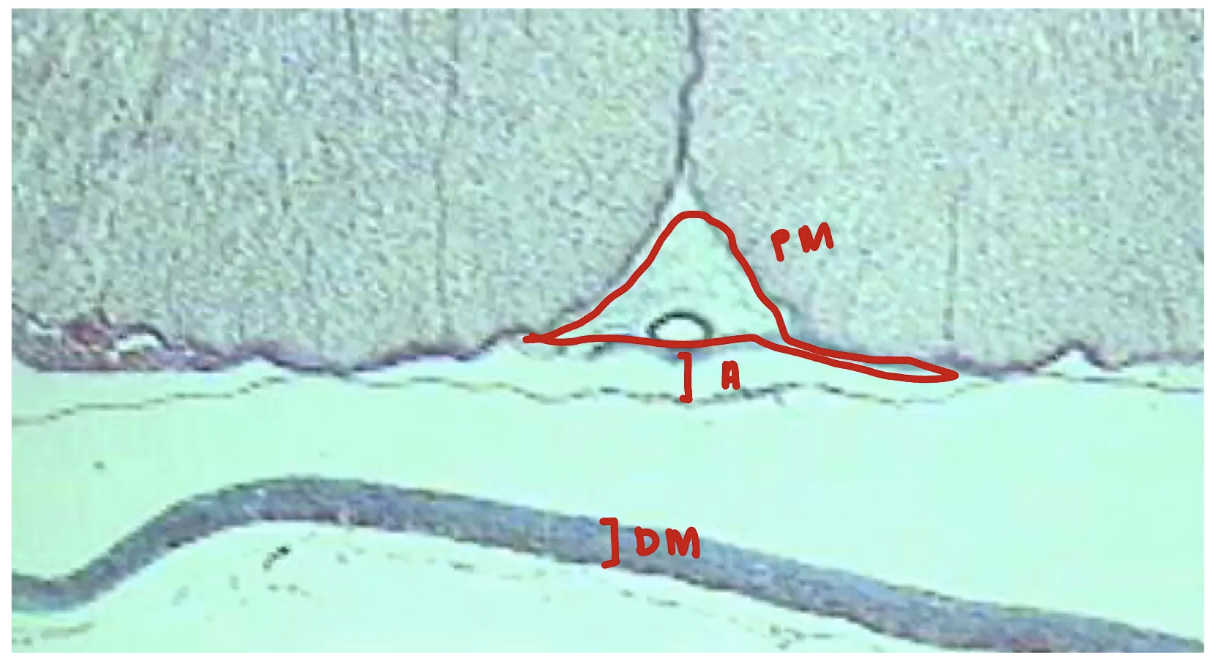
Meninges
Hypothalamus
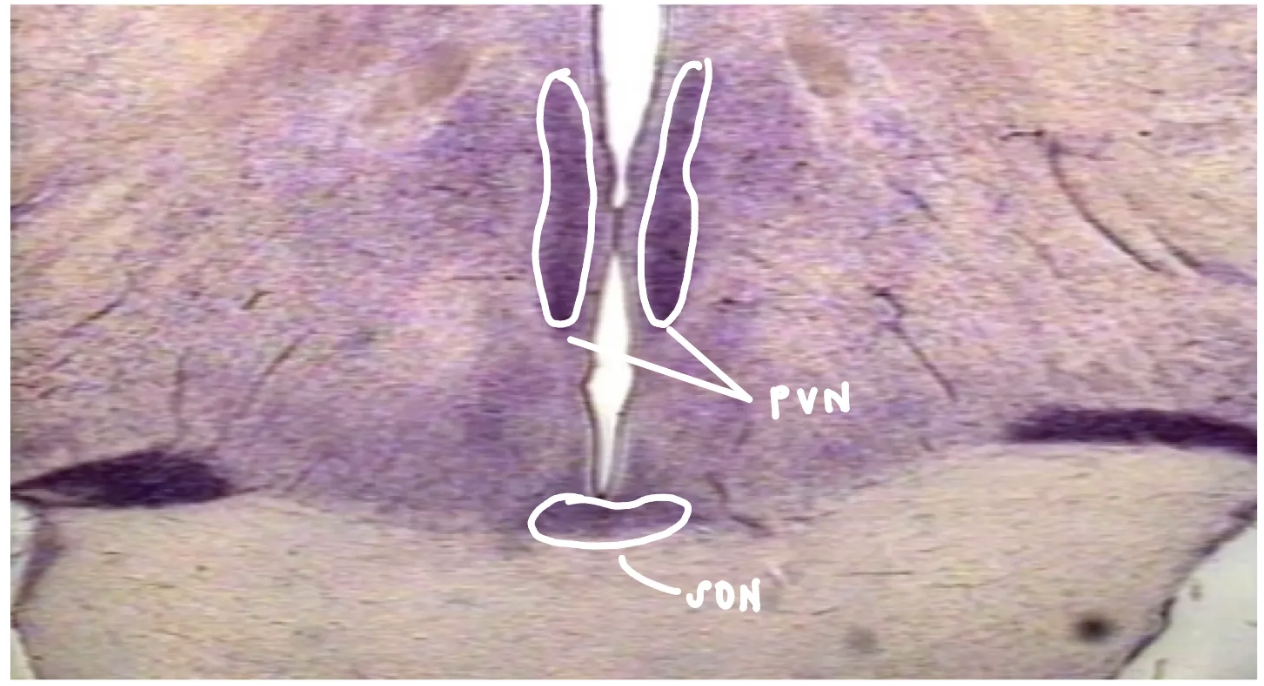
Eye
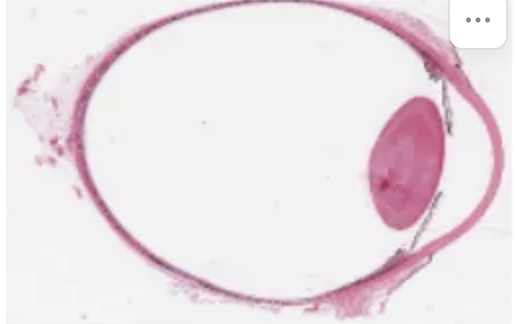
Lungs
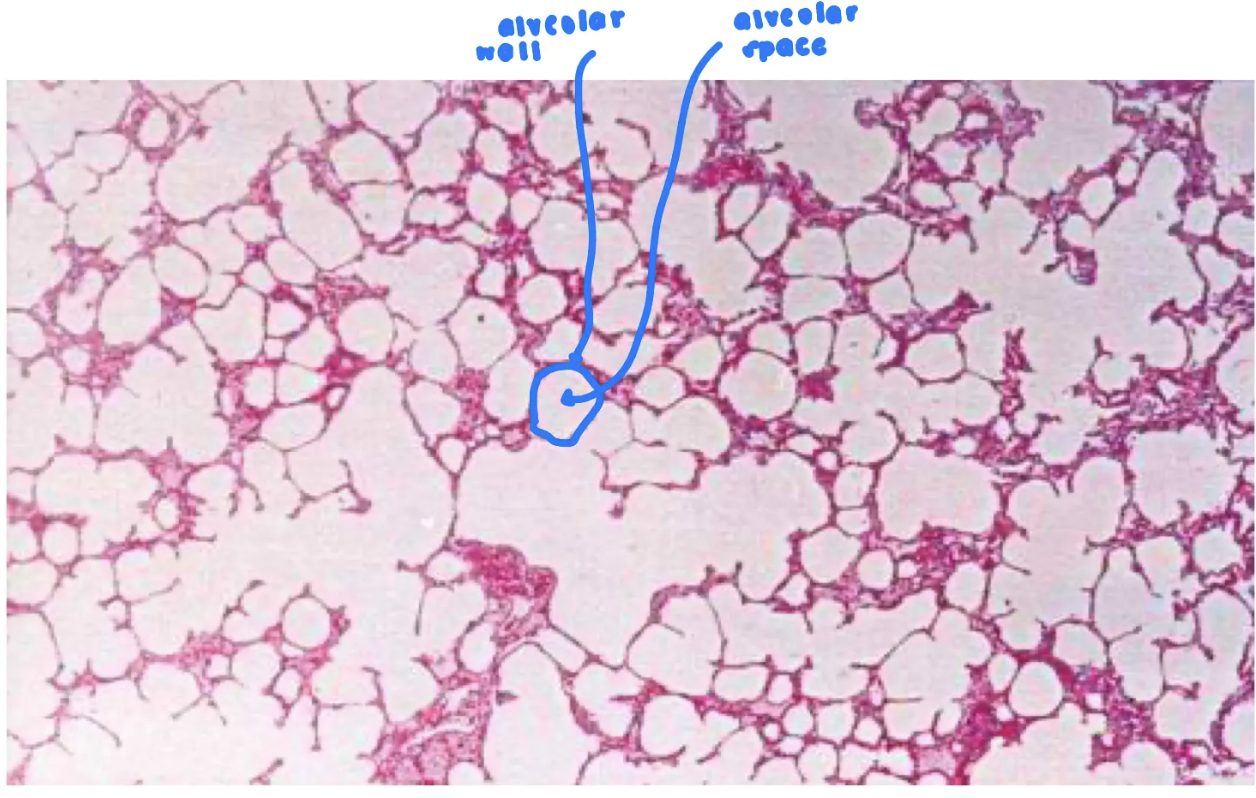
Trachea
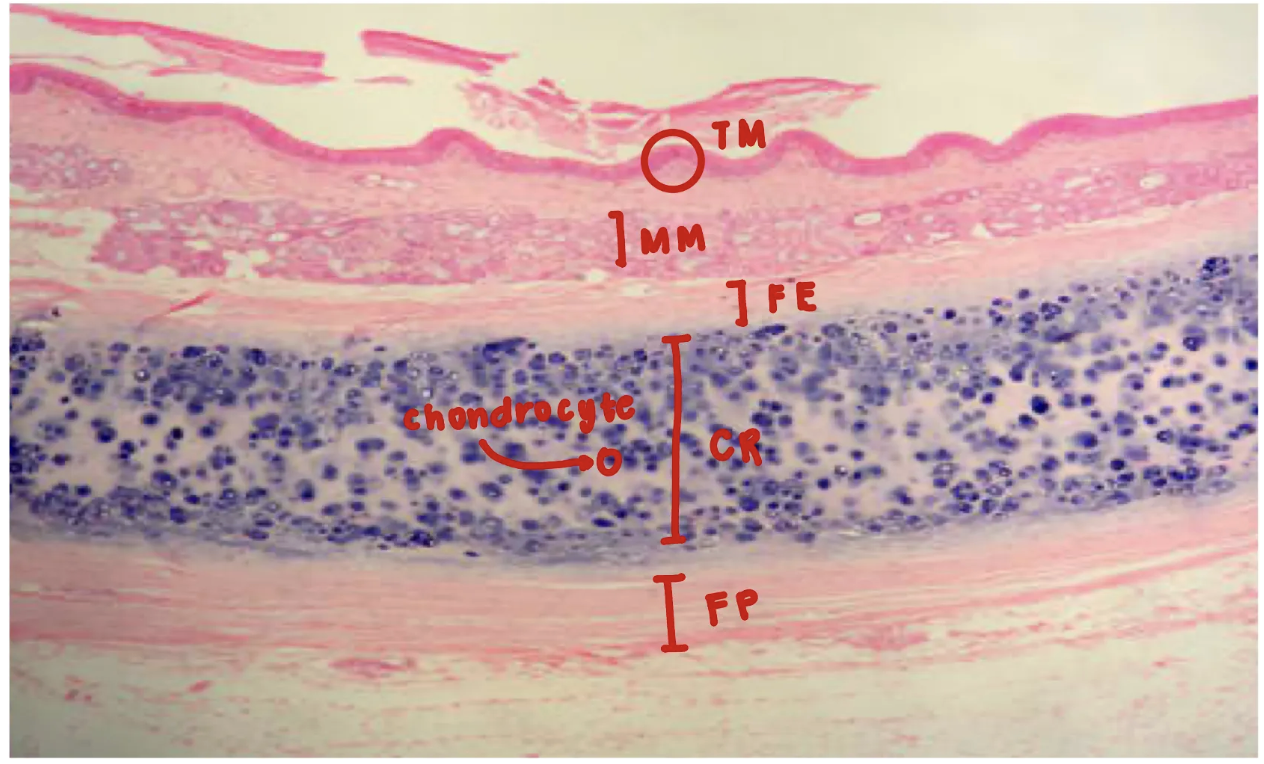
Bronchi
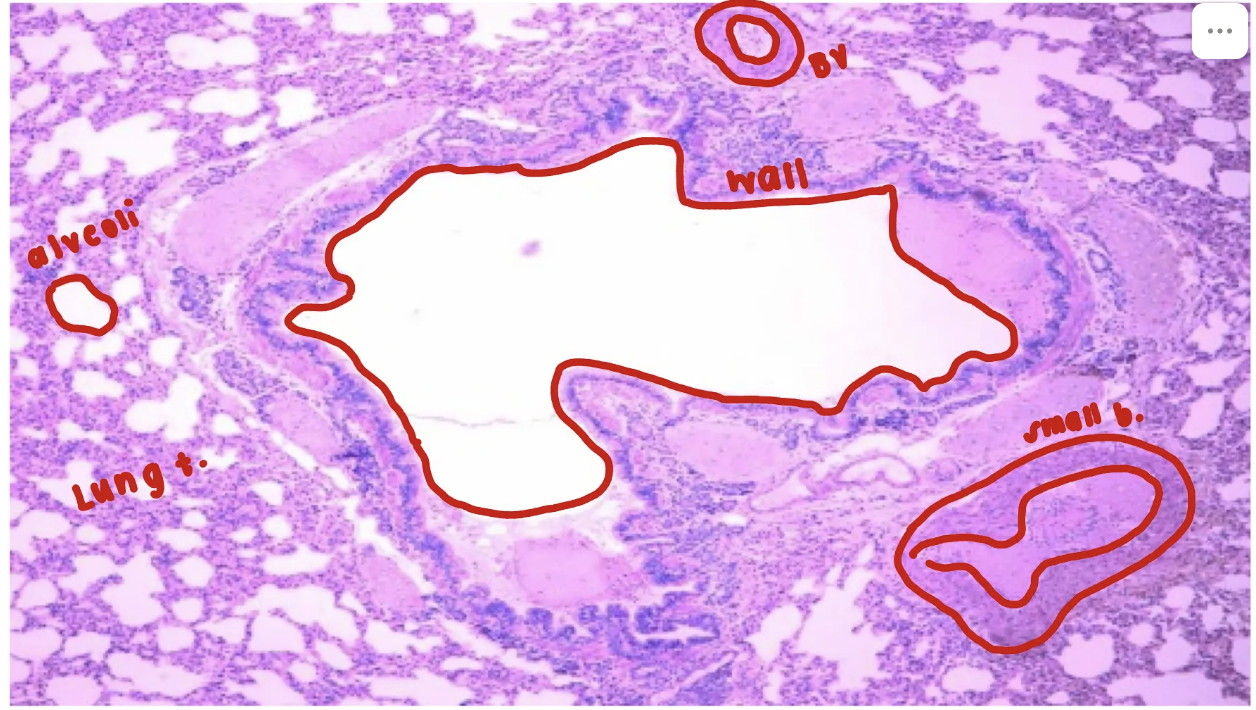
Tongue
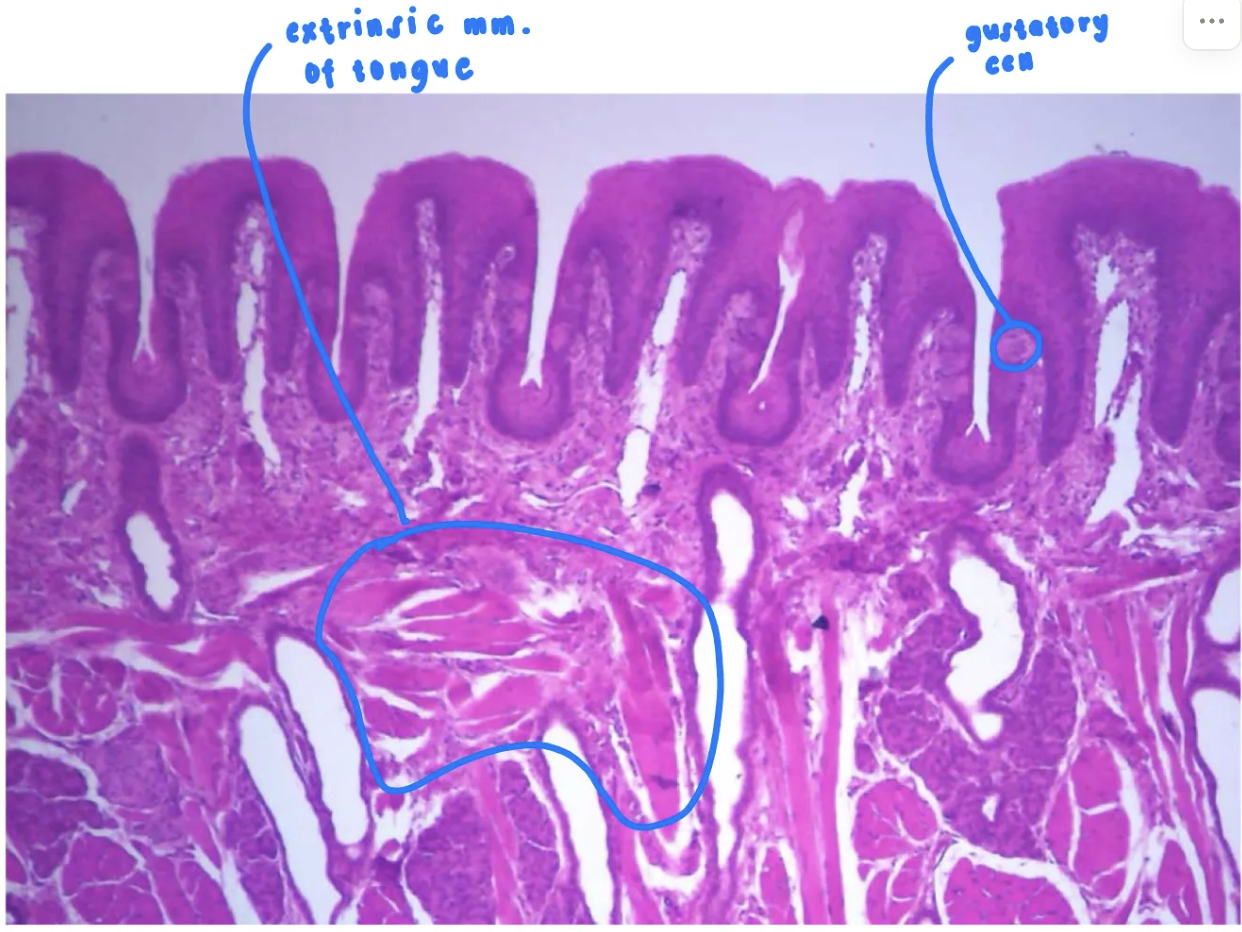
Esophagus
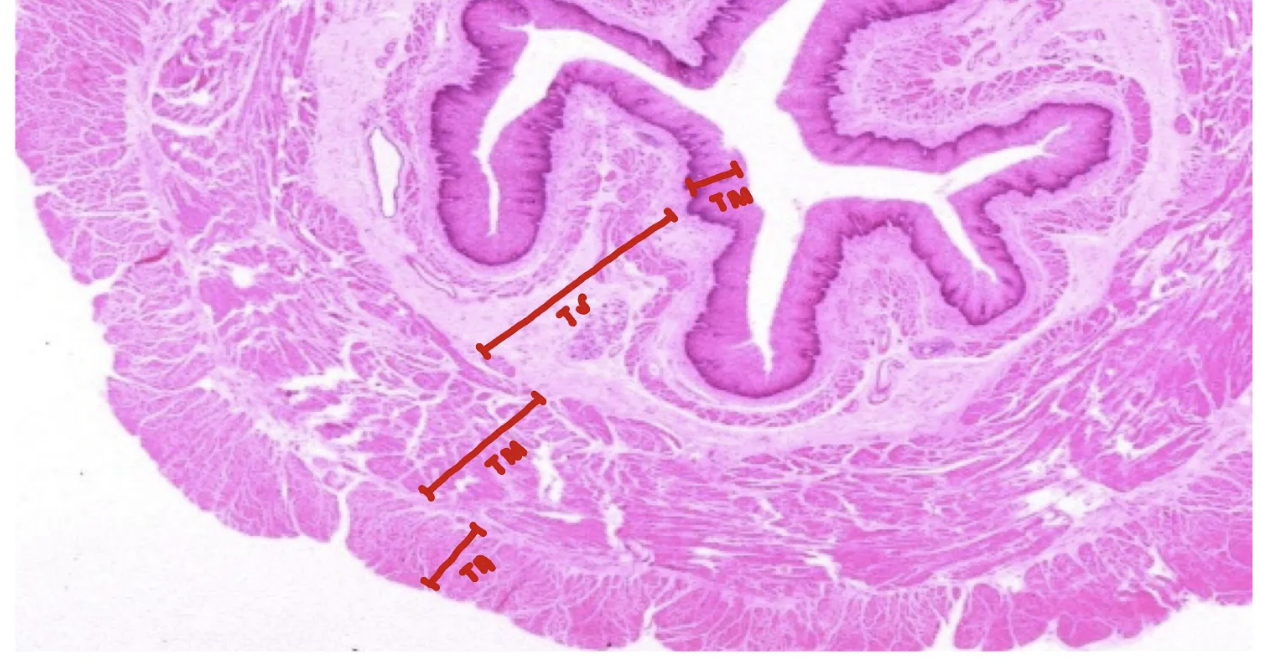
Liver
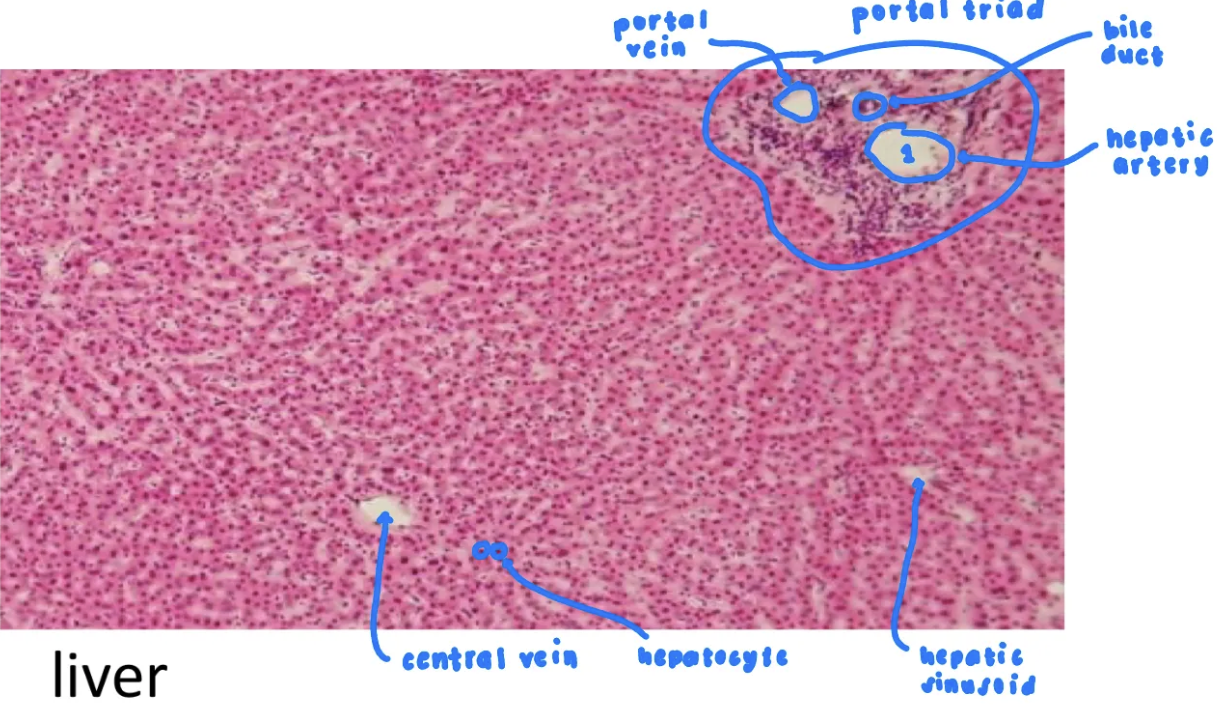
Stomach
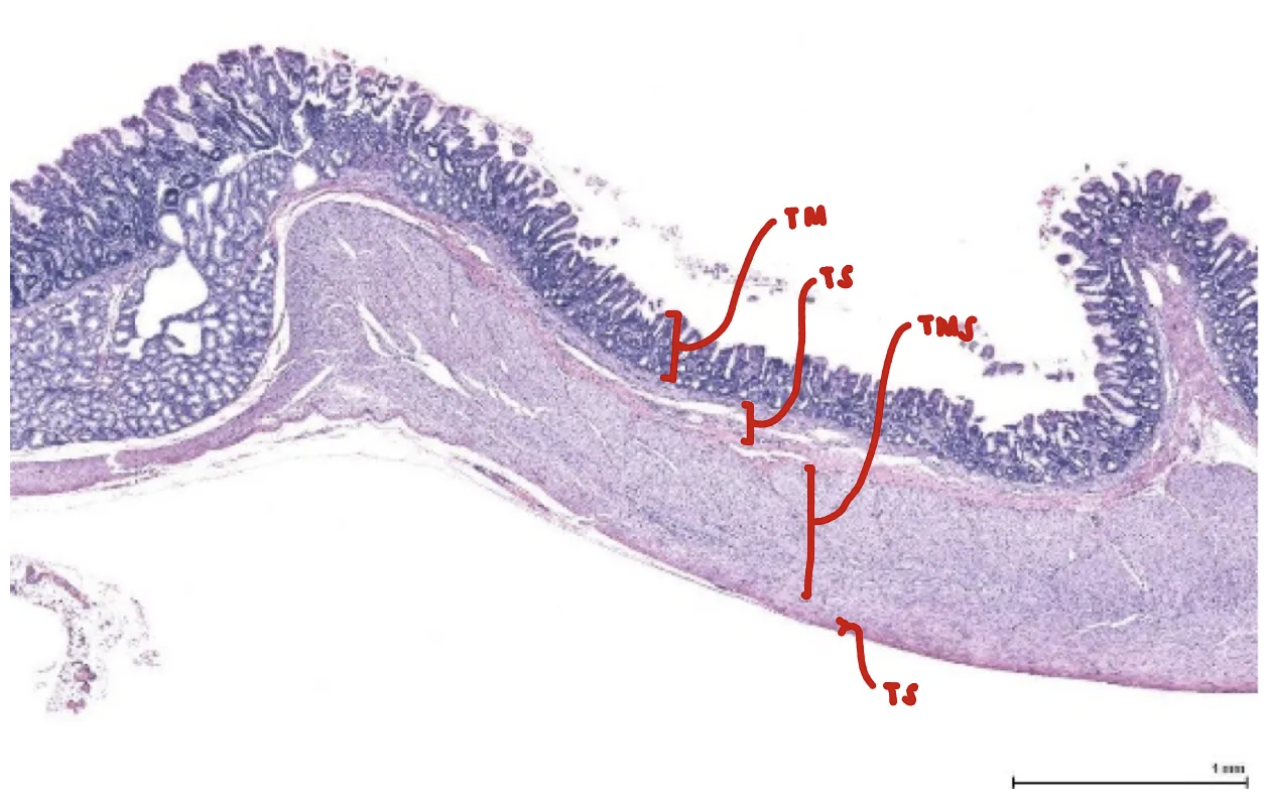
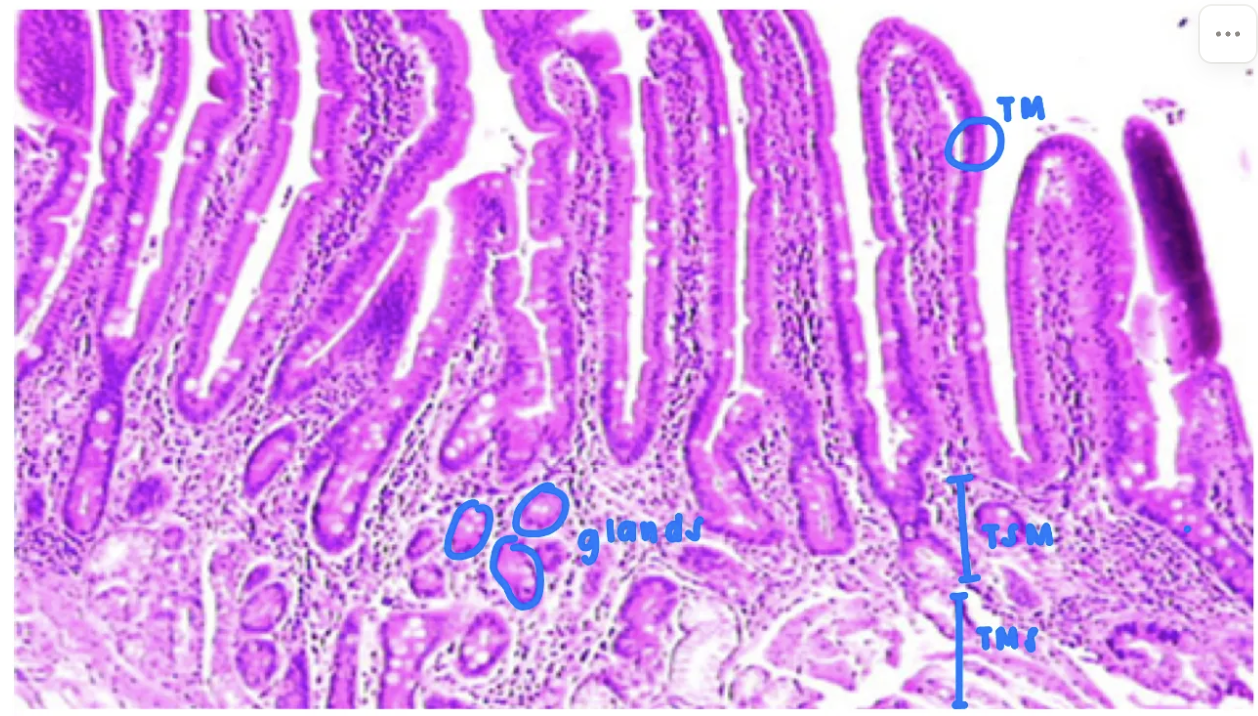
Small Intestine
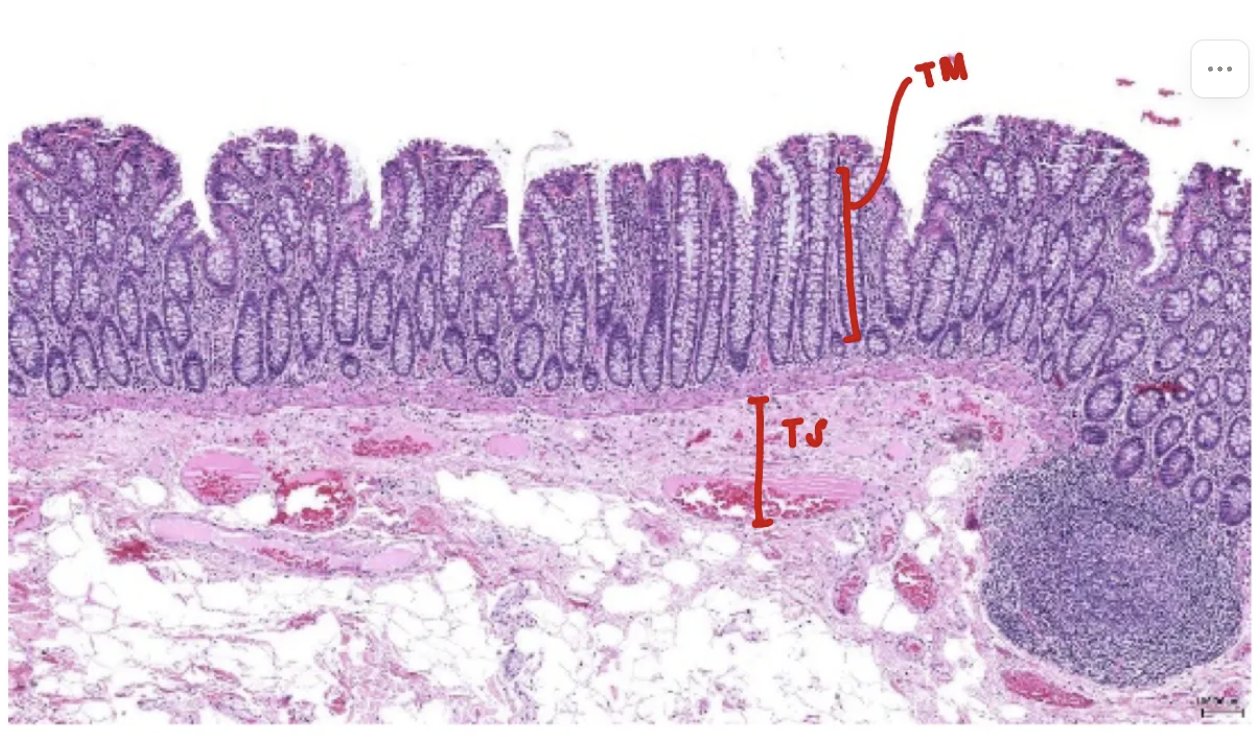
Large Intestine
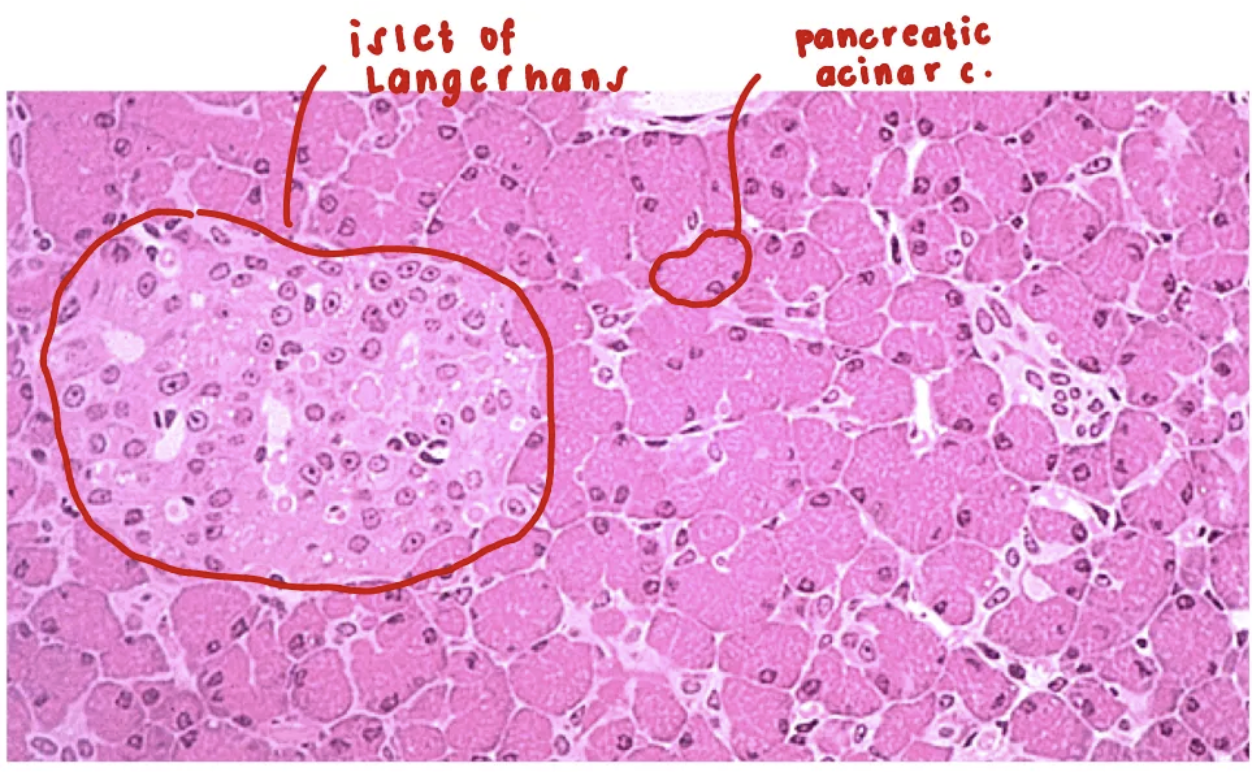
Pancreas
Teeth
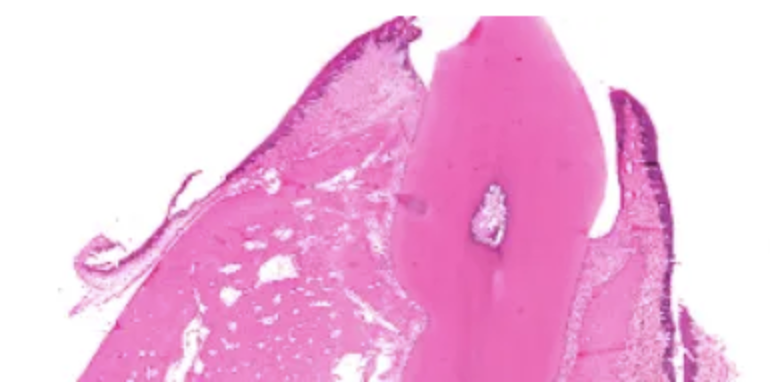
Kidney
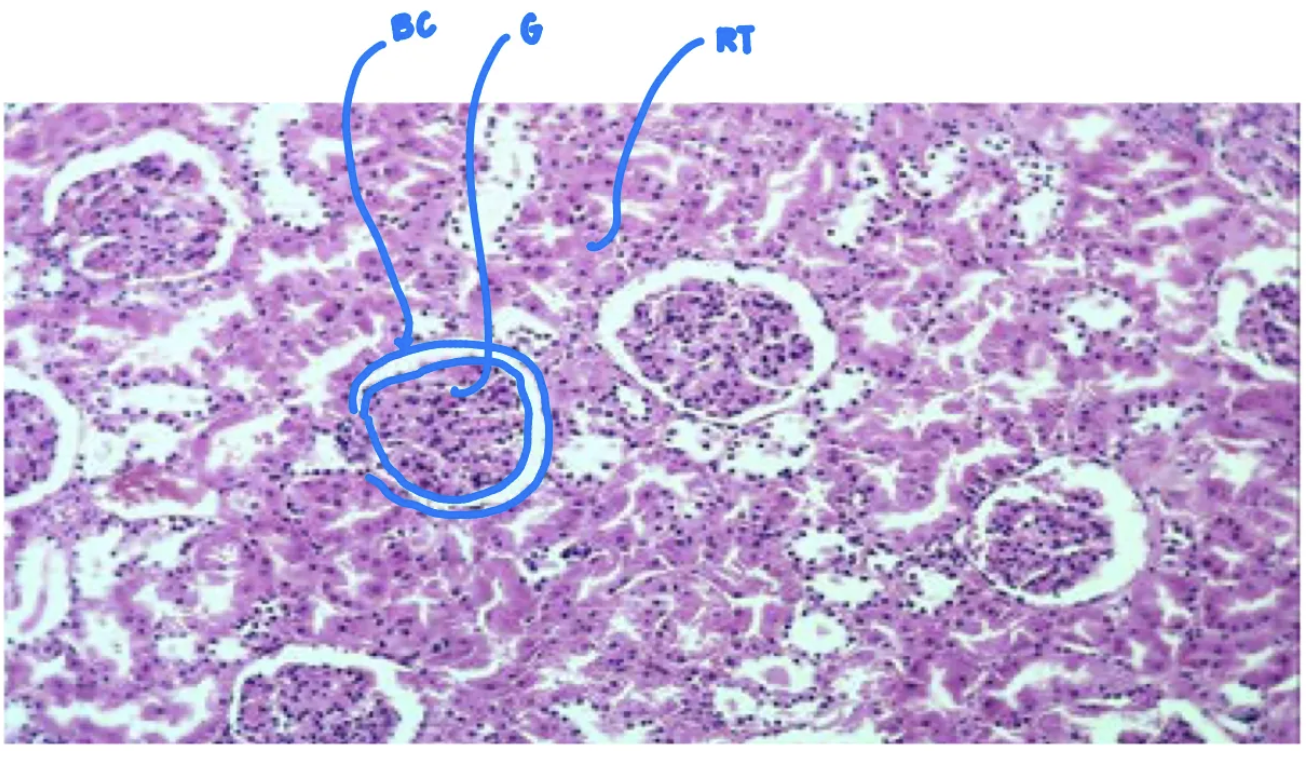
Heart
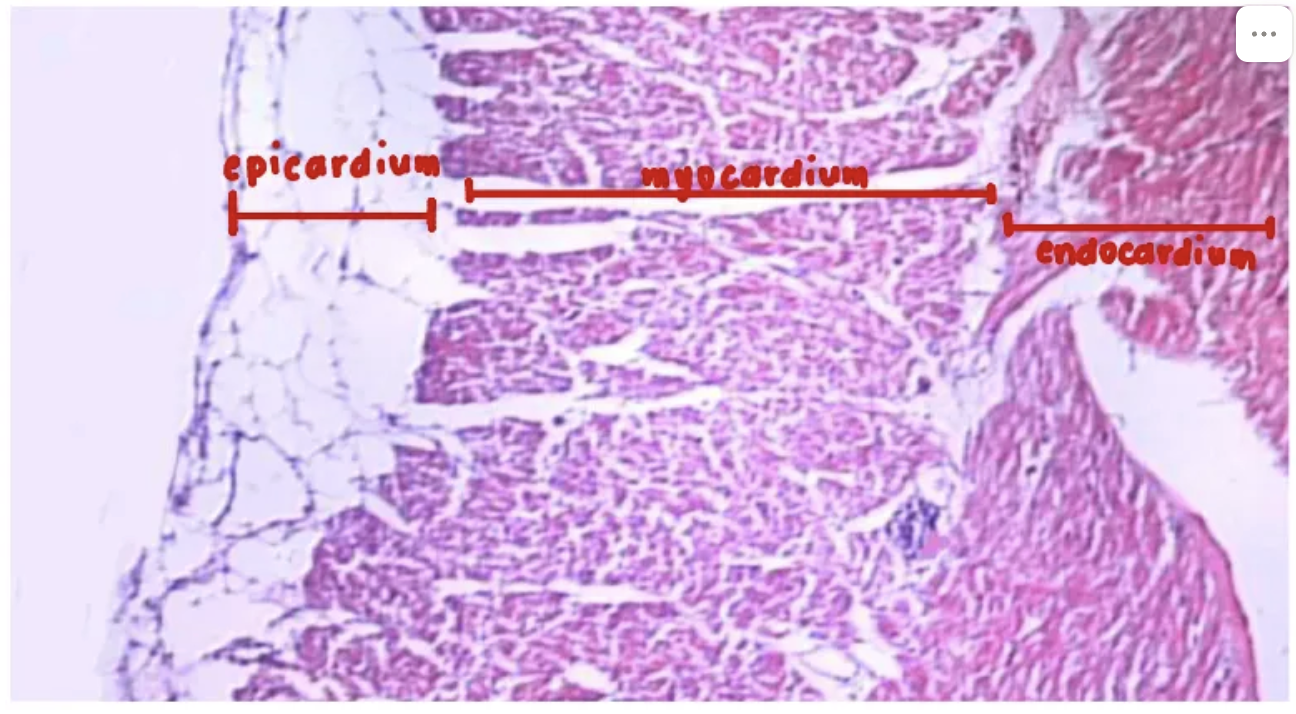
Spleen
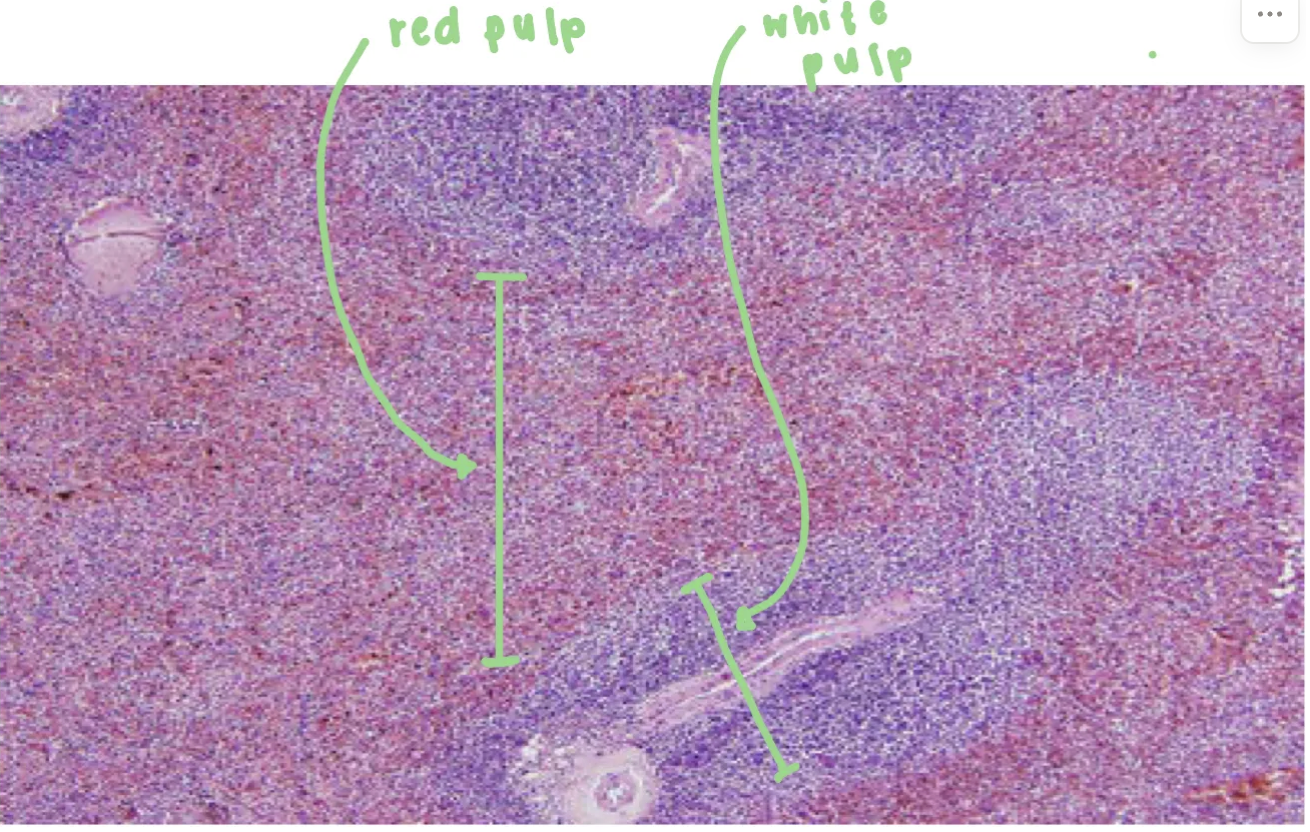
Thymus
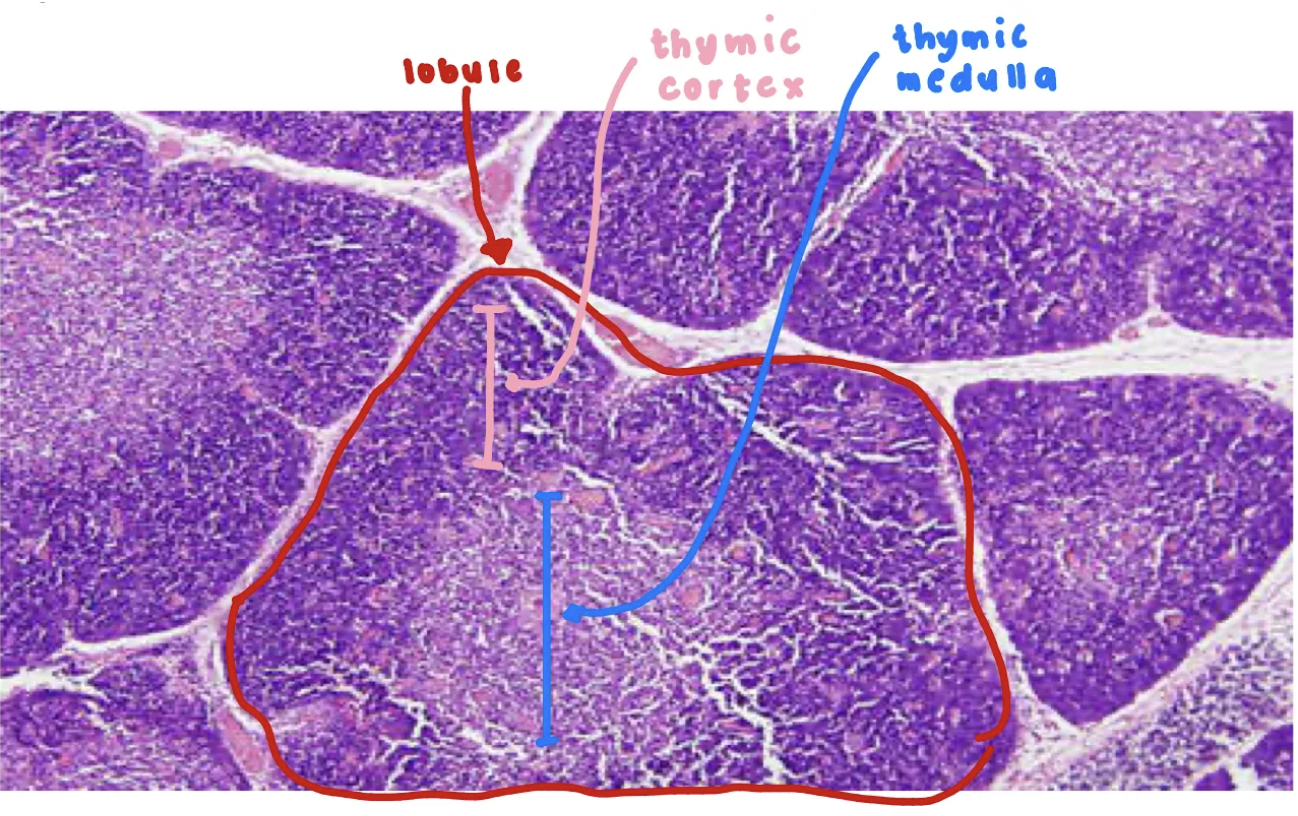
Ovary
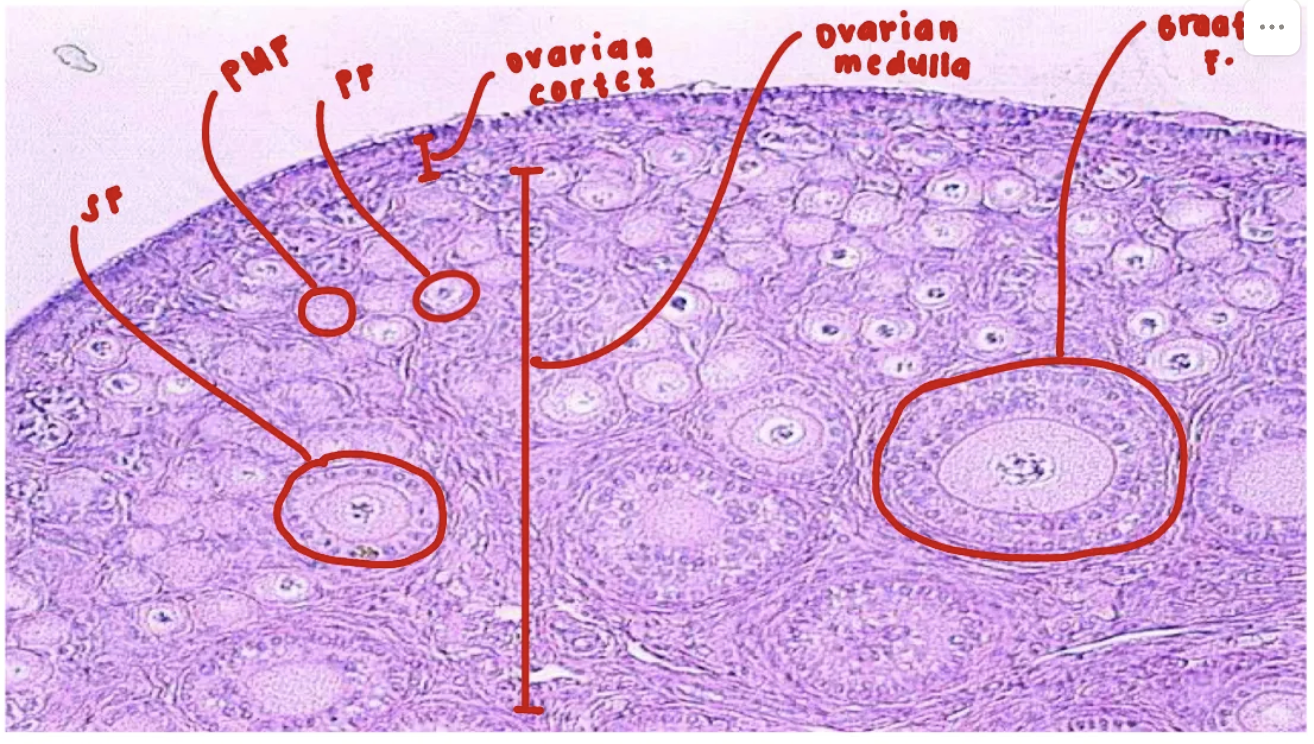
Testes
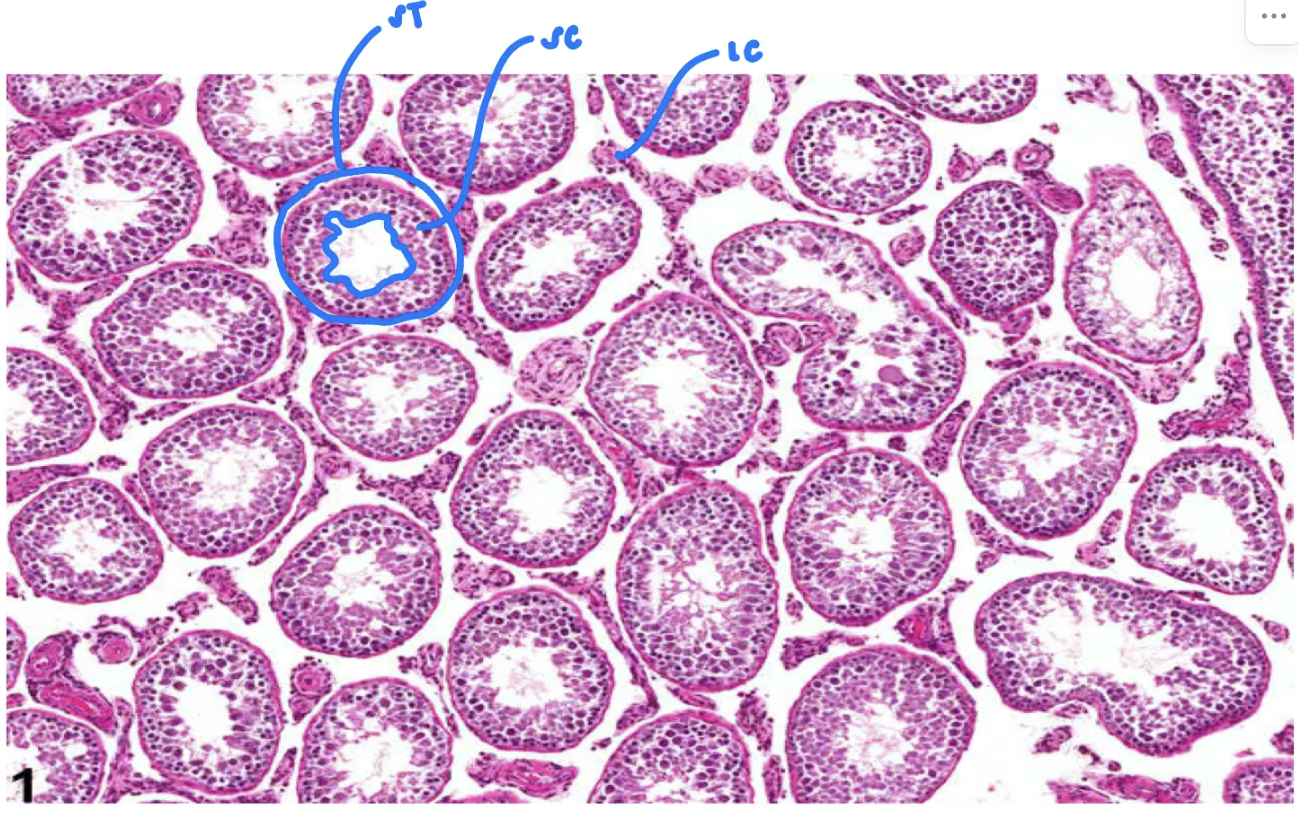
Uterus
Adrenal Gland
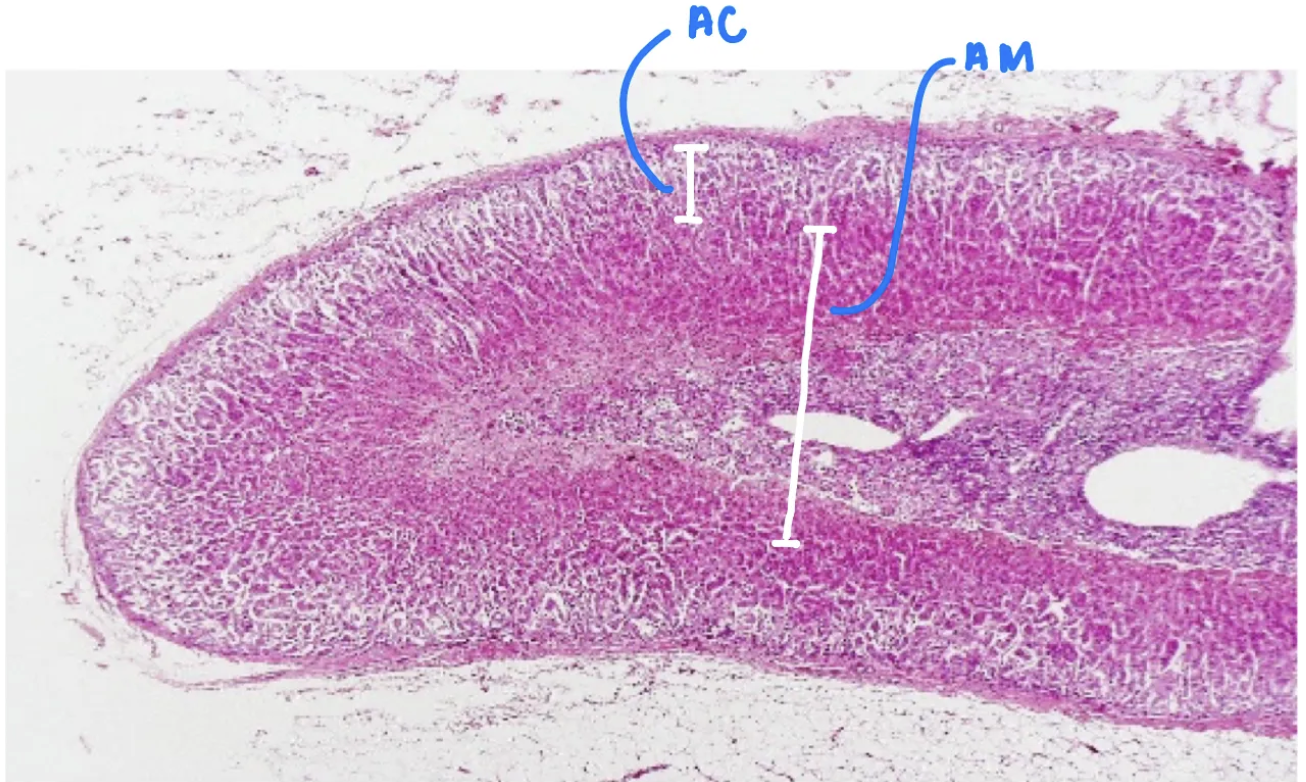
Pituitary Gland
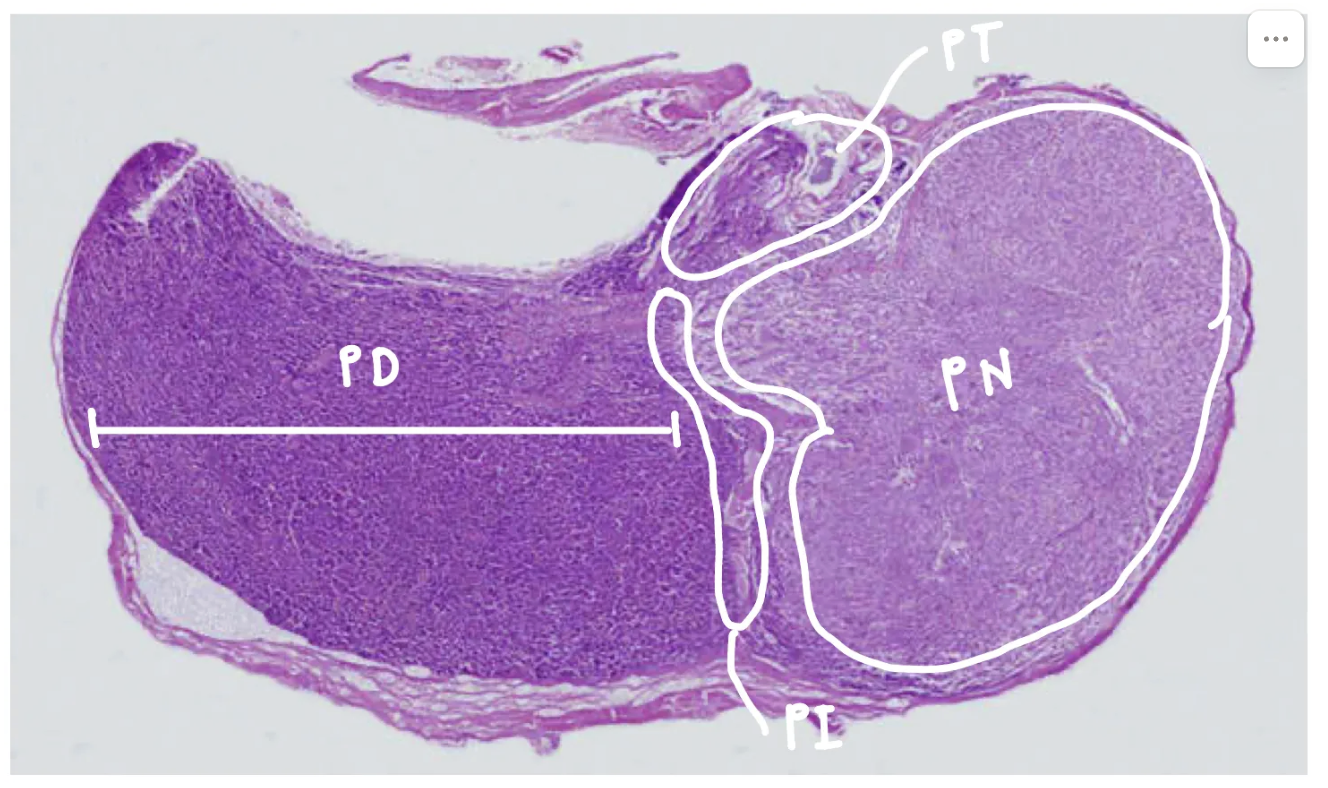
Pineal Gland
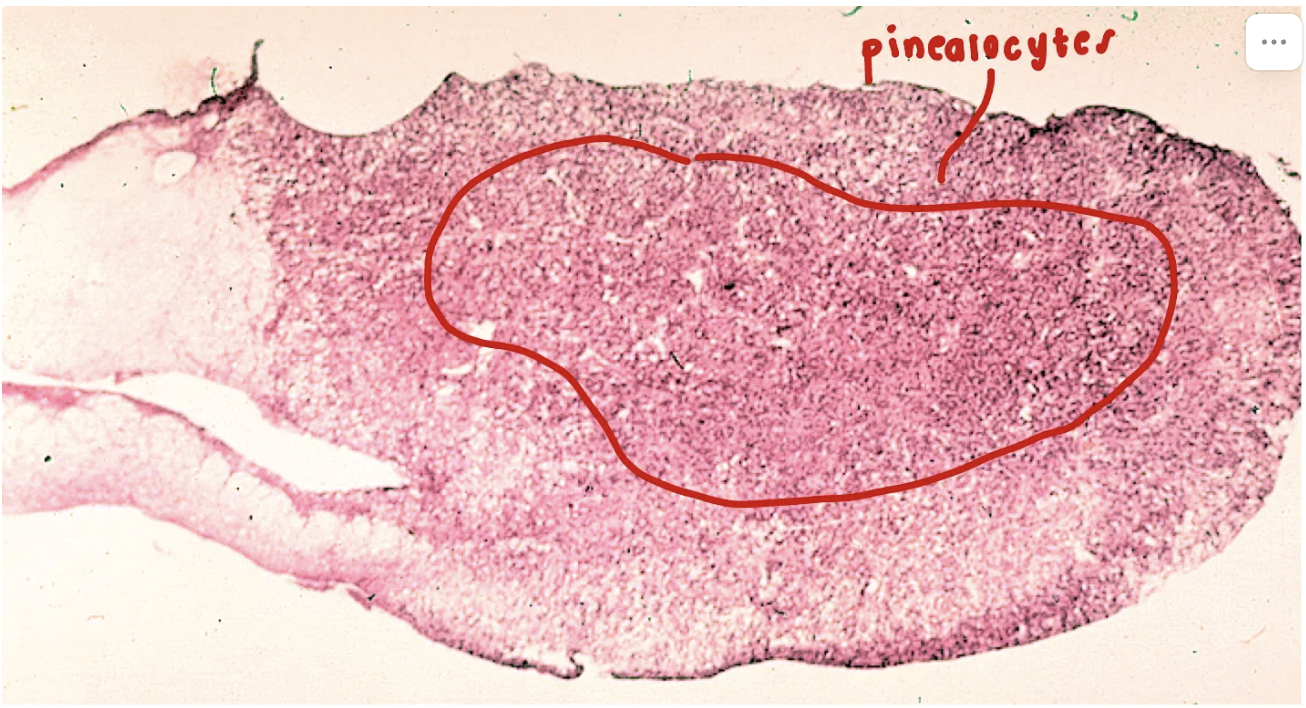
Thyroid Gland
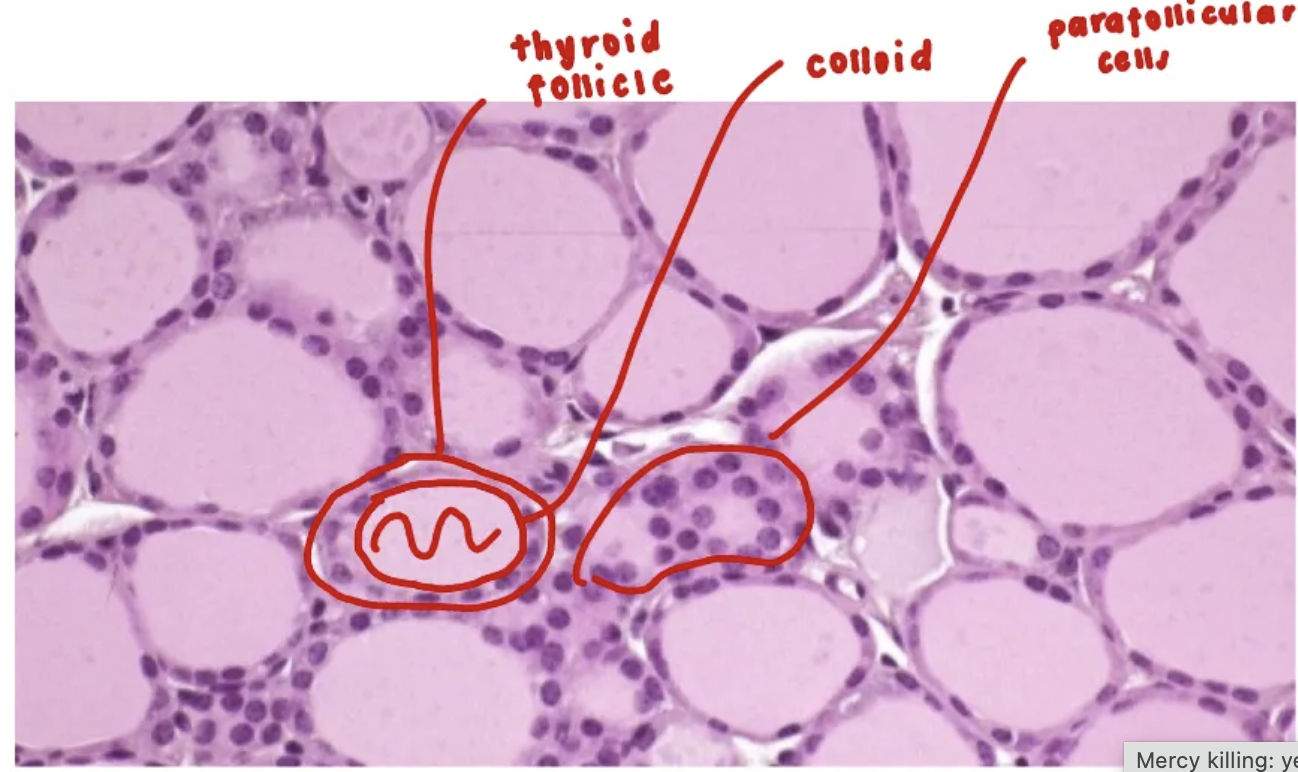
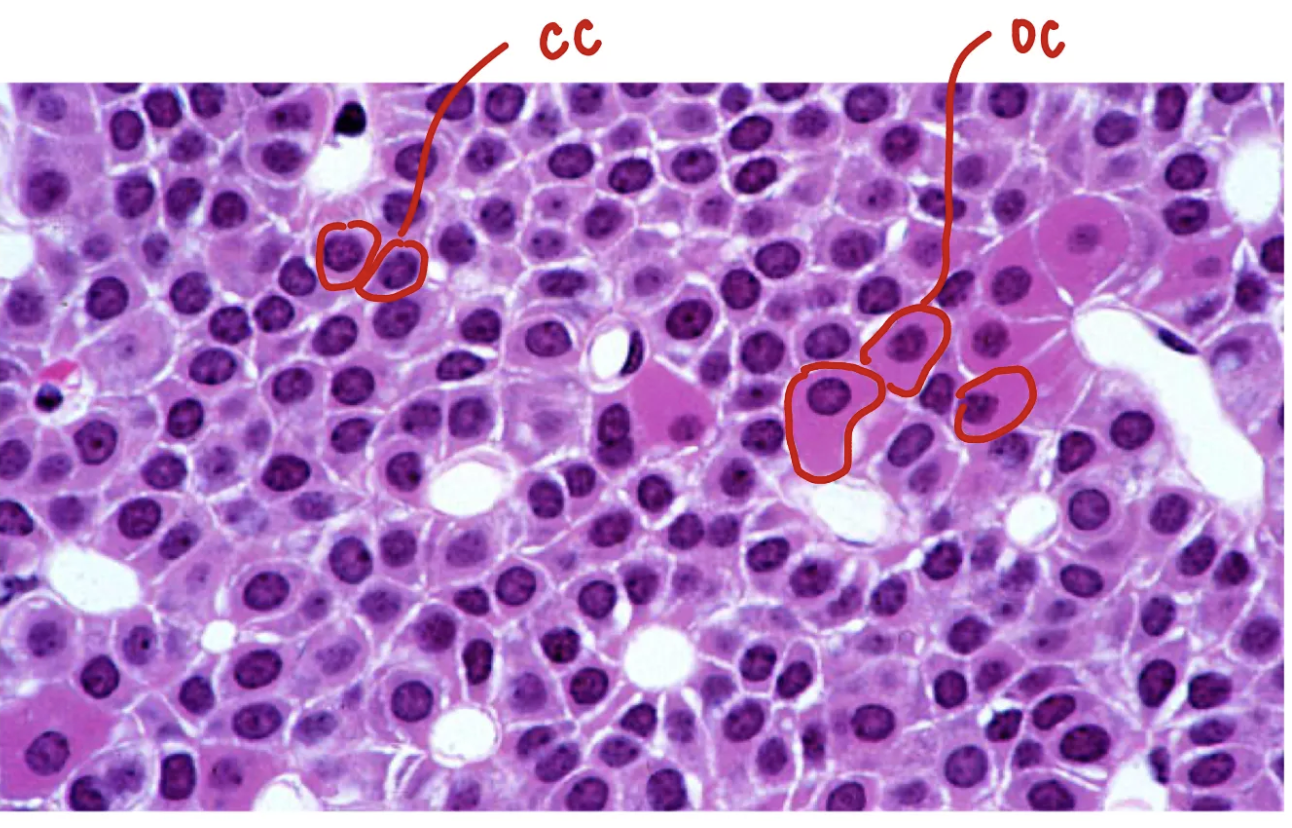
Parathyroid Gland
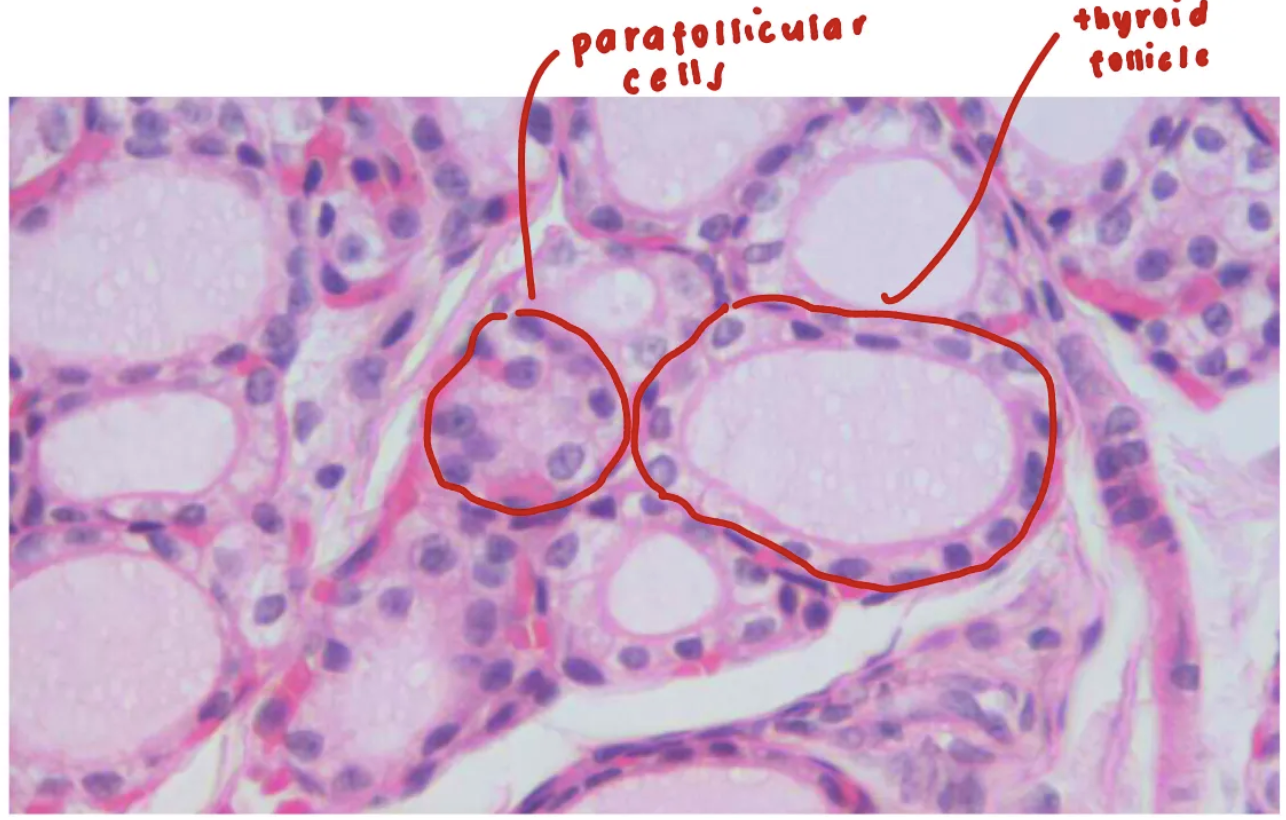
Parafollicular Cells of Thyroid Gland
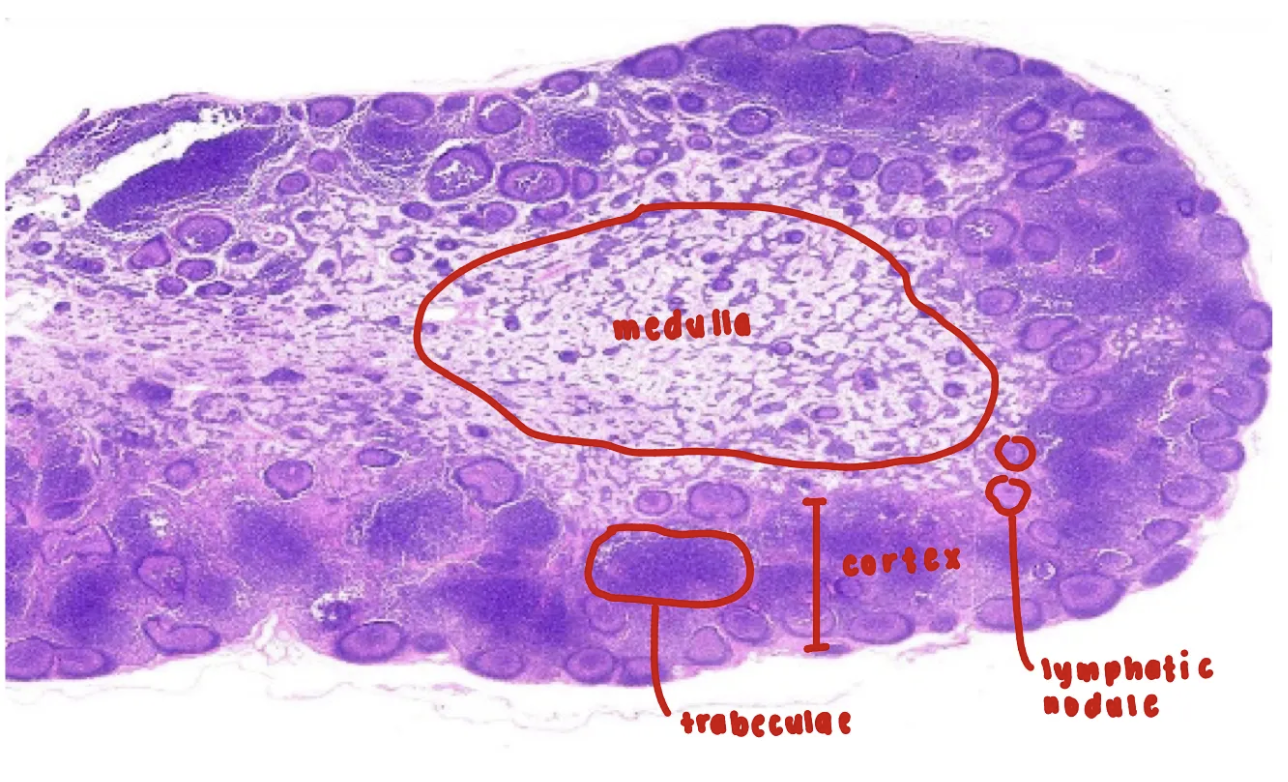
Lymph Node
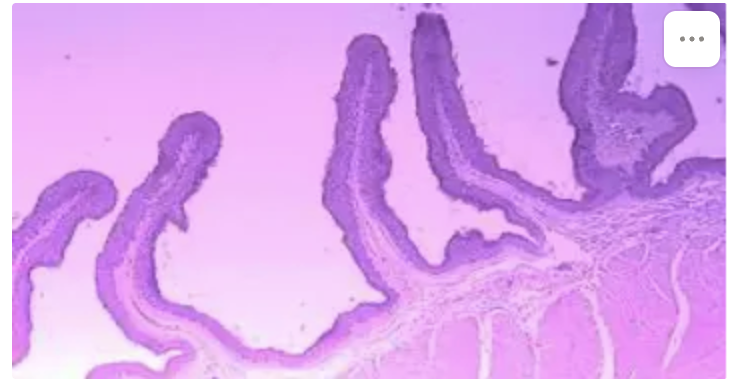
Rumen
Reticulum
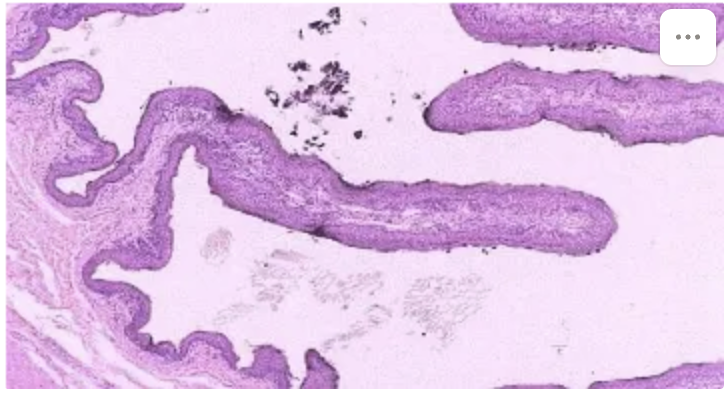
Omasum
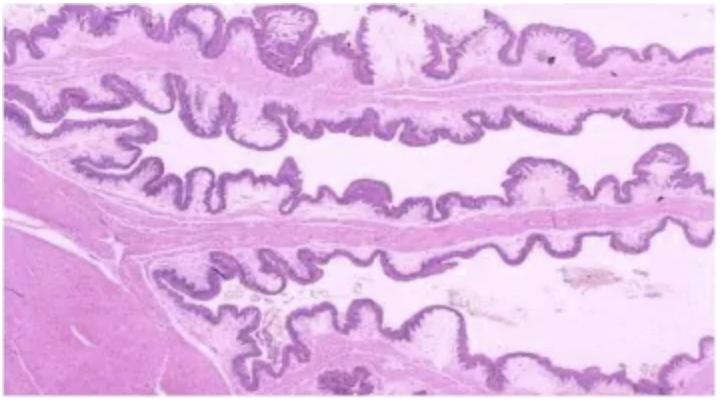
Abomasum
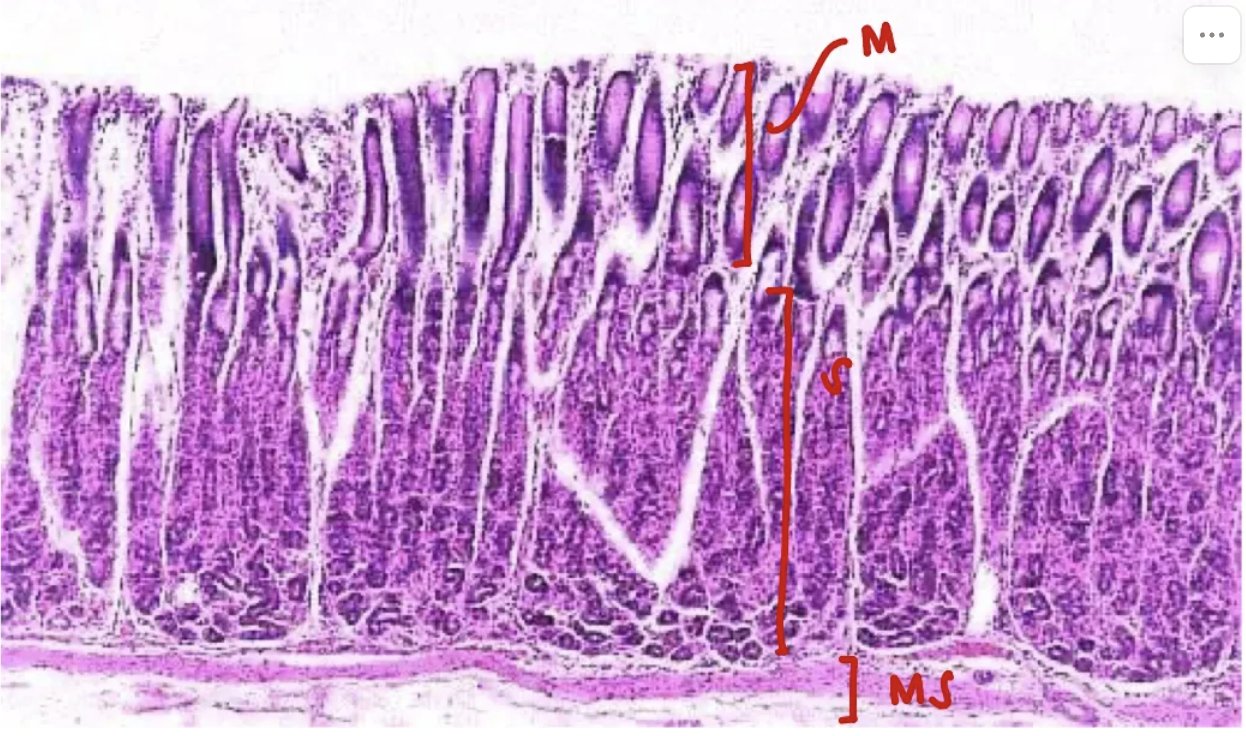
Salivary Gland
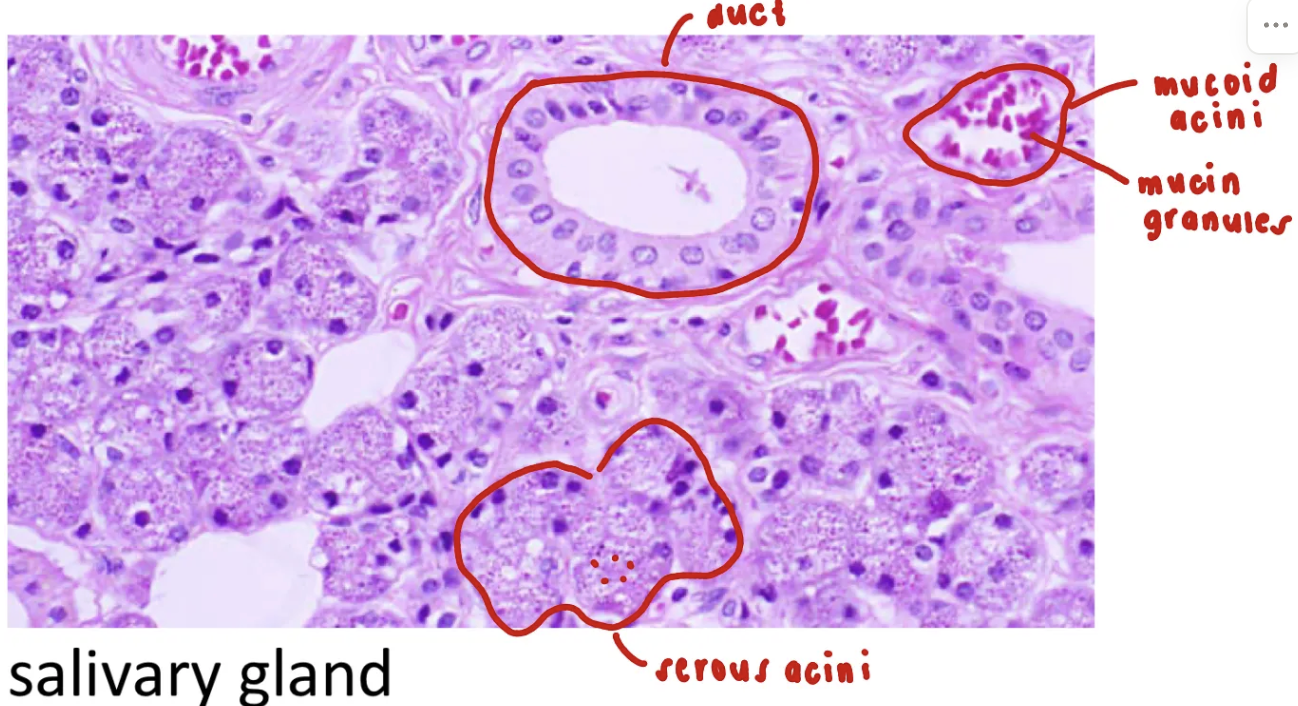
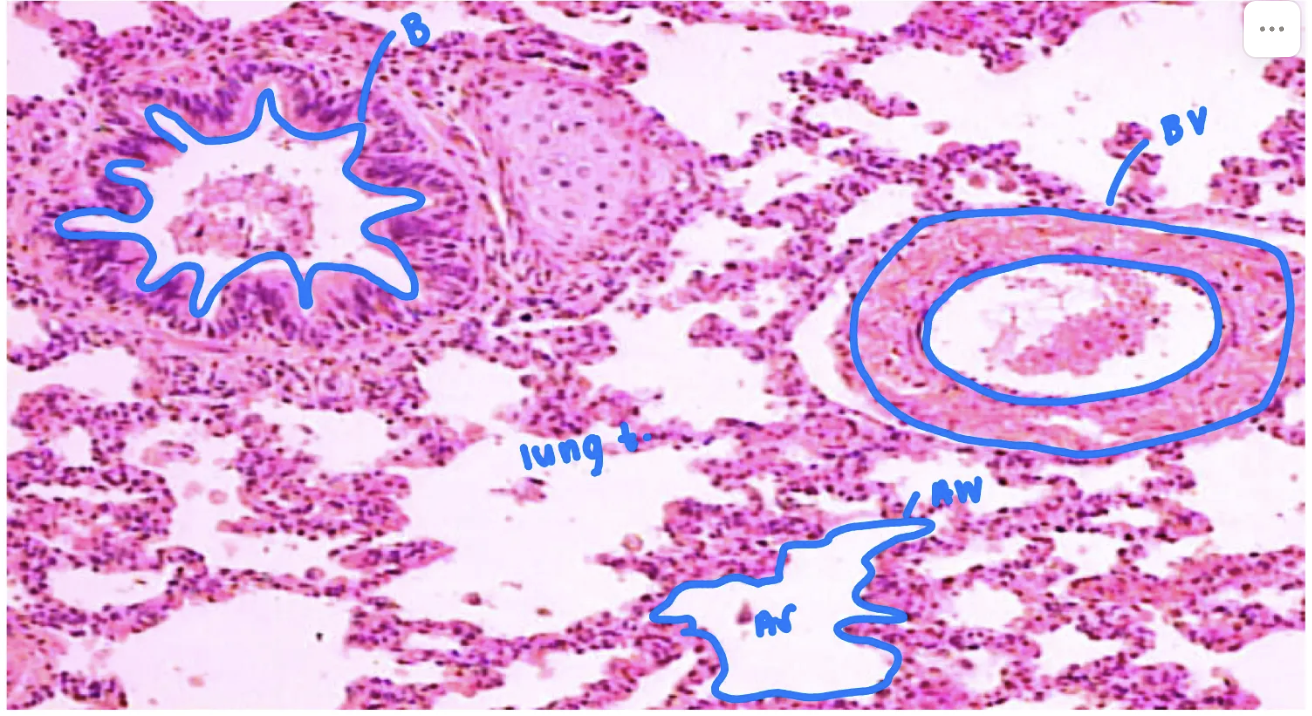
Blood Vessel
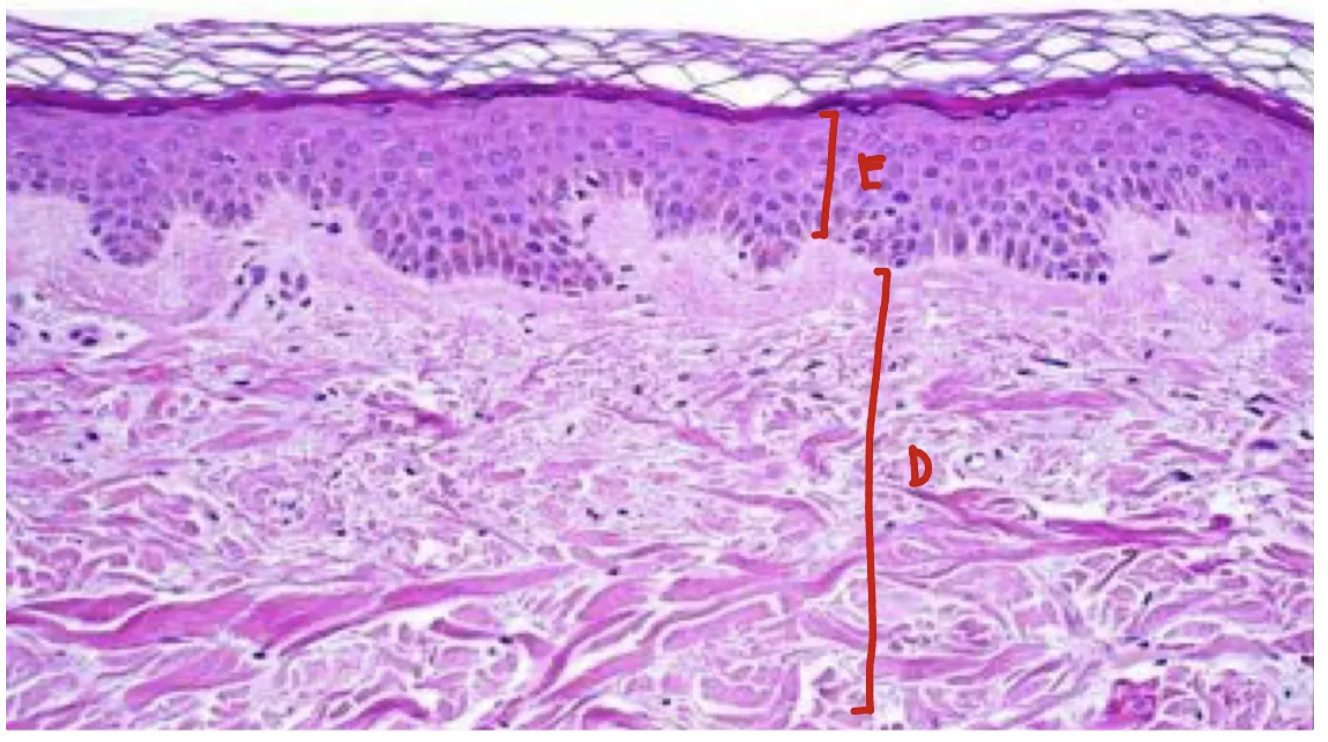
Skin
Ruffini’s end organ
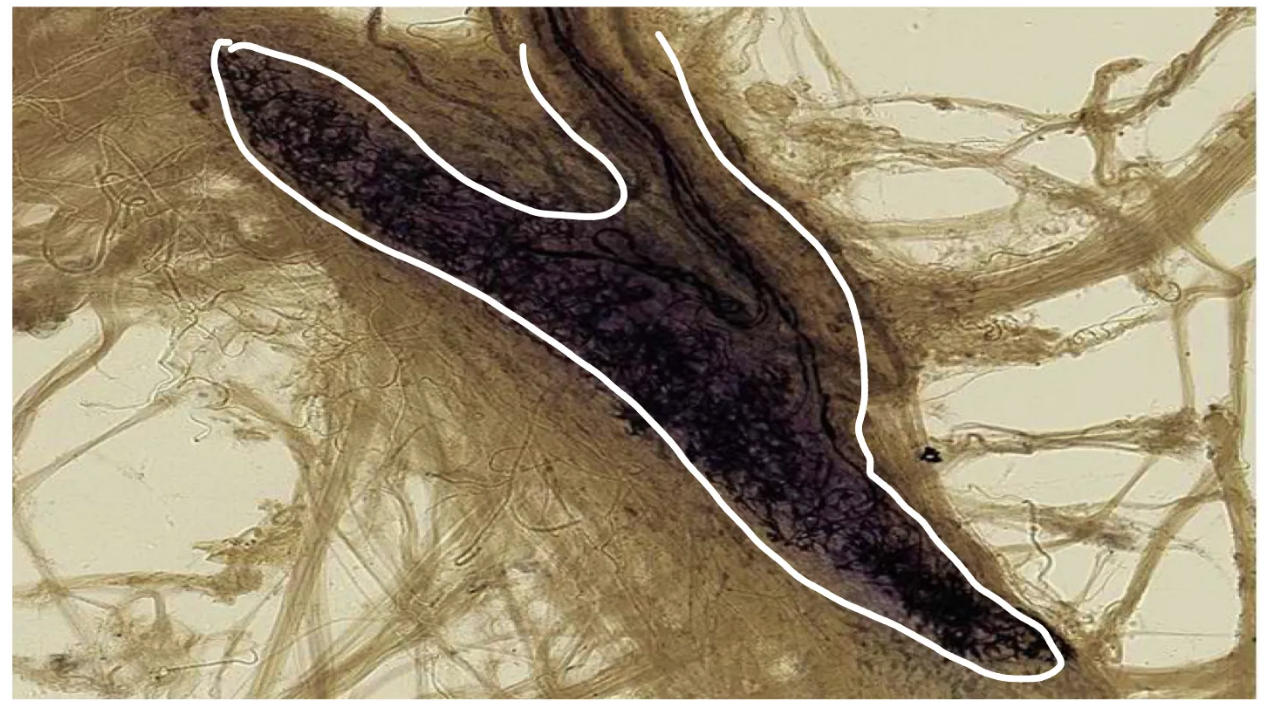
End bulb of Krause
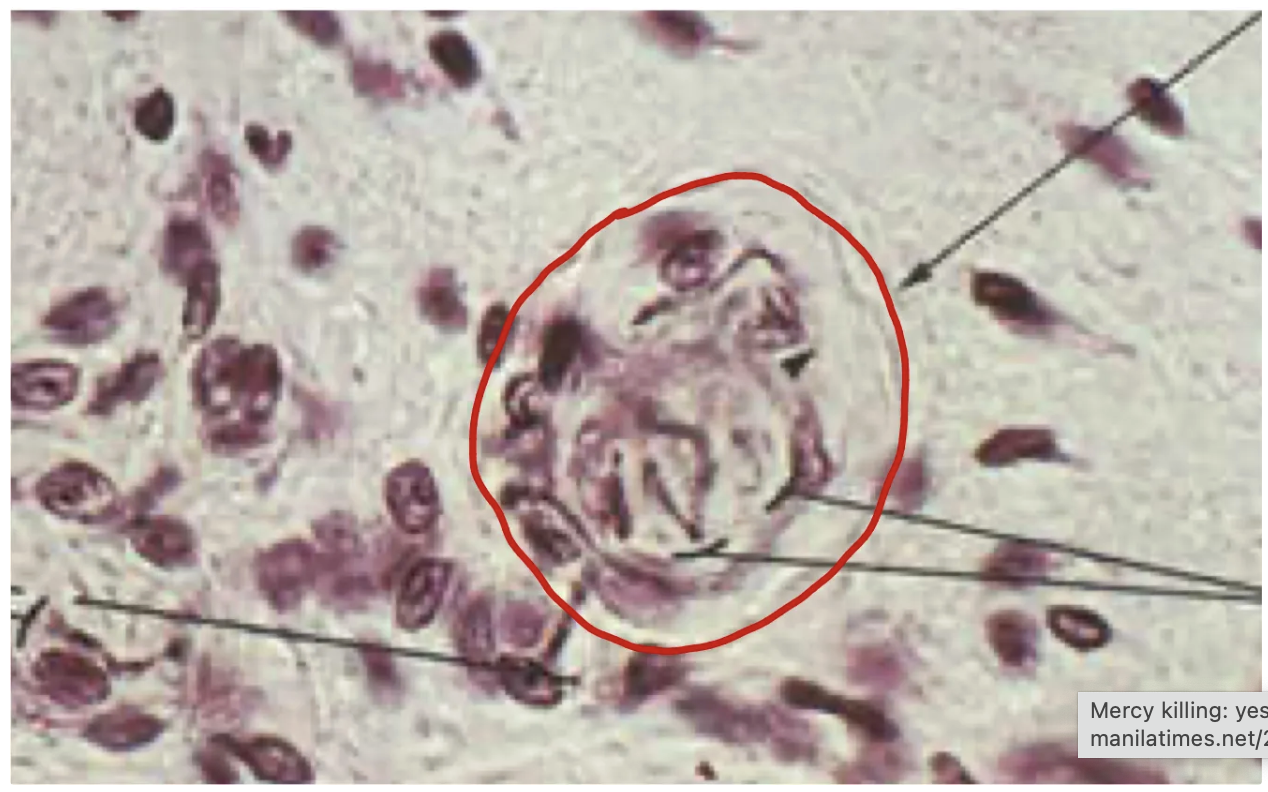
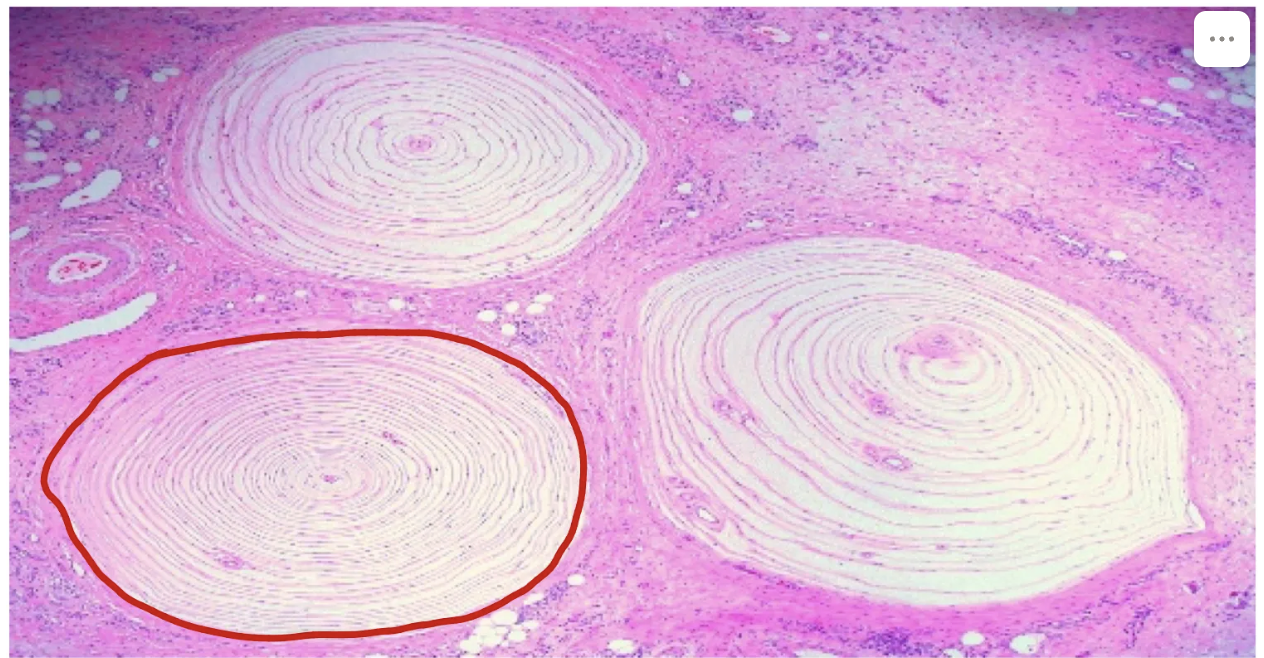
Vater-Pacinian corpuscle
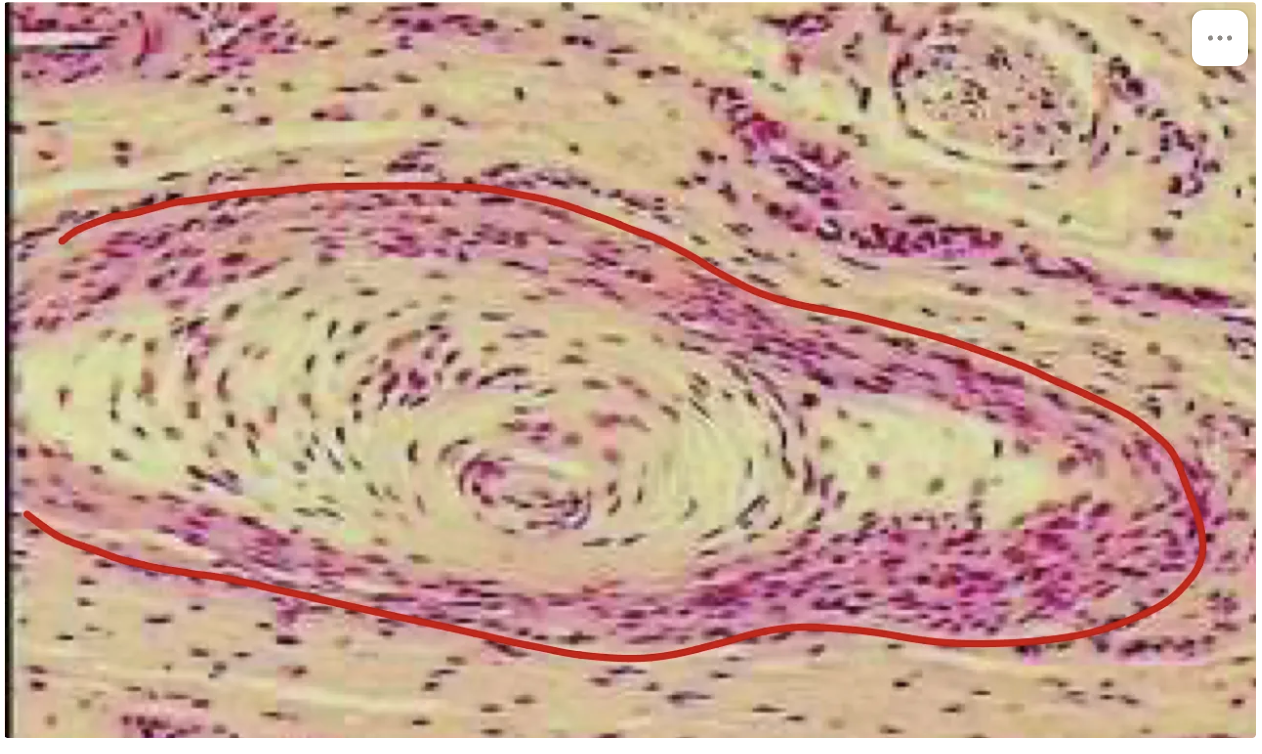
Meissner’s corpuscle
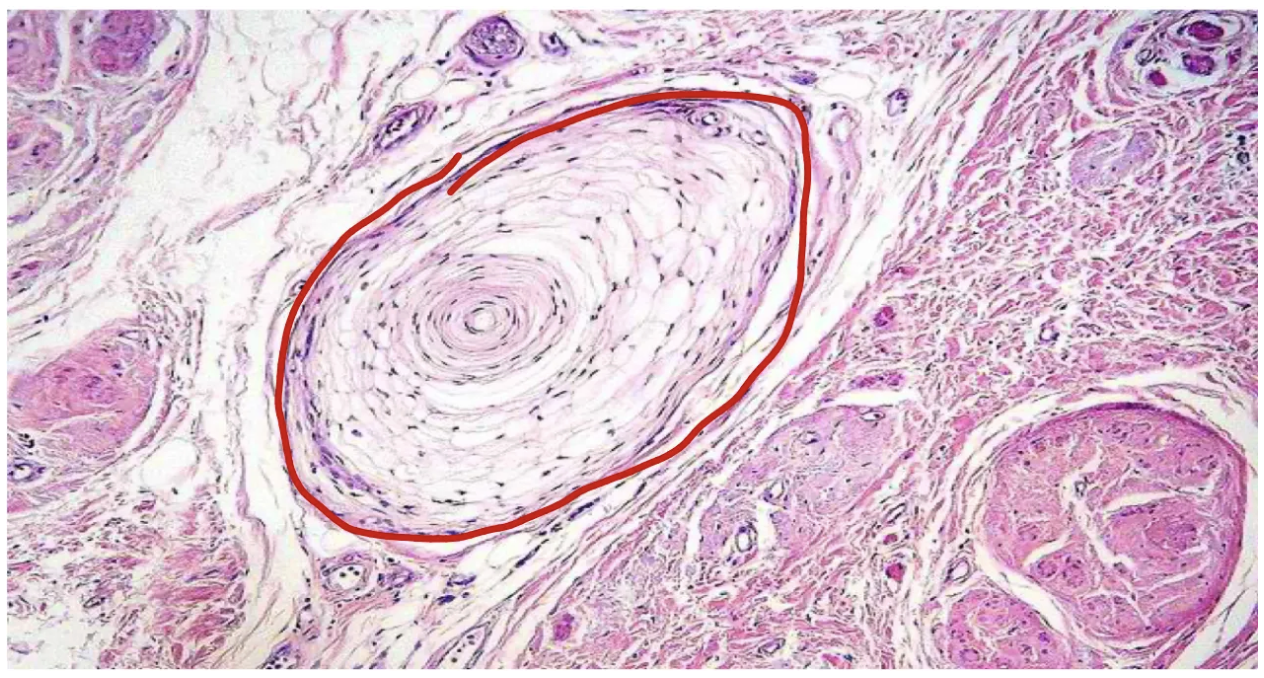
Merkel’s disk
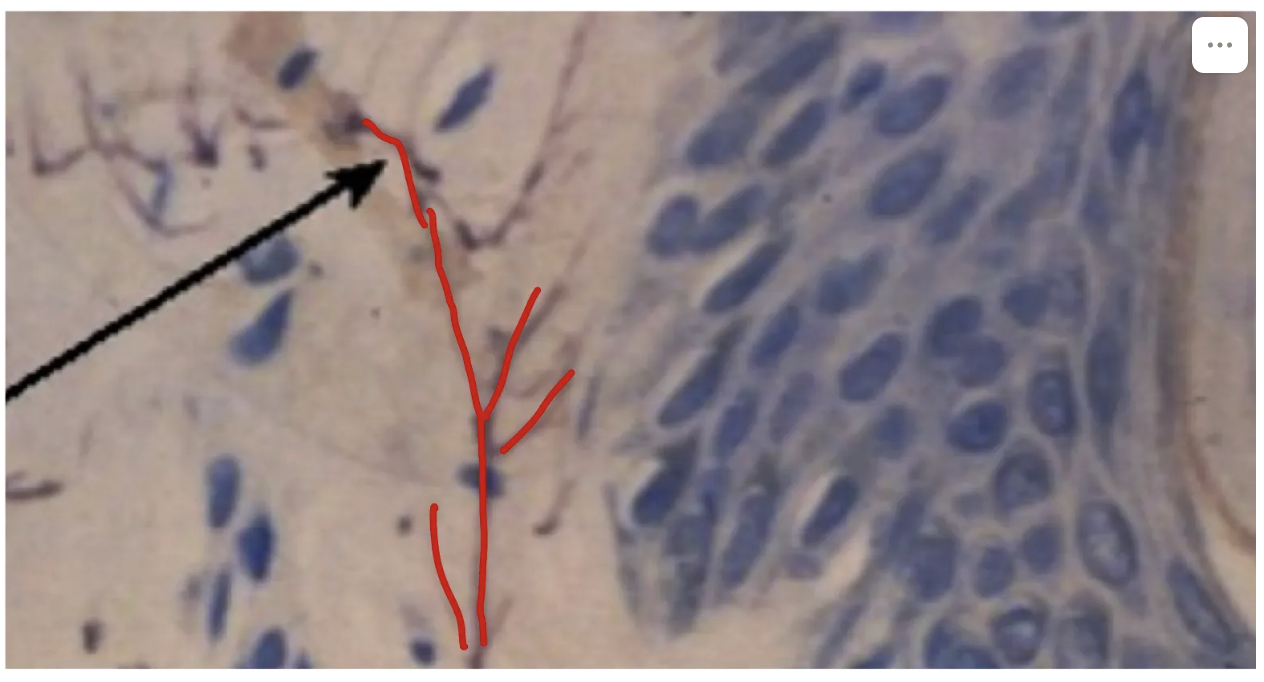
Free nerve endings
No. B should not be held liable for damages in favor of A.
Under the established doctrine of last clear chance, a person who had the last opportunity to avoid an accident, shall be the negligent party and shall be held liable for any damages.
In this case, it is established that A is tailgating B’s car when the accident happened. So since tailgating is greatly discouraged on highways, A cannot put the blame on B for bumping B’s car. Under the last clear chance doctrine, A had the last opportunity to avoid the accident if he was not tailgating B’s car. Furthermore, the sudden break made by B, is not a negligent act since a man was crossing the road when he did it, and if he did not do so, he could’ve cause that man an accident.
Therefore, B should not be held liable for damages in favor of A.
A was driving his car along the highway of EDSA. The traffic was very congested so the cars were tail to tail with each other. B, who was also driving a car and who was in front of A had to step on his break quickly when a man suddenly crossed the highway when he alighted a passenger jeepney. With that, A bumped into B’s car. A, demanded for damages against B since he argued that because of the sudden breaks, he bumped into B’s car while the traffic. was moving.
Question: May B be held liable for damages in favor of A? (10%)