1.2 Griffith Energy Balance and Equations
 Call Kai
 Learn
Learn Practice Test
 Spaced Repetition
 Match
Match Flashcards
 Knowt Play
1/20

There's no tags or description
Looks like no tags are added yet.
Name | Mastery | Learn | Test | Matching | Spaced | Call with Kai |
|---|
No analytics yet
Send a link to your students to track their progress
21 Terms
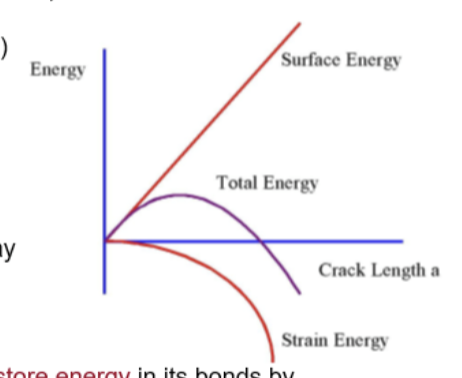
Concept of Griffith energy balance
crack from when total energy decreases or remain constant
Surface energy: energy input to create new crack surface→ if this is dominating, fracture is delayed, as energy is used to create new cracks
Elastic strain energy: energy released when bond breaks/crack grows→ if this is dominating, shows that crack propagates
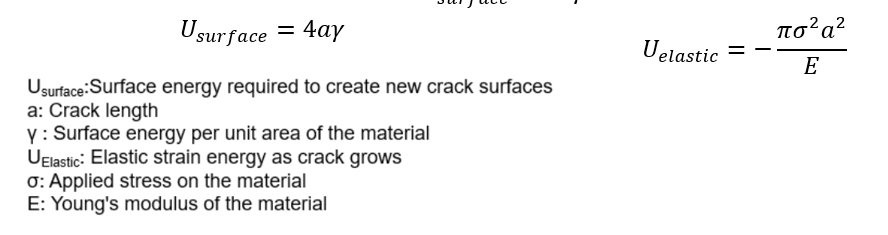
Equation for internal surface and elastic strain energy
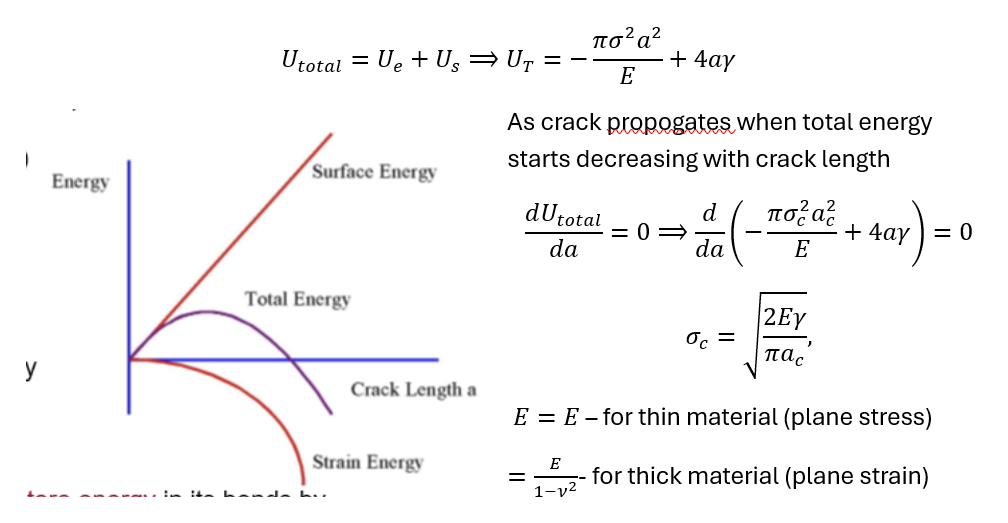
Derivation of critical crack stress and length
Steps
find total energy
find dU/da=0
γ found experimentally for brittle materials
critical crack strength for material that exhibit plasticity
*after finding a value, internal crack length would be 2a
Material limitations of Griffith energy balance
only used for brittle material
metals cannot be used as…
has plasticity
energy used for plastic deformation (γp) and not purely for surface energy(γs)
Reason for fracture
energy instability NOT stress
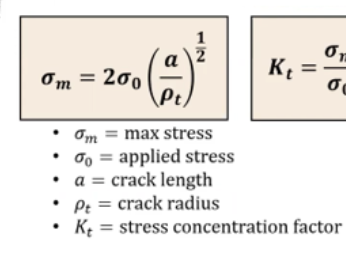
Definition of stress concentration factor
ratio of maximum local stress and applied stress
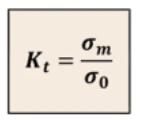
Formula for maximum local stress for brittle materials
σ_m refers to local stress tip=/= fracture strength
Equation for strain energy release rate G + fracture strength in terms of critical G_c
G_c can be back calculated after finding fracture stress
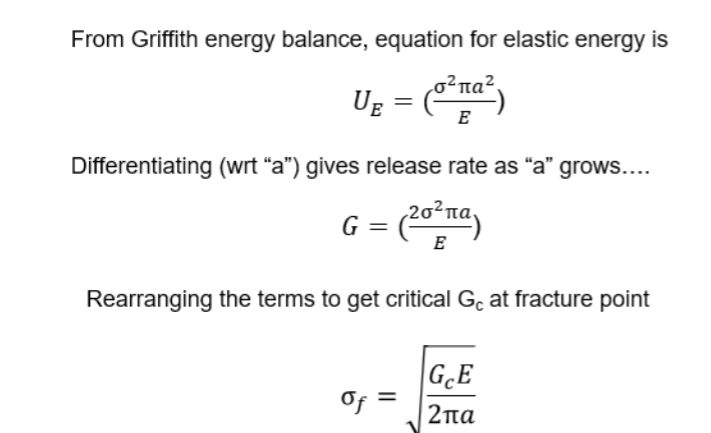
Relationship of G_c with crack propagation
when critical rate occur, crack grows spontaneously (G>G_c)
higher Gc → higher ability for material to resist cracks
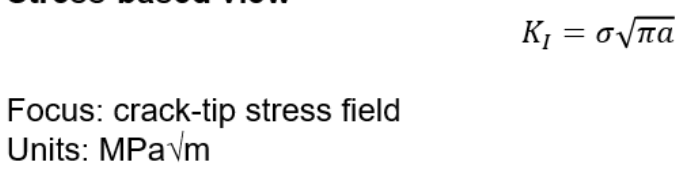
Definition and equation of stress intensity factor
correlates to fracture toughness
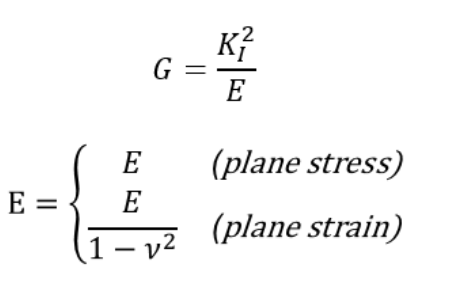
Relationship of K_I and G
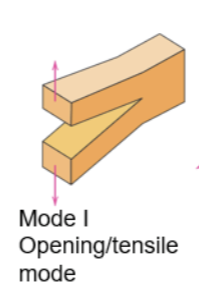
Type of modes for fracture toughness
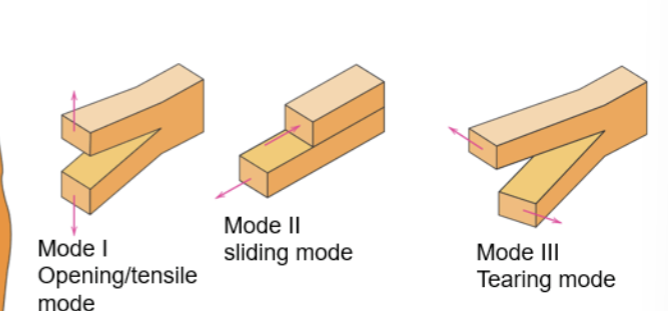
Reason Mode I is the critical
produce max. crack opening
give highest energy release rate G
material weakest in tension
How twinning affect toughness and type of failure?
Dominant twinning:
similar deformation of planes
more limited plasticity
higher risk of brittle fracture
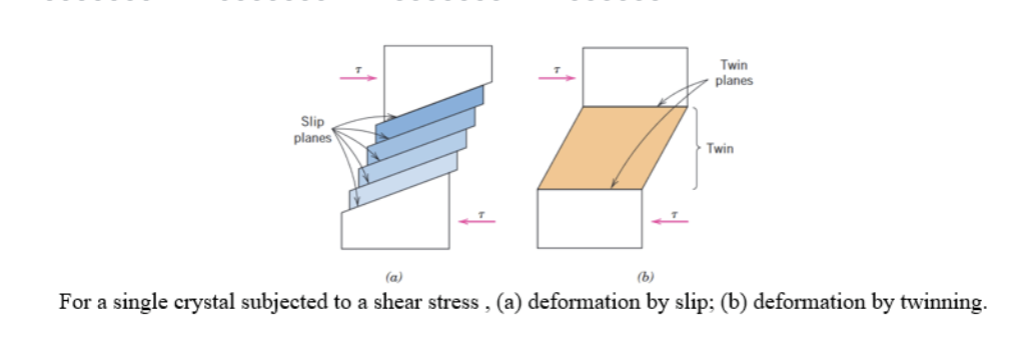
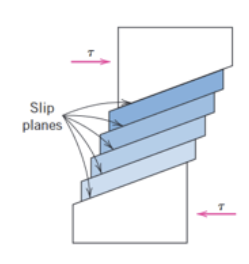
How slip affect toughness and type of failure?
variation of deformation
more plasticity
higher fracture toughness
Types of strengthening mechanism
grain size reduction
strain hardening, cold working
solid solution strengthening
Mechanism of grain size reduction
more grain boundaries block movement→less plane for deformation
strength increases
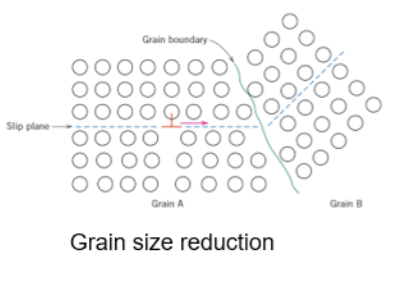
Mechanism of dislocation
Distortion in crystal lattice
movement of dislocation produces plastic deformation (slip) where dislocation travels along a plane
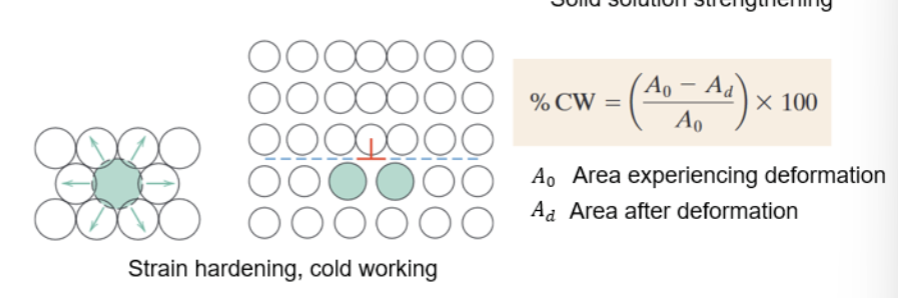
Mechanism or strain hardening(normal condition) or cold working (cold condition)
stress acts on material that can plastically deform
exisiting dislocation moves and new dislocation forms within lattice
increased number of dislocation causes them to interact and become pinned/tangled
lower mobility of dislocation which strengthen material and reduce ductility
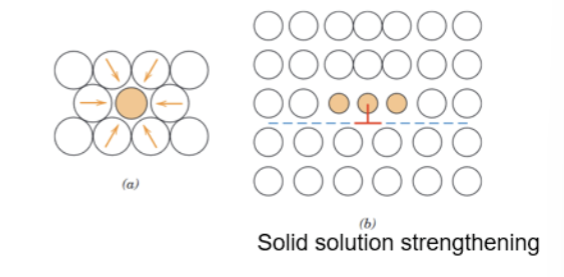
Mechanism of solid solution strengthening
impurities atoms of different size creates dislocation
higher stress to deform
Difference between strength and toughness
strength: resistance to plastic deformation
governed by yield stress and UTS
control yielding
dislocation
uniform properties
toughness: resistance to crack growth
governed by stress intentisty factor and energy release rate
control fracture
crack-tip processes
crack-size dependent