Module 8 - Equity Valuation Concepts and Basic Tools
 Call Kai
 Learn
Learn Practice Test
 Spaced Repetition
 Match
Match Flashcards
 Knowt Play
1/67

Earn XP
Description and Tags
Name | Mastery | Learn | Test | Matching | Spaced | Call with Kai |
|---|
No analytics yet
Send a link to your students to track their progress
68 Terms
An analyst estimates the intrinsic value of a stock to be in the range of €17.85 to €21.45. The current market price of the stock is €24.35. This stock is most likely:
A. overvalued.
B. undervalued.
C. fairly valued.
A. overvalued.
An analyst determines the intrinsic value of an equity security to be equal to $55. If the current price is $47, the equity is most likely:
A. undervalued.
B. fairly valued.
C. overvalued.
A. undervalued.
In asset-based valuation models, the intrinsic value of a common share of stock is based on the:
A. estimated market value of the company’s assets.
B. estimated market value of the company’s assets plus liabilities.
C. estimated market value of the company’s assets minus liabilities.
C. estimated market value of the company's assets minus liabilities.
Which of the following is most likely used in a present value model?
A. Enterprise value.
B. Price to free cash flow.
C. Free cash flow to equity.
C. Free cash flow to equity.
Book value is least likely to be considered when using:
A. a multiplier model.
B. an asset-based valuation model.
C. a present value model.
C. a present value model.
An analyst is attempting to calculate the intrinsic value of a company and has gathered the following company data: EBITDA, total market value, and market value of cash and short-term investments, liabilities, and preferred shares. The analyst is least likely to use:
A. a multiplier model.
B. a discounted cash flow model.
C. an asset-based valuation model.
B. a discounted cash flow model.
An analyst who bases the calculation of intrinsic value on dividend-paying capacity rather than expected dividends will most likely use the:
A. dividend discount model.
B. free cash flow to equity model.
C. cash flow from operations model.
B. free cash flow to equity model.
An investor expects to purchase shares of common stock today and sell them after two years. The investor has estimated dividends for the next two years, D 1 and D 2, and the selling price of the stock two years from now, P 2. According to the dividend discount model, the intrinsic value of the stock today is the present value of:
A. next year’s dividend, D 1.
B. future expected dividends, D 1 and D 2.
C. future expected dividends and price—D 1, D 2 and P 2.
C. future expected dividends and price—D 1, D 2 and P 2.
In the free cash flow to equity (FCFE) model, the intrinsic value of a share of stock is calculated as:
A. the present value of future expected FCFE.
B. the present value of future expected FCFE plus net borrowing.
C. the present value of future expected FCFE minus fixed capital investment.
A. the present value of future expected FCFE.
With respect to present value models, which of the following statements is most accurate?
A. Present value models can be used only if a stock pays a dividend.
B. Present value models can be used only if a stock pays a dividend or is expected to pay a dividend.
C. Present value models can be used for stocks that currently pay a dividend, are expected to pay a dividend, or are not expected to pay a dividend.
C. Present value models can be used for stocks that currently pay a dividend, are expected to pay a dividend, or are not expected to pay a dividend.
A Canadian life insurance company has an issue of 4.80 percent, $25 par value, perpetual, non-convertible, non-callable preferred shares outstanding. The required rate of return on similar issues is 4.49 percent. The intrinsic value of a preferred share is closest to:
A. $25.00.
B. $26.75.
C. $28.50.
B. $26.75.
Two analysts estimating the value of a non-convertible, non-callable, perpetual preferred stock with a constant dividend arrive at different estimated values. The most likely reason for the difference is that the analysts used different:
A. time horizons.
B. required rates of return.
C. estimated dividend growth rates.
B. required rates of return.
The Beasley Corporation has just paid a dividend of $1.75 per share. If the required rate of return is 12.3 percent per year and dividends are expected to grow indefinitely at a constant rate of 9.2 percent per year, the intrinsic value of Beasley Corporation stock is closest to:
A. $15.54.
B. $56.45.
C. $61.65.
C. $61.65.
An investor is considering the purchase of a common stock with a $2.00 annual dividend. The dividend is expected to grow at a rate of 4 percent annually. If the investor’s required rate of return is 7 percent, the intrinsic value of the stock is closest to:
A. $50.00.
B. $66.67.
C. $69.33.
C. $69.33.
The Gordon growth model can be used to value dividend-paying companies that are:
A. expected to grow very fast.
B. in a mature phase of growth.
C. very sensitive to the business cycle.
B. in a mature phase of growth.
Which of the following is most likely considered a weakness of present value models?
A. Present value models cannot be used for companies that do not pay dividends.
B. Small changes in model assumptions and inputs can result in large changes in the computed intrinsic value of the security.
C. The value of the security depends on the investor’s holding period; thus, comparing valuations of different companies for different investors is difficult.
B. Small changes in model assumptions and inputs can result in large changes in the computed intrinsic value of the security.
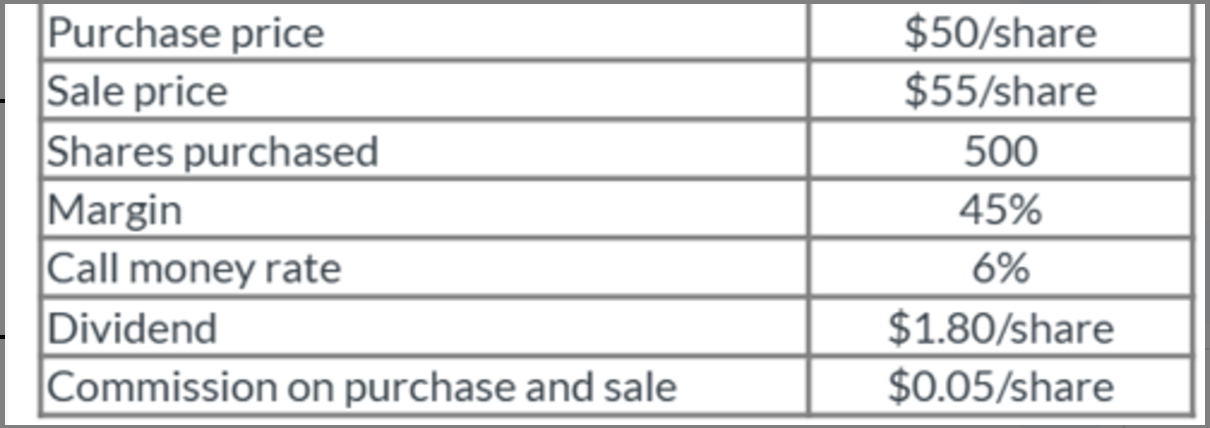
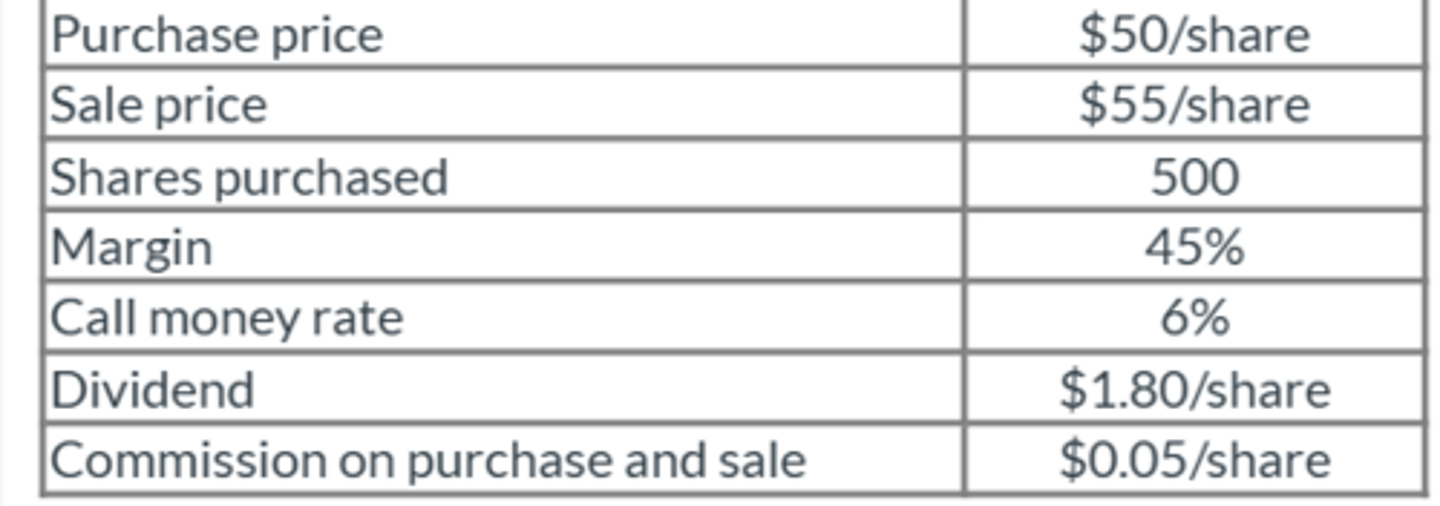
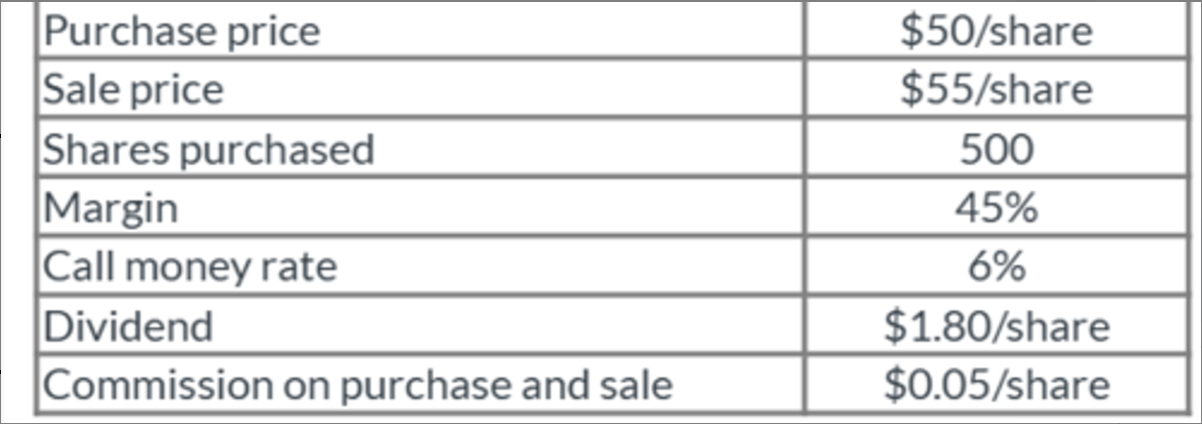
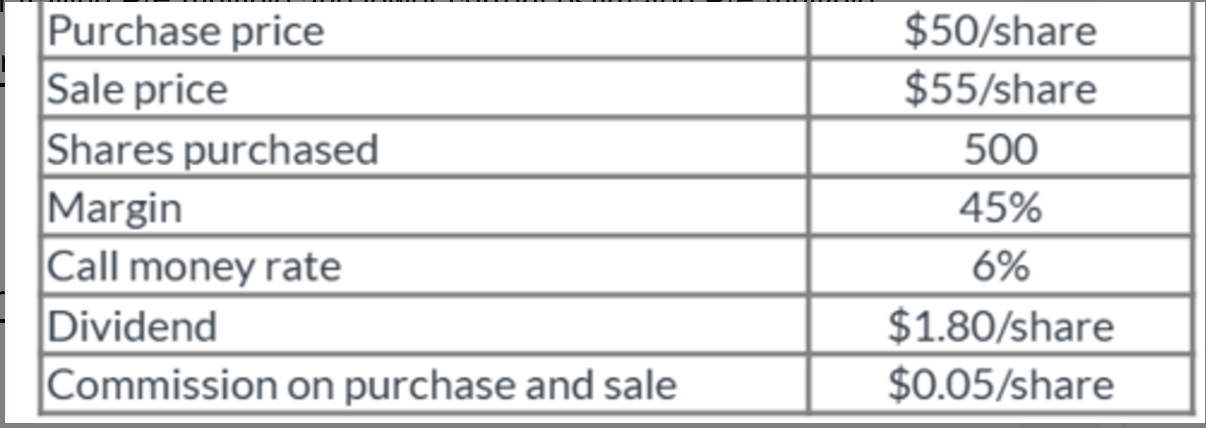
An analyst gathers or estimates the following information about a stock:
Based on a dividend discount model, the stock is most likely:
A. undervalued.
B. fairly valued.
C. overvalued.
A. undervalued.
An analyst is attempting to value shares of the Dominion Company. The company has just paid a dividend of $0.58 per share. Dividends are expected to grow by 20 percent next year and 15 percent the year after that. From the third year onward, dividends are expected to grow at 5.6 percent per year indefinitely. If the required rate of return is 8.3 percent, the intrinsic value of the stock is closest to:
A. $26.00.
B. $27.00.
C. $28.00.
C. $28.00.
Hideki Corporation has just paid a dividend of ¥450 per share. Annual dividends are expected to grow at the rate of 4 percent per year over the next four years. At the end of four years, shares of Hideki Corporation are expected to sell for ¥9000. If the required rate of return is 12 percent, the intrinsic value of a share of Hideki Corporation is closest to:
A. ¥5,850.
B. ¥7,220.
C. ¥7,670.
B. ¥7,220.
The best model to use when valuing a young dividend-paying company that is just entering the growth phase is most likely the:
A. Gordon growth model.
B. two-stage dividend discount model.
C. three-stage dividend discount model.
C. three-stage dividend discount model.
An equity analyst has been asked to estimate the intrinsic value of the common stock of Omega Corporation, a leading manufacturer of automobile seats. Omega is in a mature industry, and both its earnings and dividends are expected to grow at a rate of 3 percent annually. Which of the following is most likely to be the best model for determining the intrinsic value of an Omega share?
A. Gordon growth model.
B. Free cash flow to equity model.
C. Multistage dividend discount model
A. Gordon growth model.
A price earnings ratio that is derived from the Gordon growth model is inversely related to the:
A. growth rate.
B. dividend payout ratio.
C. required rate of return.
C. required rate of return.
The primary difference between P/E multiples based on comparables and P/E multiples based on fundamentals is that fundamentals-based P/Es take into account:
A. future expectations.
B. the law of one price.
C. historical information.
A. future expectations.
An analyst makes the following statement: “Use of P/E and other multiples for analysis is not effective because the multiples are based on historical data and because not all companies have positive accounting earnings.” The analyst’s statement is most likely:
A. inaccurate with respect to both historical data and earnings.
B. accurate with respect to historical data and inaccurate with respect to earnings.
C. inaccurate with respect to historical data and accurate with respect to earnings.
A. inaccurate with respect to both historical data and earnings.
An analyst has gathered the following information for the Oudin Corporation:
Expected earnings per share = €5.70
Expected dividends per share = €2.70
Dividends are expected to grow at 2.75 percent per year indefinitely
The required rate of return is 8.35 percent
Based on the information provided, the price/earnings multiple for Oudin is closest to:
A. 5.7.
B. 8.5.
C. 9.4.
B. 8.5.
An analyst has prepared a table of the average trailing twelve-month price-to-earning (P/E), price-to-cash flow (P/CF), and price-to-sales (P/S) for the Tanaka Corporation for the years 2014 to 2017.
As of the date of the valuation in 2018, the trailing twelve-month P/E, P/CF, and P/S are, respectively, 9.2, 8.0, and 2.5. Based on the information provided, the analyst may reasonably conclude that Tanaka shares are most likely:
A. overvalued.
B. undervalued.
C. fairly valued.
A. overvalued.
An analyst gathers the following information about two companies:
Which of the following statements is most accurate?
A. Delta has the higher trailing P/E multiple and lower current estimated P/E multiple.
B. Alpha has the higher trailing P/E multiple and lower current estimated P/E multiple.
C. Alpha has the higher trailing P/E multiple and higher current estimated P/E multiple.
B. Alpha has the higher trailing P/E multiple and lower current estimated P/E multiple.
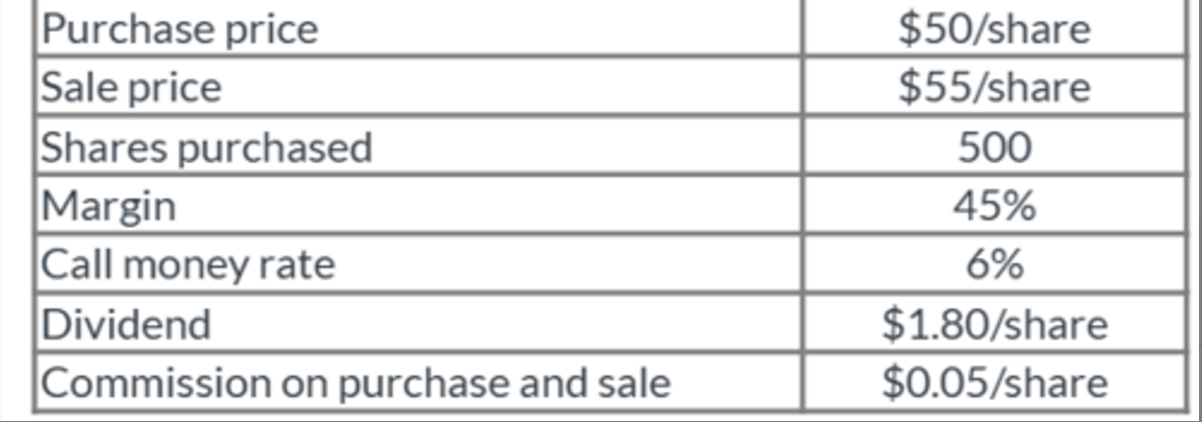
An analyst gathers the following information about similar companies in the banking sector:
Which of the companies is most likely to be undervalued?
A. First Bank.
B. Prime Bank.
C. Pioneer Trust.
C. Pioneer Trust.
The market value of equity for a company can be calculated as enterprise value:
A. minus market value of debt, preferred stock, and short-term investments.
B. plus market value of debt and preferred stock minus short-term investments.
C. minus market value of debt and preferred stock plus short-term investments.
C. minus market value of debt and preferred stock plus short-term investments.
Which of the following statements regarding the calculation of the enterprise value multiple is most likely correct?
A. Operating income may be used instead of EBITDA.
B. EBITDA may not be used if company earnings are negative.
C. Book value of debt may be used instead of market value of debt.
A. Operating income may be used instead of EBITDA.
An analyst has determined that the appropriate EV/EBITDA for Rainbow Company is 10.2. The analyst has also collected the following forecasted information for Rainbow Company:
EBITDA = $22,000,000
Market value of debt = $56,000,000
Cash = $1,500,000
The value of equity for Rainbow Company is closest to:
A. $169 million.
B. $224 million.
C. $281 million.
A. $169 million.
Enterprise value is most often determined as market capitalization of common equity and preferred stock minus the value of cash equivalents plus the:
A. book value of debt.
B. market value of debt.
C. market value of long-term debt.
B. market value of debt.
A disadvantage of the EV method for valuing equity is that the following information may be difficult to obtain:
A. Operating income.
B. Market value of debt.
C. Market value of equity.
B. Market value of debt.
Asset-based valuation models are best suited to companies where the capital structure does not have a high proportion of:
A. debt.
B. intangible assets.
C. current assets and liabilities.
B. intangible assets.
Which of the following is most likely a reason for using asset-based valuation?
A. The analyst is valuing a privately held company.
B. The company has a relatively high level of intangible assets.
C. The market values of assets and liabilities are different from the balance sheet values.
A. The analyst is valuing a privately held company.
Which type of equity valuation model is most likely to be preferable when one is comparing similar companies?
A. A multiplier model.
B. A present value model.
C. An asset-based valuation model.
A. A multiplier model.
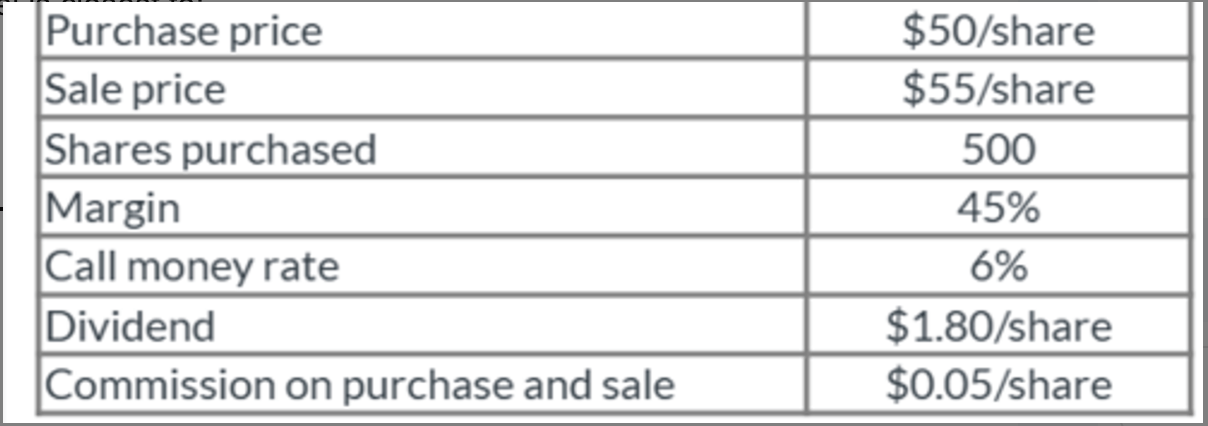
The following information is available about a company:
The current value per share of the company’s common stock according to the two-stage dividend discount model is closest to:
A. $39.36.
B. $49.20.
C. $52.86.
A. $39.36.
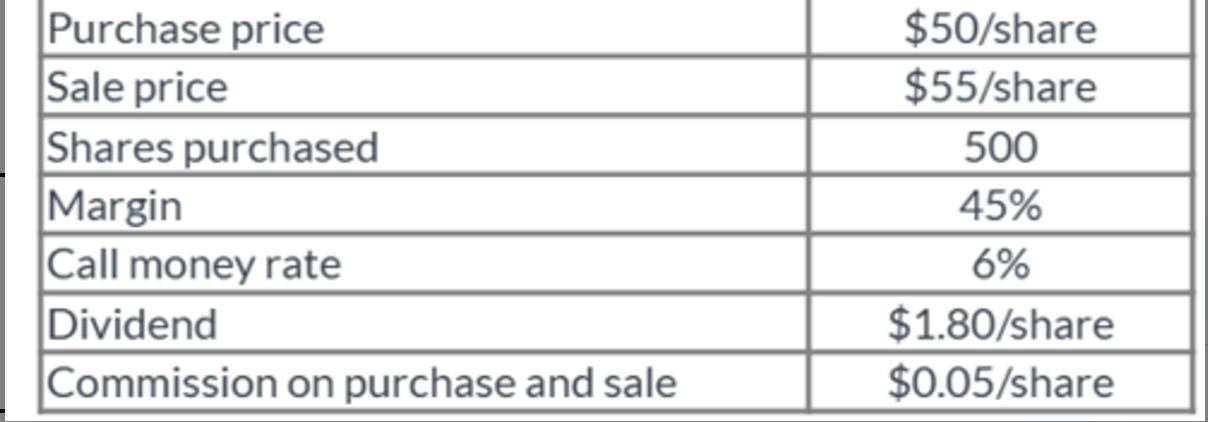
An investor gathers the following data to estimate the intrinsic value of a company’s stock using the justified forward price-to-earnings ratio (P/E) approach.
The intrinsic value per share is closest to:
A. $36.
B. $48.
C. $72.
A. $36.
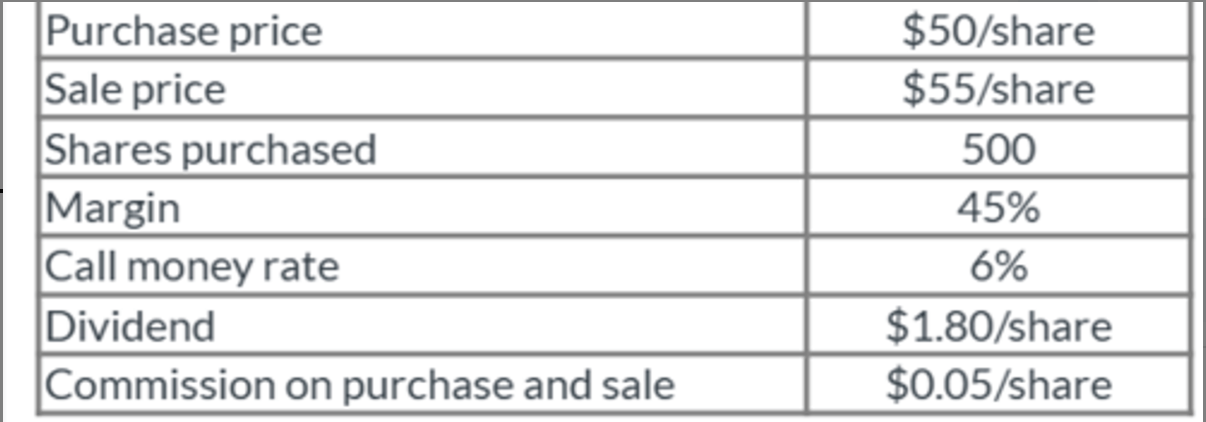
An investor who wants to estimate the enterprise value multiple (EV/EBITDA) of a company has gathered the following data:
The company’s EV/EBITDA multiple is closest to:
A. 2.5.
B. 3.5.
C. 5.8.
B. 3.5.
The following data pertain to a company that can be appropriately valued using the Gordon growth model. The dividend is expected to grow indefinitely at the existing sustainable growth rate.
The stock’s intrinsic value is closest to:
A. $34.62.
B. $37.94.
C. $41.90.
C. $41.90.
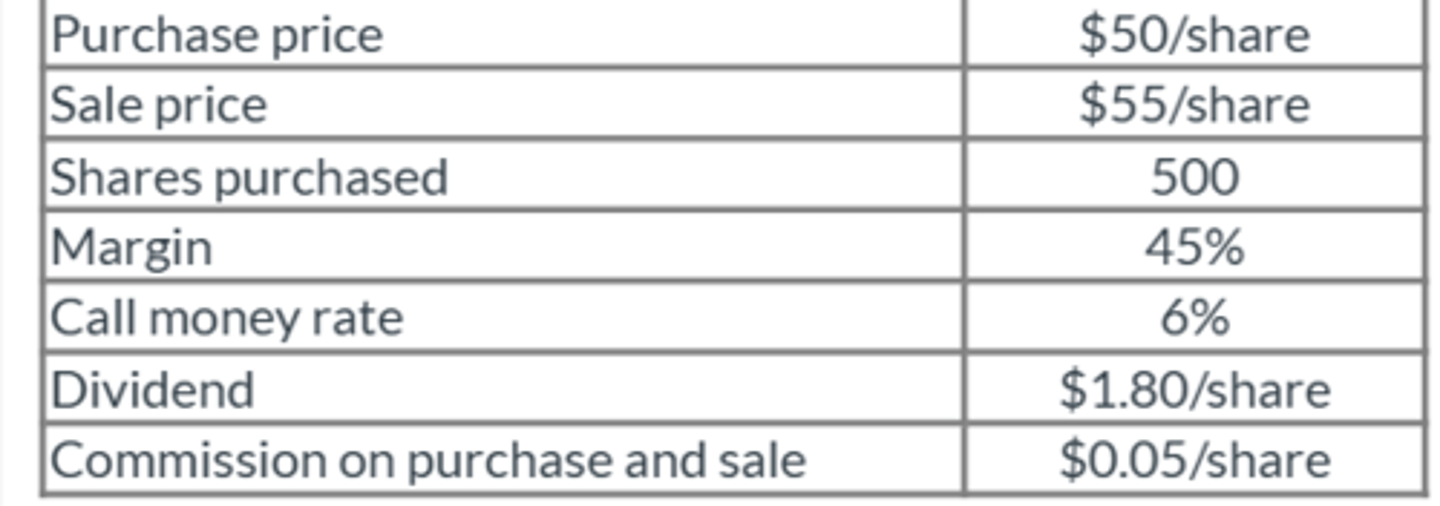
An analyst gathered the following information about a company:
Which of the following statements best describes the company’s price-to-earnings ratio (P/E)? Compared to the company’s trailing P/E ratio, the justified forward P/E ratio based on the Gordon growth dividend discount model is:
A. lower.
B. the same.
C. higher.
A. lower.
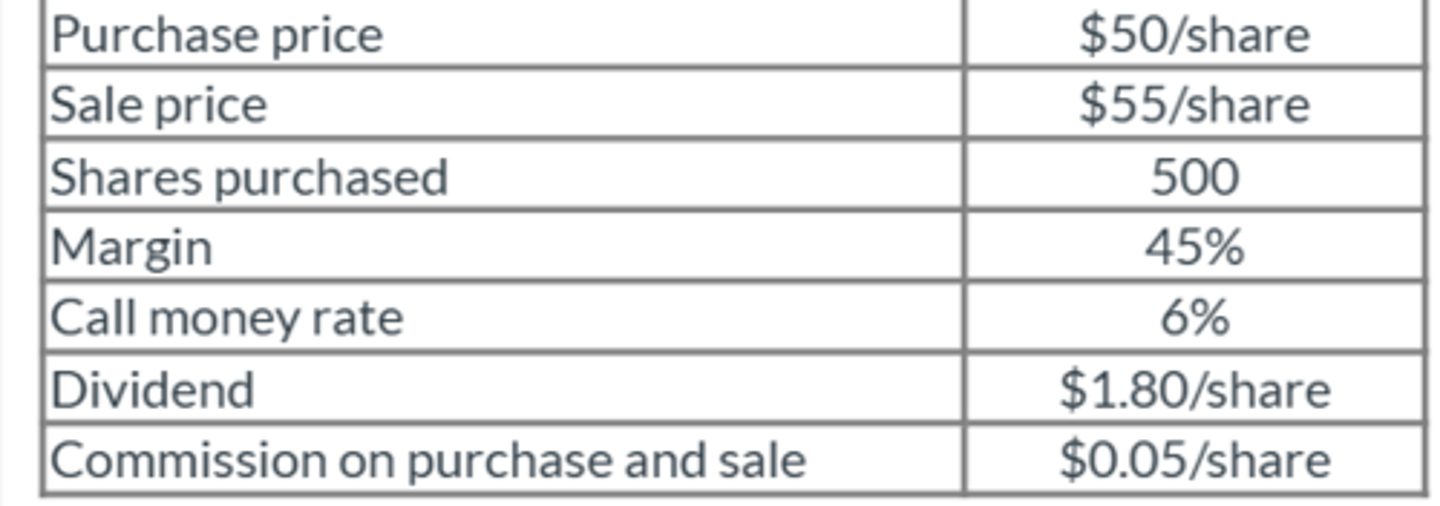
A company’s $100 par value perpetual preferred stock has a dividend rate of 7% and a required rate of return of 11%. The company’s earnings are expected to grow at a constant rate of 3% per year. If the market price per share for the preferred stock is $75, the preferred stock is most appropriately described as being:
A. overvalued by $11.36.
B. undervalued by $15.13.
C. undervalued by $36.36.
A. overvalued by $11.36.
Correct Answer Feedback:
Correct.
Value of perpetual preferred stock =
= = $63.64.
The stock is overvalued by $75.00 – 63.64 = $11.36.
The following financial data are available for a company:
The company’s sustainable growth rate is closest to:
A. 4.40%.
B. 4.78%.
C. 4.00%.
A. 4.40%.
Correct Answer Feedback:
Correct.
Sustainable growth rate = Retention ratio (b) × Return on equity (ROE), where b = 1 – Dividend payout ratio = 1 – 0.481 = 0.519.
ROE = Return on assets × Financial leverage
= 0.048 × 1.75
= 0.084.
Therefore the sustainable growth rate = b × ROE = 0.519 × 0.084 = 0.0436 ≈ 4.40%.
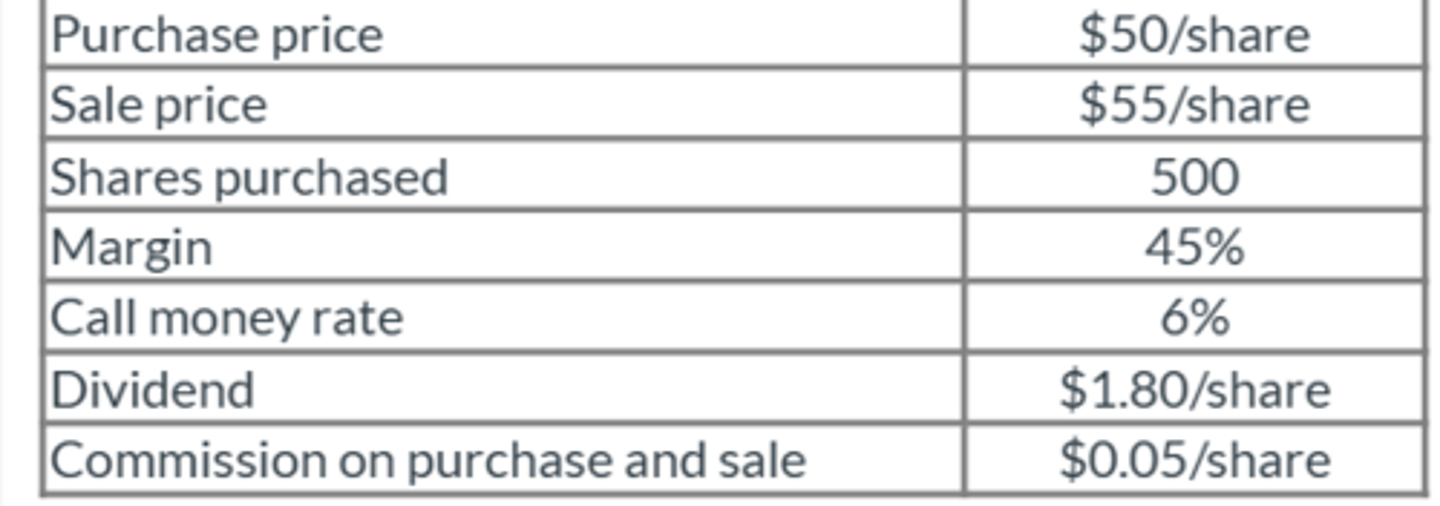
A company has issued non-callable, non-convertible preferred stock with the following features:
Par value per share: $10
Annual dividend per share: $2
Maturity: 15 years
An investor’s required rate of return is 8%, and the current market price per share of the preferred stock is $25. By comparing the estimated intrinsic value with the market price of the preferred stock, the most likely conclusion is that the preferred stock is:
A. undervalued by $15.00.
B. fairly valued at $25.00.
C. overvalued by $4.73.
C. overvalued by $4.73.
Correct Answer Feedback:
Correct. Using a financial calculator to find the present value (PV) of the future cash flows, intrinsic value is thus: FV = $10; n = 15; PMT = $2; r = 8%. Compute PV = $20.27.
The preferred stock is overvalued by $4.73 (Market price of $25 – Estimated value of $20.27).
Which of the following is the most appropriate reason for using a free cash flow to equity (FCFE) model to value equity of a company?
A. FCFE is a measure of the firm’s dividend paying capacity.
B. FCFE models provide more accurate valuations than the dividend discount model.
C. A firm’s borrowing activities could influence dividend decisions, but they would not affect FCFE.
A. FCFE is a measure of the firm’s dividend paying capacity.
Correct Answer Feedback:
Correct. FCFE is a measure of the firm’s dividend-paying capacity.
Which of the following multiples is most useful when comparing companies with significant differences in capital structure?
A. EV/EBITDA
B. Price-to-book ratio
C. Price-to-cash flow ratio
A. EV/EBITDA
Correct Answer Feedback:
Correct. The EV/EBITDA (enterprise value/earnings before interest, taxes, depreciation, and amortization) approach is most useful when comparing companies with significant differences in capital structure. EBITDA is computed prior to payment to any of the company’s financial stakeholders and is not affected by the amount of debt leverage.
An analyst collects the following data on a company:
Using a required return of 12.4%, if the company increases its dividend payout ratio to 40%, the justified forward P/E ratio will be closest to:
A. 5.3.
B. 7.7.
C. 11.5.
B. 7.7.
Correct Answer Feedback:
Correct.
Dividend growth rate = (1 – Payout ratio) × ROE
Justified forward P/E: P0/E1 = p/(r – g), where p = Payout ratio.
Using the new payout ratios, the justified forward P/E ratios, are calculated:
New dividend growth rate = (1 – 0.4) × 12% = 7.2%;
New justified forward P/E = 0.4/(0.124 – 0.072) = 7.7×.
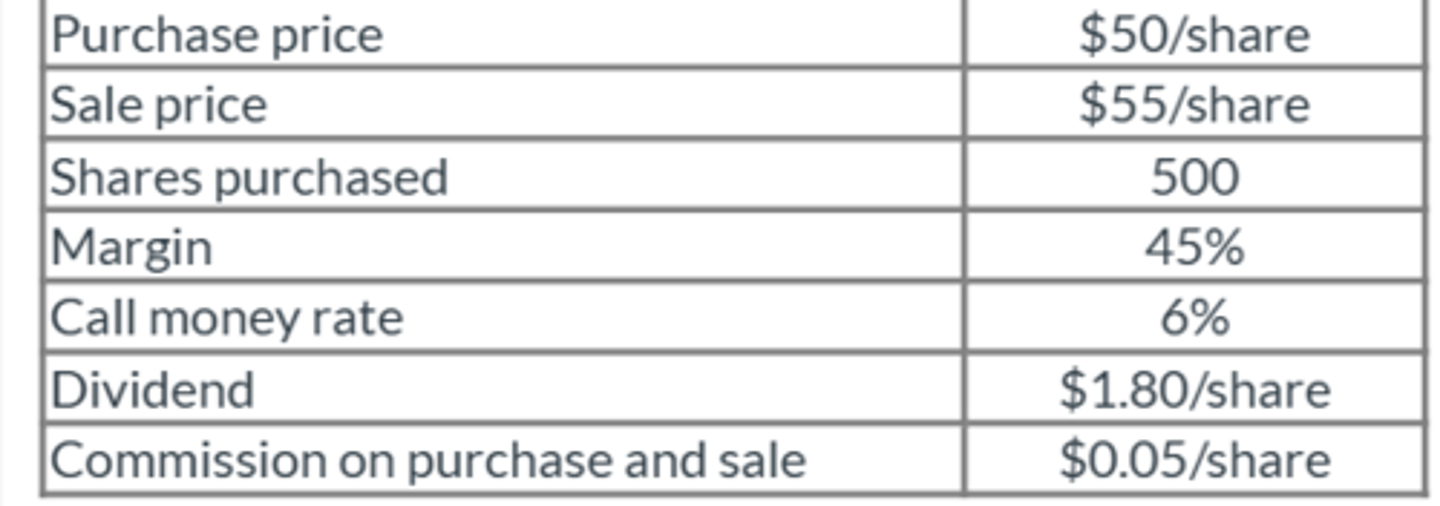
An investor wants to determine the intrinsic value of the common stock for a company with the following characteristics:
*The firm maintains a constant dividend payout ratio.
*Goodwill and patents account for a high proportion of the firm’s assets.
*The firm’s revenues and earnings are highly correlated with the business cycle.
Furthermore, the investor focuses on the firm’s capacity to pay dividends rather than expected dividends. Considering the characteristics, the investor will most likely use which of the following valuation models?
A. Asset-based valuation model
B. Free cash flow to equity model
C. Gordon dividend growth model
B. Free cash flow to equity model
Correct Answer Feedback:
Correct. The free cash flow to equity (FCFE) model is a measure of the firm’s dividend-paying capacity, which should be reflected in the cash flow estimates rather than expected dividends. Analysts must make projections of financials to forecast future FCFE, and thus the constant growth assumption, as in the Gordon growth model, is not an issue. An asset-based valuation model is not appropriate because of the high proportion of intangibles (goodwill and patents) in the firm’s assets.
An investor considering the enterprise value approach to valuation gathers the following data:
The value per share of the company’s common stock is closest to:
A. $13.43.
B. $22.35.
C. $22.90.
C. $22.90.
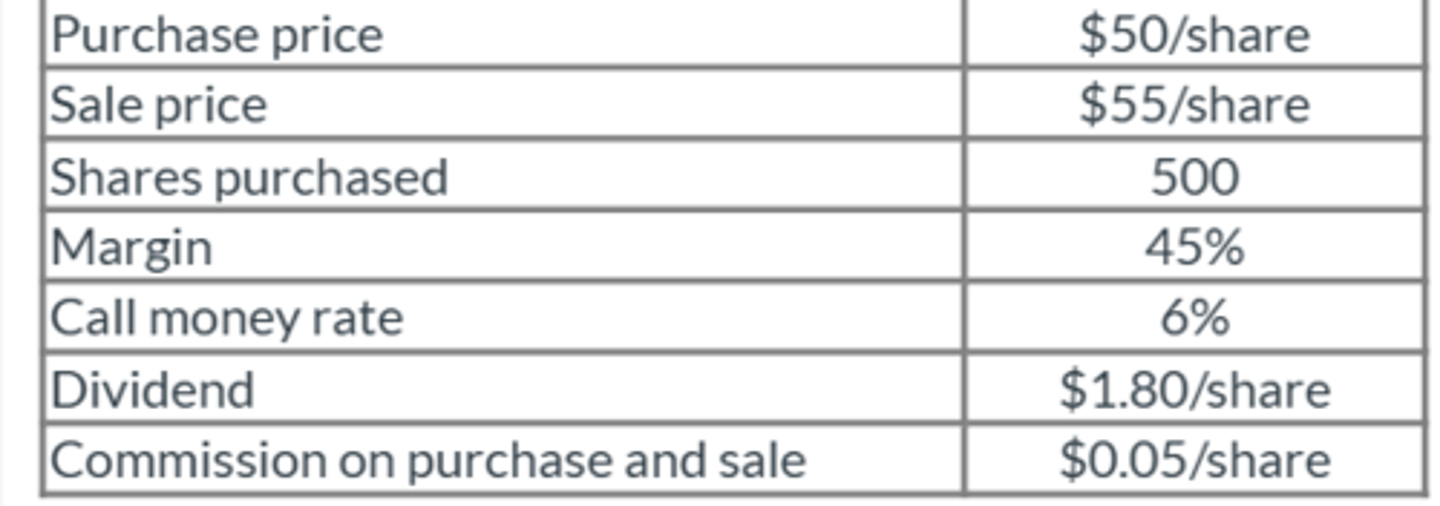
An analyst gathers the following information about a company:
Using the asset-based valuation approach, the estimated value per share is closest to:
A. $9.57.
B. $10.29.
C. $11.00.
A. $9.57.
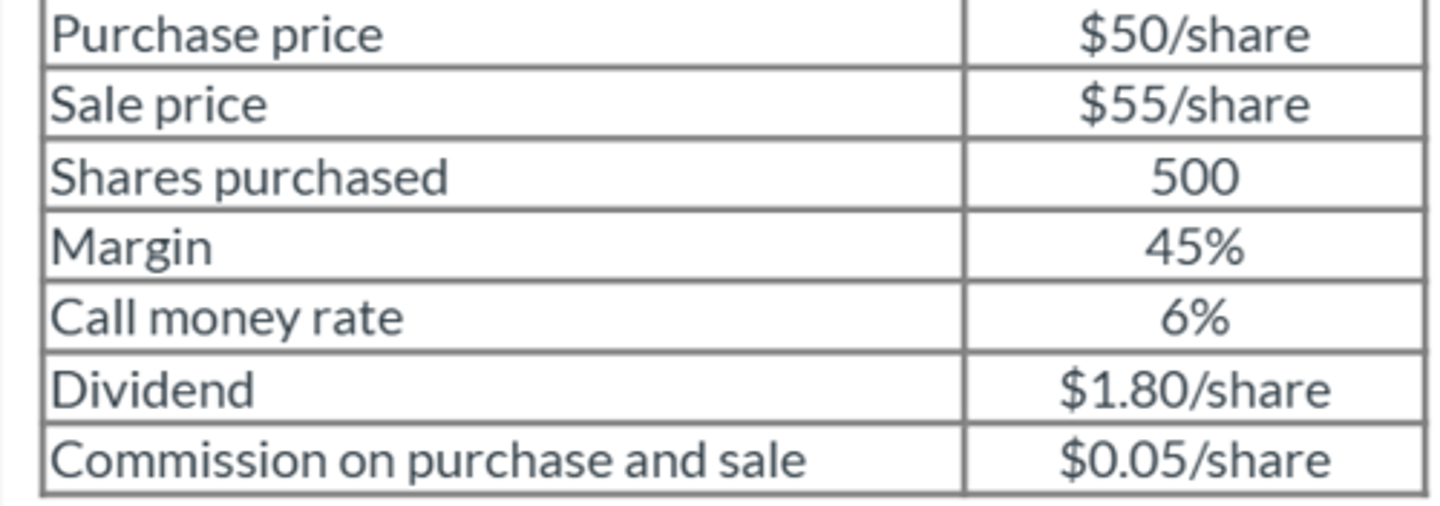
An asset with a current market price of $15.50 and an estimated intrinsic value of $12.50 is best described as being:
A. undervalued.
B. fairly valued.
C. overvalued.
C. overvalued.
Correct Answer Feedback:
Correct. An asset with an estimated intrinsic value less than the market price is considered overvalued.
Equity valuation models that are based on a ratio of share price to some fundamental variable are best described as:
A. multiplier models.
B. present value models.
C. asset-based valuation models.
A. multiplier models.
Correct Answer Feedback:
Correct. Multiplier models are based chiefly on share price multiples or enterprise value multiples. Models based on share price multiples estimate the intrinsic value of a common share from a price multiple for some fundamental variable, such as revenues, earnings, cash flows, or book value.
Present value models follow a fundamental tenet of economics that states that individuals invest:
A. to defer consumption.
B. based on the law of one price.
C. for the expected future benefits.
C. for the expected future benefits.
Correct Answer Feedback: Correct. Present value models follow a fundamental tenet of economics stating that individuals defer consumption—that is, they invest—for the future benefits expected.
Assuming a 4% required rate of return, what is the intrinsic value per share of an outstanding issue of 5% perpetual preferred stock with a par value of £100 and no embedded options?
A. £80
B. £100
C. £125
C. £125
Correct Answer Feedback:
Correct. The intrinsic value of the preferred issue is calculated as:
D0 = 5% × £100 = £5
V0 = D0/r
V0 = £5/0.04
V0 = £125
Consider the following set of valuation multiples for three firms among seven in a particular industry sector:
Relative to the industry, which company’s ratios show the most contradictory results?
A. Company A
B. Company B
C. Company C
C. Company C
Correct Answer Feedback:
Correct. The P/S and P/BV multiples for Company C are above the industry averages, but the P/E and P/CF multiples are below the industry averages. In contrast, all of the price multiples for Company A are above the industry averages, providing for a more uniform level of consistency in Company A’s valuation multiples. Similarly, all of the price multiples for Company B are below the industry averages, showing a more uniform level of consistency in Company B’s valuation multiples. Therefore, Company C’s valuation multiples show the most contradictory results.
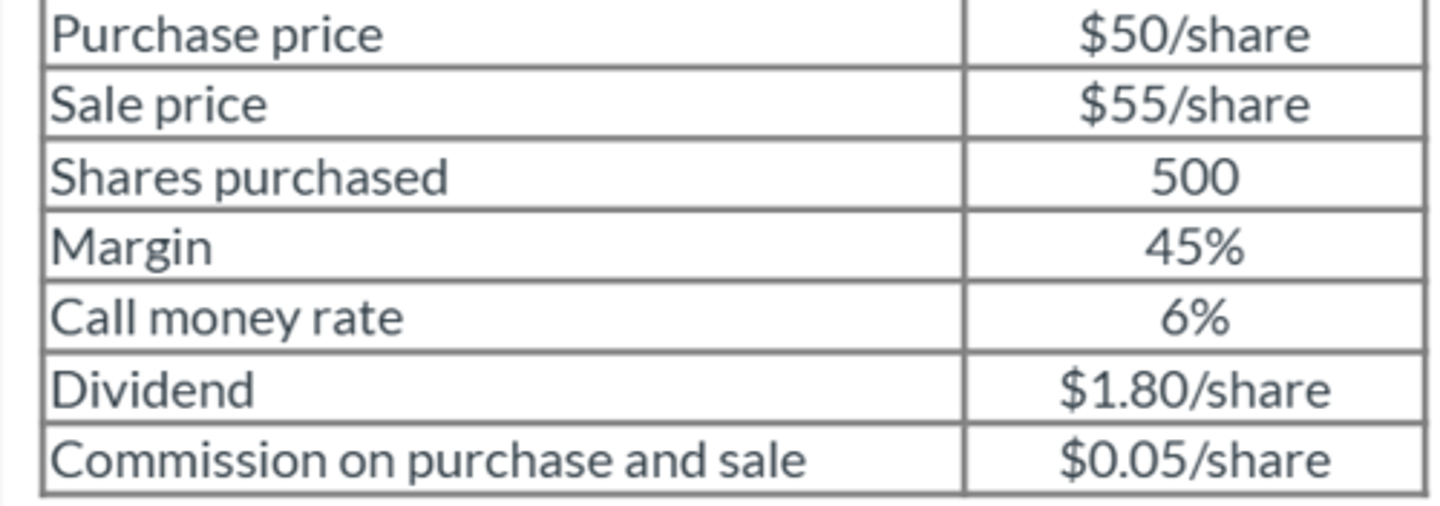
Consider the following financial information for XYZ Corporation:
Relative to the industry average, XYZ Corporation’s EV/EBITDA multiple is:
A. lower.
B. the same.
C. higher.
C. higher.
Correct Answer Feedback:
Correct. XYZ Corporation’s EV/EBITDA multiple is calculated as:
Enterprise value = Market value of equity + Market value of preferred stock + Market value of debt – Cash and short-term investments
Enterprise value = £10,000 + £2,000 + £6,000 – £1,000 = £17,000
EV/EBITDA = £17,000 / 2,000 = 8.5.
Thus, XYZ Corporation’s EV/EBITDA multiple is higher than the industry average EV/EBITDA multiple of 8.0.
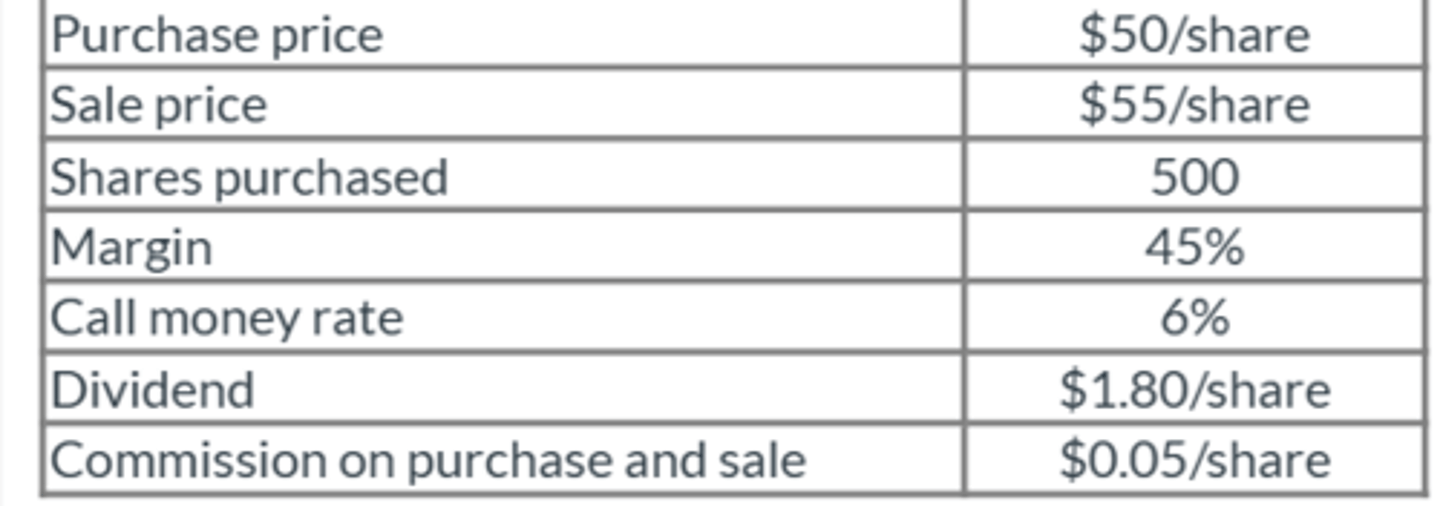
Which of the following statements concerning different valuation approaches is most accurate?
A. The justified forward price-to-earnings ratio (P/E) approach offers the advantage of incorporating fundamentals and presenting intrinsic value estimations.
B. It is advantageous to use asset-based valuation approaches rather than forward-looking cash flow models in the case of companies that have significant intangibles.
C. One advantage of the three-stage dividend discount model (DDM) model is that it is equally appropriate to young companies entering the growth phase and those entering the maturity phase.
A. The justified forward price-to-earnings ratio (P/E) approach offers the advantage of incorporating fundamentals and presenting intrinsic value estimations.
Correct Answer Feedback:
Correct. The justified forward P/E approach offers the advantage of incorporating fundamentals and presenting intrinsic value estimations.
Which of the following dates in the dividend chronology can fall on a weekend?
A. The ex-date.
B. The record date.
C. The payment date.
C. The payment date.
Correct Answer Feedback:
Correct. The payment date can occur on a weekend or holiday unlike other pertinent dates, such as the ex-date and record date, which occur only on business days.
An investor gathers the following information about a company and its common stock:
If the required rate of return is 10%, using the Gordon growth model, the intrinsic value per share of the stock is closest to:
A. $14.56.
B. $19.23.
C. $20.15.
C. $20.15.
Correct Answer Feedback:
Correct because intrinsic value = V0 = D1/(r – g). Therefore, V0 = $1.048/(0.10 – 0.048) = $1.048/0.052 ≈ $20.15, where:
g = ROE × retention rate = 0.12 × (1 – 0.60) = 0.048;
D1 = D0 × (1 + g) = $1.00 × 1.048 = $1.048.
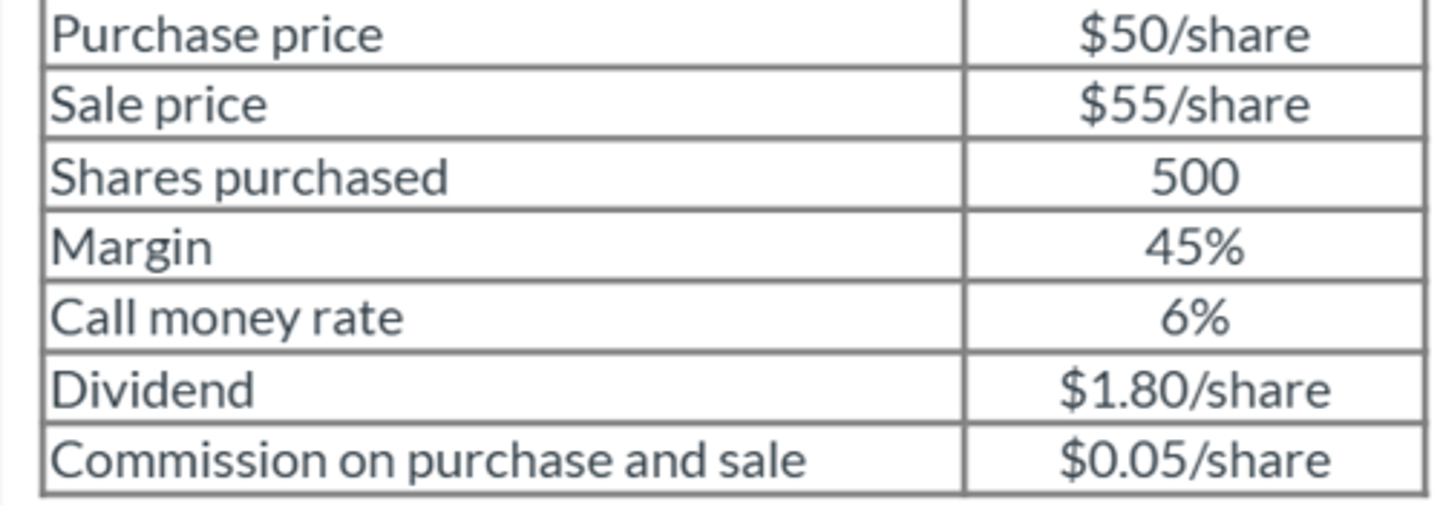
An analyst gathers and estimates the following information about a company's stock:
If the estimated stock value using the Gordon growth model is $92 per share, the required return on this stock is closest to:
A. 8.35%.
B. 8.52%.
C. 9.44%.
B. 8.52%.
Correct Answer Feedback:
Correct because the Gordon growth model is V0 = D1 / (r – g), where V0 is current value, D1 is next year's dividend (D0 × (1 + g)), r is required return and g is growth rate. Solving this equation for r is r = D1 / V0 + g = (D0 × (1 + g)) / V0 + g.
r = ($4 × (1 + 4%)) / $92 + 4% = ($4.16) / $92 + 4% = 8.522%, which is closest to 8.52%.
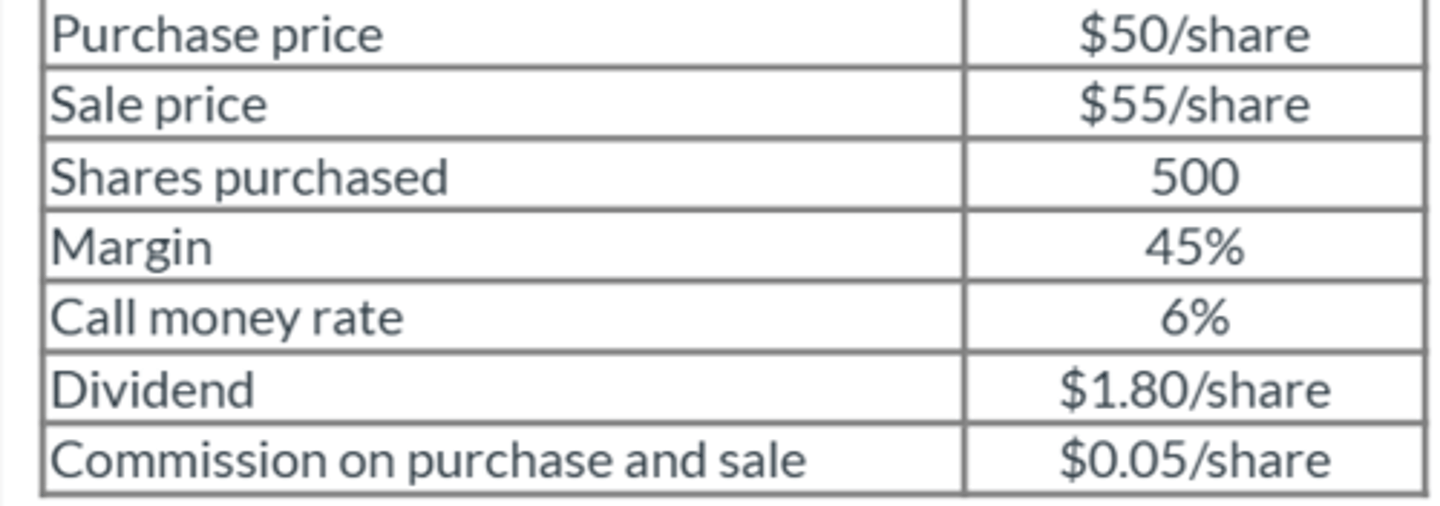
A company's current dividend (D0) of $3 per share is expected to grow 20% per year for three years, then 5% per year thereafter. If the required rate of return is 10%, using a multistage dividend discount model, the intrinsic value of the stock at the end of Year 3 is closest to:
A. $81.79.
B. $92.53.
C. $108.86.
C. $108.86.
Correct Answer Feedback:
Correct because the value at the end of Year 3 (same as at the beginning of Year 4) will be: V3 = D3(1 + gL)/(r – gL) = D4/(r – gL), where gL = long-term growth rate. The Year 4 dividend equals the initial dividend compounded at 20% for three years, then compounded at 5% for another year; D4 = $3 × (1.2)3 × (1.05) = $5.4432. V3 = $5.4432/(0.10 – 0.05) = $108.8640 ≈ $108.86.
An analyst gathers the following information about a company's dividend payment chronology:
The last date an investor can purchase the company's stock and be entitled to receive the dividend is most likely:
A. 1 August.
B. 2 August.
C. 4 August.
A. 1 August.
Correct Answer Feedback:
Correct because the ex-dividend date (or ex-date) is the first date that a share trades without (i.e., 'ex') the dividend. Thus, an investor will be able to receive the company's dividend if he purchases shares no later than on 1 August, one business day before ex-date of 2 August.
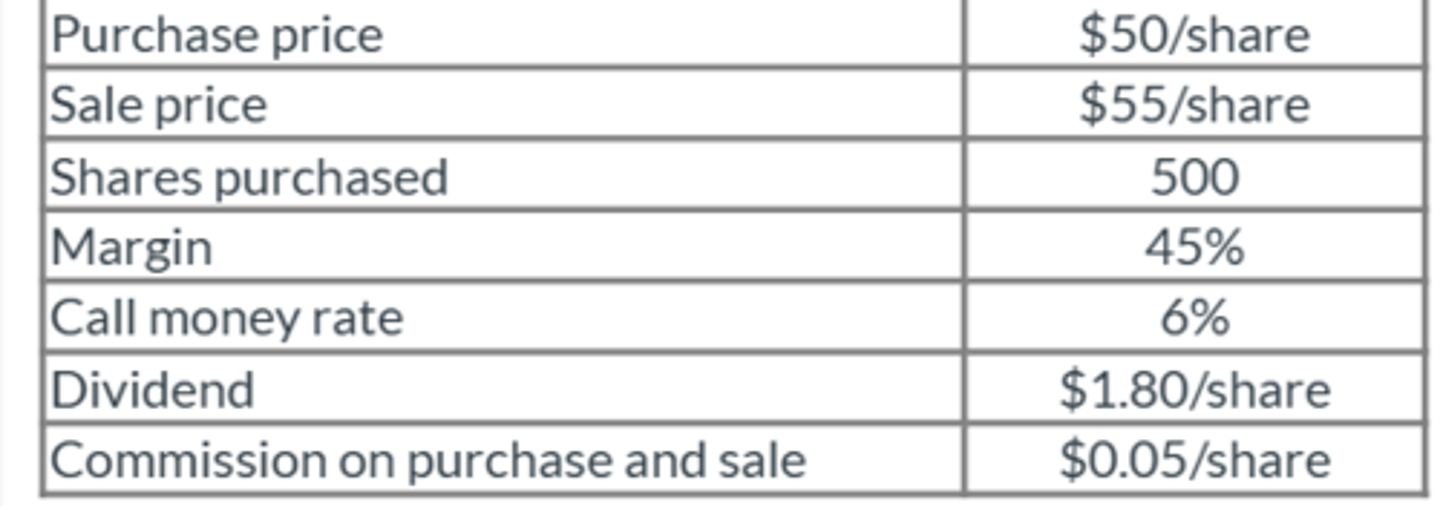
The first date that a share trades without the declared dividend is the:
A. ex-date.
B. payable date.
C. declaration date.
A. ex-date.
Correct Answer Feedback:
Correct because the ex-dividend date (or ex-date), the first date that a share trades without (i.e., “ex”) the dividend.
An analyst gathers the following information about a company:
The justified forward P/E ratio for the company's stock is closest to:
A. 5.7.
B. 8.0.
C. 13.3.
C. 13.3.
Correct Answer Feedback:
Correct because the justified forward P/E ratio = P0 / E1 = p / (r – g), where p is the dividend payout ratio, r is the required rate of return, g is the sustainable dividend growth rate; g = b × ROE where b is the earning retention rate = (1 – dividend payout ratio) and ROE is return on equity. Given g = (1 – 0.40) × 20% = 12%, then the justified forward P/E ratio = 0.40 / (0.15 – 0.12) = 13.3.
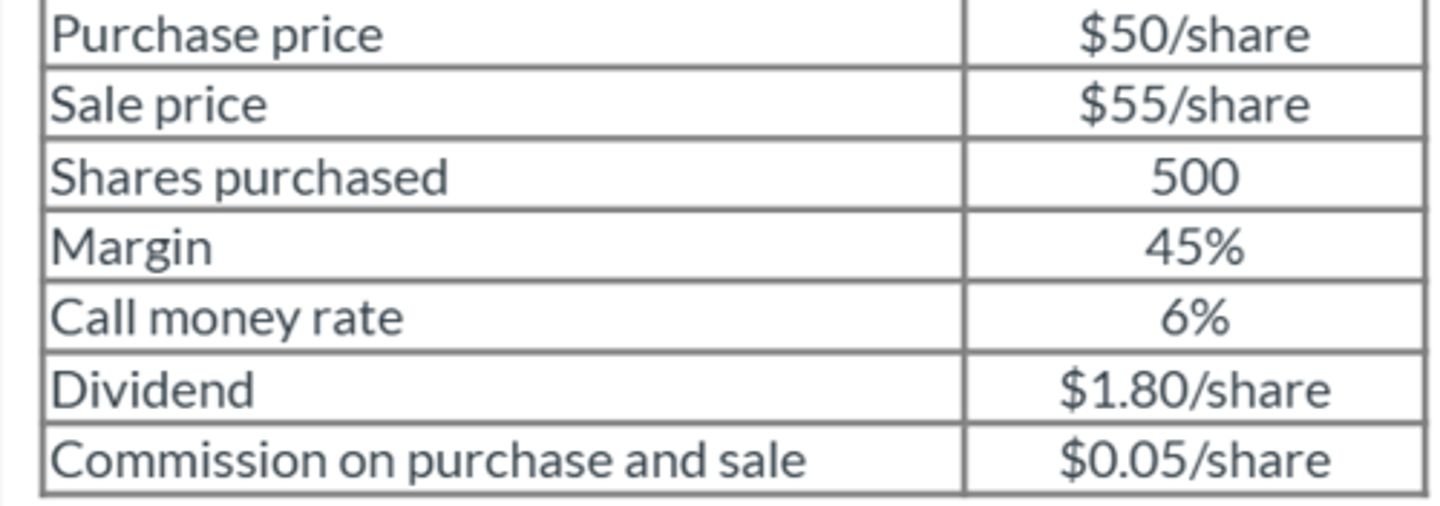
The Gordon growth model is most appropriate for valuing the equity of a dividend-paying:
A. electric utility firm.
B. technology company.
C. automobile manufacture
A. electric utility firm.
Correct Answer Feedback:
Correct because of its assumption of a constant growth rate, the Gordon growth model is particularly appropriate for valuing the equity of dividend-paying companies that are relatively insensitive to the business cycle and in a mature growth phase. Examples might include an electric utility.
A three-stage dividend discount model is most appropriate for valuing a company that is:
A. mature.
B. transitioning to maturity.
C. young and entering the growth phase.
C. young and entering the growth phase.
Correct Answer Feedback:
Correct because one can make the case that a three-stage DDM would be most appropriate for a fairly young company, one that is just entering the growth phase.
The Gordon growth model assumes a dividend growth rate:
A. less than the required rate of return.
B. equal to the required rate of return.
C. greater than the required rate of return.
A. less than the required rate of return.
Correct Answer Feedback:
Correct because the Gordon growth model assumes that the growth rate cannot be greater than the required rate of return. Also, the dividend growth rate is strictly less than the required rate of return.
An analyst gathers the following information about a company's non-callable, non-convertible preferred stock:
If the stock's intrinsic value is €125, the company's semi-annual dividend on the preferred stock is closest to:
A. €6.62.
B. €7.20.
C. €9.00.
A. €6.62.
Correct Answer Feedback:
Correct because using the formula: V0 =
V0 = Stock's intrinsic value; F = par value per share; r = required rate of return; n = maturity.
Where: V0 = €125;
F = €100;
r = 7.2% divided by 2 to arrive at semi-annual rate of 3.6%;
n = 5 years multiplied by 2 to arrive at 10.
Solving for D (or PMT in a financial calculator) we arrive at D = €6.6212 ≈ €6.62.