Immunology
 Call Kai
 Learn
Learn Practice Test
 Spaced Repetition
 Match
Match Flashcards
 Knowt Play
1/67

There's no tags or description
Looks like no tags are added yet.
Name | Mastery | Learn | Test | Matching | Spaced | Call with Kai |
|---|
No analytics yet
Send a link to your students to track their progress
68 Terms
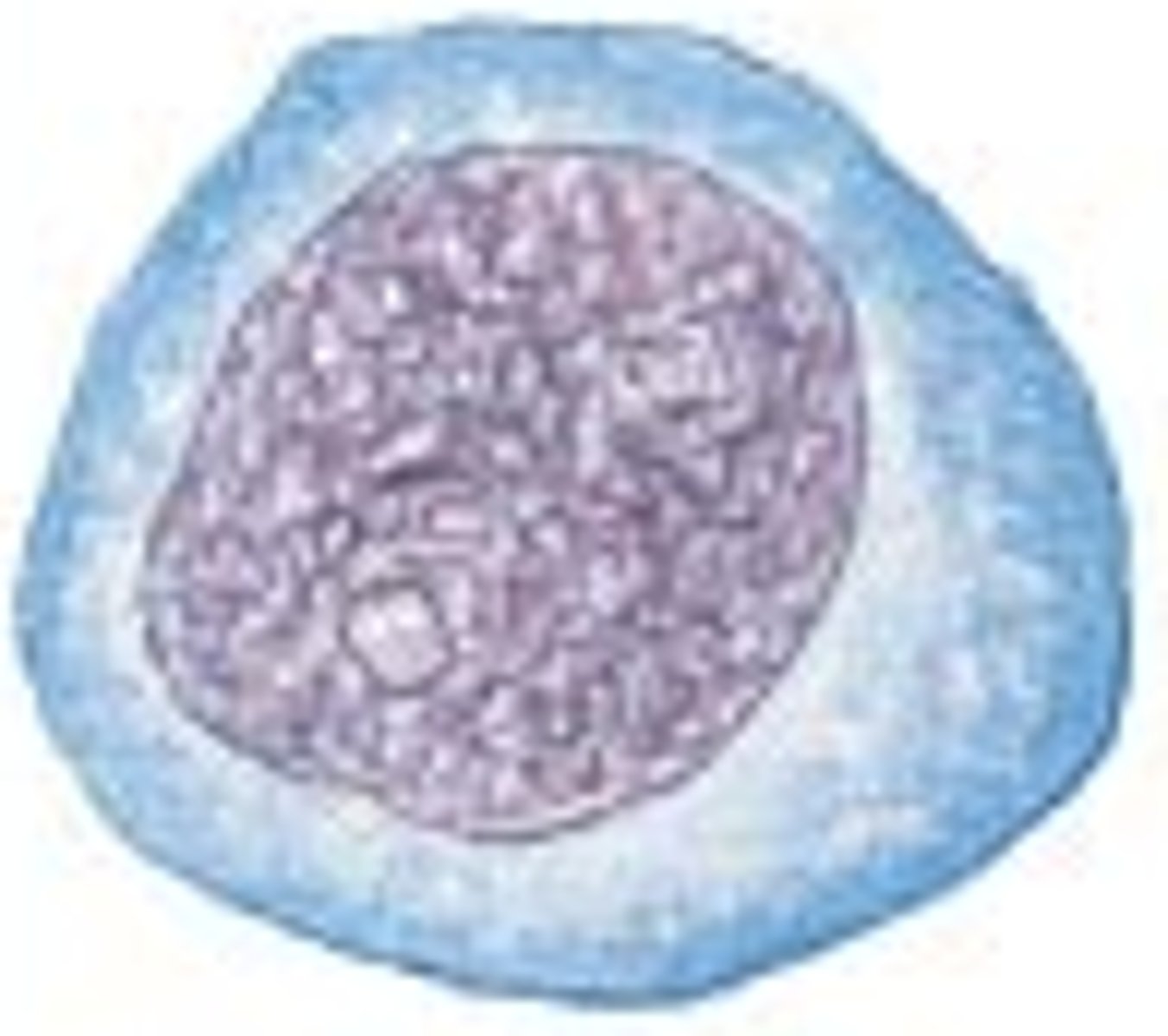
Lymphoid
T-cells, B-cells, and NK lymphocytes all originate from ______________ stem cells
myeloid
Erythrocytes, megakarycytes, monocytes, and macrophages, and granulocytes all originate from _________ stem cells
multipotent
Myeloid and lymphoid stem cells original from __________ stem cells in the bone marrow
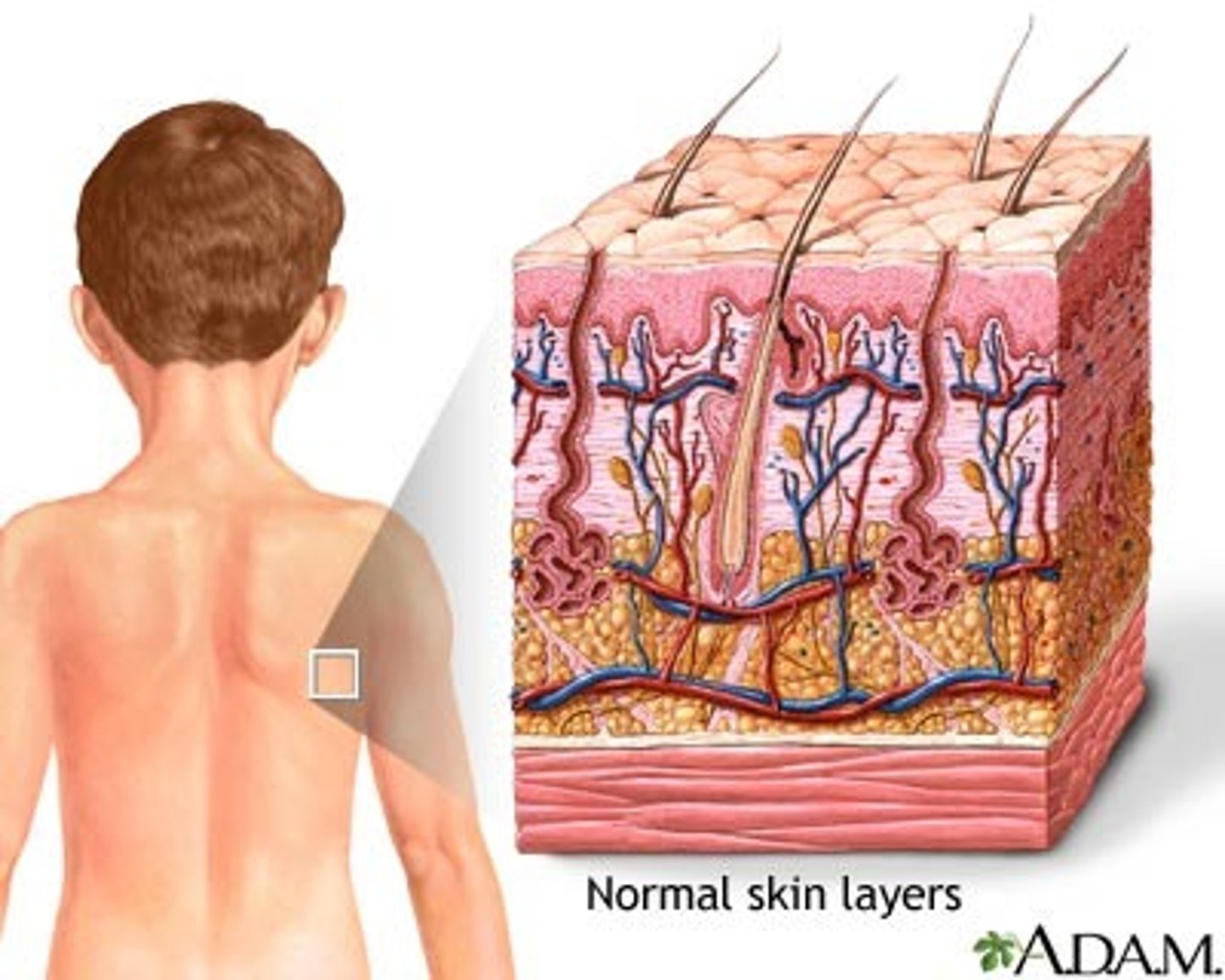
integumentary system
This is the first of the three lines of immune defense that includes the skin, digestive tract, respiratory tract, urogenital tract, and microbiome (mucosal epithelia)
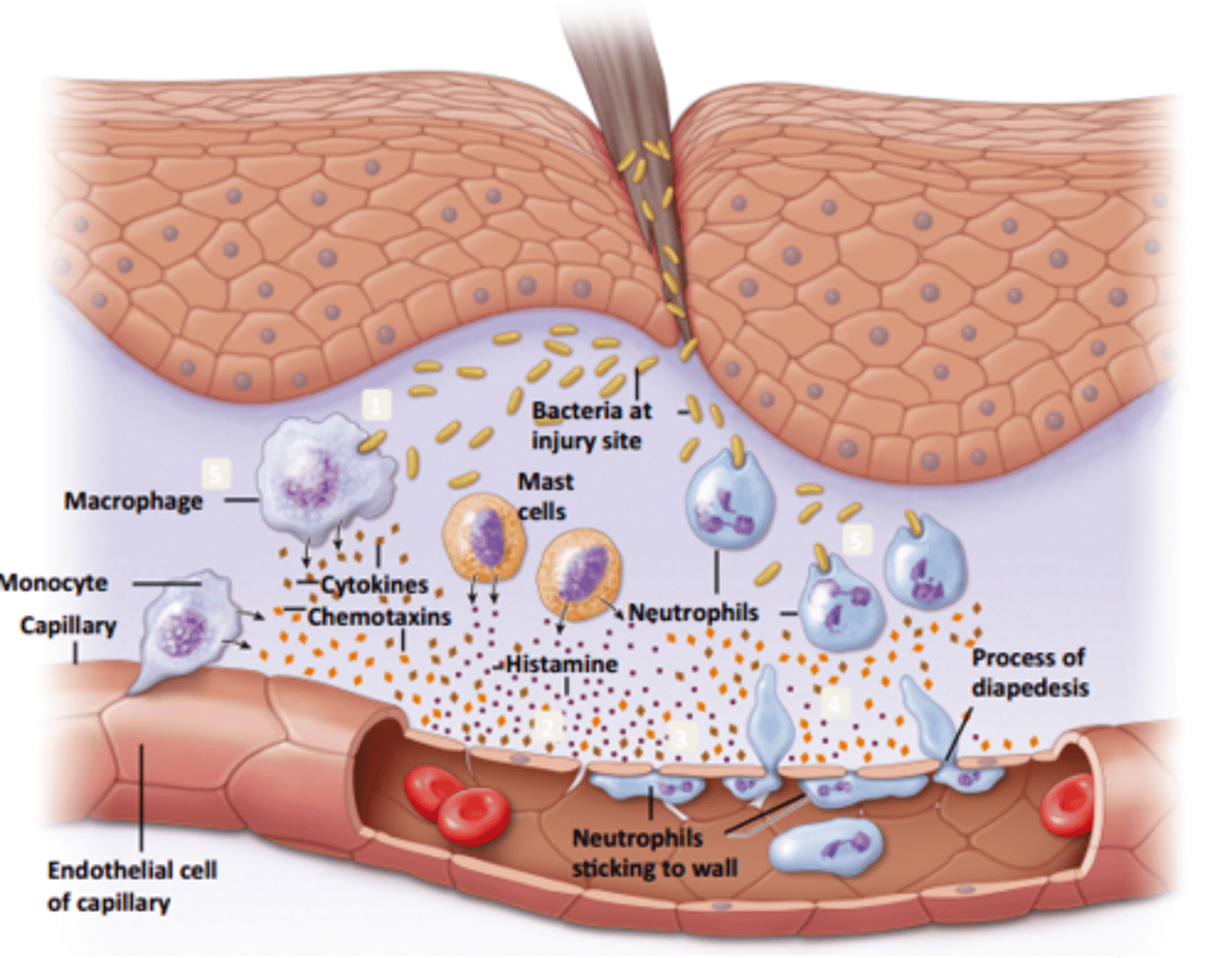
Non-Specific Immunity (Innate)
Immunity that is Rapid, cell-based, general elimination of pathogens and/or infected cells
Specific Immunity (Adaptive)
Immunity that involves b cells and t cells recognizing specific antigens (slower response)
interferons
Dendritic cells can release ____________ which launch an on virus (sometimes prescribed as an antiviral medication)
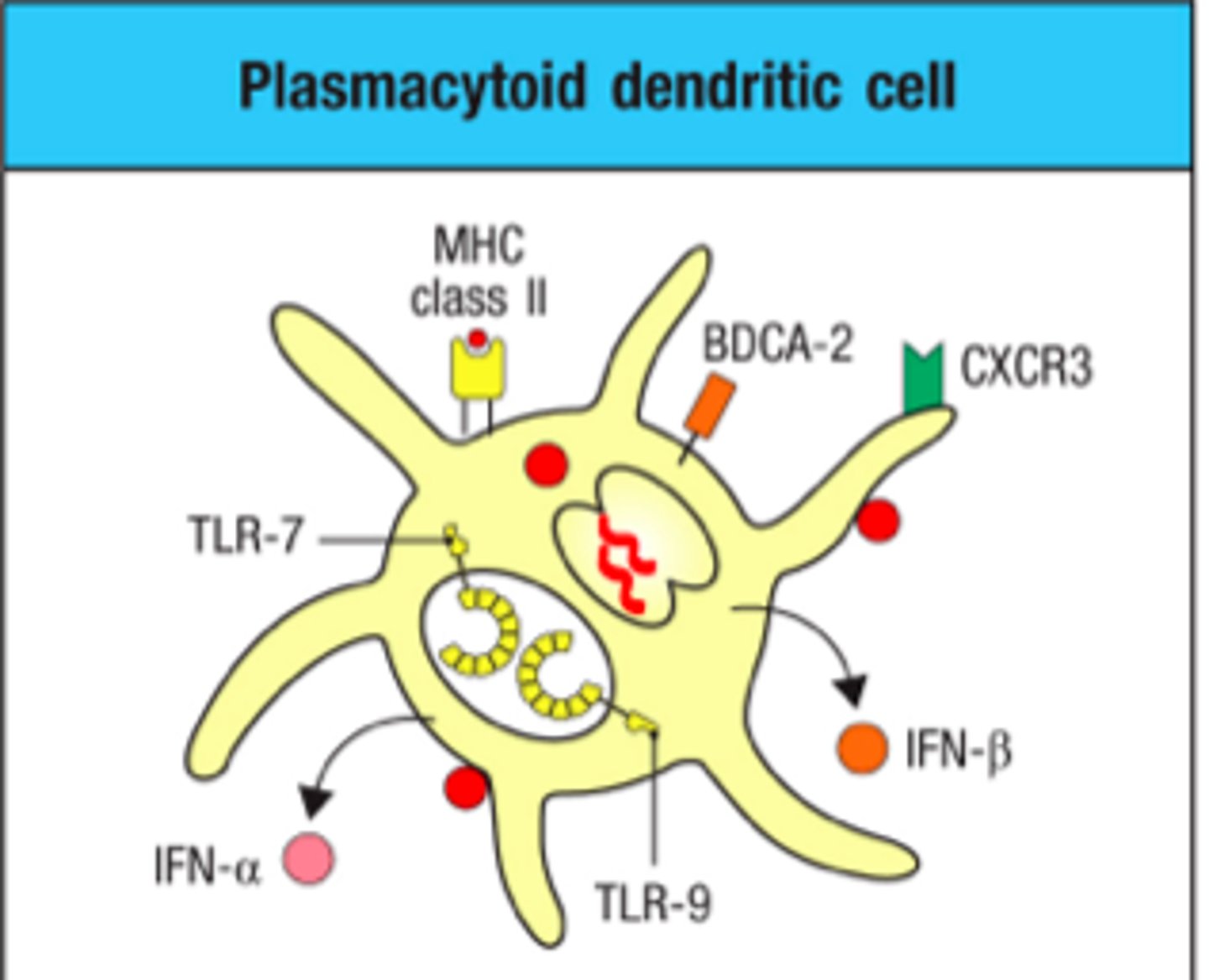
Toll-Like Receptor (TRR)
A specific Pattern Recognition Receptor (PRR) on dendritic cells that recognizes pathogens on non-human cells, such as peptidoglycan. (which eventually triggers the first line of response in the innate immune system such as the release of cytokines, interferons, etc.)
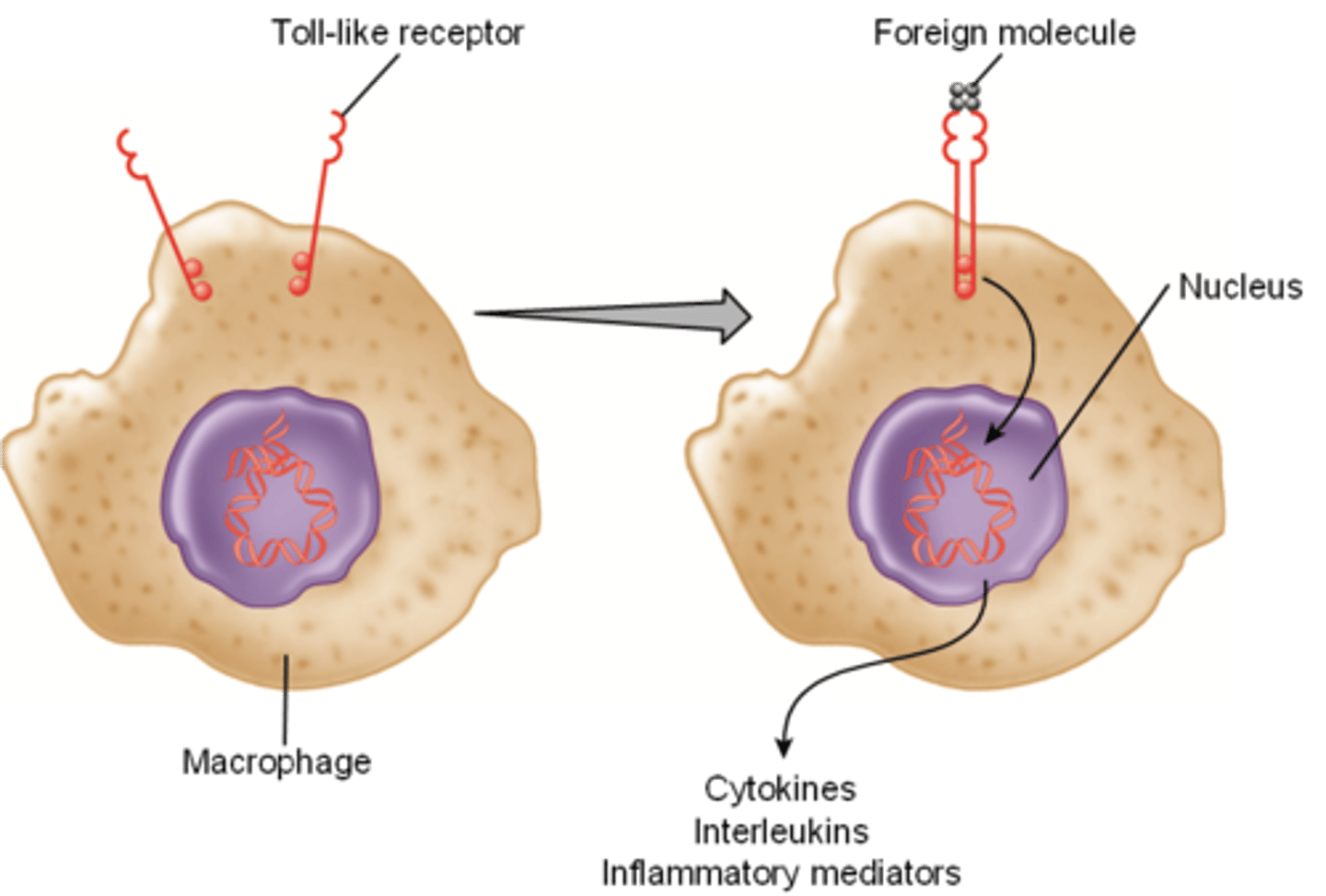
Cytokines
A general term for small proteins or glycoprotiens that can signal between molecules in the immune system
Chemokines
Small proteins or glycoproteins that signal for cells to move in a certain dircection
Pattern Recognition Receptors (PRRs)
Receptors found on the surface of phagocytic cells that recognize a chemical on the outside of a pathogen (PAMP - pathogen associated molecular pattern) which then binds the pathogen.
Antigen Presenting Cell (APC)
After a phagocytic cell has digested an antigen, it displays antigen fragments on its cell surface and is now referred to as... (This reports to other cells about the pathogen it is processing)
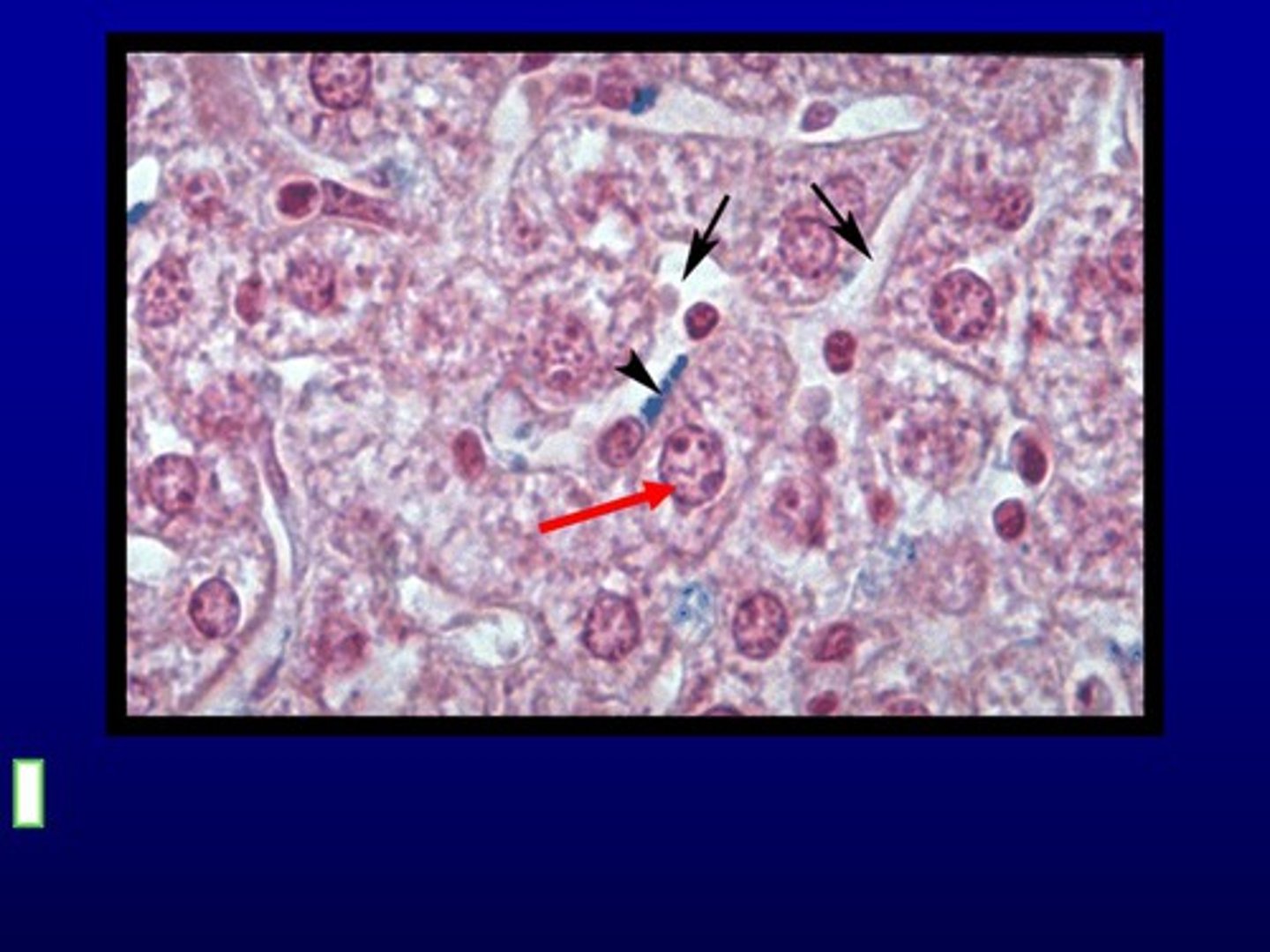
mast cells
These cells in the innate immune response system secrete chemokines to attrack other immune cells to the site of the wound
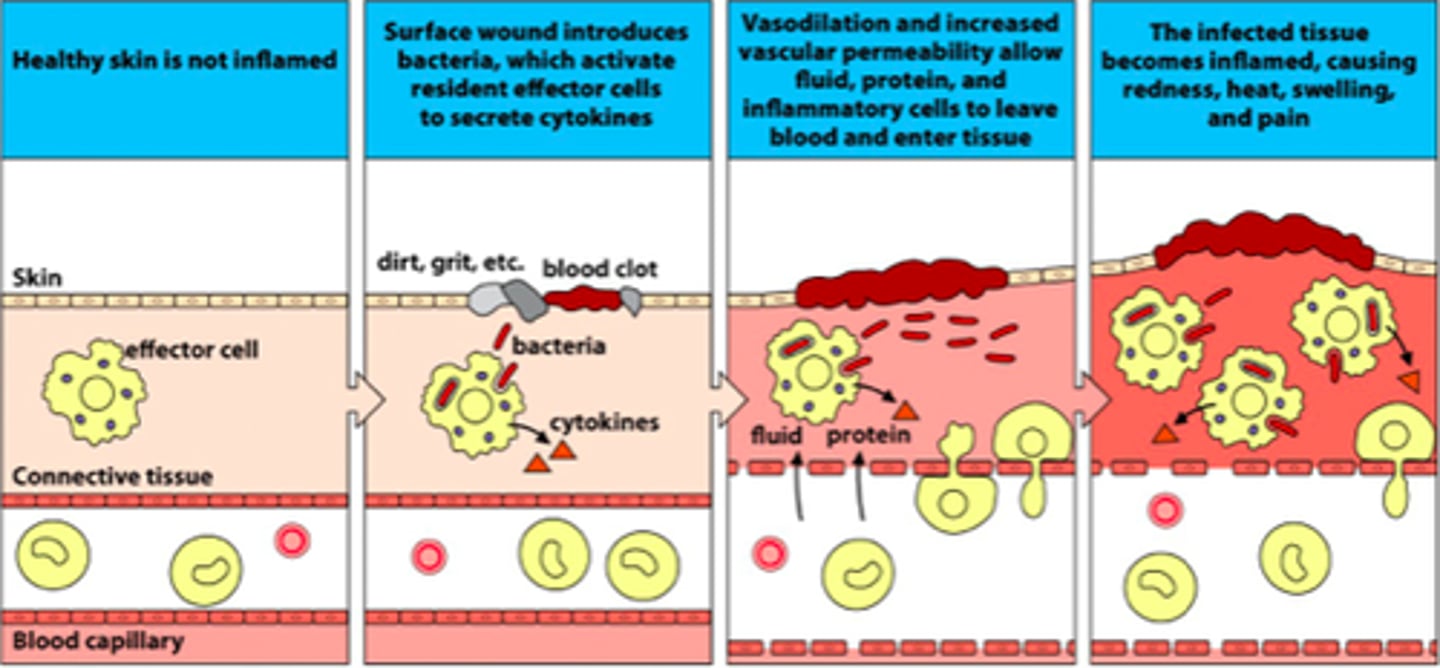
macrophage
In the innate immune response, this cell releases cytokines into the blood stream in addition to working as a phagocytic cell
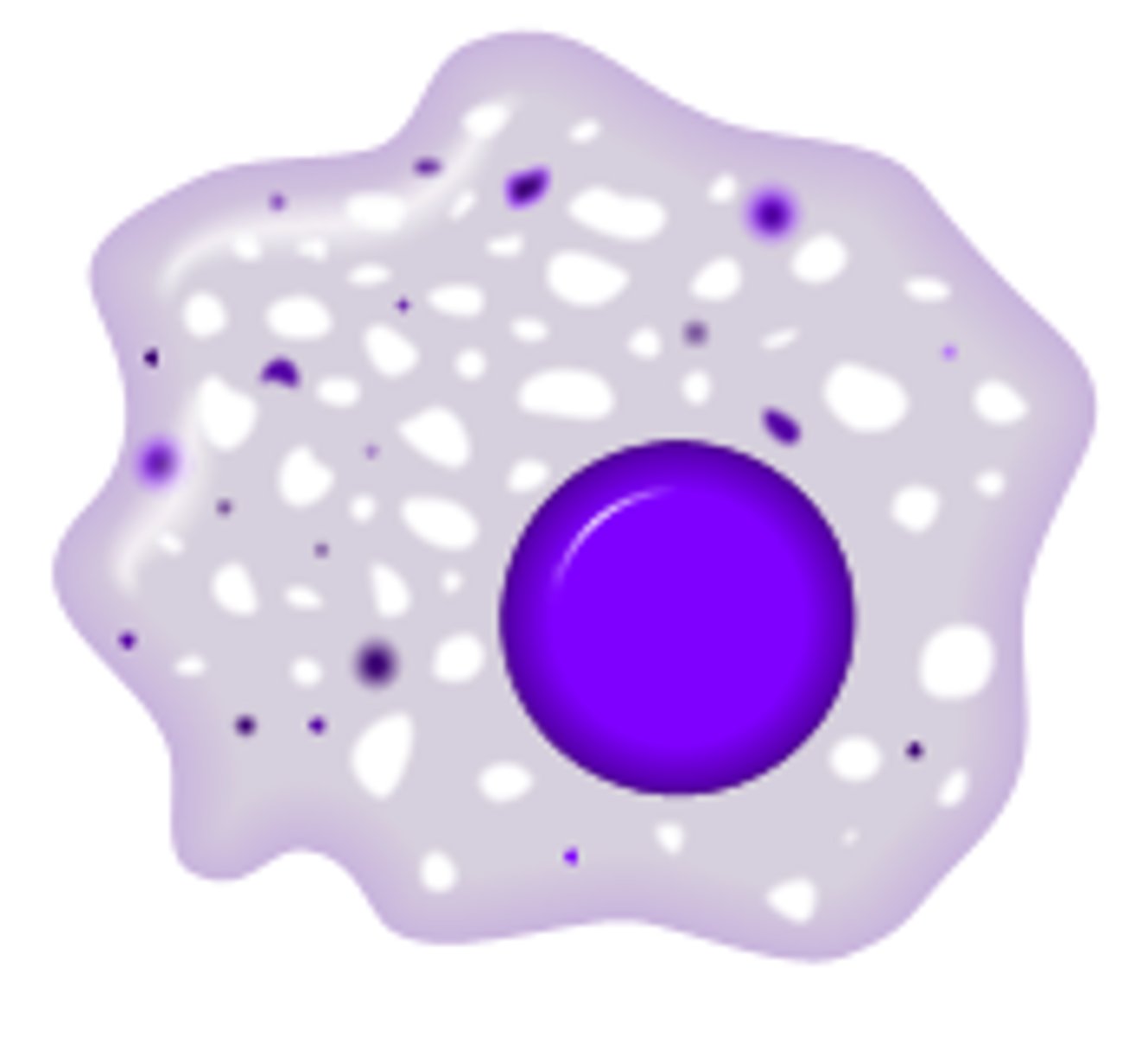
neutrophils
In the innate immune response system, these cells also are phagocytic (but we didn't talk about them much)
Increased blood flow
What causes increased redness and warmth at the site of a cut/infection?
Increased capillary permeability to proteins
What causes increased swelling at the site of a cut/infection?
Cytokines (related to inflammatory response)
Acute-phase proteins, histamine, interleukins, bradykinin, and complement proteins are all _____ related to the inflammatory response that attract other immune cells and uses response as a physical barrier to isolate the infection.
Humoral Immunity
Immunity directed by antibodies released from B cells (turned plasma cells) that recognize specific antigens
Cell-Mediated Immunity
Immunity directed by t-cells binding antigens already bound on the surface of "APCs" (Remember, t-cells attack invaders inside of cells)
Immunoglobulins (gamma globulins)
Another term for antibodies
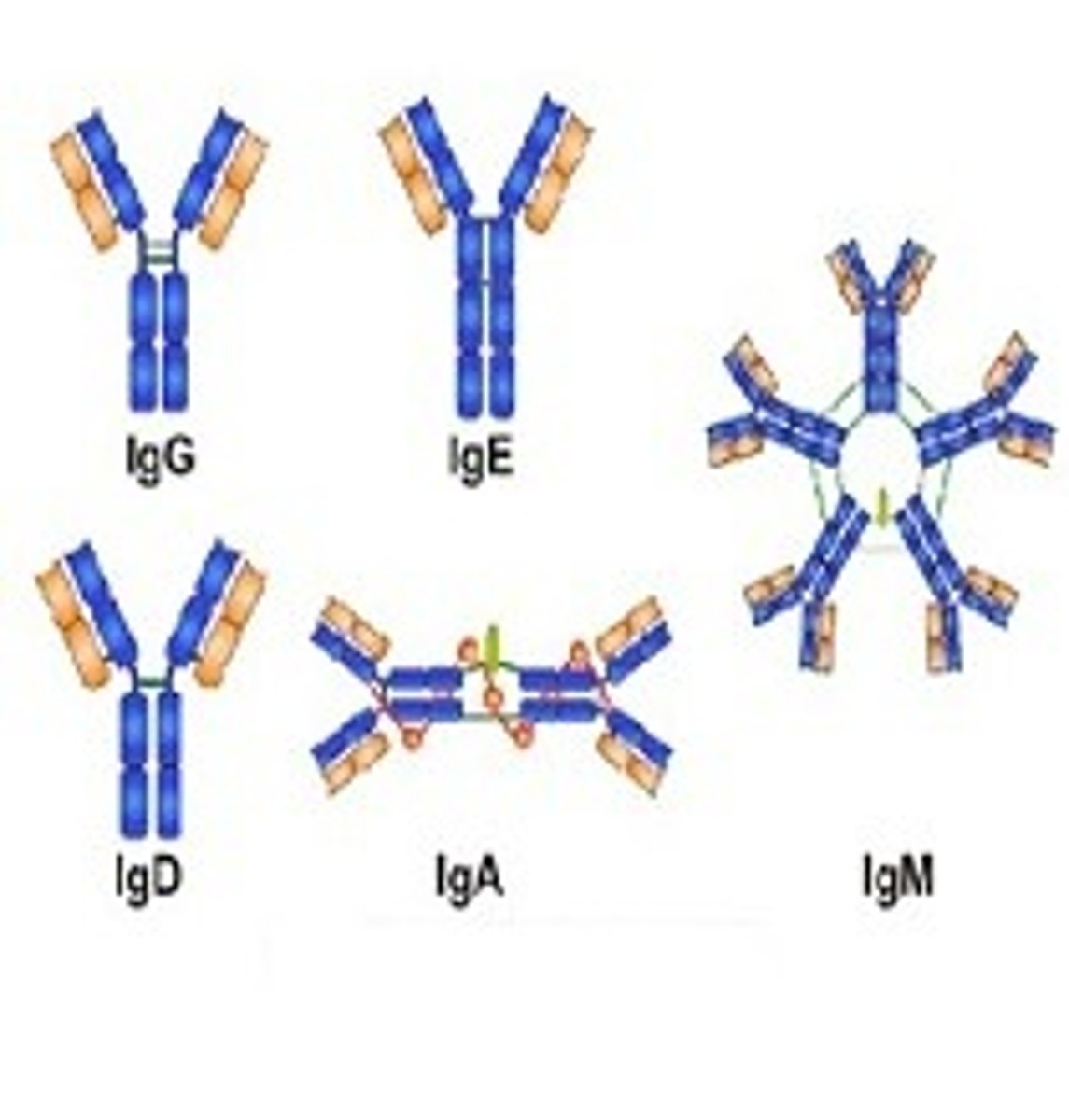
IgG
Primary type of antibody we focused on in class.
IgA
Antibodies in external secretions including breast milk.
Fab (variable) region
'fragment antigen binding' Part of the antibody that recognizes the antigen
Fc
fragment constant region of the antibody that is recognized by macrophages for phagocytosis
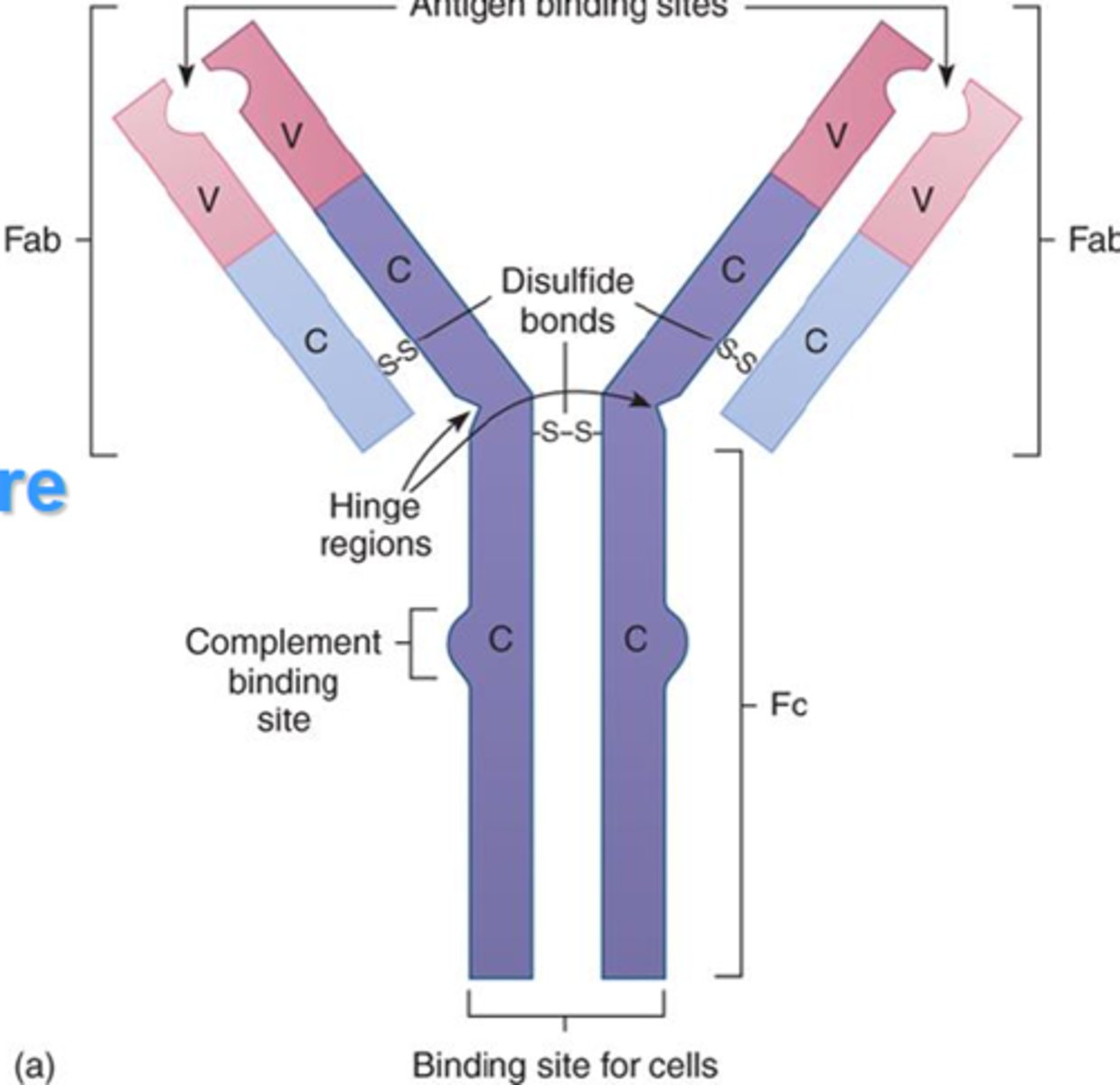
Disulfide Bonds
How are heavy and light chains of the antibody bound together?
Cause clumping of antigen
What do antibodies do? Other than tagging antibodies for phagocytosis, this is another way that antibodies can prevent the action of the antigen in the body
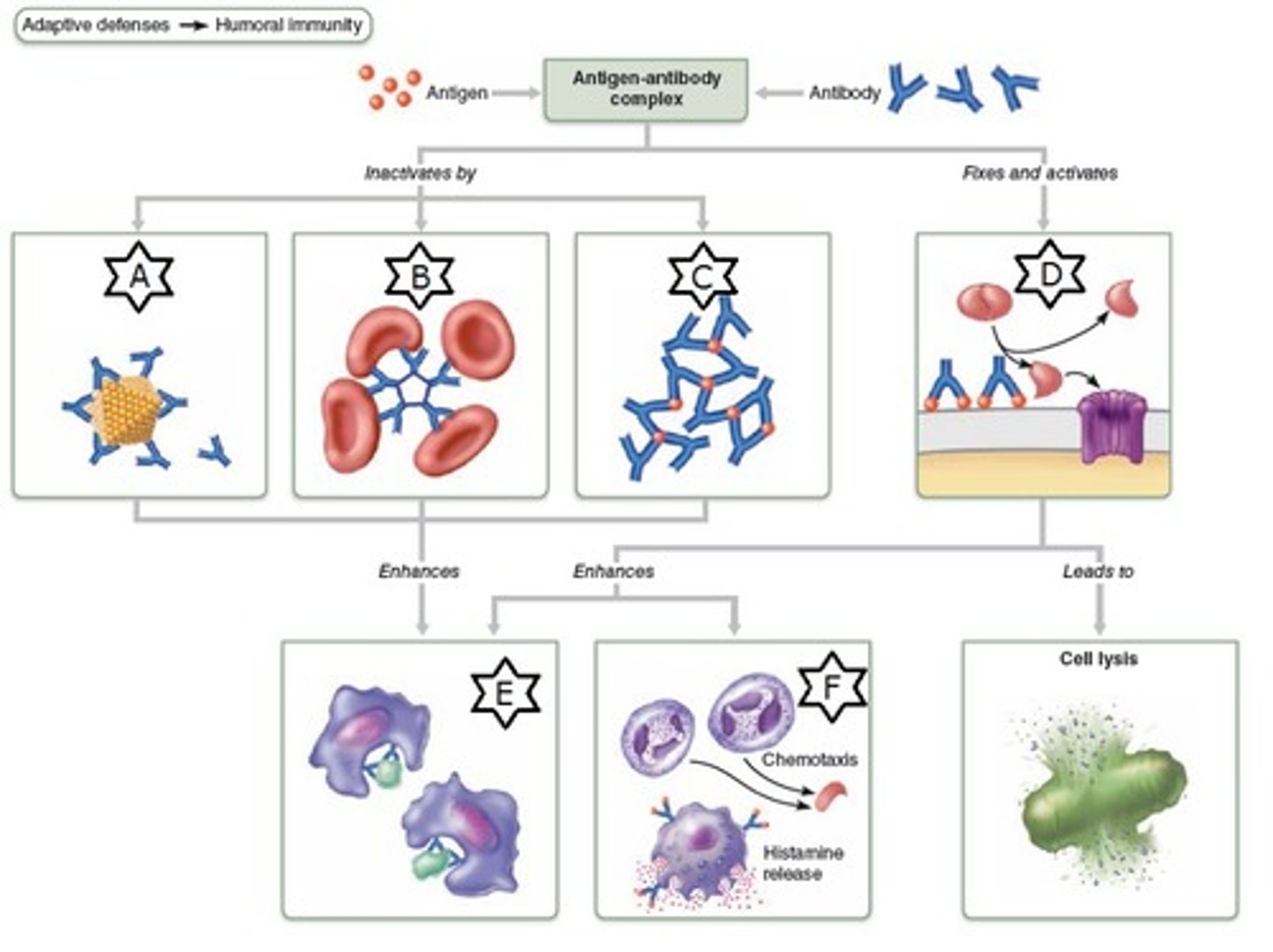
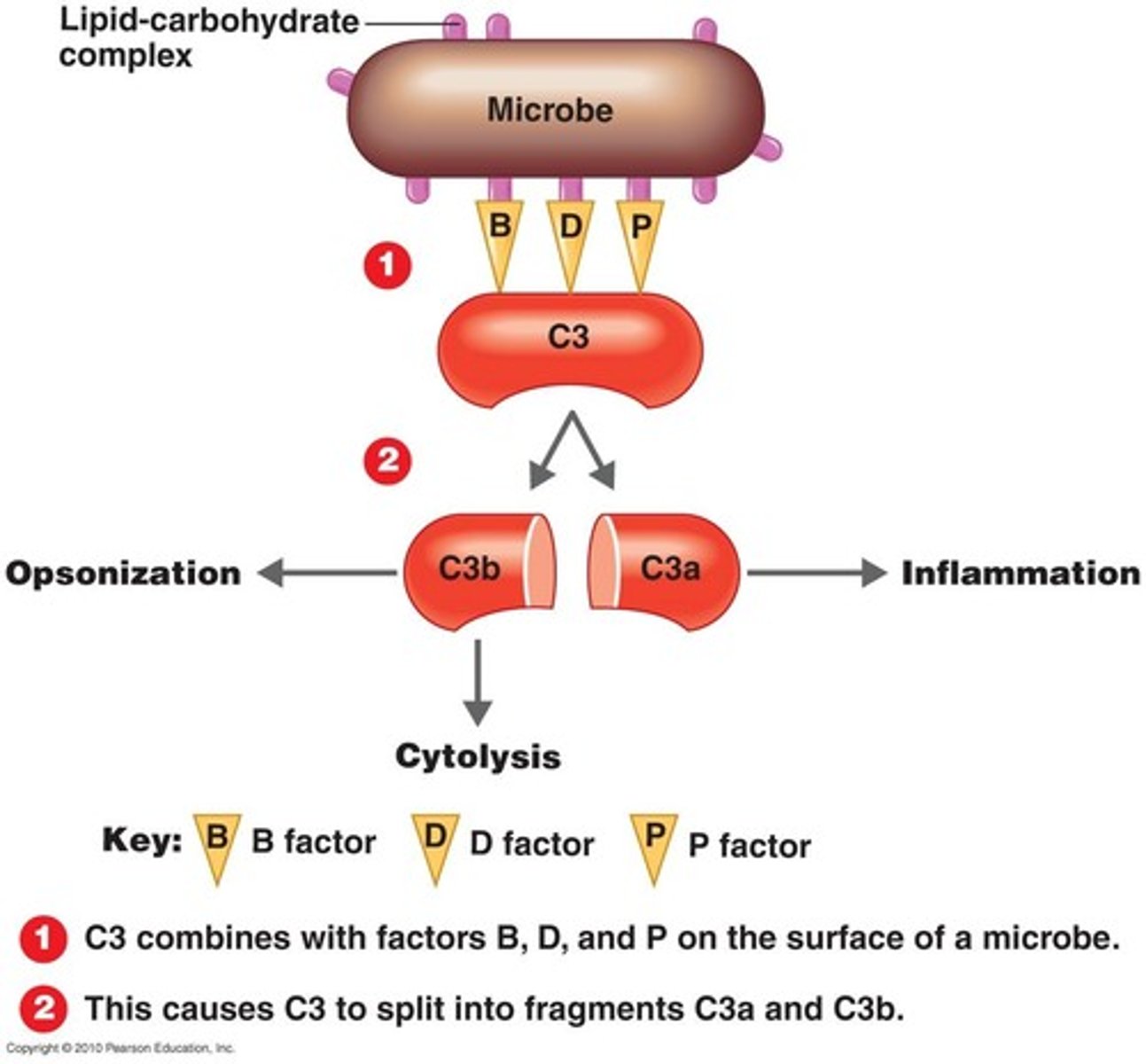
Activate Complement
This is an action of antibodies that creates holes in the surface of an antigen that would lead for the cell to lyse
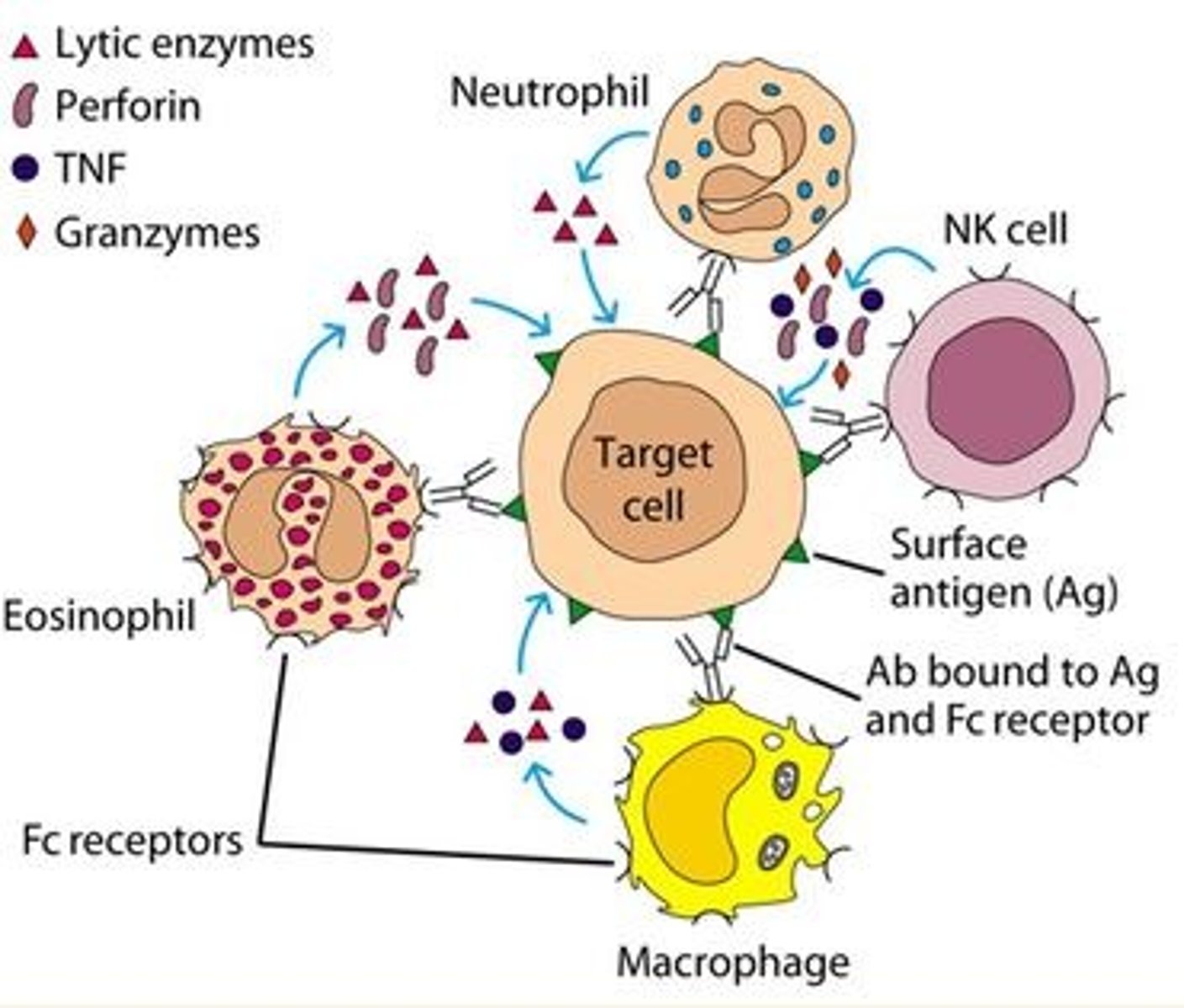
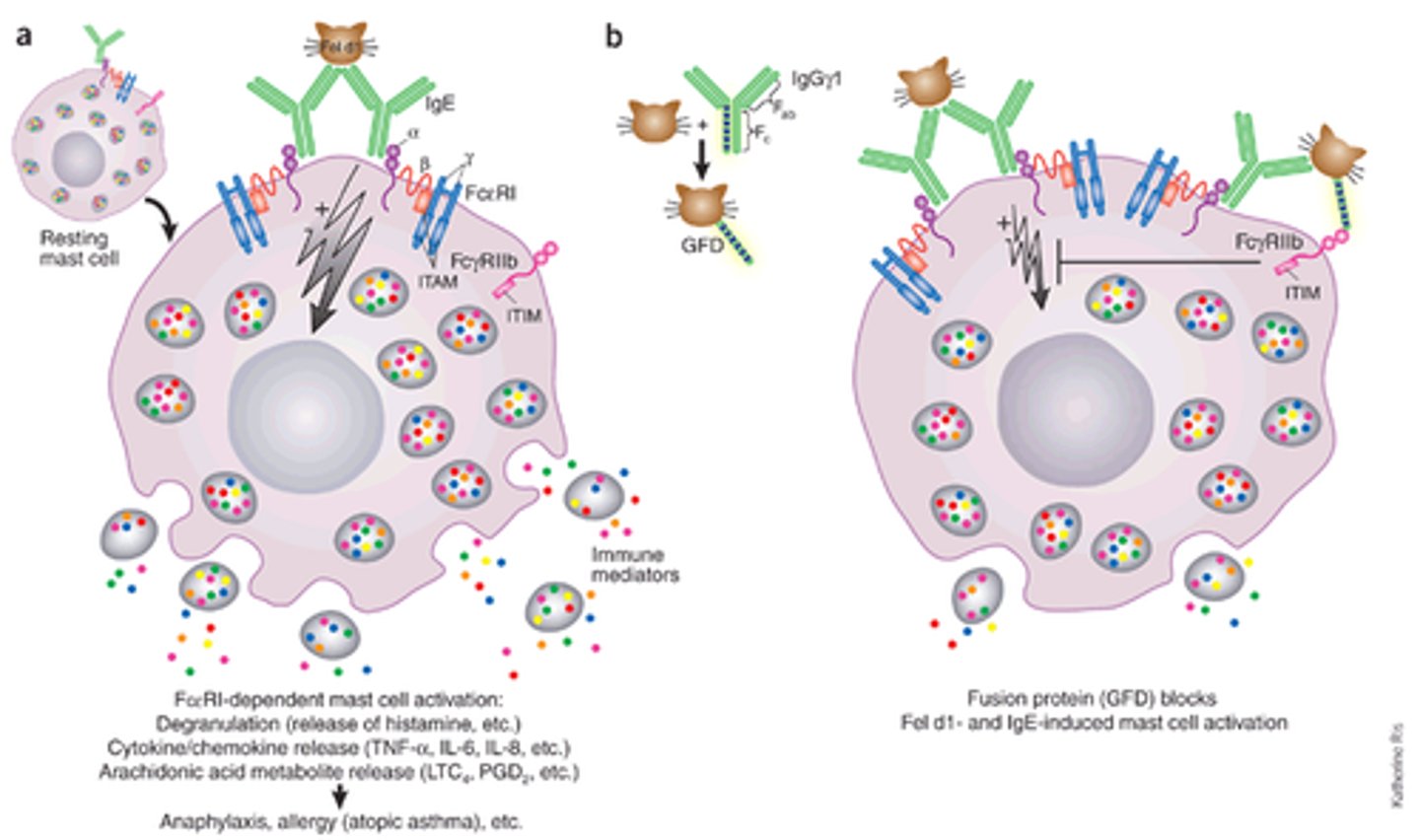
Degranulation
Antibody-dependent cell-mediated cytotoxicity
Activate B Lymphocytes
Important action of antibodies that leads to the creation of plasma cells and memory cells in order to secrete more antibodies
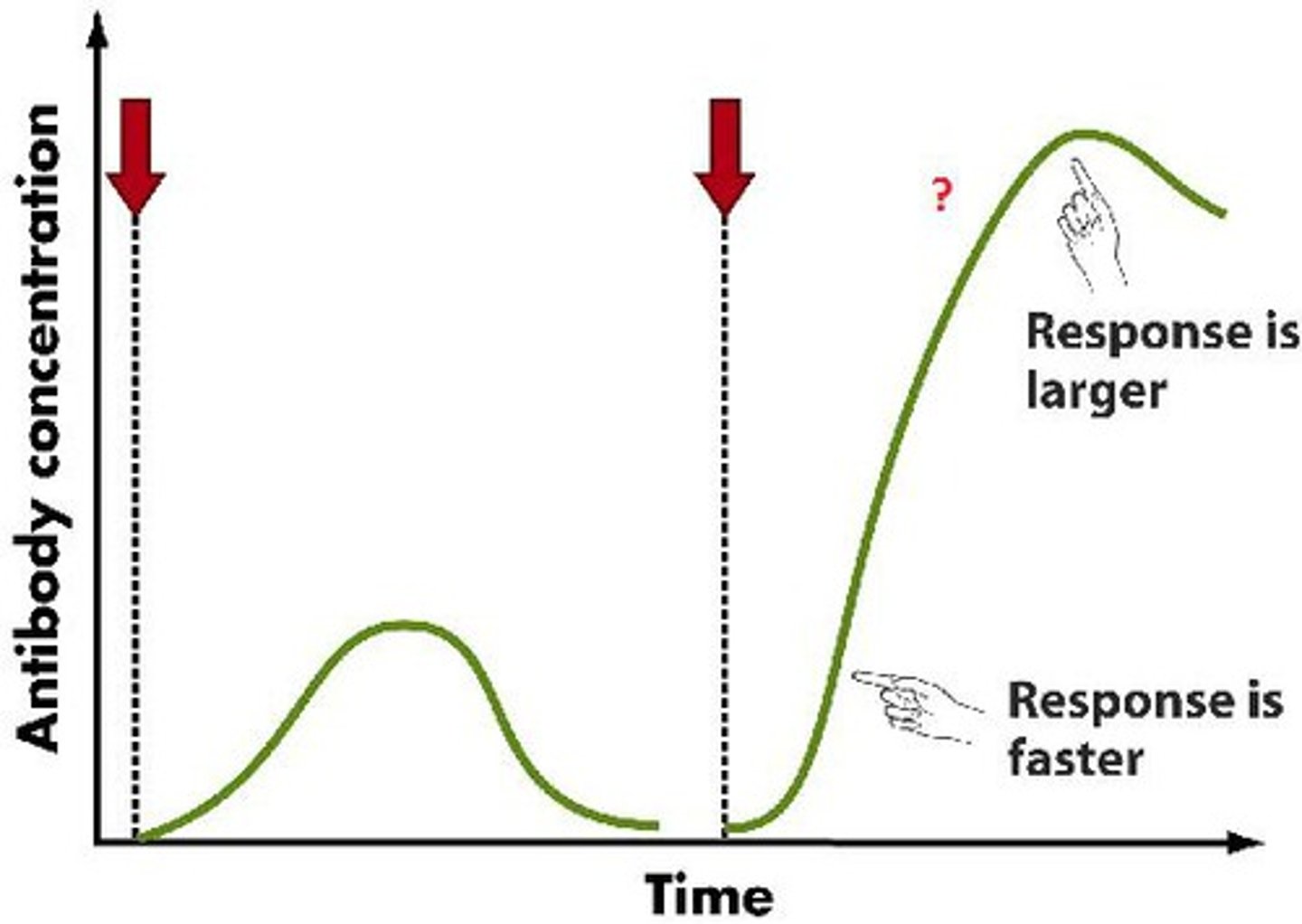
Primary Immune Response
This is the response of a person in their first exposure to an antigen... antibody concentration peaks about 2 weeks after their exposure
Secondary Immune Response
Much faster and robust immune response to an antigen due to the clonal expansion that happened in the primary immune response (either due to prior infection or due to vaccines)** it is unknown how long this lasts
Endoplasmic Reticulum
Plasma cells have a lot of __________ because they will be making a lot of antibodies and therefore need the area for ribosomes to make and secrete proteins
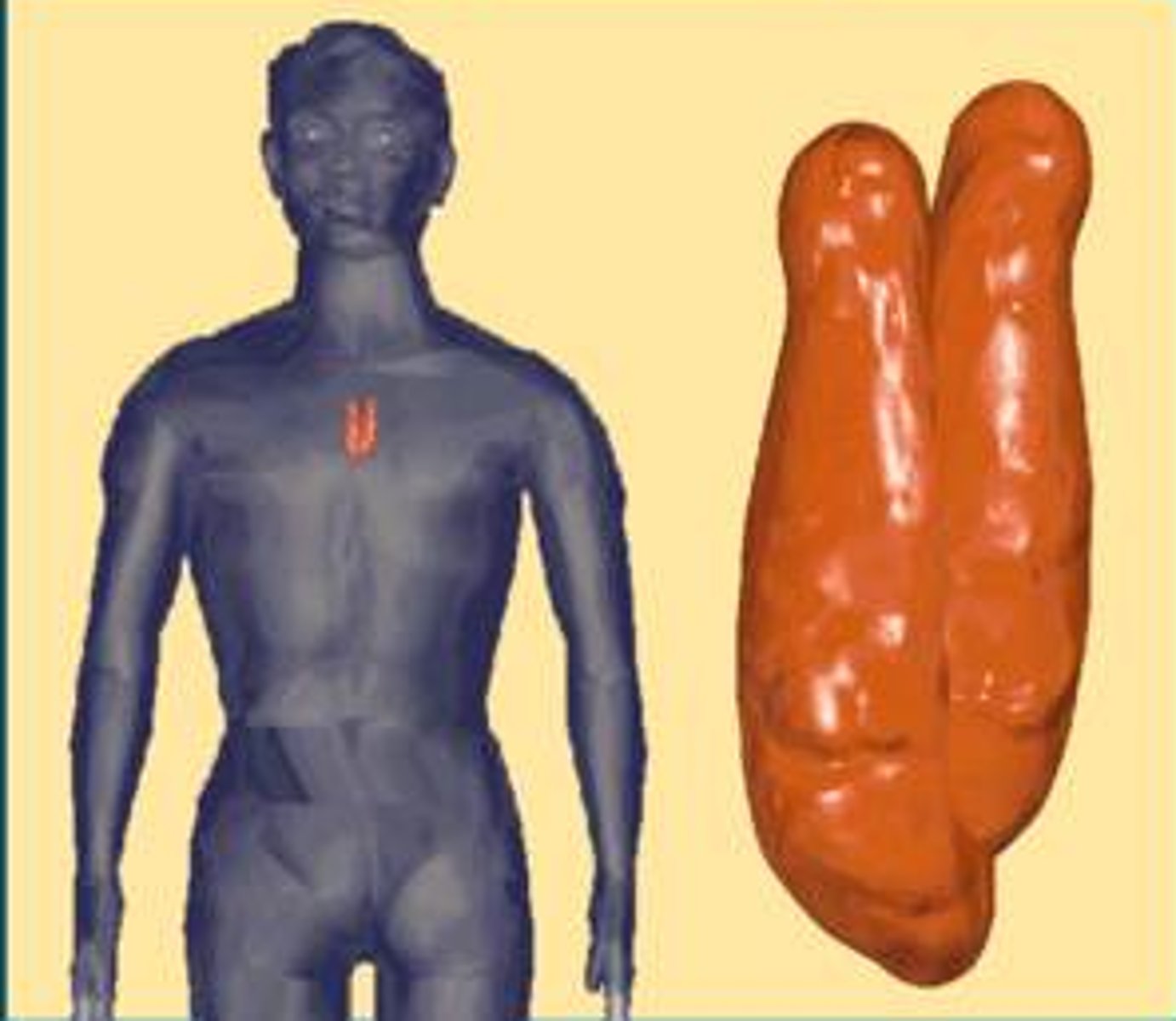
Thymus
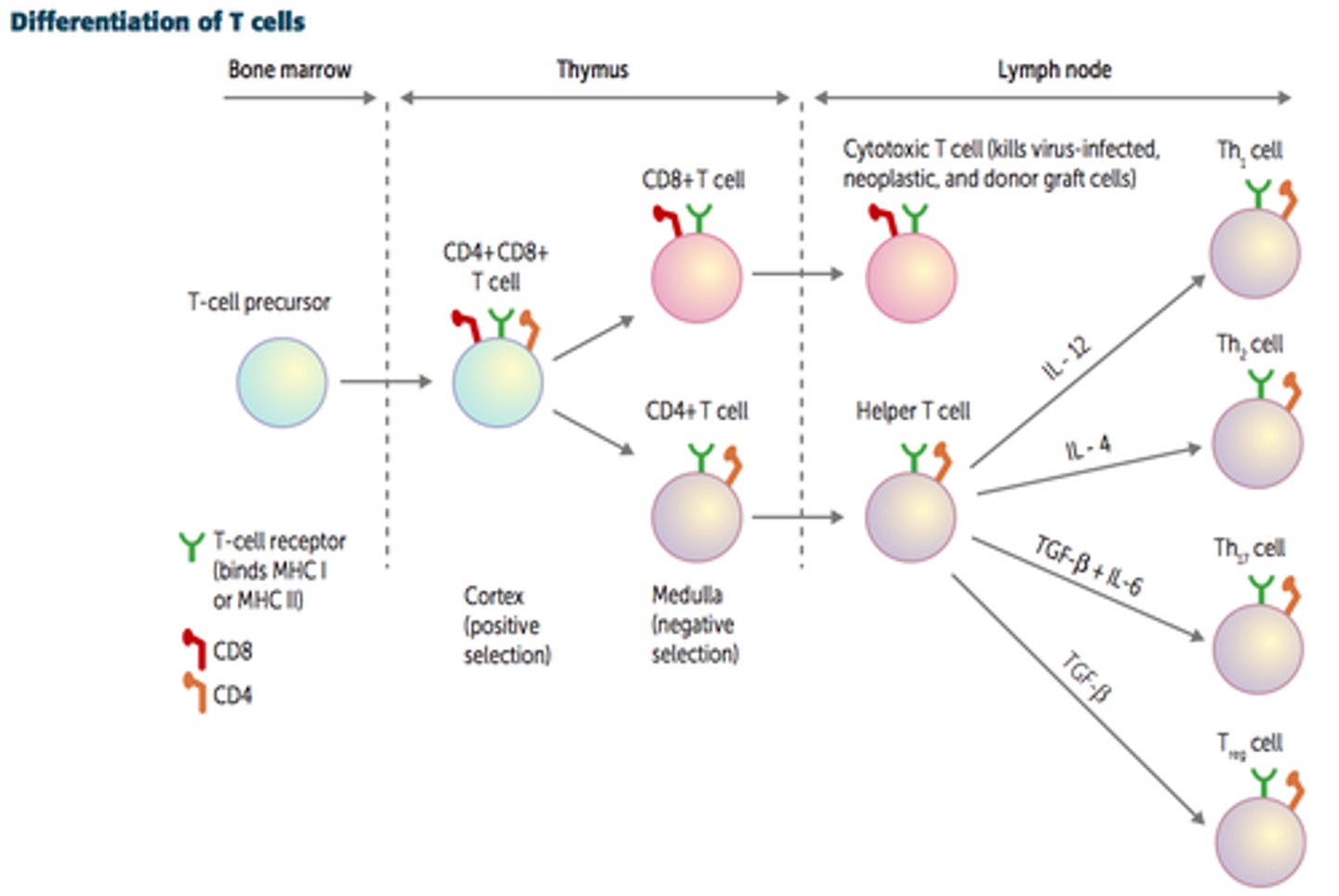
Immature lymphoid stem cells move from the bone marrow to the _________________ where they mature into either cytotoxic T-cells or Helper t-cells. They also check for 'self' and 'non-self' reactivity here.
T-Cell Receptors
Receptors found on both Tc and Th that allow the T-cells to bind to target cells
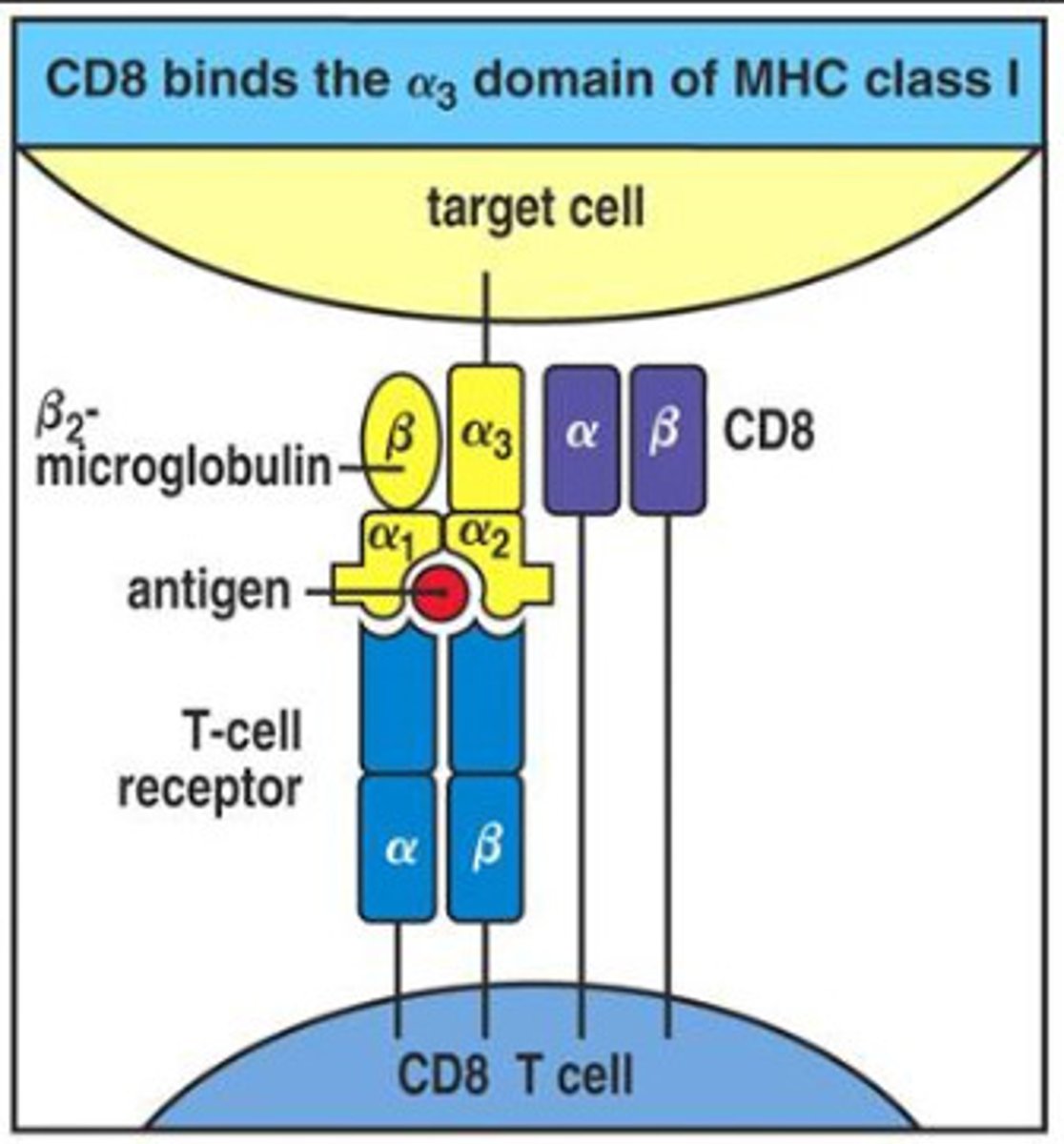
CD8
protein found on the surface of cytotoxic t-cells that helps binding
CD4
protein found on the surface of HELPER t-cells that helps binding
Tc
These t-cells have CD8 protein on their cells surface and eliminate infected tumor cells by binding with MHC class I on foreign cells or on APCs (for example, a viral protein complexed with MHC protein).
MHC class I
Found on every nucleated cell of the body (not RBC or sperm) --> Tc uses this to recognize foreign cells (This is the reason why organ donations may be rejected)
MHC Class II
protein presented on APCs (macrophages, activated B cells, activated t-cells, and thymus cells). Th binds with these proteins and directs the immune response in response to these antigen presenting cells.
Th
Have CD4 protein on its surface, binds MHC class II protein, and directs the immune response
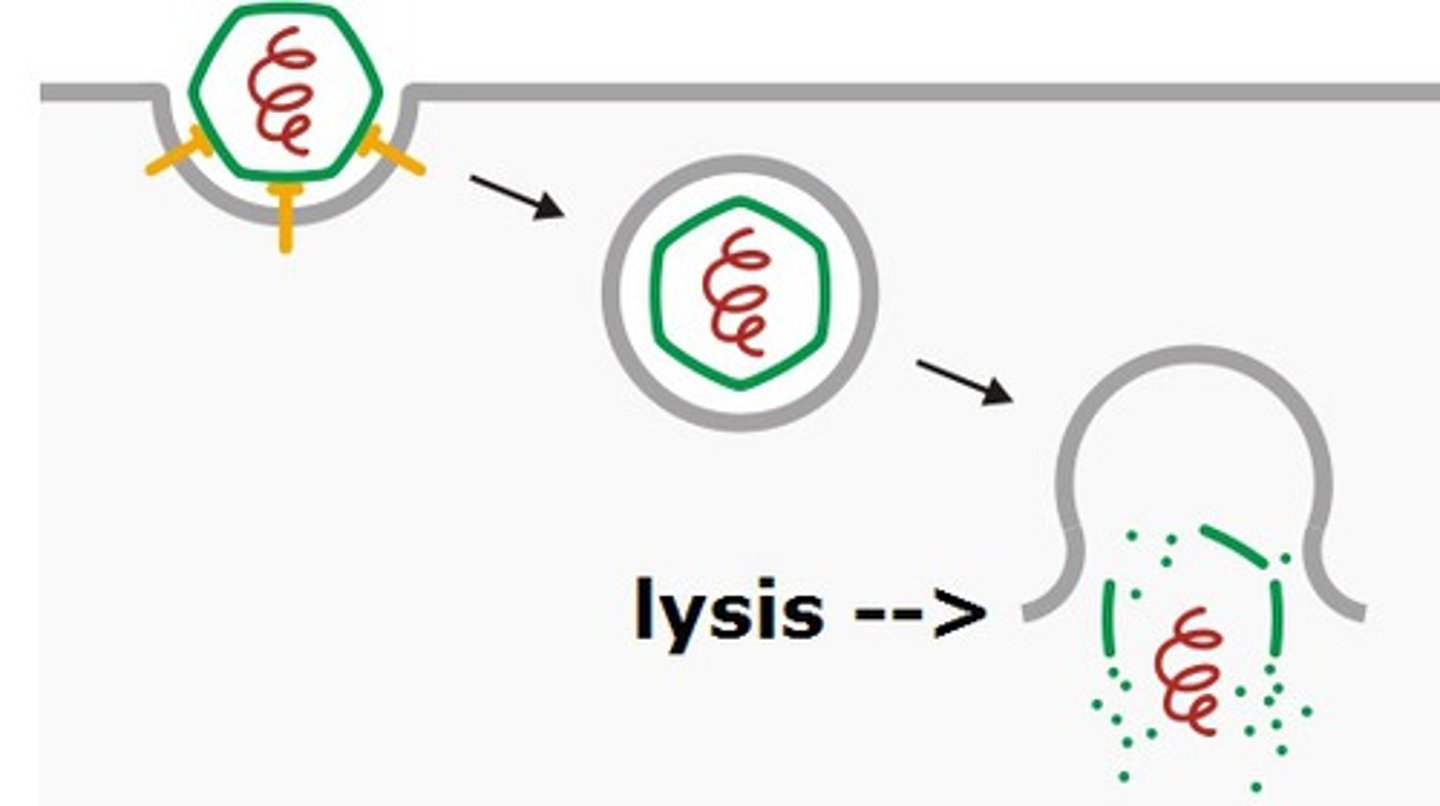
Perforin
When Tc cells bind to the MHC I of foreign cells, it secretes ____________ which leads to the apoptotic cellular response of 'blebbing'
HLA
This is the gene that codes for the MHC I protein (Major histocompatibility complex) *** note, certain alleles may have a higher frequency of an autoimmune disease
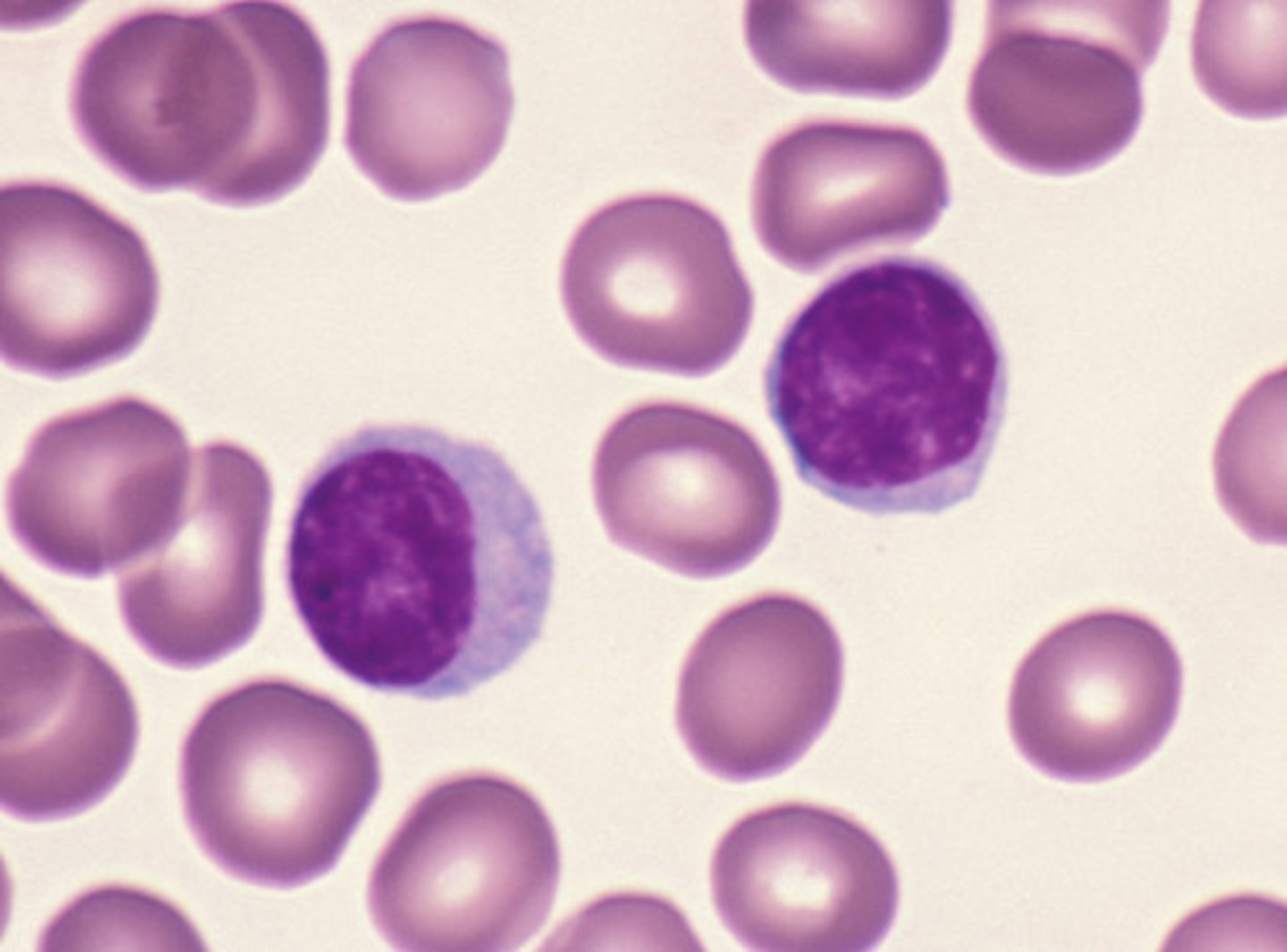
NK (natural killer)
Cells that can work like t cells (not as specific, run the fine line between the innate and adaptive immune system)
B cells and cytotoxic t-cells
The helper t-cell communicates between ________ and ________ by releasing cytokines and facilitating the full immune response
Immunodeficiency Diseases
SCID, Hodgkin's disease (cancer of lymphatic system), and AIDS are all examples of....
Viral RNA
In the early stages of HIV, a _________ test would be effective in detecting an infection because it is high at the initial stages of the disease (in contrast to a test for antibodies which are still low)
HIV antibody tests
Common test to detect for HIV - more effective later in the disease state
Th (CD4 lympocytes)
The progression of HIV to AIDS is dependent on the count of ___________
CD4 and CCR5
What is the viral receptor and the coreceptor for HIV?
GP120
What is the protein on the surface of HIV which binds to CD4 (and CCR5) to infect the helper t cells
Acute, Chronic, AIDS
What are the three stages of the HIV infection (where heterogeneity of the virus increases over time) (in the early stages, we may see opportunistic infections, in the later stages people often get karposi's sarcoma)
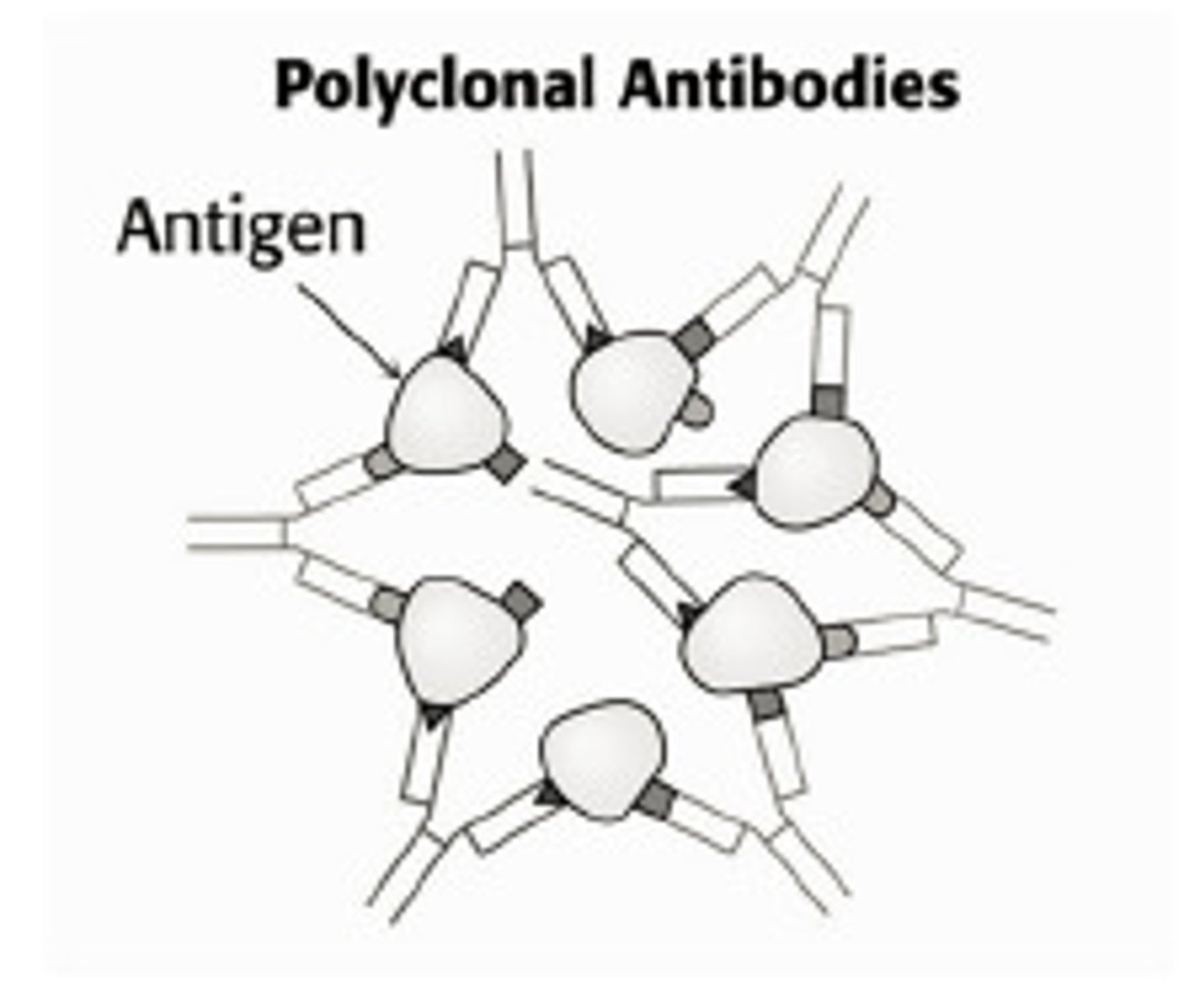
Polyclonal
The normal antibody response in the body meaning that several different B cells recognize different antigenic sites and undergo expansion
Light and Heavy Chain
The variable region of an IgG Antibody is made of both ___________ structures are large 'loops' (random coils) that can interact with the antigen via Ionic bonding and IMFs
V (50) D (27) J (6)
Three different regions of DNA that contributes to the diversity of the variable region on antibody assembly (over a trillion combos possible)
spleen
To make specific antibodies, first you inject a mouse (or another animal) with the antigen, isolate antibody forming cells from the ________, grow them in culture, and then isolate the antibodies
Antibody Titer Test
What test would we use to determine if someone has been exposed to a specific antigen?
Western Blot
This assay uses antibodies to detect the presence and expression levels of a specific protein
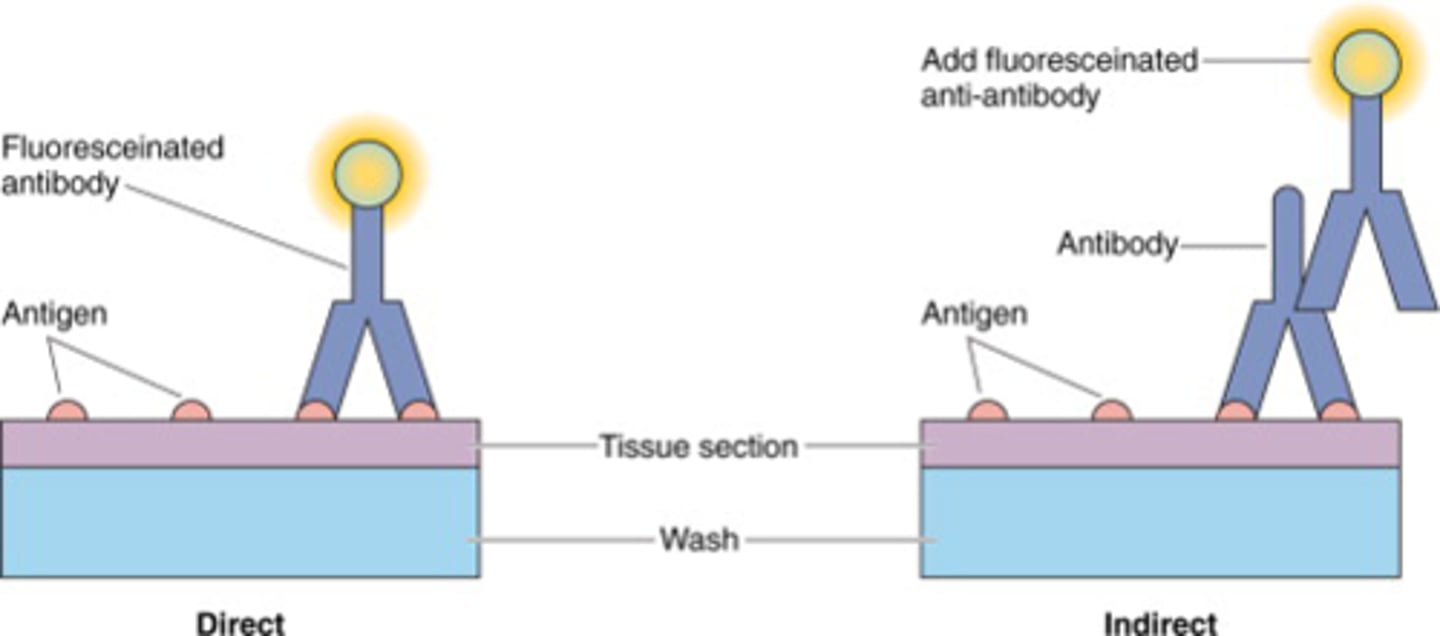
Conjugated Secondary Antibody
Antibody that carries a 'reporter conjugate' such as a fluorescent or radioactive tag that recognizes the Fc region of a primary antibody. (modular system)
Immunoprecipitation
Process of 'Fishing out' a protein using antibodies. 1) Lysate a cell 2) Incubate with Antibodies 3) Centrifuge to isolate antibody complex 4) add salt to disrupt ionic interactions and isolate protein of interest
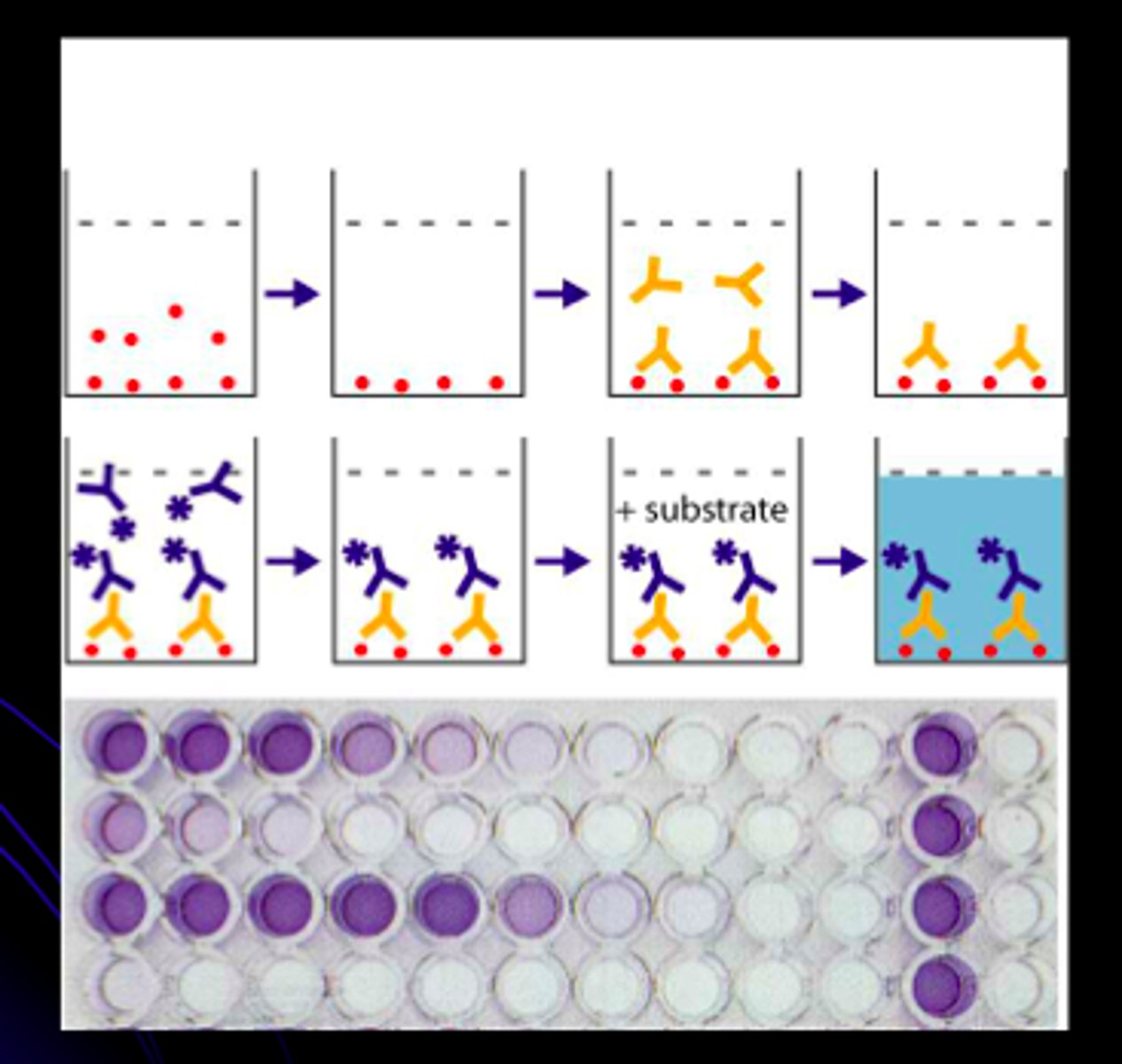
Elisa Assay
For this assay, the plate comes with the capture antibody attached (like the second plate of a pregnancy test). Then the plasm or another fluid is added and the target binds to the plate. A second conjugated antibody that recognized the target is then added and color is measured.
'mab'
short for 'monoclonal antibody treatment' - lets you know that a drug is antibody based
HRIG (human rabies immune globulin)
antibodies taken from people who survived rabies - used as a treatment for people with new infection
Rituximab, cetuximab
Drugs that target proteins associated with specific types of cancer
angiogenesis
Bevacizumab (avastin) binds to VEG-F to prevent __________
C. Difficile
Bezlotoxumab binds to a toxin secreated by cells associated with ____________ that treats the symptoms of the infection
Radio-labeled Antibody
Zevalin (ibritumomad) is a ______________ that binds to a CD20 receptor found on normal and malignant b-cells that releases gamma and beta rays. It is used as a targeted drug to treat Hodgkin's lympoma
HcG
Hormone detected on a pregnancy test