Geography - biomes
 Call Kai
 Learn
Learn Practice Test
 Spaced Repetition
 Match
Match Flashcards
 Knowt Play
1/24

There's no tags or description
Looks like no tags are added yet.
Name | Mastery | Learn | Test | Matching | Spaced | Call with Kai |
|---|
No analytics yet
Send a link to your students to track their progress
25 Terms
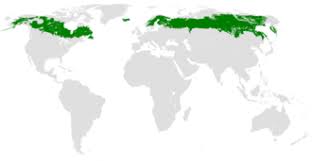
Taiga/Boreal forest
Largest land biome in the world known for the long, cold winters well under 0° and short, mild summers. A very dense forest made of mostly snow, pine and spruce trees, and thin soils.
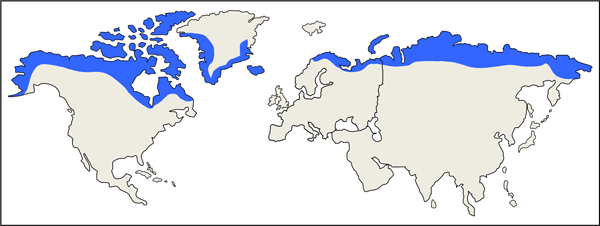
Tundra
The second coldest and driest biome on Earth characterized by treeless plains, permanently frozen ground, and a short growing season due to poorly developed soils. (Northern Russia)
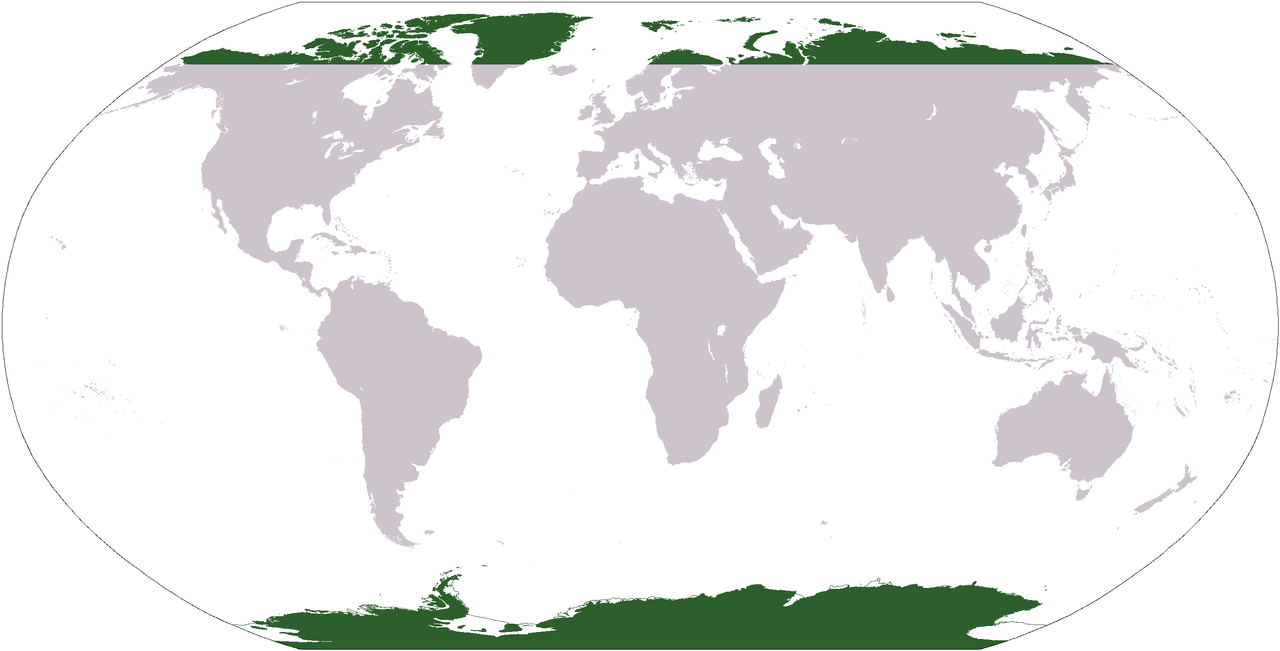
Polar lands
The coldest biome covering Earths Northern Arctic and Southern Antarctic regions. Characterized by freezing temperatures, intense winds, permafrost and minimal very minimal flora with only small shrubs and flowering plants. (Antarctica)
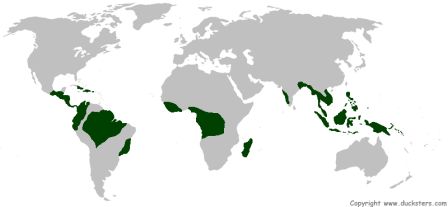
Tropical rainforest
Very hot and highly humid biome located near the equator. It is defined by year-round warm temperatures ranging from 18-30, tremendous annual rainfall 200-400ml, nutrient-poor soil. Flora includes Brazilian nut trees, cocoa trees and walking palm trees whilst fauna includes native species live sloths and monkeys in South America, chimpanzee’s and gorillas in Africa as well as possums and kangaroos in Australia. (Amazon)
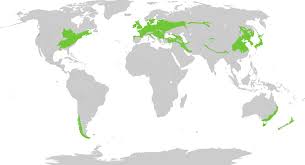
Temperate Forests
Found mostly in mid-latitude regions between the tropics and the polar circles characterized by four distinct seasons and moderate rainfall with fertile soils, ferns, mosses as well as oak and maple trees. (North America)
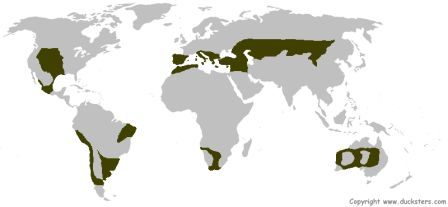
Grassland
Found mostly in the interior of continents with cold winters and hot summers with periodic droughts. Key features include an open landscape fertile soils with lots of grass. Flora includes deep roots and well as small shrubs and wildflowers. Fauna includes small and big mammals like tigers, lions and lots of birds. (Great Plains in North America)
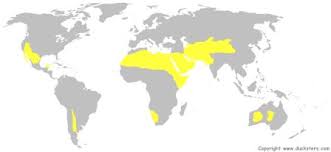
Desert
Found North and South of the Equator and too the Western side of continents. Key features include sparse vegetation, rocky soil and slow decomposition. Flora includes cacti and thorny shrubs with thick stems and deep roots. Flora includes reptiles, insects and mammals like snakes and lizards. (Sahara)
Mountain Vegetation
Found in high mountain regions, with high elevation (Himalayas). Key features includes altitudinal zonation meaning as elevation increases, temperatures drop and weather becomes harsher. Flora includes snow gum, alpine moss. (Australian Alps)
Freshwater
Lakes, ponds, streams, waterfalls and wetlands that cover 1% of the Earths surface. Flora includes algae, waterlilies and rooted vegetation whilst Fauna includes amphibians, fish , reptiles and insects.
Saltwater
The largest biome that covers 70% of Earths surface made up of the ocean, coral reefs and mangroves. Flora includes seaweed, plankton and algae whilst Fauna includes invertebrates, water mammals and fish. (Pacific Ocean)
Tropical Reef
The most diverse marine biome with warm waters that cover less than 1% of the oceans floor. Flora includes marine plants, algae and plankton whilst Fauna includes coral, vertebrates such as turtles, and invertebrates such as sea stars. (Great Barrier Reef)
Biomes in Aus
Mountain Vegetation
Grassland
Desert
Temperate Forest
Tropical Rainforest
Oceans
Pacific
Atlantic
Indian
Southern (Atlantic)
Arctic
Terrestrial biome
Biome on land
Aquatic Biome
Water Biome
Weather
Short-term, day-to-day changes in the atmosphere.
Climate
Long-term, predictable average of weather conditions in a specific region, typically measured over 30 years or more.
Best biomes for growing food
Grassland and Tropical rainforest due to soil composition, climate and ecosystem dynamics.
Food Security
The consistent and reliable access to enough safe, nutritious food for everyone to live a healthy life.
4 components of food security
Accessibility to food
Availability to food
Knowledge on how to use food
Stability
Regions at risk of Food Insecurity
Central America (Droughts, natural disasters, economic instability)
Central Asia (Poverty, population density)
Middle East (Conflict, water scarcity, limited farmland)
Sub-Saharan Africa (Droughts, poverty, rapid population growth)
Key Challenges to Food Security
Climate change
Competition for land
Land degradation
Population Growth
Water scarcity
Environmental affects of Food Production
Biodiversity loss
Deforestation
Greenhouse gasses
Land degradation
Water Scarcity
Human affect on Food Production
Climate Change
Healthy Lifestyle choices
Pollution
Economic affect on Food Production
Job Creation
Trade