The return to stability (but also stagnation) under Brezhnev 1964-82
 Call Kai
 Learn
Learn Practice Test
 Spaced Repetition
 Match
Match Flashcards
 Knowt Play
1/11

Earn XP
Description and Tags
Name | Mastery | Learn | Test | Matching | Spaced | Call with Kai | Chat |
|---|
No analytics yet
Send a link to your students to track their progress
12 Terms
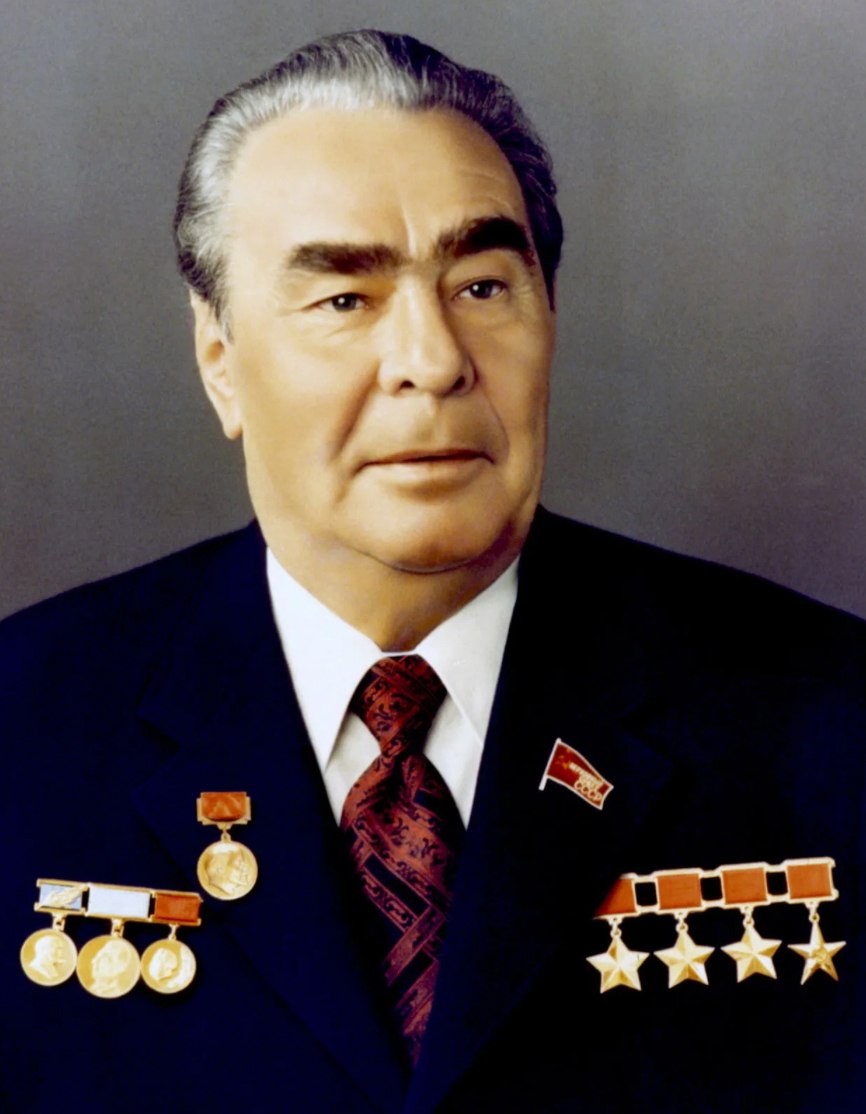
Who replaced Khrushchev in 1964?
Brezhnev
What reforms of Khrushchev did Brezhnev change/abolish that ended de-Stalinisation? (4 POINTS)
The division of the Party into agricultural and industrial sections was dropped
Limits in tenure of office were removed
The guiding principles were to be collective leadership and ‘trust in cadres’
The Soviet Constitution of 1977 enshrined the right of citizens to criticise incompetent and ineffective Party secretaries, but post within both Party and government were filled by appointment rather than genuine election. Article 6 of the Constitution asserted the primacy of the Communist Party over the state.

What happened at the Twenty-Third Party Congress of 1966?
Labelled ‘the congress of silences’ the only change made was to rename the presidium the Politburo and the First Secretary the General Secretary. Very little changes were made.

What had the Party leadership developed into under Brezhnev?
An oligarchy with the general secretary being the most powerful oligarch.
How has the Party leadership developed into an oligarchy?
Brezhnev has ensured the promotion of his old colleagues from his time as Party boss in Ukraine and the other leaders in the Politburo all has their own networks in the party through the ministries they controlled.
Figes, Historian: ‘The Brezhnev system was a coalition of Politburo oligarchs. What united them was the preservation of the status quo’
What was the ‘Dnepropetrovsk mafia’?
A group of Brezhnev’s old cronies.
How did the series of promotion work in the party?
Under Brezhnev promotions were usually made from within the ranks of local Party membership after serving time in a junior position which severely limited innovation and change within the system. The system also allowed corruption to go unnoticed.
Give an example of corruption within the party
The ‘cotton affair’ resulted in millions of roubles being claimed for non-existent cotton as officials fiddled the figures

What was the Soviet leadership becoming by the early 1980s?
A gerontocracy which is when rule is placed in the hands of an increasingly aged group of geriatrics.
What were the ages of the members of the Politburo?
By 1984, seven out of the eleven members of the Politburo were over the age of 70

How long did Politburo meetings last due to the aging leadership?
Less than 40 minutes
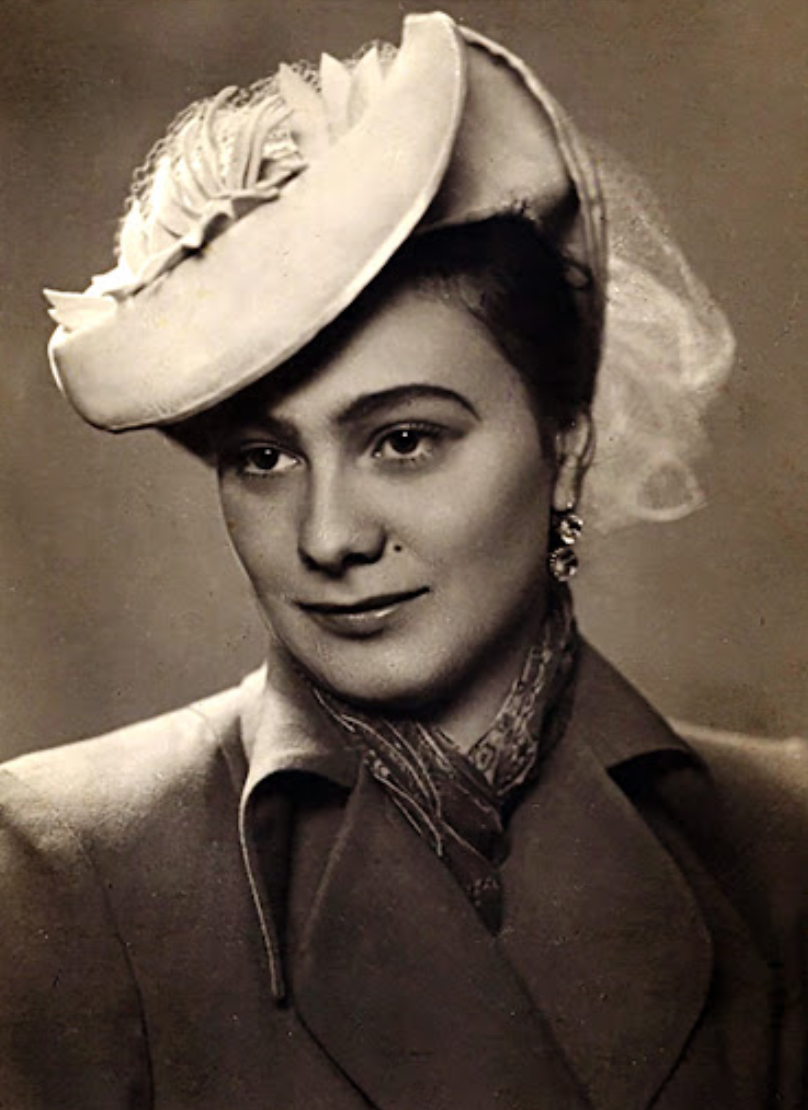
How did Brezhnev lack control over his family which reflected his lack of control over the USSR?
His daughter Galina was involved in an affair with Boris ‘the Gypsy’ who had links with diamond smuggling