LAB 8
 Call Kai
 Learn
Learn Practice Test
 Spaced Repetition
 Match
Match Flashcards
 Knowt Play
1/21

There's no tags or description
Looks like no tags are added yet.
Name | Mastery | Learn | Test | Matching | Spaced | Call with Kai |
|---|
No analytics yet
Send a link to your students to track their progress
22 Terms
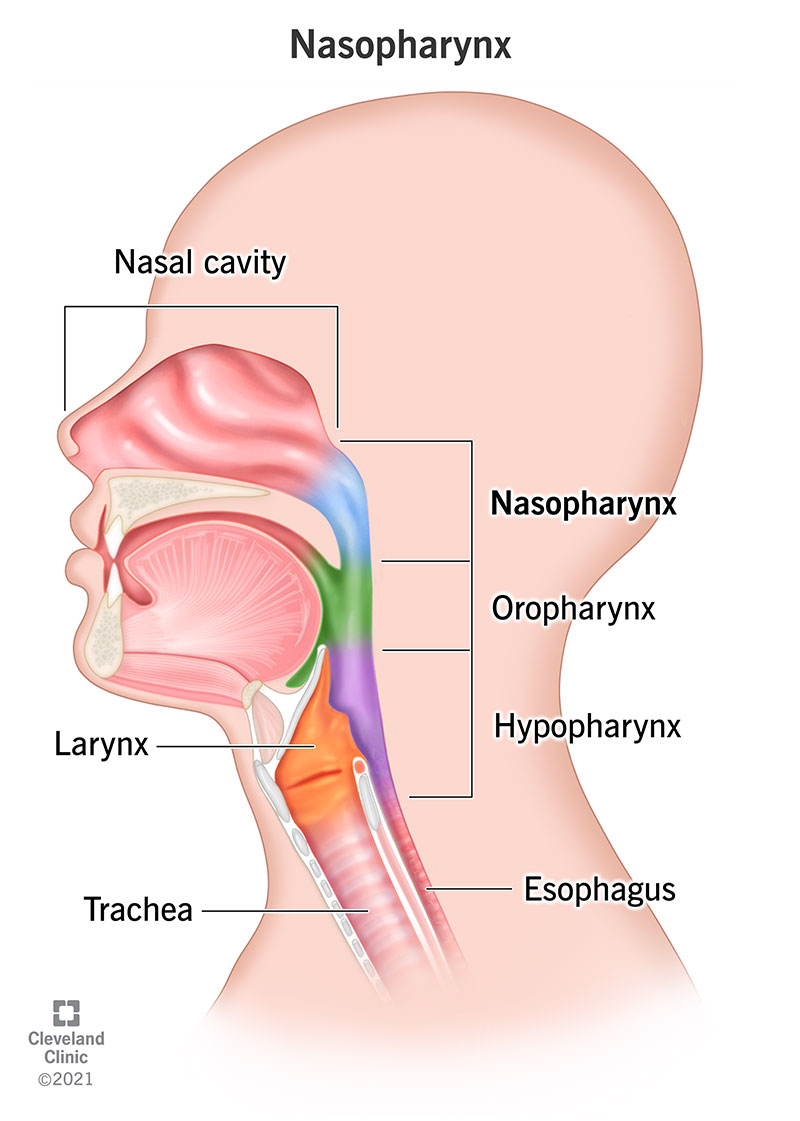
ORAL CAVITY
know the general areas and where they are—oral cavity, hard palate, soft
palate, uvula, nasopharynx, oropharynx, laryngopharynx, esophagus
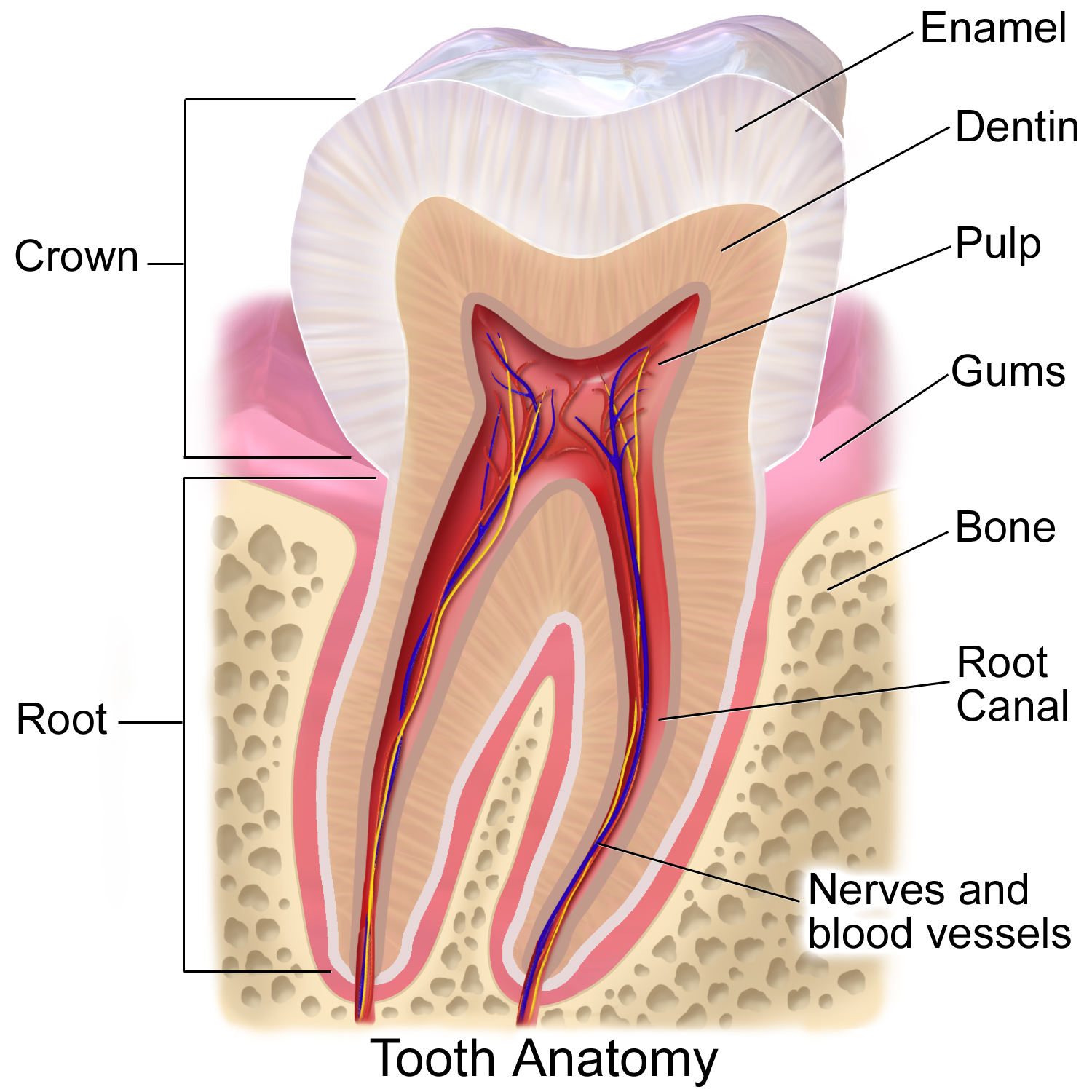
MOLAR TOOTH
know major areas of the tooth—enamel, dentin, gingiva, root canal
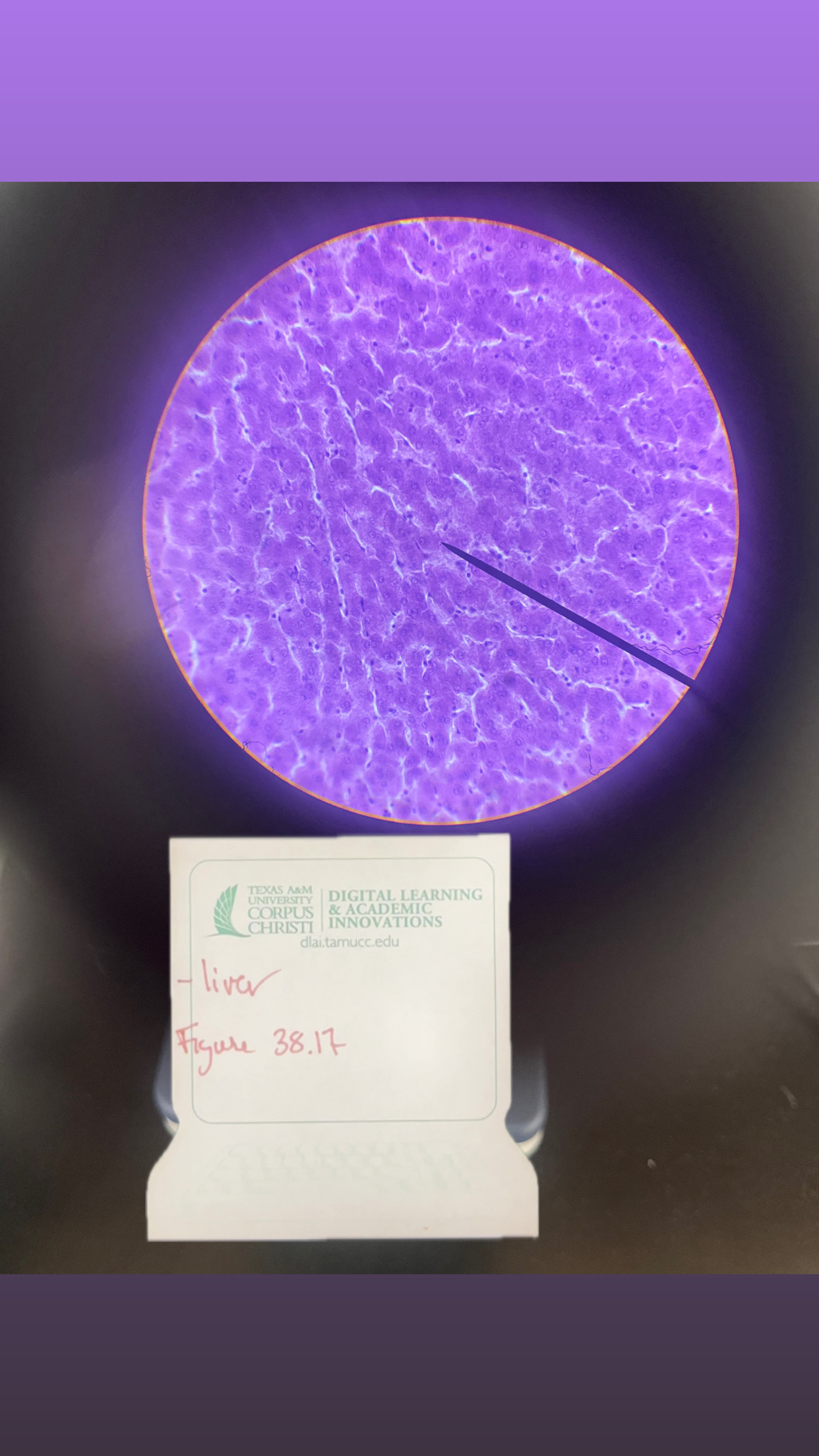
LIVER
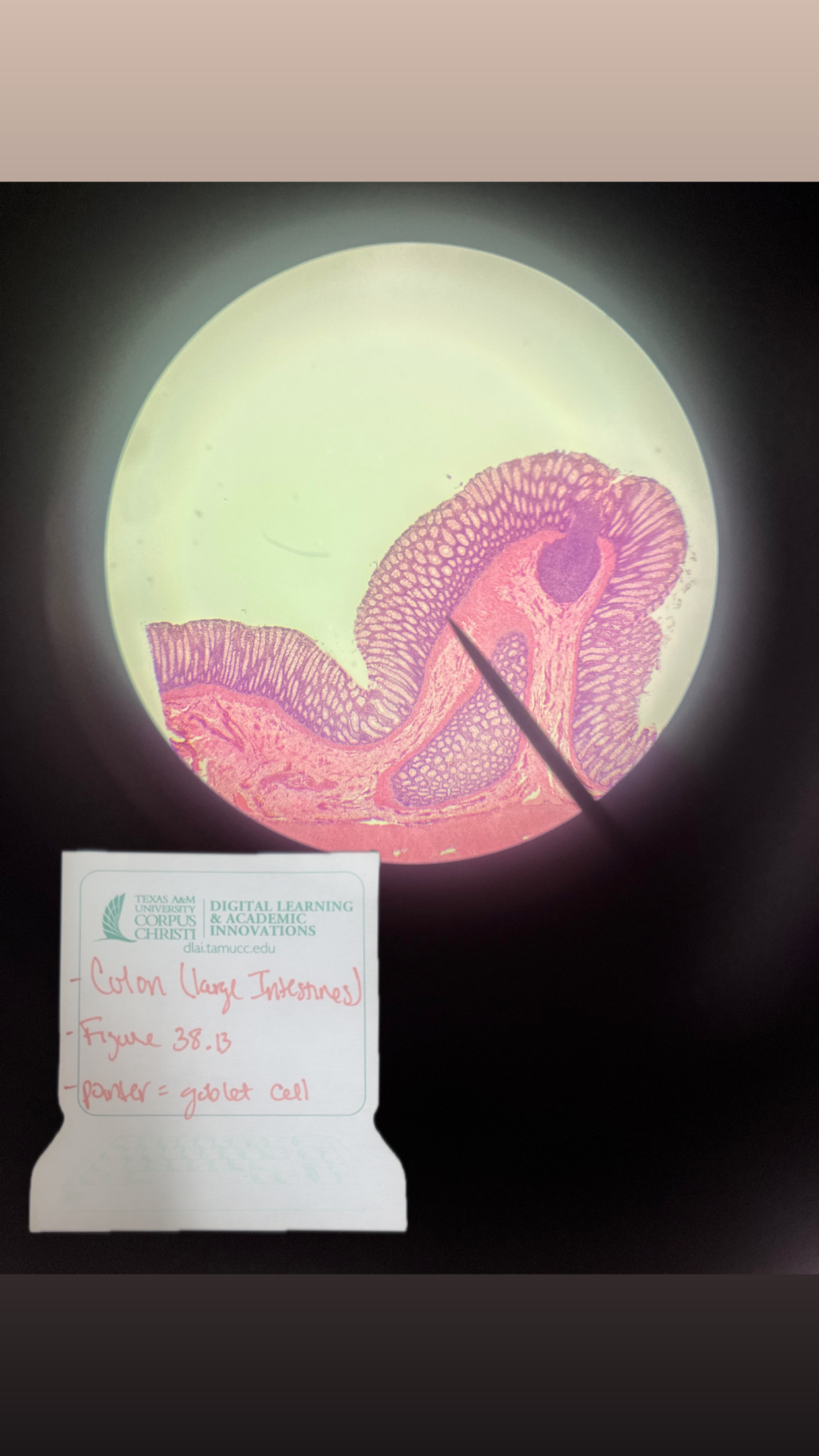
COLON
pointer → goblet cell
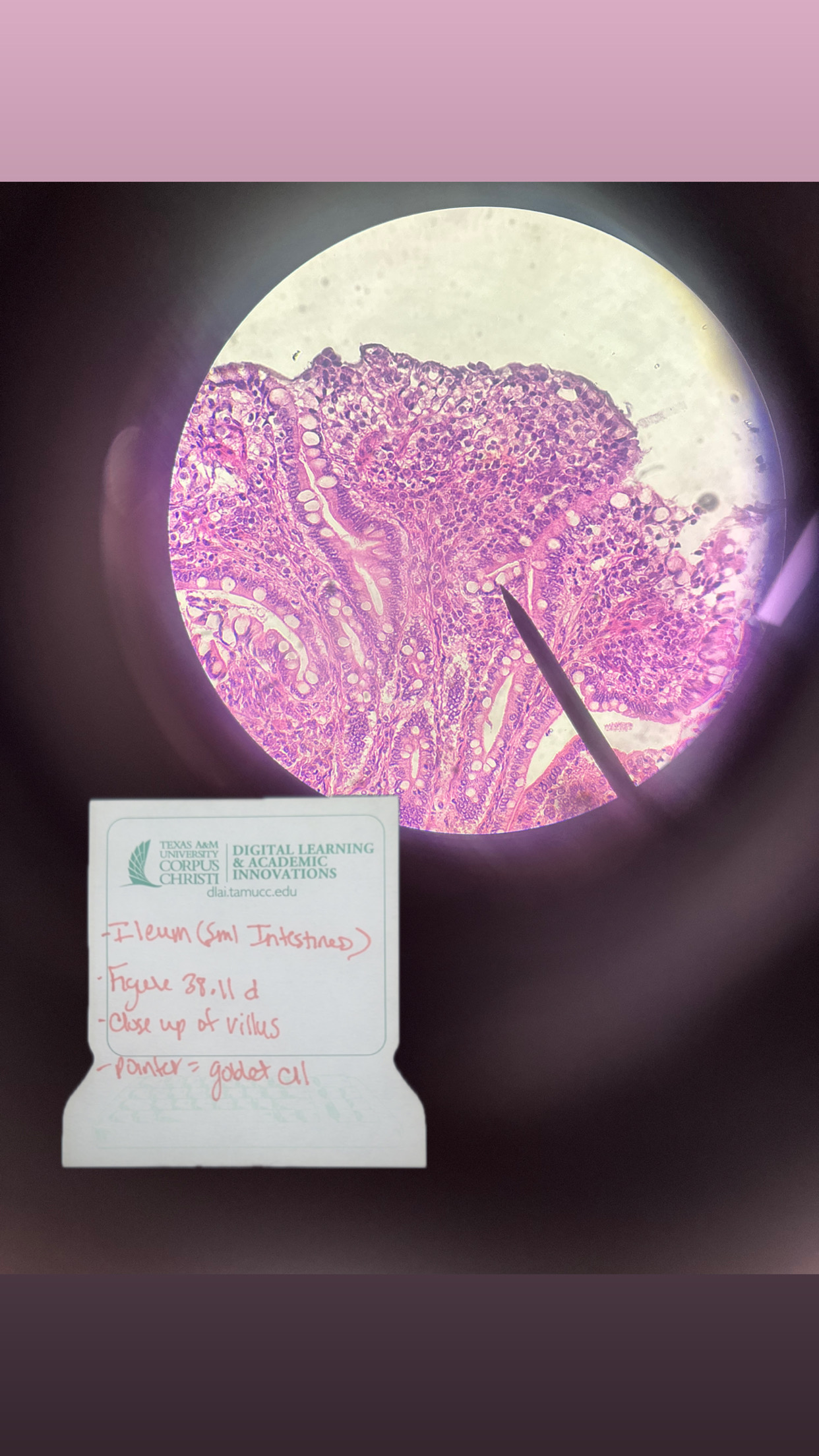
ILEUM
pointer → goblet cell
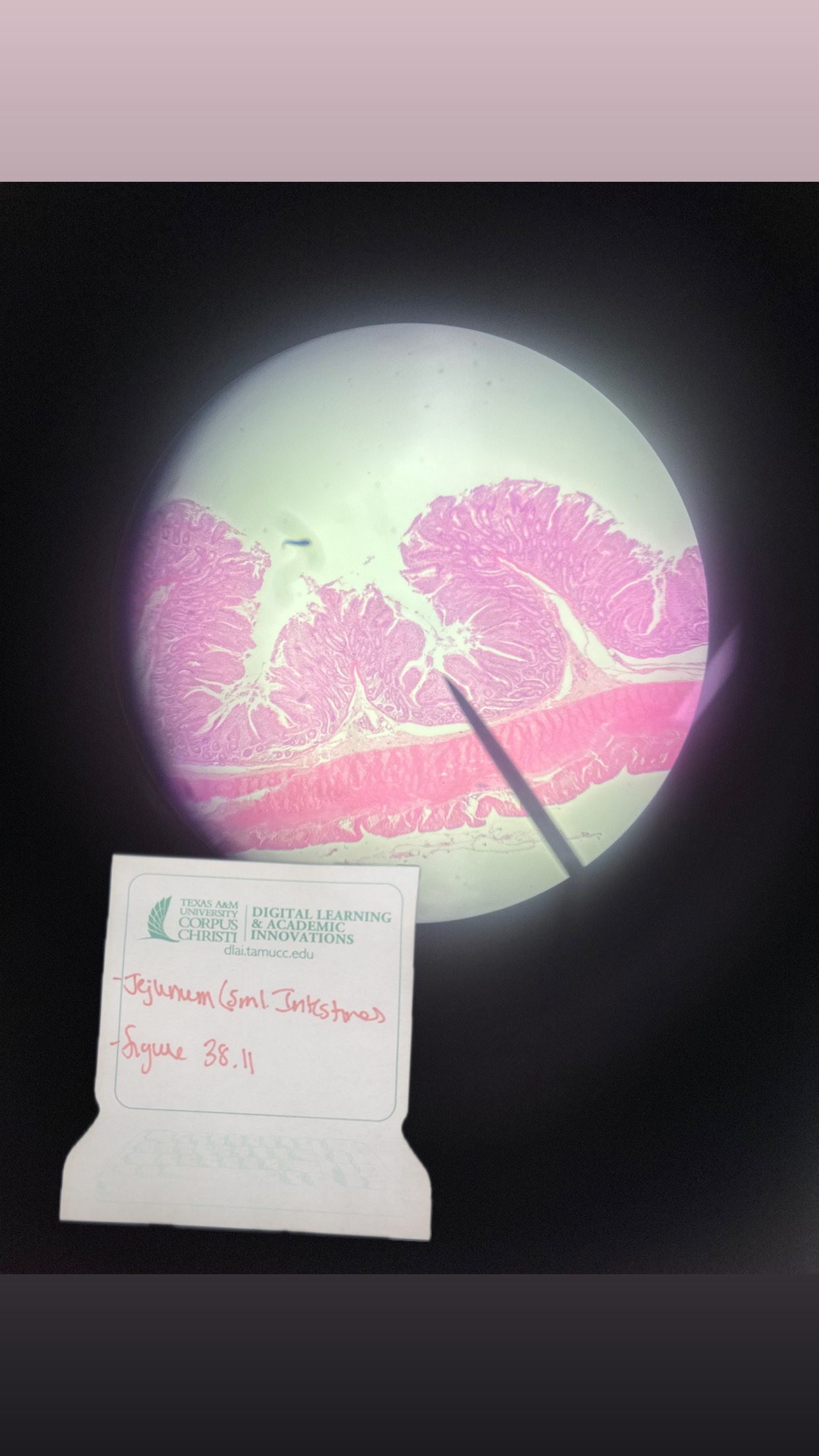
JEJUNUM
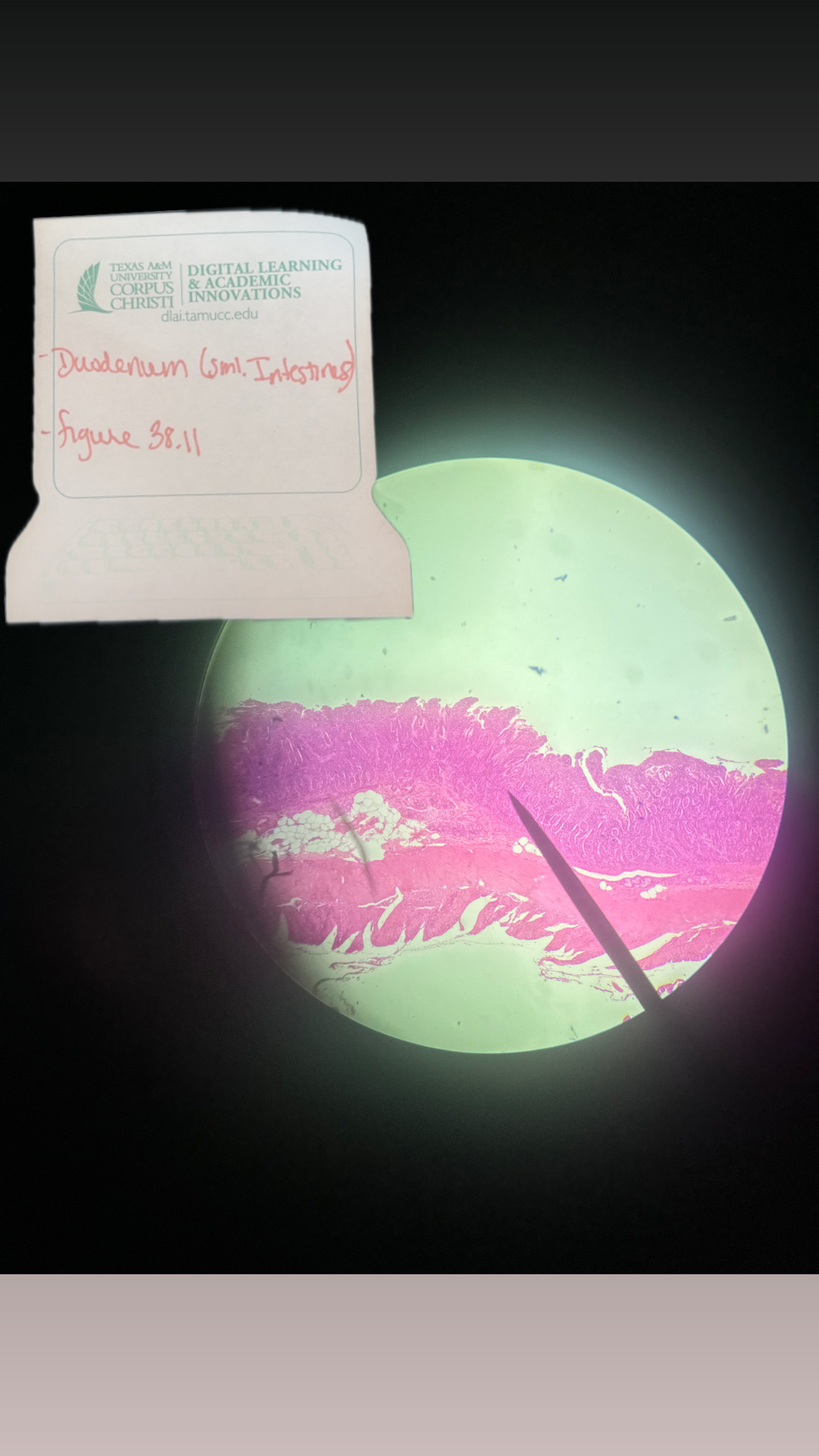
DUODENDUM
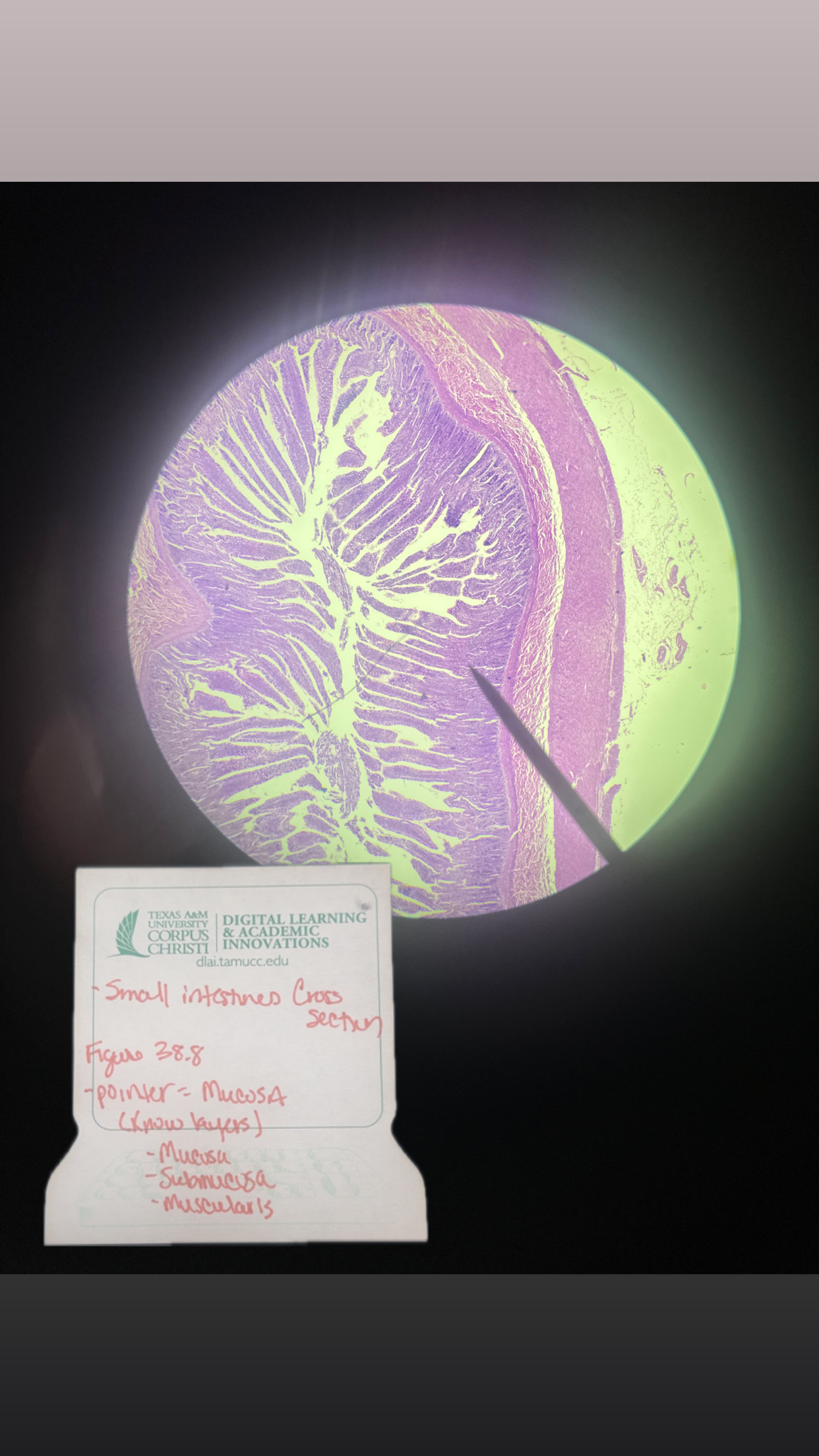
SMALL INTESTINE CROSS SECTUM
pointer → mucosa
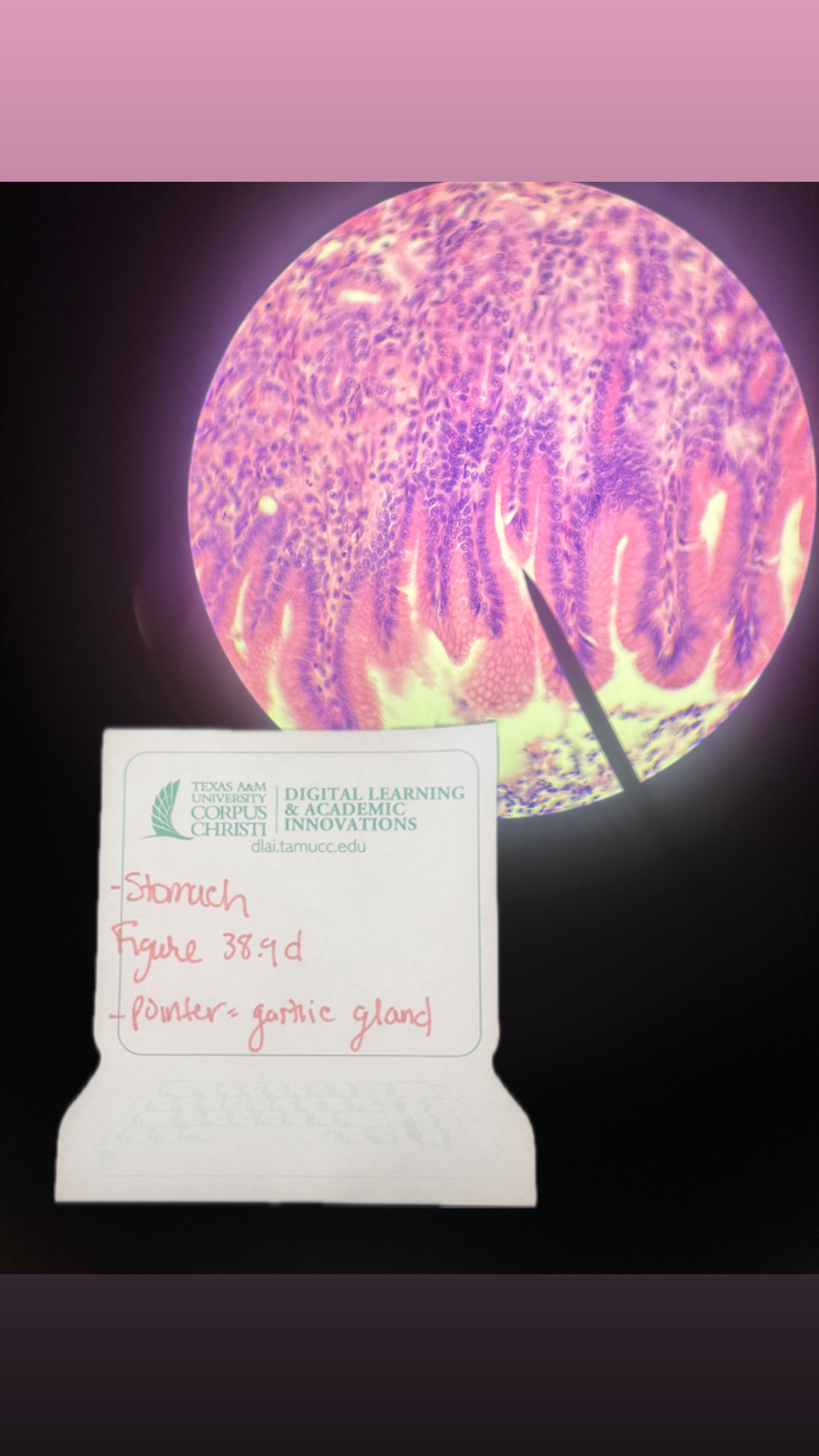
STOMACH
pointer → gastric gland
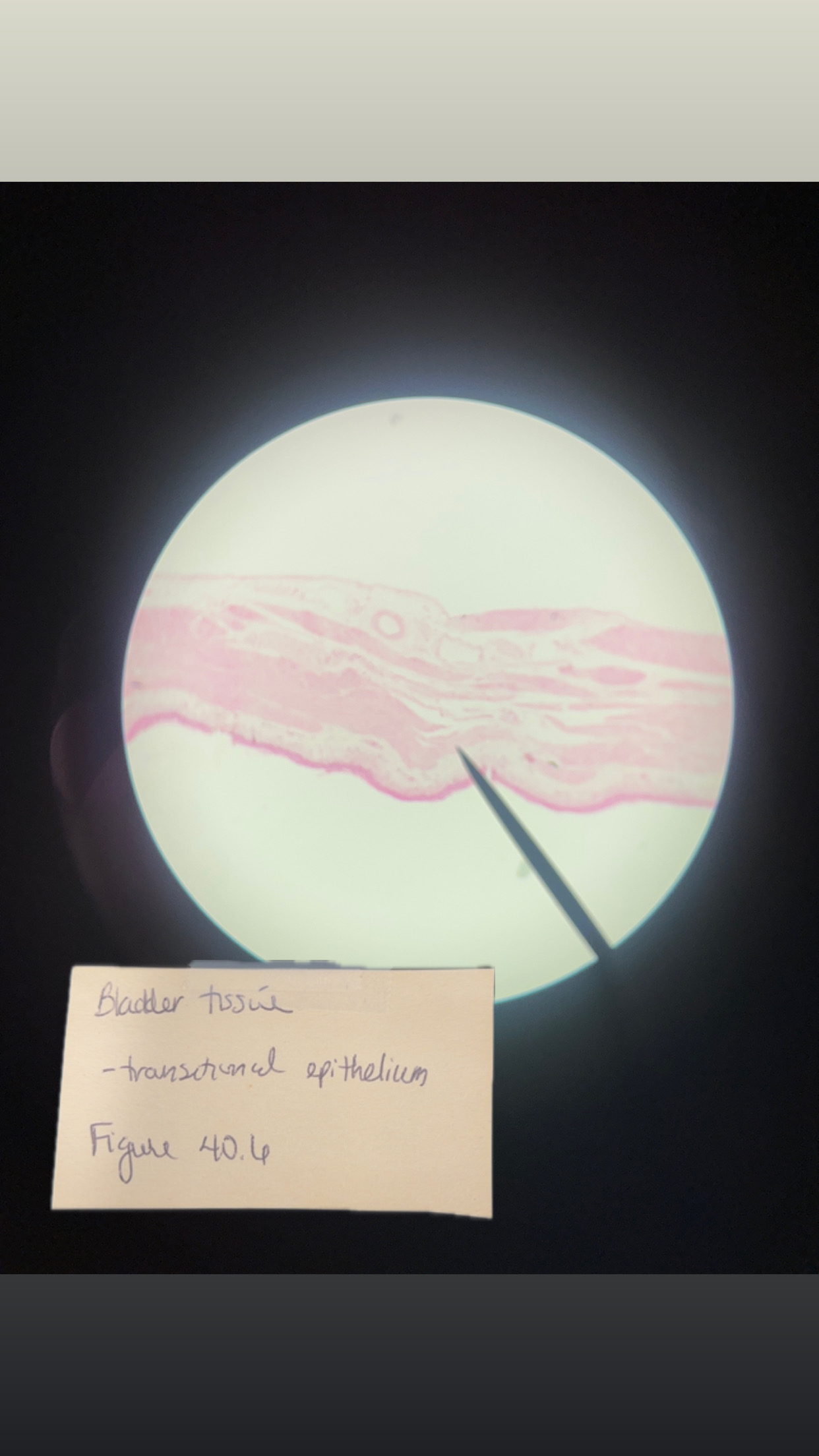
BLADDER TISSUE
transitional epithelium
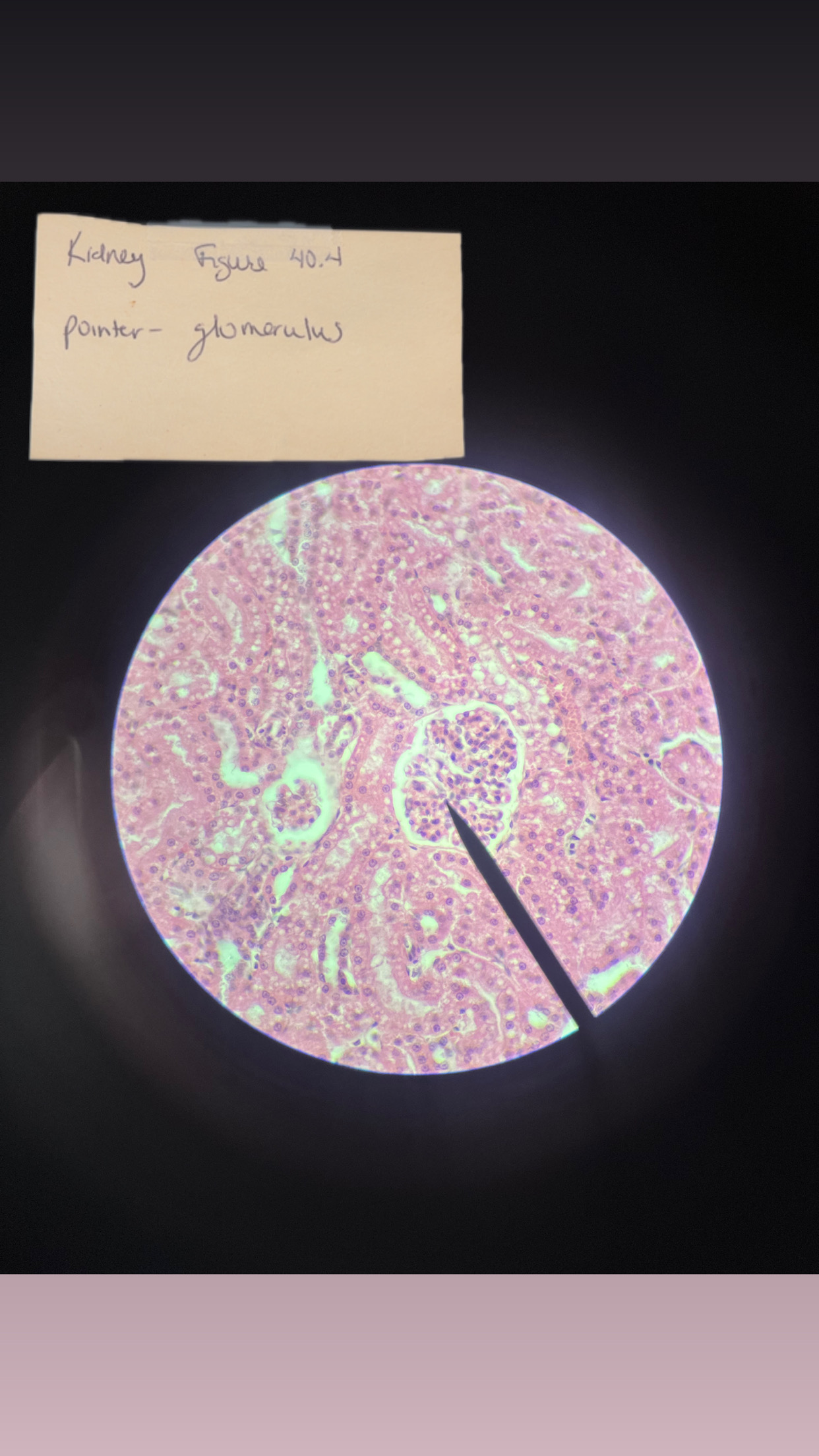
KIDNEY
pointer → glomerulus
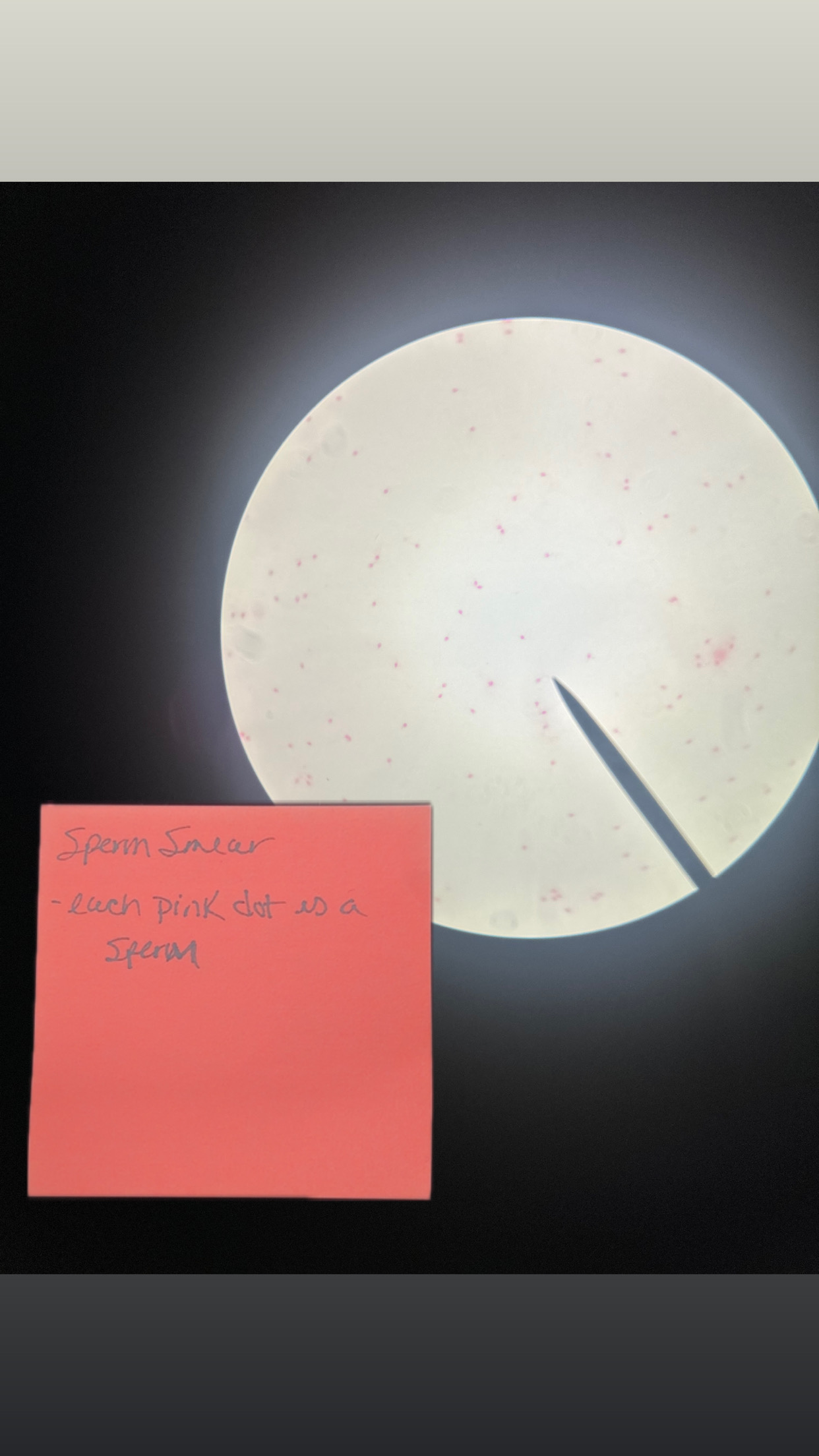
SPERM SMEAR
each pink dot is a sperm
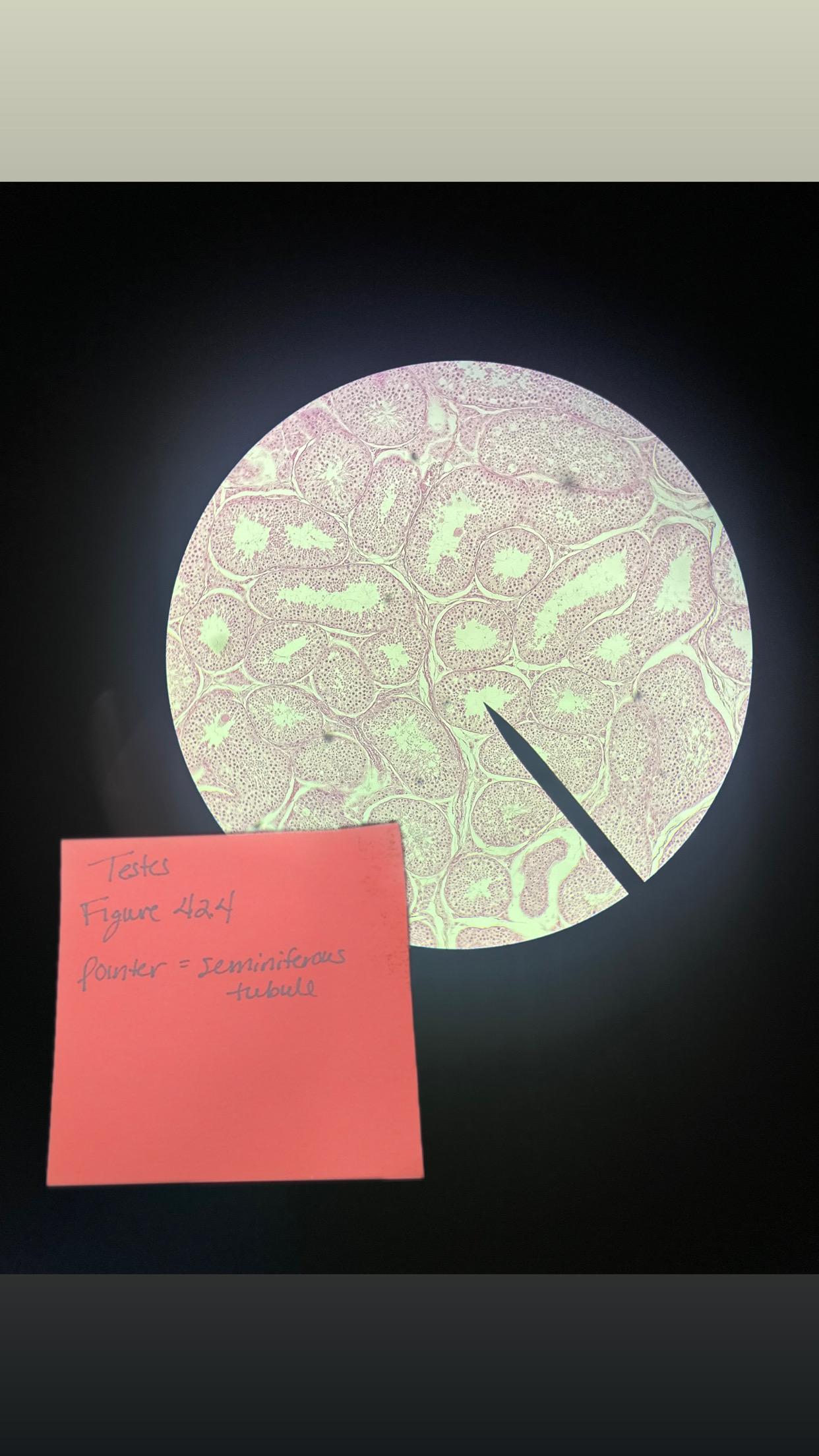
TESTES
pointer → seminiferous tuble
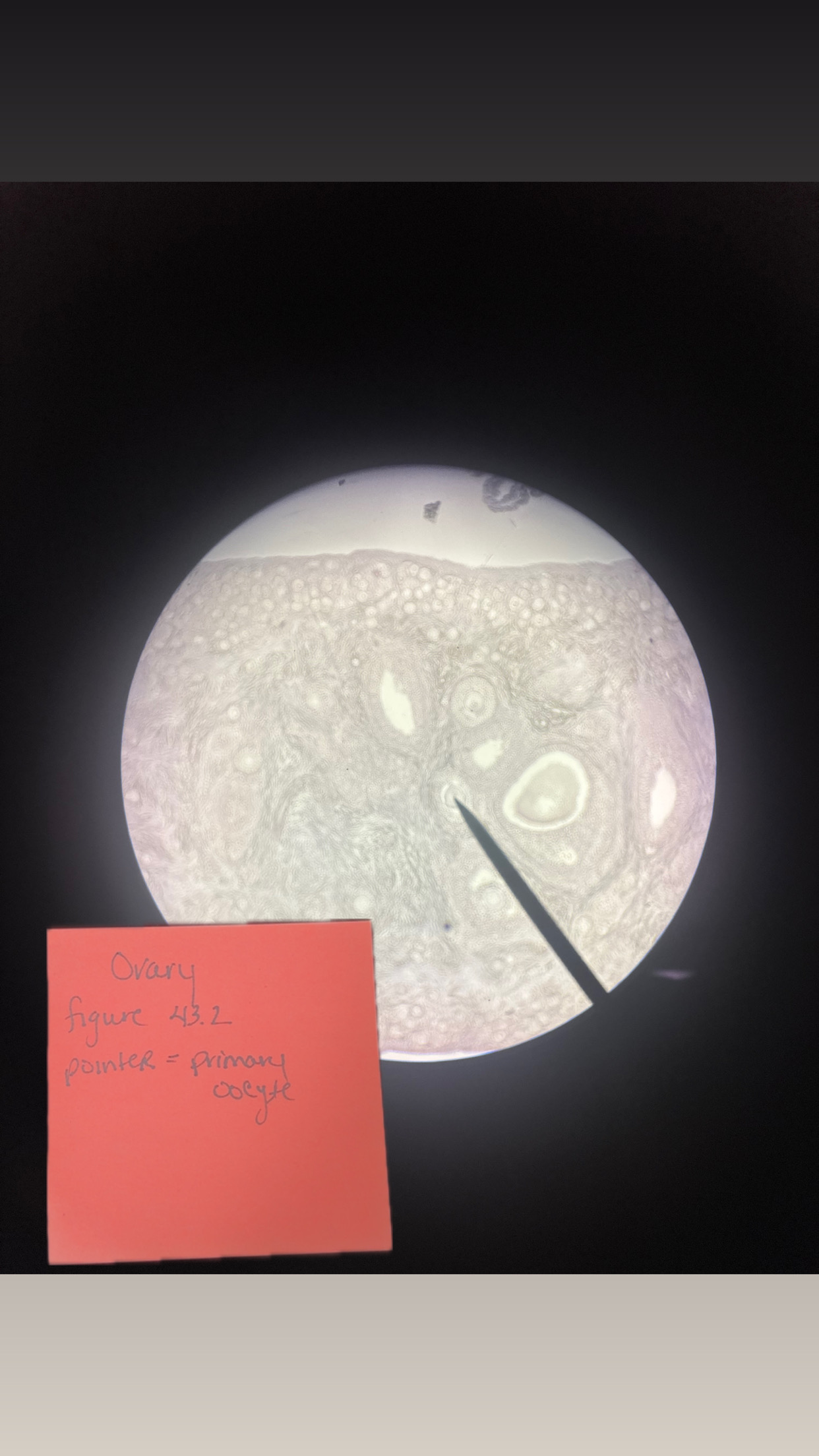
OVARY
pointer → primary oocyte
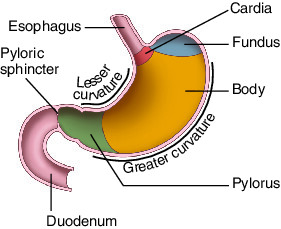
Anatomy of the stomach
—know the different areas of the stomach: Pyloric part/pyloric
sphincter, cardiac part, fundus, body
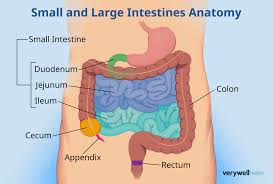
Anatomy of the small intestines
know where the different areas are: duodenum, jejunum,
ileumAnatomy of the large intestines
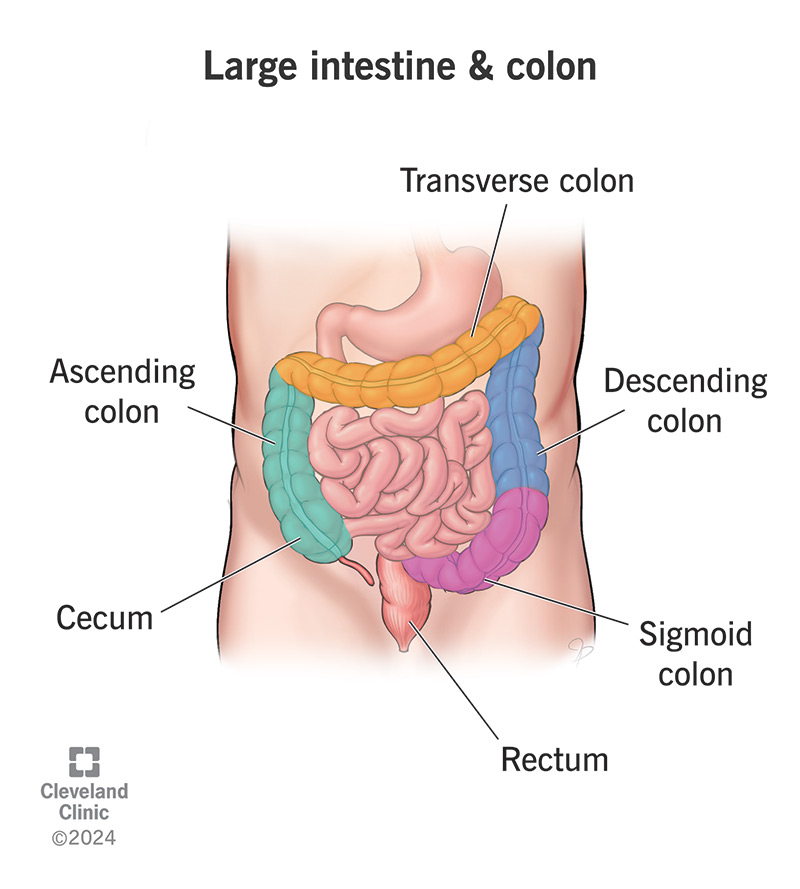
Anatomy of the large intestines
know the areas cecum, ascending colon, transverse colon,
descending colon, sigmoid colon, rectum, anus
Functions of the liver:
Processes digestive material
-Moves nutrients into the bloodstream
-Stores nutrients in the liver tissue
-Produces blood plasma proteins
-Detoxifies harmful material that has been produced or introduced into the body
-Produces bile
Functions of the Pancreas:
-Has both endocrine function (secretes glucagon and insulin to regulate blood sugar) and
exocrine function (secretes enzymes and buffers into your digestive tract through a duct into the
duodenum. This neutralizes stomach acids)
Functions of the gallbladder:
-stores and releases bile into the duodenum, which emulsifies lipids so they are easily digested
Peristalsis
series of wavelike muscle contractions that move food through the digestive tract.
Tachygastria
term used to describe too much gastric muscle activity
Bradygastria
term used to describe too little gastric muscle activity