(5) England: Notable Writers (and their Works) and Notable Literary Developments
 Call Kai
 Learn
Learn Practice Test
 Spaced Repetition
 Match
Match Flashcards
 Knowt Play
1/17

There's no tags or description
Looks like no tags are added yet.
Name | Mastery | Learn | Test | Matching | Spaced | Call with Kai |
|---|
No analytics yet
Send a link to your students to track their progress
18 Terms
970 - The Exeter Book (All Facts)
Manuscript that consists of lyric and elegiac Anglo-Saxon English poetry
Includes poems like “The Seafarer”
Includes poems by Cynewulf such as “The Dream of the Rood”
995 - The Battle of Maldon (All Facts)
Old English poem describing and celebrating the namesake battle that occurred 4 years prior to its publication in which an Anglo-Saxon army failed to repulse a Viking raid
Old English poem whose central theme was feudal loyalty
Although extant, its beginning and ending are lost
Miracle / Mystery Plays (All Facts)
Form of drama popular in the medieval period, especially in England
The first one of the namesake was performed at Dunstable in England around 1100
They were performed in Latin
They were performed in churches
They drew on both the scriptures (biblical themes) and lives of the saints
They were enacted in popular style in England and throughout Europe by the 1400s
1330 - 1386 - William Langland: Piers Plowman (All Facts)
Vernacular poem by the namesake English parson
Poem that was essentially an allegory of the soul’s journey to find salvation
Poem which attacked corruption in the Church and in the state
Poem which was an appeal on behalf of the poor and plea for spiritual equality
Considered by many to be one of the greatest works of English literature of the Middle Ages
It is known to have influenced Geoffrey Chaucer's “Canterbury Tales”
It brought to Middle English the alliterative tradition of Anglo-Saxon verse in a series of 11 “dream visions”
It contains the first known reference to the literary tradition of Robin Hood tales
1370 - Sir Gawain and the Green Knight (All Facts)
Anonymous chivalric Arthurian romance in Middle English alliterative verse
1300s - Pearl (All Facts)
Middle English poem that is considered one of the most important surviving Middle English works with elements of medieval allegory and the “dream vision” genre
1470 - Thomas Malory: Le Morte d’Arthur (All Facts)
Work which was a retelling of the Arthurian legends
Work which essentially unified Arthurian legend in epic prose romance
Work which was translated by the namesake compiler from French sources into English
Work whose admirably plain style and creative adaption of medievalism to modern thought deeply influenced later writers
Work which was published by William Caxton
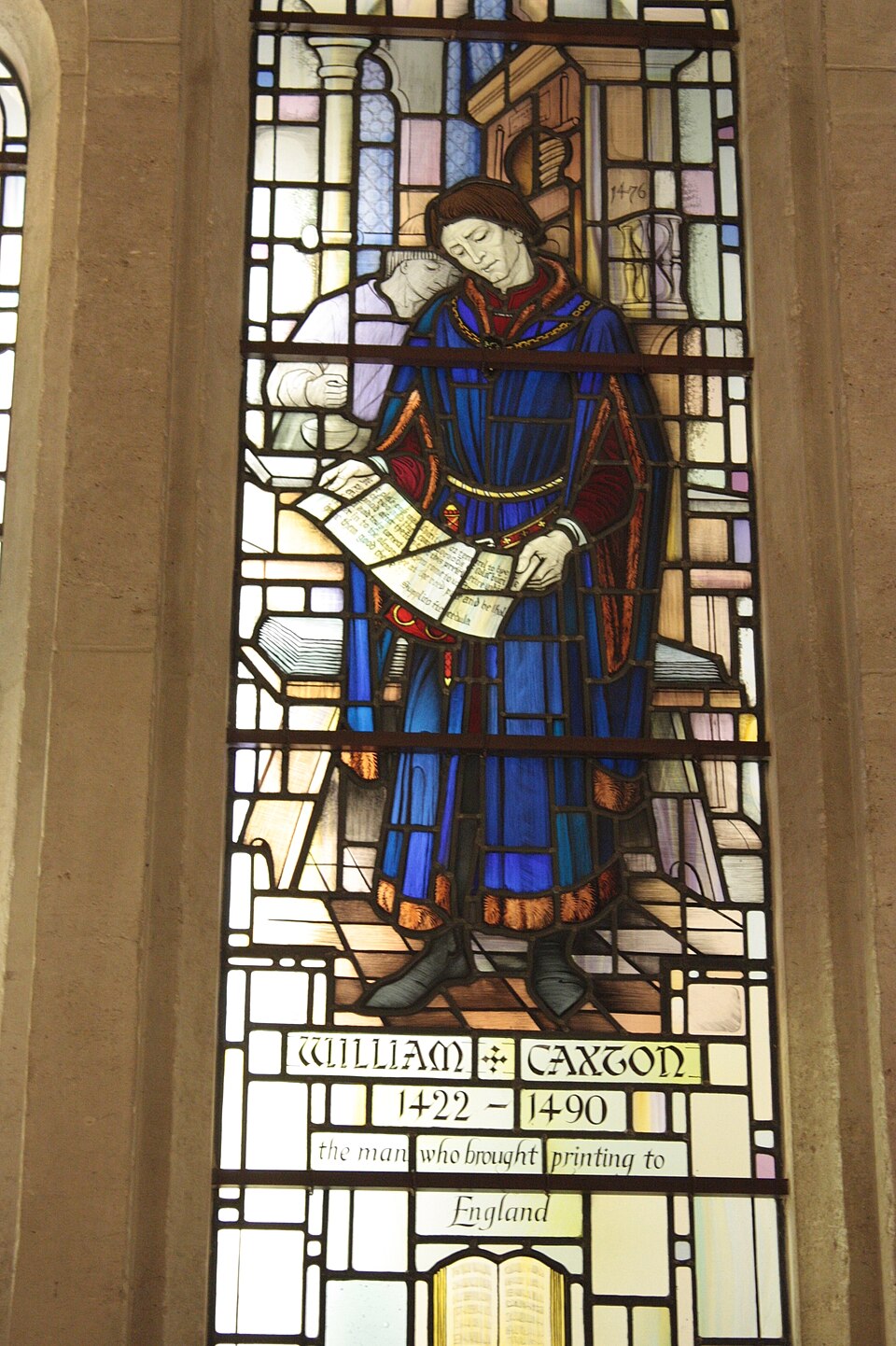
1422 - 1491 - William Caxton (All Facts)
English Printer (Merchant) and Writer
He was a key figure in the development of English printing
He is thought to be the first person to introduce a printing press into England, and, as a printer, to be the first English retailer of printed books
He is credited with the first dated book printed in the English language, the “Dictes and Sayings of the Philosophers”
He is credited with the first English publication of the Arthurian legends written by Thomas Malory, the “Le Morte d’Arthur”
From his printing works and offices in Westminster, he also published foreign works
He made all kings of writings widely available including
chivalric romances
history
philosophy
an encyclopedia
Printed poster had rolled off his press, advertising the thermal cures at Salisbury
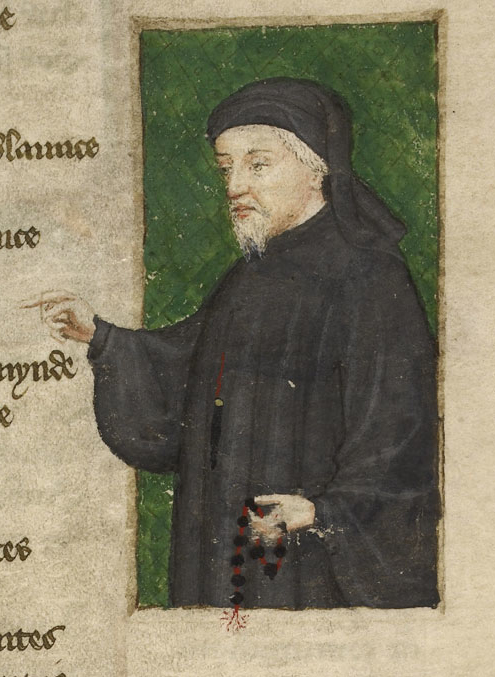
1343 - 1400 - Geoffrey Chaucer (All Facts)
English Writer and Poet
He is considered the “Father of English Poetry” and “Father of English Literature”
He is considered the first truly native English poet
He was a giant of English poetry
He came from a well-to-do family of vintners with court connections
For example, his father was deputy butler to King Edward III of England
He received a court education as a page and was put into the service of John of Gaunt
He fought for England against France during the Hundred Years’ War
He was taken prisoner and later ransomed
He came back enthused by the French fashion for poems of courtly love
He was able to read in English, French, Italian, and Latin
He was influenced by French and Italian styles of literature
He borrowed tales from Giovanni Boccaccio
He prospered at the court of King Edward III of England
He became a controller of customs and a magistrate
By the reign of King Richard II of England, he was granted a daily jug of wine
All of that ceased, however, when John of Gaunt, the namesake’s patron, went to Spain
Thus, the namesake was set at leisure
He was England’s best-loved writer at the time
He died whilst his most famous and ambitious poetic cycle was still incomplete
This poetic cycle focused on his band of pilgrims from the namesake English town, whom he drew with a mixture of shrewdness and pithy humor
He was buried in Westminster Abbey
132 years after his death, his poetical works were published in a collected edition
1387 - Geoffrey Chaucer: Troilus and Cressida (All Facts)
1395 - Geoffrey Chaucer: Canterbury Tales (All Facts)
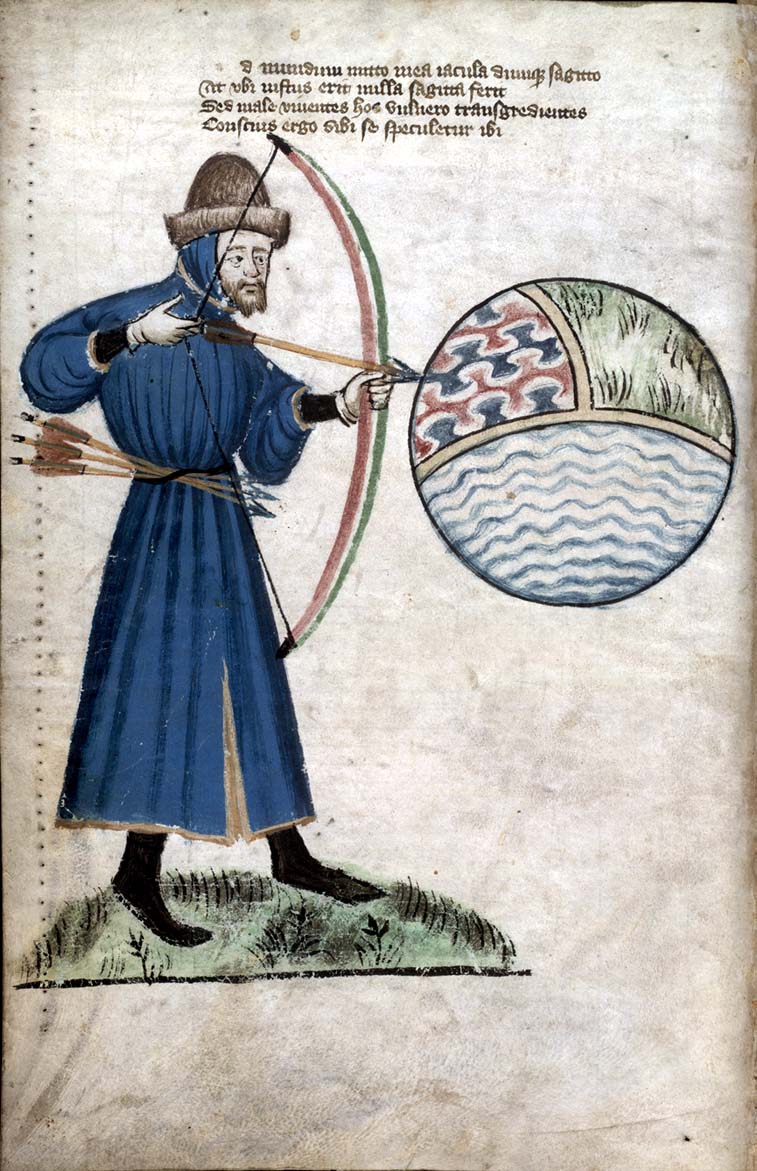
1330 - 1408 - John Gower (All Facts)
English Poet
He was
a contemporary of William Langland
a friend of Geoffrey Chaucer
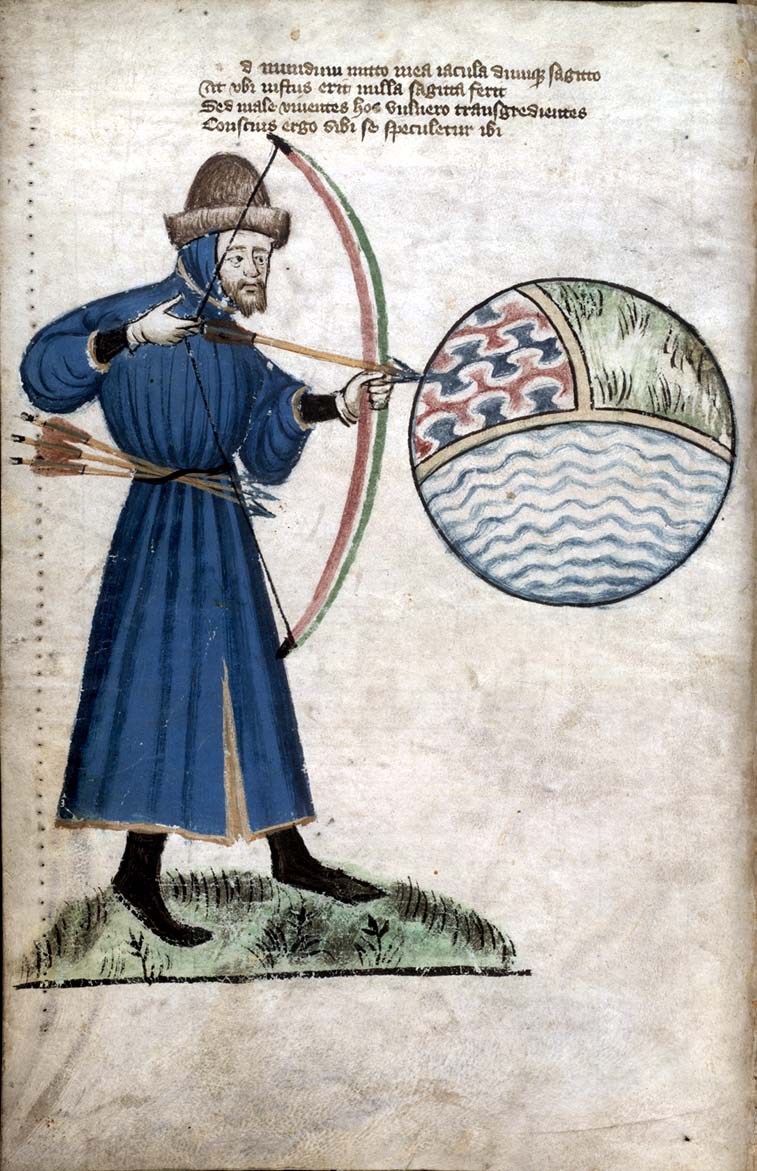
1330 - 1408 - John Gower: Confessio Amantis (All Facts)
Poem which told moralistic stories of courtly love
Long English Poem with moral and political themes
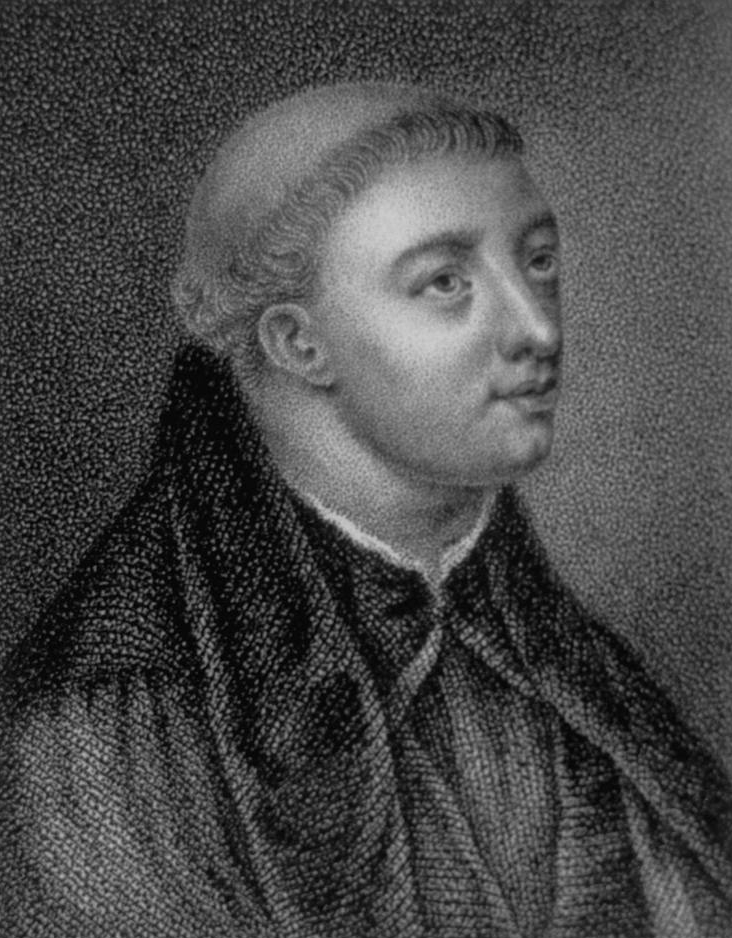
1370 - 1451 - John Lydgate (All Facts)
English Poet and Monk
He is considered an imitator of Geoffrey Chaucer and Giovanni Boccaccio
He is known for his many works including
the “Troy Book”
the “Siege of Thebes”
1374 - 1479 - John Fortescue: Commendation of the Laws of England / “De Laudibus Legum Angliae” (All Facts)
Work in which the namesake author praised English law over Roman law
Work which was famous for its discussion on the “Presumption of Innocence” principle
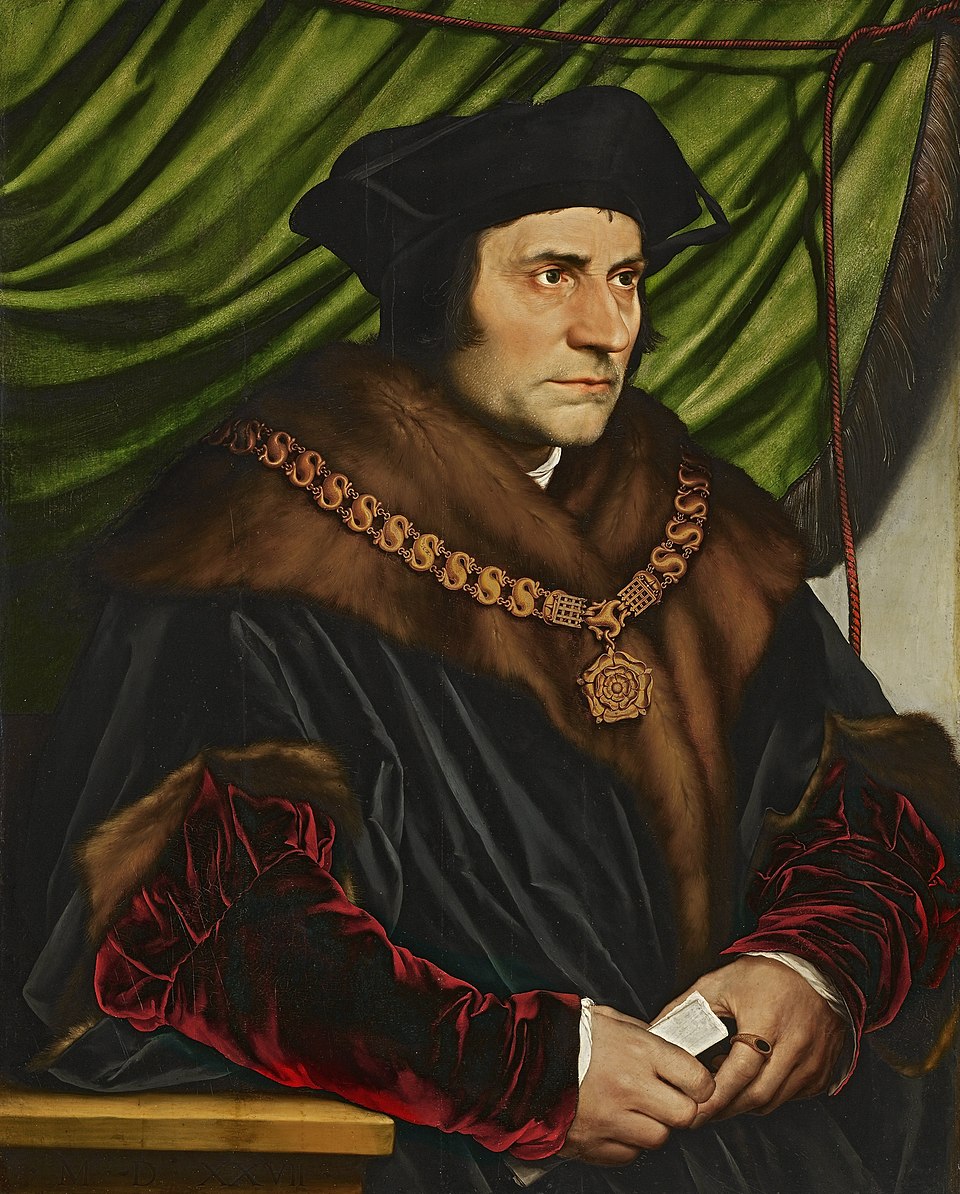
1478 - 1535 - St. Thomas More (All Facts)
He was a greatly respected lawyer and the under-sheriff of the city of London
He was loved by his fellow citizens who regarded him as “the fairest of judges, the general patron of the poor”
He was a man of simple tastes, noted for his gentle sense of fun and his in those around him
He was “born for friendship”
He made his name as a writer early in his career when he wrote a biography and condemnation of King Richard III of England
He was imprisoned in the Tower of London, and beheaded after refusing to take the oath to Anne’s issue demanded by the Succession Act; he is thus considered a martyr in the Roman Catholic Church
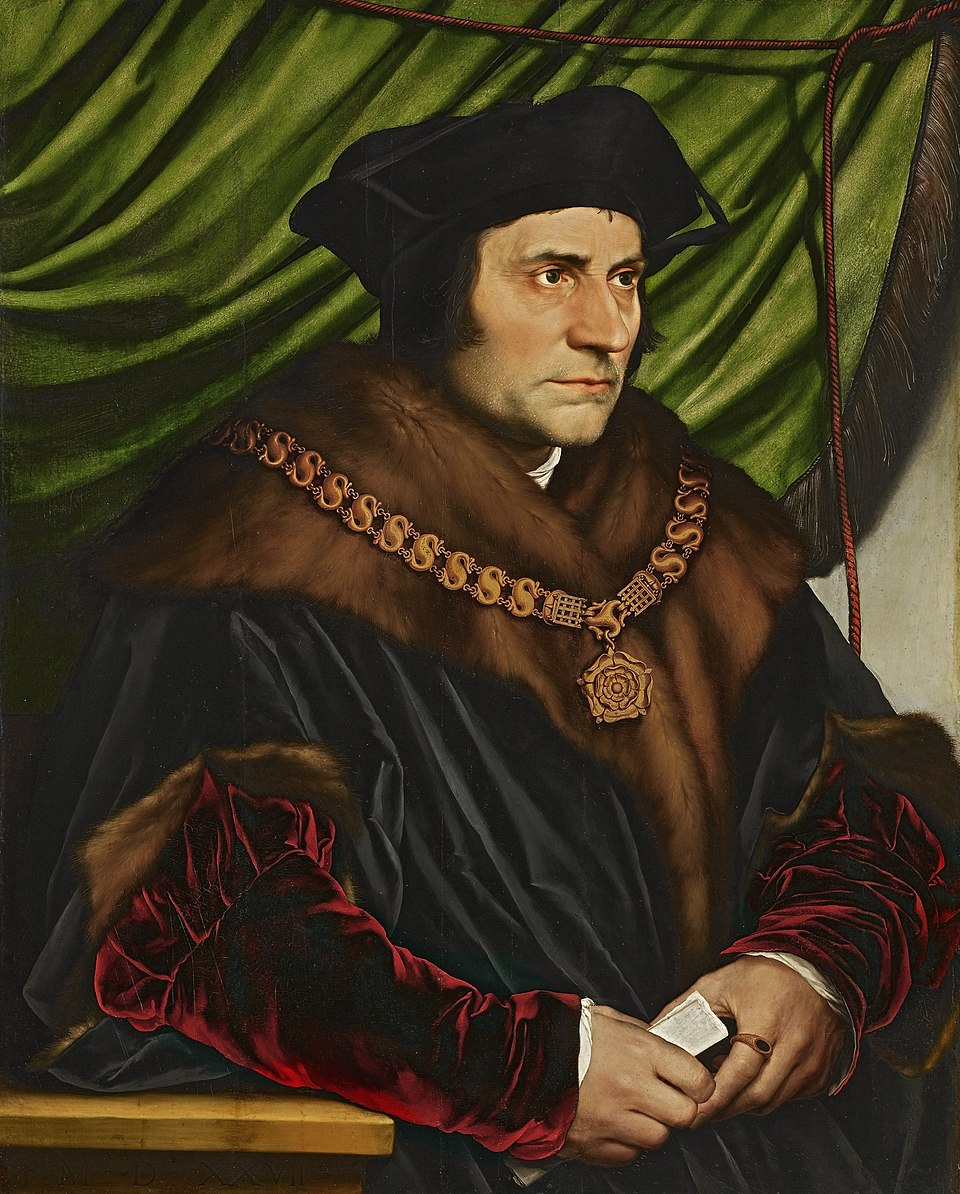
1516 - St. Thomas More: Utopia (All Facts)
Written in the Renaissance Humanist tradition
It was known as the “golden little book” by the Humanists at the time
It was published at Louvain
It was written by the namesake while he was in service to King Henry VIII
It was later translated from Latin into English
It is a shrewd, sometimes furious look at European society
It is an indictment of its harsh rulers at the time
It is a guide to the construction of an ideal civilization, as it was written in such a style
The title refers to an island somewhere off the New World, coming from the Greek meaning “no place”
It is about a people who
are distanced from all the social ills of Europe
live a communal existence, sharing equally in their food, government, clothes, houses, education, and wars
are a part of a deeply religious community, in which God rewards by an afterlife of immortality
Many saw the book differently, including
as a fantasy, a humorless travelogue of a land which could exist in the dreams of an idealist
as a comedy, with humorous intent