AP Psychology Brain Structures
 Call Kai
 Learn
Learn Practice Test
 Spaced Repetition
 Match
Match Flashcards
 Knowt Play
1/27

There's no tags or description
Looks like no tags are added yet.
Name | Mastery | Learn | Test | Matching | Spaced | Call with Kai |
|---|
No analytics yet
Send a link to your students to track their progress
28 Terms
Frontal Lobe
speaking, planning, organizing, and problem solving
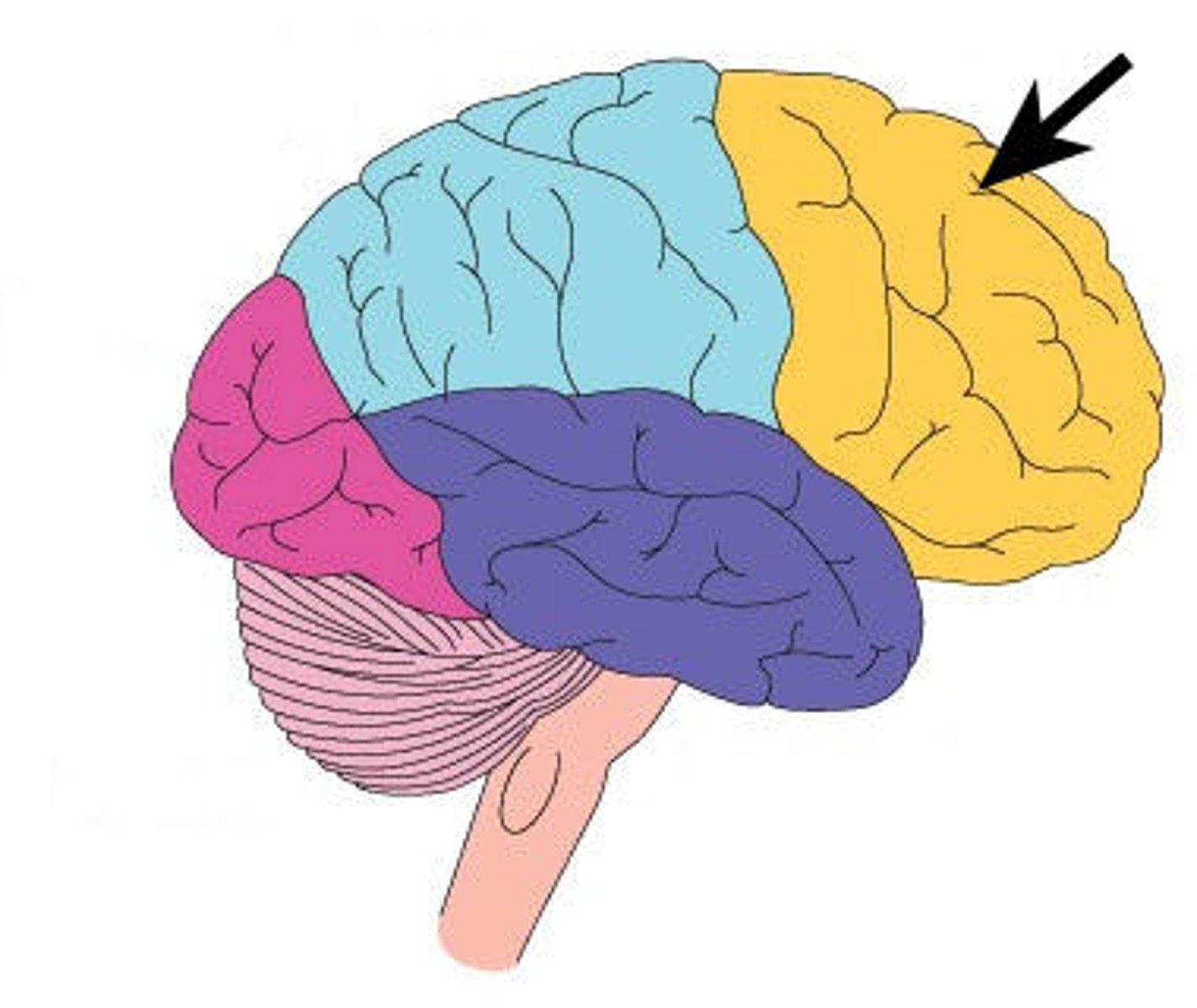
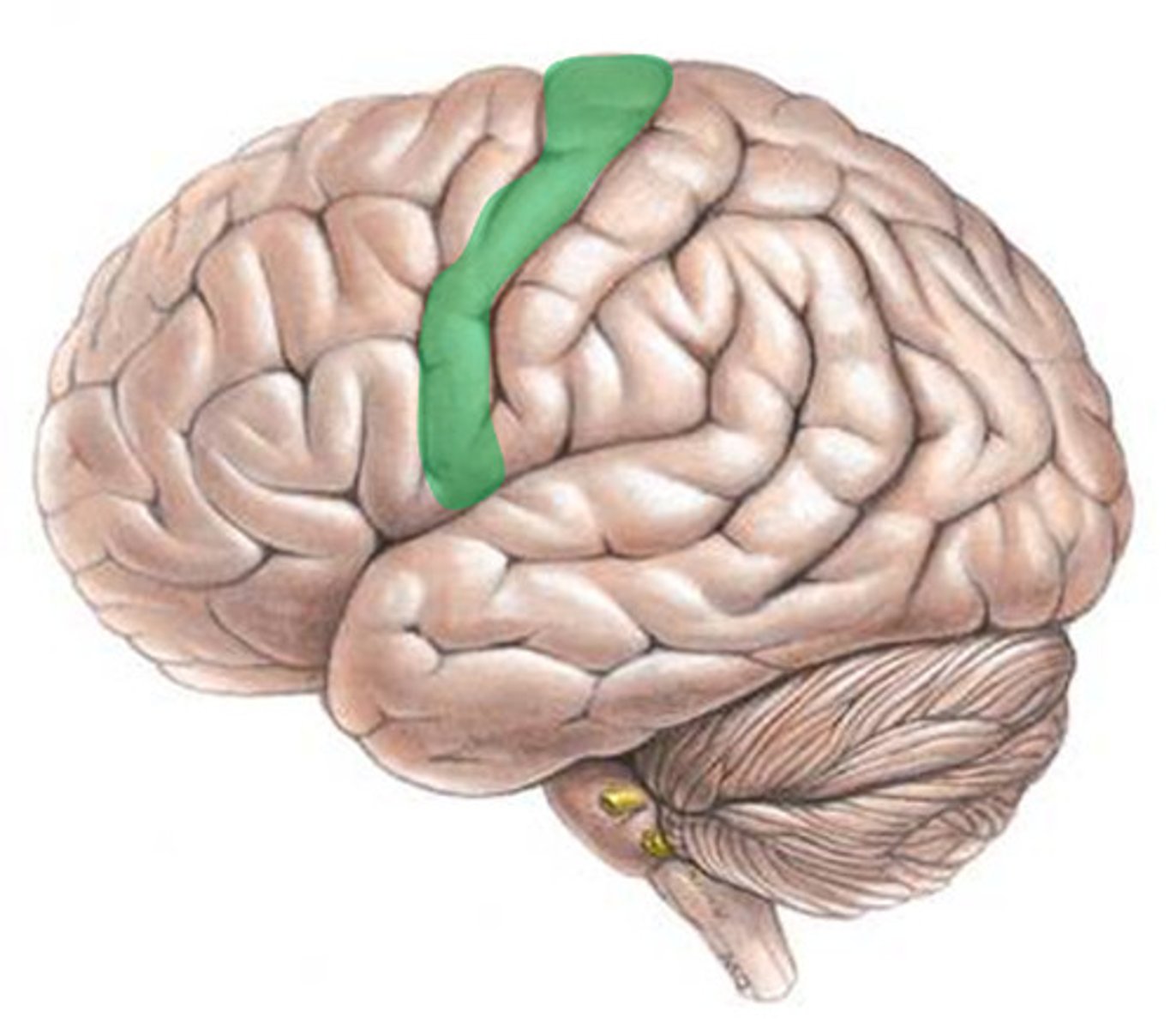
Motor Cortex
controls voluntary movements
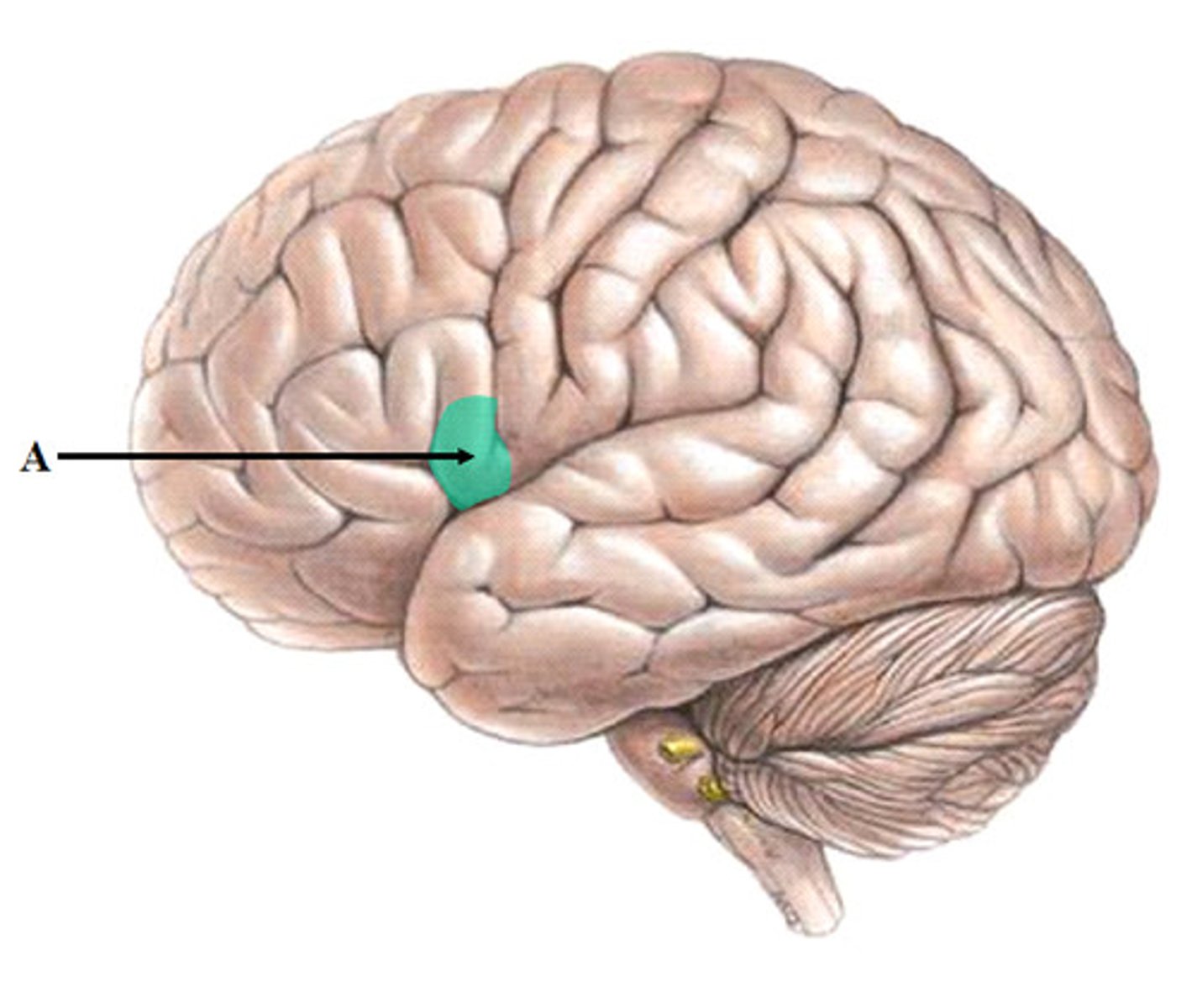
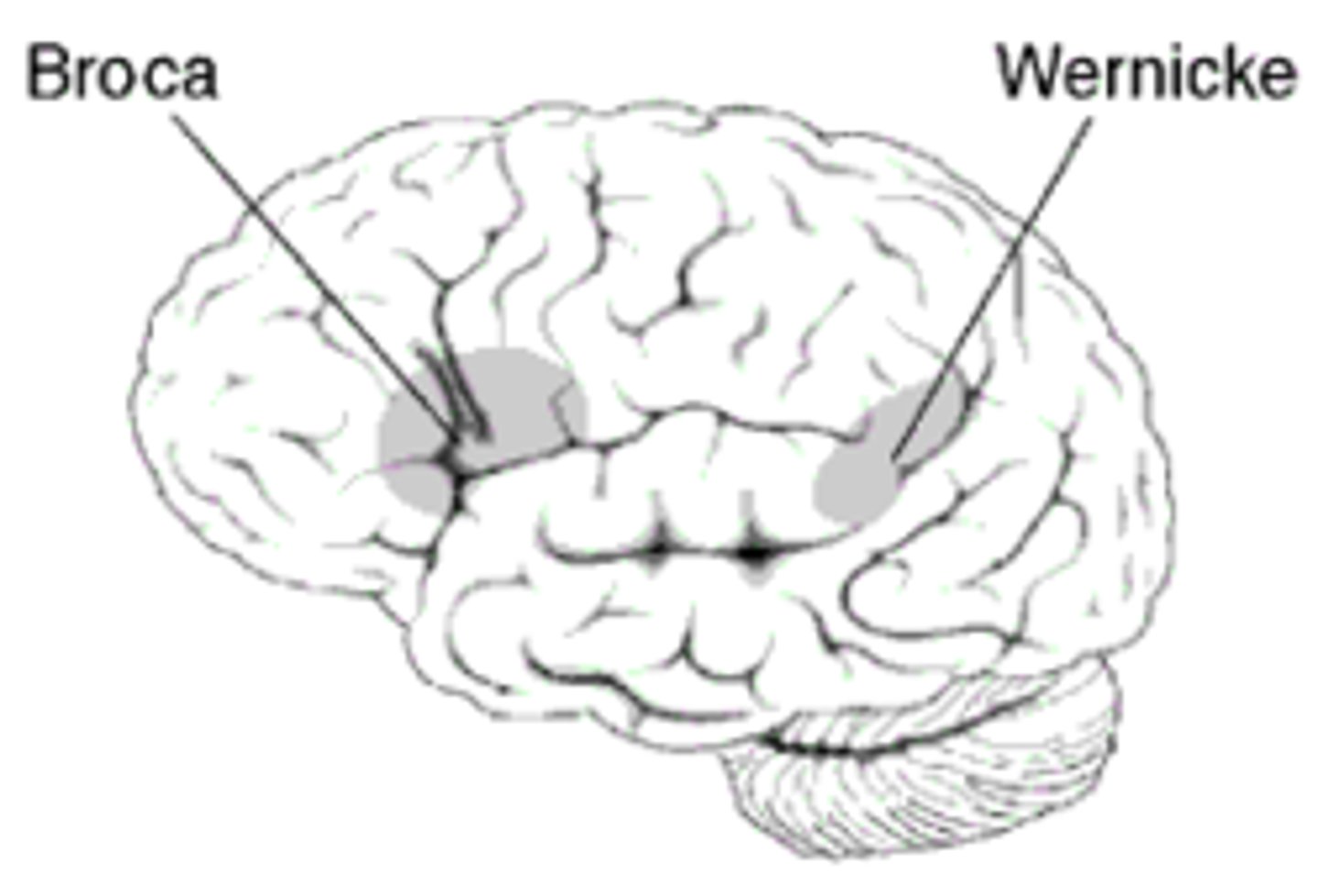
Broca's Area
Grammar and pronunciation
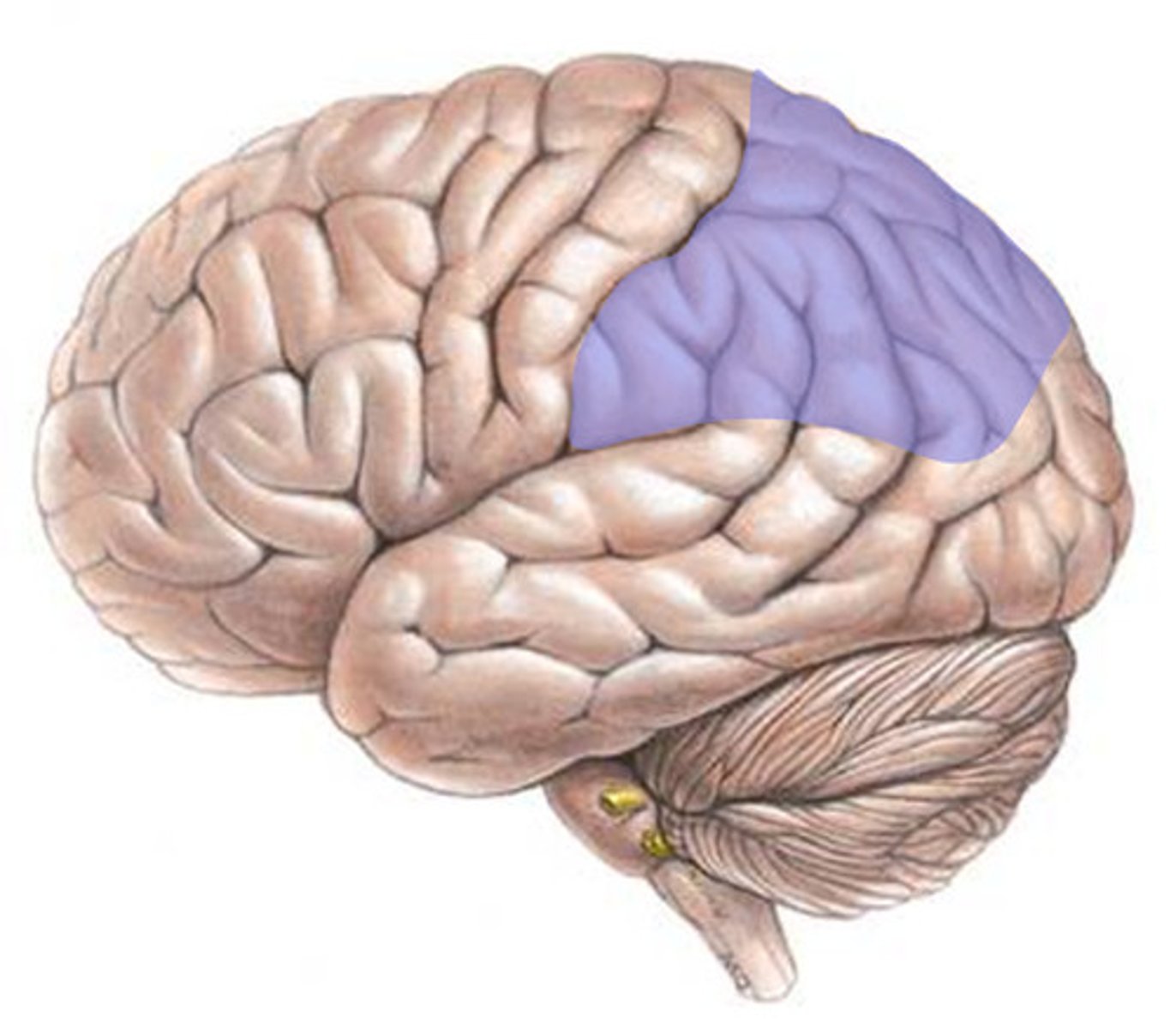
Parietal Lobe
Sensory for touch and body position
Sensory Cortex
processes body touch and movement sensations
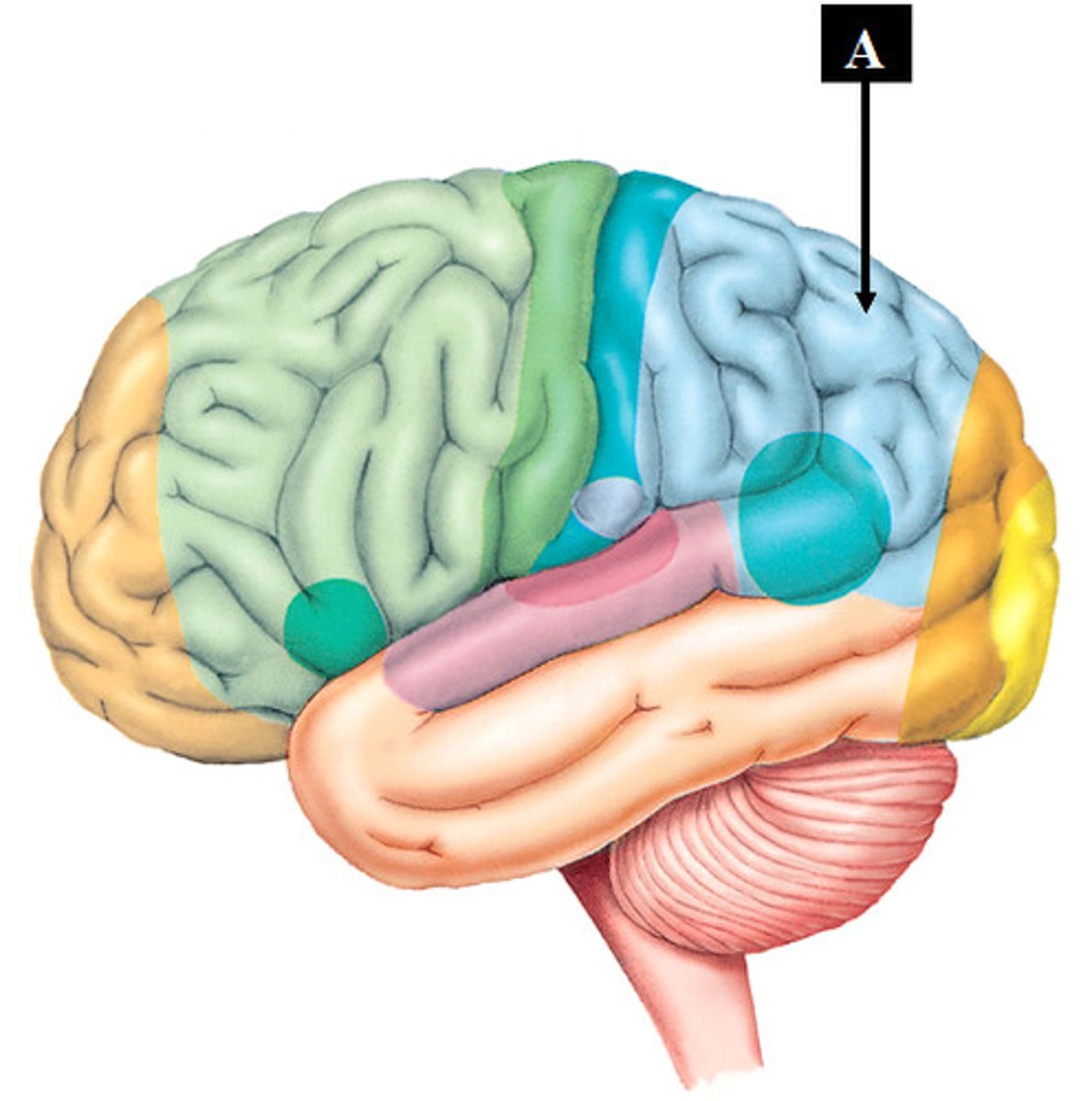
Temporal Lobe
auditory processing and hearing
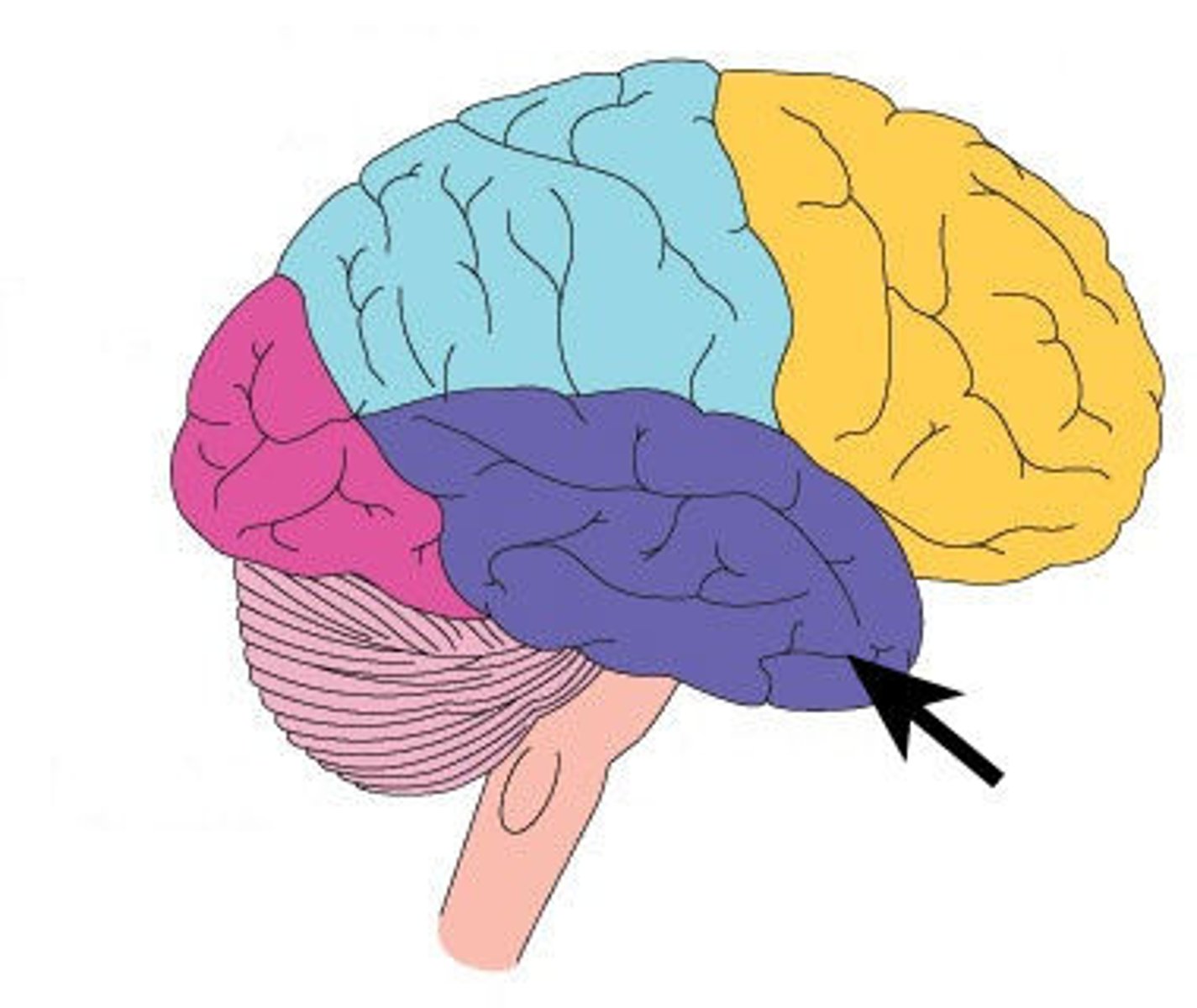
Auditory Cortex Function
Processes auditory information
(temporal lobe)
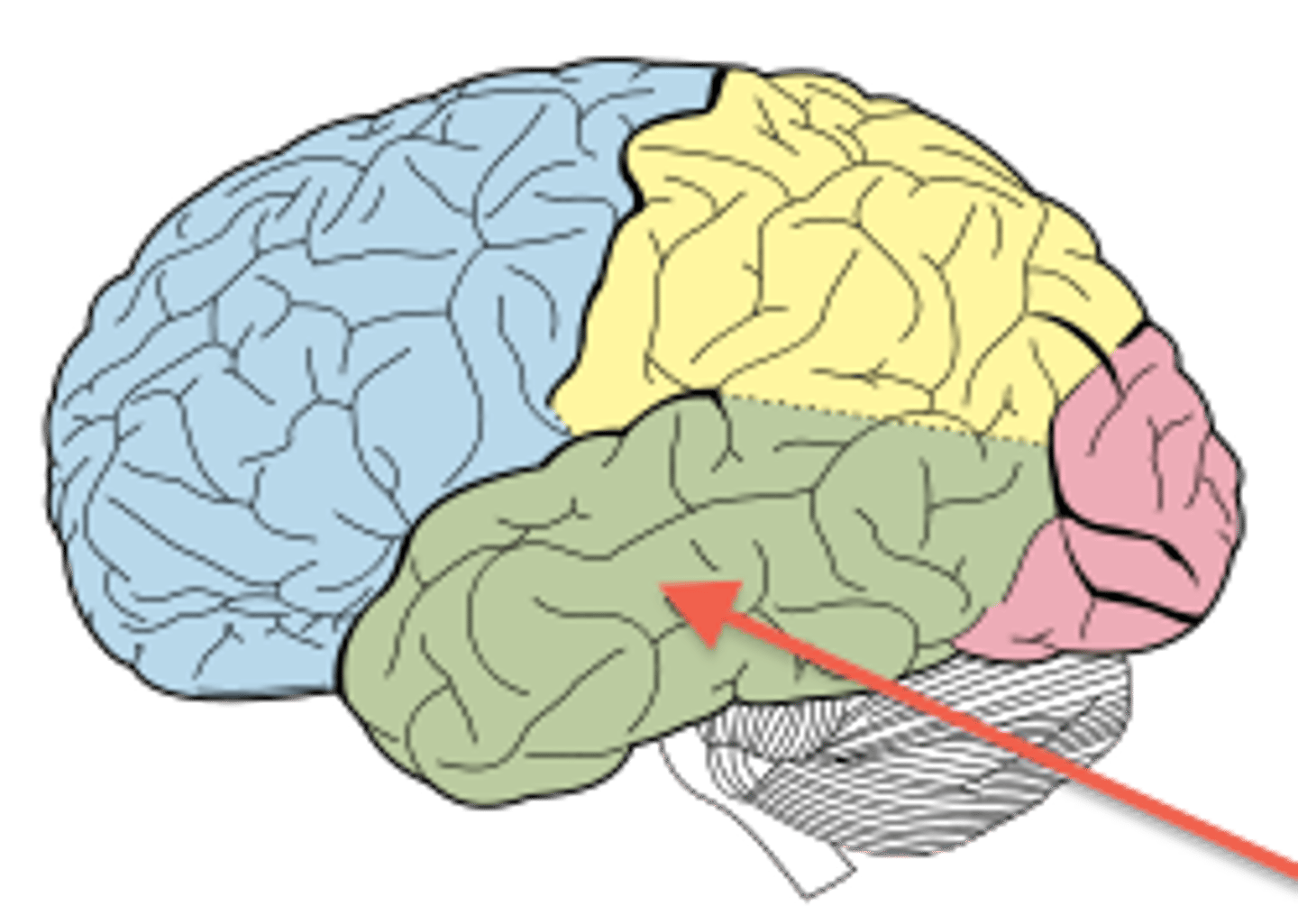
Wenicke's Area Function
Where spoken language is understood
Occipital Lobe
Visual cortex
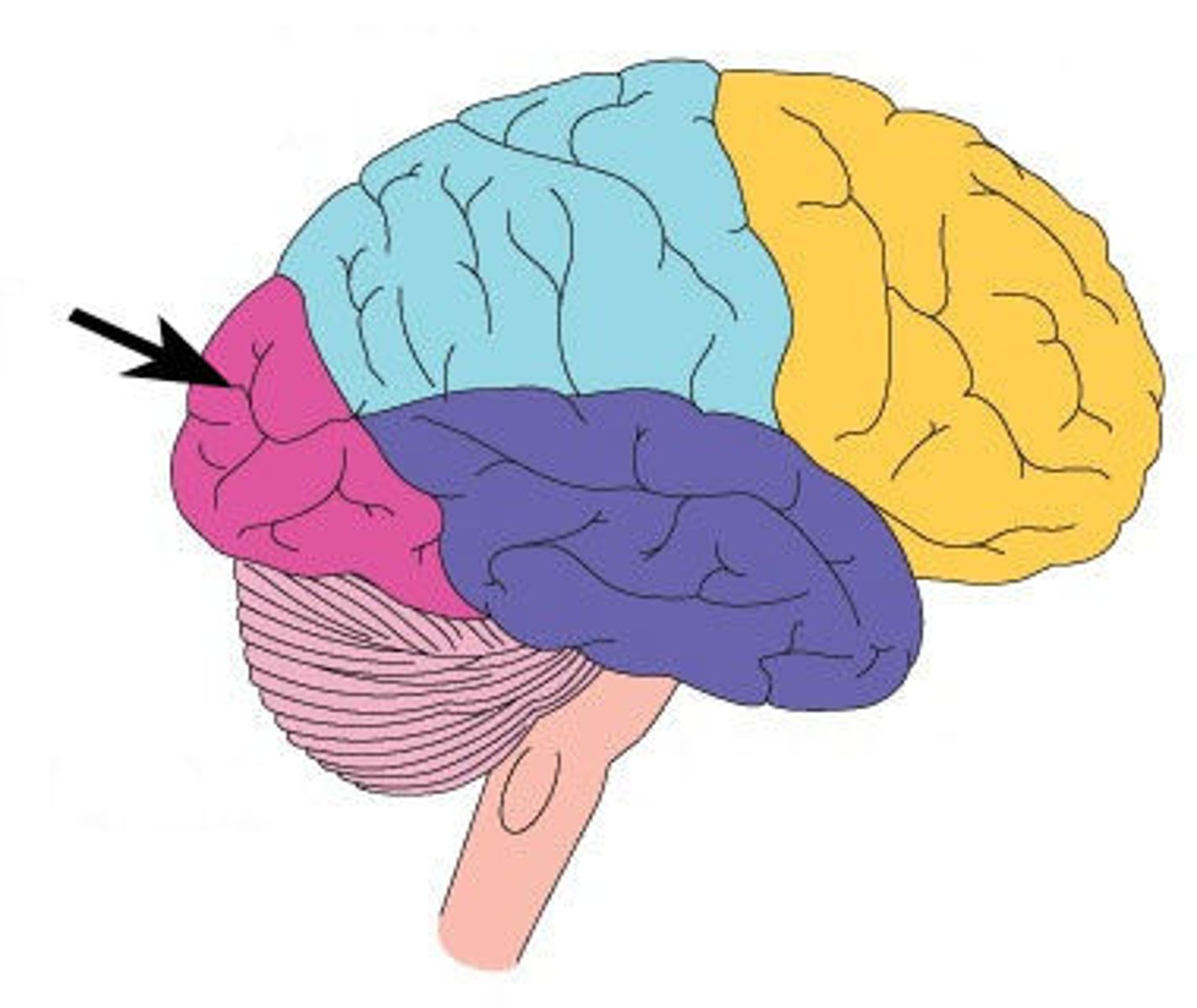
Visual Cortex Function
Receives visual input from retina
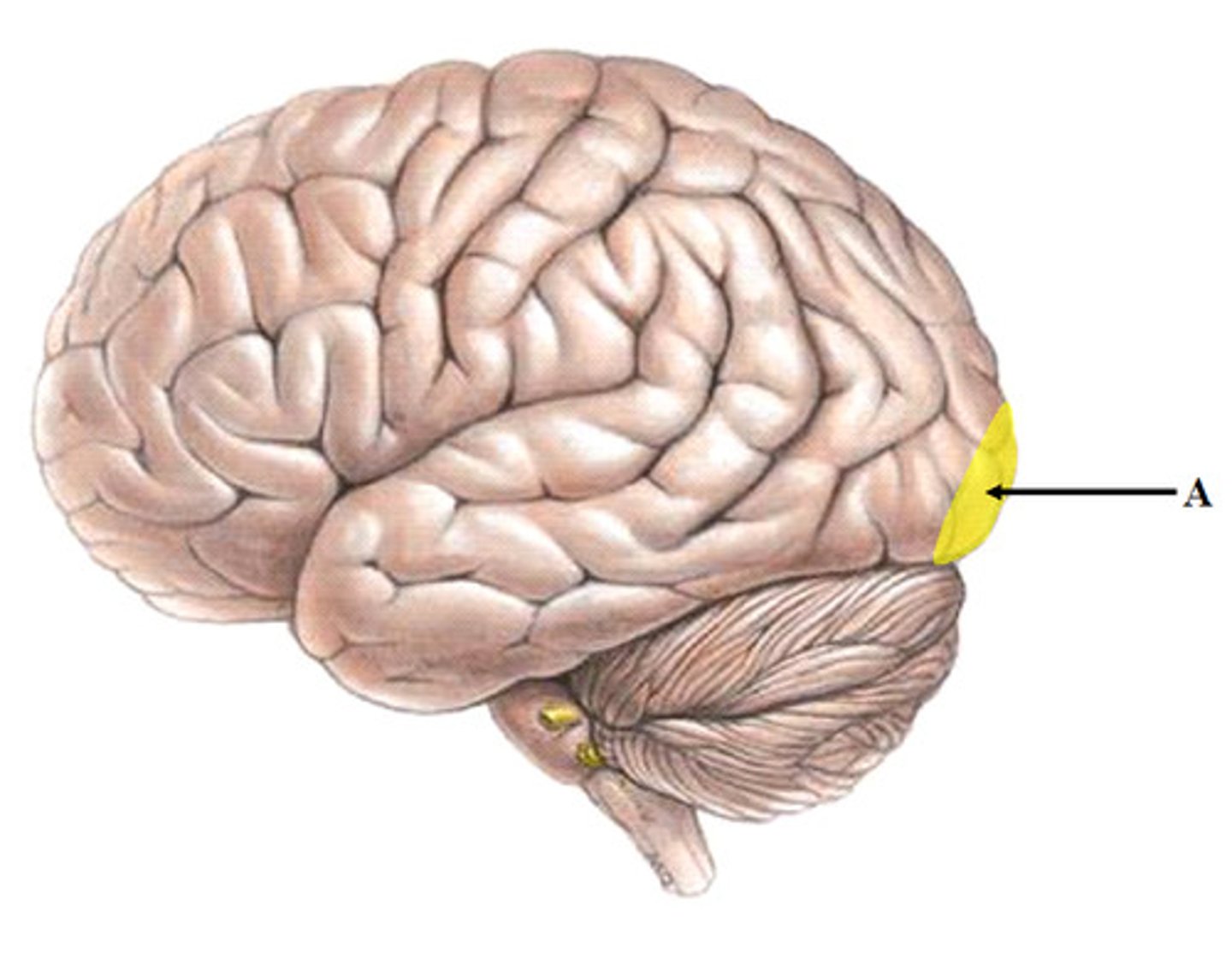
Corpus Callosum
Communicates between the two hemispheres
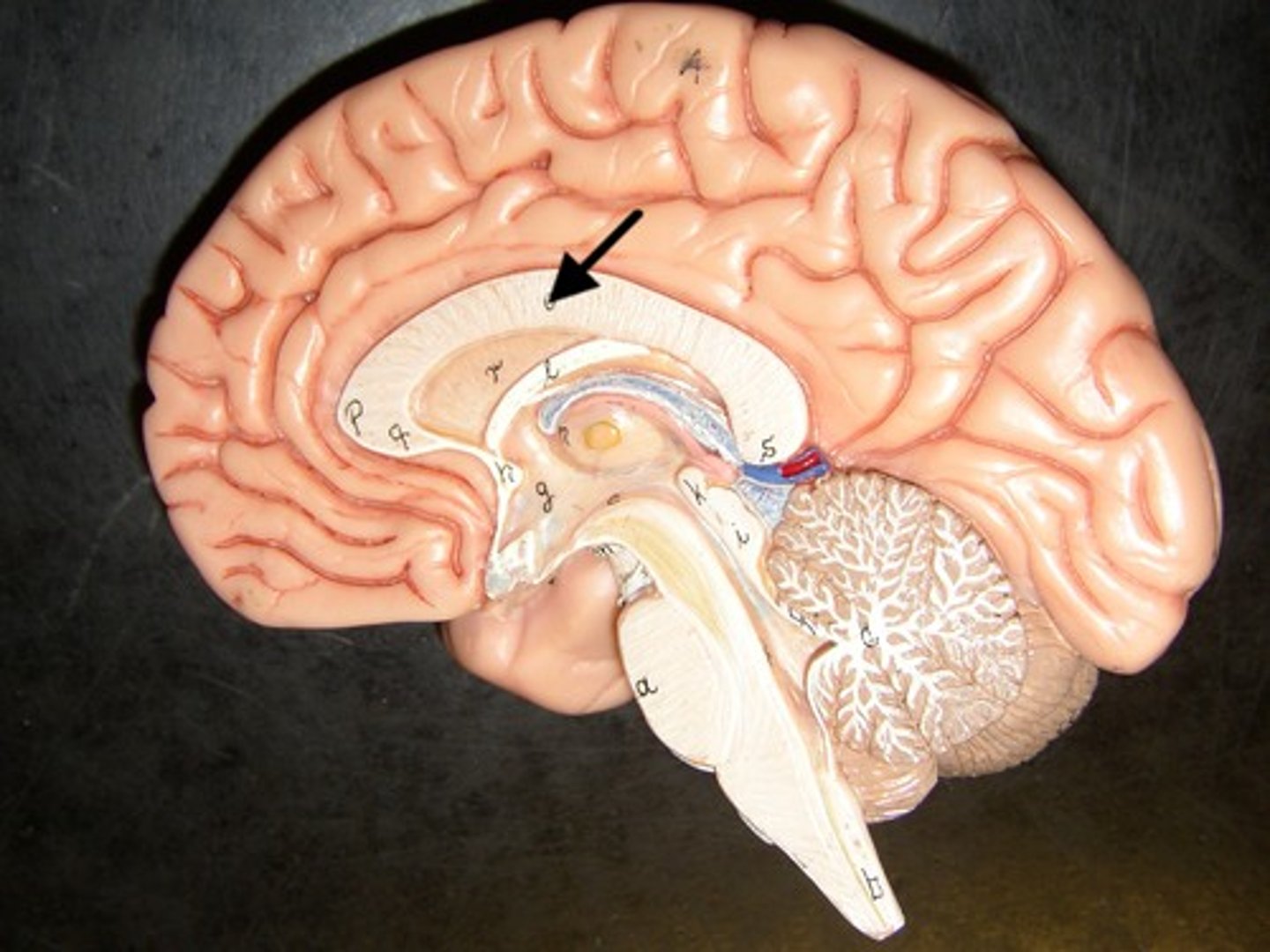
Hippocampus
long term memory
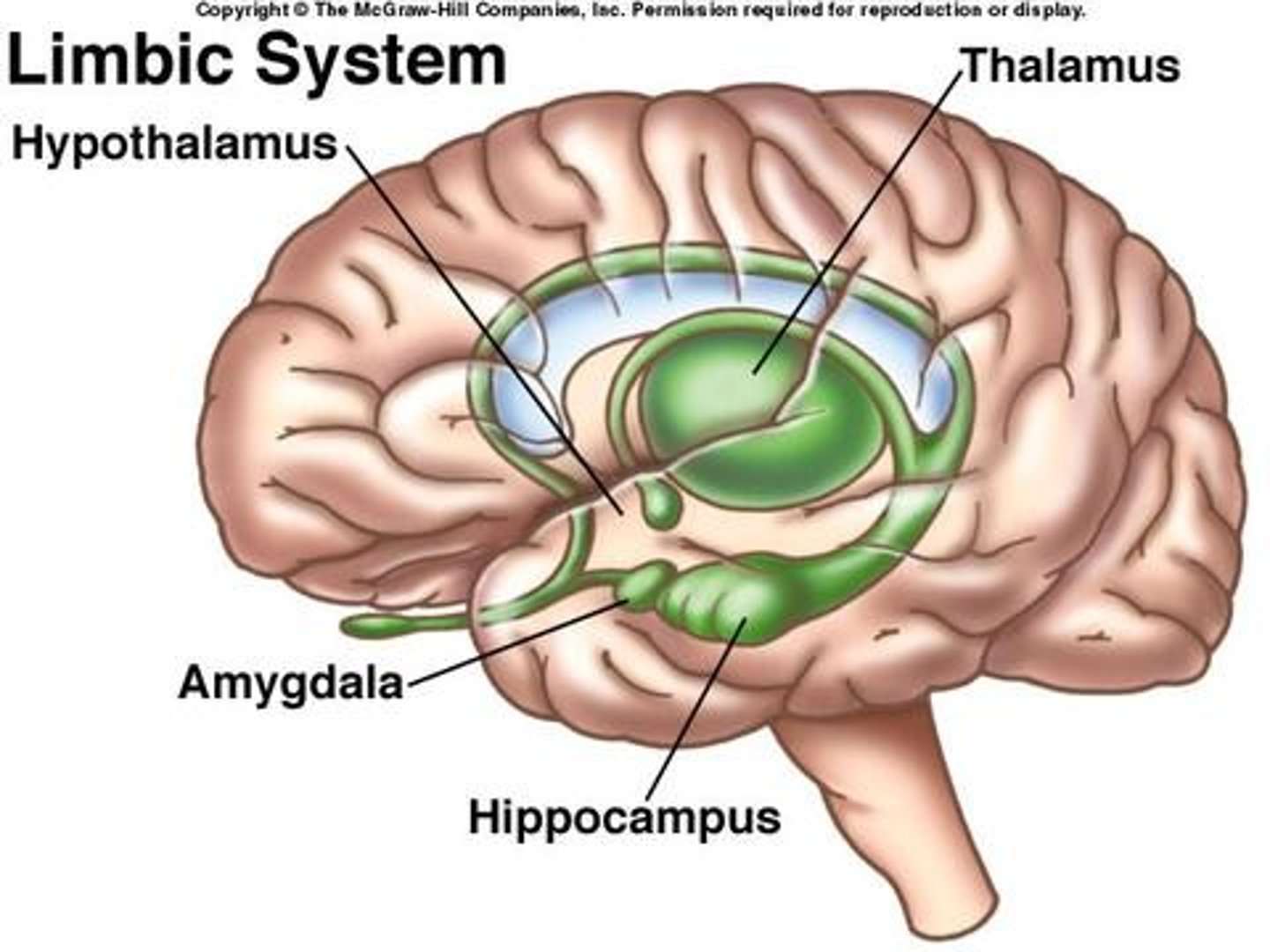
Amygdala
Emotions: fear and anger
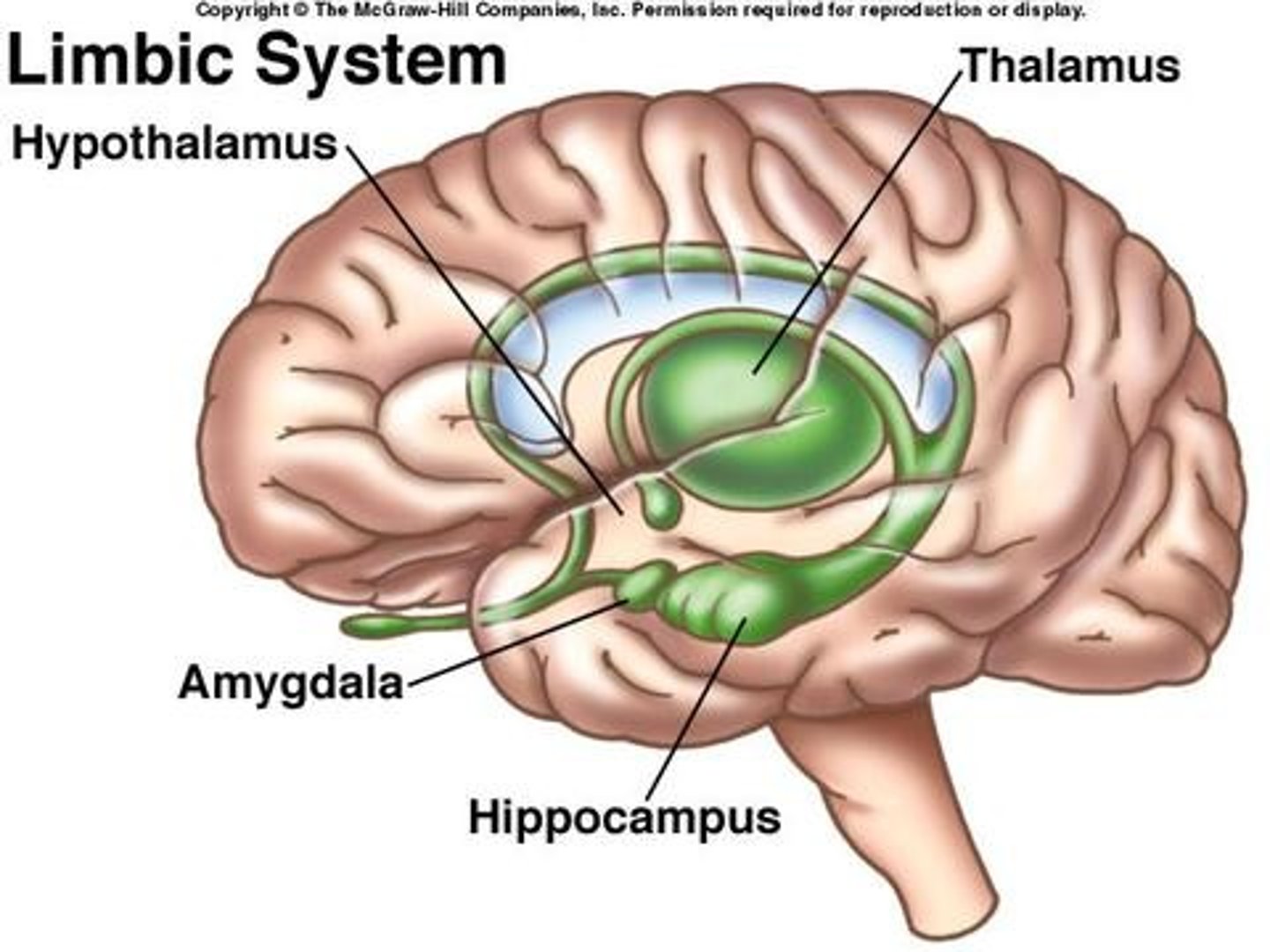
Hypothalamus
hunger, thirst, temperature (human thermostat)
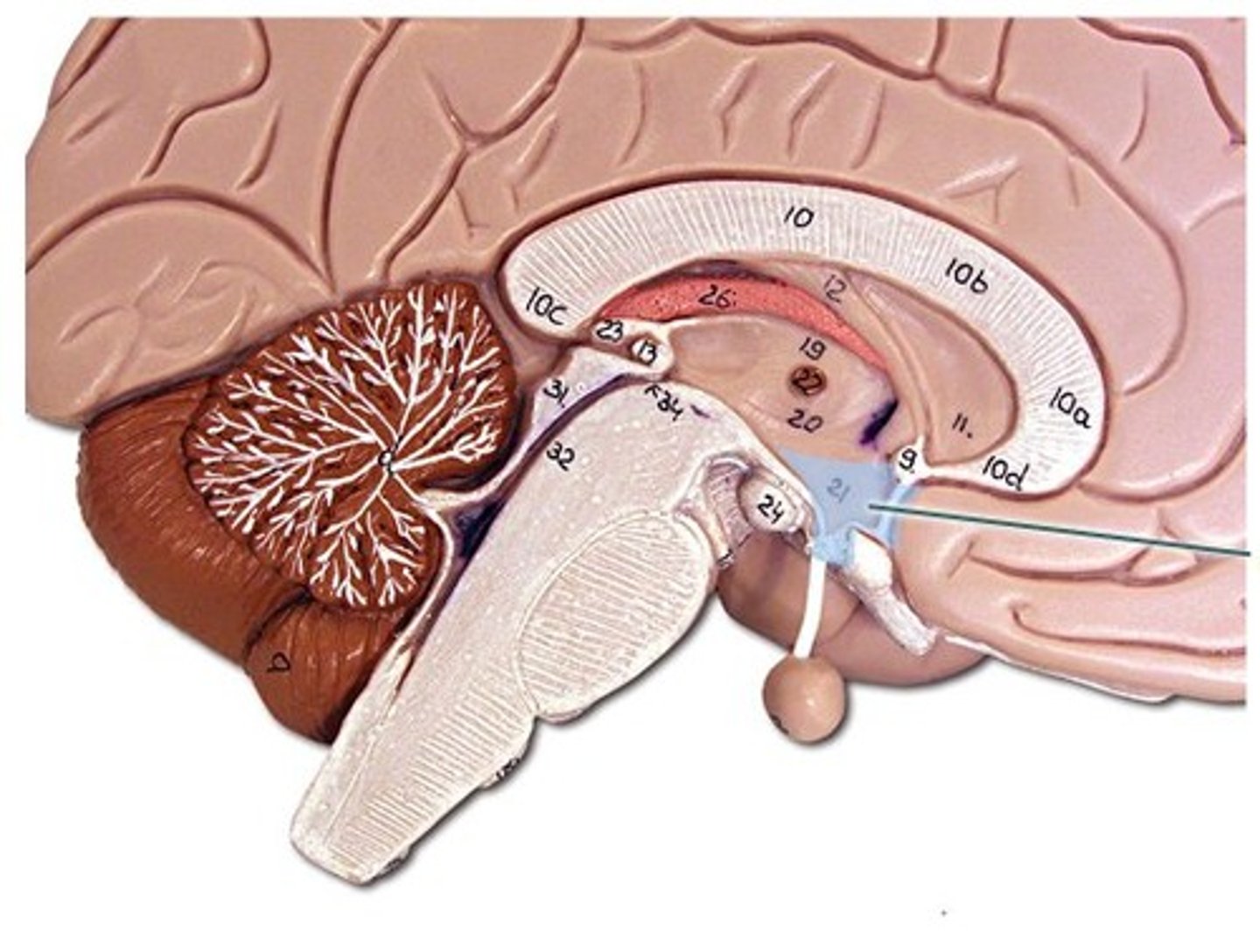
Pituitary Gland
2 pea like structures that produce growth hormones
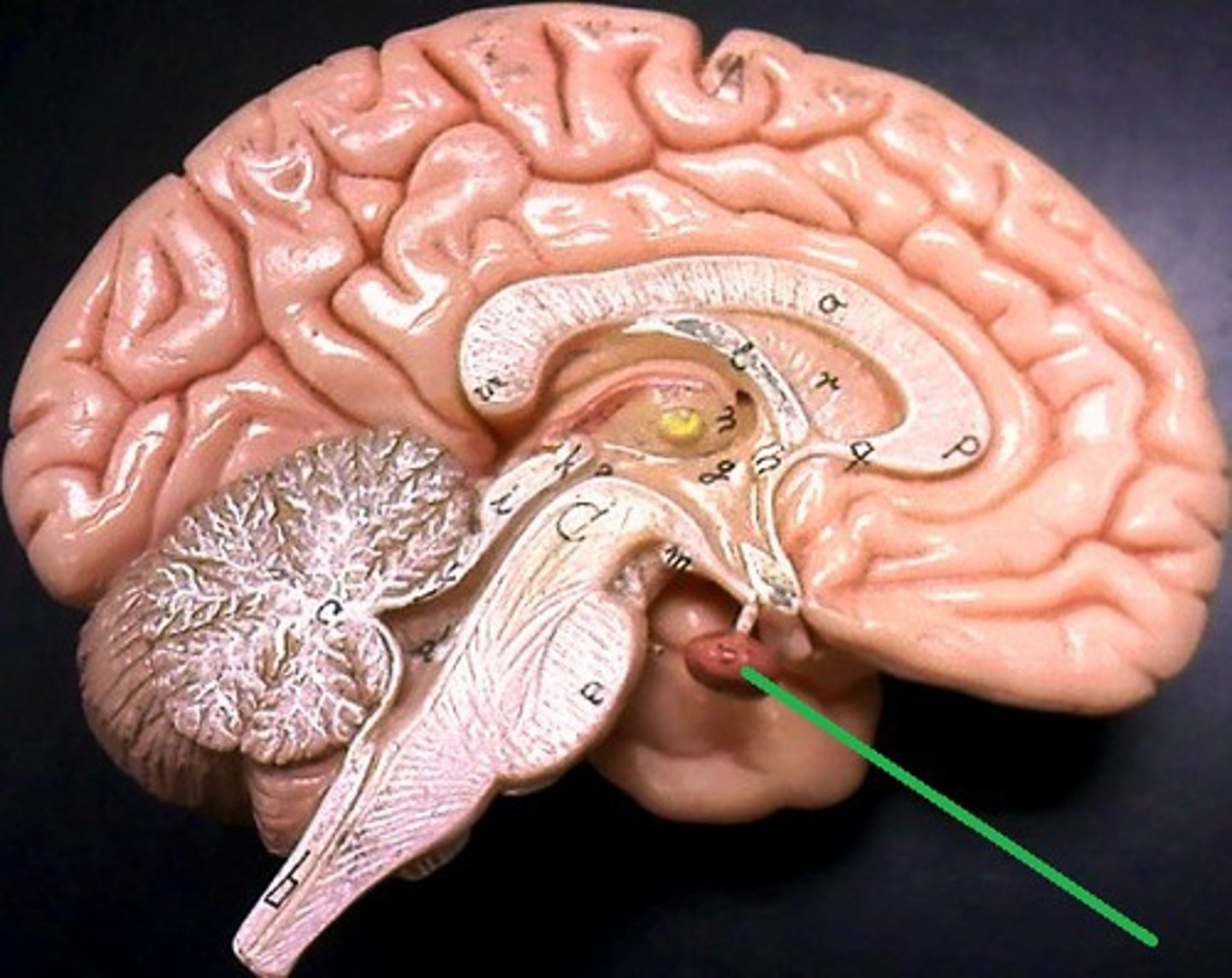
Thalamus
Sensory switch board, senses go through here (except smell)
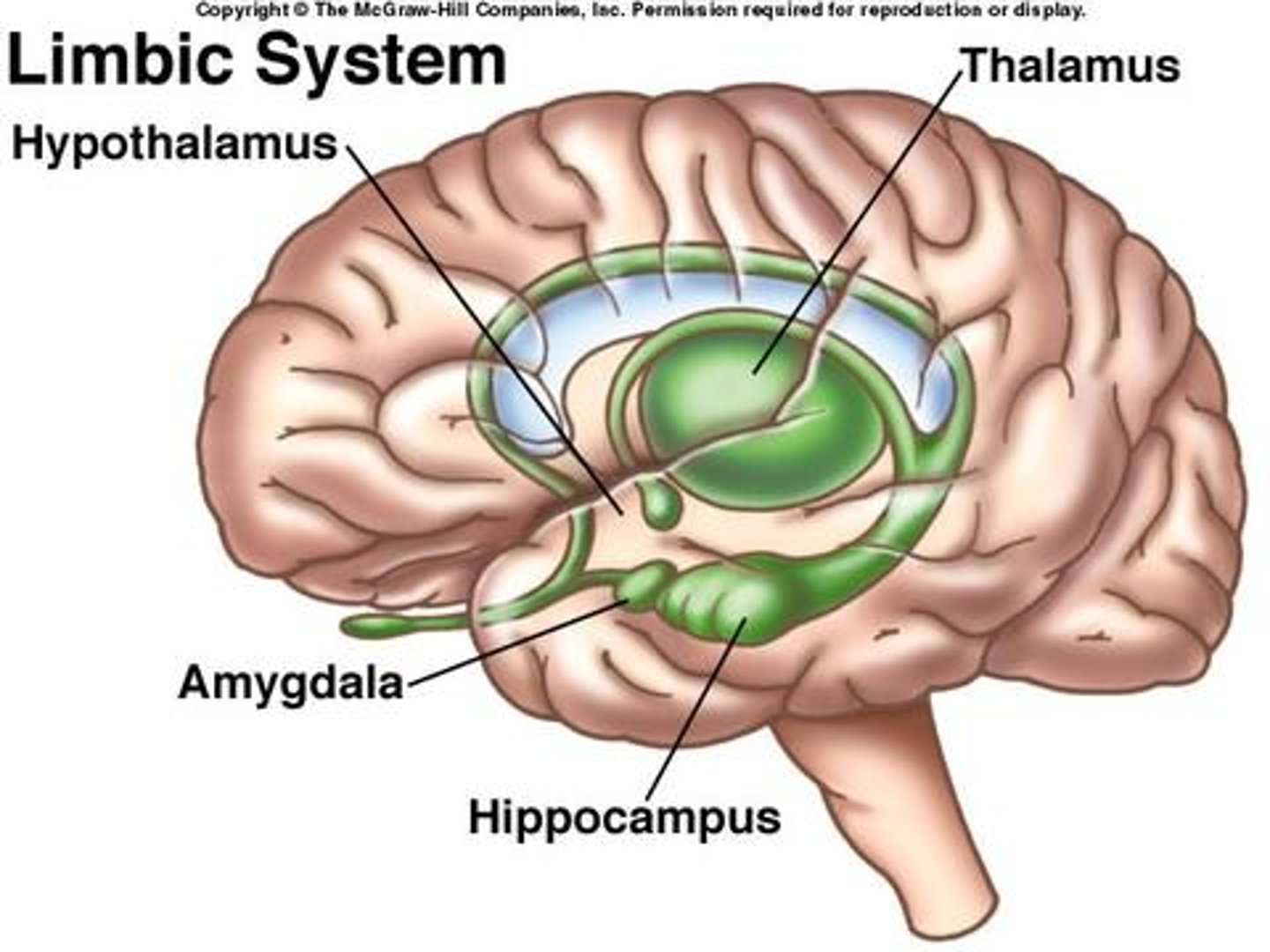
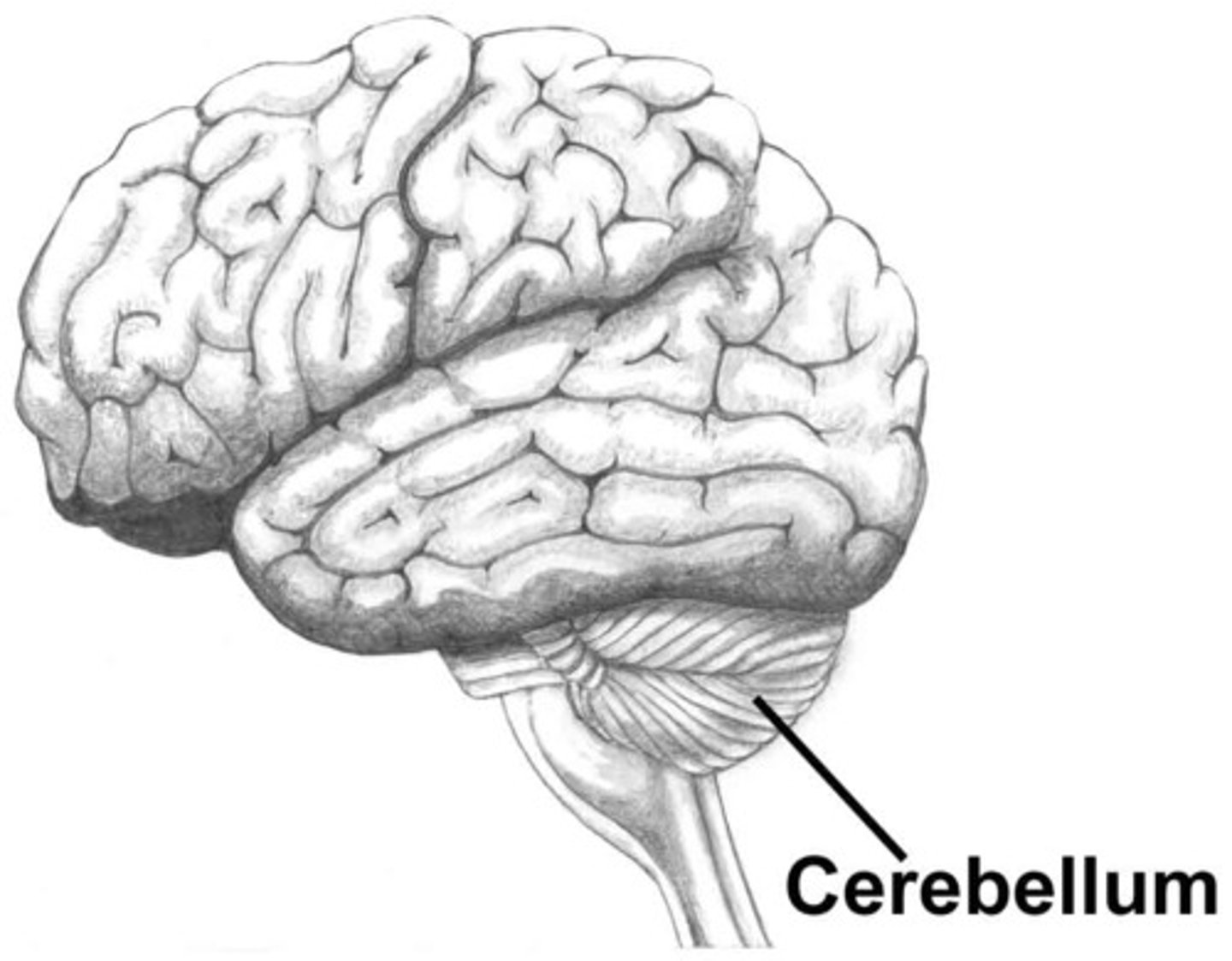
Cerebellum
Also known as little brain, coordination, memory, and balance
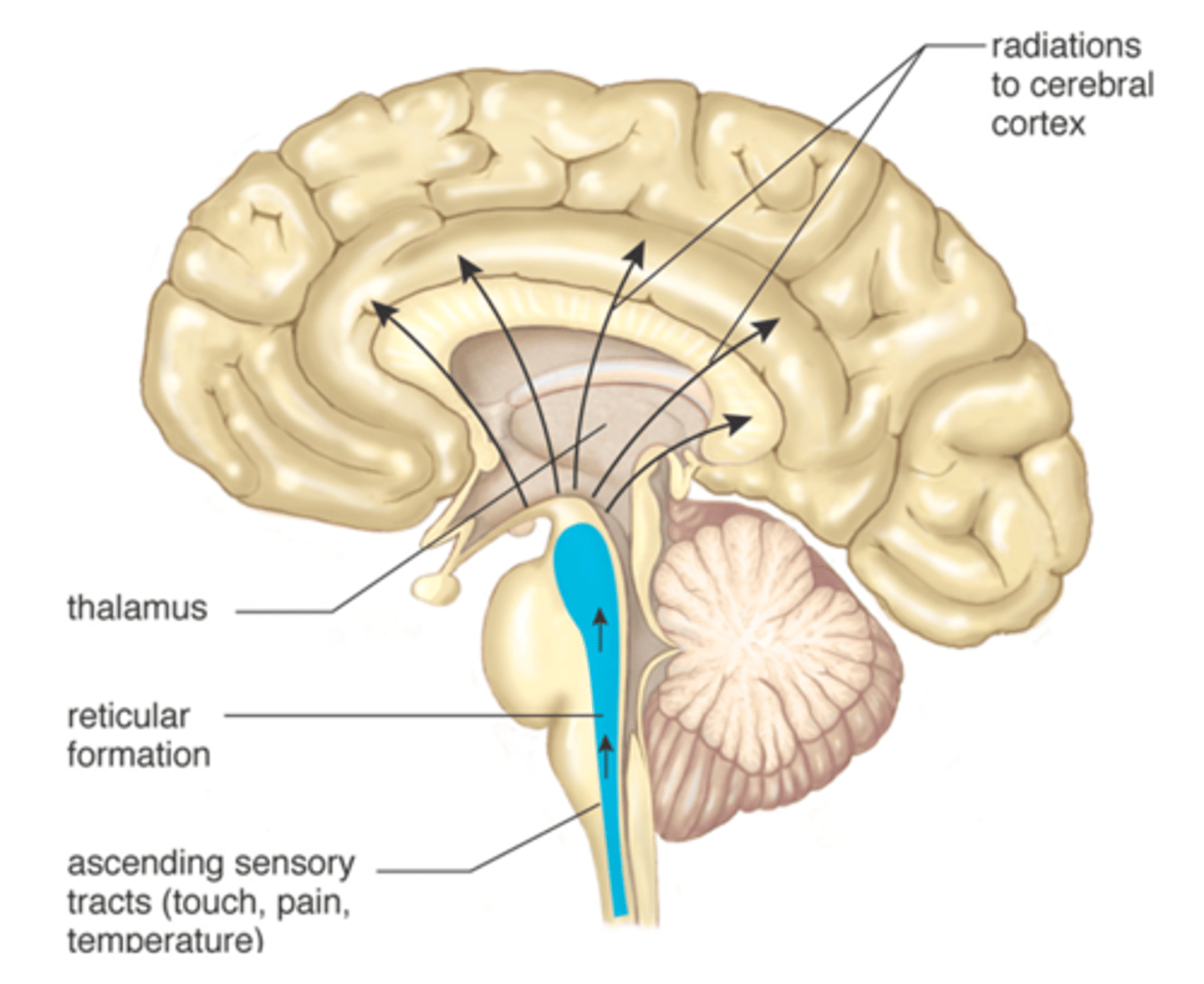
Reticular Formation
alertness and arousal
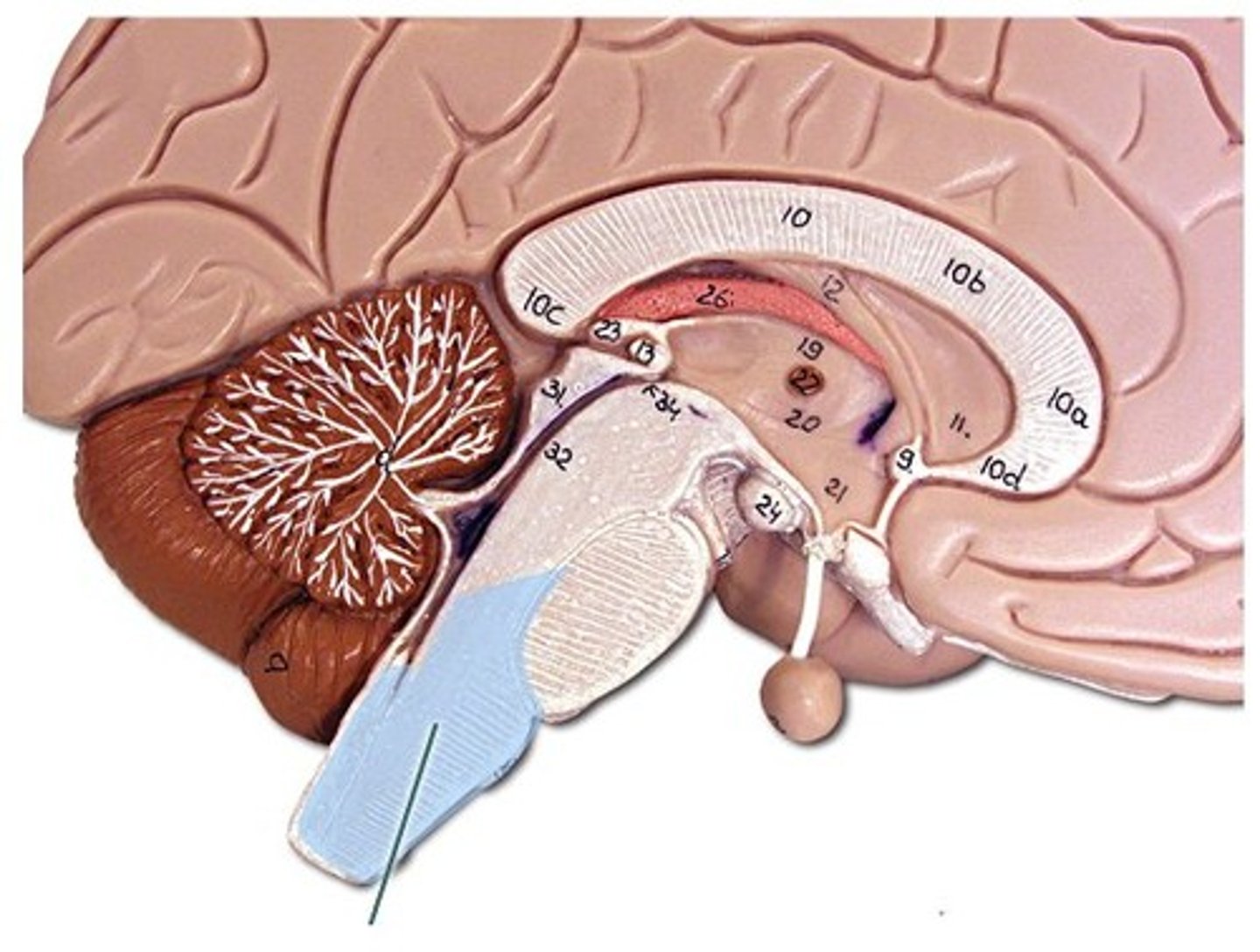
Medulla
Regulates breathing and heart rate
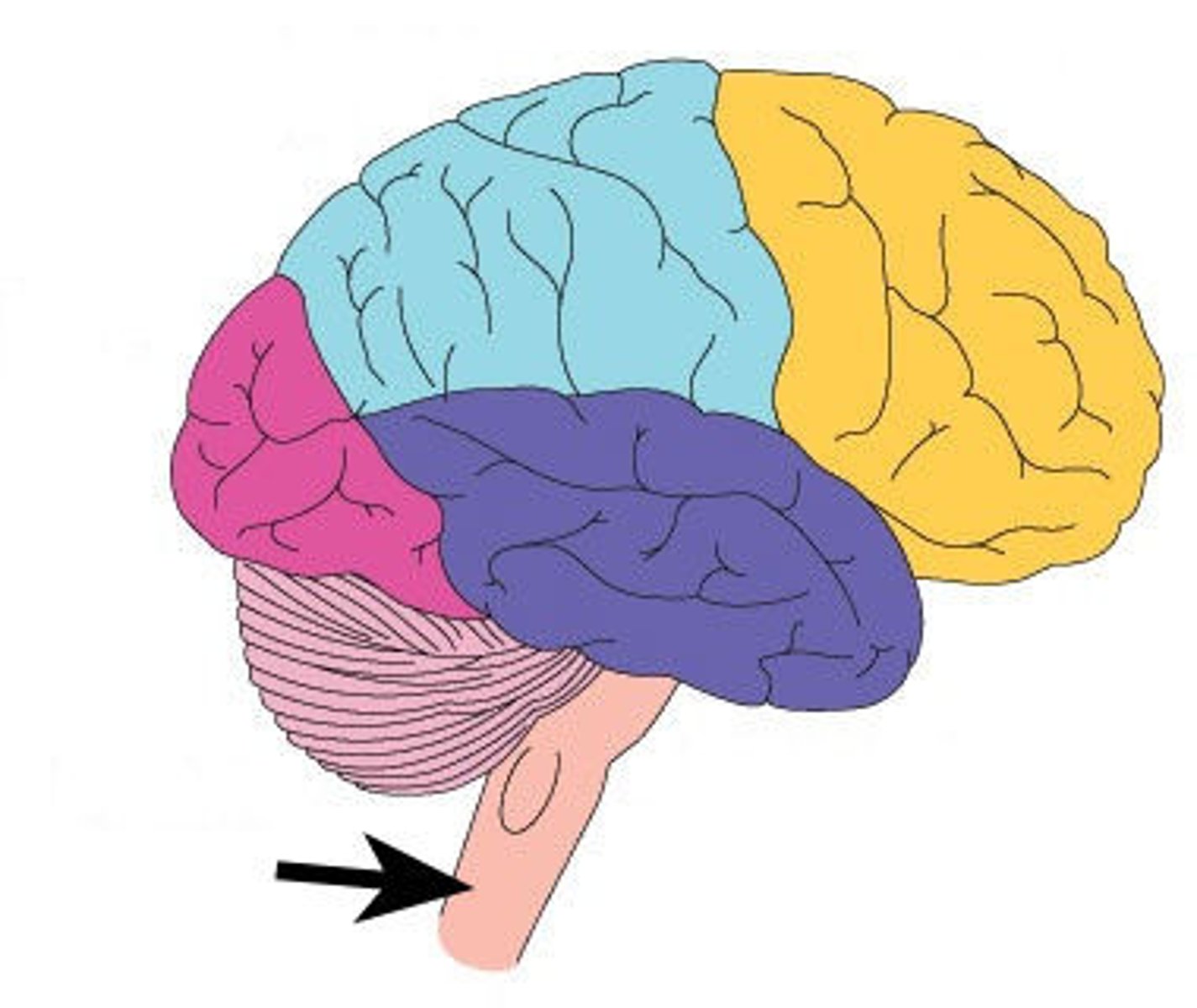
Brain Stem
regulates vital functions
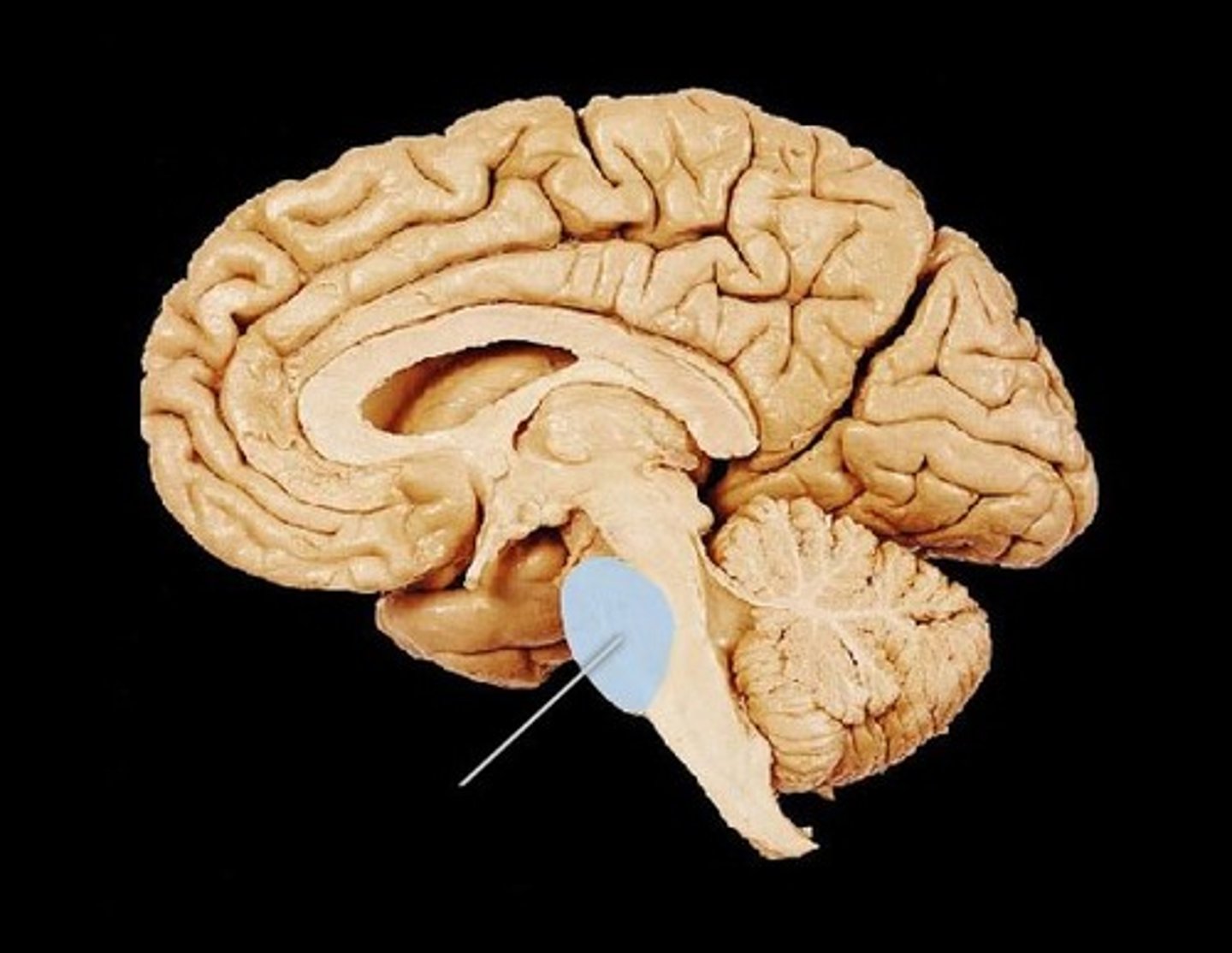
Pons
Sleep and dream function
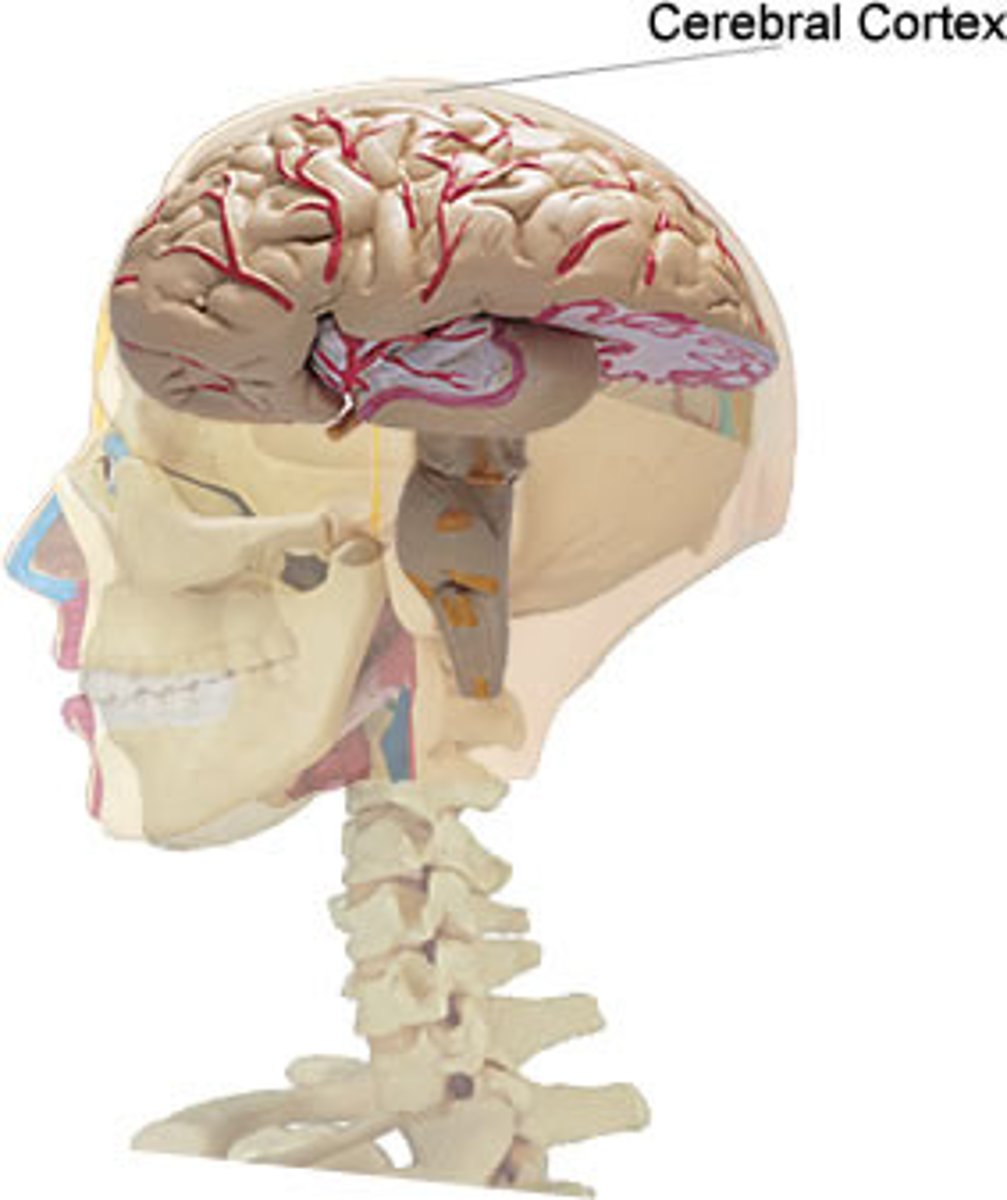
Cerebral Cortex
The part of the brain where information processing takes place. Divided into four lobes.
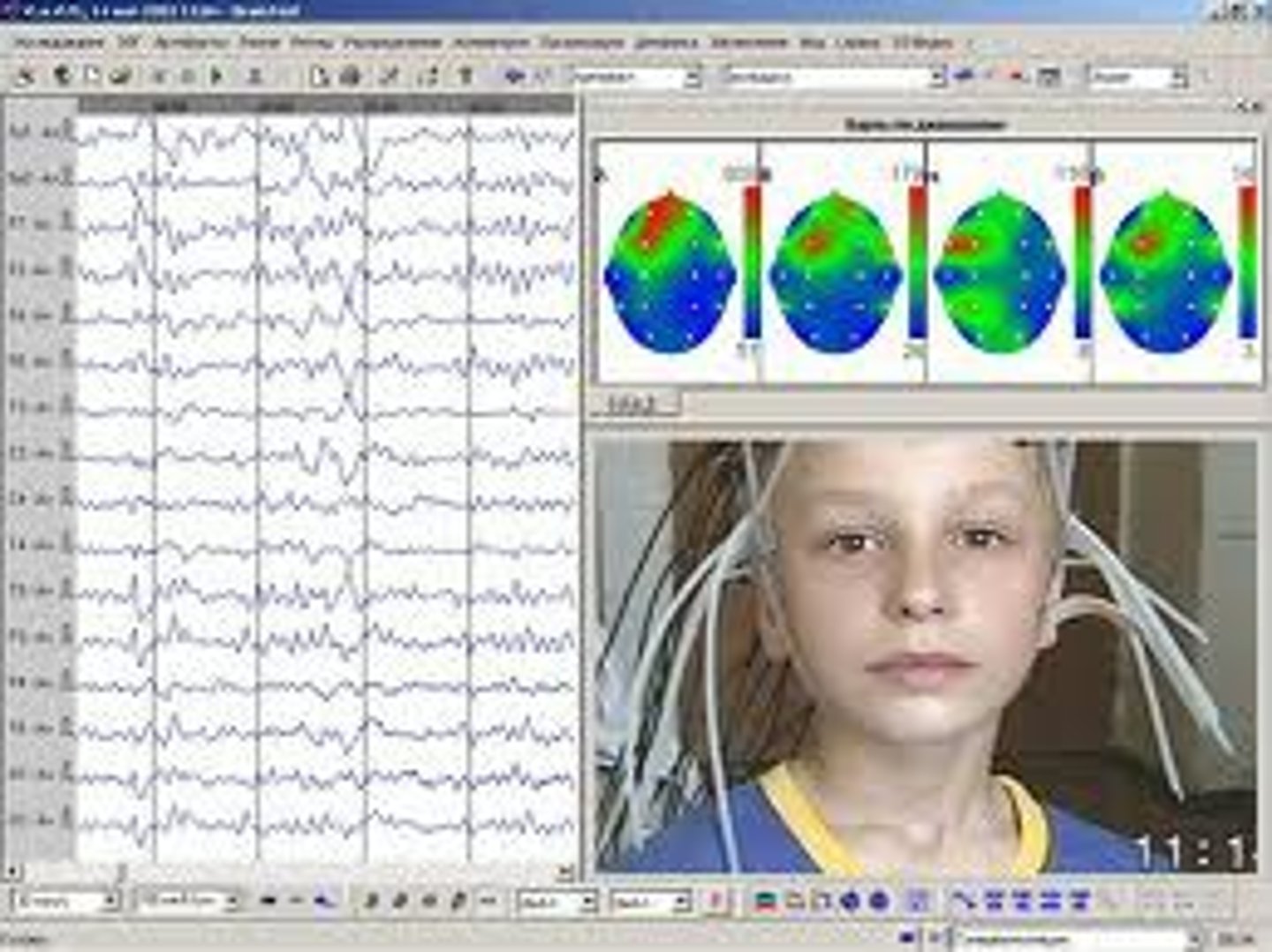
EEG (electroencephalogram)
Monitors electrical activity in the brain
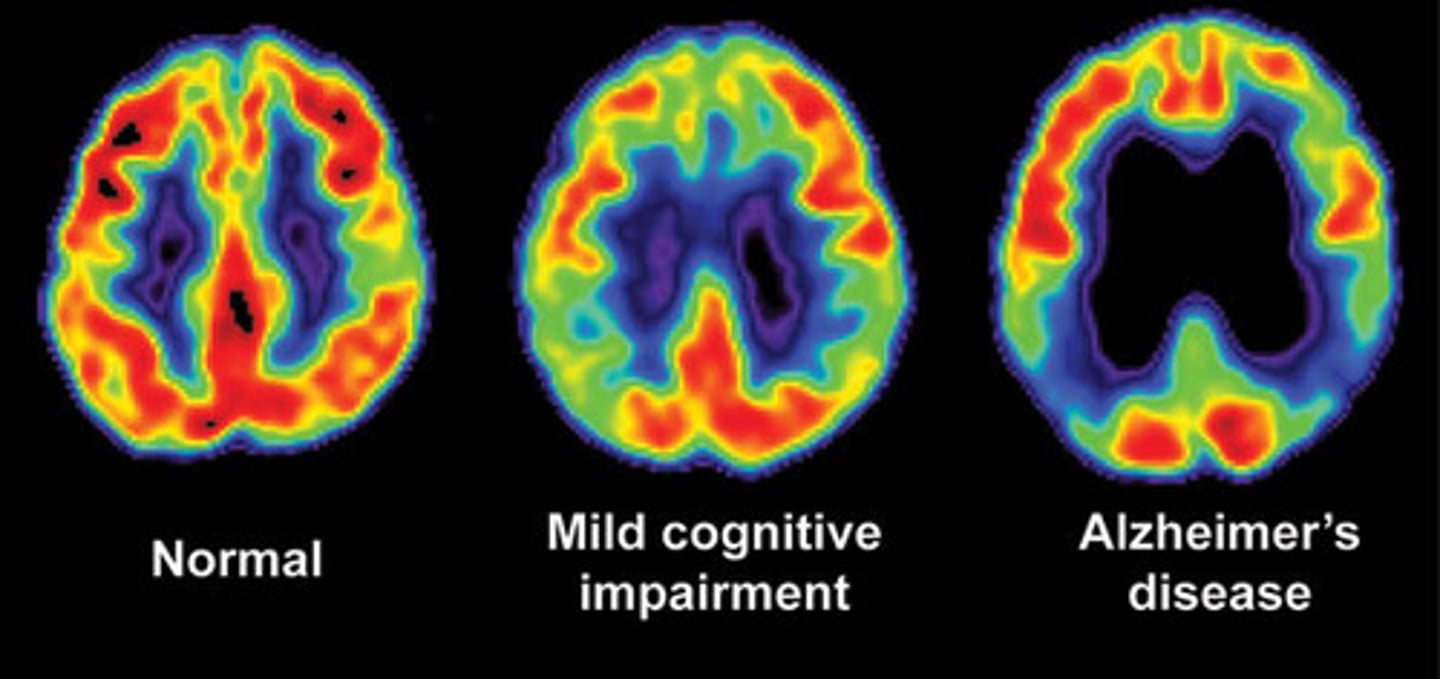
positron emission tomography (PET) scan
Images show blood flow and myocardial function following uptake of radioactive glucose.
Computerized Axial Tomography (CT Scan)
x-ray of the brain
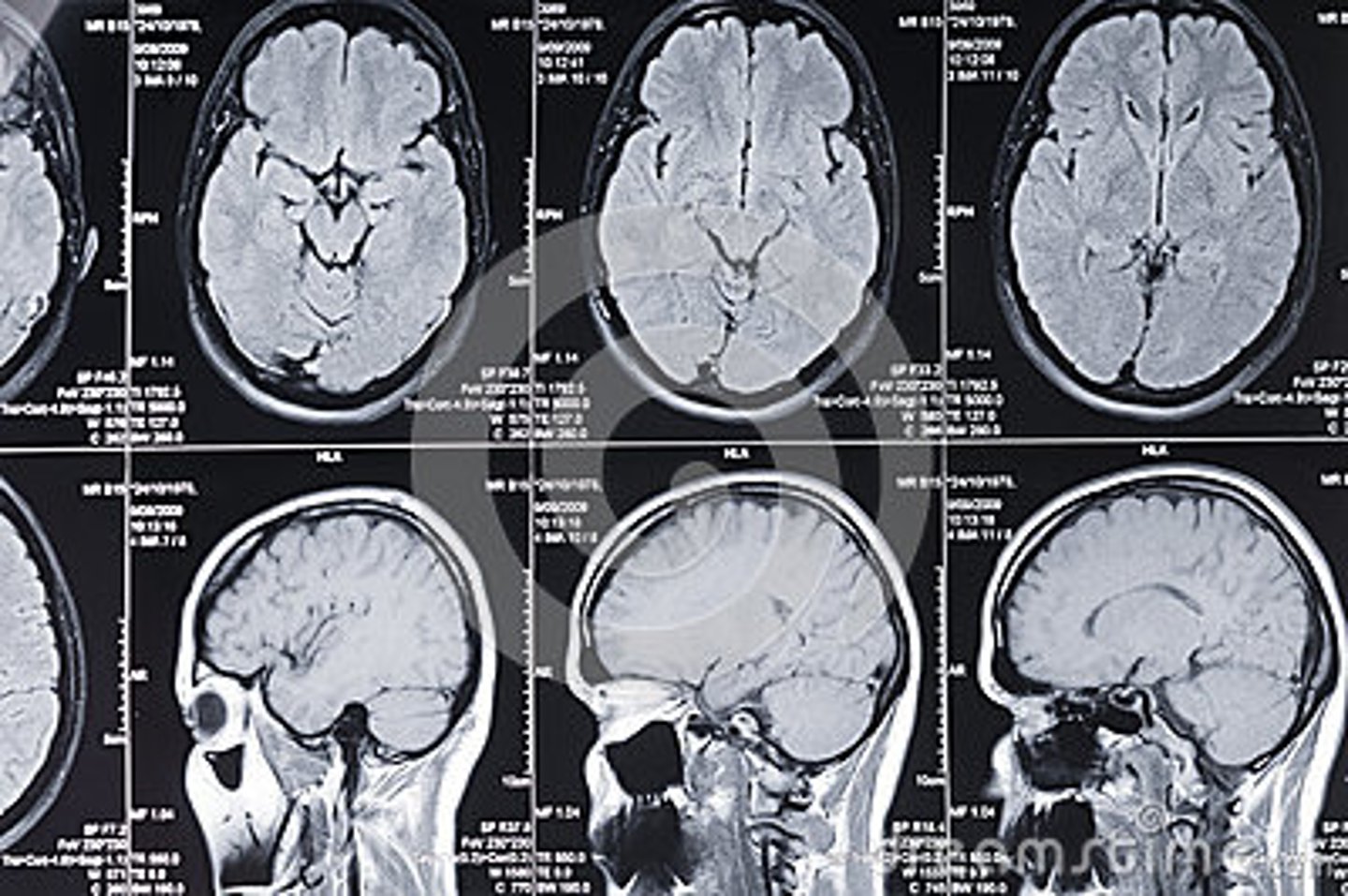
magnetic resonance imaging (MRI)
Uses magnetic fields and radio waves to produce computer-generated images that distinguish among different types of brain tissue.
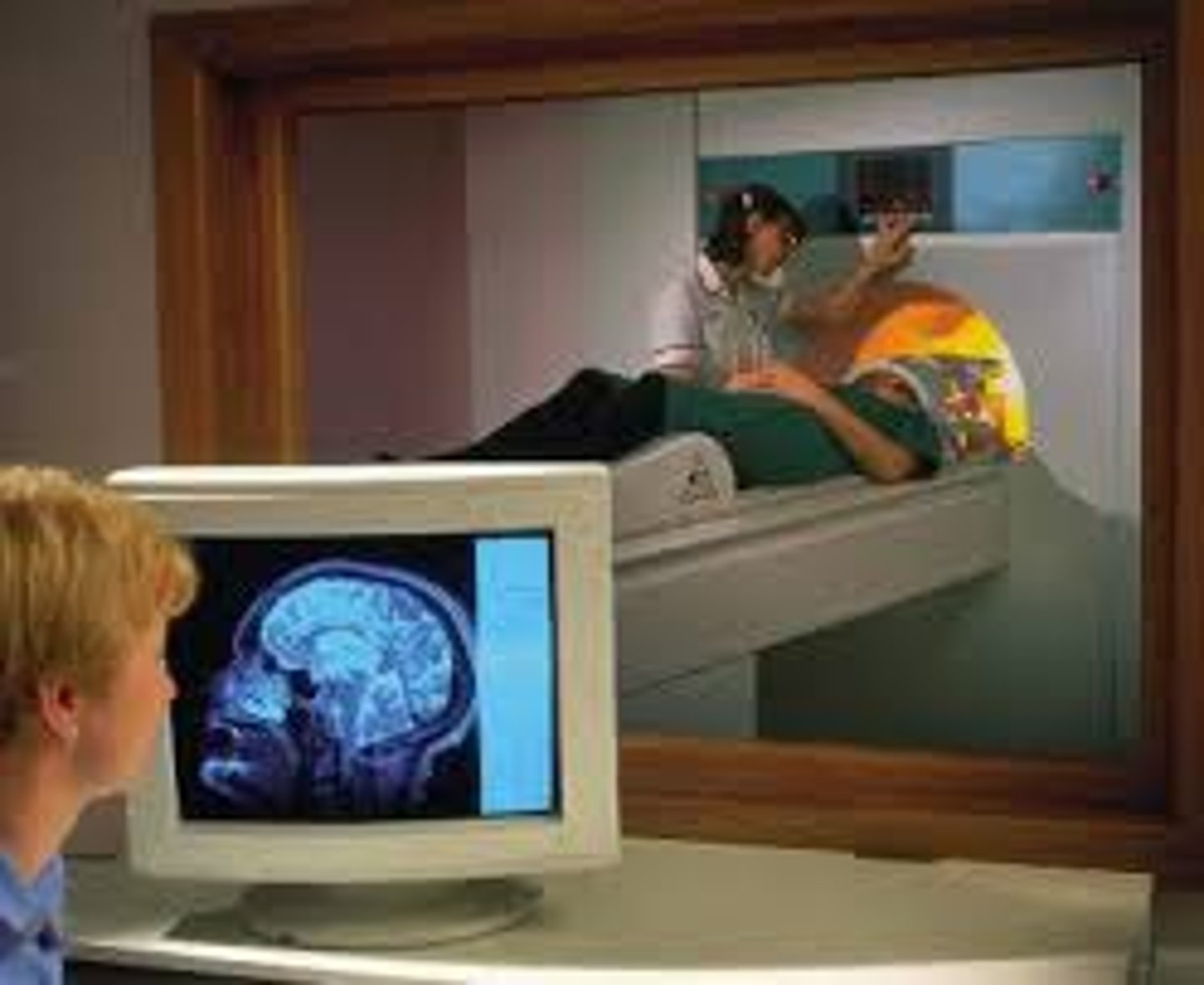
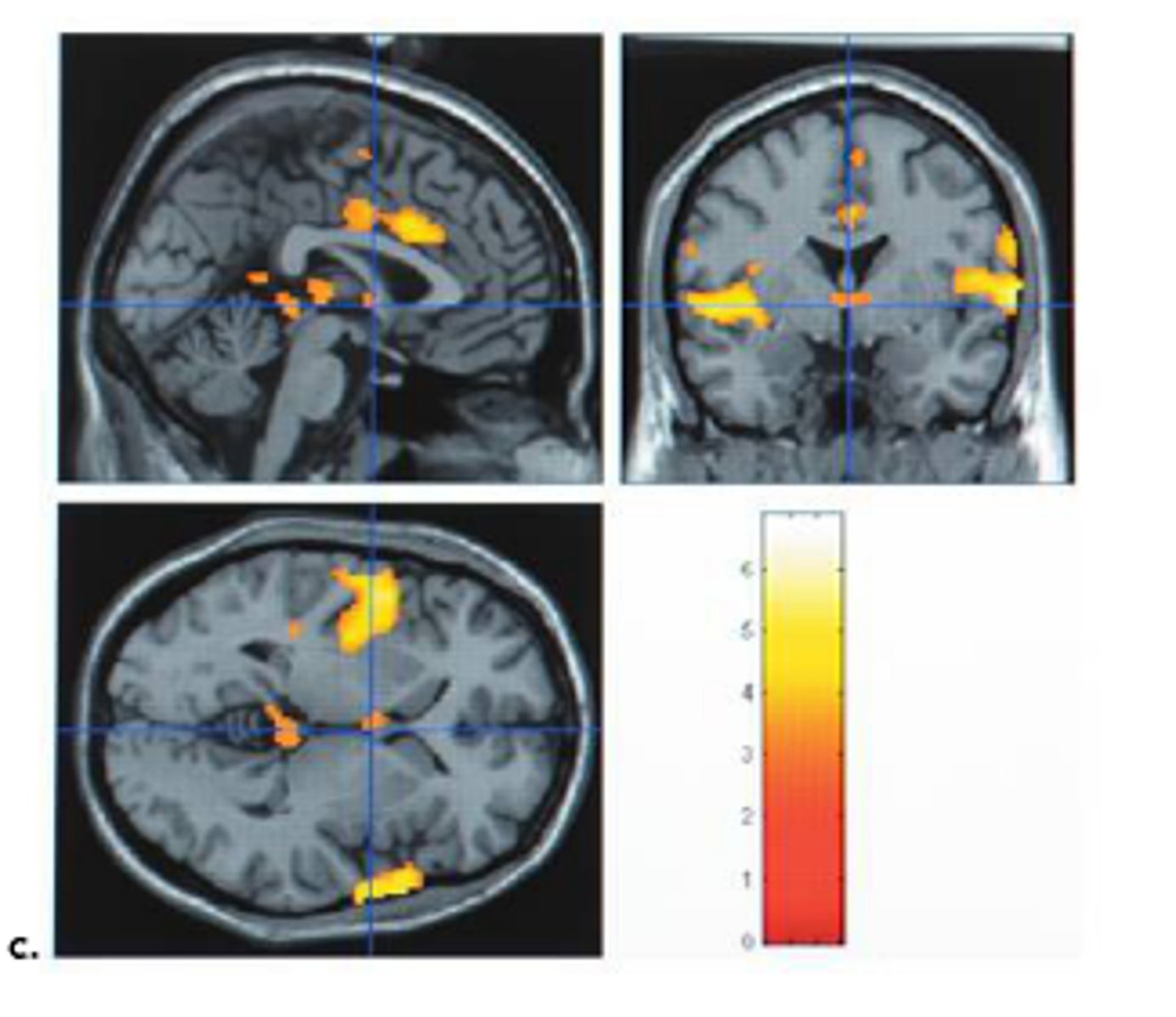
functional magnetic resonance imaging (fMRI)
Takes images of your brain while performing a specific function
Lesioning
The removal or destruction of part of the brain.