final lab practical study
 Call Kai
 Learn
Learn Practice Test
 Spaced Repetition
 Match
Match Flashcards
 Knowt Play
1/48

There's no tags or description
Looks like no tags are added yet.
Name | Mastery | Learn | Test | Matching | Spaced | Call with Kai |
|---|
No analytics yet
Send a link to your students to track their progress
49 Terms
homeostasis
the process by which living organisms maintain a stable internal environment despite changes inside or outside the body
receptor
detects a change in the environment
control center
receives information and decides how to respond
effector
carries out the response to correct the change
negative feedback
reverses/reduces a change to bring conditions back to normal
positive feedback
amplifies or increases a change instead of reversing it
integumentary system
regulates temperature
cardiovascular system
regulates blood flow and pressure
respiratory system
inhales oxygen and exhales CO2
reproductive system
produces gametes & hormones
nervous system
detects changes and sends rapid signals to maintain balance
gastrointestinal system
breaks down food and absorbs them into nutrients
lymphatic/immune system
returns excess fluid to bloodstream
urinary system
regulates water and pH balance
skeletal system
stores minerals
muscular system
helps maintain body temperature
fertilization
the union of a sperm cell and an egg cell to form a zygote
cleavage
a series of rapit mitotic cell divisions that increases the number of cells without increasing overall size of embryo
gastrulation
the process by which the embryo reorganizes into three primary germ layers [ectoderm, mesoderm, endoderm]
ectoderm
skin and nervous system
mesoderm
muscles, bones, circulatory system
endoderm
digestive and respiratory linings
organogenesis
the stage during which the germ layers develop into specific organs and organ systems
tissue specialization
the process where cells become structurally and functionally specialized for particular roles
development sequence
fertilization, cleavage, gastrulation, organogenesis, tissue specialization
mitosis
cell division that produces two identical diploid daughter cells used for growth and repair [location: onion root tip]
meiosis
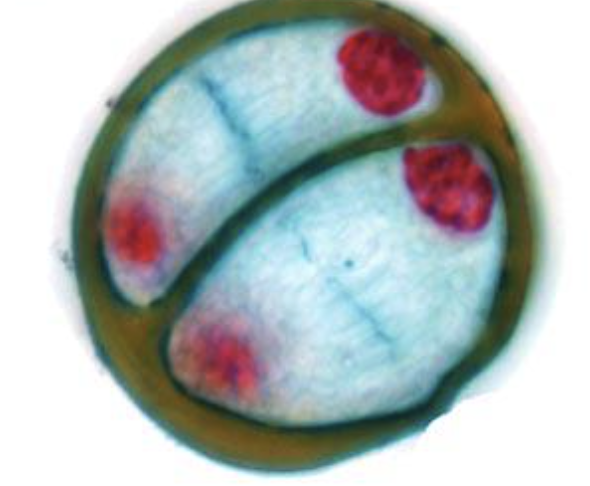
cell division that produces four genetically different haploid cells (gametes)
homozygous recessive
two identical, recessive alleles for a specific gene (aa)
homozygous dominant
two identical dominant alleles for a specific gene (AA)
heterozygous
two different alleles of a specific gene, one inherited from each biological parent (Aa)
phenotype
the set of observable characteristics, traits, or physical appearance of an organism (ex: hair color, eye color)
genotype
the specific set of genes an organism inherits (ex: aa, AA, Aa)
alleles
a variant form of a specific gene, representing different versions of a DNA sequence at a given genomic location
chromosomes
a thread-like structure located inside the nucleus of animal and plant cells, composed of a single, long molecule of DNA coiled tightly around proteins
stages of mitosis order
prophase → metaphase → anaphase → telophase
prophase
nucleus is still present; chromosomes are condensing
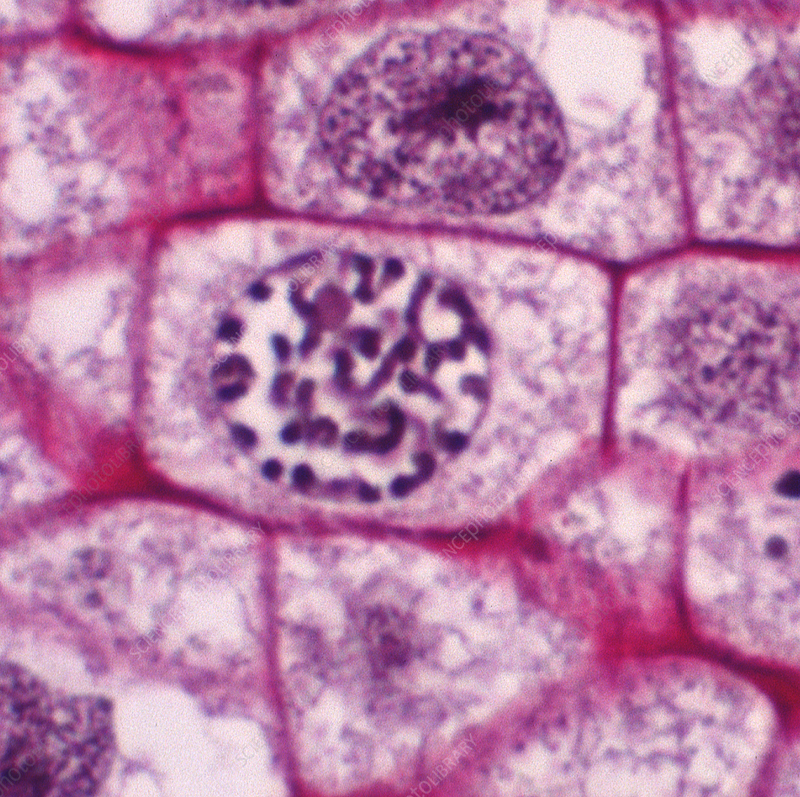
metaphase
chromosomes line up in the middle of the cell; nucleus becomes disassembled
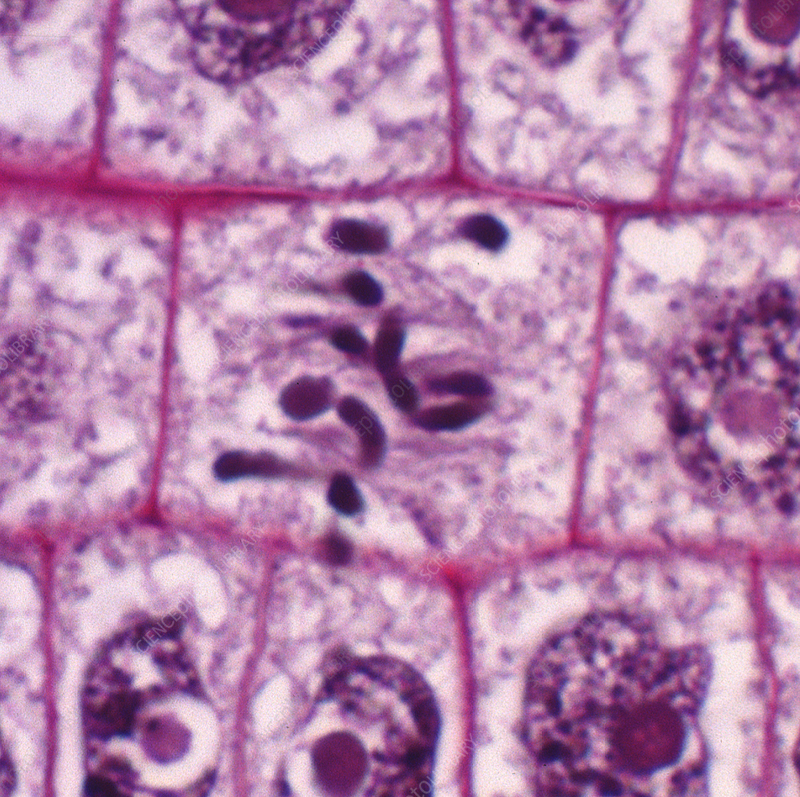
anaphase
chromosomes move away to the opposite sides of the cell, towards the poles of the cells
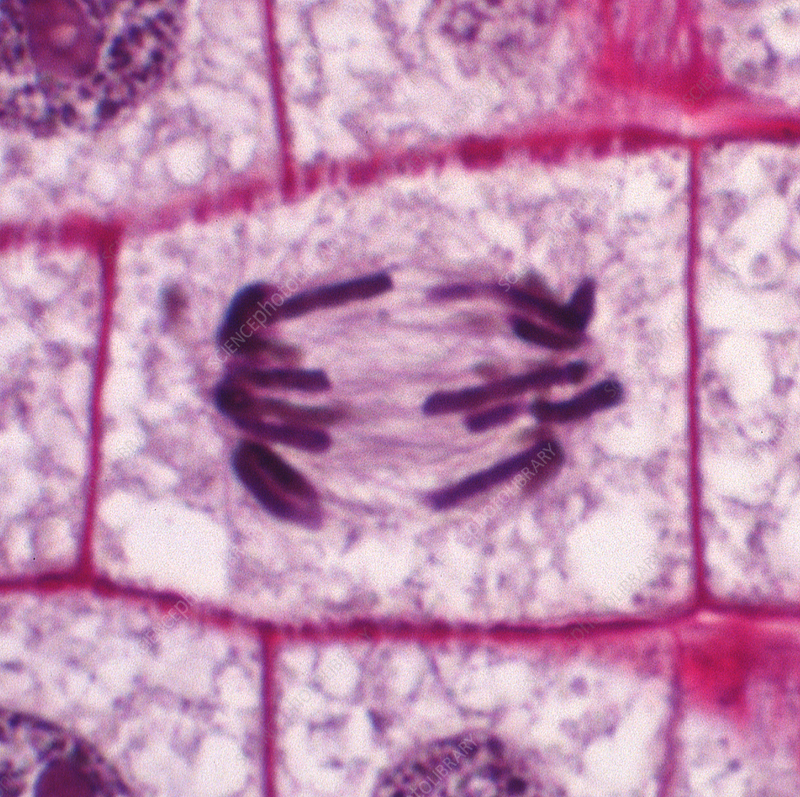
telophase
chromosomes are at the opposite ends and new nuclei are are forming on each side to make new cells
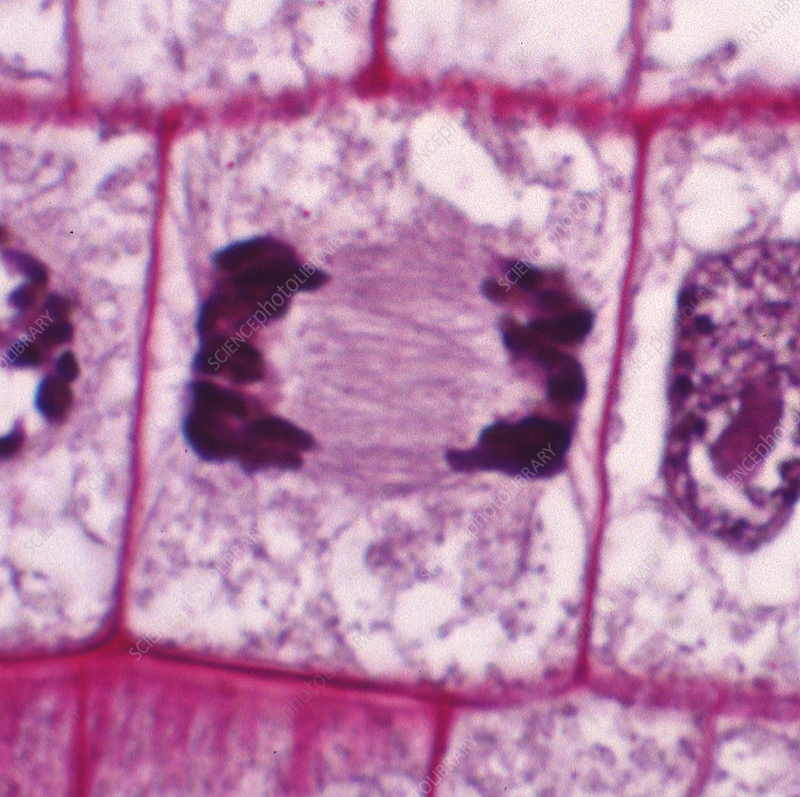
cytokinesis
the final physical process of cell division, where the cytoplasm of a single eukaryotic cell divides into two distinct daughter cells
meiosis stages of division
Meiosis 1: prophase I → metaphase I → anaphase I → telophase I / Meiosis II: prophase II → metaphase II → anaphase II → telophase II
prophase I
chromosomes condense and thicken; homologous chromosomes cross over and exchange genetic info between each other
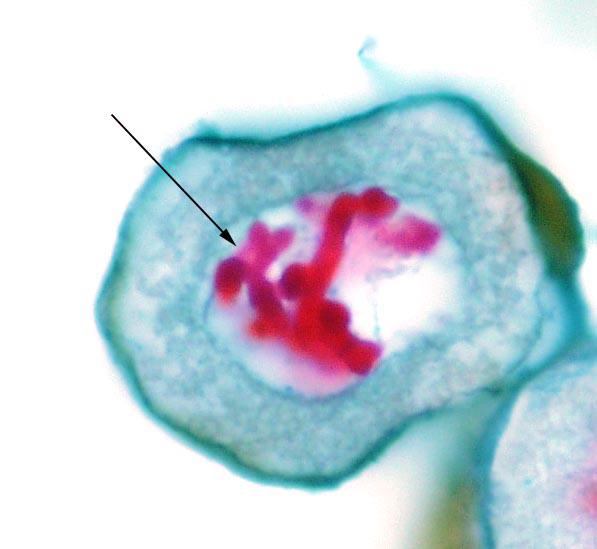
metaphase I
chromosomes are at the middle of the cell
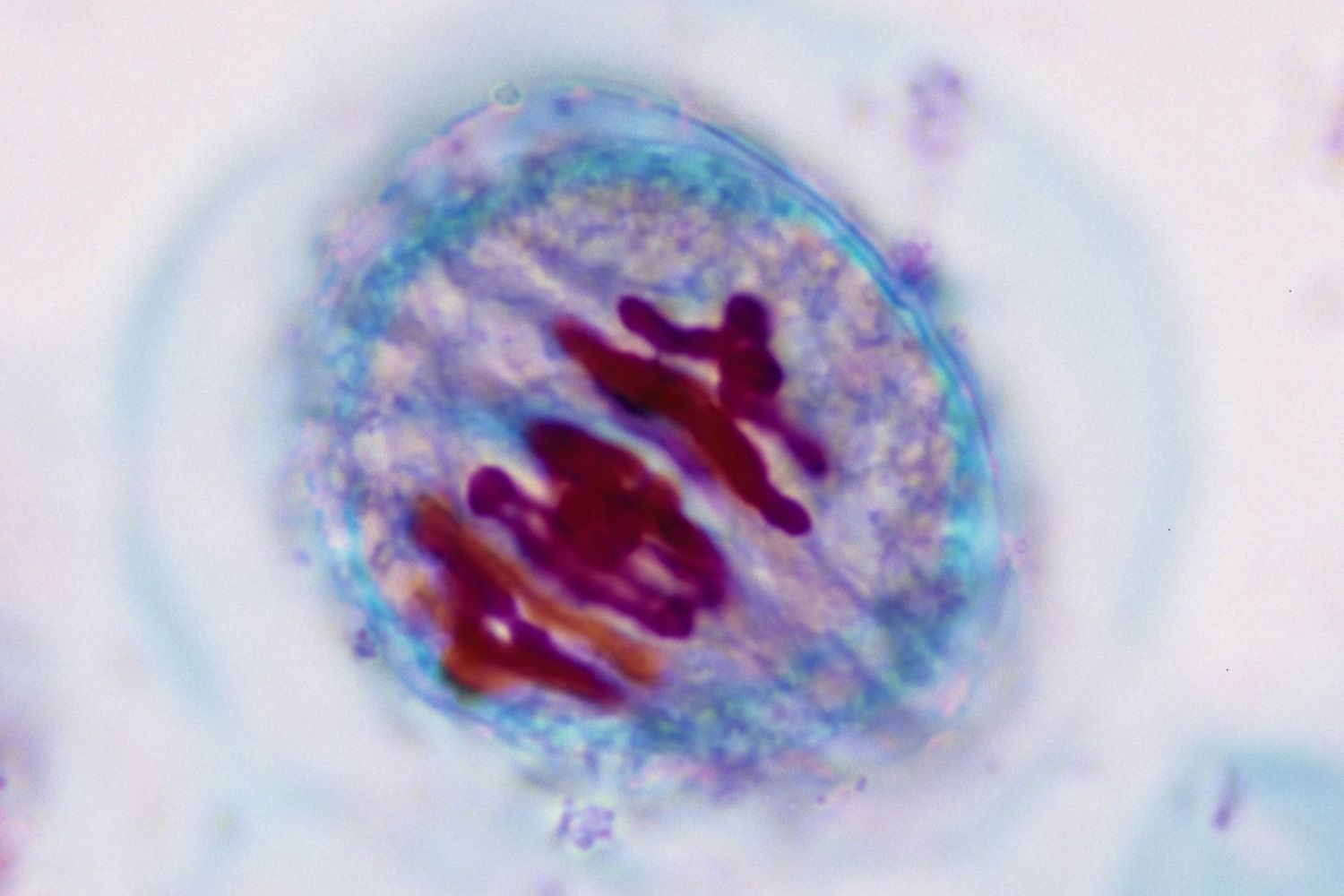
Anaphase I
chromosomes are pulled away by spindle fibers
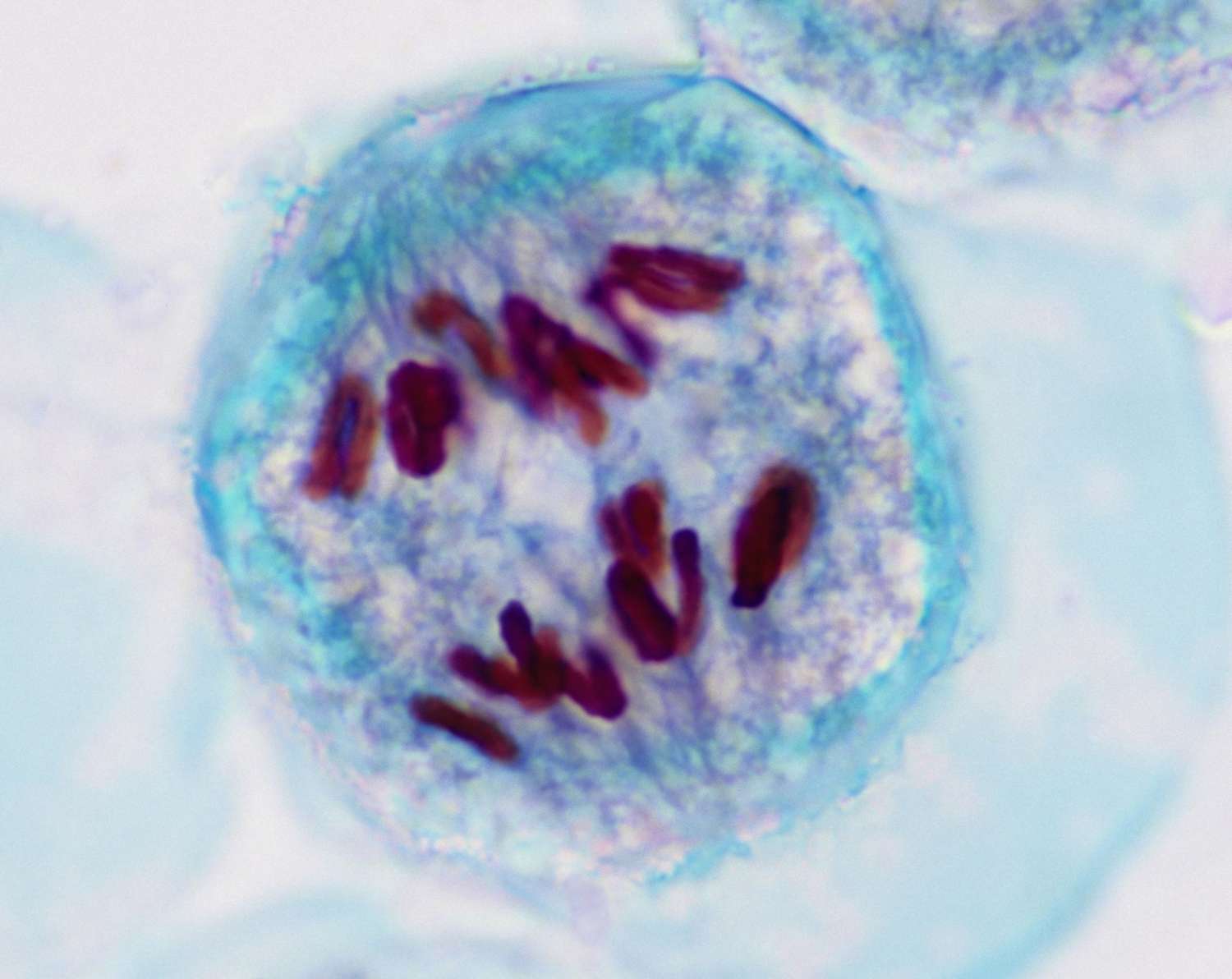
Telophase I
two newly formed nuclei
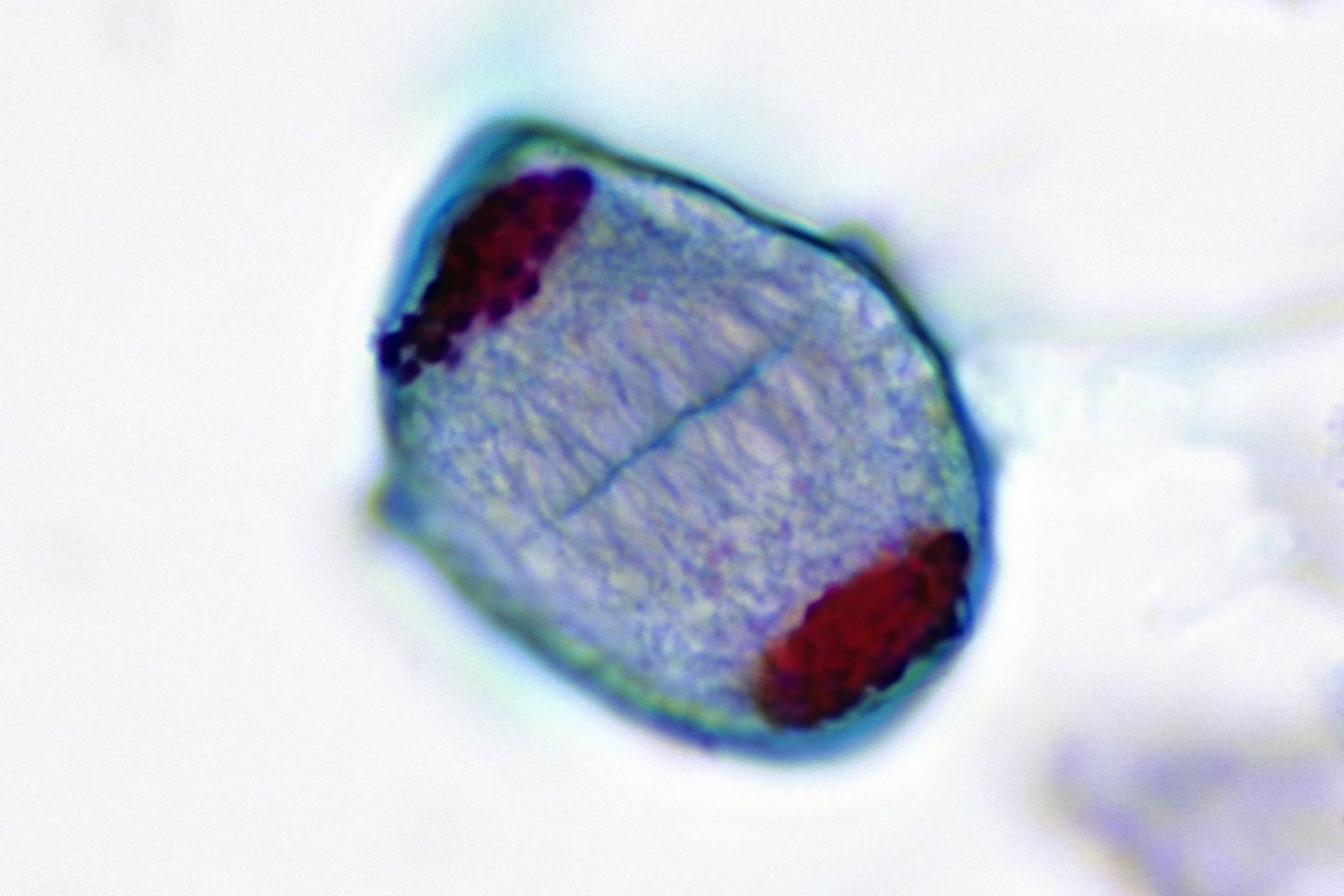
Prophase II
spindles start to form, but not as eventful as its stage 1
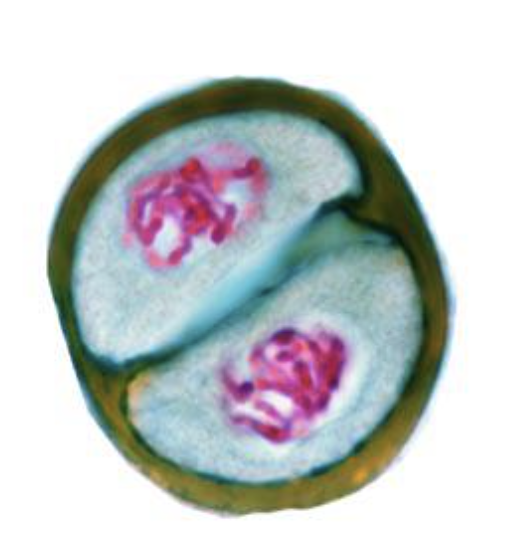
Metaphase II
chromosomes are in the middle in a single file line
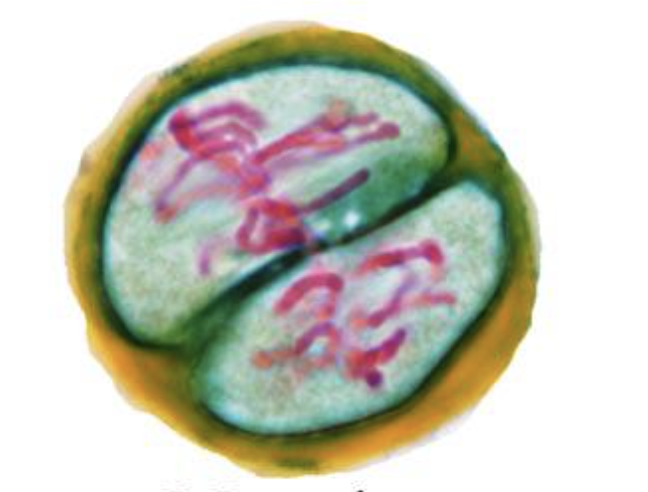
Anaphase II
chromatids are getting pulled away by spindle fibers
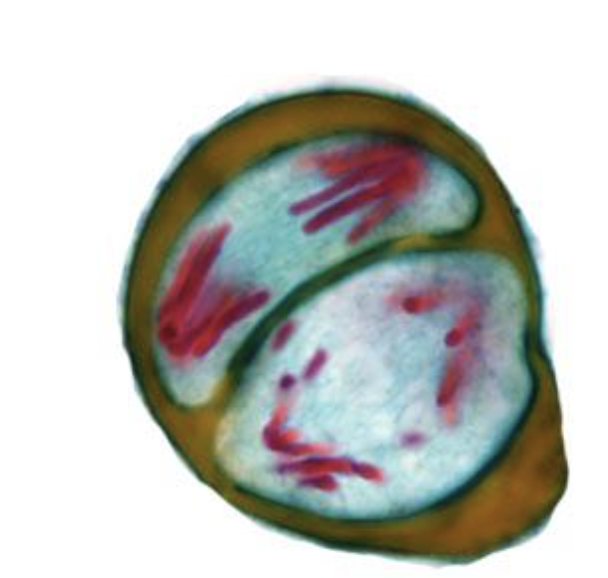
Telophase II
nuclei reforms and 4 cells are formed