cardiovascular system
 Call Kai
 Learn
Learn Practice Test
 Spaced Repetition
 Match
Match Flashcards
 Knowt Play
1/17

There's no tags or description
Looks like no tags are added yet.
Name | Mastery | Learn | Test | Matching | Spaced | Call with Kai |
|---|
No analytics yet
Send a link to your students to track their progress
18 Terms
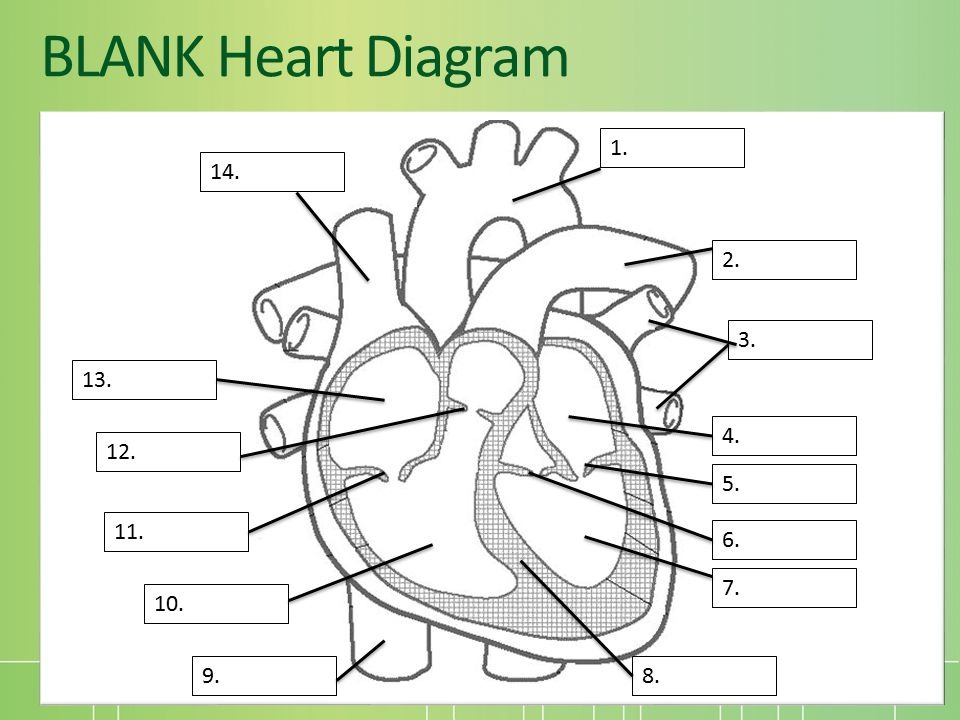
aorta
pulmonary artery
pulmonary veins
left atrium
mitral valve
aortic valve
left ventricle
myocardium
inferior vena cava
right ventricle
tricuspid valve
pulmonary valve
right atrium
superior vena cava
functions of the cardiovascular system
maintain homeostasis — pH, temperature, and osmotic pressure
transport — nutrients, hormones, and gases
circulatory system
closed, double-loop (pulmonary and systemic)
arteries, veins, and capillaries
arteries
thick-walled vessels
carry blood away from the heart
oxygen rich (except pulmonary artery)
veins
thin-walled vessels
carry blood to the heart
oxygen poor (except pulmonary veins)
capillaries
connects arteries and veins in tissues
lymphatic system
open system
filters interstitial through lymph nodes where lymphocytes and macrophages monitor for foreign material then it drains into the heart by large veins
pulmonary loop
deoxygenated blood carried from the right ventricle to the lungs
oxygenated blood is returned to the left atrium
systemic loop
oxygenated blood is carried from the left ventricle to the body
deoxygenated blood returns to the right atrium
systole and diastole
systole: heart contracts
diastole: heart relaxes
heart cycle
ventricular systole: ventricles contract
AV valves close ('“lub”)
atrial systole: atria contract and empty ventricles fill with blood
semilunar valves close (“dub”)
sinoatrial (SA) node
“pacemaker” which sends out electrical signals that control heart contractions
blood plasma
liquid portion of blood
contains nutrients, hormones, antibodies, and immune proteins
red blood cells
contain hemoglobin
transport O2 and CO2 between the lungs and rest of the body
bicarbonate buffer system
85% of CO2 is used to maintain pH balance in the blood
types of leukocytes
granulocytes: basophils, eosinophils, neutrophils
agranulocytes: monocytes and lymphocytes
blood flow cycle
oxygenated blood enters the left ventricle
aorta pumps blood throughout the body
O2 in capillaries is dropped off at tissues and CO2 is picked up
deoxygenated blood enters left atrium and ventricle by veins
pulmonary artery pumps blood to the lungs to pick up O2 and drop of CO2
oxygenated blood is carried by veins to the left ventricle
platelets
facilitate clotting