A+P I Exams 1-5 Released Answers
 Call Kai
 Learn
Learn Practice Test
 Spaced Repetition
 Match
Match Flashcards
 Knowt Play
1/251

There's no tags or description
Looks like no tags are added yet.
Name | Mastery | Learn | Test | Matching | Spaced | Call with Kai |
|---|
No analytics yet
Send a link to your students to track their progress
252 Terms
Groups of similar cells with a common function are called ______.
tissues
3 multiple choice options
An Efferent Pathway leads ________ a control center.
away from
1 multiple choice option
The liver is part of which organ system?
digestive
3 multiple choice options
The vagina and penis are part of which organ system? (You may need to select more than one answer.)
reproductive
3 multiple choice options
In __________, the variable is pushed backed toward the initial value.
negative feedback
1 multiple choice option
Changing the number of electrons results in:
an ion
3 multiple choice options
Na+ +Cl- --> NaCl: this is an example of:
an ionic bond
2 multiple choice options
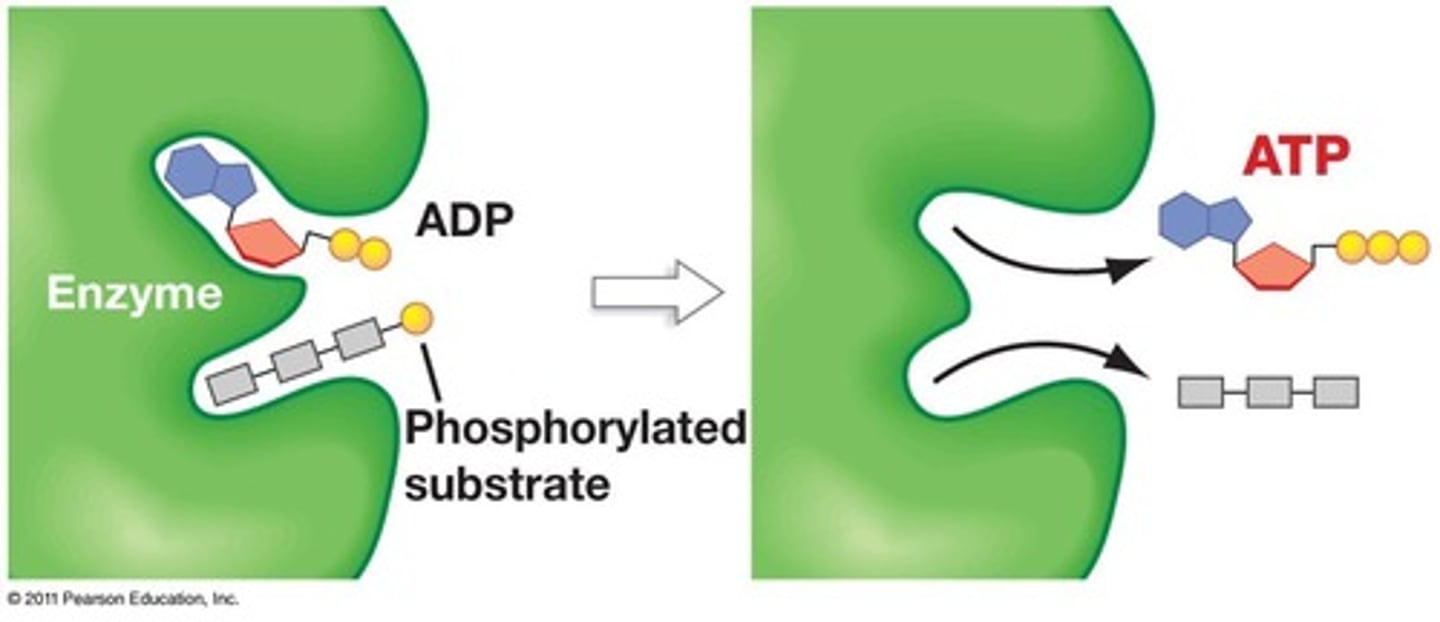
This image is depicting which type of reaction?
exchange
3 multiple choice options
Which of the following is an organic molecule?
C6H12O6
3 multiple choice options
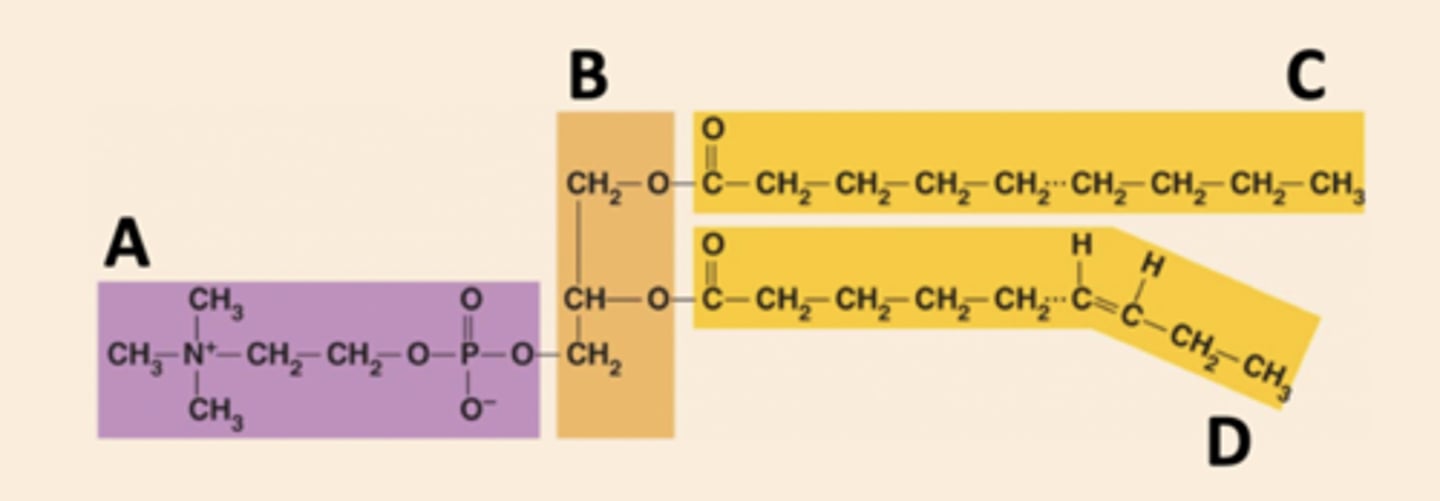
Which is indicating a saturated fatty acid tail:
C
3 multiple choice options
In this image, the formation of sucrose constitutes:
a dehydration reaction
3 multiple choice options

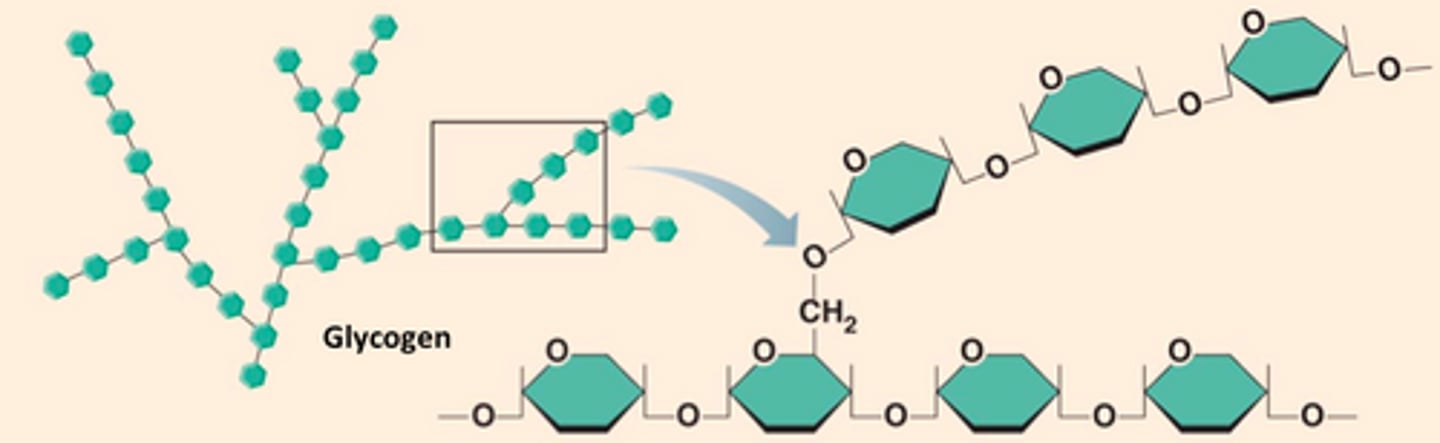
Glycogen is a:
polysaccharide
3 multiple choice options
A molecule that is partly polar and partly nonpolar is:
amphipathic
3 multiple choice options
A(n) _______ is amphipathic.
phospholipid
3 multiple choice options
Which is structurally related to cholesterol:
vitamin D
3 multiple choice options
Enzymes tend to be ________ proteins.
globular
3 multiple choice options
The sequence of amino acids in a polypeptide constitutes:
primary structure
3 multiple choice options
Which has more hydrogen bonds:
G-C
3 multiple choice options
Which nucleotide base is found only in RNA?
uracil (U)
3 multiple choice options
Adenosine diphosphate (ADP) has _______ phosphate groups.
2
3 multiple choice options
The plasma membrane of the cell is composed primarily of:
phospholipids
3 multiple choice options
_________ are proteins that are embedded at least partially within the cell plasma membrane.
integral membrane proteins
3 multiple choice options
The glycocalyx of the cell's plasma membrane is found:
on the exterior surface
3 multiple choice options
Molecules that cross the plasma membrane by passing through a protein pore (or hole) provide an example of:
channel-mediated diffusion
3 multiple choice options
Movement of water across the cell membrane via aquaporins constitutes:
osmosis
3 multiple choice options
Using a Na+-gradient (which is produced by an ATP-powered Na+ pump) to drive movement of other solutes (e.g. glucose) constitutes:
secondary active transport
3 multiple choice options
Which of these organelles is membranous?
golgi complex
3 multiple choice options
This organelle has its own DNA.
mitochondria
3 multiple choice options
The outer layer of the nuclear envelope is continuous with the rough ER.
true
1 multiple choice option
The ribosome structure contains protein.
true
1 multiple choice option
Cholesterol and steroid synthesis occurs in the:
smooth ER
3 multiple choice options
This structure propels fluids/mucus:
cilium
3 multiple choice options
The "Central Dogma of the Cell" is:
DNA>RNA>Protein
3 multiple choice options
Removal of introns from a pre-mRNA transcript is called:
splicing
3 multiple choice options
An exact complementary copy of DNA is synthesized by:
DNA polymerase
3 multiple choice options
Synthesizing an amino acid polymer from an mRNA polymer is called:
translation
3 multiple choice options
A codon is compromised of _______ nucleotides.
3
3 multiple choice options
Which of the following is an enzyme:
DNA polymerase
3 multiple choice options
Which is NOT one of the four main (primary) tissue types:
osseous
3 multiple choice options
Epithelia use ______ to form water-tight connections among cells.
tight junctions
3 multiple choice options
Epithelial tissues are innervated.
true
1 multiple choice option
Which is compromised of large amounts of sugars and a small amount of protein:
proteoglycan
3 multiple choice options
The _______ membrane is dry and also called skin.
cutaneous
3 multiple choice options
In a merocrine gland, the entire cells ruptures and cell fragments and debris are also secreted.
false
1 multiple choice option
Which of the following is NOT a connective tissue type:
muscle
3 multiple choice options
Connective tissues are comprised primarily of:
extracellular matrix (ECM)
3 multiple choice options
Ground substance + fibers = __________
extracellular matrix (ECM)
3 multiple choice options
__________ fibers have a highly branching structure that can assist in absorbing shock (like a cushion).
reticular
3 multiple choice options
The immature cell type in cartilage is:
chondroblast
3 multiple choice options
The hematopoietic stem cell (HSC) generates:
blood
3 multiple choice options
The epidermis is comprised of:
stratified squamous epithelium
3 multiple choice options
This is the thickest epidermal layer:
stratum corneum
3 multiple choice options
The deepest layer of the dermis is:
reticular layer of dermis
3 multiple choice options
_______ produce pigment.
melanocytes
3 multiple choice options
This epidermal layer has stem cells.
stratum basale
3 multiple choice options
Fingerprints are the result of:
friction ridges
3 multiple choice options
Keratohyaline granules appear in the stratum
granulosum
3 multiple choice options
________ is a highly regulated process of cell death that normally occurs as part of kertainization.
apoptosis
3 multiple choice options
________ is a pigment produced by cells called _______ and packaged into vesicles called ________, which are transferred to keratinocytes.
melanin; melanocytes; melanosomes
3 multiple choice options
Epithelial tissues are highly vascularized.
false
1 multiple choice option
Red hair color reflects the presence of:
iron
3 multiple choice options
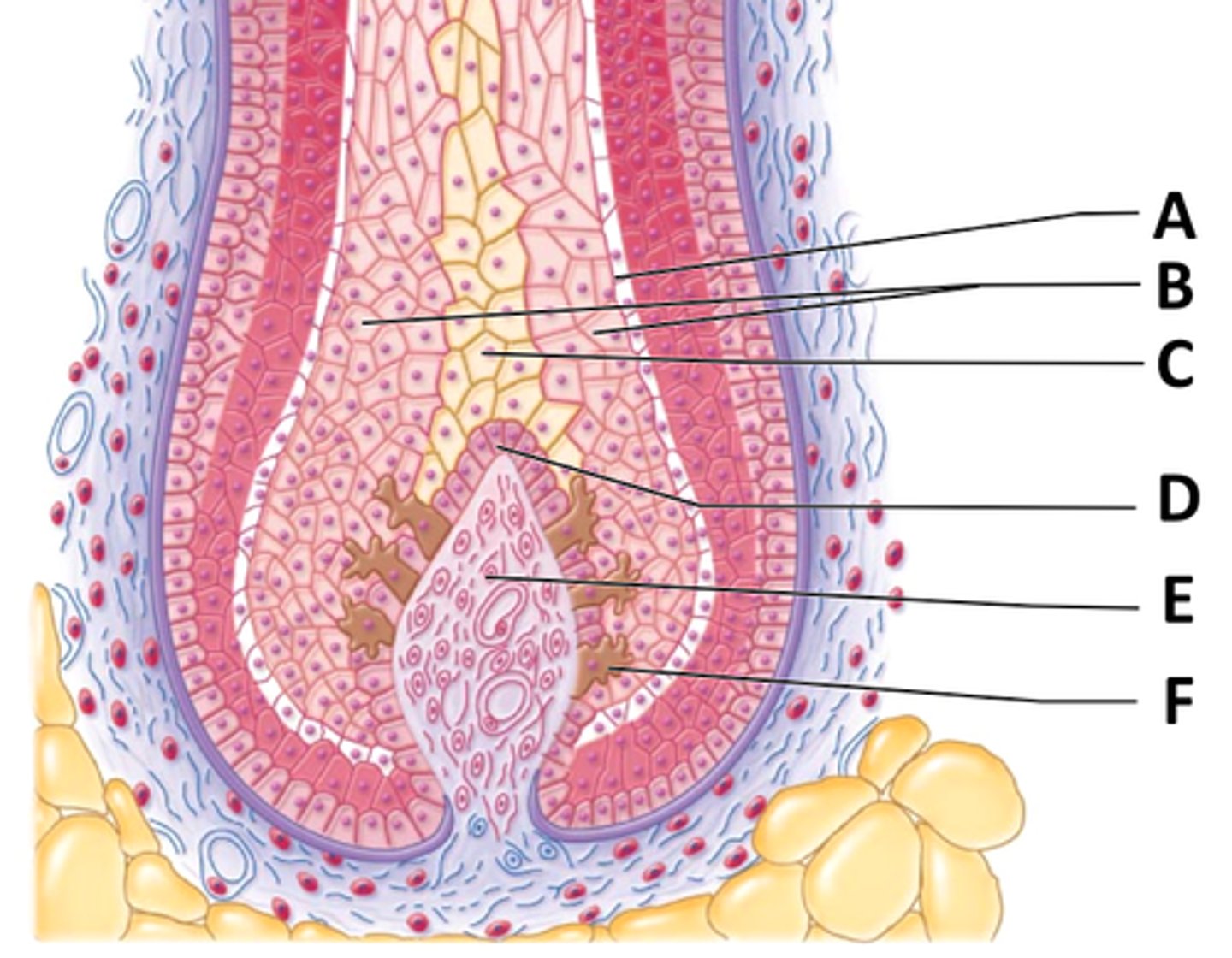
Which part of the hair follicle is the cortex:
B
3 multiple choice options
_______ is caused by genetic factors and the hair follicle's response to testosterone (dihydrotestosterone, or DHT).
true (frank) baldness
3 multiple choice options
_______ glands become active at puberty, are present in axillary/genital areas, and are associated with hair follicles.
apocrine
3 multiple choice options
In a holocrine gland, the entire cells ruptures and cell fragments and debris are also secreted.
true
1 multiple choice option
Dendritic cells are immune cells found in skin that can act as phagocytes of foreign bacteria. This is an example of a(n):
biological barrier
3 multiple choice options
When body temperature is hot, this can cause blood vessels in the skin to _______, thereby increasing blood flow to the body surface to dissipate heat.
vasodilate
1 multiple choice option
_______ tumors arise from keratinocytes of the stratum spinosum.
squamous cell carcinoma
3 multiple choice options
A burn that extends to the hypodermis is ______ degree.
3rd
3 multiple choice options
_______ are muscles that raise the pilus to cause "goose bumps."
arrector pili
3 multiple choice options
The external ear is composed of _________.
elastic cartilage
2 multiple choice options
Growth of cartilage that occurs from within the tissue is called:
interstitial growth
3 multiple choice options
The clavicles are part of the ______ skeleton.
appendicular
1 multiple choice option
Osteocalcin is a(n):
hormone
3 multiple choice options
Which part of the bone stores triglycerides (fats)?
yellow marrow
3 multiple choice options
Osseous tissue is a form of:
connective tissue
3 multiple choice options
Flat bones (e.g. cranial bones) assist in hematopoiesis:
true
1 multiple choice option
Parathyroid hormone (PTH) stimulates ______ activity.
osteoclast
3 multiple choice options
The trabeculae of a bone are covered with:
endosteum
3 multiple choice options
In a normal, healthy adult, the body's blood supply is produced in the:
red bone marrow
3 multiple choice options
The stem cell that gives rise to osteocytes is called a(n):
osteogenic cell
3 multiple choice options
Which cell type secretes osteoid:
osteoblast
3 multiple choice options
The ______ is responsible for breaking down bone ECM.
osteoclast
3 multiple choice options
The _______ is derived from hematopoietic stem cells (HSCs).
osteoclast
3 multiple choice options
What gives bone its hardness:
hydroxyapatites
3 multiple choice options
Osteoid is the _______ component of bone.
organic
3 multiple choice options
The most abundant protein component in osteoid is ________.
collagen
3 multiple choice options
Which of the following is the same as "hydroxyapatites":
calcium (Ca2+) phosphate crystals
3 multiple choice options
Another name for an osteon is a(n):
haversian system
3 multiple choice options
Most bones develop through:
endochondral ossification
3 multiple choice options
Bone growth that occurs under hyaline cartilage of articular surfaces and the epiphyseal line is:
interstitial growth
3 multiple choice options
In the ______ zone of the epiphyseal plate, chondrocytes die.
calcification
3 multiple choice options
When there are low amounts of pressure on a bone, the osteocyte signals to the _______ to stimulate bone resorption and recycling.
osteoclast
3 multiple choice options
The ______ is created by osteoclasts as they destroy and remove bone during remodeling.
resorption bay
3 multiple choice options
Which of the following is secreted by osteoclasts to assist bone resorption:
H+ (protons)
3 multiple choice options
Parathyroid hormone (PTH) is secreted in response to:
hypocalcemia
3 multiple choice options
A _______ fracture is one in which the bones are broken into two pieces, but they do not penetrate the skin.
simple and complete
3 multiple choice options
_______ is rickets in adults.
osteomalacia
3 multiple choice options
________ is a bone disease characterized by haphazard, brittle bone formation.
Paget's disease
3 multiple choice options
_________ is a cause or risk factor for osteoporosis.
hypocalcemia
3 multiple choice options