OB Exam 4: Newborn Complications
 Call Kai
 Learn
Learn Practice Test
 Spaced Repetition
 Match
Match Flashcards
 Knowt Play
1/19

There's no tags or description
Looks like no tags are added yet.
Name | Mastery | Learn | Test | Matching | Spaced | Call with Kai |
|---|
No analytics yet
Send a link to your students to track their progress
20 Terms
key manifestations of Respiratory Distress Syndrome (RDS): (8)
tachypnea
nasal flaring
grunting (trying to keep lungs open)
retractions
cyanosis
hypoxia
decreased cap refill
crackles
*premie babies dont haven enough surfactant
Whats Transient Tachypnea of the Newborn? (7)
TEMPORARY, NORMAL respiratory manifestations w/in 1st hour of birth
rapid, shallow resp effort
nasal flaring
grunting
retractions
cyanosis
crackles
diminished breath sounds
3 ways Apnea of Prematurity can present as:
stops breathing for > 20 secs
stops breathing for < 20 secs w/ bradycardia of < 80 bpm
stops breathing for < 20 secs w/ O2 < 85% (cyanosis)
basically immature brain forgets to tell body to breathe
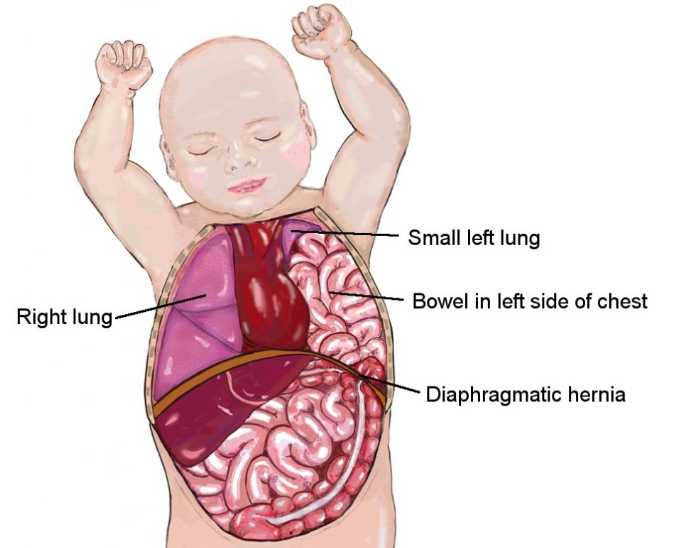
main nursing interventions for Congenital Diaphragmatic Hernia? (4)
DONT bag mask ventilate (pushes air into stomach!!)
endotracheal intubation immediately!!!!
NG tube (decompress stomach)
turn on AFFECTED side
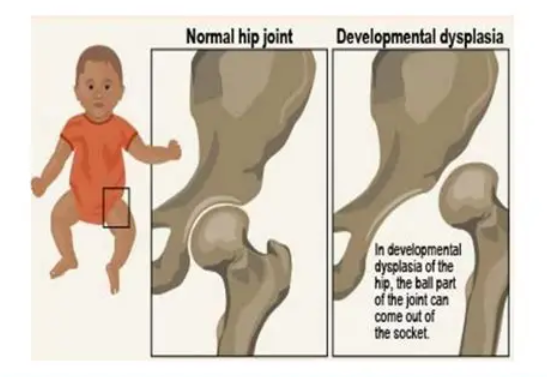
signs of Developmental Dysplasia of the Hip in newborns (DDH): (3)
uneven skin folds of the thigh/butt folds
leg length shorter and knee height lower
hip “click” when moving (Ortolani/Barlow Test)
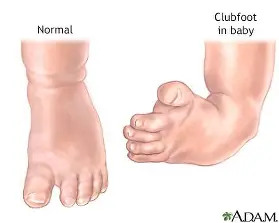
clubfoot signs: (2)
one/both feet turned inward and downward
calf atrophy
tx:
splinting
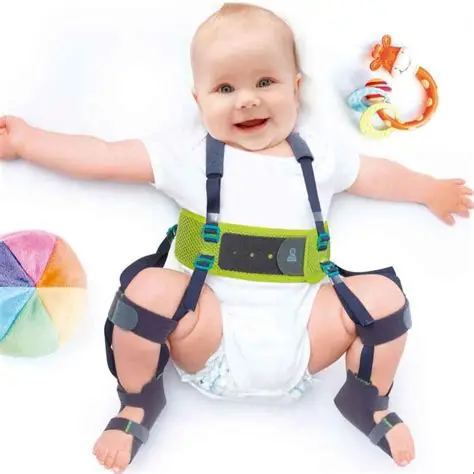
interventions for Developmental Dysplasia of the Hips in newborns: (4)
Pavlik harness (keeps hips in place (wear 1-3 mons consistently)
skin care from harness irritation
proper positioning (hips flexed/abducted)
assess perfusion
how can spina bifida occulta present:
interventions: (3)
looks like deep dimple or tuft of hair at base of spine
sterile dressing w/ warm saline
occlusive dressing
completely seals the wound from air and moisture
side/prone position
Esophageal Atresia (EA)/ Tracheoesophageal Fistula (TEF) signs: (4)
excess drooling
cyanotic w. respiratory distress
cough/choke related to excessive secretions in esophagus
NG tube doesnt pass into stomach
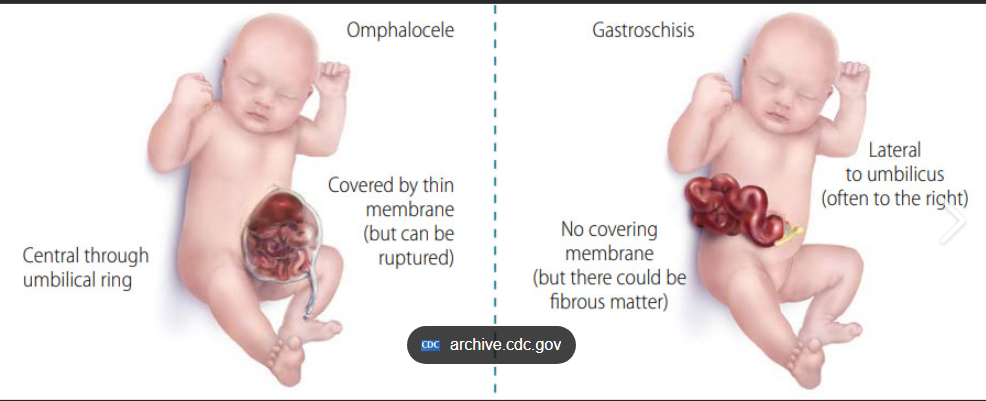
what is Omphalocele vs gastroschisis in newborns?(2)
Omphalocele
organs stick out through the umbilical cord
covered by thin sac
Gastroschisis
organs stick out 2-5 cm RIGHT of cord
NO sac covering so organs exposed
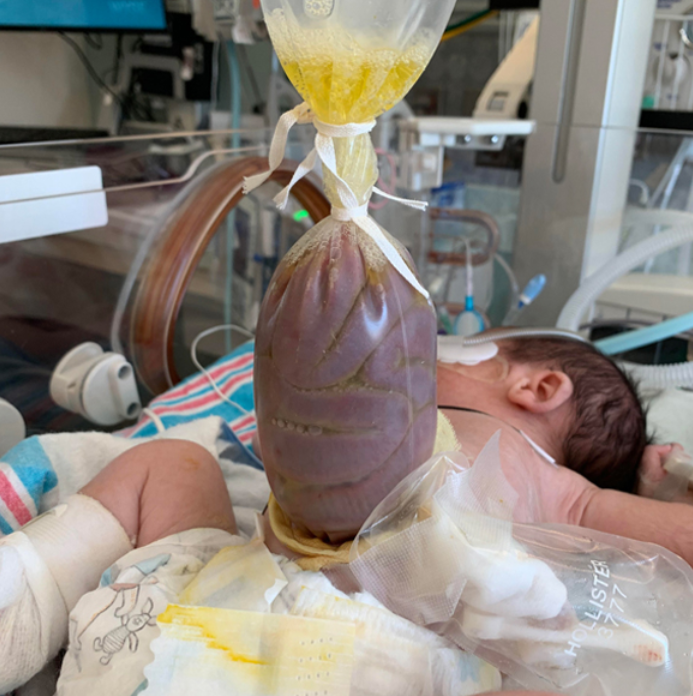
Omphalocele care: (2)
cover in sterile, saline soaked gauze
wrap lower half of body in clear sterile bag
when to give Rh to mom? (3)
28 weeks gestation
w/in 72 hrs of birth
after any traumatic procedures/events (amniocentesis, ectopic preg etc…)
what does TORCH stand for?
what are risk factors to this (5)
Toxoplasmosis
Other (syphilis, HIV)
Rubella
Cytomegalovirus
Herpes
chorioamnionitis
+ GBS
preterm birth < 37 w.
ROM > 18 hrs b4 birth
STIs
key signs of Neonatal Abstinence Syndrome: (6)
mottled skin
excessive cries
hyperactive reflexes
hypertonia
seizures
feeding issues
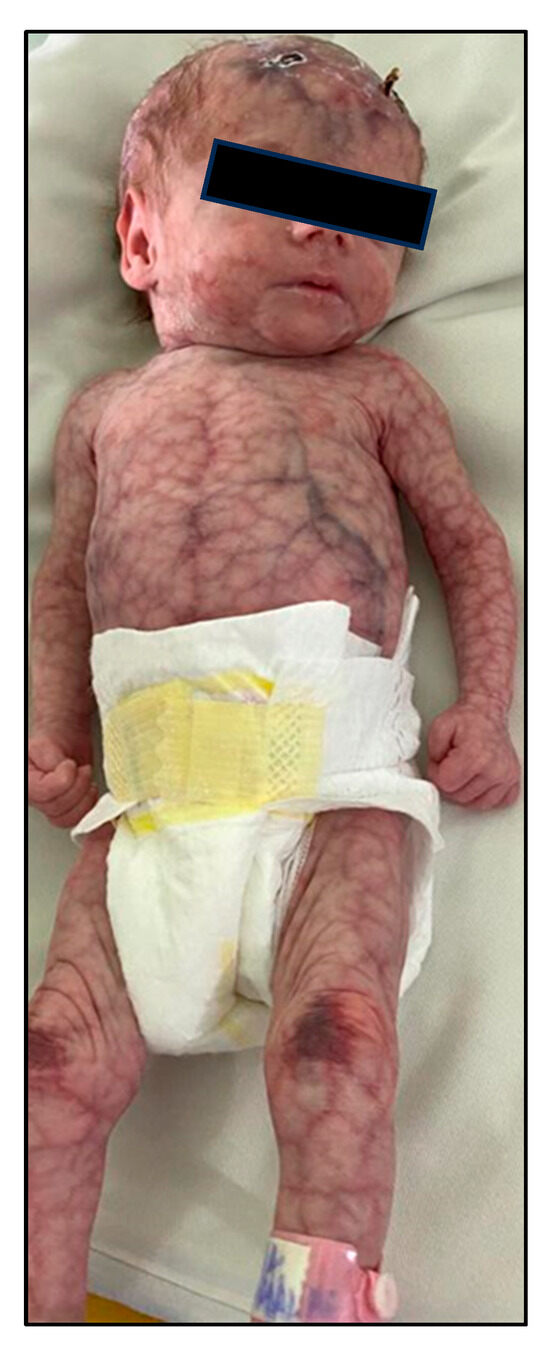
nursing intervention for Neonatal Abstinence Syndrome: (2)
baby gets drug they’re addicted to via IV and weened off (morphine, methadone most common)
NO naloxone!!! (contraindicated)
physiological jaundice v. pathological jaundice:
physiological (normal)
> 24 hrs after birth
resolves 2-3 weeks
pathological:
within 24 hr of birth (baaadd)
whats the Universal Screening Process based on PKU?
heel stick needs to be done b/w 24-48 hrs after birth
AFTER baby eats
what are complications of newborns with diabetic moms? (4)
polycythemia
infant makes more RBC bc insulins high d/t being exposed to moms high sugar → stressed/hypoxic = ⬆erythropoietin and H&H
macrosomia
plethora (ruddy, dusky skin d/t excess blood volume)
hypoglycemia after birth
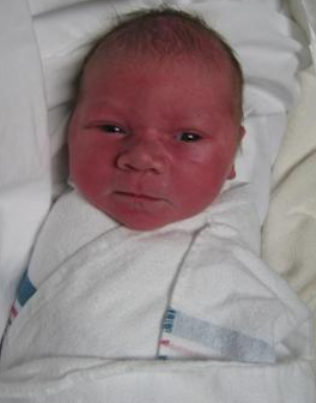
Intervention for newborns w/ Diabetic moms:
early frequent feeds to maintain blood glucose > 45 mg/dL
bc newborn will by hypoglycemic after delivery
Common neonatal infections: (10)
neonatal gonorrhea
severe: ophthalmia neonatorum and sepsis
toxoplasmosis
cytomegalovirus
HSV
vesicular lesions
syphilis
lesions on palms and soles
zika virus
microcephaly (has brain damage)
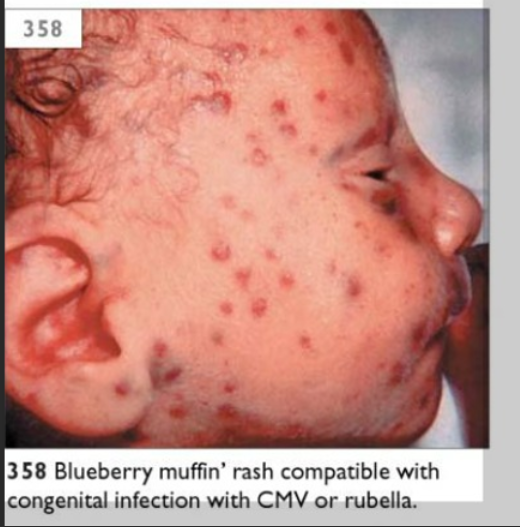
congenital rubella syndrome
blueberry muffin rash
varicella
skin lesions
HPV
Hydrops fetalis
fluid builds up in 2+ fetal compartments
Sars-CoV-2
resp. problems
feeding intolerance