Northern Ren - Final
 Call Kai
 Learn
Learn Practice Test
 Spaced Repetition
 Match
Match Flashcards
 Knowt Play
1/85

There's no tags or description
Looks like no tags are added yet.
Name | Mastery | Learn | Test | Matching | Spaced | Call with Kai |
|---|
No analytics yet
Send a link to your students to track their progress
86 Terms
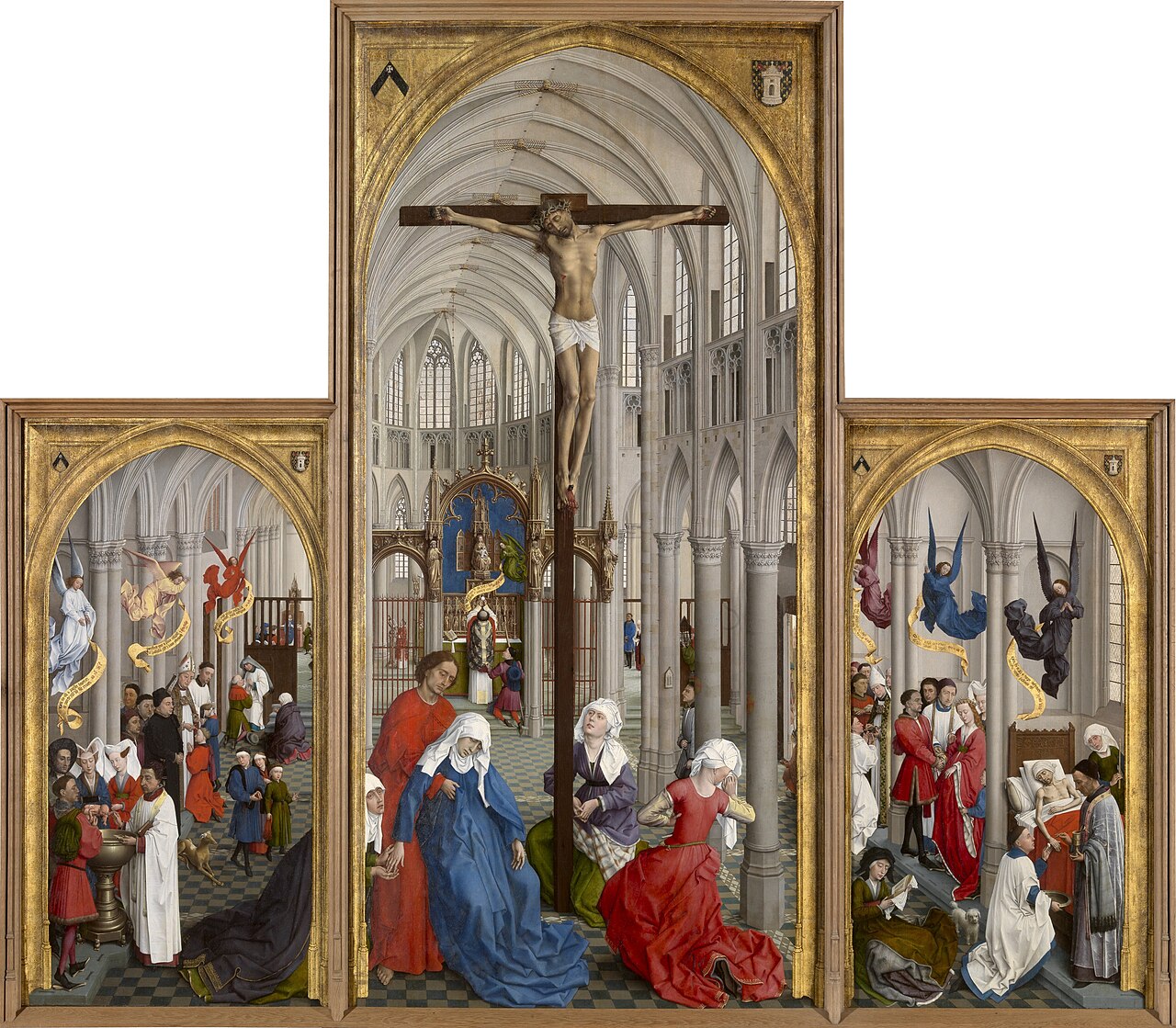
Rogier van der Weyden, The Triptych of the Seven Sacraments, 1440
the composition is aided by the unique cut of the triptych, serving as a visual connection b/w the IRL architecture & the devotional themes of the painting; the presentation of the Eucharist to the altar is activated by the scene — mirroring the perpetual worship practiced by the priest in the background; the blood of Christ’s feet drips down onto the bread held below by the altarpiece as a visual blessing
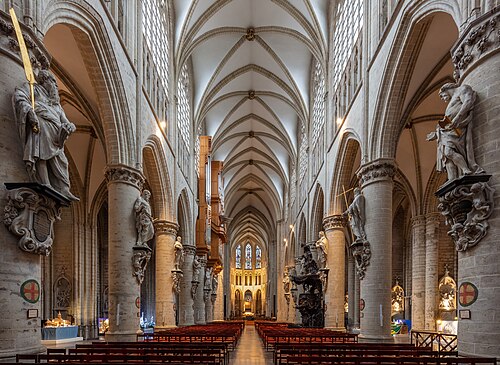
Cathedral of St. Michael (St. Gudula), 1230
Architectural Shift: The construction launched around this time replaced the earlier 11th-century Romanesque structure, introducing the towering, light-filled Gothic style that now defines the cathedral.
Symbol of Power: Initiating this grand project in the 13th century allowed the City of Brussels to solidify its status, acting as a premier religious venue for the ruling elite.
???
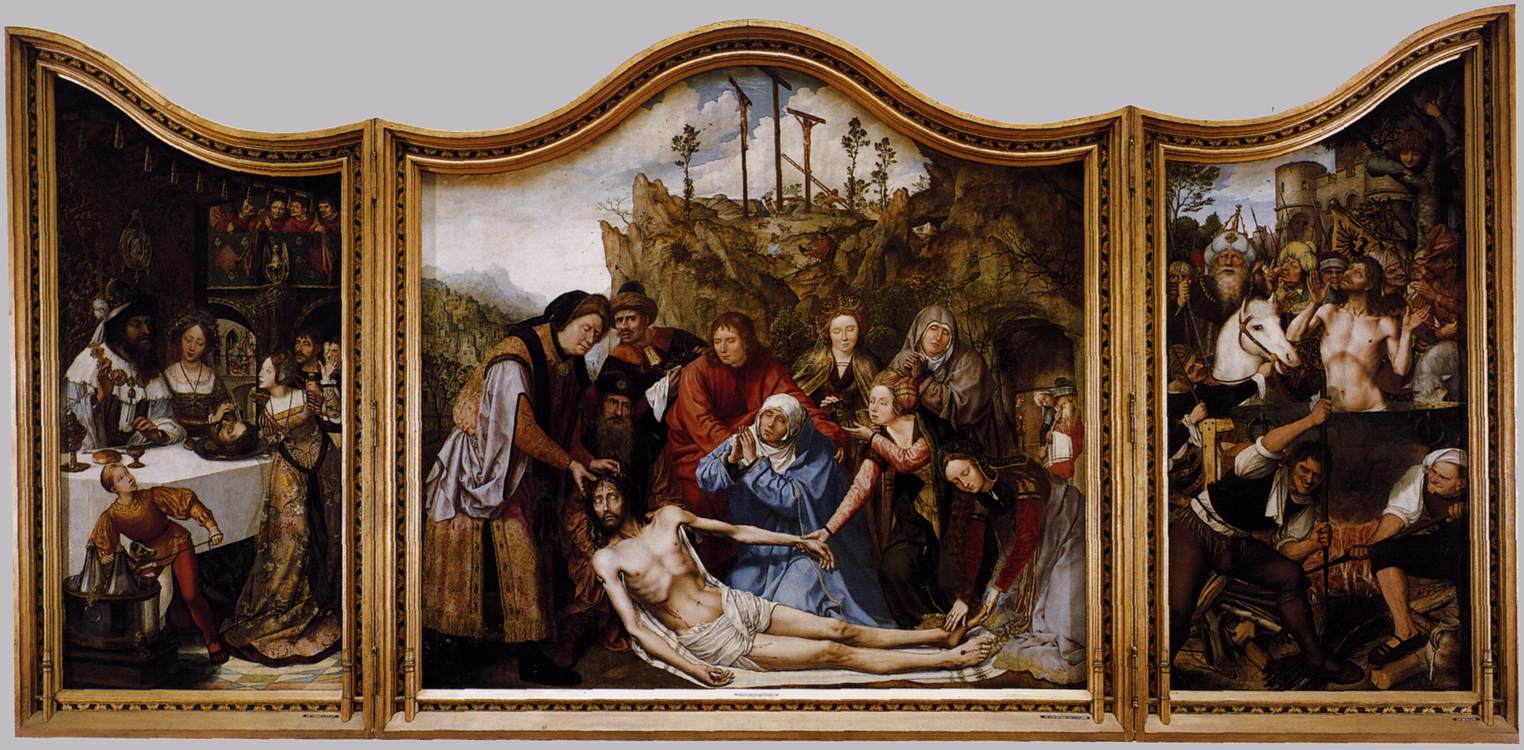
Quentin Massys, Lamentation Triptych (St. John Altarpiece), 1510
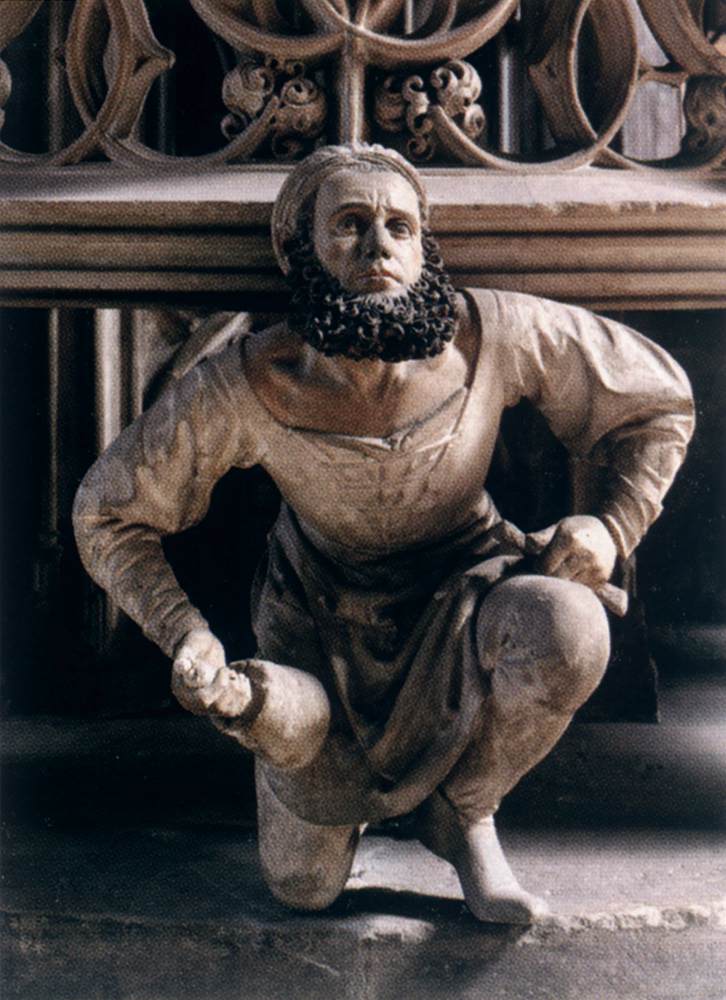
Adam Kraft, Sacrament House, 1500
Kraft shows himself beneath the tabernacle house, similar to Peter Parler’s inclusion in the clerestory; on the bottom, he holds the structure up — w/o his presence there would be no tabernacle house; he includes his tools as if to say it is the sulptors power to transform, to erect life out of a stone
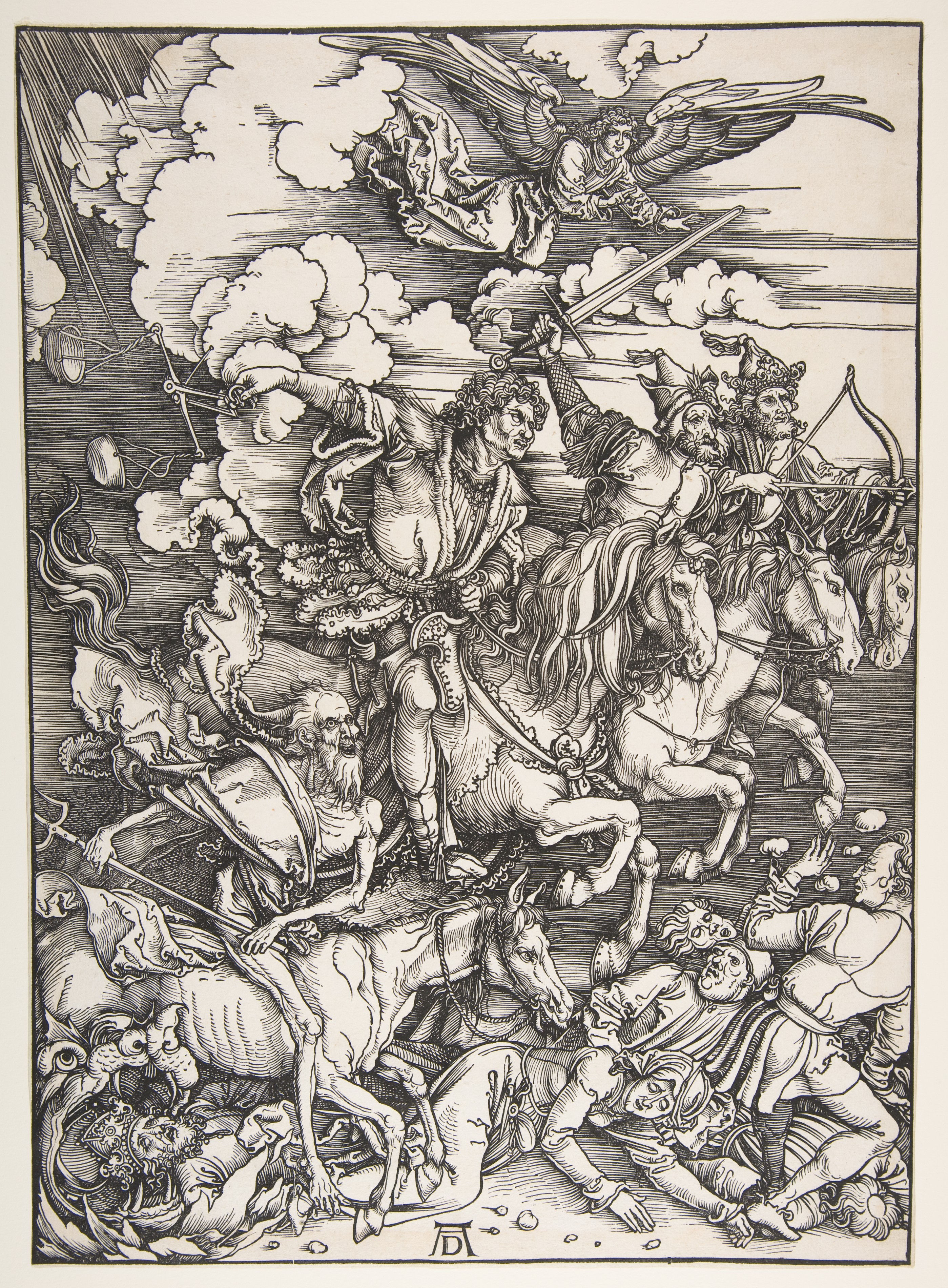
Albrecht Dürer, Four Horsemen from the Apocalypse Series, 1500
dynamism + triangle composition; devil, gates of hell personified in dragon-esque creature; light of god in upper left-hand corner; made at the turn of the century when there was anxiety about the world ending; known as the Millinarian Spirit, this belief swept across Europe and influenced images of the second-coming to prepare one’s mind.
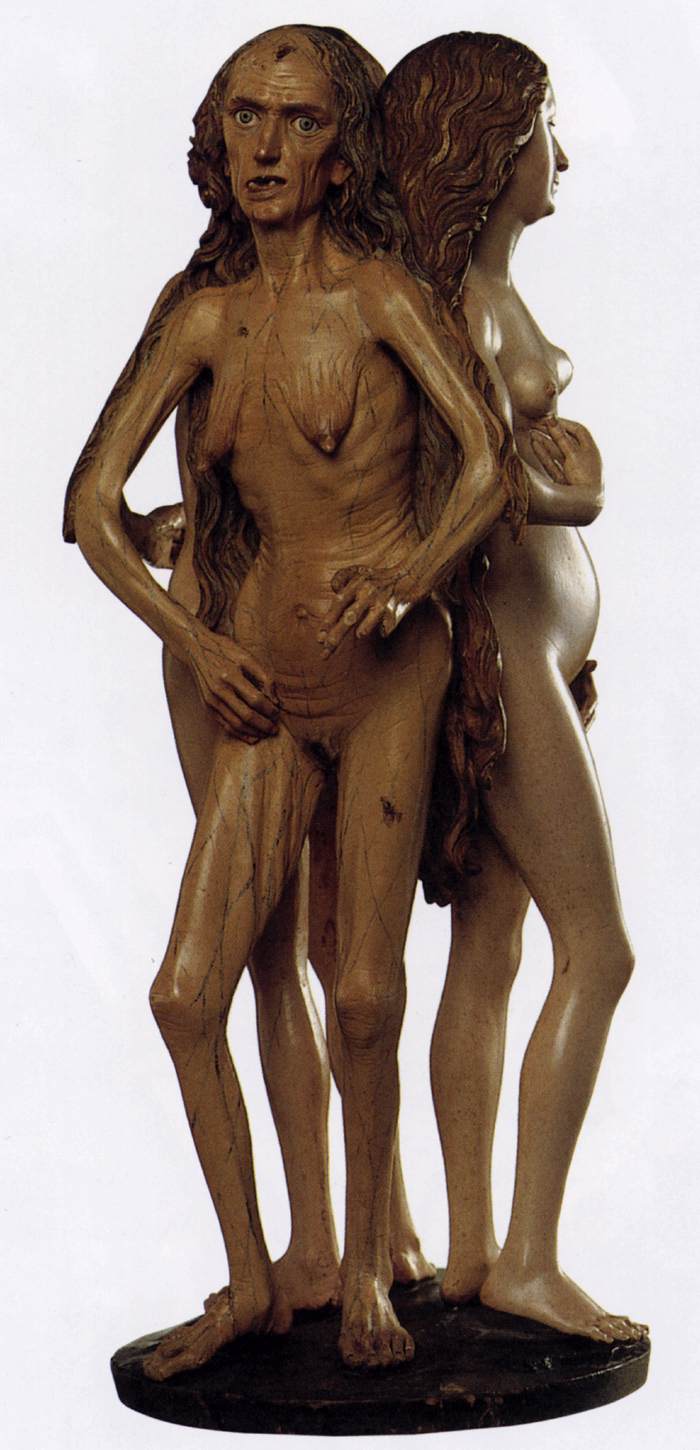
Attributed to Gregor Erhart, Allegory of Vanity, 1500
moralizing sculpture, following the same tradition of the apocalypse sculpture; tells the viewer that avoiding death by chasing youth is an impossible task; a momento mori — flies on old lady’s body (she’s already decaying)
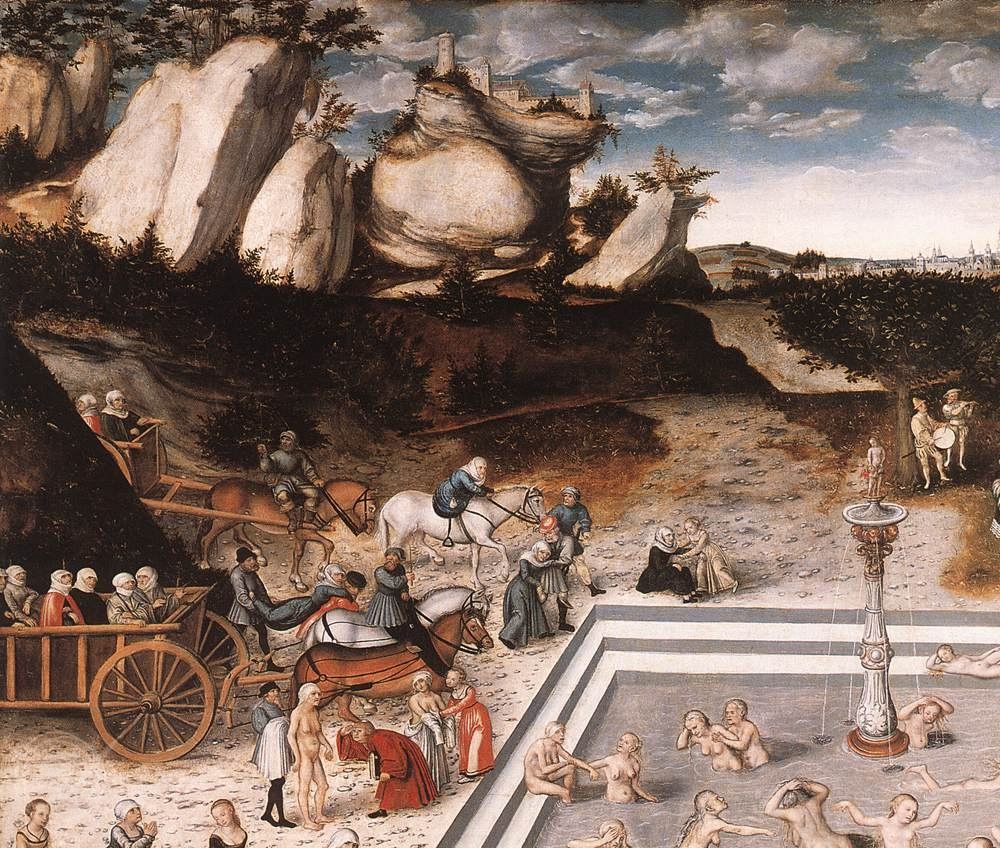
Lucas Cranach the Elder, The Fountain of Youth, 1550
visualizes and critiques the period’s obsession w/ cheating death, particularly the tale of the fountain of youth and mystical rejuvenation; however, this is coming from a misogynistic perspective — only women are expected to uphold perfect, unchanging, youthful beauty
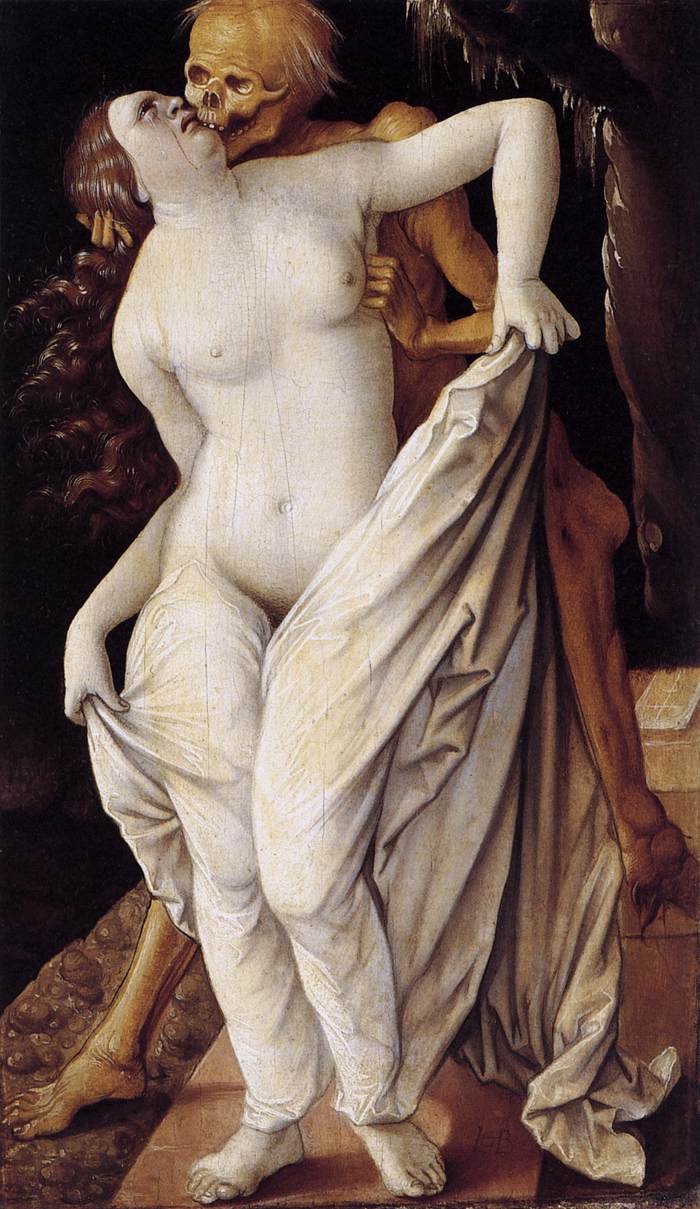
Hans Baldung Grein, Death and the Maiden, 1520
Set in a graveyard; death is unexpected, therefore you must alway be prepared — following the Millenarian spirit.
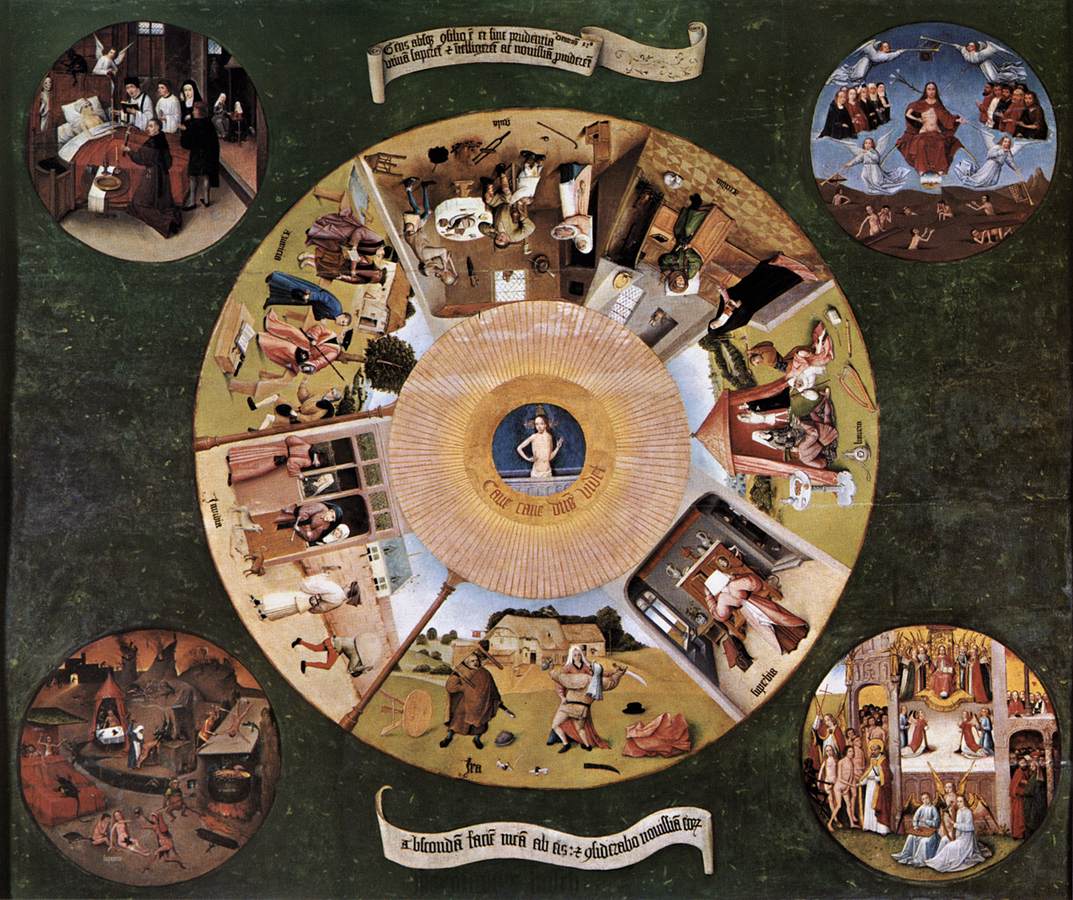
Hieronymus Bosch, Seven Deadly Sins, c. 1480
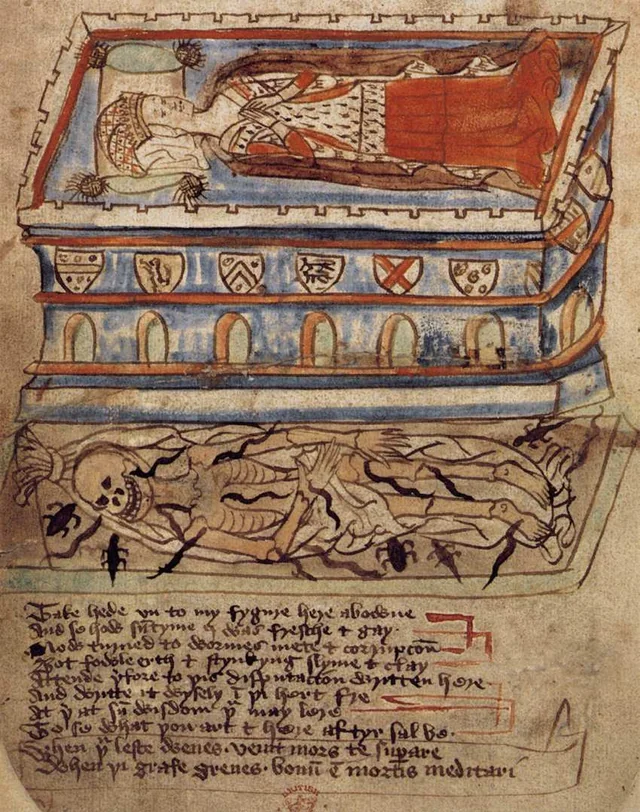
Anonymous, Disputacioun Betwyx the Body and Wormes,1440
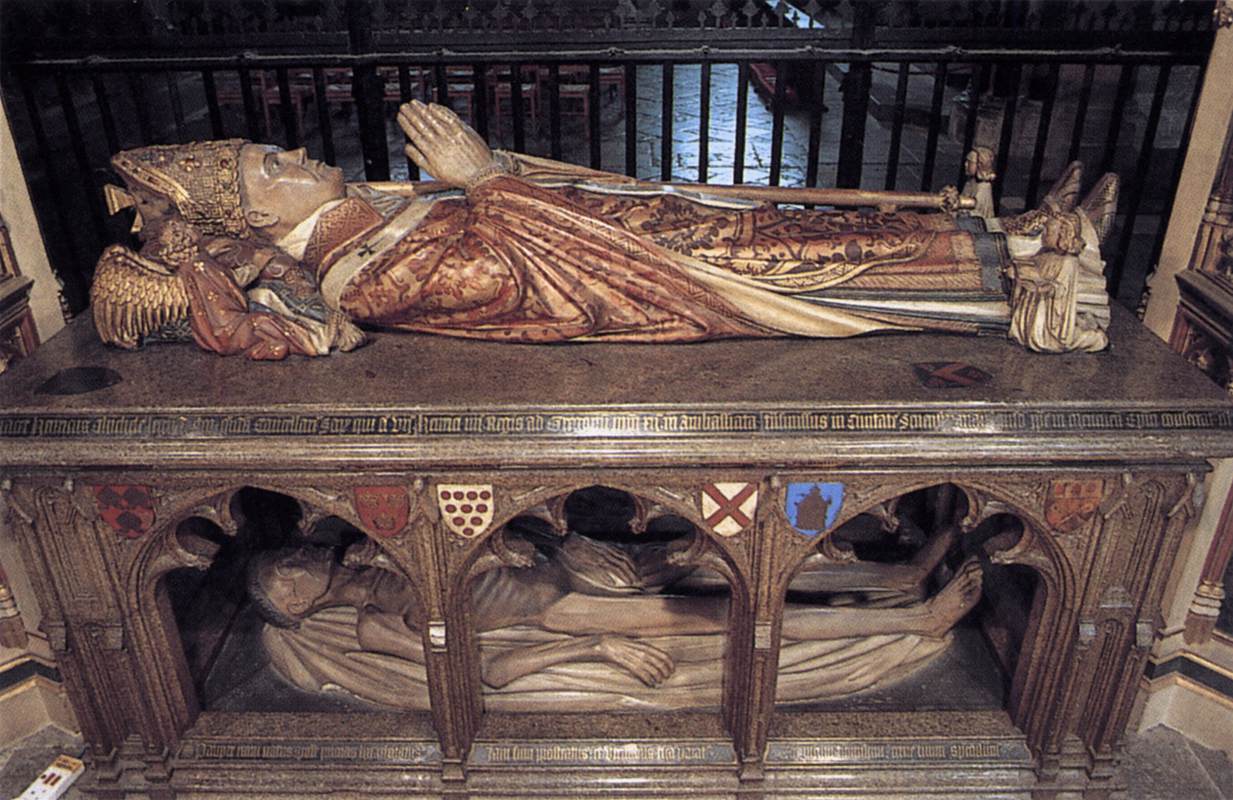
Anonymous, Tomb of Henry Chichele, Archbishop of Canterbury, c. 1430
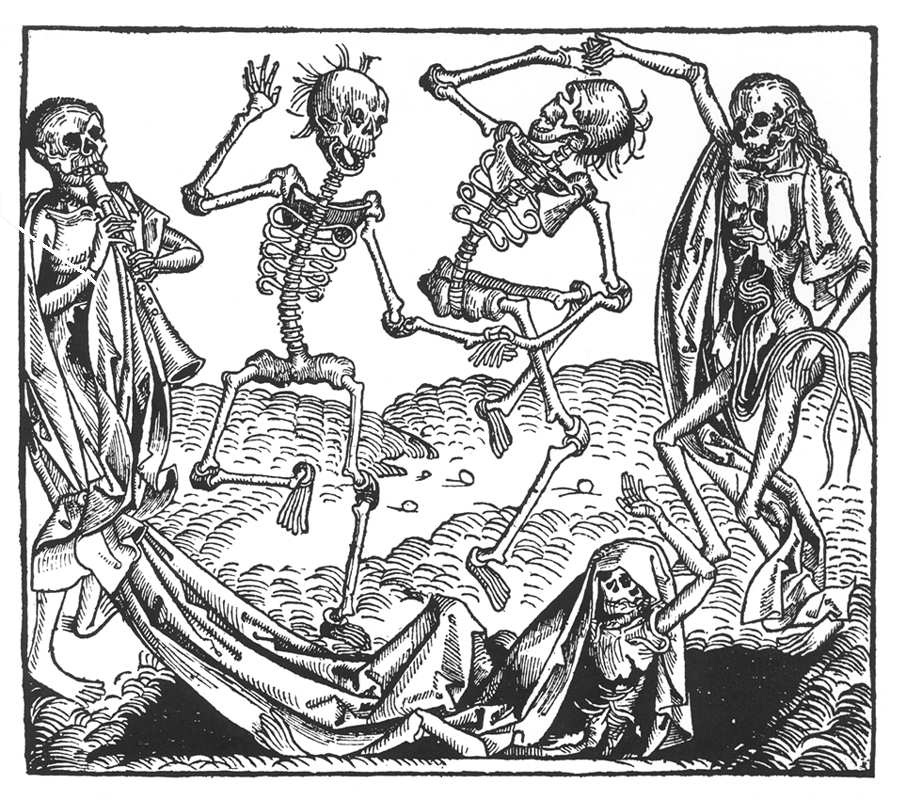
Michael Wolgemut, Dance of Death, 1490
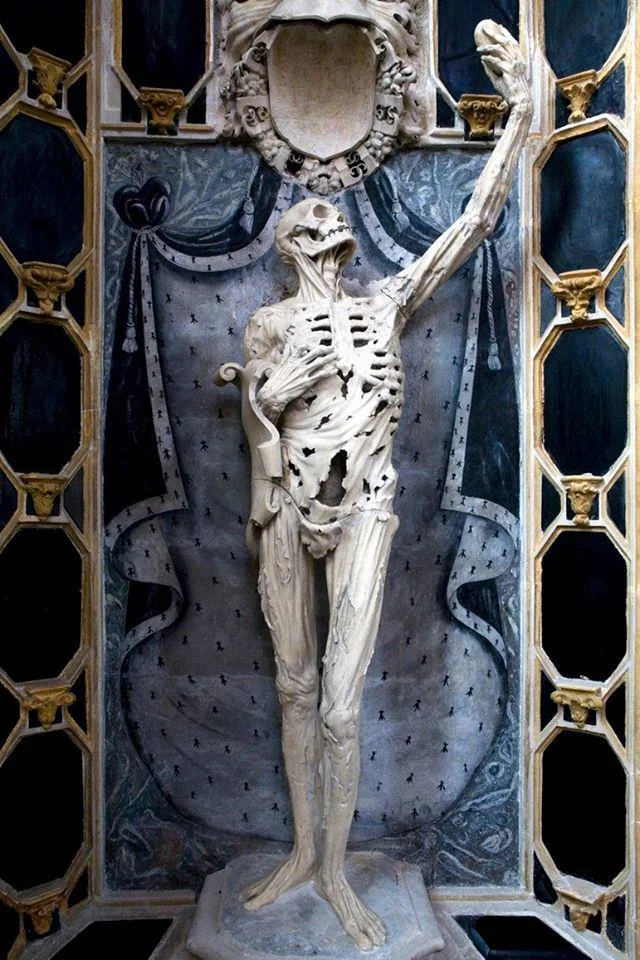
Liger Richier, upper section of the Transi de René de Chalon, 1550
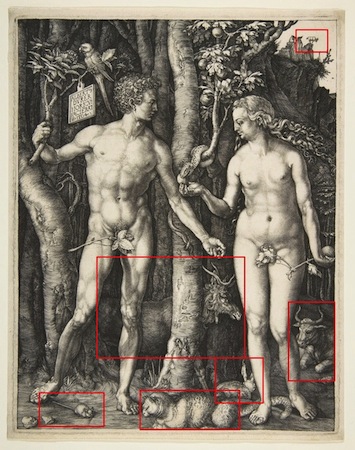
Albrecht Dürer, Adam and Eve, 1504
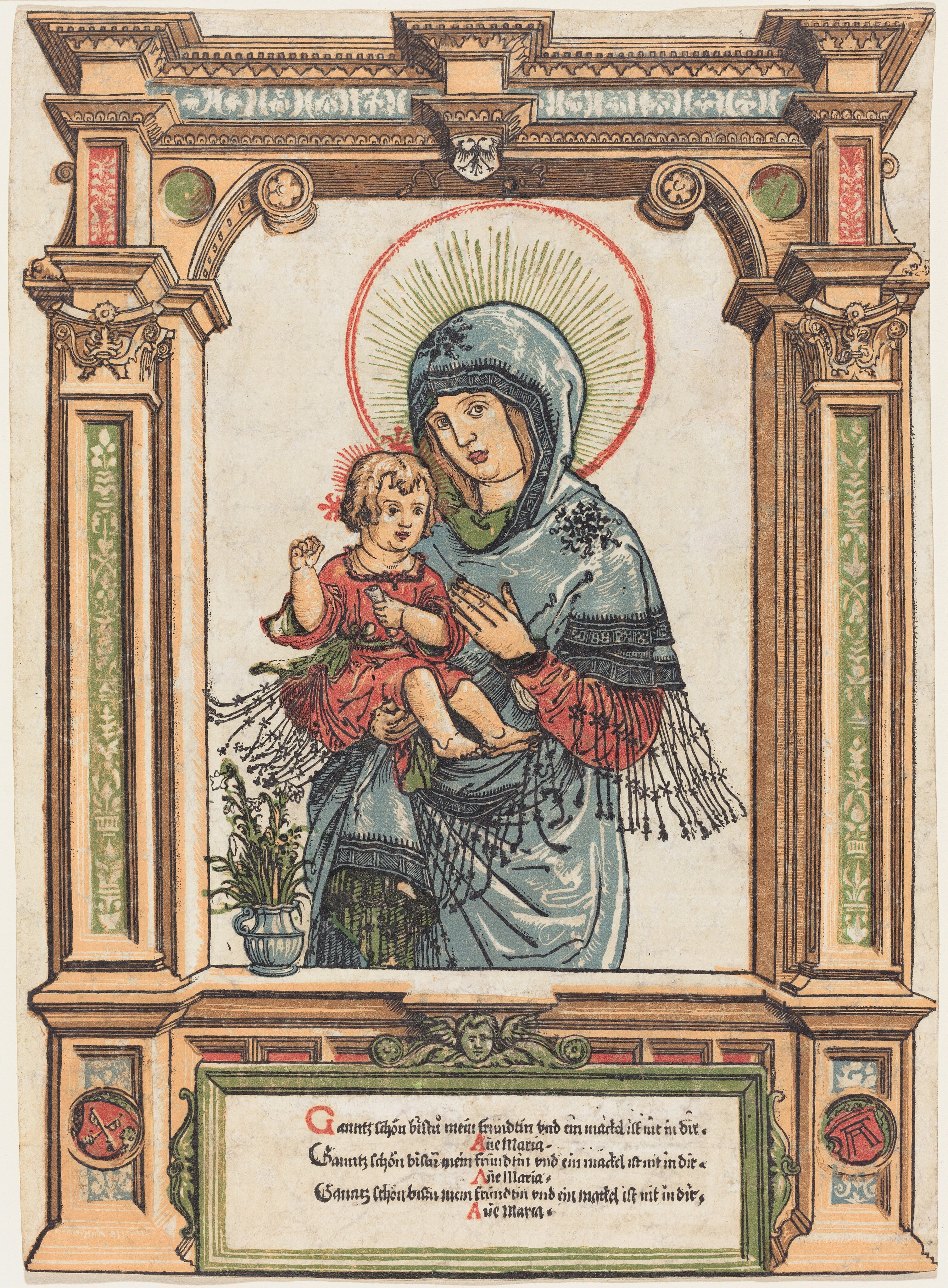
Albrect Altdorfer, The Beautiful Madonna of Regensburg, 1520
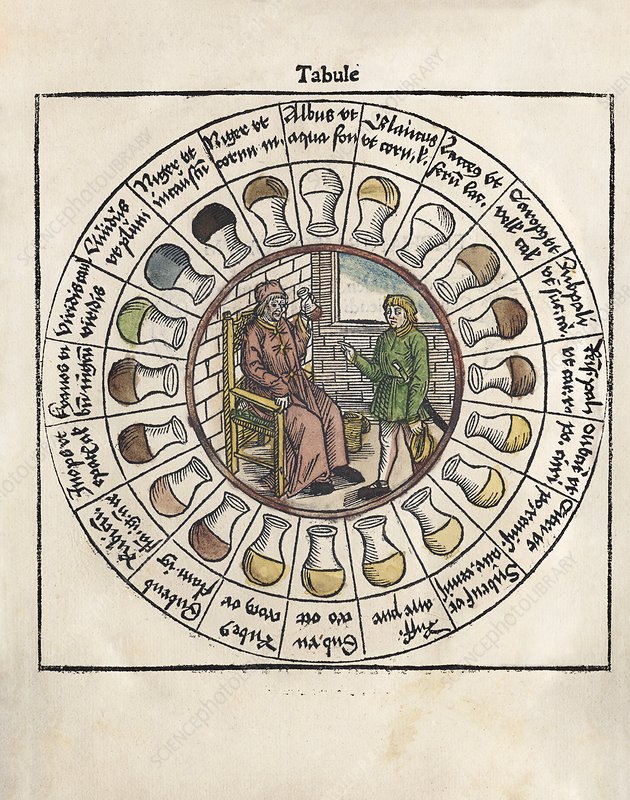
Ulrich Pinder, Urine Analysis Chart from Epiphanie medicorum, 1510
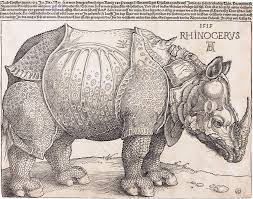
Albrecht Dürer, Rhinoceros, 1515
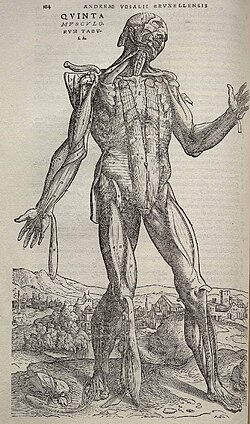
Andreas Vesalius, De humani corporis fabrica libri septem, 1540
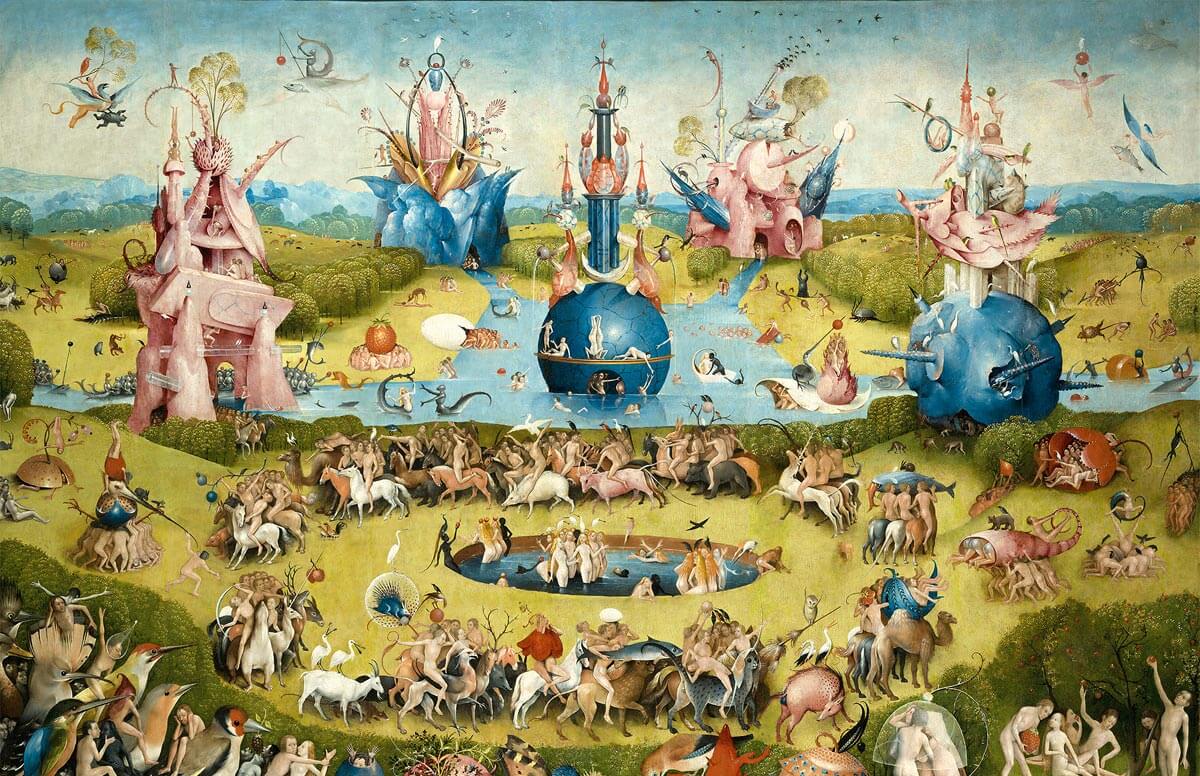
Hieronymus Bosch, Garden of Earthly Delights, 1510
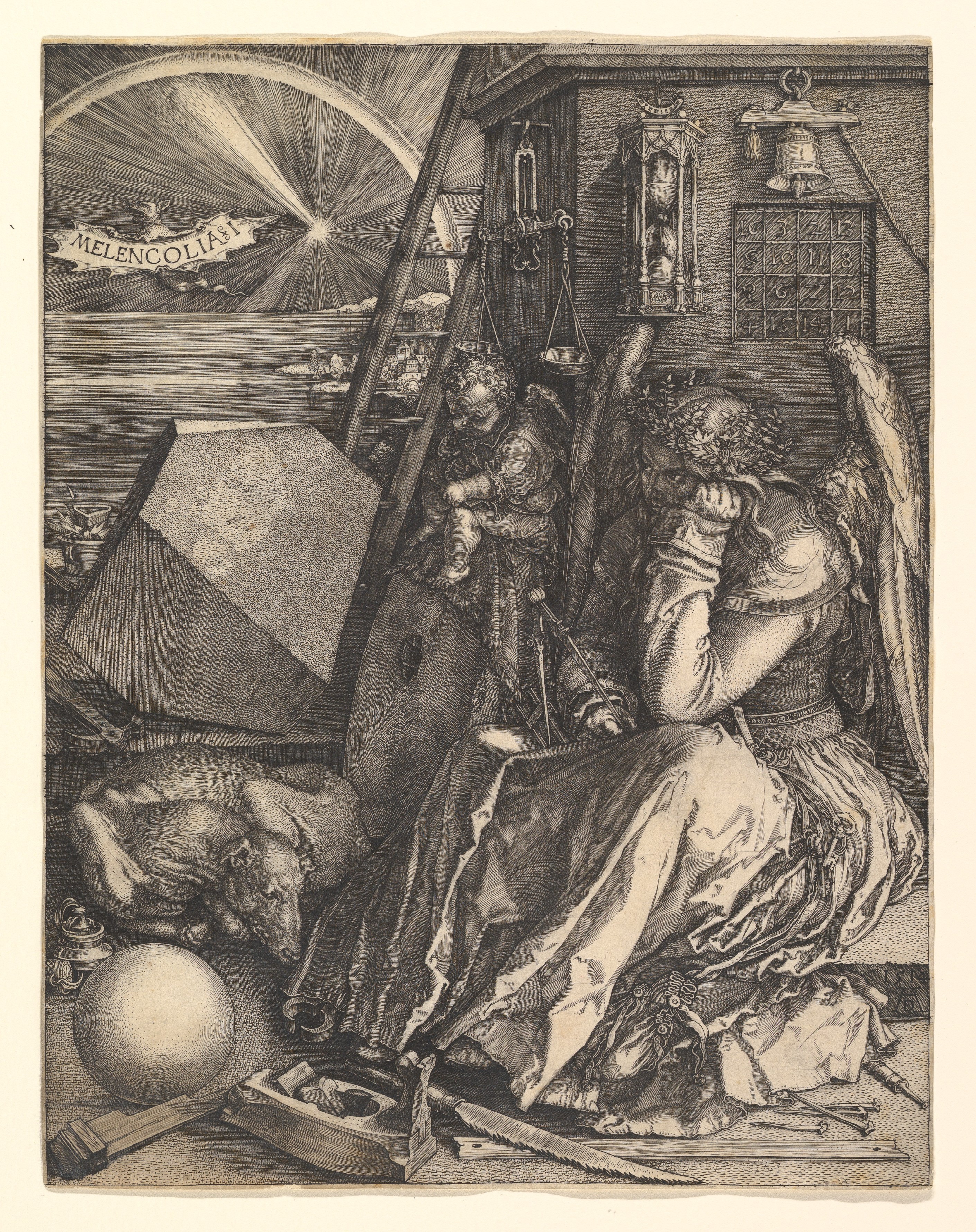
Albrecht Dürer, Melancholia I, 1514
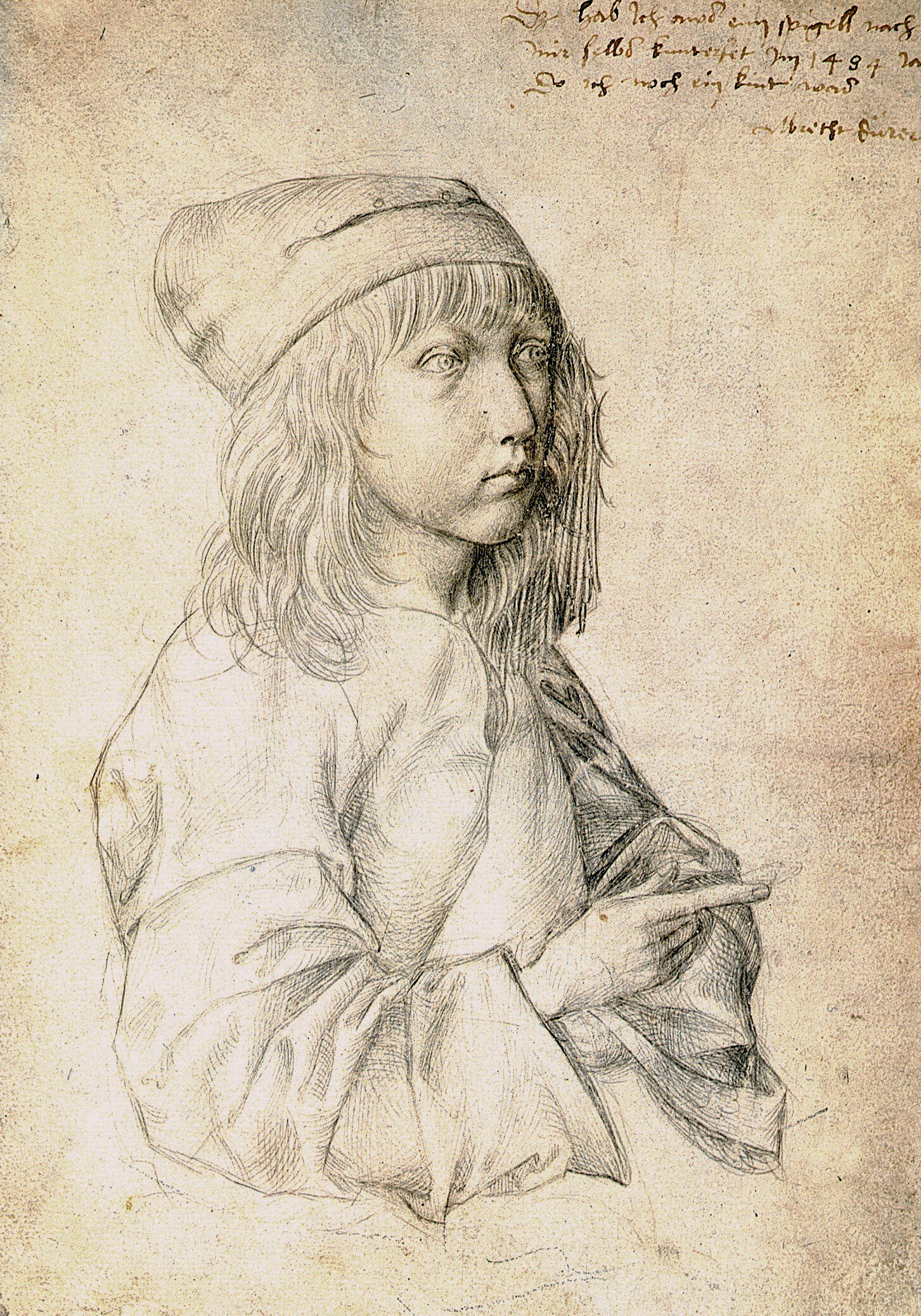
Albrecht Dürer, Self-Portrait at 13, 1484
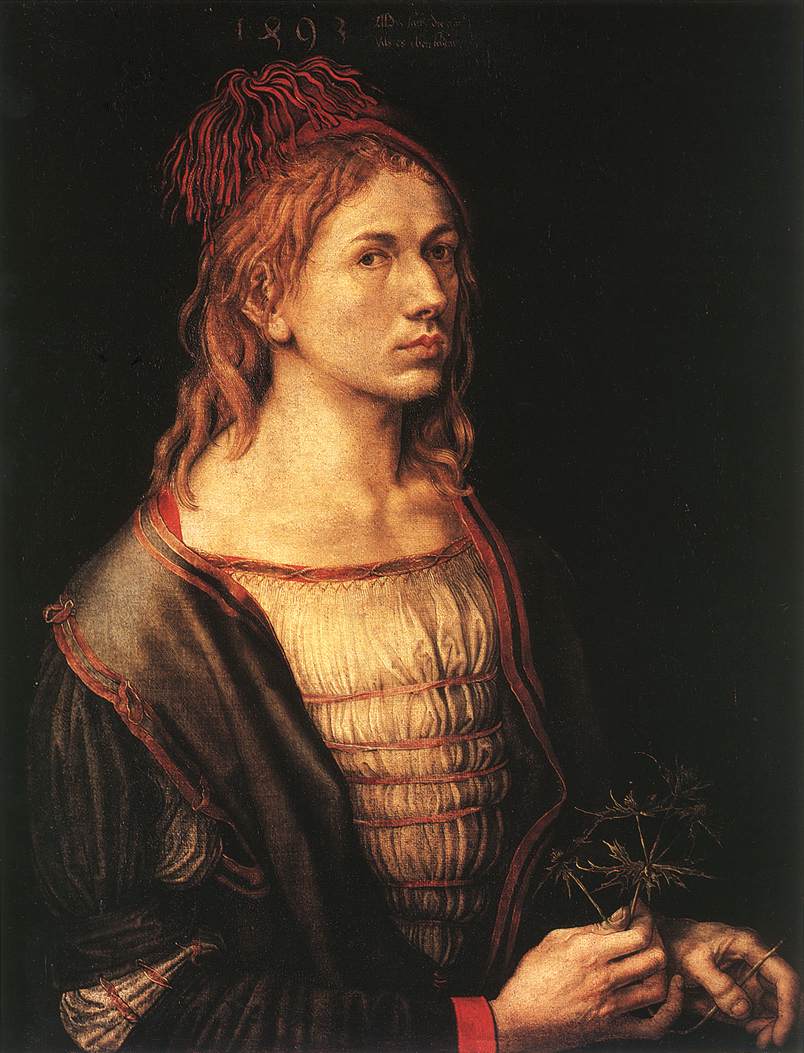
Albrecht Dürer, Self-Portrait at 22, 1490
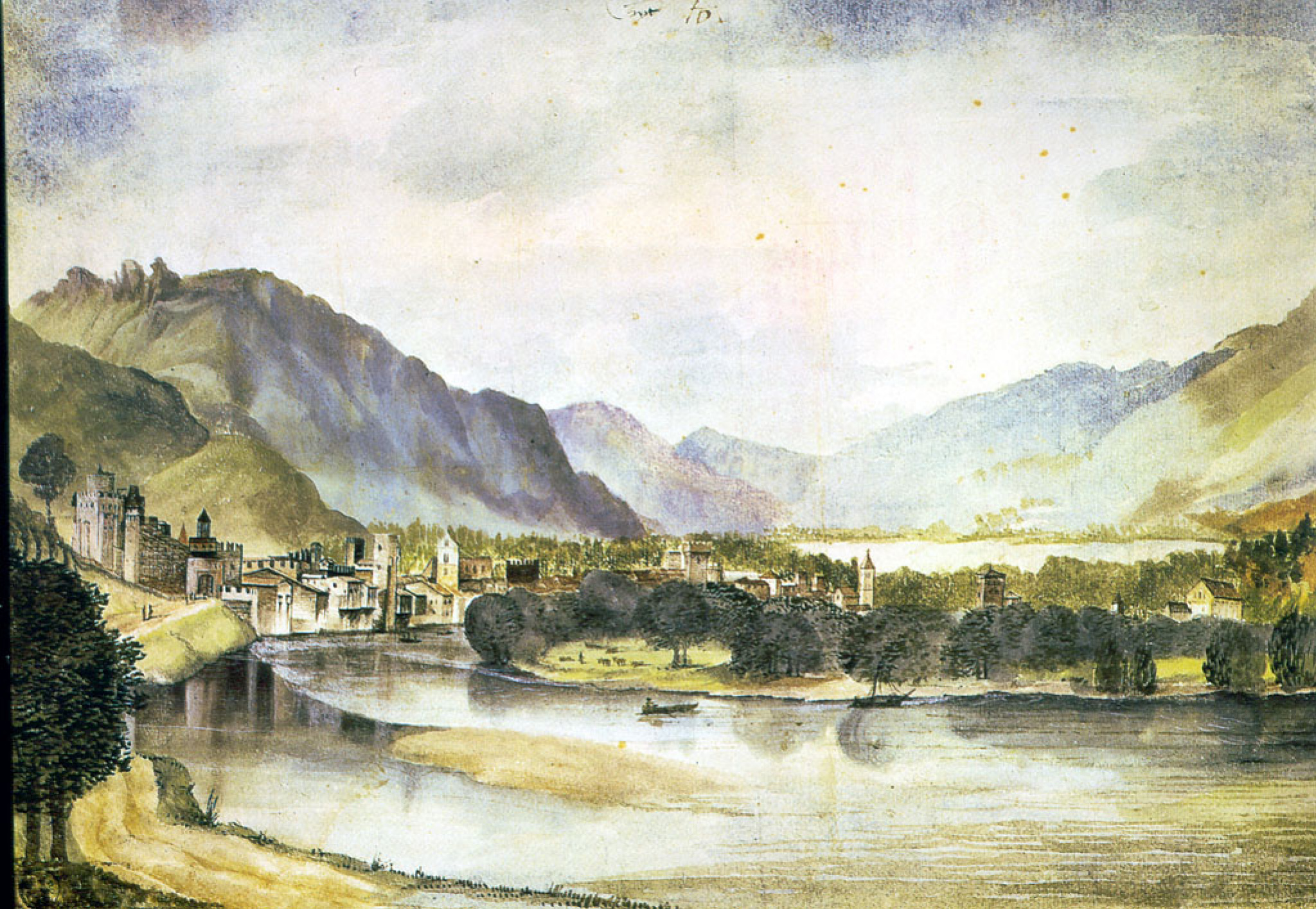
Albrecht Dürer, View from Trent, 1500
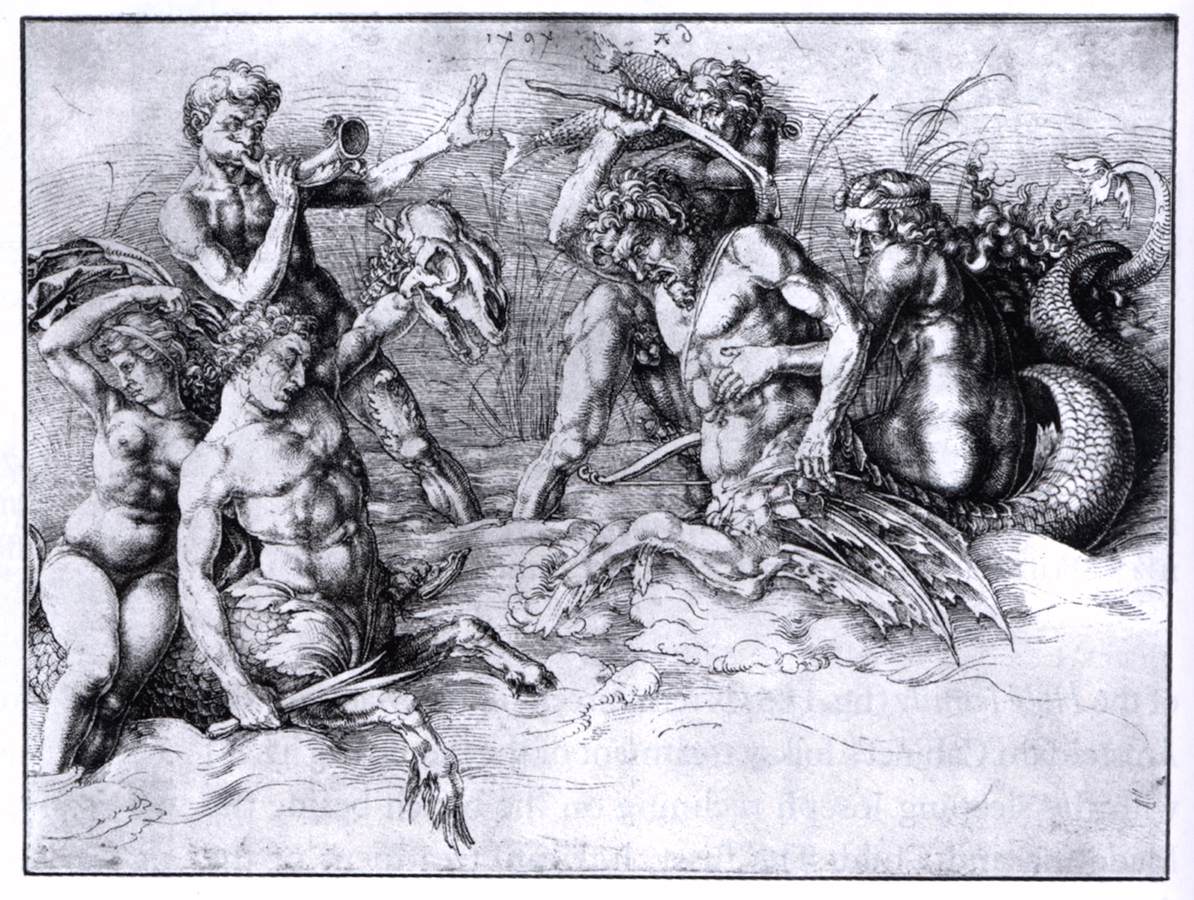
Albrecht Dürer, Battle of the Sea Gods, 1494
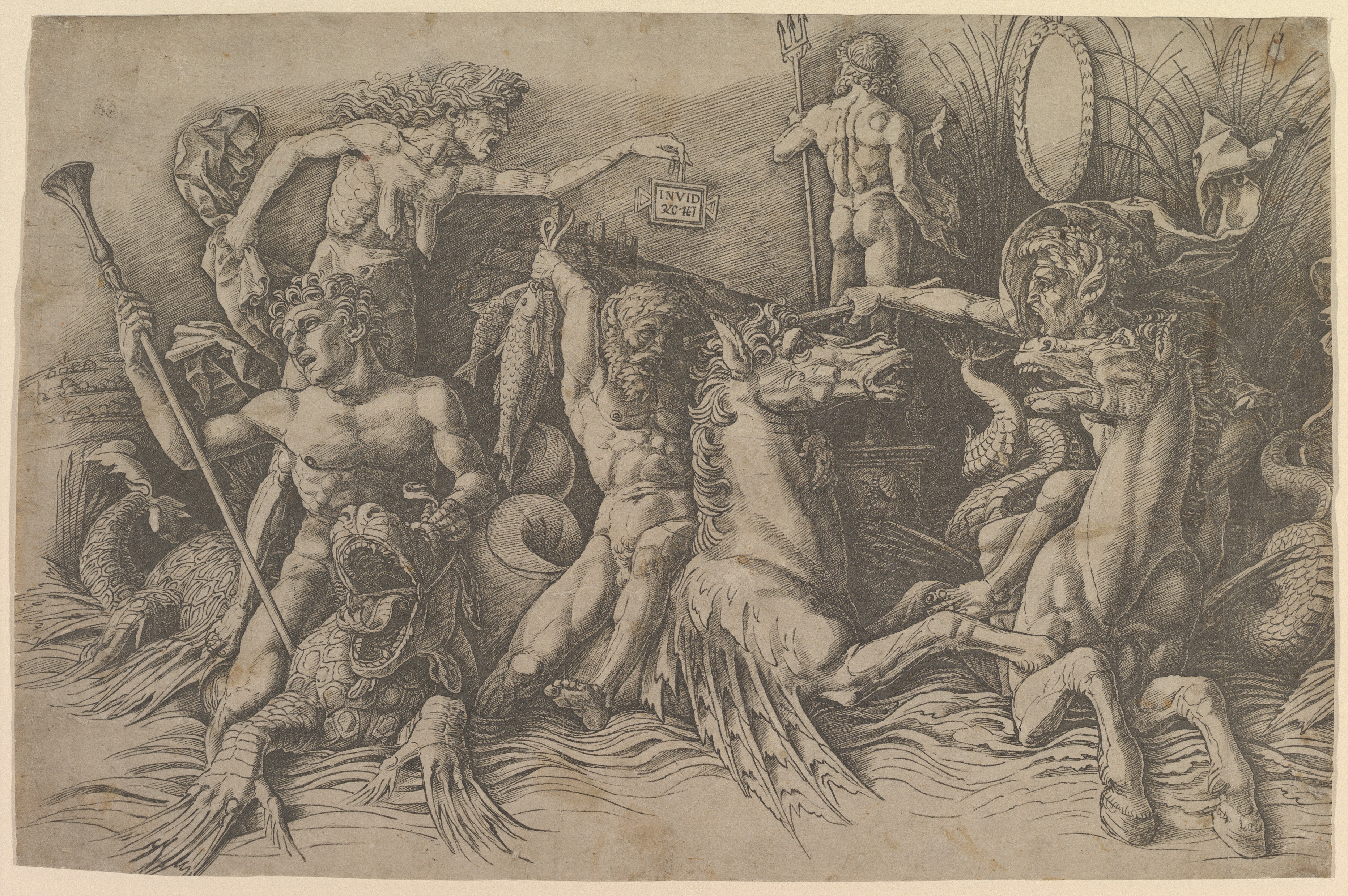
Andrea Mantegna, Battle of the Sea Gods, 1480
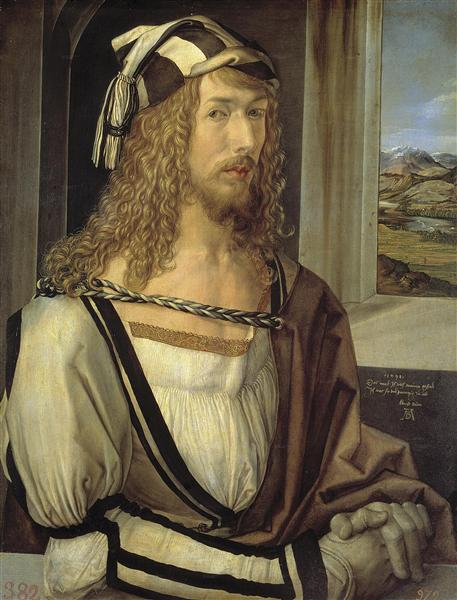
Albrecht Dürer, Self-Portrait, 1498
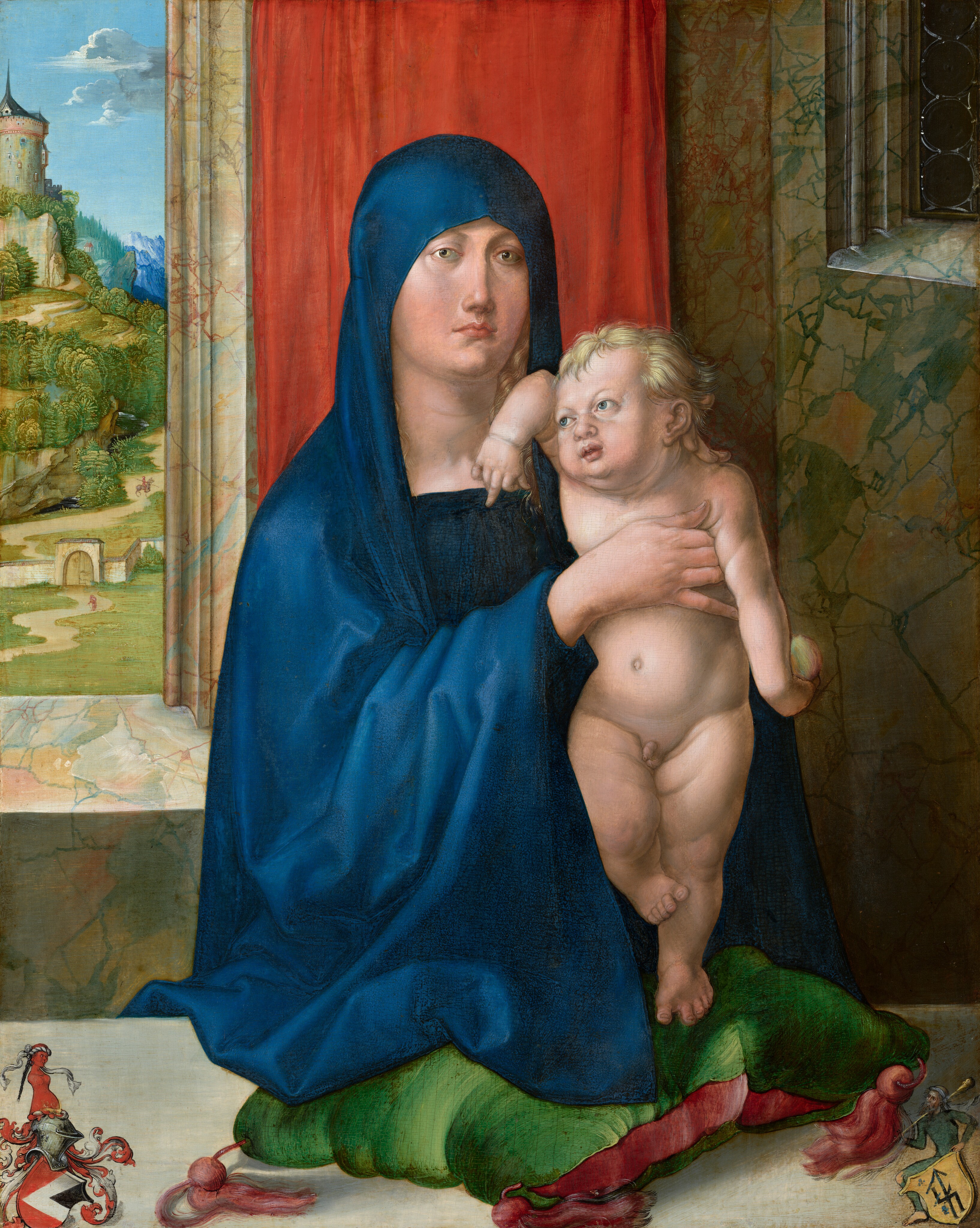
Albrecht Dürer, Madonna and Child, 1500
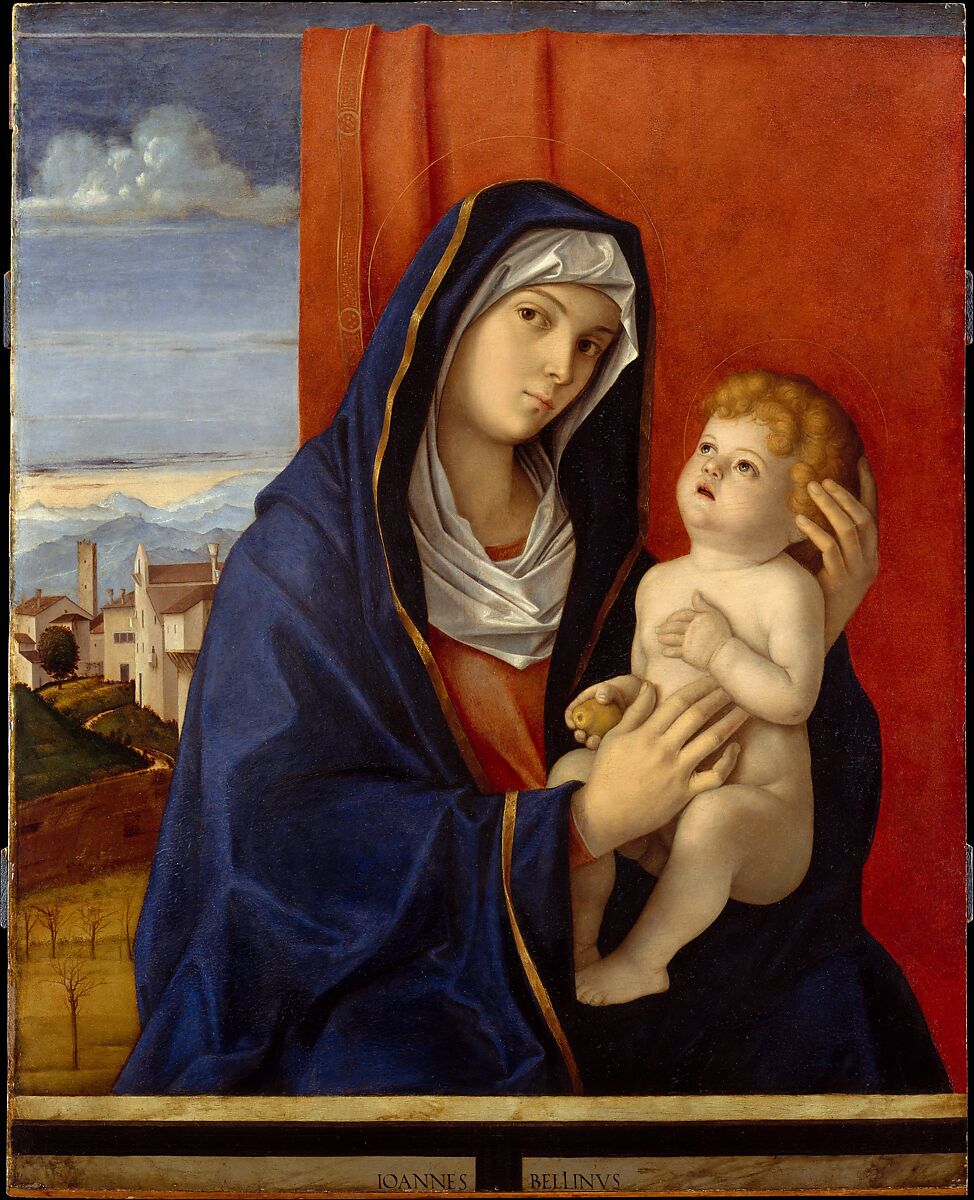
Giovanni Bellini, Madonna and Child, 1480
Albrecht Dürer, Feast of the Rose Garlands, 1505
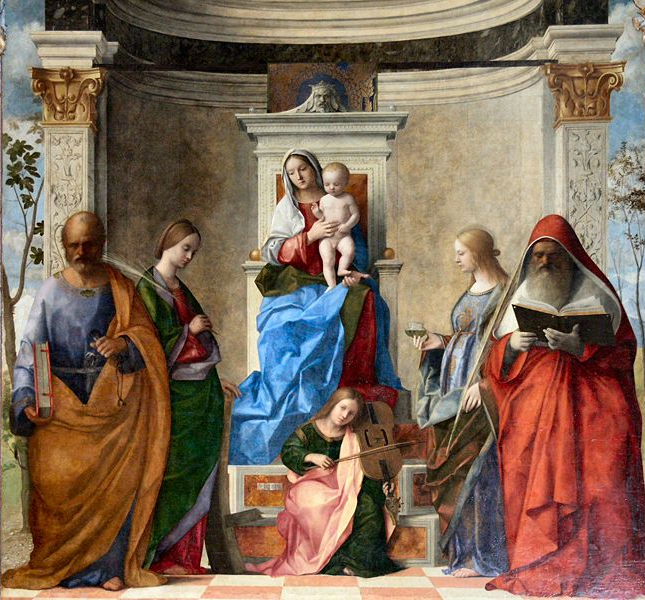
Giovanni Bellini, San Zaccaria Altarpiece, 1505
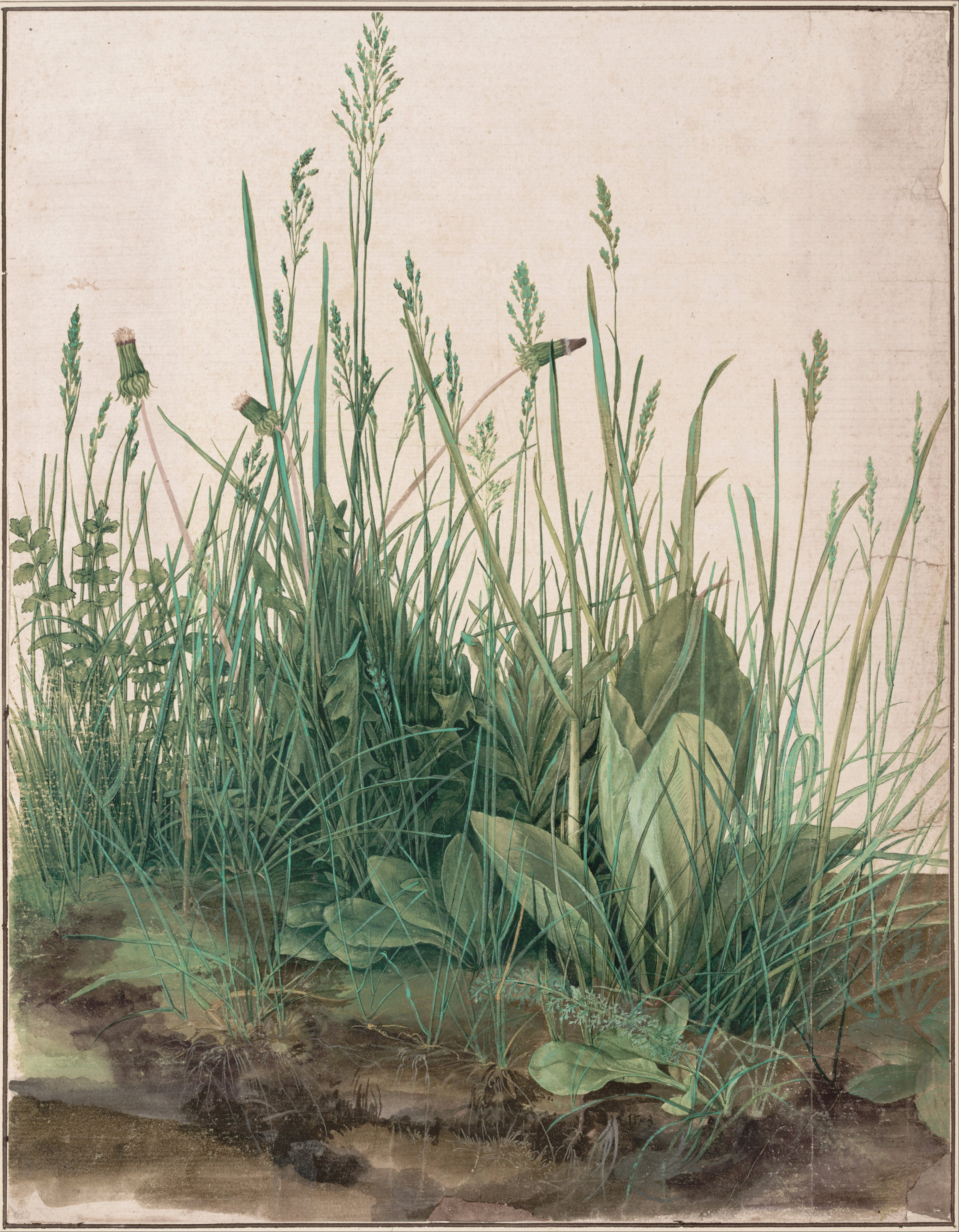
Albrecht Dürer, Large Turf of Grass, 1500
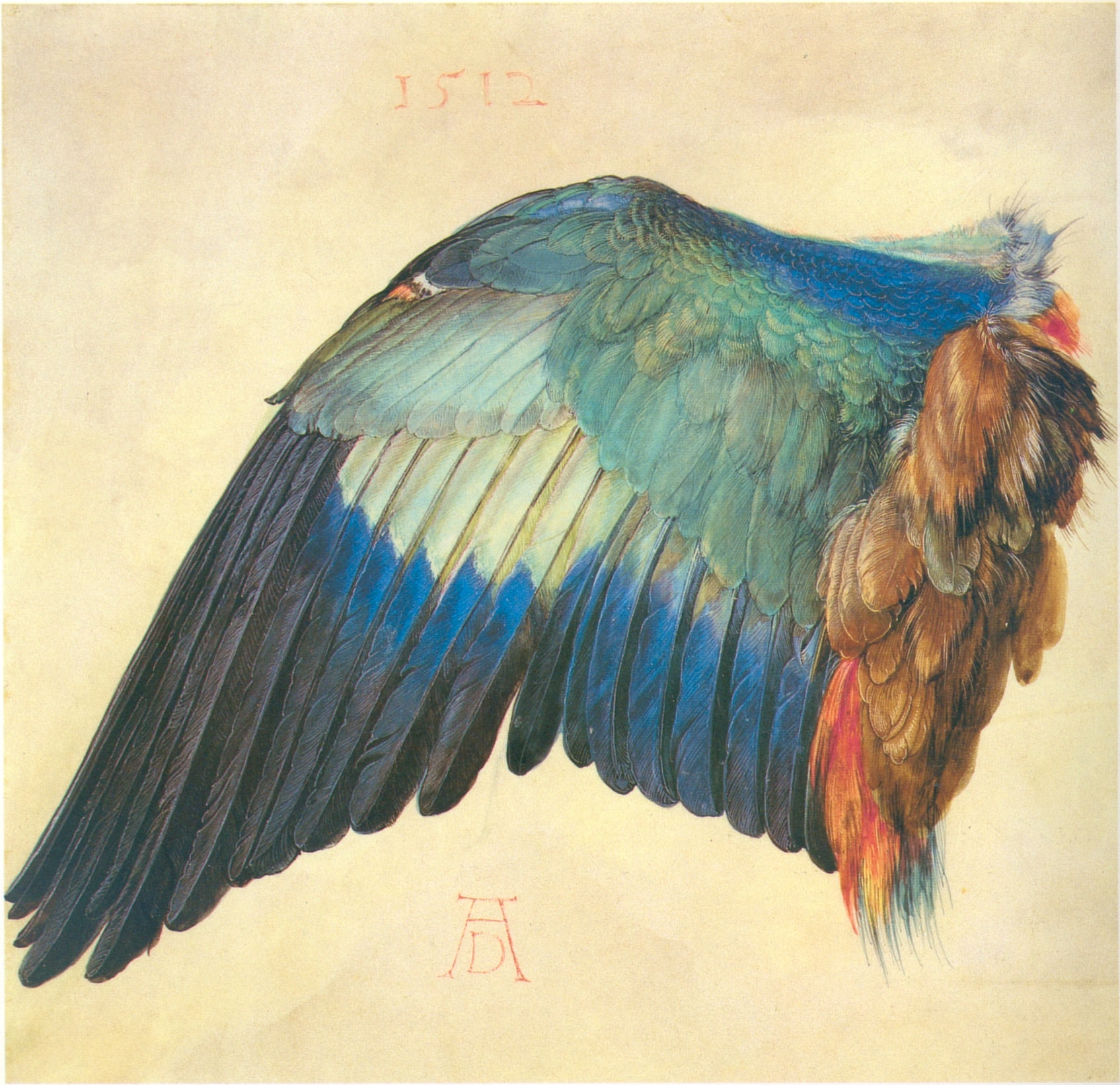
Albrecht Dürer, Bird Wing and Bird Study (Blue Roller), 1512
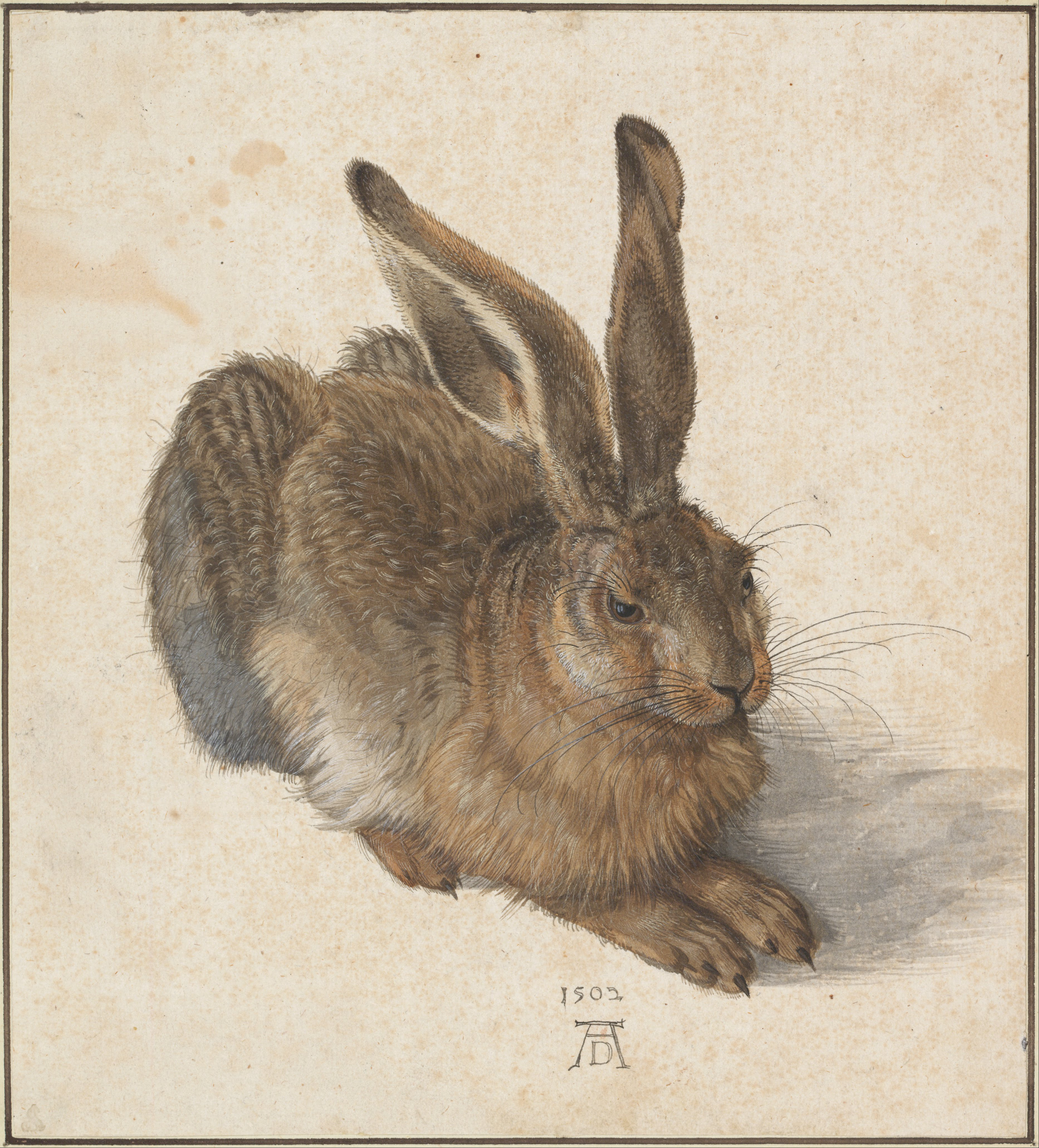
Albrecht Dürer, Young Hare, 1502
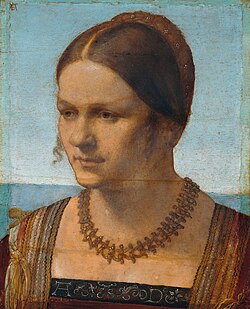
Albrecht Dürer, Study of Venetian Woman, 1510
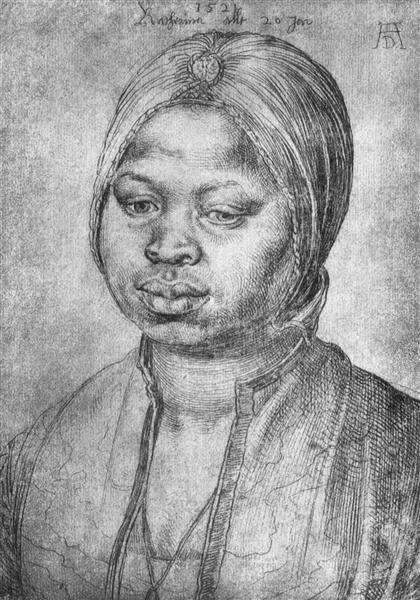
Albrecht Dürer, Portrait of Katharina, 1521
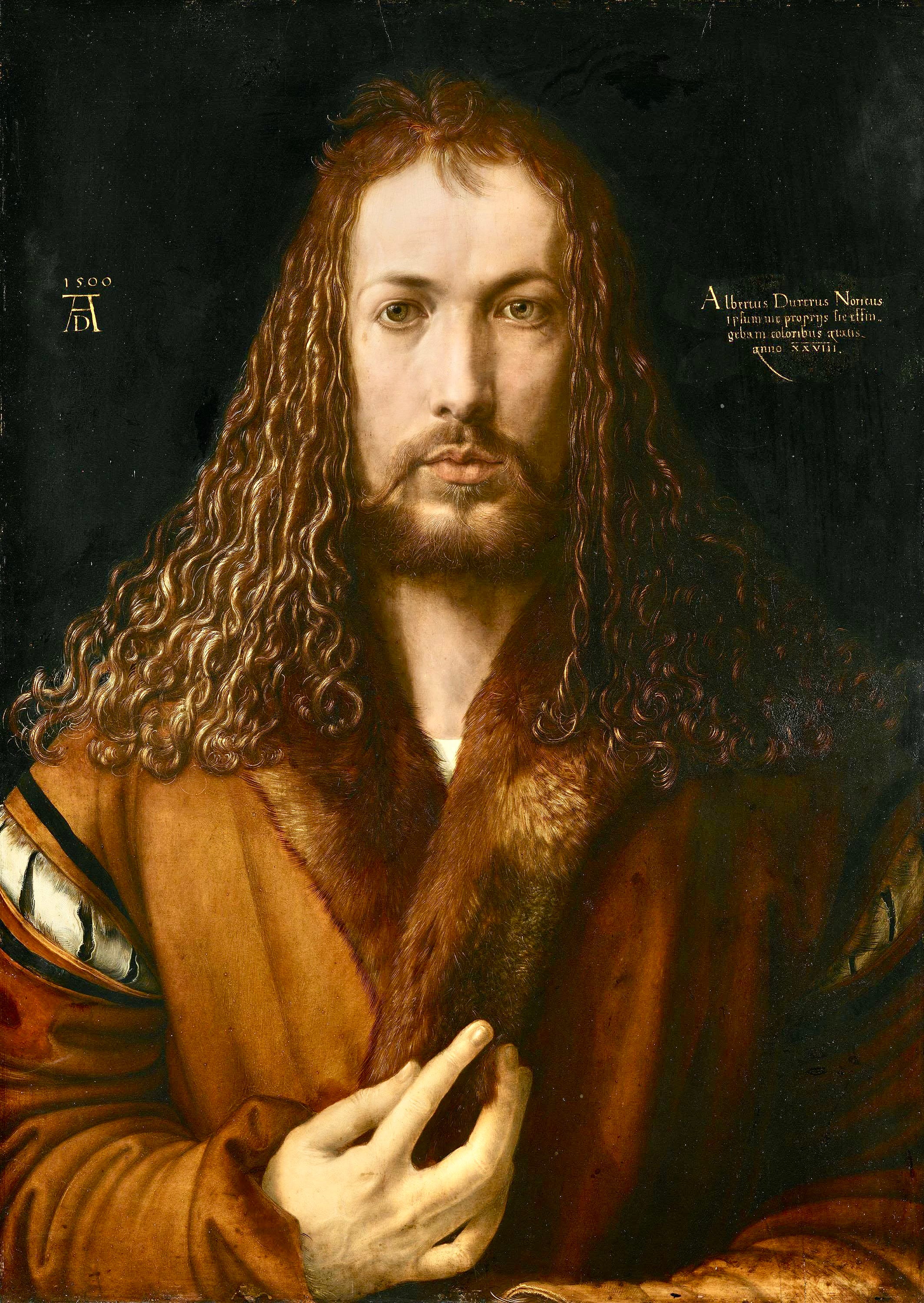
Albrecht Dürer, Self-Portrait, 1500
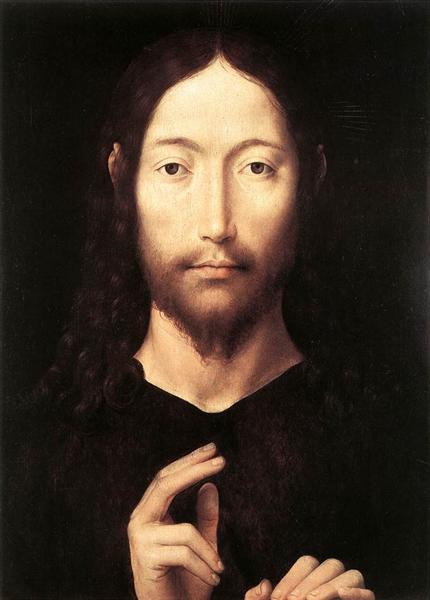
Hans Memling, Christ Blessing, 1478
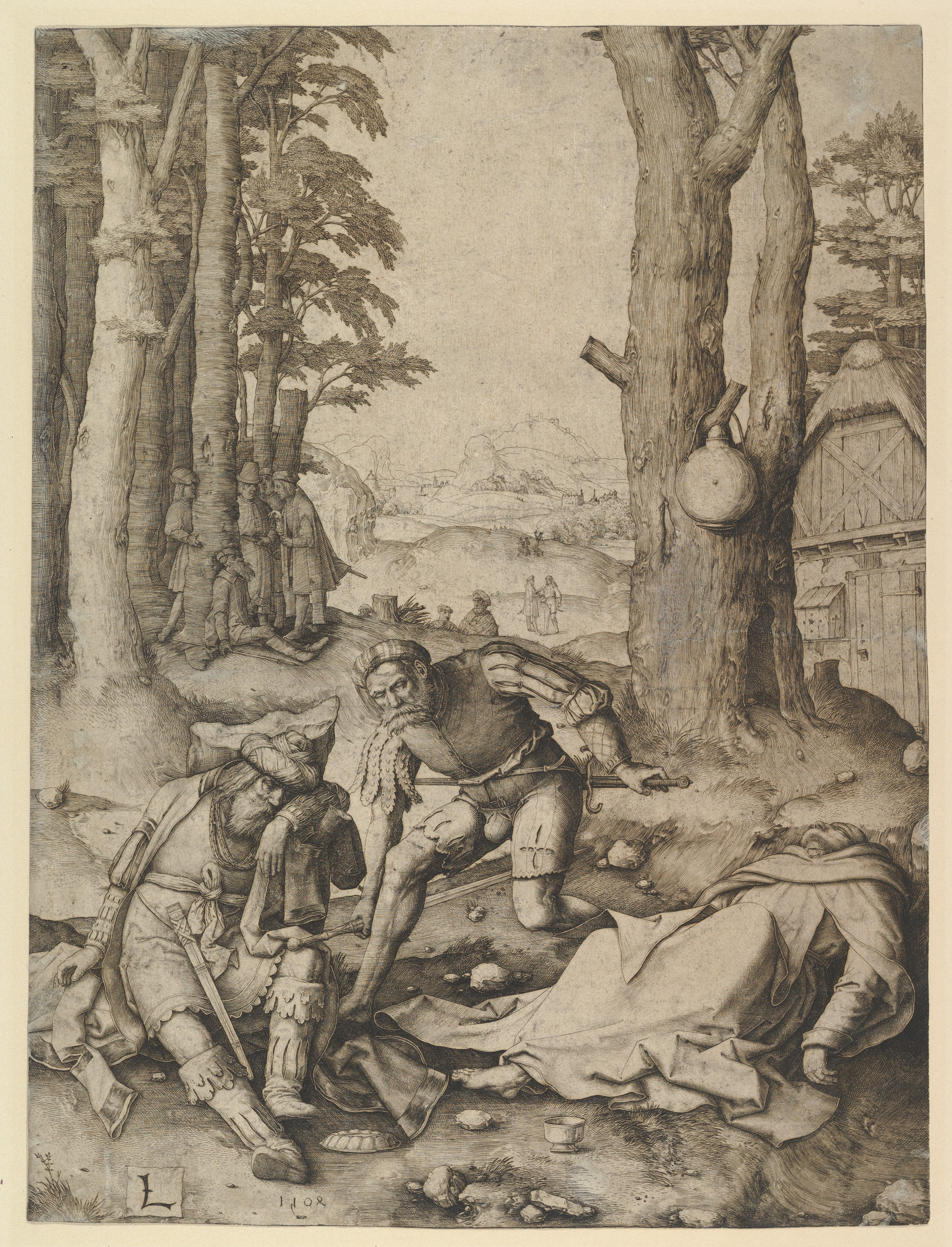
Lucas van Leyden, Mohammed and the Monk Sergius, 1508
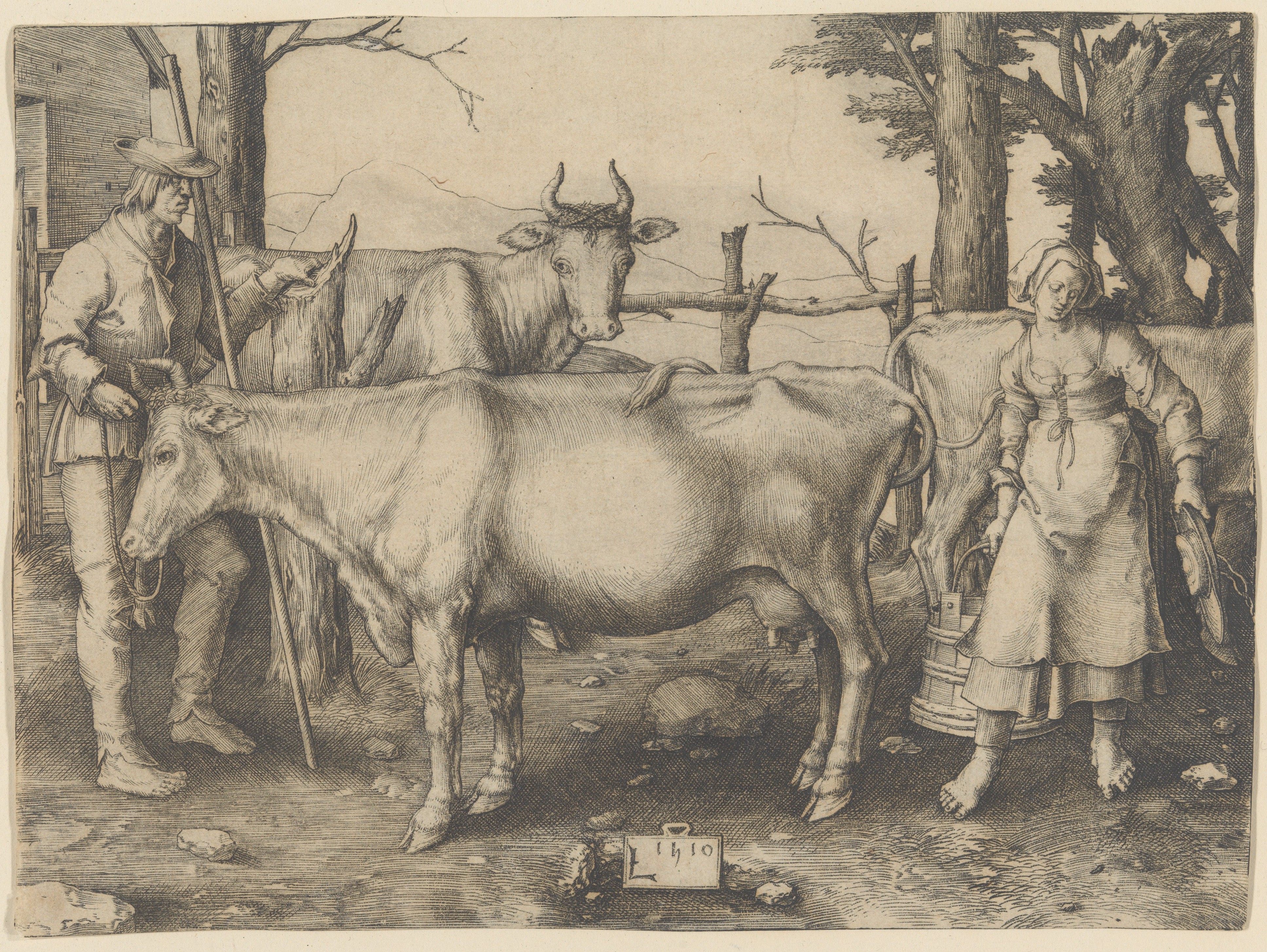
Lucas van Leyden, The Milkmaid, 1510
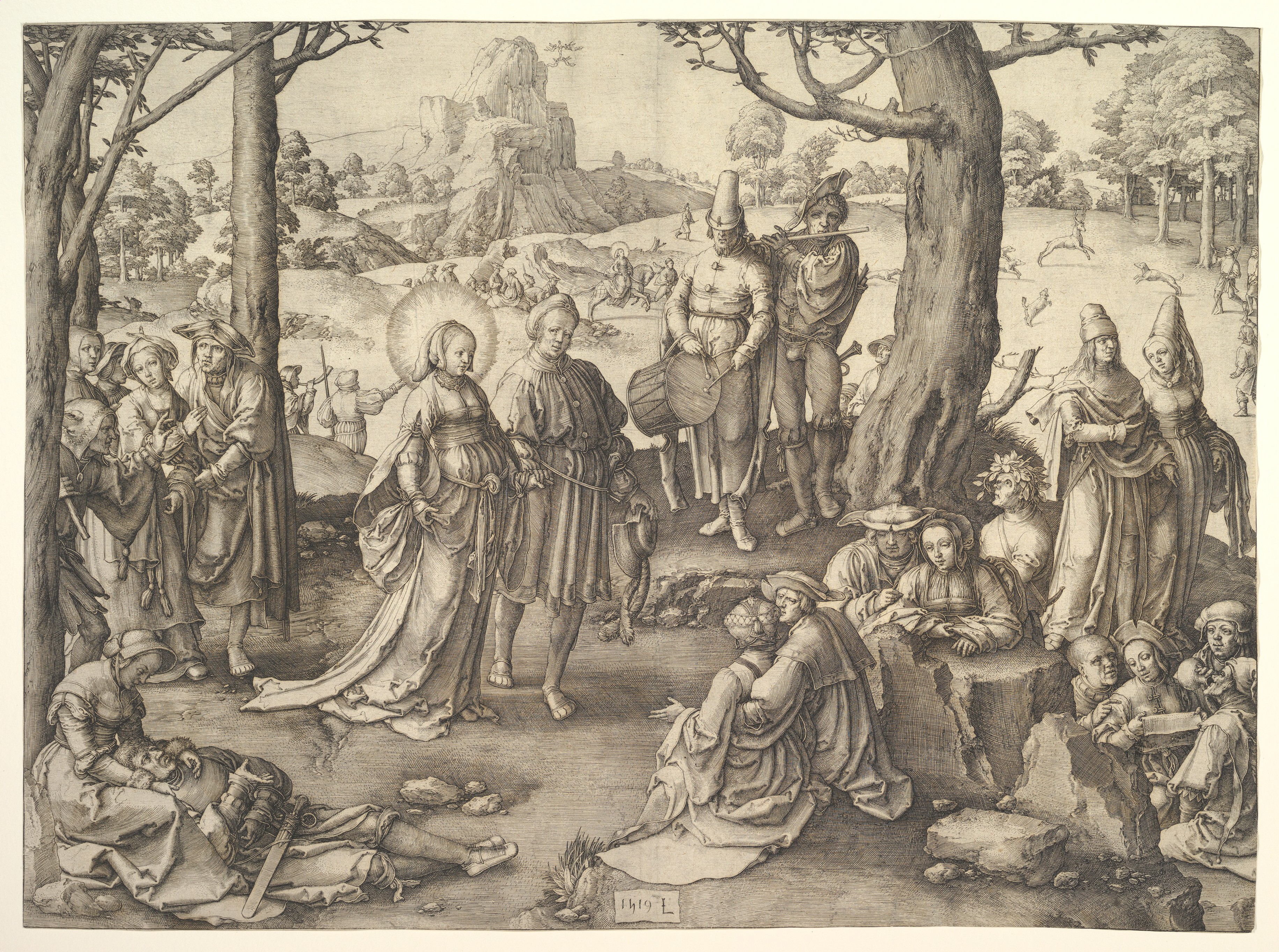
Lucas van Leyden, The Dance of the Magdalene, 1519
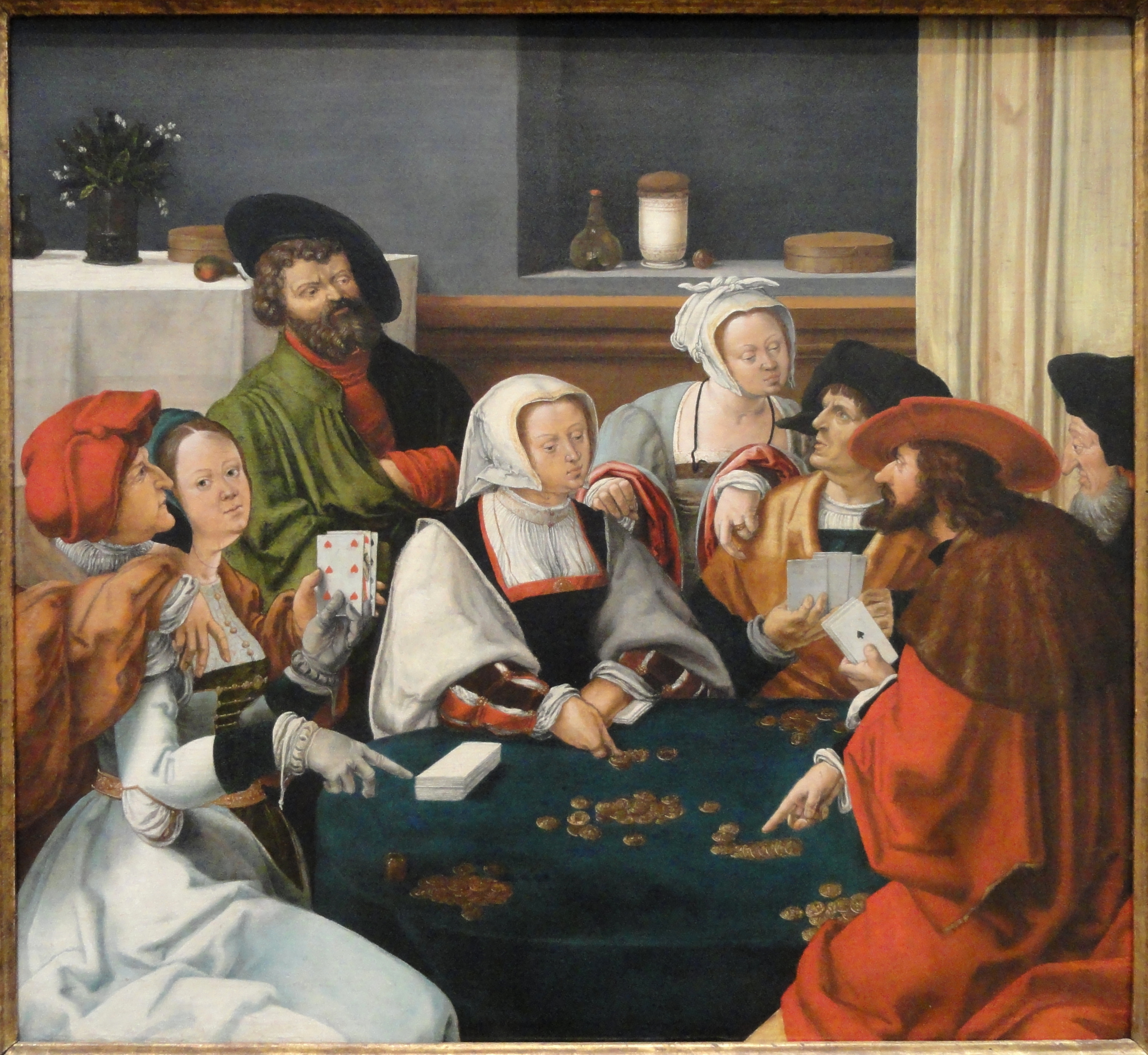
After Lucas van Leyden, Card-players, 1550
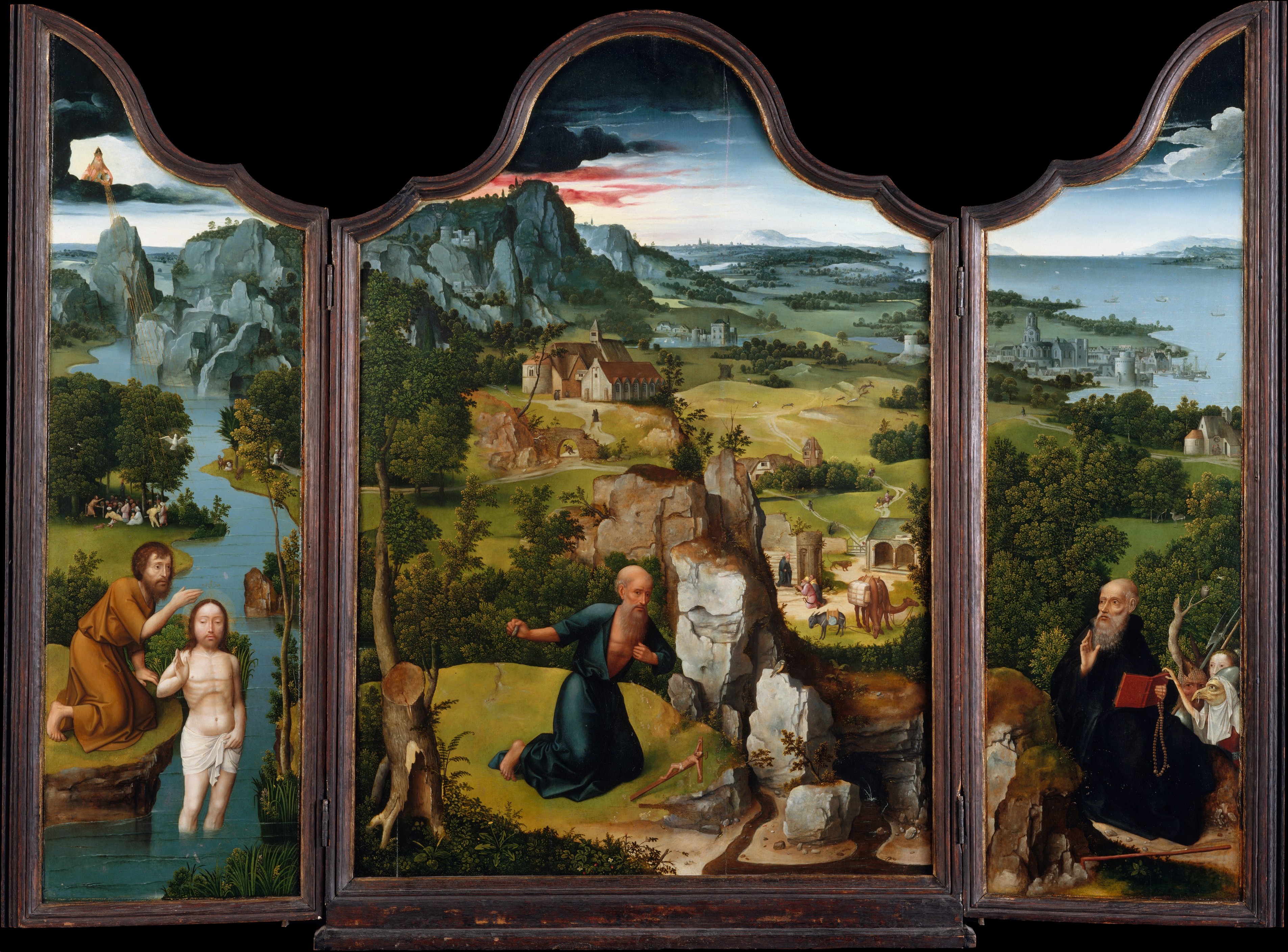
Joachim Patinir, The Penitence of St. Jerome, 1510
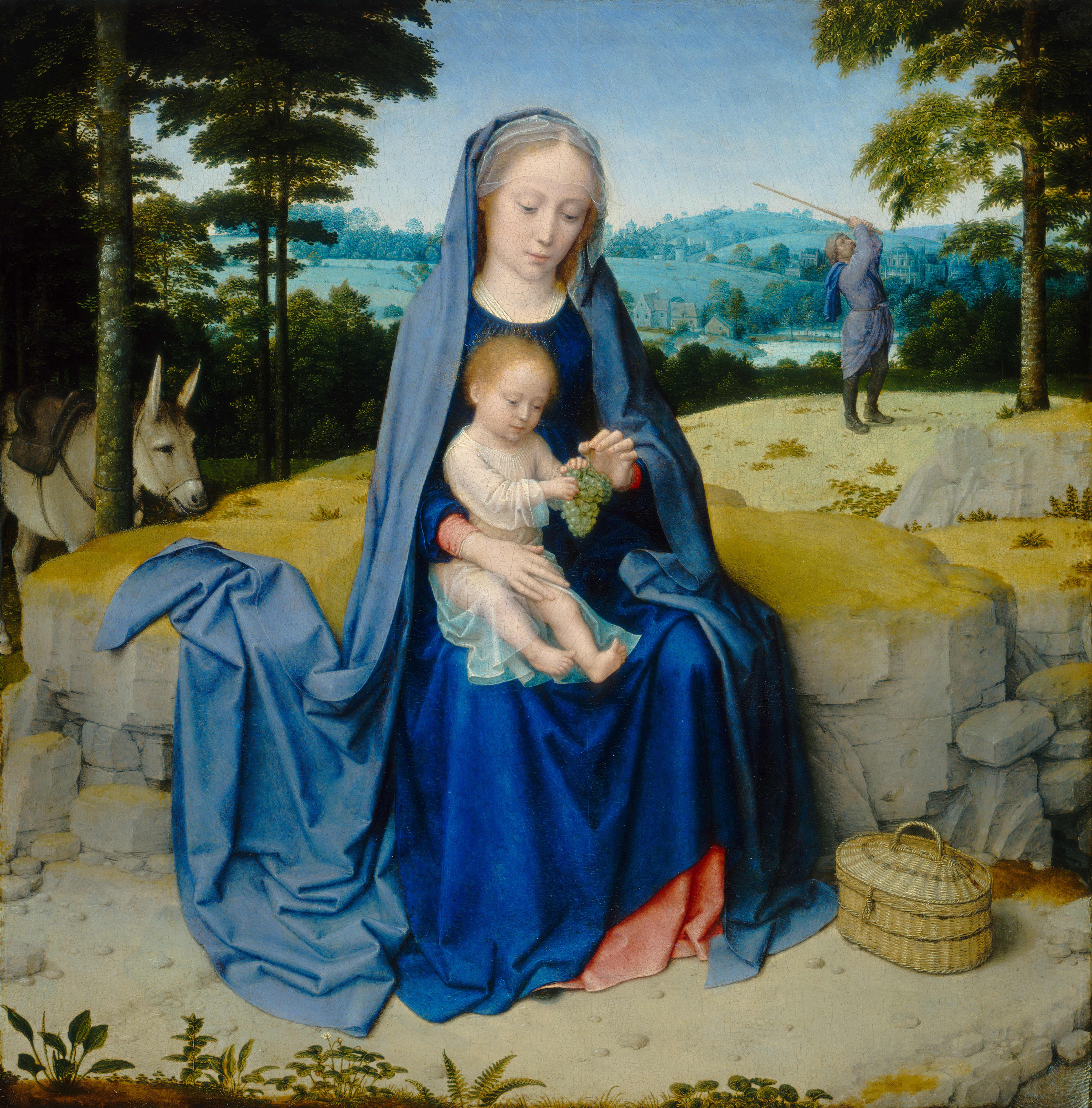
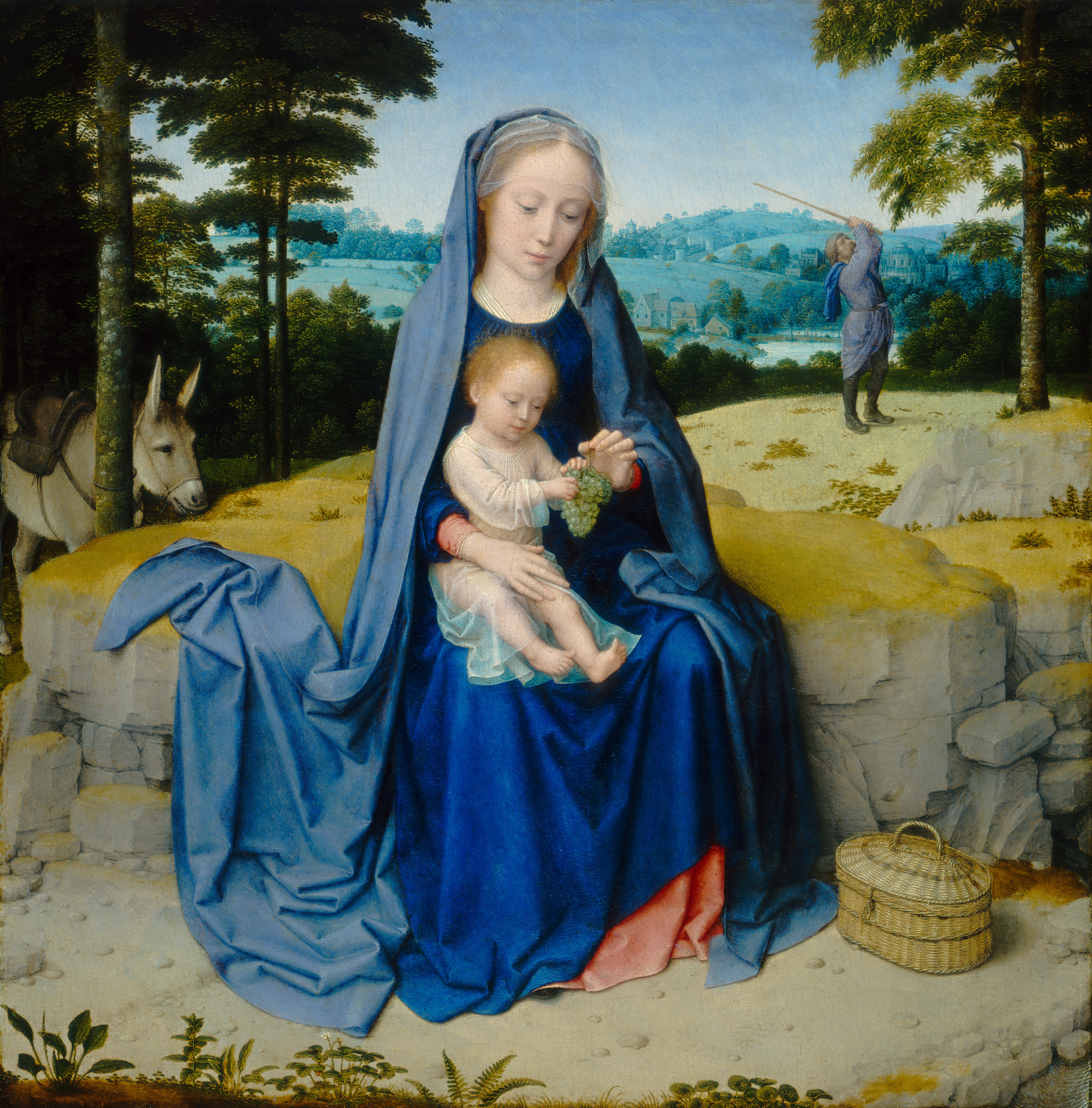
Gerhard David, Rest on the Flight into Egypt, c. 1510
Matthias Grünewald, Isenheim Altarpiece, 1510
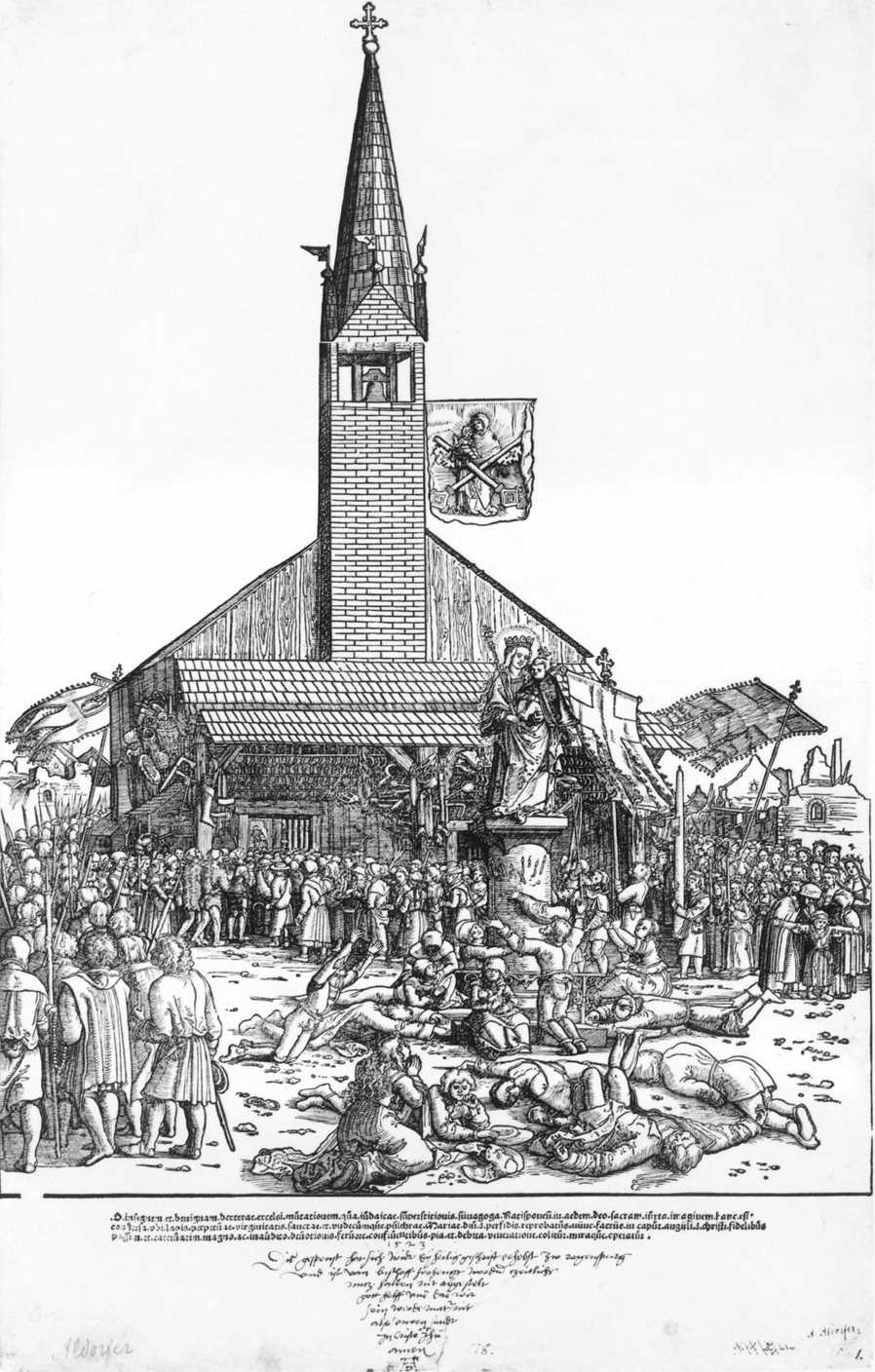
Michael Ostendorfer, The Pilgrimage to the Beautiful Madonna of Regensburg, ca. 1520
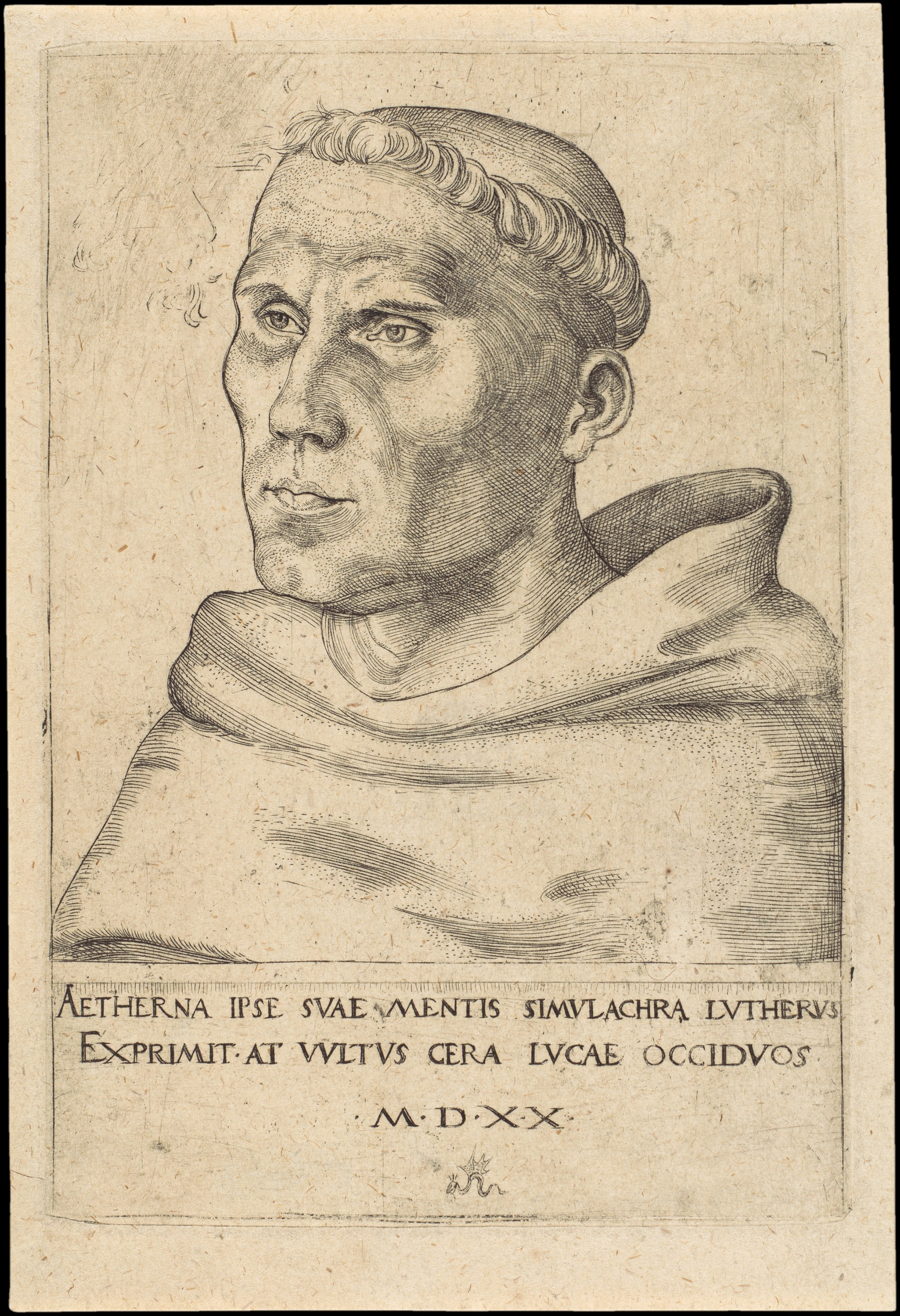
Lucas Cranach the Elder, Martin Luther as an Augustinian Monk, 1520
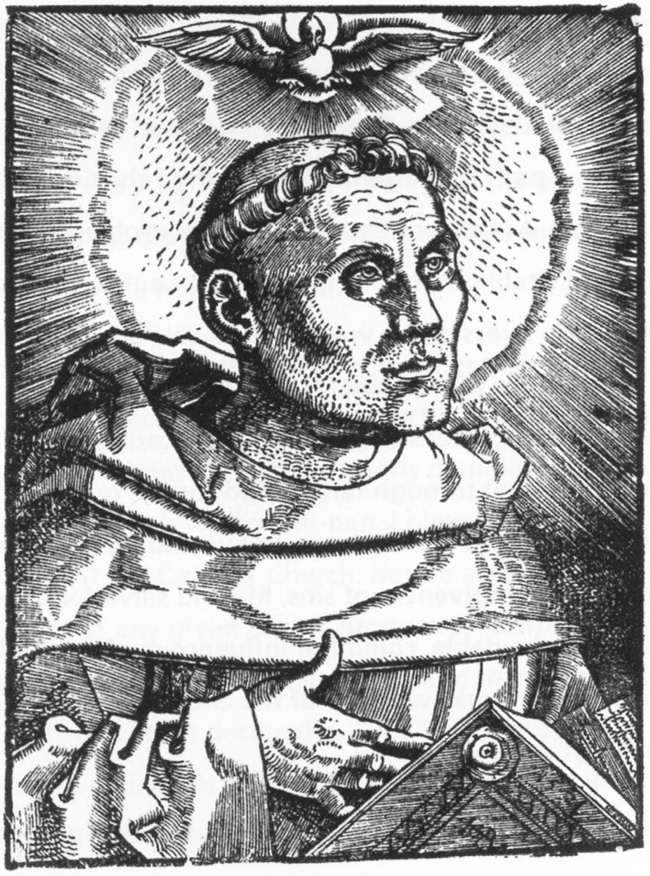
Hans Baldung Grien, Martin Luther, 1520
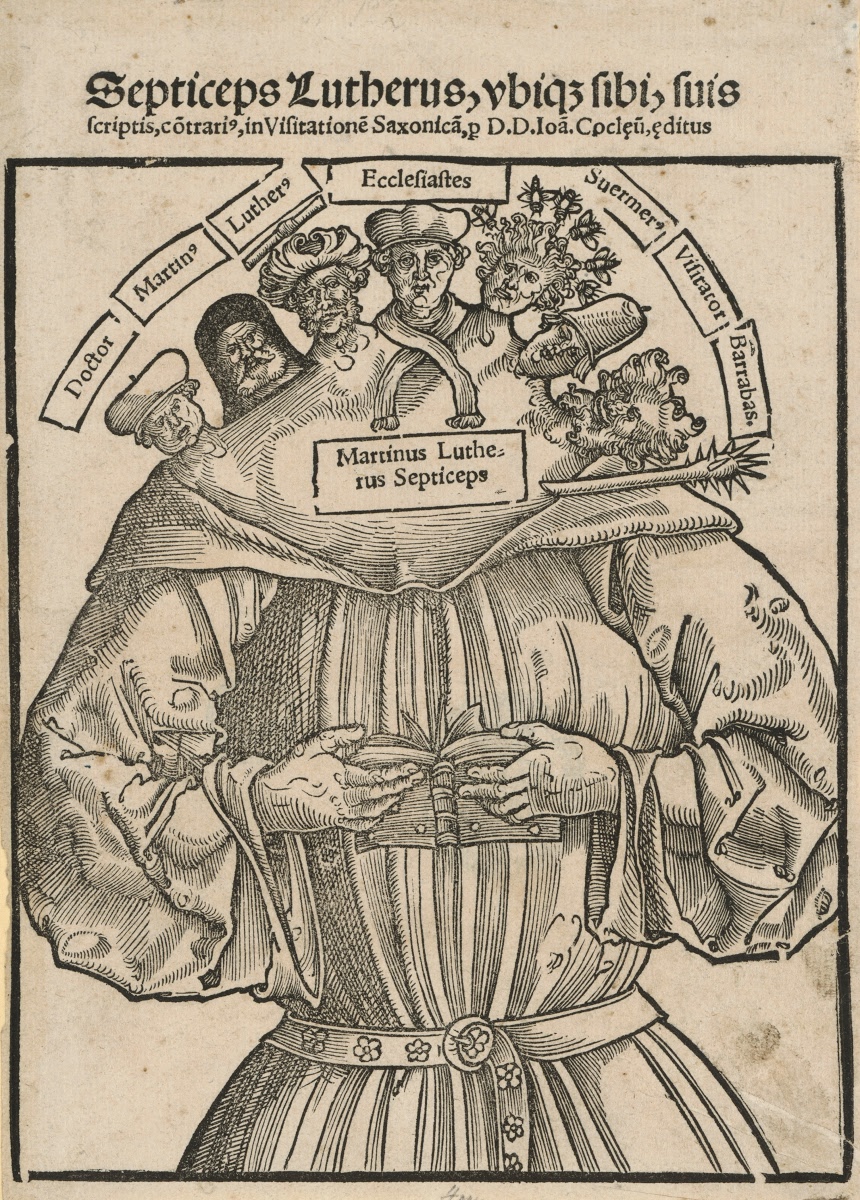
Hans Brosamer, The Seven Heads of Martin Luther, 1530
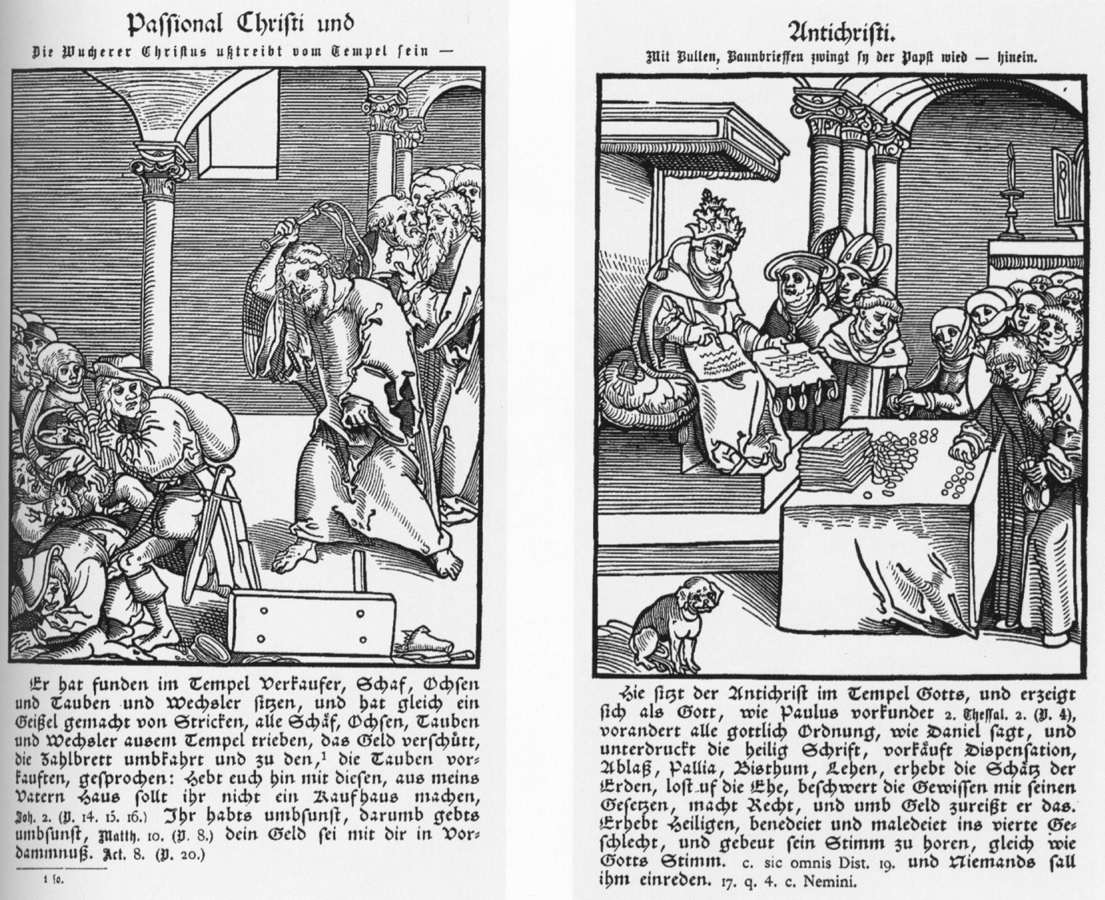
Lucas Cranach, Martin Luther, Philipp Melanchthon, Passion of Christ and the Antichrist, 1520
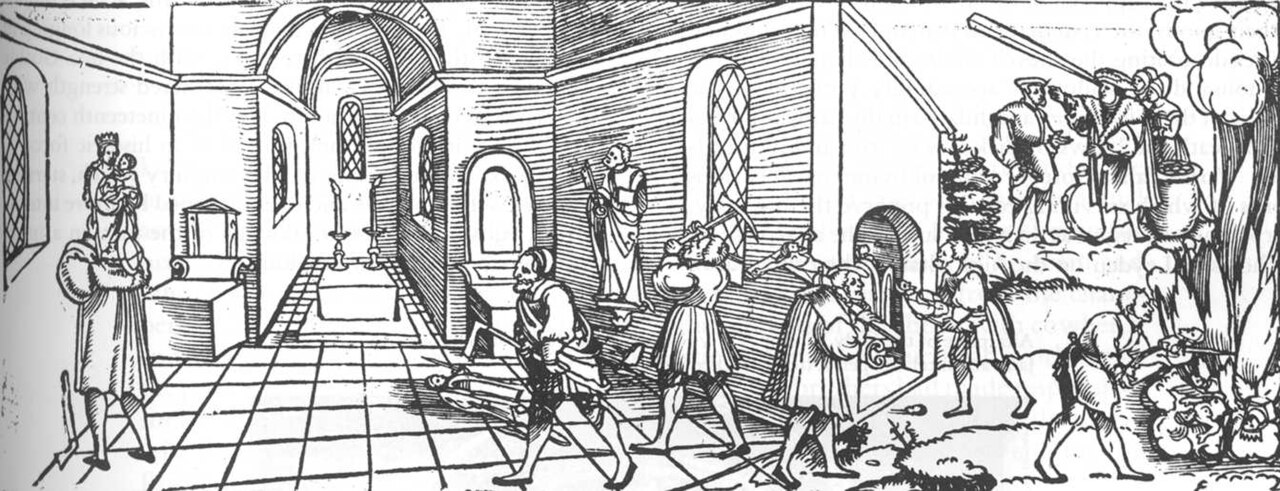
Erhard Schön, Compliant of the Poor Persecuted Idols and Temple Icons, ca. 1540
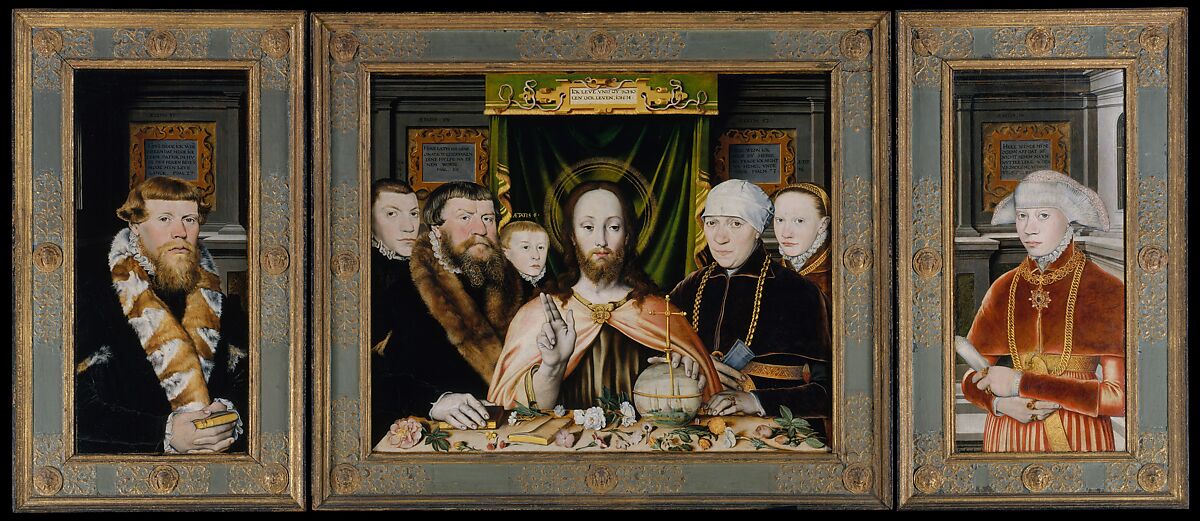
German Painter (Ludger tom Ring the Younger?), Christ Blessing, Surrounded by a Donor Family, 1580
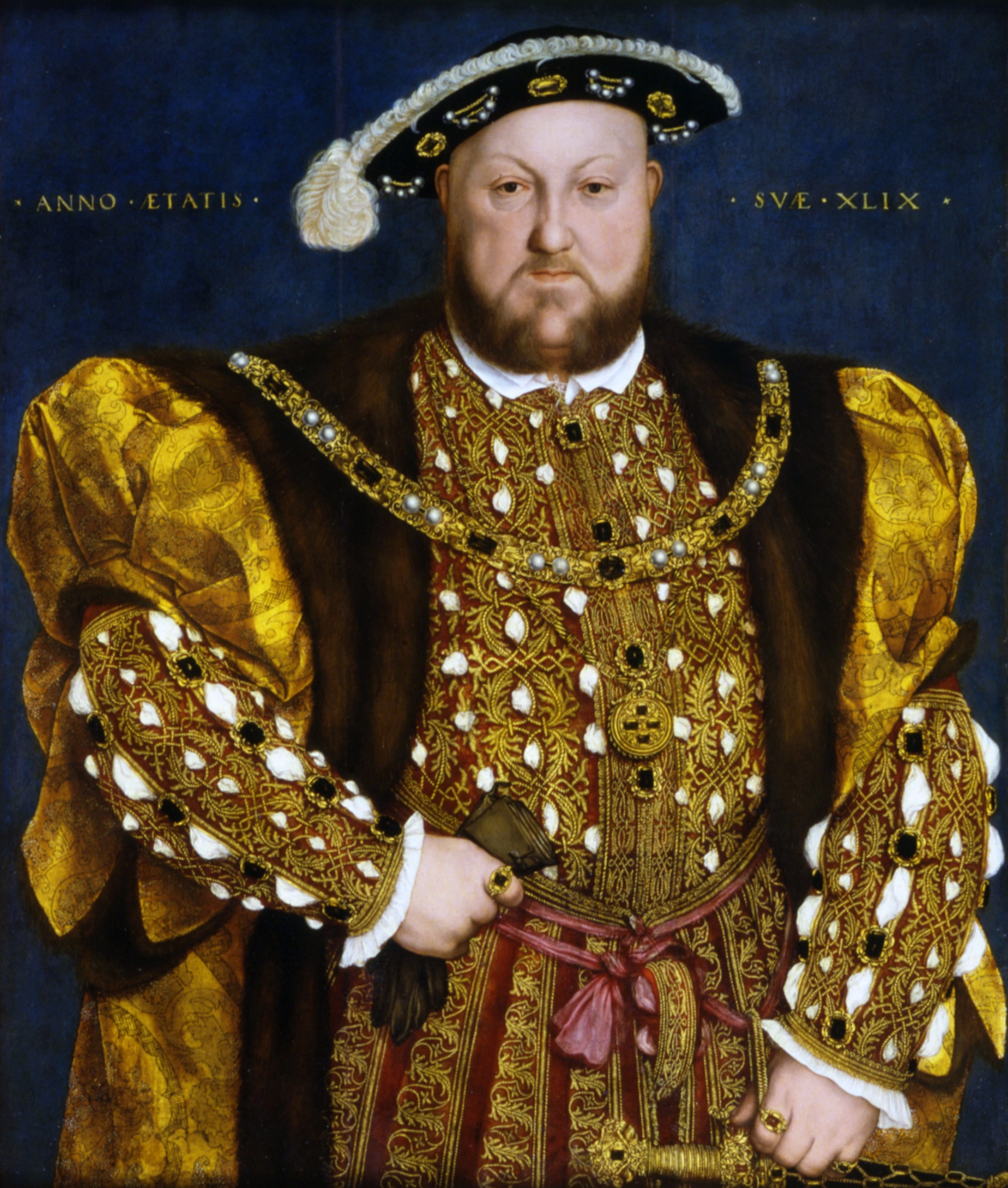
Hans Holbein the Younger, Portrait of Henry VIII, 1540
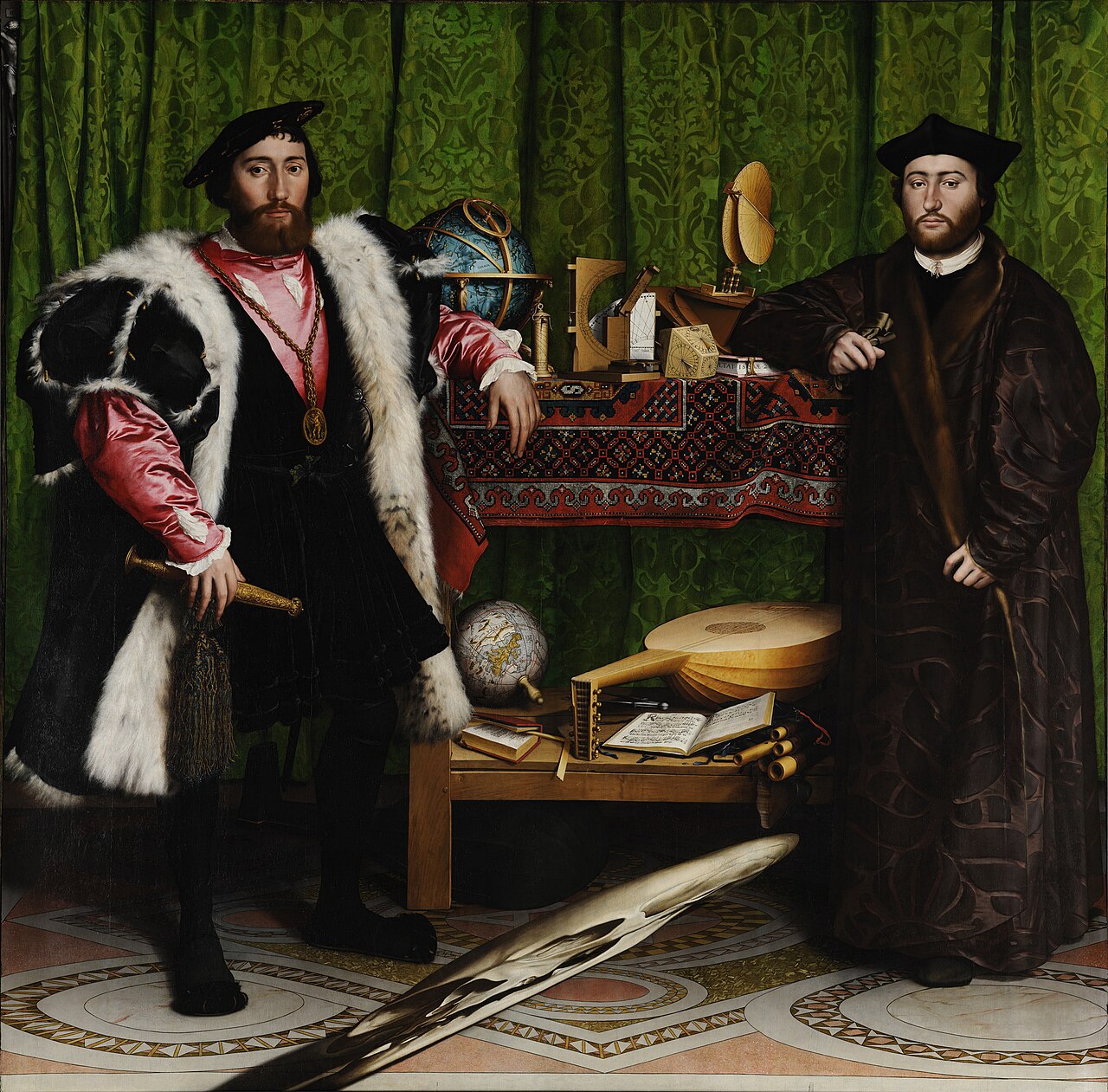
Hans Holbein the Younger, The Ambassadors, 1530
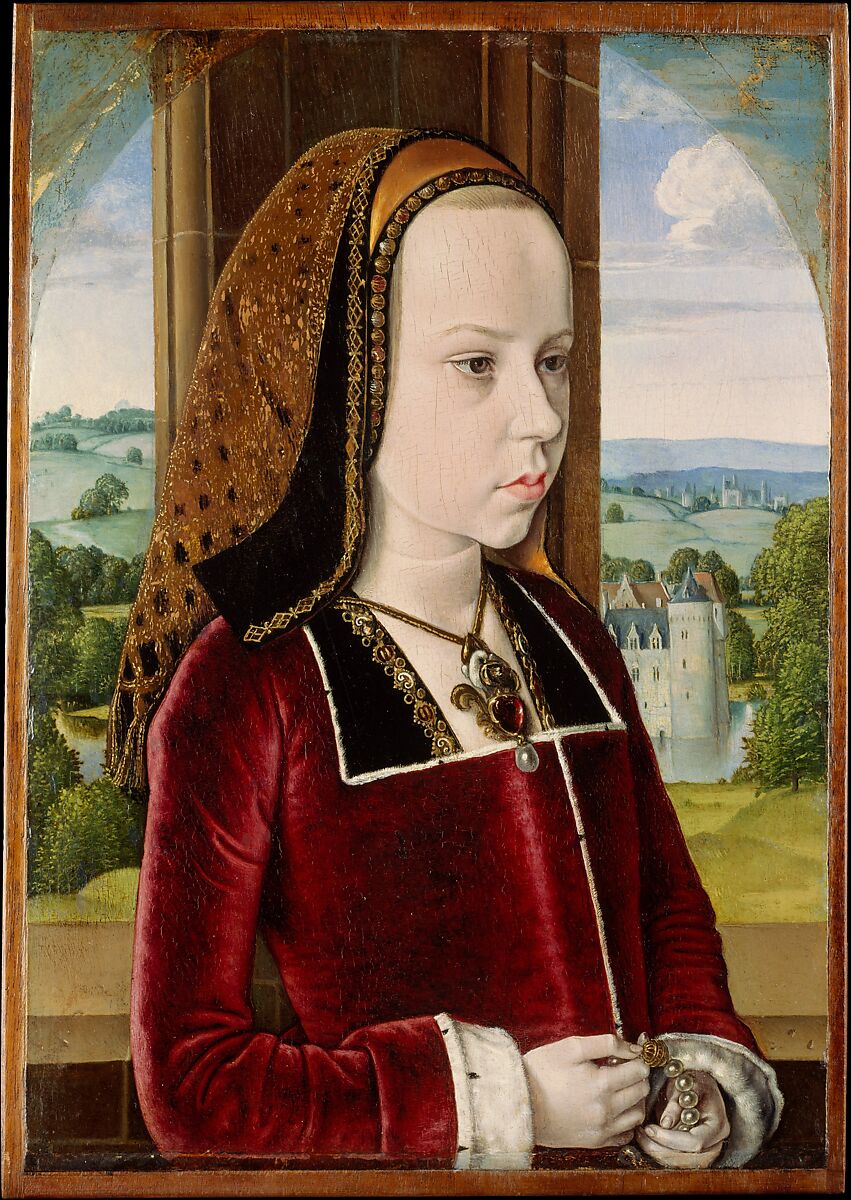
Jean Hay, Portrait of Margaret of Austria (age 10), ca. 1490
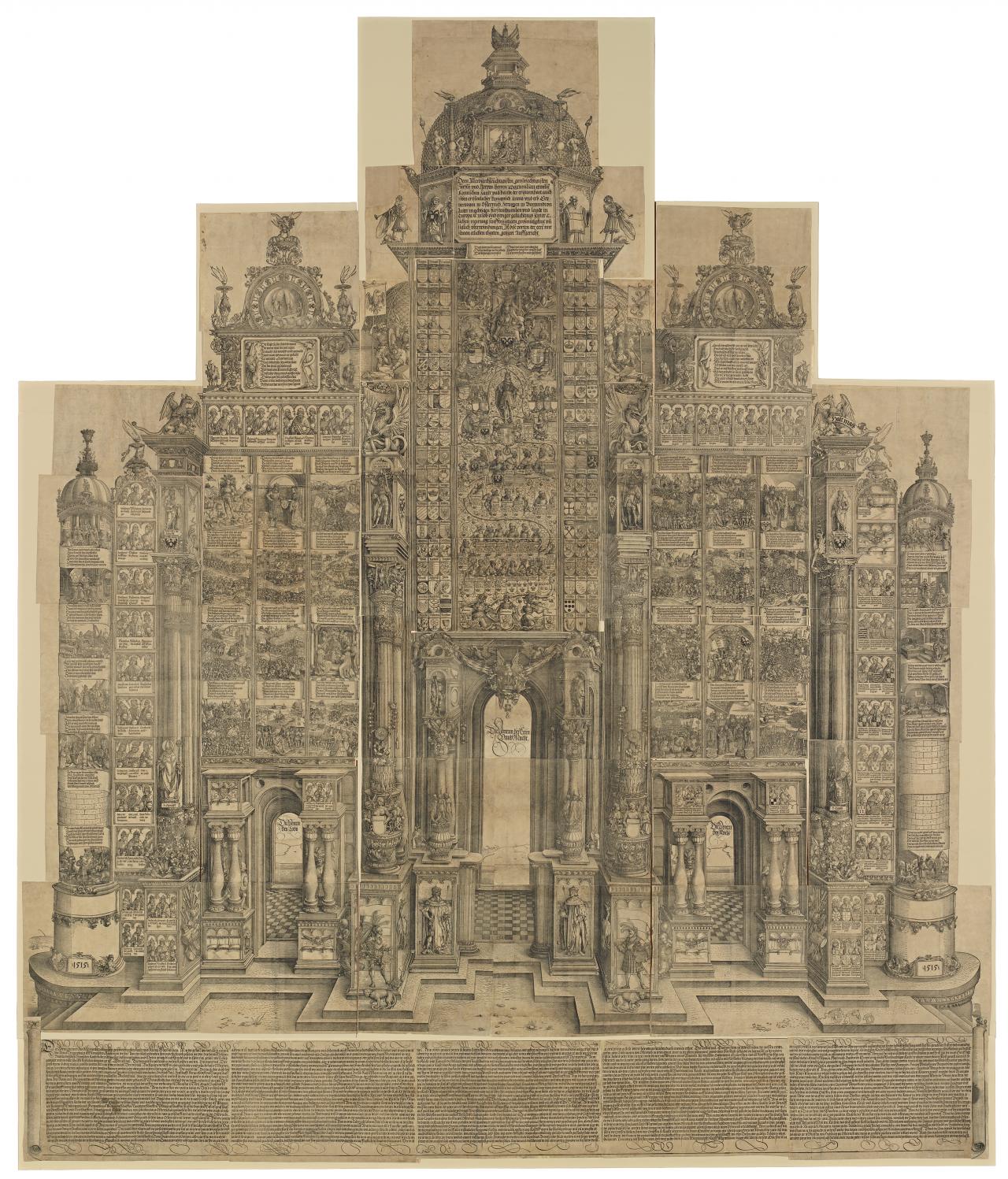
Albrecht Dürer, Triumphal Arch for Maxmillian I, 1515
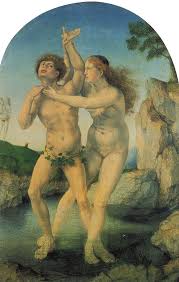
Jan Gossart, The Metamorphosis of Hermaphroditus and Salmacis, ca. 1520
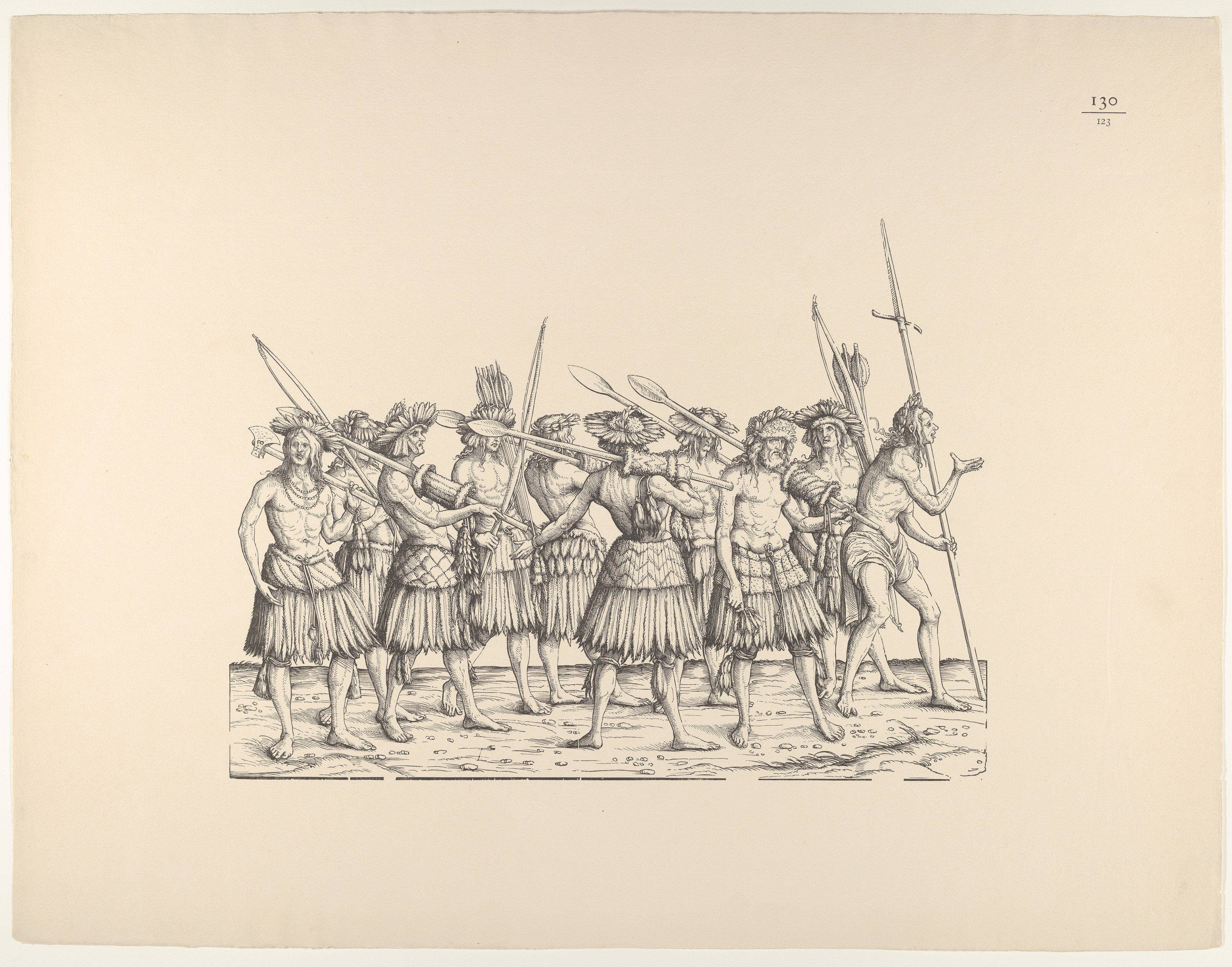
Hans Burgkmair, People from Calicut, from The Triumphal Procession of Emperor Maximilian, designed 1520
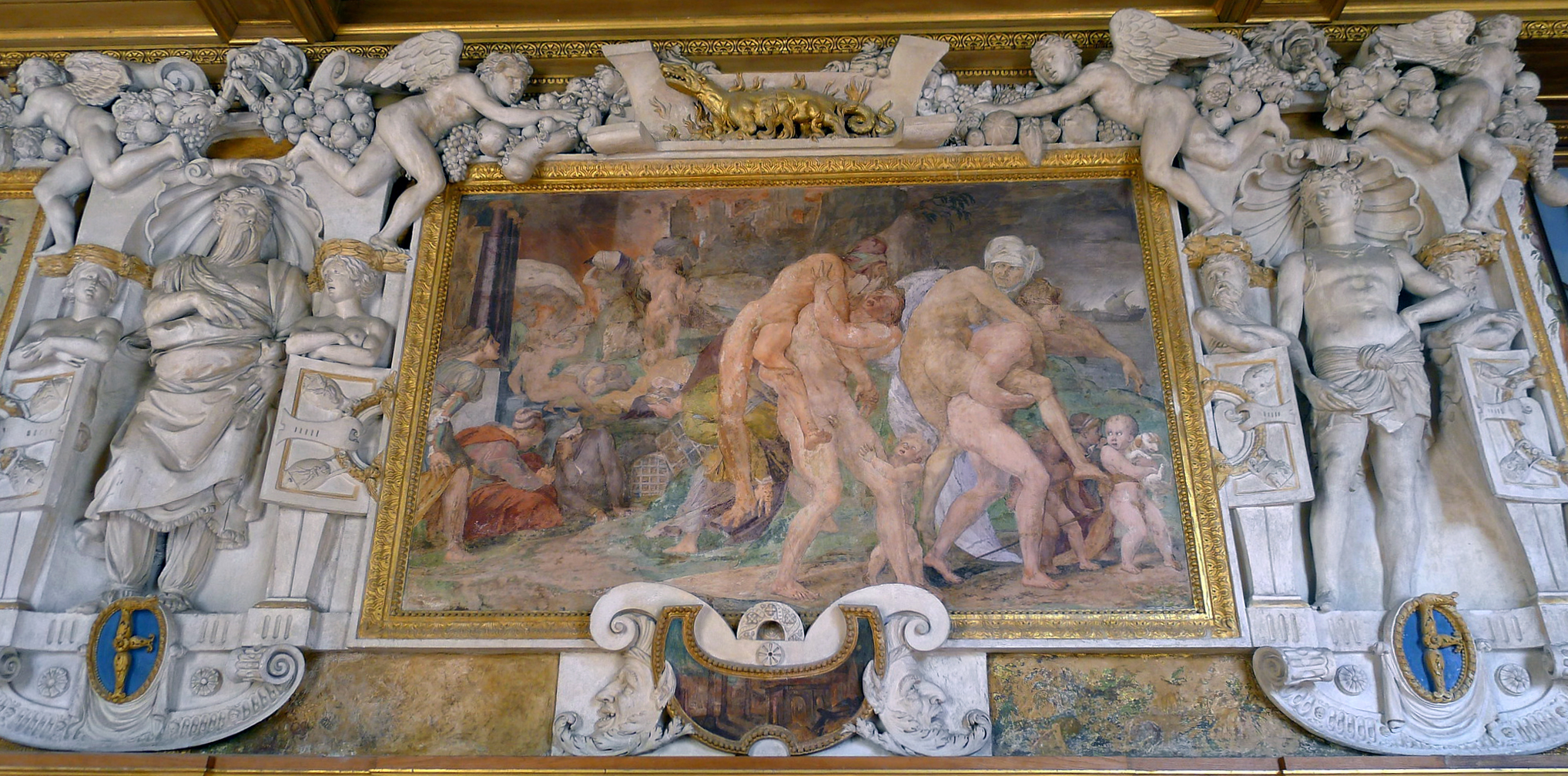
Workshop of Rosso Fiorentino, Gallery of Francis I, Château de Fontainebleau, 1540
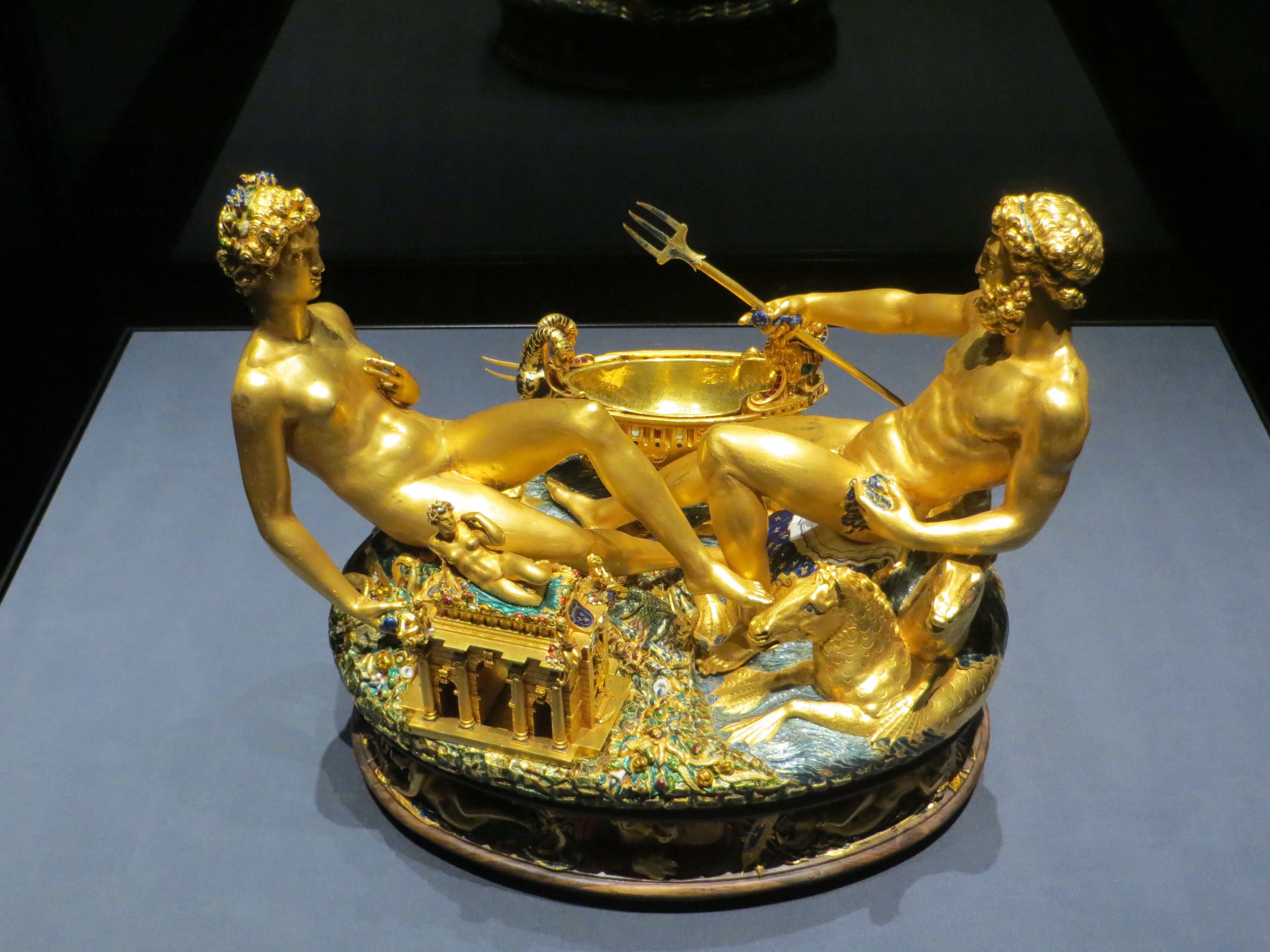
Benvenuto Cellini, Salt cellar, 1540
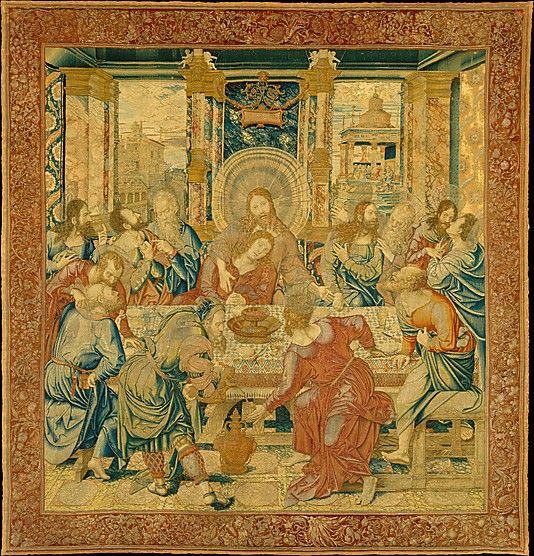
Bernard van Orley, The Last Supper, ca. 1530
Maarten van Heemskerck, Triumph of Bacchus, ca. 1540
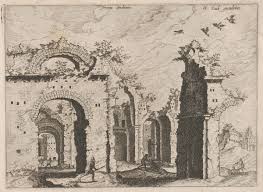
Johannes van Doetecum, The Baths of Diocletian, from the series Roman Ruins and Buildings 1560
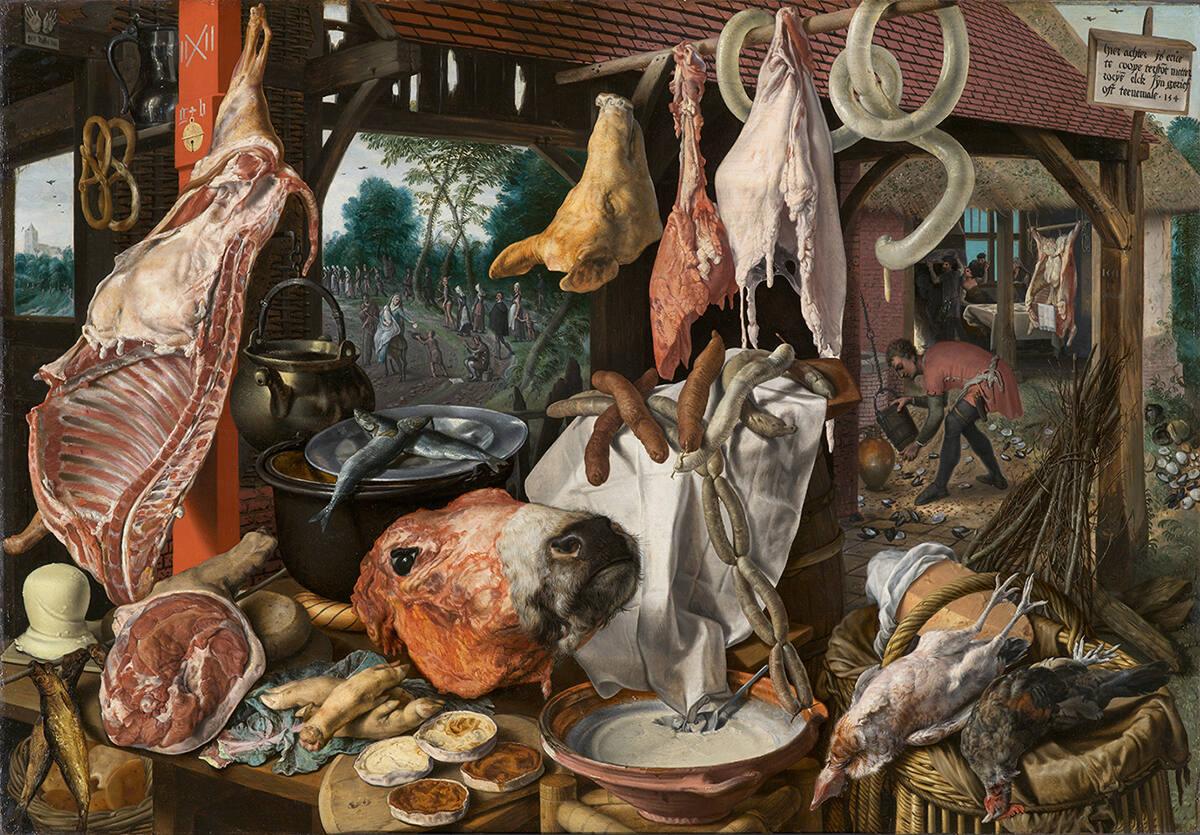
Pieter Aertsen, A Meat Stall with the Holy Family Giving Alms, 1550
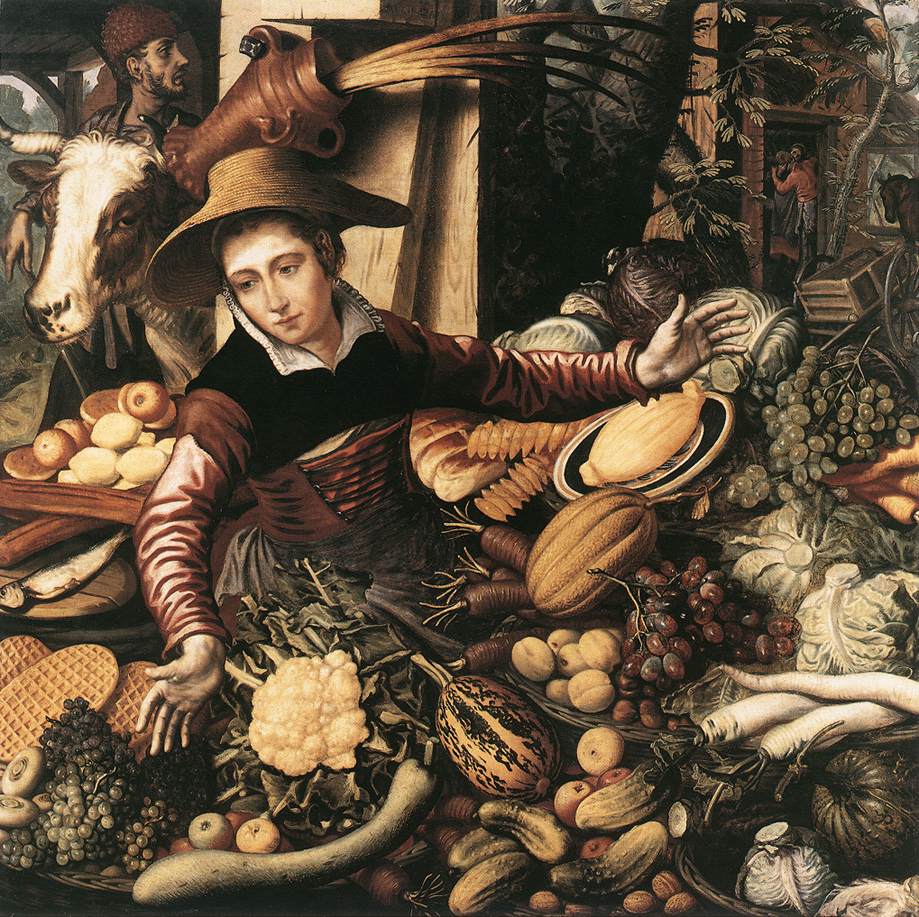
Pieter Aertsen, Market Woman with Vegetable Stall, 1570
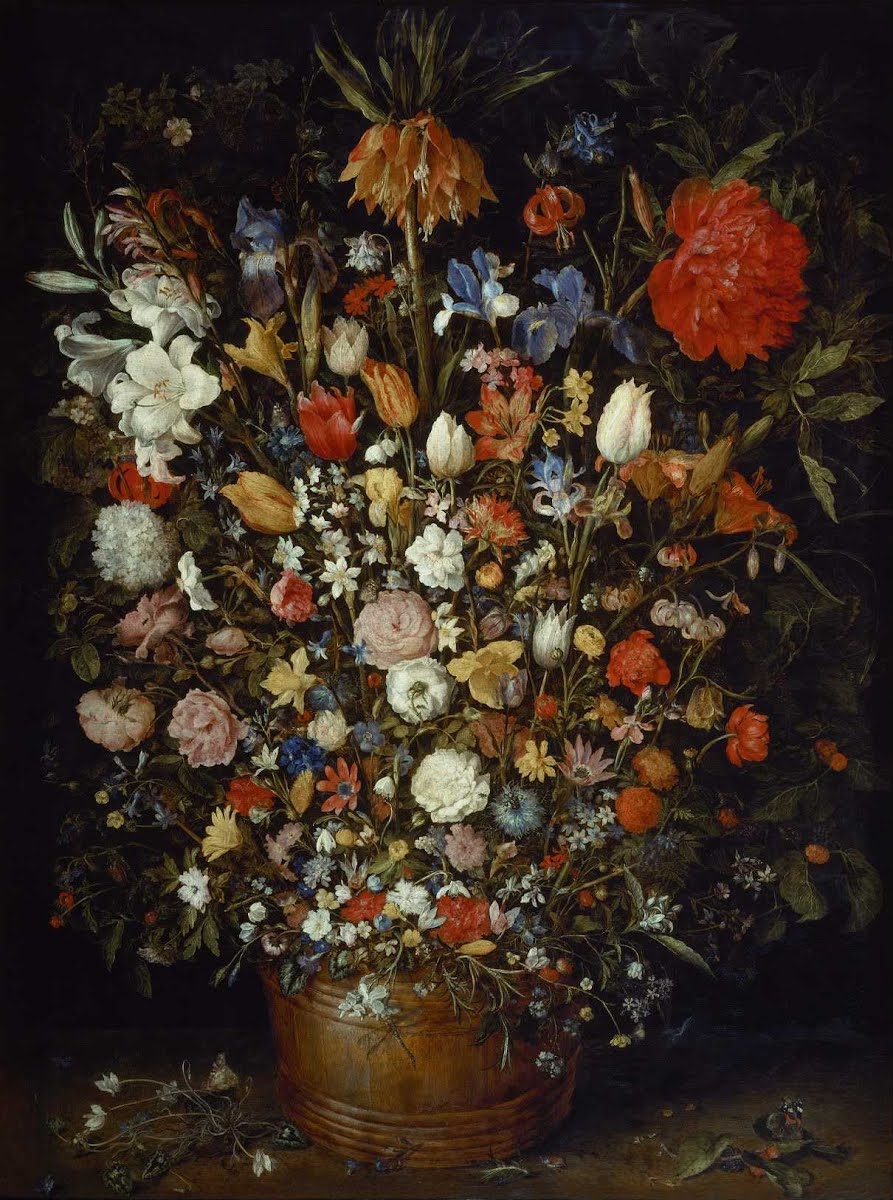
Jan Brueghel the Elder, Flowers in a Wooden Vessel, 1570
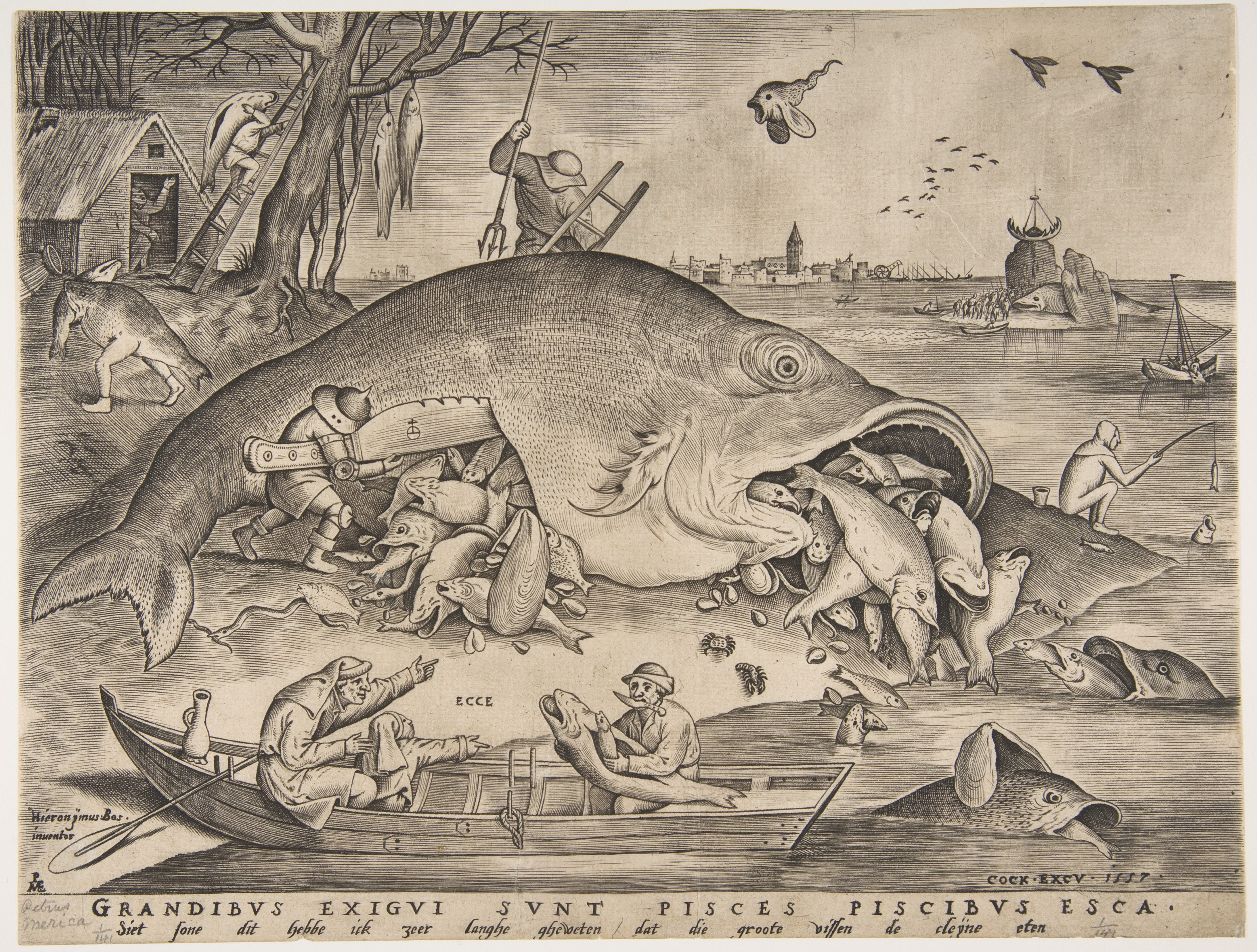
Pieter Bruegel the Elder, The Big Fish Eat the Little Fish, 1560
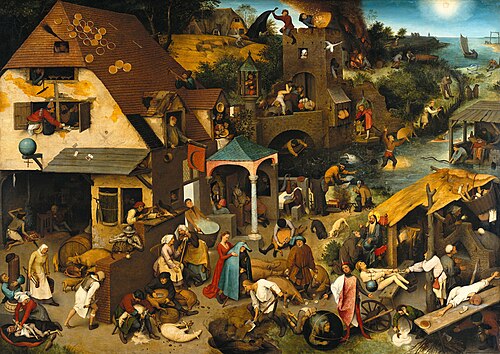
Pieter Bruegel the Elder, Netherlandish Proverbs, 1560
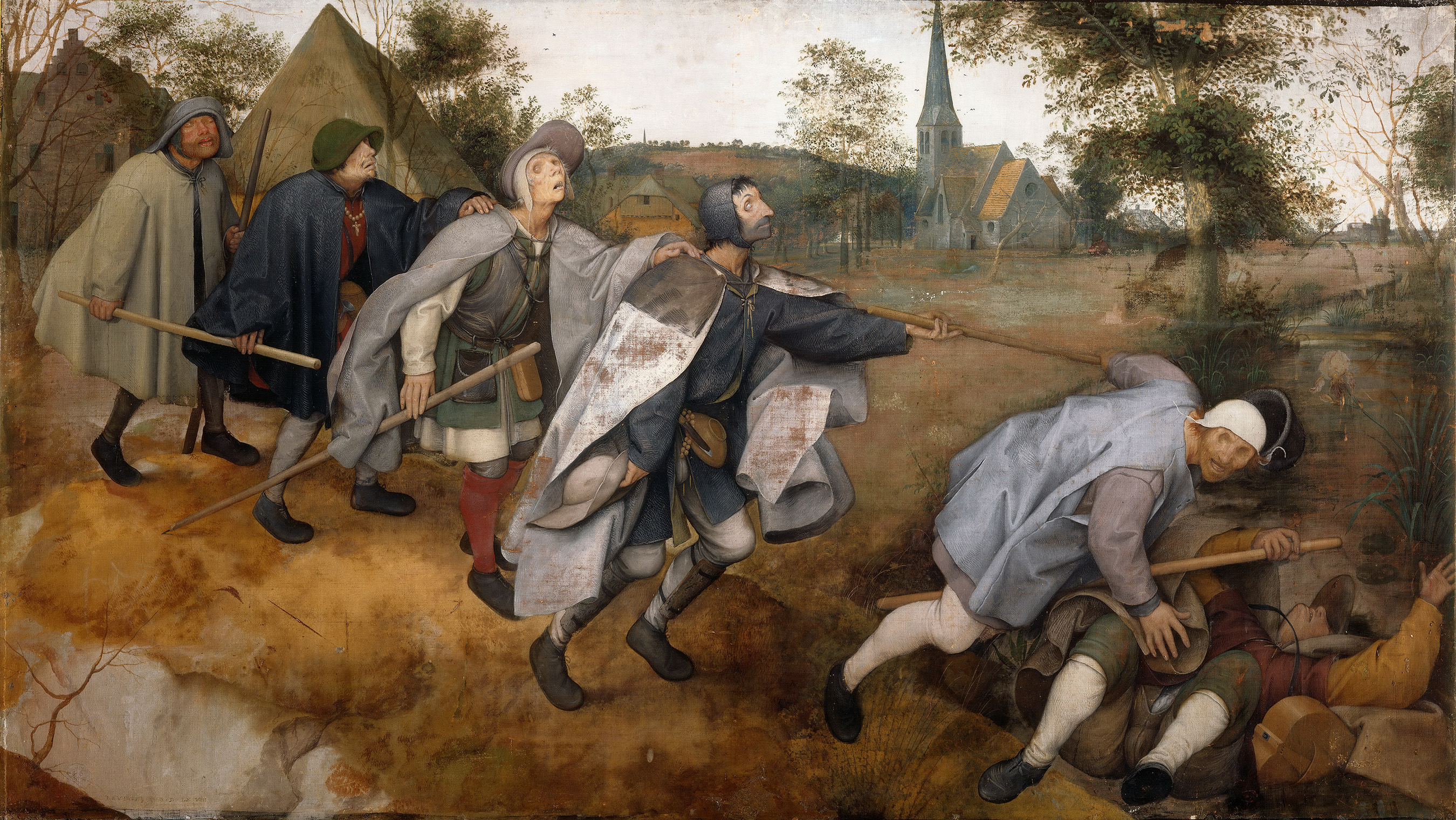
Pieter Bruegel the Elder, The Blind Leading the Blind, 1570
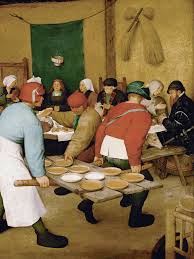
Pieter Bruegel the Elder, Peasant Wedding, 1570
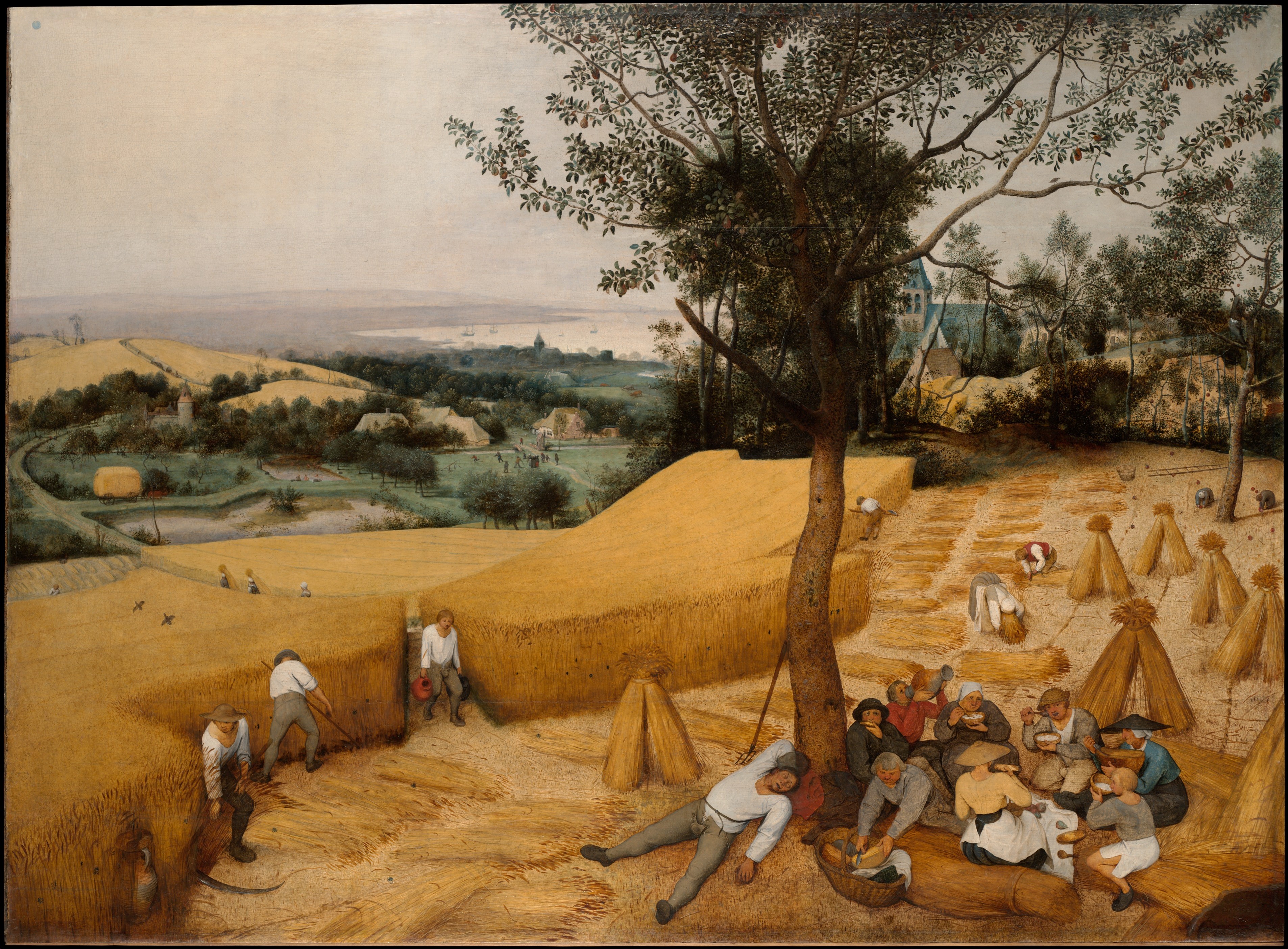
Pieter Bruegel the Elder, Harvesters, 1565
Pieter Bruegel the Elder, Hunters in the Snow, 1565
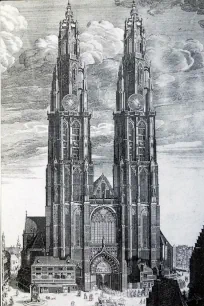
Jan and Pieter Appelmans, Onze-Lieve-Vrouwe (Church of Our Lady), Antwerp, 1350-1520
???
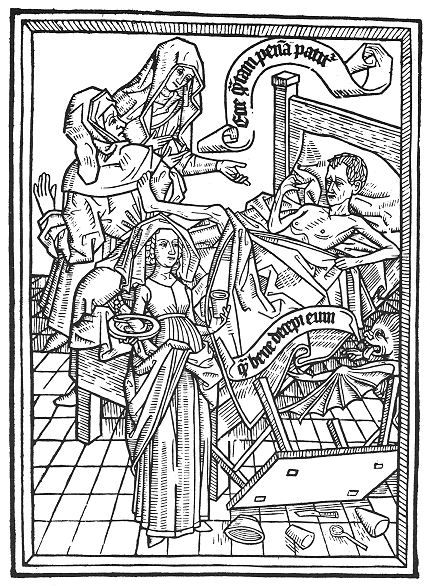
Master ES, Triumph over Impatience from the Ars moriendi, c. 1450
from the text about dying well that circulated around this time; social critique of near-death behavior: WHAT NOT TO DO, don’t be ungrateful, impatient, or irritable
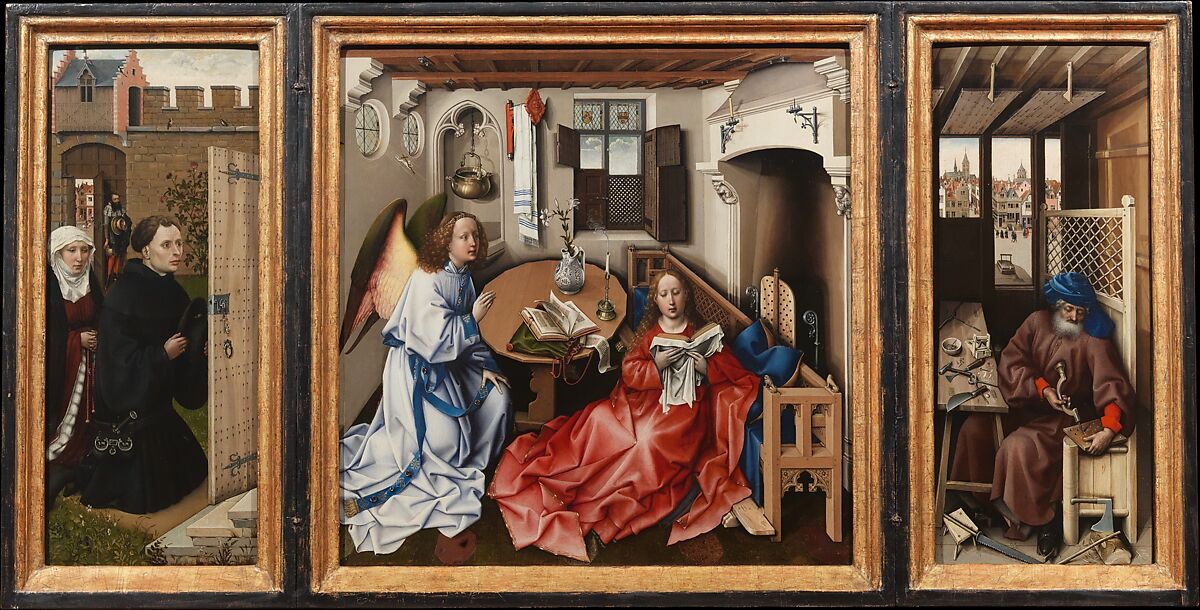
robert campin, mérode altarpiece, 1430
depicts the Annunciation with lots of symbolic meaning, a defining characteristic of Northern Renaissance art
placing traditional religious scenes in a 14th-15th century context reflected the influence of humanism on art—understanding religious subjects in a more personal and relatable way, religious figures were not supernatural-esque beings, but rather similar to the viewer
Netherlandish art was mainly of private patronage (merchant class), which was visible in the presence of crests and patrons in the paintings
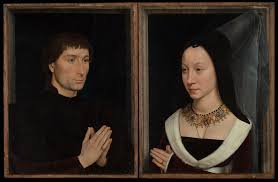
hans memling, tommaso di folco portinari & maria portinari (maria maddalena baroncelli), 1470
we know from the placement of the hinges, these panels used to adorn the sides of a triptych (most likely with the virgin and child in between). tommaso’s interior gaze vs maria’s exterior gaze exemplifying the spiritual journey brought on by devotio moderna
characterized private pratonage for private devotion
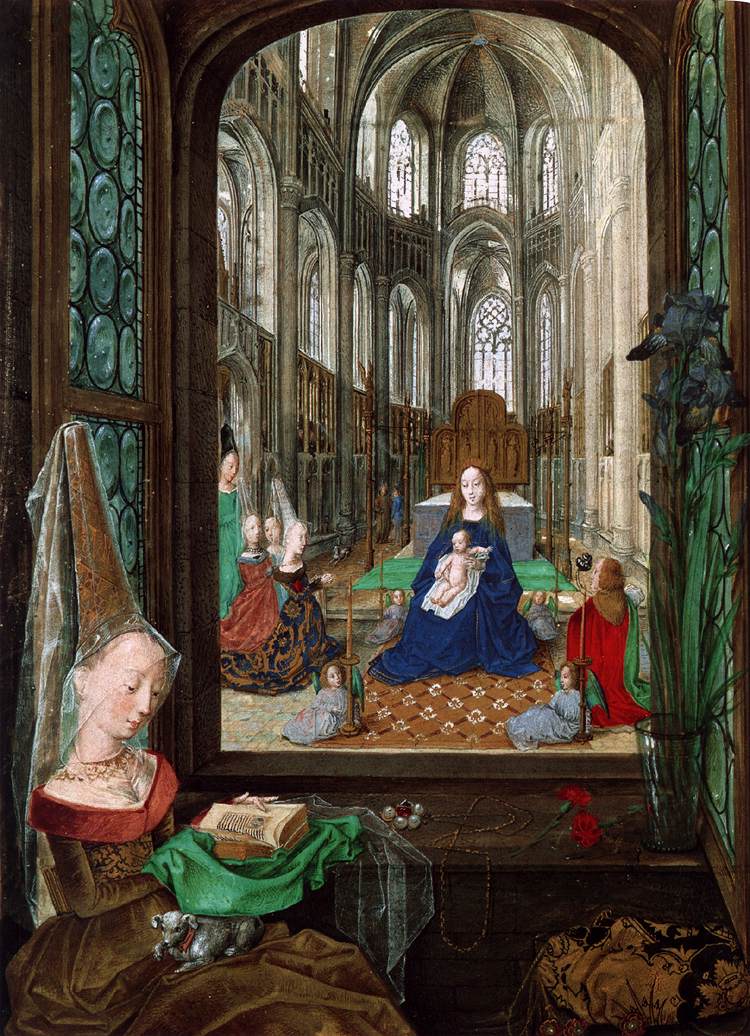
mary of burgundy painter, mary at her devotions from hours of mary of burgundy, 1480
-self-referential image, mary of Burgundy during her private prayer sees herself within an apparitional scene of the virgin mary
devotio moderna - form of devotion that emphasizes pentinance, meditation, and comtemplation, specifically in front of religious works of art — according to thomas a kempis, one can make mentally bring these images to life, and place themselves within it
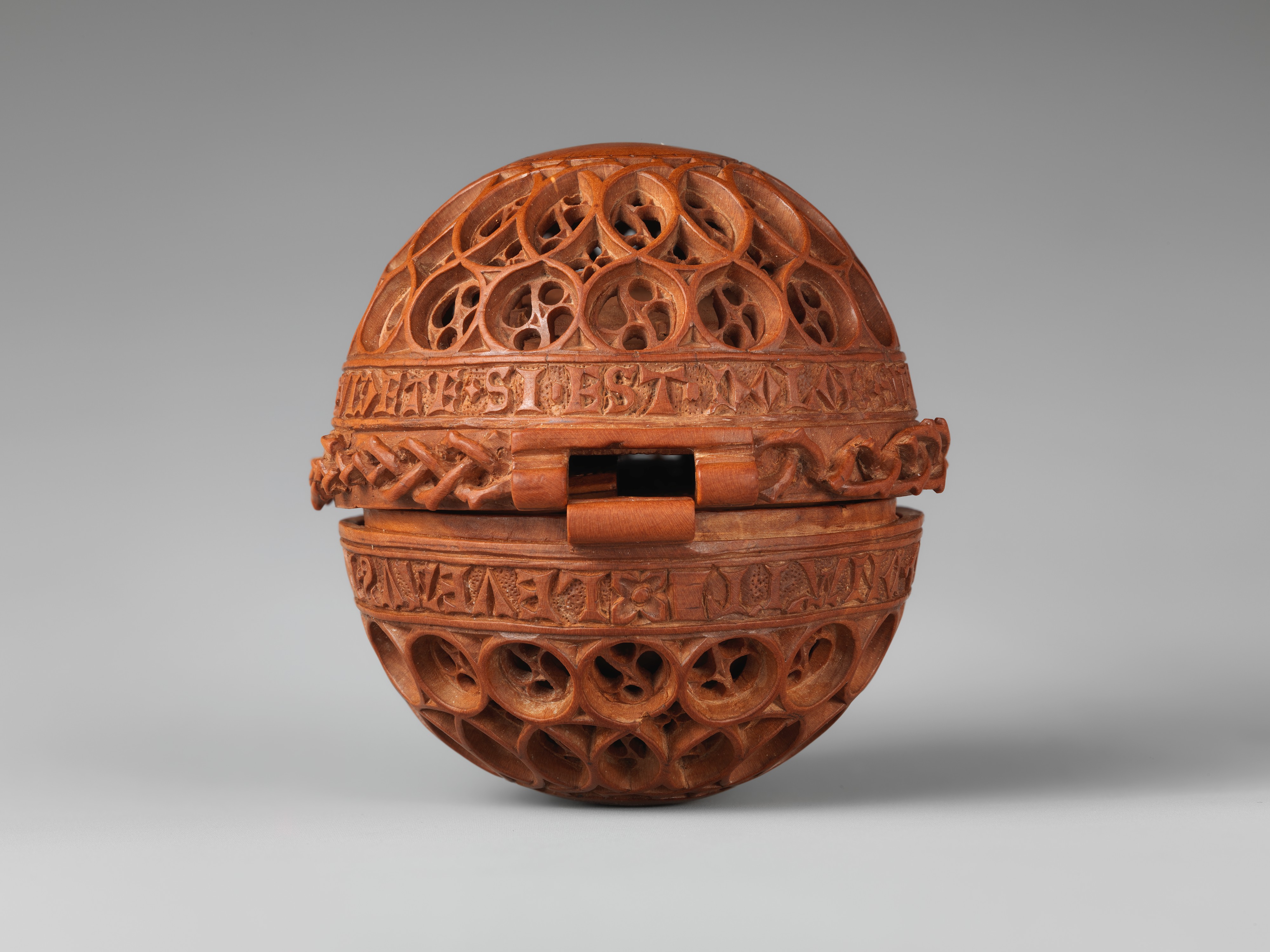
Netherlandish Prayer Bead, early 16th century
haptic devotion — the emphasis on tactile engagement, multiple stages of opening to reveal microcosm of the divine scenes of christ’s life
would be attached to a series of prayer beads, physical function of this work encourages presence and mediation
something about possessing the world in its entirety, the significance of somewhat exercising the power of god in the palm of your hand
Master of the Dresden Prayerbook and Master of Mary of Burgundy, Virgin and Child, surrounded by medals and pilgrim signs, 1500
collection of medals, looks like a fictive wall with framed devotional image
pilgrim medals/signs meant to be engaged virtually
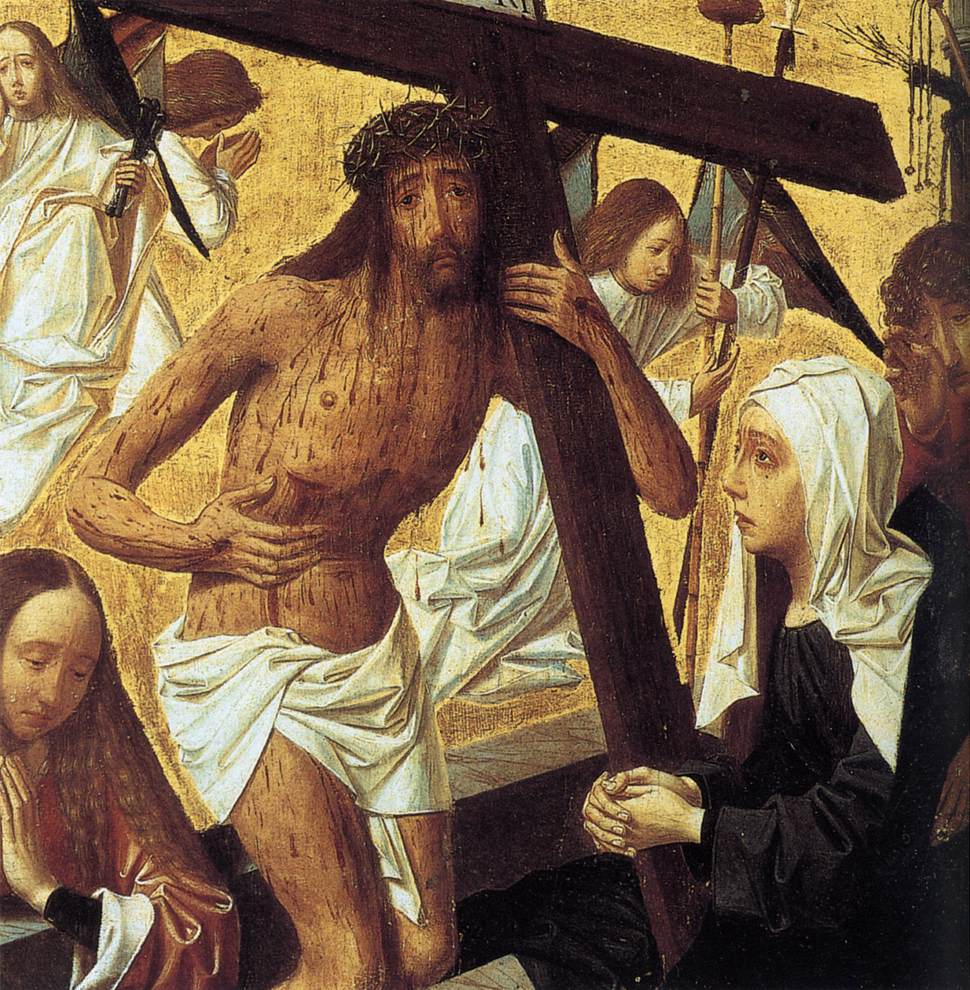
Geertgen to Sint Jans, Man of Sorrows, 1490
another thread of northern religious contemplation that focuses on the reality of Christ’s suffering (emaciated body); emphasizing an empathetic bond compared to previous examples that heroize Christ and his triumph over death
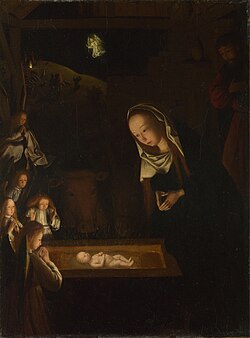
Geertgen tot Sint Jans, Nativity at Night, c. 1490
based on the writings of St. Bridget, who described the nativity scene — says Jesus appeared brighter than the sun; poetic use of light to push to emotive narrative forward; *relatibility of the subject matter & homage to parental experience —> these familiar scenes help the worshipper find points of entry into these otherwise divine episodes
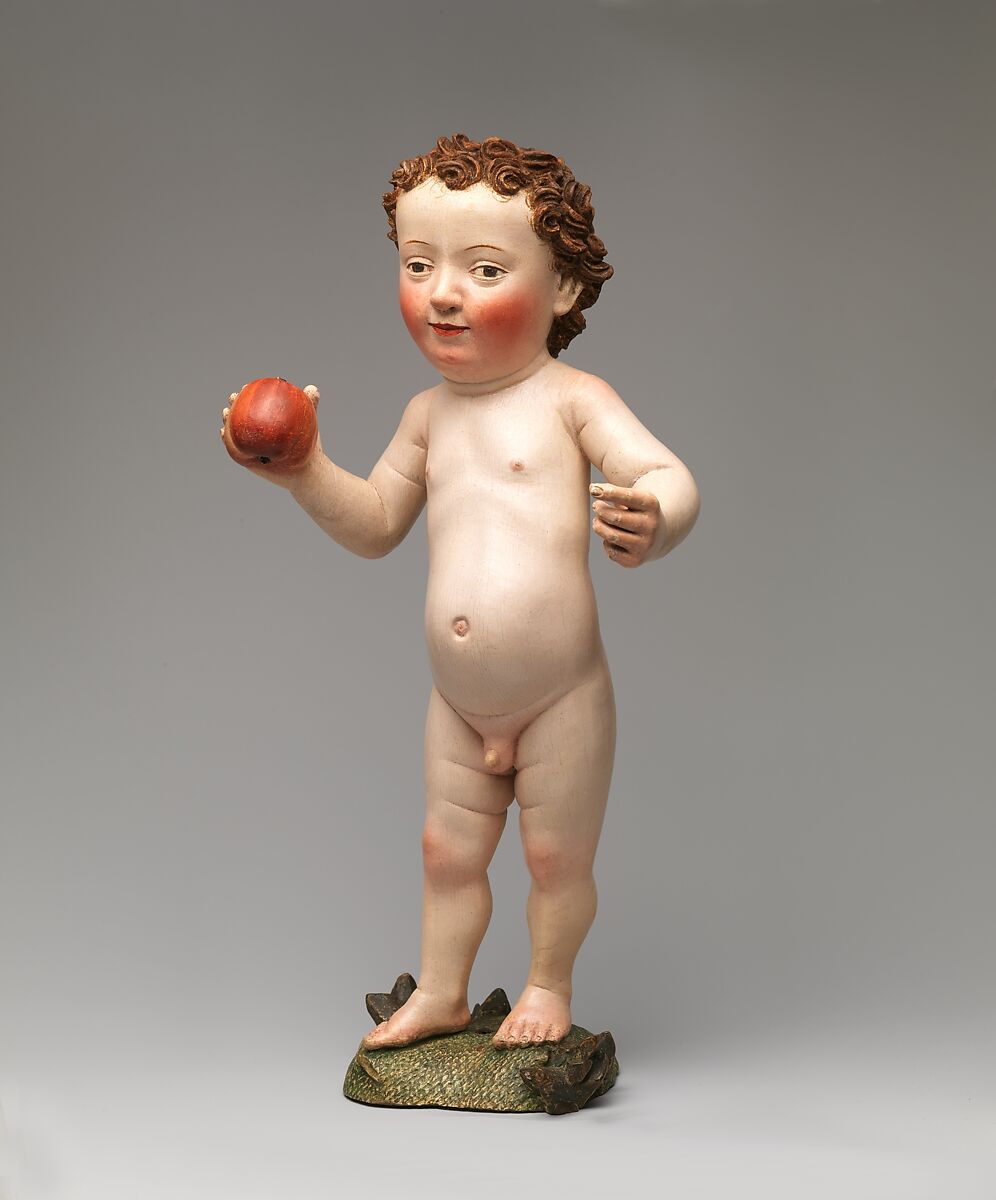
Circle of Michel Erhart, Christ Child with an Apple, 1470
focusing maternal energy onto statue of christ child builds personal bond to Jesus; acting as a surrogate mother would be for women who did not have children, common in monasteries; these dolls would be dressed and entertained & cared for by the nun
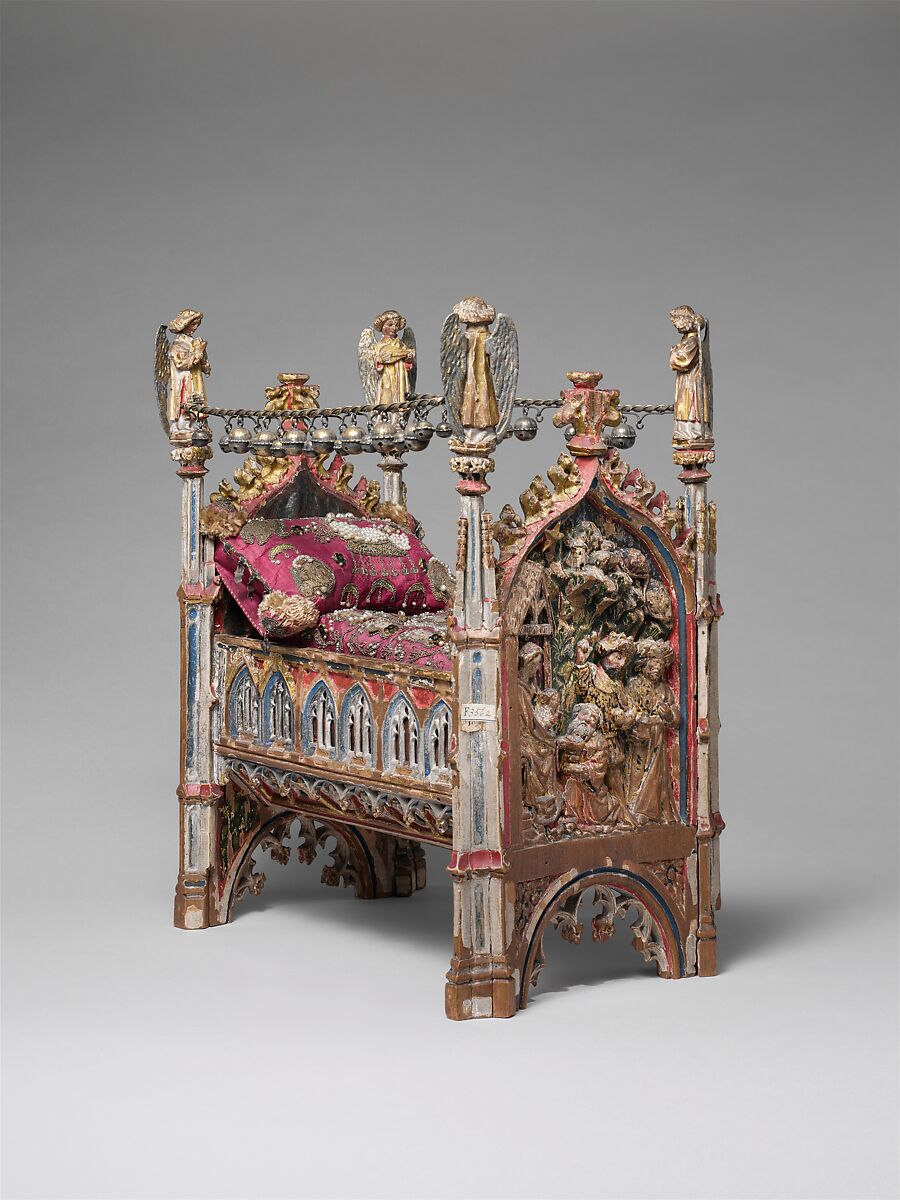
Netherlandish, Crib of the Infant Jesus, 15 th century,
cribs for dolls as like Christ Child with Apple, as you rocked the bells would jingle, participatory form of art
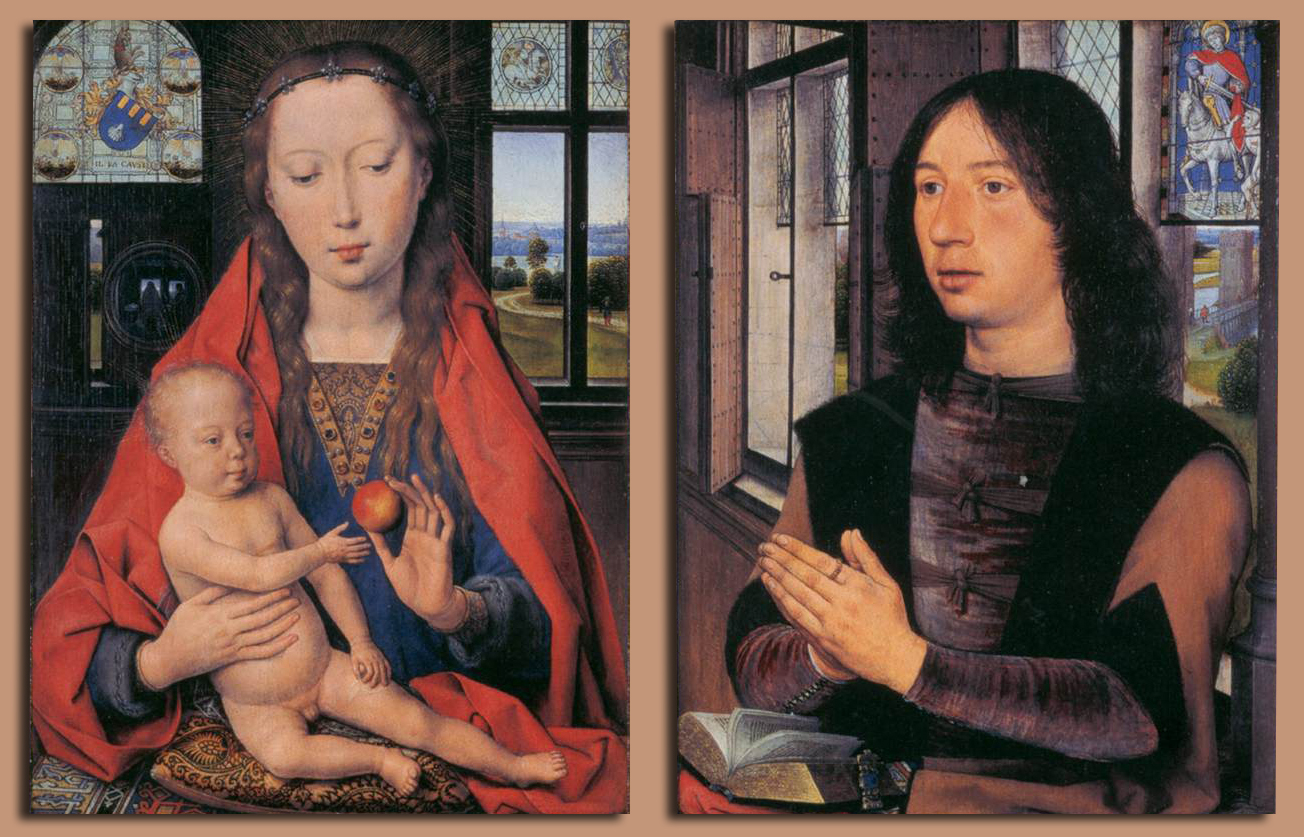
Hans Memling, Diptych of Maarten Nieuwenhove, 1487.
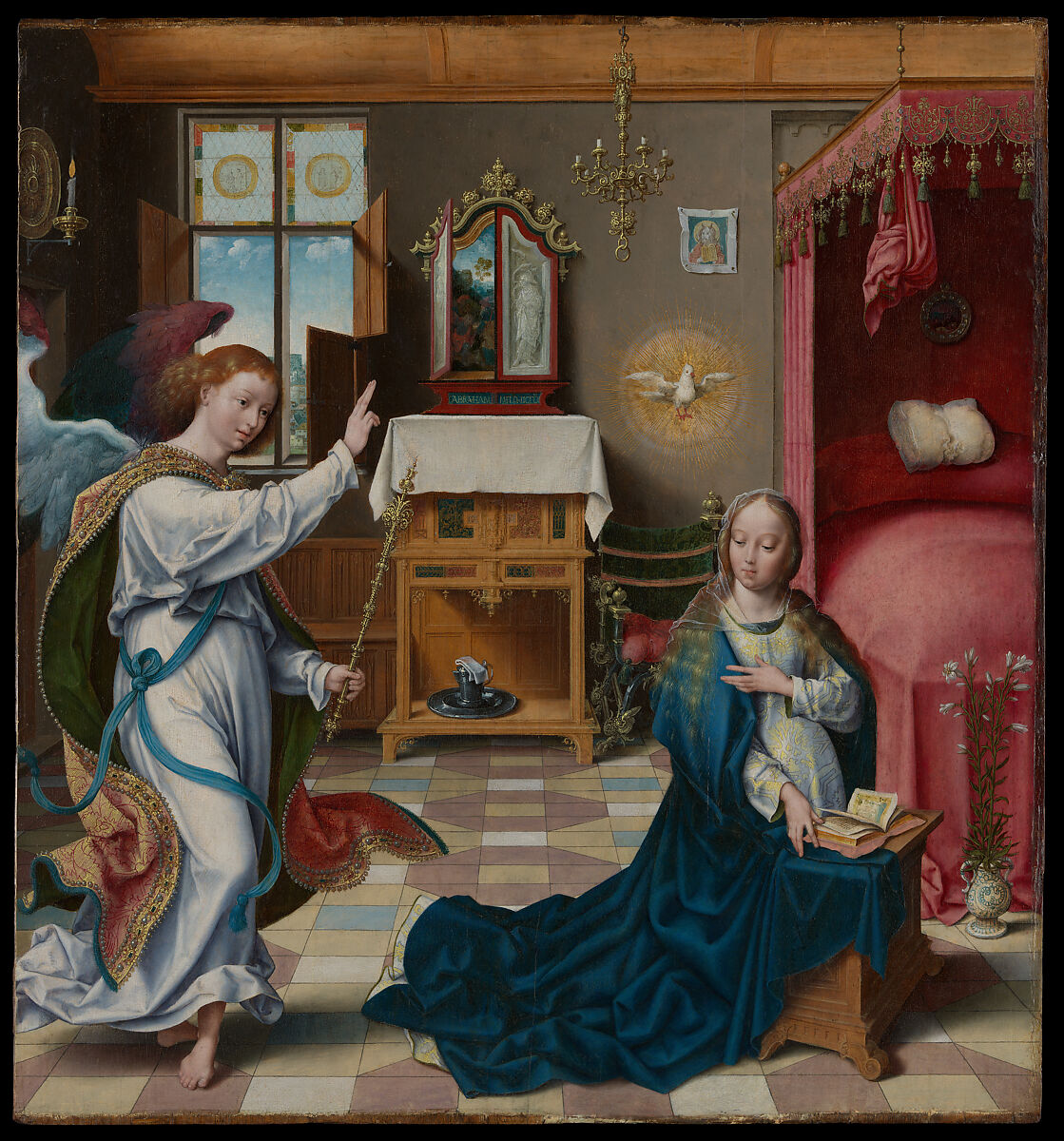
Joos van Cleve, Annunciation, 1525,
much of the interior is similar to arnolfini portrait, we see this bed repeated over and over agin, pot similar to merode altarpiece, copying of symbolic images and whatnot; speaks to imitation culture of the time
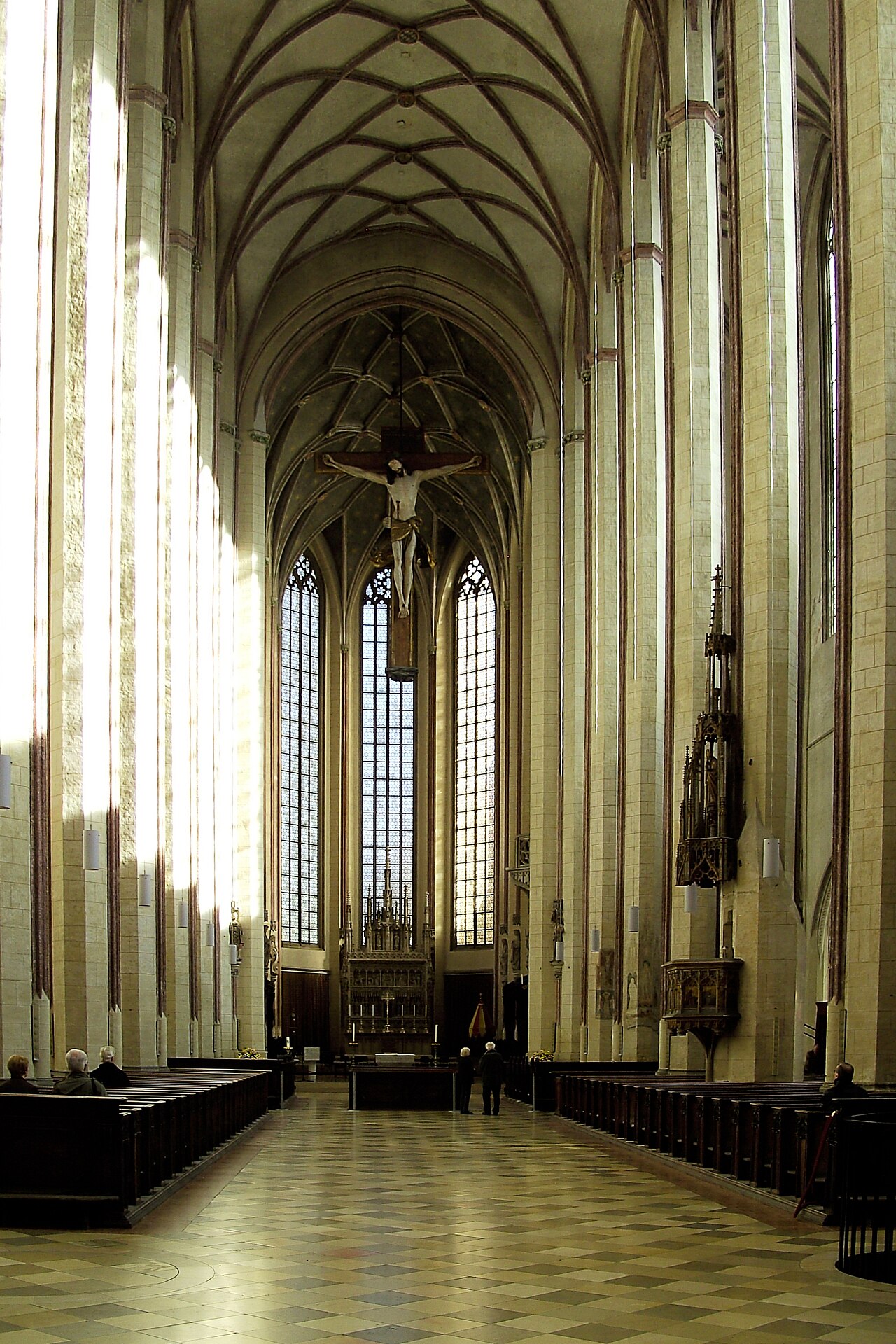
Hans von Burghausen, St. Martin’s, 1500
moving into hall churches — 1-tier unified space to fill the space with more light; constructed economically because of its rectangular shape; sacred spaces alway built on fixed ratios & measurements —> the Book of Wisdom, God have the world measure, number, & weight: math as the divine language; sometimes looks like reliquary box
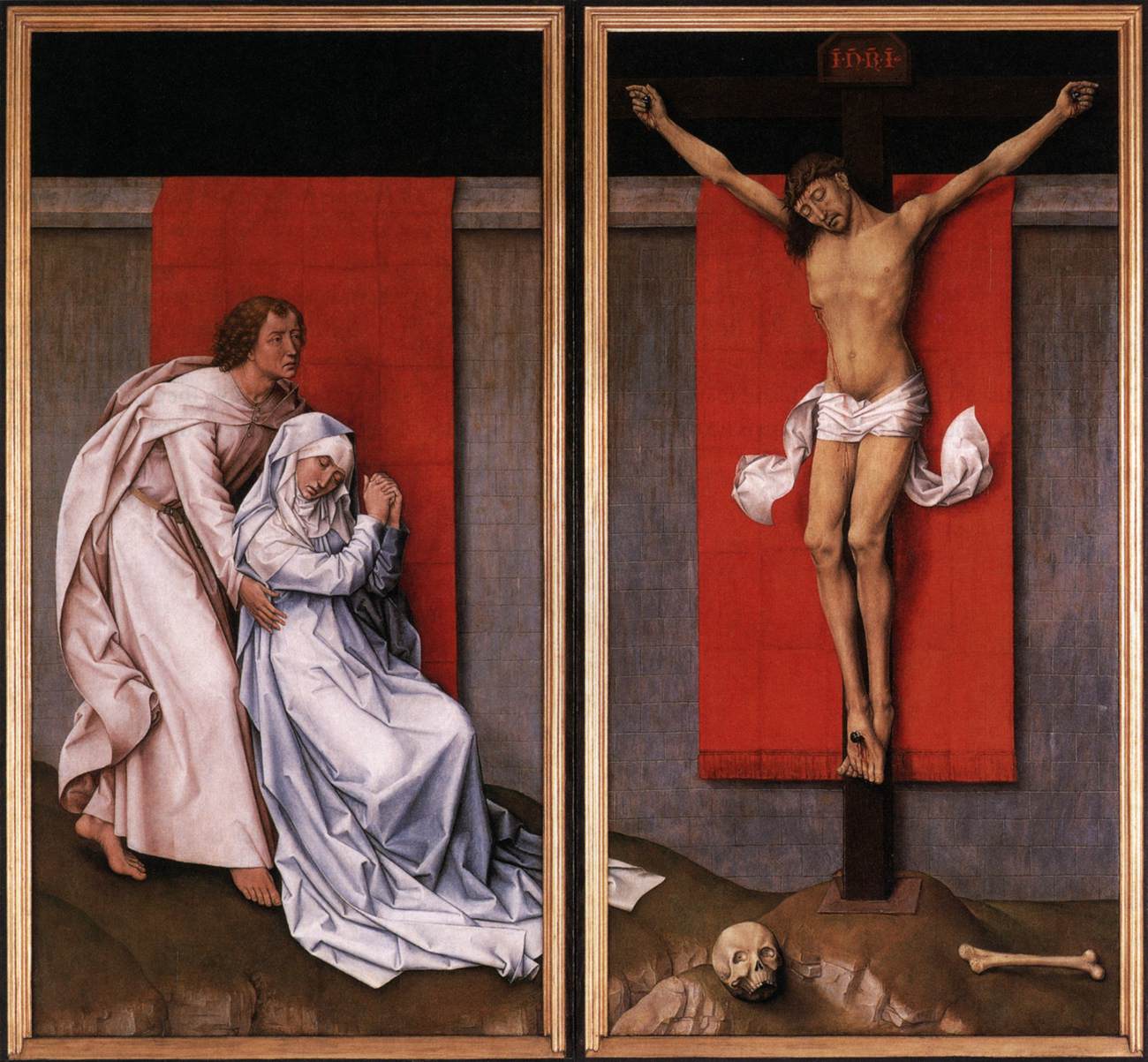
Rogier van der Weyden, Crucifixion Diptych, c. 1460
significant for its radical abstraction, intense emotional focus (emotional realism, van der weydens strength, seen in deposition), and innovation in devotional imagery. It deviates from traditional landscape-set crucifixions by using a stark, flat red background and minimalist setting to heighten the dramatic impact of Christ's sacrifice and the Virgin’s grief