Fish Trophic Levels: Symbiosis + Competition
 Call Kai
 Learn
Learn Practice Test
 Spaced Repetition
 Match
Match Flashcards
 Knowt Play
1/18

Earn XP
Name | Mastery | Learn | Test | Matching | Spaced | Call with Kai |
|---|
No analytics yet
Send a link to your students to track their progress
19 Terms
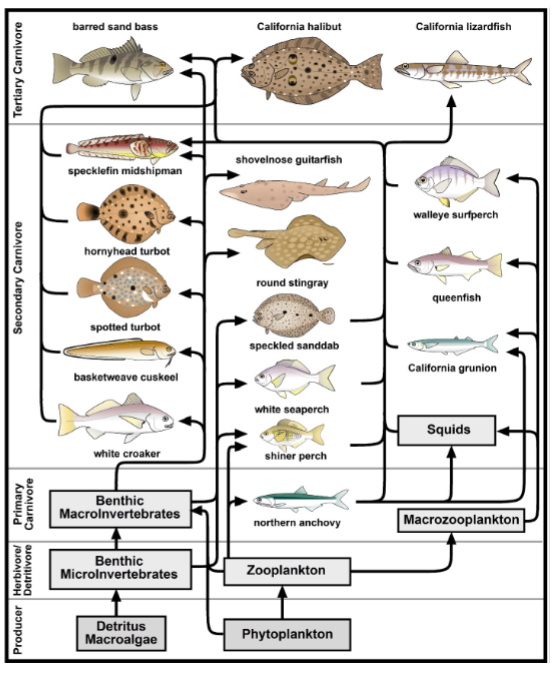
trophic relationships of inner shelf fish
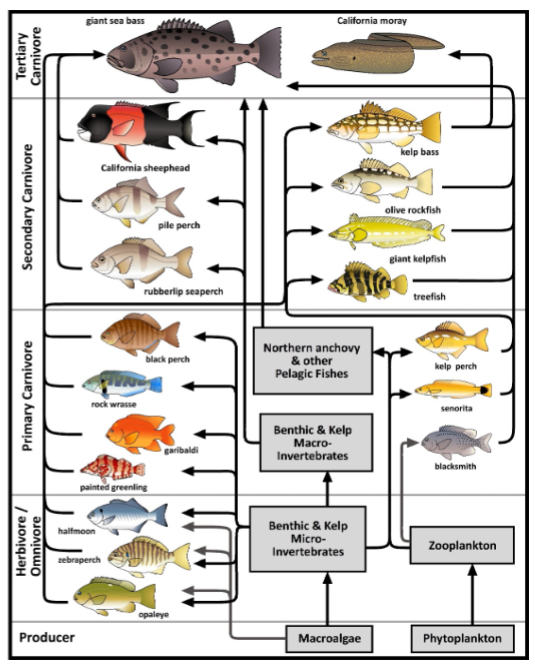
trophic relationships of rocky reef fish
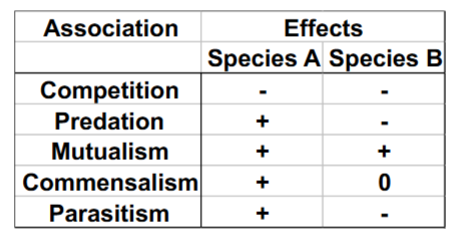
association vs effect (table)
problem with fish competition
difficult to observe with the exception of territoriality (ex: sarcastic fringehead, garibaldi, black perch)
inter-phylum competition
black perch + urchins compete for food (kelp), eventually perch has to leave
the ghost of competition past
what you see is a result of something that’s already happened. fish don’t perform these behaviors often, especially in front of an observer
realized niche
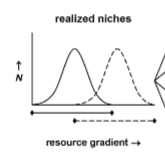
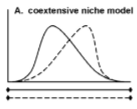
Coextensive niche model
where each species can use the same range of resources in the absence of its competitor, yet each is the dominant competitor at opposite ends of that range. Each species excludes the other from opposite ends of the resource gradient in a fairly symmetrical way.
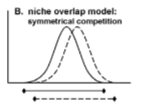
Niche overlap model with symmetrical competition
both species undergo fairly equal niche shifts
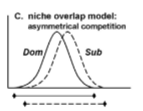
Niche overlap model with asymmetrical competition
the dominant competitor (Dom) undergoes a substantially smaller niche shift than the subordinate competitor (Sub)
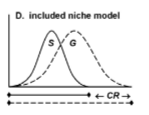
Included niche model
a dominant specialist (S) eliminates a subordinate generalist (G) from most of the region of niche overlap, leaving the generalist to survive in a "competitive refuge" (CR)
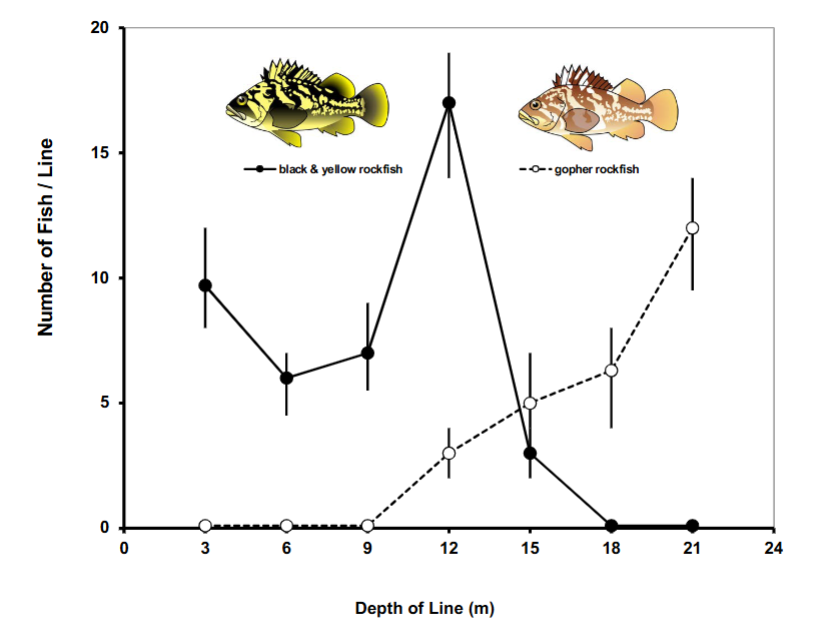
how to figure out if resource partitioning
eliminate one to see if one moves in or not (black + yellow rockfish vs gopher rockfish)
symbiosis
mutualism, phoresis-non-obligatory, inquilinism/endoecism, parasite picking (+ mimicry), heterospecific shoaling)
mutualism
participants benefit each other thru their direct contact (ex: clownfish + anemone)
phoresis-non-obligatory
a host provides shelter, support, or transport for one or more other species (ex: shark + pilot fish, carangid + jellyfish)
inquilinism (endoecism)
seek shelter in living invertebrates (fish in spiny urchin)
parasite picking + mimicry
ex: blacksmith + senorita, scythe butterflyfish + kelp bass, gulls + sunfish)
sabertooth blenny pretends to be a wrasse and bites fish
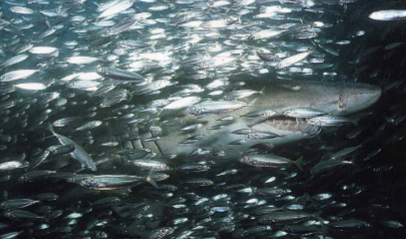
heterospecific shoaling
shark gets disguise, bait gets protection (too small for the shark to eat)
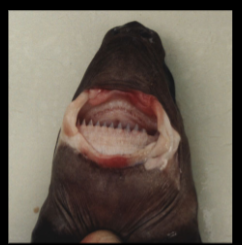
cookiecutter shark
thick lips and modified larynx are used to attach to prey and razor sharp teeth are used to bite plug out of prey