Final - Ecology (Salas )
 Call Kai
 Learn
Learn Practice Test
 Spaced Repetition
 Match
Match Flashcards
 Knowt Play
1/366

Earn XP
Description and Tags
Final - Ecology (Salas )
Name | Mastery | Learn | Test | Matching | Spaced | Call with Kai |
|---|
No analytics yet
Send a link to your students to track their progress
367 Terms
Ecology
The scientific study of the abundance and
distribution of organisms in relation to other organisms
and environmental conditions
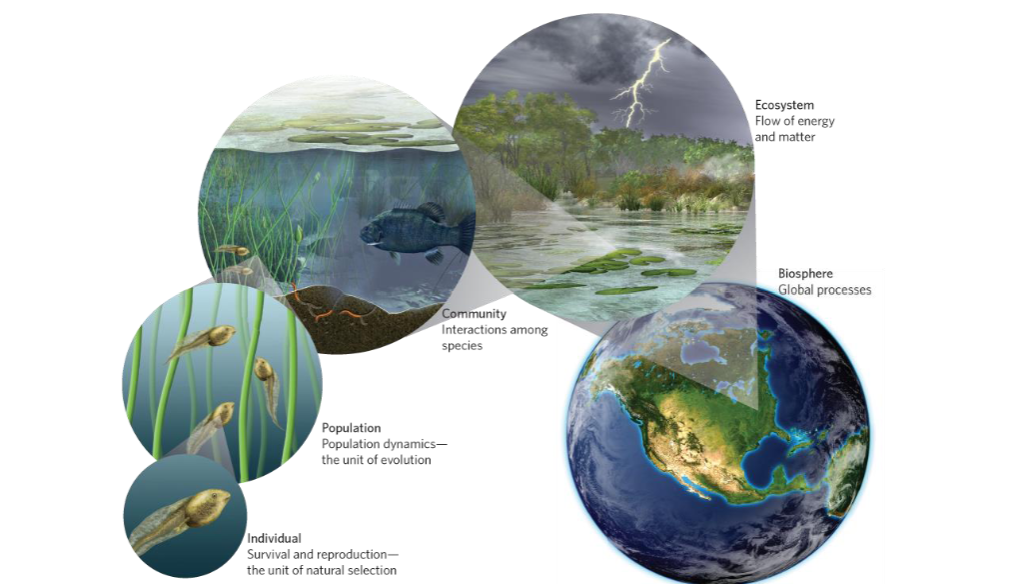
The Hierarchy of Organization in Ecological
Systems
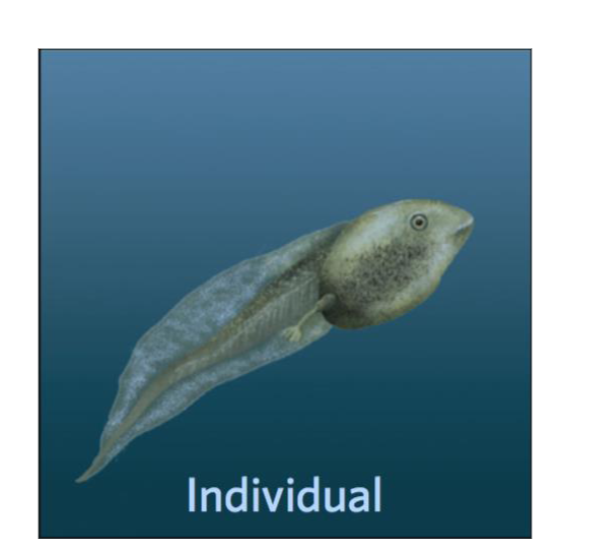
Individual
A living being; the most fundamental unit of
ecology.
species
A group of organisms that interbreed with
each other and produce fertile offspring.
population
Individuals of the same species living in a
particular area.
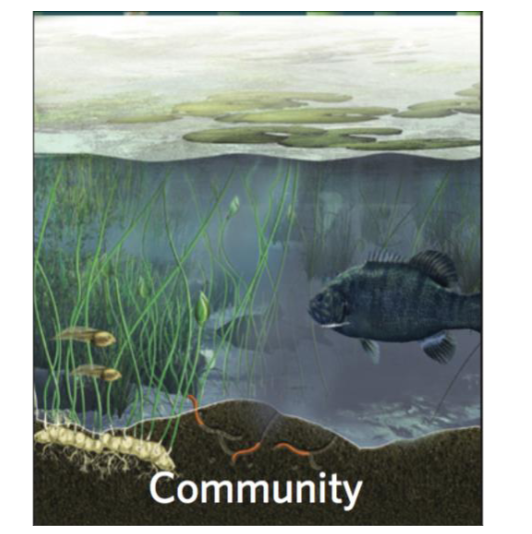
community
All populations of species living together in
a particular area.
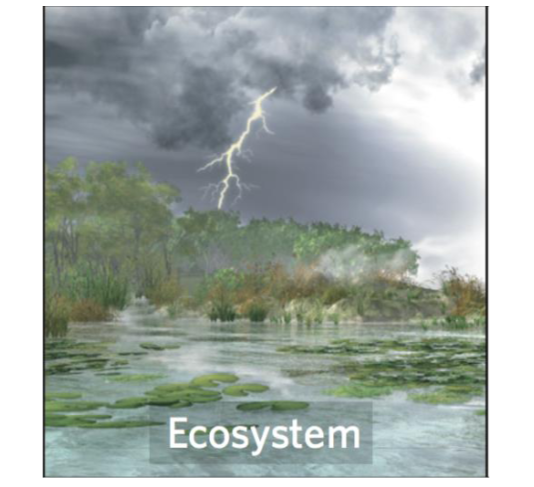
ecosystem
One or more communities of living
organisms interacting with their nonliving physical and
chemical environments
biosphere
All the ecosystems on Earth.
individual approach
Emphasizes the way in which an
individual’s morphology, physiology, and behavior enable it
to survive in its environment.
population approach
Emphasizes variation over time
and space in the number, the density, and the composition
of individuals.
community approach
Emphasizes the diversity and
relative abundances of different kinds of organisms living
together in the same place.
ecosystem approach
Emphasizes the storage and
transfer of energy and matter, including the various
chemical elements essential to life.
biosphere approach
Concerned with the largest
scale, including movements of air and water—and the
energy and chemical elements they contain—over Earth’s
surface
law of conservation of matter
Matter cannot be created or destroyed; it can only change form.
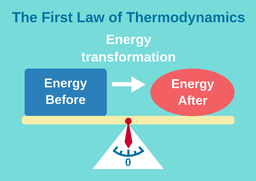
law of conservation of energy aka first law of thermodynamics
Energy cannot be
created or destroyed; it can only change form
dynamic steady state
When the gains and losses of
ecological systems are in balance.
producers
An organism that uses photosynthesis to
convert solar energy into organic compounds or uses
chemosynthesis to convert chemical energy into organic
compounds.
Also known as Autotroph.
consumers
An organism that obtains its energy from
other organisms.
Also known as Heterotroph.
mixotroph
An organism that obtains its energy from
more than one source.
predator
An organism that kills and partially or entirely
consumes another individual.
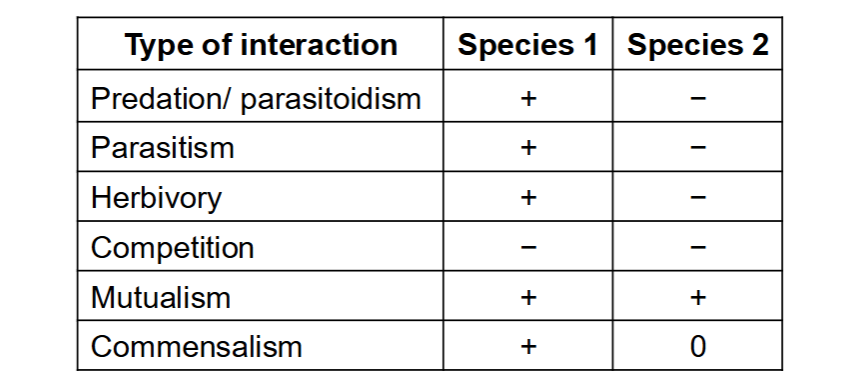
interaction table
habitat
The place, or physical setting, in which an
organism lives.
niche
a specialized, focused area of interest, market, or role, typically aimed at a small, select group rather than the general public
the word ecology is derived from the greek oikos, which means
a house
deoxyribonucleic acid (dna)
a molecule composed of two
strands of nucleotides that are wound together into a double
helix.
chromosomes
compact
structures consisting of long
strands of DNA wound around
proteins
alleles
different forms of a particular gene
genes
are regions of DNA that code for particular proteins;
changes in some phenotypes are affected by a single allele
(e.g., blood type)
polygenic
when a single trait
is affected by several genes;
enables phenotypes to span a
range of values in a population
(e.g., human body height).
pleiotropy
when a single gene affects multiple traits.
epistasis
when the expression of one gene is controlled by
another gene
gene pool
collection of alleles from all individuals in a
population
dominant
an allele that masks the expression of the other
allele
recessive
an allele whose
expression is masked by another
allele; most harmful alleles are
recessive
codominant
when two alleles both
contribute to the phenotype
(e.g., flower color in snapdragons).
heterozygous
when an individual has
two different alleles of a particular gene
homozygous
when an individual has
two identical alleles of a particular gene
random assortment
The combination of alleles in each
gamete could be any combination of those possessed by
the diploid parent.
mutation
A random change in the sequence of
nucleotides in regions of DNA that either comprise a gene
or control the expression of a gene
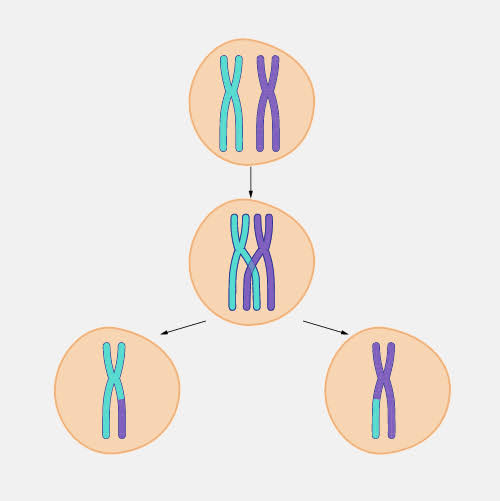
recombination
The reshuffling of genes that can occur as
DNA is copied during meiosis and chromosomes exchange
genetic material
genetic drift
a process that occurs when genetic variation is lost due to
random variation in mating, mortality, fecundity, and inheritance
bottleneck effect
a reduction of genetic diversity in a population due to a
large reduction in population size (e.g., from loss of food)
founder effect
when a small number of individuals leave a large
population to colonize a new area and bring with them only a small amount of genetic variation.
selection
the process by which certain phenotypes are
favored to survive and reproduce over other phenotypes
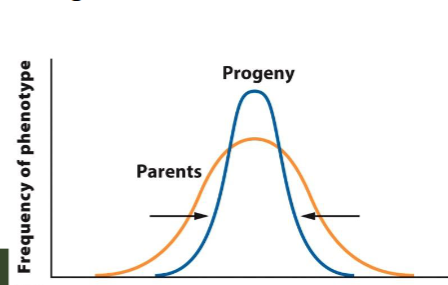
stabilizing selection
when individuals with intermediate
phenotypes have higher survival and reproductive success
than those with extreme phenotypes
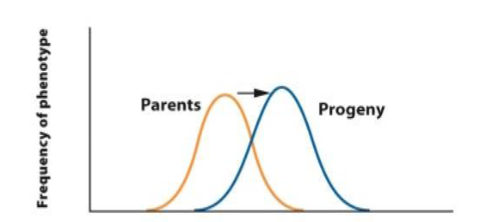
directional selection
when individuals with extreme phenotypes
experience higher fitness than the average population phenotype
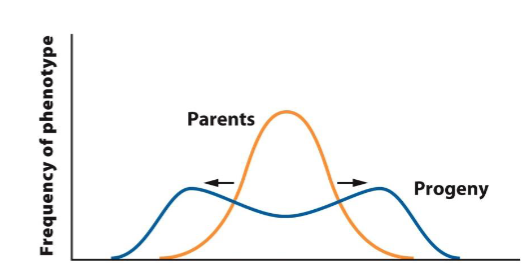
disruptive selection
when individuals with either extreme phenotype
experience higher fitness than individuals with an intermediate phenotype
microevolution
the evolution of populations; affected by random
processes and selection
artificial selection
humans
Selection in which humans
decide which individuals will breed; breeding is
done with a preconceived goal for the traits in the
population
(e.g., dogs, wild mustard).
natural selection
ecological process;
individuals interact with their environment, and
traits that lead to greater fitness in an
environment are passed on
industrial melanism
a phenomenon in which industrial activities cause
habitats to become darker due to pollution; individuals possessing darker
phenotypes are favored by selection
macroevolution
evolution at higher levels of organization
including species, genera, families, orders, and phyla
speciation
the evolution of new species
phylogenetic trees
hypothesized patterns of relatedness
among different groups such as populations, species, or
genera; depict which groups evolved from other groups
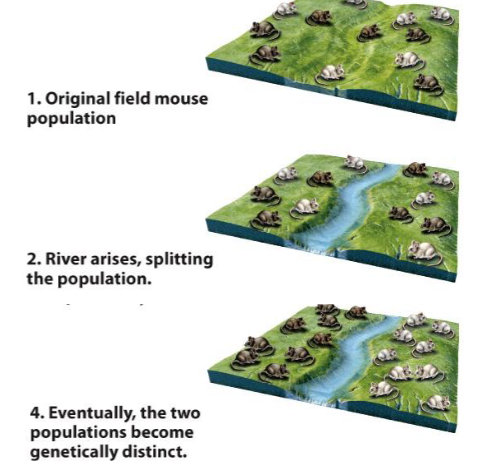
allopatric speciation
the evolution of
new species through the process of
geographic isolation
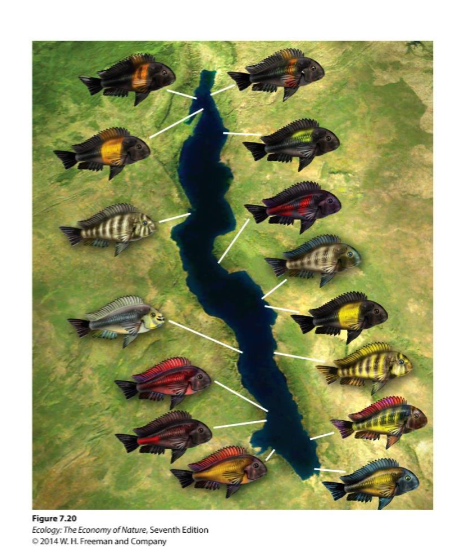
sympatric speciation
he evolution of new species without
geographic isolation.
life history
the schedule of an organism’s growth, development,
reproduction, and survival; represents an allocation of limited time and
resources to achieve maximum reproductive success.
fecundity
the number of offspring produced by an organism per
reproductive episode
parity
he number of reproductive
episodes an organism experiences.
parental investment
the time and
energy given to an offspring by its
parents
longevity (life expectancy)
the
life span of an organism.
‘‘ slow ‘‘ life history
Long time to sexual maturity
Long life spans
Low numbers of offspring
High parental investment
Examples: elephants, oak
trees
‘‘ fast’’ life history
Short time to sexual maturity
Short life spans
High numbers of offspring
Little parental investment
Examples: fruit flies, weeds
principle of allocation
when resources are devoted to one body
structure, physiological function, or behavior, they cannot be allotted to
another
offspring number vs size
Most organisms face a trade-off between the number of offspring they can produce and the size of those offspring
offspring number vs parental care
As the number of offspring increases, the amount of parental care per
offspring will decrease and reduce chances of offspring survival
parental care vs parental survival
Having more offspring can stimulate parents to hunt harder for food to feed their offspring. This additional effort can affect the parent’s fitness
growth rate vs fitness
Allocation of energy to increased fecundity during one year occurs at the
cost of further growth that year
determinate growth
a growth pattern in which an individual does not
grow any more once it initiates reproduction; occurs in many species of
birds and mammals
indeterminate growth
a growth pattern in which an individual continues
to grow after it initiates reproduction; occurs in many species of plants,
invertebrates, fishes, reptiles, and amphibians
Semelparity
when organisms reproduce only once during
their life; relatively rare in vertebrates, but common in insects
and plants.
bamboo
agaves
iteroparity
when organisms reproduce multiple times during
their life; common among birds, reptiles, mammals, and
amphibians.
yuccas
cicadas
spend the first part of their life underground where they obtain
nutrients from xylem tissue of plant roots
senescence
a gradual decrease in fecundity and an increase
in the probability of mortality
photoperiod
the amount of light that occurs each day
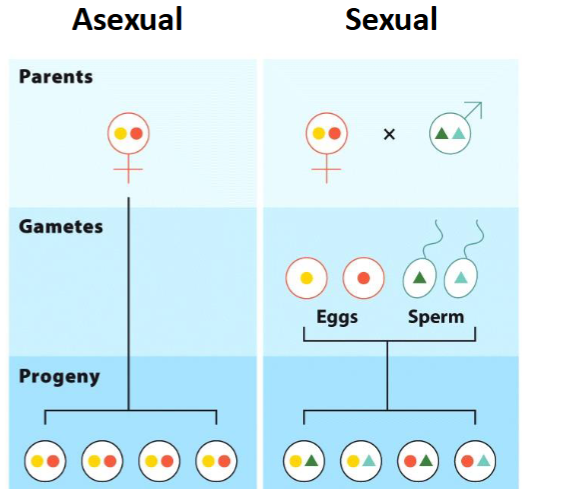
sexual reproduction
a reproduction mechanism in which progeny
inherit DNA from two parents
asexual reproduction
a reproduction mechanism in which progeny
inherit DNA from a single parent.
gonads
the primary sexual organs in animals.
vegetative reproduction
a form of asexual reproduction in which an
individual is produced from the nonsexual tissues of a parent
clones
individuals that descend
asexually from the same parent
and bear the same genotype
binary fission
reproduction
through duplication of genes
followed by division of the cell
into two identical cells.
cost of meiosis
the 50%
reduction in the number of a
parent’s genes passed on to the
next generation via sexual
reproduction versus asexual
production; occurs because
sexual genes are haploid.
purging mutations
Sexually reproducing organisms can lose
deleterious mutations during meiosis.
copying with environmental variation
offspring are likely to
encounter different environmental conditions than their parents did
copying with parasites and pathogens
pathogens have much shorter
generation times and larger population sizes than the host species
they infect
red queen hypothesis
sexual selection allows hosts to evolve at a
rate that counters the rapid evolution of parasites.
perfect flower
flowers that contain both male and female flowers
simultaneous hermaphrodites
individuals that possess male and
female reproductive functions at the same time
sequential hermaphrodites
individuals that possess male or female
reproductive function and then switch to the other
monoecious
plants that have separate male and female flowers on
the same individual
dioecious
plants that contain either only male flowers or only
female flowers on a single individual.
Selfing, or self-pollination vs outcrossing
occurs when an
individual’s male gametes fertilize its own female gametes.
Since this poses a cost due to inbreeding depression, selection
should favor individuals that can breed with other individuals (i.e.,
outcrossing) when possible.
genetic sex determination
In organisms with separate sexes, the sex ratio of male to female
offspring is often one to one.
Sex is often determined by inheritance of sex-specific chromosomes
(e.g., human females have two X chromosomes (XX); males are XY
environmental sex determination
a process in which sex is
determined largely by the environment; this is a type of phenotypic
plasticity, where the phenotype is sex.
temperature - dependent sex determination
occurs when the sex of an individual is determined by the temperature at which eggs develop
offspring sex ratio
Females can influence the sex ratios of their offspring.
frequency - dependent selection
when the rarer phenotype in a
population is favored by natural selection
high skewed sex ratio aka local mate competition
which is
when competition for mates occurs in a very limited area, and only a
few males are required to fertilize all of the females
mating systems
the number of mates each individual has and the
permanence of the relationship with those mates.
promiscuity
males mate with multiple females
and females mate with multiple males and do
not create lasting social bonds; common among
animals and outcrossing plants