England: Notable Explorers, Merchants, Buccaneers, and Criminals
 Call Kai
 Learn
Learn Practice Test
 Spaced Repetition
 Match
Match Flashcards
 Knowt Play
1/34

There's no tags or description
Looks like no tags are added yet.
Name | Mastery | Learn | Test | Matching | Spaced | Call with Kai | Chat |
|---|
No analytics yet
Send a link to your students to track their progress
35 Terms
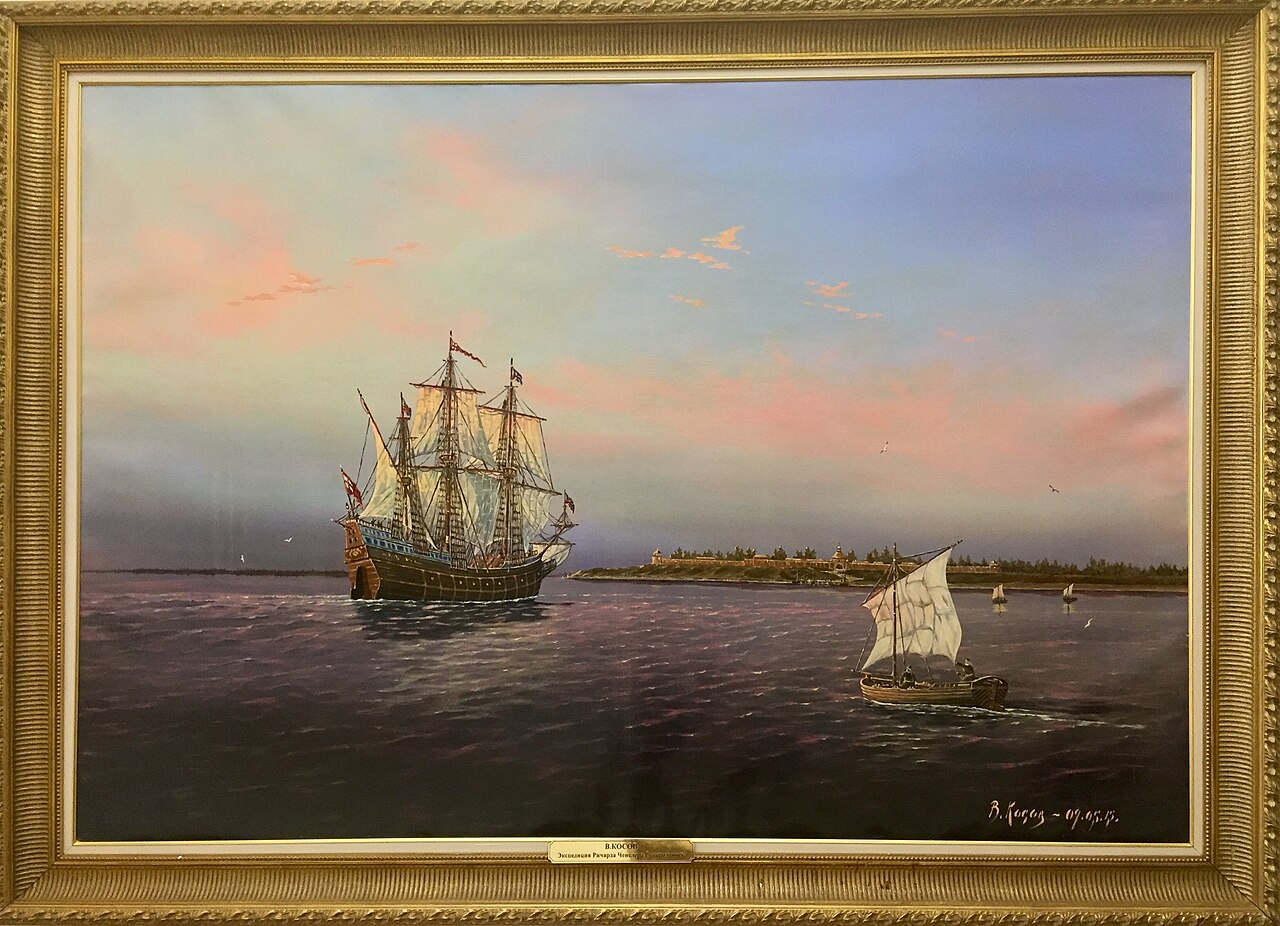
1521 - 1556 - Richard Chancellor (All Facts)
English Explorer and Navigator
He was chosen as “pilot-general” of Sir Hugh Willoughby’s expedition in search of a northeastern passage to India
He reached Archangel via the White Sea, the first to penetrate the White Sea
He travelled overland to Moscow, where he met the Tsar of Russia, Ivan IV
He founded the “Muscovy Company,” the first major chartered joint-stock company in England’s history
He opened a successful, long-lasting trading arrangement for England with Russia
The Company held a monopoly on the trade of furs and wood in the 1500s and 1600s
Its creation put the English in competition with the German Hanseatic League
He made a second voyage to Archangel and Moscow
He was drowned off Aberdeenshire on is return from his second voyage to Russia
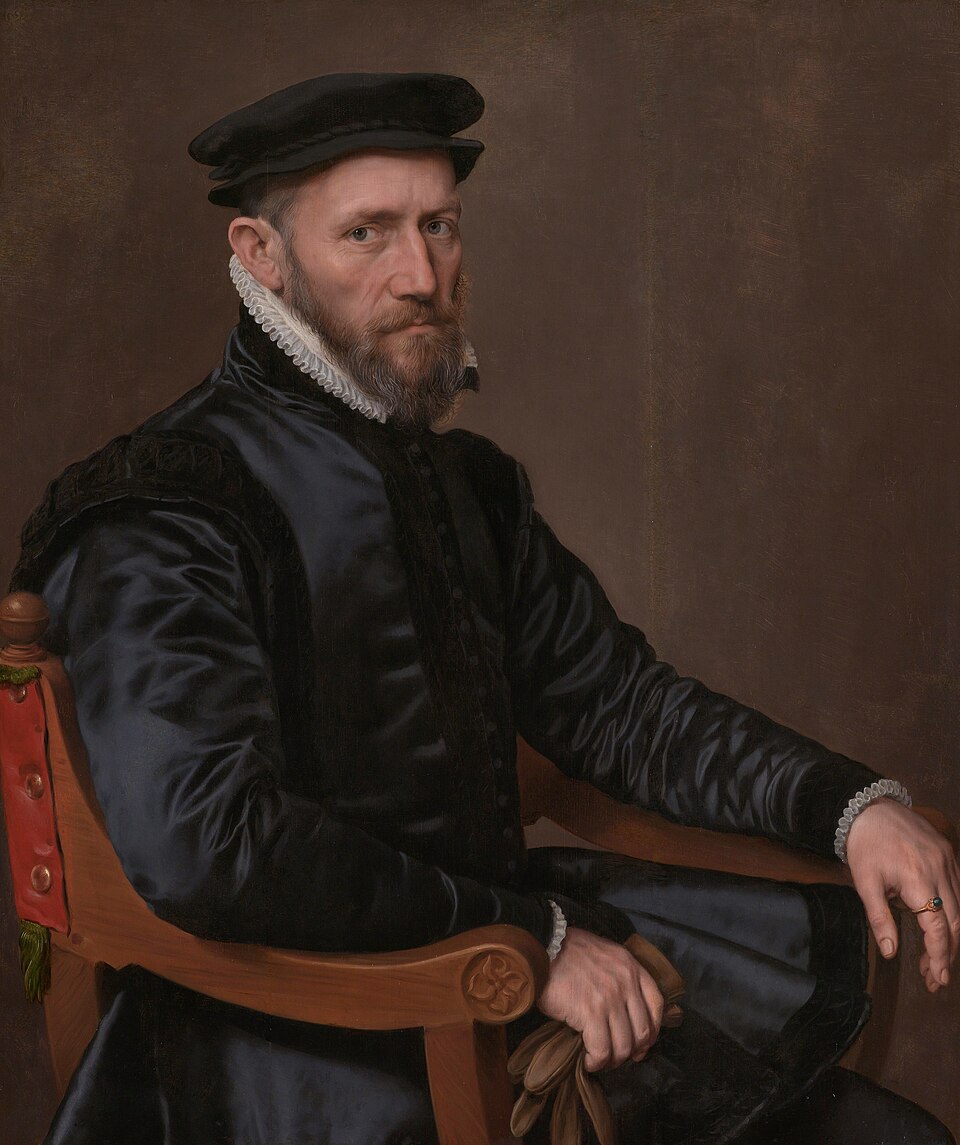
1519 - 1579 - Thomas Gresham (All Facts)
English Merchant, Financier, and royal agent during the English Renaissance / reign of Queen Elizabeth
He founded the Royal Exchange in Cornhill in London
This would later house the Royal Society, the first British institute for teaching science
He worked for many years raising loans in the Netherlands (Low Countries) and exporting arms and other goods to Britain
He was a regular visitor to Antwerp’s Stock Exchange and wanted Britain to offer similar trading facilities
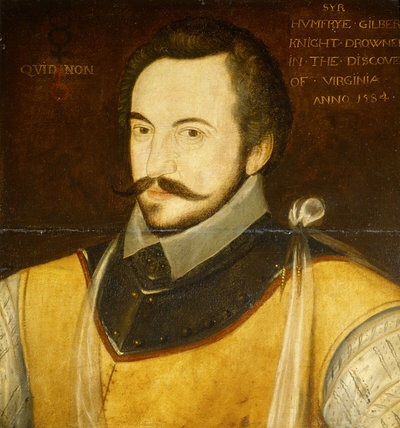
1539 - 1583 - Humphrey Gilbert (All Facts)
English Explorer and Adventurer during the English Renaissance / reign of Queen Elizabeth
He was also a Member of Parliament (MP)
He took possession of and eventually annexed Newfoundland in the name of Queen Elizabeth, claiming the right of first discovery
On his return voyage to England, he drowned in a shipwreck
1576 - Humphrey Gilbert: Discourse to Prove a Passage by the North West to Cathay (All Facts)
Work which argued for English colonization of the far east
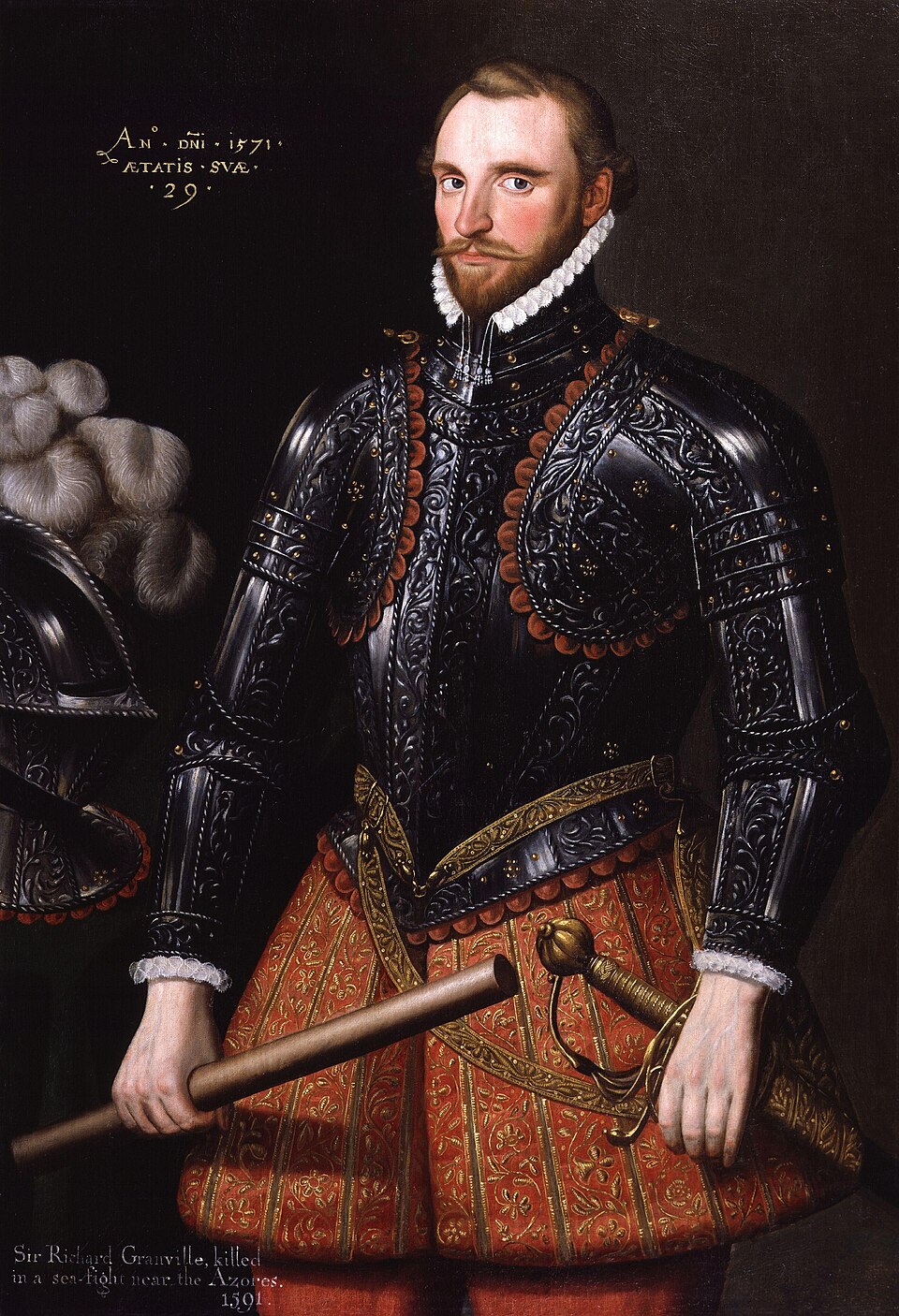
1542 - 1591 - Richard Grenville (All Facts)
English Explorer and Privateer during the English Renaissance / reign of Queen Elizabeth
He led Walter Raleigh’s second expedition to Roanoke Island in Virginia in North America
He then set sail from Roanoke Island, in which he left 20 settlers behind there
He left them there without enough food and their resulting hunger led to hostility with the native Americans there
A year later, this expedition was rescued by Francis Drake
Days later, Grenville put another 15 men ashore a few days later
These 15 men also disappeared
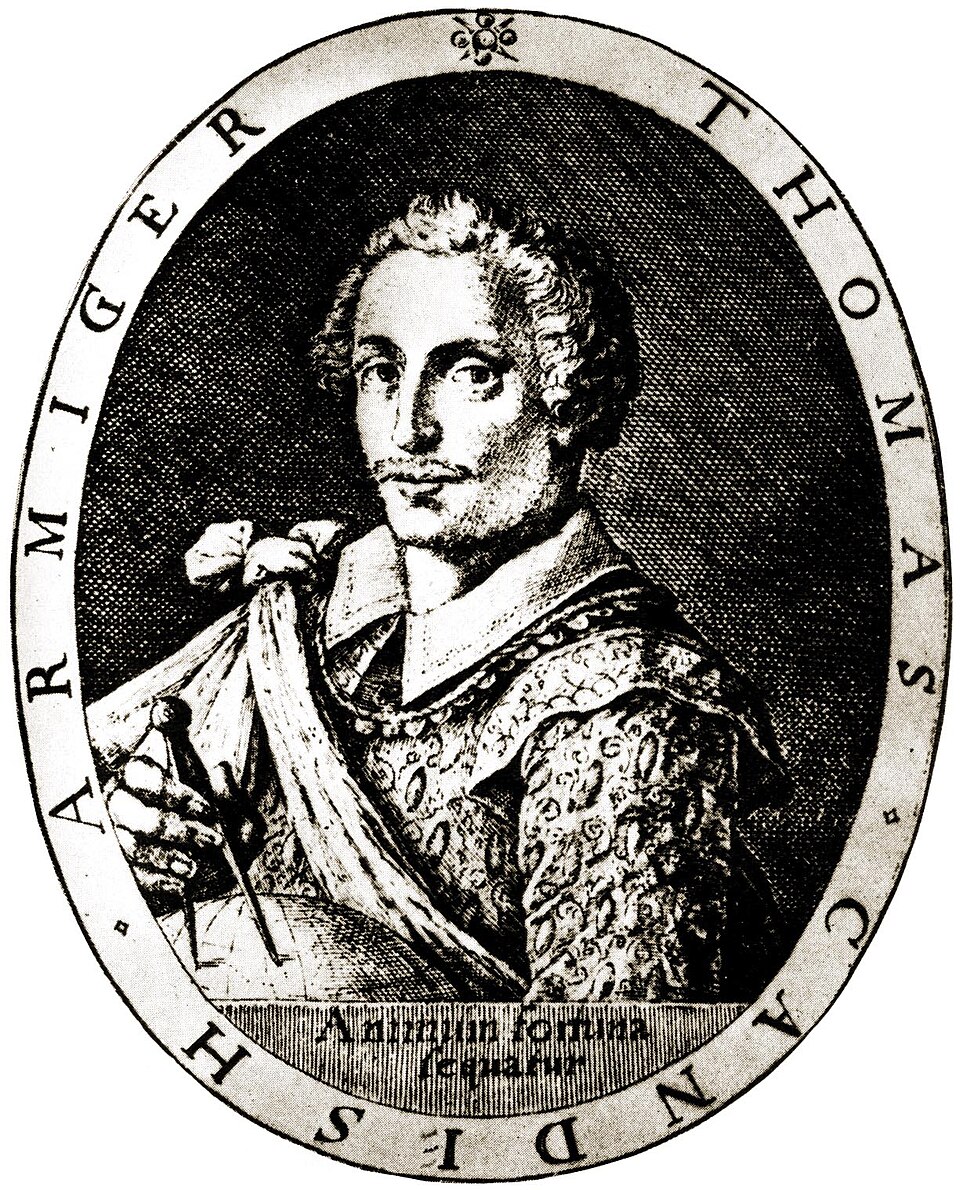
1560 - 1592 - Thomas Cavendish (All Facts)
English Explorer and Privateer during the English Renaissance / reign of Queen Elizabeth
He was the third Englishman to have circumnavigated the globe
He set sail from Portsmouth and returned to England in just two years
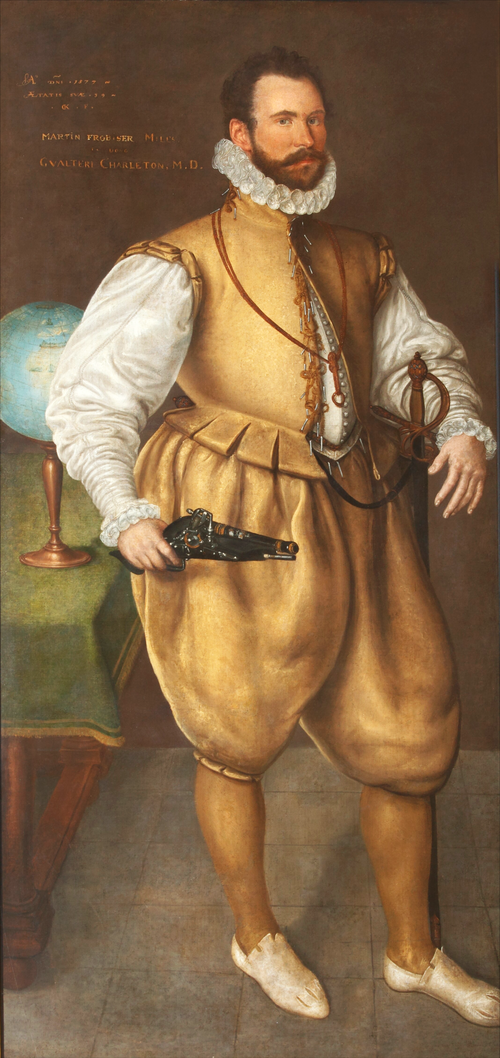
1539 - 1594 - Martin Frobisher (All Facts)
English Explorer, Sea Captain, and Privateer during the English Renaissance / reign of Queen Elizabeth
His goal was to find the short, polar way from the North Atlantic Ocean to China which learned navigators were convinced must exist as a route known as the “northwest passage
During his first voyage to the American Arctic, he explored Labrador and discovered Baffin Island, in search of a northwest passage to Asia (China)
He sailed into a strait in the far northwest beyond Greenland, convinced that Asia lay to starboard and America to port
He met Asiatic peoples called Eskimos
He found black ore which his Italian contemporaries claimed concealed gold, although his English contemporaries did not agree with this assessment
He returned empty-handed from his third expedition to North America in search of gold and a passage to India through the northern ice
On another voyage, he collected 200 tons of ore (which he mistakenly believed to be gold) which Queen Elizabeth had locked up for safekeeping in the Tower of London, and 2 bewildered Eskimos which he held captive, upon his return to Bristol
As gold fever spread due to this voyage, there was less interest in the northwest passage / route to Cathay, even though the keepers of the gold ore protested that they could not find furnaces hot enough to transmute the ore into gold
He died of a wound sustained at the Siege of Crozon during the Anglo-Spanish War
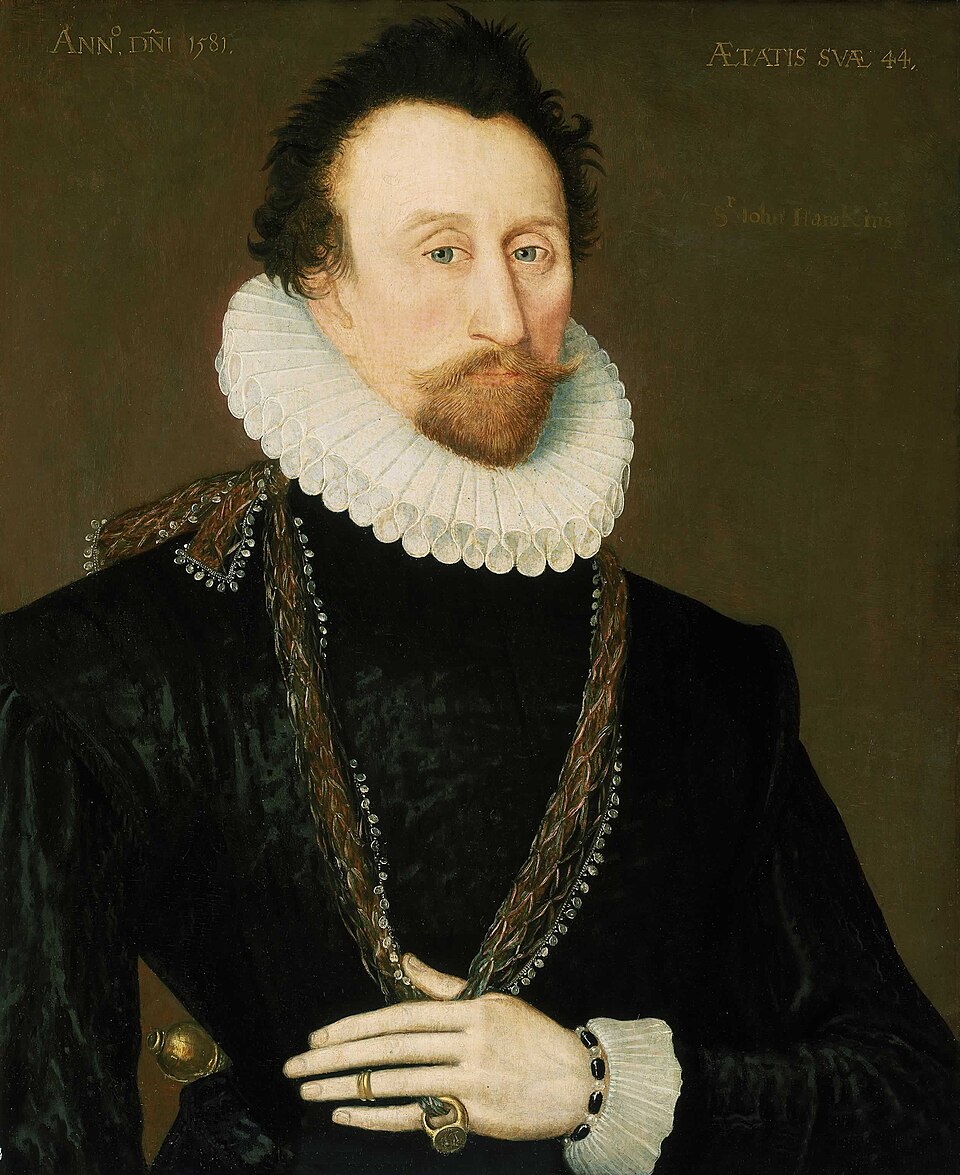
1532 - 1595 - John Hawkins (All Facts)
English Slave Trader during the English Renaissance / reign of Queen Elizabeth
He pioneered English involvement in the Atlantic Slave Trade and was considered to be the first English merchant to profit from the Triangle Trade
He had sold and transported enslaved Black people from West Africa to the Spanish colonies in the West Indies
He was a popular and leading figure in the highly profitable trade of shipping slaves from West Africa to the Spanish West Indies, despite the ban imposed by Madrid in Spain
He left Sierra Leone with a shipment of 300 slaves and sailed to Hispaniola (Santo Domingo) in the Caribbean
He returned from his first expedition from America to introduce to England tobacco and the sweet potato, carrying shiploads of both
He introduced tobacco to Europe, specifically, the taking of tobacco
By his death, virtually every English pub provided a communal tobacco pipe for its customers
He also introduced the sweet potato / potato tubers to Europe, which quickly became a staple of the European diet
He commanded three English ships that narrowly escaped a Spanish naval ambush in the West Indies
The incident involved five English ships and provoked an angry reaction in England, resulting in an undeclared state of war with Spain
This was during his third voyage to America
On one slaving voyage to America, he was trapped by the Spanish at San Juan de Ulna and his ships were lost in the attack
In this incident, two of his ships were lost, which angered Queen Elizabeth and the English crown
In this incident, Francis Drake was his fellow explorer and kinsman
He died off the coast of Puerto Rico
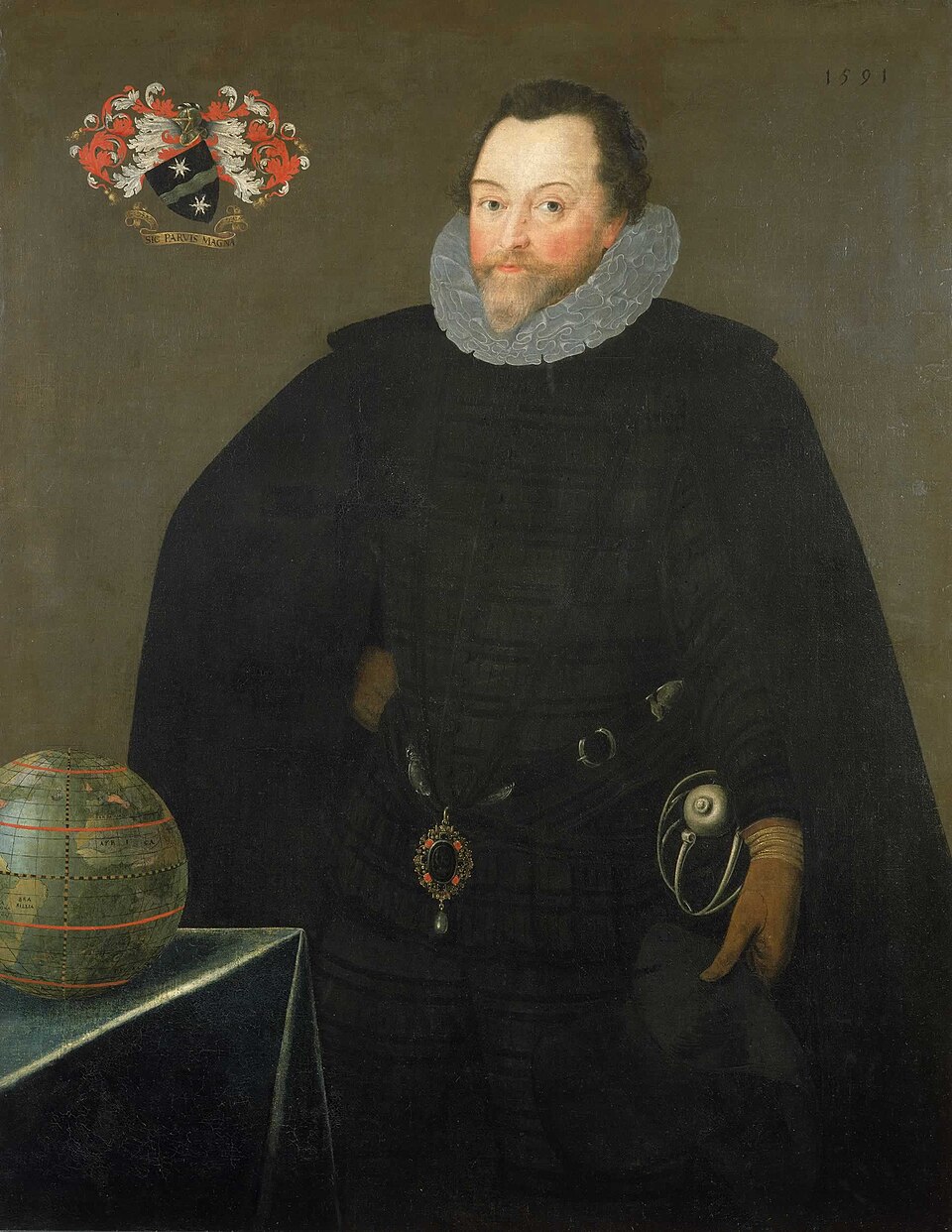
1540 - 1596 - Francis Drake (All Facts)
English Explorer, Navigator, Privateer, and Naval Leader during the English Renaissance / reign of Queen Elizabeth
He was from Devon
He was a fervent Protestant
This partially explains his personal motives for raiding (Catholic) Spanish ships
He was the first Englishman to conduct Protestant services in the New World which he did aboard his main ship called the “Golden Hind”
He became a legend for recovering his own wealth stolen from Spanish sailors
For his circumnavigation effort, he was a popular and untouchable hero in his day
He was the “scourge of the Spanish Main”
At one point, he became the Minister of Parliament of Plymouth
He was licensed to raid Spanish ships by Queen Elizabeth
Neither he nor Queen Elizabeth seemed to feel bound by the Treaty of Tordesillas
He was the first sea explorer and navigator in history to have circumnavigated the world and have survived; in which
On this voyage, at Port Julian, there was talk of mutiny
He executed his former confidant and fellow commander Thomas Doughty
He revealed his real target on this voyage, which was Spanish treasure along the Pacific coast
He sailed through the Magellan Straits without a navigation chart in just 16 days, covering its 300 miles and often piloting the fleet himself in a small sailing boat
When the fleet was hit by storms, one shop sank without trace and another ship returned to England
However, the namesake continued in his own ship, which he had named “The Golden Hind” and rode out northerly winds which lasted 52 days and drove him far south of Cape Horn
This voyage took three years, taking him around the world by way of Cape Horn and the Cape of Good Hope
He harassed Spanish shipping along the Pacific Coast of North America, having left from Portsmouth
He raided Valparaiso
He then found the Spanish treasure ship called “Cacafuego” and, with guns and sailors unmatched in the Pacific, he seized from the ship 26 tons of silver, 80 pounds of gold, 13 money chests, and many jewels
He then sailed north, claimed “San Francisco” for England and “California” for Queen Elizabeth
While he put in repairs on the coast of California (San Francisco Bay), he claimed the surrounding land for Queen Elizabeth and called it New Albion because its white cliffs and summertime coolness reminded him of England
He sailed with three ships whose crews (along with Spanish intelligence) were misled into believing that they were bound for Alexandria (in Egypt), but instead sailed west and were becalmed in the doldrums
He returned to Plymouth after completing his voyage
He brought back to England enough Spanish treasure on this voyage to “reduce taxes for everyone”
This voyage took him 68 days and was the first of many similar operations
On one voyage, 50-ton ship “Judith” was part of an English fleet attacked by Spanish sailors while anchored in the Caribbean port of San Juan de Ulna
On this slaving voyage to America, he was trapped by the Spanish at San Juan de Ulna and his ships were lost in the attack
He limped back to England but never forgot the treachery of the Spanish in betraying a local agreement to trade and not fight
He claimed compensation from Spain as a result, but when none came, he recovered the damages himself and put interest on them
He launched attacks on Spanish harbors and ambushed and looted Spanish ships
On one voyage, he went ahead and attacked Panama and raided the Spanish Main, returning to England with tons of silver, with which the English government was pleased
On this voyage, he sailed to Panama with two ships which concealed three prefabricated pinnaces, which he reconstructed for raids on Nombre de Dios
However, he had to hide as a fugitive afterwards because the English government wanted normal relations with Spain, a triumphal reception for him for having recruited runaway slaves to ambush bullion convoys ashore at Panama being a major embarrassment
Spain demanded he be tried for piracy
With an inquiry into his conduct in train, rumors of knighthood were discouraged
On a voyage from England to North America, he made a surprise attack on the heavily fortified city of San Domingo in Hispaniola, in which he forced the governor there to pay a large ransom
He then captured Cartagena on the Spanish main by a land and sea attack, having plundered the city and ransoming it for 110K ducats
He then burned the Spanish city of St. Augustine in Florida
He then left from Roanoke Island on his return journey to England, having taken Ralph Lane and other surviving English settlers on Roanoke Island
He attacked and pillaged Cadiz in Spain, ravaging the Spanish coast and destroying its naval stores, an incident he partook in which became known as “the Singeing of the King of Spain’s Beard”
He died in his mid-fifties of dysentery and was buried in a lead coffin committed to the Caribbean Sea a few miles off Porto Bello in Panama
1532 - 1603 - Ralph Lane (All Facts)
English Explorer and Soldier during the English Renaissance / reign of Queen Elizabeth
He headed off an Indian attack on Roanoke Island, killing a chief name Wingina
He was taken off Roanoke Island, along with others, by Francis Drake, on Drake’s return to England from his voyage to North America
1602 - 1603 - Bartholomew Gilbert (All Facts)
English Mariner
He was killed by the Native Americans during a search for the lost colonists of Roanoke Island, who hadn’t been seen up to that time in 16 years
1550 - 1605 - John Davis (All Facts)
English Explorer, Navigator, and Privateer during the English Renaissance / reign of Queen Elizabeth
He discovered
the Falkland Islands (the Malvinas at the time), during an expedition to the southern seas
a strait linking the Atlantic Ocean to the Baffin Sea, searching for a northwest passage or sea route round the north coast of North America
He was appointed pilot-major of the East India Company fleet
He was killed by pirates in the Malacca Straits
1539 - 1606 - John White (All Facts)
English Explorer during the English Renaissance / reign of Queen Elizabeth
He arrived at Roanoke Island, where his expedition found no trace of the colonists left behind by the expedition conducted by his predecessor Richard Grenville
He found Roanoke Island mysteriously abandoned
His theory was that the colonists followed the Native Americans under Chief Manteo the a native village called Croatoan, which was a safer environment than the original settlement site
This was because the word “Croatoan” was carved onto a post at the entrance to the empty palisade that was once the colony
1571 - 1607 - Bartholomew Gosnold (All Facts)
English Explorer, Captain, and Privateer
He left Falmouth in England and discovered and named in northeastern America
Cape Cod, after the fish he found there
Martha’s Vineyard, after his own daughter
He returned to England, having given up on his colonization efforts in northeastern North America
1550 - 1608 - George Popham (All Facts)
English Colonist
He pioneered the colonization of modern-day Maine
He commanded the “Gift of God” ship, which his associate Ferdinando Gorges had funded, for a voyage to North America
His expedition reached the Sagadahoc River in northeastern North America, where it prepared to found a settlement
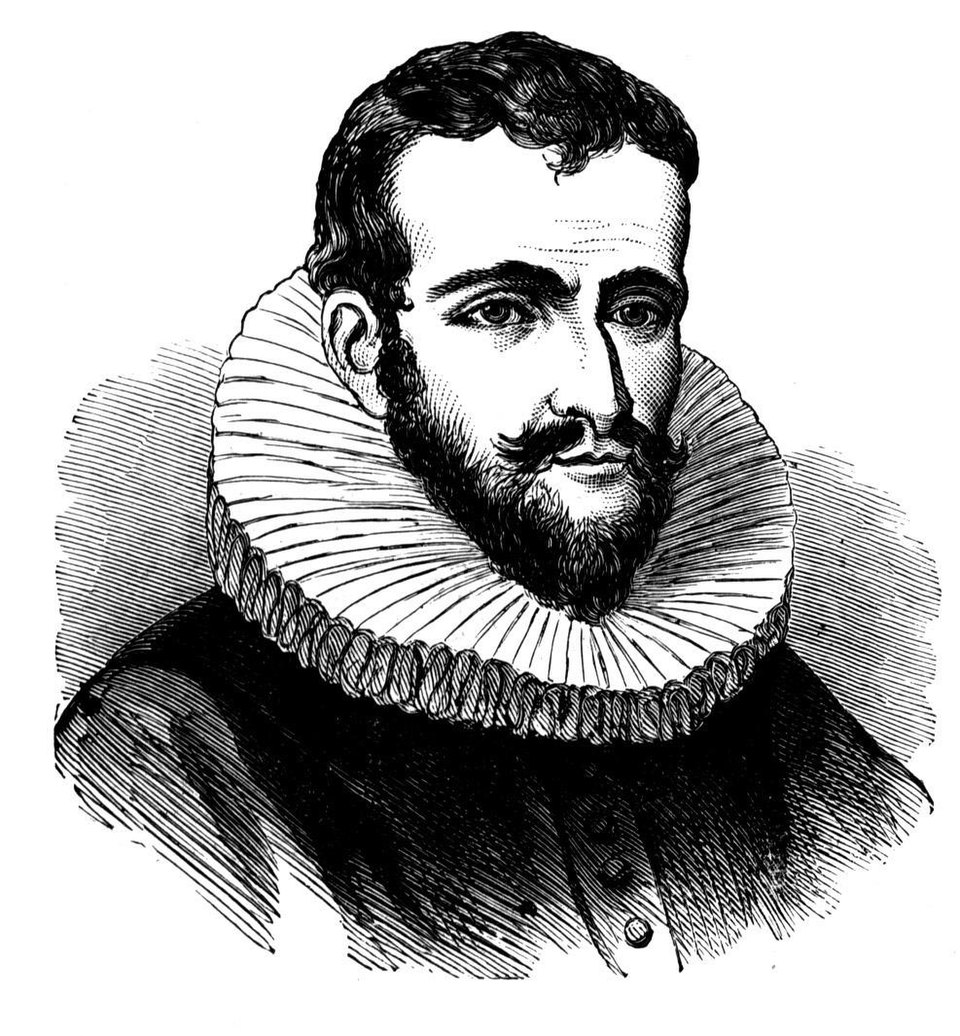
1565 - 1611 - Henry Hudson (All Facts)
English Explorer and Navigator
He was in service of the Dutch Republic
He was a remarkable navigator but a poor leader with little understanding of human nature
He was known for his exploration of the Arctic Ocean
He led an expedition to find the “Northwestern Passage” to the Orient / China, he sailed his ship, the “Half-Moon”, up the river near Manhattan Island, far enough to determine that it does not lead to the Orient / China, which was a great disappointment to the namesake
He led another expedition to find the “Northwest Passage” to the Spice Islands
He sailed from London on his ship, this time, the “Discovery”, and crossed the Atlantic Ocean and found a narrow strait into a great bay which his admirers had the bay named after him
He discovered the namesake great bay on the eastern coast of Canada (named after him)
He then spent the next three months charting a watery “labyrinth without end” following creeks and leads that led nowhere
The “Discovery” was too far from open sea to escape the winter ice and was hauled ashore near Moose Fort
Six months of bitter cold with little food and no work created conditions amongst his crew in which even the smallest quarrels loomed large
He was suspected of distributing rations unequally and favoring the more servile members of the crew
In a series of dangerous changes, he demoted his mate Juet, and replaced him with Robert Bylot
By the end of the winter, as they set sail again, he demoted Bylot and almost every man in the expedition became his enemy
It was then rumored that most of his crew mutinied and cast him, his teenage son John, and seven loyal crew members adrift into sea, where they disappeared and likely froze to death
He disappeared and likely died after he, his son, and seven sailors were cast adrift in a rowing boat by his crew after the mutiny
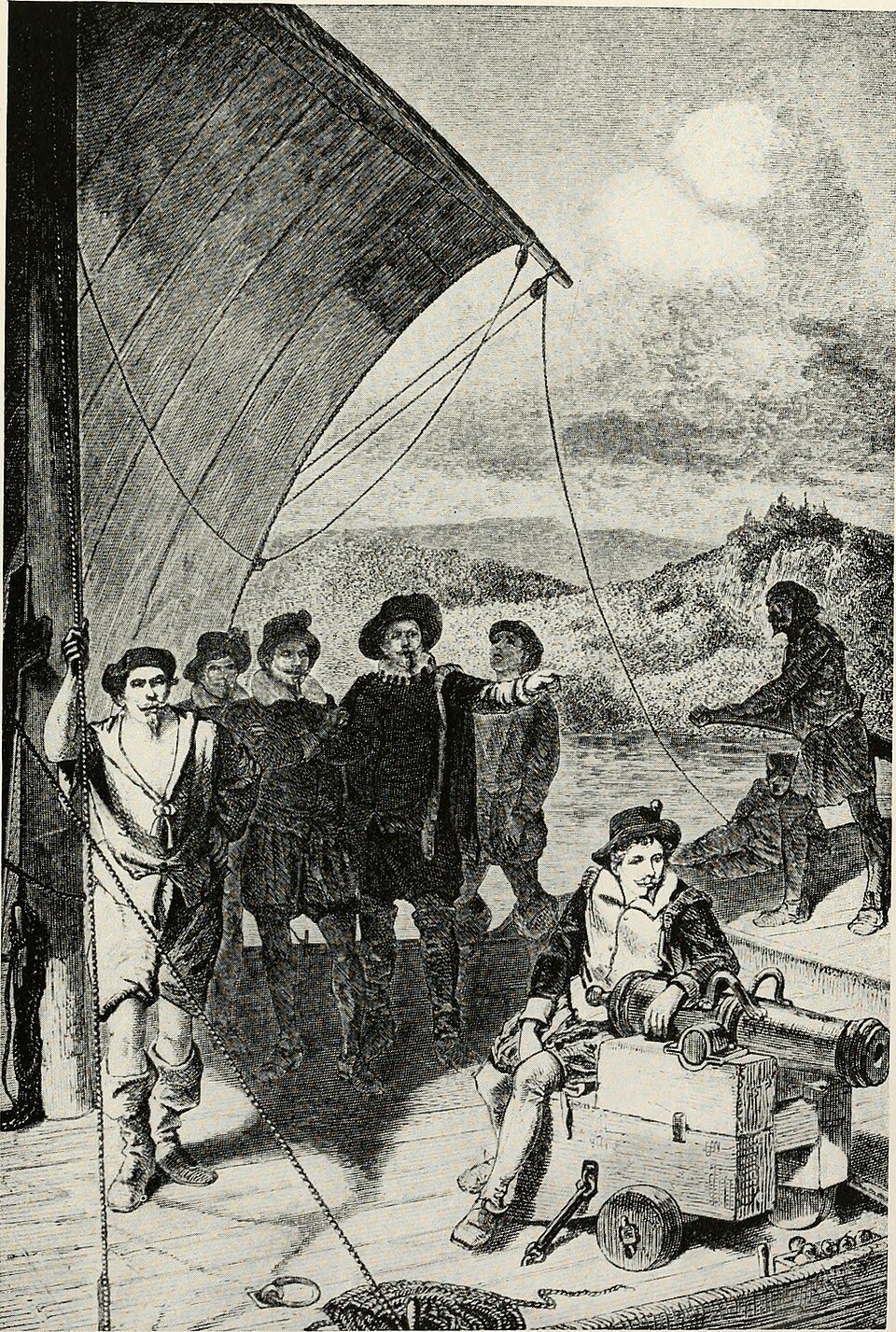
1585 - 1612 - George Weymouth (All Facts)
English Explorer and Colonist
He colonized Maine, having returned to England from the northeastern coast of North America with glowing reports of agricultural development, notably in the cultivation of barley and peas
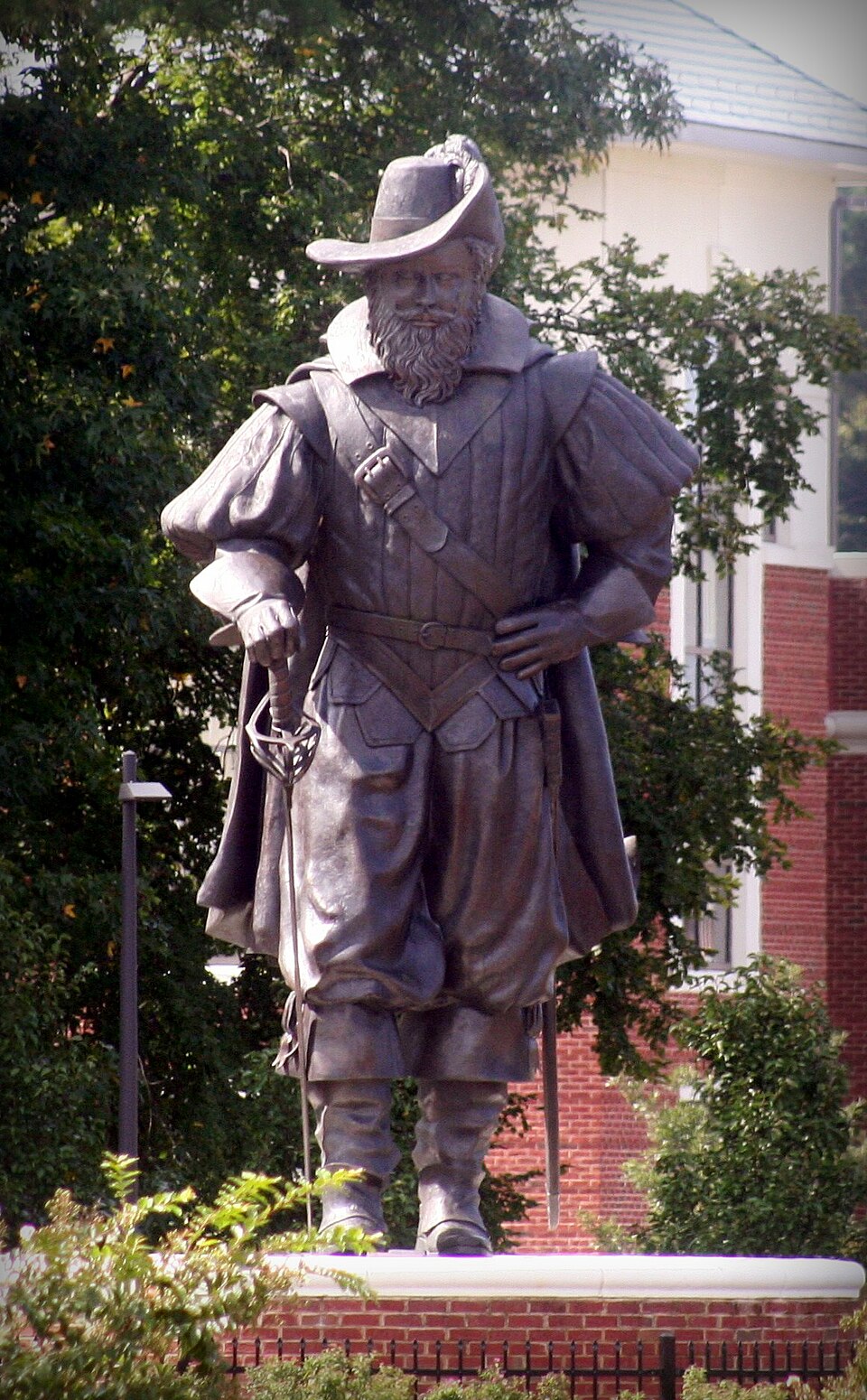
1561 - 1617 - Christopher Newport (All Facts)
English Captain, Seaman, and Privateer
As a part of the Virginia Company of London, he founded the colony of Jamestown
It was located at the mouth of the James River on the coast of Virginia
He initially left England with 144 potential colonists
He had 105 followers by the time he reached the Americas
He led the Susan Constant, Godspeed, and Discovery ships dispatched to him by the London Company
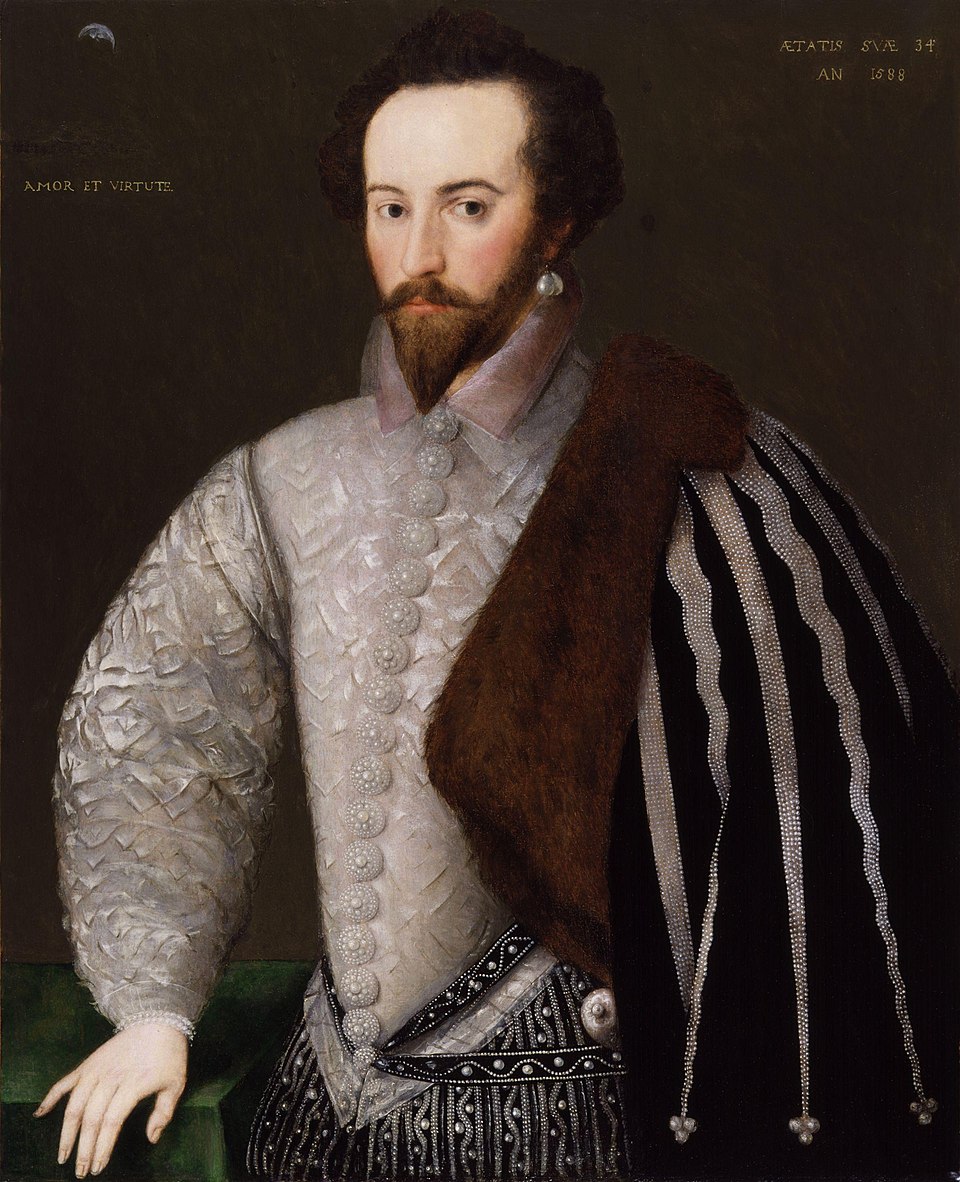
1553 - 1618 - Walter Raleigh (All Facts)
English Explorer and Statesman during the English Renaissance / reigns of Queen Elizabeth and King James
He was a favorite of Queen Elizabeth, who showered him with rewards and knighthood
While he was at sea with an expedition to plunder Spanish galleons, the Queen recalled him for seducing one of her maids of honor
When he was sent to the Tower, he there married the lady and turned out to be a good husband and father of two sons with her
He coined the name of the state of “Virginia” (named after the virgin Queen Elizabeth of England)
He organized an expedition onto the lands on the southeastern coast of North America, asserting English authority over the area, some 1,800 nautical miles long at the time
He organized a second expedition to North America, to Roanoke Island, with a group of 109 English colonists led, in addition to him, by Richard Grenville
He used a grant given to him by Queen Elizabeth in which he brought 225 settlers to Roanoke Island over the course of two years, but visited the colony again four years later and found nobody there, fearing that they died at the hands of the Spaniards or Native Americans
He was sent to the Tower of London after being accused of plotting against King James, but his death sentence was not carried out and he spent that time writing
He then obtained his liberty by persuading King James that he could find gold in the Orinoco River country without clashing with the Spanish
After furious protests from Spain, he was told that trouble with the Spanish would cost him his life
He reckoned that if he returned with rich booty he would be forgiven by a king in need of funds
He organized a third expedition to South America, in which he explored the coast of Trinidad and sailed up the Orinoco River
In his pursuit of El Dorado, he led a miserable fiasco of an expedition to South America
He quickly fell ill and stayed at Trinidad while the expedition continued and his men clashed with the Spanish
His son died and doomed, he returned home to England, where he was executed, as promised by King James, to appease Spain
He sent a final party in search of the settlers of Roanoke Island in Virginia
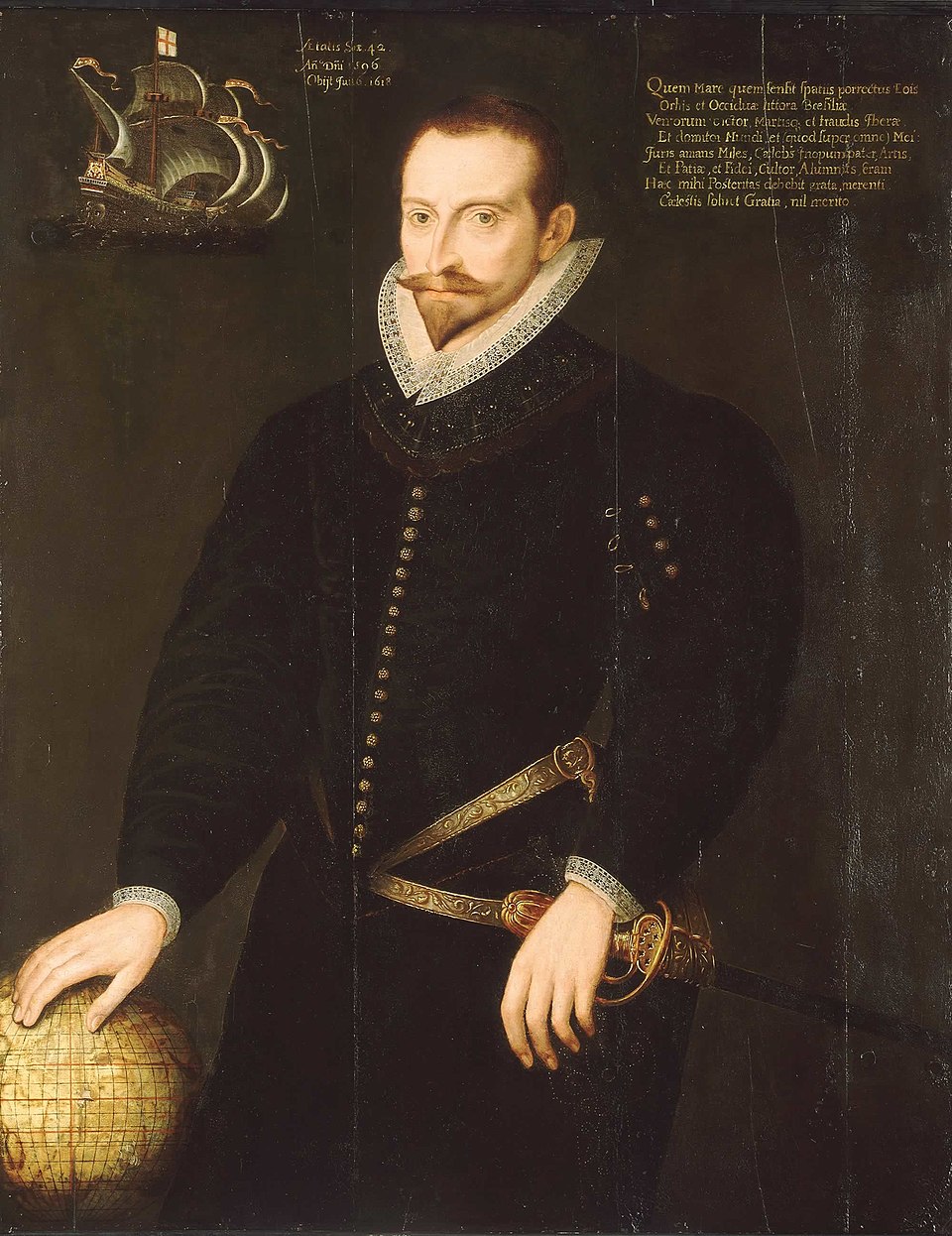
1554 - 1618 - James Lancaster (All Facts)
English Explorer and Privateer during the English Renaissance / reign of Queen Elizabeth
He was also a merchant and soldier
He was in the service of Portugal
He travelled to and visited the East Indies for three years, and then returned to Europe
He conducted a pioneering voyage to Sumatra, Malacca, and Ceylon
He was appointed general of the East India Company Fleet
1550 - 1618 - Philip Amadas (All Facts)
English Explorer who led the English sailors and commanded two ships crossing the Atlantic before stopping at Puerto Rico and Florida
He was made especially welcome at Roanoke Island, where Chief Wingina made gifts of meat, fish, and other food
1550 - 1620 - Arthur Barlowe (All Facts)
English Explorer who led the English sailors and commanded two ships crossing the Atlantic before stopping at Puerto Rico and Florida
He was made especially welcome at Roanoke Island, where Chief Wingina made gifts of meat, fish, and other food
He explained that “we were entertained with all love and kindness and with as much bounty, after their manner, as they could possibly devise. We found the people most gentle, loving, and faithful, void of all guile and treason, and such as lived after the manner of the Golden Age”
His expedition was continued up by Walter Raleigh, who ran it from England due to political reasons
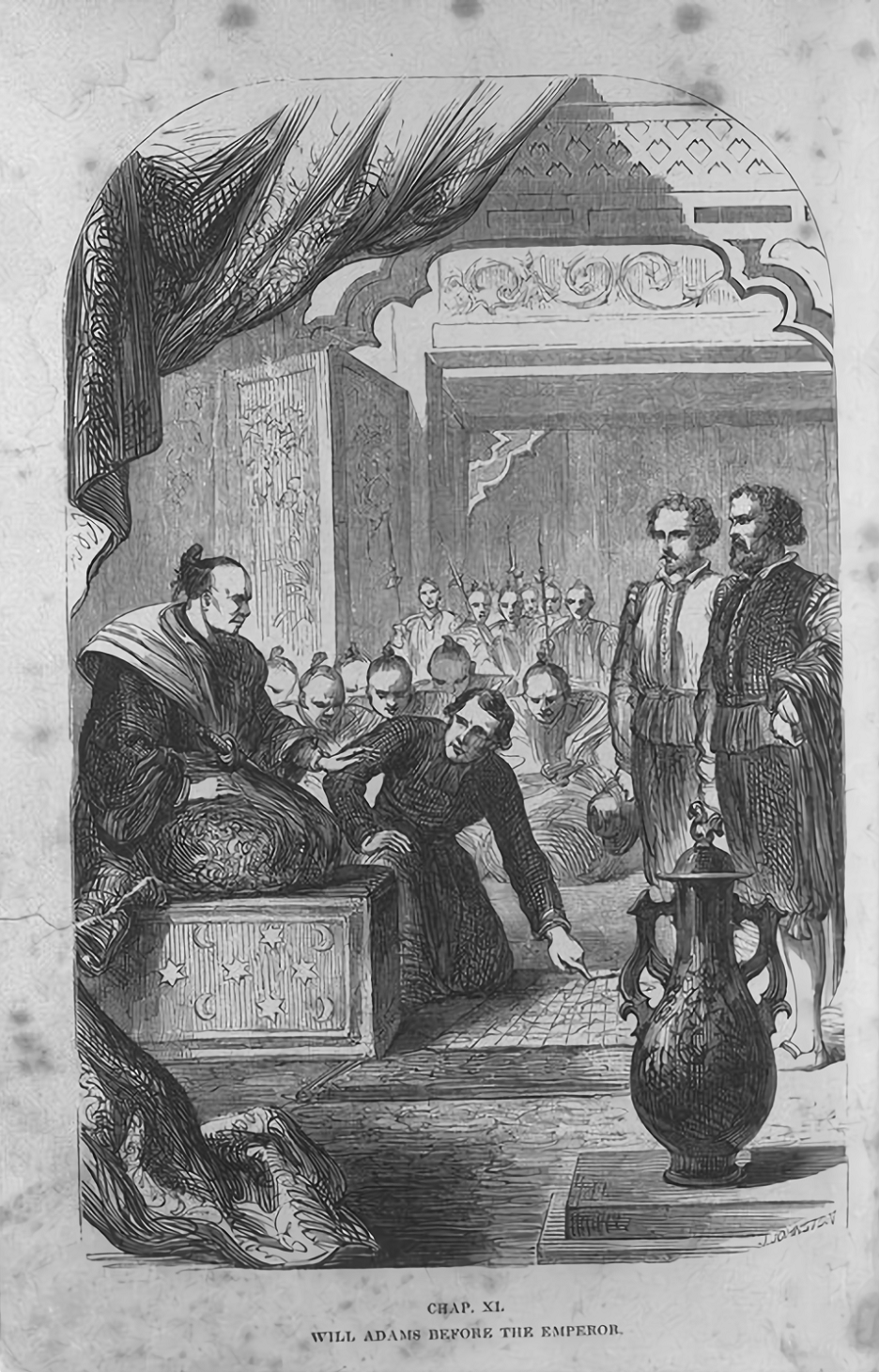
1564 - 1620 - William Adams (All Facts)
English Explorer and Navigator during the English Renaissance / reign of Queen Elizabeth
He was a seafarer from Kent
He was in the service of the Netherlands
He was the first English Explorer to reach Japan
He arrived at the Japanese port of Bungo as a pilot-major of the Dutch ship, the “Liefde”, part of a squadron of five trading vessels which were also equipped to destroy the English’s Spanish and Portuguese rivals
When a great storm struck the five vessels, the “Liefde” was crippled and most of its crew died, towed into Kyushu in Japan with barely a score alive
He built ships of up to 100 tons for Tokugawa Ieyasu (founder of the Tokugawa Shogunate)
He taught the Shogun’s men the skills of long-distance navigation
He reached Osaka and rearmed the cannons and ammunition of the “Liefde,” which the Shogun put to good use
He was the most influential foreigner in Japan at the time, eventually being granted samurai status there
He was thrown into prison as a pirate at the instigation of jealous Portuguese traders
He and his crew were denounced as pirates by Jesuit missionaries and threatened with crucifixion
Their lives were saved by Tokugawa Ieyasu
He and his crew were well treated by the Japanese and he enjoyed his shipbuilding work for them
However, he never saw the orchards of his native Kent ever again
1584 - 1622 - William Baffin (All Facts)
English Explorer and Navigator
He discovered a sound which led into the Arctic Ocean, a strait which he lent his name to, while in search for the Northwest Passage from the Atlantic Ocean to the Pacific but concludes that there is no northwest passage upon failing to discover one and having a lack of success in his original mission plan
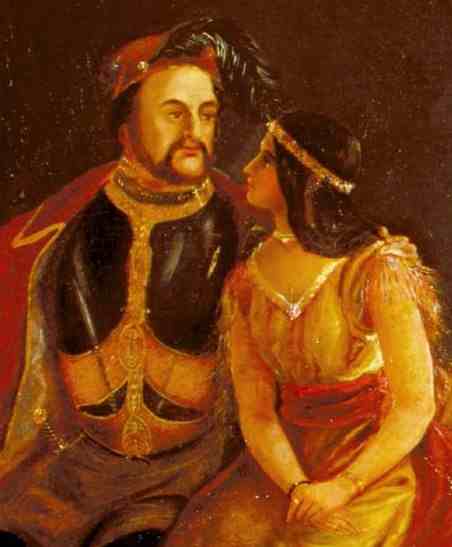
1585 - 1622 - John Rolfe (All Facts)
English Explorer, Merchant, and Farmer
He was the first Englishman in the New World to successfully cultivate tobacco crops
He married Pocahontas, whom he had baptized and renamed Rebecca, in the attempt to maintain peace between him, the English settlers, and the Algonquin Native Americans
After his time in England with his wife and King James, he returned to Virginia (Jamestown) to find it deserted of its settlers because they moved to the hinterlands to grow tobacco
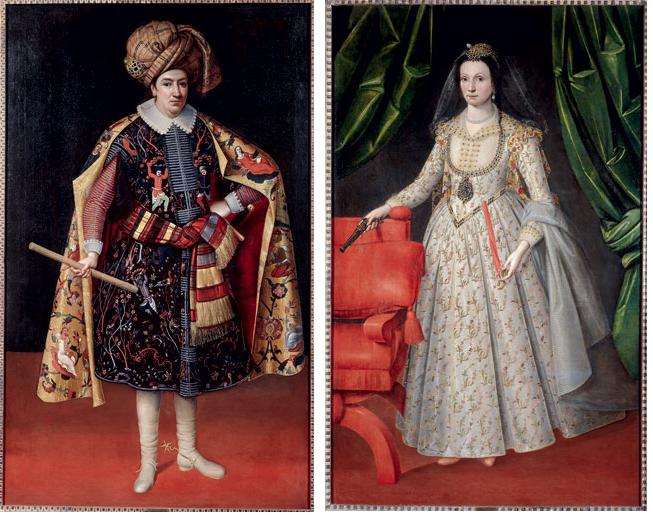
1581 - 1628 - Robert Shirley (All Facts)
English Explorer and Adventurer
He developed an English alliance with Shah Abbas of the Safavid Empire
He
put his knowledge of artillery at the disposal of the Safavid army
helped to reorganize the regiments of the Safavid army
As a result of his mission to Persia, special privileges were granted to Christian merchants in Persia, free from customs’ duties and religious interference
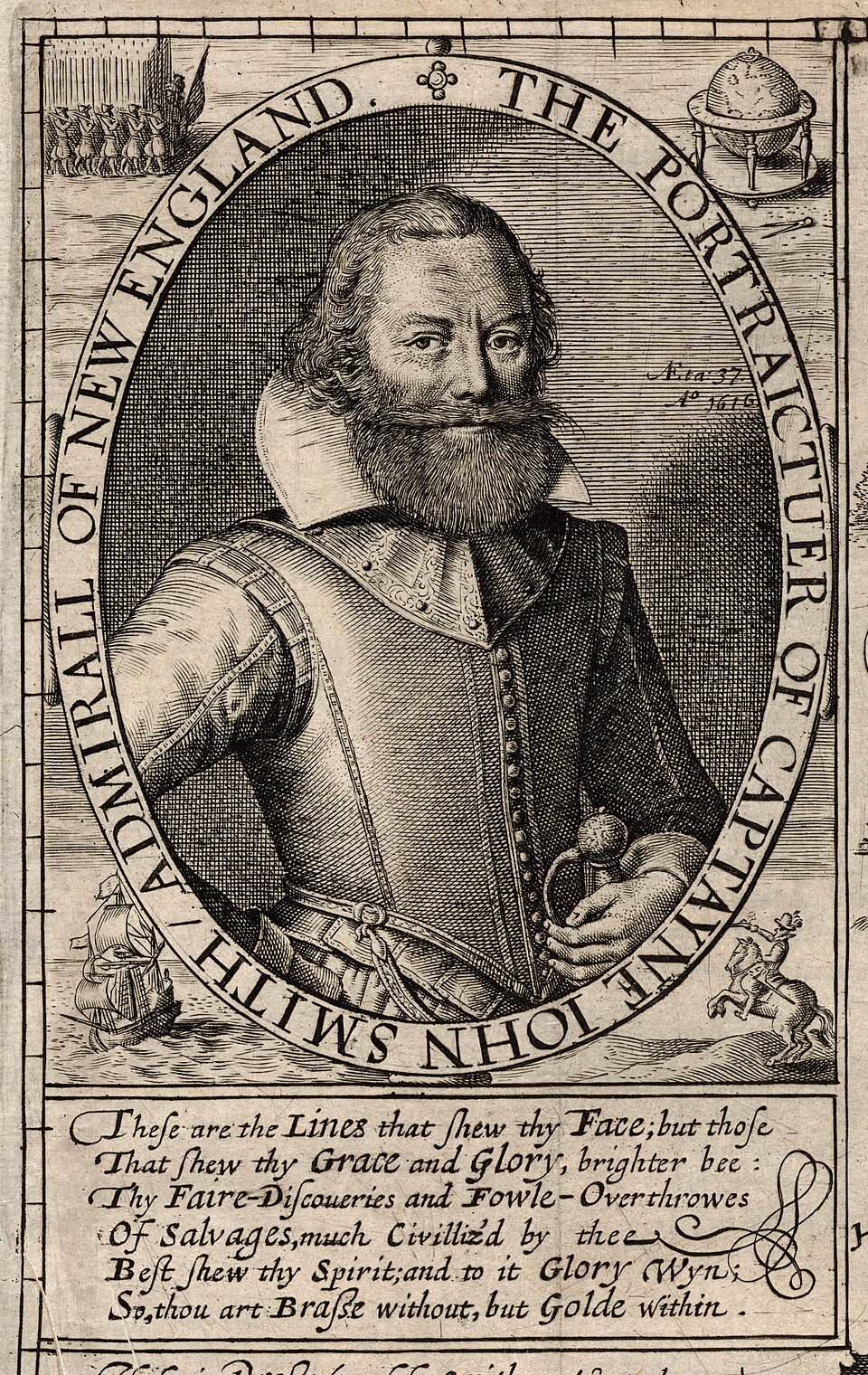
1579 - 1631 - John Smith (All Facts)
English Explorer and Soldier
He founded the colony of Jamestown
He headed up the Chickahominy River in search of food
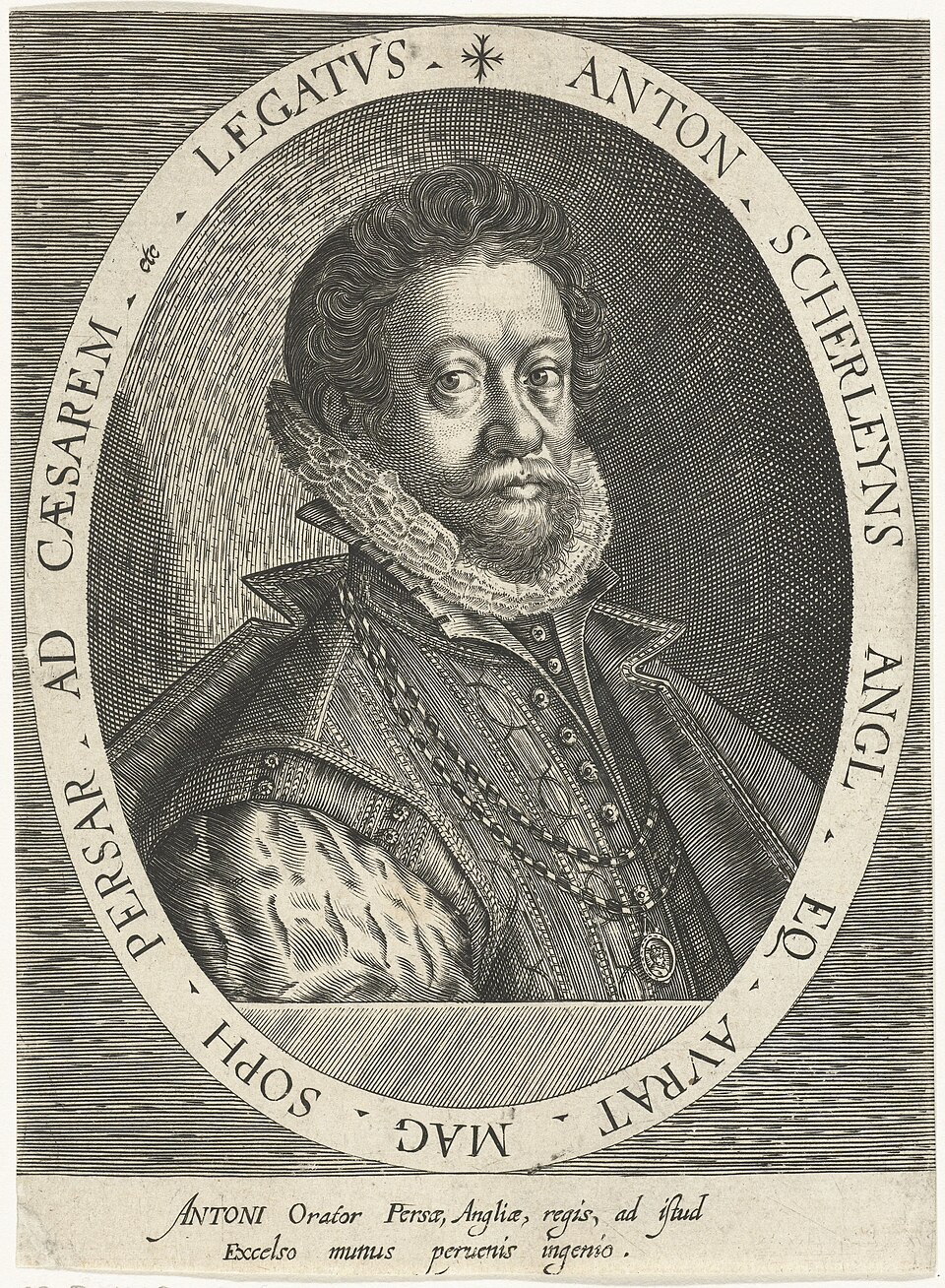
1565 - 1638 - Anthony Shirley (All Facts)
English Explorer and Adventurer
He developed an English alliance with Shah Abbas of the Safavid Empire
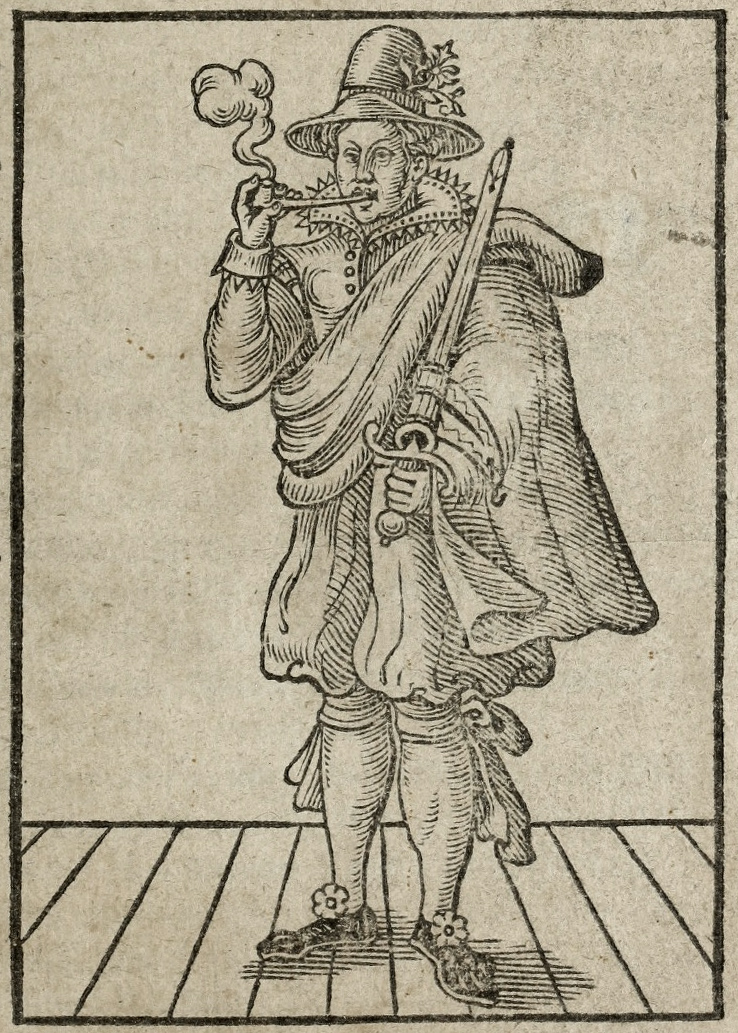
1584 - 1659 - Mary Frith / Moll Cutpurse (All Facts)
English Pickpocket and Mover of the London Underworld
She was the cobbler’s daughter from the Barbican
She left a full account of her criminal life in a book published that tells of how she became a famous highway robber
She was always armed and dressed as a man
She made illicit fortunes
She was jailed only once, for robbing General Fairfax on Hounslow Heath
She escaped by paying a hefty bribe
She enraged her victims by opening a shop in Fleet Street where they had to pay to recover their own possessions
1605 - 1673 - Francis Day (All Facts)
English Merchant
He acquired the land of Madraspattam (Madras) and established an English trading post there on the east coast of India
He acquired the land of Madras from the local ruler and had built warehouses, factories, and a fort
Robert Searle (All Facts)
English Buccaneer who
freed Henry Woodward from Spanish captivity in Florida
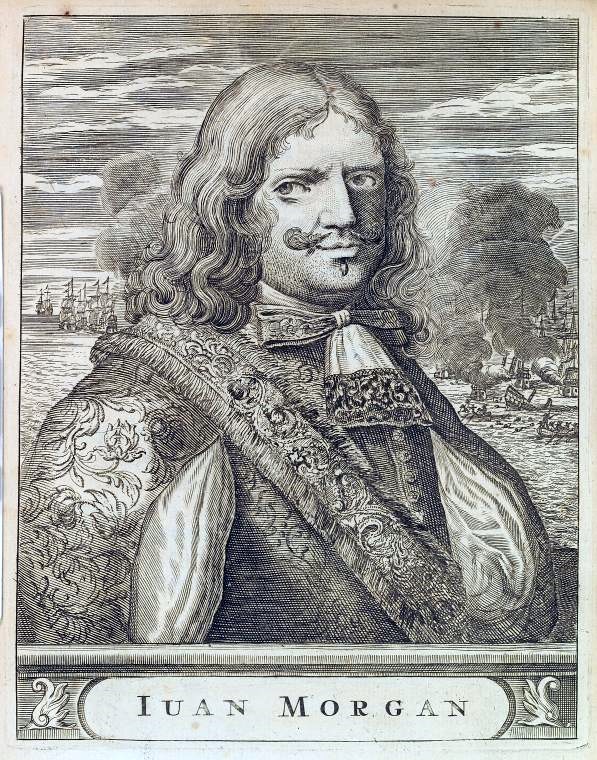
1635 - 1688 - Henry Morgan (All Facts)
Welsh Buccaneer
He was lieutenant governor of Jamaica
He was commissioned by the governor of Jamaica prior to him to find out whether the Spanish were planning to attack British possessions, but he exceeded his orders when he sailed to Portobello in Panama and sacked the city
He
was born in Glamorgan in Wales
went to America as a young man before he was given a command in a fleet led by Edward Mansfield, whom he replaced when the former was killed
was knighted by King Charles II
This infuriated Spain and surprised the Royal Society of London
He sacked, plundered, and looted throughout the Caribbean as a Buccaneer including
Cuba
Nicaragua
settlements along the South American coast
Maracaibo (in Venezuela)
the Spanish city of Panama (crossing the Isthmus)
This had all been taking place despite the development of peace between England and Spain and he fell into disgrace as a result, having continued piracy even in high office
There is a beer named after him
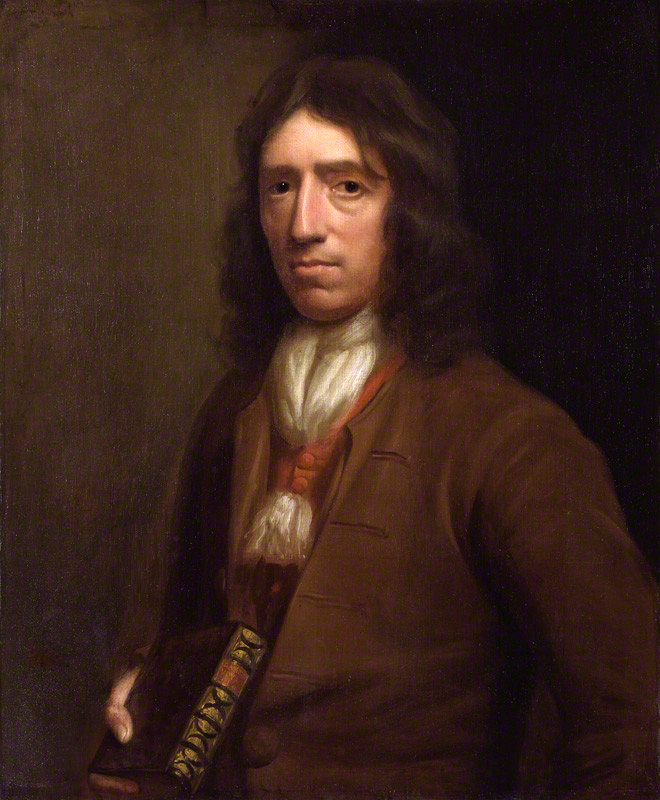
1651 - 1715 - William Dampier (All Facts)
English Explorer, Pirate, Privateer, and Naturalist
He became the first Englishman to explore parts of modern-day Australia
He became the first person to circumnavigate the world three times
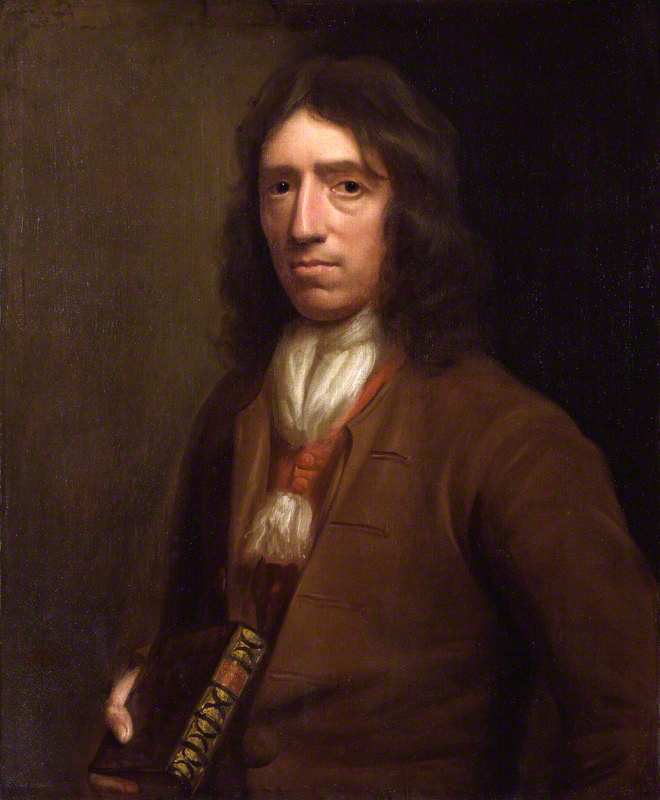
1691 - William Dampier: Voyage Around the World (All Facts)
Work in which the namesake author tells of his expeditions against Spanish trading posts in the Antilles and Gulf of Mexico