Bio OST Review
 Call Kai
 Learn
Learn Practice Test
 Spaced Repetition
 Match
Match Flashcards
 Knowt Play
1/124

There's no tags or description
Looks like no tags are added yet.
Name | Mastery | Learn | Test | Matching | Spaced | Call with Kai |
|---|
No analytics yet
Send a link to your students to track their progress
125 Terms
HYPOTHESIS
tentative explanation for an observation, phenomenon, or scientific problem that can be tested by further investigation
INDEPENDENT VARIABLE
the variable being tested. Typically there is only one independent variable
DEPENDENT VARIABLE
the variable being measured. This determines if the independent variable had any effect.
CONTROL
all other variables that remain the same and is “controlled” by the researcher
DNA
Deoxyribonucleic acid
RNA
Ribonucleic acid
5 differences between DNA and RNA
DNA is double-stranded, while RNA is single-stranded.
DNA contains thymine, whereas RNA contains uracil.
DNA is primarily located in the nucleus, and RNA can be found in the nucleus and cytoplasm.
DNA serves as the genetic blueprint, while RNA plays a role in protein synthesis.
DNA is made with deoxyribose and RNA is made with ribose sugar.
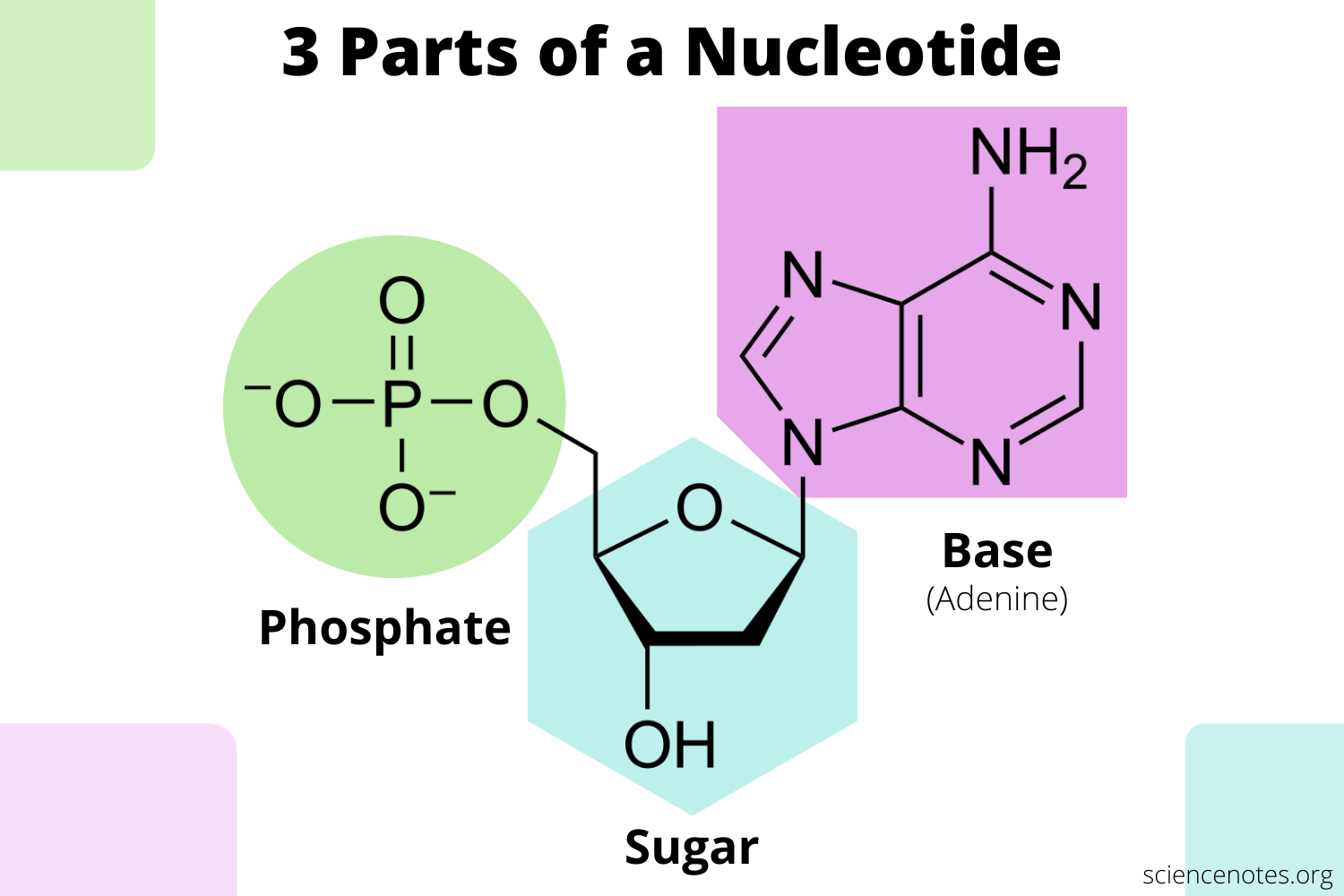
NUCLEOTIDE
The basic building block of nucleic acids, consisting of a nitrogenous base, a five-carbon sugar, and one or more phosphate groups.
GENOME
All of the genes a human has, A human has between 20,000-25,000 genes
GENES
segments of DNA that code for proteins or functional RNA.
Who determined the Structure of DNA?
James Watson, Francis Crick, Wilkins and Rosalind Franklin. They won a Nobel prize
CELL DIFFERENTIATION
All cells in an organism have the same set of chromosomes, but not all genes are expressed in every cell. Depending on which genes are expressed will determine the cell’s structure and function
Do different types of cells that come from the same stem cell have the same set of DNA in their nucleus?
Yes, different cell types derived from a single stem cell generally contain the same set of DNA in their nucleus
Why do the cells look so different from each other?
Their different shapes are specialized to help perform specific functions in the organism.
Chargaff’s Base Pairing rule
The principle that adenine pairs with thymine and cytosine pairs with guanine in DNA.
Why is DNA replication semi-conservative?
During DNA replication, each new DNA molecule consists of one original strand and one newly synthesized strand, ensuring that each daughter cell receives an exact copy of the DNA. This was supported by the Meselson-Stahl experiment.
Meselson-Stahl experiment
An experiment that demonstrated DNA replication is semi-conservative by using isotopes of nitrogen to trace the origins of DNA strands in bacterial cells.
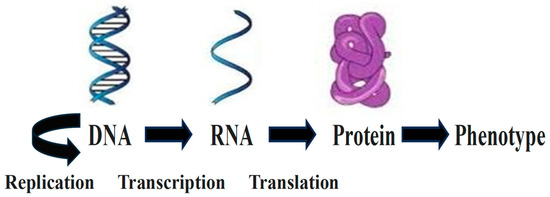
What is the central Dogma of Biology?
DNA→mRNA→Protein→Trait
PROTEIN SYNTHESIS
The process by which cells generate proteins from mRNA templates, involving transcription and translation.
TRANSCRIPTION
The process of forming RNA from DNA, DNA stores the information, RNA makes the protein.
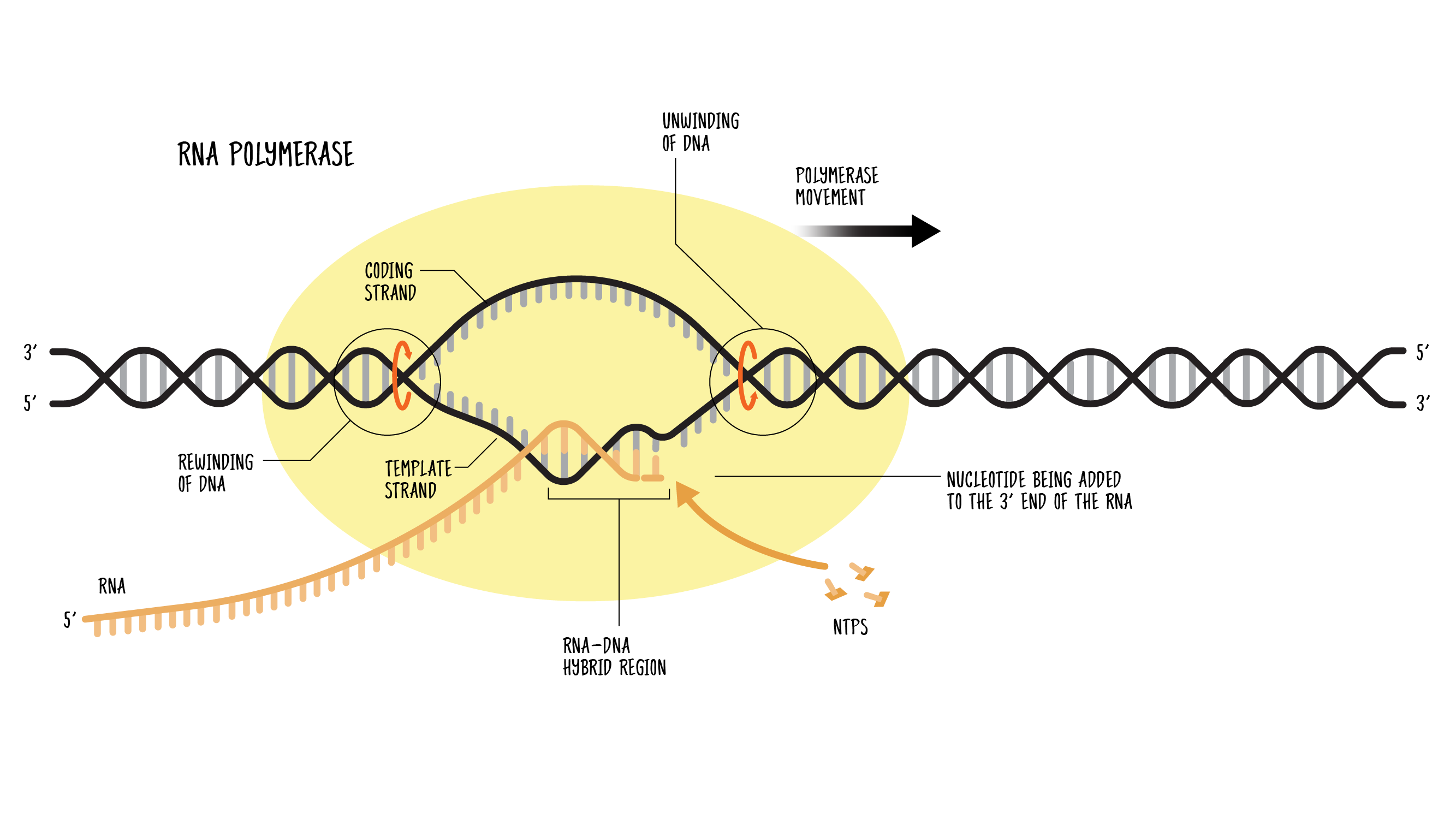
Transcription steps
DNA is located inside the nucleus
a portion of DNA untwists and separates using RNA Polymerase
nitrogen bases (adenine, uracil, cytosine, guanine) pair with their complementary bases on the DNA strand
a single strand of mRNA separates from DNA and leaves the nucleus
the mRNA goes to the cytoplasm and attaches to a ribosome
TRANSLATION
formation of a protein molecule form mRNA (in cytoplasm)
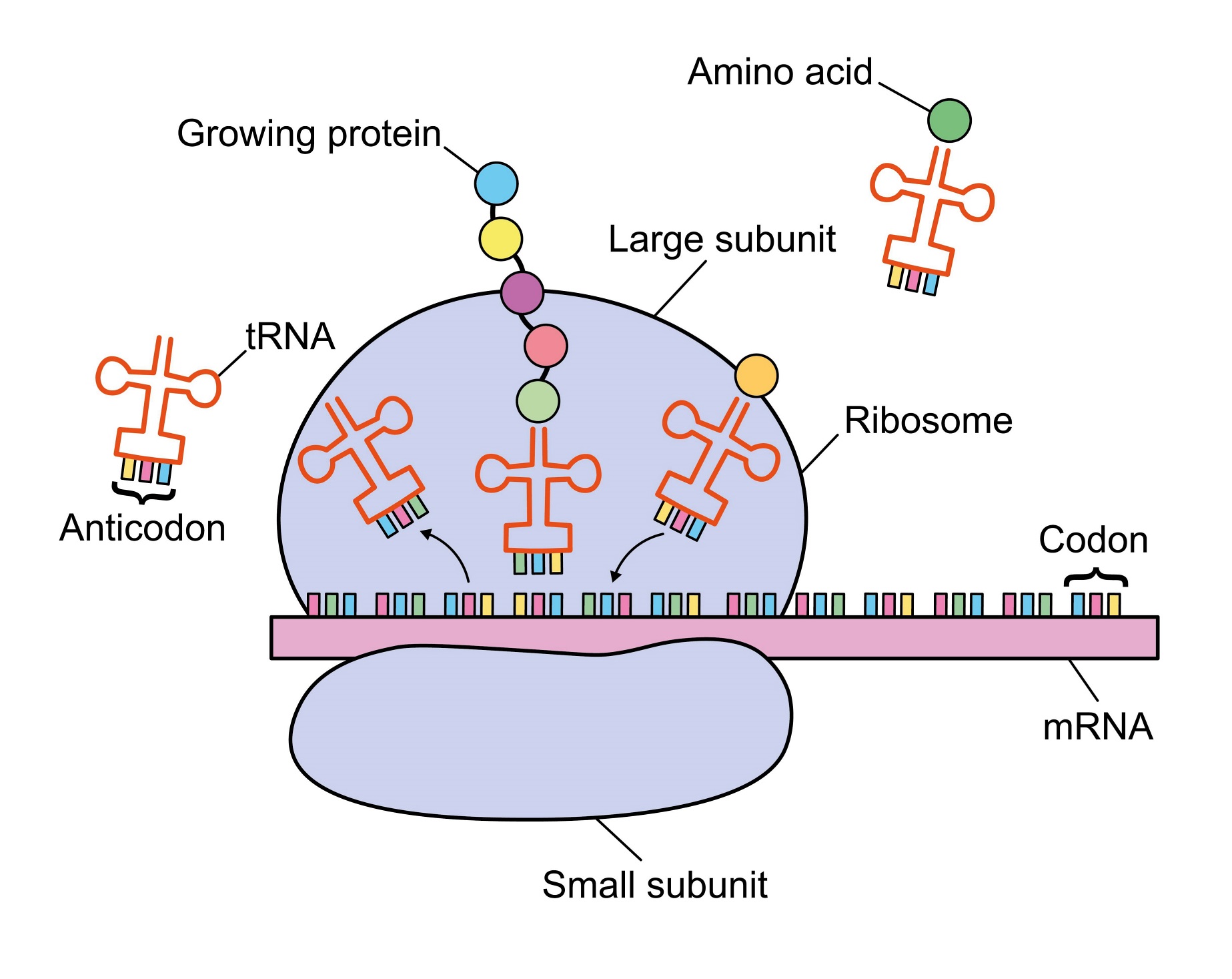
Translation steps
mRNA attaches to a ribosome
tRNA carries amino acids to the mRNA at the ribosome
tRNA moves to the correct place on the mRNA and the codon and anticodon match up
the amino acid from the tRNA is held while a peptide bond is formed between amino acids
the first tRNA is released, leaving the amino acid, and another tRNA comes into the next codon
POINT MUTATION
A nucleotide has been substituted for another nucleotide in DNA
Frameshift Mutation
A nucleotide has been added or deleted from the DNA
How can a point mutation affect the amino acid sequence of a protein?
A point mutation can lead to a substitution of one amino acid for another in the protein sequence, potentially altering the protein's function or stability, depending on the nature of the change. This alteration may be silent, missense, or nonsense
How can a frameshift mutation affect the amino acid sequence of a protein?
A frameshift mutation can cause a shift in the reading frame of the genetic code, resulting in a completely different sequence of amino acids downstream, often leading to a nonfunctional protein.
GAMETES
Haploid cells that fuse during fertilization to form a diploid organism, containing half the number of chromosomes of the parent organism. sperm and egg cells
Gene mutations
can only be transferred from parents to offspring when the mutation occurs in the gametes (sperm and egg cells)
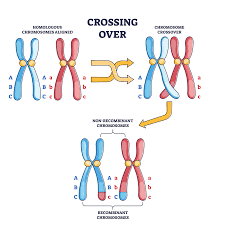
Crossing over
is the exchange of genetic material between homologous chromosomes during meiosis, allowing for genetic diversity in gametes.
haploid gametes
contain half the chromosome number of the parents and are involved in sexual reproduction.
Meiosis
a form of sexual cell division, used to make gametes or sex cells such as sperm and egg, 4 cells are produce each with half the original chromosome number and are genetically unique
How are daughter cells different from Parent cells in meiosis?
Daughter cells produced in meiosis differ from parent cells in that they are haploid, containing half the chromosome number, and are genetically distinct due to crossing over and independent assortment.
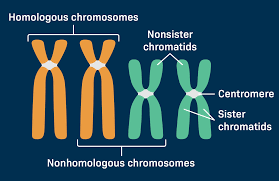
Homologous Chromosomes
chromosome pairs that code for the same trait
Principle of Independent Assortment
States that genes for different traits can segregate independently during the formation of gametes.
Law of Segregation
two alleles for a trait separate from each other so that each gamete receives only one allele
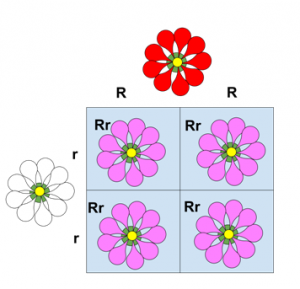
Incomplete dominance
also called blended inheritance, two alternative forms of a gene that are both dominant resulting in a blending of traits
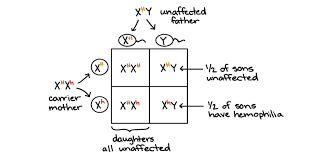
sex-linked characteristics
a trait that is determined by genes found only on the X chromosome or Y chromosome
Ex. colorblindness, hemophilia, and Duschenne MD
Goodness of fit test (Chi-square)
a statistical test used to determine whether observed frequencies match expected frequencies in categorical data.
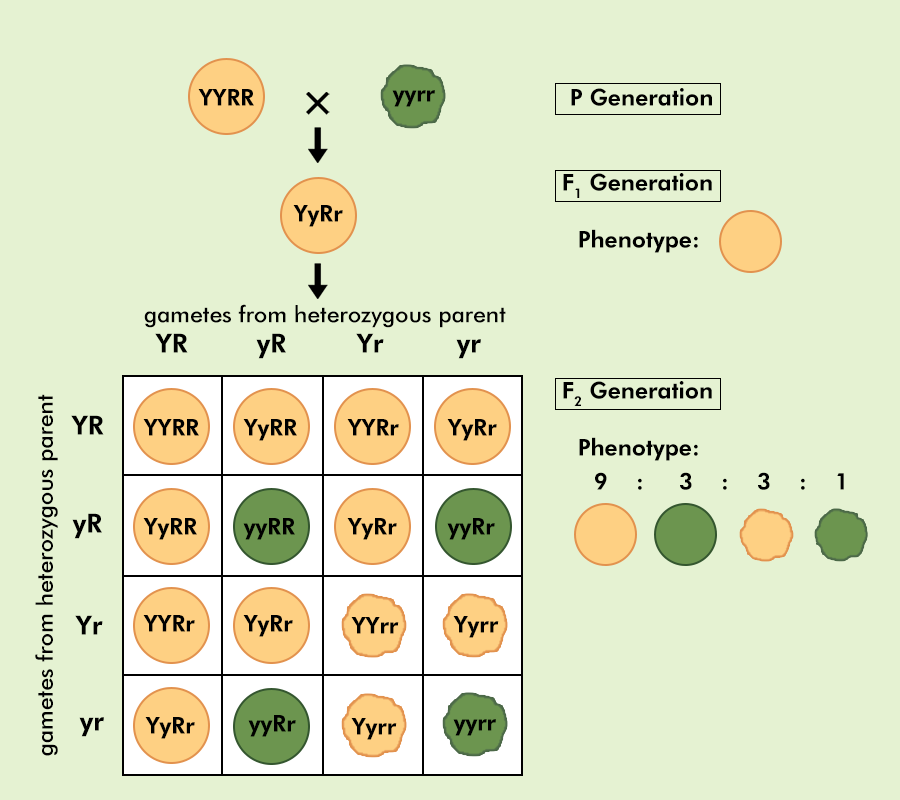
Dihybrid Crosses
Genetic crosses that examine the inheritance of two different traits, typically involving two different genes. This type of cross helps predict the genotype and phenotype ratios of offspring.
Polygenetic Traits
trait is controlled by the interaction of 2 or more genes Ex. skin, eye, and hair color in humans
Epistatic
the result of one gene being dependent on the presence of another gene. An example of this is feather color in pigeons. Depending on which combination of genes are present, can determine what the pigeon feather color will become.
Pleiotrophy
is when a single gene influences multiple phenotypic traits. For example, in humans, PKU is an inability to metabolize the amino acid phenylalanine. It can also cause reduced hair and skin pigmentation
Polygenic inheritance
there are several genes that influence a single phenotype. For example, in humans, height is controlled by 6 alleles. Depending on how many dominant and recessive alleles a person receives gives the height.
What does a gel electrophoresis do?
Gel electrophoresis is a technique used to separate DNA, RNA, or proteins based on their size and charge, allowing for analysis and comparison of genetic material.
Which fragments travel farther small or large?
Smaller fragments travel farther than larger ones in gel electrophoresis due to less resistance through the gel matrix.
Amino Acid
The building blocks of proteins, composed of an amino group, a carboxyl group, and a variable side chain (R group) that determines their properties.
Deletion
when a base is deleted out of a DNA sequence, Frameshift Mutation
Mutation
a permanent alteration in the DNA sequence that can lead to changes in phenotype.
Sexual Reproduction
the biological process by which organisms combine genetic material from two parents to produce offspring with genetic variation.
Altered gene
resulting from a mutation that may affect the phenotype of an organism.
Protein
a biomolecule composed of amino acids that perform various functions in the cell, including catalyzing metabolic reactions and providing structure.
Substitution
when one base is changed to a different base
Genetic Code
the set of rules by which information encoded in genetic material is translated into proteins. It consists of codons that correspond to specific amino acids.
Recombination
the process of combining different DNA sequences through various methods, resulting in genetic diversity.
Insertion
one base is inserted in the DNA sequence, Frameshift Mutation
Chromosome
a DNA molecule that contains genetic information organized in a specific structure, consisting of chromatin and is crucial for cell division.
Cloning
the process of creating identical copies of an organism or cell, commonly used in genetic engineering and research.
Unicellular
organism consists of only one cell. An example is a paramecium shown at the right. It is able to conduct all the necessary functions of life
multicellular
organisms is made up of many cells working together
photosynthesis
the process by which green plants and some other organisms use sunlight to synthesize foods with the help of chlorophyll, converting carbon dioxide and water into glucose and oxygen.
autotrophs
Organisms that produce their own food using sunlight or inorganic substances.
chloroplasts
Organelles found in plant cells that conduct photosynthesis, converting sunlight into chemical energy.
In the process of photosynthesis
autotrophs take in carbon dioxide, water, and light energy and convert it into glucose (which is filled with energy) and oxygen. Photosynthesis takes place in the chloroplasts of cells.
chemosynthesis
is the process by which certain organisms, such as bacteria, convert inorganic compounds into organic molecules using chemical energy instead of sunlight. organisms utilizes carbon dioxide and hydrogen sulfide to create sugars, water, and sulfur compounds.
cellular respiration
is the metabolic process by which cells convert glucose and oxygen into energy, cellular respiration releases the energy stored in sugar and places it into an ATP molecule . The by products are carbon dioxide and water. Cell respiration takes place in the mitochondria of cells.
ATP molecule
is the primary energy carrier in cells, providing energy for various biochemical processes by releasing phosphate groups.
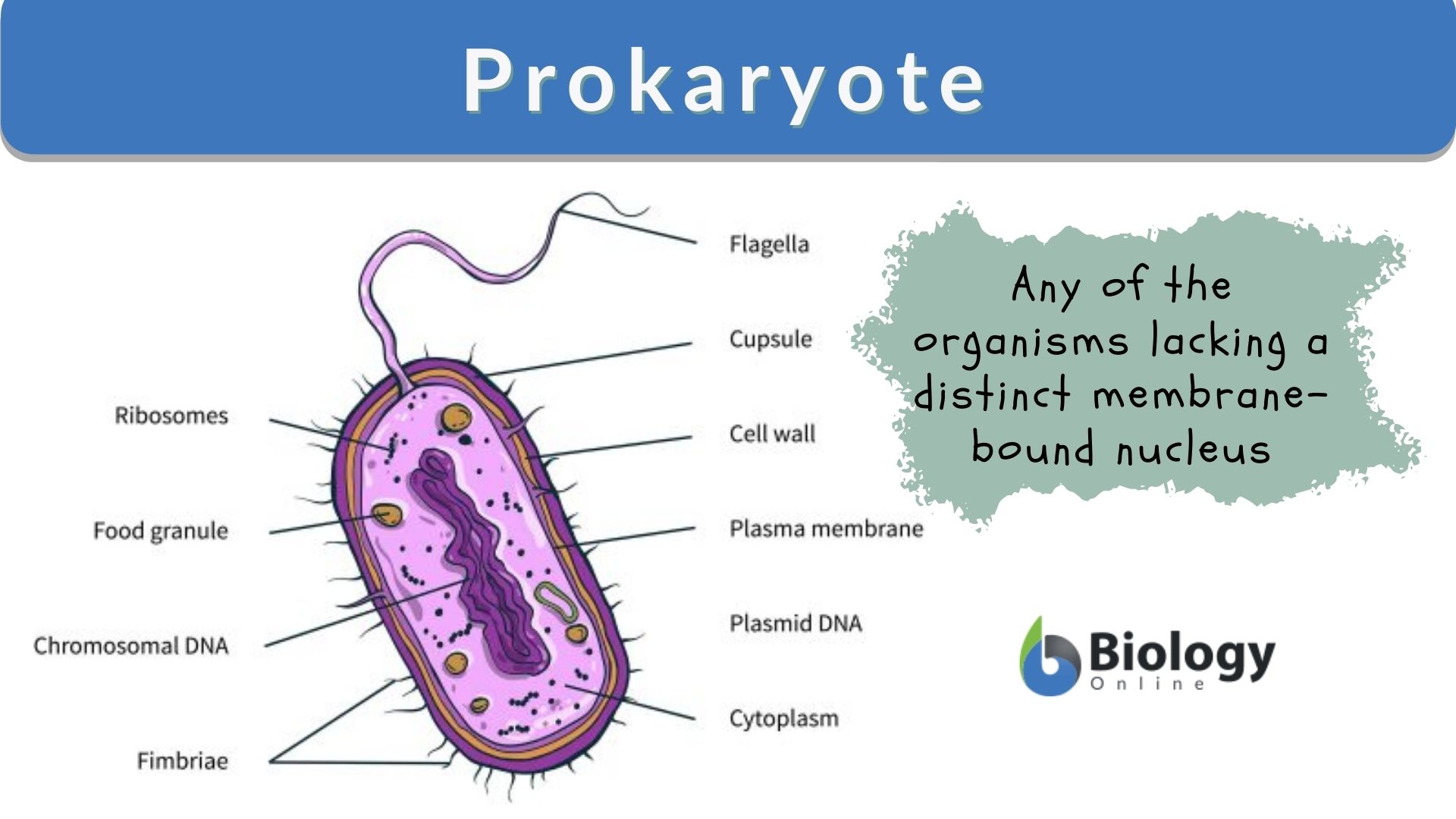
Prokaryotic cells
are single-celled organisms that lack a defined nucleus and membrane-bound organelles. They include bacteria and archaea, showcasing simple cellular structures and functions.
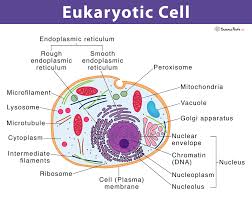
Eukaryotic cells
are complex cells that contain a defined nucleus and membrane-bound organelles, including plants, animals, and fungi. They have a more intricate structure compared to prokaryotic cells.
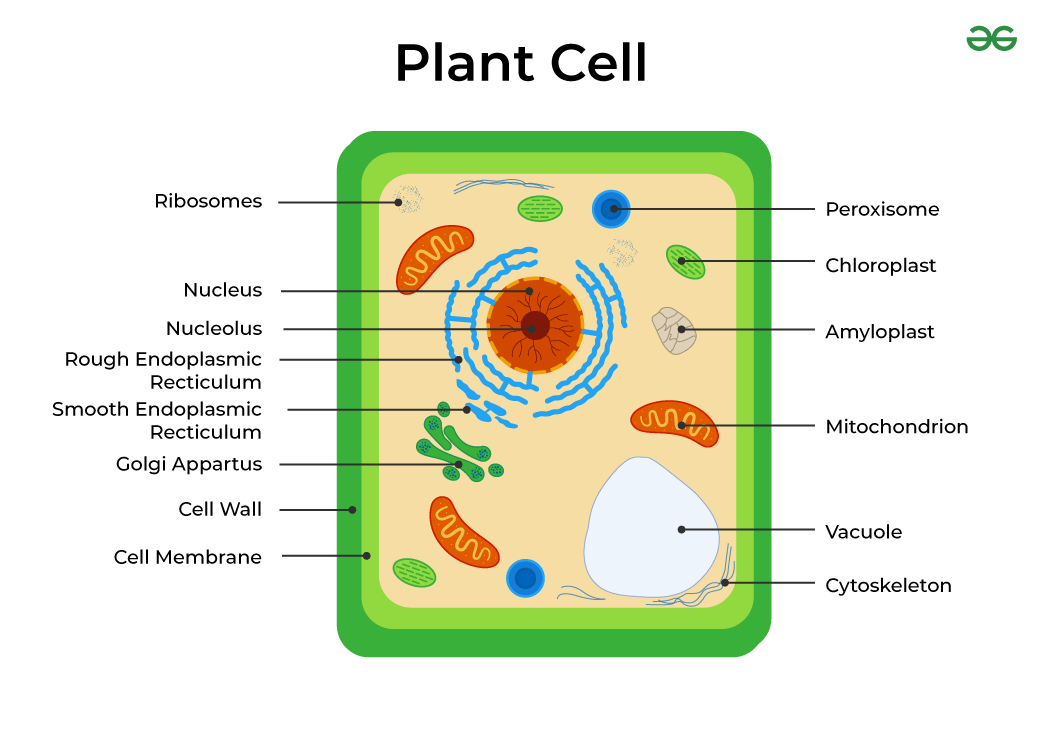
Plant cells
are a type of eukaryotic cell that contain chloroplasts for photosynthesis, a rigid cell wall for structure, and central vacuoles for storage.
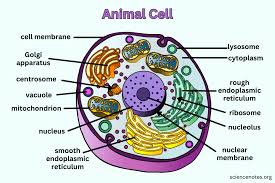
Animal cells
are a type of eukaryotic cell that lack cell walls and chloroplasts, typically characterized by flexible cell membranes and various organelles, allowing for diverse functions such as movement and nutrient absorption.
What is the purpose of the Cytoskeleton?
Maintains the 3-D shape of the cell, helps with cell movement, and is made up of long strands of protein. It provides structural support and facilitates intracellular transport.
What are Ribosomes responsible for?
They are the site of protein synthesis, receiving coded instructions from the nucleus.
What does the Endoplasmic Reticulum do?
The Endoplasmic Reticulum is an organelle involved in the synthesis and processing of proteins and lipids. It also plays a key role in transporting materials within the cell.
What is the main function of the Golgi apparatus?
To modify, sort, and package proteins and other materials from the ER for storage or export.
What is the function of the Cell Membrane?
Regulates what enters and leaves the cell while providing protection and support. Semi permeable barrier that allows selective transport of substances.
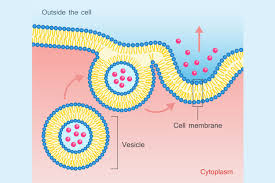
Exocytosis
movement of substances out of cell by vacuoles
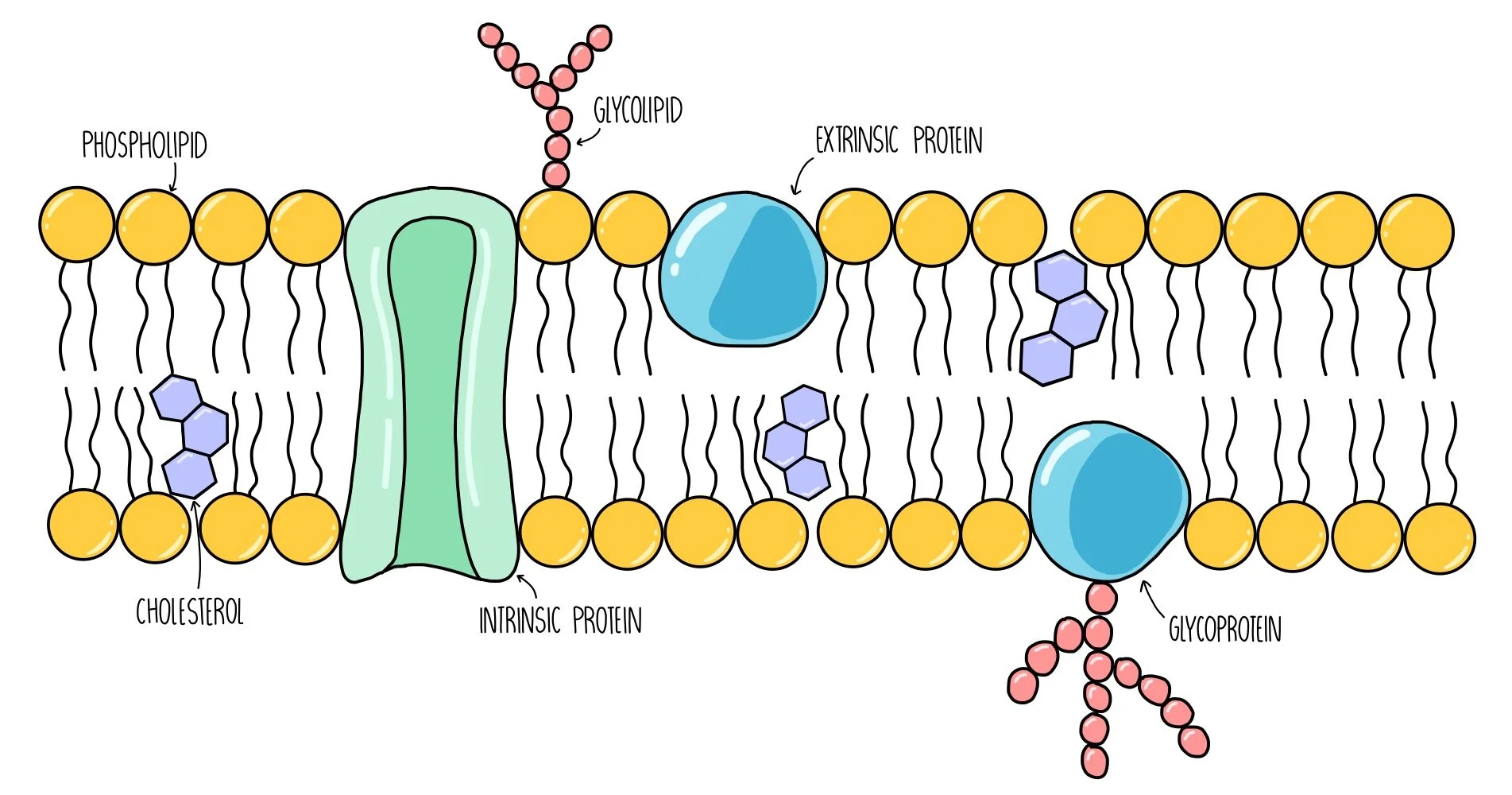
Cell membrane structure
made out of a phospholipid bilayer, two layers of phospholipids are arranged tail to tail
Carbohydrates in the cell membrane
identifies chemical signals from other cells
Cholesterol in the cell membrane
Non-polar; contributes to fluidity of membrane, prevents fatty acid tails from sticking together
Proteins in the cell membrane
Transmit signals inside the cell, act as a support structure, provide pathways through membrane for substances to enter and leave (transport proteins/proteins channels)
Diffusion
the movement of molecules from an area of high concentration to low concentration, due to random movement of molecules, passive transport
Osmosis
the diffusion of water across a selectively permeable membrane, moving from an area of high solute concentration to low solute concentration, passive transport
Facilitated Diffusion
uses carrier protein to move materials across the cell membrane, no energy is needed, passive transport
Active transport
uses cellular energy to move materials across the cell membrane against the concentration gradient, from low to high
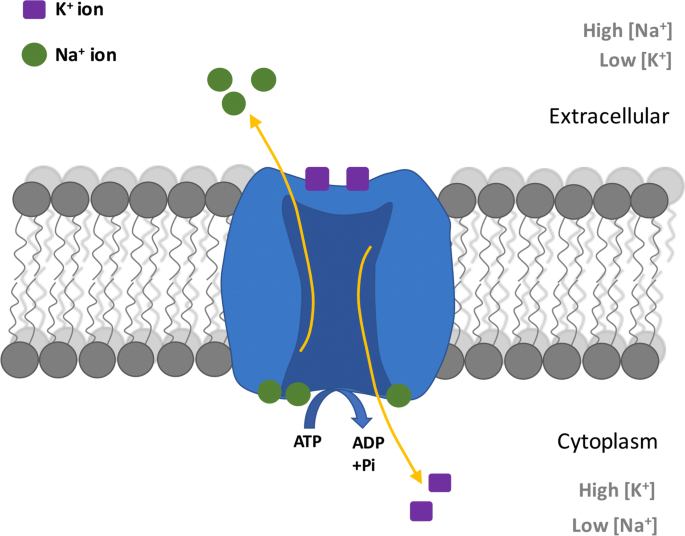
Na+/K+ ATPase pump
an enzyme that uses energy (ATP). Moves 3 Na+ ions out of the cell and 2 K+ ions into the cell
What is a living cell composed of?
A living cell is composed of a small number of elements, mainly carbon, hydrogen, nitrogen, oxygen, phosphorus and sulfur. Carbon, because of its small size and four available bonding electrons, can join to other carbon atoms in chains and rings to form large and complex molecules
What are the essential functions of cells?
The essential functions of cells involve chemical reactions that involve water and carbohydrates, proteins, lipids and nucleic acids. A special group of proteins, enzymes, enables chemical reactions to occur within living systems.
Why is water important for all living organisms?
Water acts as a solvent to transport materials within a cell and between cells. Water has a high specific heat that allows heat to be retained in an organism or able to expel large amounts of heat. Water is also needed to split organic molecules like glucose to release the energy stored inside during cell respiration. Water is also a byproduct of other processes like photosynthesis.
cell respiration
The process by which cells convert glucose and oxygen into energy, carbon dioxide, and water, providing the energy required for cellular activities.
photosynthesis
The process by which green plants, algae, and some bacteria convert light energy, usually from the sun, into chemical energy stored in glucose. This process uses carbon dioxide and water, releasing oxygen as a byproduct.
carbohydrates
provide energy to cells
lipids
stores energy and makes up cell membranes
proteins
basic structural material for cells and controls metabolism in the form of enzymes and hormones
nucleic acids
stores hereditary information, makes up DNA and RNA
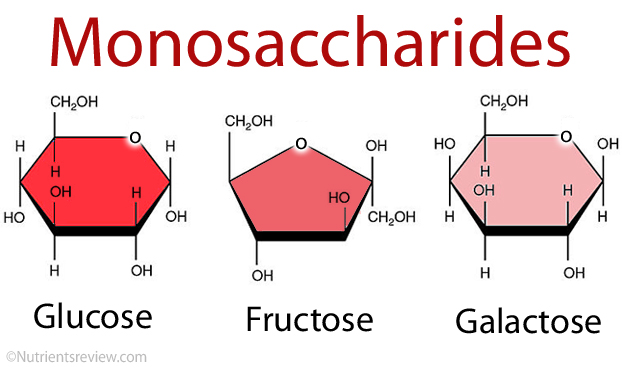
Carbohydrates Monomer
Monosaccharides are the simplest form of carbohydrates, serving as the building blocks for more complex sugars and polysaccharides.
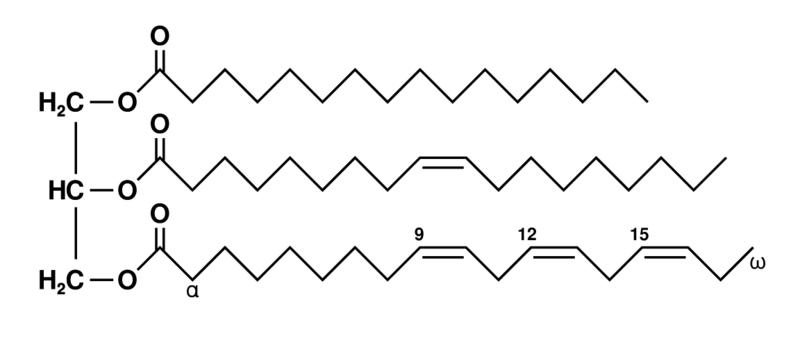
Lipid Monomer
Fatty Acids and Glycerol are the basic building blocks of lipids, combining to form triglycerides and phospholipids.
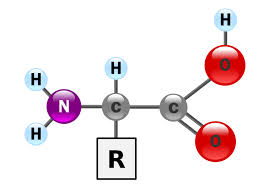
Proteins monomer
Amino acids are the basic units of proteins, linking together to form polypeptides and proteins with various functions in the body.
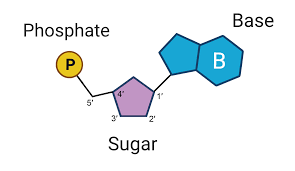
Nucleic acid monomer
Nucleotides are the monomers that make up nucleic acids, consisting of a sugar, phosphate group, and nitrogenous base.
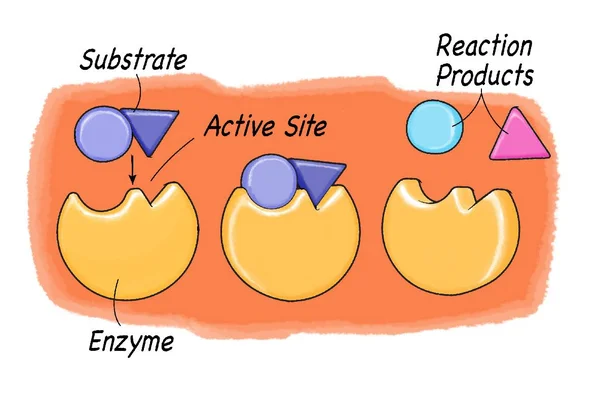
Enzymes
Enzymes are made up of proteins and allow for all the chemical reactions to occur in a cell in order for life to occur. Enzymes catalyze reactions in cells and in organisms. They speed up chemical reactions, are reuseable, and lowers the amount of activation energy needed for reactions to start.