Solid state chemistry
 Call Kai
 Learn
Learn Practice Test
 Spaced Repetition
 Match
Match Flashcards
 Knowt Play
1/16

There's no tags or description
Looks like no tags are added yet.
Name | Mastery | Learn | Test | Matching | Spaced | Call with Kai |
|---|
No analytics yet
Send a link to your students to track their progress
17 Terms
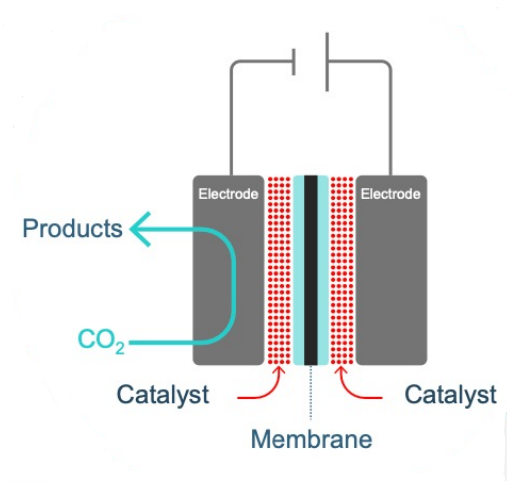
What is the role of the catalyst?
reduce the over-potential for the reaction and to modulate selectivity
overpotential
potential difference/ energy needed beyond what is thermodynamically expected to drive a reaction
CO2 Electrolyser structure
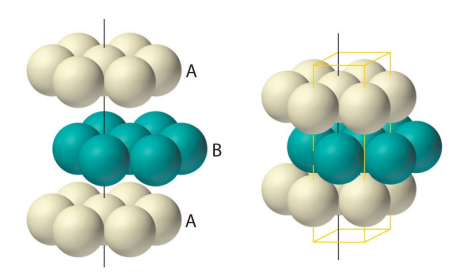
hexagonal close packed crystal structure
ABABA…. layering
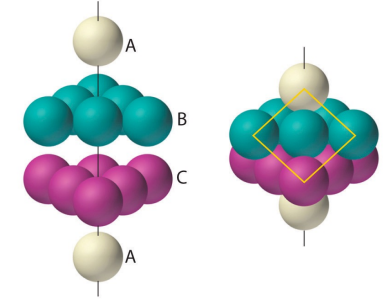
cubic close packed crystal structure
ABCABC…. layering
What are the two types of interstitial sites?
tetrahedral— in direct proximity to 4 atoms
octahedral— in direct proximity to 6 atoms
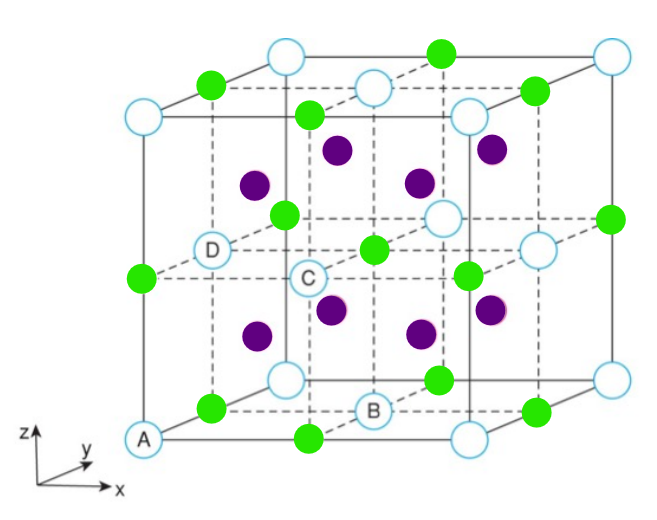
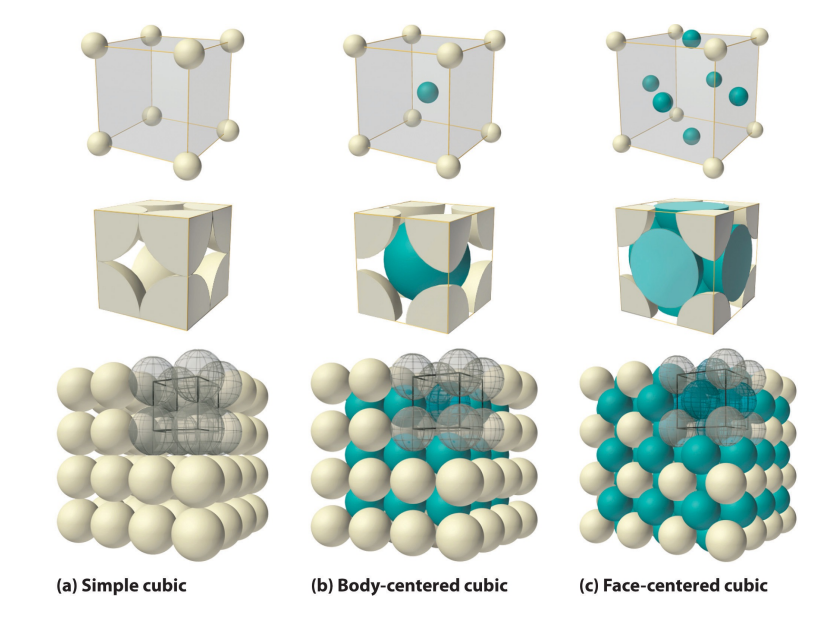
What is the the three types of packing that can result from the filling of the interstitial sites
What are some common defects found in solids?
vacant sites
misplaced atoms
TRUE OR FALSE: Defect free crystals don’t exist
TRUE; can only be theoretically observed at absolute zero
a) Stoichiometric and b) non-stoichiometric defects
a) crystal composition is unchanged due to the defect
b) results in a change in the composition of the crystal.
What types of defects are a) Frenkel and b) Schottky?
a) atom has been displaced onto an interstitial site; stoichiometric
b) site vacancies present overall charge balance is maintained; stoichiometric
What structural features makes Frenkel defects more likely?
low co-ordination open structures
significant difference in size between the cation and the anion
What are the types of non-stoichiometric defects?
an atom is added within the crystal lattice, either filling interstitial site or substitute for atoms
What are the guidelines for the atom causing substitutional defects?
must have same charge and similar size (±15%) to replaced atom
Extended defects: what are they and what are some types?
affect order of many unit cells
Stacking fault: ‘mix-up’ in the packing arrangement of layers (eg. ABA→ABC)
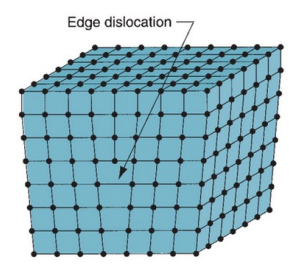
Edge Dislocations (pictured): an extra half plane of atoms exist that go part way through the structure
Wat effect does applying stress to a metal have?
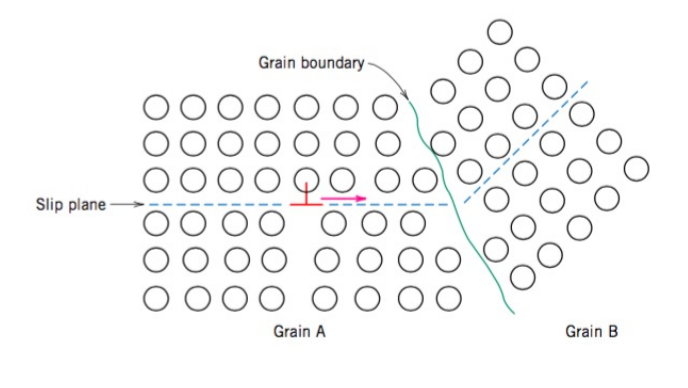
hardens it; the number of grain boundaries and dislocations are increased creating boundaries at which the slip plane is stopped (slip planes can shift laterally)
Metals with what types of unit cells are most malleable and why?
fcc unit cells because slips