AAP Digestive System
 Call Kai
 Learn
Learn Practice Test
 Spaced Repetition
 Match
Match Flashcards
 Knowt Play
1/28

There's no tags or description
Looks like no tags are added yet.
Name | Mastery | Learn | Test | Matching | Spaced | Call with Kai |
|---|
No analytics yet
Send a link to your students to track their progress
29 Terms
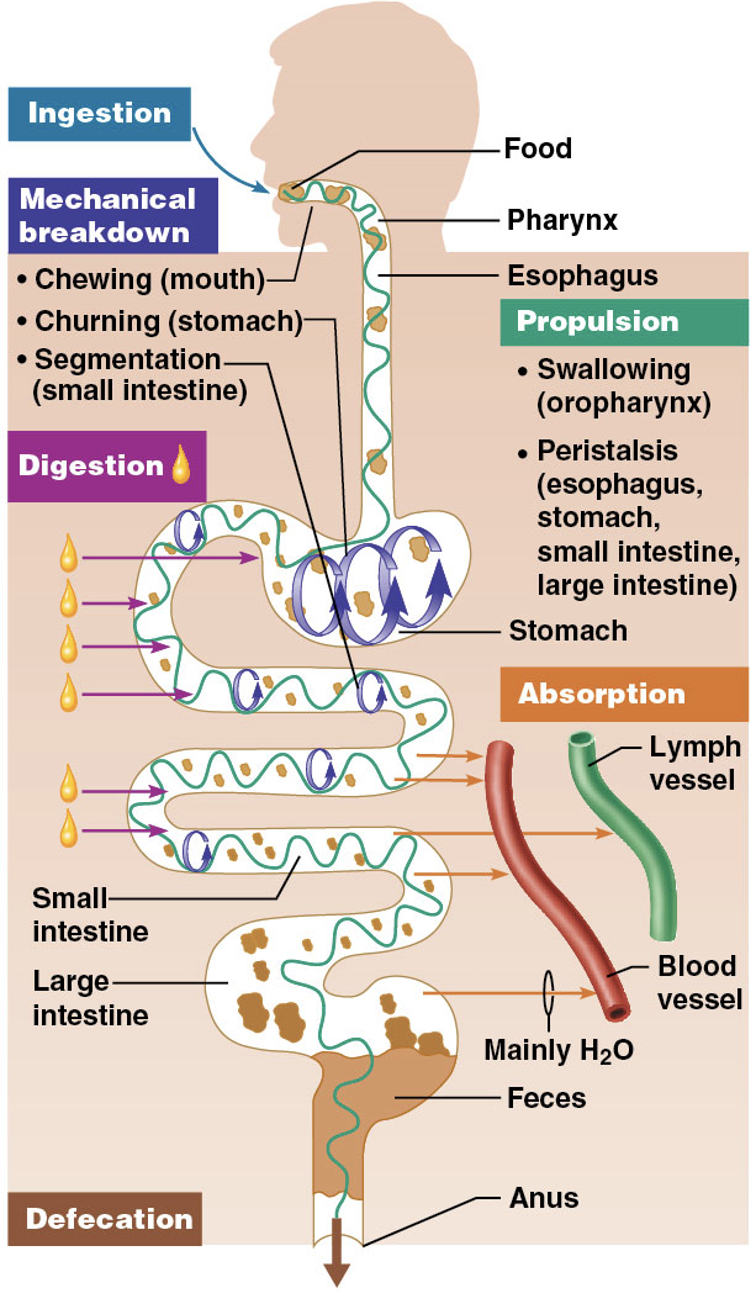
digestive system functions
ingestion: taking in food
digestion: breaking food down both physically & chemically
absorption: movement of nutrients into bloodstream
defecation: rids body of indigestible waste
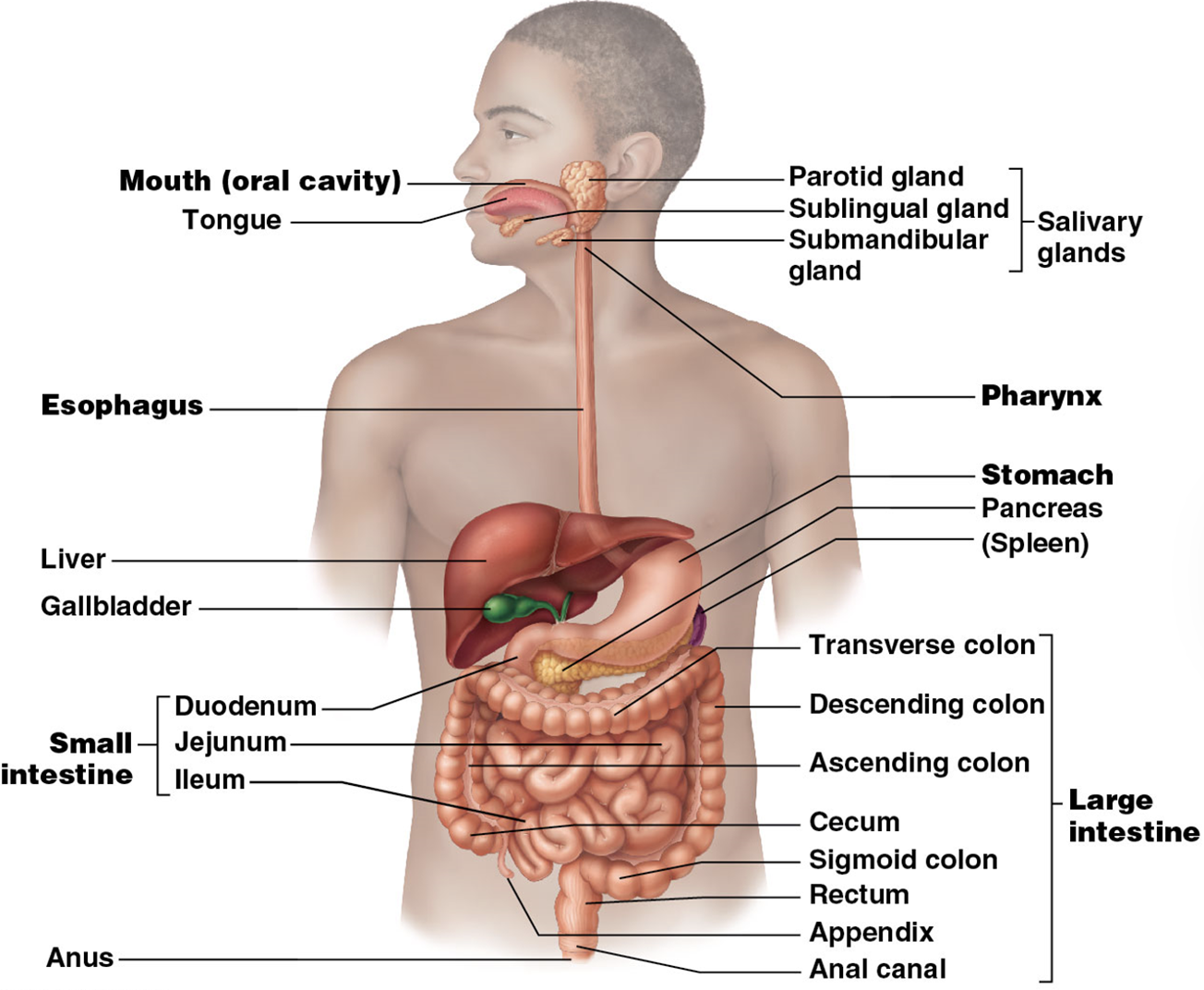
alimentary canal
AKA gastrointestinal (GI) tract – 9m long
pathway of digestion:
Mouth (oral cavity)
Pharynx
Oesophagus
Stomach
Small intestine
Large intestine
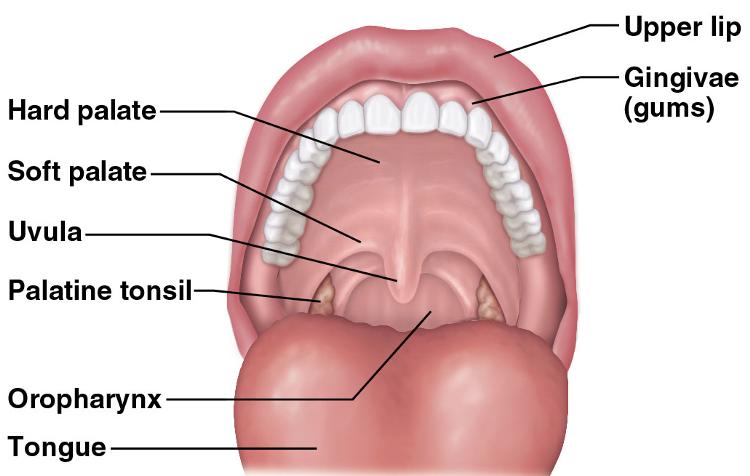
mouth (oral cavity)
mastication (chewing) of food
mixing masticated food w saliva
initiation of swallowing by tongue
allows for sense of taste via taste buds (taste receptors)
pharynx (throat)
serves as passageway for foods, fluids & air
food is propelled to oesophagus by 2 skeletal muscle layers in pharynx
oesophagus
~25cm long
runs from pharynx to stomach thru diaphragm
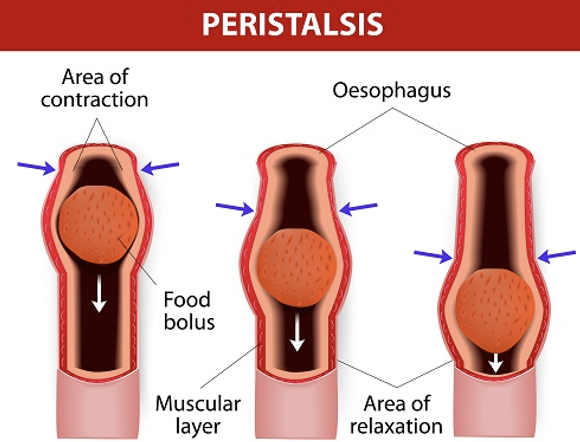
conducts food by peristalsis (slow rhythmic squeezing) to stomach
passageway for food only (respiratory branches off after pharynx)
stomach
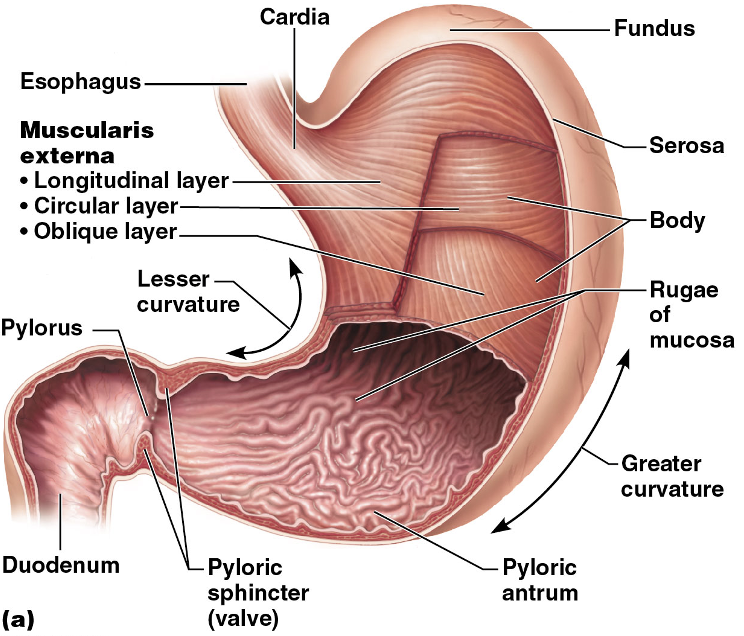
food enters at cardiac sphincter
food empties into small intestine at pyloric sphincter (valve)
rugae: folds that appear in mucosa when stomach is empty – stomach can stretch & hold 4L of food when full
functions:
site of mechanical food breakdown
chemical breakdown of proteins begins (breaks down into peptides & amino acids)
delivers chyme (processed food) to small intestine
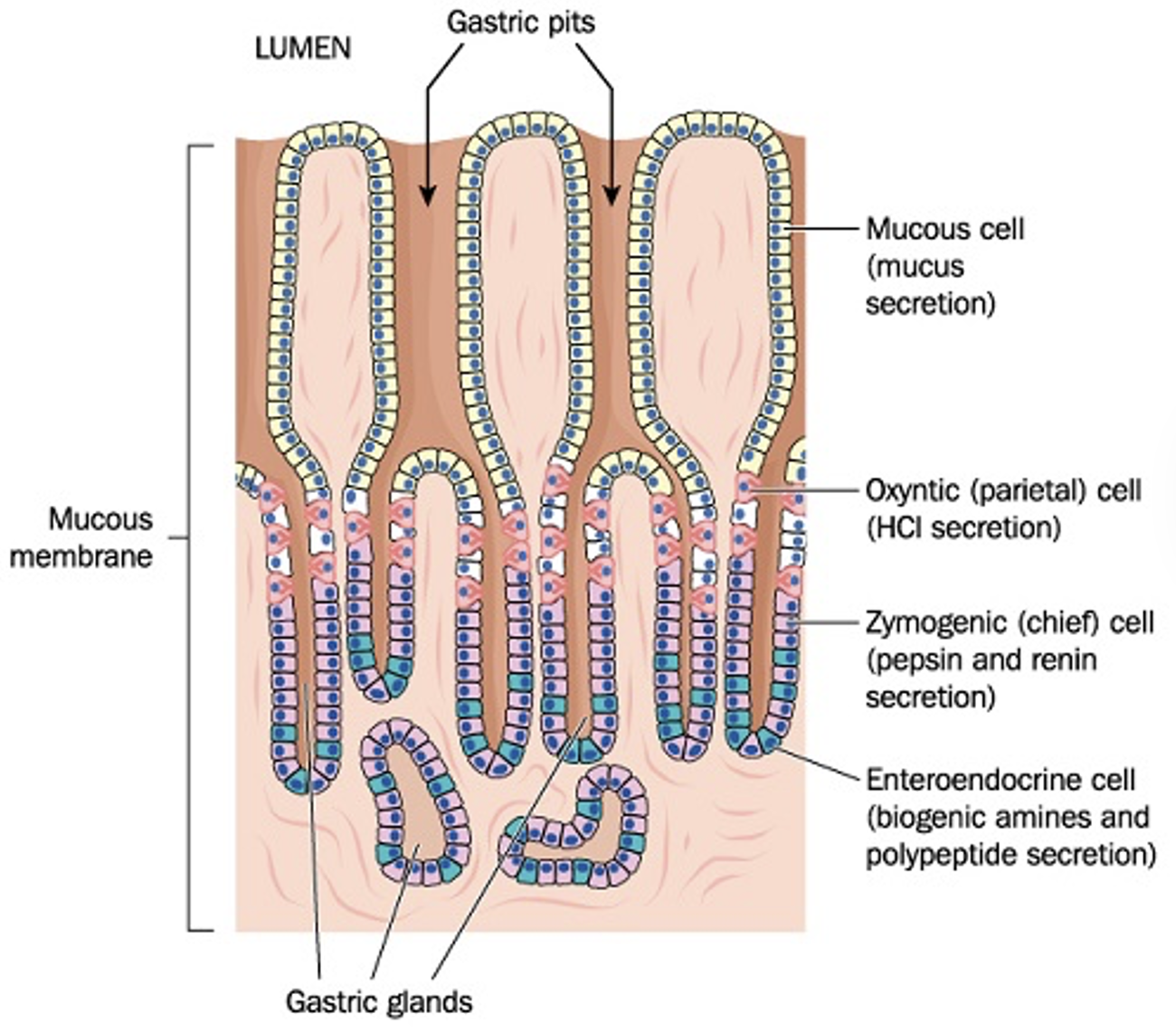
structure of stomach mucosa
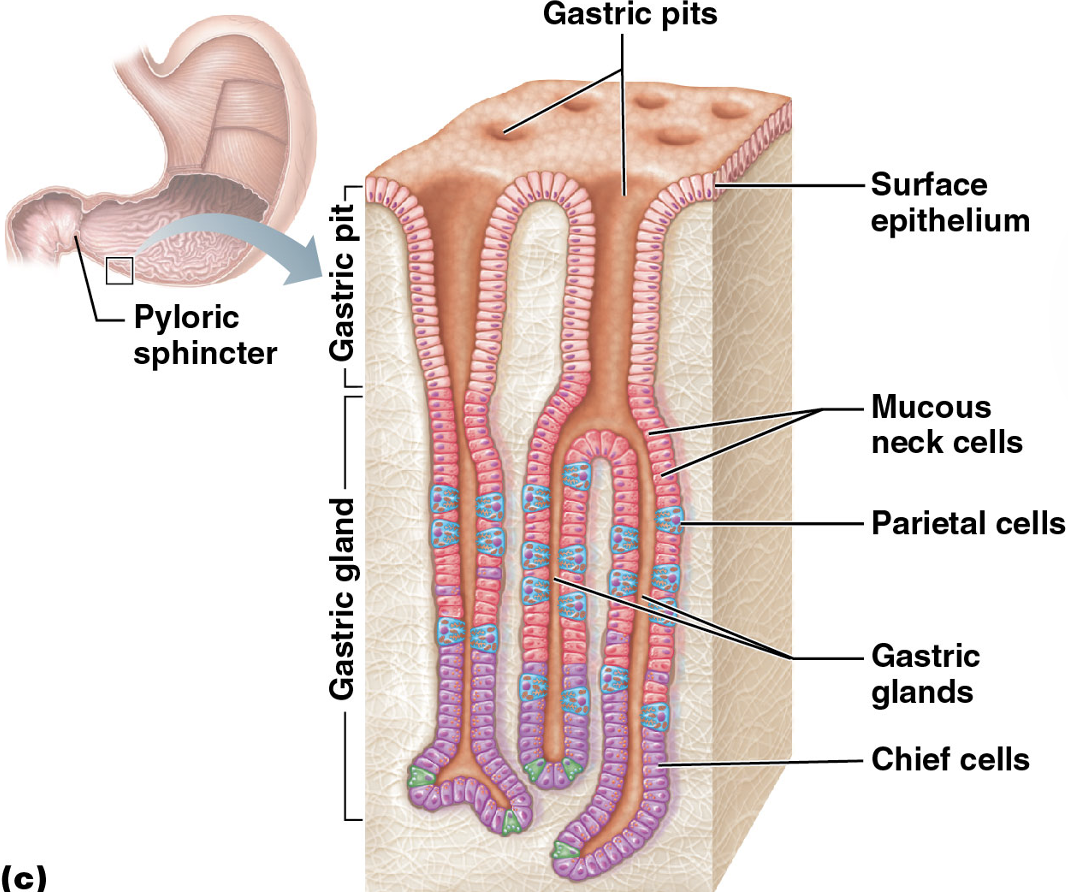
simple columnar epithelium composed almost entirely of cells that produce alkaline mucus
dotted by gastric pits leading to gastric glands that secrete gastric juice, including:
chief cells – produce protein-digesting enzymes (pepsinogens)
parietal cells – produce hydrochloric acid that activates enzymes
mucous neck cells – produce thin acidic mucus (diff from mucus produced by mucous cells of mucosa)
enteroendocrine cells – produce local hormones (e.g. gastrin)
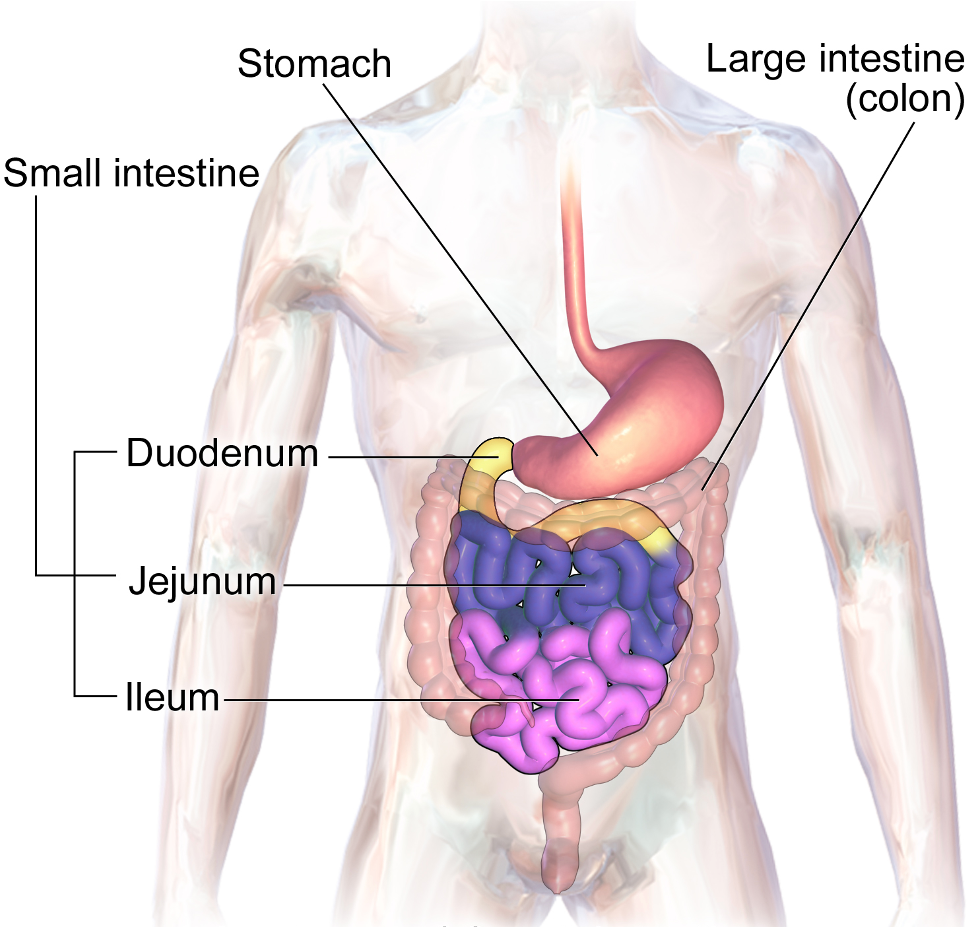
small intestine – major regions
main site of chemical digestion
longest portion of alimentary canal (2-4m)
site of nutrient absorption into blood
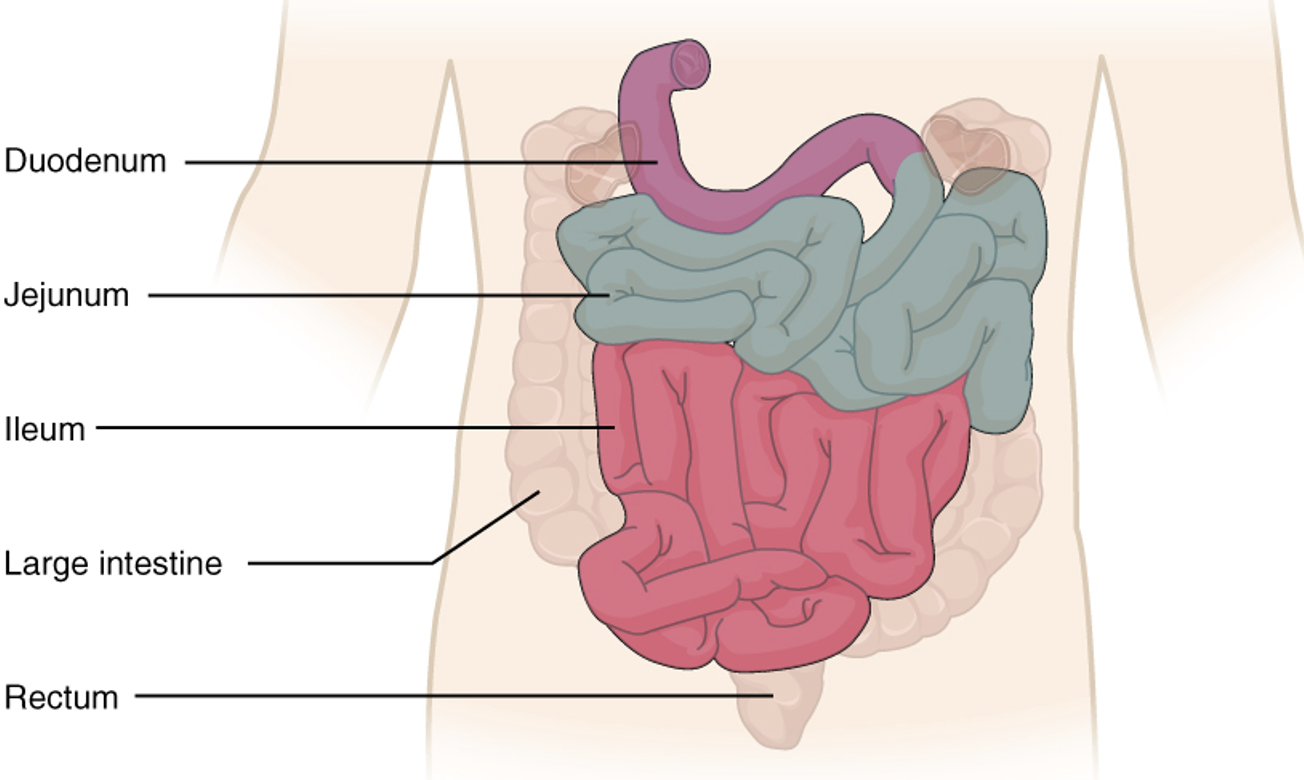
muscular tube extending from pyloric sphincter to ileocecal valve
3 major regions:
duodenum
jejunum
ileum
small intestine – function
chemical digestion of proteins, fats & carbs
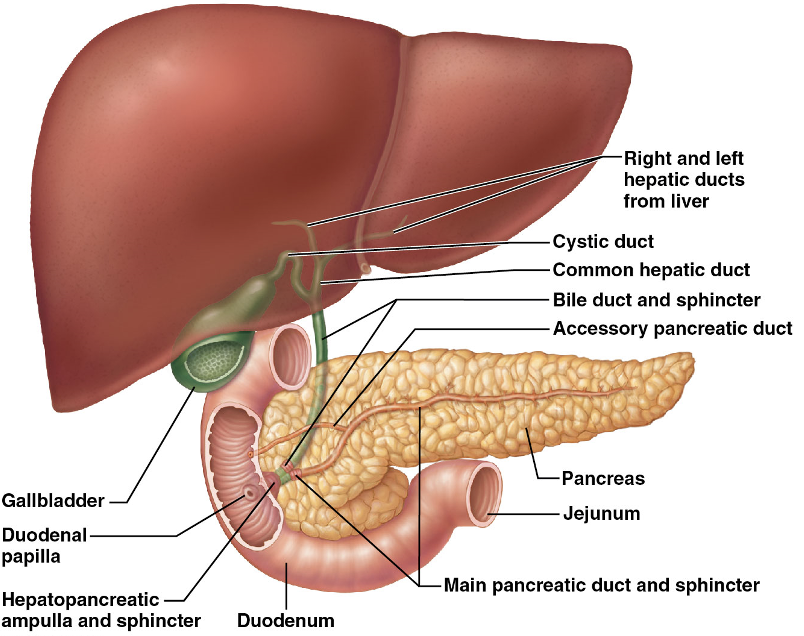
enzymes produced by intestinal cells & pancreas (carried to duodenum by pancreatic ducts)
bile, formed by liver, enters duodenum via bile duct
small intestine – projections in small intestine
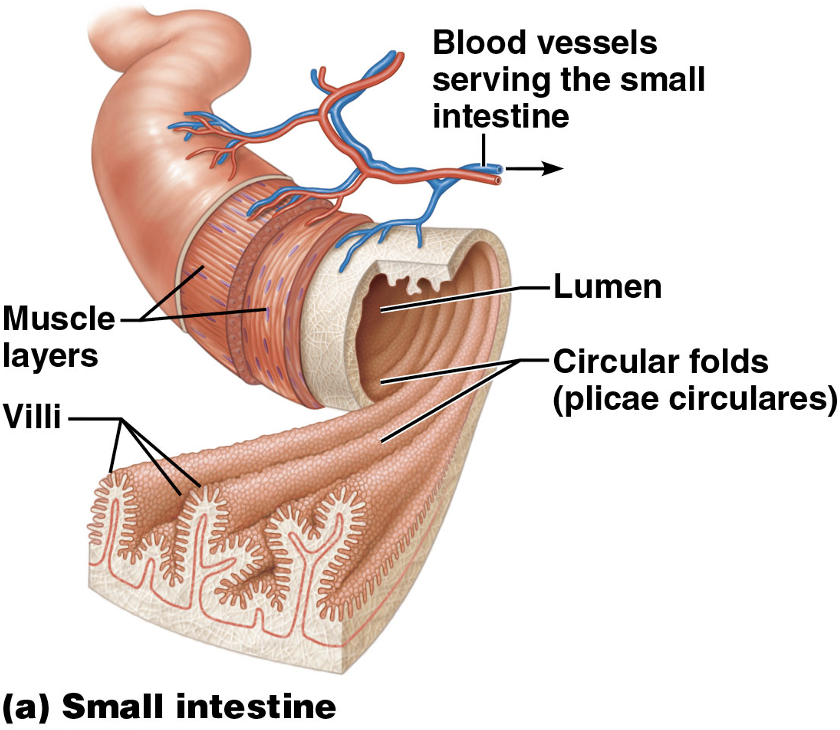
nearly all nutrient absorption in bloodstream occurs in small intestine
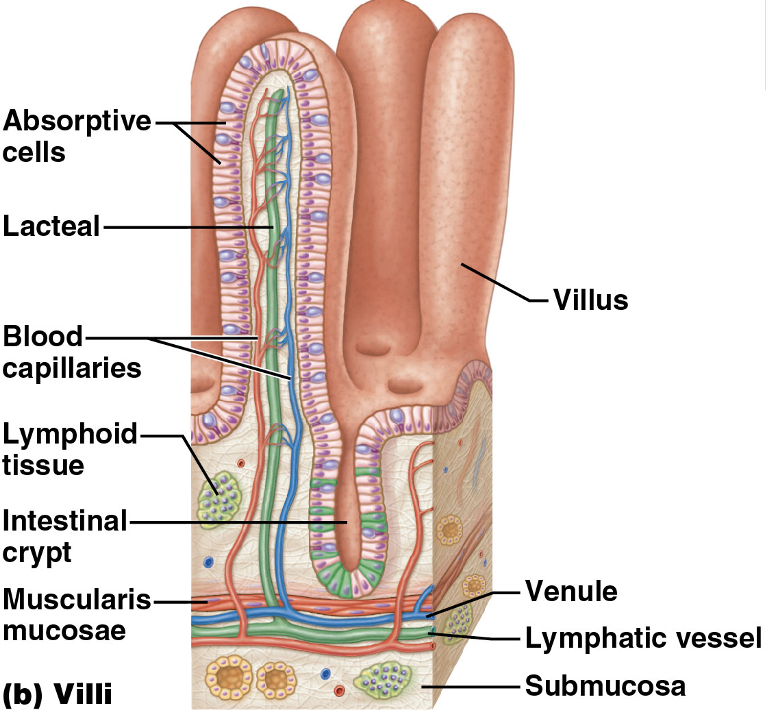
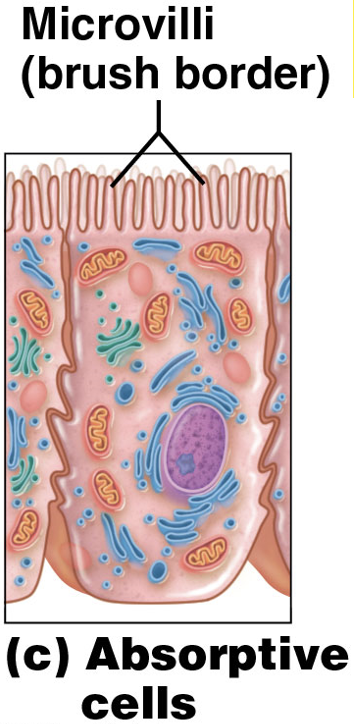
lined w projections that increase SA:
villi: finger-like structures formed by mucosa
microvilli: tiny projections of plasma membrane
lacteal: extension of lymphatic system that absorbs fats
large intestine
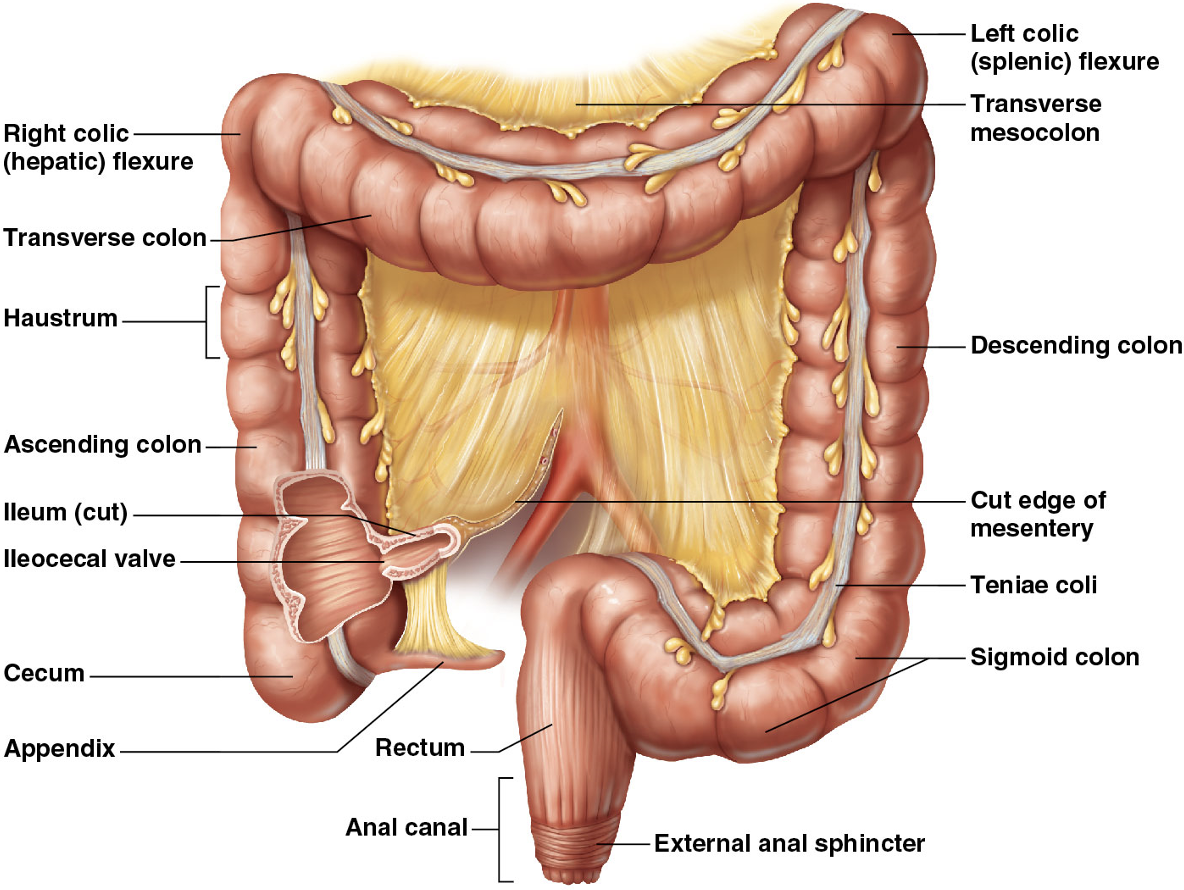
larger in diameter but shorter in length (1.5m) than small intestine
extends from ileocecal valve to anus
subdivisions:
caecum
appendix: hangs from caecum (lymphoid tissue)
colon: 4 parts – ascending, transverse, descending, sigmoid
rectum
anus
— external anal sphincter: voluntary control
— internal involuntary sphincter: formed by smooth muscle
accessory digestive organs – salivary glands
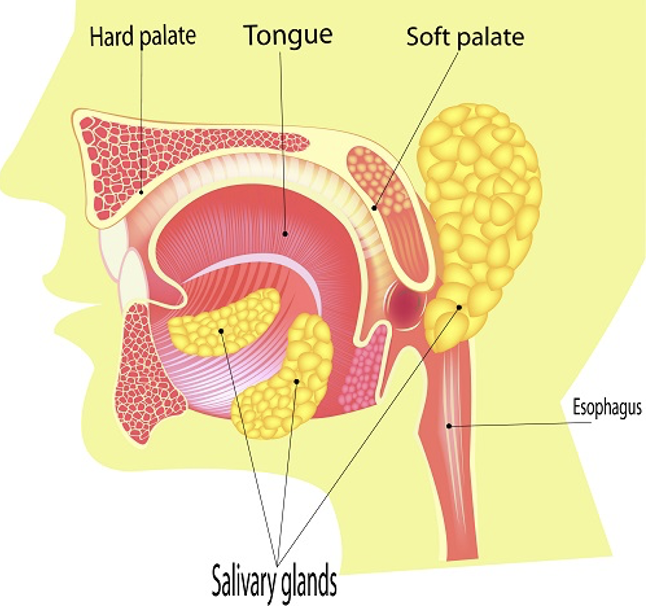
3 pairs
saliva:
mixture of mucus & serous fluids
helps moisten & bind food tgt into mass called bolus
contains salivary amylase (enzyme that breaks down starch (complex carb) into smaller molecules, i.e., glucose, sucrose)
dissolve chemicals so they can be tasted
contains lysozomes & antibodies – inhibits bacteria
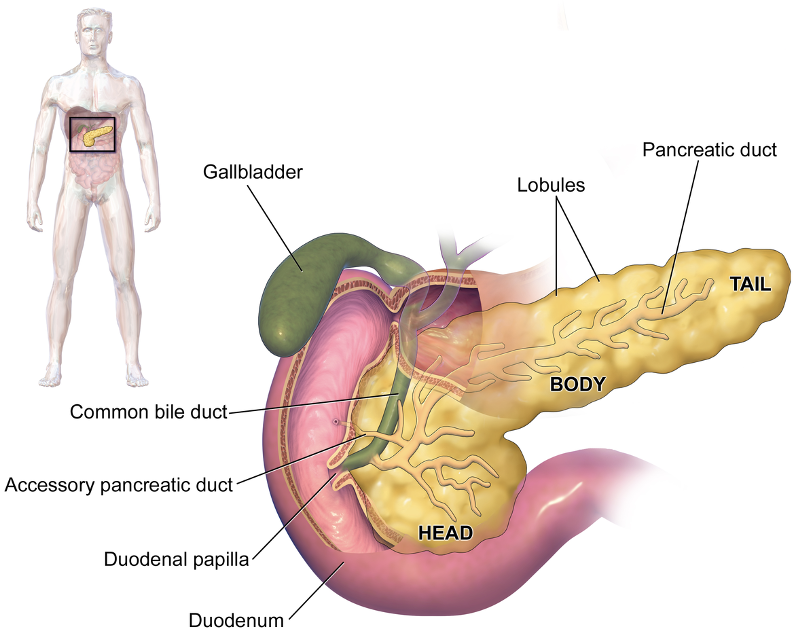
accessory digestive organs – pancreas
pancreatic juice: secreted into duodenum from pancreas
contains digestive enzymes that break down proteins, fats & carbs
alkaline, so acidic chyme coming from stomach
has separate cells that produce insulin + glucagon, which enter bloodstream & control BGLs
accessory digestive organs – liver
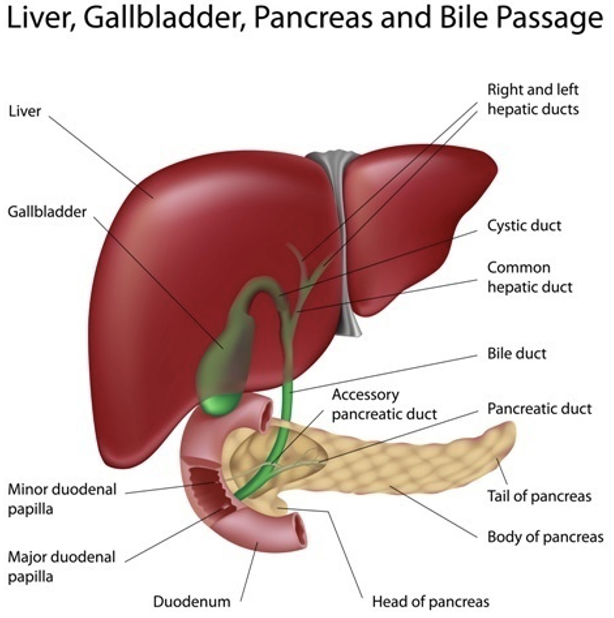
digestive role:
produces bile
bile emulsifies fats (physically breaks down large fat globules into smaller ones)
leaves liver thru common hepatic ducts & enters duodenum thru bile duct
other roles of liver:
makes vital proteins & hormones
stores glucose
stores Fe
breaks down harmful substances
clearance of bilirubin – byproduct of RBC breakdown (if there’s a buildup of bilirubin, skin & eyes turn yellow)
accessory digestive organs – gall bladder
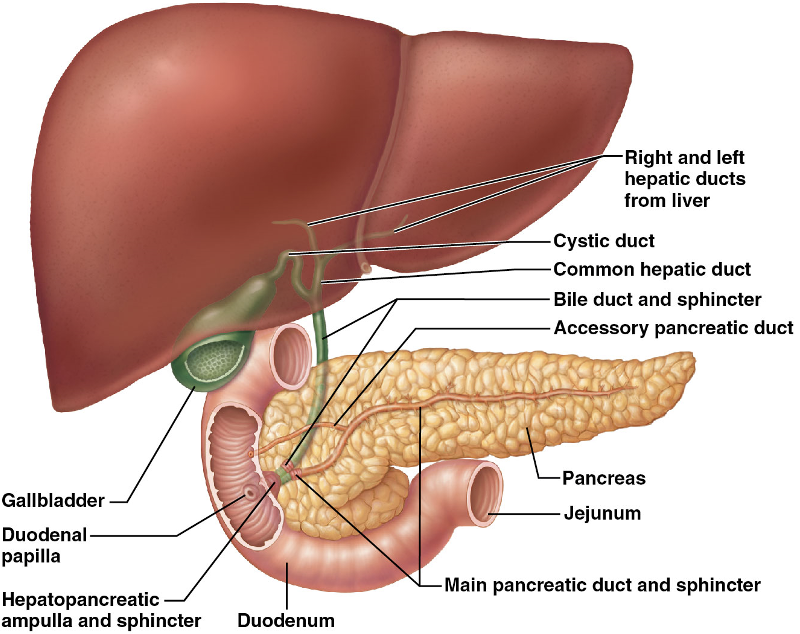
when no digestion occurs, bile is stored in gallbladder
when digestion of fatty food occurs, bile is introduced into duodenum from gallbladder
digestive activities of the mouth, pharynx & oesophagus
Mechanical breakdown
food physically breaks down by chewing
Chemical digestion
food is mixed w saliva
carb digestion begins w salivary amylase (enzyme)
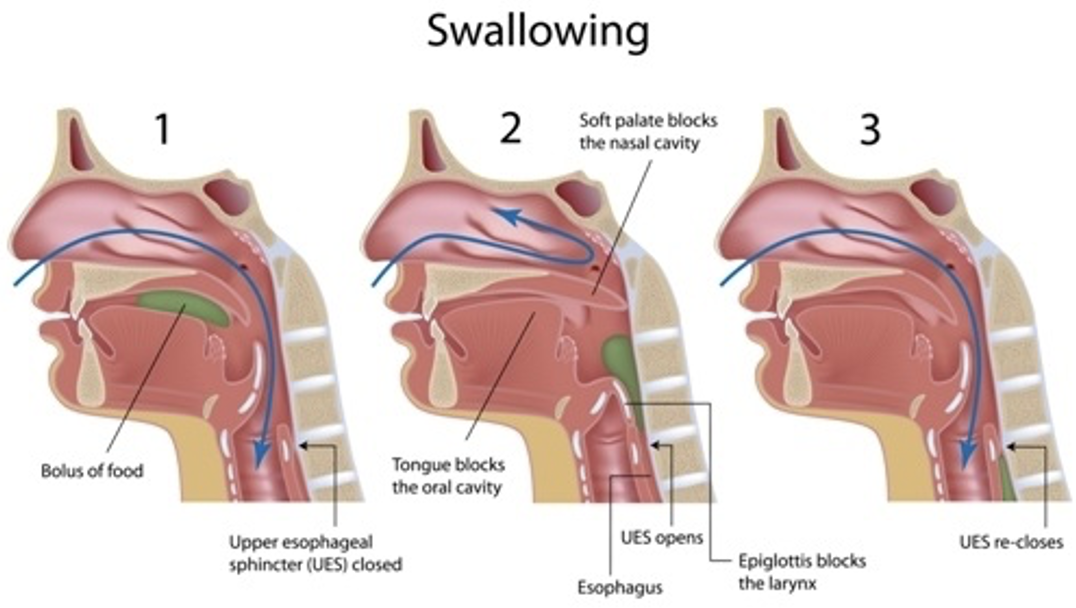
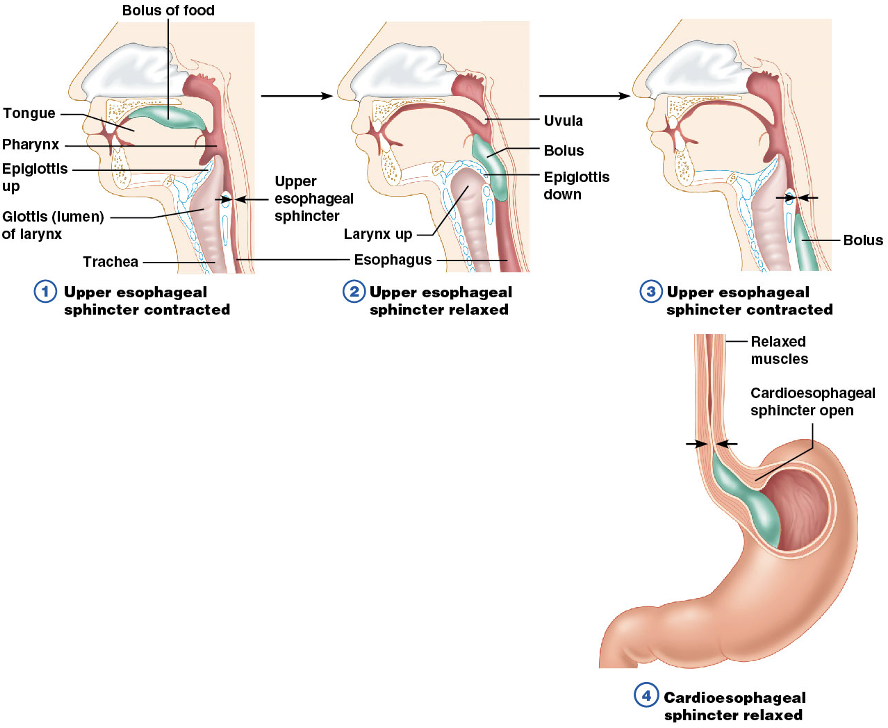
Swallowing
food is formed into bolus, which is forced into pharynx by tongue
all passageways except for stomach are blocked – epiglottis blocks larynx
Peristalsis moves bolus toward stomach
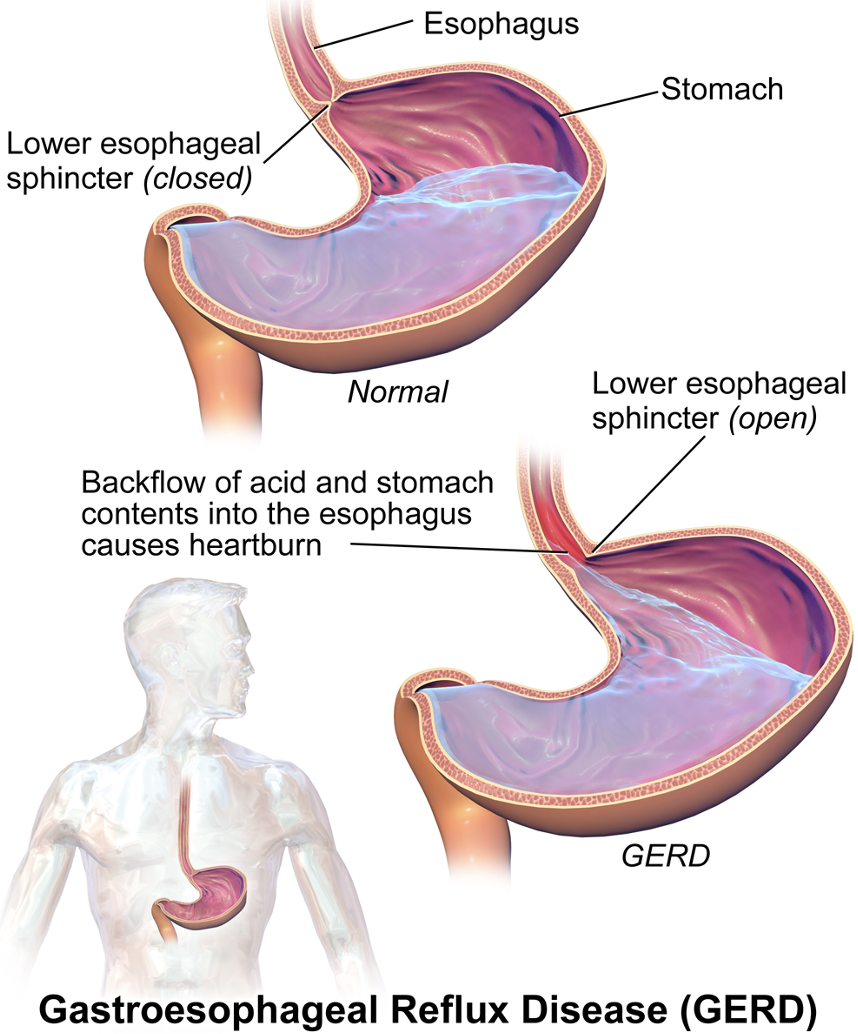
cardiac sphincter opens when food presses against it
activities in the stomach
presence of food & rising pH causes gastric glands to release gastrin (hormone)
gastrin causes release of (components of gastric juice):
protein-digesting enzymes
mucus
HCl (makes stomach contents v acidic, which activates pepsinogen to pepsin (enzyme) for protein digestion & provides hostile environment for microorganisms)
2-3L of gastric juice produced every day
alcohol & aspirin are the only items absorbed in stomach
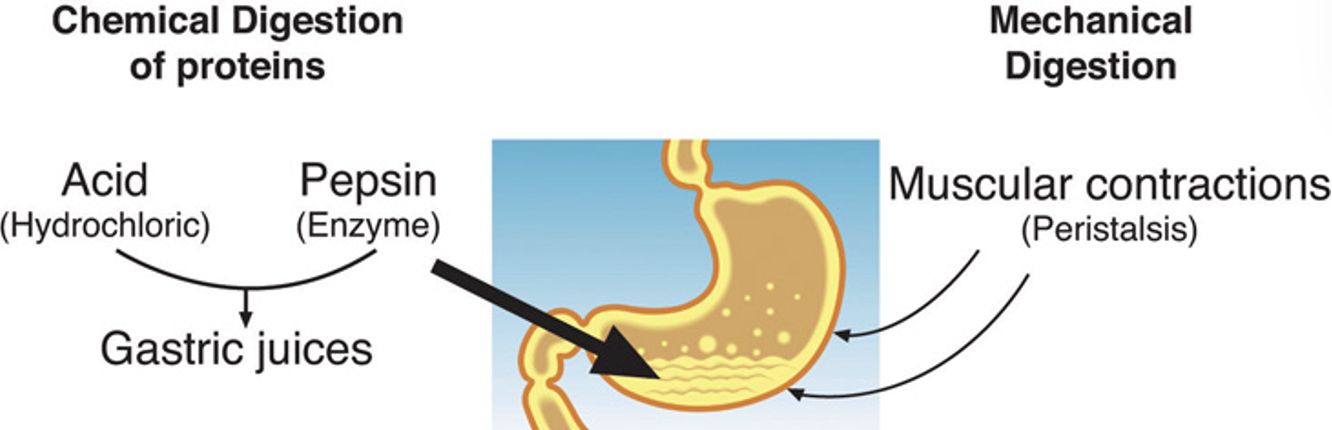
mechanical digestion in the stomach
food must be well mixed
rippling peristalsis occurs in lower stomach
pylorus chyme into small intestine (3mL at a time)
stomach empties in 4-6 hrs
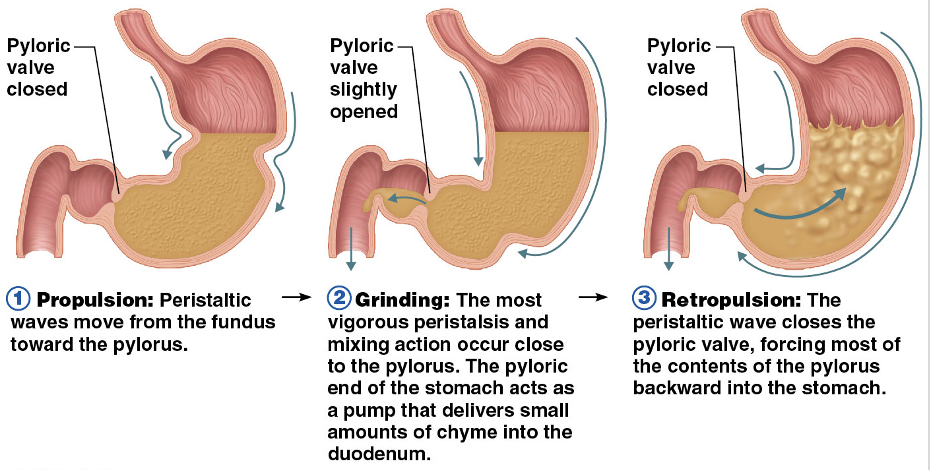
digestion in the small intestine
Enzymes released by cells making up microvilli lining small intestine wall break down double sugars into simple sugars & complete protein digestion
Pancreatic juice is released into duodenum, contains enzymes that:
— help complete digestion of CARBS (pancreatic amylase)
— carry out about half of all PROTEIN digestion
— digest FATS using lipases from pancreas
— digest nucleic acids using nucleases
Pancreatic juice is alkaline & helps return pH of chyme to a lvl to activate intestinal + pancreatic enzymes & protects intestine
Bile is released at the same time as pancreatic juice – acts like detergent to emulsify or mechanically break down large fat globules & necessary for fat-soluble vitamin absorption
absorption in the small intestine
water is absorbed along length of small intestine
duodenum:
site where most chemical digestion occurs & some absorption
receives chyme from stomach, bile from liver + gallbladder, & pancreatic juice from pancreas
jejunum:
bulk of nutrient absorption
by the time chyme passes thru jejunum, ~90% of all available nutrients have been absorbed into body
ileum:
any last nutrients not absorbed in jejunum are absorbed in ileum before food passes into large intestine
activities of the large intestine
nutrient breakdown & absorption
no digestive enzymes in large intestine
resident bacteria digest remaining nutrients
— produce some vitamin K & B
— release gases
water and vitamins K & B are absorbed
faeces contains undigested food residues (mainly plant fibre), mucus, bacteria & water
contractile waves over colon that occur just after eating force material to rectum which triggers urge to defecate
defecation occurs w relaxation of voluntary (external) anal sphincter
nutrition and metabolism
nutrient: substance used by body for growth, maintenance & repair
major nutrients: carbs, lipids, proteins, water
minor nutrients: vitamins, minerals
5 basic food groups & some of their major nutrients
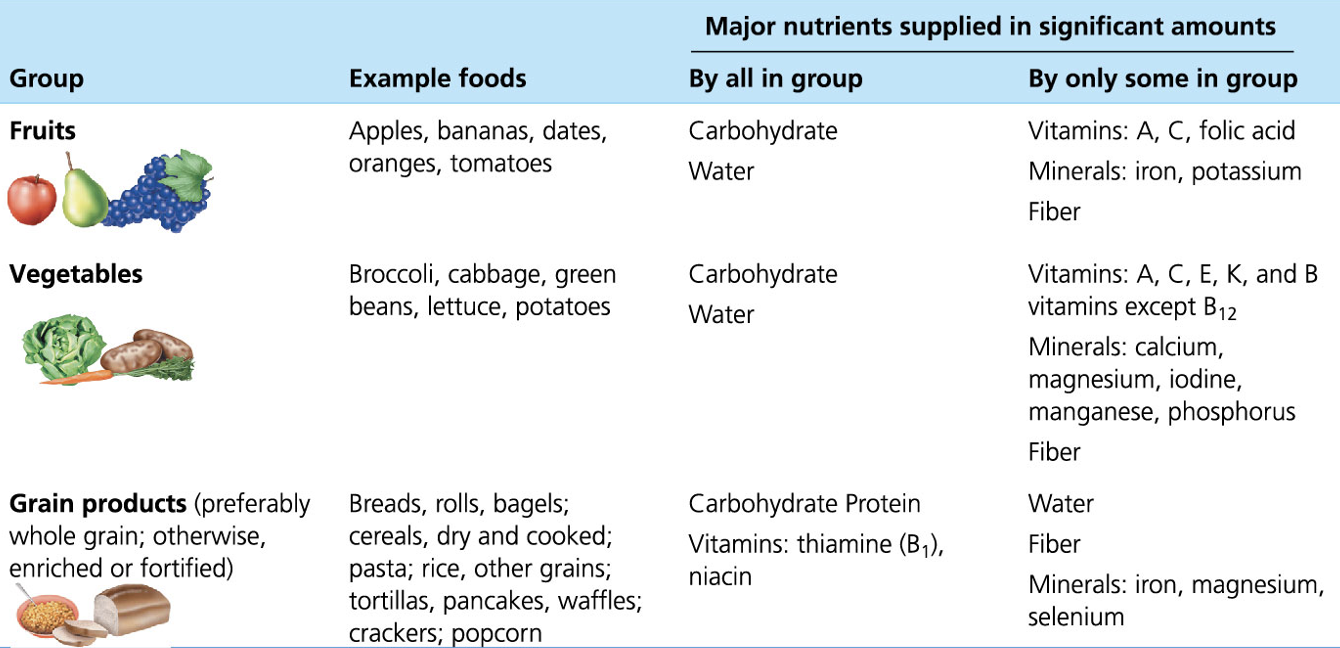
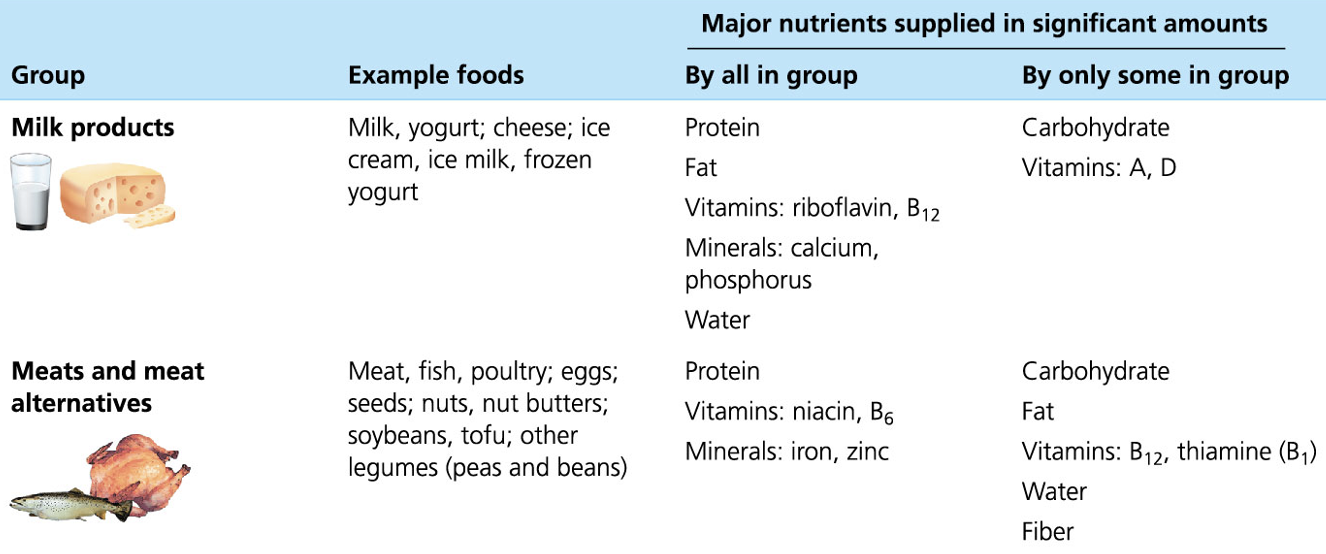
carbohydrates
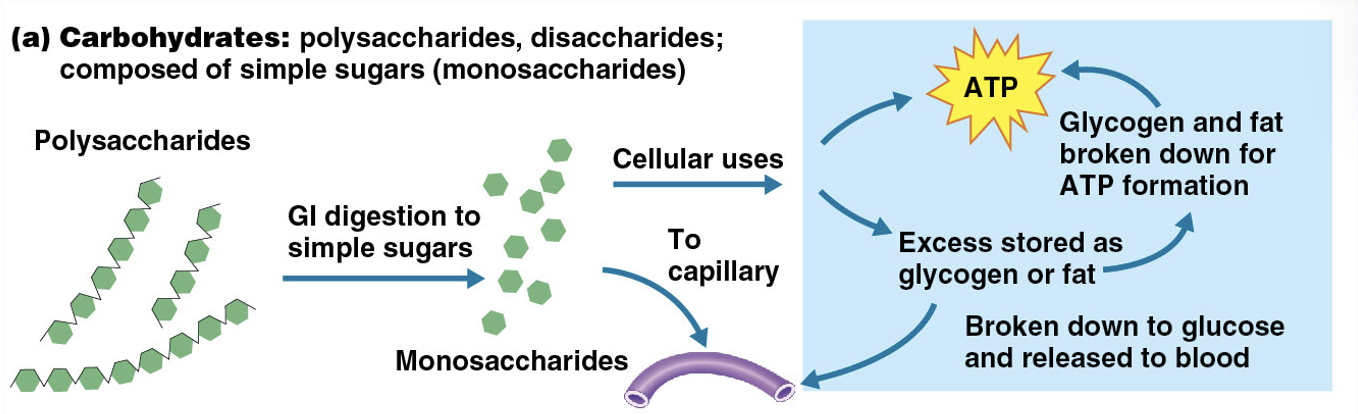
break down to glucose – body’s preferred source to produce cellular energy (ATP)
body stores excess glucose in blood as glycogen (usually in liver)
if BGLs remain high, then excess glucose is stored as fat
when glucose lvls in blood drop, stored glycogen is converted to glucose & released into blood
lipids & lipid metabolism
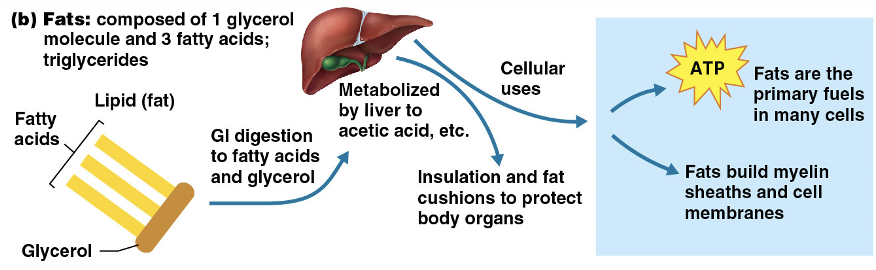
lipids (fats):
insulate body
protect organs
build some cell structures (membranes & myelin sheaths)
provide reserve energy (excess dietary fat is stored in subcutaneous tissues & other fat depots)
when carbs are limited, more fats are oxidised to produce ATP
excessive fat breakdown causes blood to become acidic (acidosis/ketoacidosis)
breath has fruity odour – common with:
no carb diet
uncontrolled diabetes
starvation
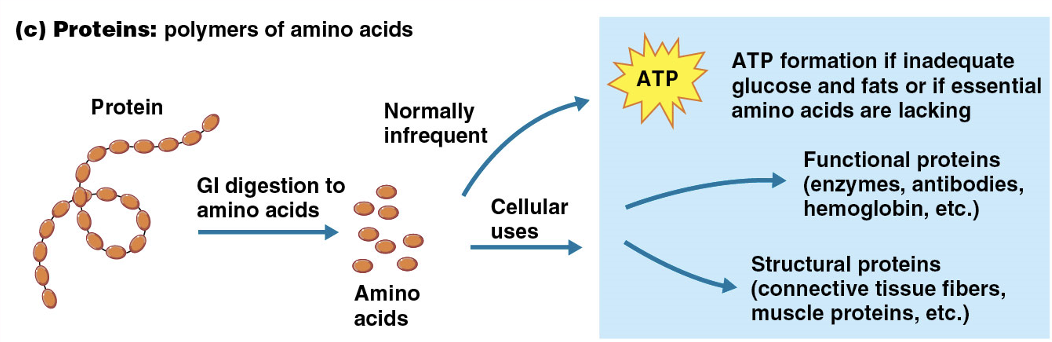
protein metabolism
proteins form bulk of cell structure & most functional molecules
amino acids are oxidised to form ATP mainly when other fuel sources are unavailable
ammonia (released as amino acids) is detoxified by liver cells that combine w CO2 to form urea
body energy balance – BMR
interference w body’s energy balance leads to:
obesity
malnutrition (leads to body wasting)
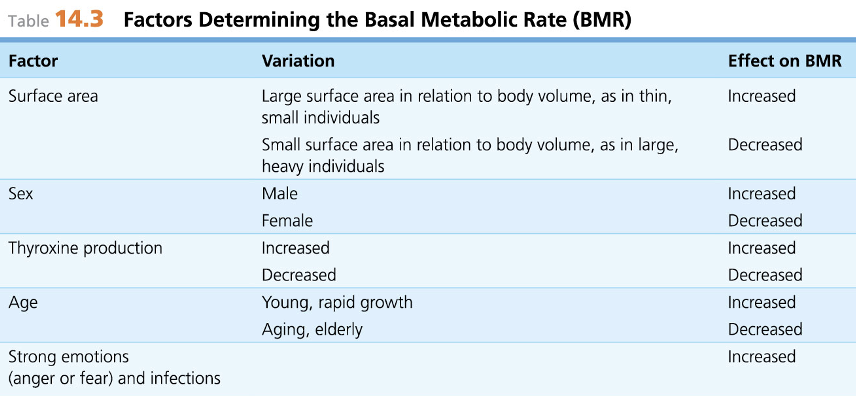
Basic metabolism rate (BMR): amount of heat body produces/unit of time at rest
avg BMR: 60-72 kcal/hr for an avg 70kg adult
body energy balance – body temp regulation
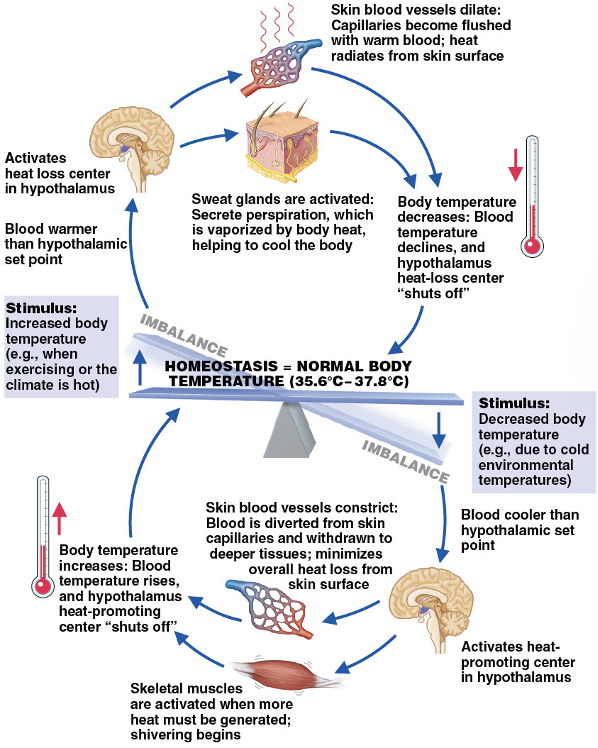
when foods are oxidised, more than 60% of energy escapes as heat, warming the body
range of homeostatic temp (35.6-37.8°C)
hypothalamus initiates mechanisms to maintain body temp:
heat loss mechanisms: radiation of heat from skin & evaporation of sweat
heat-promoting mechanisms: vasoconstriction of blood vessels & shivering
problems of digestive system
gastroenteritis: inflammation of GI tract – can occur at any time
appendicitis: inflammation of appendix – common in adolescents
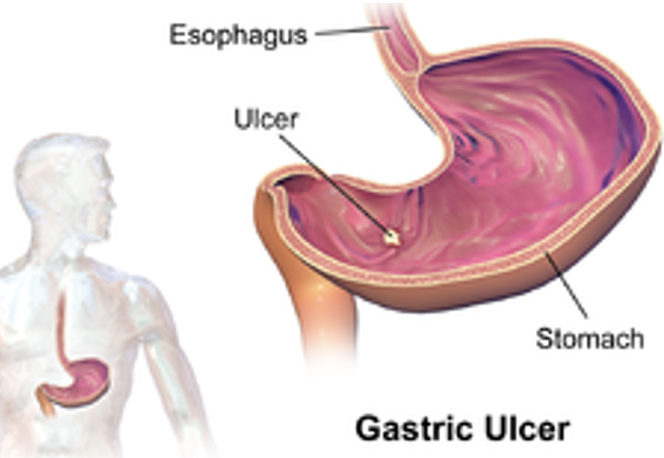
ulcers
gallbladder problems
obesity
diabetes mellitus
reflux (GORD)
Activity of digestive tract in OLD AGE:
fewer digestive juices
peristalsis slows
diverticulosis & GI cancers are more common