Belgium / Flanders: Notable Artists and their Art
 Call Kai
 Learn
Learn Practice Test
 Spaced Repetition
 Match
Match Flashcards
 Knowt Play
1/7

There's no tags or description
Looks like no tags are added yet.
Name | Mastery | Learn | Test | Matching | Spaced | Call with Kai |
|---|
No analytics yet
Send a link to your students to track their progress
8 Terms
1350 - 1409 - Melchior Broederlam (All Facts)
Early Netherlandish (Flemish) Painter
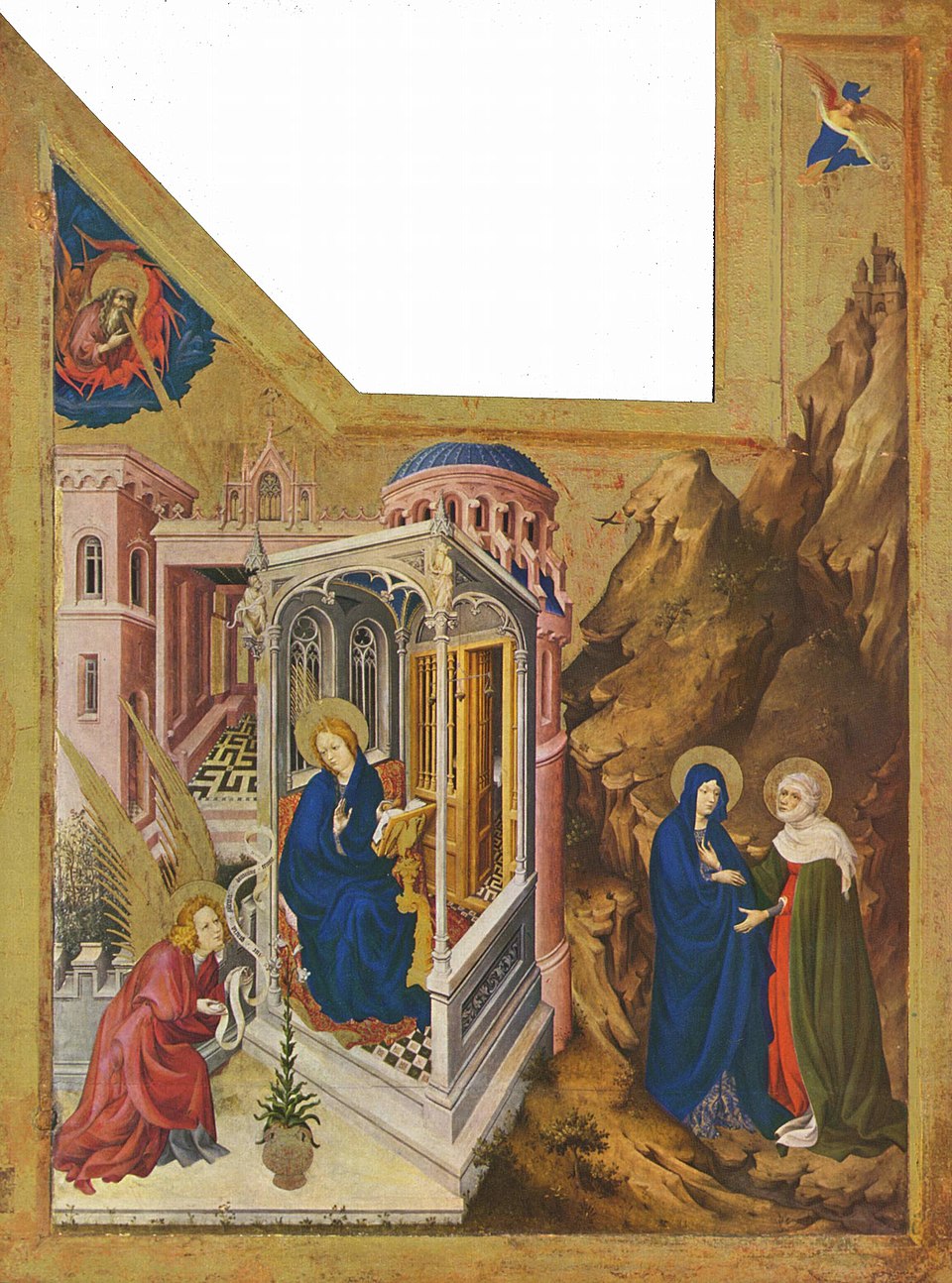
1390s - Melchior Broederlam: Dijon Altarpiece (All Facts)
Exemplified the International Gothic Style, which introduced a new realism into the painting of lanscape, costume, and animals
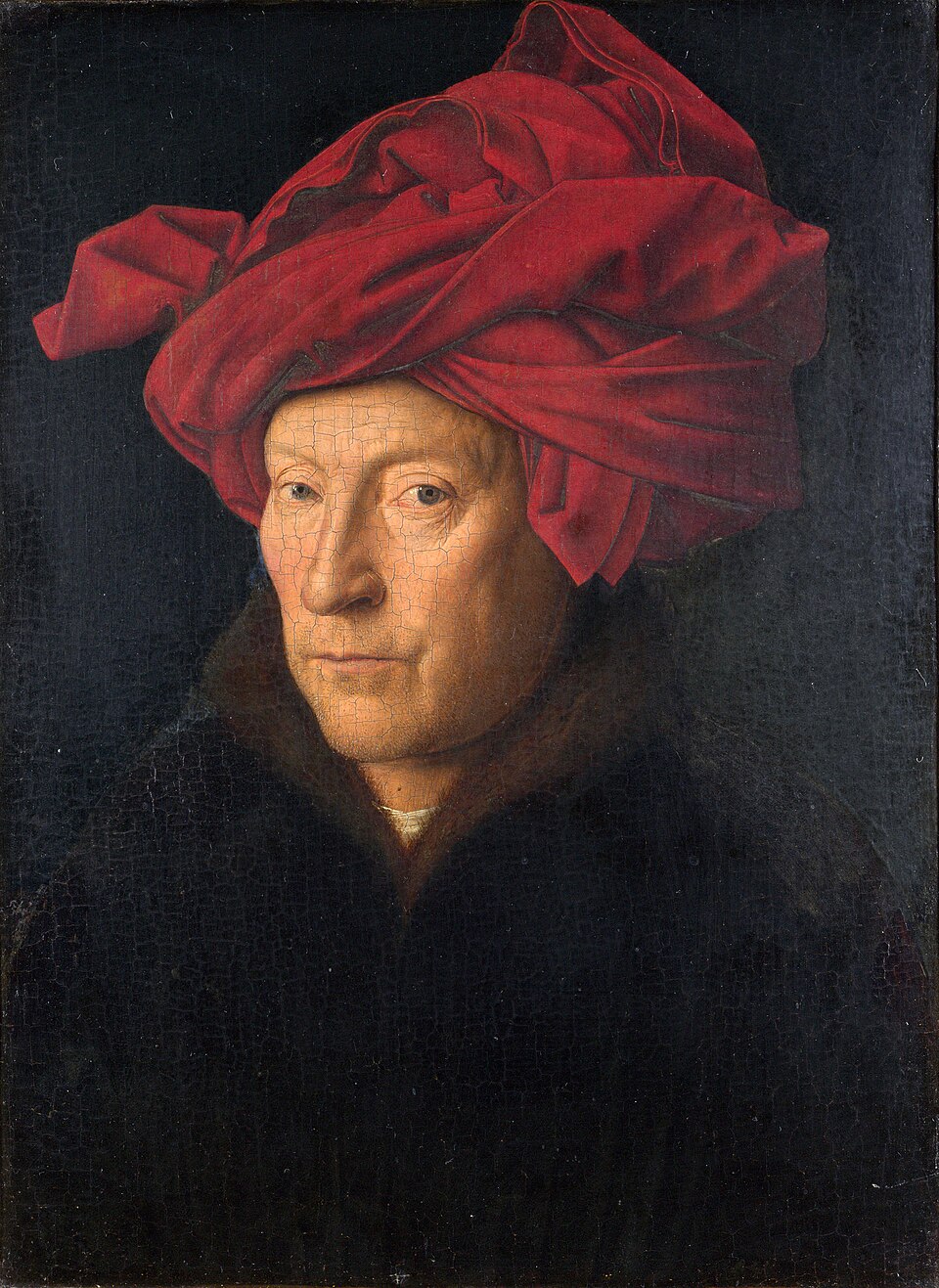
1380 - 1441 - Jan Van Eyck (All Facts)
Flemish Painter
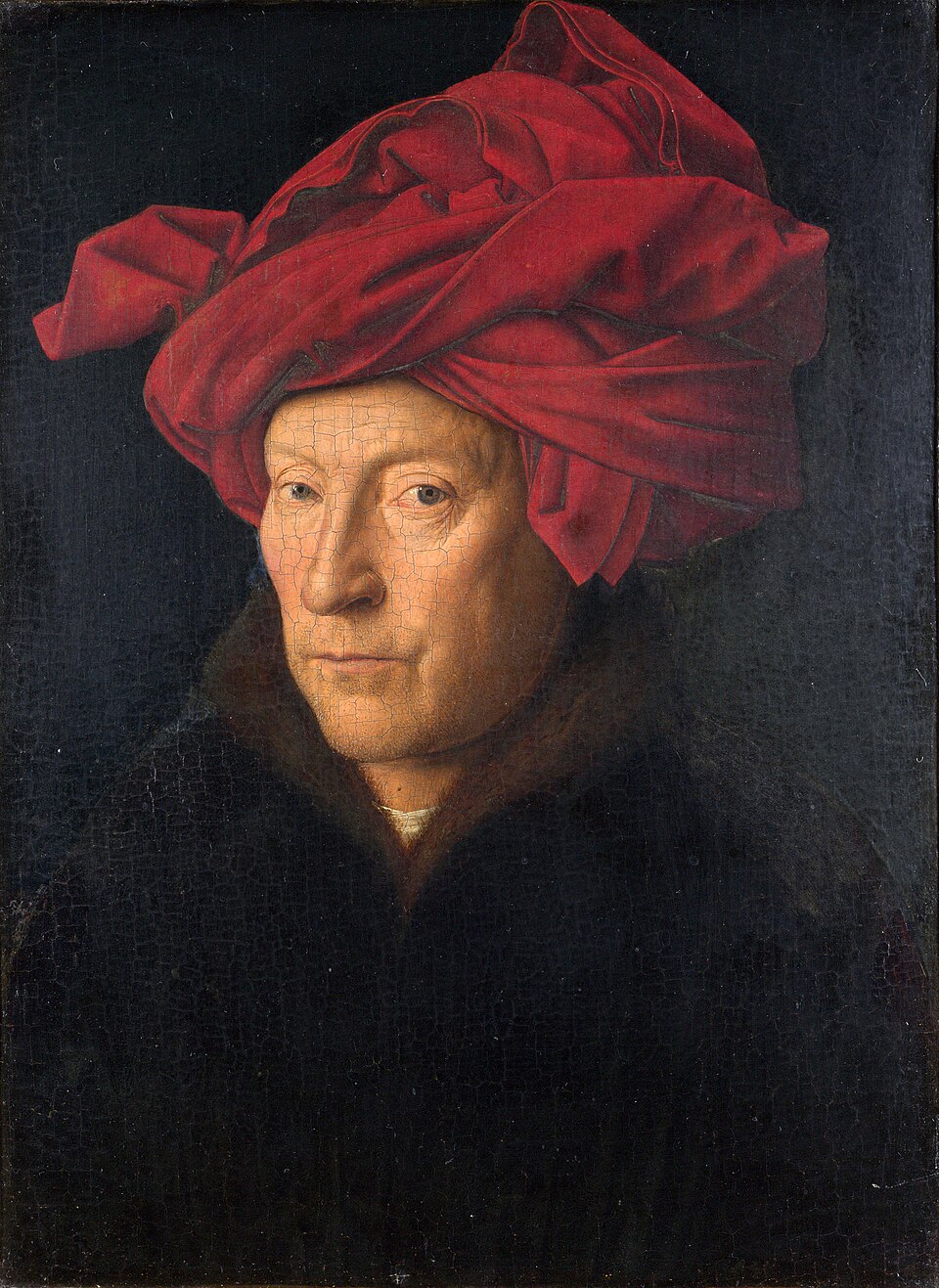
He revolutionized Flemish painting, having perfect not only the oil painting technique using brilliant color and subtle light effects but also brought an everyday realism to his works
He is considered to be the first oil-painter
He took painting forward with an enormous stride when he experimented with oil as the medium for his colors
Up until that point, painters had mixed paint with water for frescoes or egg-yolk for tempera
He and his older brother Hubert, however, painted with oil on wooden panels, which were prepared with plaster and glue
The technique gave off a glowing effect not achieved before in painting
He was known for his secular portrait paintings he made while was settled in Bruges
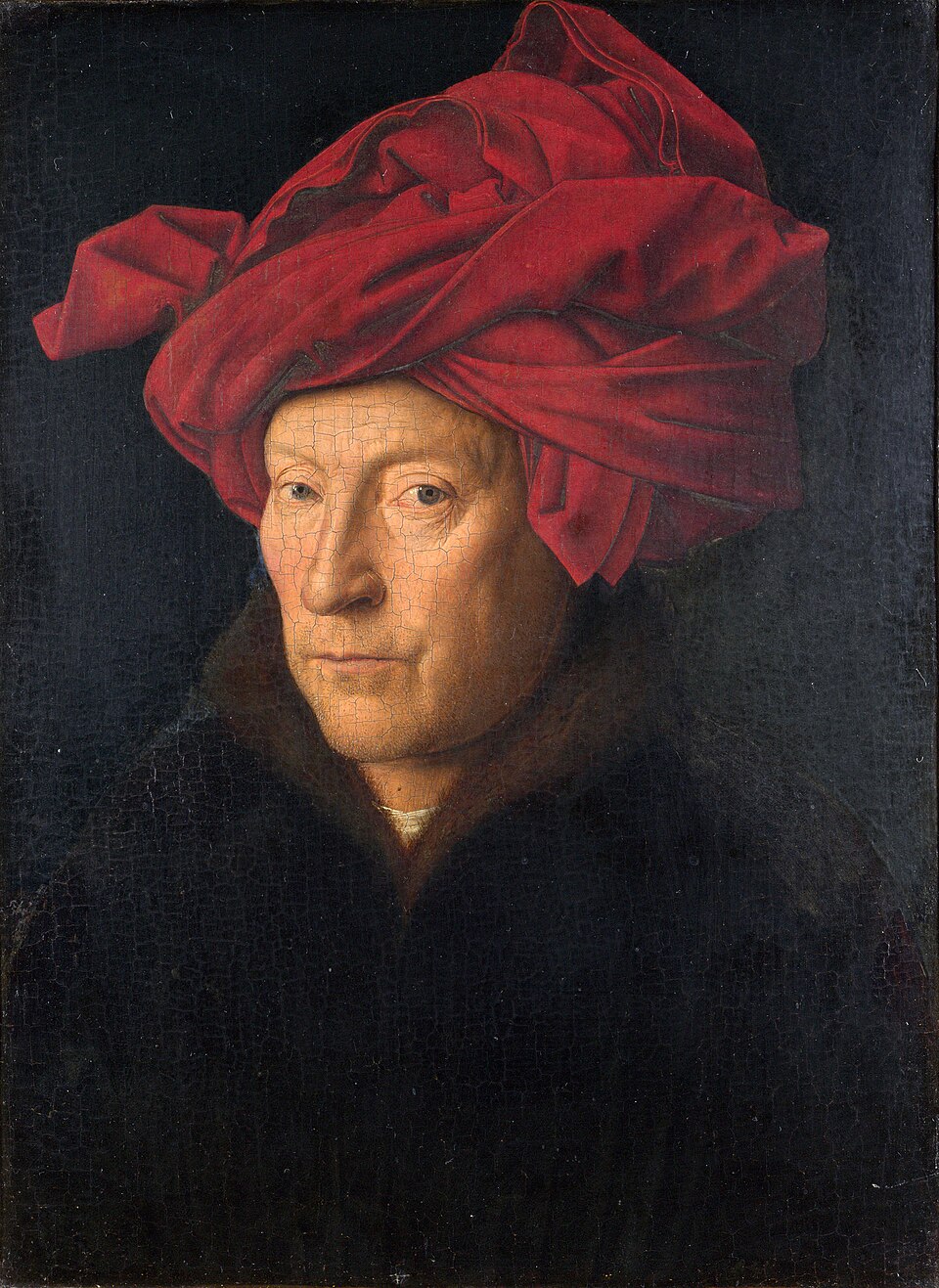
He was also known for his realism in portraiture, in which all the wrinkles and warts of his sitters were rendered so faithfully that his subjects seemed ready to speak
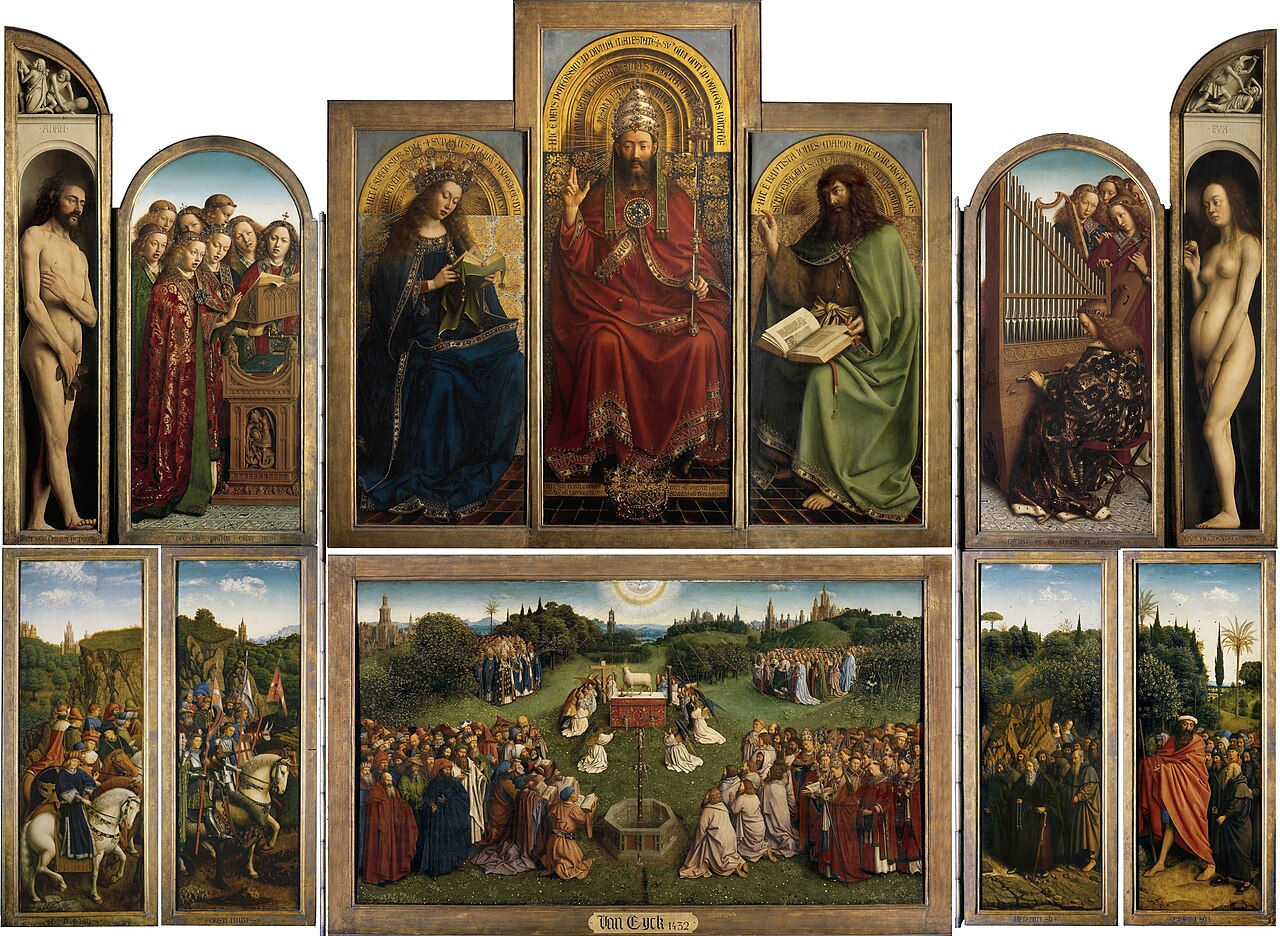
1432 - Jan Van Eyck and Hubert van Eyck: Ghent Altarpiece (All Facts)
Consists of a landscape and 16 portrait panels, covering over 1,000 square feet, the first oil painting on such a scale
He completed the work after the latter namesake’s death
Includes “The Adoration of the Lamb”
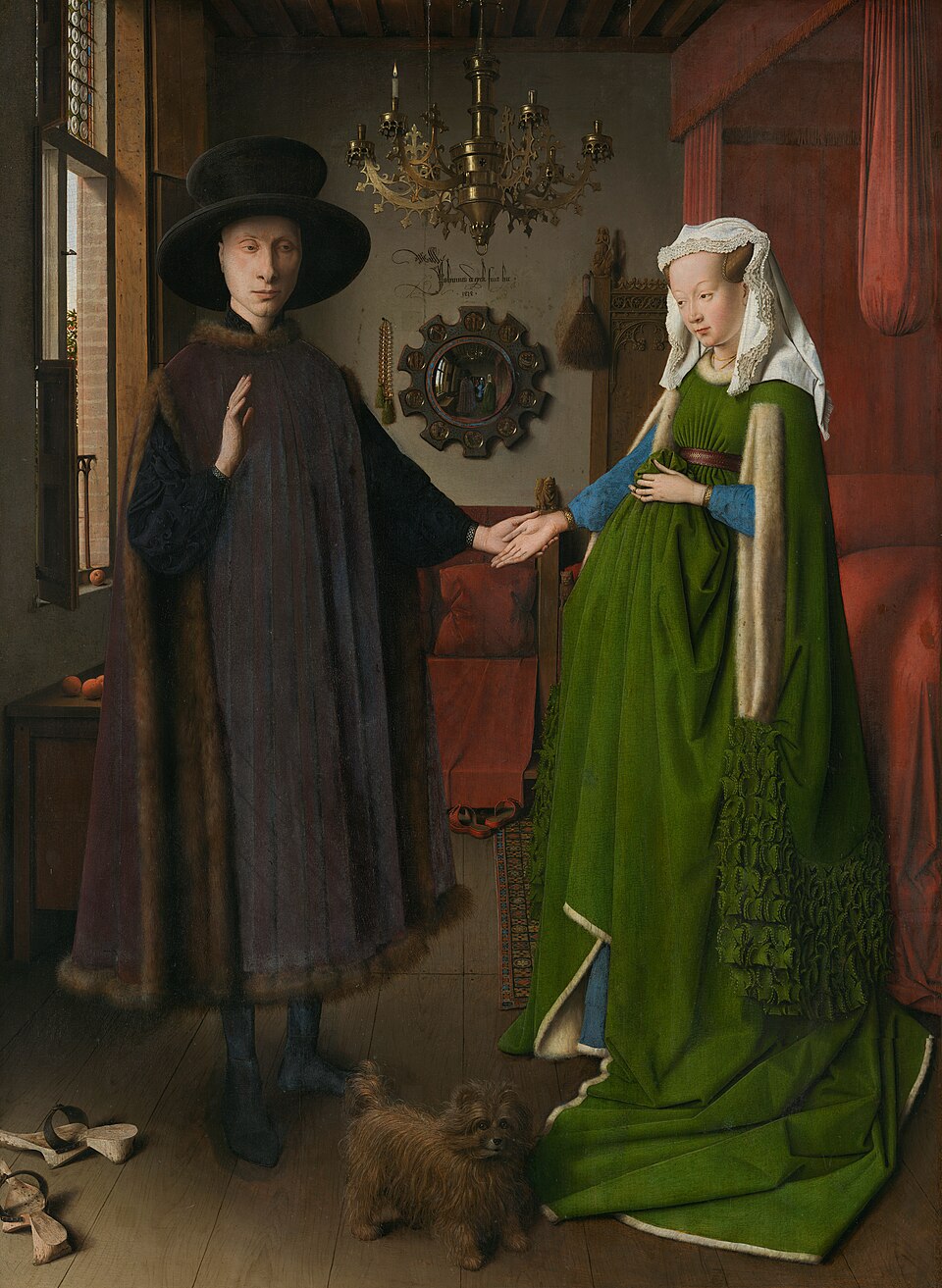
1434 - Jan Van Eyck: The Arnolfini Wedding (All Facts)
7/Double Portrait
Shows the namesake artist’s delight in his ability to render domestic interiors in gleaming detail
Shows the couple in their best robes holding hands
The lady’s little terrier stands at her feet and there are oranges scattered by the windowsill
The scene is reflected in miniature in a convex mirror behind the couple
The namesake *painter signed himself as the namesake “was here”
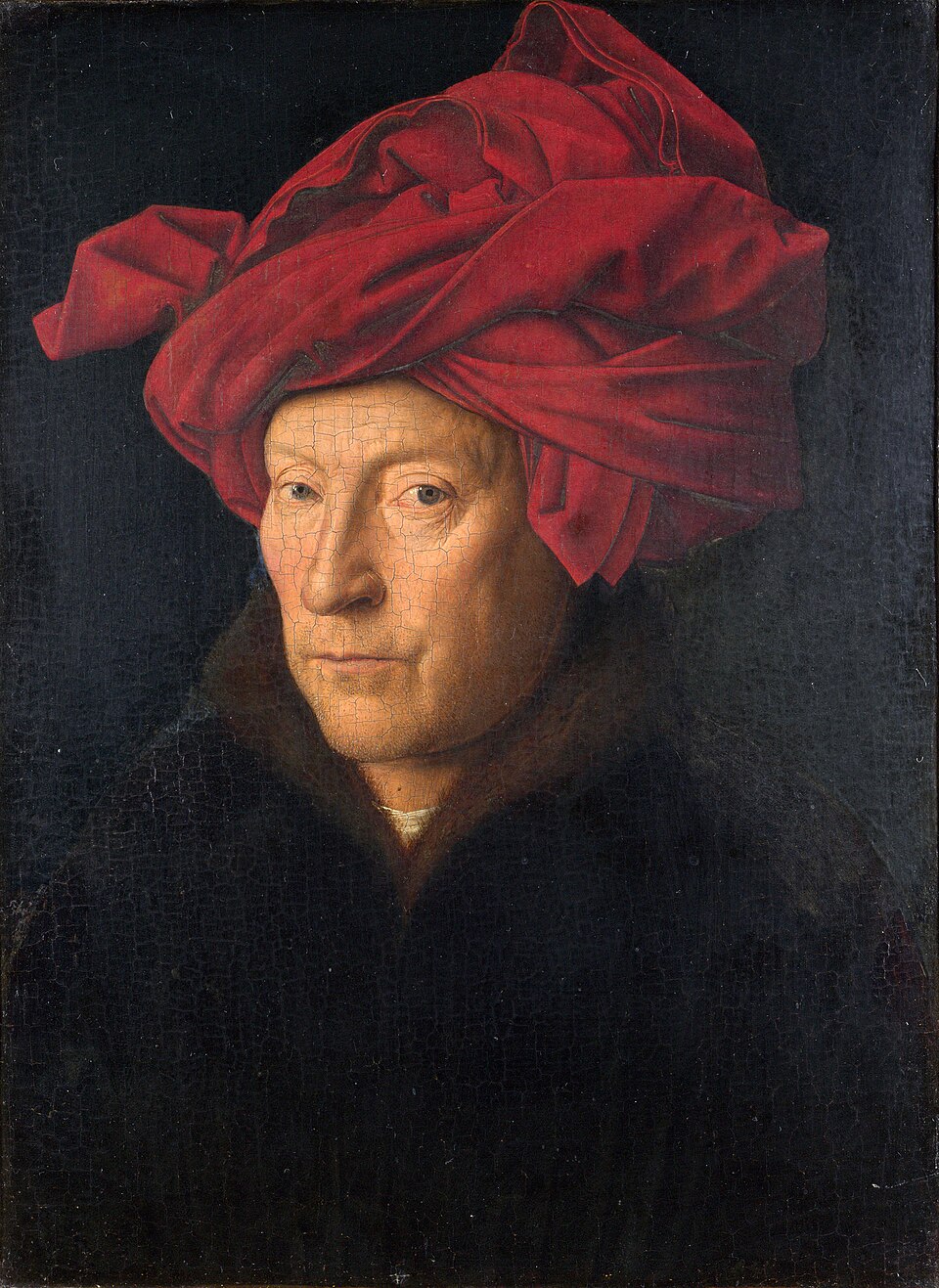
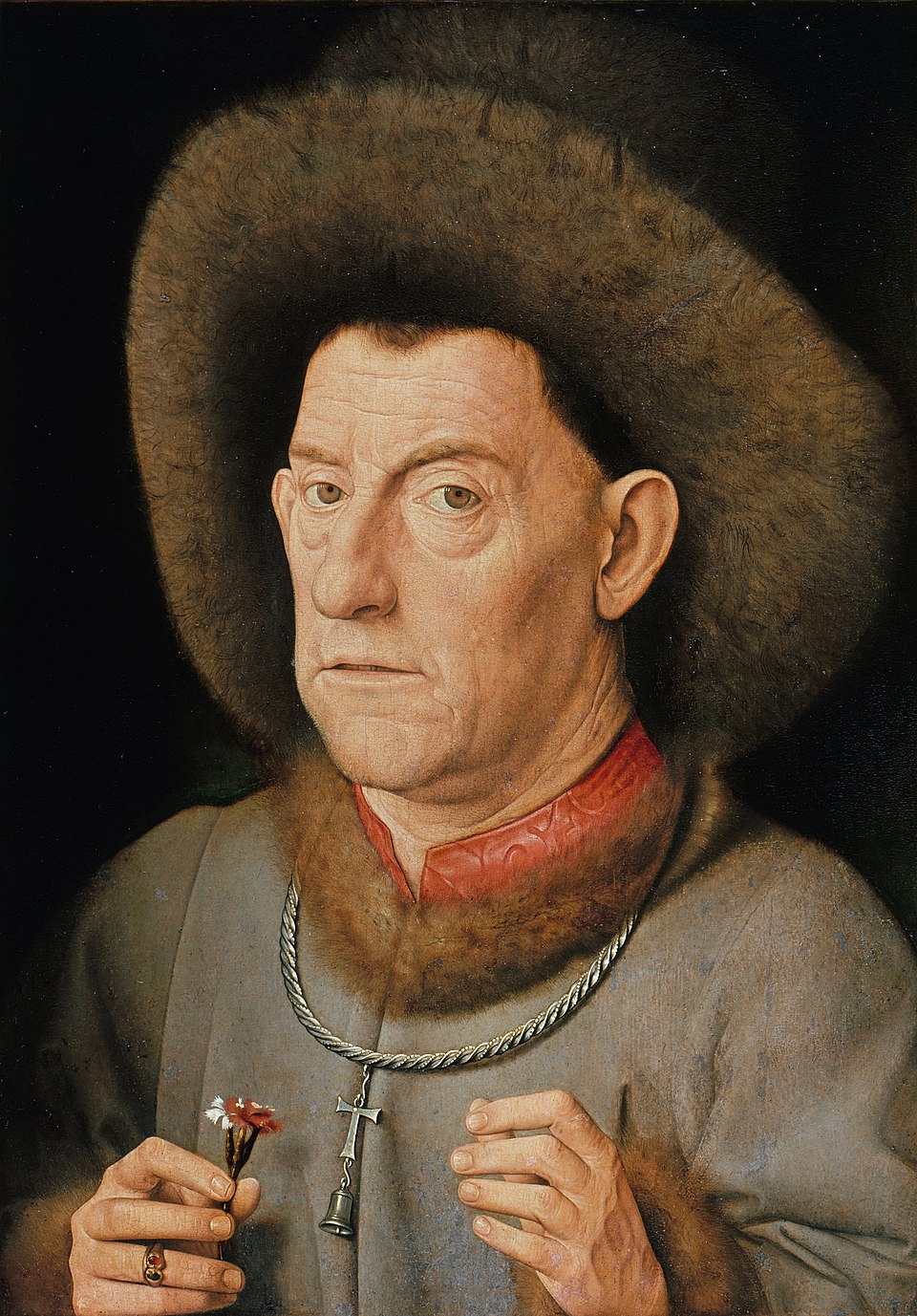
1436 - Jan Van Eyck: Portrait of a Man with a Carnation (All Facts)
1400 - 1464 - Rogier van Der Weyden (All Facts)
Flemish Painter
He produced a more emotional style compared to his artistic predecessor
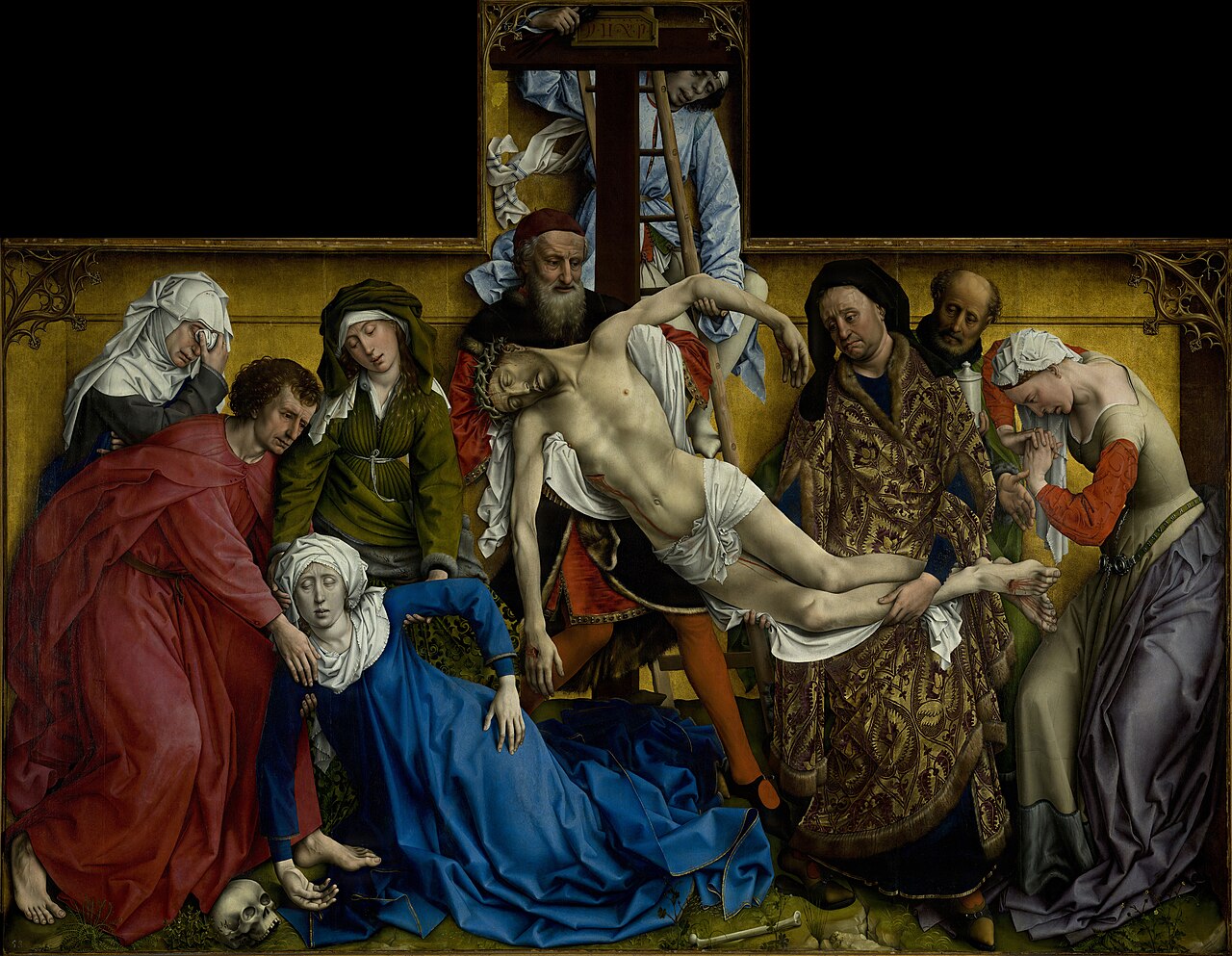
1435 - Rogier van Der Weyden: Deposition / Descent from the Cross (All Facts)