PHAS 7050 Exam 1
 Call Kai
 Learn
Learn Practice Test
 Spaced Repetition
 Match
Match Flashcards
 Knowt Play
1/314

There's no tags or description
Looks like no tags are added yet.
Name | Mastery | Learn | Test | Matching | Spaced | Call with Kai |
|---|
No analytics yet
Send a link to your students to track their progress
315 Terms
history
is used to direct the PE, done in clothes to make the patient more comfortable
wash/sanitize
should be done immediately before examining the patient
draping, bed positioning
completed to ensure privacy and comfort
invasive parts of exam
only completed after obtaining permission (from adult patients)
right side
approach to patient, conserves movement and increases efficiency
JVP, apical impulse
more reliable or comfortable on right side
inspection, palpation, percussion, auscultation
order in which examinations are most often performed and documented
inspection
process of observation, begins when patient is first seen and continues throughout the exam, relies on multiple senses (eyes and nose)
palpation
use of hands or fingers to gather information through sense of touch
palmar surface
used to elicit tenderness or delineate a mass
dorsal surface
used to detect temperature
ulnar surface
detecting vibration
percussion
allows assessment of density of underlying structures (particularly in lungs and abdomen)
dominant hand
used for "hammer" function of percussion
non-dominant hand
used as the "drum" when percussing
tympanitic/hyperresonant
indicates gastric air bubble
resonant
healthy lung sound
dull
solid organ sound (liver)
flat
muscle/bone sound
auscultation
listening for sounds produced by the body (intensity, duration, pitch, quality)
stethoscope
used to auscultate, hear a sound and its characteristics
bell
used to hear low pitched sounds (bruits)
diaphragm
used for high pitched sounds (bowel sounds)
gloves
worn when there is contact with blood or body fluids, mucous membranes, or non-intact skin, or in special circumstances (infectious diseases)
masks, gowns, eyewear, face shields
worn for procedures that are likely to generate droplets and/or splash of blood/body fluids
3 seconds
clean stethoscope or other equipment with CaviWipes for a minimum of?
level of consciousness, apparent state of health, signs of distress, skin color, stature, body habitus, posture, gait, motor activity, hygiene, dress, and grooming, odors, speech, facial expression, pathologic facies
general impression of patient with survey involves
awake, alert, responsive
level of consciousness
acutely/chronically ill, frail, healthy, fit, robust
apparent state of health
pain, anxiety, respiratory distress
signs of distress
pallor, cyanosis, jaundice
skin color
tall, short, disproportional
stature
slim, athletic, overweight; weight generalized or centralized
body habitus
Cushing's Disease
centralized weight
Turner Syndrome
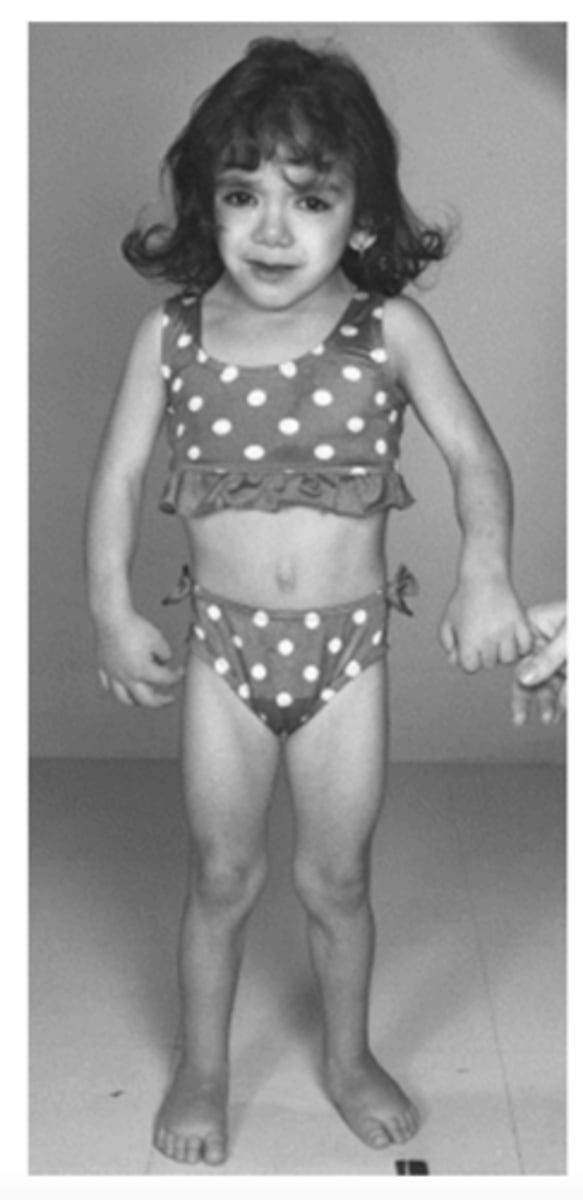
Marfan Syndrome
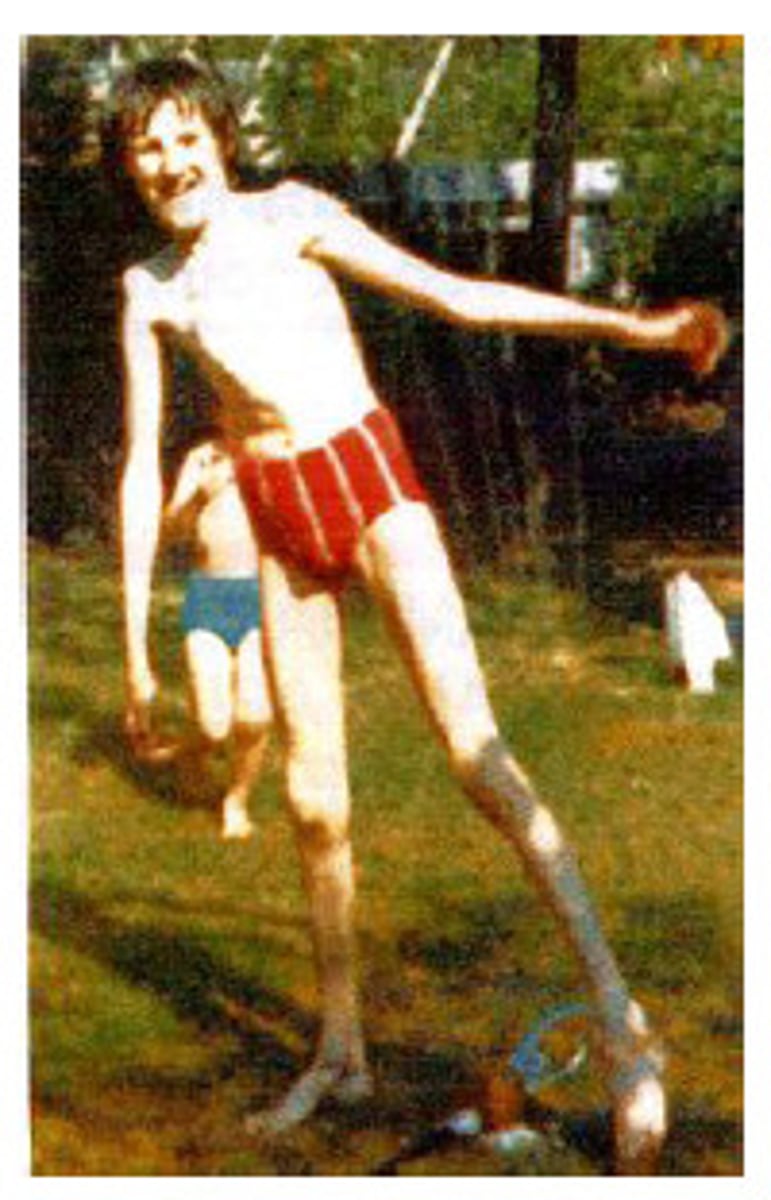
CHF
may prefer sitting up/lying upright for ease of breathing
COPD
lean forward
thyroid disorders
may lead to hyperactivity/fast movements
depression
may contribute to lack of interest in appearance
DKA
may lead to fruity smelling breath
temperature, pulse (rate/rhythm), RR, height and weight, pulse Ox, BP
vital signs
98.6
normal body temperature
96.4-99.1
normal temperature range; has diurnal variation
oral, rectal, axillary, tympanic
routes for taking temperature
febrile, pyrexia
temperature greater than/equal to 100.4
afebrile
without fever
hyperpyrexia
greater than or equal to 106
hypothermia
less than 95
pulse rate
number of cardiac cycles/minute
60-100
normal adult pulse rate
bradycardia
slow heart rate (less than 60 bpm)
tachycardia
fast heart rate (>100 bpm)
rhythm
is either regular or irregular
apical pulse
pulse taken with a stethoscope and near the apex of the heart; taken with irregular rhythm for a full minute
radial pulse
the pulse felt at the wrist, using index and middle finger (not thumb)
respiratory rate
number of respirations/minute
12-20
normal respiratory rate
tachypnea
rapid breathing (>20)
bradypnea
slow breathing (<12)
no smoking, alcohol, caffeine, or exercise (30 minutes), empty bladder, quiet, warm, no talking, reading, texting (5 minutes), seated comfortably with feet flat on floor and back supported, arm supported at heart level and free of clothing
proper BP preparation
A/V fistula, scar from brachial artery cutdown, lymphedema
if present, avoid arm
80% of arm circumfrence
bladder length proper size
40% of arm circumfrence
bladder width proper size
false increase in BP
small BP cuff
false decrease in BP
large BP cuff
brachial artery
should align with the midline of bladder, bell/diaphragm placed over
2-3 cm
proper distance between the edge of the cuff and the antecubital fossa
systolic BP
estimated by palpating the radial artery and inflating the cuff until the pulse disappears
30 above estimation
the cuff should be inflated to what pressure?
2-3 mmHg/sec
how quickly should you release air from the BP cuff?
systolic pressure
detected when sounds first appear
diastolic pressure
detected when sounds disappear
even
BP should be reported as an (even/odd) number
2 readings, 2 minutes apart
if seeing a patient for the first time, how should you complete a BP reading?
additional readings obtained
taken if there is a difference greater than 5mmHg between arms
higher arm
should be used for future readings
orthostatic hypotension
low blood pressure that occurs upon standing up
3-10 minutes
patient rests supine for how long before taking BP/pulse?
systolic decrease greater than 20, diastolic decrease greater than 10
increase in pulse greater than 30 bpm
symptoms of lightheadedness
positive findings for orthostatic hypotension
BMI
measurement tool that compares height to weight
weight in lb /height in inches squared x 703
BMI calculation
less than 18.5
underweight BMI
18.5-24.9
normal BMI
25-29.9
overweight BMI
greater than 30
obese BMI
greater than 35
obese BMI (class II)
greater than 40
obese BMI (class III)
waist circumference
used to estimate abdominal subcutaneous and visceral fat; increase tied to type 2 DM, high blood cholesterol, high BP, heart disease
>102 cm (40 inches)
high waist circumference in men
>88 cm (35 inches)
high waist circumference in women
color, moisture, temperature, texture, mobility and turgor, lesions
components of skin examination; should be inspected/palpated
diaphoretic
characterized by profuse sweating.
color
indicator of overall health, linked to oxygenation, tissue perfusion, nutritional status, and injury; jaundice, pallor, cyanosis
jaundice
yellowing of the skin; tied to liver function
pallor
paleness; could potentially indicate anemia
cyanosis
bluish discoloration of the skin; tied to CV or pulmonary issues
melanin
contributes to brown coloring of skin
carotene
contributes to yellow color of skin
oxygenated Hb
contributes to red coloring of skin