AP World History Unit 1: Global Tapestry TOPIC 1.1 - 1.3 Diagram | Quizlet
 Call Kai
 Learn
Learn Practice Test
 Spaced Repetition
 Match
Match Flashcards
 Knowt Play
1/32

There's no tags or description
Looks like no tags are added yet.
Name | Mastery | Learn | Test | Matching | Spaced | Call with Kai |
|---|
No analytics yet
Send a link to your students to track their progress
33 Terms
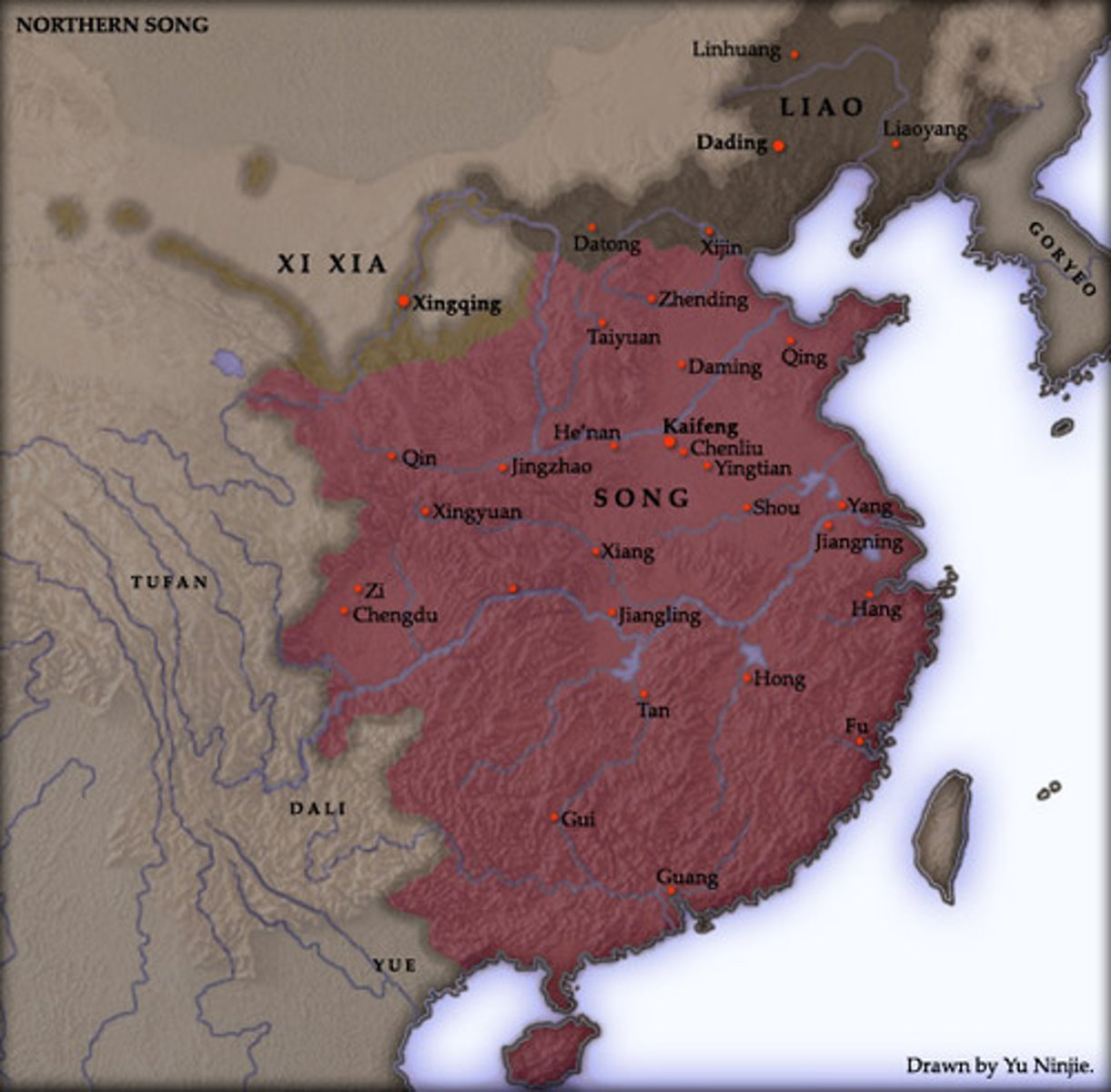
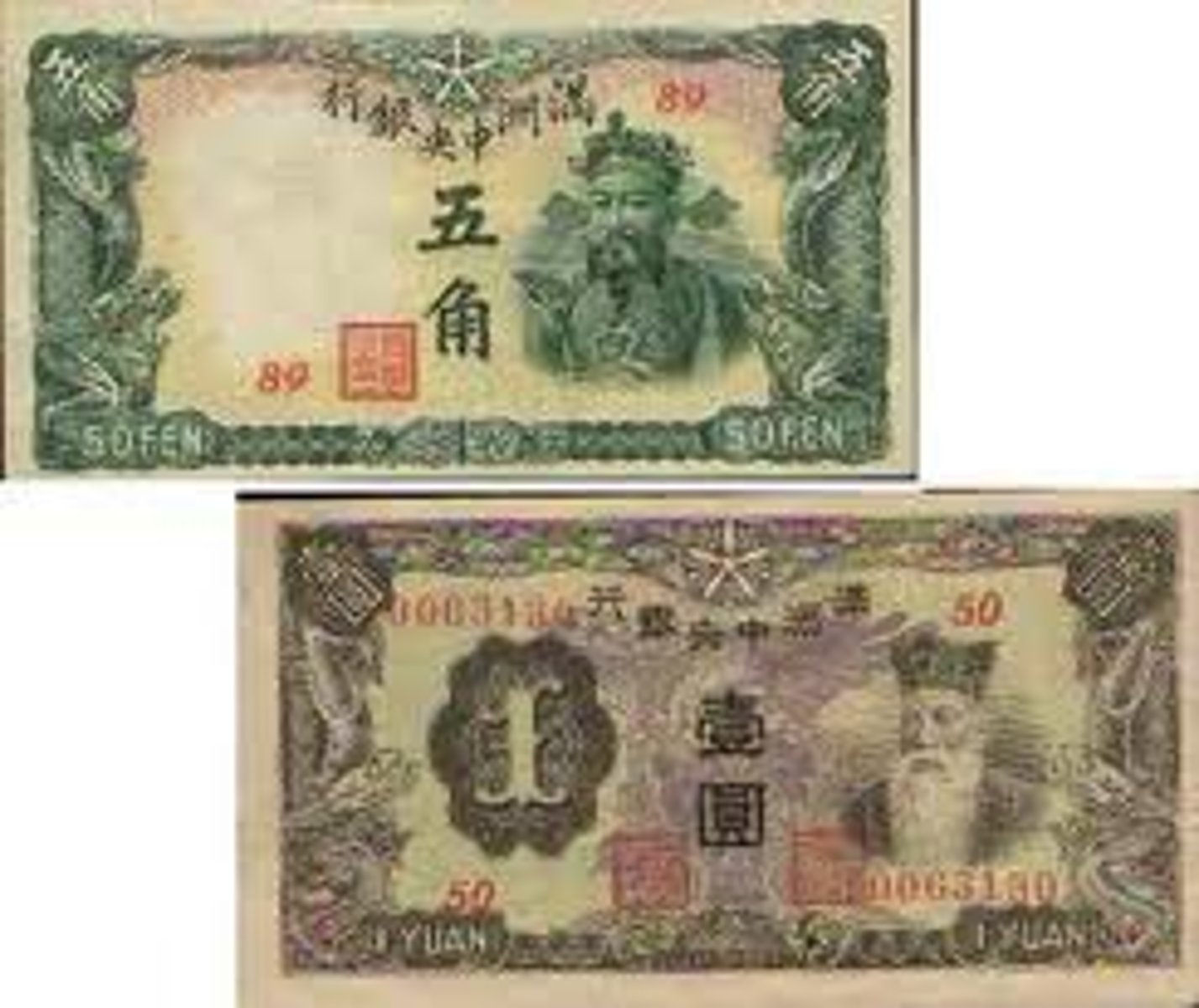
Song Dynasty
Chinese dynasty (960 - 1279 CE) that could be considered a "golden age" when China saw many important inventions. There was a magnetic compass; had a navy; traded with India and Persia; paper money, gun powder.
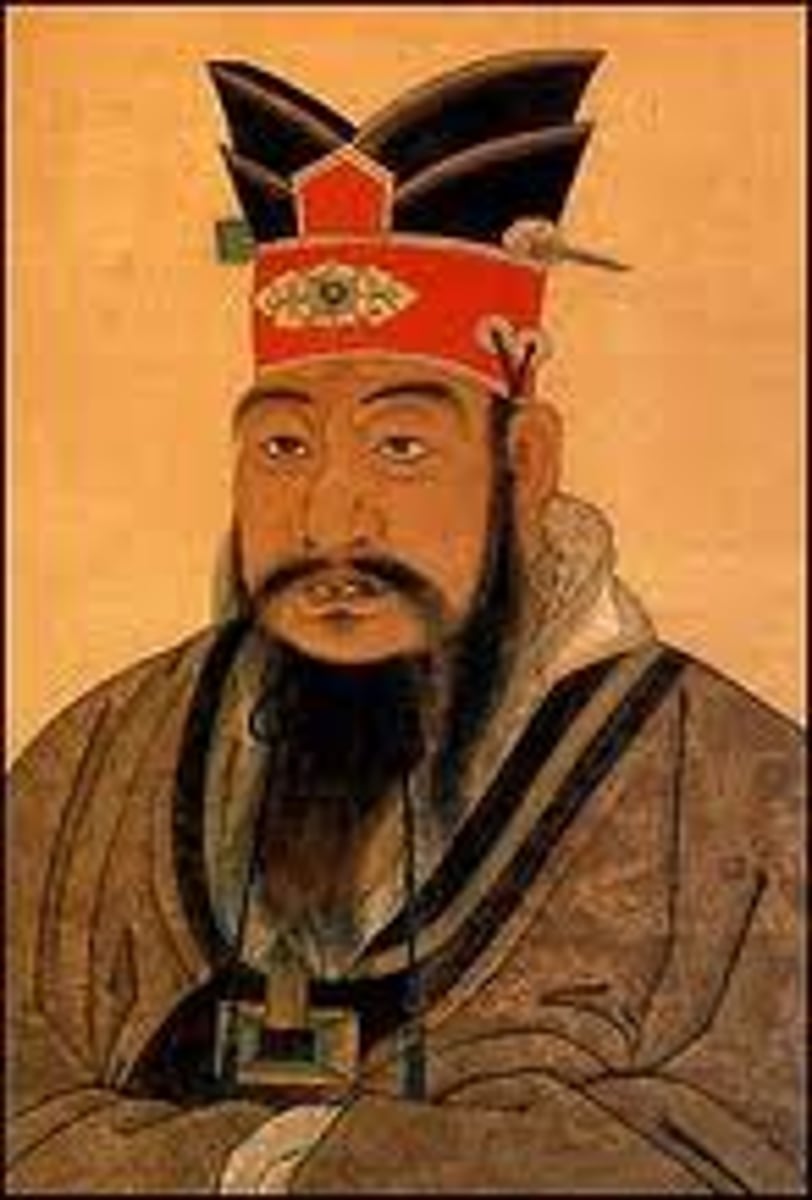
Confucianism
A philosophy that adheres to the teachings of the Chinese philosopher Confucius. It shows the way to ensure a stable government and an orderly society in the present world and stresses a moral code of conduct based on the five relationships.
Neo-Confucianism
The Confucian response to Buddhism by taking Confucian and Buddhist beliefs and combining them into this. However, it was still very much Confucian in belief. Result in increased subservience of women.
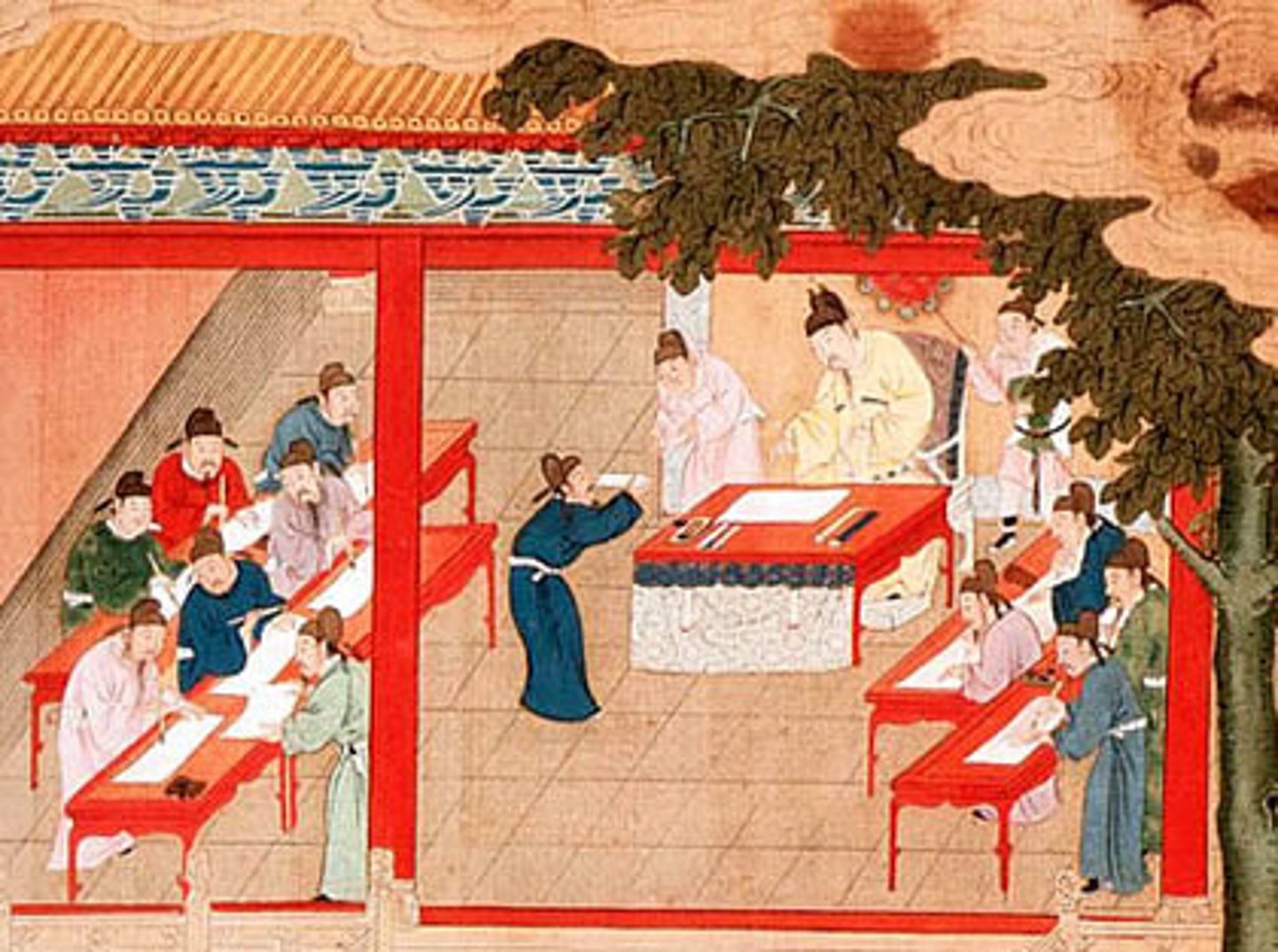
Chinese civil service exam
Rigorous test required to become part of the Imperial Bureaucracy. Tested the knowledge of Confucian writings.
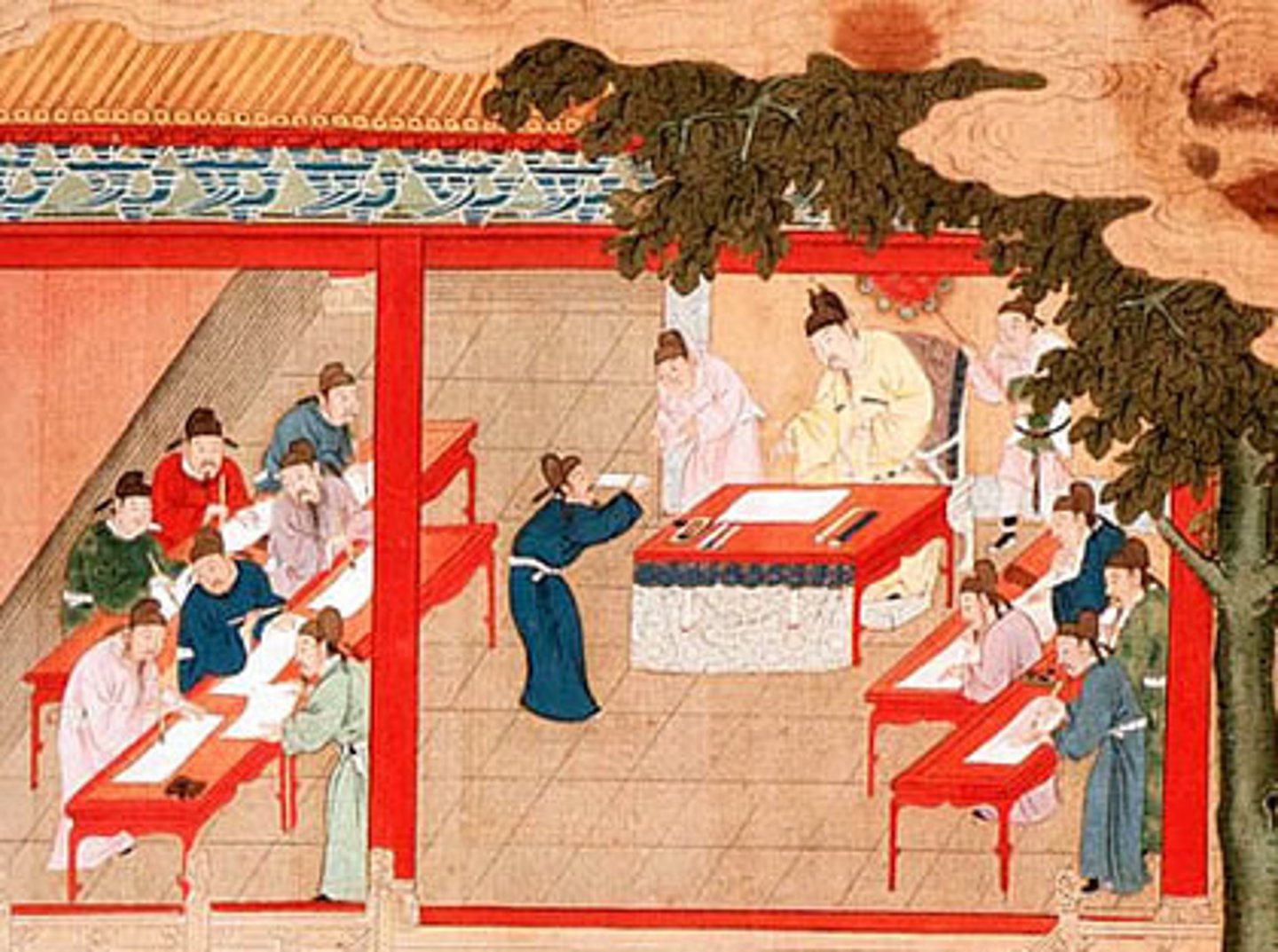
Imperial Bureaucracy
Chinese system of government where government officials carried out the policies of the empire.
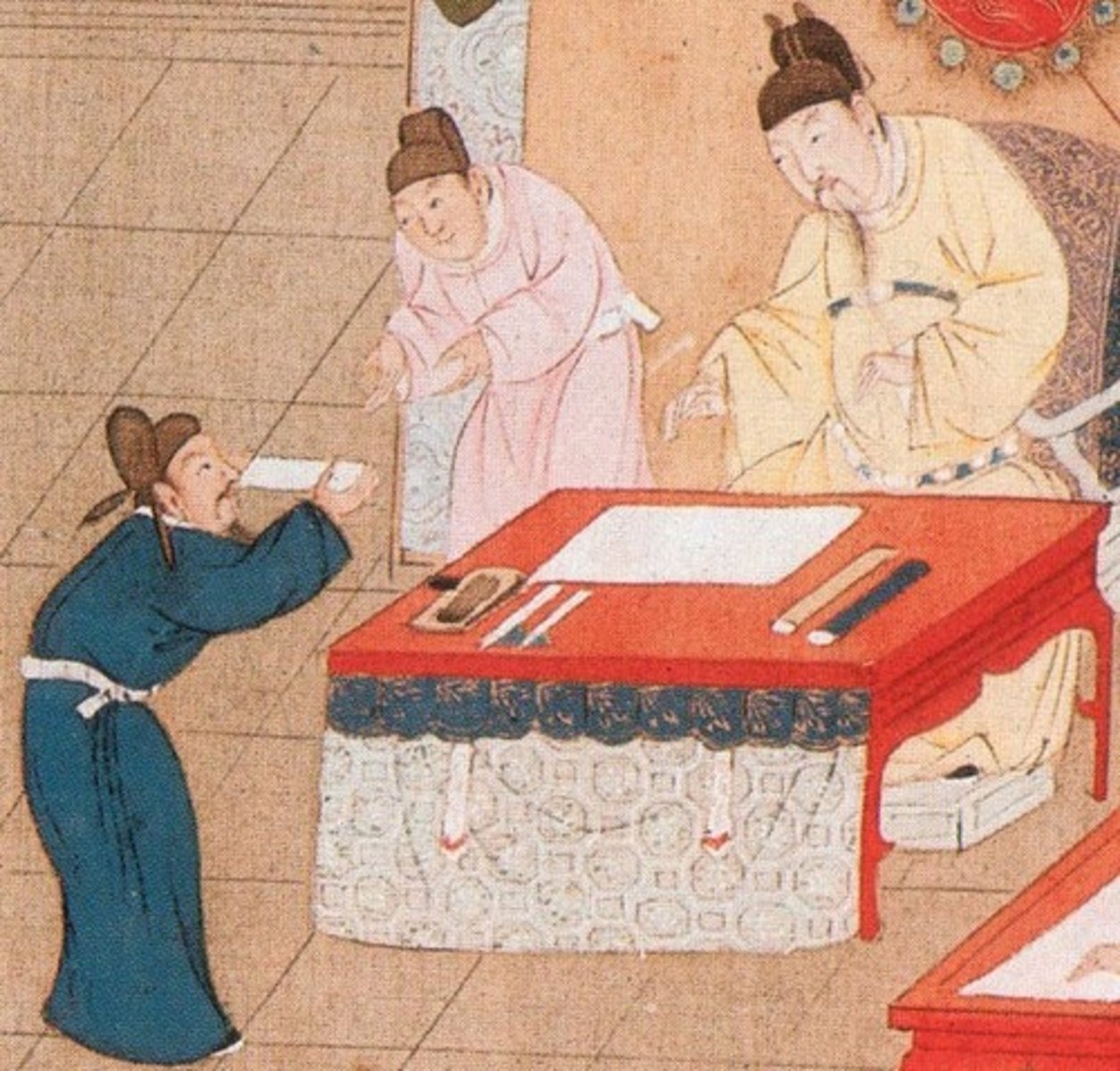
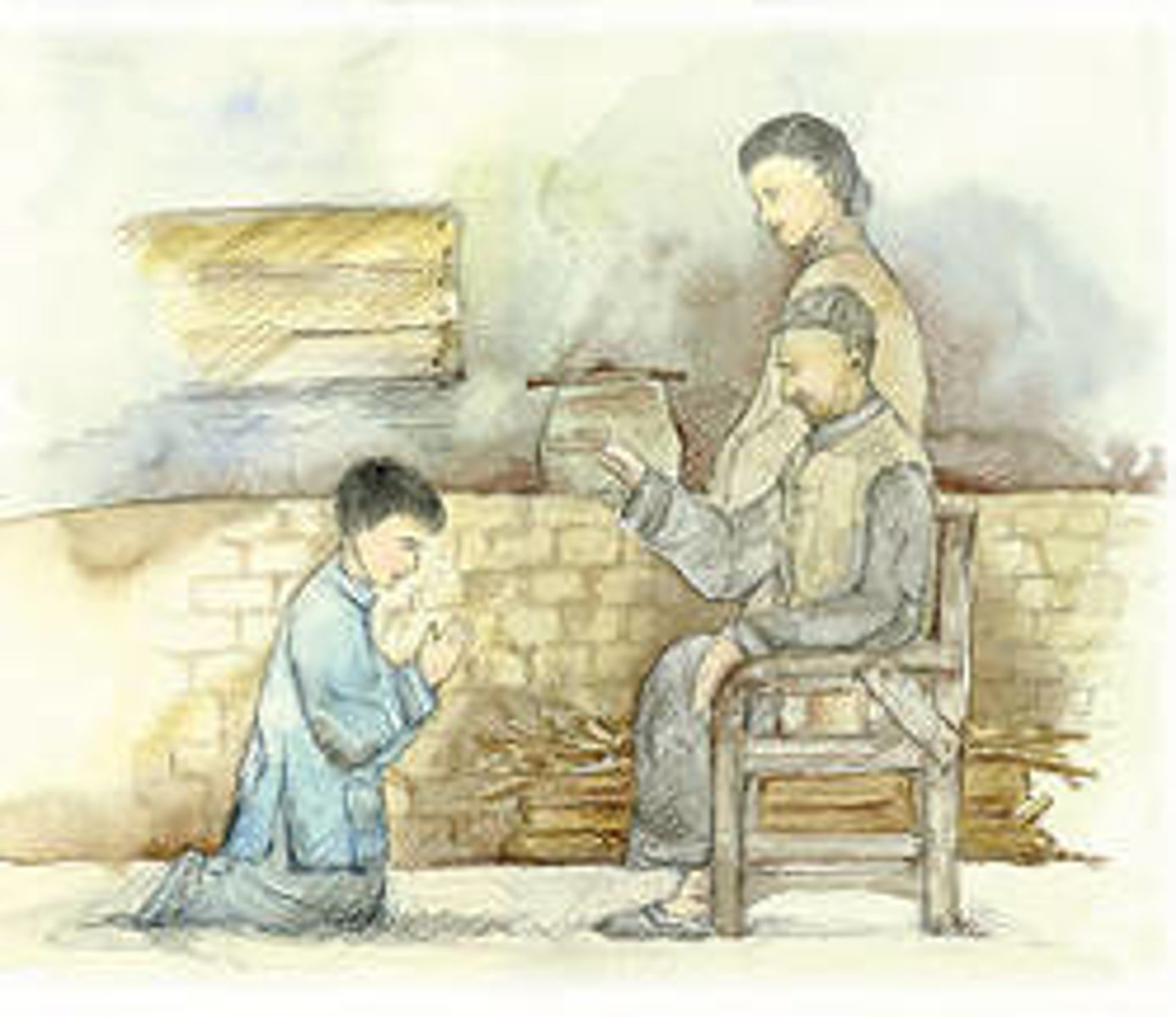
Filial Piety
In Confucian thought, one of the virtues to be cultivated, a love and respect for one's parents and ancestors.
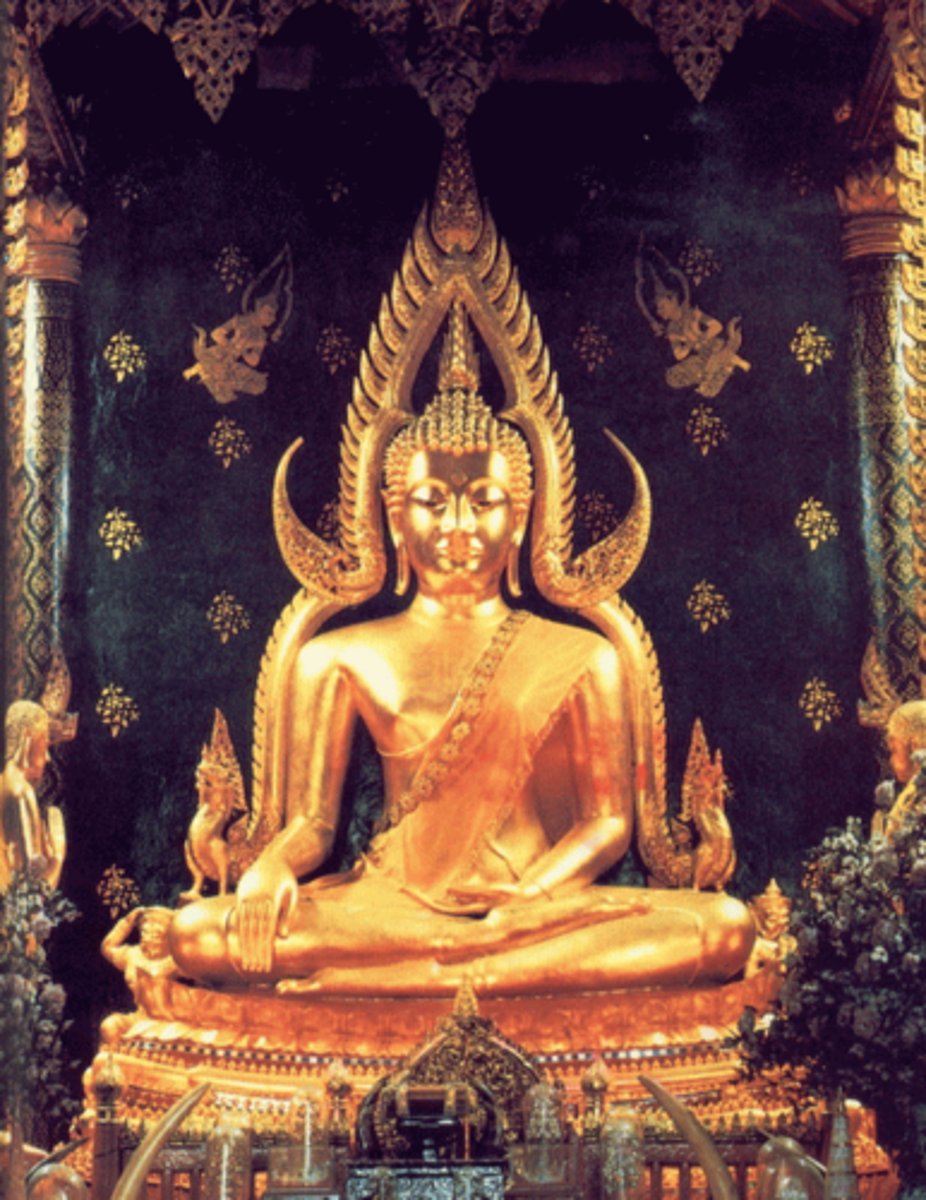
Theravada Buddhism
the oldest of the two major branches of Buddhism. Practiced mainly in Sri Lanka, Thailand, Burma, and Cambodia, its beliefs are relatively conservative, holding close to the original teachings of the Buddha
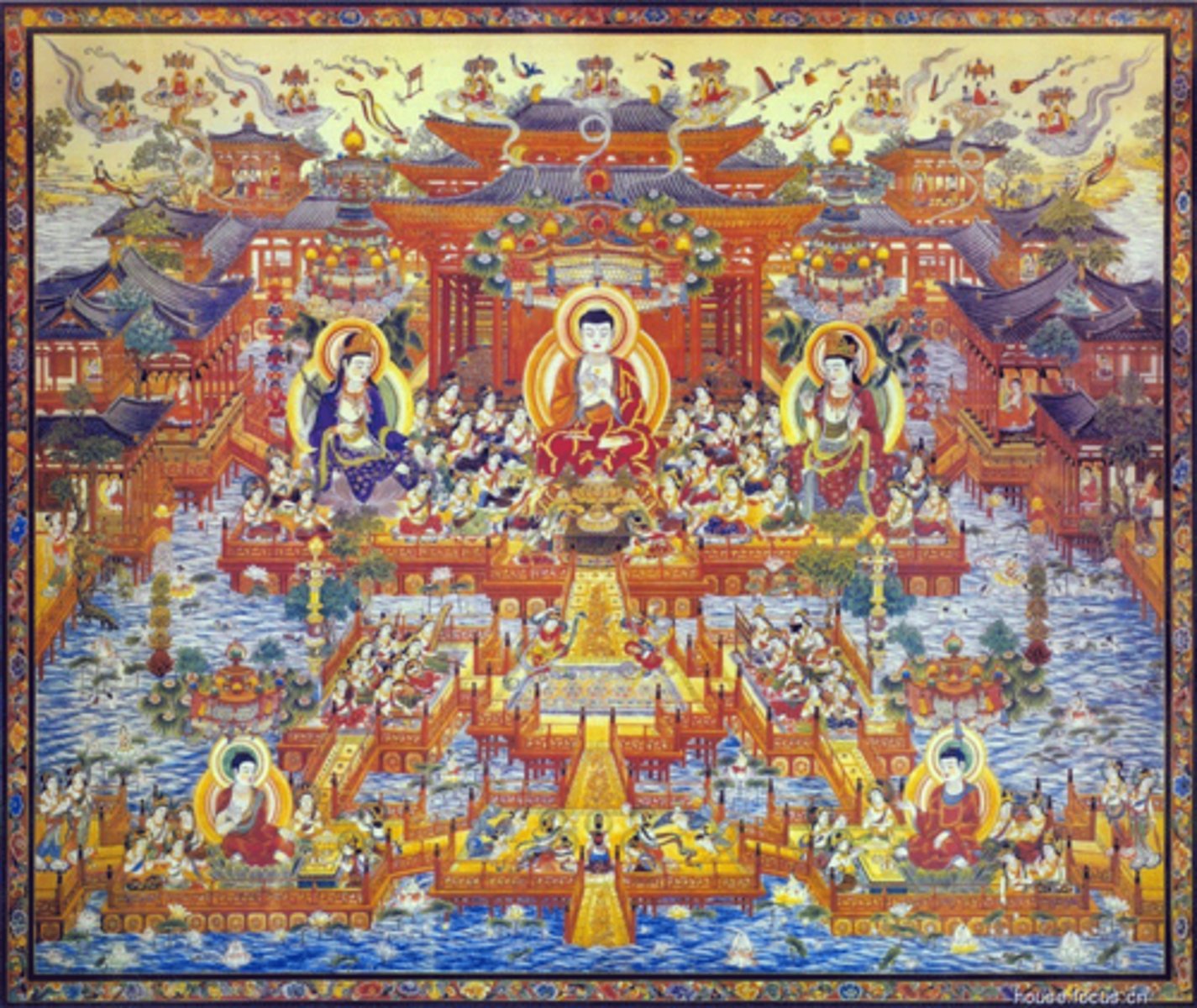
Mahayana Buddhism
"Great Vehicle" branch of Buddhism followed in China, Japan, and Central Asia. The focus is on reverence for Buddha and for Bodhisattva, enlightened persons who have postponed Nirvana to help others attain enlightenment. It was a more "user friendly" Buddhism that developed as Buddhism spread into East and Southeast Asia.
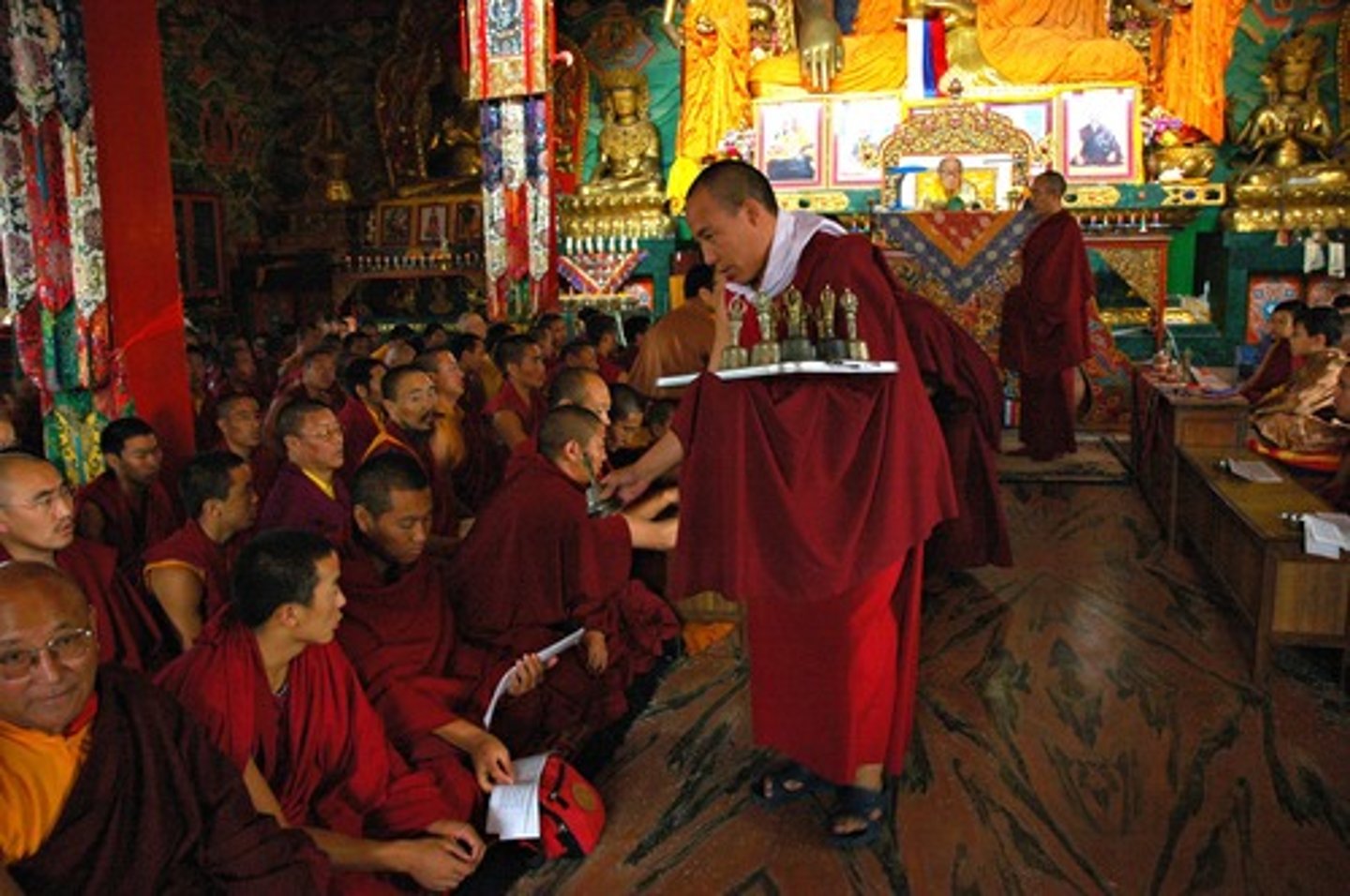
Tibetan Buddhism
A Buddhist doctrine that emerged in Tibet. Relies on the teachings of a lama or spiritual leader. Also known for the Tibetan Book of the Dead which focuses on the experiences that the consciousness has after death.
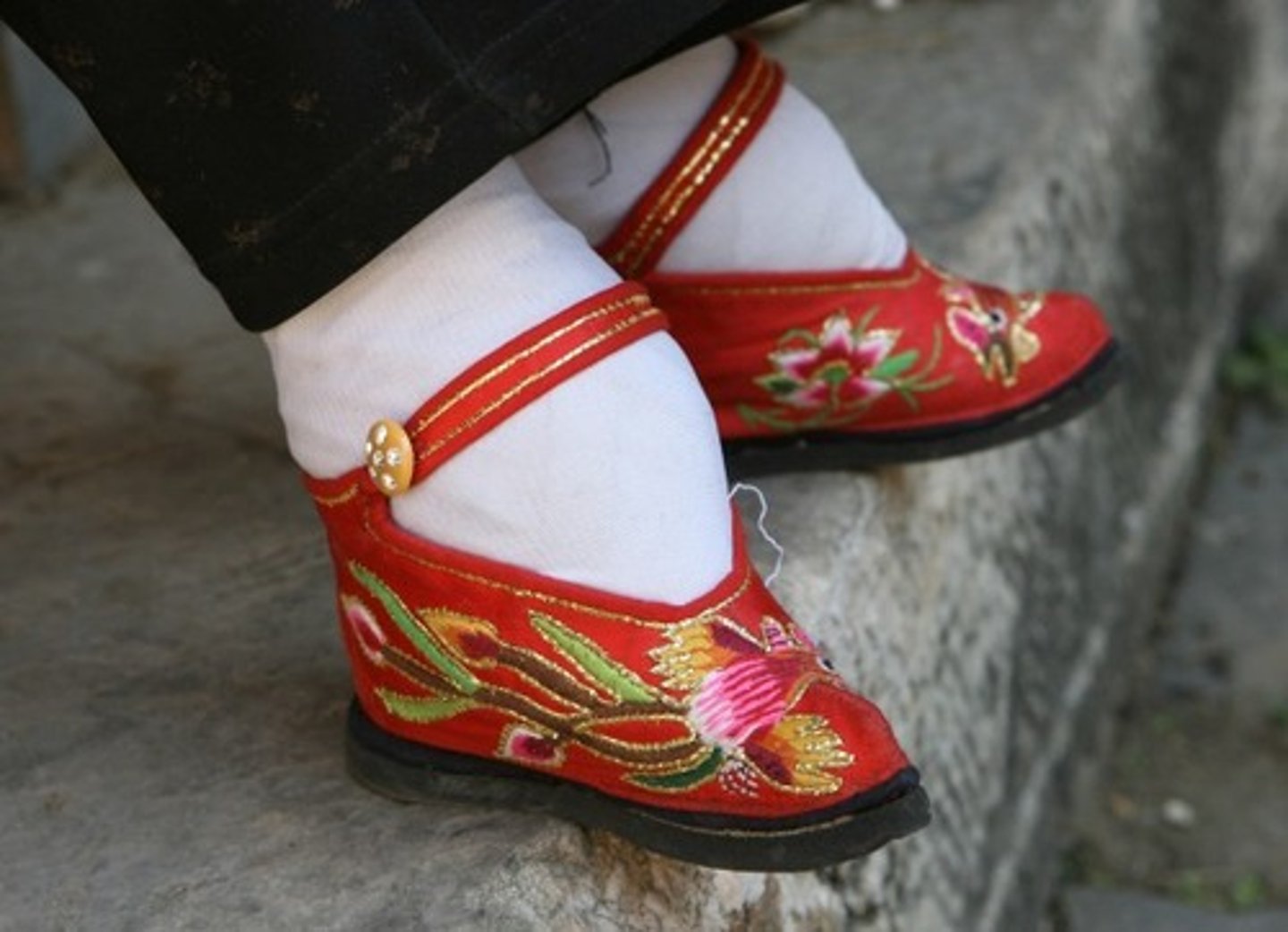
Foot binding
Chinese practice of tightly binding and breaking the feet of young girls in order to change the shape of their feet. Became very popular during the the Song Dynasty, a period in which the status of women declined in China as a result of the importance of Neo-Confucianism.
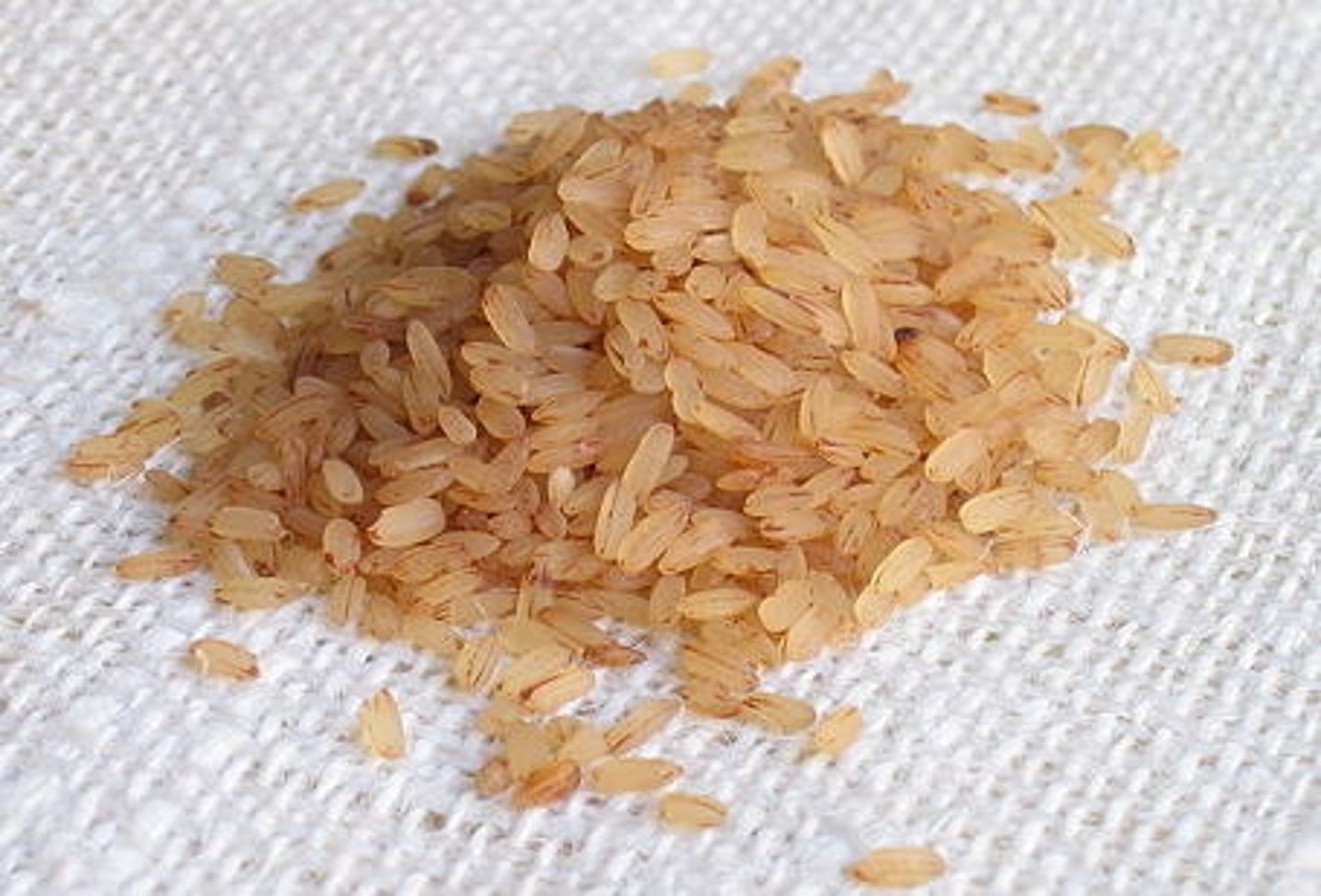
Champa Rice
Quick-maturing rice that can allow two harvests in one growing season; led to increased populations in Song Dynasty China. Originally introduced into Vietnam from India, it was later sent to China as a tribute gift by the Champa state (as part of the tributary system.)
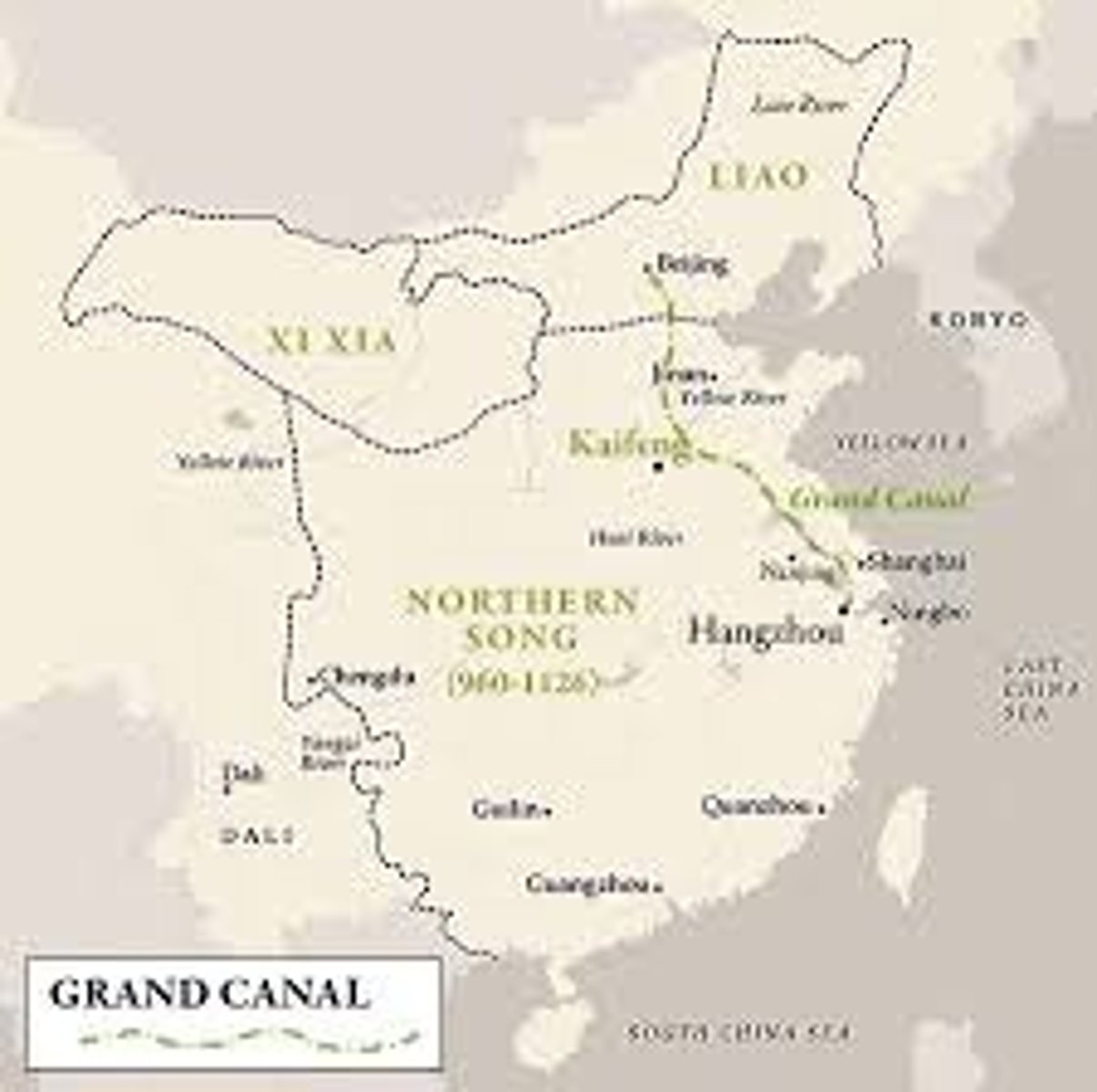
Grand Canal
The 1,100-mile (1,700-kilometer) waterway linking the Yellow and the Yangzi Rivers. It was begun in the Han period and completed during the Sui Dynasty. Led to increased trade within China.
Paper currency
Chinese invention that promoted commercialization of the Chinese economy.
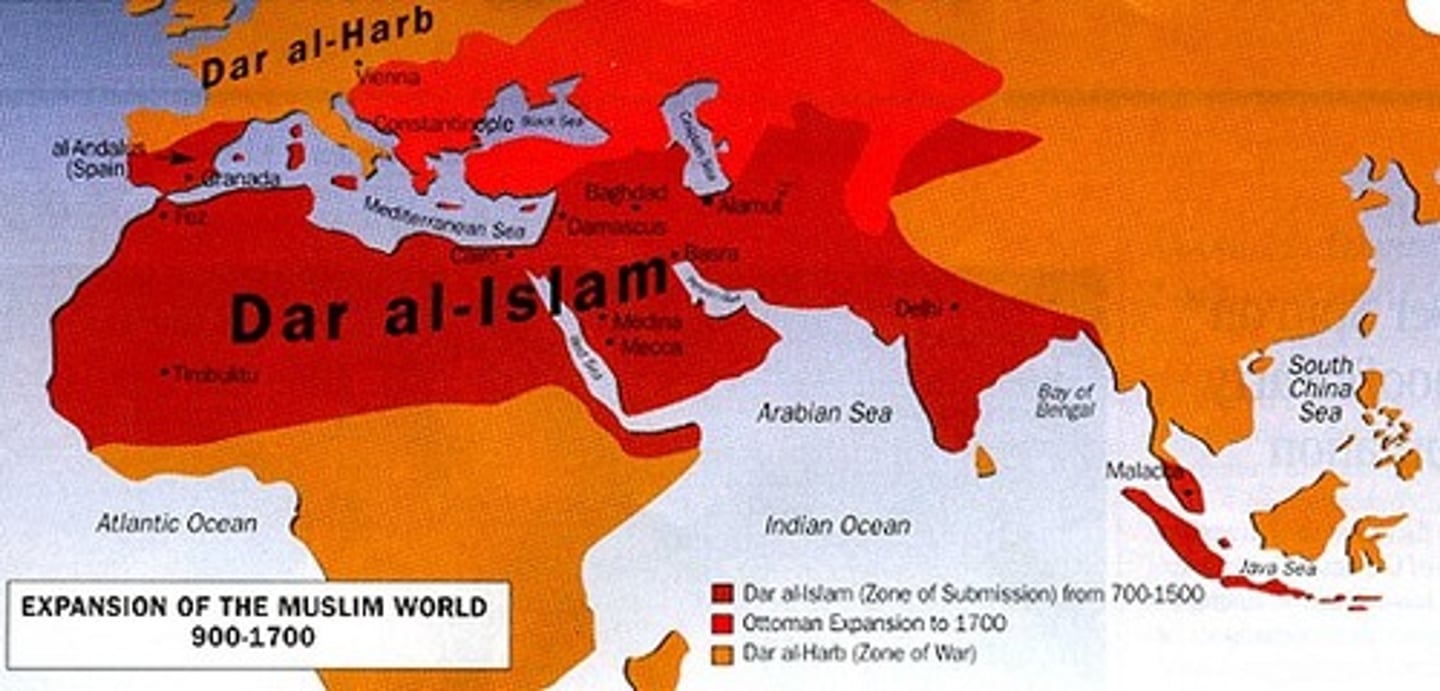
Dar al Islam
"Everywhere Islam is". In 1200 - 1450 this term described the territory extending from Spain and Northwest Africa, all the way to South and Southeast Asia.
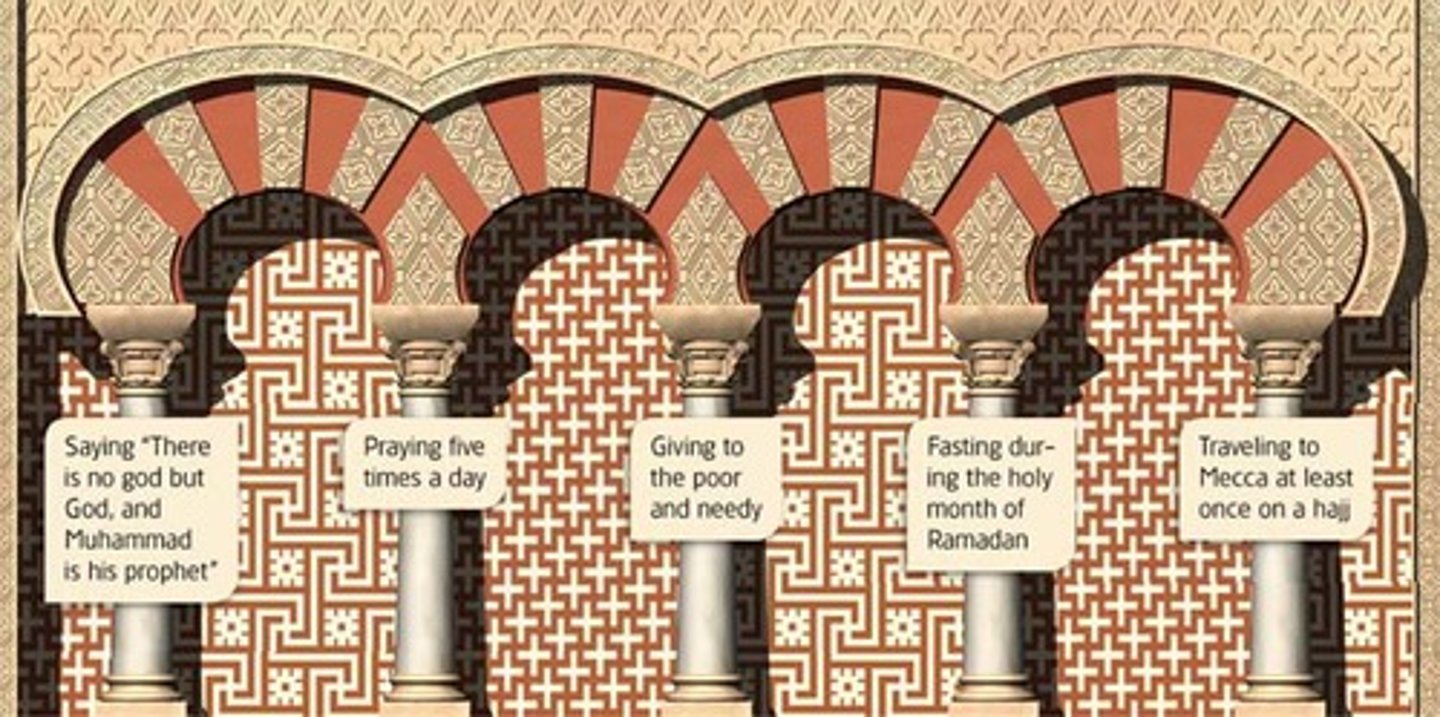
Five Pillars of Islam
true Muslims were expected to follow (principle of Salvation): belief in Allah, pray 5 times a day, giving of alms, fasting during Ramadan, pilgrimage to Mecca once in a lifetime
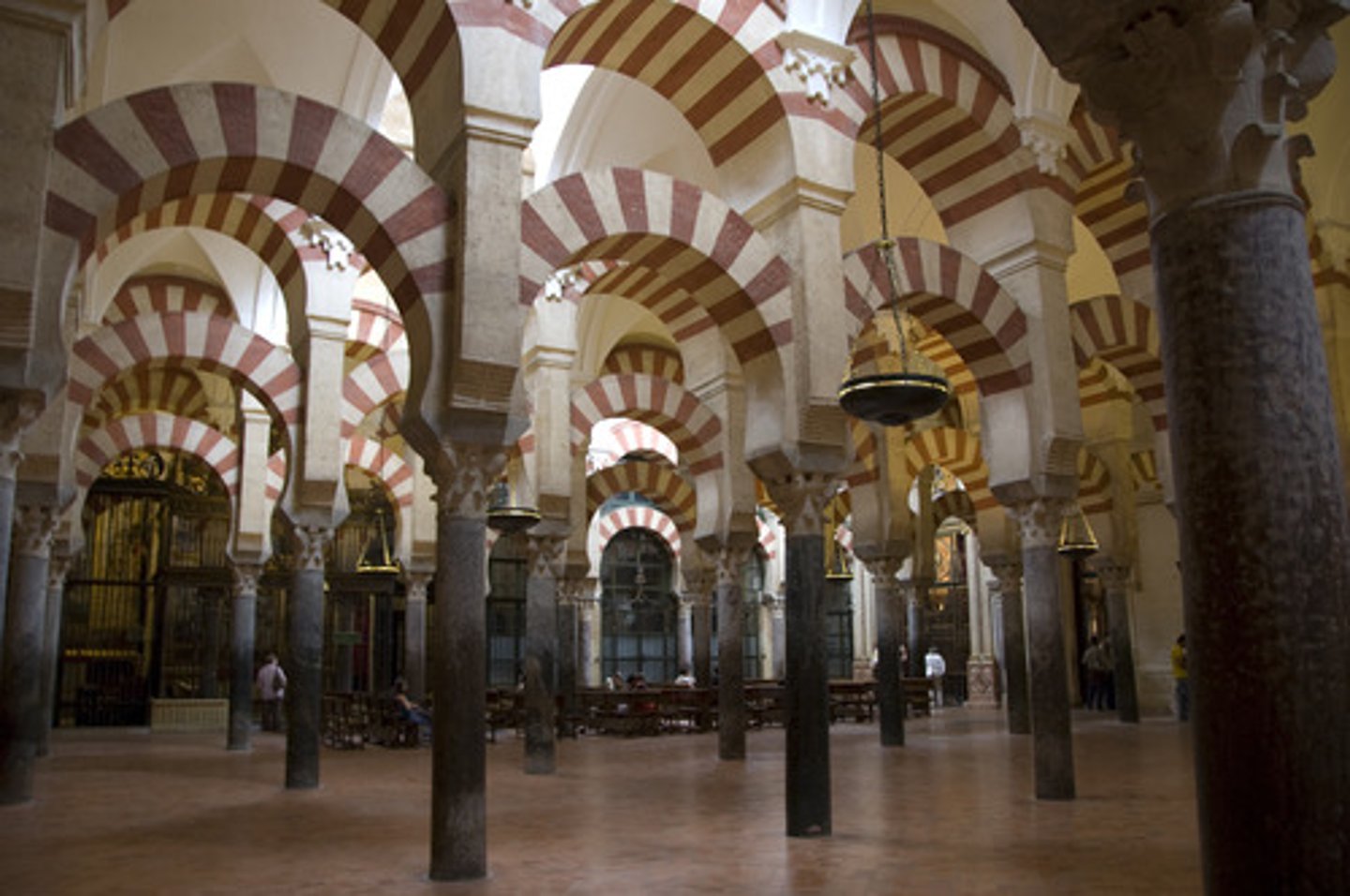
Al Andulus
Muslim Spain, whose Muslim rulers, descended from that Umayyad prince who escaped the Abbasids. Its capital was Corboda.
Caliph
A person considered the successor of Muhammad and the leader of the entire Muslim world. A state led by a caliph is a caliphate.
Turkic peoples
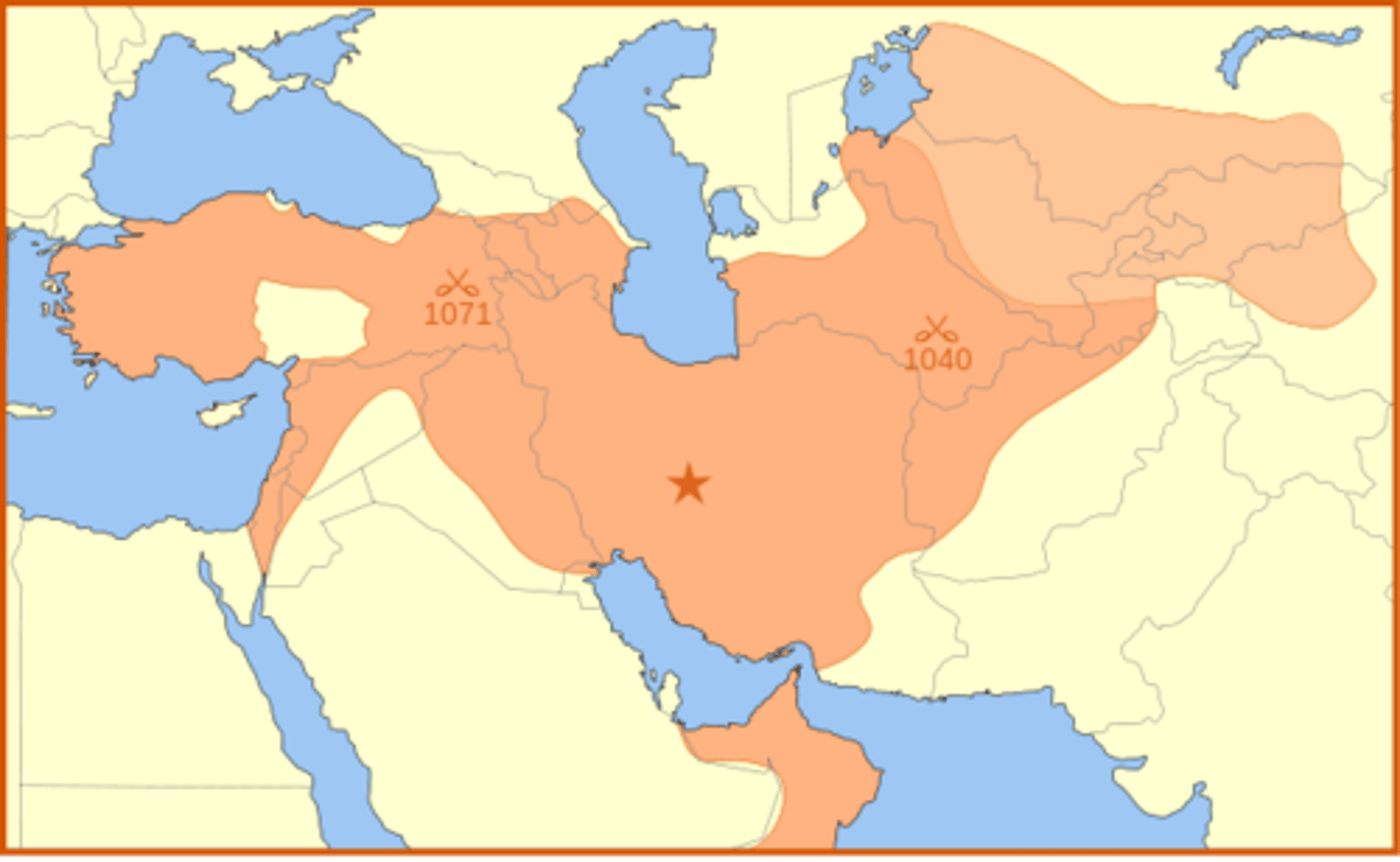
Central Asian nomadic peoples who had a common language family called Turkish. Their migrations into Southwest Asia beginning in the 10th century ushered in a period of political domination by Turkish groups such as the Seljuk and later the Ottomans that lasted until the 20th century. These Turkish groups converted to Islam and established regional states called sultanates, named after the leader of the Turkish group, a Sultan.
Seljuk Empire
Turkic empire ruled by sultans in Persia and modern-day
Iraq (11th and 12th centuries); Established Turks as major ethnic group carrying Islam across Eurasia, along with Arabs and Persians; Demonstrated weakness of Abbasid caliphate in its later
years; sultans held real power in the empire; Helped to spread the influence of Islam throughout the region
Delhi Sultanate
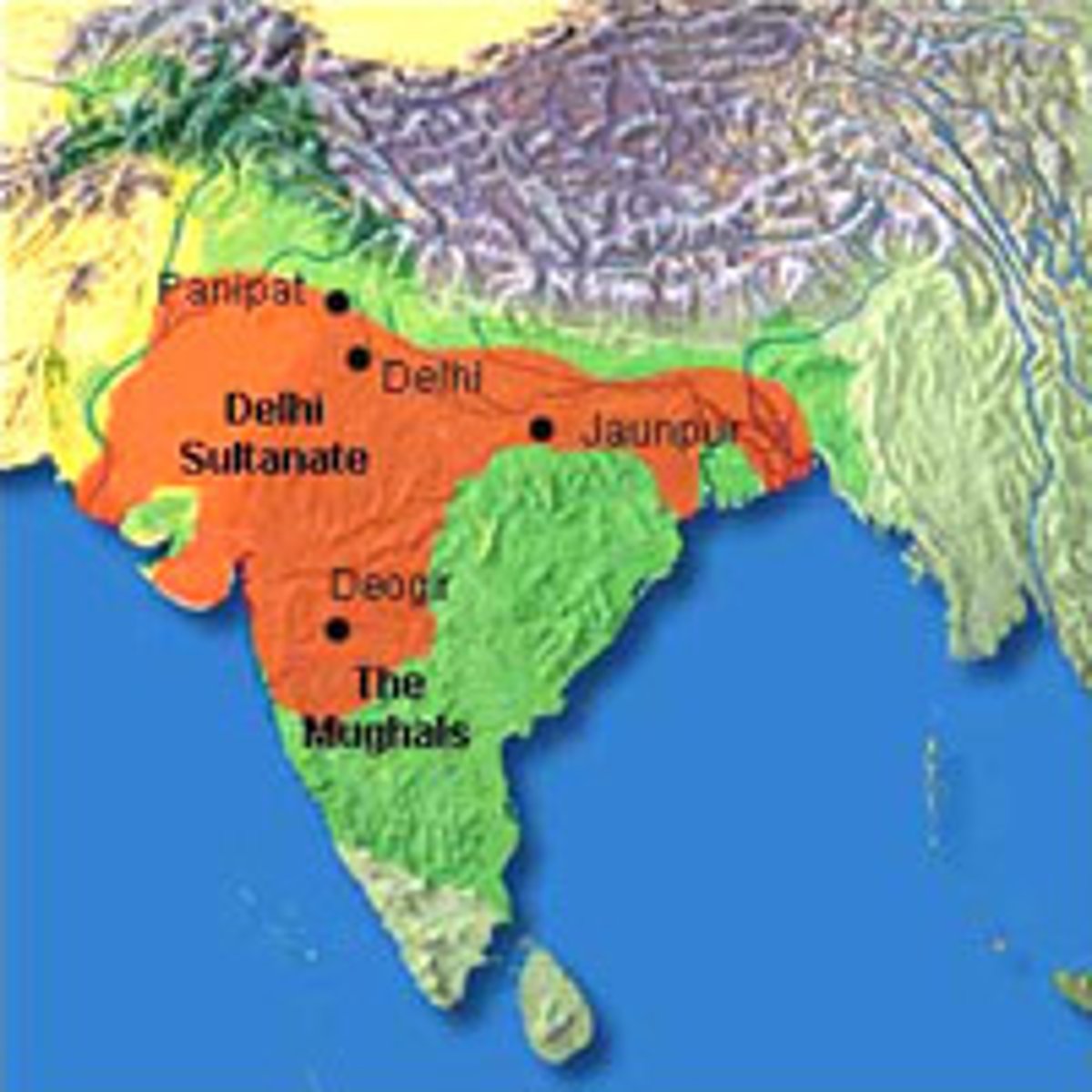
The first Islamic government established within India from 1206-1520. Controlled a small area of northern India and was centered in Delhi.
Abbasid Caliphate
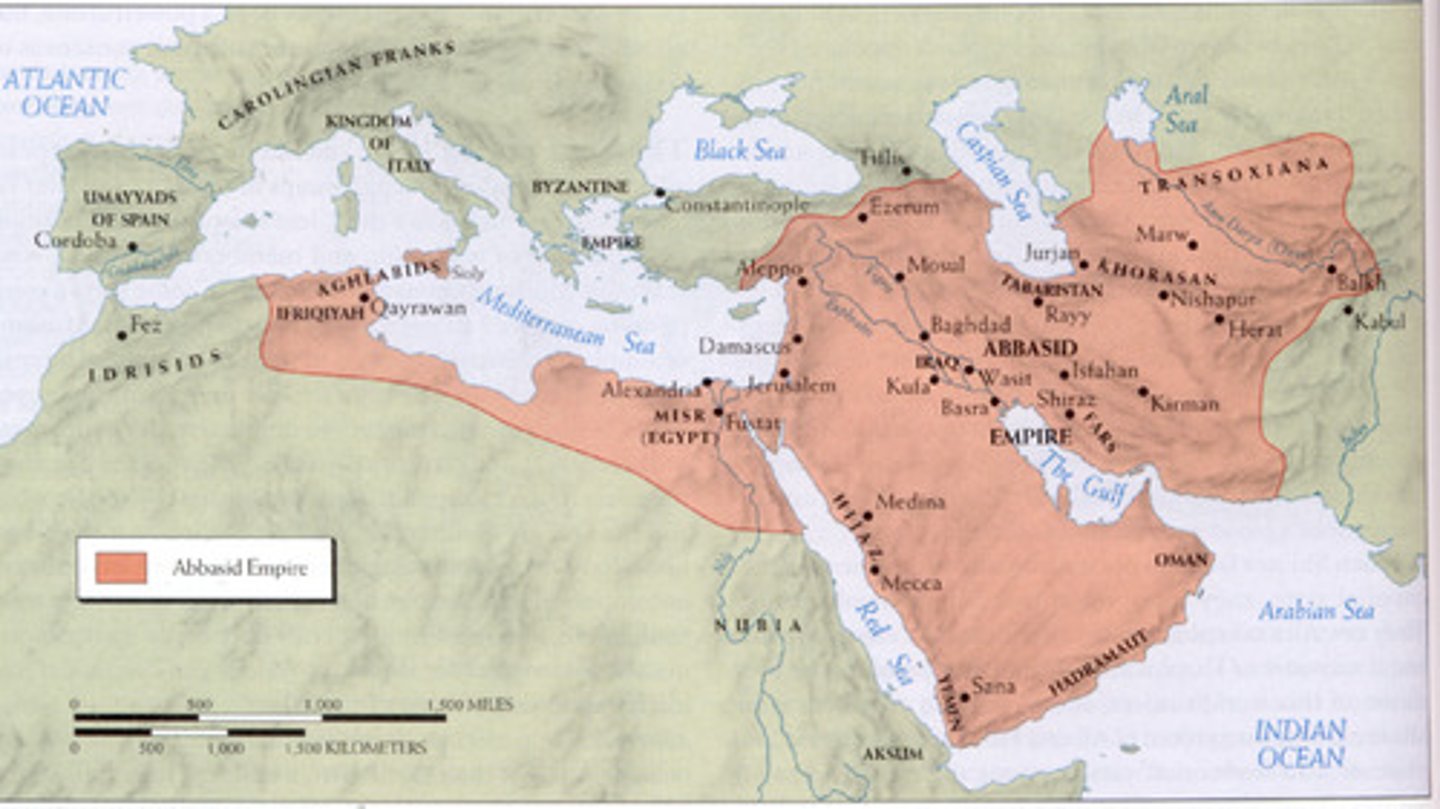
(750-1258 CE) The caliphate, after the Umayyads, who focused more on administration than conquering. Had a bureaucracy that any Muslim could be a part of.
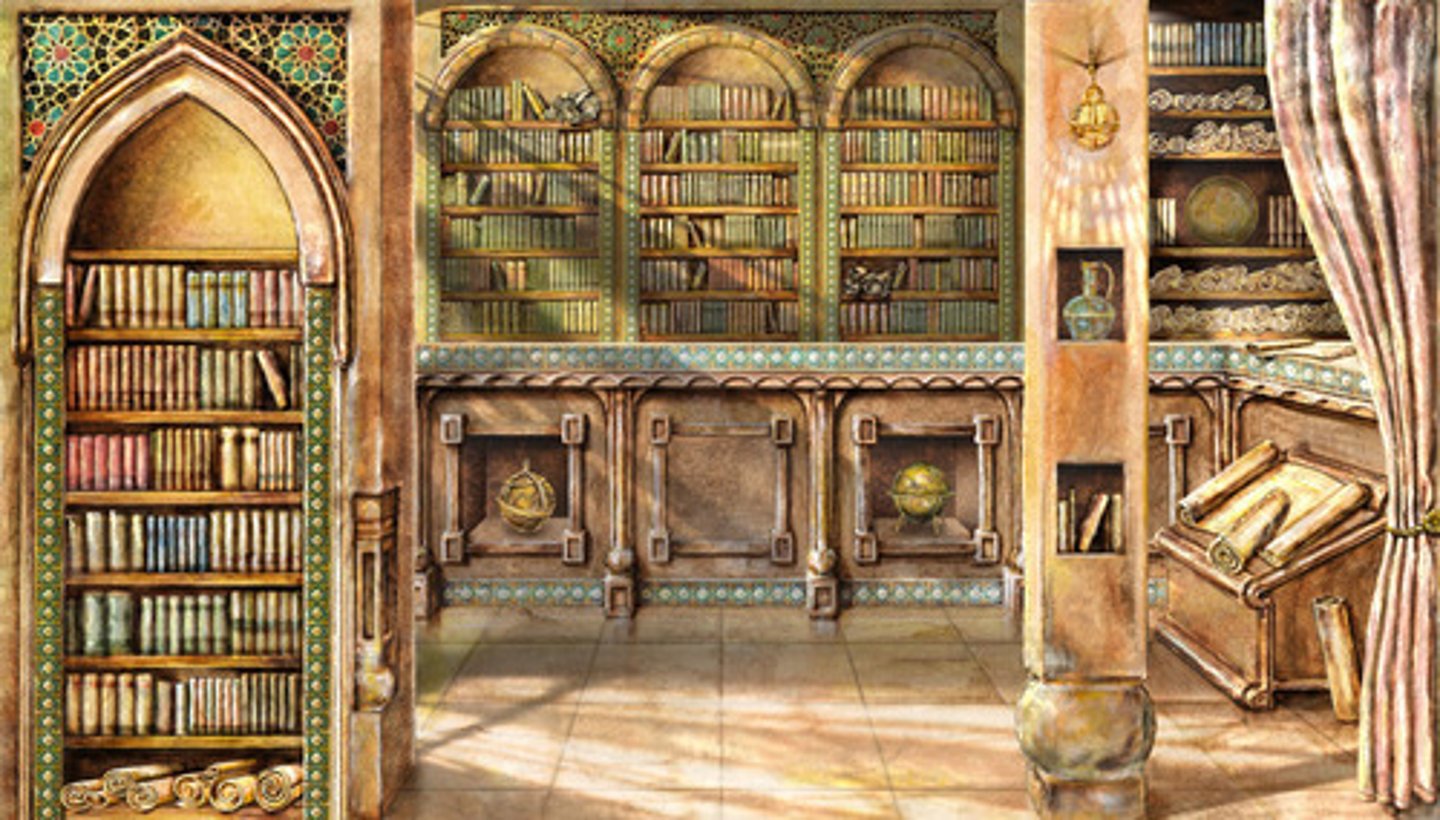
House of Wisdom in Baghdad
Large Islamic-based Library and learning center. Focus of conversion of Greek and Roman classics and Indian learning into Arabic. Preserved knowledge that was transferred to Western Europe.
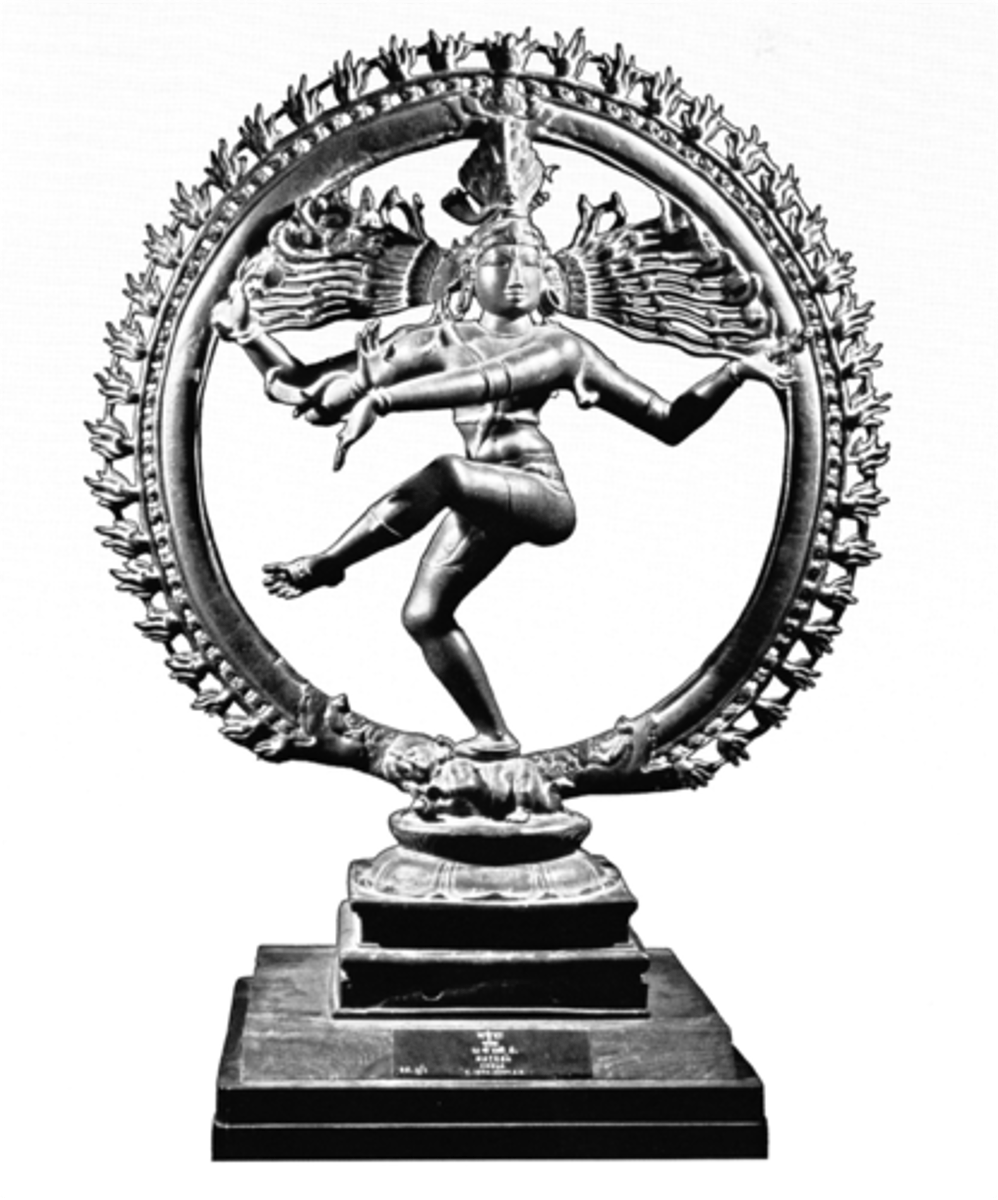
Bhakti Movement
An immensely popular development in Hinduism, advocating intense devotion toward a particular deity.
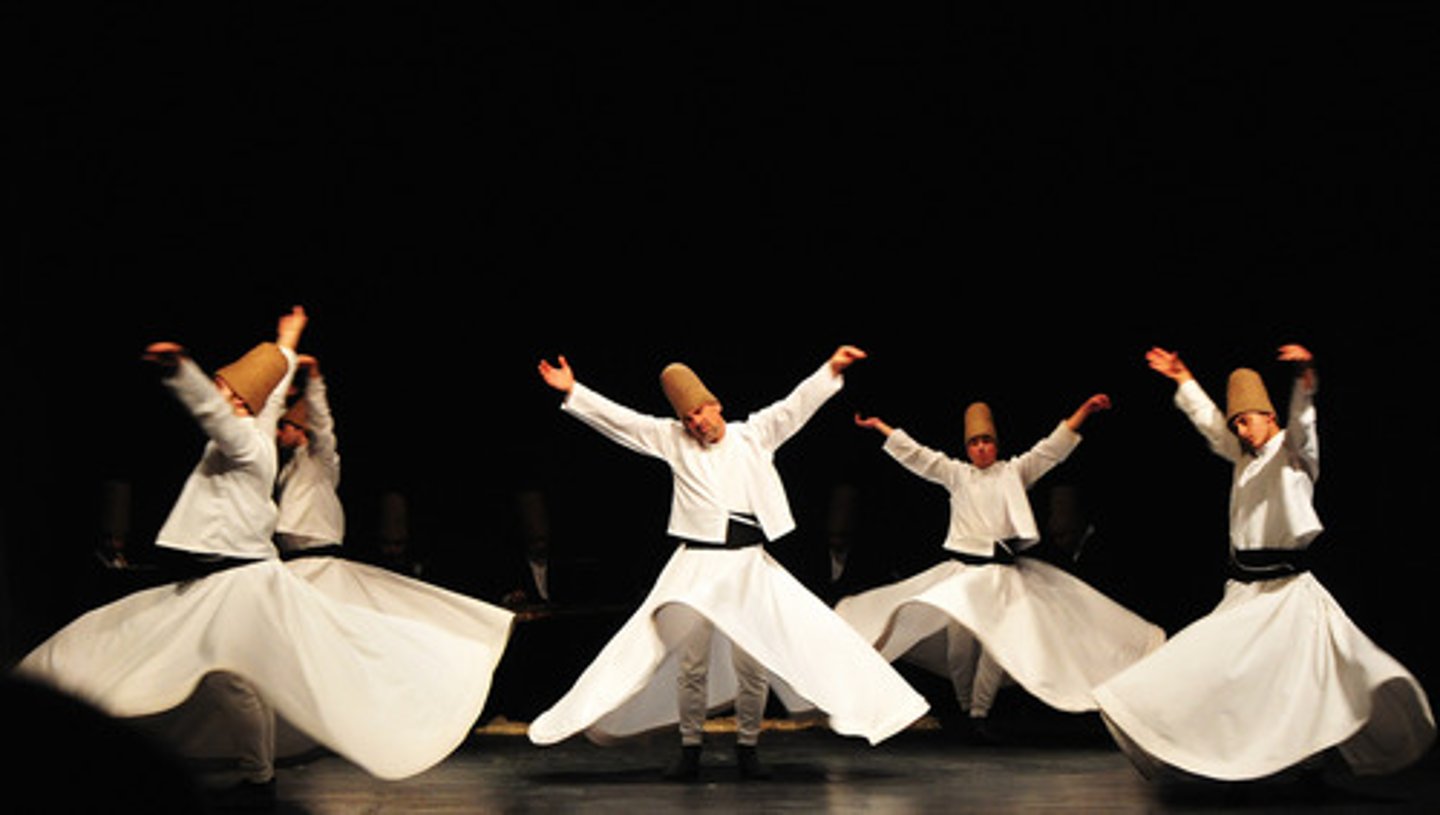
Sufism
An Islamic mystical tradition that desired a personal union with God--divine love through intuition rather than through rational deduction and study of the Shari'a. Followed an ascetic routine (denial of physical desire to gain a spiritual goal), dedicating themselves to fasting, prayer, meditation on the Qur'an, and the avoidance of sin.
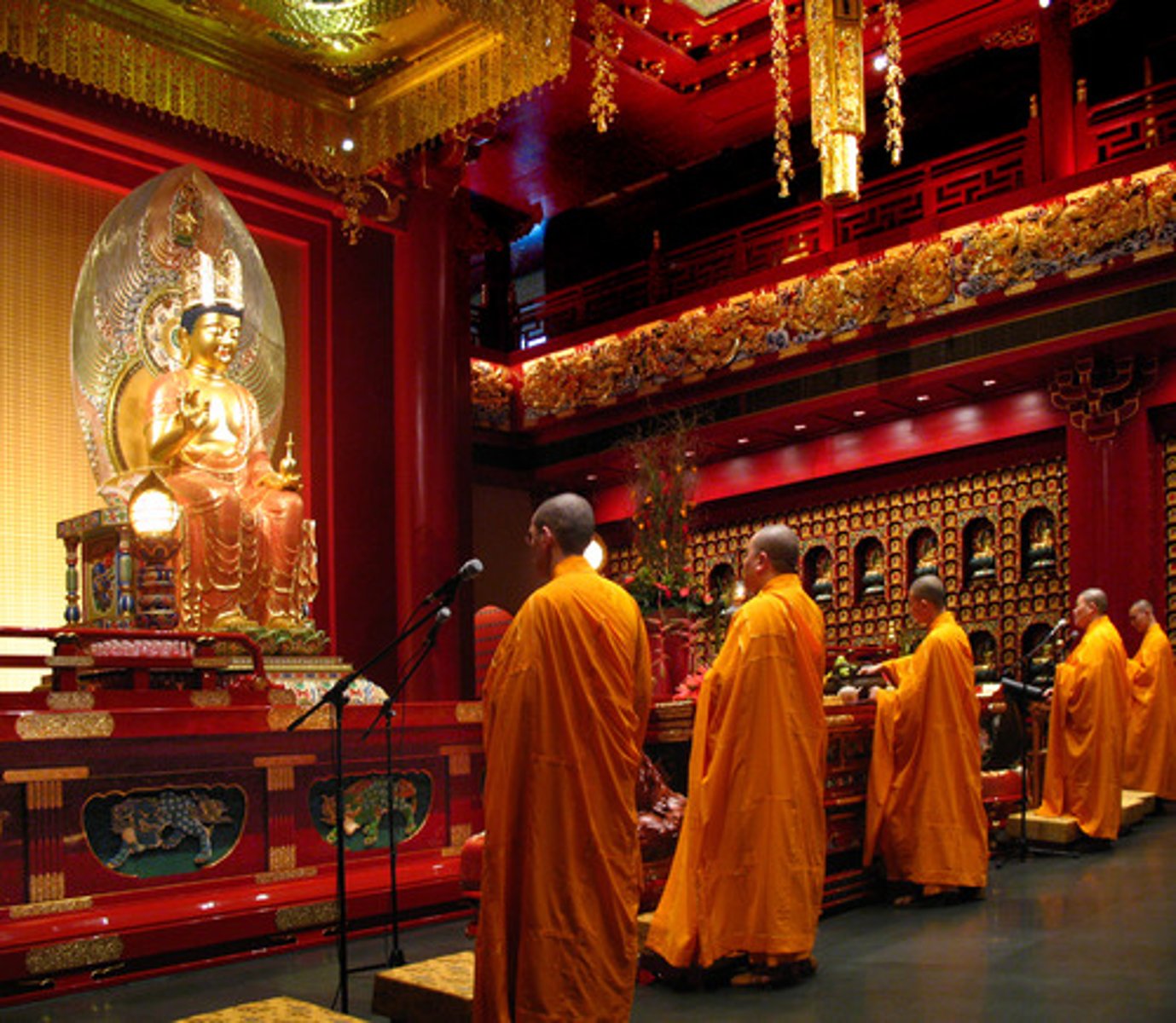
Buddhist monasticism
Religious way of life in which one renounces worldly pursuits to devote oneself fully to spiritual work. Monks and nuns practiced this lifestyle.
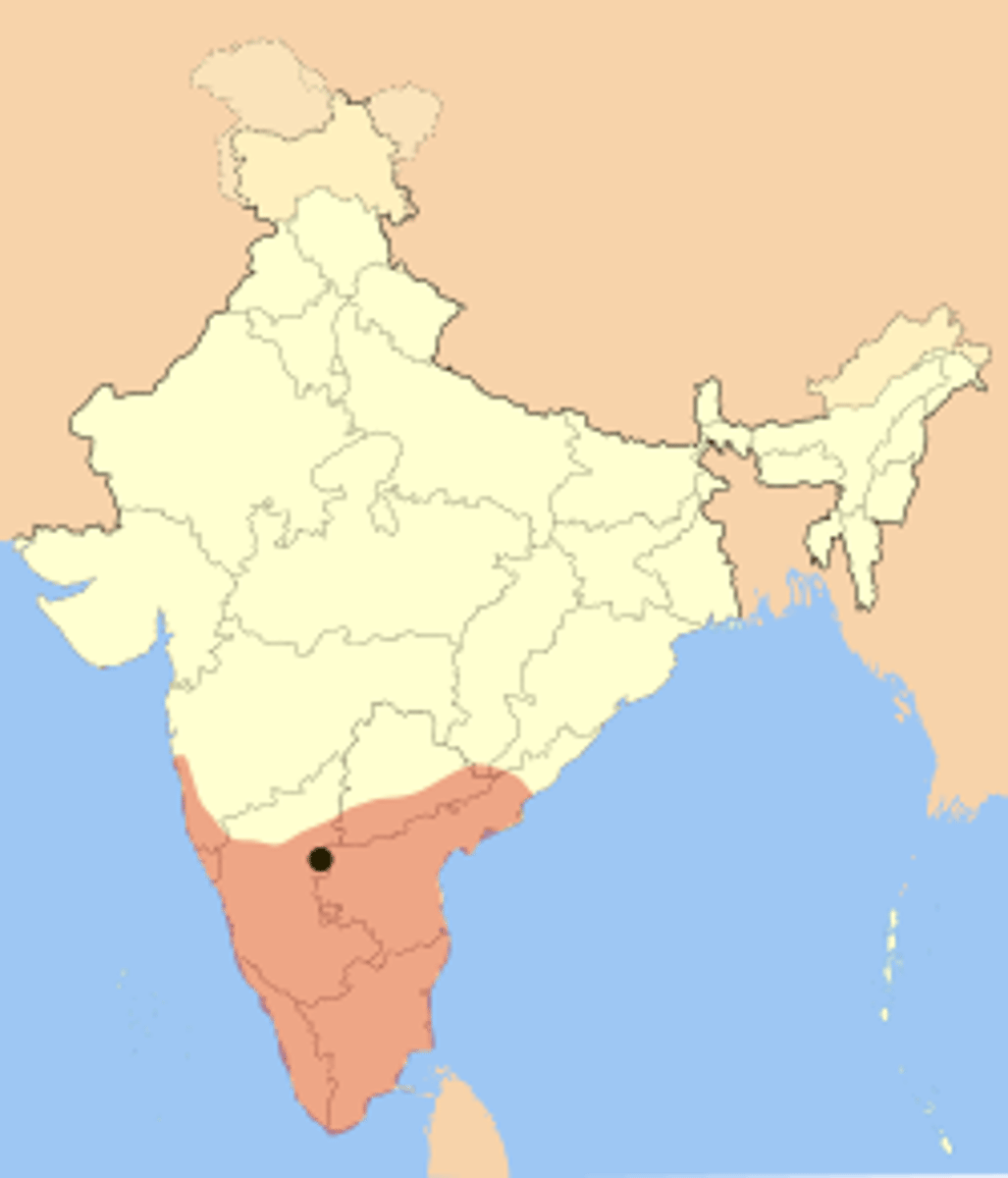
Vijayanagara Empire
Hindu kingdom in South Asia, traded extensively with Muslim merchants.
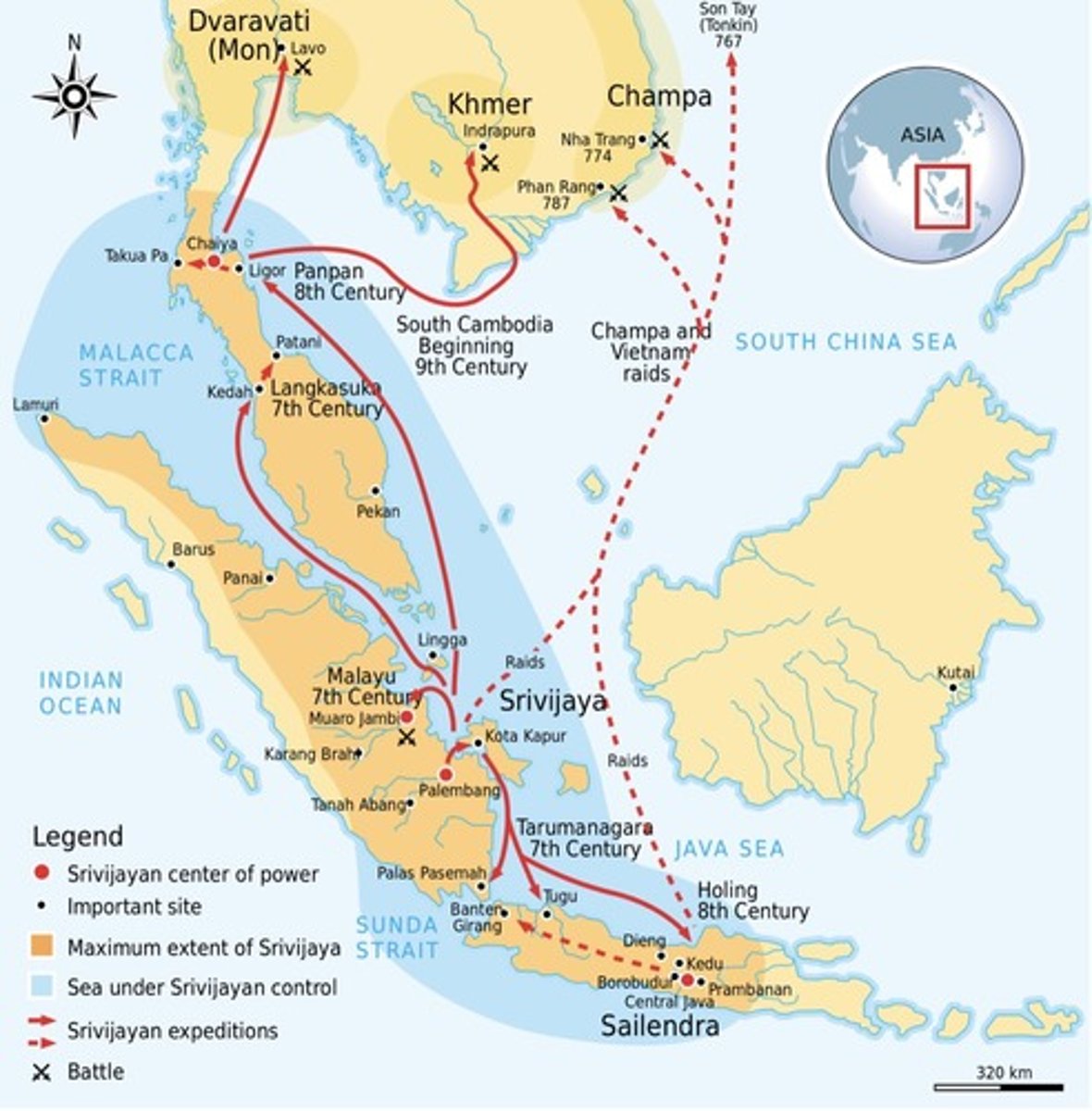
Srivijaya Empire
flourished from the 600s to 1200s; controlled the Strait of Malacca. Important center for the expansion of Buddhism.
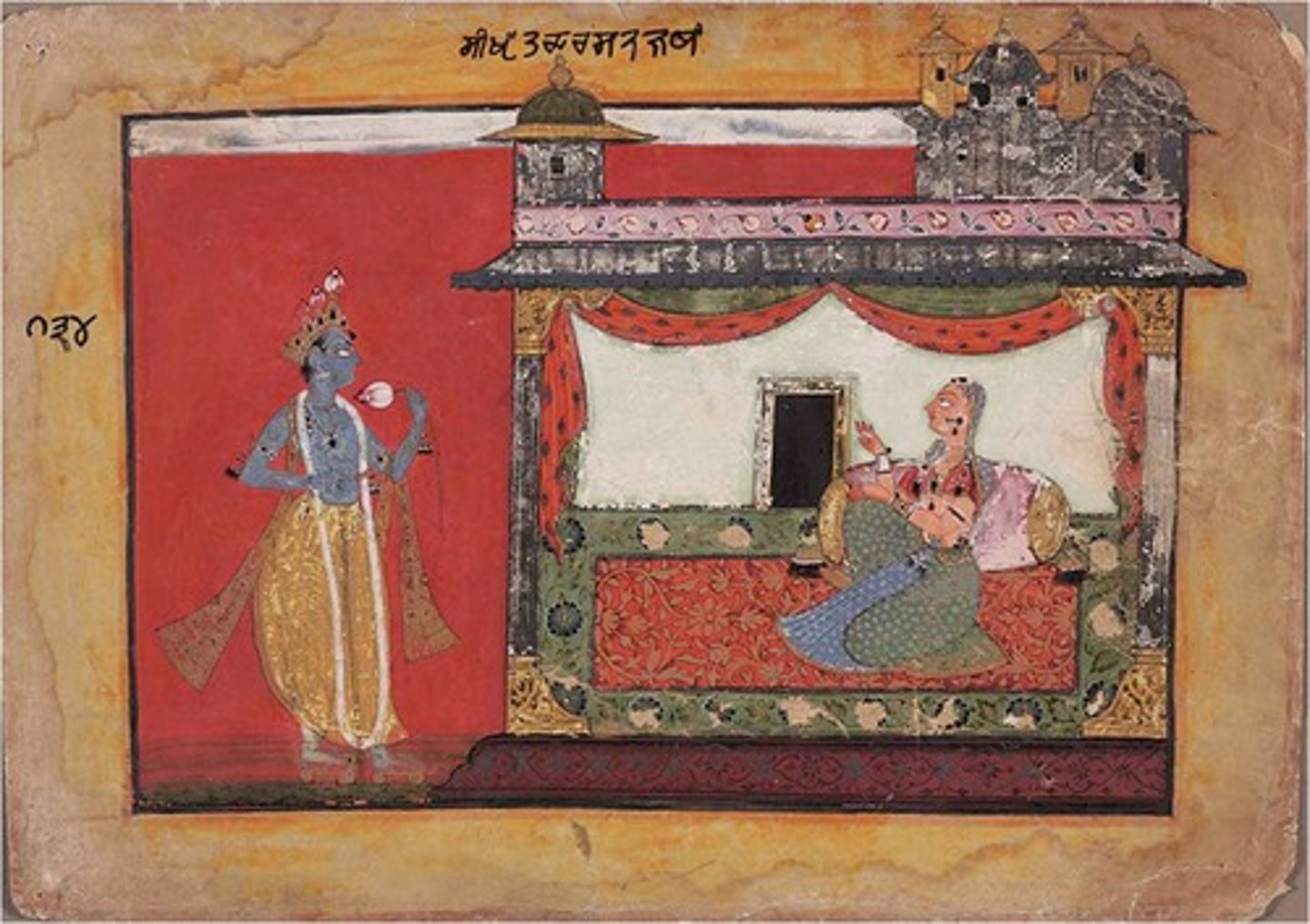
Rajput Kingdoms
Numerous Hindu kingdoms in India that arose after the fall of the Gupta dynasty; ruled by the land owning Rajput class,
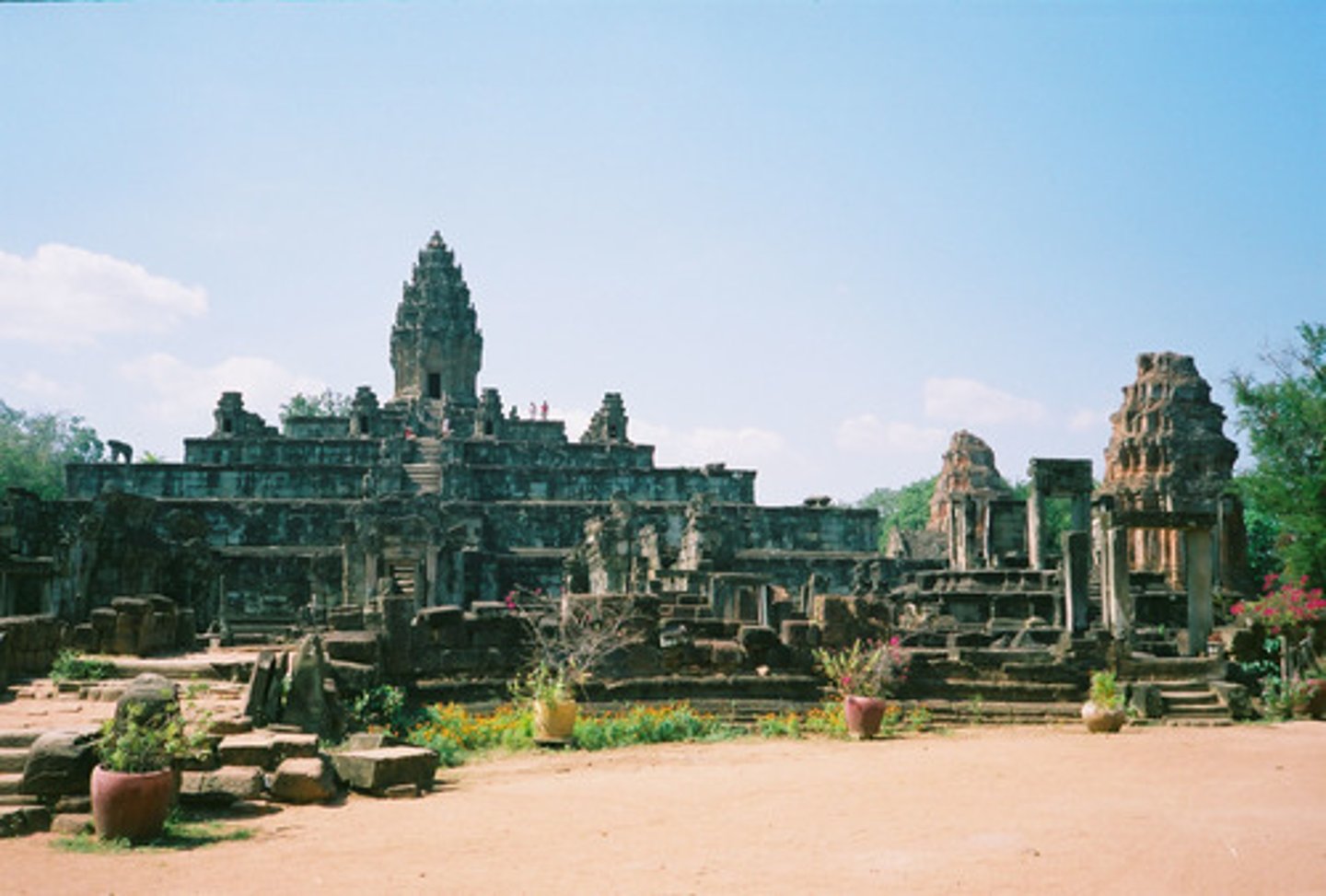
Khmer Empire
The most powerful and longest-lasting kingdom on the mainland of southwest Asia, centering in what is today Cambodia; built Angkor Wat temple complex. Hinduism originally prevailed as the state religion and was practiced by the ruling class. Theravada Buddhism was also an official religion.
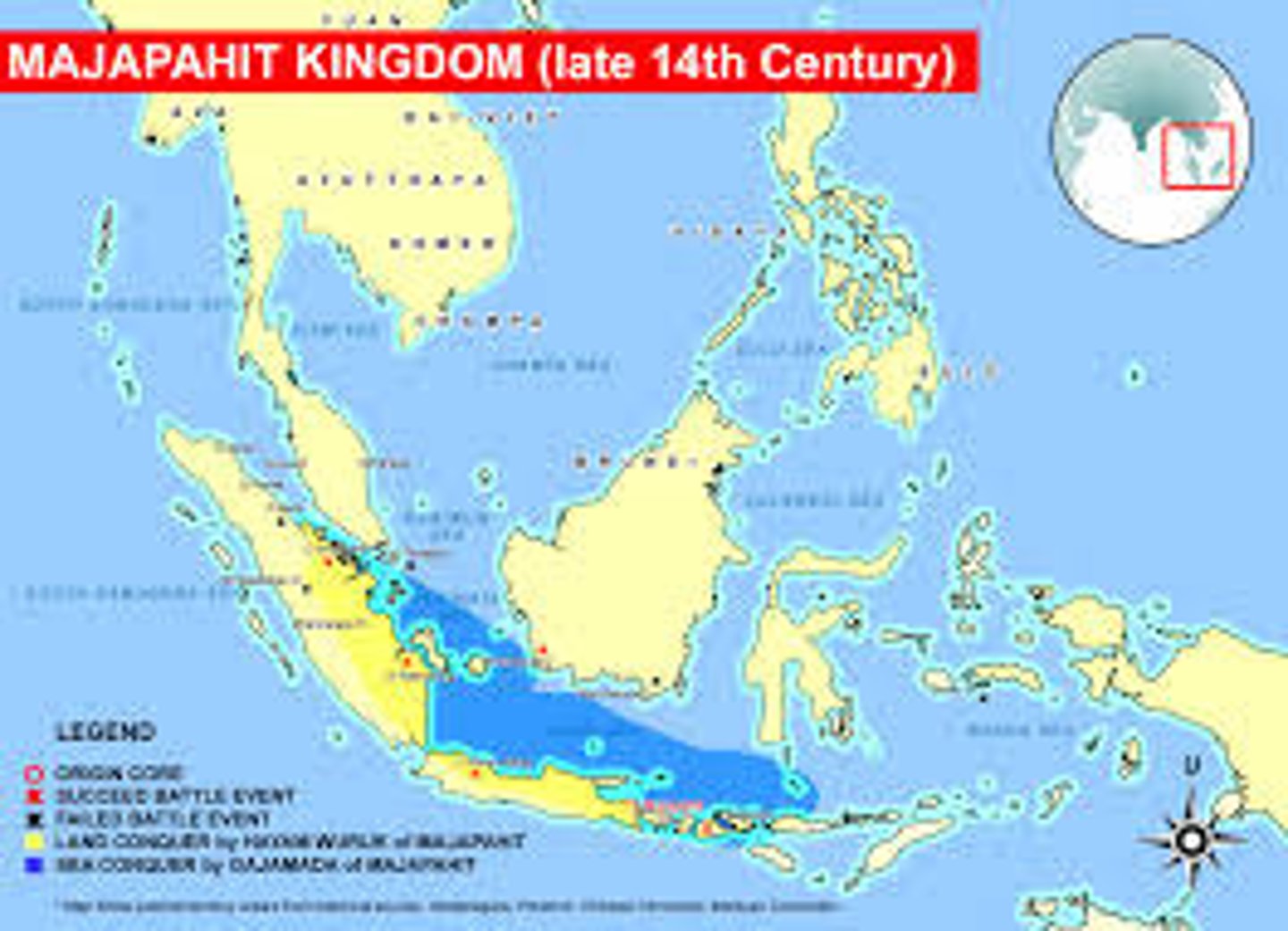
Majapahit
Hindu maritime kingdom (1293-1520) centered on the island of Java. Majapahit was one of the last major Hindu empires of the region and is considered to be one of the greatest and most powerful empires in the history of Indonesia and Southeast Asia.
Sukhothai kingdom
Existed in north central Thailand 1238 0 1438. Is considered the first Thai kingdom. Theravada Buddhism was the state religion.
Sinhala Dynasties
Series of kingdoms that existed on what is today the island of Sri Lanka. The Sinhalese people are Into-Aryans and their religion is Theravada Buddhism.
TERM
Ankgor Wat
DEFINITION
Large temple structure built in the early 12th century at the capital of the Khmer Empire. It was originally dedicated to The Hindu god Vishnu but it was later converted to a Buddhist temple.