BYU CELL 220 Exam #1
 Call Kai
 Learn
Learn Practice Test
 Spaced Repetition
 Match
Match Flashcards
 Knowt Play
1/273

There's no tags or description
Looks like no tags are added yet.
Name | Mastery | Learn | Test | Matching | Spaced | Call with Kai |
|---|
No analytics yet
Send a link to your students to track their progress
274 Terms
gross anatomy
Study of structures that can be seen with the naked eye
microscopic anatomy
deals with structures too small to be seen with the naked eye
integumentary system
encloses internal body structures; site of many sensory receptors
skeletal system
supports the body and enables movement
muscular system
enables movement and helps maintain body temperature
nervous system
detects and processes sensory information and activates bodily responses
endocrine system
secretes hormones and regulates bodily processes
cardiovascular system
delivers oxygen and nutrients to tissues and equalizes temperature in the body
lymphatic system
returns fluid to blood and defends against pathogens
respiratory system
removes carbon dioxide from the body and delivers oxygen to blood
digestive system
processes food for use by the body and removes wastes from undigested food
urinary system
controls water balance in the body and removes wastes from blood and excretes them
male reproductive system
produces sex hormones and gametes and delivers gametes to female
female reproductive system
produces sex hormones and gametes, supports embryo/fetus until birth, and produces milk for infant
ventral
towards the front
dorsal
towards the back
rostal
towards the head
cranial
towards the head
cephalic
towards the head
caudal
below
lateral
away from middle
medial
towards middle
proximal
towards torso (appendages)
distal
away from torso (appendages)
superficial
close to surface
deep
deep to surface
midsagittal (median) plane
divides the body into an equal left and right side
frontal (coronal) plane
vertical plane dividing the body or structure into anterior and posterior portions
transverse plane
horizontal division of the body into upper and lower portions
oblique plane
passes through the body at an angle
frons
forehead/ frontal
cranium
skull/ cranial
oris
mouth/ oral
mentis
chin/ mental
axilla
armpit/ axillary
brachium
arm/ brachial
antecubitis
front of elbow/ antecubital
antebrachium
forearm/ antebrachial
carpus
wrist/ carpal
pollex
thumb
palma
palm/ palmar
digits
phalanges or fingers/ digital or phalangeal
crus
leg/ crural
tarsus
ankle/ tarsal
auris
ear/ otic
nasus
nose/ nasal
cervicis
neck/ cervical
thorcis or thorax
chest/ thoracic
hip
coxal
inguen
groin/ inguinal
shoulder
acromial
dorsum
back/ dorsal
brachium
arm/ brachial
olecranon
back of elbow/ olecranon
lumbus
loin/ lumbar
sacrum
sacral
antebrachium
forearm/ antebrachial
manus
hand/ manual
gluteus
buttock/ gluteal
femur
thigh/ femoral
popliteus
back of knee/ popliteal
sura
calf/ sural
calcaneus
heel of foot/ calcaneal
planta
sole of foot/ plantar
cephalon
head/ cephalic
cervicis
neck/ cervical
ventral body cavity
both thoracic and abdominopelvic cavities
mucous membranes
line digestive, respiratory, urinary, and reproductive tracts
serous membranes
line cavities close to the exterior of the body that reduces friction; peritoneal, pleural and pericardial cavities
cutaneous membranes
skin
synovial membranes
line joint cavities and produce the fluid within the joint
pre-embryonic period
weeks 1-2
embryonic period
weeks 3-8
fetal period
weeks 9-38
process of egg implantation
ovulation-->oocyte-->fertilization-->zygote-->morula-->blastocyst-->implantation
blastocyst
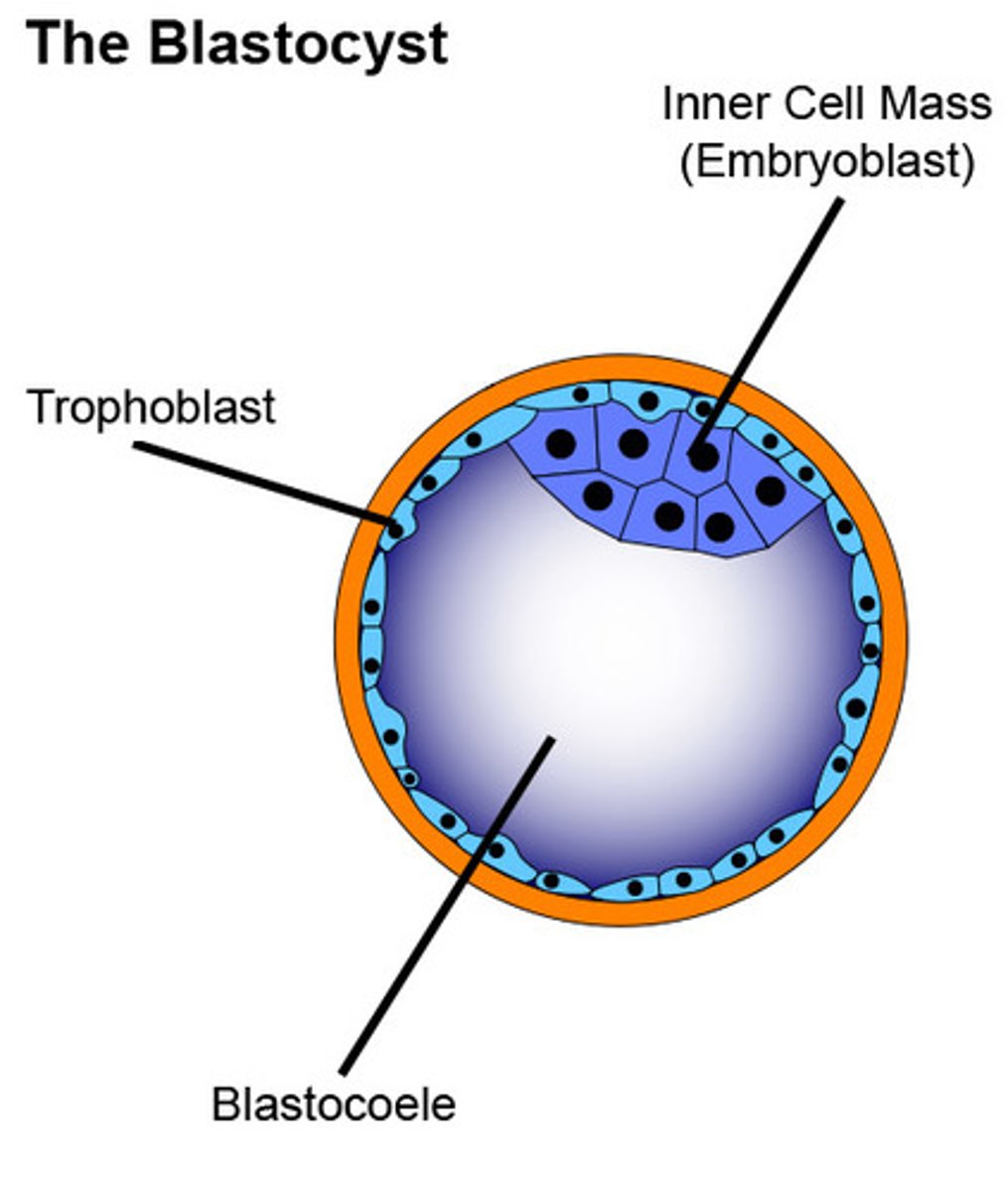
components of trophoblast
cytotrophoblast and syncytiotrophoblast
functions of trophoblast
burrows into uterine lining during implantation, builds chorion that surrounds embryo and fetus, helps to form placenta
embryonic period signs
primitive streak forms, gastrulation, body folding, neurulation, limb buds form, organogenesis
ectoderm
outermost germ layer; produces sense organs, nerves, and outer layer of skin
mesoderm
middle germ layer; develops into muscles, and much of the circulatory, reproductive, and excretory systems
endoderm
the inner germ layer that develops into the lining of the digestive and respiratory systems
organogenesis
organ development follows gastrulation and body folding, upper and lower limbs form, rudimentary organ systems have developed by week 8, embryo is approximately one inch long by week 8
fetal period sign
growth and maturation of existing organs
histology
study of tissues
cytology
study of cells
cell functions
form layers to cover surfaces, storage of nutrients and energy, produce movement, create connections, protect body against pathogens, communicate information, reproduction
plasma membrane
The membrane at the boundary of every cell that acts as a selective barrier, thereby regulating the cell's chemical composition.
cytoplasm components
cytosol and organelles
nucleus makeup
chromatin
nervous tissue
brain, spinal cord, nerves
epithelial tissue
lining of GI tract organs and other hollow organs, skin surface (epidermis)
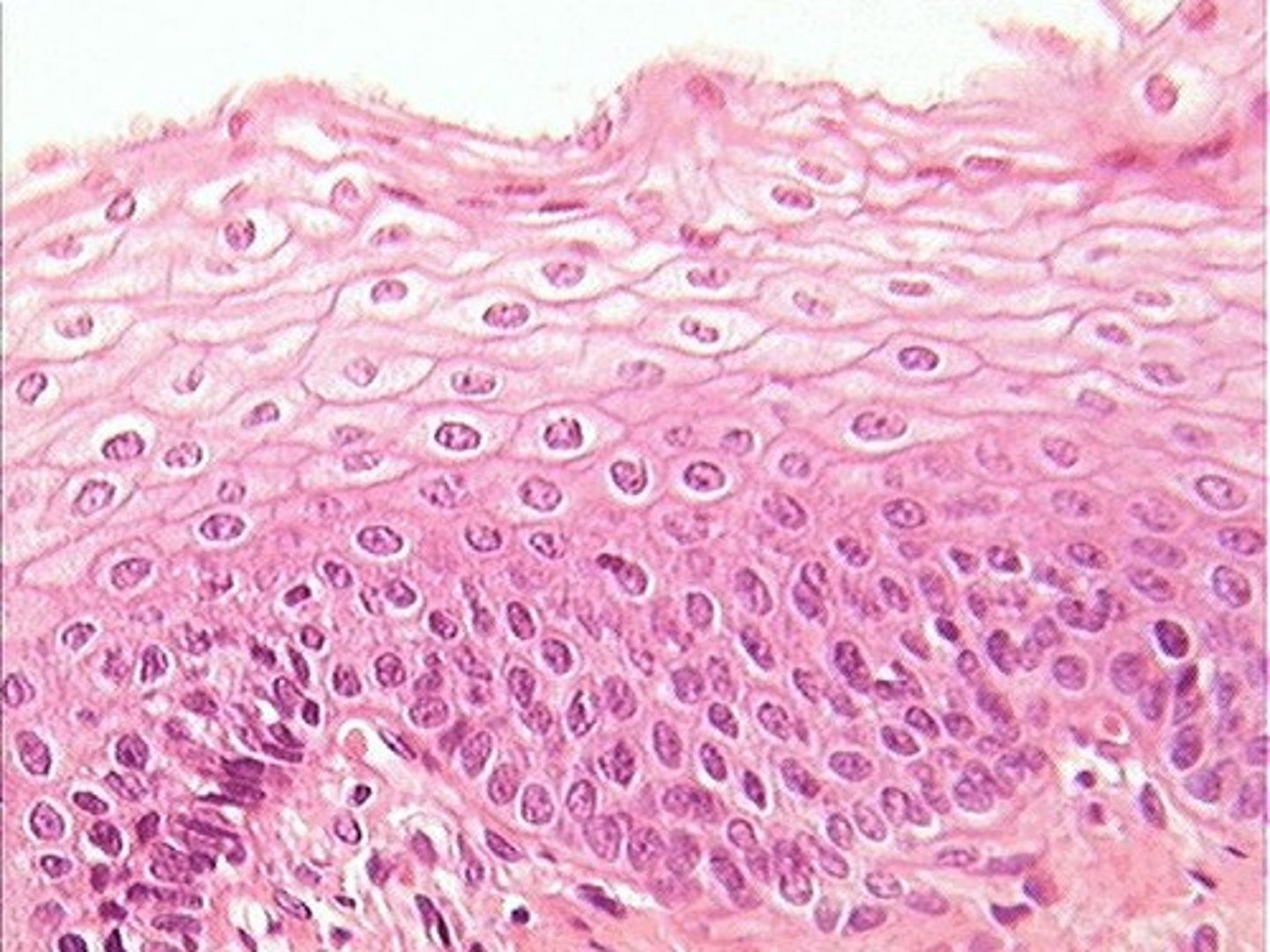
muscle tissue
cardiac muscle, smooth muscle, skeletal muscle
connective tissue
fat and other soft padding tissue, bone, tendon
epithelial tissue characteristics
Highly cellular, minimal extracellular matrix
Polarity, tissue has an apical and basal surface
Attachment to a basement membrane
Avascular (blood vessels are found in underlying connective tissue)
Regeneration (high regenerative capacity)
epithelial functions
physical protection, selective permeability, secretions, sensations
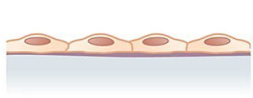
simple squamous epithelium
one flat cell layer
stratified squamous epithelium
1+ flat cell layer
simple cuboidal epithelium
cube shaped single cell layer
stratified cuboidal epithelium
cube shaped 1+ cell layer