Exam I (Genomic IP5)
 Call Kai
 Learn
Learn Practice Test
 Spaced Repetition
 Match
Match Flashcards
 Knowt Play
1/180

There's no tags or description
Looks like no tags are added yet.
Name | Mastery | Learn | Test | Matching | Spaced | Call with Kai |
|---|
No analytics yet
Send a link to your students to track their progress
181 Terms
regulatory domains
genes have ____________ ____________ such as promotors and enhancers
transcribed
DNA is (translated/transcribed) into RNA
spliced
RNA is ___________, or the introns are removed
translation
(transcription/translation) occurs when RNA is made into protein by ribosomes
transcription
process where DNA is used as a template to synthesize RNA
RNA
only known molecule to function both in the storage and transmission of genetic information and catalysis
uracil (not thymine as in DNA)
nitrogen base that pairs with adenine in RNA
both strands
replication, as opposed to transcription, uses (both strands/a single strand) as a template
replication
which process—replication or transcription—uses a primer?
DNA polymerase
main enzyme in the process of replication
RNA polymerase
main enzyme in the process of transcription
dsDNA
final product of replication
ssRNA
final product of transcription
true
true/false: proof reading occurs in both replication and transcription
codon
three letter code for an amino acid
sense codons
codons that are degenerate (many codons code for the same AA)
nonsense codon
codons that code for a stop codon (there are 3 of them)
AUG
translation starts at the codon _______
tRNA
codons are recognized by which molecules?
ribosome
the _____________ links all the amino acids together
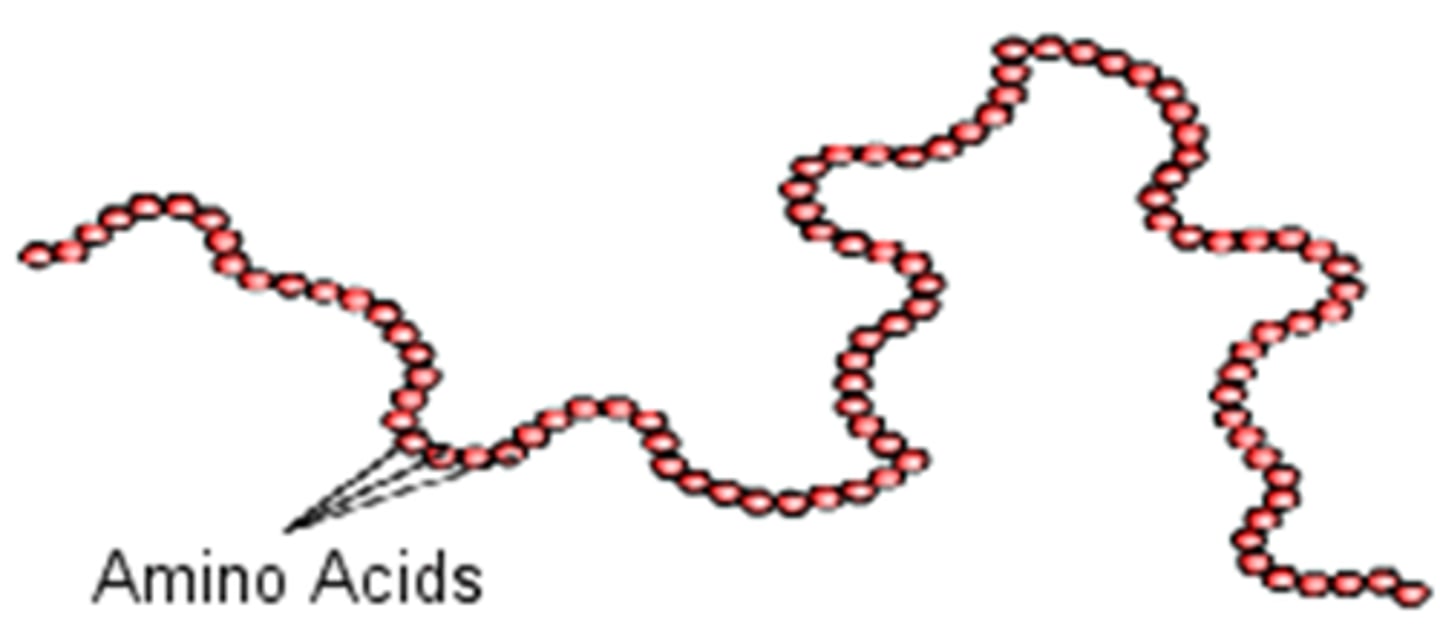
primary structure
sequence of amino acids
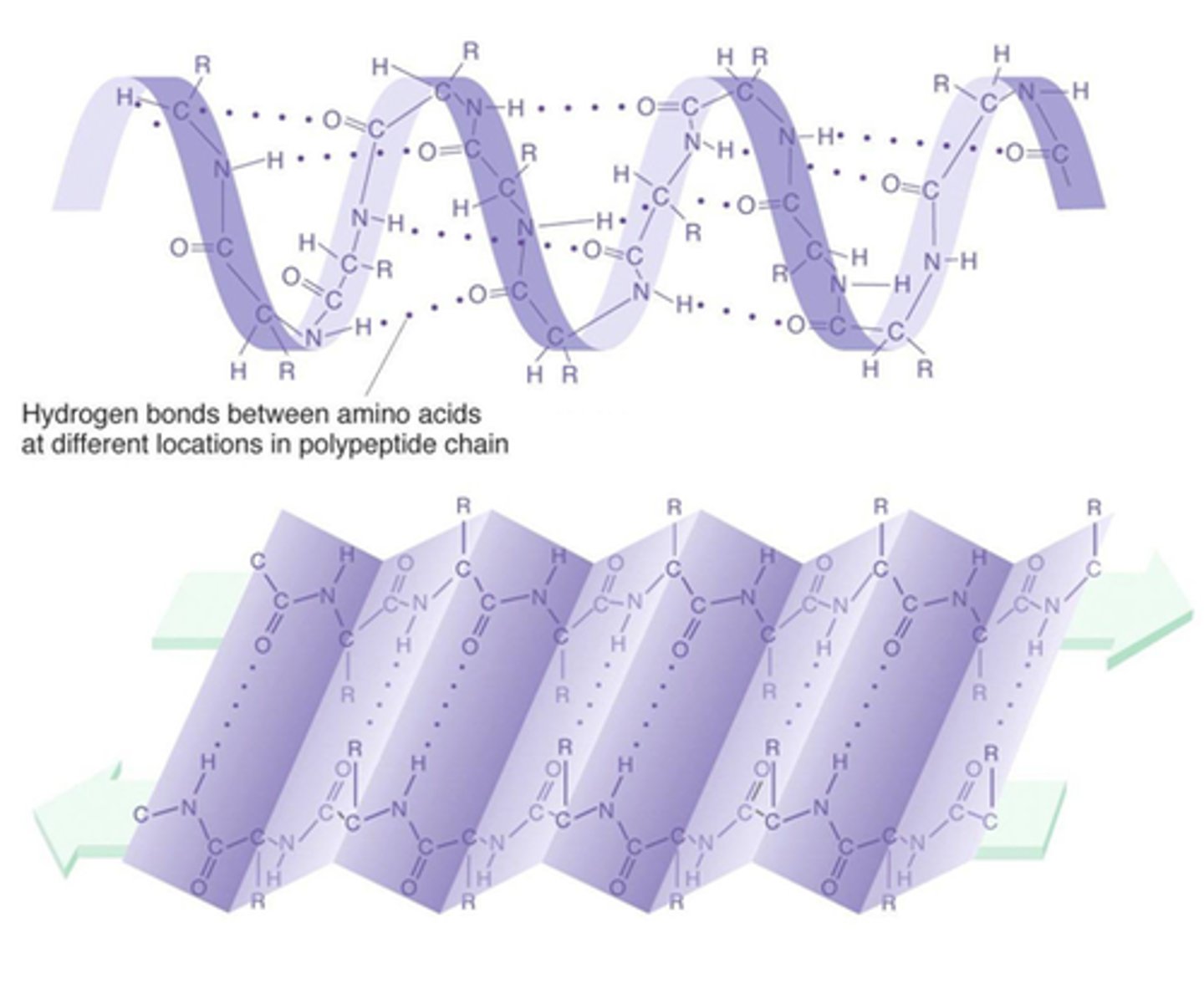
secondary structure
structure of AA that includes the alpha helix and beta-pleated sheet
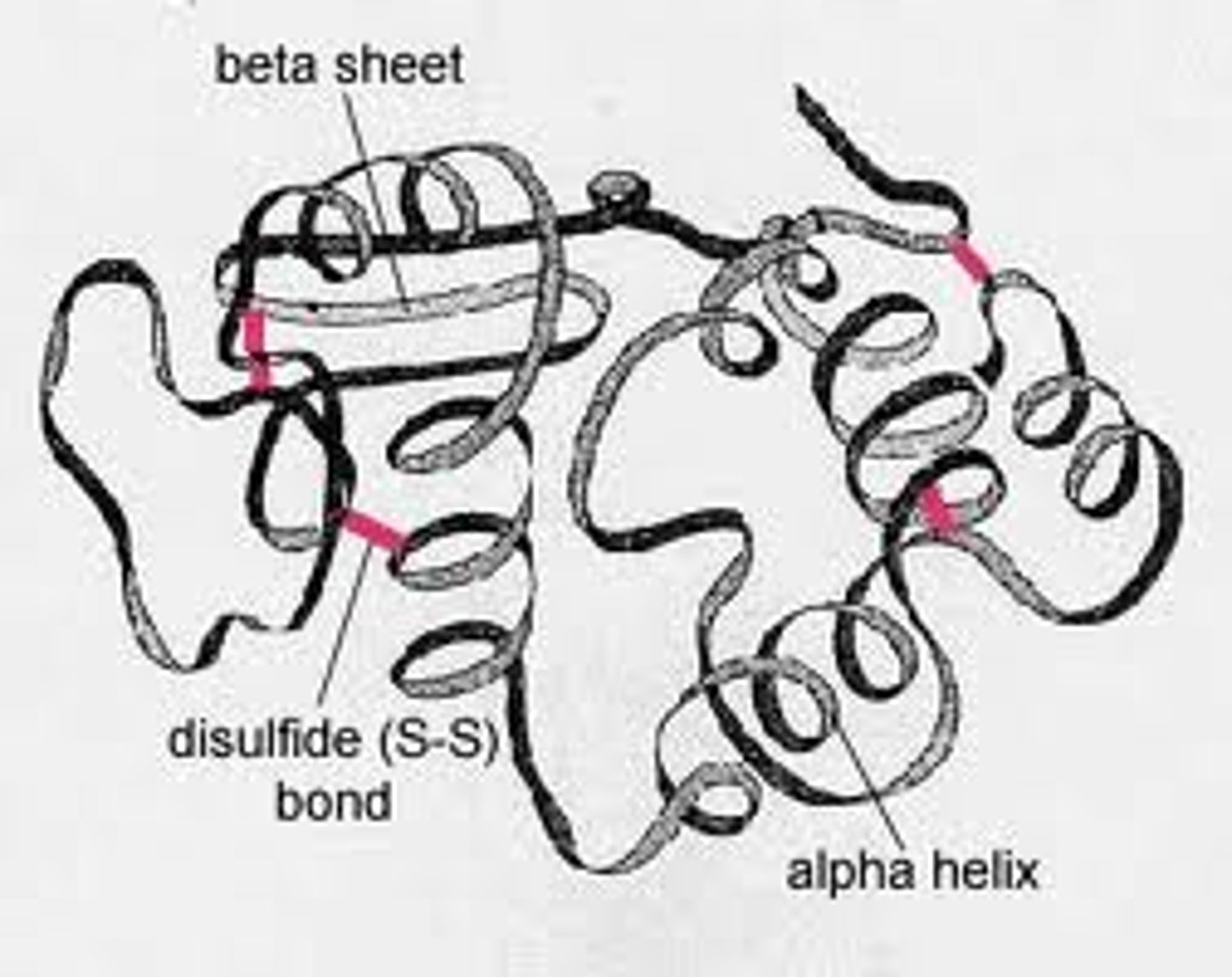
tertiary structure
3D shape of a polypeptide due to interactions of the R groups of the amino acids making up the chain
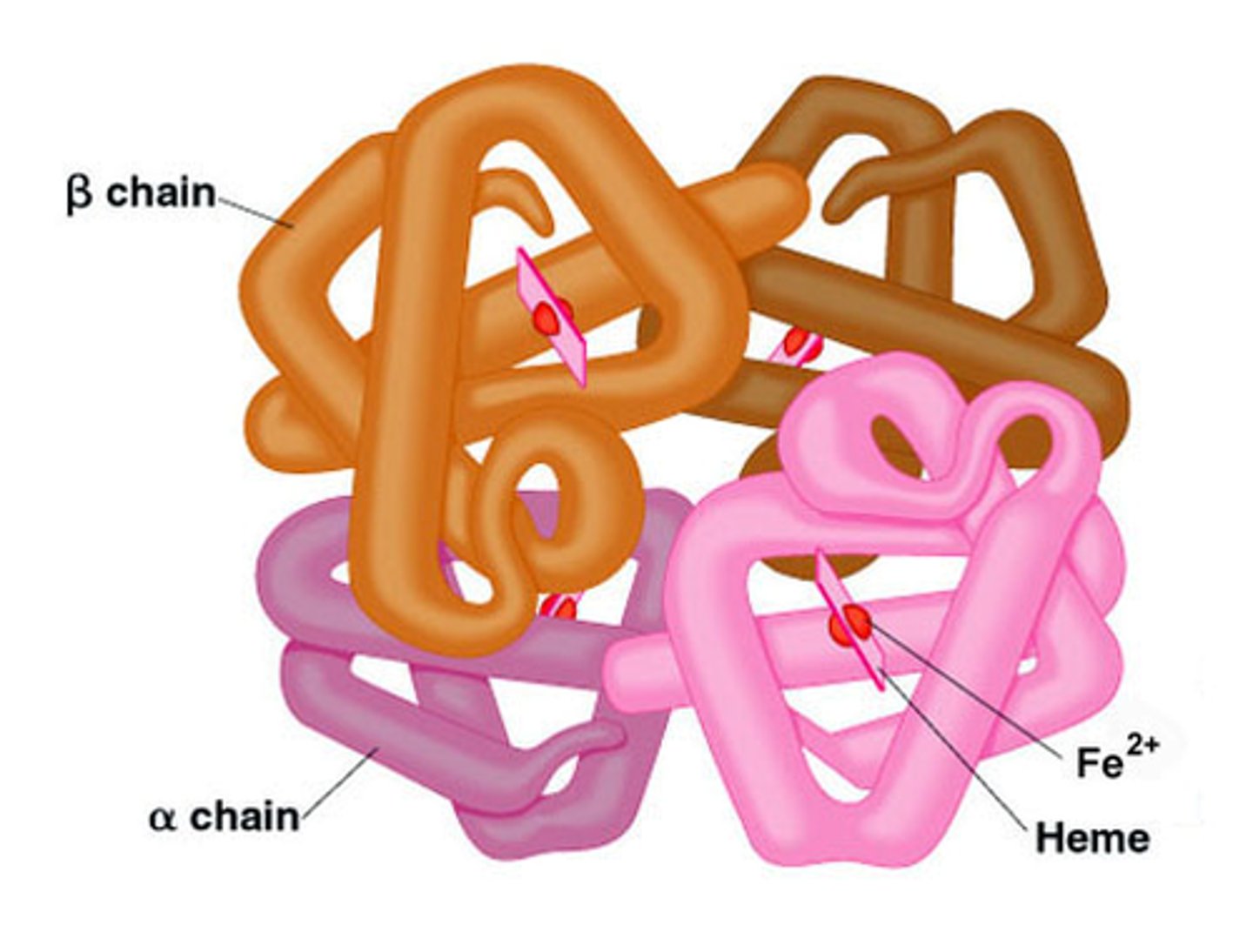
quaternary structure
the shape resulting from the association of two or more polypeptide subunits
phosphorylation
_____________ of molecules usually occurs for signaling pathways to start
acetylation
________________ of DNA and histones causes nucleosomes to loosen and spread apart; increases access to DNA and makes it more likely to be expressed
methylation
_______________ of DNA makes genes less likely to be expressed.
glycosylation
addition of carbohydrate groups to the membrane that allows for cell signaling
ubiquitylation
the targeting of molecules to be destroyed
degradation
ubiquitylation and sumolation are used for ________________ targeting
viruses
the repetitive DNA in our genome could come from _________ or errors in DNA replication
centromere
repetitive DNA makes up the entire structure of a _________________
microsatellite
a short, specific and repeating sequence of nucleotides (2-5 base pair motif repeated)
hypermutable
repetitive elements in our genome (i.e. tandem repeats) are ______________, meaning they are very prone to mutations
LINES
long interspersed nuclear elements (an interspersed repeat)
SINES
short interspersed nuclear elements (an interspersed repeat)
LTR retrotransposons
a type of retrotransposon that is derived from a virus and has long terminal repeats
interspersed repeats (LINES, SINES, LTR retrotransposons)
______________ ____________ can integrate into the genome and disrupt gene coding sequence or effect gene regulation/transcription
no (e.g. reverse transcriptase)
yes or no: is the central dogma always followed?
false (introns could be involved in splicing or gene regulating of exons)
true/false: mutations located in introns are never of any consequence
aneuploidy
an abnormal number of chromosomes; can be trisomy, monosomy, etc
mutation
any change in the arrangement of, or nucleotide sequence, in DNA
substitution
one nucleotide replaces another; could be synonymous (same codon produced), missense (changes AA), or nonsense (stop codon)
insertion
mutation that could cause the addition of an AA or a frameshift mutation
deletion
mutation that could cause the loss of an AA or a frameshift mutation
hot spots
regions with particularly high rates of mutation
lethal mutation
a mutation that severely impairs function and results in death of the organism
neutral mutation
mutation that has no impact on form or function
polymorphism
a neutral mutation that reaches a frequency of 1% in the population
loss of function
occurs when a gene doesn't produce enough protein (reduced or missing)
haploinsufficiency
the phenomenon in which a person has only a single functional copy of a gene, and that single functional copy does not produce a normal phenotype (i.e. 50% not sufficient)
loss of function
lamellar ichthyosis (skin thickening) and skull shape (the shortening of) is the result of ________ ____ ___________ in a gene
gain of function
occurs when a novel protein product is produced, or there is over-expression/inappropriate expression of a gene's product
dominant negative
refers to how one allele is enough to disrupt phenotype (e.g. in gains of function)
gain of function
preaxial polydactyly is an example of a ________ ___ ____________; results from mutations in the regulatory element that controls expression of sonic hedgehog
DCM (dilated cardiomyopathy)
also called round heart disease in turkeys; sudden death is caused by cardiac arrest & onset is within the first few weeks of life
troponin T
DCM in turkeys is caused by a deletion in intron 7 that causes skipping of exon 8 in the cardiac _____________ __ gene
dominant negative
incorporation of the mutant troponin T into the myofibrils negatively affects cardiac muscle contractility in turkeys with DCM; this is an example of a _____________ _____________
N
refers to the number of chromosomes found in gametes
2N (diploid)
the number of chromosomes found in somatic cells (e.g. 1N, 2N, 4N)
autosomes
non-sex chromosomes
sex chromosomes
typically X and Y (or W & Z in birds)
females
the (females/males) are homogametic XX in mammals
males
the (females/males) are homogametic ZZ in birds
M phase
The phase of the cell cycle that includes mitosis and cytokinesis
G1 phase
stage of interphase in which cell grows and performs its normal functions
S phase
the phase of the cell cycle where DNA is replicated
G2 phase
The phase of the cell cycle that involves growth and preparation for mitosis
interphase
part of the cell cycle that includes G1, S, and G2
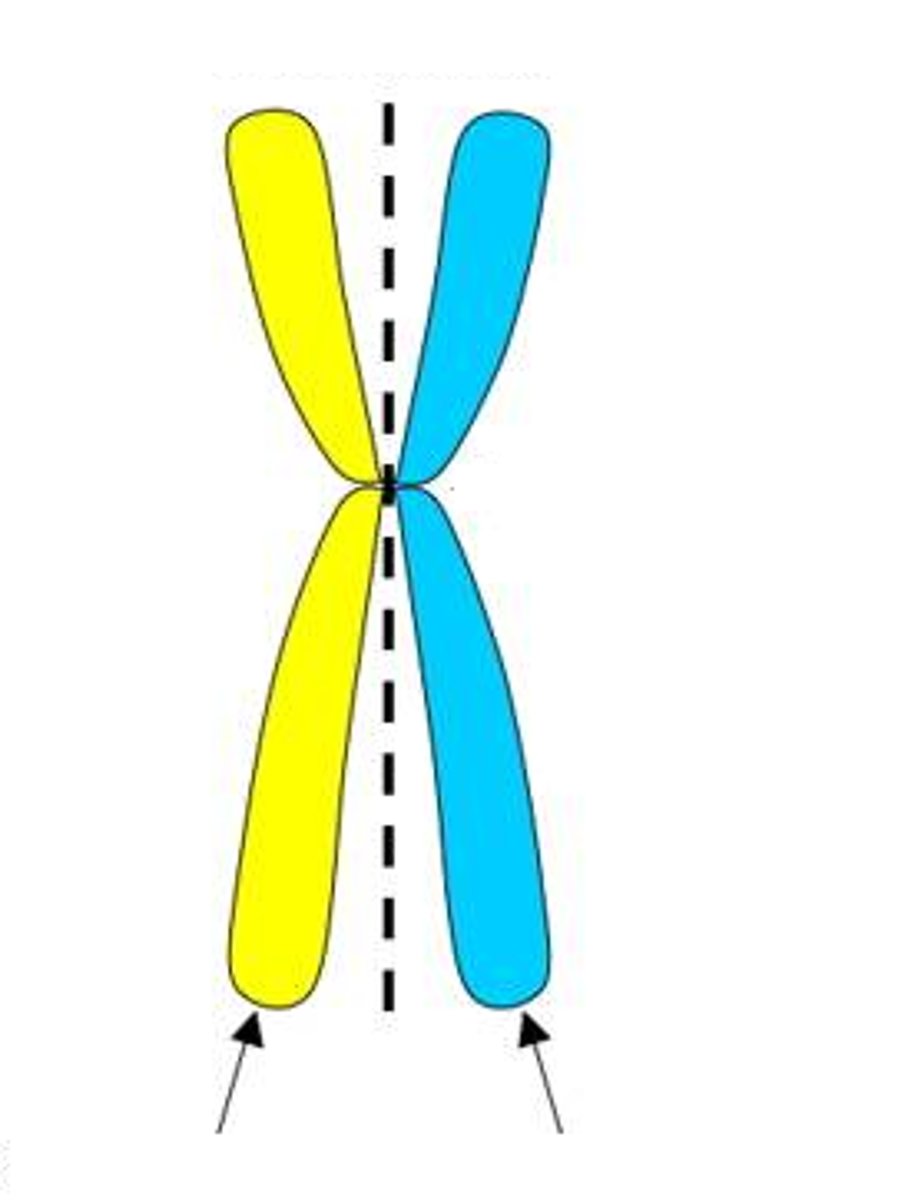
sister chromatid
each arrow is pointing to one __________ ___________
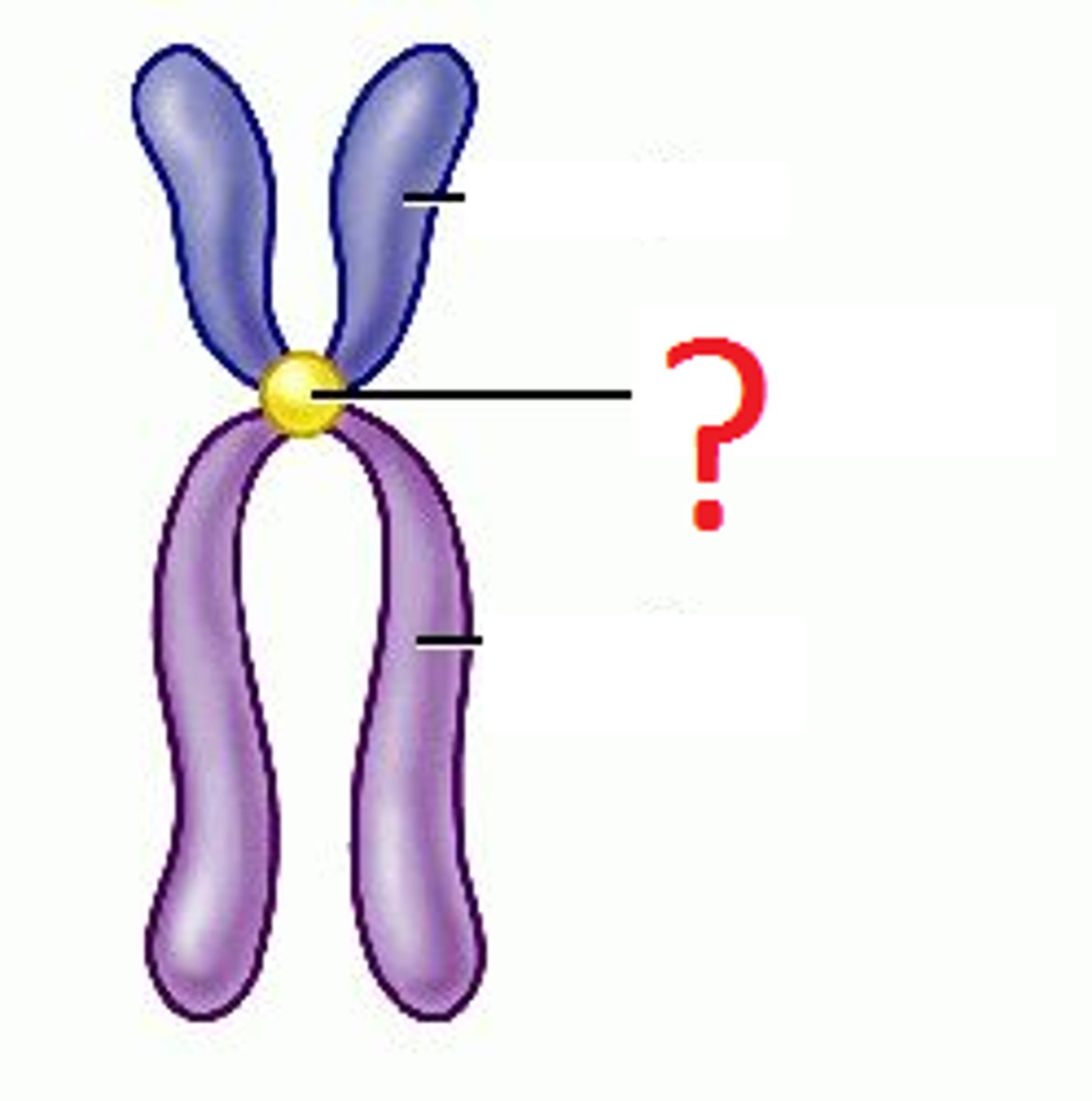
centromere
area where the chromatids of a chromosome are attached
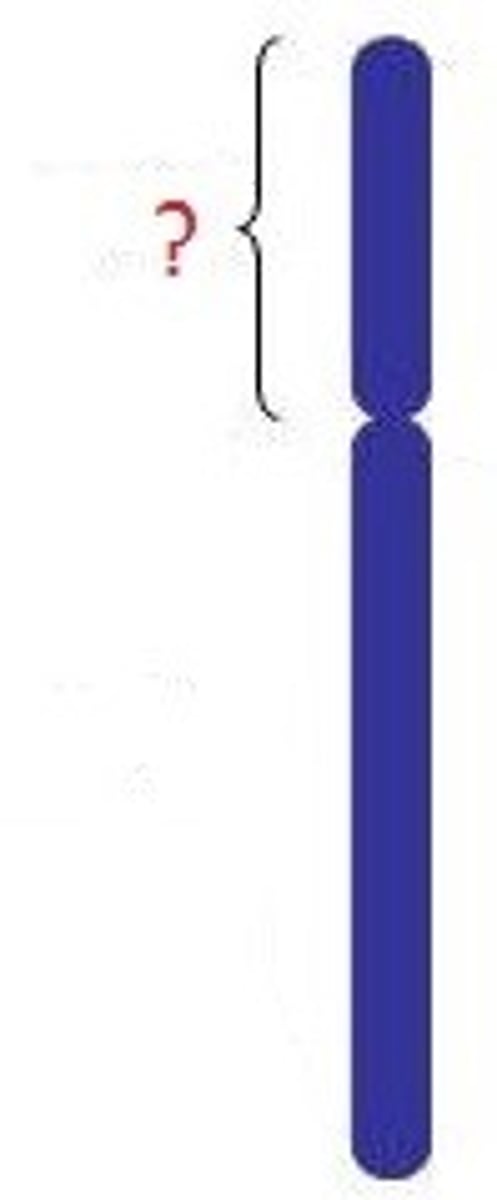
p arm
short arm of chromosome
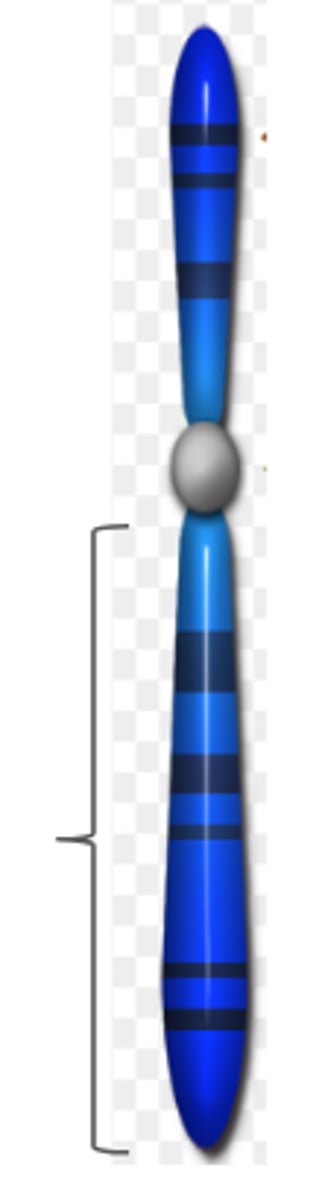
q arm
long arm of chromosome
homologues
chromosomes that are given the same number, but are of opposite parental origin
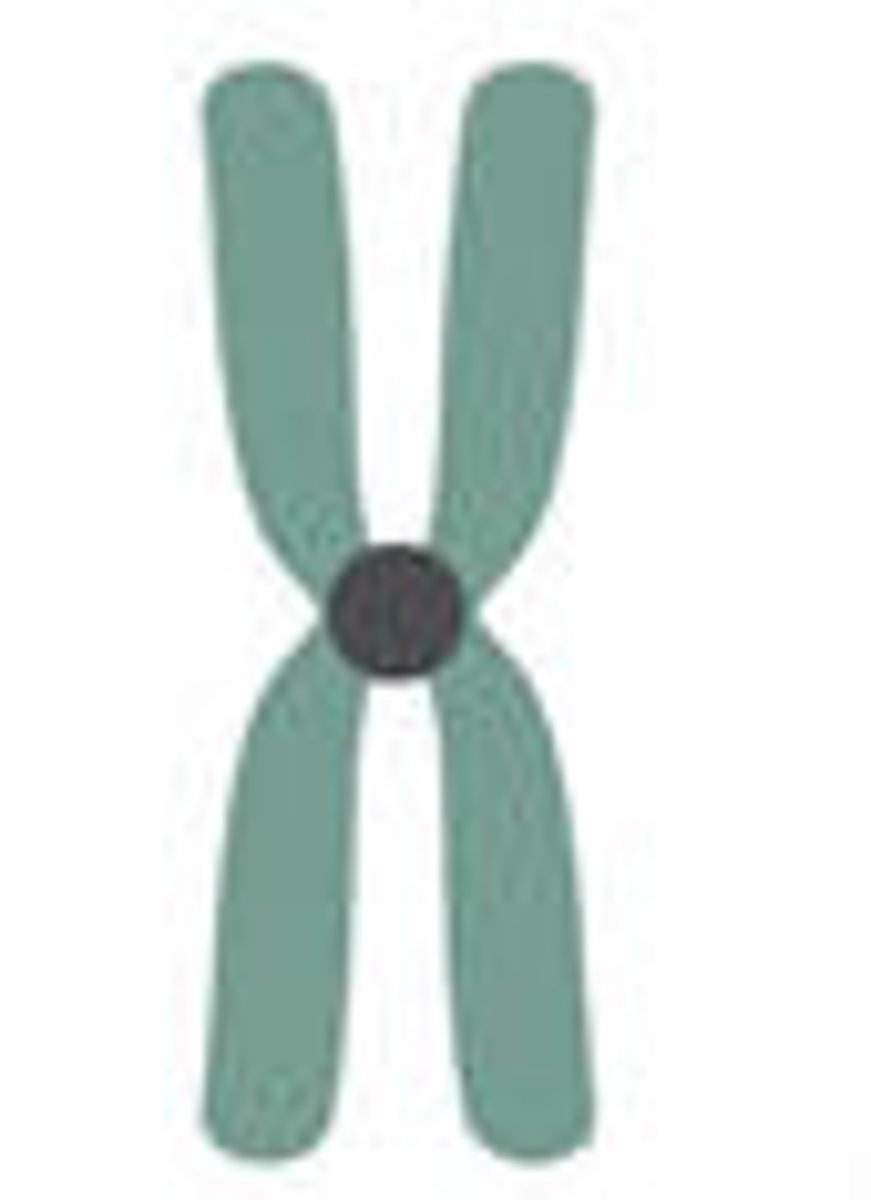
metacentric
type of chromosomes in which the centromere in middle
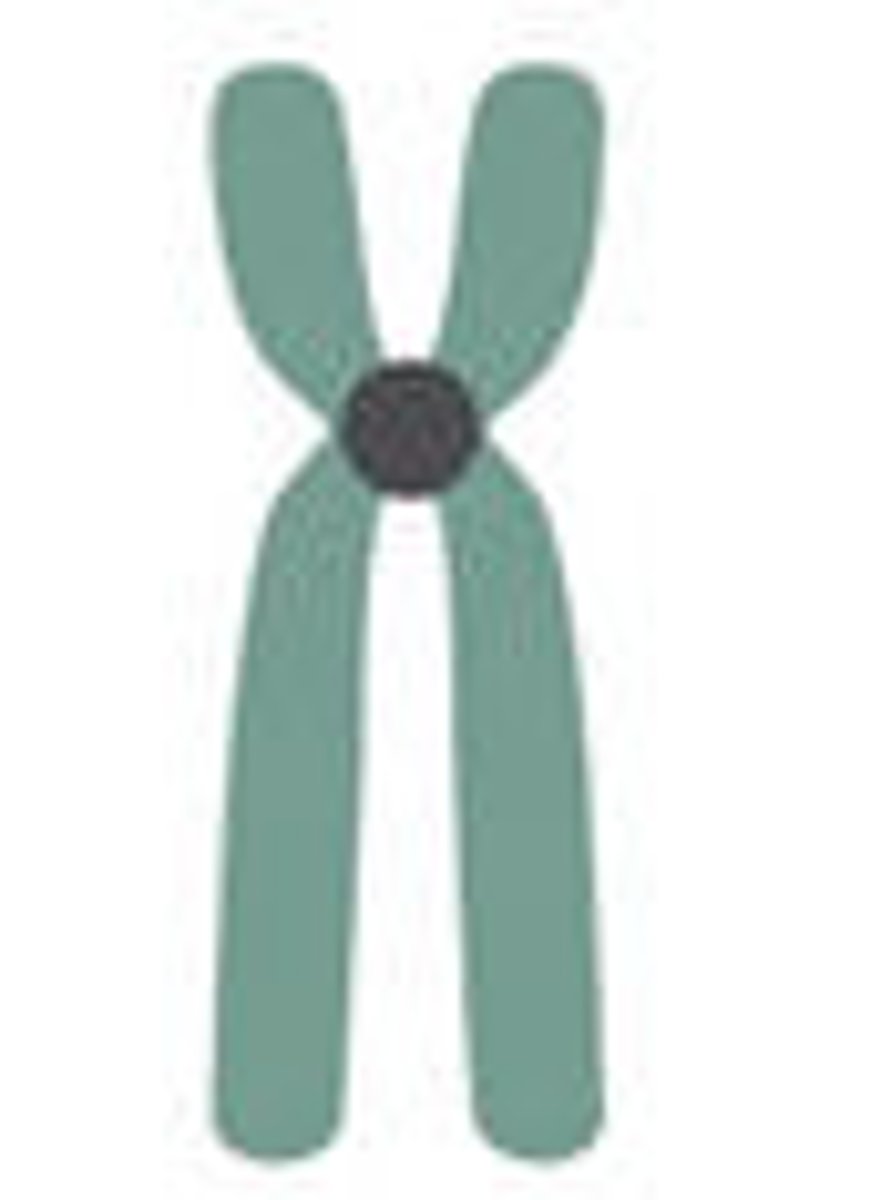
submetacentric
type of chromosomes in which the centromere is slightly off center
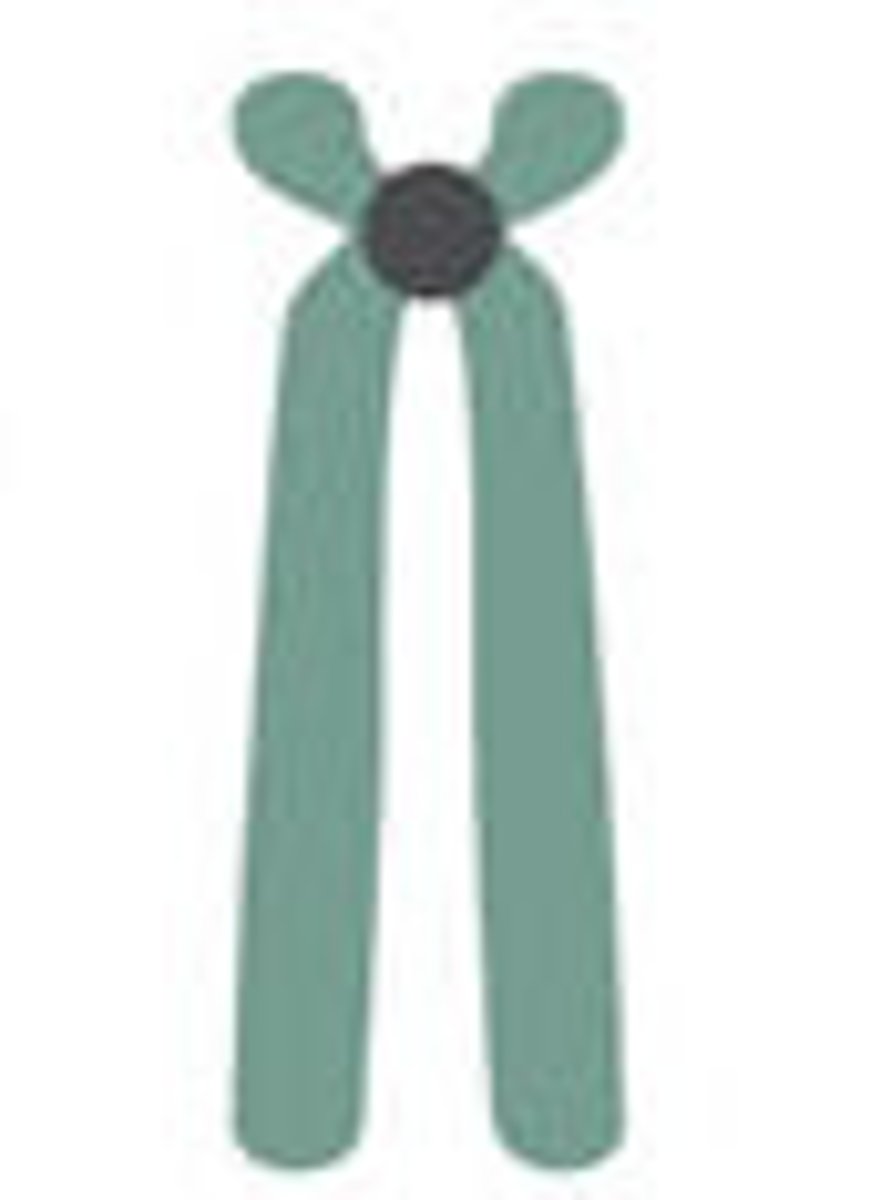
acrocentric
type of chromosomes in which the centromere is located at the terminal end
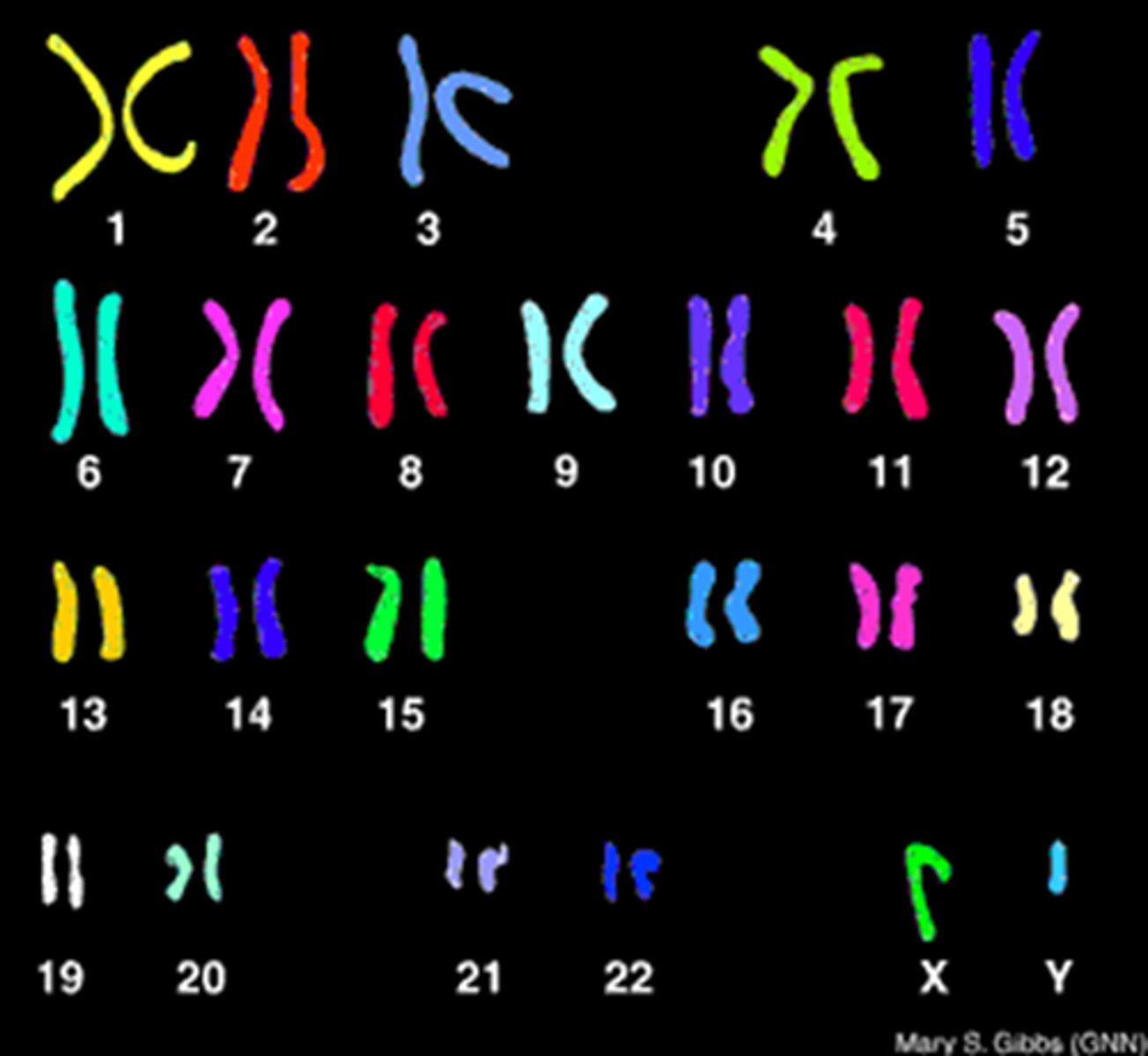
karyotype
a display of the chromosome pairs of a cell arranged by increasing size and shape
BTA4
abbreviation that represents bovine chromosome number 4
CFA7
abbreviation that represents canine chromosome number 7
HSA8
abbreviation that represents human chromosome number 8
ECA2
abbreviation that represents horse chromosome number 2
FCA1
abbreviation that represents cat chromosome number 1
SSC9
abbreviation that represents pig chromosome number 9
crossing over
process in which homologous chromosomes exchange portions of their chromatids during meiosis; gives us a mixture of traits
haploid
chromosome number (n) in a gamete = 1N
diploid
chromosomes number (n) is a zygote = 2N
gene
basic unit of inheritance
allele
form/version of a gene
homozygous
both alleles are the same (AA or aa)
heterozygous
both alleles are different (Aa)
hemizygous
only 1 allele is possible (e.g. allele on X or Y chromosome in males)
false (you may only have 2 out of XXX, but there can be multiple forms of a gene you do not have)
true/false: there are only 2 alleles per gene in mammals
dominant
phenotype is seen in heterozygotes
recessive
phenotype is only expressed in homozygotes
incomplete dominance
pattern of inheritance in which there is a blended phenotype, a mix between the two alleles
codominance
a condition in which both alleles for a gene are fully expressed
genotype
genetic constitution or alleles present
phenotype
physical manifestation of a genotype + environment
incomplete penetrance
individual that has a gene but doesn't express the phenotype