Compounding Lecture Exam #2
 Call Kai
 Learn
Learn Practice Test
 Spaced Repetition
 Match
Match Flashcards
 Knowt Play
1/83

There's no tags or description
Looks like no tags are added yet.
Name | Mastery | Learn | Test | Matching | Spaced | Call with Kai |
|---|
No analytics yet
Send a link to your students to track their progress
84 Terms
Alcohol USP
95% ethanol
Rubbing Alcohol USP
70% ethanol
Isopropyl Rubbing Alcohol USP
70% isopropyl alcohol (TOPICAL USE ONLY)
Emulsion defintion
a thermodynamically unstable two-phase system consisting of at least two immiscible liquids, one of which is dispersed throughout the other
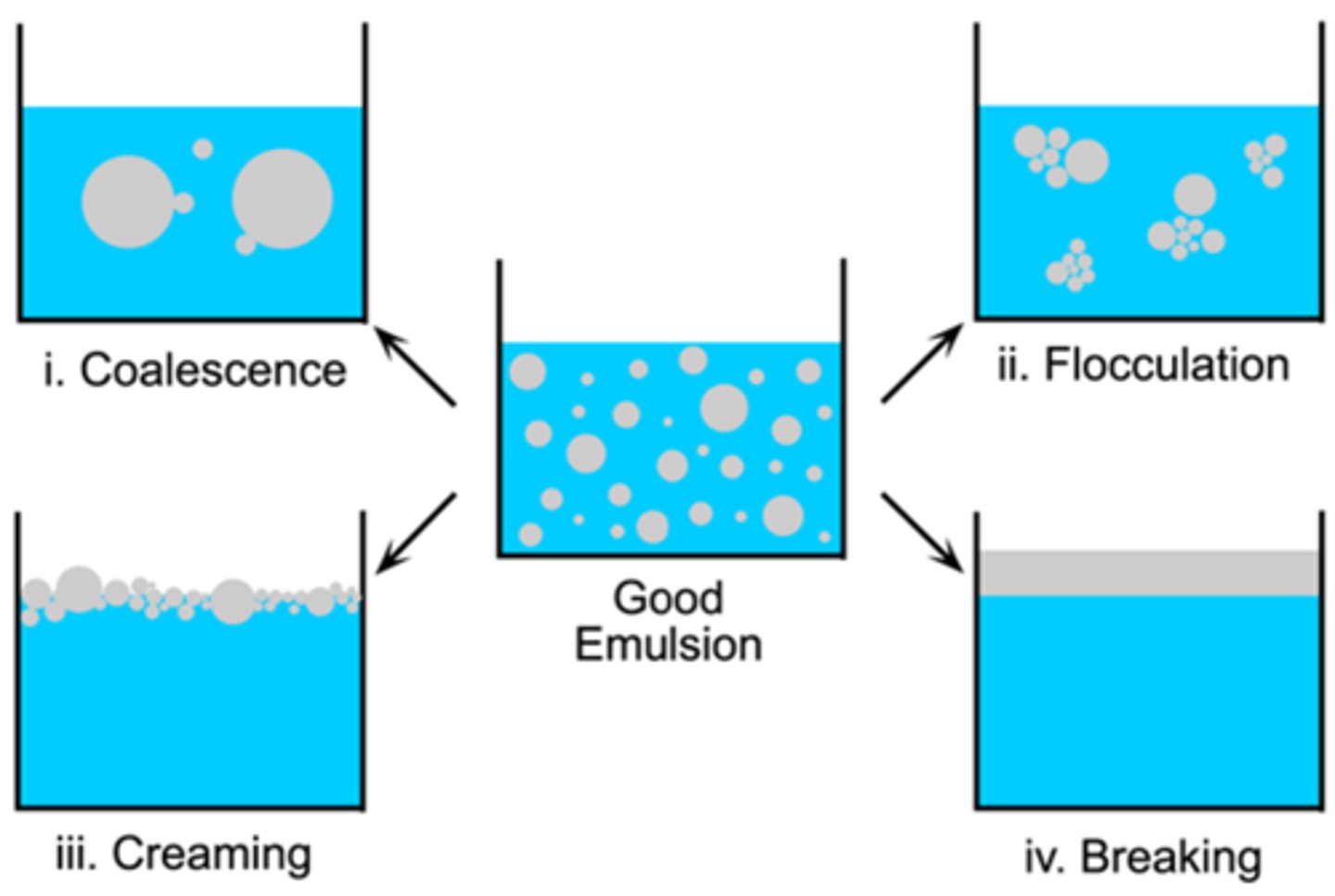
The dispersed liquid in an emulsion is known as the...
internal or discontinuous phase
The dispersion medium in an emulsion is known as the...
external or continuous phase
An O/W emulsion is formed if the aqueous phase constitutes...
more than 45% of the total weight, and a hydrophilic emulsifier is used
A W/O emulsion is formed if the aqueous phase constitutes...
less than 45% of the total weight, and a lipophilic emulsifier is used
What are the desired properties of a liquid emulsion - oral or topical (3)
1. Fine droplets
2. Slow aggregation and creaming of the product
3. Ease of redispersion when shaken
When is an O/W emulsion preferred?
Always preferred for oral products (oily feel in mouth objectionable), also used for external products when ease of removal and/or non-greasy preparation is desired
When is a W/O emulsion preferred?
Preferred for external products when emollient, lubricating, or protective properties are desired
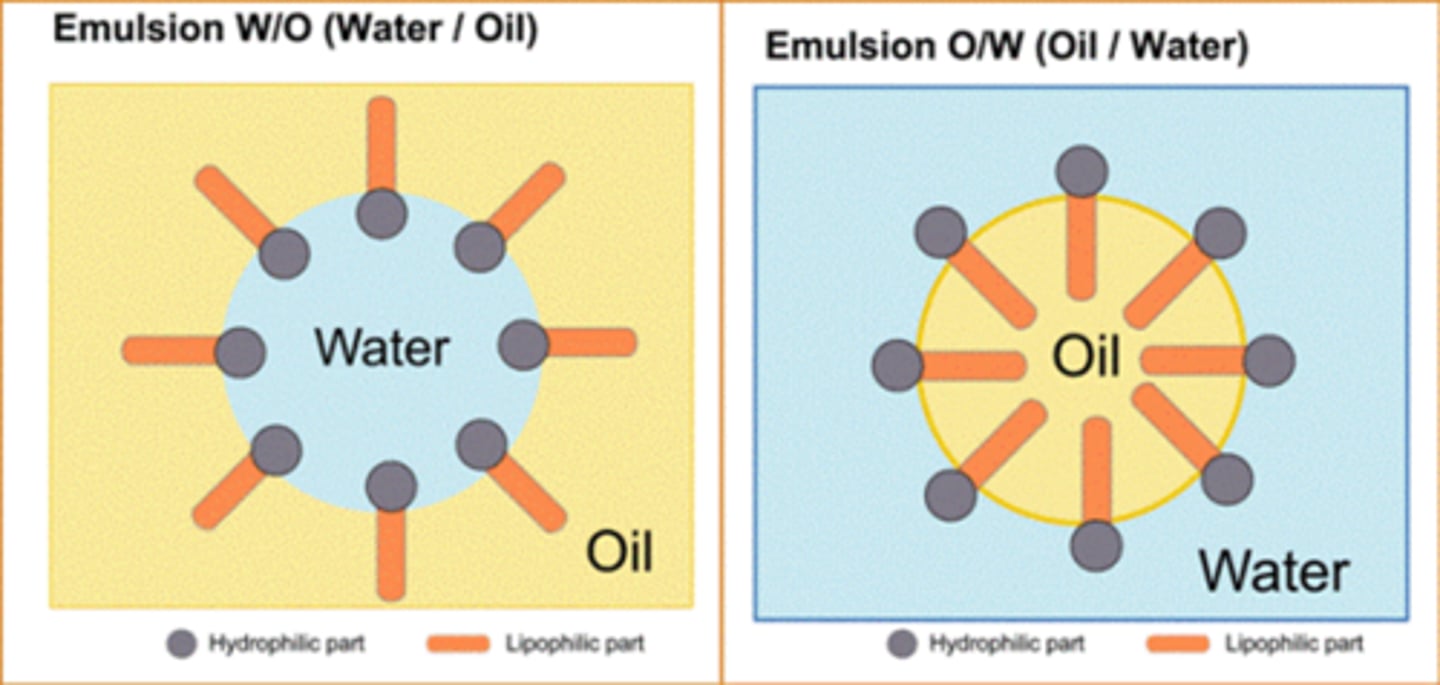
Emulsifying agent definition
surfactants which concentrate at the interface of the two immiscible phases and prevent coalescence of the droplets
What is unique about Acacia emulsions?
a natural polymer emulsifier that can form emulsions using only a Wedgewood mortar and pestle
Primary emulsion definition
used to describe the initial emulsion formed with a prescribed ratio of ingredients
What is the ingredient ratio for fixed oil emulsions?
4:2:1 (oil:water:acacia)
What preservatives are most effective for Acacia emulsions?
Preservatives that require a slightly acid pH (i.e. benzoic or sorbic acid)
The most common non-ion emulsifying agents for liquid emulsions are combinations of...
Polysorbates with sorbitan esters, the so-called Span-Tween surfactants
What is the total amount of emulsifier required for Span-Tween surfactants?
5% (remember alligation)
A higher HLB number for surfactants indicates...
a larger number of hydrophilic groups, tend to form oil-in-water emulsions
A lower HLB number for surfactants indicates...
a smaller number of hydrophilic groups (more lipophilic character), tend to form water-in-oil emulsions
Span and Arlacel surfactants are considered lipophilic with HLB numbers in the range of...
1.8-8.6
Tween emulsifiers are considered hydrophilic with HLB numbers in the range of...
9.6-16.7
Measurement of polysorbate-sorbitan esters (Tween-Span) emulsions are customarily measured by...
weight, NOT by volume
For non-aqueous formations, the BUD is...
no later than the time remaining until the earliest expiration date of any API or 6 months
For water-containing oral formulations, the BUD is...
no later than 14 days when stored at controlled cold temperatures
For water-containing topical/dermal and mucosal liquid and semisolid formulations, the BUD is...
no later than 35 days
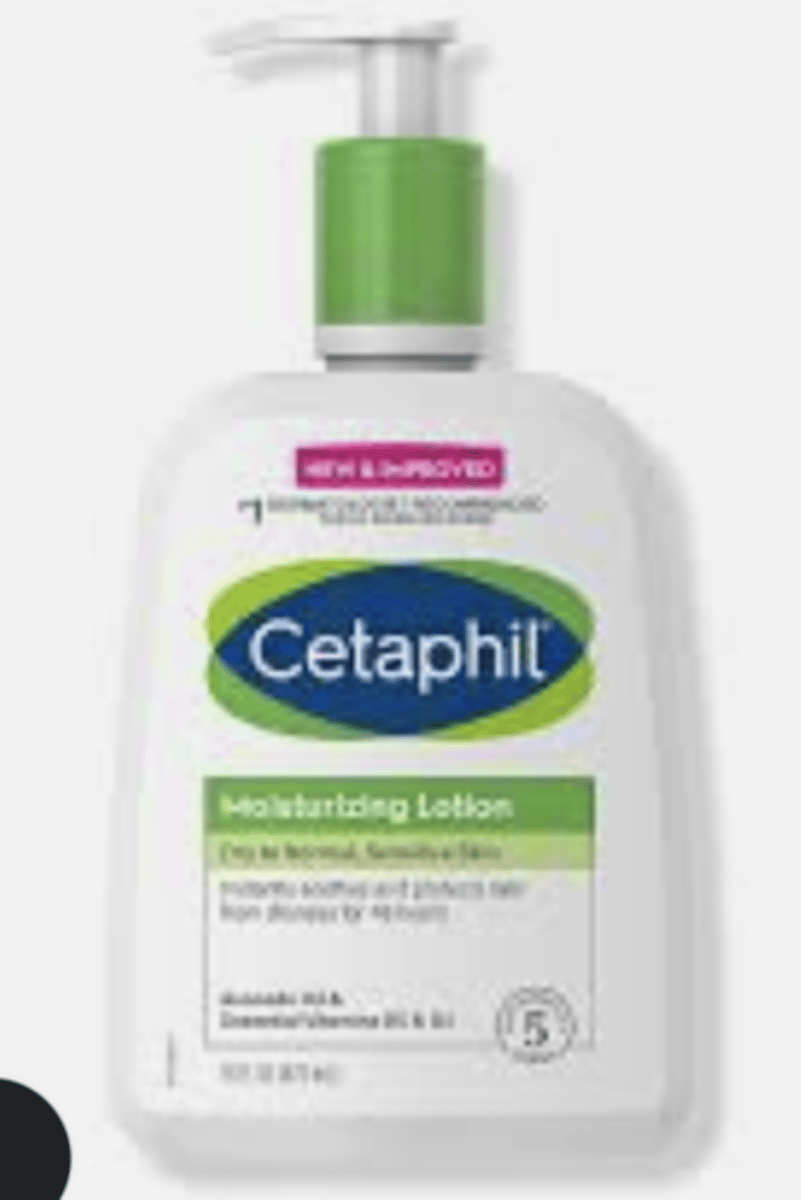
Emollient defintion
an agent that softens the skin or soothes irritation in skin or mucous membrane
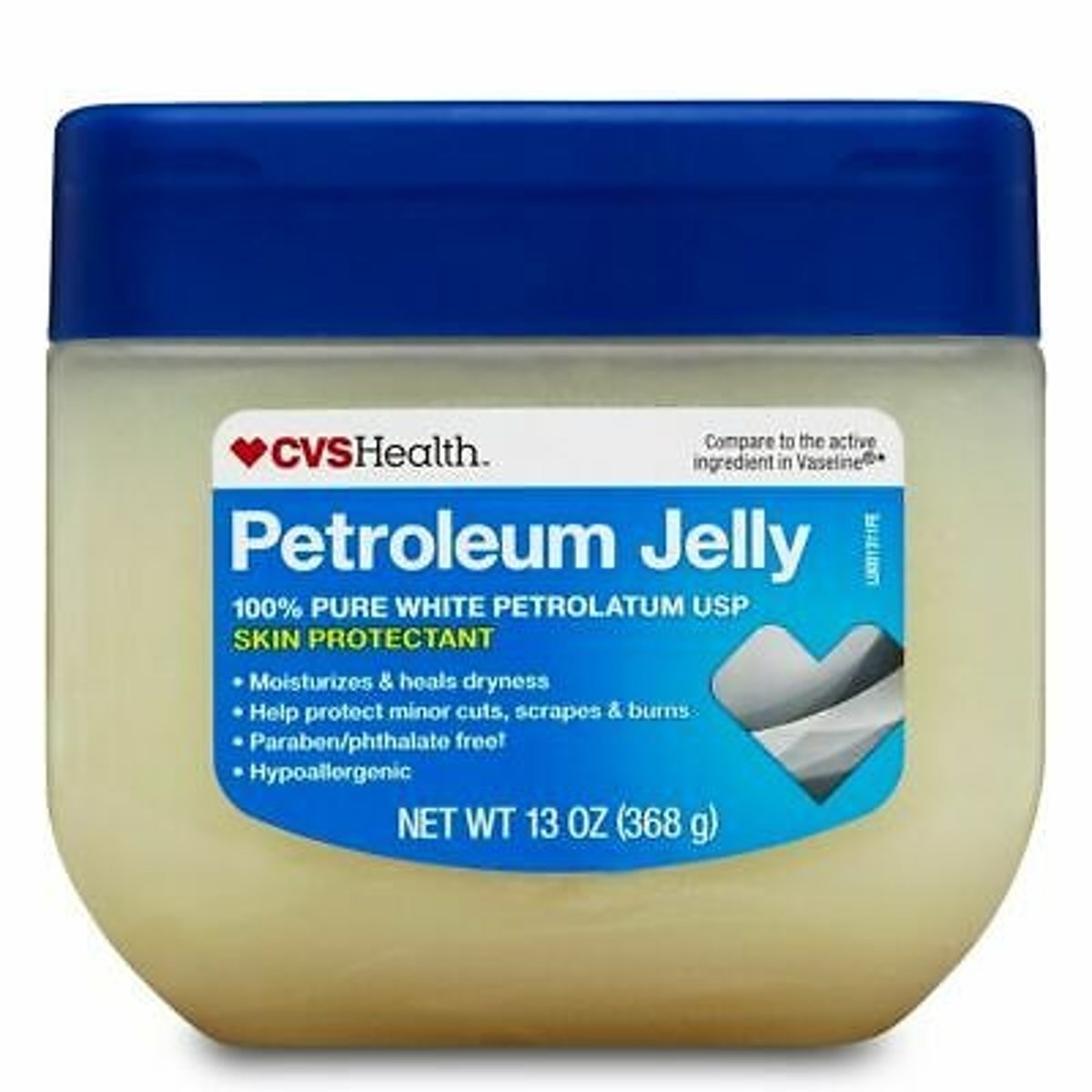
Protectant definition
a substance that protects injured or exposed skin surfaces from harmful or annoying stimuli
Cream definition
semisolid dosage forms containing one or more drug substances dissolved or dispersed in a suitable base
Ointment definition
semisolid preparations intended for external application to the skin or mucous membranes
According to the USP, what are the four general classes of ointment bases?
1. Hydrocarbon
2. Absorption
3. Water-removable
4. Water-soluble
Characteristics of hydrocarbon ointment bases (7)
1. Insoluble in water
2. Not water-washable
3. Anhydrous
4. Will NOT absorb water
5. Emollient
6. Occlusive
7. Greasy
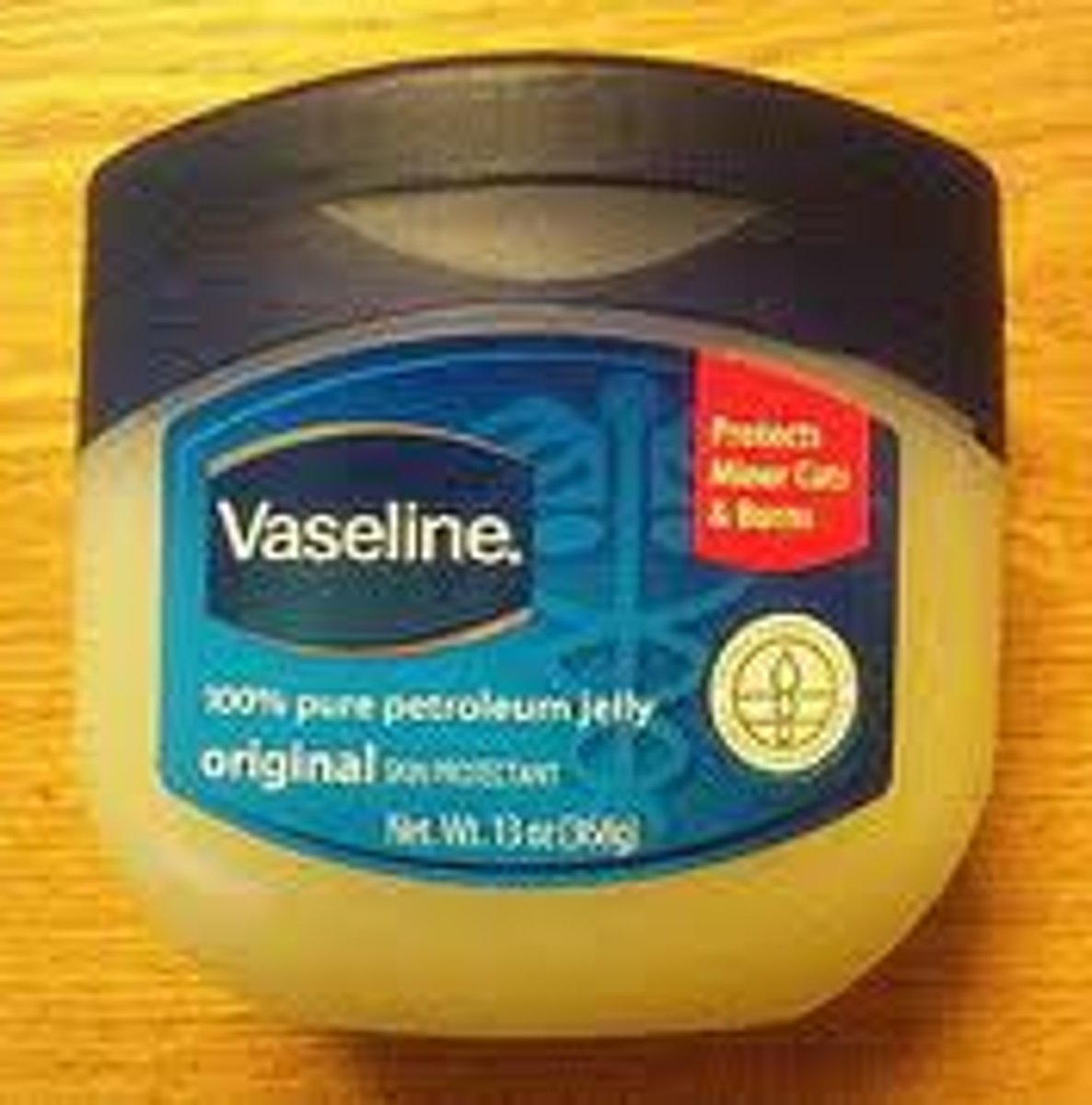
Provide some examples of hydrocarbon ointment bases (4)
1. White Petrolatum
2. White Ointment
3. Vegetable shortening (Crisco®)
4. Vaseline®
Characteristics of anhydrous absorption ointment bases (7)
1. Insoluble in water
2. Not water-washable
3. Anhydrous
4. Can absorb water
5. Emollient
6. Occlusive
7. Greasy
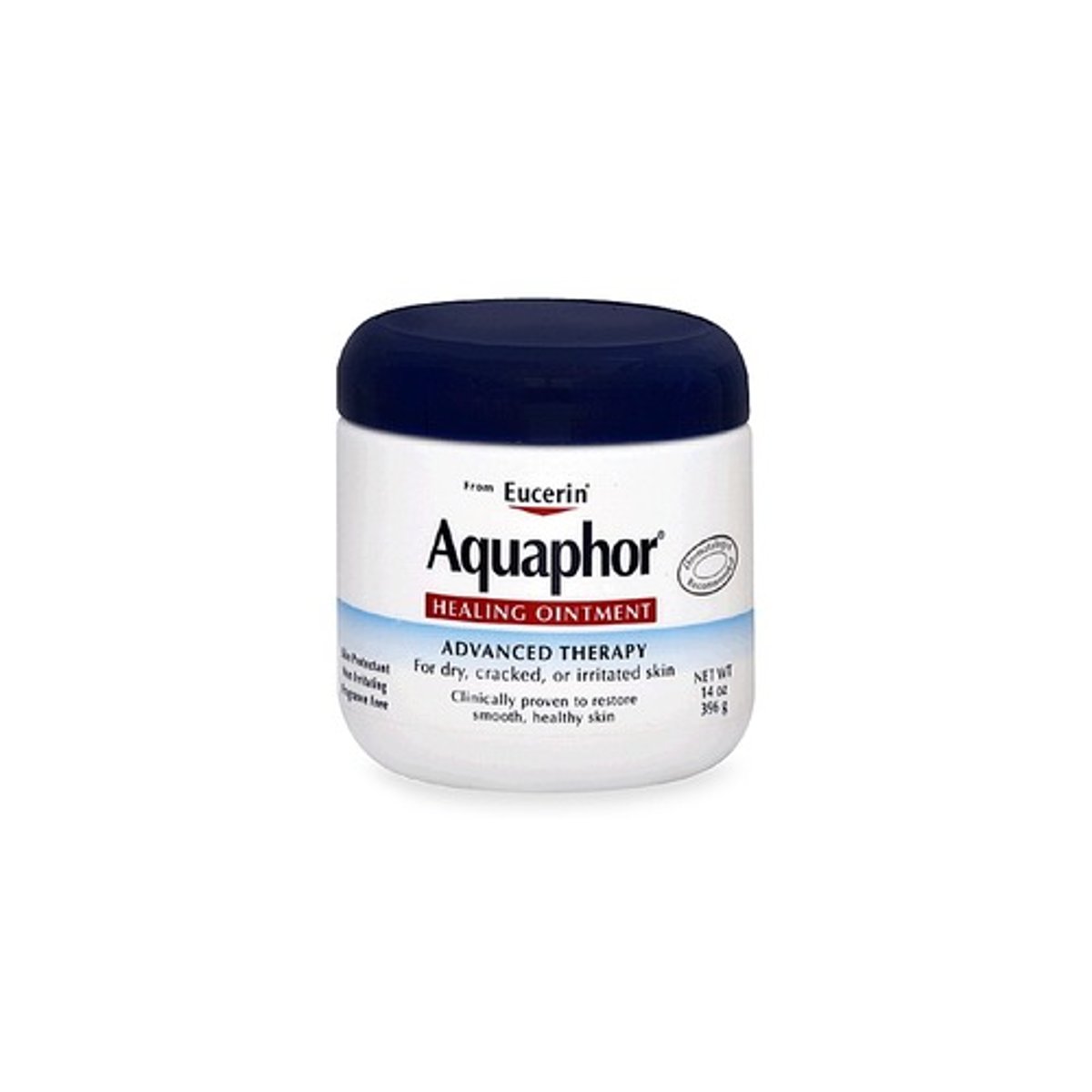
Provide some examples of anhydrous absorption ointment bases (5)
1. Hydrophilic Petrolatum
2. Lanolin
3. Aquaphor®
4. Aquabase®
5. Polysorb®
Characteristics of water-in-oil emulsion absorption ointment bases (7)
1. Insoluble in water
2. Not water-washable
3. Contains water
4. Can absorb water (limited)
5. Emollient
6. Occlusive
7. Greasy
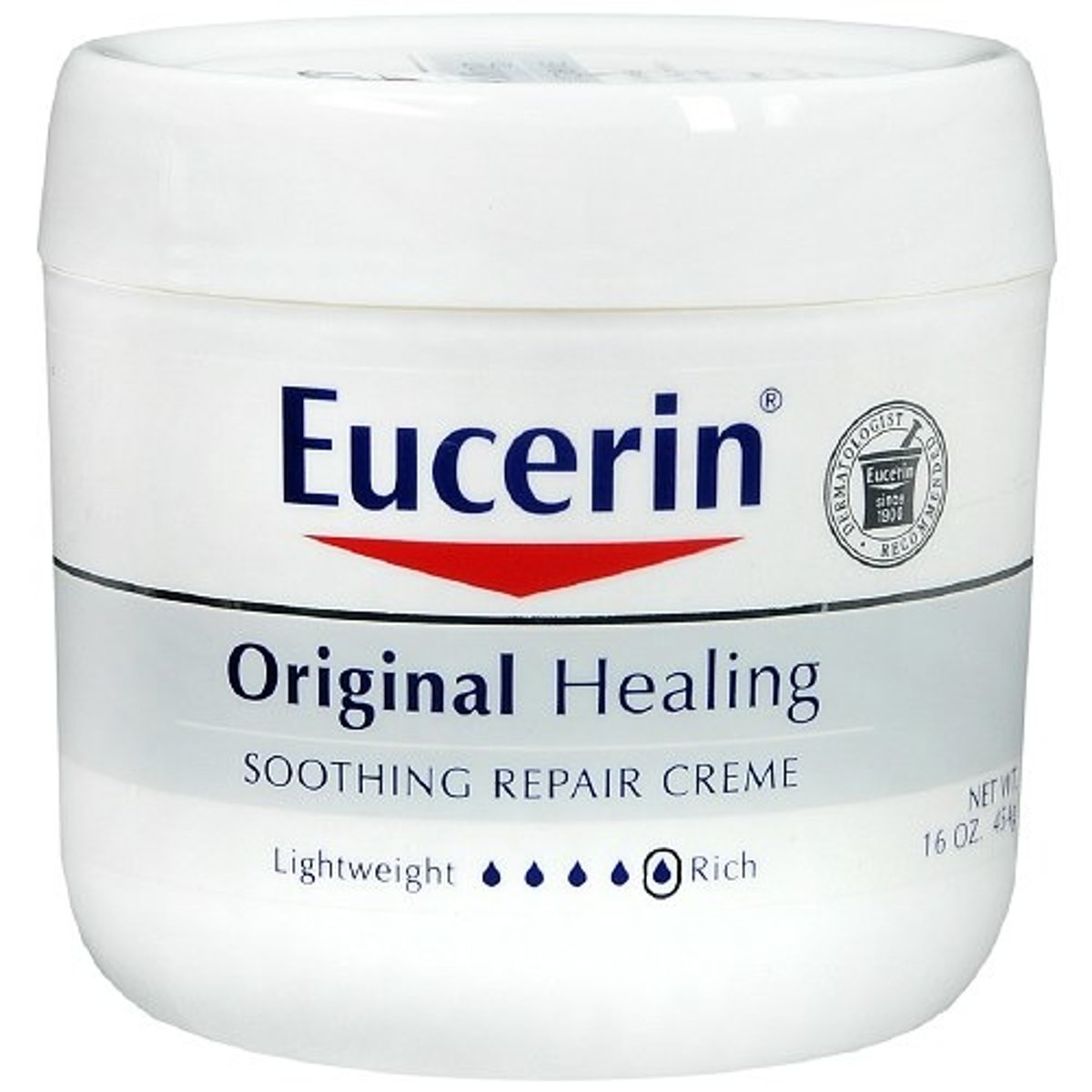
Provide some examples of water-in-oil emulsion absorption ointment bases (5)
1. Hydrous Lanolin
2. Cold cream
3. Eucerin®
4. Hydrocream®
5. Rose Water ointment
Characteristics of water-removable (oil-in-water emulsion) ointment bases (6)
1. Insoluble in water
2. Water washable
3. Contains water
4. Can absorb water
5. Non-occlusive
6. Non-greasy
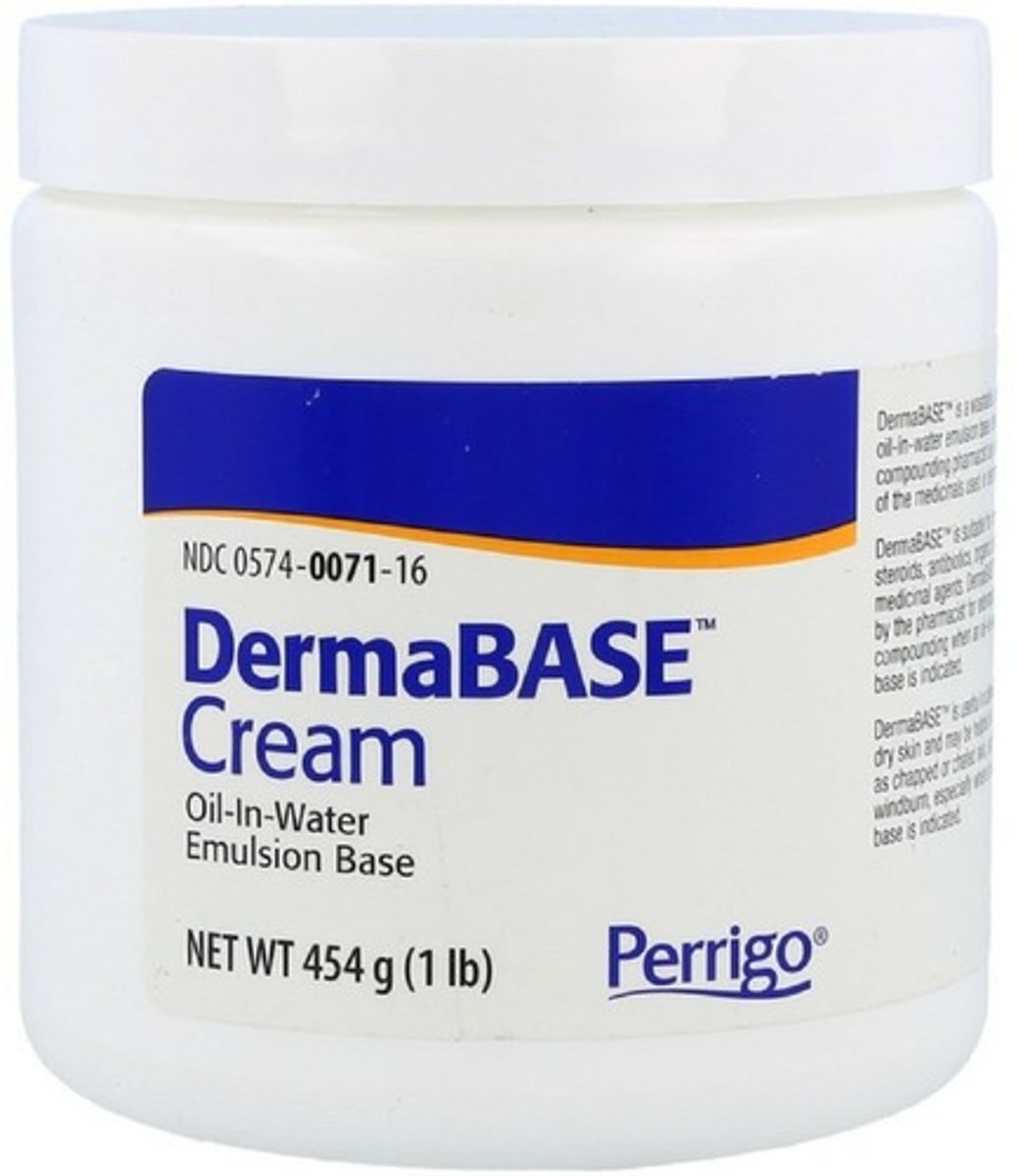
Provide some examples of water-removable (oil-in-water emulsion) ointment bases (4)
1. Hydrophilic Ointment
2. Vanishing cream
3. Dermabase®
4. Velvachol®
Characteristics of water-soluble ointment bases (7)
1. Water soluble
2. Water washable
3. May contain water
4. Can absorb water (limited)
5. Non-occlusive
6. Non-greasy
7. Lipid free
Provide some examples of water-soluble ointment bases (1)
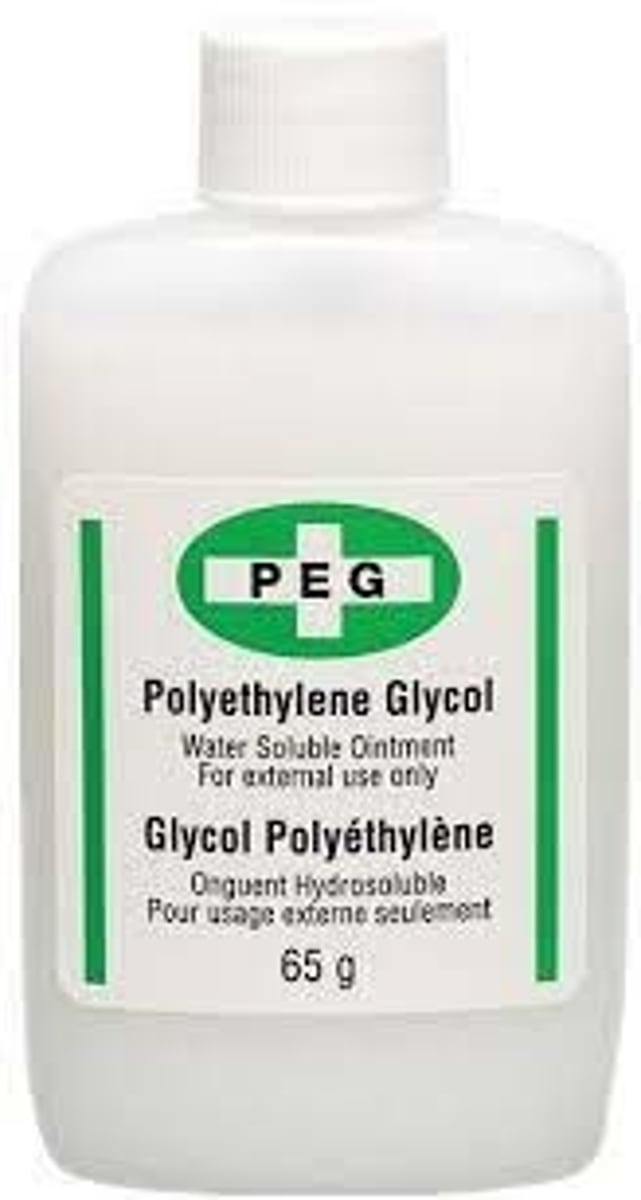
Polyethylene Glycol ointment
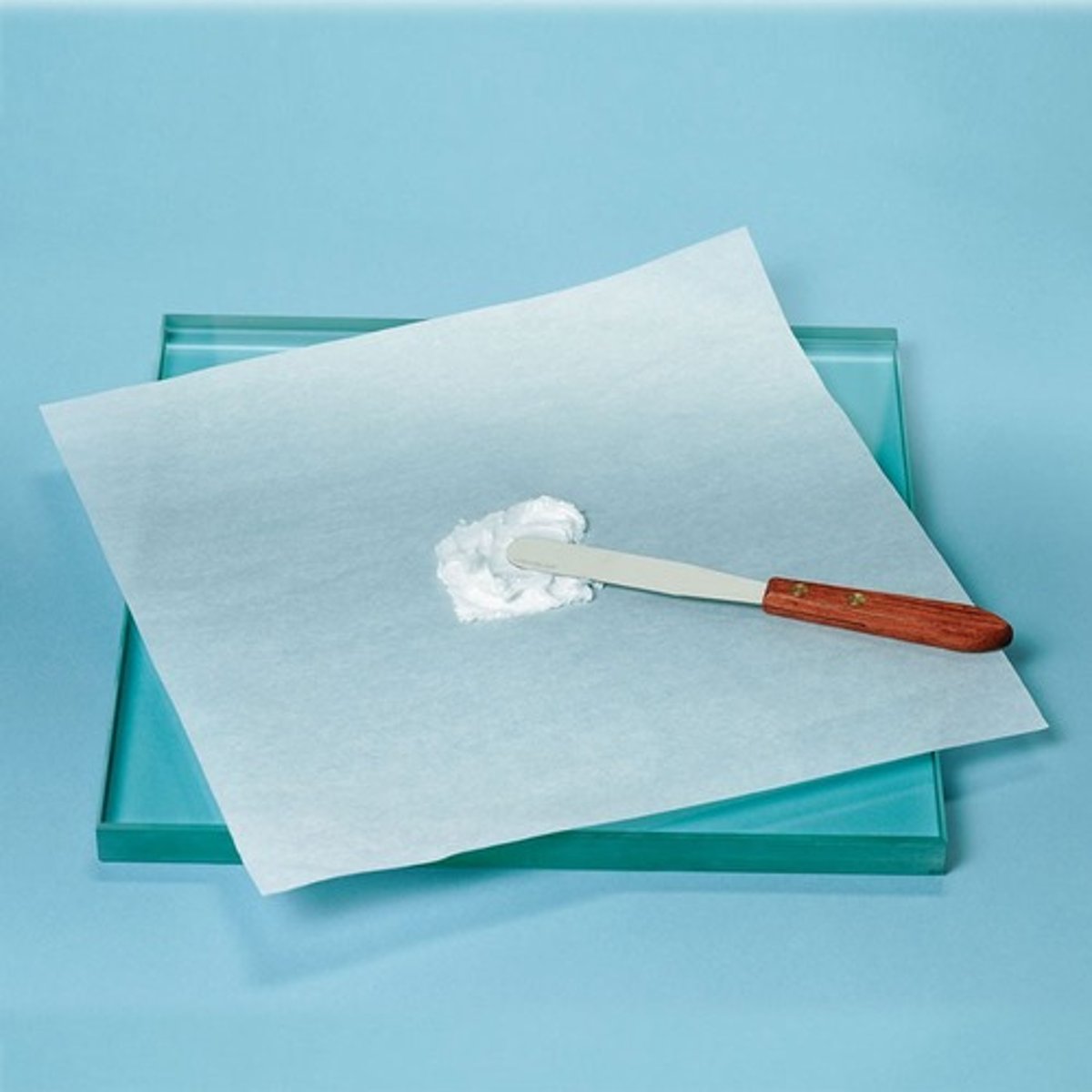
When are ointment slabs preferred over an ointment pad?
when a liquid ingredient must be incorporated into the ointment, liquids soak into the parchment paper of ointment pads
When are black rubber or plastic spatulas used?
when an ingredient (i.e. iodine) reacts with a metal spatula
A levigating agent should NOT be used when (4)
1. Solid being incorporated has a very fine particle size
2. Quantity of solid to incorporate is small
3. Ointment base is soft
4. Final product has to be a stiff ointment or paste
Levigating agents are usually chosen to be...
chemically similar to the ointment base (i.e. mineral oil is the levigating agent of choice for oily bases)
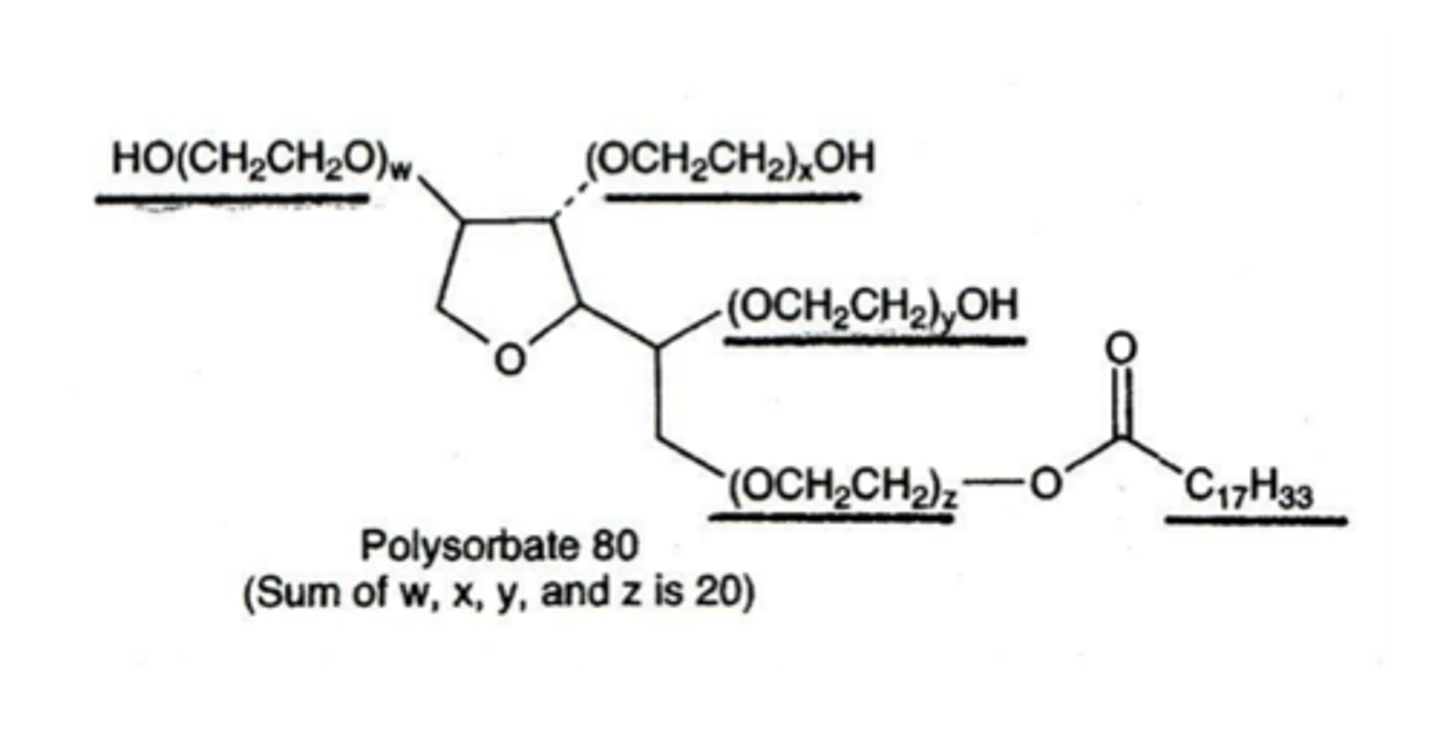
Special levigating agent for Coal Tar
Polysorbate 80 (Tween 80)
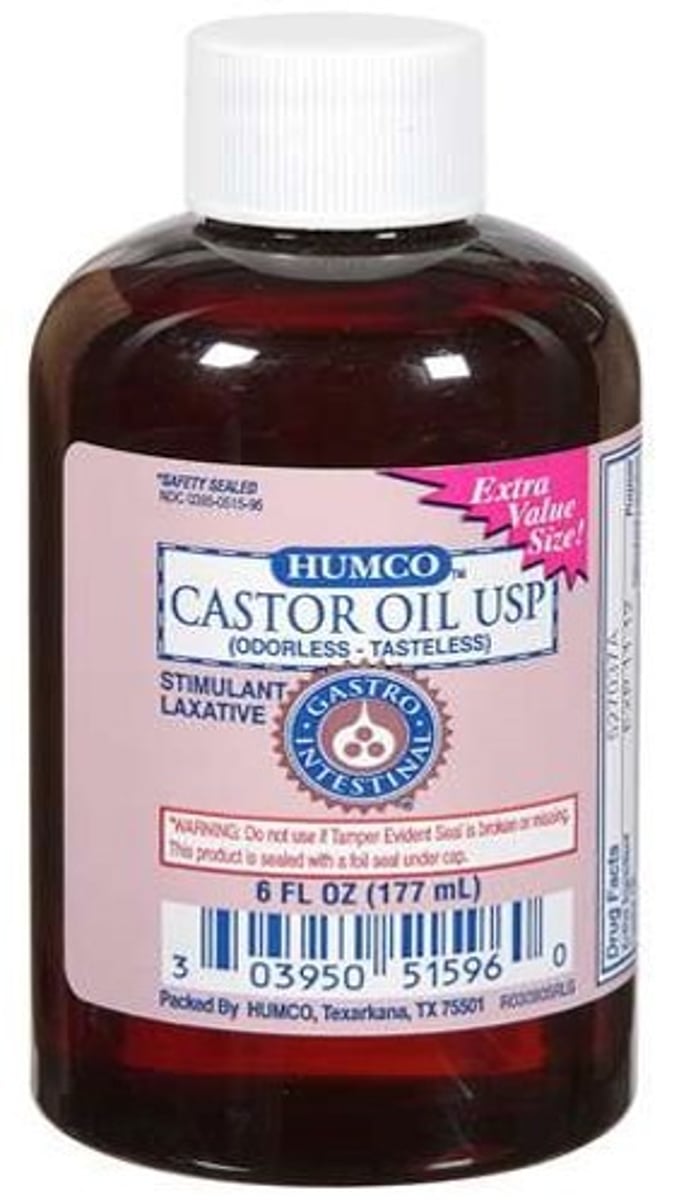
Special levigating agent for Peruvian Balsam
Castor oil
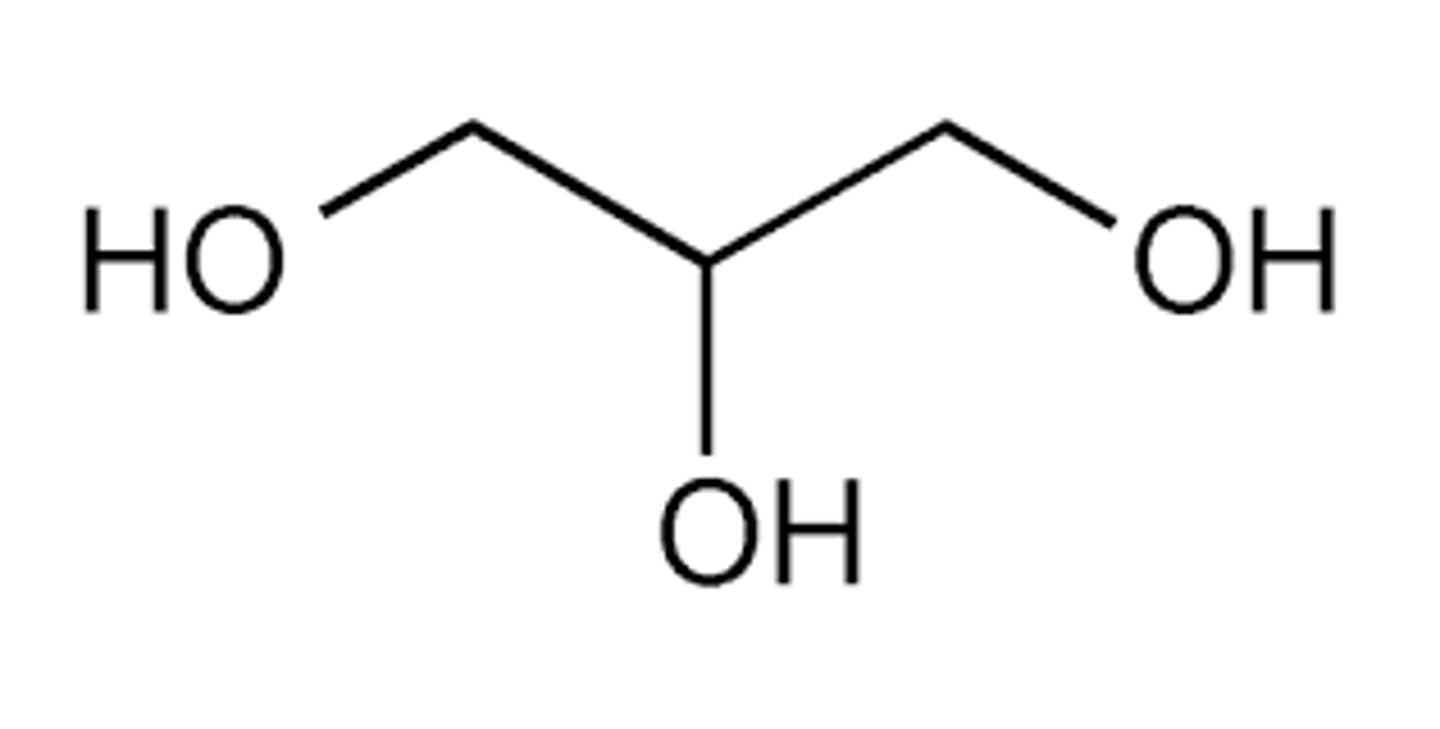
Special levigating agent for Ichthammol
Glycerin
Gel definition
semisolid systems consisting of either suspensions made up of all inorganic particles or large organic molecules interpenetrated by a liquid
When should you add the drug when making a gel formulation?
it is easier to add the active drug before the gel is formed to prevent interfering with the gel formation
What gelling agents are safe to ingest? (4)
1. Carbopol 934P
2. Methylcellulose
3. Hydroxypropylcellulose
4. Sodium carboxymethylcellulose
Paste definition
semisolid dosage forms that contain one or more drug substances intended for topical application
The decision to use a compounding drug should be veterinarian (not pharmacy) driven, based on a...
veterinarian-client-patient relationship
Species differences to consider when compounding veterinary drugs (3)
1. Metabolism and excretion rates of drugs differs from animal to animal
2. Animals differ in their hydration during sickness
3. Consider differences in multi-stomach animals
List some of the common foods which are poisonous or dangerous to dogs (7)
1. Alcohol (Toxic)
2. Chocolate (CNS and cardiac toxicity)
3. Coffee and tea (Caffeine)
4. Ham fat trimmings (Pancreatitis)
5. Grapes and raisins (Kidney damage)
6. Milk and dairy (>50% intolerant)
7. Onions and garlic (Hemolytic Anaemia)
When do suppositories normally melt?
Just below body temperature (37ºC)
List the possible routes of suppository administration (4)
1. Rectal
2. Vaginal
3. Urethral
4. Nose
The "rectal rocket" is a special suppository design for...
hemorrhoids (treats internal and external hemorrhoids simultaneously)
Suppositories are indicated for... (4)
1. Infants and small children
2. Severely debilitated patients
3. Those who cannot take medications orally
4. Those for whom the parenteral route might be unsuitable
Suppository bases are classified by their composition and physical properties into what categories? (2)
1. Oleaginous (fatty) bases
2. Water soluble or miscible bases
What is the issue with using theobroma oil or cocoa butter for compounding suppositories?
Polymorphisms
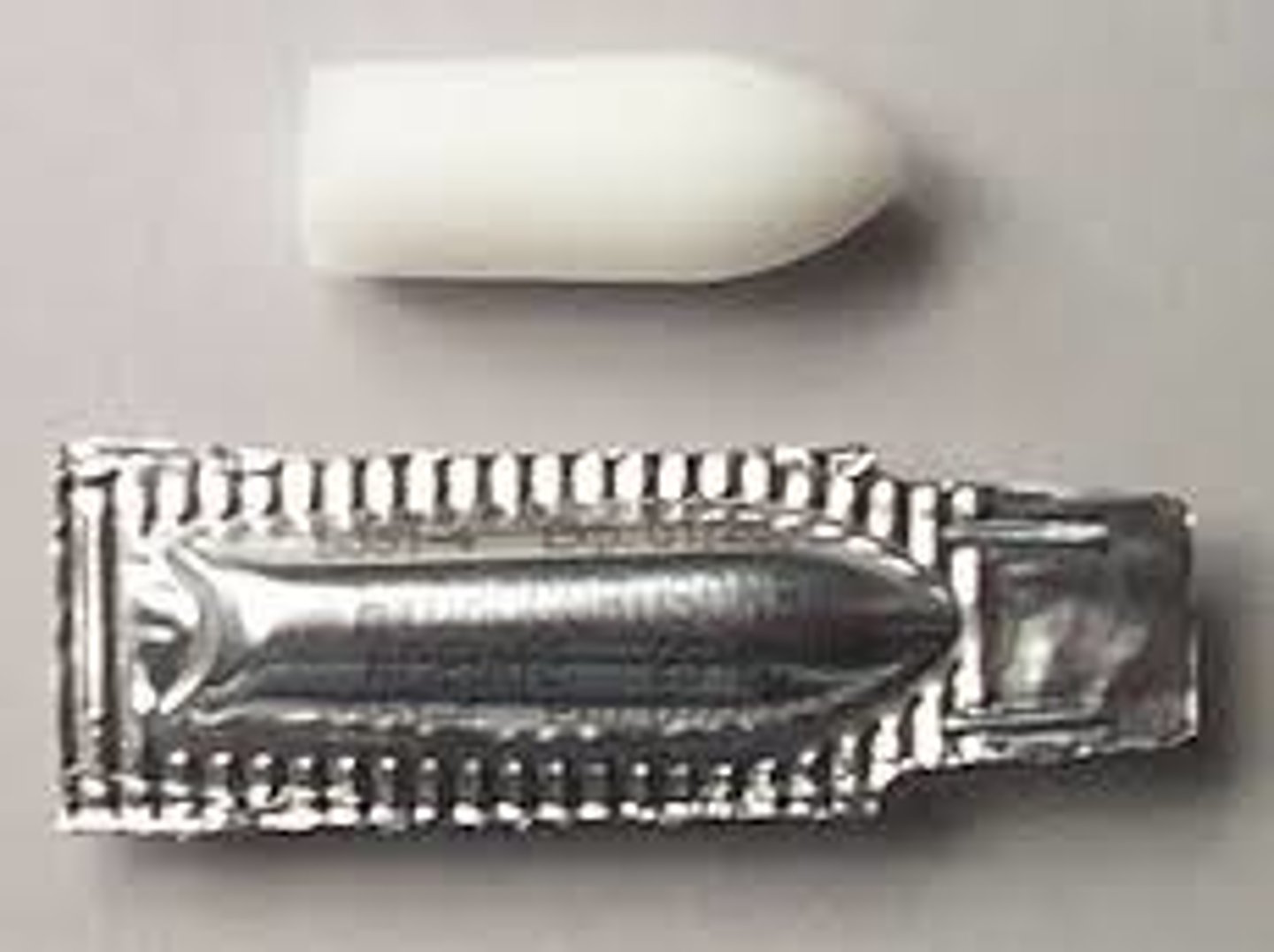
What is the most common type of suppository base?
Polyethylene Glycol (PEG), like glycerinated gelatin does not melt at body temperature but dissolves to provide a prolonged release
In most cases, fatty bases are _______ reactive than PEG bases so they have fewer compatibility and stability problems with incorporated therapeutic agents
less
When are fatty base suppositories preferred?
Rectal administration
When are PEG base suppositories preferred?
Vaginal and urethral administration
What type of drug:base characteristics should be used for a rapid release?
Water soluble drug: oily base
What type of drug:water base characteristics should be used for moderate release?
Water miscible drug: water miscible base
What type of drug:water base characteristics should be used for slow release?
Oil soluble drug: oily base
If the density of the drug is _____________ than that of the base, it will displace a proportionally _____________ weight of the base
greater; smaller
Suppositories can handle up to _____% of solids
30%
Lozenge definition
solid preparations that are intended to dissolve or disintegrate slowly in the mouth (troche = compressed lozenge)
Infant age
birth to 1 year
Neonate age
birth to 1 month
Most drugs prescribed for children ______ ______ been tested in children
have not
True or false. Over-treatment and toxicity of pediatric patients is more common than under-treatment.
False
Autoimmune diseases, like asthma, are _________ common in women than men
more
Gastric pH is _________ in women, and gastric/bowel transit times are _________ in women
higher; slower
Bioidentical hormone definition
synthetically produced or derived from plants with molecular similarity to hormones produced in the body
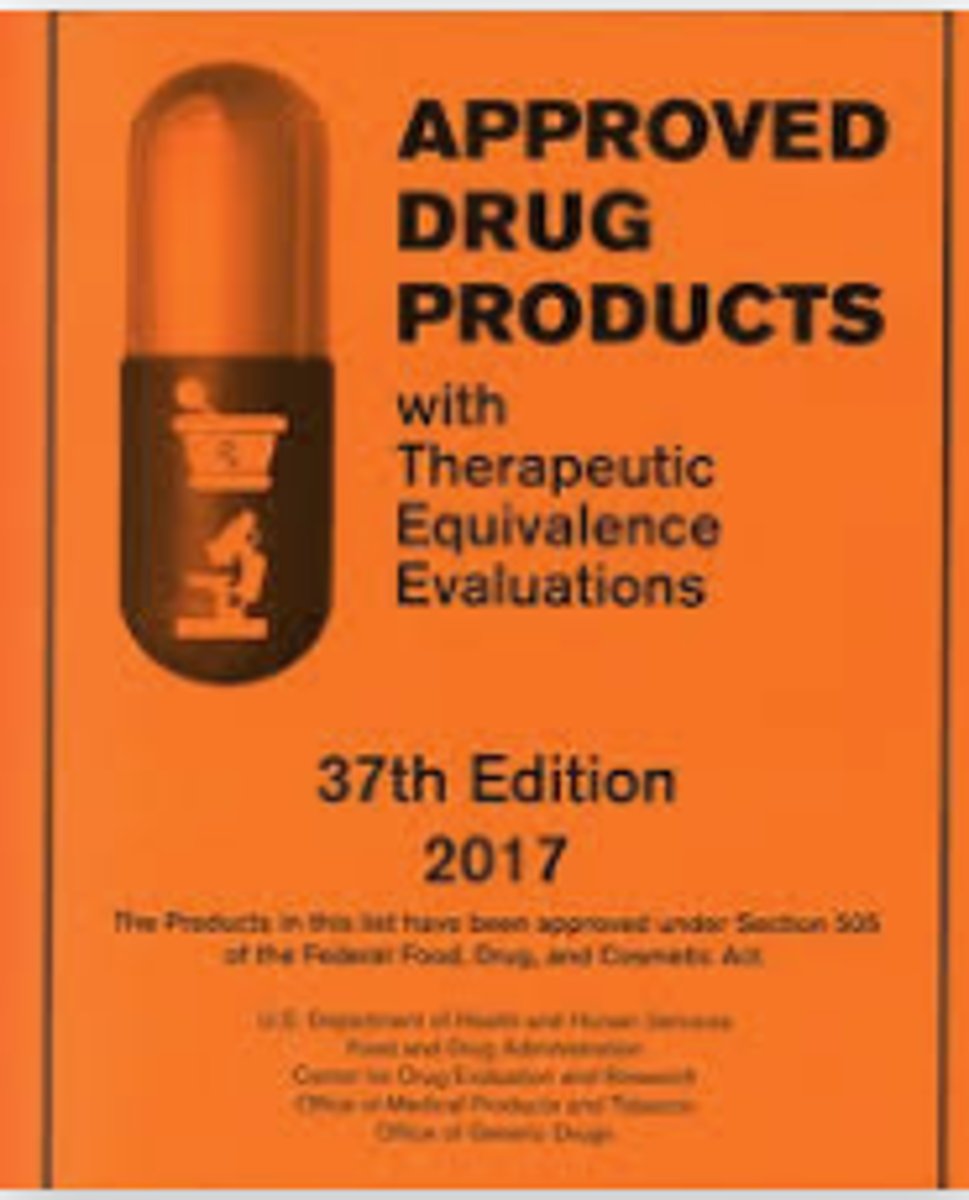
What is contained within the FDA Orange Book? (3 main sections)
1. Prescription Drug Product List (approved marketed prescription drugs w/ therapeutic equivalence sections)
2. The OTC Drug Product List, approved with NDAs or ANDAs (along with the Prescription Drug Product List is referred to as the "Active Section")
3. The Discontinued Drug Product List (drugs never marketed, only marketed outside the US, military use, discontinued and withdrawn)
What does the FDA Orange Book not contain? (6)
1. Approved drug products discontinued either before October 1980 or discontinued between 1980 and 1987
2. Drug products with tentative approval
3. Drug products marketed before 1962
4. Biological products
5. Marketed drug products that are not the subject of an approved NDA or ANDA (i.e. unapproved OTC products)
6. Drug products compounded by pharmacies and outsourcing facilities
List the 6 bioethical principles
1. Autonomy
2. Beneficence
3. Nonmaleficence
4. Justice
5. Veracity
6. Fidelity
What is included in Section 503A of the Food, Drug, and Cosmetic Act?
-Stipulates when compounding is allowed by pharmacists
-General oversight by state Boards of Pharmacy
-FDA involved only with concerns of adulteration, misbranding, or false/misleading statements in labeling or advertising
What is included in Section 503B of the Food, Drug, and Cosmetic Act?
-Describes the requirements of an outsourcing facility that compounds drugs
-Registered with the FDA
-Permits exemptions from some stringent manufacturer requirements
When must pharmacists follow USP <795> and <797>?
when pharmacists compound under Section 503A of the Food, Drug, and Cosmetic Act (when compounding is allowed by pharmacists)