Ch.28 Principles of Growth + Development
 Call Kai
 Learn
Learn Practice Test
 Spaced Repetition
 Match
Match Flashcards
 Knowt Play
1/38

There's no tags or description
Looks like no tags are added yet.
Name | Mastery | Learn | Test | Matching | Spaced | Call with Kai |
|---|
No analytics yet
Send a link to your students to track their progress
39 Terms
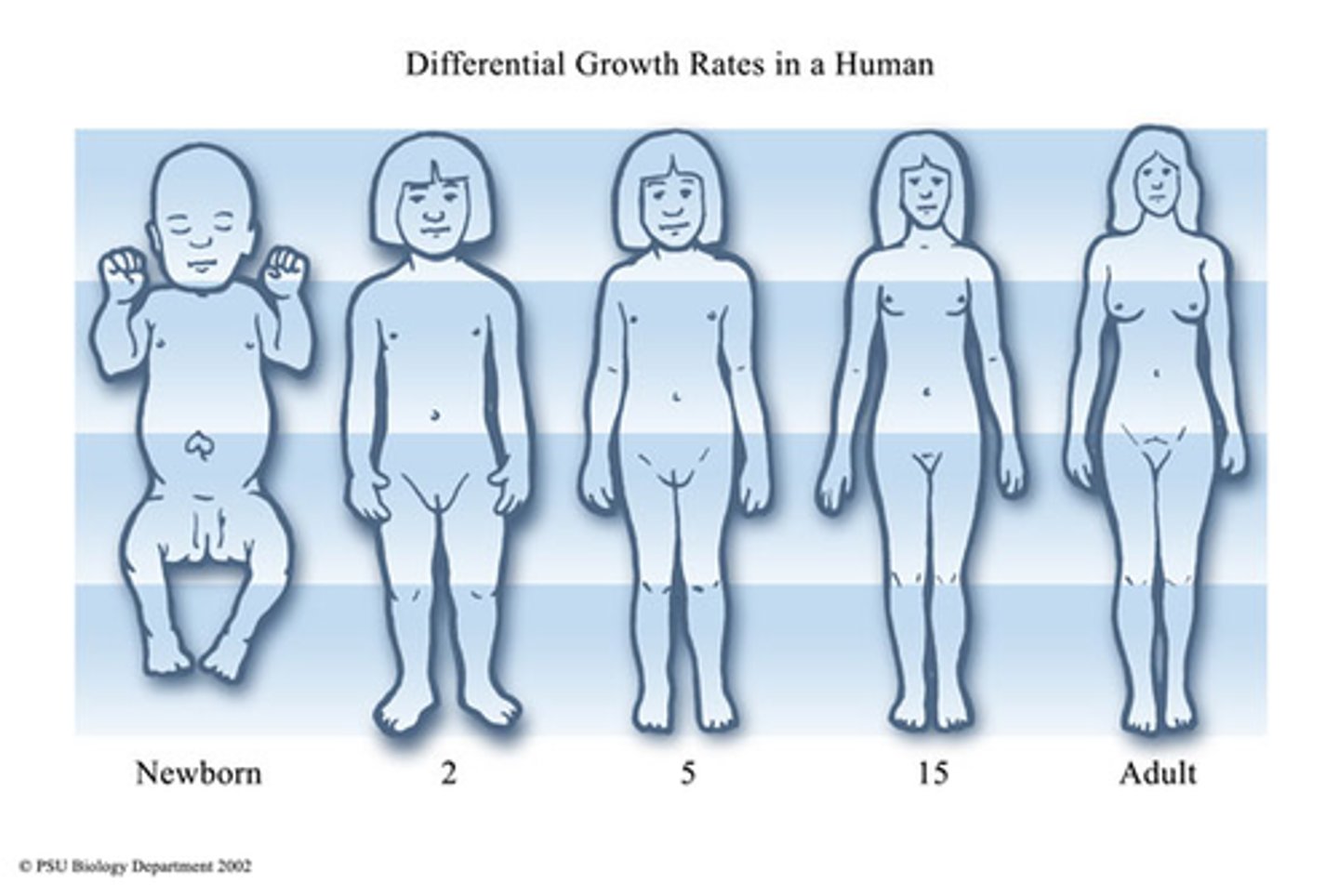
Growth
Increase in physical size
Development
Increase in skill or ability to function
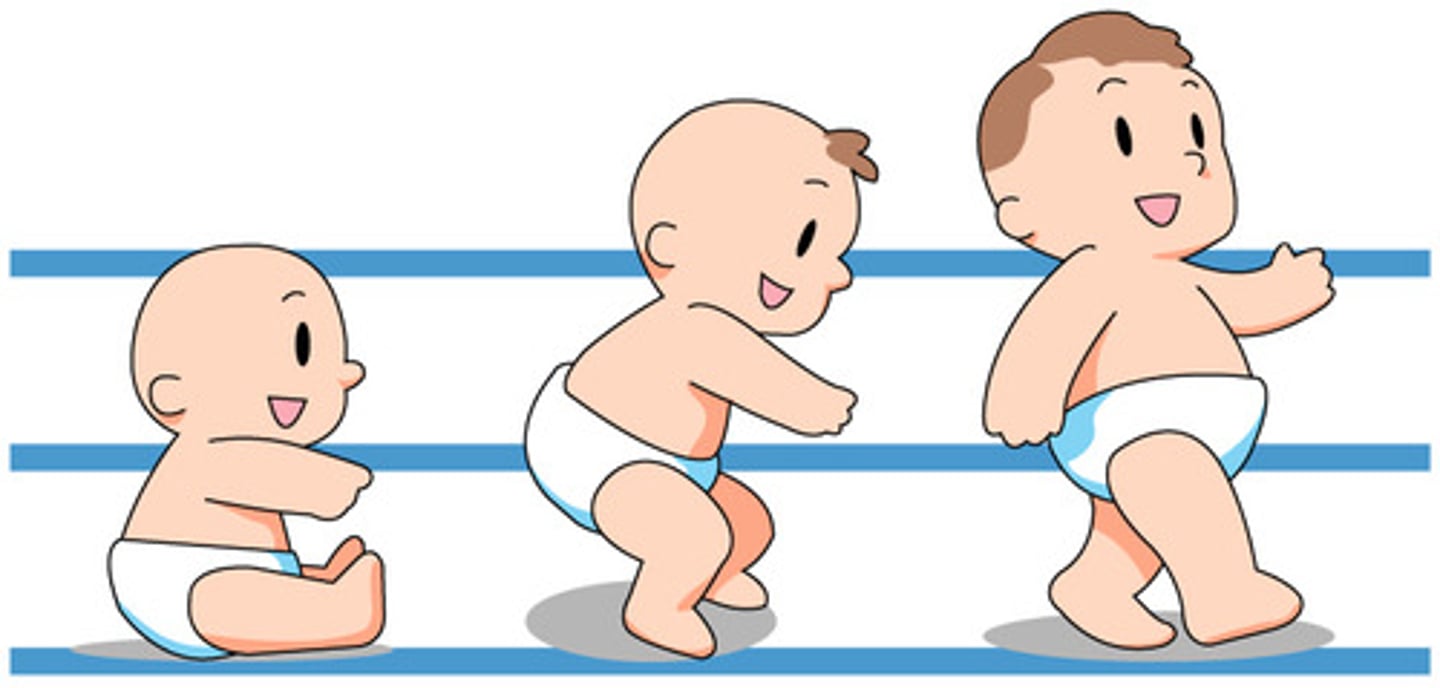
Developmental milestones
Major markers at a predictable age

Cognitive development
Ability to learn from experience, retain knowledge, problem solve
Factors influencing growth and development
genetics, sex, temperament, environment, physical activity, nutrition
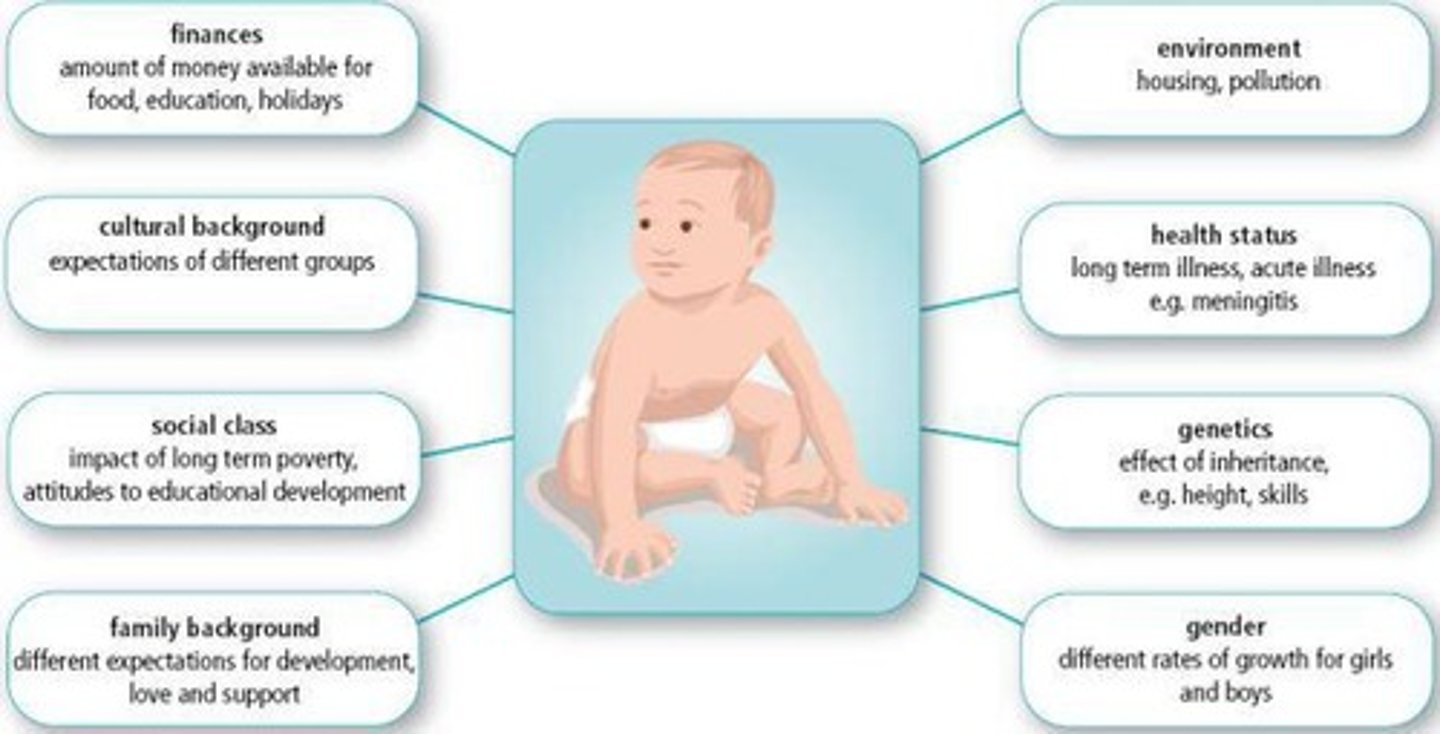
Genetics
Genetic abnormalities lead to disability or disease
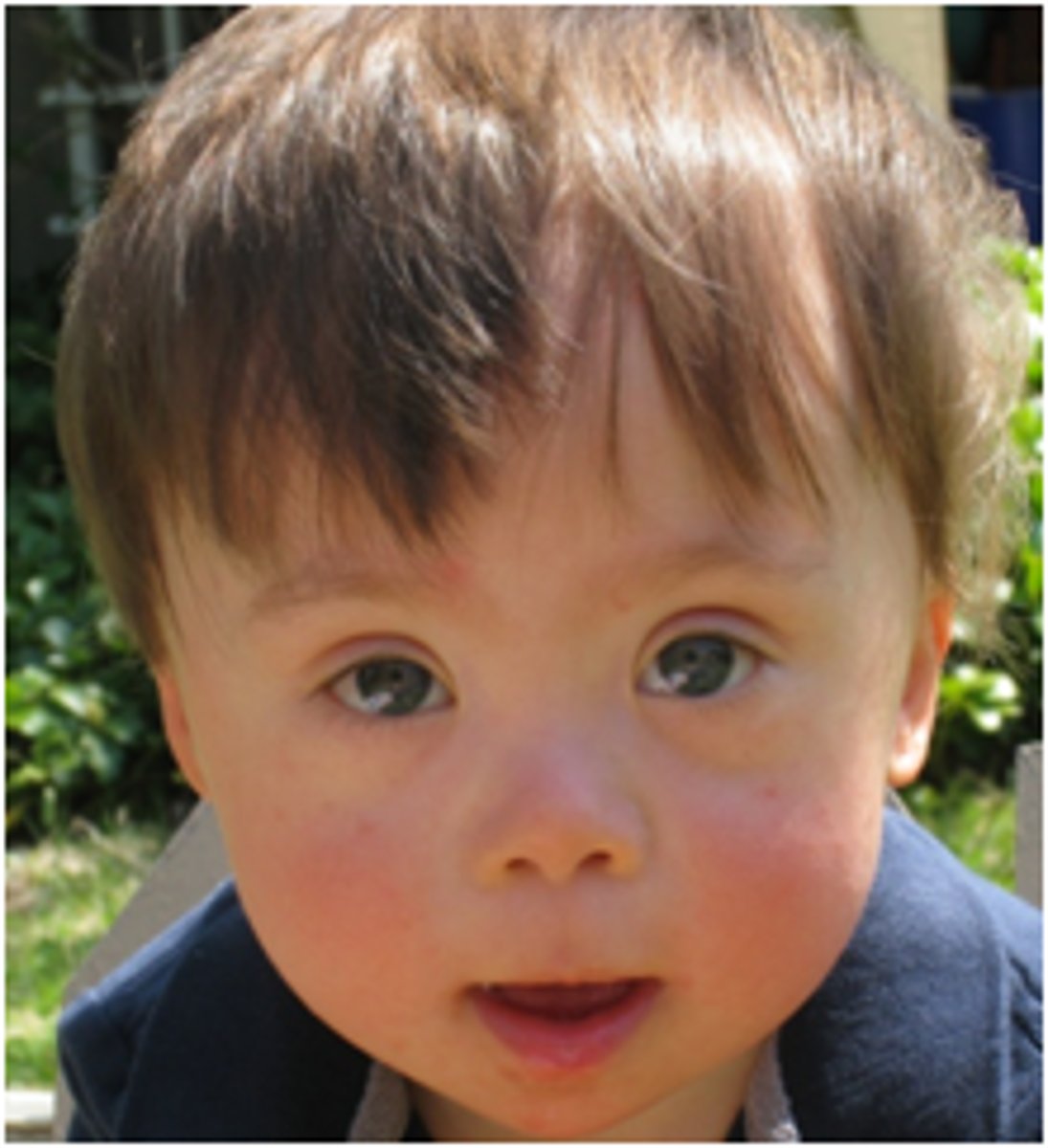
Sex
Girls weigh less at birth; begin puberty earlier than males
Temperament
Child's innate behavioral style (how they react to the world)

Easy temperament
Adaptable, regular routines, generally positive mood

Difficult temperament
Intense reactions, irregular routines, slow to adapt

Slow-to-warm temperament
Low activity, cautious, needs time to adjust

Parent-Child relationship
Trauma delays growth and development
ordinal position
older child develops faster than younger child

Physical activity
Should begin in infancy; >60mins each day

nutrition
impacts growth, health, development
poor nutrition = poor development
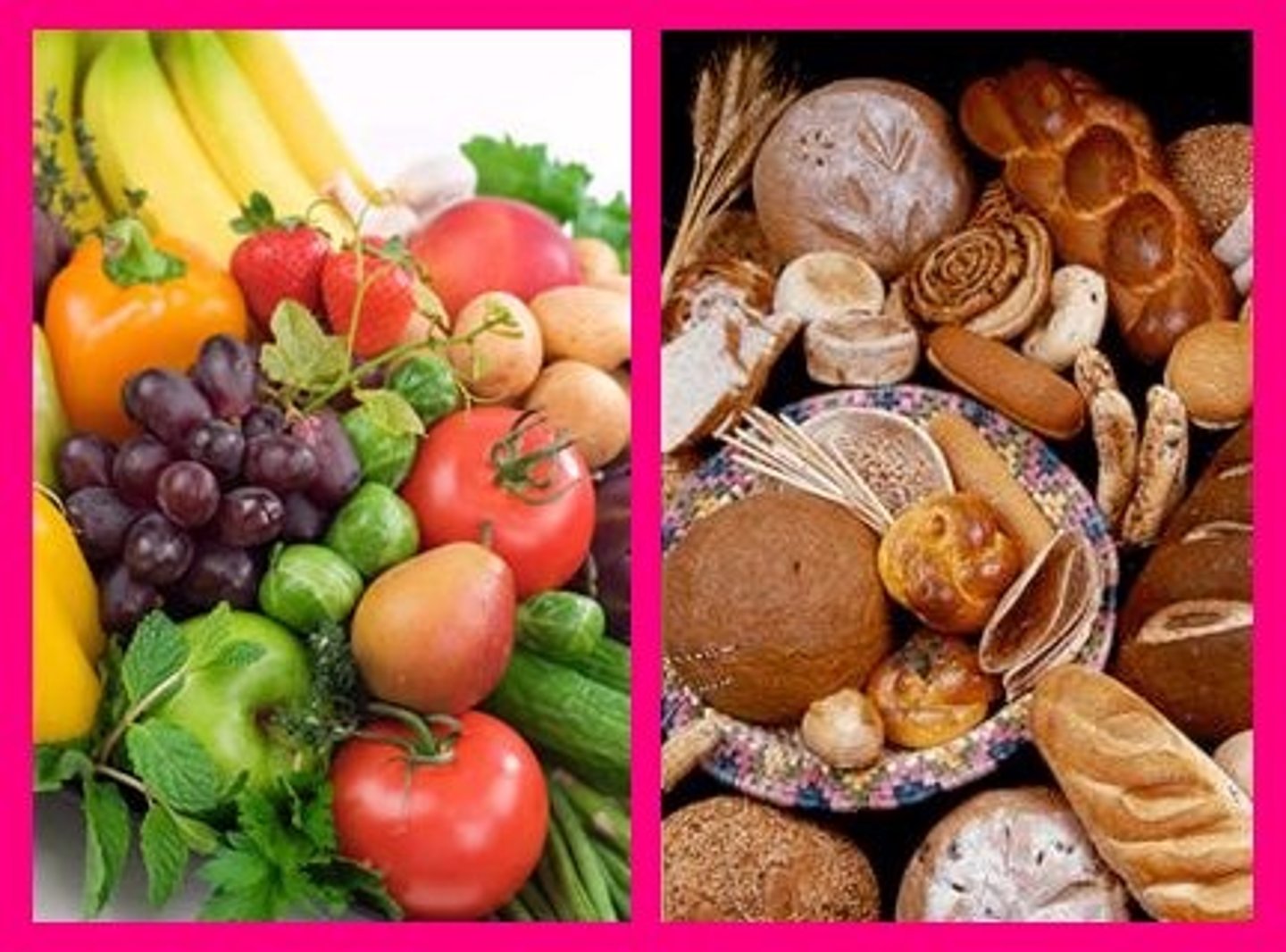
healthy diet components
proteins, carbs, fat, vitamins, minerals (macro/micronutrients)
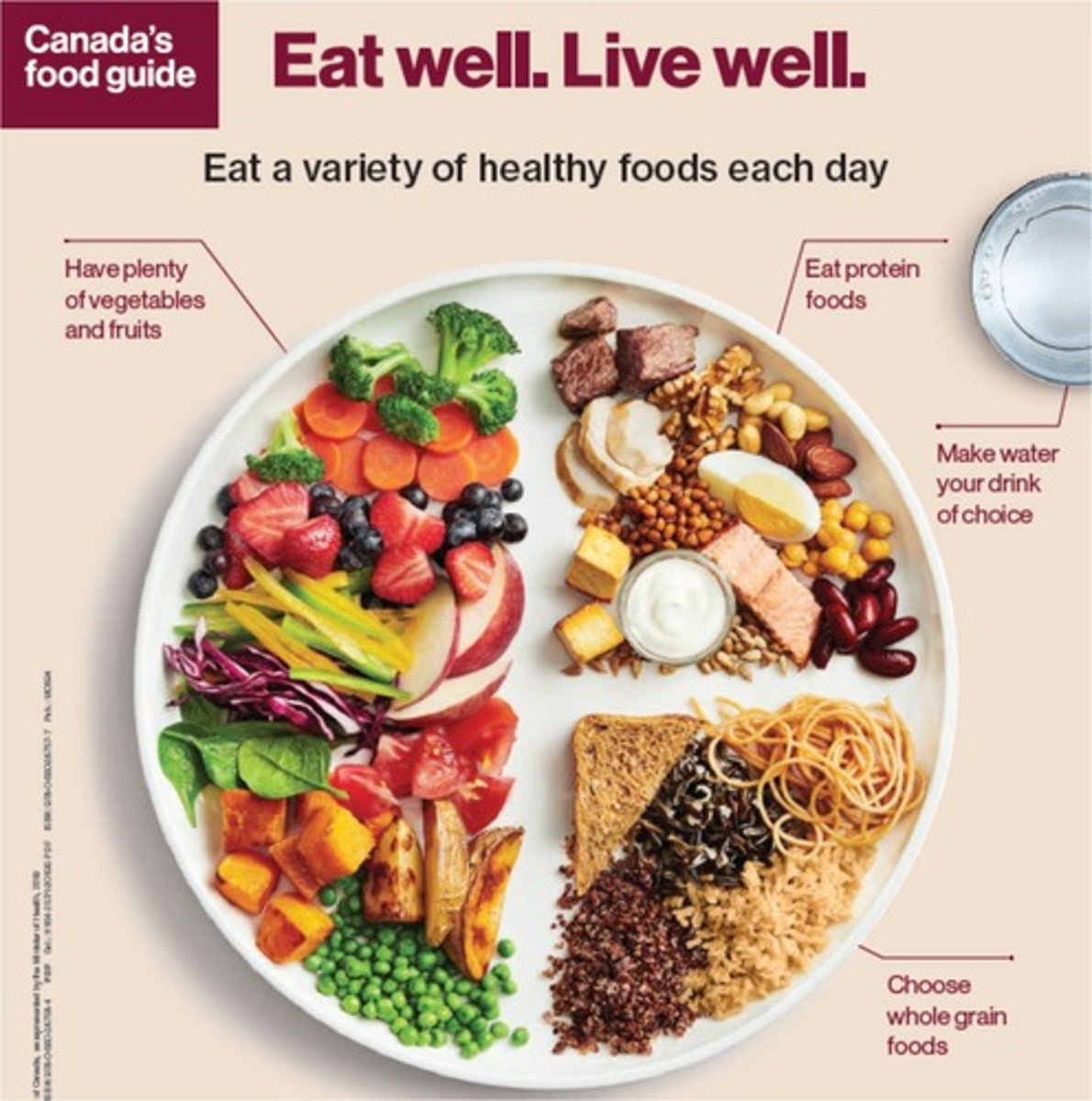
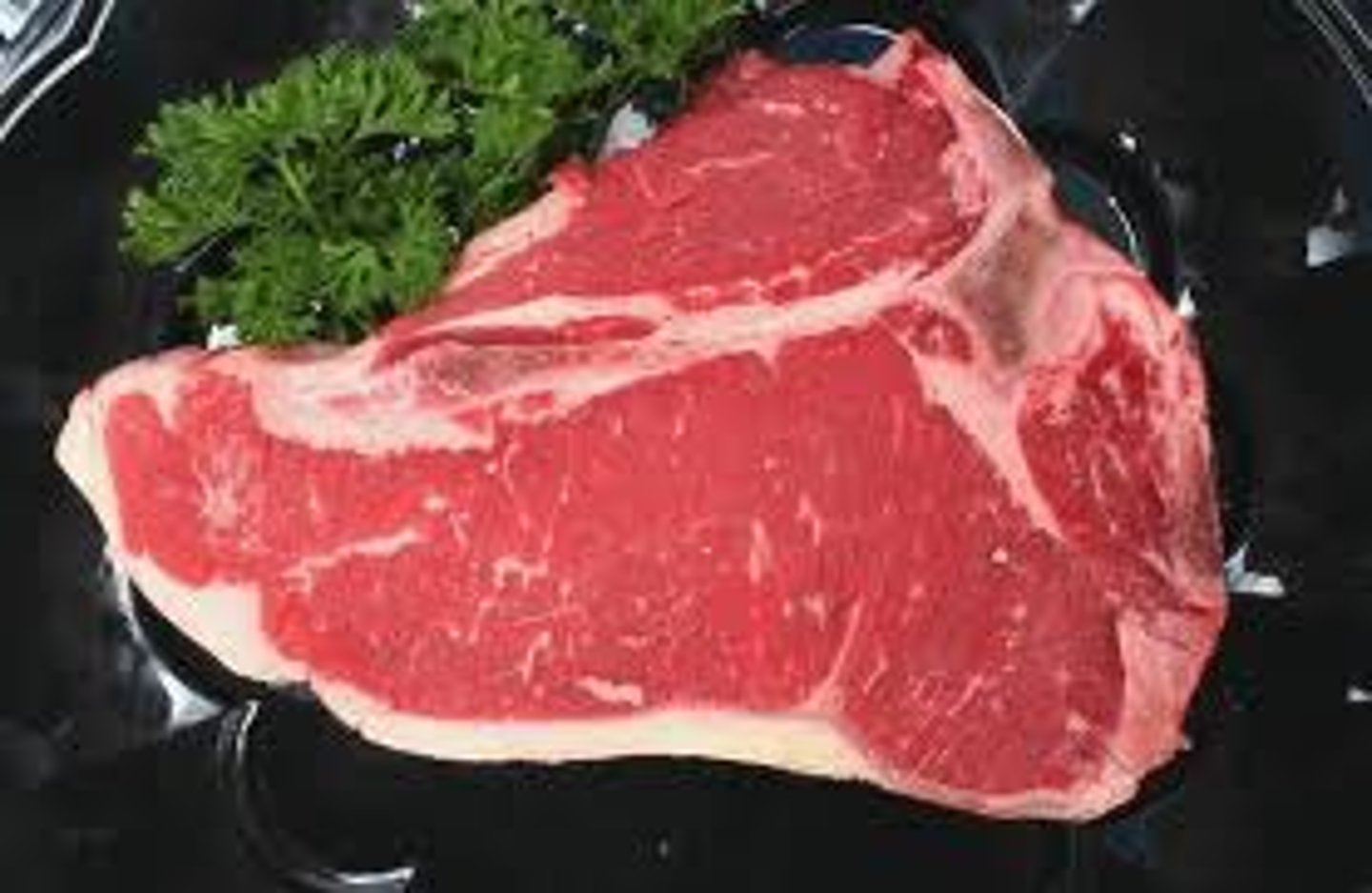
Proteins
Tissue growth and repair
Carbohydrates
Primary energy source
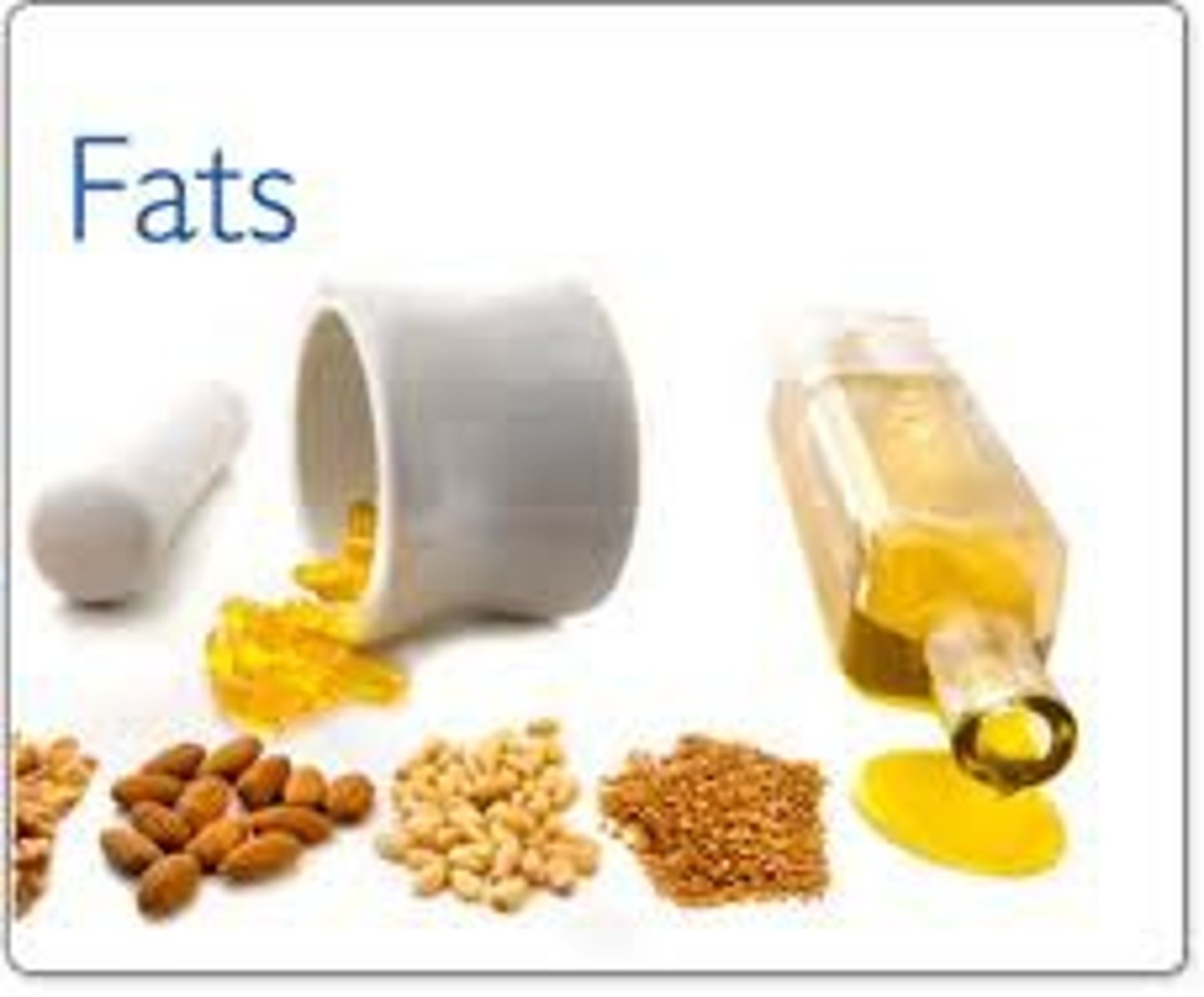
Fat
Brain development, myelinates nerve fibers (esp <2 years old)
Fat soluble vitamins (A,D,E,K)
stored in fat cells for later use (cereal, plant oils)
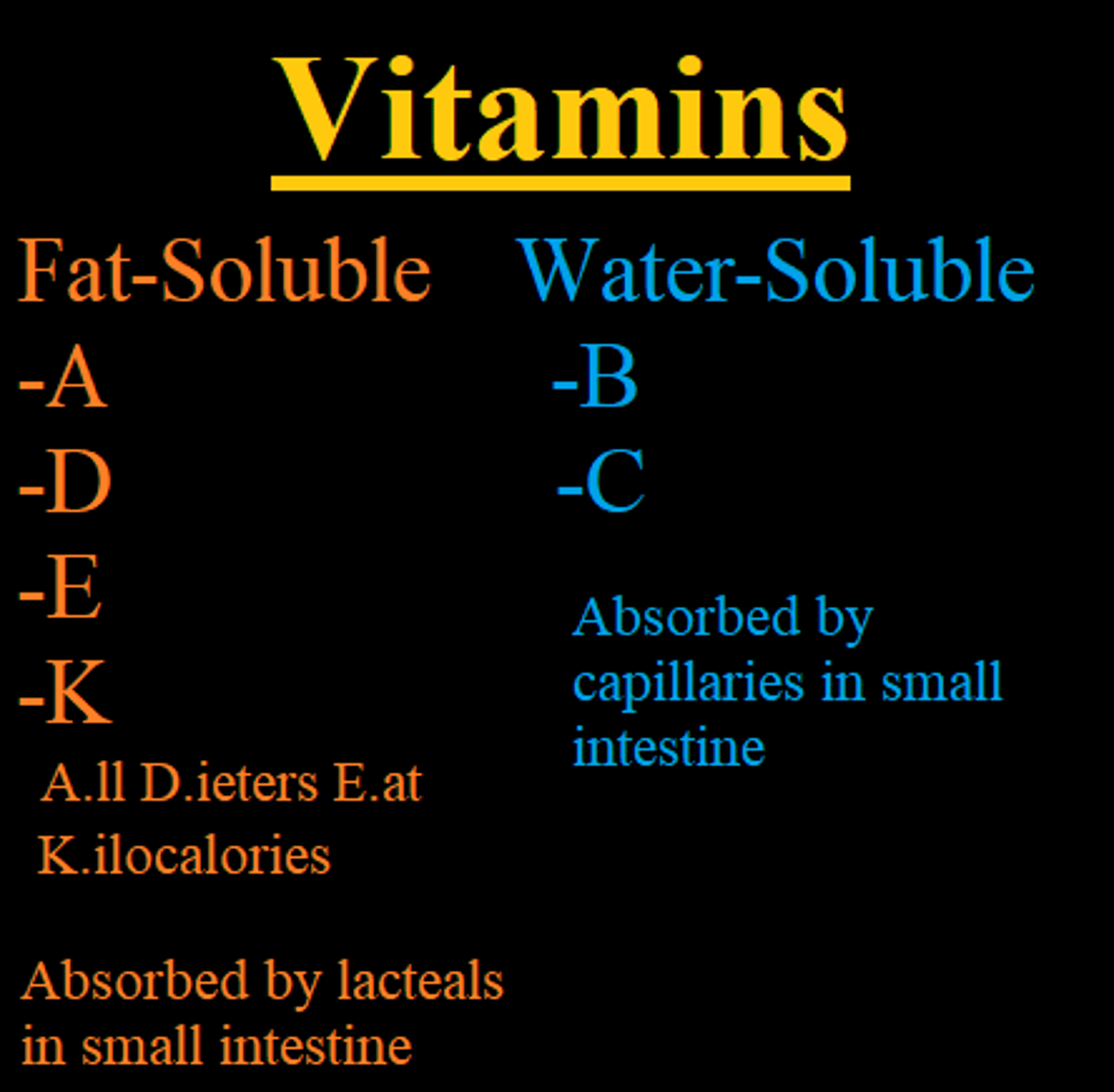
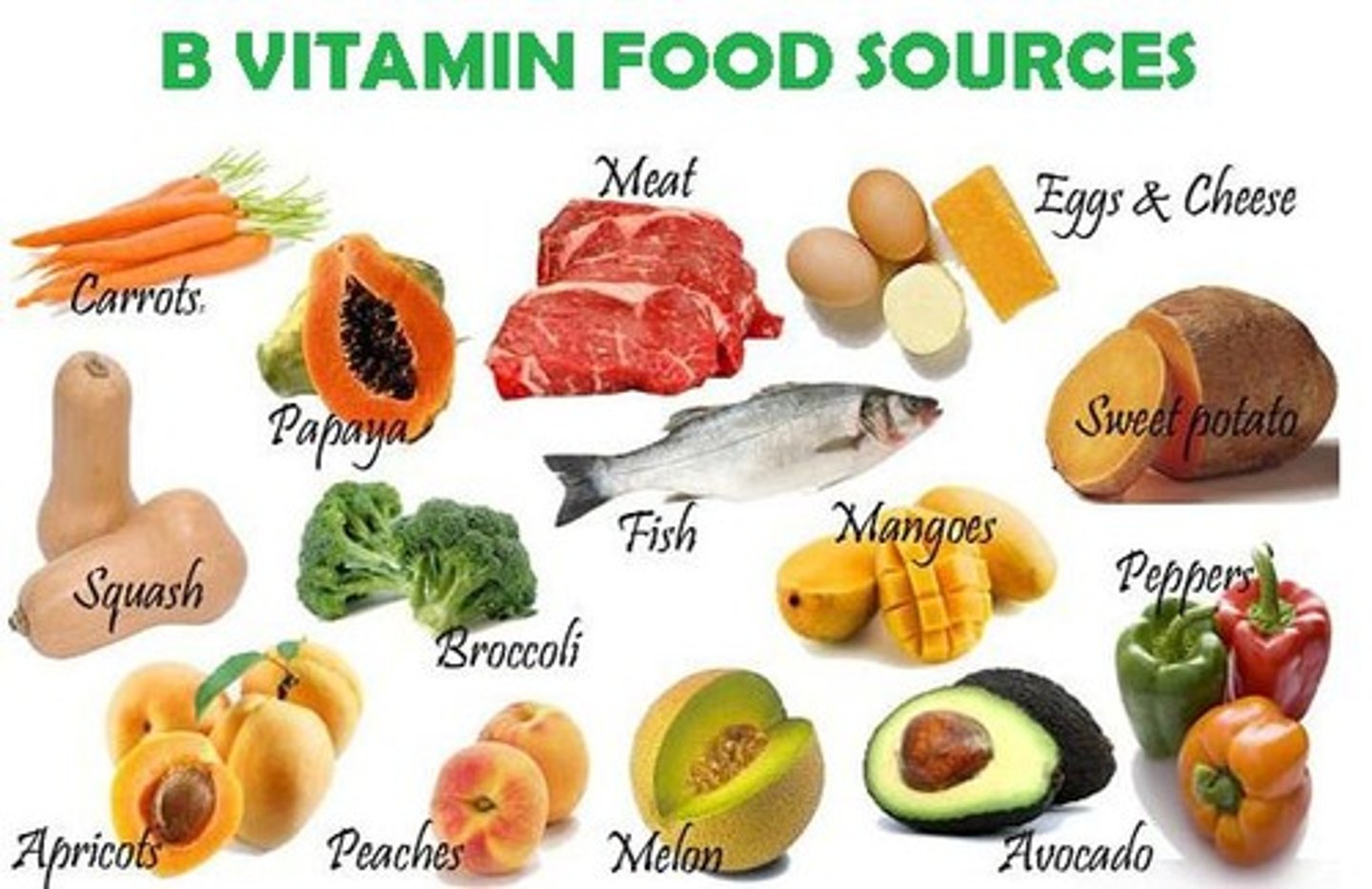
water soluble vitamins (B,C)
not stored in body, must be taken daily (fruits, veg)
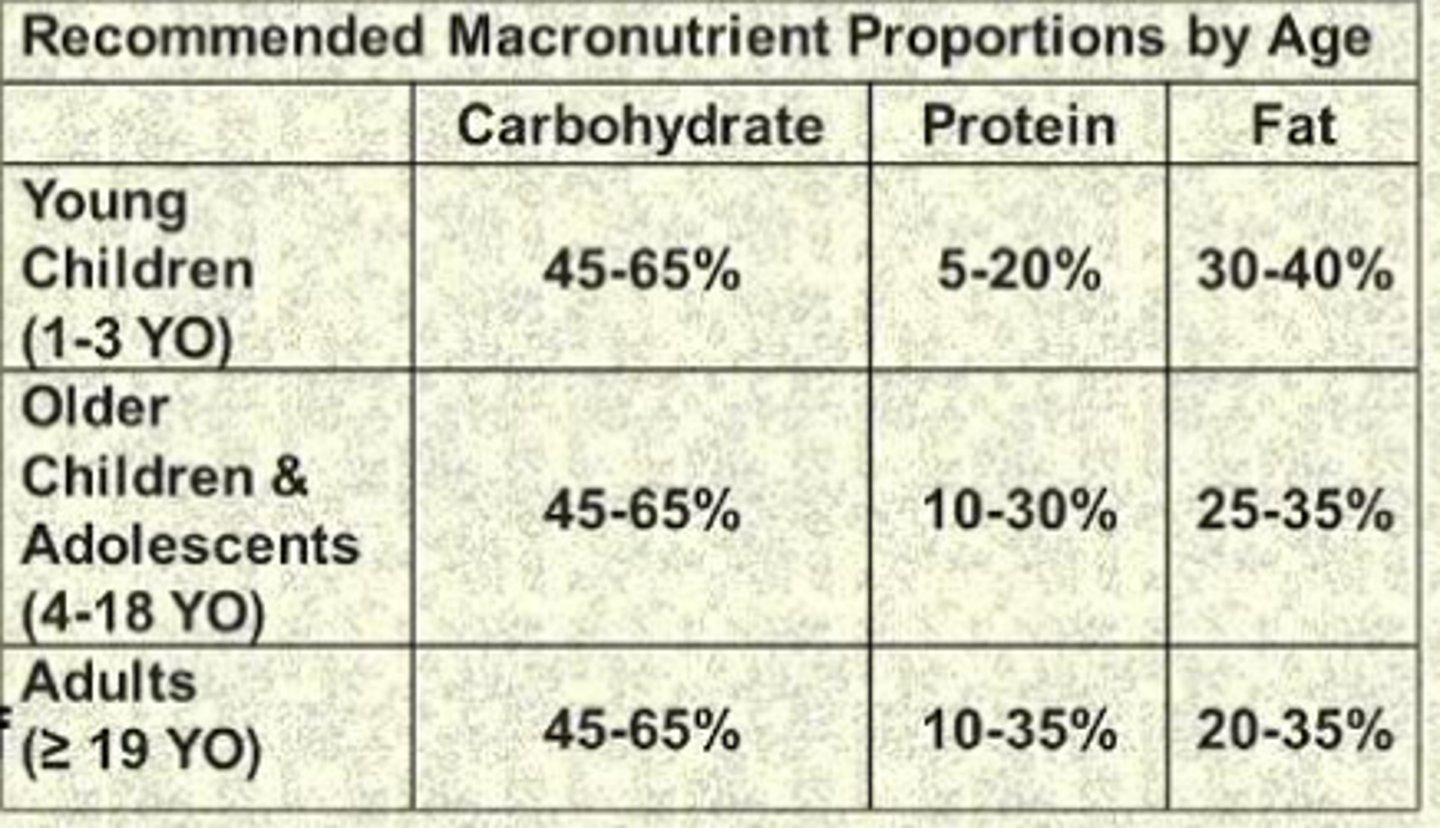
Macronutrients (>100mg needed daily)
sodium, calcium, potassium, magnesium
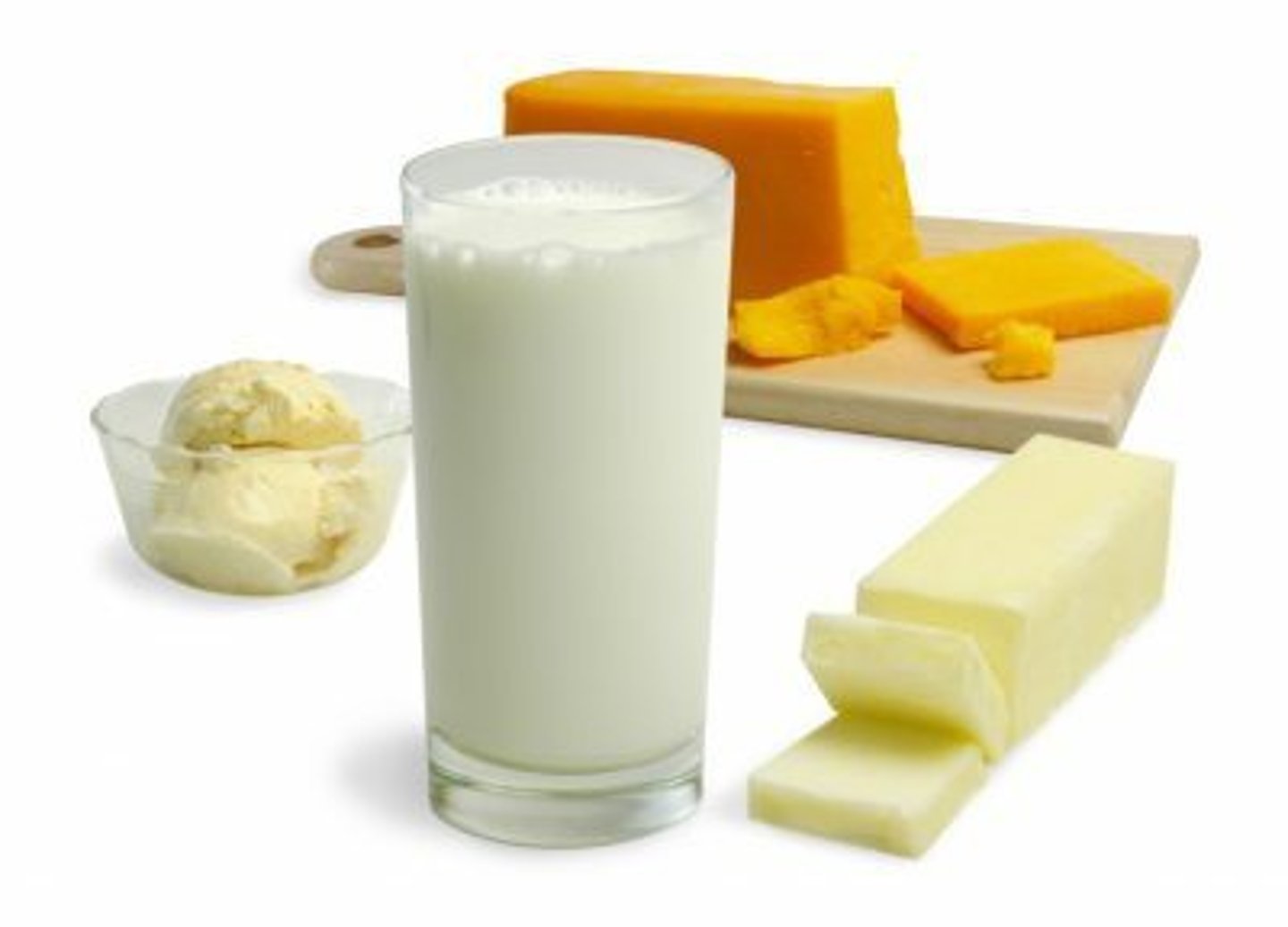
micronutrients (<100mg needed daily)
iron, zinc, iodine
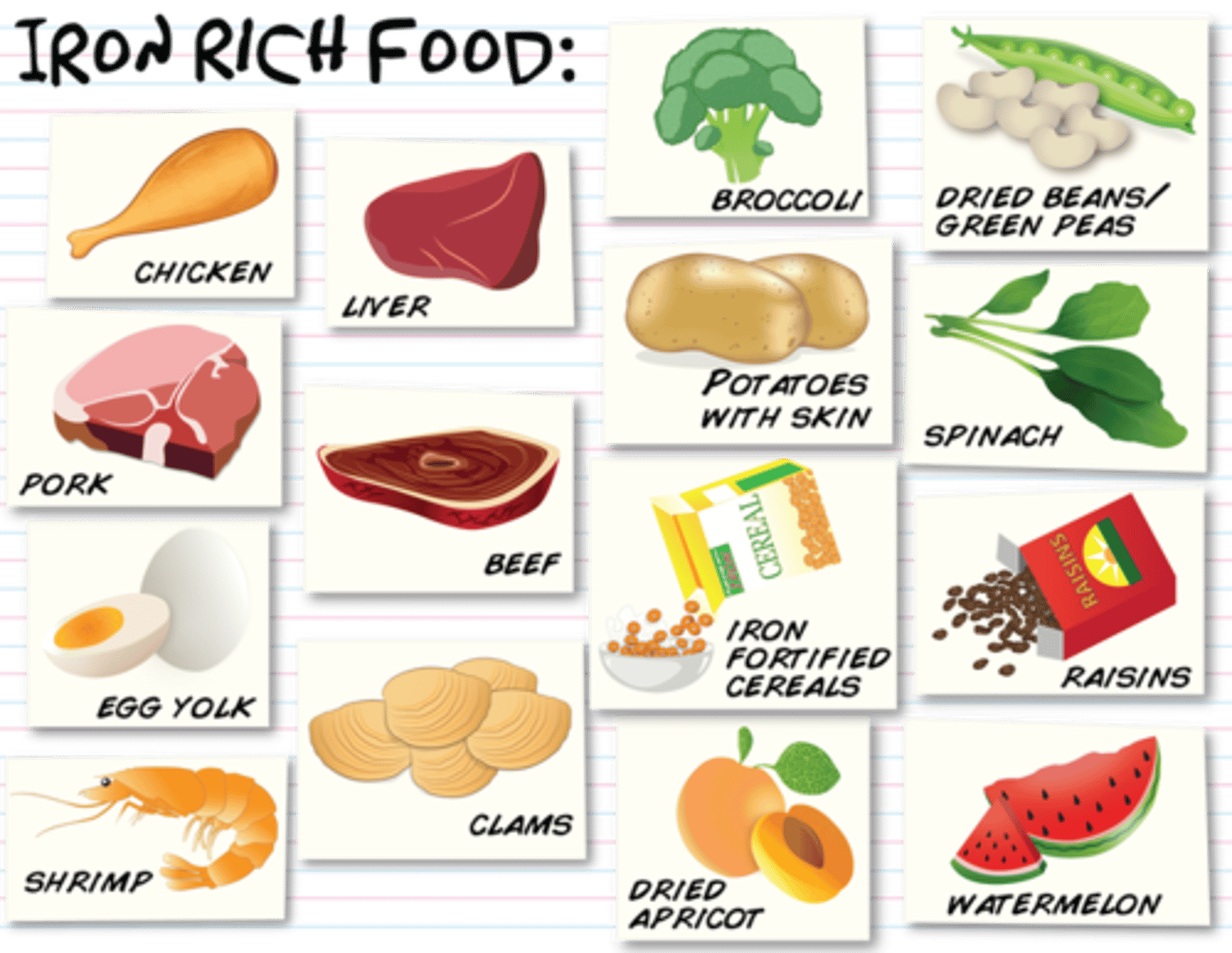
Neonate
First 28 days of life
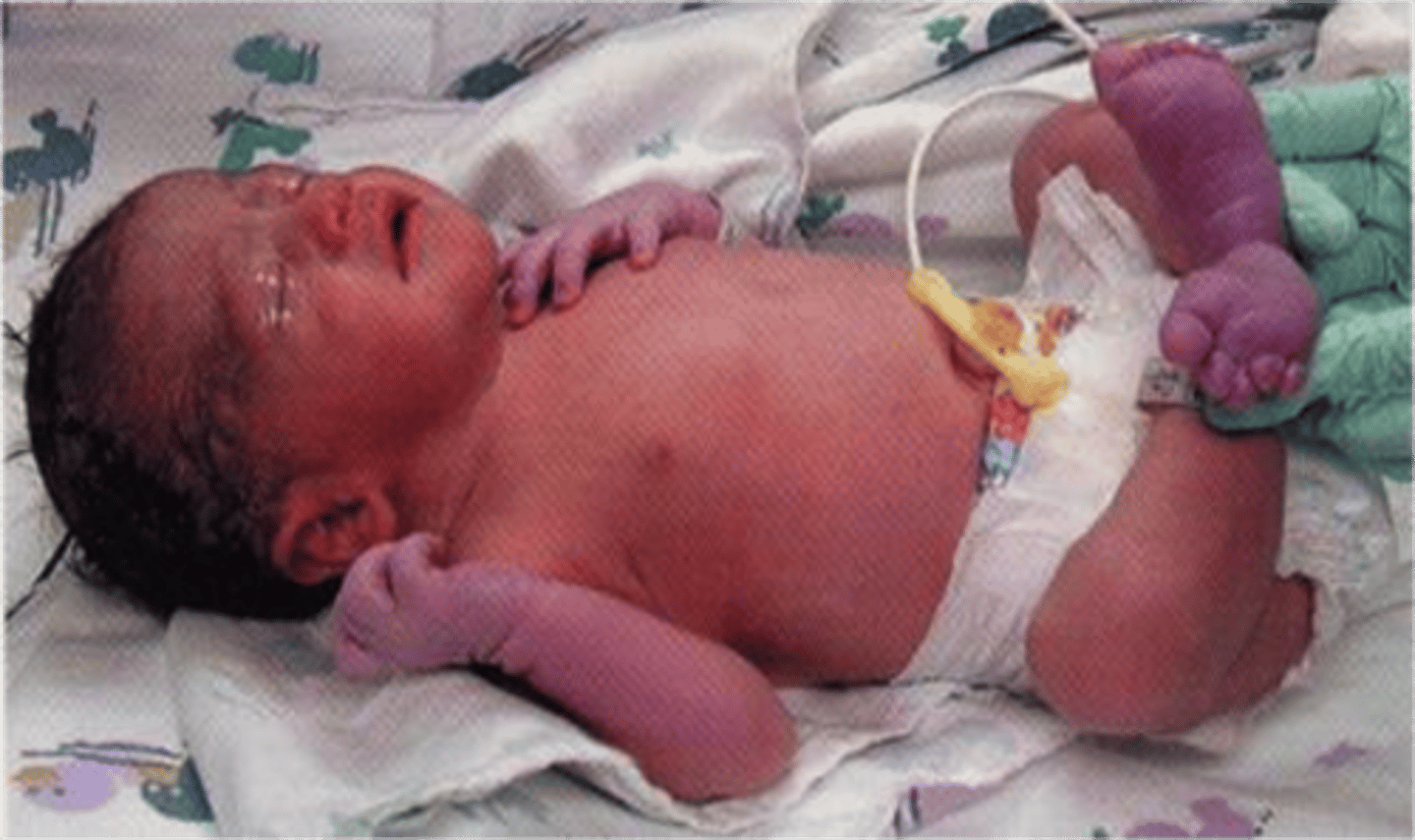
Infant
1 month - 1 year

Toddler
1 - 3 years

Preschooler
3 - 5 years

School-aged child
6 - 12 years

Adolescent
13 - 17 years

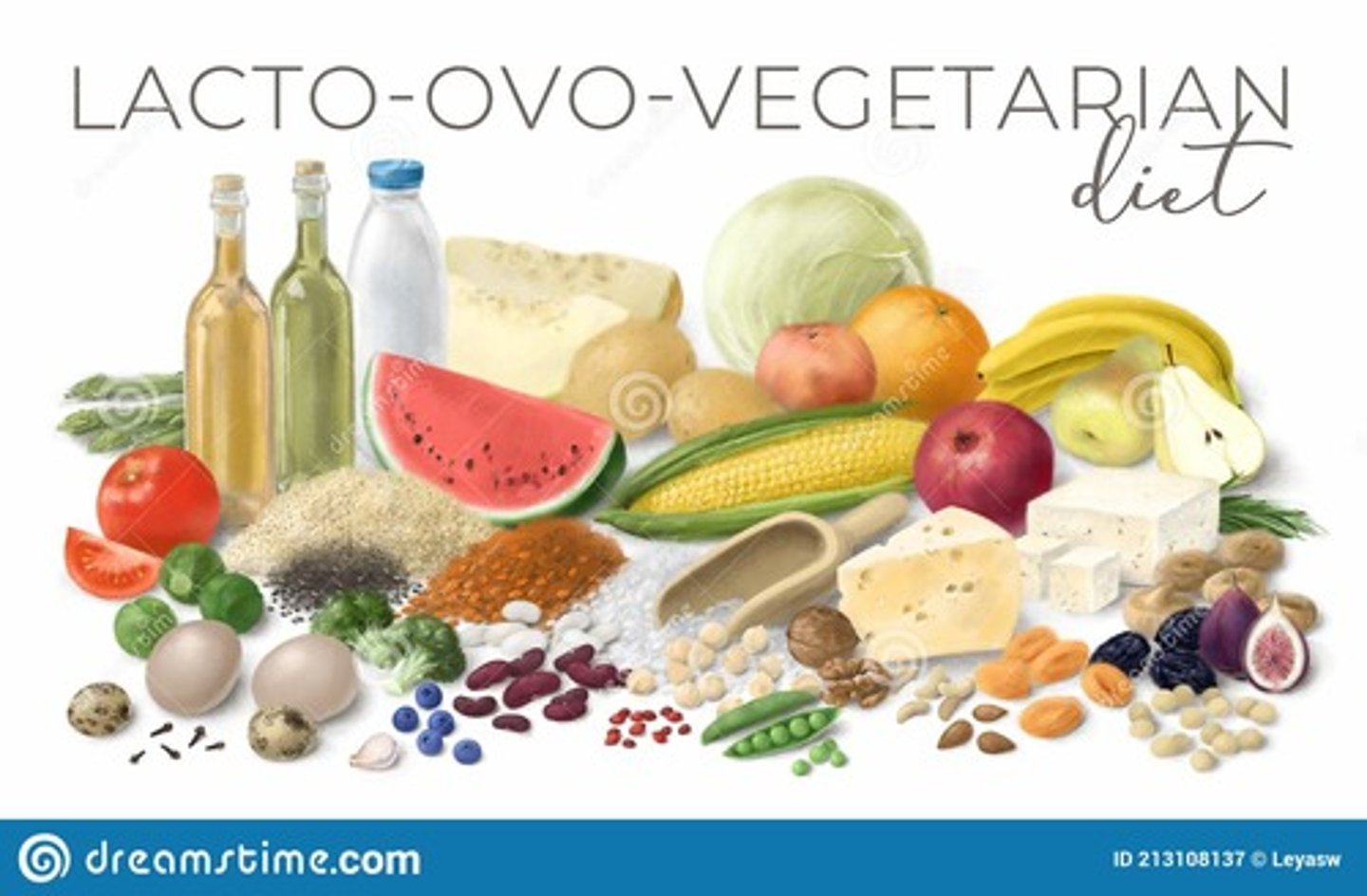
Lacto-ovo-vegetarian
Dairy products, eggs, plants
Ovo-vegetarian
Eggs and plants, NO dairy
Calcium source: green leafy vegs, tofu

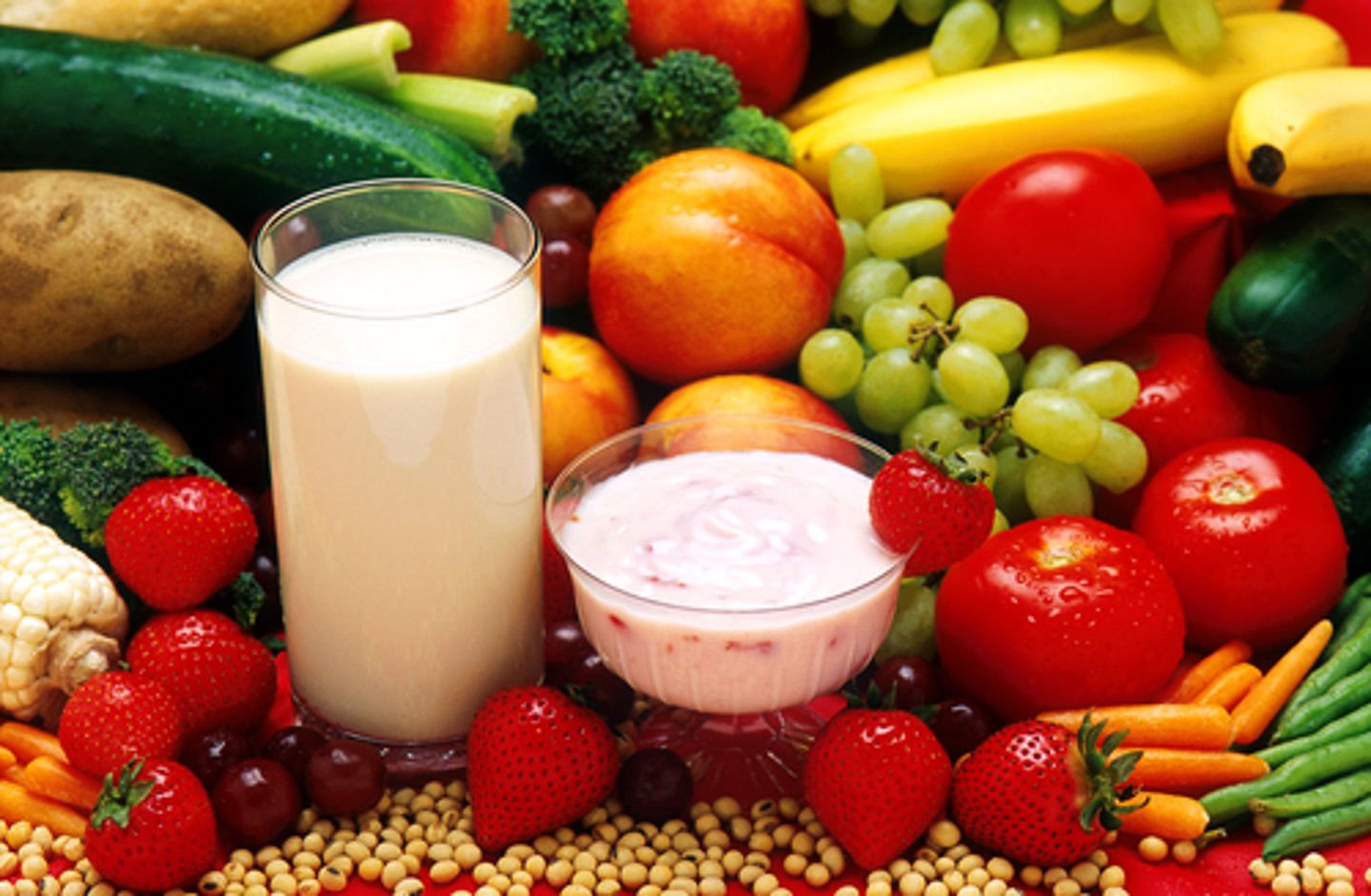
Lacto-vegetarian
Dairy and plants, NO eggs
Vegan
no animal products at all, need vitamin b12 supplements
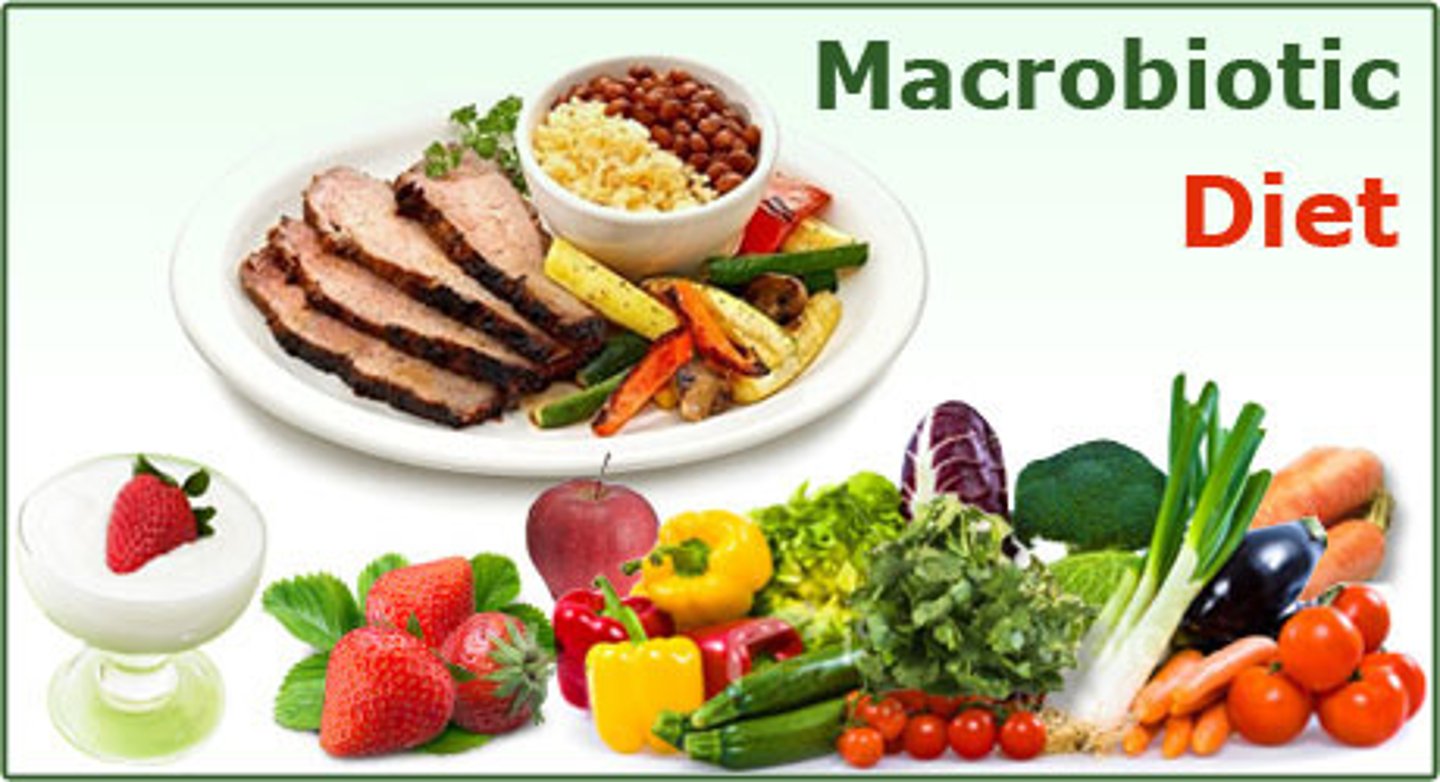
Macrobiotic
Mostly vegetarian with small amount of animal products
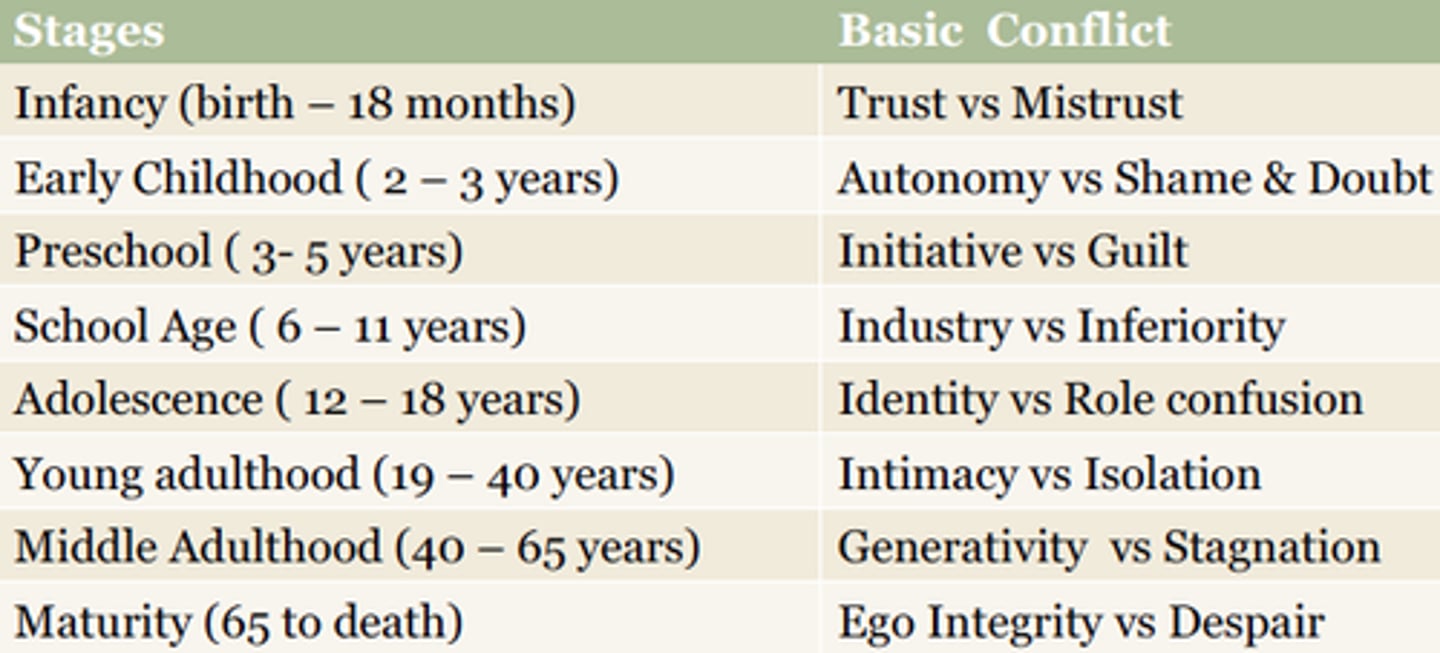
Erikson's Psychosocial Theory
Mental conflict shapes personality
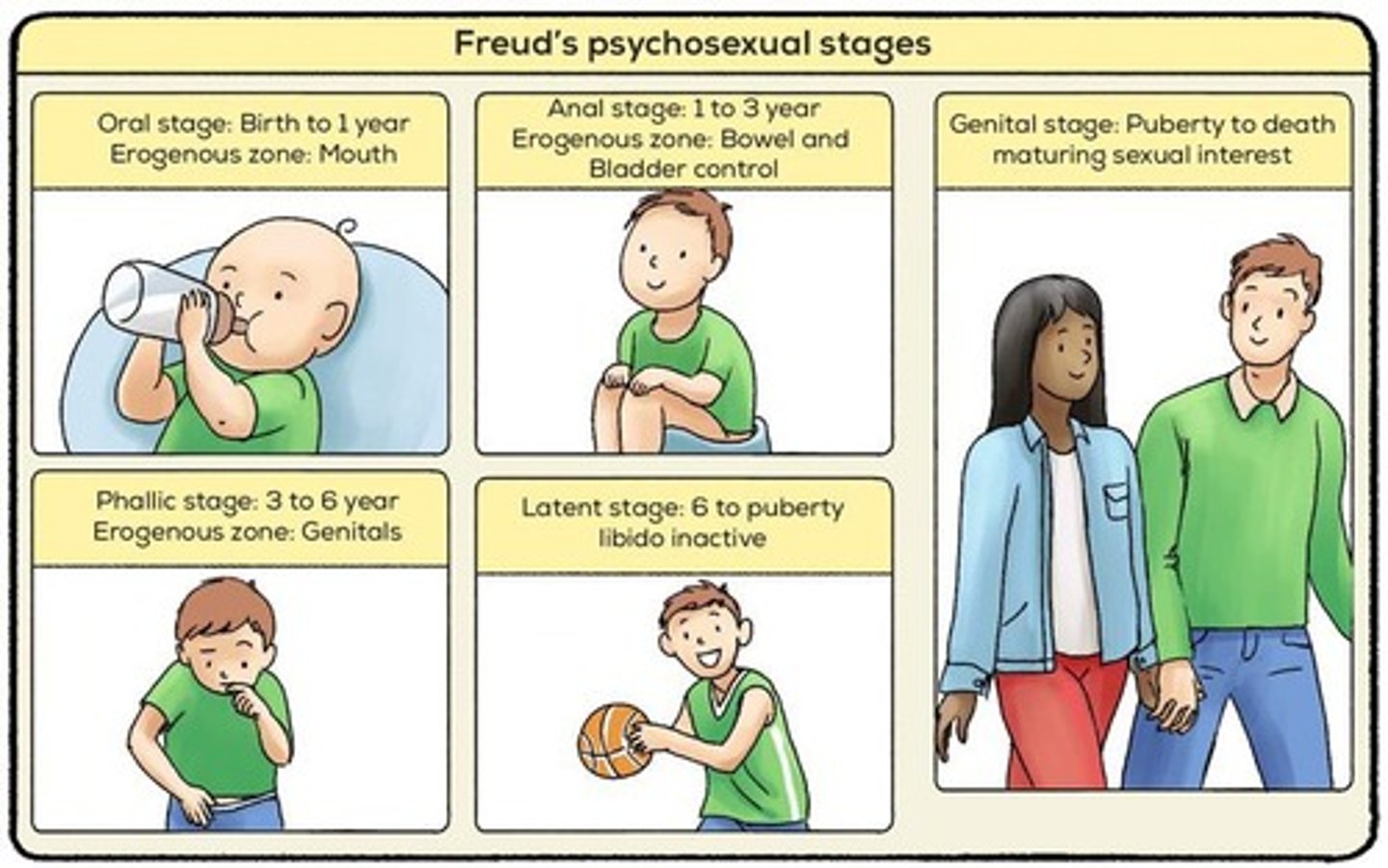
Freud's Psychosexual Theory
Body parts have pleasure centers
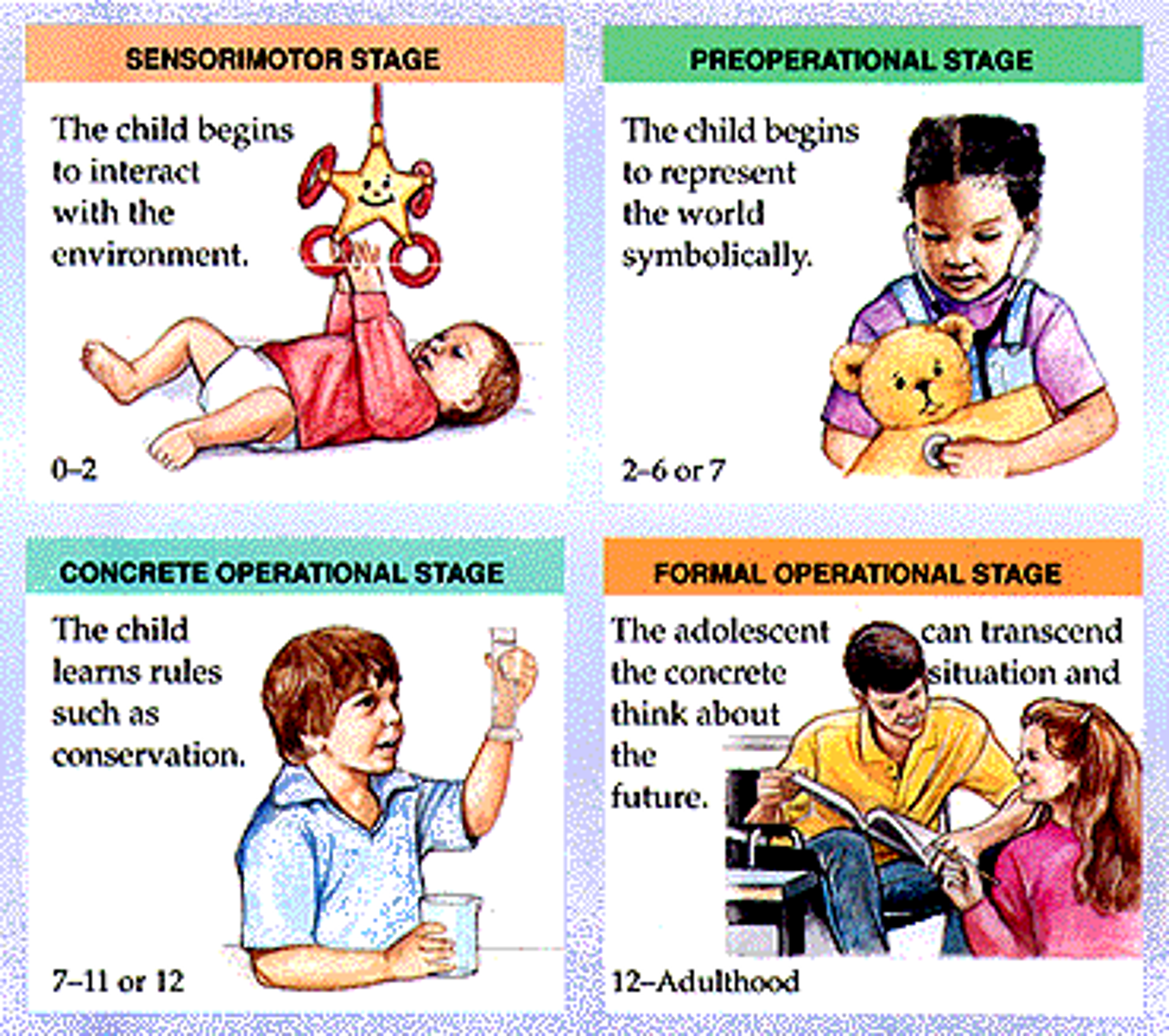
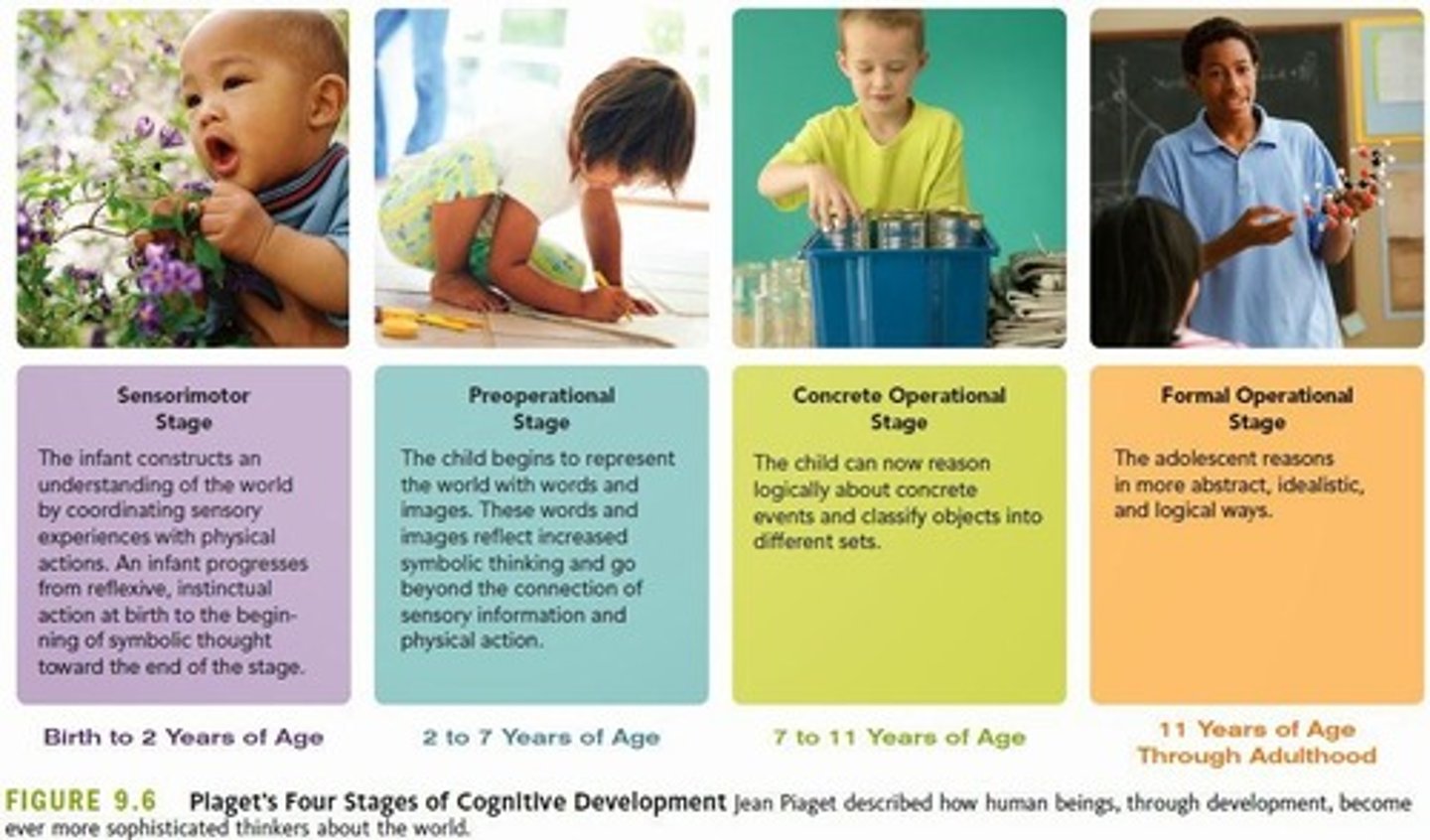
Piaget's Cognitive Theory
How children think and reason
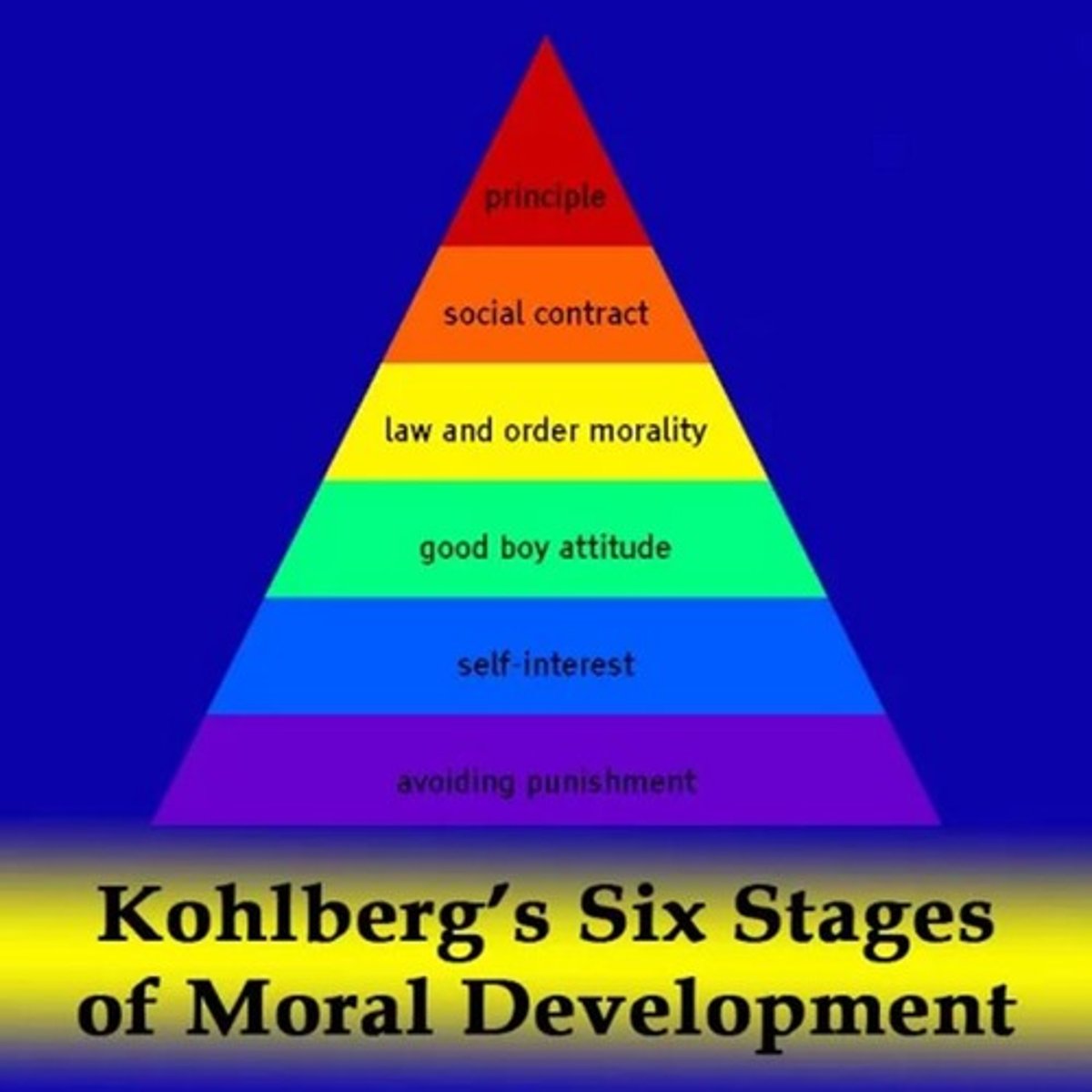
Kohlberg's Moral Theory
How children know between right vs. wrong