Waves, Sound, and Light
 Call Kai
 Learn
Learn Practice Test
 Spaced Repetition
 Match
Match Flashcards
 Knowt Play
1/9

Earn XP
Description and Tags
lock in ----> guaranteed results
Name | Mastery | Learn | Test | Matching | Spaced | Call with Kai |
|---|
No analytics yet
Send a link to your students to track their progress
10 Terms
Waves
transfer energy from one place to another.
Mechanical waves
require a matter to move energy.
The matter will move for a short period of time whilst transferring energy and then return to its starting position.
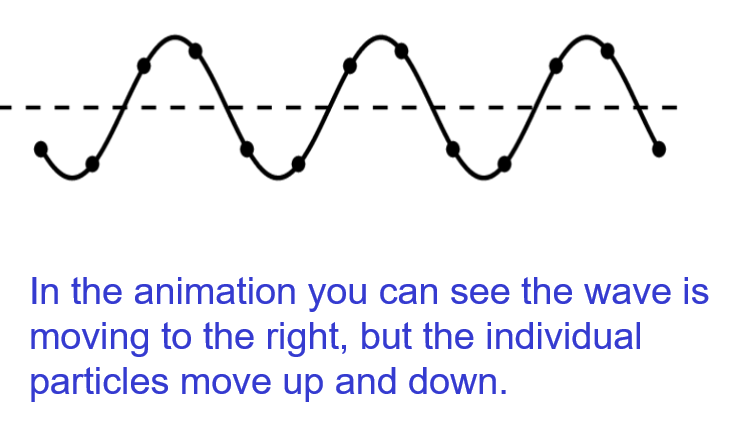
Transverse waves
particles move perpendicular to the motion of the wave
e.g: water ripples, EM waves
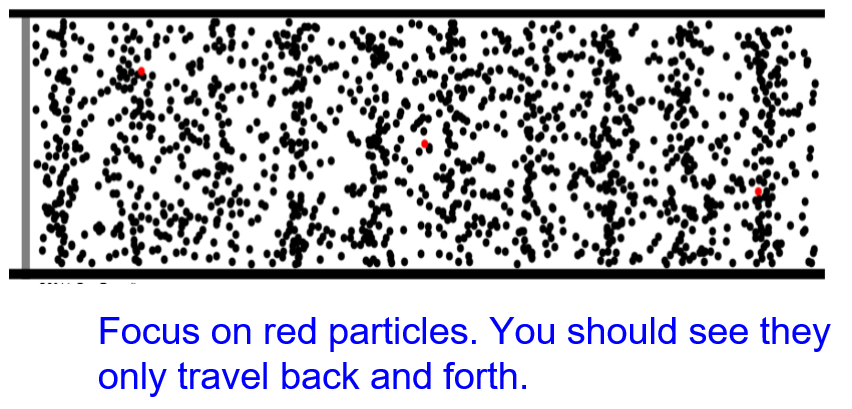
Longitudinal waves
particles move parallel to the motion of the wave
e.g: sound waves
Period of a wave (s)
how long it takes to go through one wavelength
Frequency (Hz)
how many wavelengths go by in a second
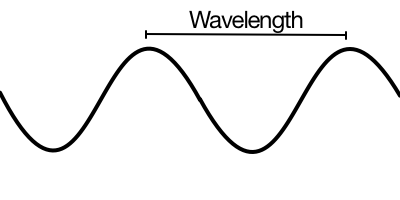
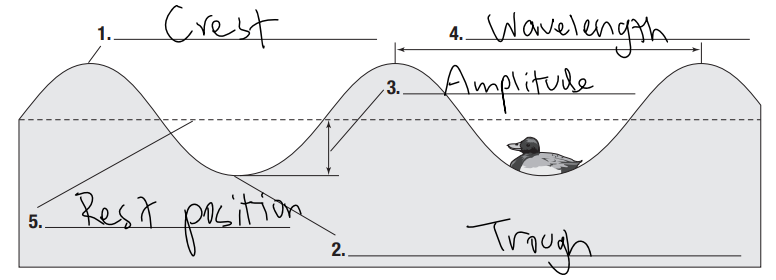
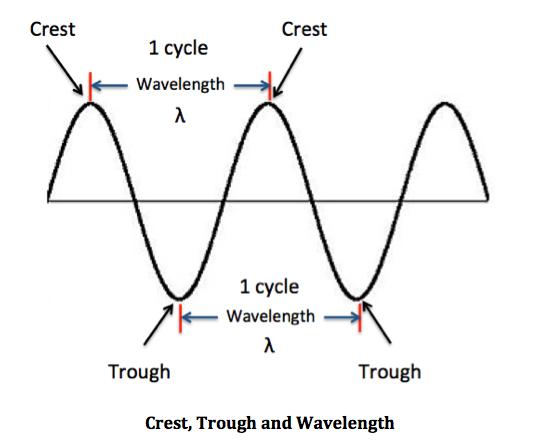
Wavelength (m)
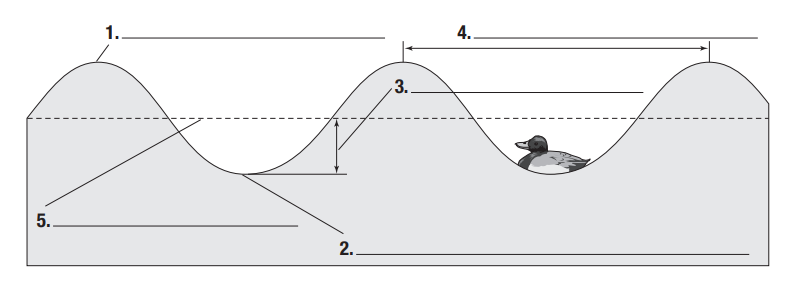
the distance between one crest of a wave and the next crest or trough to trough or from one point of the wave to same point of the next wave.
Wavelength vs period
period measures the wave in time
wavelength measures it in space
Amplitude of a mechanical wave
the maximum displacement of the particles in the wave.
the distance from the rest point.
the greater the amplitude of the mechanical wave, the greater the energy.