Levels and Angles
 Call Kai
 Learn
Learn Practice Test
 Spaced Repetition
 Match
Match Flashcards
 Knowt Play
1/12

Earn XP
Description and Tags
Name | Mastery | Learn | Test | Matching | Spaced | Call with Kai |
|---|
No analytics yet
Send a link to your students to track their progress
13 Terms
Importance of Levels and Angles
Provide a clear, level base for construction.
Ensure vertical and horizontal alignment of structural components.
Critical for setting out, excavation, foundations, walls, floors, and roofs.
Affects appearance, safety, and durability of structures.
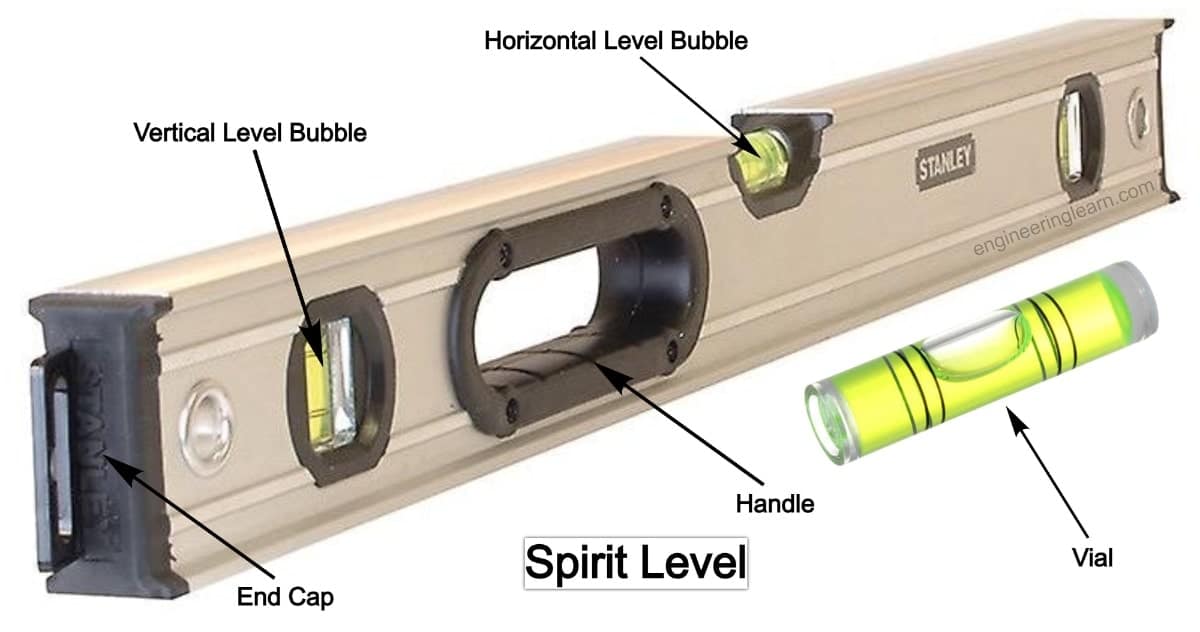
Spirit (Bubble) Level
Basic hand tool for checking level and plumb surfaces (used by masons and carpenters).
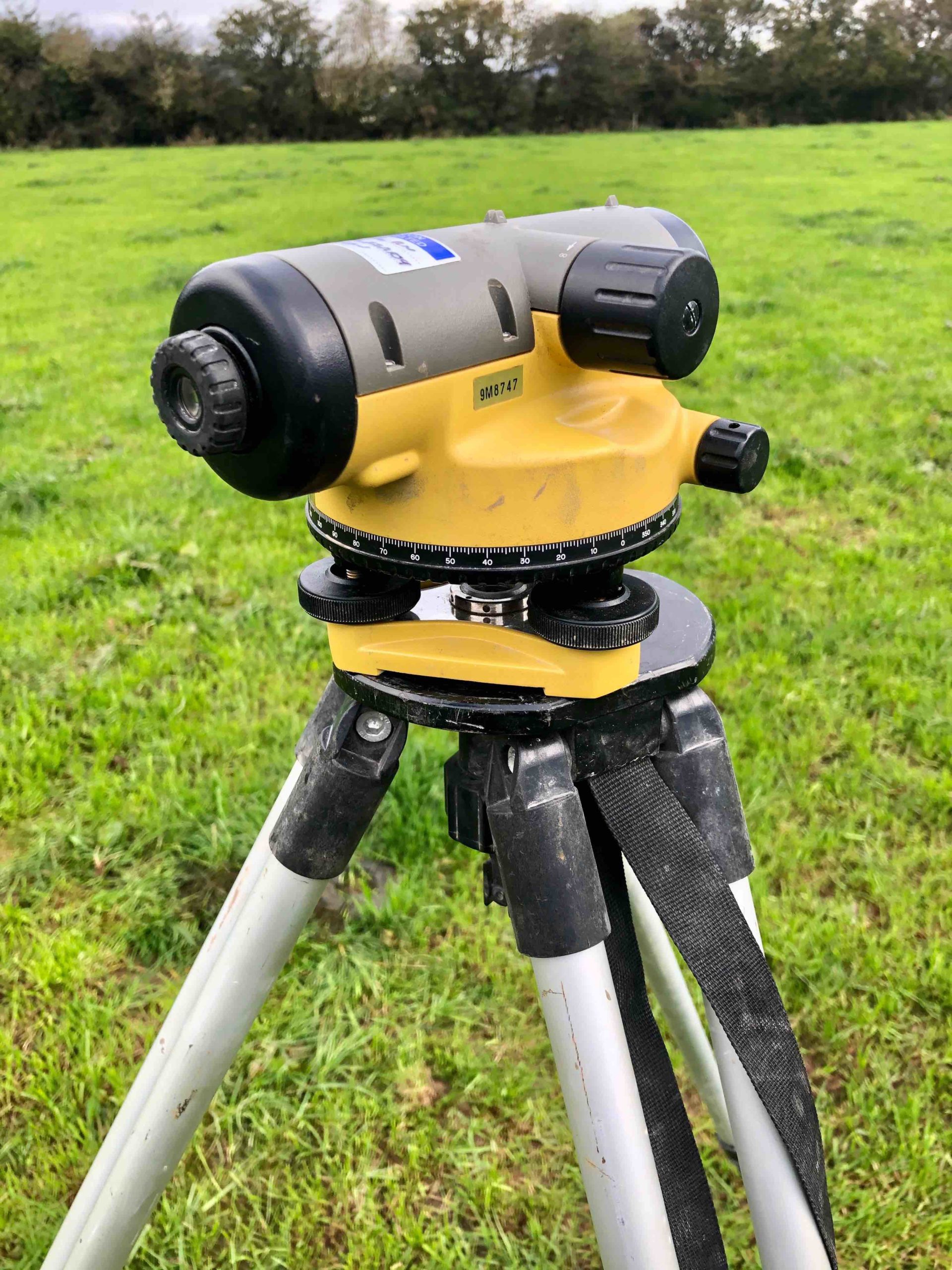
Dumpy Level
Optical instrument used for site leveling; requires tripod and staff.
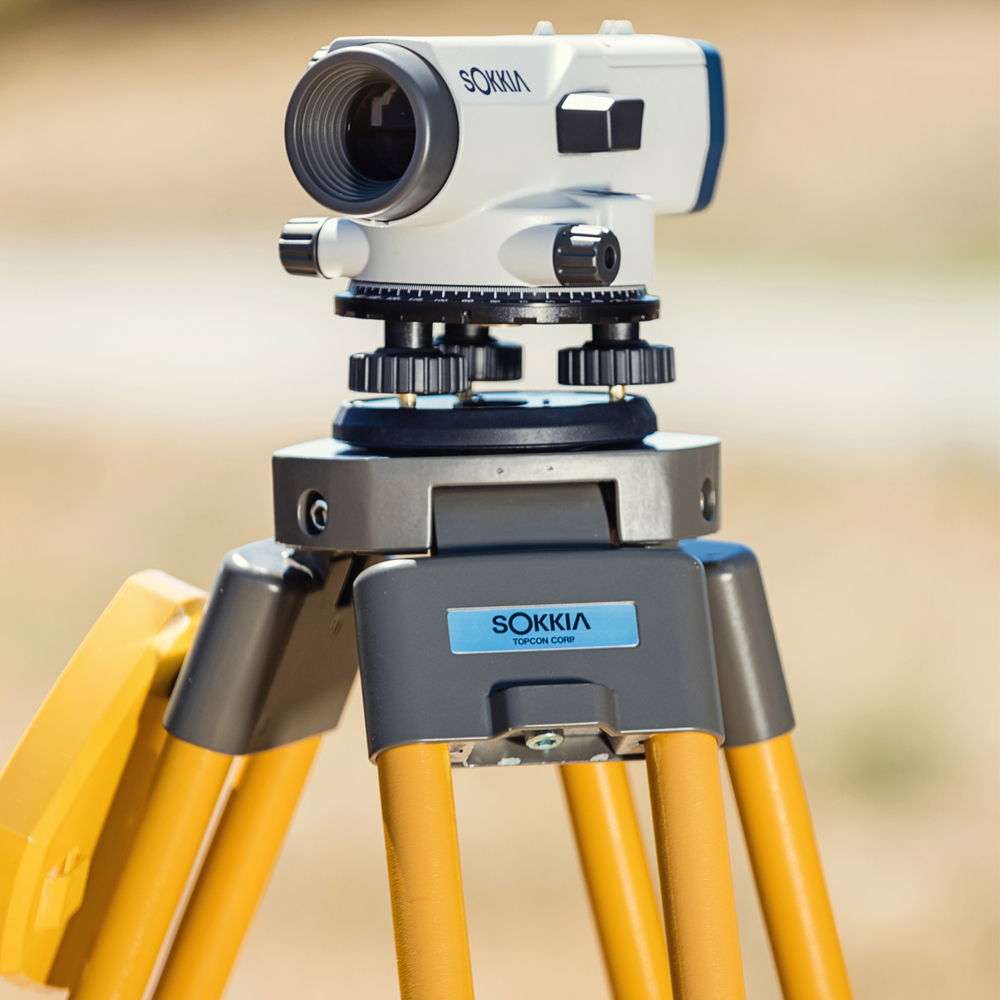
Automatic Level
Self-leveling optical device—faster and more accurate than dumpy level.
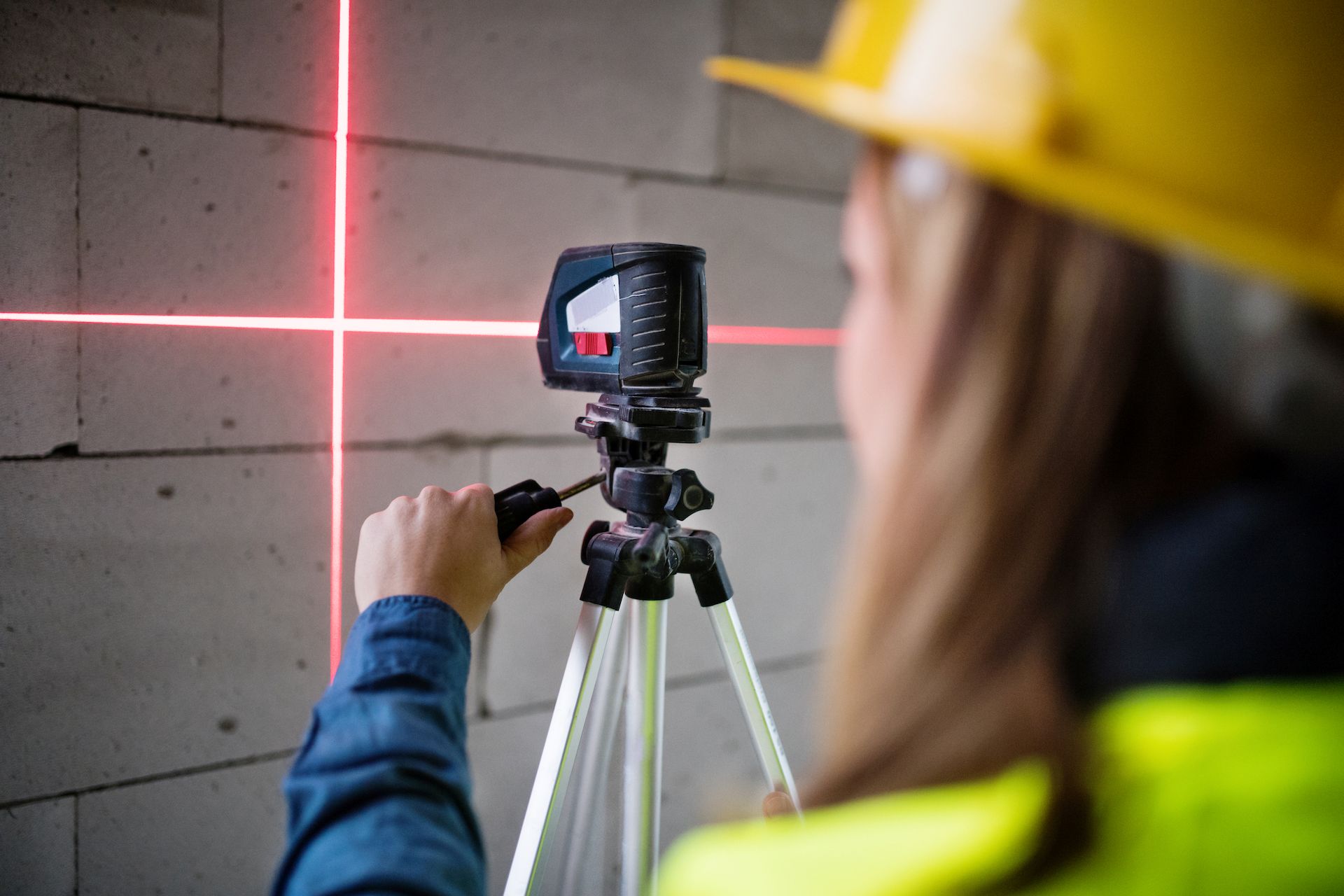
Laser Level
Projects a laser line; used for quick leveling indoors and outdoors.
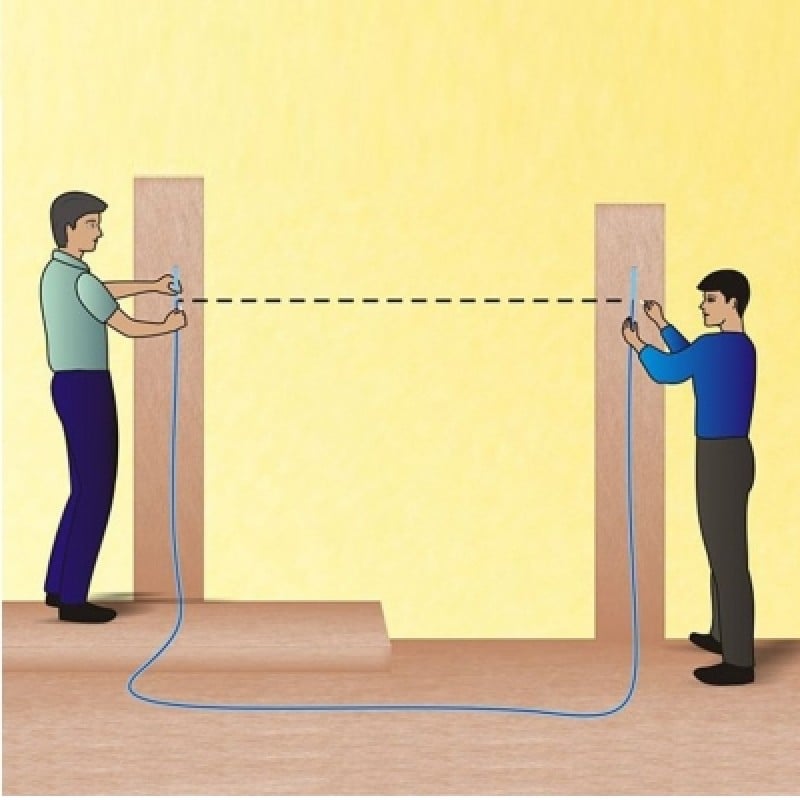
Water Level
Simple device using a hose filled with water; useful for small sites.
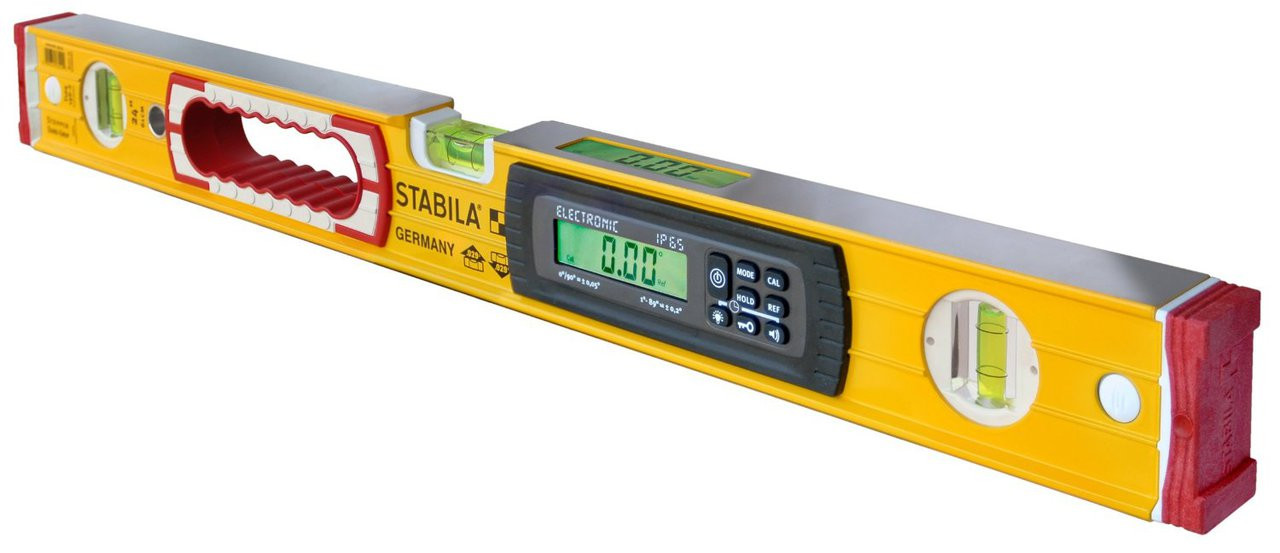
Digital Level
Advanced instrument that electronically reads height differences.
Types of Angles
Horizontal angles: Measured to establish directions between points.
Vertical angles: Used to measure slope or gradient.
Right angles (90°): Common in layout of buildings.
Acute and obtuse angles: Found in roof slopes, stairs, and other design elements.
Direct/Simple Leveling
Comparing heights of two points directly with a level.
Application: Setting out foundations or slabs.
Differential leveling
Measuring height differences over longer distances.
Application: Road or site surveying.
Profile Leveling
Determining ground levels along a line (e.g., for drainage).
Application: Grading and excavation.
Reciprocal leveling
Used when leveling across an obstacle like a river.
Application: Bridge and culvert works.
Instruments used for Angles
Theodolite
Total station
Protractor
Builder’s square
3-4-5 method