German Sculpture c. 1500
 Call Kai
 Learn
Learn Practice Test
 Spaced Repetition
 Match
Match Flashcards
 Knowt Play
1/8

There's no tags or description
Looks like no tags are added yet.
Name | Mastery | Learn | Test | Matching | Spaced | Call with Kai |
|---|
No analytics yet
Send a link to your students to track their progress
9 Terms
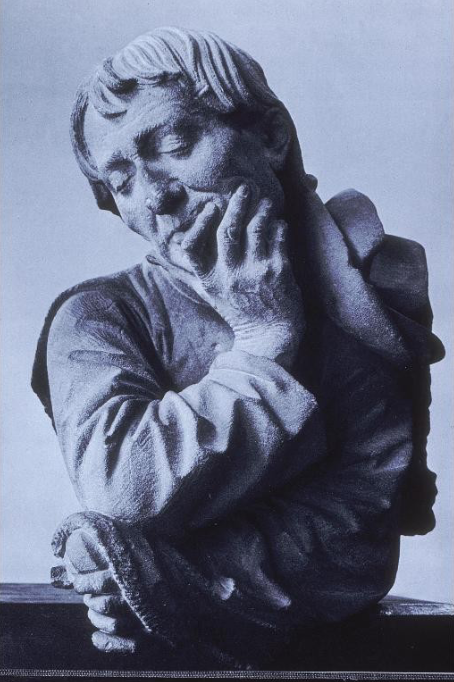
Nicolaus Gerhaerts van Leyden, Self-Portrait (?), sandstone, 1467
thought to be a aself portrait because of the figure’s middle-class, marks of aging, and no explicit saintly or religious portrayal
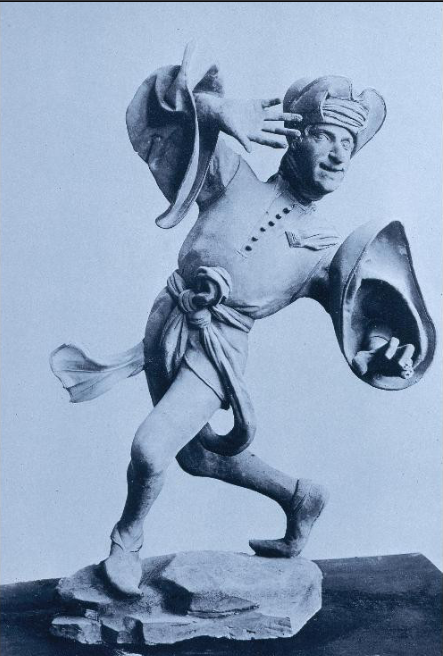
Erasmus Grasser, Morris Dancer, from the Munich Rathaus, 1480, limewood
dancing figures which stem from styles of folk dancing and activites, placed inside the Munich city hall
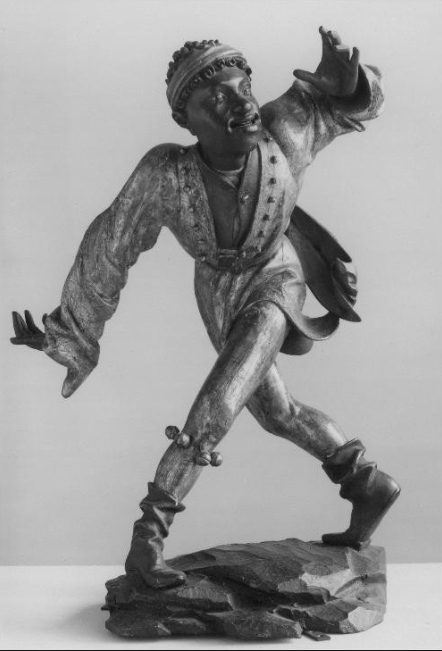
Erasmus Grasser, Morris Dancer, from the Munich Rathaus, 1480, limewood
with the wood that the figures are carved in, lighter than stone, the weight and center of gravity is different and makes complex poses accomplishable
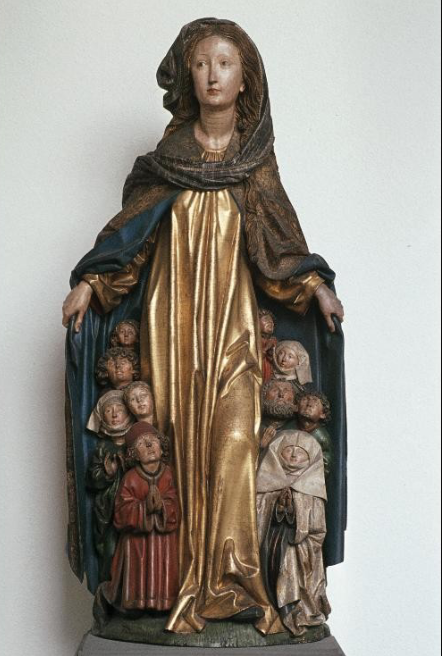
Michel Erhart, Virgin of Misericordia, 1480s, limewood
Popular subject, polychrome and gold leaf, Mary is standing in a contrapposto pose, image coming from italian influence
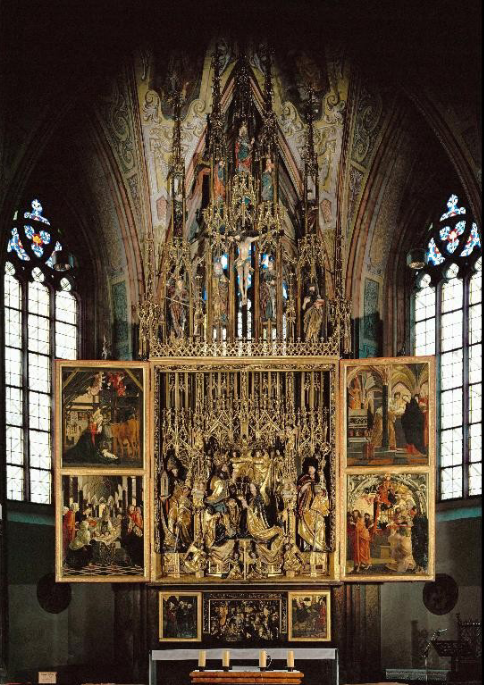
Michael Pacher, St. Wolfgang Altarpiece (Coronation of the Virgin),
St. Wolfgang, Austria, 1471-1481
Retabols are common in Germany, combination of painting and gold leaf covering the sculpture, sculpture in the round
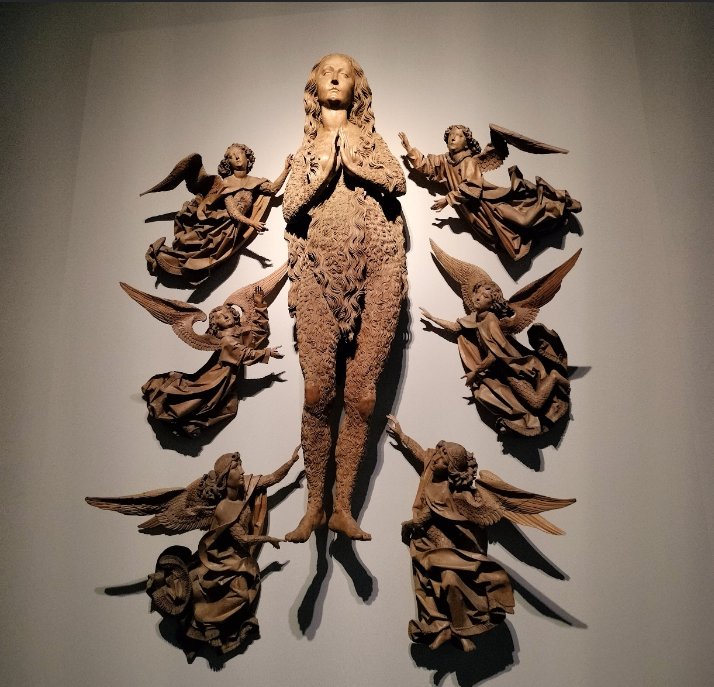
Tilman Riemenschneider, Ascension of the Magdalen, 1490-92, limewood,
from Münnerstadt
contrapposto pose, Mary Magdalen;s asention into heaven
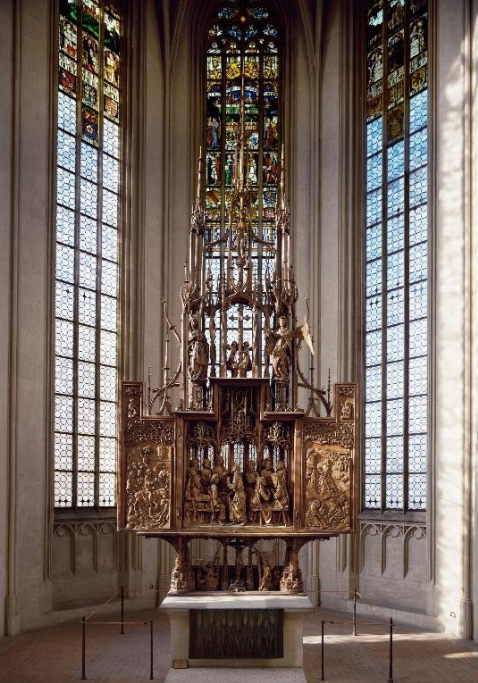
Tilman Riemenschneider, Altarpiece of the Holy Blood, church of St.
Jacob, Rothenburg, limewood, 1499-1505
last supper scene where, judas is placed centrally not jesus
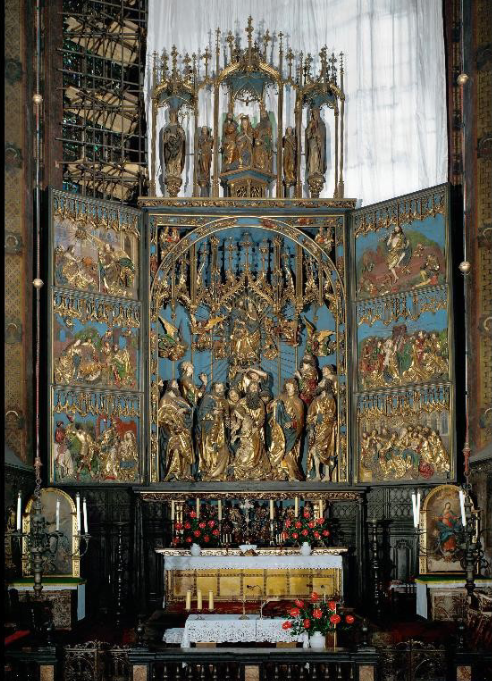
Veit Stoss, Death of the Virgin, limewood, 1477-1489, church of St. Mary, Cracow, Poland
This altarpiece is uniquely opened every day rather than only for special occasions
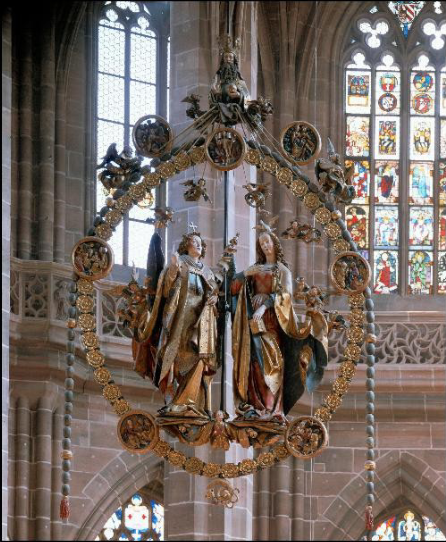
Veit Stoss, Annunciation of the Rosary, church of St. Lawrence, Nuremberg, 1517-1518
unique free standing sculpture that is hung from the ceiling which combines elements of rosary design and the scene of the annunciation