Practical 2 - Plant Families
 Call Kai
 Learn
Learn Practice Test
 Spaced Repetition
 Match
Match Flashcards
 Knowt Play
1/23

There's no tags or description
Looks like no tags are added yet.
Name | Mastery | Learn | Test | Matching | Spaced | Call with Kai |
|---|
No analytics yet
Send a link to your students to track their progress
24 Terms
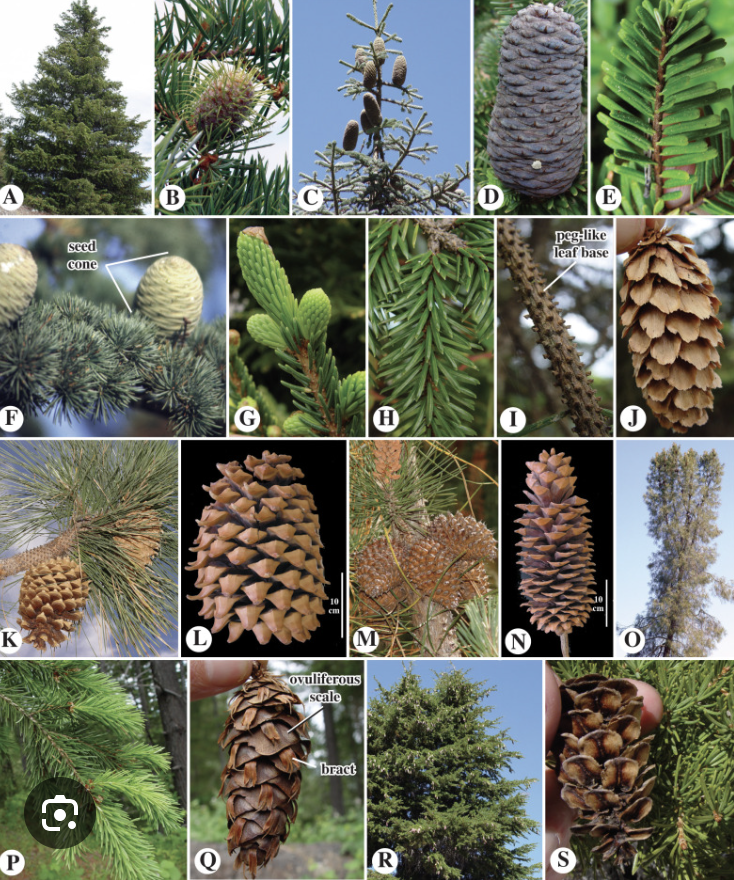
Trees, most evergreen
Ovulate cone woody, formed from flattened bract-scale complexes
Pinaceae/Pine
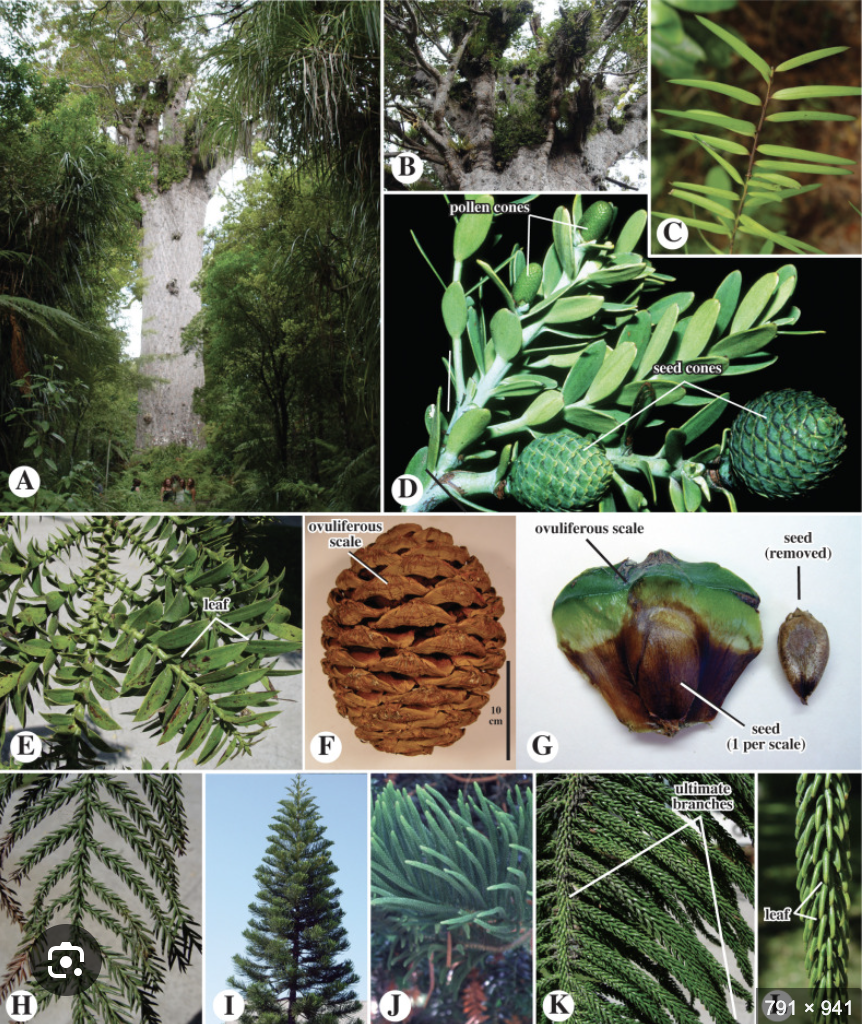
Scalelike leaves
Female cones with peltate scales
Cupressaceae/Cypress
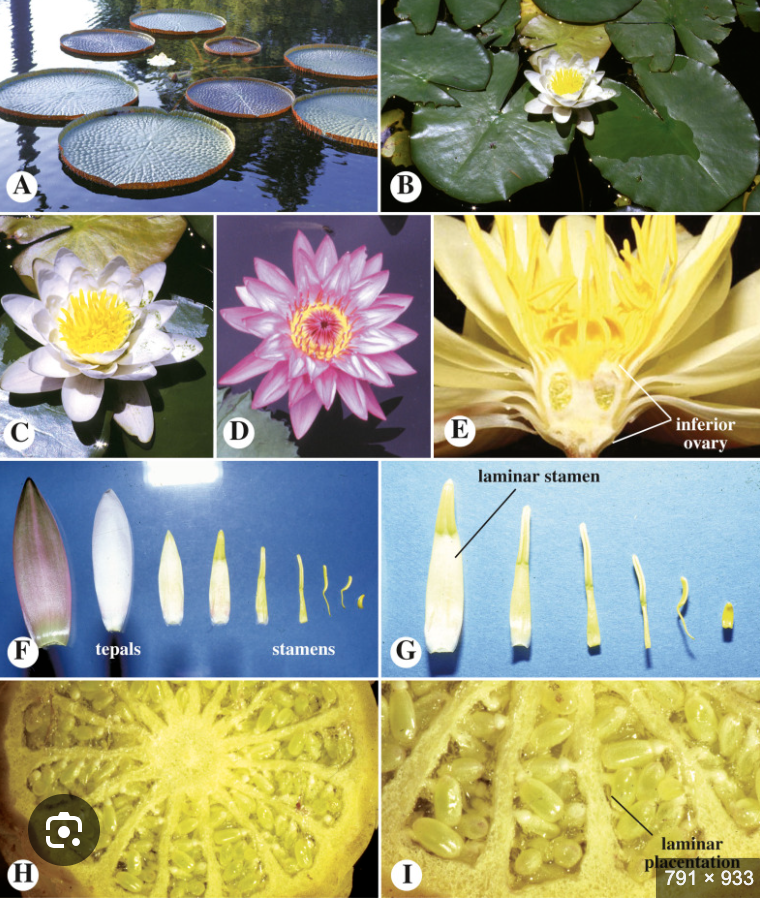
Aquatic herbs
Leaves floating
Nymphaeaceae/Water lily
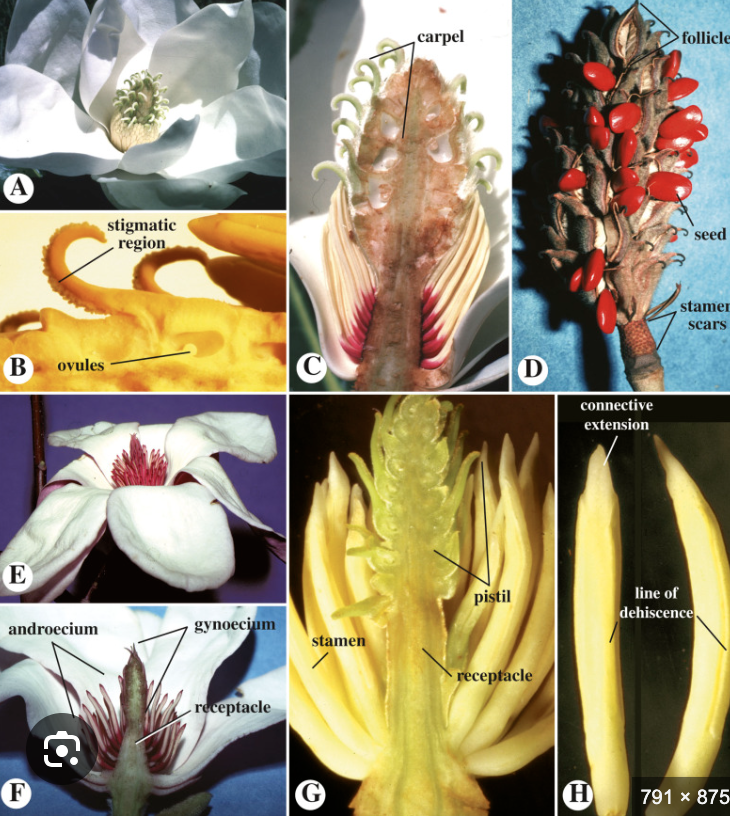
Trimerous flowers
Pollen with one pore
Magnoliaceae/Magnolia
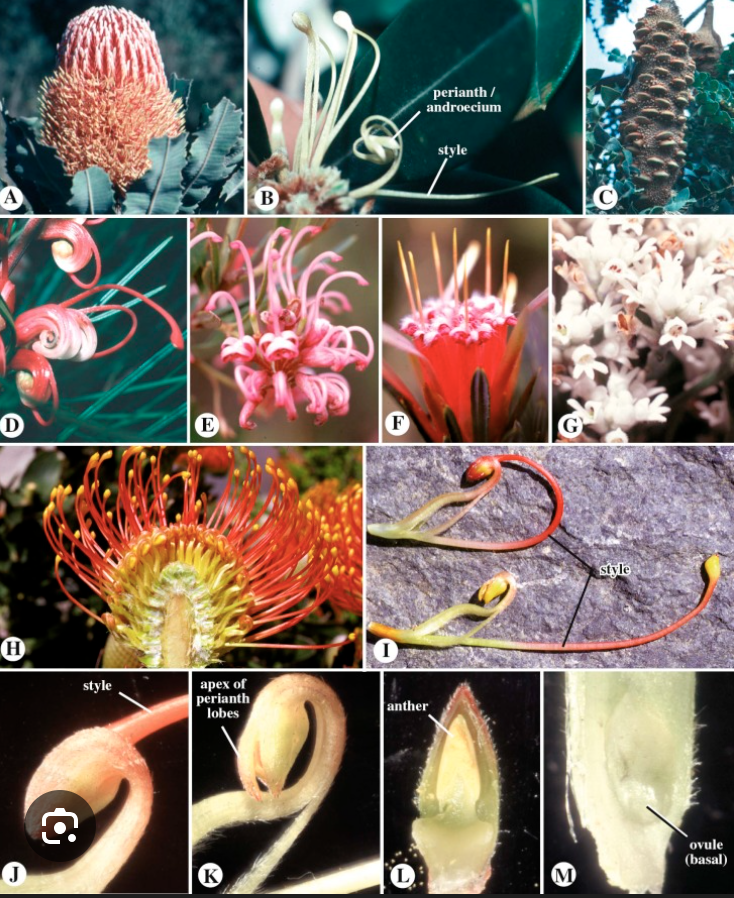
Uniseriate perianth
Proteaceae
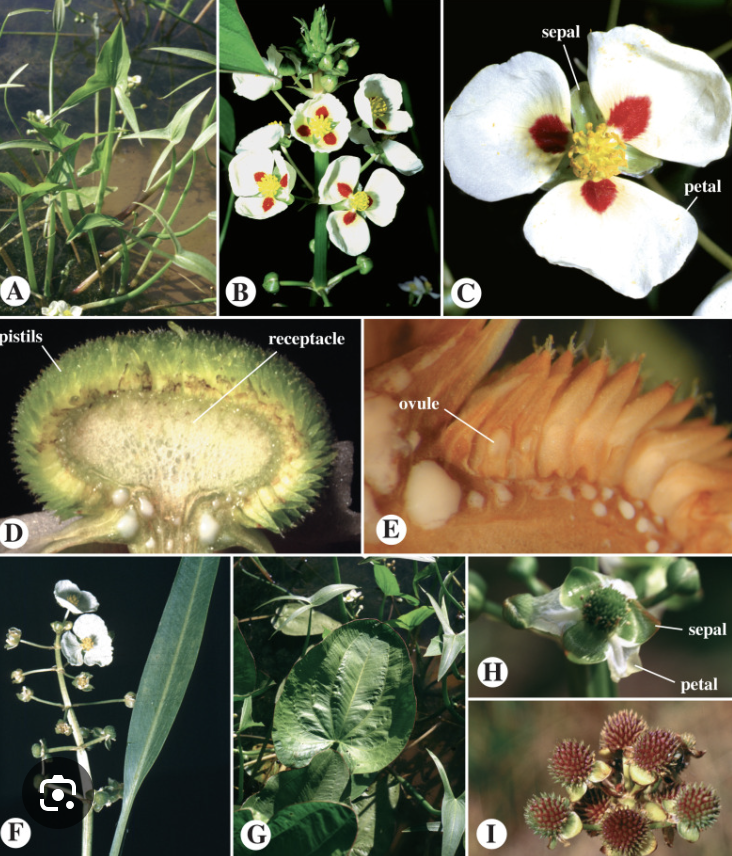
Rhizomatous herbs
Laticifers
Alismataceae/Water Plaintain
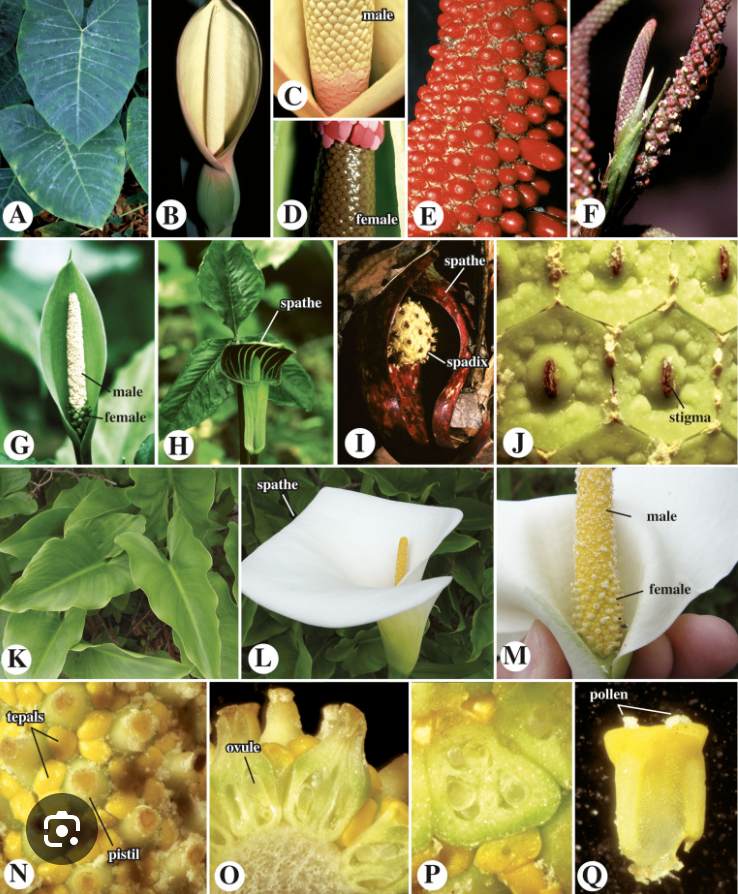
Spathe and Spadix
Araceae/Arum
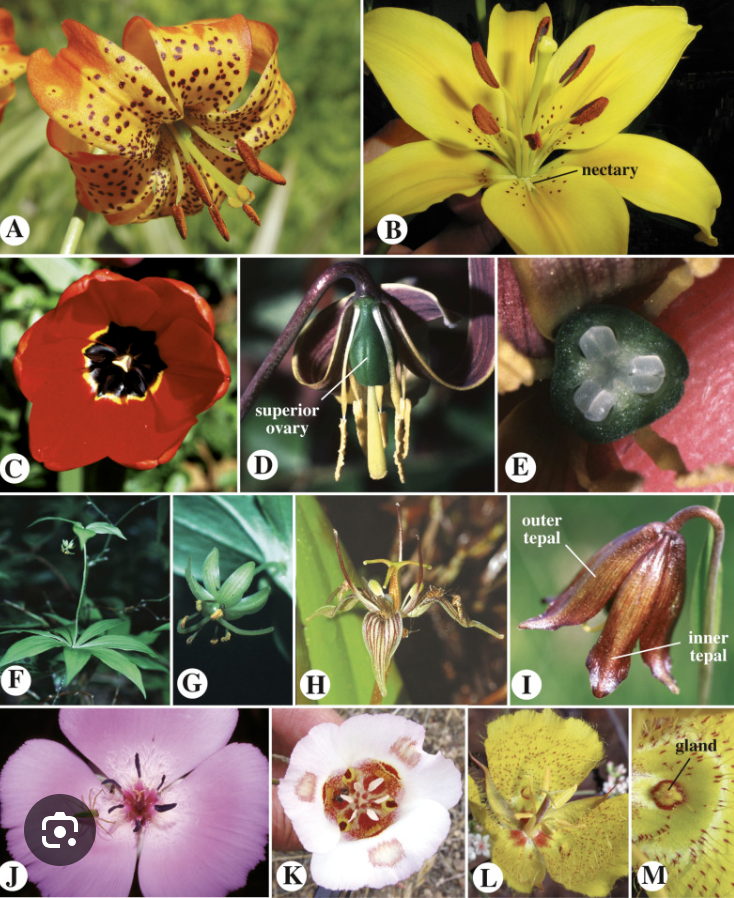
Bulbous herbs
No onion smell
Liliaceae/Lily
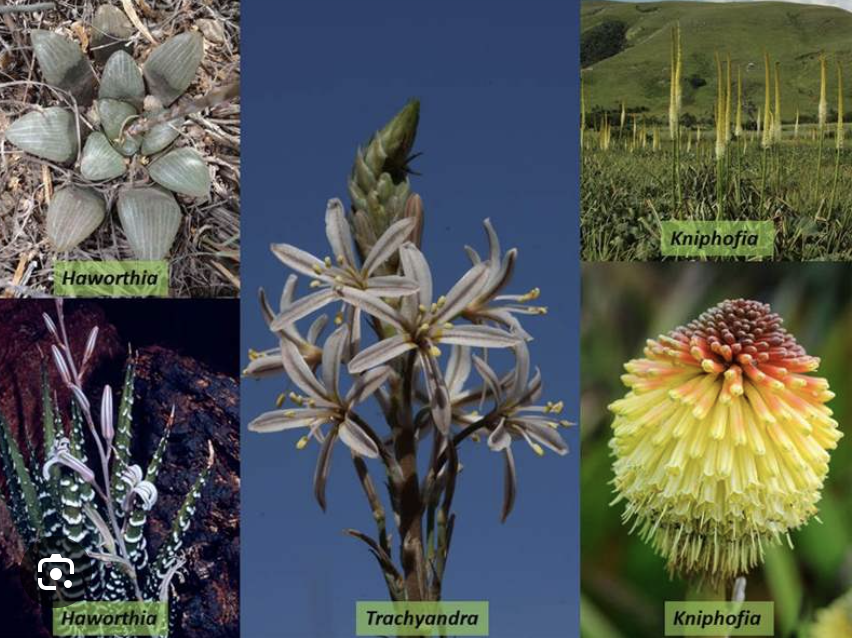
Aloe
Many families are now subfamilies of this one
Asphodelaceae/Aloe
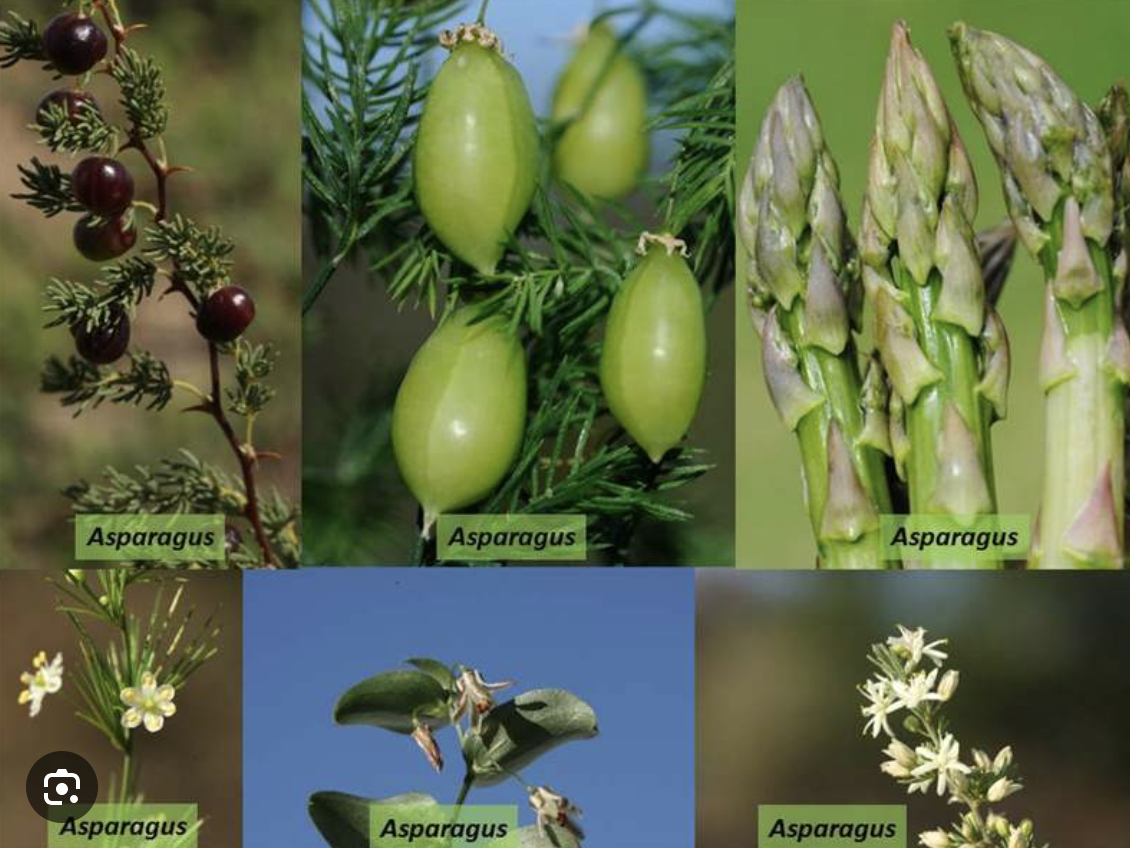
Photosynthetic cladodes
Asparagaceae/Asparagus
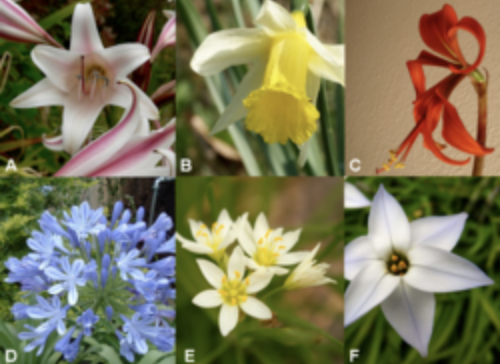
Corona often present
Amaryllidiaceae/Daffodil
Xeric adaptations
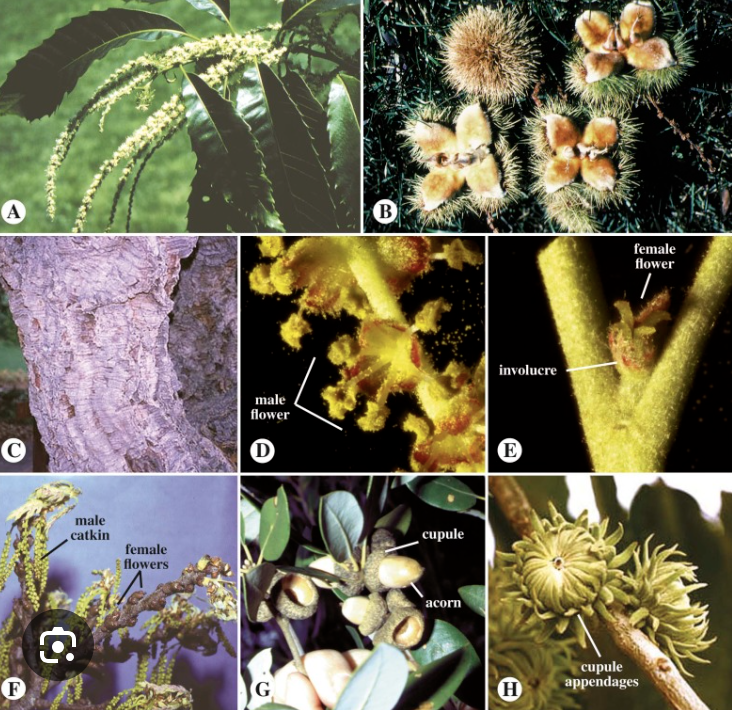
Male flowers in catkins or spikes
Fagaceae/Oak and Beech
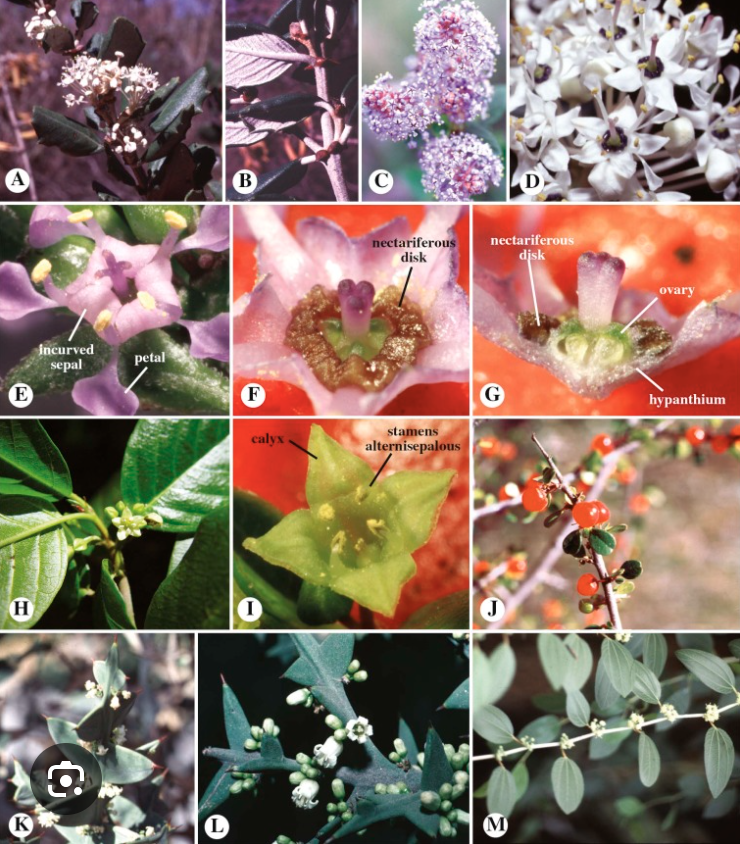
Nectary disk
Hooded petals around stamens
Rhamnaceae/Buckthorn
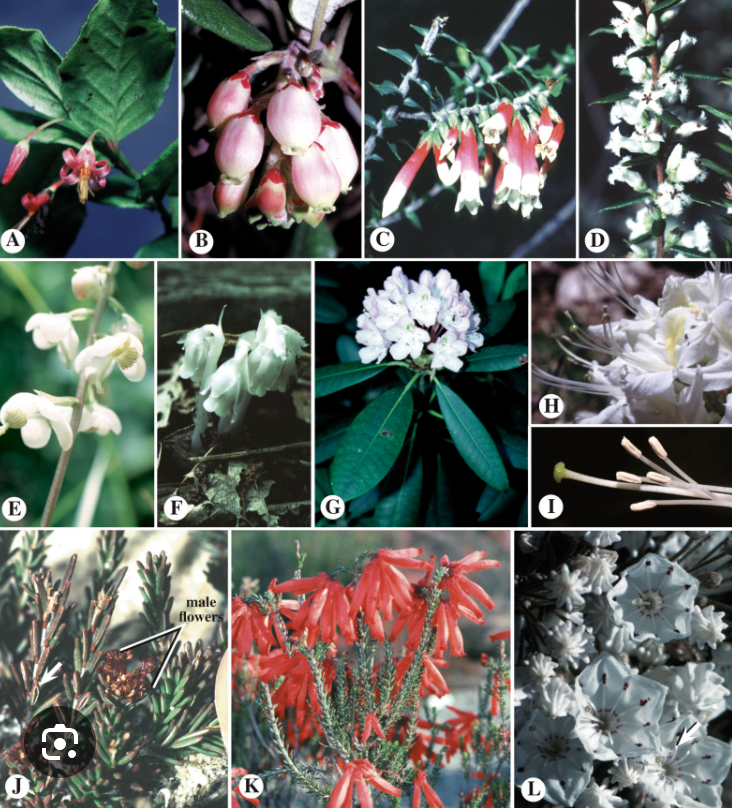
Urceolate corolla
Intrastaminal nectar disk
EVergreen shrubs
Ericaceae/Blueberry
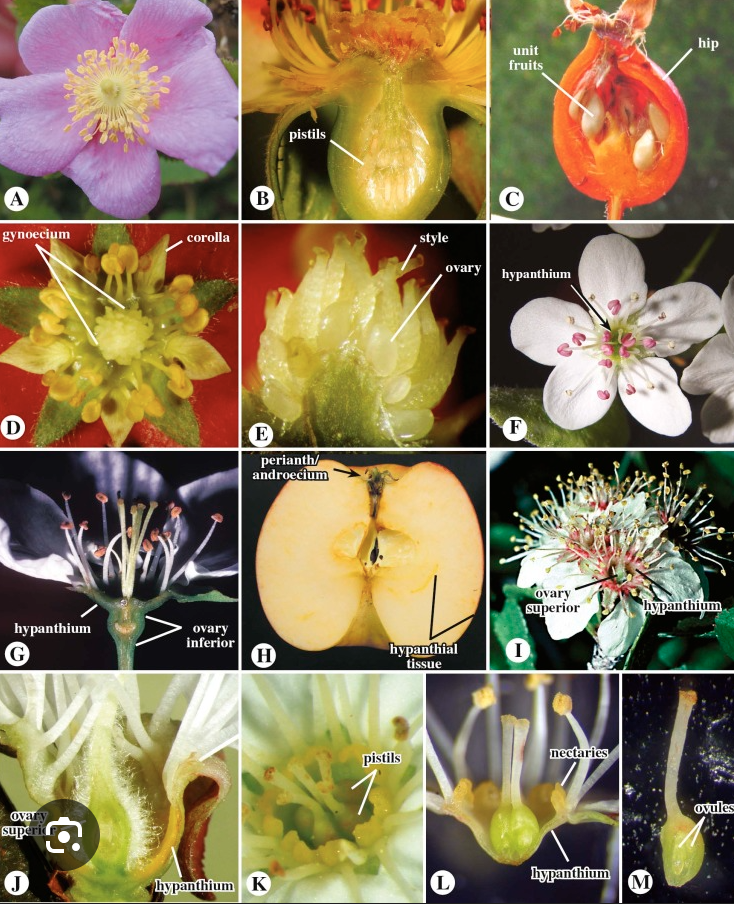
Many cultivated
Spines on stems
Hypanthium
Rosaceae/Rose
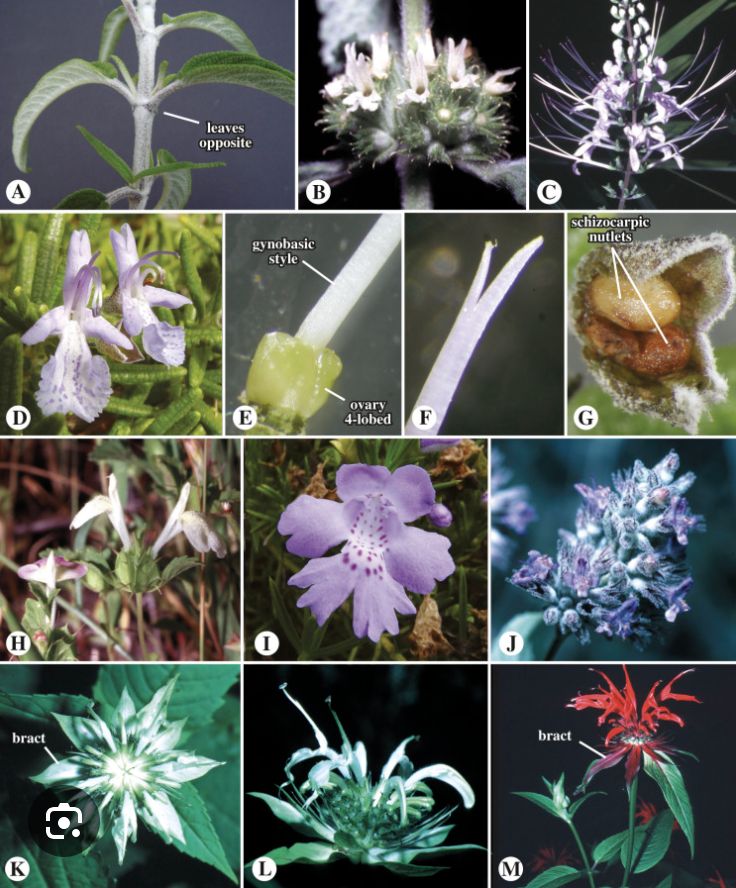
Square stems
Corolla generally bilabiate
Lamiaceae/Mint
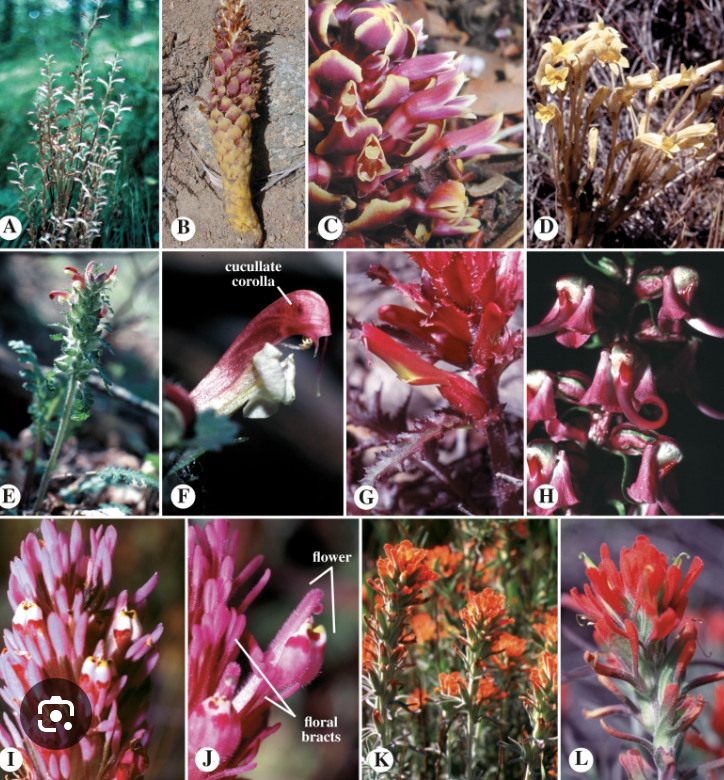
Holoparasitic plant
Similar to Lamiaceae
Orobanchaceae
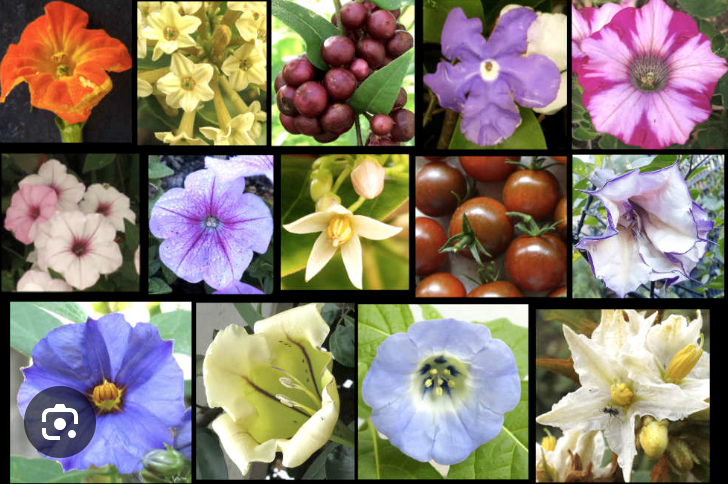
Nicotine
Distinctly plicate
Solanaceae/Nightshade
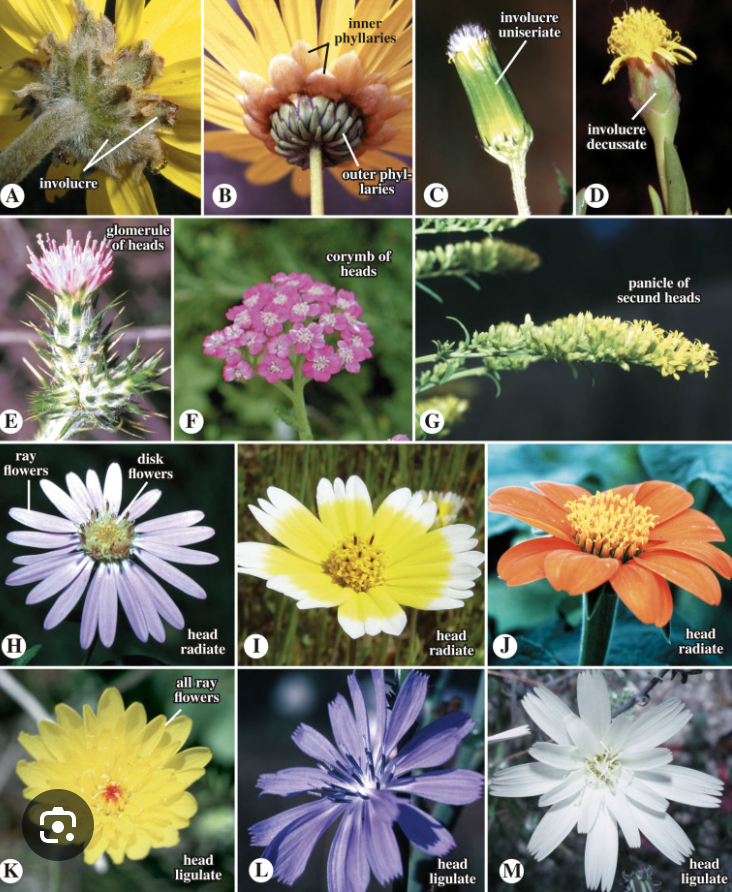
Disc and Ray flowers
Achene
Capitulum
Asteraceae/Aster
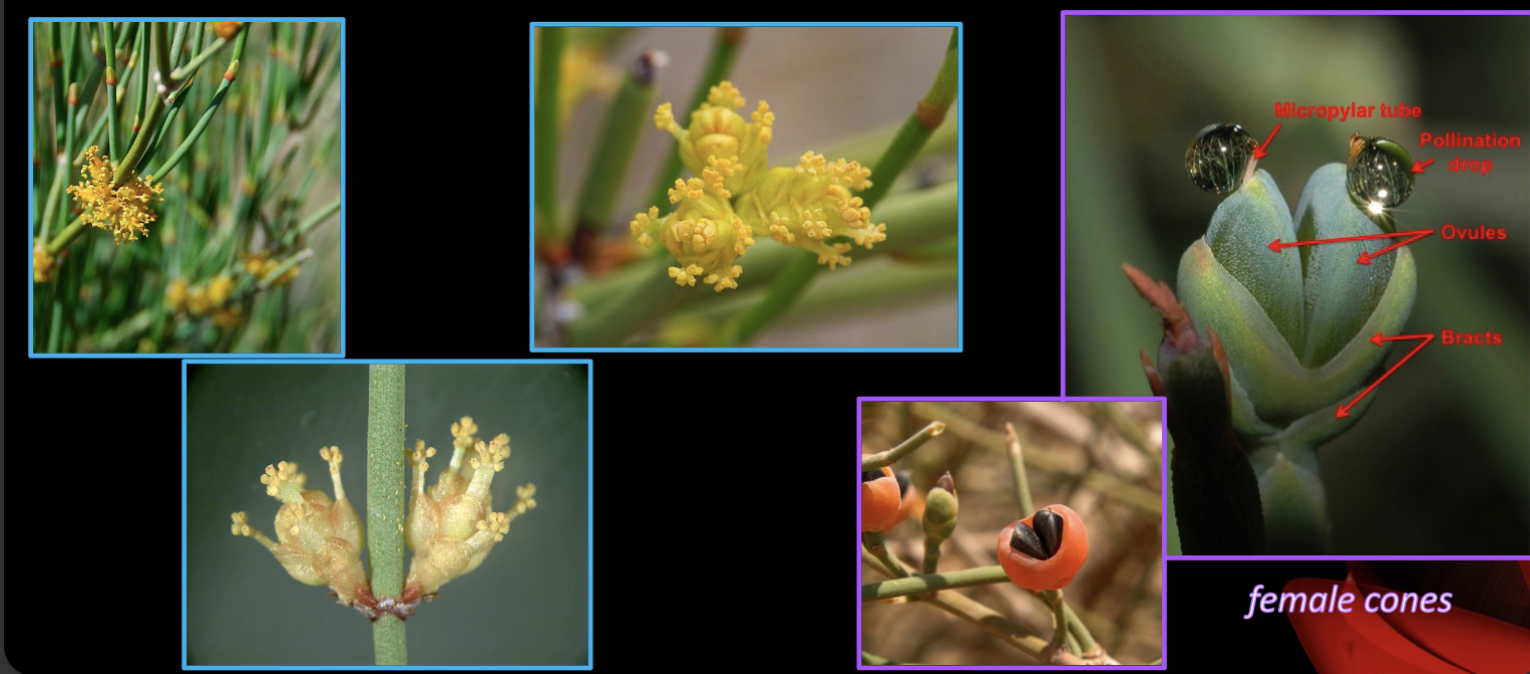
Broom-like shrubs of arid lands
Ephadraceae/Mormon Tea
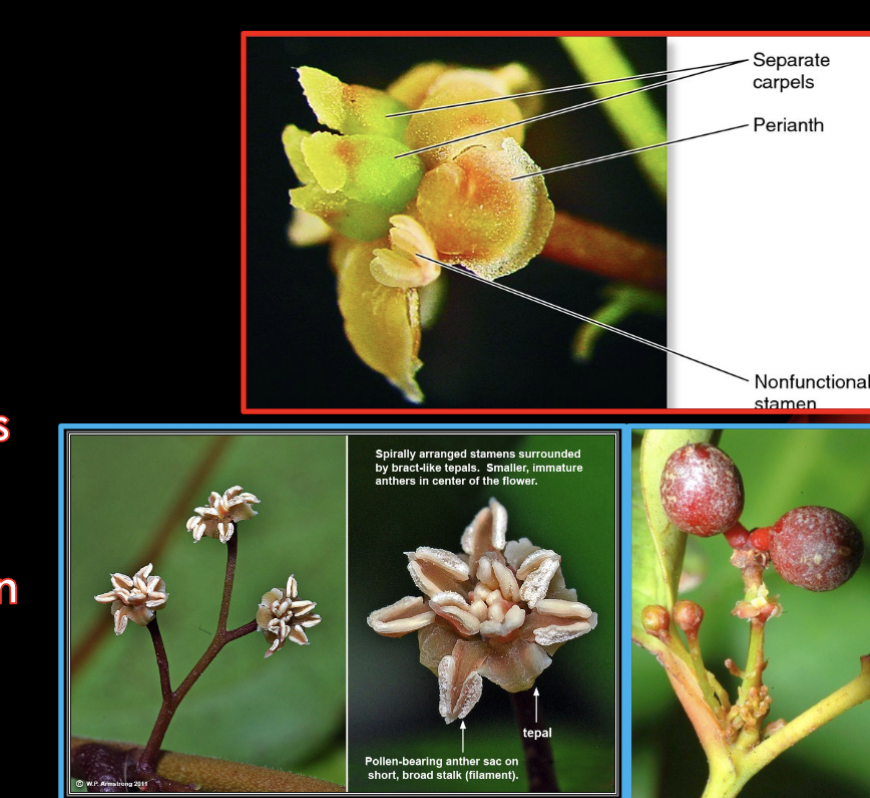
ONLY ONE species
Vessel-less evergreen shrubs
Undifferentiated perianth
Amborellaceae
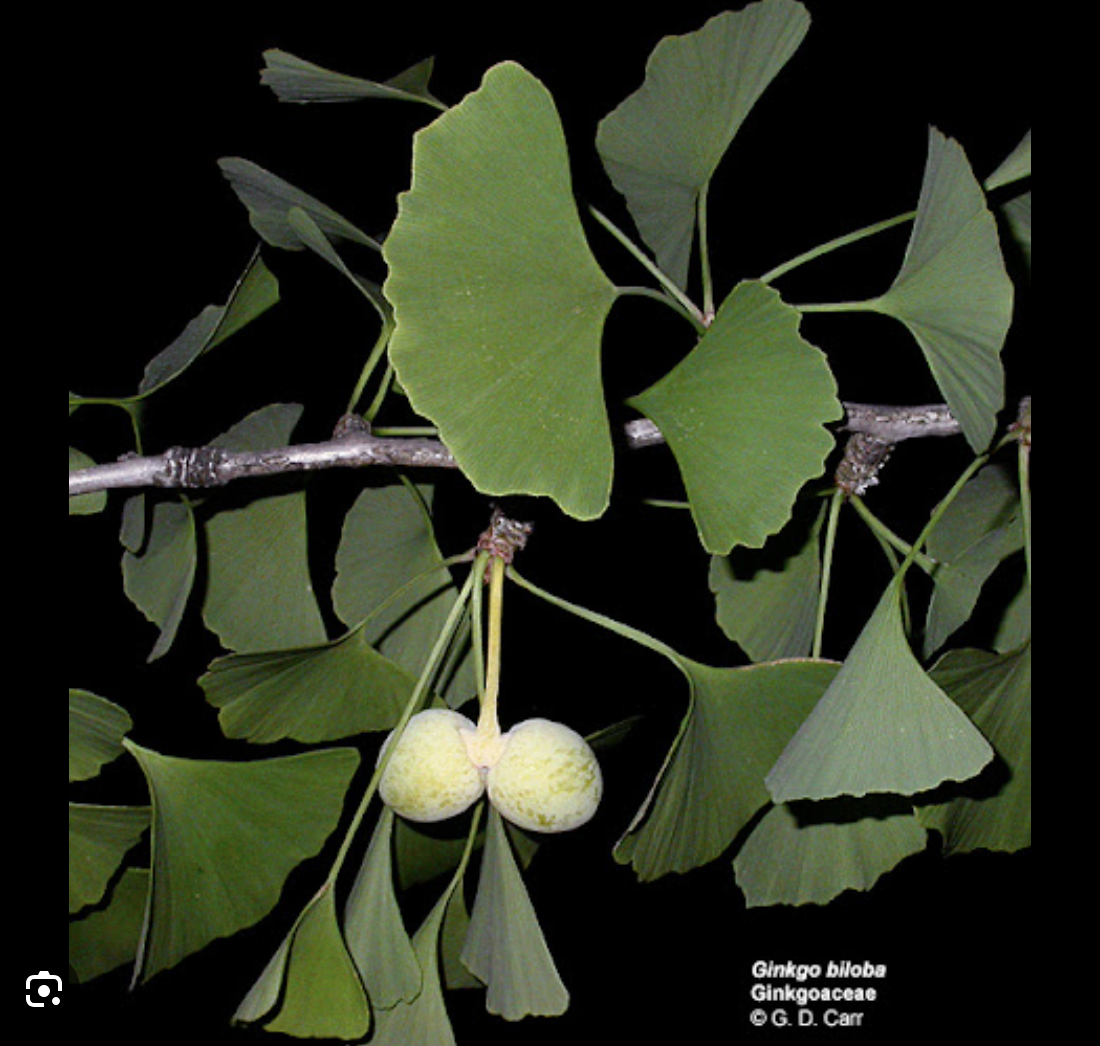
Fan shaped leaves
Male cones catkin like
Tree
Ginkgoaceae
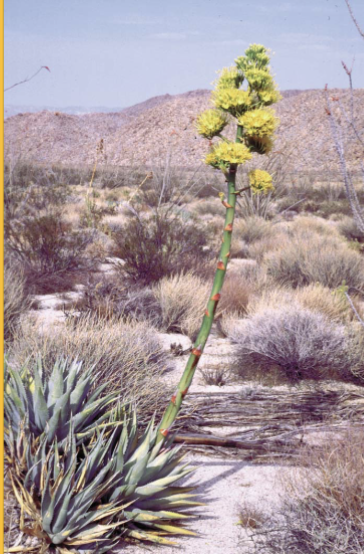
Fibrous leaves often spiny
Subfamily
Agavoideae
LECTURE 15 - Crassulaceae