Stars and Stardom 1
3.0(2)
Studied by 5 people Call Kai
 Learn
Learn Practice Test
 Spaced Repetition
 Match
Match Flashcards
 Knowt Play
Card Sorting
1/28

Earn XP
Description and Tags
Last updated 4:35 PM on 2/14/23
Name | Mastery | Learn | Test | Matching | Spaced | Call with Kai | Chat |
|---|
No analytics yet
Send a link to your students to track their progress
29 Terms
1
New cards
Richard Dyers 7 factors that can 'make' a star
- Social circumstances (level of wealth, industry, infrastructure, entertainment industries)
- Economics ("stars are a form of capital")
- Producers' manipulation of consumers ("stars are a standardized product")
- Fashion
- The stars own exceptional qualities, talents, 'magic'
- The consumer's relationships to (eg. emotional affinity with, self identification with, imitation of, and/ or desire for) stars
- The "collective unconscious" or dreams of a society
- Economics ("stars are a form of capital")
- Producers' manipulation of consumers ("stars are a standardized product")
- Fashion
- The stars own exceptional qualities, talents, 'magic'
- The consumer's relationships to (eg. emotional affinity with, self identification with, imitation of, and/ or desire for) stars
- The "collective unconscious" or dreams of a society
2
New cards
John Ellis's basic definition of a star
"The basic definition of a star is that of a performer in a particular medium whose image enters into subsidiary circulation, and then feeds back into future performances" -Stars as a Cinematic Phenomenon
- This alludes to recycling of talents across multiple platforms, repetition of roles, etc.
- Recognition of stars as persons in themselves, and as archetypes
- This alludes to recycling of talents across multiple platforms, repetition of roles, etc.
- Recognition of stars as persons in themselves, and as archetypes
3
New cards
Christine Geraghty's three types of performance stardom:
Star as celebrity: reputation based on private behaviours that are made public- lifestyle, relationships, scandal, etc
Star as professional: reputation based on a well-defined and reliable persona that recurs across many performances
Star as performance: reputation based on chameleonic ability to disappear into varied roles/ characters
Star as professional: reputation based on a well-defined and reliable persona that recurs across many performances
Star as performance: reputation based on chameleonic ability to disappear into varied roles/ characters
4
New cards
List of elements that can be analyzed to discuss actor's performances
Repetition of visual/ aural signifiers:
- Stance and gestures: how does the character express him or herself physically?
- Mannerisms: What repeated, characteristic, apparently unconscious or uncontrollable gestures are typical of the actor or character? Can you distinguish between the actors and the characters mannerisms?
- Vocal Performance: what vocal range does the actor use?
- Tempo of speech and movement: what tempi are characteristic of the characteristics gestures and speech (ex: frequent fast moves, loud low pitched voice)
Clarity: how clear are the character's thoughts and intentions?
Engagement: how engaged is the actor with fellow actors (scene partners)?
Subtext: if appropriate, is there a sense of deeper emotional or psychological meaning behind the characters literal words and actions
- Stance and gestures: how does the character express him or herself physically?
- Mannerisms: What repeated, characteristic, apparently unconscious or uncontrollable gestures are typical of the actor or character? Can you distinguish between the actors and the characters mannerisms?
- Vocal Performance: what vocal range does the actor use?
- Tempo of speech and movement: what tempi are characteristic of the characteristics gestures and speech (ex: frequent fast moves, loud low pitched voice)
Clarity: how clear are the character's thoughts and intentions?
Engagement: how engaged is the actor with fellow actors (scene partners)?
Subtext: if appropriate, is there a sense of deeper emotional or psychological meaning behind the characters literal words and actions
5
New cards
Joseph Roach's concept of it (what characterizes someone who has it?)
Requires an "effortless look of public intimacy"
To have it, the fortunate possessor must have that strange magnetism which attracts both sexes [...] In the animal world 'It' demonstrates [itself] in tigers and cats\-- both animals being fascinating and mysterious and quite unbiddable" - Elinor Glyn cited in Roach
It is the power of apparently effortless embodiment of contradictory qualities simultaneously
There is a kind of freakishness to having It; and despite the allure, a potential for monstrocity
To have it, the fortunate possessor must have that strange magnetism which attracts both sexes [...] In the animal world 'It' demonstrates [itself] in tigers and cats\-- both animals being fascinating and mysterious and quite unbiddable" - Elinor Glyn cited in Roach
It is the power of apparently effortless embodiment of contradictory qualities simultaneously
There is a kind of freakishness to having It; and despite the allure, a potential for monstrocity
6
New cards
Aspects of early modern european society that helped to give rise to stardom
Rise of easily reproducible media, especially printed books, pamphlets and engravings
Urbanization of soceity\= proliferation of permanent professional theatres, opera houses, print outlets, etc
Increased international travel and communication\= rise of performance forms that gain international popularity
Urbanization of soceity\= proliferation of permanent professional theatres, opera houses, print outlets, etc
Increased international travel and communication\= rise of performance forms that gain international popularity
7
New cards
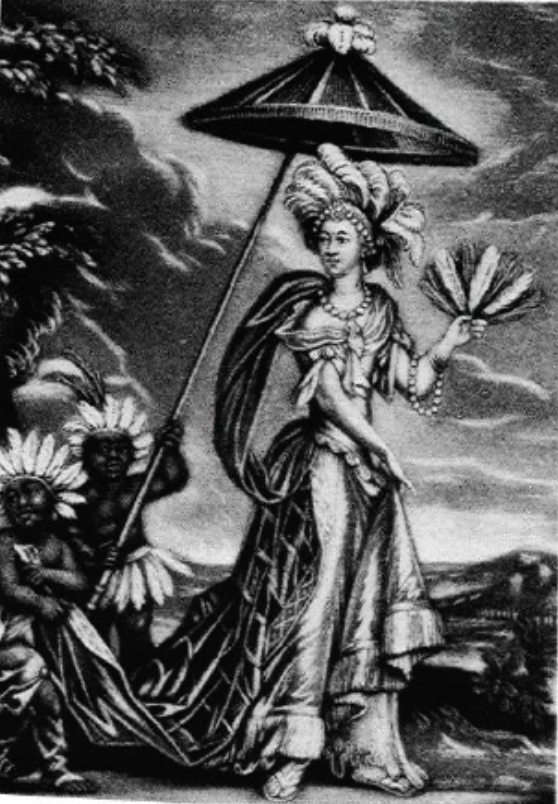
Early modern actresses
Female-identified performers began to appear on the public stage in Italy, Spain and France in the 16th century, and in England from 1662 onwards
Often referred to by name in theatrical prologues and epilogues, early modern actresses were celebrated for their beauty, wit, and talent, but also demonized as "mercenary prostituting dame[s]"
Often referred to by name in theatrical prologues and epilogues, early modern actresses were celebrated for their beauty, wit, and talent, but also demonized as "mercenary prostituting dame[s]"
![Female-identified performers began to appear on the public stage in Italy, Spain and France in the 16th century, and in England from 1662 onwards
Often referred to by name in theatrical prologues and epilogues, early modern actresses were celebrated for their beauty, wit, and talent, but also demonized as "mercenary prostituting dame[s]"](https://knowt-user-attachments.s3.amazonaws.com/1aa25f2d370b413bb10ce4800fb88965.jpeg)
8
New cards
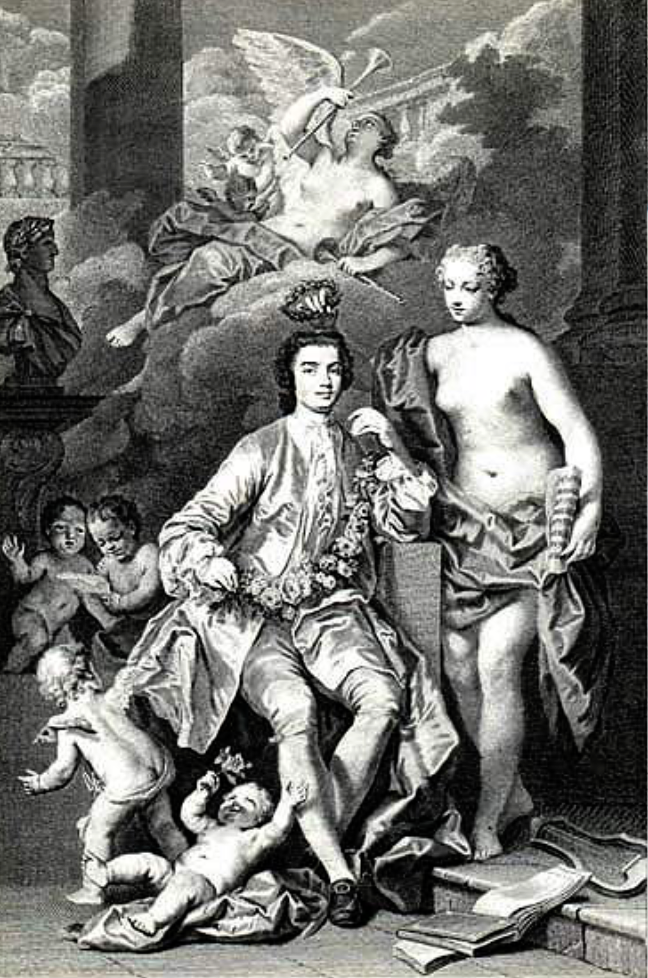
Castrati
Adult male singers who had undergone surgical alteration to retain the high vocal registers of child singers while attaining physical maturity
They originated as singers in the papal choirs of Rome, which did not allow women, but in the 17th and 18th centuries became stars in the popular new art form of opera
They originated as singers in the papal choirs of Rome, which did not allow women, but in the 17th and 18th centuries became stars in the popular new art form of opera
9
New cards
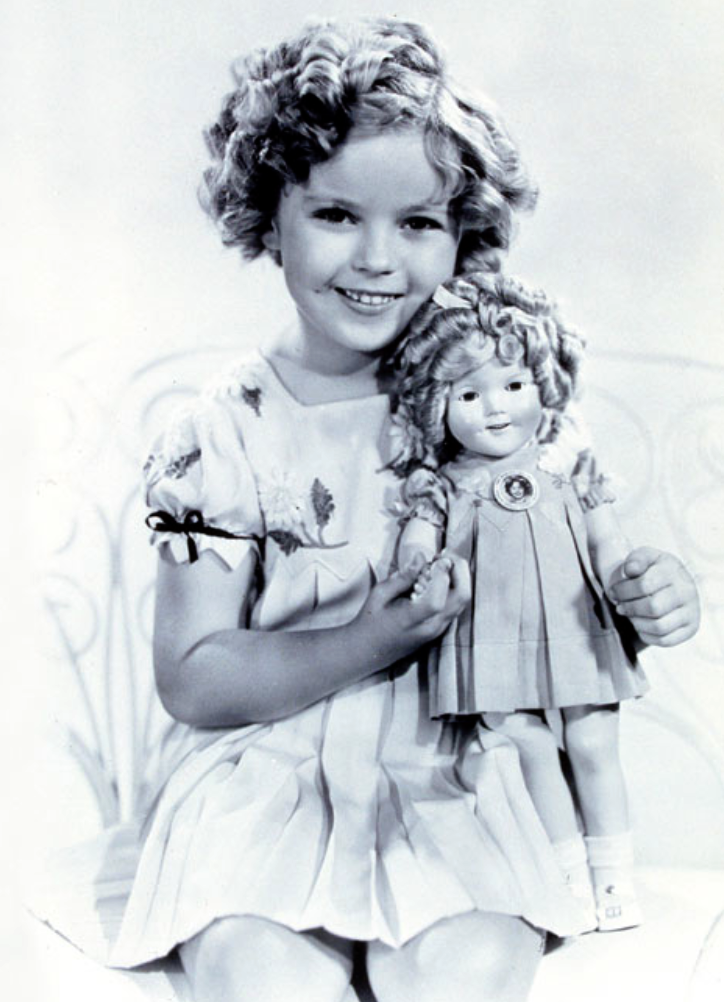
Stars as "assets or economic resources"
Star system emerged as studios realized that star performers were "assets, or economic recourses that produced value and reduced risk"
Stars were created by:
* Associating performers with their names
* Encouraging audiences to recognize actors across different films
* Associating film acting with stars of popular stage
1912 adolph zukor established the "famous players" company (which would become paramount studios) with the slogan, "famous players in the famous plays"
\
Photo: Shirly Temple with Shirly Temple doll
Stars were created by:
* Associating performers with their names
* Encouraging audiences to recognize actors across different films
* Associating film acting with stars of popular stage
1912 adolph zukor established the "famous players" company (which would become paramount studios) with the slogan, "famous players in the famous plays"
\
Photo: Shirly Temple with Shirly Temple doll
10
New cards
Steps by which the Hollywood star system created stars
Talent spotting (stage, in dance clubs, foreign markets, street)
Screen testing
Contracting the 'starlet' to the studio
Grooming the starlet via lessons, styling, etc- and in some cases changing the stars name
Shaping a star persona via a series of roles carefully chosen by the studio
Screen testing
Contracting the 'starlet' to the studio
Grooming the starlet via lessons, styling, etc- and in some cases changing the stars name
Shaping a star persona via a series of roles carefully chosen by the studio
11
New cards
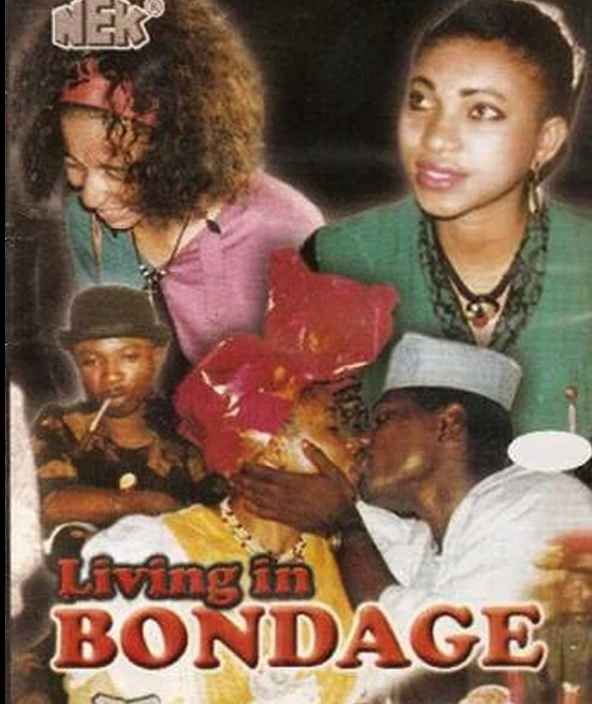
Characteristics of the Nollywood Star system
Creation of intertwined cinematic and social media personae
Simultaneous engagement with multiple media platforms
An "anti-essentialist stance"- stars often work in multiple languages, cultural traditions, styles, etc
Speaking to multiple, diverse global audiences and cultures
Self-reflexivity\-- films often include direct reflections on fame success, and 'star quality'; film characters and star personae sometimes engage directly with names and personae from other global stardoms
Simultaneous engagement with multiple media platforms
An "anti-essentialist stance"- stars often work in multiple languages, cultural traditions, styles, etc
Speaking to multiple, diverse global audiences and cultures
Self-reflexivity\-- films often include direct reflections on fame success, and 'star quality'; film characters and star personae sometimes engage directly with names and personae from other global stardoms
12
New cards
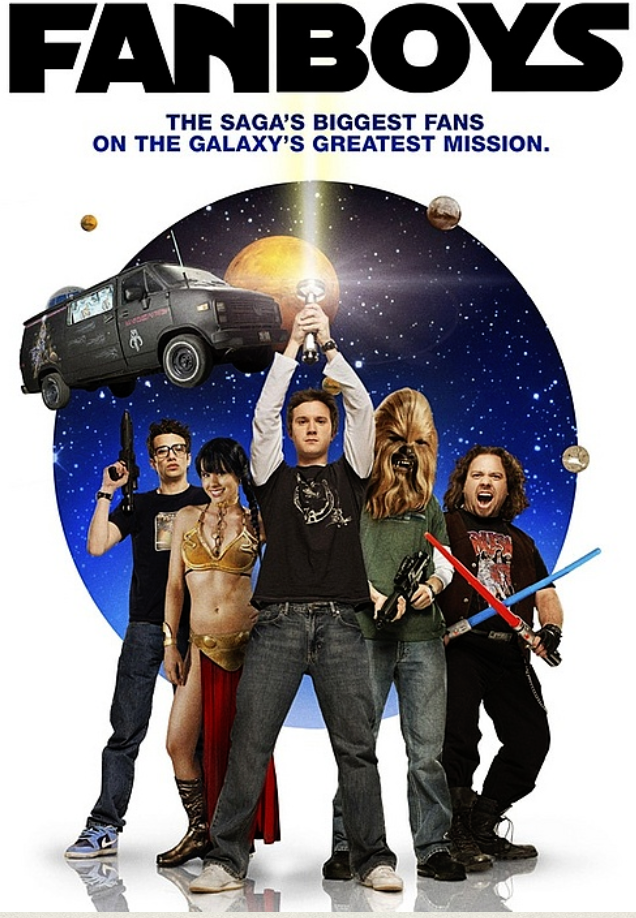
Source of the word 'fan'
In english, the word fan is an abbreviation of 'fanatic', taken from the Latin word fanaticus, 'a temple dweller'
The word has been in use since the 17th century to describe a devoted and even obsessive admirer or follower of a public figure or movement
How do you see the relationship between stardom and fandom
The word has been in use since the 17th century to describe a devoted and even obsessive admirer or follower of a public figure or movement
How do you see the relationship between stardom and fandom
13
New cards
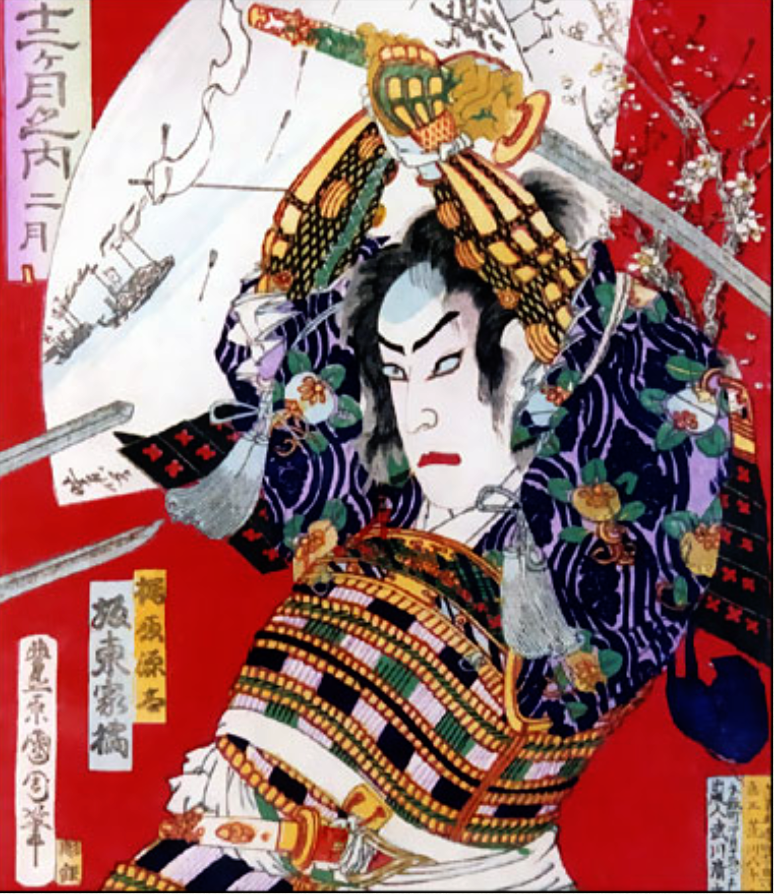
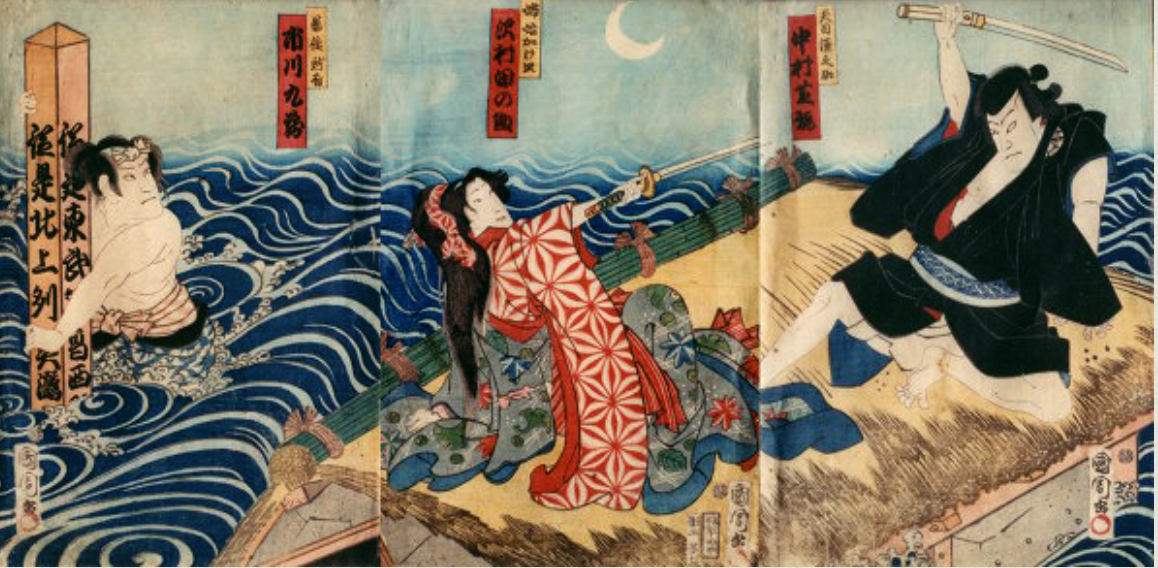
Hiiki Renchu
Kabuki Theatre Fan Club
Emerged in Osaka and Kyoto in the 18th century and flourished throughout the 19th century
"Members of clapping clubs are sons of wealthy citizens. All year round they have to spend a great deal of money; so poor men cannot afford to join. Candidates must swear an oath to those who are already members, to obey the rules of the club even if disowned by their fathers"
Emerged in Osaka and Kyoto in the 18th century and flourished throughout the 19th century
"Members of clapping clubs are sons of wealthy citizens. All year round they have to spend a great deal of money; so poor men cannot afford to join. Candidates must swear an oath to those who are already members, to obey the rules of the club even if disowned by their fathers"
14
New cards
Activities of the Hiiki Renchu
Key activities:
* Ceremonial greeting of actors at the beginning of the theatre season
* Clapping (teuchi) during performances
* Gift giving to actors and donation of items to theatres (banners, furniture, fish, etc)
* Collection of items associated with actors
Creation of poems (haiku etc) and books in praise of actors. Some of these were humorous
Further activities included:
* Gathering in tea houses associated with fandom for particular actors
* Collecting banzuke: promotional materials that recorded past performances and advertised future ones
* Creation of theatre and actor scrapbooks: "not private collections, but created with the cooperation of many different individuals"
* surimono: “woodblock prints designed and produced for special \n occasions and not for sale”
* Ceremonial greeting of actors at the beginning of the theatre season
* Clapping (teuchi) during performances
* Gift giving to actors and donation of items to theatres (banners, furniture, fish, etc)
* Collection of items associated with actors
Creation of poems (haiku etc) and books in praise of actors. Some of these were humorous
Further activities included:
* Gathering in tea houses associated with fandom for particular actors
* Collecting banzuke: promotional materials that recorded past performances and advertised future ones
* Creation of theatre and actor scrapbooks: "not private collections, but created with the cooperation of many different individuals"
* surimono: “woodblock prints designed and produced for special \n occasions and not for sale”
15
New cards
fan magazines in classical Hollywood
In the classical Hollywood Era, studios sought to manage their investments in stars by shaping and controlling fan behaviours
Key tools in this effort were the popular fan magazines, which studios did not own but with which they enjoyed a reciprocal relationship
Key tools in this effort were the popular fan magazines, which studios did not own but with which they enjoyed a reciprocal relationship
16
New cards
Fancons and cosplay as expressions of fandom
The 1970s and 1980s in particular saw a proliferation of fan responses to stars and stardom- for instance:
- Non commercial fanzines produced by and for fans, which often featured fan action and fan arts
- The emergence of large scale fan conventions
- The first use of the term cosplay (1984)
The advent of the internet in the 1990s and 2000s hugely accelerated these developments, and created new opportunities for fan/ star interaction
- Non commercial fanzines produced by and for fans, which often featured fan action and fan arts
- The emergence of large scale fan conventions
- The first use of the term cosplay (1984)
The advent of the internet in the 1990s and 2000s hugely accelerated these developments, and created new opportunities for fan/ star interaction
17
New cards
Tom Cruise
Celebrity, Professional type
Does his own stunts
Top Gun: Maverick
Idolization of Cruise built into the structure of the role and in the trailer top gun
- type casting (always plays lead role in actions)
- marketing of stars/movies through iconic features/mannerisms - the tom cruise smile
Does his own stunts
Top Gun: Maverick
Idolization of Cruise built into the structure of the role and in the trailer top gun
- type casting (always plays lead role in actions)
- marketing of stars/movies through iconic features/mannerisms - the tom cruise smile

18
New cards
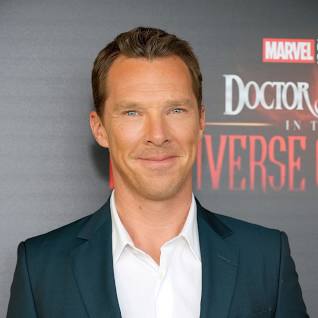
Benedict Cumberbatch
Celebrity- associated with large fanbase, originated on stage
Professional- has many similar characters, witty and intelligent
The Imitation game
- actors as stars vs actors as performers
- range of performances
Professional- has many similar characters, witty and intelligent
The Imitation game
- actors as stars vs actors as performers
- range of performances
19
New cards
Tony Leung Chiu-Wai
"In the Mood for Love"
Acting is observable subconsciously- one can read Leungs face without trying, tension in the body
"Lust, caution" vs. "Chinese odyssey" vs "Shang-Chi: Legend of the 10 Rings)
- Seems very present- liveliness
- Communication through the body
- how little does the actor need to do to convey emotion?
Acting is observable subconsciously- one can read Leungs face without trying, tension in the body
"Lust, caution" vs. "Chinese odyssey" vs "Shang-Chi: Legend of the 10 Rings)
- Seems very present- liveliness
- Communication through the body
- how little does the actor need to do to convey emotion?

20
New cards
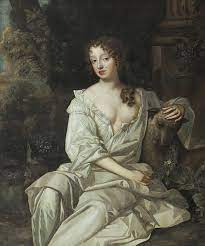
Nell Gwyn
Actress
1650-1687
Mistress of King Charles II
Lady with the lamb
- one of the first female actors
- female actors celebrated for beauty/wit, demonized/shamed as mercenary prostituting dames
1650-1687
Mistress of King Charles II
Lady with the lamb
- one of the first female actors
- female actors celebrated for beauty/wit, demonized/shamed as mercenary prostituting dames
21
New cards
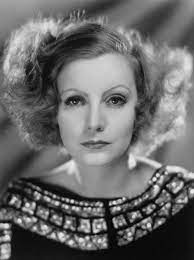
Greta Garbo
Best known for her portrayals of strong-willed heroines
1905-1990
Swedish American actress
Real name: Greta Lovisa Gustafsson
Never married
- funtionality of the star system itself
- "she's got it, that is, if the public likes her"
- stars and their personas were created in the star system, not discovered
- when she arrived from Sweden, she is given a makeover to fit american beauty standards, so that the public will accept her - making her a star
- creation of a star through creation of a public persona - Greta was perceived to be a mysterious beauty
- Casablana - one role can make you iconic /change how you are perceived
1905-1990
Swedish American actress
Real name: Greta Lovisa Gustafsson
Never married
- funtionality of the star system itself
- "she's got it, that is, if the public likes her"
- stars and their personas were created in the star system, not discovered
- when she arrived from Sweden, she is given a makeover to fit american beauty standards, so that the public will accept her - making her a star
- creation of a star through creation of a public persona - Greta was perceived to be a mysterious beauty
- Casablana - one role can make you iconic /change how you are perceived
22
New cards
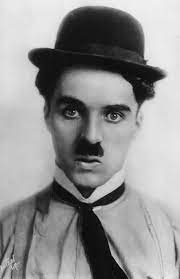
Charlie Chaplin
A "silent comedian," this movie star continued to lengthen the silent film style and offer an alternative to the sound film with his trademark tattered suit, derby hat, and cane, playing the "little tramp" who made audiences laugh with his silent jokes.
Charles Spencer Chaplin
- funny though relatability
- star quality - stupid when done by others, funny when done by him
- opposite of leads such as Cary Grant
- some roles fit actors perfectly, could not be done by anyone else
Charles Spencer Chaplin
- funny though relatability
- star quality - stupid when done by others, funny when done by him
- opposite of leads such as Cary Grant
- some roles fit actors perfectly, could not be done by anyone else
23
New cards
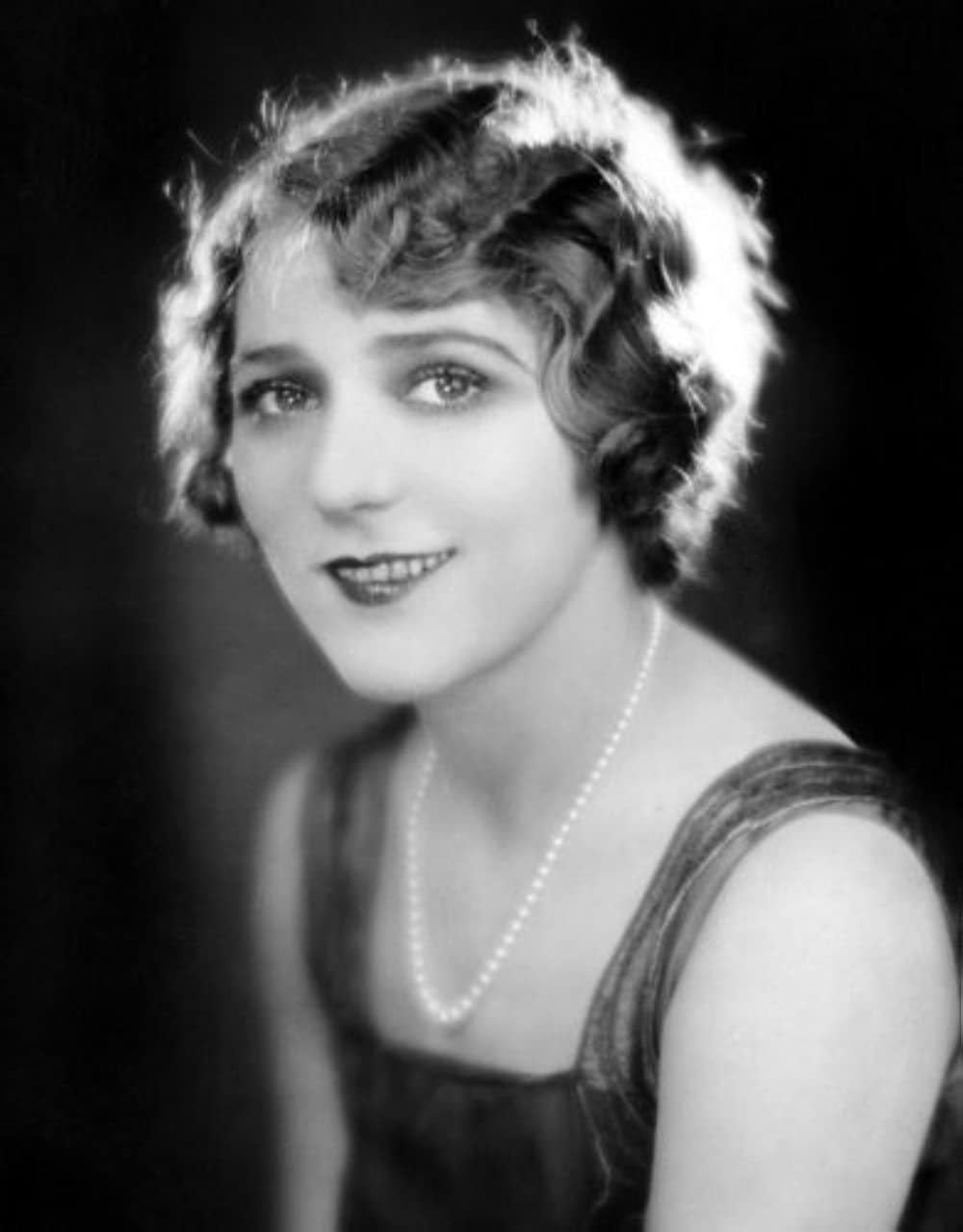
Mary Pickford
Real name: Gladys Louise Smith
"The girl with the curls"
Played Nell Gwyn in "Mistress Nell" in her final appearance on screen
"The girl with the curls"
Played Nell Gwyn in "Mistress Nell" in her final appearance on screen
24
New cards
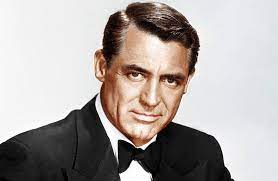
Cary Grant
Played Roger Thornhill in "North by Northwest"
Real name: Archibald Leach
"When he exhibited himself, he was 'Cary Grant'\-- the handsome leading man, star incarnate. Grant never gave the impression of being 'commercial'\-- and he was probably as commercial an actor as ever lived" (Stanley Kramer)
-type casting, handsome leading male archetype
-established persona
- his persona is the appeal
- always very put together, desirable not in a relatable way, but in a idealistic way
Real name: Archibald Leach
"When he exhibited himself, he was 'Cary Grant'\-- the handsome leading man, star incarnate. Grant never gave the impression of being 'commercial'\-- and he was probably as commercial an actor as ever lived" (Stanley Kramer)
-type casting, handsome leading male archetype
-established persona
- his persona is the appeal
- always very put together, desirable not in a relatable way, but in a idealistic way
25
New cards
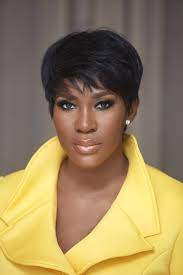
Stephanie Okereke
Stephaniedaily.com
African american actress of nollywood
Starred in "Efficacy"
"talk to stephanie" on youtube
Wedding video online
- stars in the digital age: Creation of intertwined cinematic and social media personae
- Simultaneous engagement with multiple media platforms
- people feel closer than ever to the stars
- stars are less illusive - they're just like us
- we see stars in a more day-to-day fashion
African american actress of nollywood
Starred in "Efficacy"
"talk to stephanie" on youtube
Wedding video online
- stars in the digital age: Creation of intertwined cinematic and social media personae
- Simultaneous engagement with multiple media platforms
- people feel closer than ever to the stars
- stars are less illusive - they're just like us
- we see stars in a more day-to-day fashion
26
New cards
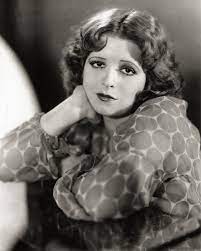
Clara Bow
"Making it in Hollywood: Clara Bow, Fandom, and consumer culture"
Silent film era of 1920s
Called "The It Girl" after she played in "It" (1927), a popular silent film
- Fan magazines: Studios
sought to manage their investments in stars
by shaping and controlling fan behaviours - did so through magazines
- gossip and intel about stars, interviews with stars
- made stars the attention grabber for films, people would become "fans" and go see movies to see their favourite actors
- increased intimacy in the star system, but also a line of profit for the studios
Silent film era of 1920s
Called "The It Girl" after she played in "It" (1927), a popular silent film
- Fan magazines: Studios
sought to manage their investments in stars
by shaping and controlling fan behaviours - did so through magazines
- gossip and intel about stars, interviews with stars
- made stars the attention grabber for films, people would become "fans" and go see movies to see their favourite actors
- increased intimacy in the star system, but also a line of profit for the studios
27
New cards
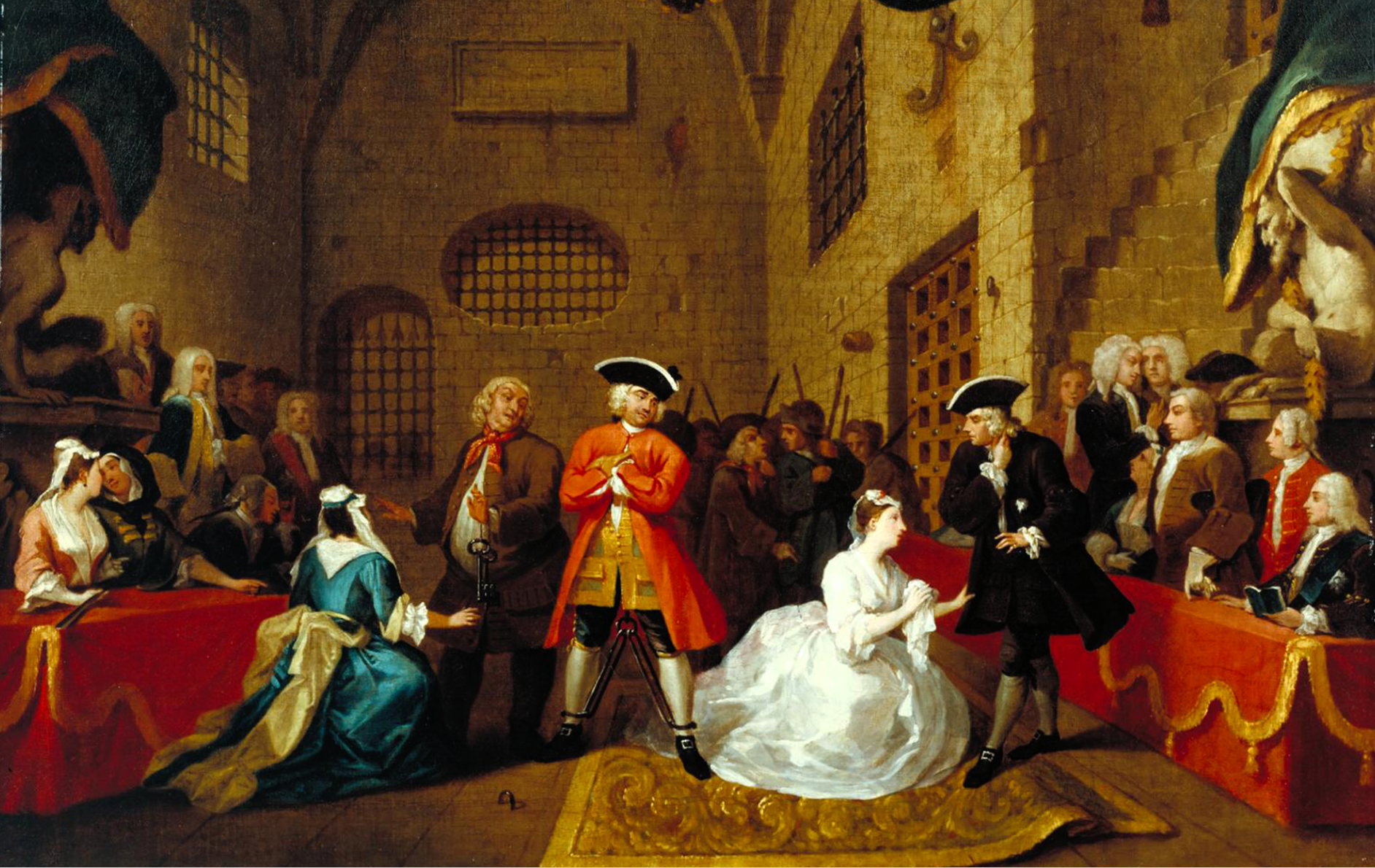
The Beggars Opera
written in 1728 by John Gay
the only example of the once thriving genre of satirical ballad opera to remain popular today
the only example of the once thriving genre of satirical ballad opera to remain popular today
28
New cards
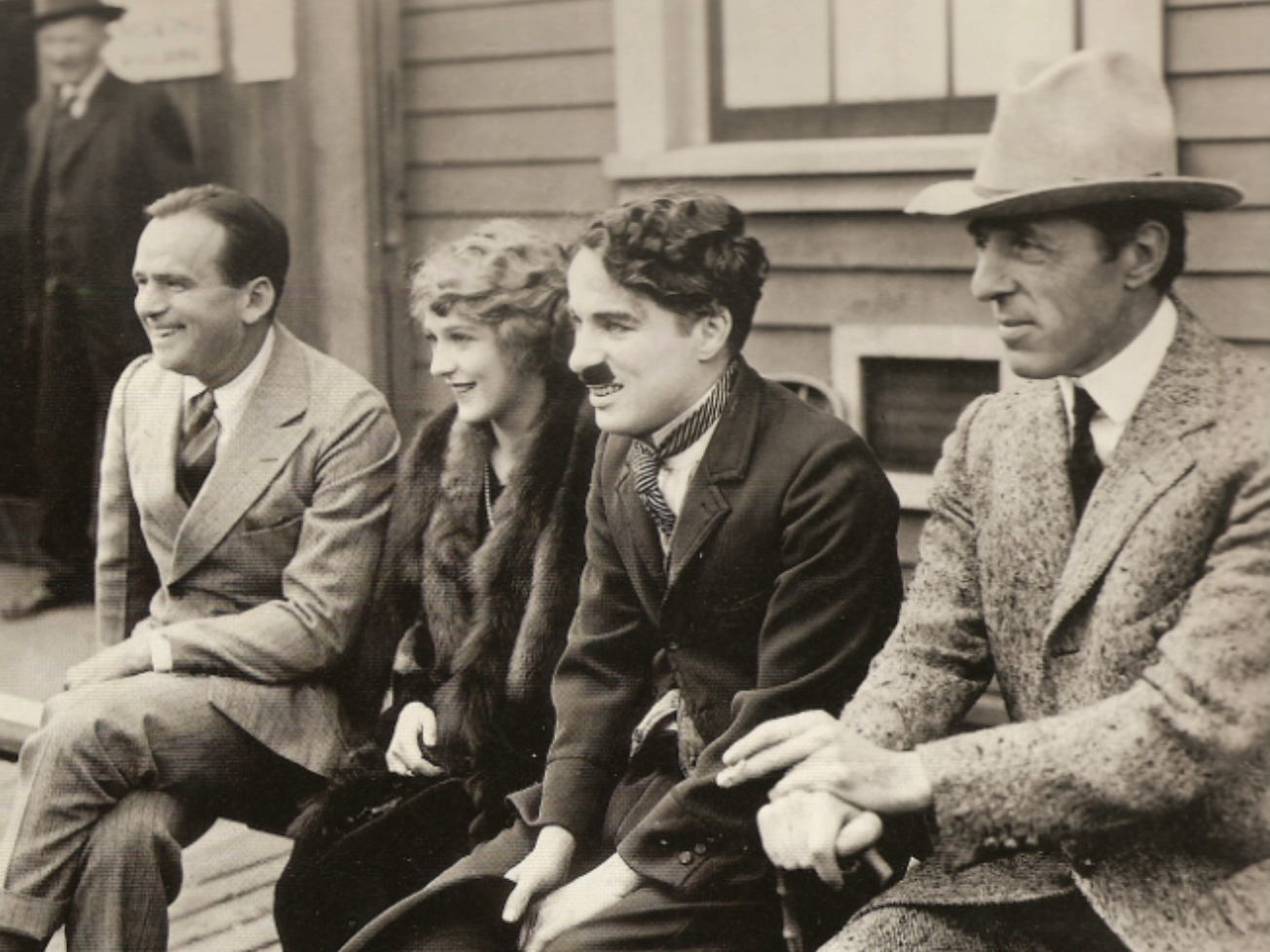
United Artists 1919
Charlie Chaplin, Mary Pickford, Douglas Fairbanks and D.W. Griffith joined forces to create their own film studio
UA functioned as a distribution company for independent producers
The first major production company to be controlled by its artists rather than by businessmen
UA functioned as a distribution company for independent producers
The first major production company to be controlled by its artists rather than by businessmen
29
New cards
Nollywood and Technology
the Nollywood film \n industry is often especially linked to the \n highly accessible video format, first \n shared via VHS tapes and DVDs, and later \n via the internet
Expanding quickly in the 1990s and 2000s, \n the industry grew alongside the rise of \n digital social media and file-sharing \n platforms.
Expanding quickly in the 1990s and 2000s, \n the industry grew alongside the rise of \n digital social media and file-sharing \n platforms.