GEOL 1303 EXAM 2
 Call Kai
 Learn
Learn Practice Test
 Spaced Repetition
 Match
Match Flashcards
 Knowt Play
1/39

Earn XP
Description and Tags
Name | Mastery | Learn | Test | Matching | Spaced | Call with Kai |
|---|
No analytics yet
Send a link to your students to track their progress
40 Terms
Weathering
The physical breakdown and chemical alteration of rock at the earths surface
Mass Wasting
The transfer of rock and soul downslope under the influence of gravity
Erosion
The physical removal of material by mobile agents such as water wind or ice
Mechanical Weathering
Physical forces break rocks into smaller pieces without altering rocks mineral composition
Chemical Weathering
Chemical transformation of rock into one or more new compounds
Rates of weather are controlled by….
Mineral Composition, Climate, Particle size
Beds
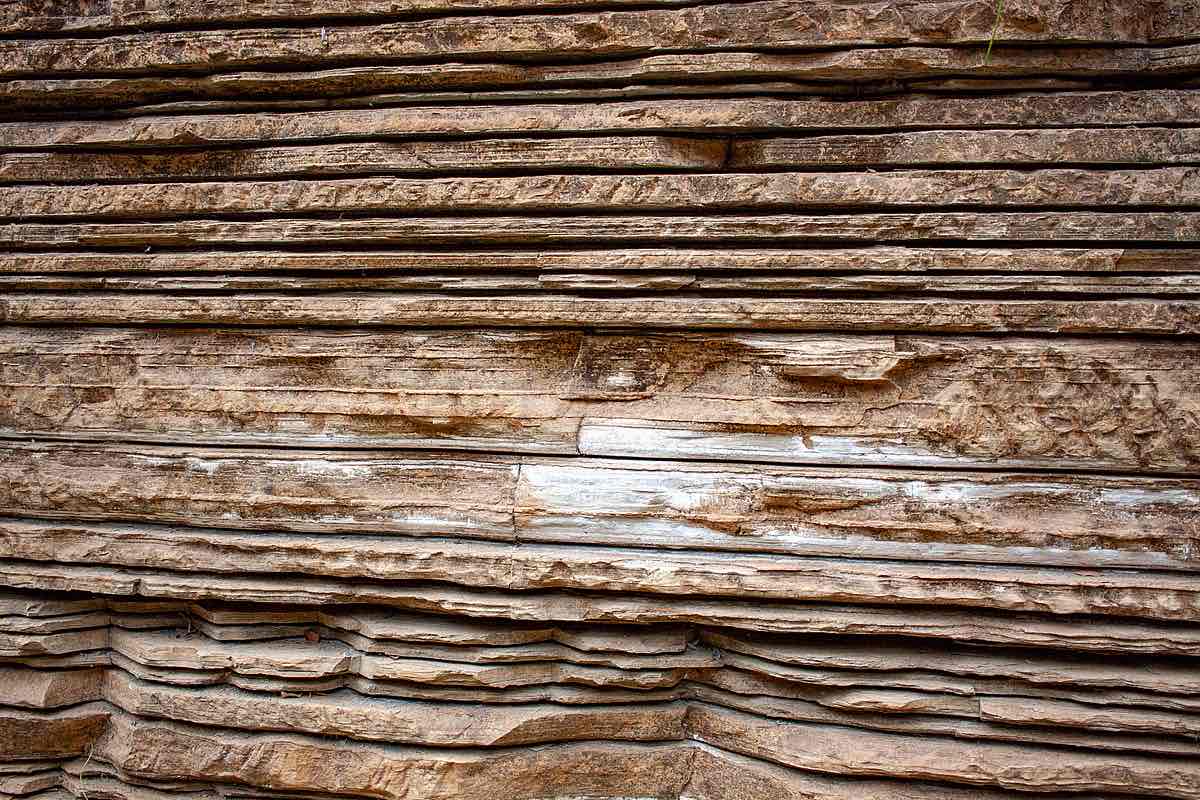
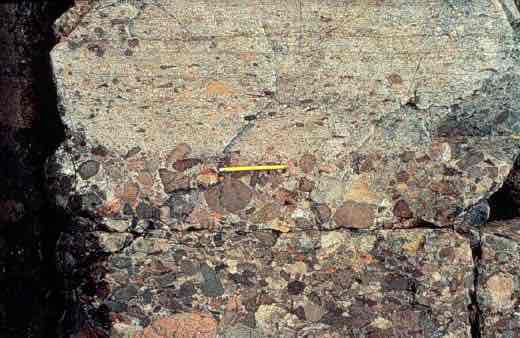
Graded bedding
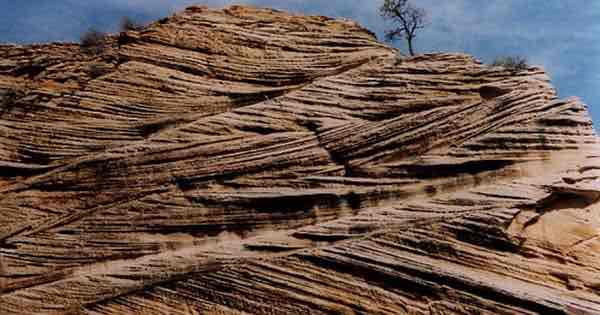
Cross bedding
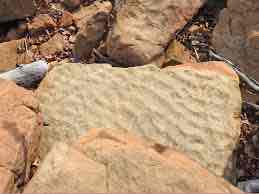
Ripple Bedding
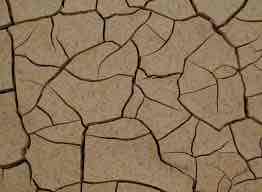
Mudcracks
Depositions environments
Places where sediments accumulate
Metamorphism
The solid-state change in composition and/or texture of a rock due to high temperatures
Agents of metamorphism
Heat, Pressure, Fluids
Contact metamorphism
Changes caused by the high temperature of an intruding magma, which can “bake” the surrounding rock. The baked zone is called the metamorphic areole
Regional metamorphism
Changes caused by the high temperatures and deviatoric stresses associated with mountain building
Hydrothermal metamorphism
Changes caused by the interaction with hot, ion rich fluids
Confining stress
Equal forces acting on all sides of an object
Stress
Force per unit area
Differential stress
Unequal forces acting on an object. Deformation is caused by differential stress
Shield volcano
-gentle sides
-produced by divergent plate boundaries
-can be huge
-long duration of activity
Cinder cone
Formed mainly of basaltic pyroclastic material
-steep sides
-produced by divergent plate boundaries
-relatively small
-short lived
Viscosity is mainly controlled by…
composition
Dissolved gasses
Temperature
Pressure
high pressure = ductile deformation
Low pressure = brittle deformation
The wetter and hotter the climate the greater role of…
Chemical weathering
The colder and dryer the climate the greater the role of…
Mechanical weathering
Chemical sedimentary rocks
Limestone
Chert
Coal
Evaporites
Metamorphic facies
An assemblage of minerals in a metamorphic rock indicative of a range of pressure and temperature conditions experienced during metamorphism
Temperature
High temperature: ductile deformation
Low temp: brittle deformation
Strain rate
high strain rate: brittle deformation
Low strain rate: ductile deformation
Viscosity
A measure of a magmas resistance to flow
Low viscosity
Magma flows easily
High viscosity
Magma doesn’t flow easily
Composite Volcano (stratovolcqnoes)
mainly alternating pyroclastic deposits and andesitic lava flows
Usually produced by convergent plate boundaries
Relatively large
Eruptions often highly explosive
Lava dome
A steel sided dome of highly viscous congealed lava
Calderas
Large circular depressions
Joints
Fractures are produced by these tectonic stresses
Principle of Superposition
In an unreformed sequence of layered rocks the oldest rocks are at the bottom and the youngest are at the top
Principle of original horizontality
Stratified rocks are assumed to have been originally horizontal
any deviation from horizontality would then be the result of post deposition deformation
Principle of cross cutting relationships
Younger features cut across older features