Lecture 26: Communication and Indicators of Animal Intent: Canine and Feline
 Call Kai
 Learn
Learn Practice Test
 Spaced Repetition
 Match
Match Flashcards
 Knowt Play
1/20

There's no tags or description
Looks like no tags are added yet.
Name | Mastery | Learn | Test | Matching | Spaced | Call with Kai |
|---|
No analytics yet
Send a link to your students to track their progress
21 Terms
Dog FAS Scale
4-5 Severe FAS
2-3 Moderate FAS
0-1 Low FAS
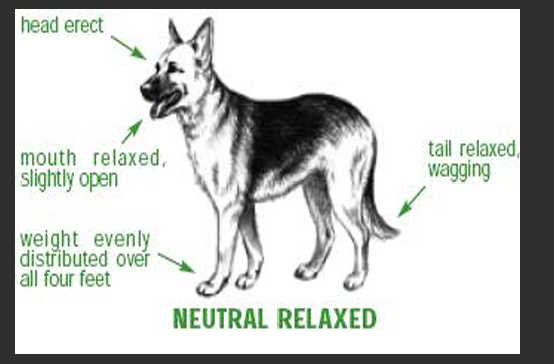
Signs of a relaxed dog
Relaxed
Soft appearance
neutral body posture
Signs of a defensively threatening dog
Muscle tense
“Whale eye”
Tucked, low to the ground
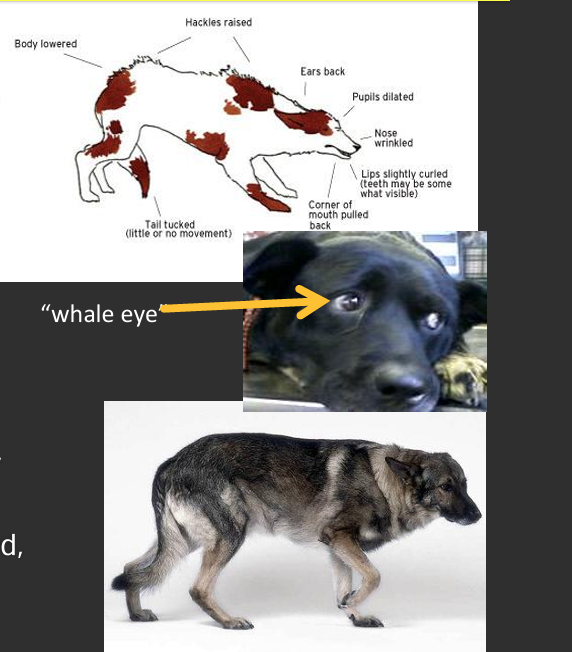
What is the defensively threatening dog probably feeling?
That they don’t like something and would rather run away than fight
If you see this STOP and make a behavior management plan
Signs of an offensively threatening dog
“hard & stiff”
Erect
growling, barking
Hard stare
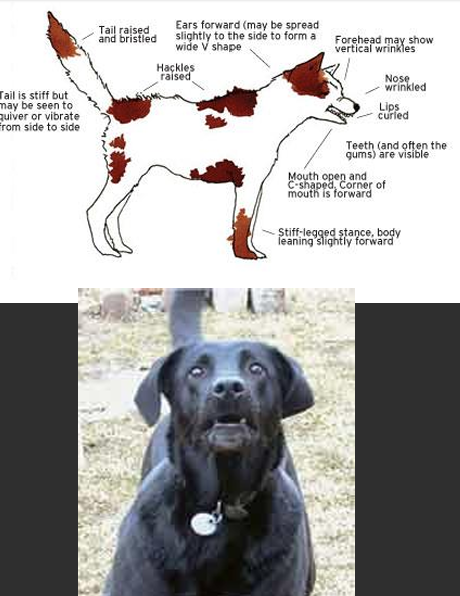
What is an offensively threatening dog probably thinking?
This dog is ready and willing to aggress.
VITAL to recognize these signs and avoid escalation
A offensively threatening dog is still one that is?
Fearful
How a “normal” human approach is off putting to a dog?
we are taught to meet & greet people with a direct approach while making direct eye contact, we often move quickly and lean forward to shake hands or offer a hug, etc
Dogs prefer an indirect approach!
Dogs great each other more indirectly for example?
Lateral approach, polite sniffing, averted gaze, play bow
What happens if a dog who approaches other dogs w/ forward, direct behavior?
This dog is perceived as threatening and may elicit fear +/- aggression
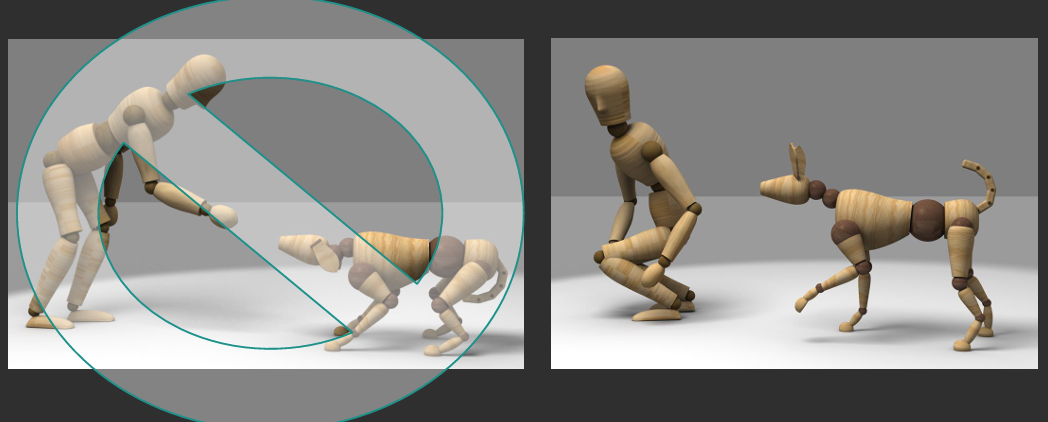
Examples of appropriate help dogs understand that we intend no harm. body language to
Turn your body to the side
Approach the side, rather than front of dog
Bend at the knees rather than the waist
Avoid directly, prolonged stares
Pat the side of your leg
Speak in a soft, light-hearted tone of voice
Example of non-threatening approach to dog
Mood scoring of cats
1: Relaxed 2: Alert 3: Tense 4: Anxious 5: Fearful 6: Terrified
Signs of relaxed cat
Head resting on surface or over body
purr
loose
Signs of an Alert cat
Head: over the body, some movement Eyes: open normally, pupils normal Ears: normal or erected to front Sounds: none or meow Tail: relaxed, some twitching
Signs of a tense cat
Head: over the body or pressed to body, little or no movement Eyes: wide open, pupils normal to partially dilated Ears: erected to front or back Tail: close to body; tense downwards or curled forward, may be twitching Other: ventral recumbency or “slinking” Sounds: none, meow, or plaintive meow
Signs of an anxious cat
Head: on the plane with body, little or no movement Eyes: wide open, pupils dilated Ears: partially flattened Tail: close to the body; may be curled forward close to body when standing Sounds: none, plaintive meow, growling, yowling Other: increased RR
Signs of a fearful cat
Head: tucked, still Eyes: wide open, pupils fully dilated Ears: fully flattened Tail: close to the body; curled under body when standing Sounds: none, plaintive meow, growling, yowling Other: freezing, fidgeting, escaping, aggression
Signs of a terrified cat
Head: lowered Eyes: pupils fully dilated Ears: fully flattened, back on head Tail: close to body Sounds: spitting, growling, yowling, hissing, shrieking Other: “Halloween Cat” – full piloerection Freezing, fidgeting, escaping, aggression
Common reasons for aggression from a cat in a veterinary setting
Defensive, variable degrees of aggression
Fear or pain related aggression
Confident aggression not seen in this setting
Warning signs of an imminent cat bite
Sudden dilation of pupils
Piloerection
Fast, jerky swishing of tail
Swatting with forearms
Vocalization – yowling, shrieking, spitting
Direct stare with open mouth vocalizations