Fossil Primates - 1
 Call Kai
 Learn
Learn Practice Test
 Spaced Repetition
 Match
Match Flashcards
 Knowt Play
1/24

There's no tags or description
Looks like no tags are added yet.
Name | Mastery | Learn | Test | Matching | Spaced | Call with Kai |
|---|
No analytics yet
Send a link to your students to track their progress
25 Terms
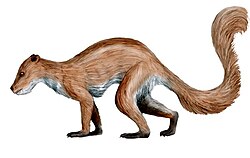
Originate in Paleocene in 66-56 mya w/ grasping hands, petrosal bulla (bone in ear), and rounded molar cusps
Plesiadapids
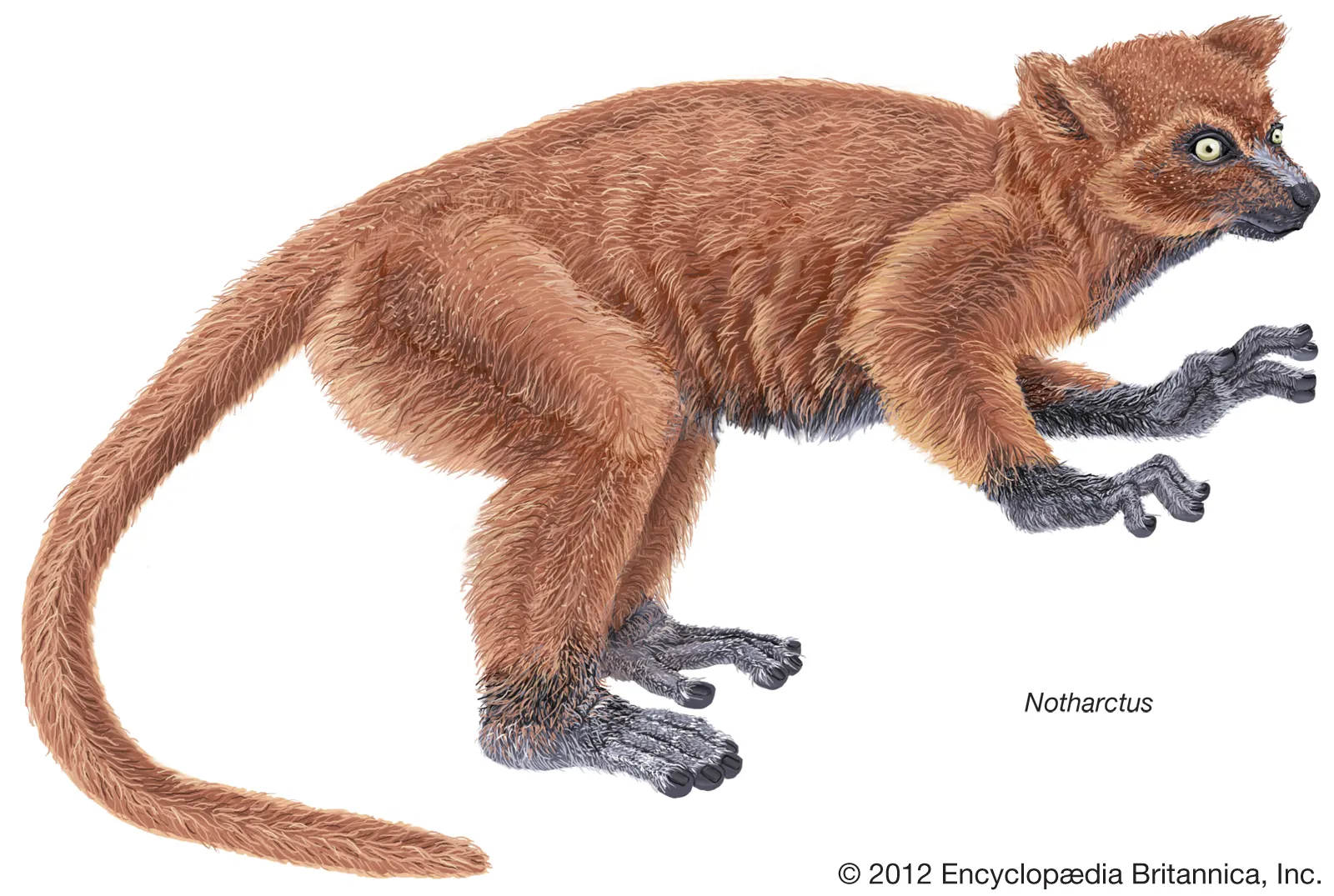
Originate in Eocene (56-34 mya) w/ bony eye protection, nails on most digits, and larger brains.
Euprimates aka “True Primates”
Connected to Euprimates and originate in Eocene w/ postorbital bar, nails, and grasping extremities
Adapoids aka Strepsirrhines
Connected to Euprimates and originate in Eocene w/ postorbital bar, grasping extremities, long legs, huge eyes, and short snouts
Omomyoids aka Tarsiers
Originate in Oligocene (34-23 mya) w/ full postorbital closure and fused mandibular symphyses
Fossil Anthropoids
Connected to Anthropids From Late Eocene w/ 2.1.2.3 teeth, honing complex, and bilophodont molars
Oligopithecids
Connected to Anthropids from Late Eocene to Early Oligocene w/ 2.1.2.3 teeth, larger bodied, and reduced incisors
Propliopithecids
Connected to Anthropids from Late Eocene to Late Oligocene and is primitive w/ 2.1.3.3 teeth
Parapithecids
Originate in Miocene (23-5.3 mya) and are Frugivorous arboreal quadrupeds
Fossil Hominoids (apes)
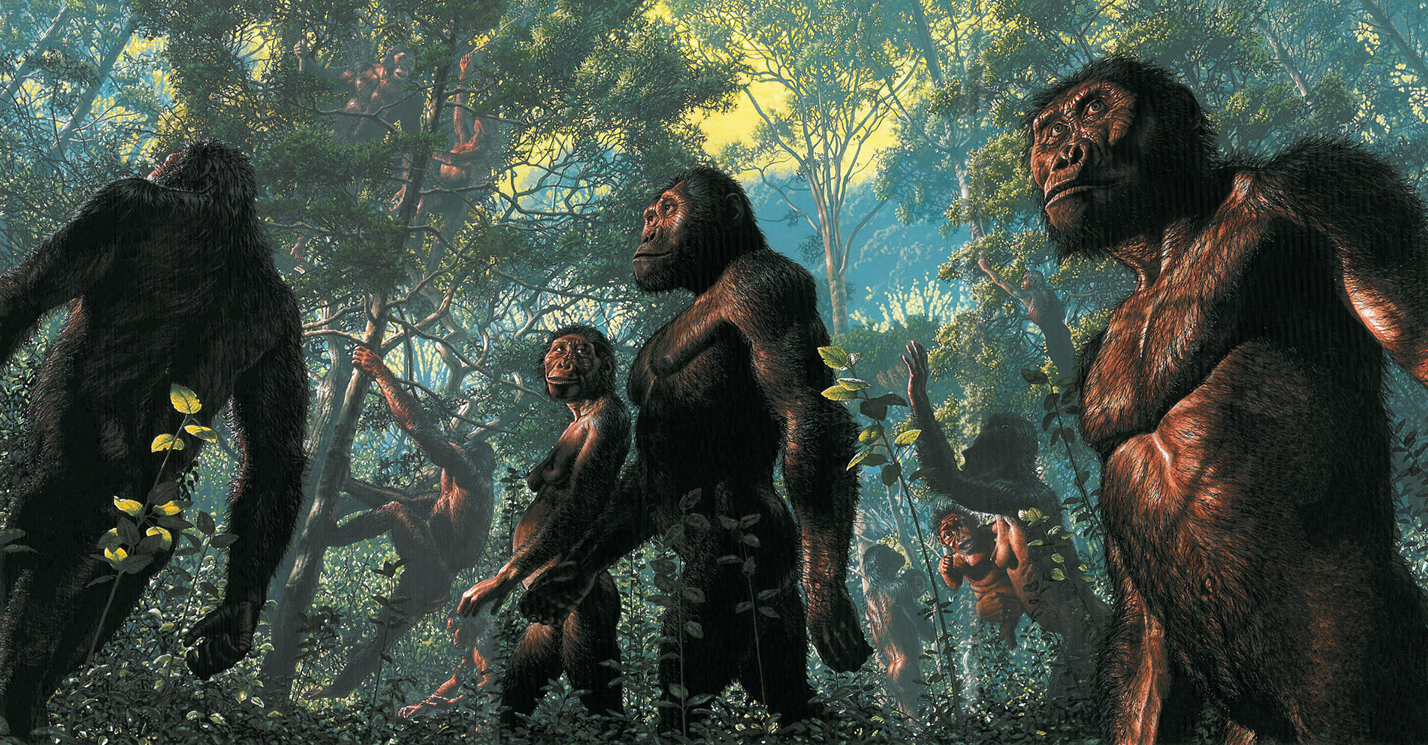
Connected to from Early to middle Miocene and are “stem” apes, short faced, w/ generalized dentition, have no tail, have y5 mars, w/ absent diastema, and are large
Proconsul
Connected to Hominoids from late miocene and known as terrestrial apes and are less arboreal/more larger
Sivapithecus
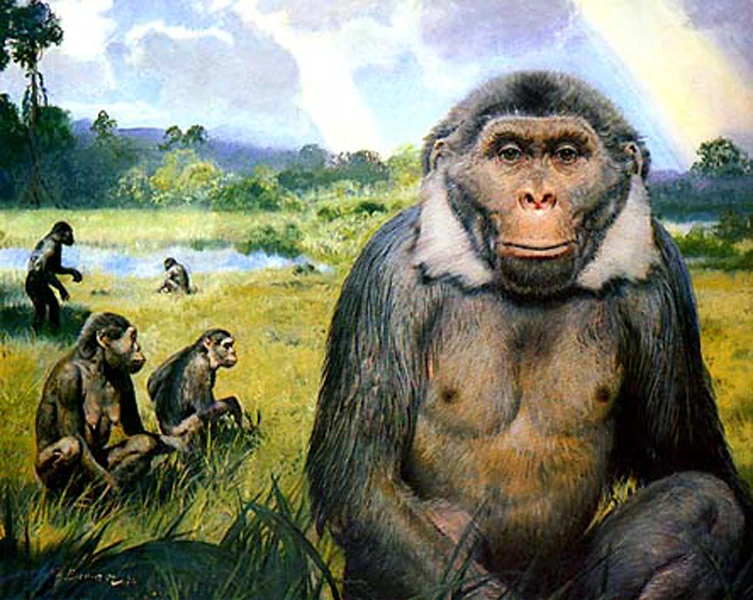
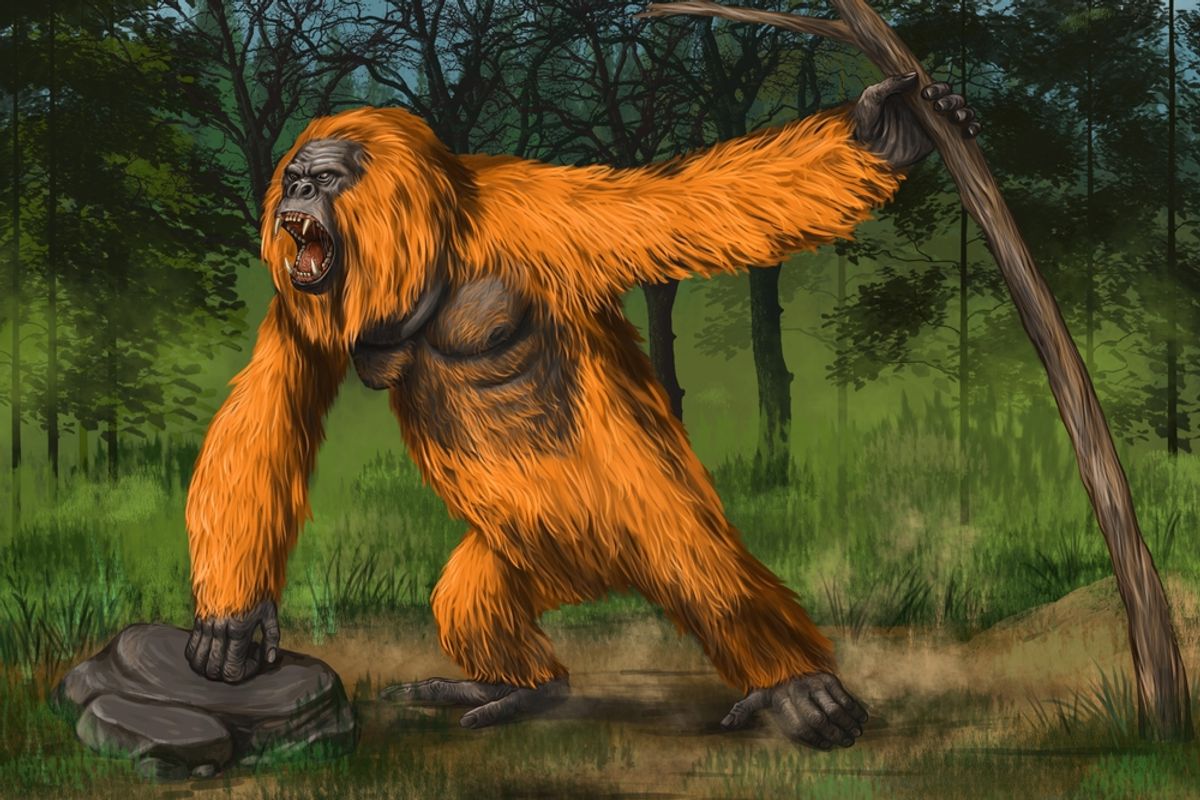
Connected to Hominoids from Late Miocene to middle Pleistocene w/ rounded molars, and huge (600 lbs), and are bamboo specialists
Gigantopithecus
Which primates emerged in the Paleocene epoch?
Plesiadapids
Which primates emerged in the Eocene Epoch?
Euprimates
Which primates emerged in the Oligocene Epoch?
Anthropids
Which primates emerged in the miocene epoch?
Lesser and greater apes (hominoids)
Significantly hotter climate, warming trend, more water/less land, and tropical jungles
Paleocene climate
Less seasonal, little ice, more wetlands, and more methane
Eocene climate
Region of emergence of Plesiadapids
North America and Europe
Region of emergence of Euprimates
West North America and Europe
Region of emergence of Anthropoids
Africa and Asia
Region of emergence of Hominoids
Africa, Europe, and Asia
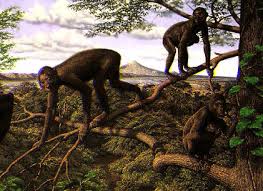
Primates evolved traits like grasping hands, forward-facing eyes, and flexible limbs because they adapted to living in trees. These features helped them climb and move along branches.
Arboreal Hypothesis
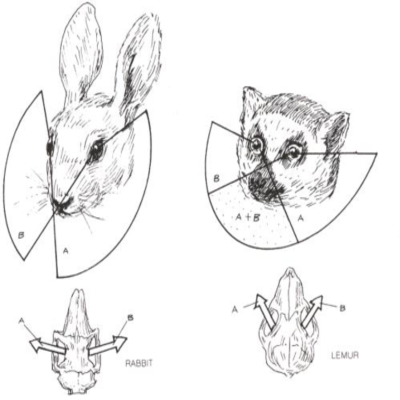
Primates developed stereoscopic vision and grasping hands to hunt insects and grab prey on small branches. This idea focuses on better depth perception and coordination.
Visual Predation Hypothesis
Primates evolved alongside flowering plants (angiosperms). Traits like grasping hands and good vision helped them gather fruits, flowers, nectar, and insects found on thin branches.
Angiosperm Radiation Hypothesis