Psychological Continuity: PE after death - Self, Death & Afterlife
 Call Kai
 Learn
Learn Practice Test
 Spaced Repetition
 Match
Match Flashcards
 Knowt Play
1/8

There's no tags or description
Looks like no tags are added yet.
Name | Mastery | Learn | Test | Matching | Spaced | Call with Kai |
|---|
No analytics yet
Send a link to your students to track their progress
9 Terms
Psychological Continuity after death
- Parfit's bundle theory
- Dennett's functionalism
How does Parfit's Bundle Theory see continuity after death?
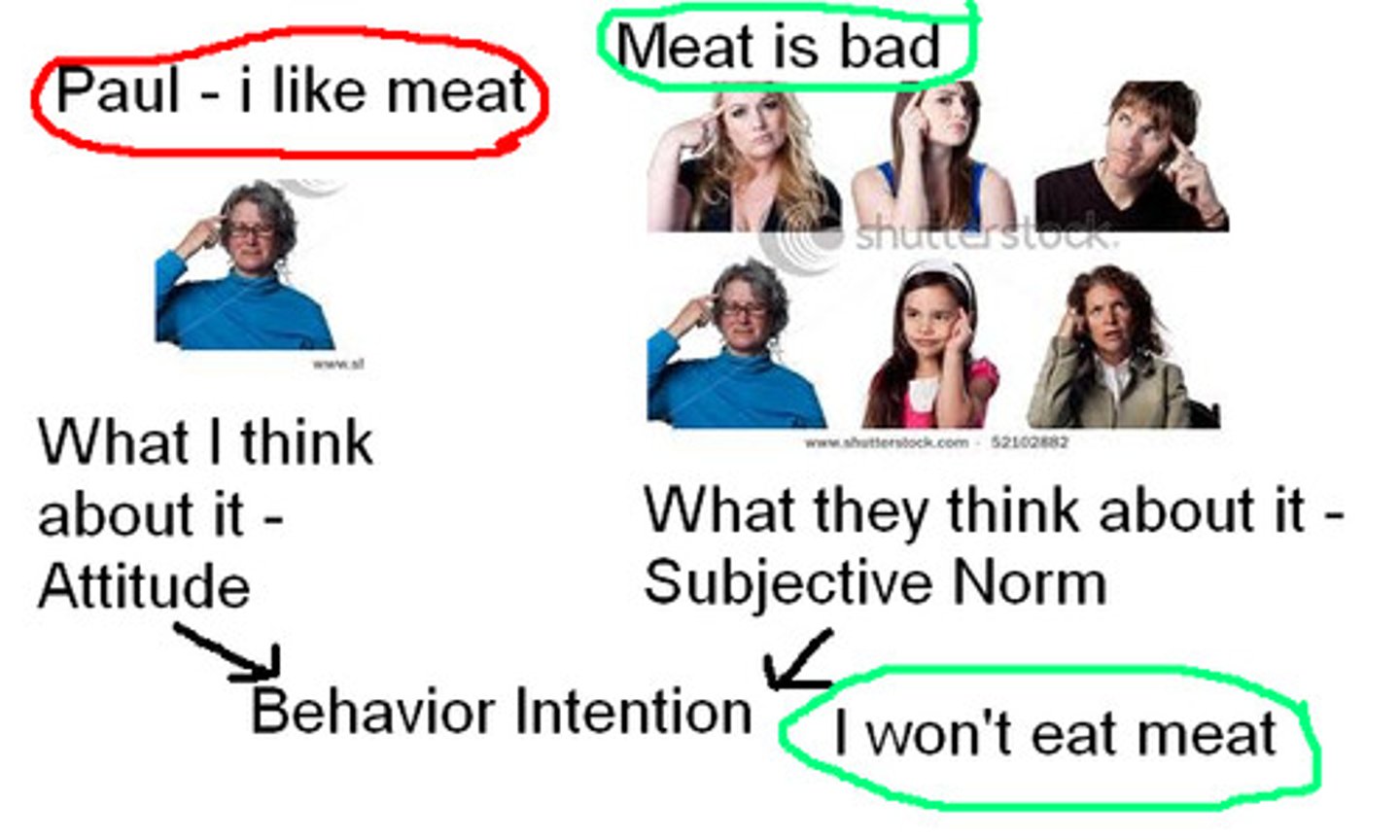
Psychological connectedness
Parfit's Bundle Theory
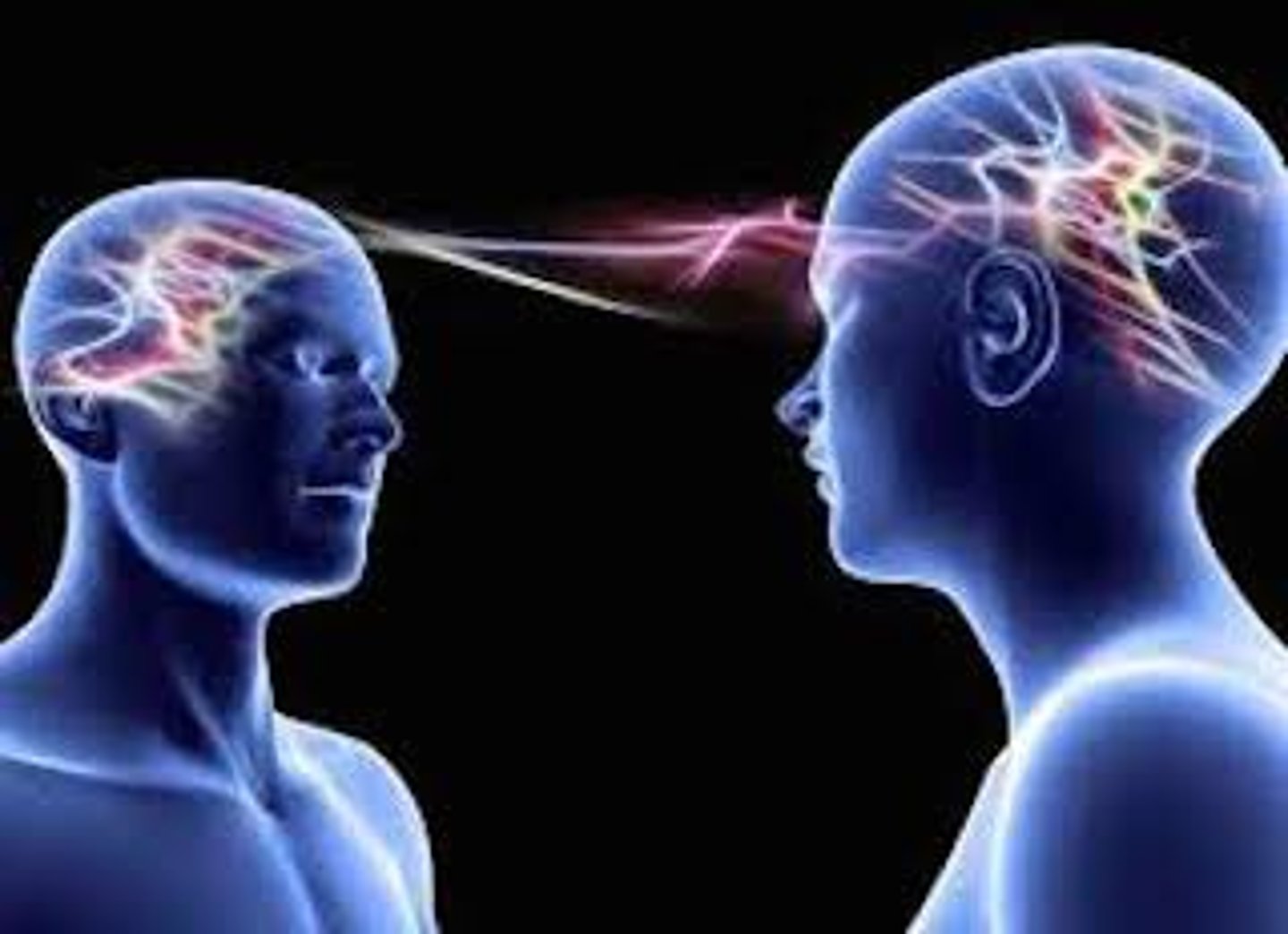
- Any influence people have in life continues after death through both genetic offspring and remembrance
- There is no such thing as a self: individuals are "bundles" of ever-changing states of being
Links between Bundle Theory & Buddhism
- Buddhists believe that the ever-changing combination of mental and physical energies occurring throughout this life is a process that continues after death
- Therefore, the idea of some form of survival after death may be compatible with Bundle Theory.

Functionalism Computer Analogy
- Computer works as input, processing & output of information
- Mental states consist of the brain processing the inputted sense experiences and outputting the result of the process in the form of behaviour
Dennett's Functionalism
- Claims the brain's computer program consists of the experiences, memories & personality that form the narrative self
- These could survive the death of an individual through having been stored on another platform, like a computer
- This stored information of the individual's life would be psychologically continuous with what went before
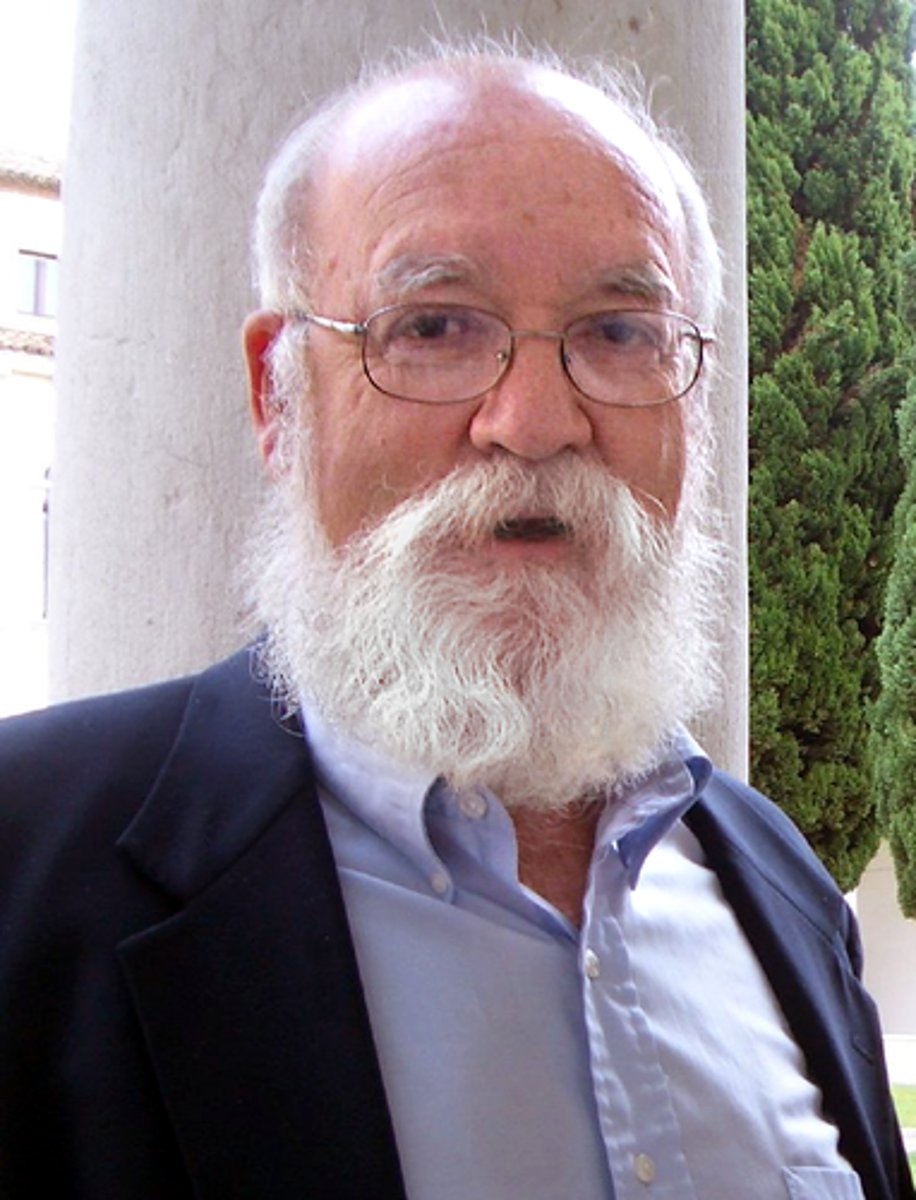
Problems with psychological continuity
- How can thoughts & ideas exist without a thinker?
- Consciousness dismissed as the subjective experience of individuals

How can thoughts and ideas exist without a thinker?
- Objection to Parfit's theory
- This is evidenced by the fact that it is the self that holds these things together in life
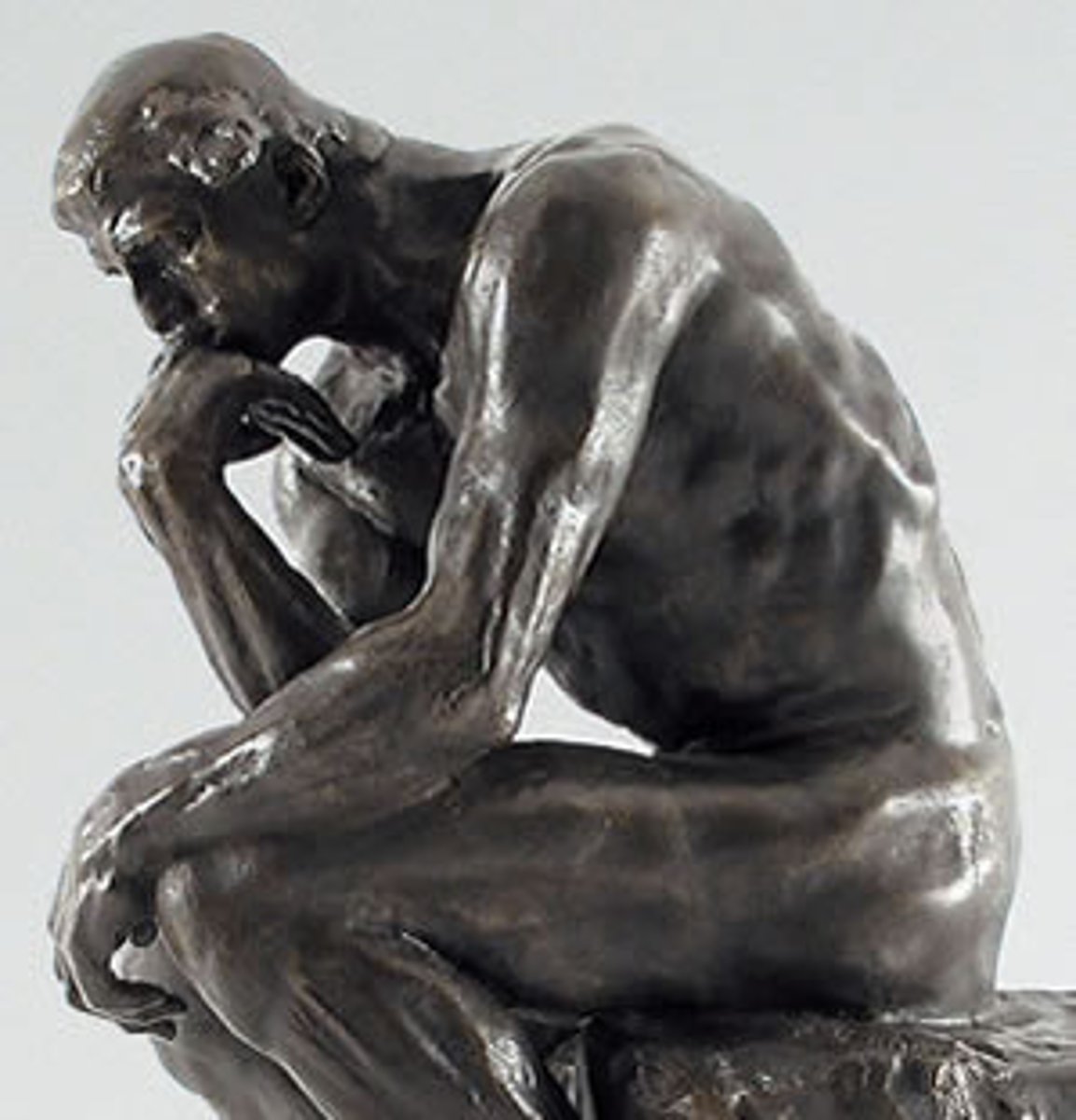
Consciousness dismissed as the subjective experience of individuals
- Both theories do this
- However, neuroscience cannot explain qualia (a type of subjective experience)
- Some philosophers dismiss the reductionism of Dennett, which explained consciousness in terms of computing