micro lab final practical final
 Call Kai
 Learn
Learn Practice Test
 Spaced Repetition
 Match
Match Flashcards
 Knowt Play
1/149

There's no tags or description
Looks like no tags are added yet.
Name | Mastery | Learn | Test | Matching | Spaced | Call with Kai |
|---|
No analytics yet
Send a link to your students to track their progress
150 Terms
what does TDT stand for?
thermal death time
how do you determine TDT?
testing to see at what time a bacteria stops showing growth at a certain temperature
what is pasteruization? what temperature corresponds to this process
pasteruizstion is killing most of the vegetative cells in 30 minutes
how is boiling different than pasteruization
boiling kills most vegetative cells in 10 minutes
Do gram positive and gram negative bacteria respond differently to heat treatment? If so, why or why not?
They respond the same
Does B sub (old) respond differently to heat treatment than B. sub (young)?
Yes because B sub old makes endospores and endospores are more heat resistant
Describe the growth of bacteria that were kept at 4 celsius and 60 celsius
There was no growth at either temperatures
How did these samples compare after incubating them at 37 degrees celsius?
The 4 degrees celsius showed growth and the 60 did not. This is because at 4 degrees the bacteria was static and at 60 it was cidal
How does distance from UV source affect growth of bacteria?
Increase distance of UV source increases how much bacteria grows
Why did we have to remove the lids from our petri dishes when exposing them to UV radiation?
Because lids would block the UV
What two types of UV damage repair mechanisms are found in bacteria?
DNA photolyase (faster and more efficient) and endonuclease (only one that works in the dark)
Which ones work when visible light is present?
Both work when light is present
What are some examples of halogens?
bleach and idoine; they are broad spectrum
What type of disinfectant works well against gram negative bacteria, specifically?
Alcohols and phenoyls because they can dissolve the outer membrane
what does MIC stand for?
Minimum inhibitory concentration, which is the least amount of chemical needed to kill a microbe
How does the MIC relate to the size of the zone of inhibition?
Small MIC - large zone of inhibition inverse relationship
What types of antibiotics were NARROW spectrum in lab?
Narrow were penicillin(G+) and polymyxin B(G-)
What types of bacteria were “troublesome” bacteria?
Troublesome bacteria were B sub old (endospores), mycobacterium (mycolic acid in cell wall makes it difficult for chemicals to enter the cell) and pseudonomas because they have small or narrow porins on outer membrane
Would penicillin be more effective against E.coli or staph aureus? Why?
It would be more effective against staph aureus because it is gram positive
What types of bacteria is Rifampin (a nucleic acid synthesis inhibitor) effective against?
Rifampin in broad so it would effect both gram negative and gram positive
Would polymyxin B produce a large or a small zone of inhibition against S. aureus?
Polymyxin B would produce a small zone of inhibition against S aureus because S aureus is gram positive
would polymyxin B produce a large or small zone of inhibition against P. aeruginosa?
Pseudomonas aeruginosa would have a large zone of inhibition
To make DNA samples move faster in gel electrophoresis, how could we manipulate:
Agarose concentration:
Decrease the concentration
Voltage:
Increase the voltage
Are the charges set up correctly on the following DNA gel electrophoresis?
No, because DNA is negatively charged, so the positive needs to be at the bottom to pull the DNA towards it
Where would we find larger fragments of DNA? At position A or B?
Larger fragments of DNA would be at A because it didn’t move too far
What do we use to digest (cut) DNA?
Restriction enzymes
What does RFLP stand for?
Restriction fragment length polymorphism
What structure can R+ bacteria make?
R+: plasmid (donor cell), antibiotic resistance (Rfactor) and sxx pilus
What is the purpose of that structure that R+ makes?
Purpose of sex pilus moves plasmid from one bacteria to another
If a bacteria is R+ and is antibiotic resistant, where can the gene for antibiotic resistance be located?
On the plasmid
If a bacteria is R- and antibiotic resistant, where can the gene for resistance be located?
on the chromosome
halogens examples
chlorine, iodine (broad)
heavy metals examples
gold, silver, mercury (broad)
oxidizing agents examples
H2O2 (broad)
Phenols/alcohols examples
70% isoproponal, ethanol, triclosan (narrow against G-, dissolves the outer membrane
Quaternary Ammonium examples
household cleaners and ammonium chloride (narrow against G+, goes thru cell wall)
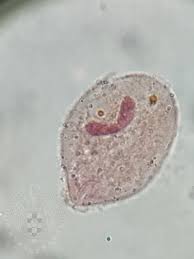
What group does Balantidium coli belong to?
Group Ciliophora - moves with cilia
What shape is the nucleus of Balantidium coli?
Bean/bar shaped
How is Balantidium coli transmitted?
Cysts in contaminated food/water
What disease symptom does Balantidium coli cause?
Diarrhea
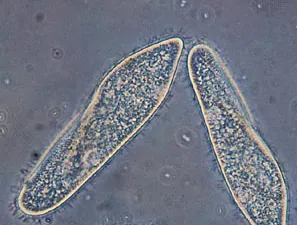
Is Paramecium pathogenic or free-living?
Free-living - moves with cilia
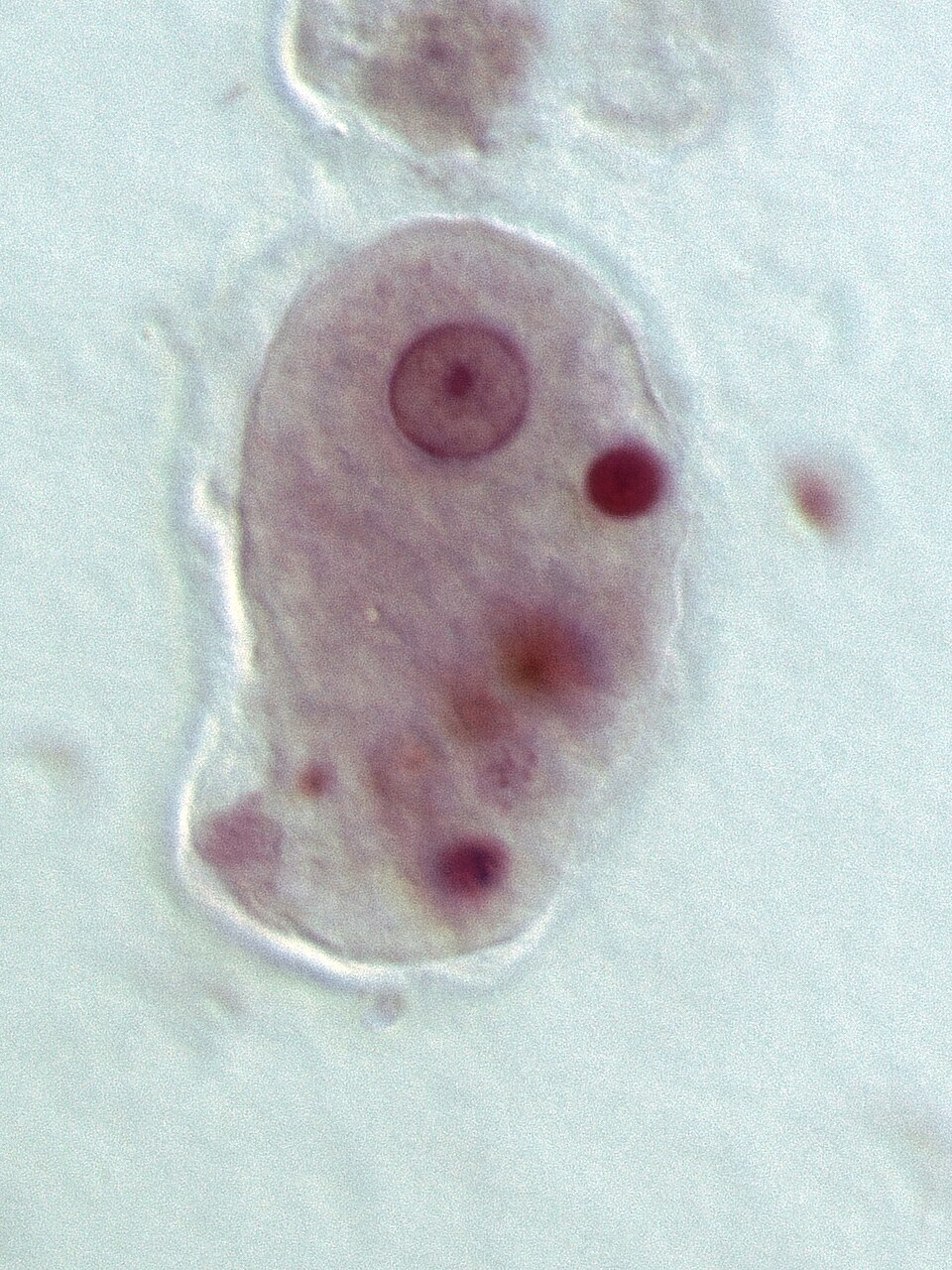
What group does Entamoeba histolytica belong to?
amoebozoa
What disease symptom does Entamoeba histolytica cause?
Diarrhea
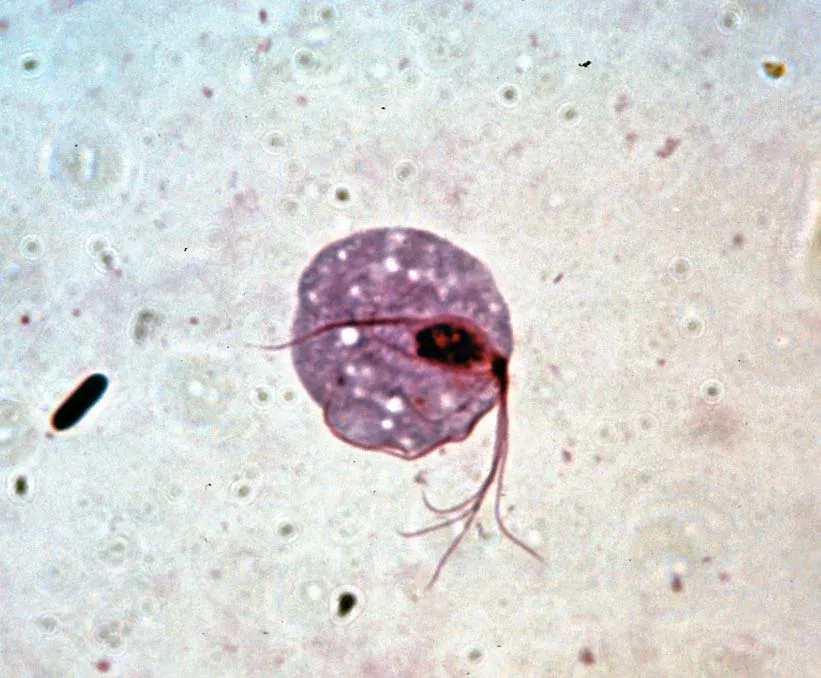
What group does Trichomonas vaginalis belong to?
Archaezoa - moves with flagella
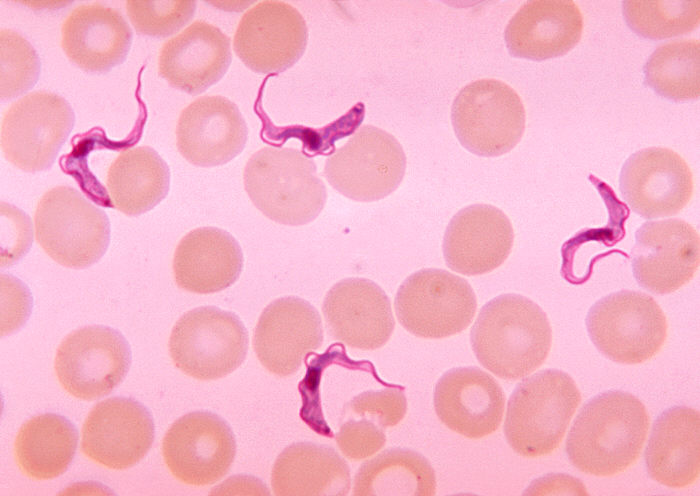
What group does Trypanosoma belong to?
Euglenozoa
Which Trypanosoma species causes African sleeping sickness?
T. brucei - tsetse fly
Which Trypanosoma species causes Chagas disease?
T. cruzi - triatomomine bug
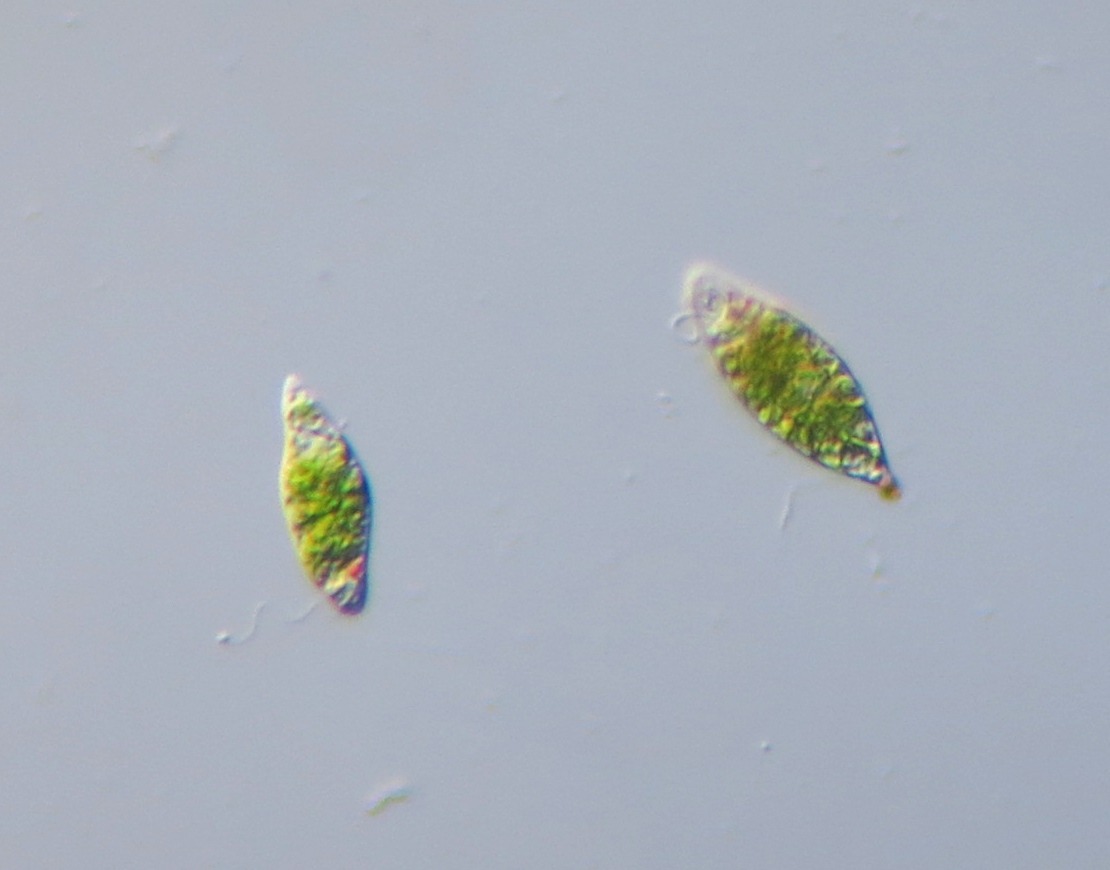
Is Euglena free-living or pathogenic?
free-living and photosynthetic
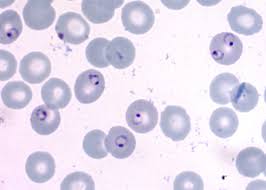
What disease does Plasmodium cause?
malaria
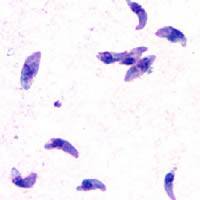
How can Toxoplasma gondii infection occur?
Ingestion of cysts from cat feces
What major risk does Toxoplasma gondii pose in pregnancy?
Can cross placenta causing birth defects - determined by serological testing
What are yeasts?
unicellular fungi
what are molds made of?
hyphae
what is a mycelium?
mass of hyphae
What is the most common Candida species?
Candida albicans - can overgrow and be opportunistic pathogen
how does candida reproduce
budding
what do molds use for reproduction?
spores
which mold is the source of penicillin?
penicillum - conidia
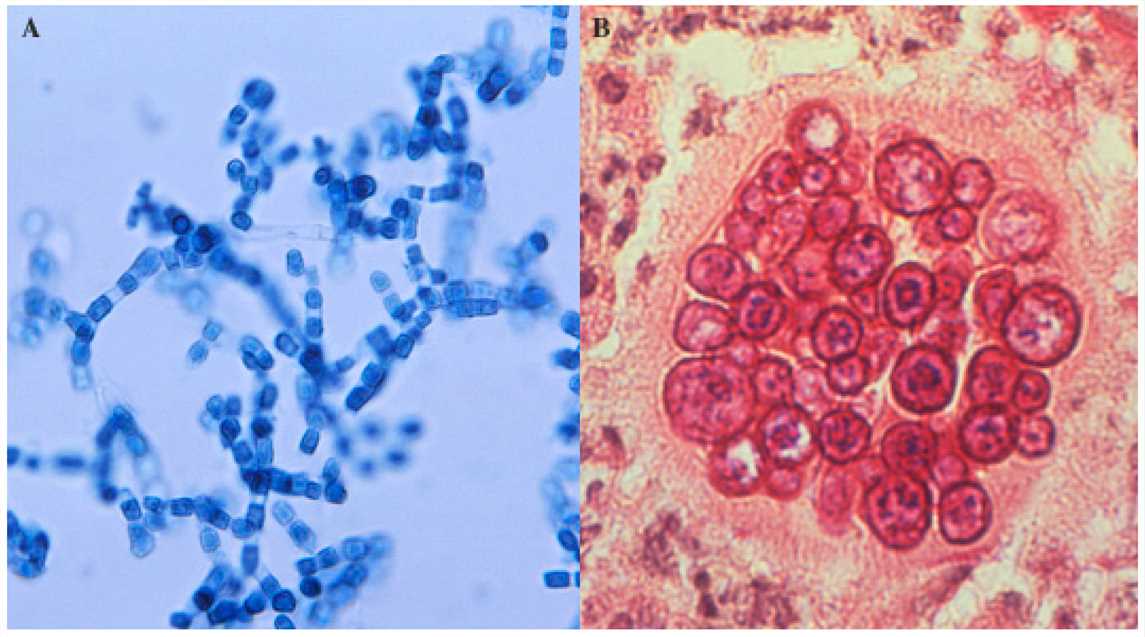
What disease does Coccidioides immitis cause?
Valley Fever
What type of helminth is Clonorchis sinensis?
Trematode (liver fluke)
What type of helminth is Schistosoma mansoni?
Trematode
What type of helminth is Taenia pisiformis?
Cestode
What type of helminth is Trichinella spiralis?
Nematode
fermentation (durham tubes)
carbohydrate fermentation + gas production
yellow- positive
red- negative
bubble - gas produced
indole test
tryptophan —> indole
red ring after Kovac’s: positive
no color change : negative
MR-VP
MR red: positve, yellow: negative
VP red ring: positive, no color change: negative
citrate
blue slant - positive
green slant - negative
litmus milk
pink - sugar fermentation
purple/brown - protein
TSI slant
yellow slant/yellow butt: ferments multiple sugars
red slant/yellow butt: glucose only
black precipitate: H2S production
urease
urea —> ammonia
bright pink: positive
catalase
hydrogen peroxide added
bubbles: positive
starch hydrolysis
clear zone: positive
nitrate reduction
pink after reagents A + B: positive
pink after zinc: negative
clear after zinc: positive
EMB agar
selective for gram negatives, differential for lactose fermentation
MSA
selective for high salt, differential for mannitol fermentation: yellow is mannitol fermenter
MacConkey
selective for gram negatives, differential for lactose fermentation
pink colonies = lactose fermenter
blood agar
hemolysis
alpha: partial clearing
beta: complete clearing
gamma: none
mueller-hinton
kirby-bauer antibiotic testing
sabdex
used for fungi, yeasts, and molds
thiglycollate
determines oxygen requirements
streak plate
isolation of colonies
spread plate
quantity and colony counting
candle jar
low oxygen high CO2
brewer’s jar
anaerobic condition for obligate anaerobe
calibrated loop
0.001 mL used for urine cultures
dilution series
each dilution decreases concentration
counting microbes
colonies x dilution factor 30-300
kirby-bauer
zone of inhibition, sensitive, intermediate, resistant
UV light
high UV - kills microbes more time it’s there and less distance
obligate aerobe
requires oxygen - grows at top
obligate anaerobe
cannot survive with oxygen - grows at bottom
facultative anaerobe
can use both oxygen and no oxygen - grows throughout but more at top
aerotolerant anaerobe
survive in the presence of oxygen but do not use it for growth - even growth throughout
neutrophil
granulocyte
phagocytosis
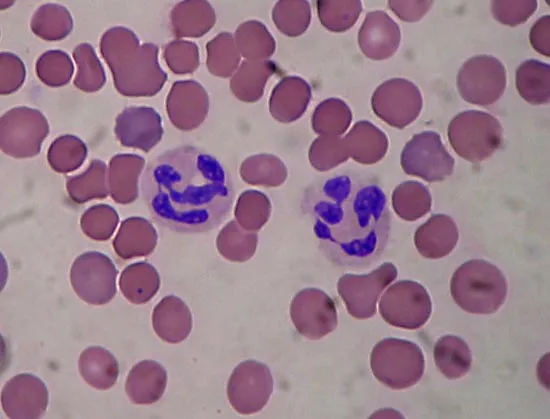
eosinophil
granulocyte
helminth defense
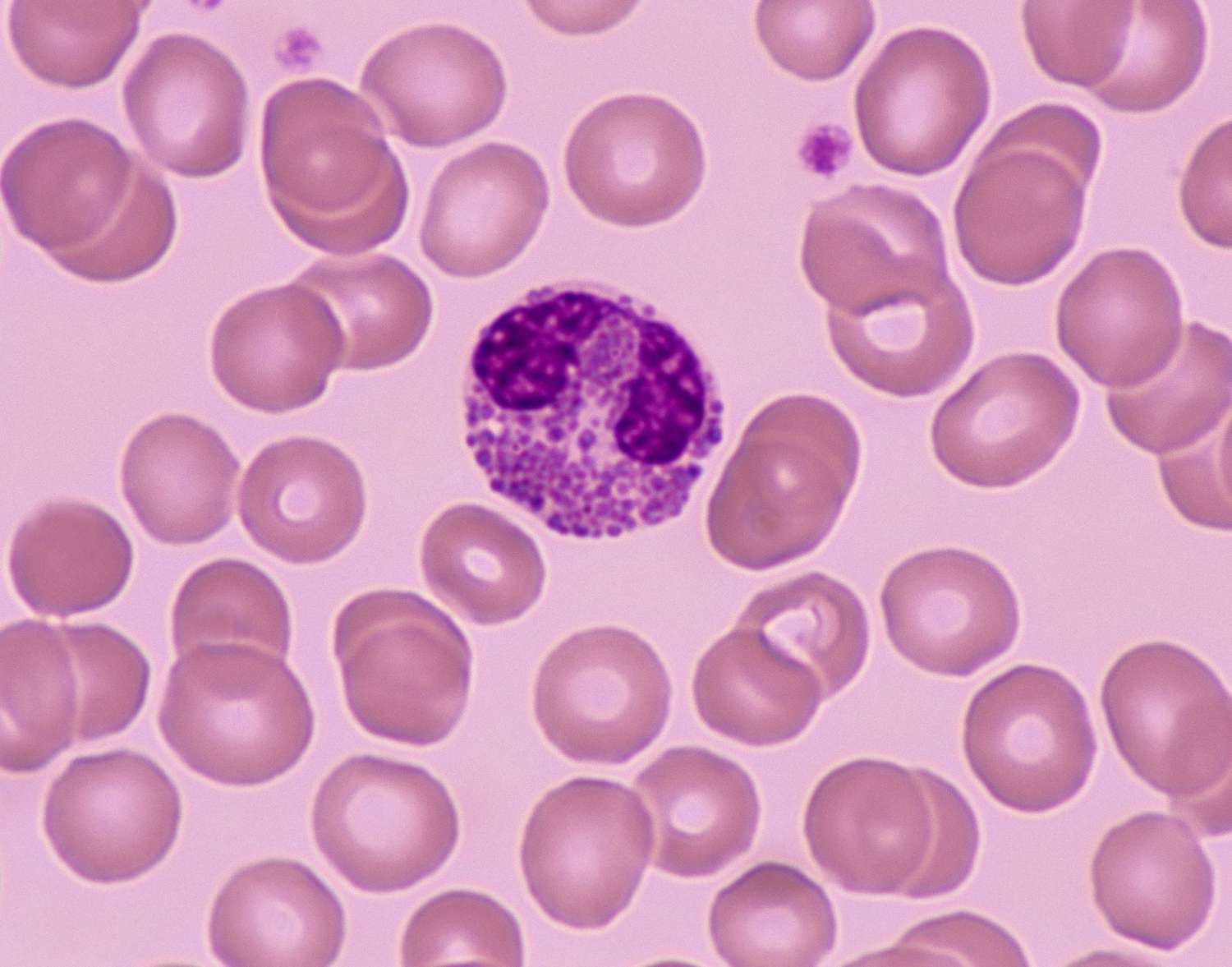
basophil
granulocyte
allergic reaction
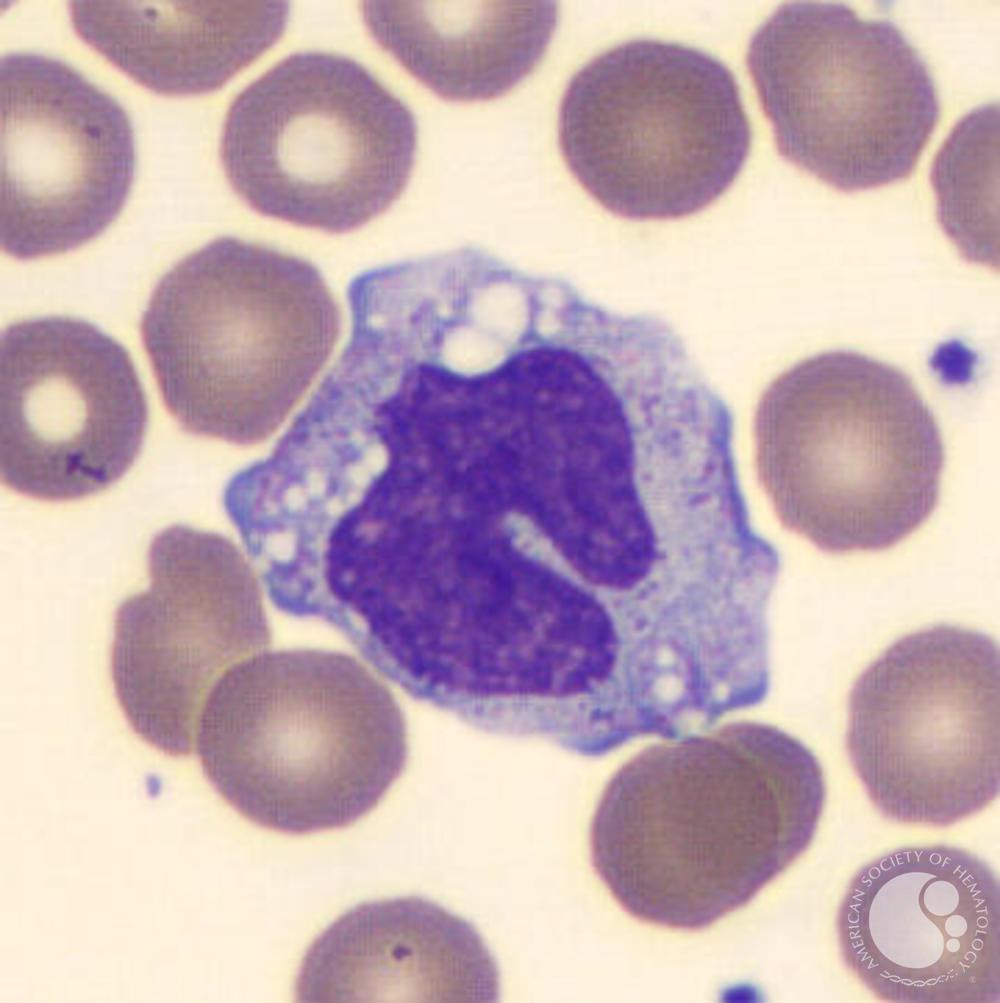
monocyte
agranulocyte
phagocytosis
lymphocyte
specific immunity
agranulocyte
endospore stain
green endospores and red vegetative cells