digestive system
 Call Kai
 Learn
Learn Practice Test
 Spaced Repetition
 Match
Match Flashcards
 Knowt Play
1/21

There's no tags or description
Looks like no tags are added yet.
Name | Mastery | Learn | Test | Matching | Spaced | Call with Kai |
|---|
No analytics yet
Send a link to your students to track their progress
22 Terms
three main secretions of the stomach
mucus: lines the stomach
hydrochloric acid: creates acidity
pepsinogen: converts into pepsin which chemically digests proteins
brush border enzymes
proteases, lactase (disaccharides), and bicarbonate
ghrelin
hormone that induces hunger
leptin
hormone that causes satiety
insulin
found in beta cells in pancreas
induces cellular uptake of glucose and stores glucose as glycogen, lowering BGL
glucagon
found in alpha cells in pancreas
stimulates breakdown of stored glycogen into glucose, raising BGL
ingestion of food in the mouth
mechanical digestion — chewing
mucus lubricates food
chemical digestion — amylase digests starch and lipase digests lipids
deglutition
food is packaged into a bolus and swallowed
bolus passes through pharynx
epiglottis closes the tracheal opening
bolus enters the esophagus
peristalsis
smooth muscle contractions move bolus through gastric sphincter to stomach
lower esophageal (cardiac) sphincter pervents reflux
mechanical digestion in stomach
forms chyme which moves through pyloric sphincter into the small intestine
small intestine — duodenum (small intestine)
chemical digestion of chyme — bicarbonate from pancreas and bile from the liver/gall bladder
breakdown of fats, proteins, and carbohydrates
produces brush border enzymes
small intestine — jejunum and ileum
jejunum: villi and microvilli absorb nutrients, carbohydrates, proteins into the blood
ileum: absorbs lipids, vitamin B12, bile salts, and products of digestion
blood travels from small intestine to liver
hepatic portal duct
glucose stored as glycogen
metabolizes proteins and carbohydrates
produces bile (breaks down lipids in small intestine)
colon
ascending: absorbs remaining water and salts
transverse: stores digested food
descending: carries solid waste to the rectum
elimination
waste accumulates in the rectum and ejects through the anus
gall bladder
stores bile produced by the liver
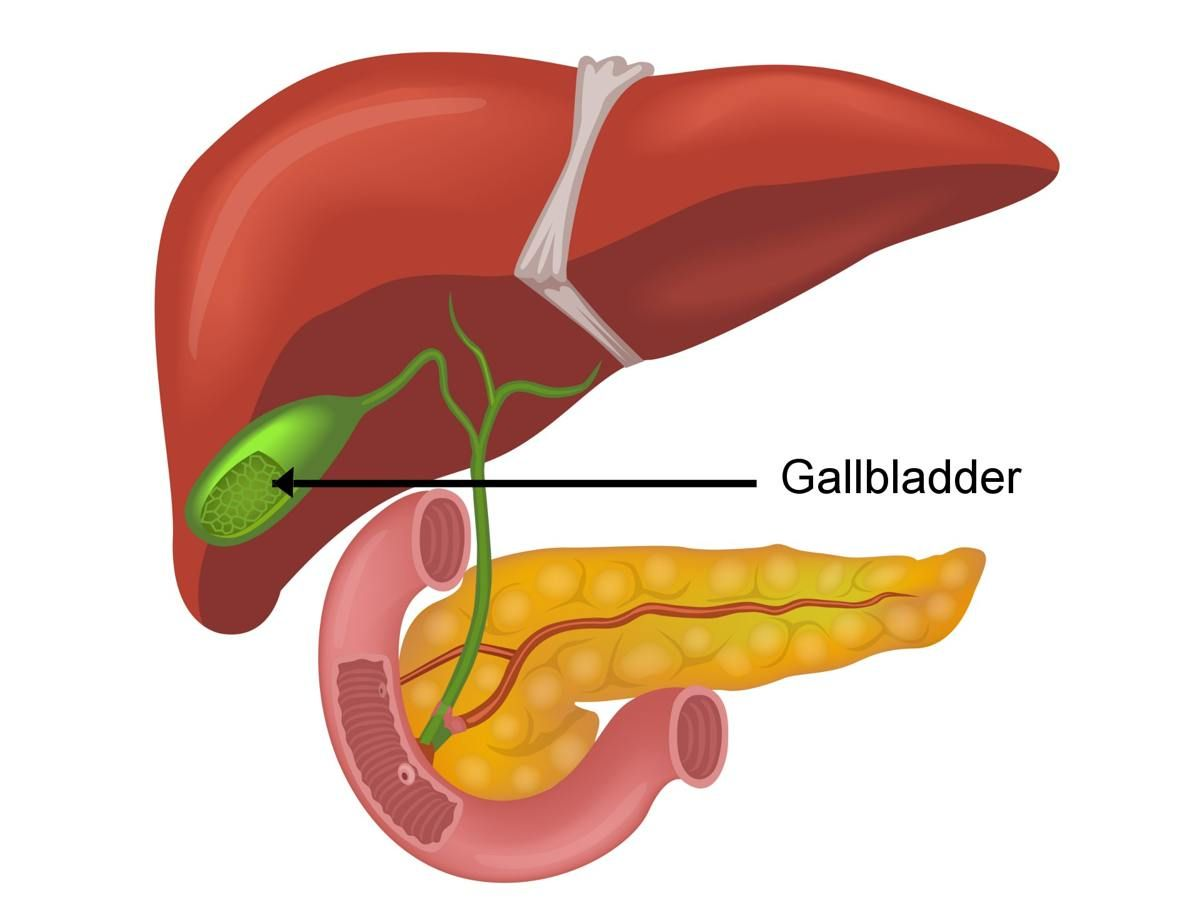
pancreas
produces pancreatic juices that neutralize and aid breakdown of chyme
gastrin
stomach hormone
stimulates gastric glands to secrete pepsinogen and hydrochloric acid
response to protein digestion
cholecystokinin
small intestine hormone
digests fats and proteins
stimulates release of bile from gall bladder
secretin
duodenum hormone
pH regulation — inhibits gastric acid secretion (stomach) and stimulates bicarbonate production (pancreas)
bile
produced by liver and stored in gall bladder
encourages digestion of fats