Pressure and Clutch Performance in Sports Psychology
 Call Kai
 Learn
Learn Practice Test
 Spaced Repetition
 Match
Match Flashcards
 Knowt Play
1/23

There's no tags or description
Looks like no tags are added yet.
Name | Mastery | Learn | Test | Matching | Spaced | Call with Kai |
|---|
No analytics yet
Send a link to your students to track their progress
24 Terms
What is pressure in the context of performance?
The presence of situational incentives for optimal, maximal, or superior performance.
What factors can increase a performer's anxiety?
Any factor or combination of factors that creates pressure.
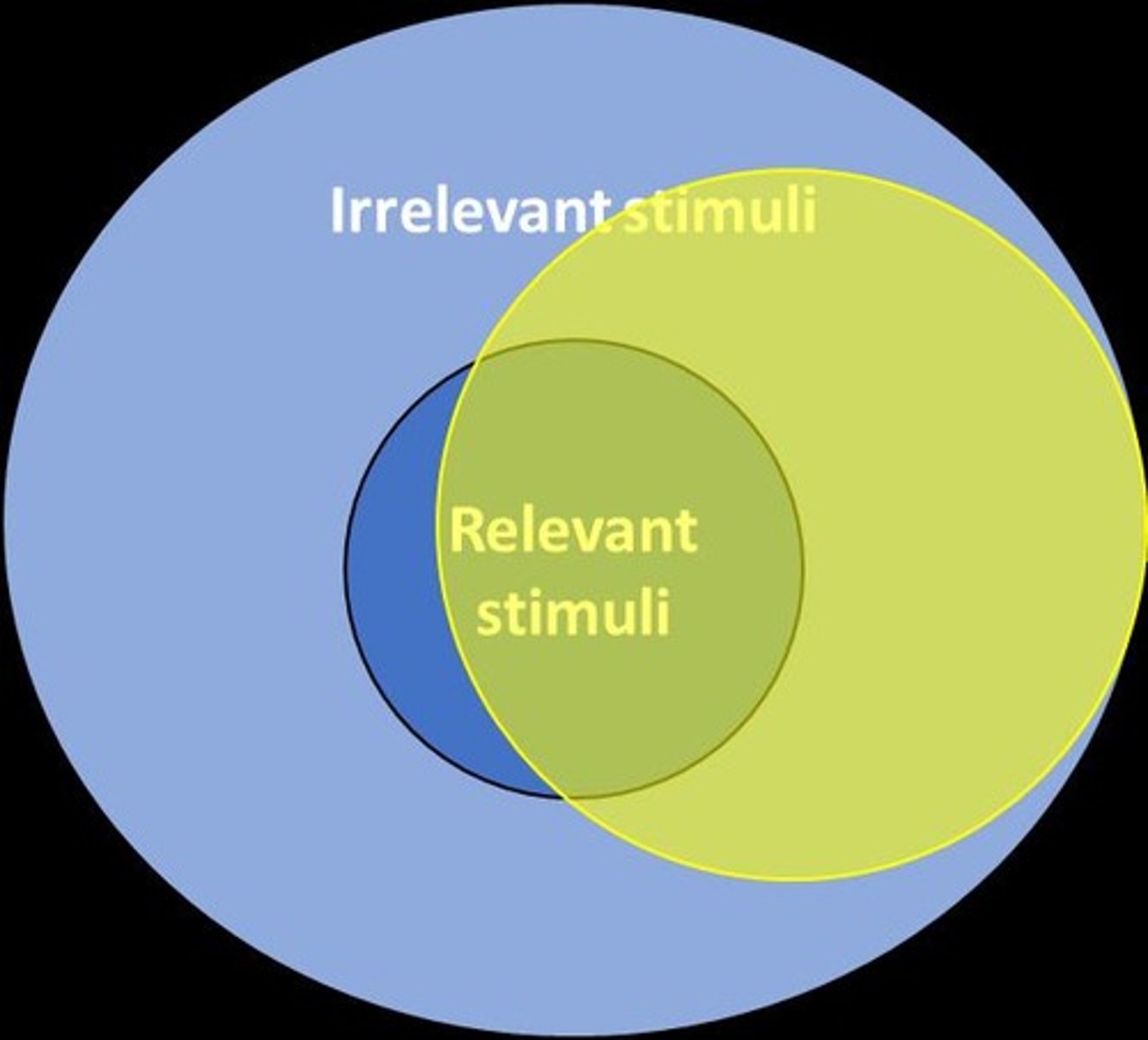
What are irrelevant stimuli in performance pressure?
Stimuli that do not contribute to the task at hand and can distract the performer.
What are relevant stimuli in performance pressure?
Stimuli that are directly related to the performance and necessary for task execution.
What is a performance crisis?
A situation where a performer experiences a significant drop in performance due to pressure.
What are some examples of performance crises?
Negative momentum, slumps, mental blocks, and yips.
Define choking under pressure.
An acute and considerable decrease in skill execution and performance when self-expected standards are normally achievable, resulting from increased anxiety.
What are the two prominent theories of choking?
Self-Focus (reinvestment) and Distraction.
What is clutch performance?
An adaptive response to pressure characterized by superior or sustained performance.
What elements contribute to clutch performance?
Awareness, perception, effort, and capacity.
What is the clutch trait?
The ability of 'clutch athletes' to perform better in clutch situations compared to non-clutch situations.
What are some factors that can improve performance under pressure?
Adequate preparation, viewing anxiety as natural, self-efficacy, mental toughness, and performance routines.
What are the three types of interventions for pressurized performance?
Distraction-based, self-focus-based, and acclimatization (pressure training).
What is pressure training?
A method to improve performance under pressure through simulated high-pressure situations.
What are some key considerations for pressure training?
Potential drawbacks, timing, communication with athletes, and specificity.
What is the role of mental toughness in clutch performance?
It helps athletes maintain focus and performance levels under pressure.
What is self-efficacy?
The belief in one's ability to succeed in specific situations or accomplish a task.
What does the term 'cold streaks' refer to in performance crises?
A period of negative momentum where a performer consistently underperforms.
What is a slump in performance?
A prolonged period of poor performance that deviates from a performer's typical standards.
What are yips?
A performance crisis characterized by involuntary movements that disrupt skill execution.

How can anxiety be viewed to facilitate performance?
As a natural response that can enhance focus and motivation when managed properly.
What is the significance of situational and subjective elements in clutch performance?
They influence how a performer responds to pressure and their overall performance outcome.
What does 'self-referenced goal achievement' mean in the context of clutch performance?
Achieving personal performance goals that may vary from external benchmarks.
What is the importance of preparation in clutch performance?
It builds confidence and readiness to handle pressure effectively.