BESC 204 Exam 3
 Call Kai
 Learn
Learn Practice Test
 Spaced Repetition
 Match
Match Flashcards
 Knowt Play
1/100

There's no tags or description
Looks like no tags are added yet.
Name | Mastery | Learn | Test | Matching | Spaced | Call with Kai |
|---|
No analytics yet
Send a link to your students to track their progress
101 Terms
Cellulose
complex carbohydrate which is the major constituent of plant cell walls (produced by the enzyme cellulase)
Lignin
the binding agent which holds plant cell walls together, primarily in wood (produced by the enzyme ligninase)
Pectin
binding agent between plant cell walls, primarily in fruit (produced by pectinase)
Cutin
the waxy material which covers the epidermal cells of plants (produced by cutinase)
White Rot
a type of wood rot that is caused by fungi that degrades lignin
-wood degrades to dust
Brown Rot
a type of wood rot that is caused by fungi that degrades cellulose
-also known as dry rot
-wood becomes dried and cracked
Nutritional Succession
the ability of some species to utilize certain compounds for metabolism, occupying that nutritional niche
r-Selected Species
-grow rapidly
-short phase of growth
-utilizes simple nutrients
-produce many offspring with low rates of reproductive success/survival
K-Selected Species
-grow slowly
-long life span
-produce few offspring with high rates of reproductive success/survival
Decomposition Sequence of Fungi
1. resident microbes on tissue
2. pioneer saprotrophic fungi
3. polymer degrading fungi
4. degraders of more recalcitrant resources
Dispersal
wind, water, vector, self-propelled
Wind Dispersal
spore dispersal by wind, on exposed hyphae, on/in fruit bodies
-ex. shaggy mane, puffballs, earthstars, basidiomycetes
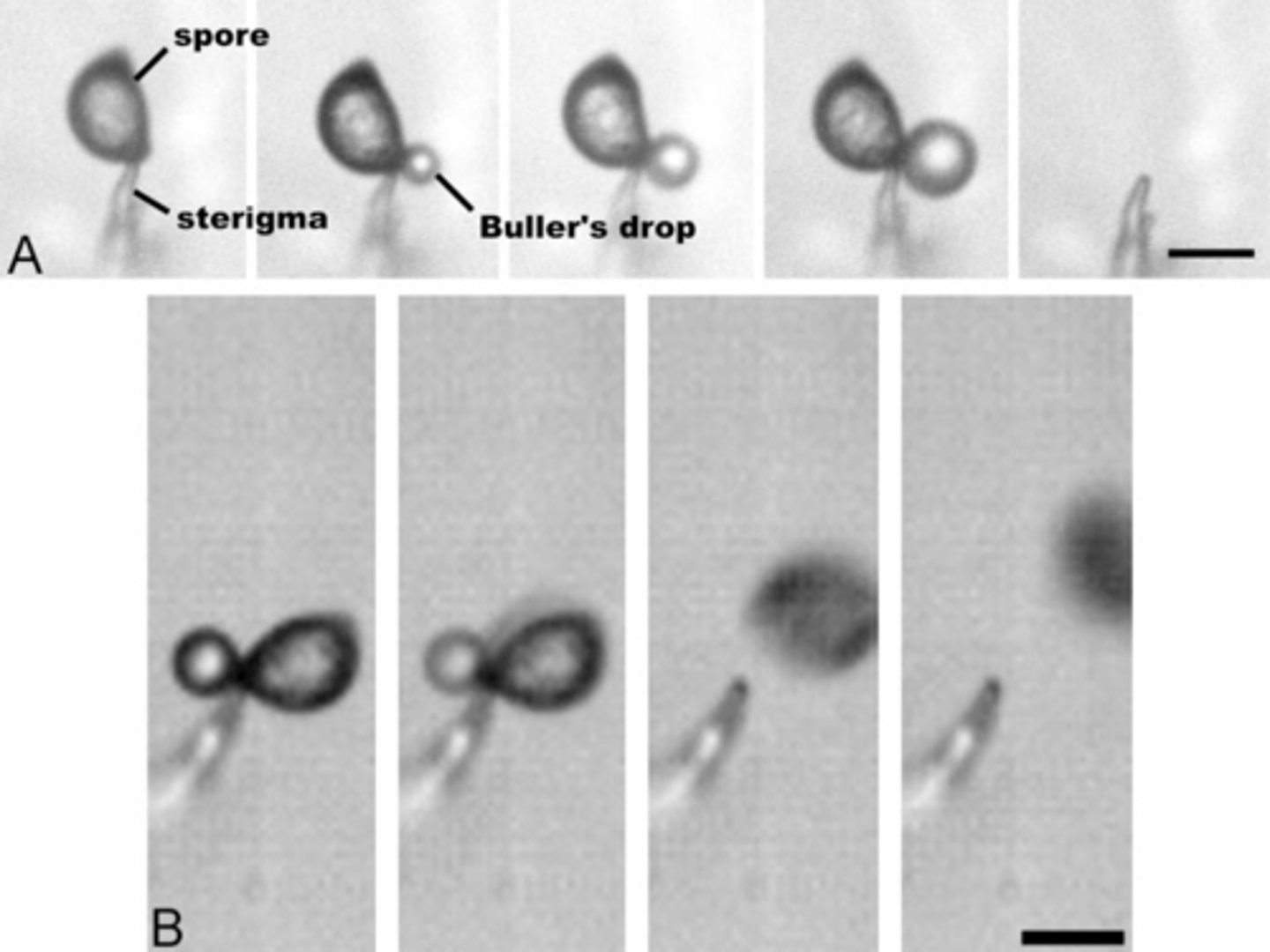
Buller's Drop
way of spore dispersal by basidiomycetes
-water coats the spore
-water droplet forms at base of spore and conidium
-water droplet grows until it contacts the spore
-water droplet redistributes the center of gravity and catapults spore into wind
Water Dispersal
spore dispersal by water, oozes out usually
-ex. Cytospora sp., Plyllosticta ampelicida
Vector Dispersal
spore dispersal by a vector
-scent: truffles, stinkhorns
-taste: gall rust
Self Propelled Dispersal
spore dispersal by self propelling mechanism
-ex. Pilobolus expands tip until it bursts
Wine
generally derived from fruit juice, usually grapes
Beer
comes from malted barley, can come from other grains in other cultures
Liqour
distilled to get alcohol concentration above 18%
Ale
-originates from UK/Britain
-complex flavor due to many secondary metabolites
-brew at warm temperature
-quick process
-yeast is at the top of the barrel
Lager
-originates from Czech Republic/Germany
-cleaner taste due to less secondary metabolites
-brew at cool temperatures
-aged
-yeast at the bottom of the barrel
Beer Ingredients
yeast, hops, malt, water
Saccharification
turning malt into sugar, also known as mashing
Amylase
enzyme used in saccharification, catalyzes the hydrolysis of starch into sugars
a-amylase
acts at random locations on a starch chain, breaks down long chains
-faster of the two
b-amylase
works from non-reducing end, cleaves off two glucose units at a time
-responsible for sweet flavor of ripe fruit
Noble Rot
(Botrytis cinerea)
wild fungi that infects grapes and draws out the moisture, leaving sweater grapes
Ice Wine
(Eiswein)
grapes harvested, pressed while frozen solid, water driven out as ice shards, produces high concentration of sugar leading to high concentration of alcohol in wine
Sake
(rice and Aspergillus oryzae)
fungi converts starches in rice to sugars
Louis Pasteur
discovered role of yeast in fermentation, also discovered bacteria in fermenting beer that was later used in pasteurization processes
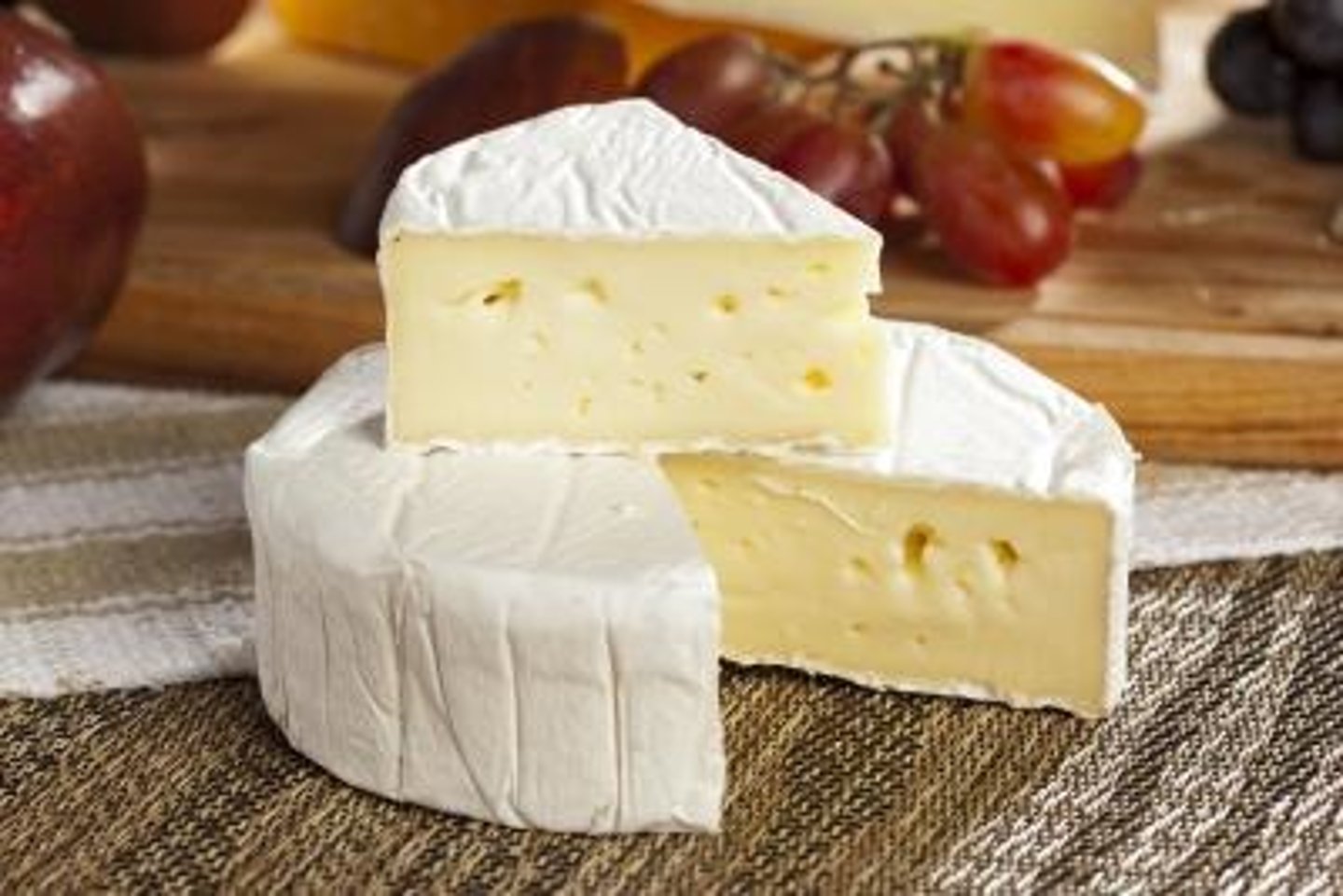
Camembert
-cheese made using Penicillium camemberti
-fungus coats the surface of the cheese
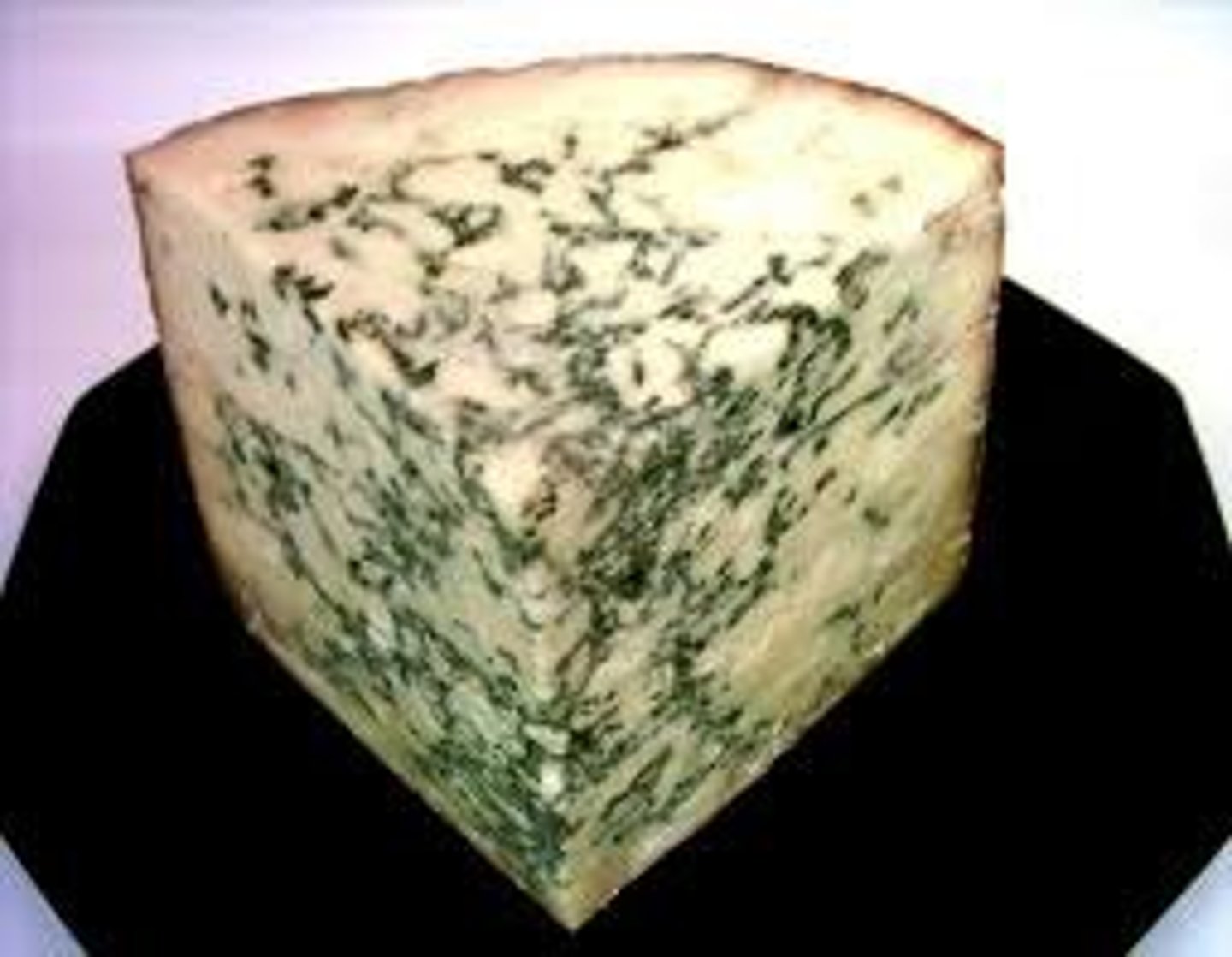
Blue Cheese
-also known as roquefort
-cheese made using the fungus Penicillium roqueforti
-fungus grown in holes created for aeration
Quorn
-meat alternatives
-uses fugus Fusarium venenatum
-slightly less protein than real meat
-less fat, trans fat, and calories than real meat
Soy Sauce
-uses the fungus Aspergillus oryzae
-soy beans are cooked with flour, pressed into cakes, and left to mold with Aspergillus or., then the patties are mixed with salt and water and inoculated with bacteria, left to ferment into soy sauce
Tempeh
uses boiled beans inoculated with R. oligosporus
Oncom
-black oncom uses R. oligosporus
-red oncom uses Neurospora
Ecovative Designs
uses oyster mushrooms to create biodegradable material that is used for a variety of products from packaging to shoes
Mycoworks
uses mushrooms to make leather alternatives
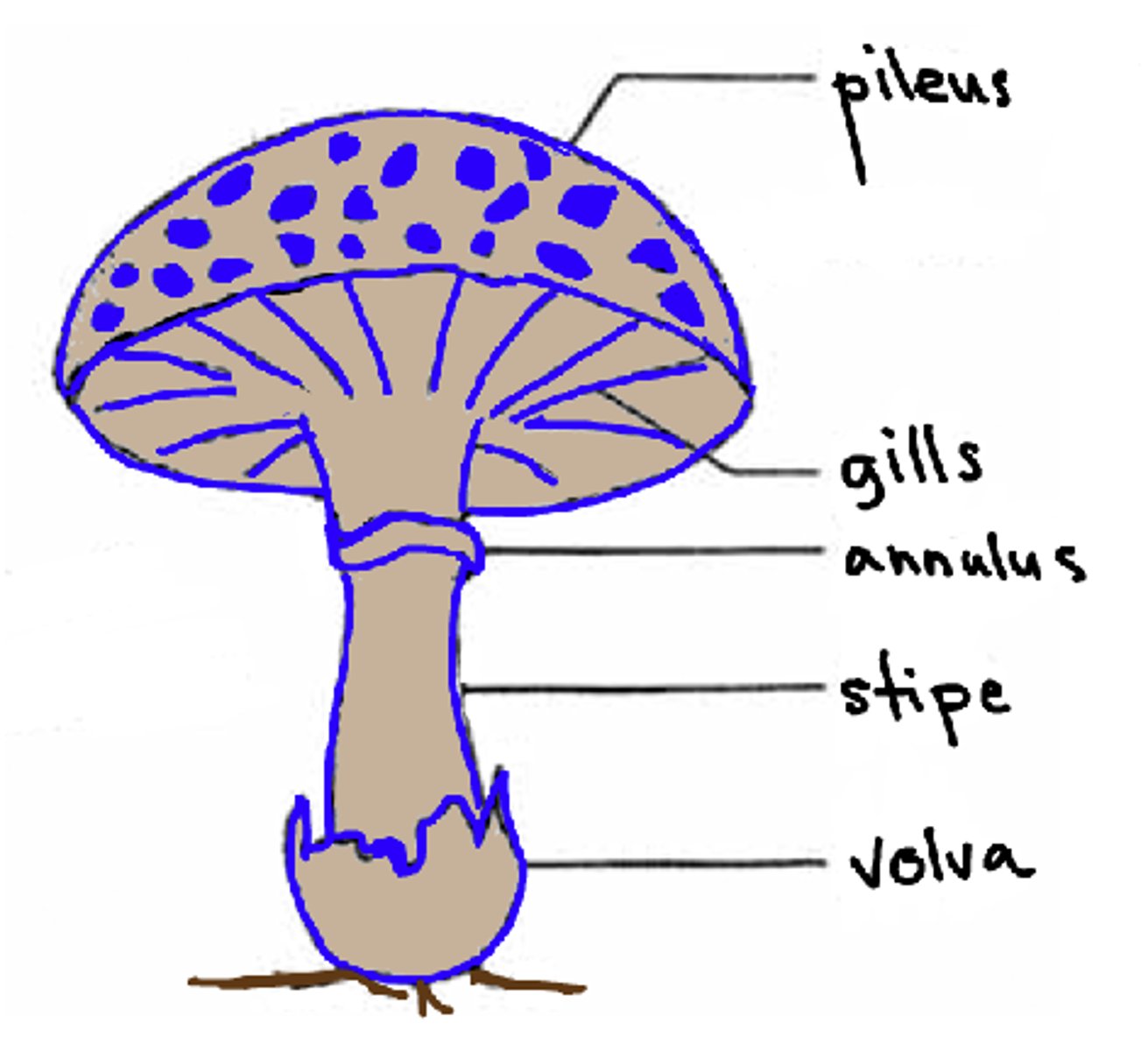
Pileus
mushroom cap
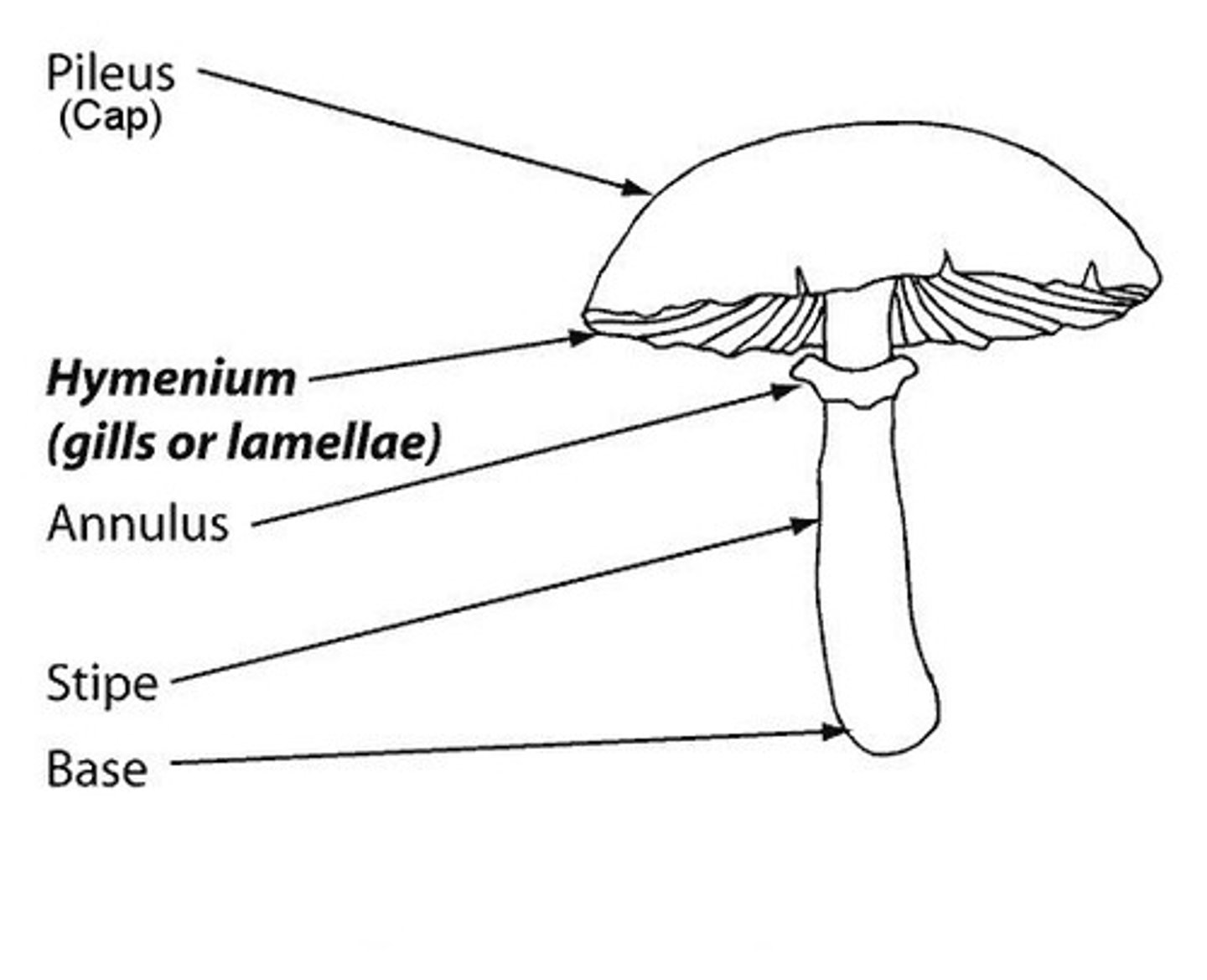
Stipe
stalk of the mushroom
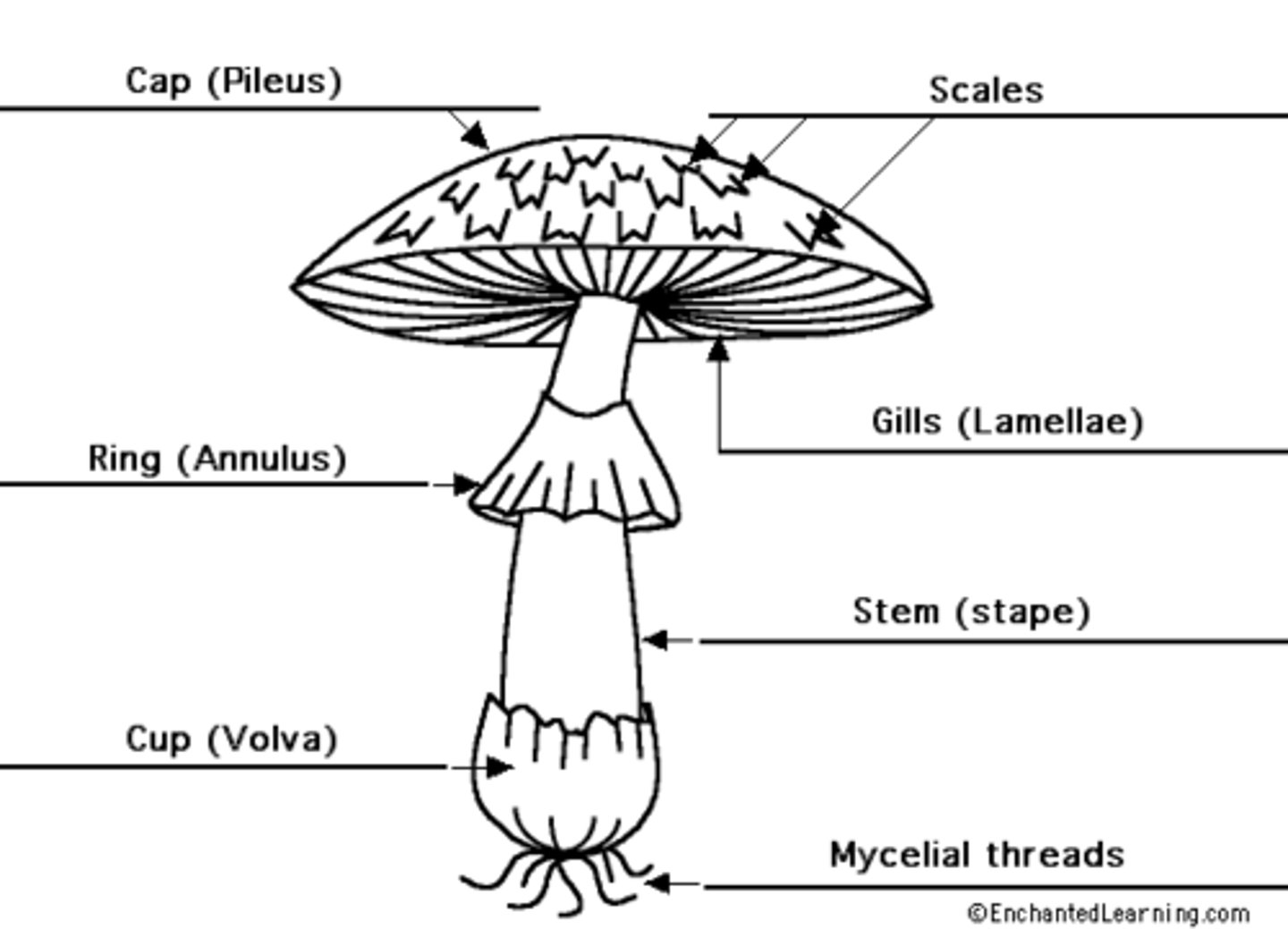
Annulus
ring found on stipe, remnant of the inner veil, only found on specific species
Volva
cup at the base of the stipe, remnant of universal veil, only found on specific species
Fool Proof Four
-Morels (Morchella)
-Puffballs (Calvatia gigantea)
-Sulfur Shelf (Laetiporus sulphereus)
-Shaggy Mane (Coprinus comatus)
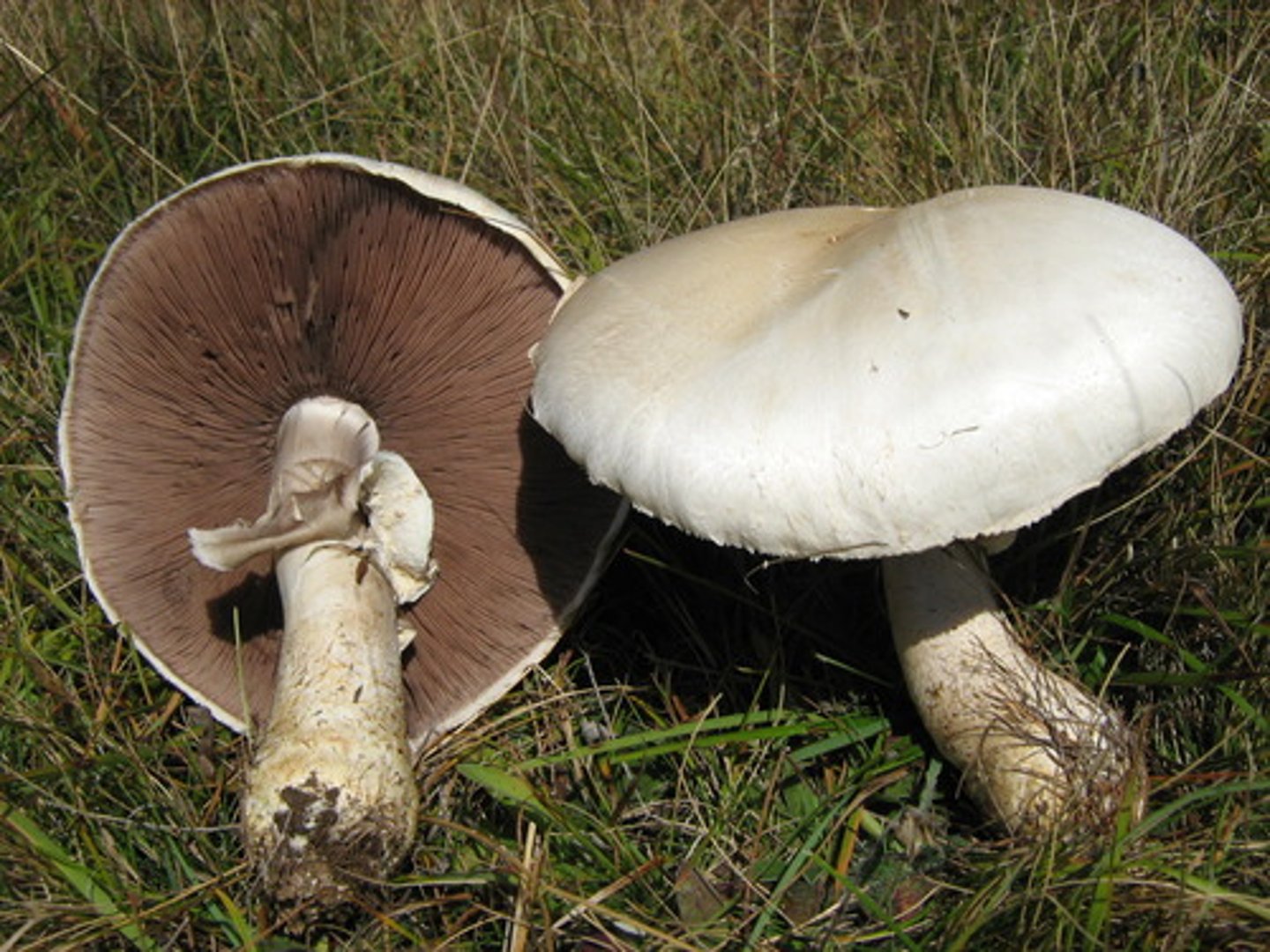
Meadow Mushroom
Agaricus campestris
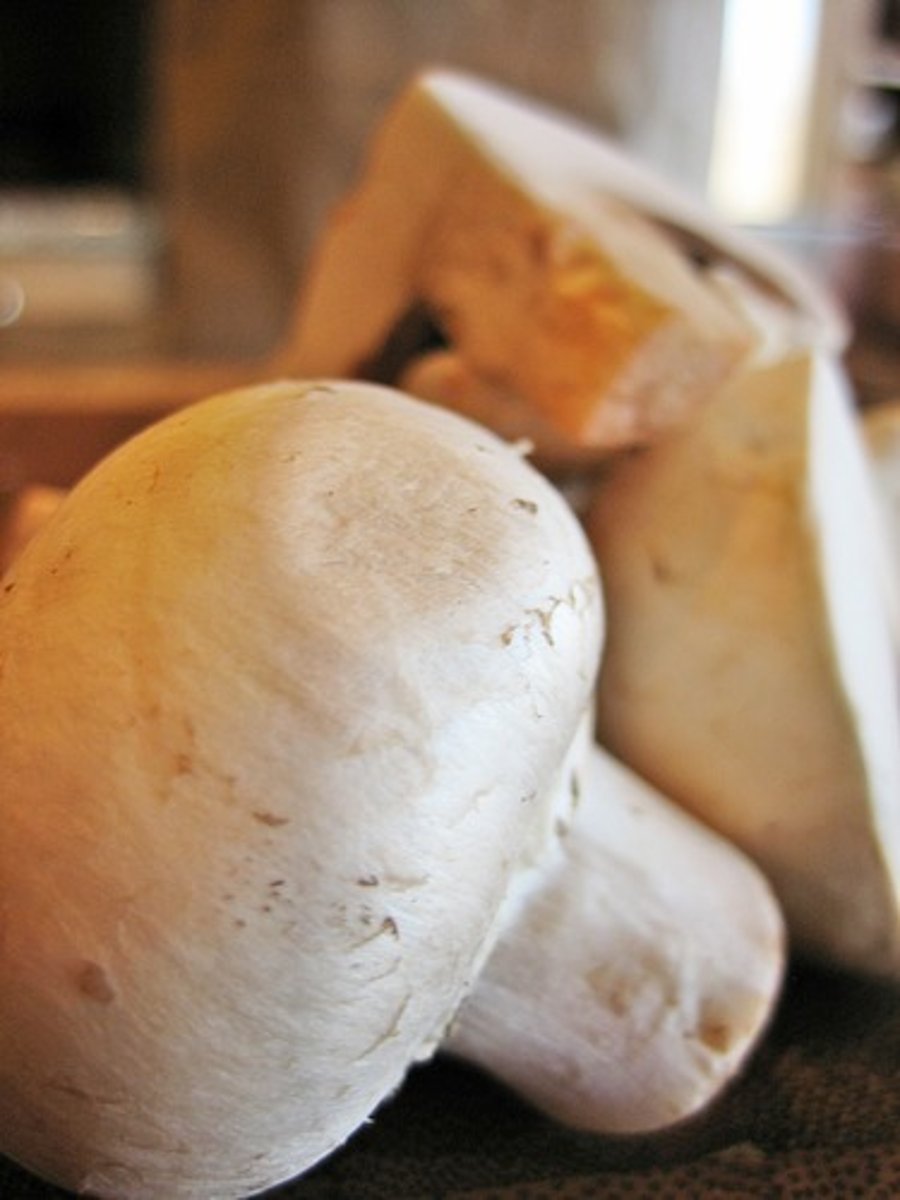
White Button Mushroom
Agaricus bisporus
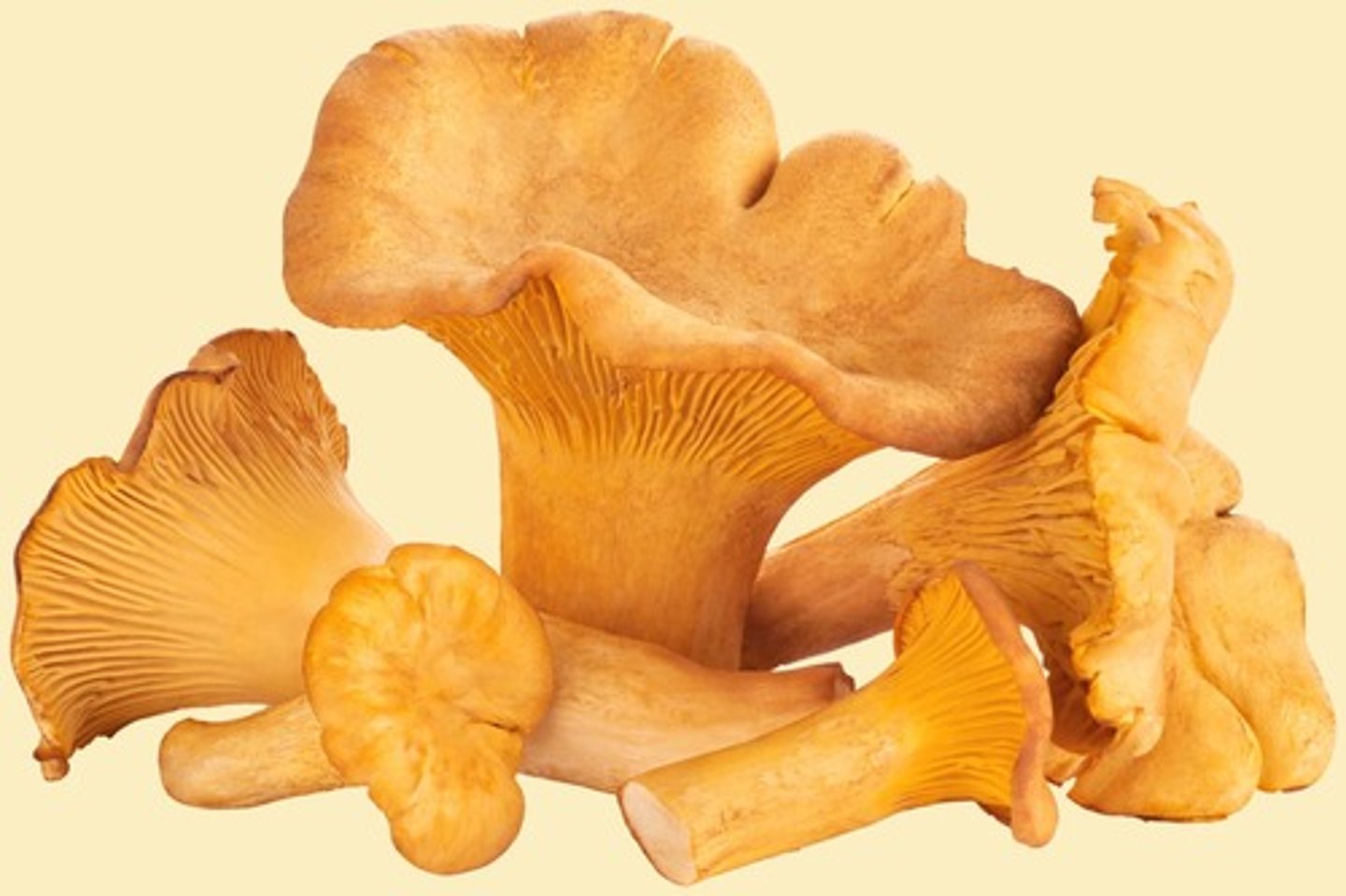
Chantrelle
Cantharellus cibarius
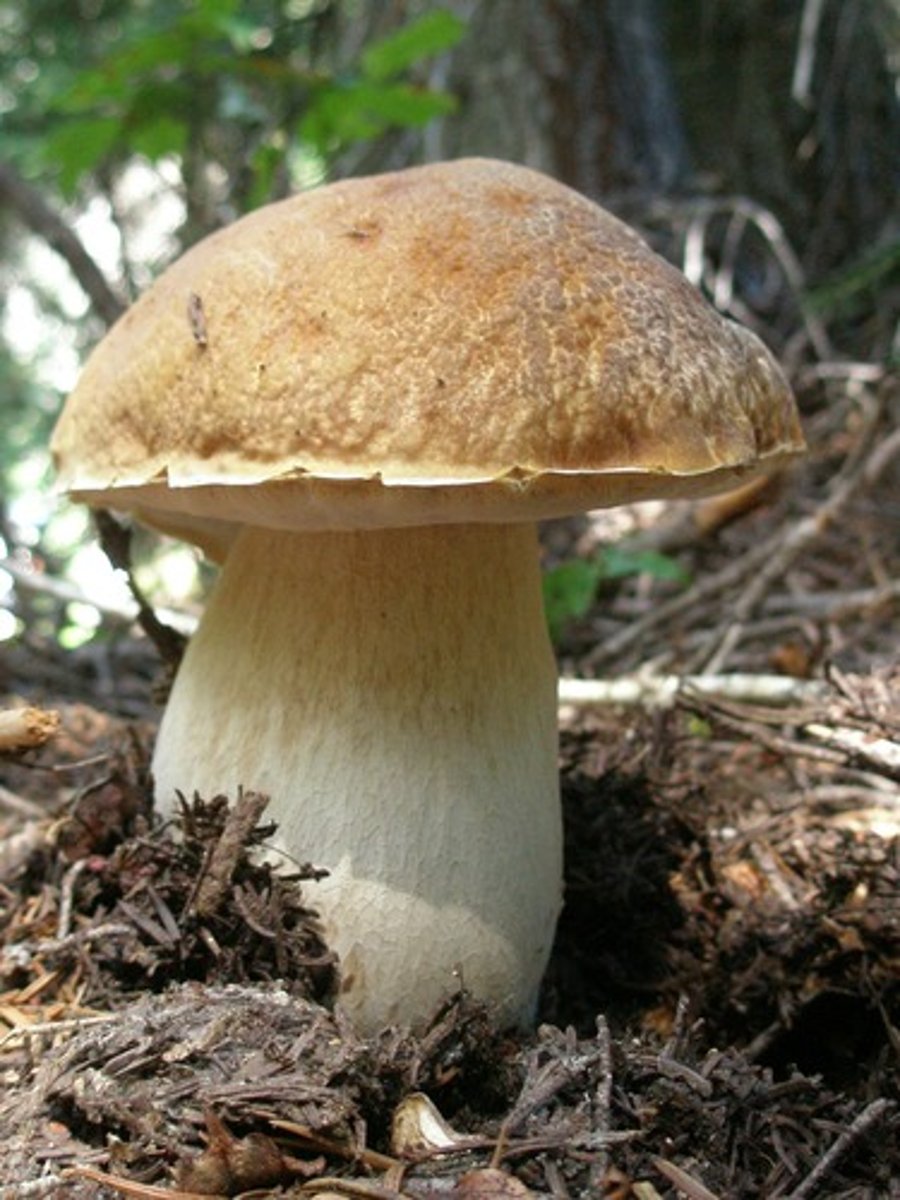
Bolete
Boletus edulis
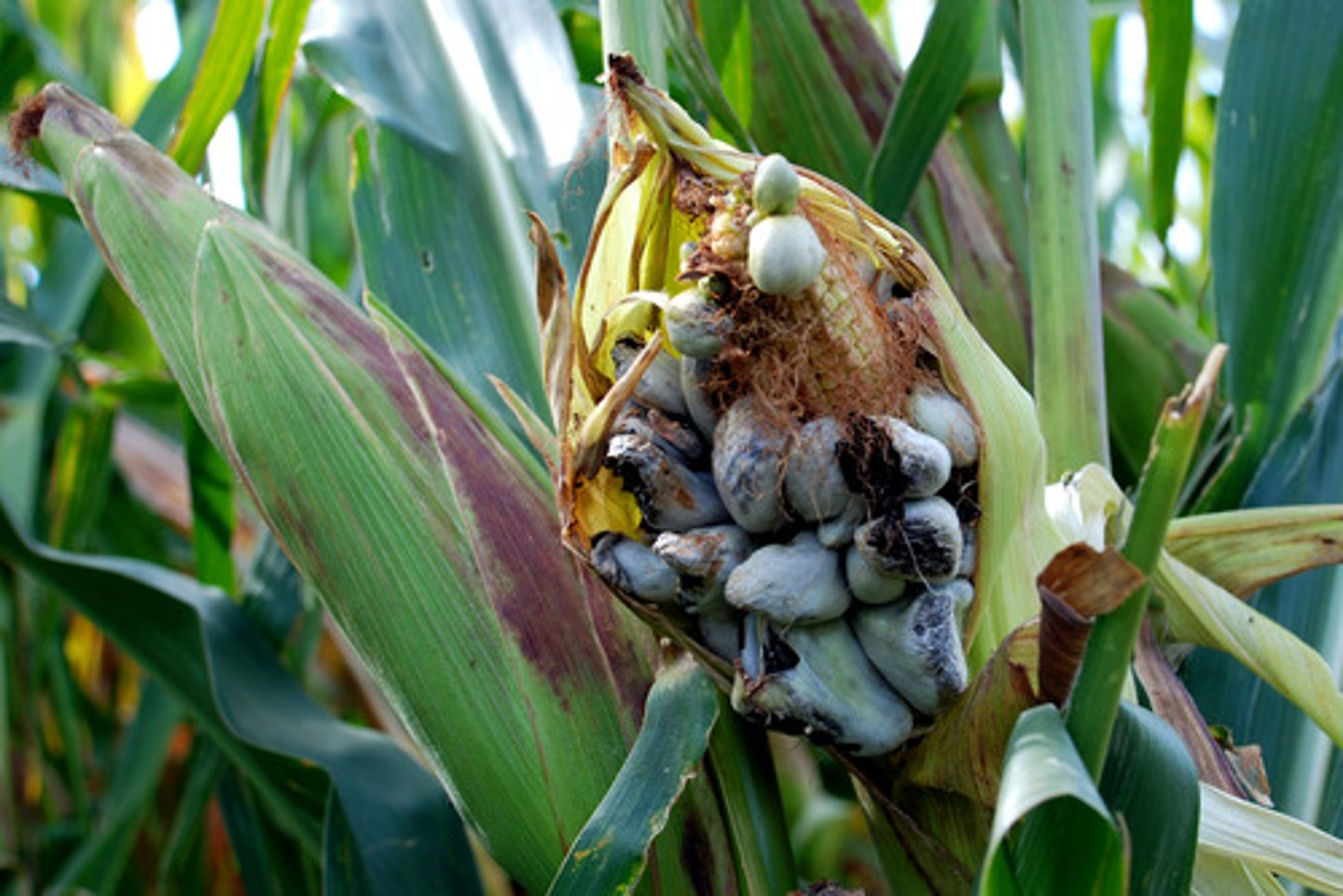
Huitlacoche
corn smut/Ustilago maydis
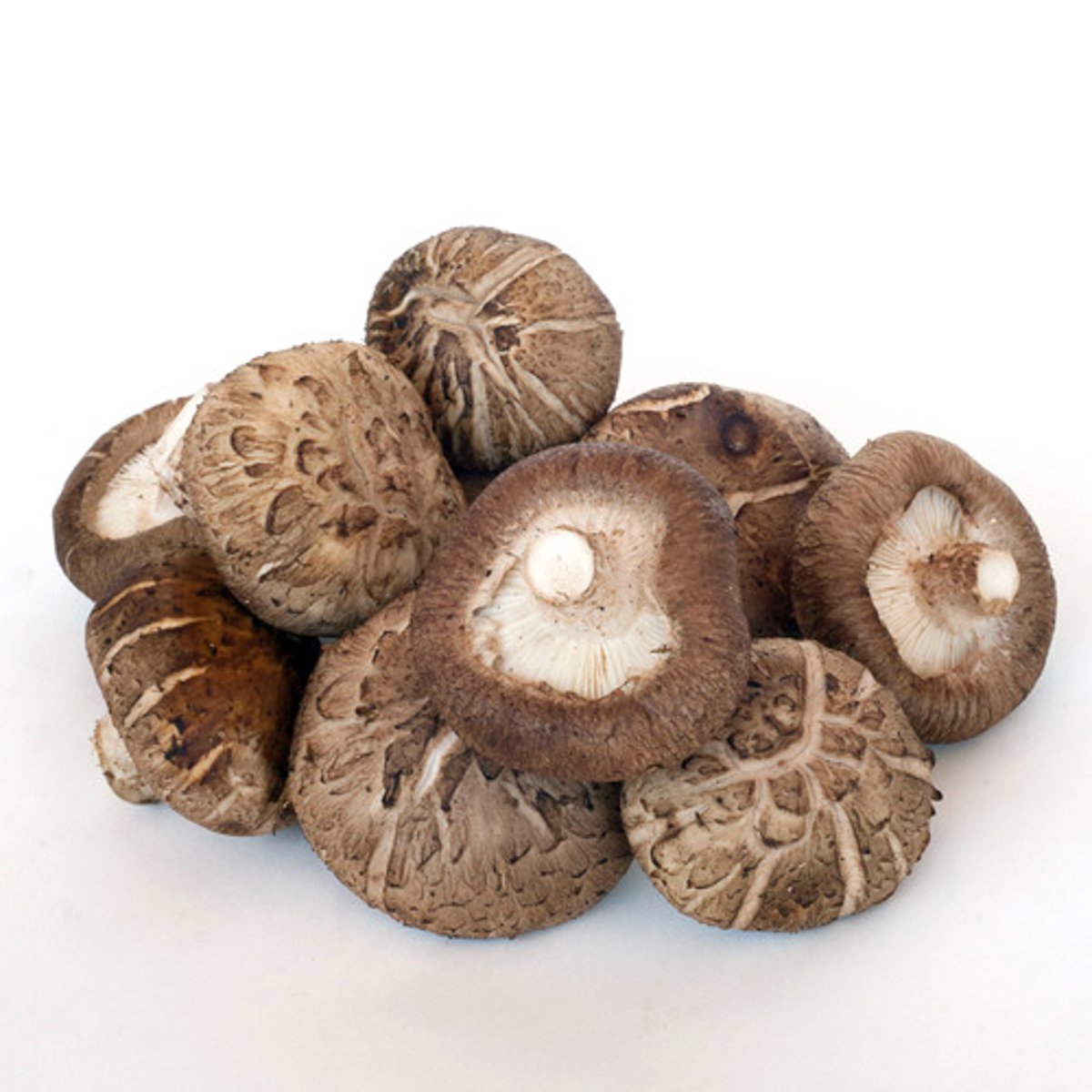
Shiitake
Lentinula edodes
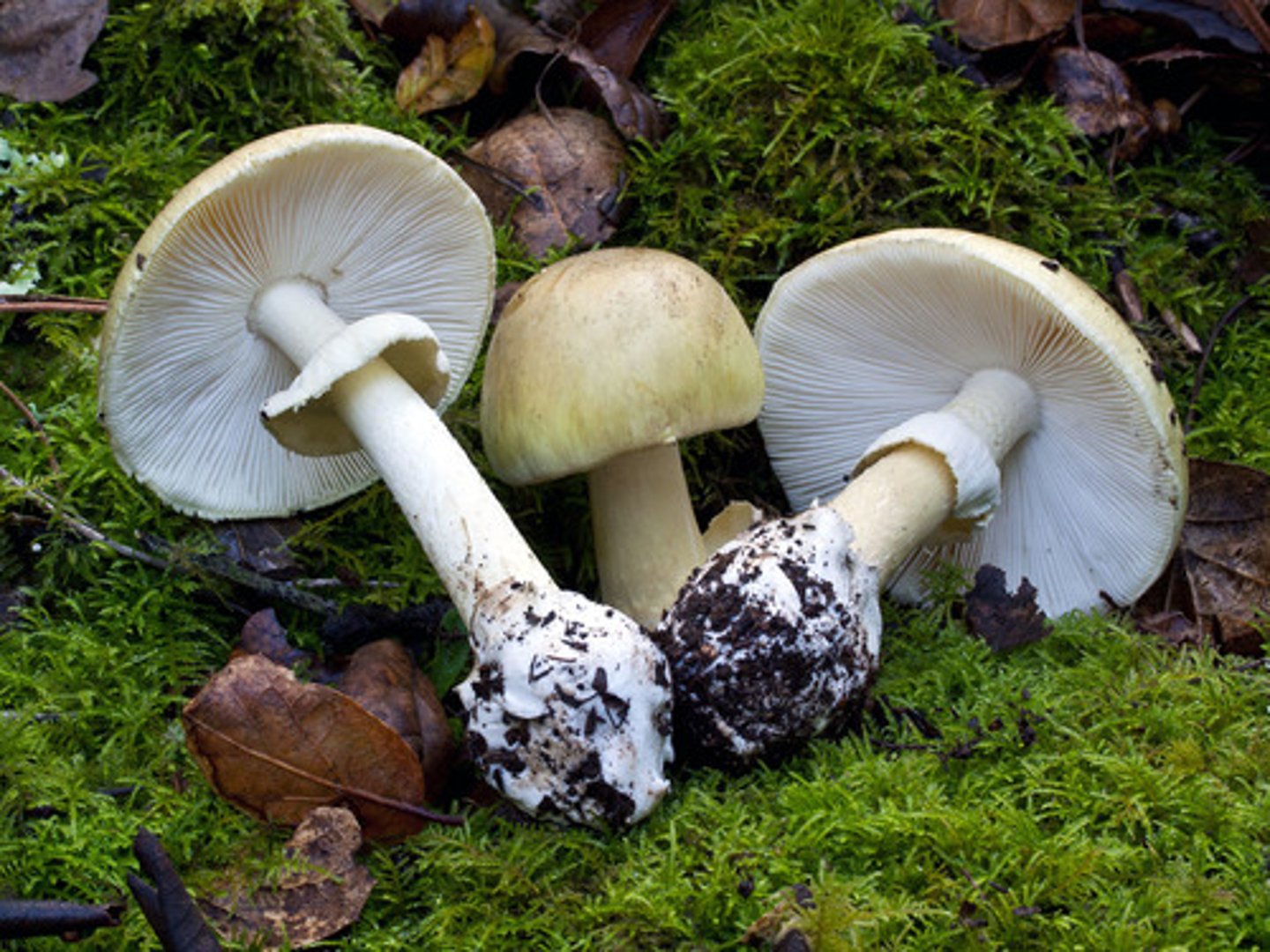
Death Cap
Amanita virosa, phalloides
-toxic compound: phallotoxins and amatoxins (amatoxins are lethal by ingestion)
-edible lookalike: edible Amanita species
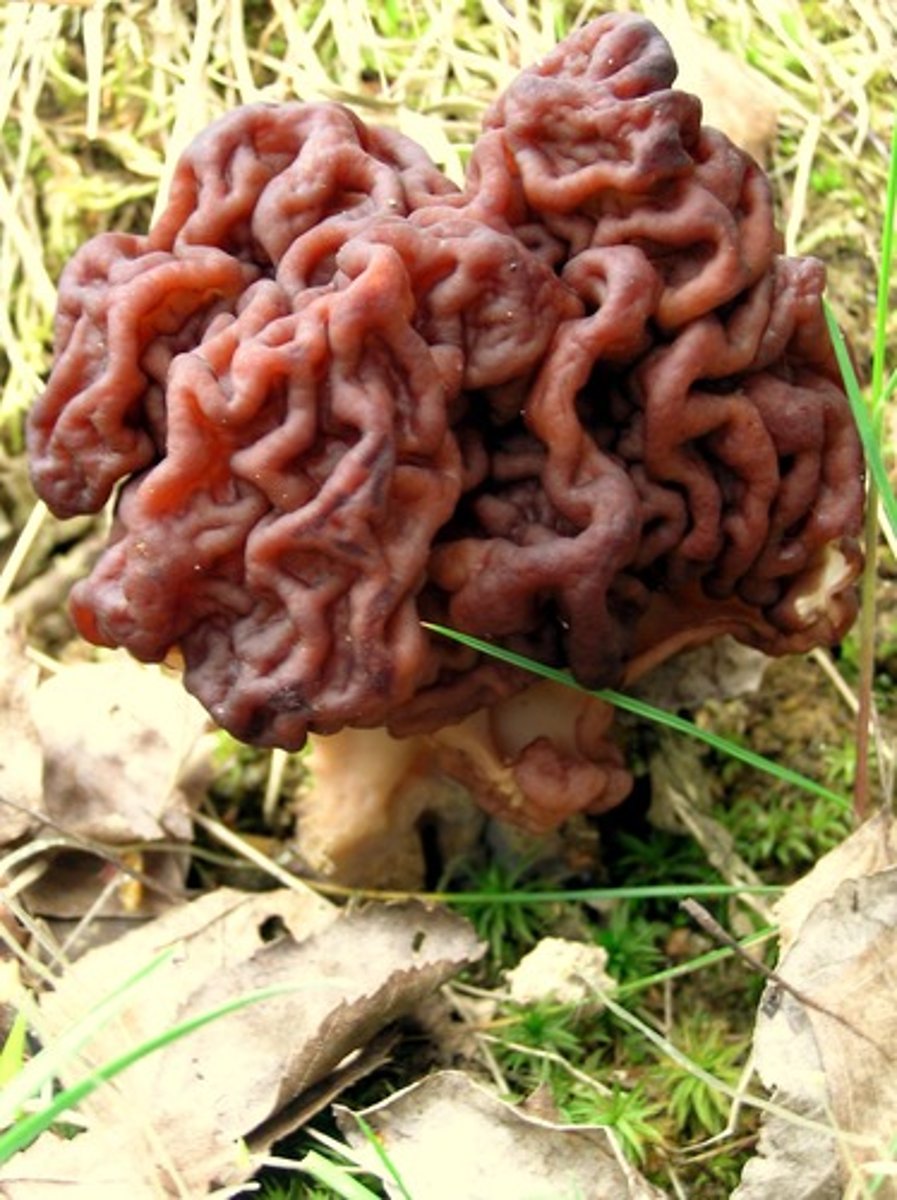
False Morel
Gyromitra and Helvella spp.
-Toxic Compound: gyromitrin
-Edible lookalike: White Morel (Morchella esculenta)
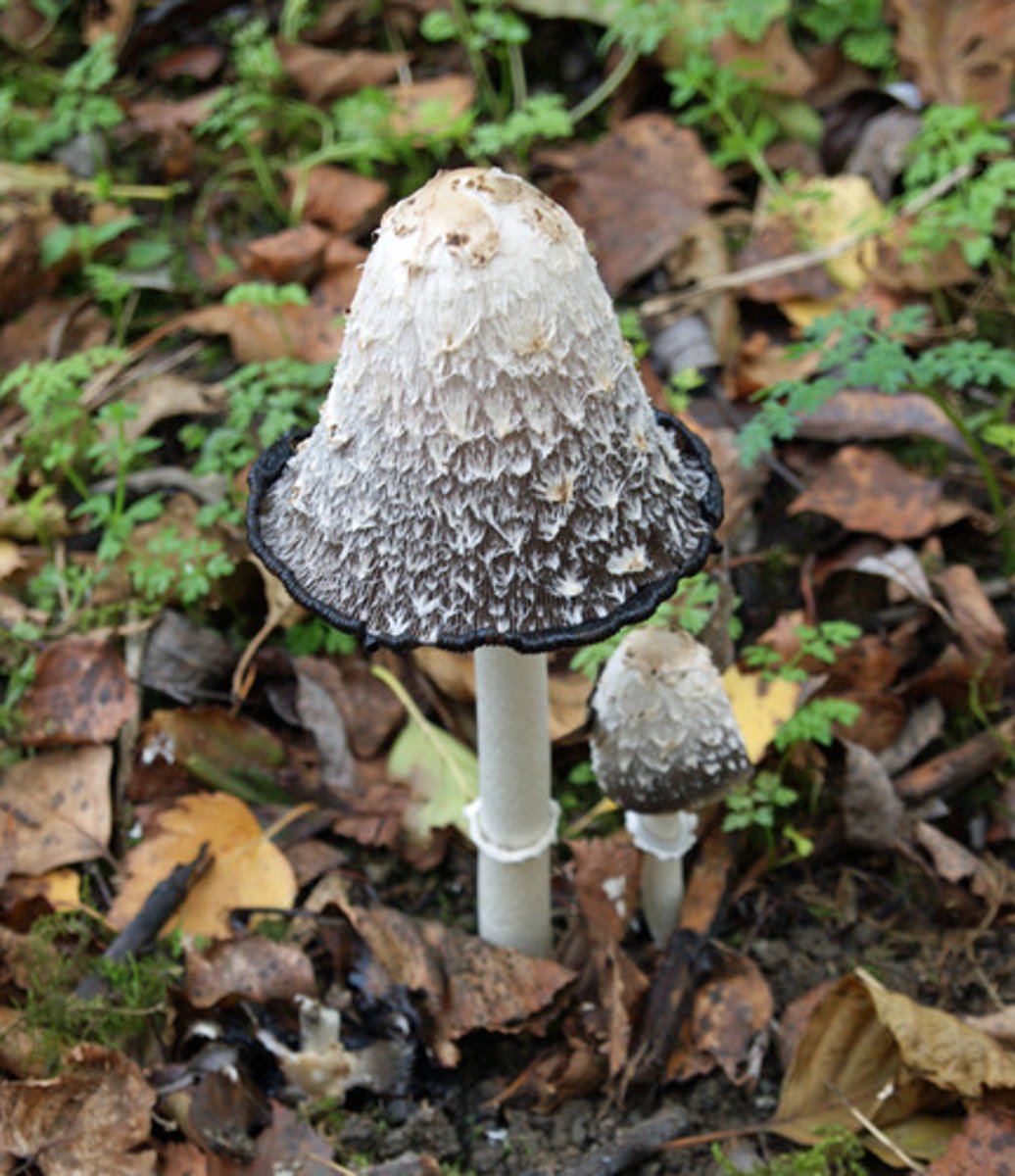
Inky Cap
Coprinus atramentarius
-Toxic Compound: Coprine
-Edible Lookalike: Shaggy Mane (Coprinus comatus)
Poisonous Boletes
-Toxic Compound: Bolesatine
-Edible Lookalike: Boletes (Boletus edulis)
Coprine
toxic compound
-effects only occur if consumed with alcohol and only last until alcohol has left the stomach
-symptoms: nausea, hot flashes, headache, metallic mouth taste, numbness/tingling, heart palpitations
Amatoxins
toxic compound
-attacked liver, kidney, intestines
-symptoms may not occur for up to 24 hours
-symptoms may die down before severely relapsing
-symptoms: diarrhea, vomiting, abdominal pain, kidney and liver failure, coma, death
Phallotoxins
toxic compound
-only lethal in injection, not ingestion
Psilosybin
toxic compound
-hallucinogenic compound in the LSD family
-symptoms: laughter, euphoria, hallucinations, disembodied experience, anxiety, paranoia
GMO Methods
agrobacterium, mutagenesis, gene gun, CRISPR
Mutagenesis
-uses x-rays to mutate genes
-select for desirable traits, then breed
CRISPR
Clusters Regulatory Interspaced Short Palindromic Repeats
-deletes and edits existing genes or adds genes
Cas9
enzyme that carries guide RNA to the target nucleus, then the guide RNA will match and target a defined site in the recipient genome
Browning Resistant Mushroom
-uses CRISPR to induce cuts in an enzyme family, resulting in the halted production of that enzyme
-deletes a few base pairs in polyphenol oxidaze (PPO), allowing the aging/browning of the mushroom during transportation and storage
Metarhizium anisopliae
produces a scorpion toxin
Colletotrichum coccodes
increased virulence, increased biocontrol agent against weeds
Uses of beneficial fungi
plant interactions, drug and chemical production, food, decomposition, biocontrol, environmental stress tolerance
Predation
Mode of action in which one organism kills and feeds on another
Parasitism
mode of action in which one organism derives derives energy from another
repellents
mode of action in which a substance deters another organism from approaching or settling in an area
antibiosis
mode of action in which the interaction between two organisms where at least one is detrimentally affected
Induced Systemic Resistance
mode of action in which the presence or action of an organism causes a host to increase its own resistance to a pest or pathogen
Competitive Exclusion
one organism outcompetes another when competing directly for space or resources
Entomopathogenic Fungi
biocontrol of insects
Beauvaria bassiana
entomopathogenic fungi
-kills silk worms through white muscadine syndrome which encases silk worms in conidia
-reduces aphid/other insect feeding
Entomophaga maimaiga
entomopathogenic fungi
-pathogen of gypsy moths
-hyphae consumes larvae from the inside out
Nematophagous Fungi
biocontrol of nematodes
Anthrobotrys dactyloids
Nematophagous Fungi
-oligospora
-hyperparasitic
-active trapping mechanism: specialized hyphae swell to trap nematode
Hirsutella rhossilliensis
Nematophagous Fungi
-internal parasite of nematodes
-needs nematode to survive
-passive trapping mechanism: fungal spores stick to nematode and germinate on them, penetrating the nematode
Mycophagous Fungi
biocontrol of other fungi
Trichoderma sp.
Mycophagous Fungi
-opportunistic fungi found in all soil
-produces chitinases and glucanases that degrade cell walls
-protects roots by killing pathogenic fungi
-uses parasitism, antibiosis, and competition
Aspegillus flavus
Mycophagous Fungi
-reduces natural populations of aflatoxin producing A. flavus
-competition exclusion
-treats maize and peanuts
Symbiosis
close association between two different types of organisms in a community, with beneficial or deleterious consequences for at least one party
Mutualilsm
relationship in which two members of different species benefit and neither suffers (+/+)
Commensalism
relationship in which one party benefits while the other gains/suffers nothing (+/0)
Parasitism
relationship in which one party benefits while the other is harmed (+/-)
Ectomycorrhizae
fungus that forms a thick sheath around the root tip and mycelium, growing between the cells of the cortex
-forms short, paired branches
-only infects trees
-does NOT invade the cell
Endomycorrhizae
fungus infecting the roots of plants by penetrating of cortical cells by the mycelium
-do not produce large fruiting bodies
-mycelium ALWAYS gains entrance to the host
-wide range of hosts
-coenocytic mycelium
Hartig Net
area filled in by fungal cells, space between root cells
Mantle
sheath like material surrounding the outside of the root
Arbuscule
nutrient exchange structures designed to increase the surface area between host membrane and fungus
Vesicle
storage structure for the fungi
Soredia
bits of lichen body containing algal and fungal cells that fracture off to reproduce
Lichens
symbiotic relationship between fungi and algae, or photosynthetic bacteria, in which the organisms are intertwined to form one thallus
Foliose
leaf-like lichen
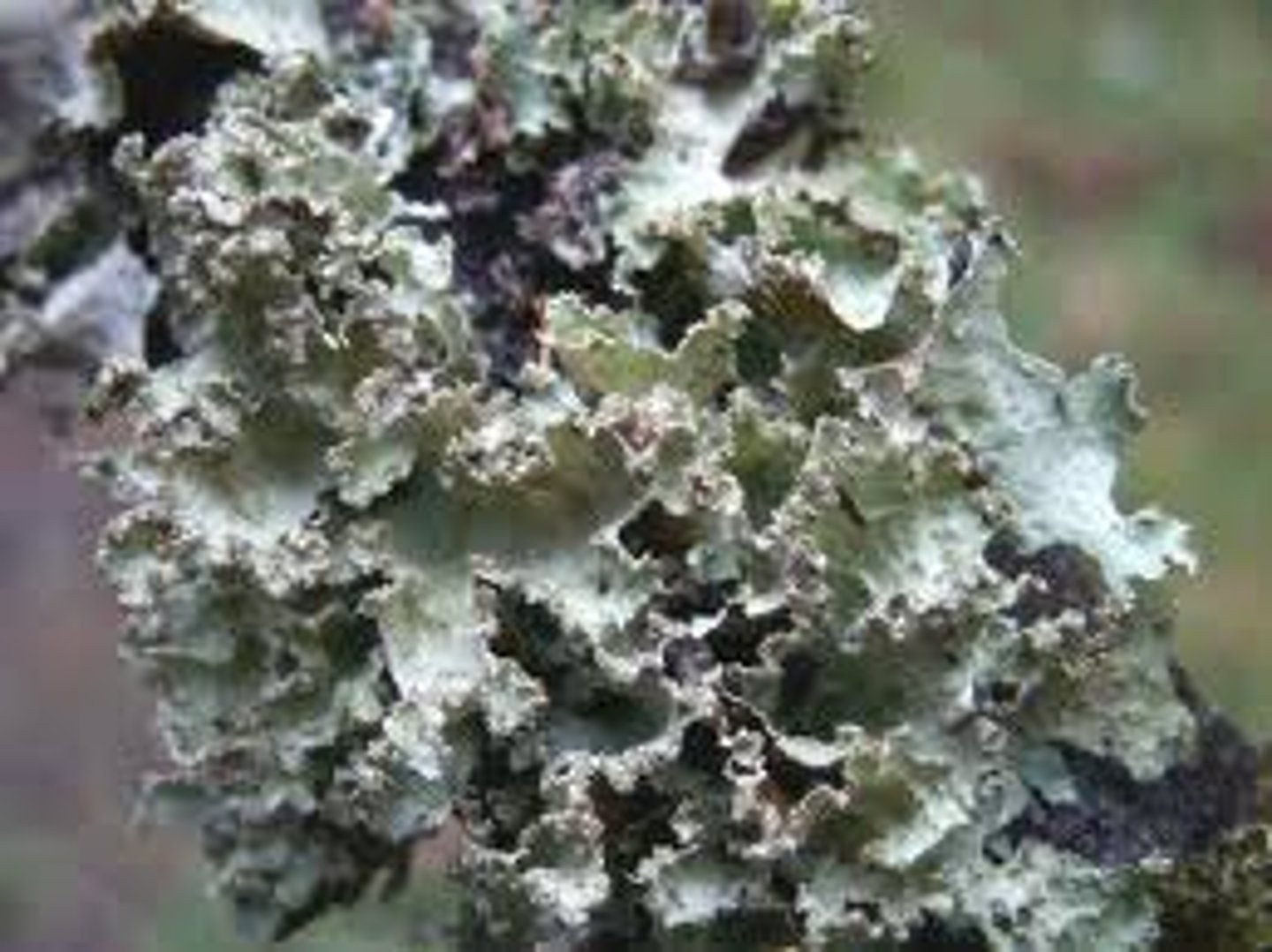
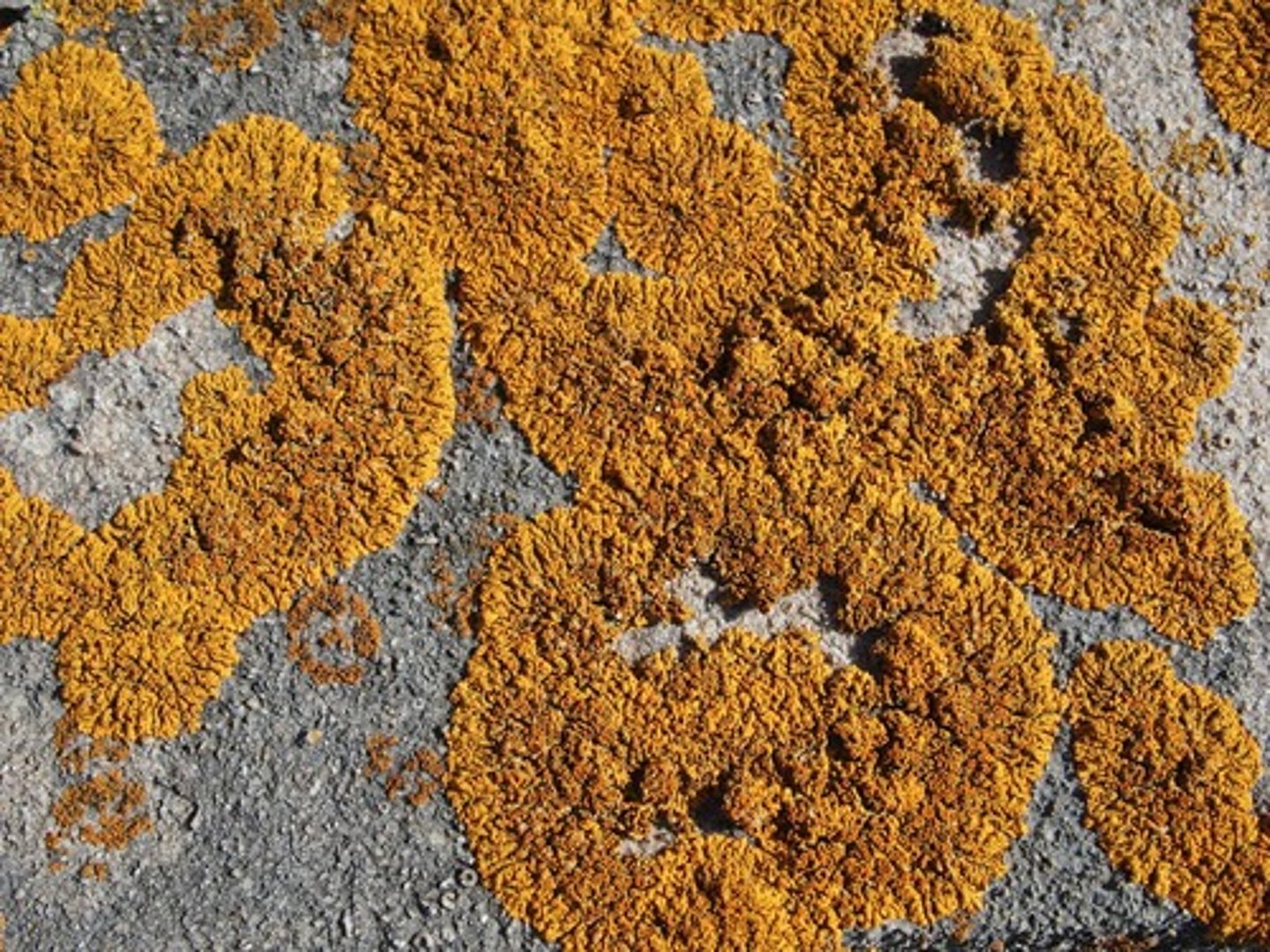
Crustose
crust-like lichen
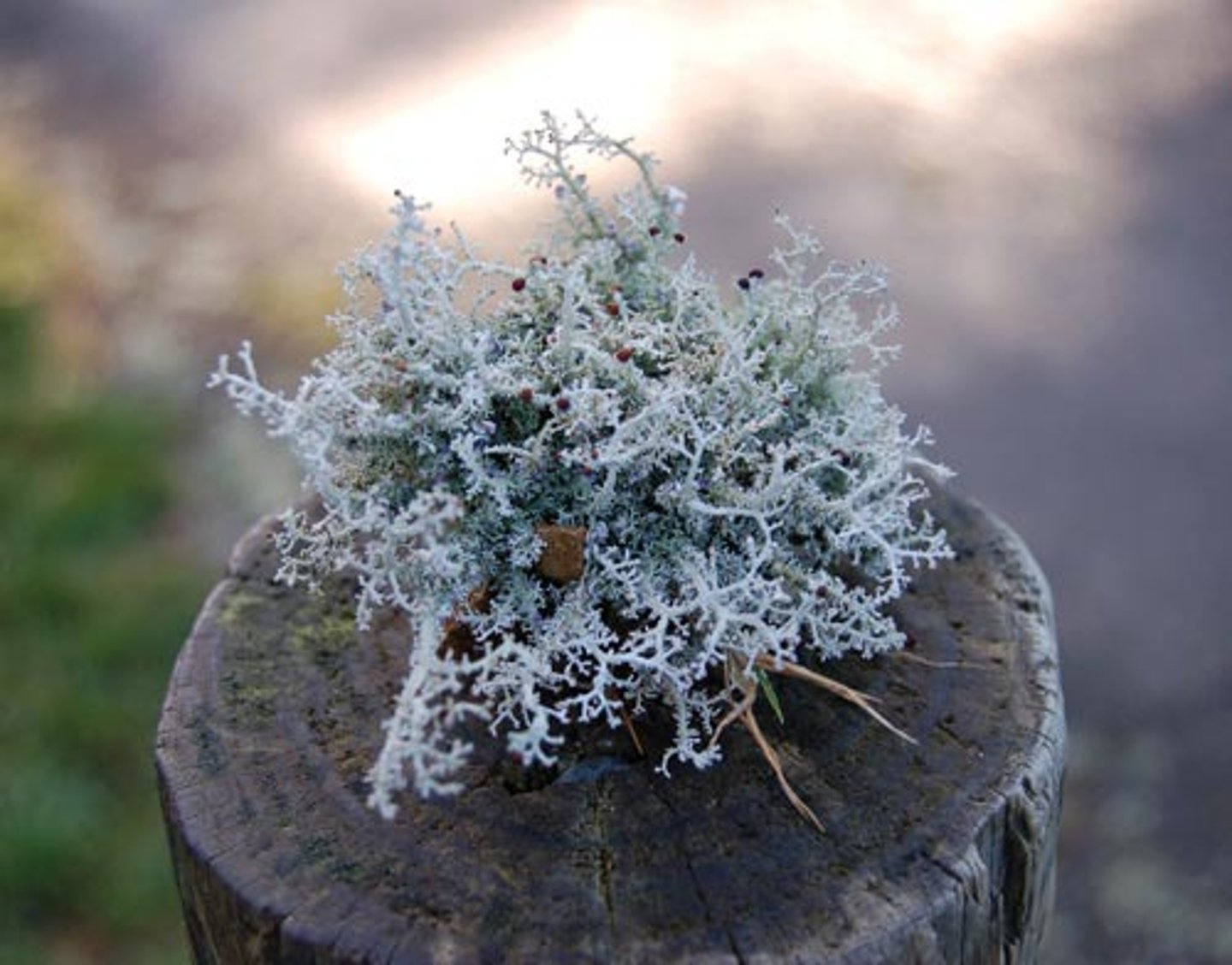
Fruticose
shrub-like/hairy lichen
Endophyte
endosymbiont that lives within a plant for at least part of its life without causing apparent disease
-improved resistance to herbivores
-improves ability to tolerate abiotic stressors
Laboulbeniomycetes
Labbies
-apparent parasitic relationship, though no harm is known to be caused
-found on the antennae, mouth parts, and other body regions of insects, mites, and millipedes
Septobasidum sp.
-fungus covers insect to create a shelter on a plant surface
-provides shelter from the environment, predators, and provides food below the insect
Leaf Cutter Ants
-ants bring leaves to a fungal garden
-ants aid in decomposition with their excrements and protects the fungus from parasites
-ants eat the fungus
-fungus does not produce fruiting bodies
Termitomyces
-fungal garden growing beneath termite mounds
-termites eat plant material and leave excrement for the fungus
-fungus provides enzymes that aid termites in digestion of plant material
-produces fruiting bodies